As a lifestyle writer based in Portland with a passion for environmental sustainability, I’m always exploring ways to enhance my home’s beauty while minimizing its ecological footprint. When it comes to remodeling your kitchen, the flooring you choose plays a pivotal role. It not only supports the entire room but also sets the ambiance and style for your culinary space.
From the enduring appeal of traditional hardwood to cutting-edge, eco-conscious alternatives, today’s kitchen flooring market offers an impressive array of options. In this guide, I’ll introduce you to a dozen innovative flooring ideas designed to refresh your kitchen’s look and improve your cooking and entertaining environment.
Classic Wood Flooring: Enduring Style and Warmth
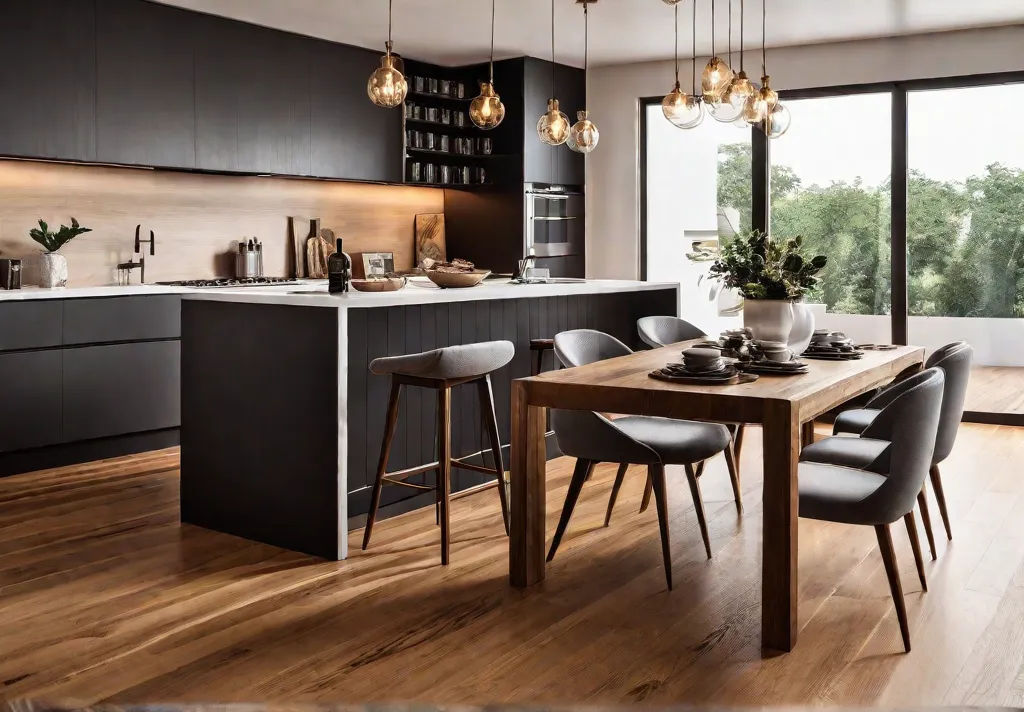
Starting with a perennial favorite-wood flooring. Growing up in Portland, I’ve always appreciated the inviting warmth and natural beauty that wood floors bring to a kitchen. Hardwood remains a sophisticated choice that adds character and resilience, capable of handling the hustle and bustle of daily kitchen life.
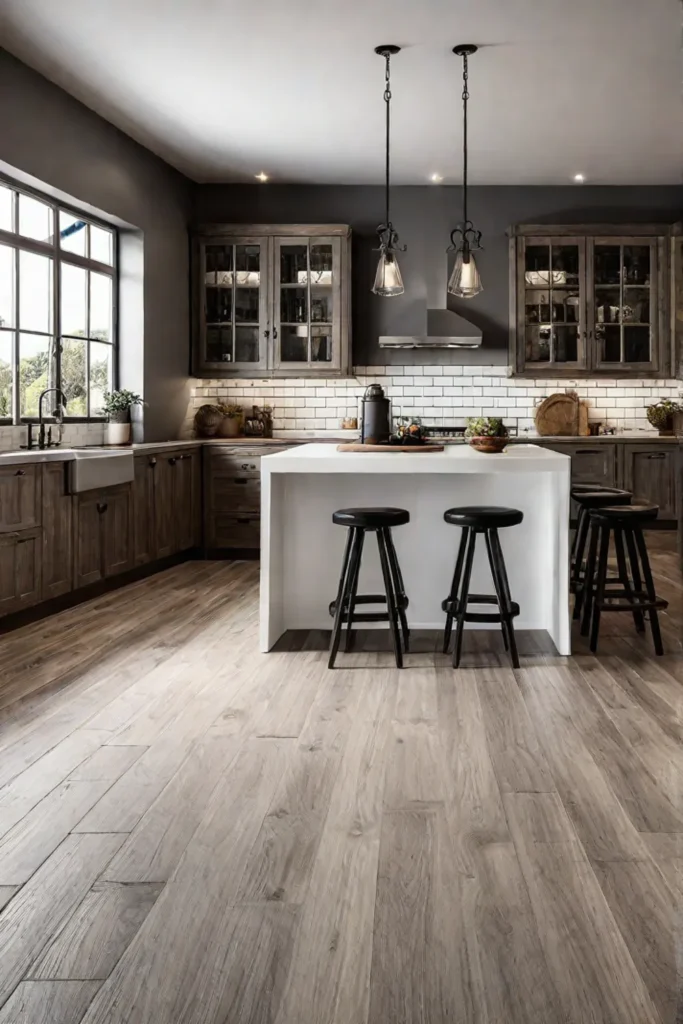
When selecting hardwood, consider species like hickory or walnut for their rich textures and durability. Experimenting with installation patterns such as basket weave or diagonal planks can add a bespoke touch. Remember to apply a high-quality sealant to guard against moisture and spills, ensuring longevity.
Tile Flooring: Flexible and Resilient
For those prioritizing water resistance and ease of upkeep, tile flooring is an excellent pick. Options range from ceramic and porcelain to slate and travertine, each offering a spectrum of colors and textures to personalize your kitchen.
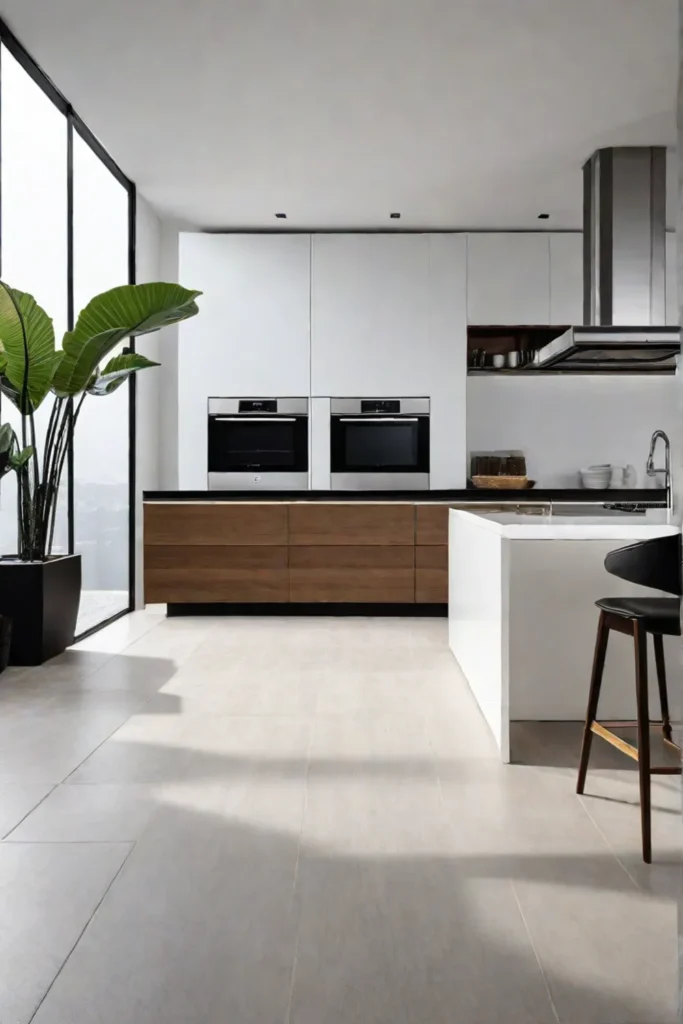
Tiles can be arranged in creative mosaics or large slabs for a sleek, minimalist vibe. Prioritize slip-resistant finishes and durable grout to maintain safety and appearance in a high-traffic kitchen setting.
Luxury Vinyl Plank Flooring: Modern and Practical
If you admire the look of wood or stone but want a cost-effective and straightforward installation, luxury vinyl plank (LVP) flooring is a compelling alternative. Advances in manufacturing have made LVP remarkably realistic and robust.
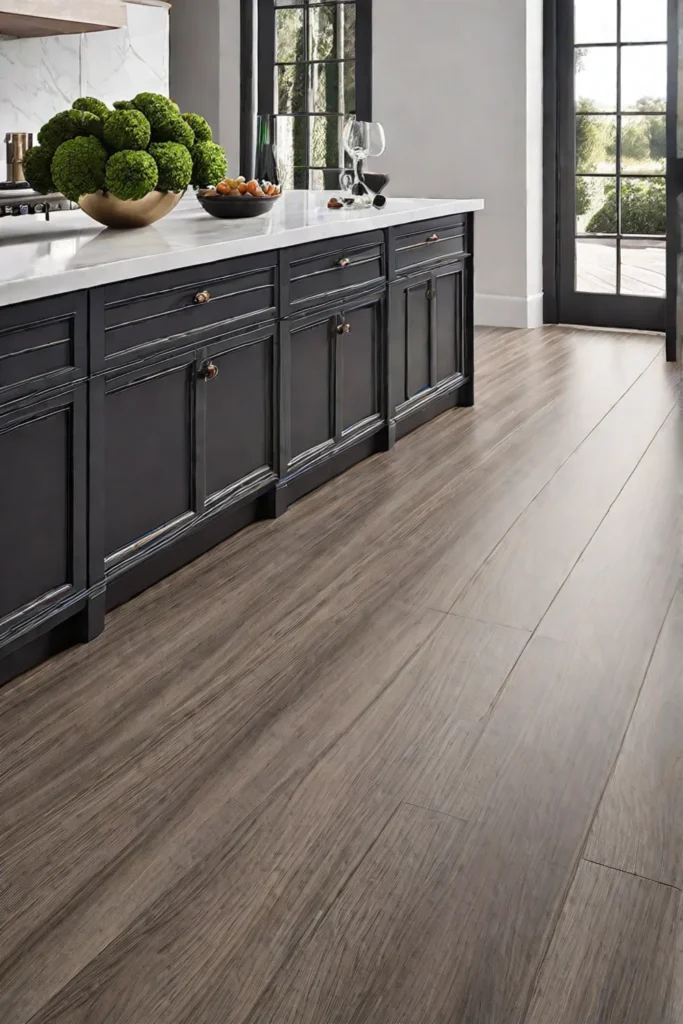
LVP’s waterproof and scratch-resistant qualities make it ideal for kitchens. It can convincingly replicate wood, stone, or concrete textures, offering a luxurious appearance without the premium price. The cushioned core also provides comfort and noise reduction, perfect for busy households.
Concrete Flooring: Modern and Energy Efficient
Concrete floors bring a sleek, industrial edge to kitchen design. Beyond their minimalist aesthetic, concrete is highly durable and easy to maintain. It can be customized with stains, dyes, or polished finishes to match your personal style.
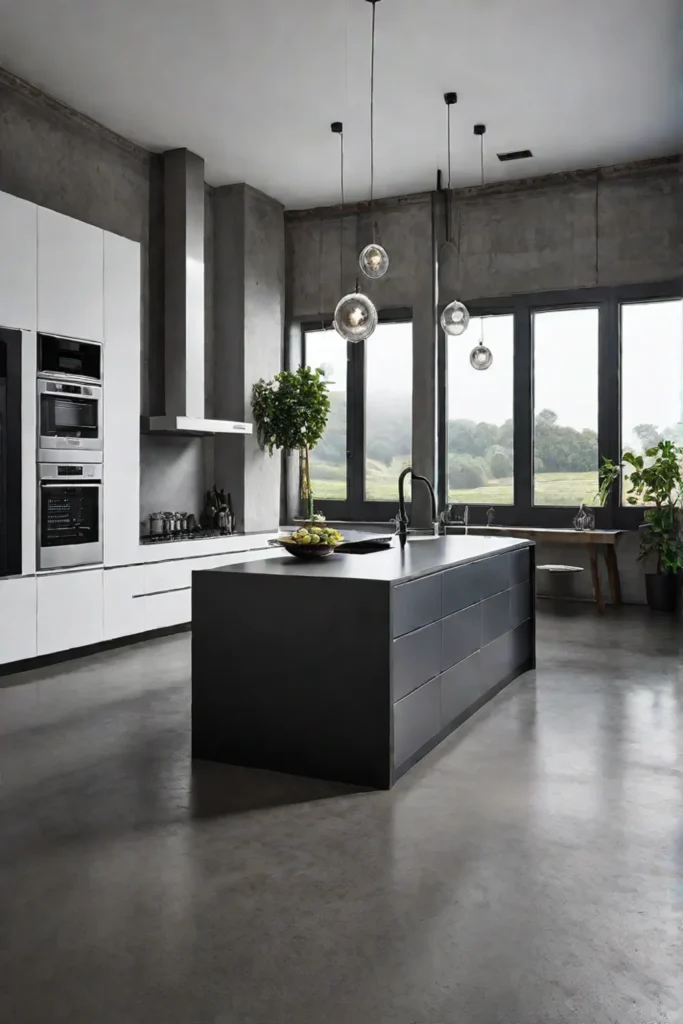
Concrete’s thermal mass helps regulate indoor temperatures, contributing to energy savings. Integrating radiant heating beneath the surface can add cozy warmth during colder months. Proper sealing is essential to protect against stains and wear.
Natural Stone Flooring: Luxury and Durability
For a kitchen that exudes sophistication, natural stone flooring is unmatched. Stones like granite, marble, and slate offer timeless elegance and exceptional durability, making them ideal for high-traffic areas.
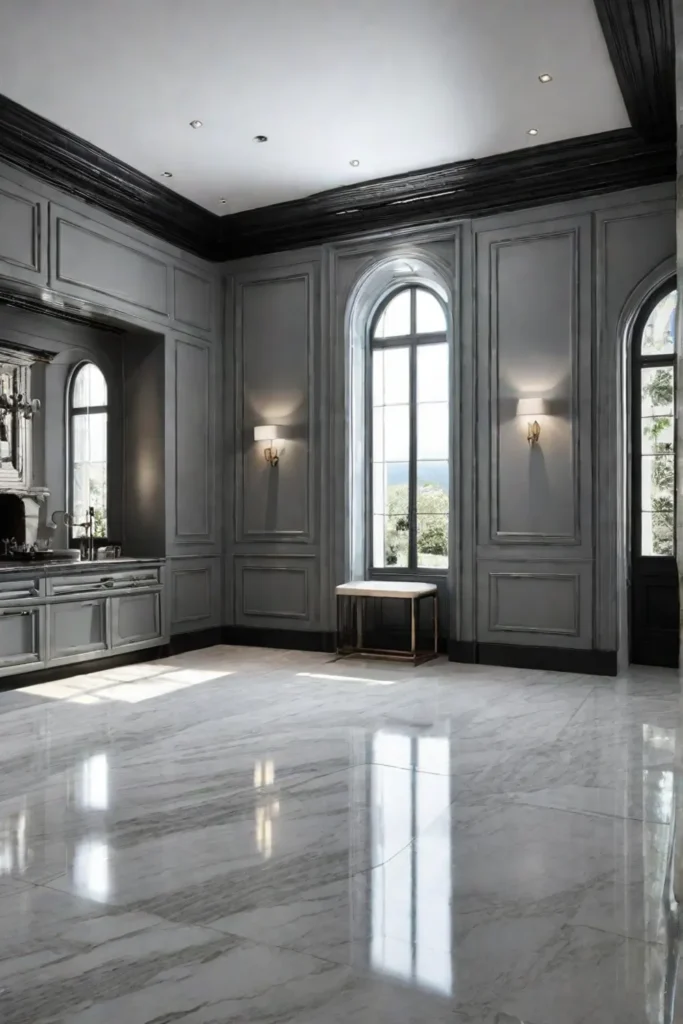
While stone floors require more upkeep to prevent staining and scratches, regular sealing and gentle cleaning will keep them looking pristine for years. Their natural variations add unique character to your kitchen.
Laminate Flooring: Budget-Friendly and Attractive
Laminate flooring has evolved into a highly convincing and affordable alternative to hardwood or tile. It offers a broad selection of wood and stone-inspired designs that can suit various kitchen styles.
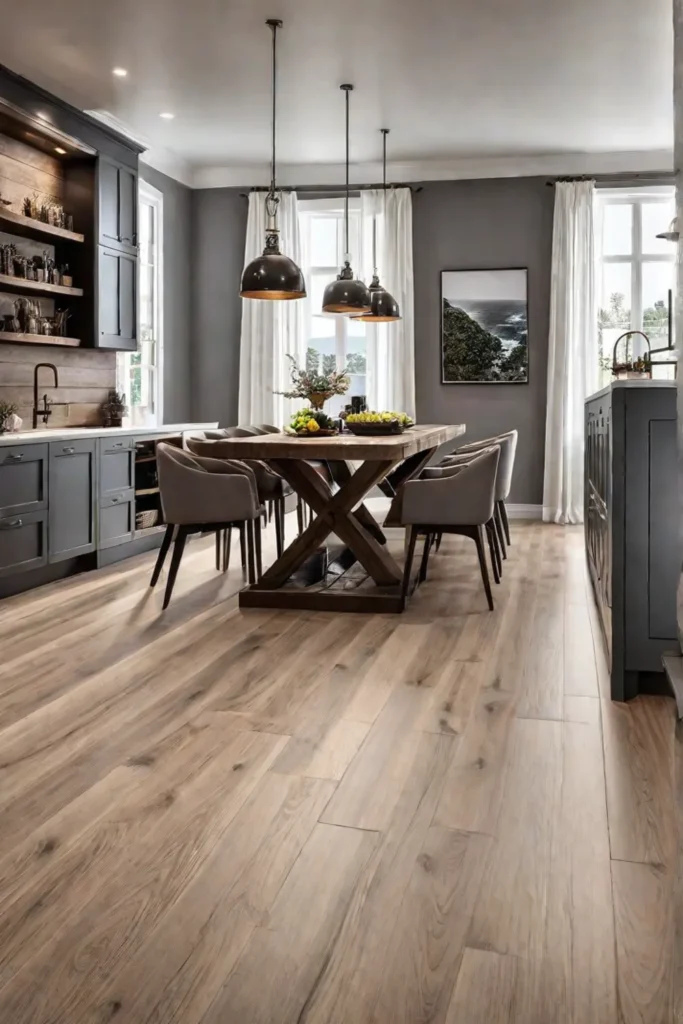
Laminate is prized for its resistance to scratches, stains, and moisture, making it well-suited for kitchens. Its straightforward installation process makes it a popular choice for DIY enthusiasts. Opt for products with a thick wear layer for enhanced durability.
Cork Flooring: Eco-Friendly and Soft Underfoot
If sustainability and comfort are priorities, cork flooring is a standout option. Harvested from renewable tree bark, cork is biodegradable and offers excellent thermal and acoustic insulation.
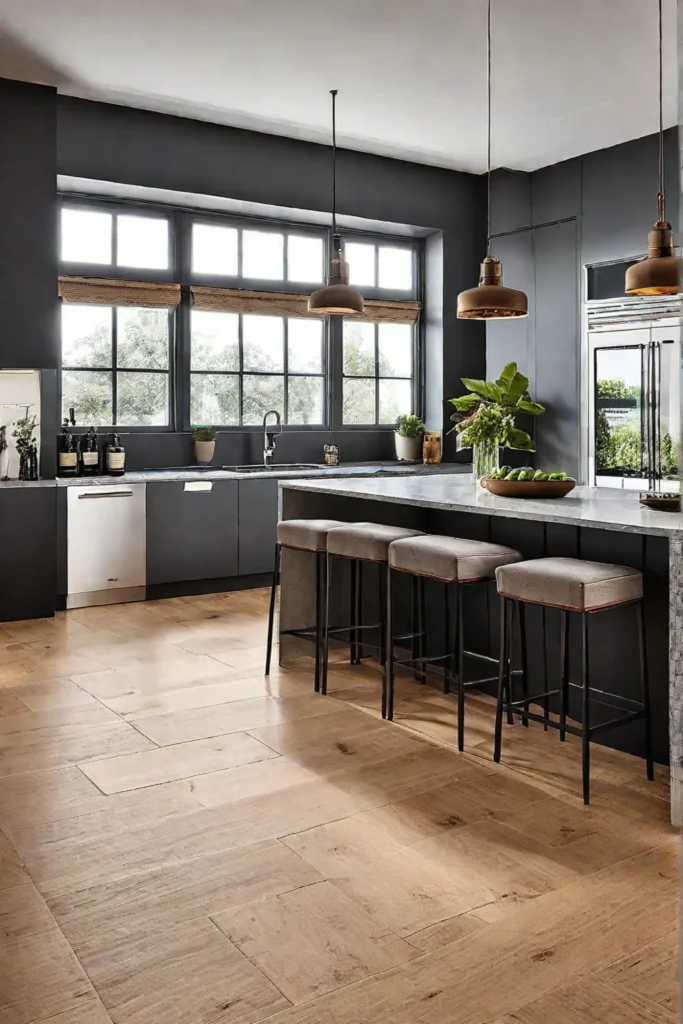
Its natural resistance to moisture, mold, and mildew makes cork a practical choice for kitchens. The cushioned surface reduces fatigue during long cooking sessions, and its variety of colors and patterns can add warmth and personality.
Bamboo Flooring: Renewable and Resilient
Bamboo is an excellent sustainable flooring material, known for its rapid growth and minimal environmental impact. Despite being a grass, bamboo boasts impressive hardness, often surpassing traditional hardwoods in durability.
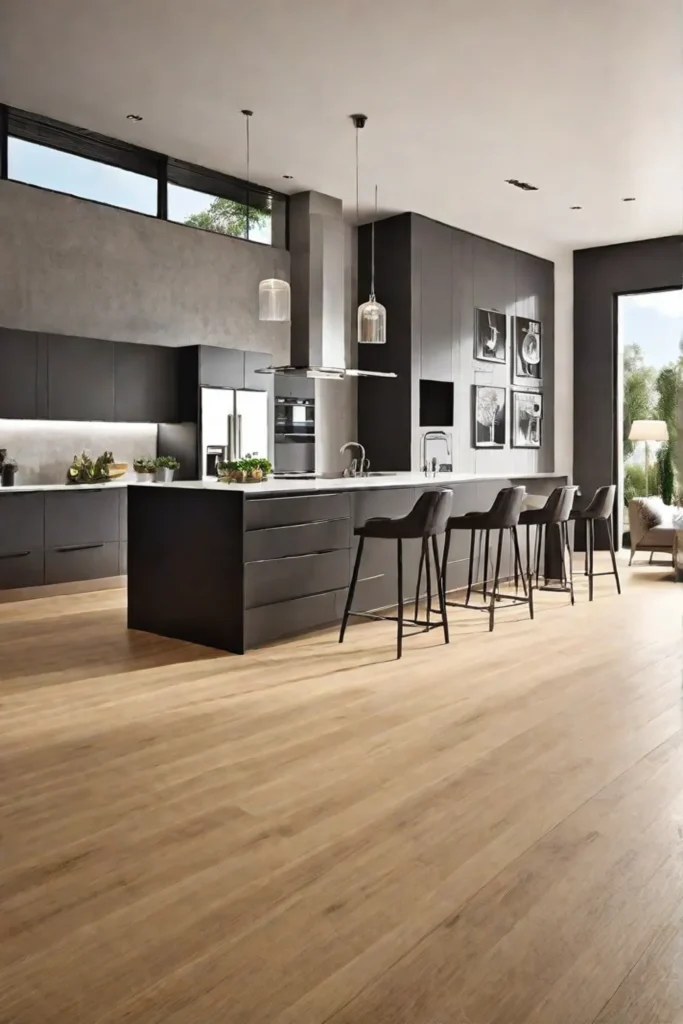
Available in natural, vertical, or strand-woven styles, bamboo offers versatility in design. Its inherent moisture resistance makes it suitable for kitchens, but selecting a high-quality product with a durable finish is key to long-lasting performance.
Linoleum Flooring: Natural and Durable
Linoleum is another environmentally friendly flooring choice crafted from renewable resources such as linseed oil, wood flour, and cork dust. It’s known for its durability and longevity in kitchen environments.
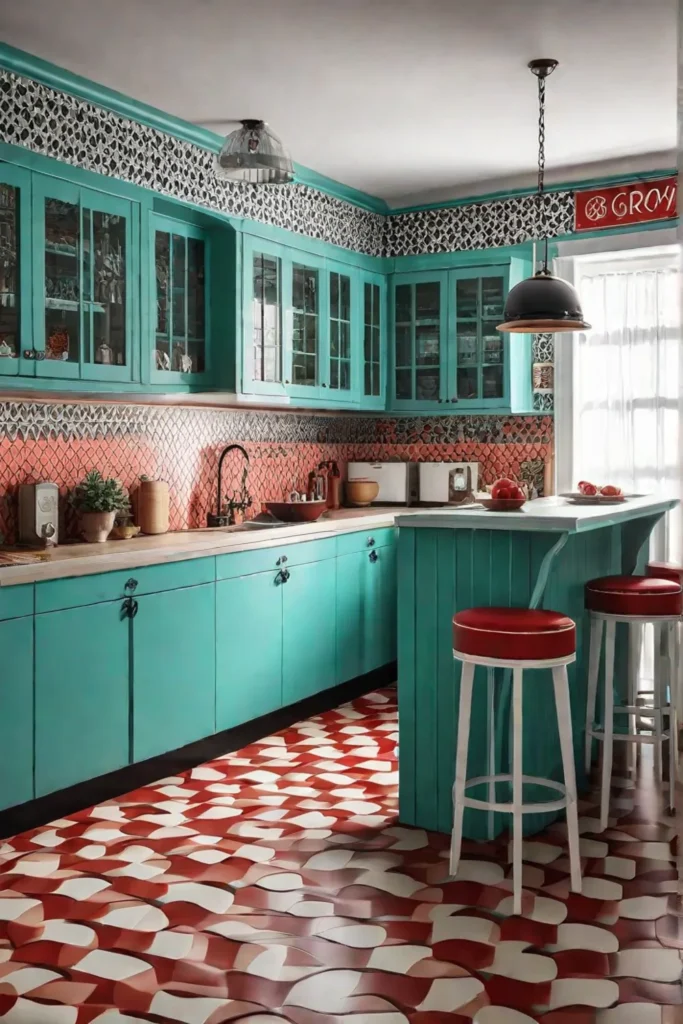
Linoleum resists stains and wear naturally and is available in a wide array of colors and patterns, including retro and contemporary designs. It’s a cost-effective alternative that, with proper installation and upkeep, can last for decades.
Custom Floors: Patterned and Painted for Personal Flair
For those eager to infuse personality into their kitchen, patterned or painted floors offer a unique canvas. This approach allows for bold geometric shapes or subtle tonal variations that can become a focal point of your design.
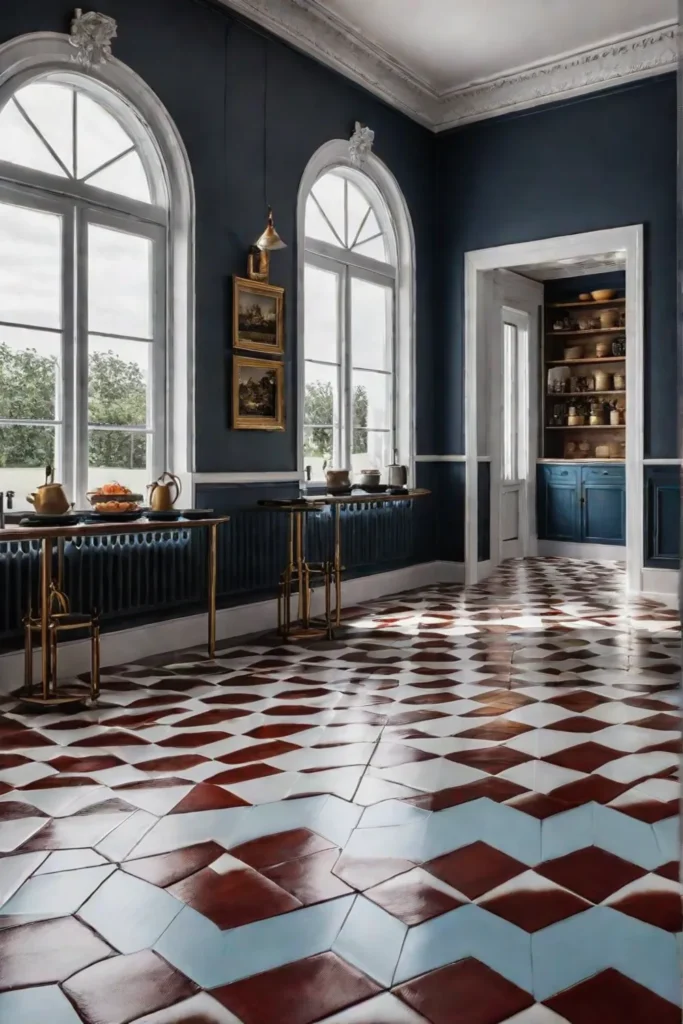
Using premium paints and sealants ensures your custom floor withstands the rigors of kitchen life while maintaining its vibrant appearance.
Hybrid Flooring: The Best of Both Worlds
Hybrid flooring merges the aesthetic appeal of natural materials like wood or stone with the practicality and affordability of synthetic cores. This fusion results in floors that are both stylish and resilient.
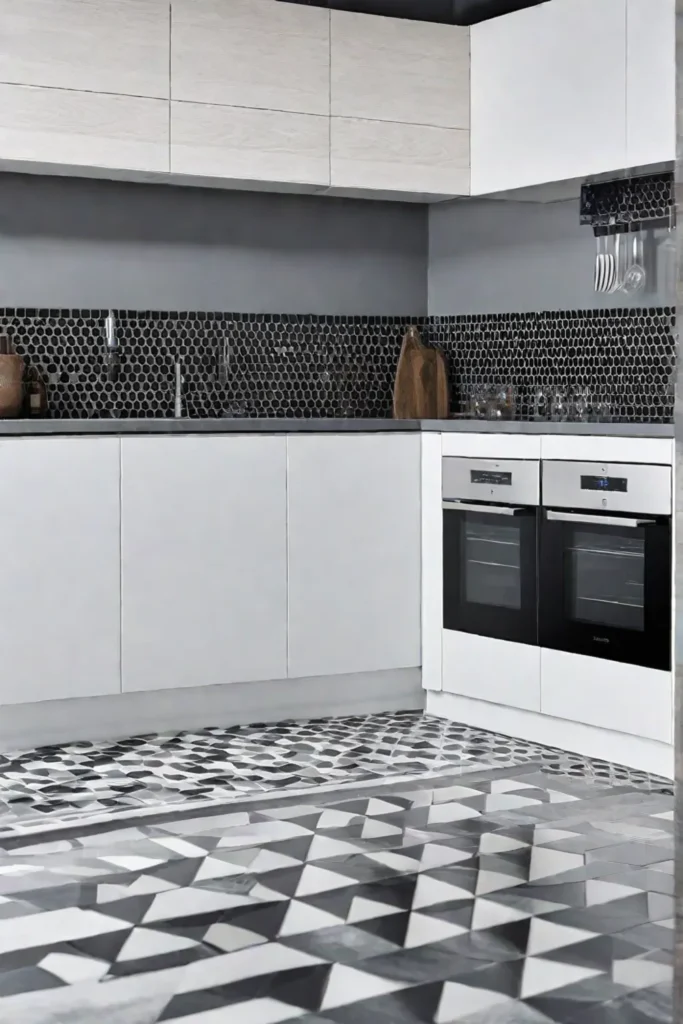
Many hybrid floors feature waterproof cores and cushioned surfaces that provide comfort and sound absorption, making them ideal for kitchens. Their diverse design options allow you to achieve a luxurious look without overspending.
Outdoor-Inspired Flooring: Seamless Indoor-Outdoor Style
Incorporating outdoor-inspired flooring materials can create a striking and unexpected kitchen atmosphere. Think weathered concrete, expansive outdoor tiles, or textured natural stone that blurs the line between inside and out.
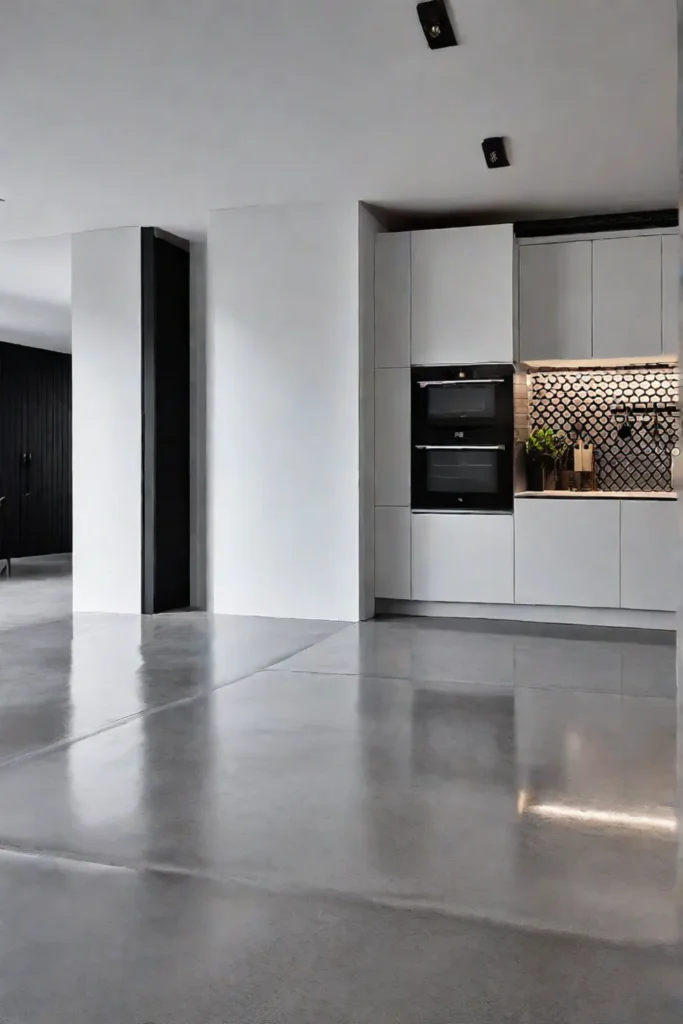
Ensure the materials chosen are suitable for indoor use and provide adequate slip resistance to maintain safety. With thoughtful selection and installation, outdoor-inspired floors can turn your kitchen into a stylish retreat.
Final Thoughts: Choosing the Right Kitchen Flooring
As demonstrated, the variety of innovative kitchen flooring options available today is vast and exciting. Whether you prefer the classic charm of hardwood, the practicality of tile, or the eco-conscious appeal of cork and bamboo, there’s a perfect floor to match your taste and lifestyle.
By weighing factors such as design, durability, maintenance, and budget, you can select a flooring solution that not only enhances your kitchen’s aesthetic but also supports your daily activities. Ready to embark on your kitchen transformation? Explore the latest flooring options and start creating a space that truly feels like home.
For inspiration and to shop for quality flooring materials, check out these options on Amazon Kitchen Flooring, Hardwood Flooring, and Luxury Vinyl Plank Flooring.