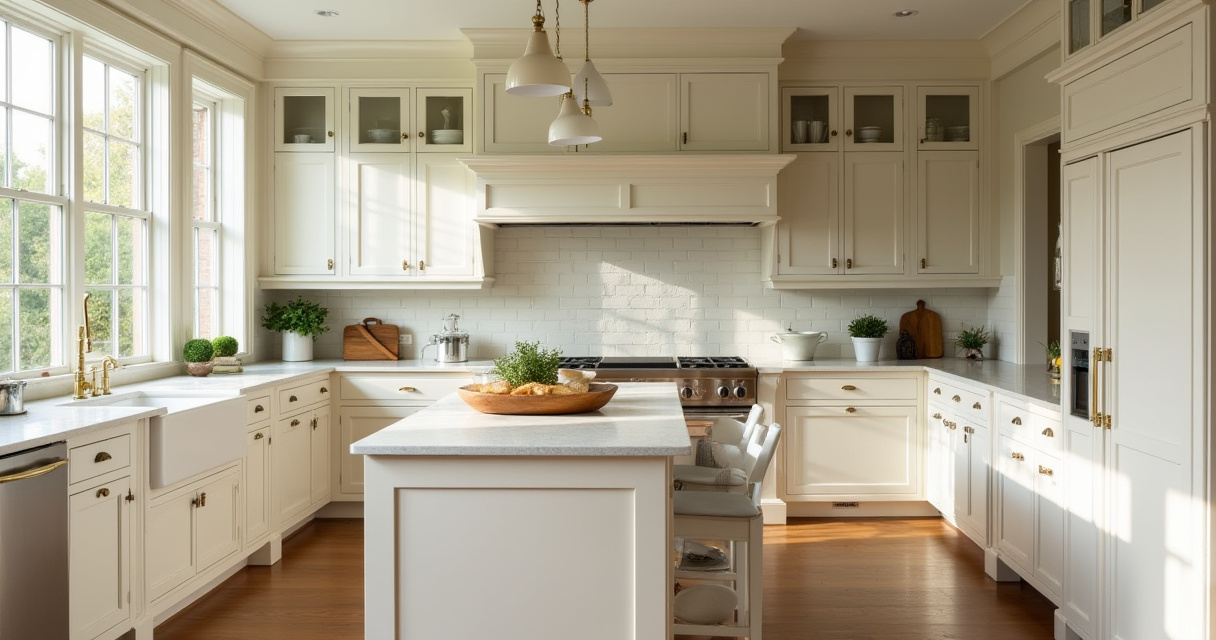
Have you ever noticed how many so-called “traditional” kitchens on Pinterest feel utterly uninspired? You know the type: all-white schemes, a generic farmhouse sink, and perhaps some brass fixtures that will quickly feel outdated. That’s not authentic traditional design-it’s more like a caricature. I once believed that crafting a genuine traditional kitchen meant ticking off a list of historical elements. But after spending over a decade capturing homes for architectural publications, I discovered the true essence.
The key lies in mastering proportion, embracing material authenticity, and valuing craftsmanship. Traditional design isn’t about replicating a museum exhibit; it’s about applying time-tested principles to create a space that feels rooted and inviting. The clutter of fleeting fads-the latest tile craze or trendy paint color-distracts from what truly matters: the room’s fundamental structure. I recall a client who invested heavily in a kitchen that checked all the “traditional” boxes but used hollow-core doors and cheap hardware. From afar, it looked fine, but up close, it felt like a stage set-superficial and soulless.
Let me share the insights I wish I’d had from the start. Below are practical guidelines and principles that genuinely work, explained with clarity and purpose.
Laying the Groundwork for a Timeless Traditional Kitchen
Before selecting faucets or backsplashes, the foundation must be solid. This goes beyond the floor plan-it’s about the architectural framework of the space. Early choices regarding layout, color schemes, and built-in features will determine the success of your kitchen. Nail this phase, and the rest flows naturally. Miss the mark, and you’ll wrestle with a room that never quite feels right.
Focus on Practical Layouts That Serve Your Family
A kitchen that’s difficult to navigate will never feel comfortable, no matter how stunning it looks. Resist the urge to mimic sprawling, open-concept layouts popular in magazines if your household actually cooks regularly. The classic work triangle-linking sink, stove, and refrigerator-remains a gold standard because it promotes efficiency and smooth workflow. The goal is to make moving from fridge to prep area to cooktop feel natural and effortless.
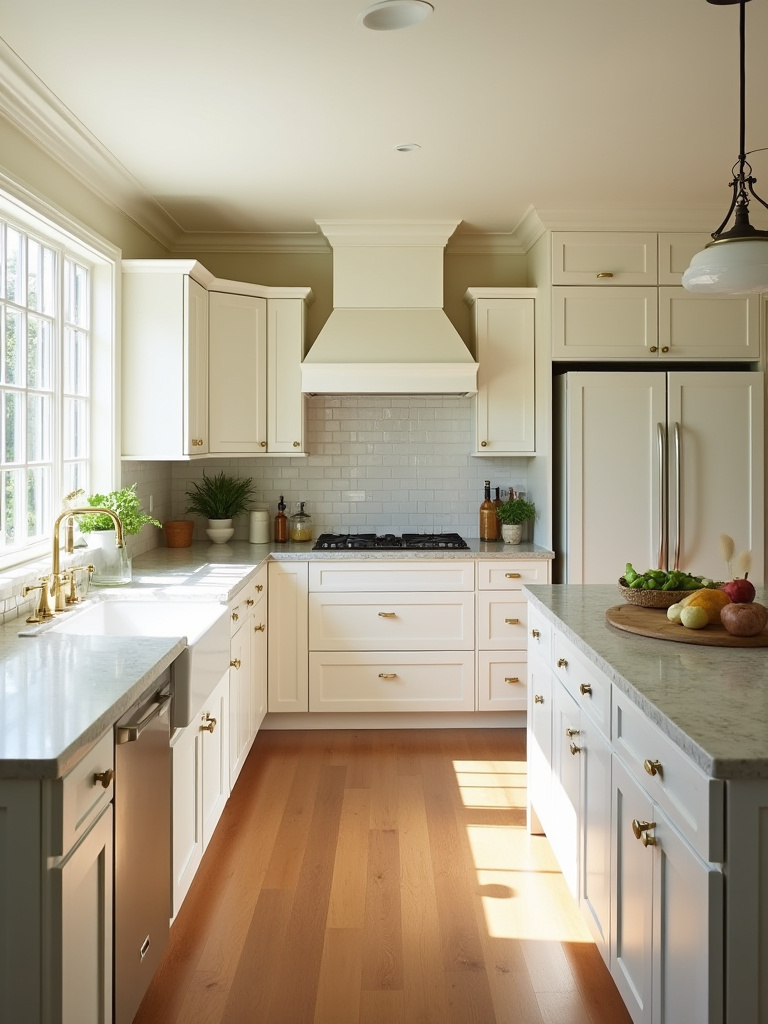
I once photographed a kitchen with an enormous 20-foot island. While visually impressive, the homeowner admitted it was a logistical nightmare, requiring her to walk around it multiple times just to prepare meals. A truly traditional kitchen respects human scale and anticipates your movements rather than forcing awkward navigation. Before finalizing your design, simulate daily tasks like brewing coffee, unloading groceries, and cooking complex dishes. If it feels clunky on paper, it will be frustrating in practice.
Opt for Enduring Color Schemes That Age Gracefully
As a photographer, I can attest that light and color define a space. Traditional kitchens thrive on palettes that feel organic and timeless. Consider warm whites, soft ivories, gentle grays, rich navy blues, and subdued greens. These hues possess depth and interact beautifully with natural light throughout the day, shifting subtly in ways that bold, primary colors cannot. They create a refined backdrop that highlights the quality of your materials.
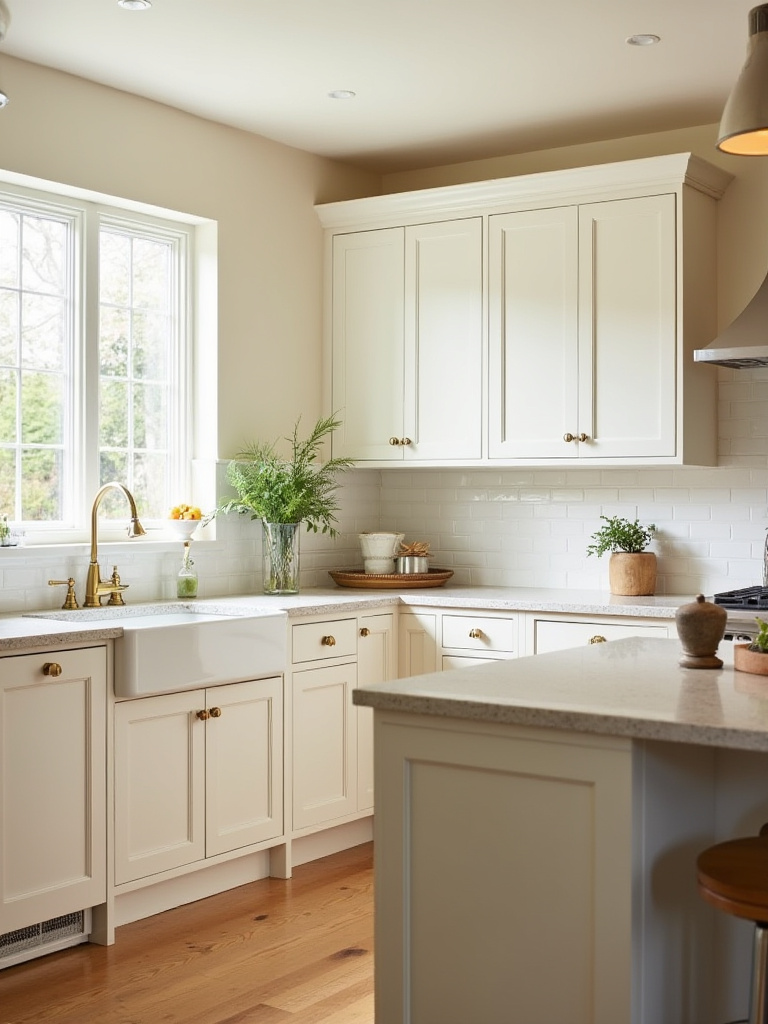
A common pitfall is selecting a “white” paint without considering undertones. A cool, blue-tinged white can clash with warm wood flooring, creating a sterile atmosphere. Conversely, a creamy white with yellow undertones harmonizes beautifully. Always test large paint samples on various walls and observe them at different times of day. Colors that look perfect in morning sunlight may appear harsh or dull under artificial lighting.
Choose Classic Cabinet Designs with Quality Construction
Cabinetry forms the backbone of your kitchen’s architecture. Styles like Shaker or raised panel are timeless choices-think of them as the denim jeans and white tee of kitchen design. Shaker doors offer clean, simple lines that create subtle shadows and depth without excess ornamentation. Raised panel doors provide a more formal, detailed aesthetic with beveled edges that catch light elegantly.
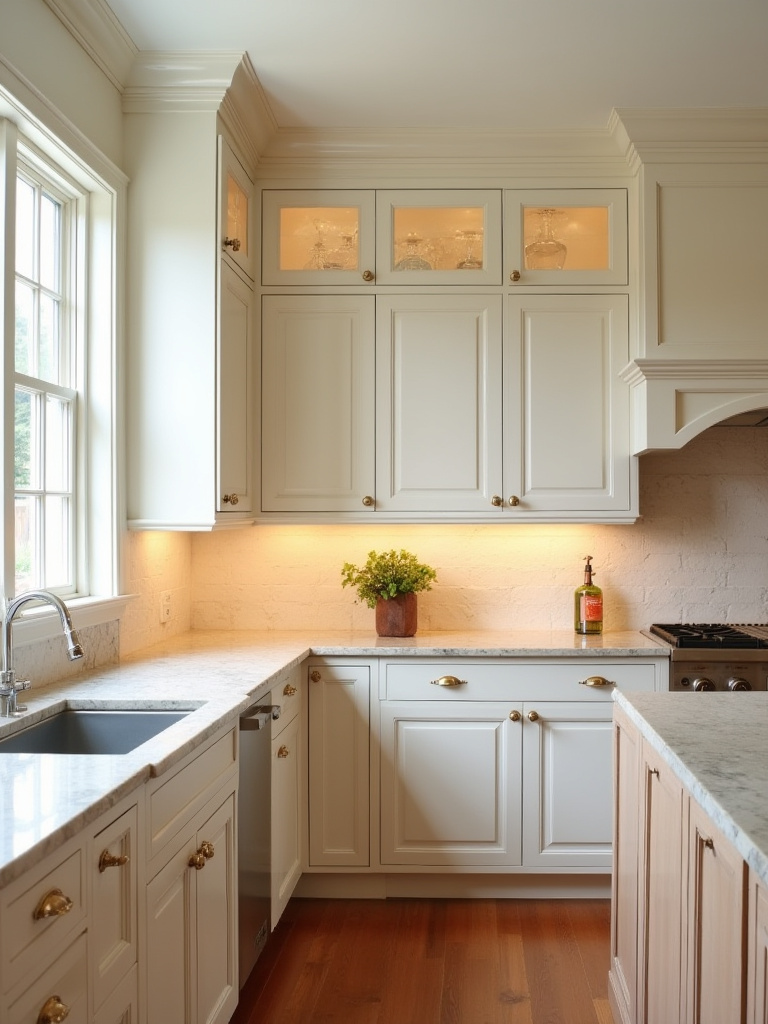
However, style is only part of the equation. The true value lies in materials and craftsmanship. Opt for solid wood frames and durable joinery like dovetail drawer construction. Well-made cabinets feel substantial and resist warping or sagging. Investing in quality cabinetry pays off in longevity and daily usability. Cheap alternatives may look fine initially but won’t endure the rigors of a busy kitchen.
Add Architectural Trim to Enhance Depth and Finish
Imagine a kitchen without crown molding-it’s like a painting without a frame, incomplete. Crown molding bridges the gap between cabinets and ceiling, creating a built-in, polished appearance while eliminating dust-collecting voids. Complement this with light rail molding beneath upper cabinets to conceal under-cabinet lighting and provide a refined edge. Baseboards and shoe molding anchor lower cabinets to the floor.
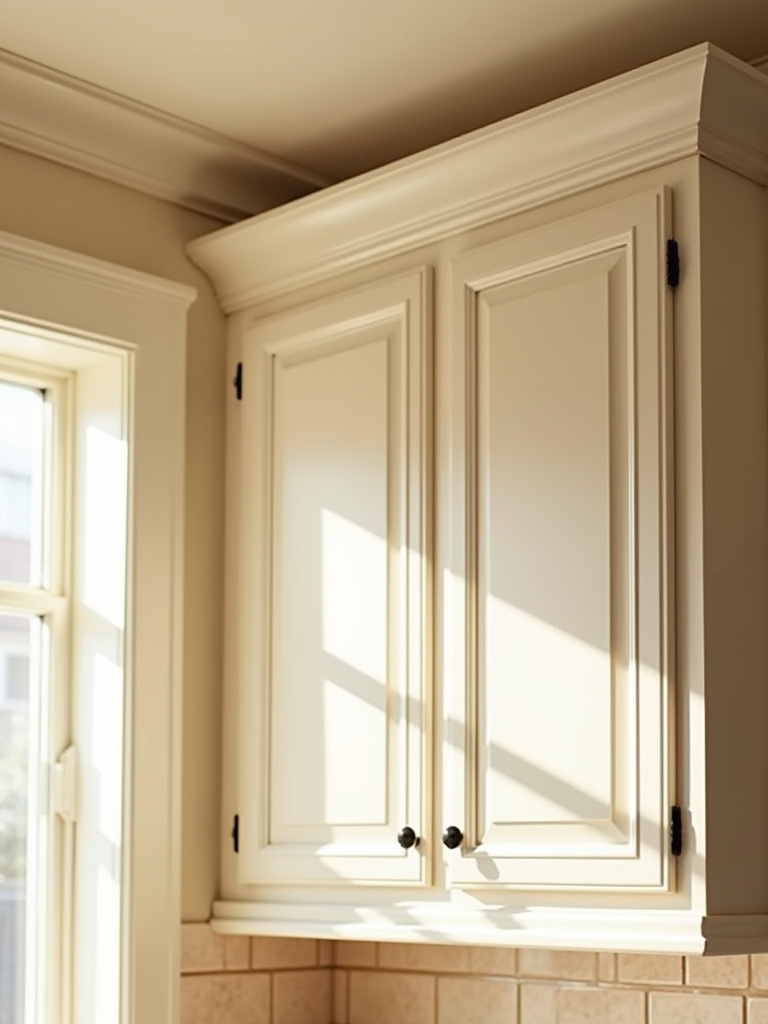
This isn’t about overloading the space with ornate details but about crafting clean, architectural transitions. These subtle layers and shadows add dimension and permanence, distinguishing a high-end design from a standard builder-grade finish. The investment is modest but yields a significant visual upgrade.
Foundational Surfaces and Structural Balance
With the layout and architectural details established, attention turns to the surfaces underfoot and the visual harmony of cabinetry. Flooring and cabinet arrangement are as crucial as the walls themselves in grounding the kitchen.
Select Authentic Flooring Materials for Warmth and Durability
The floor acts as the kitchen’s fifth wall, setting the tactile and acoustic tone. Traditional kitchens feel anchored, and nothing achieves this better than genuine materials like hardwood or natural stone. Wide-plank hardwoods-such as oak, hickory, or walnut-imbue warmth and develop a rich patina over time. Each mark and scratch tells a story, adding character. They also provide comfort underfoot and help dampen noise.
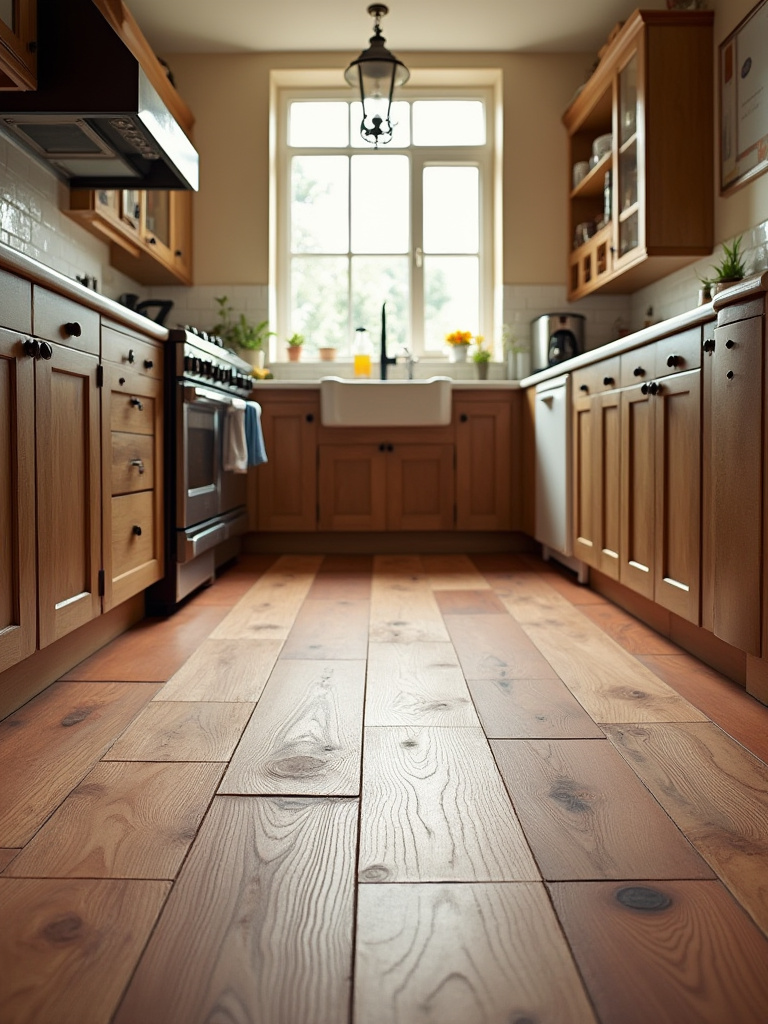
Natural stone options like slate, limestone, or marble offer durability and a tactile connection to nature. A classic black-and-white checkerboard tile pattern adds a playful nod to history. Avoid faux materials such as wood-look tile or inexpensive laminates-they lack the integrity and aging grace of authentic materials. Genuine surfaces mature beautifully, enhancing your kitchen’s story.
Achieve Visual Harmony Through Symmetry and Balance
From a design perspective-and as a photographer, I can’t stress this enough-symmetry is a cornerstone of traditional kitchens. Our brains naturally seek balance and order, which creates a calming effect. This doesn’t require perfect mirroring but rather a sense of equilibrium. For example, a striking range hood can serve as a central anchor, flanked by matching cabinets or windows.
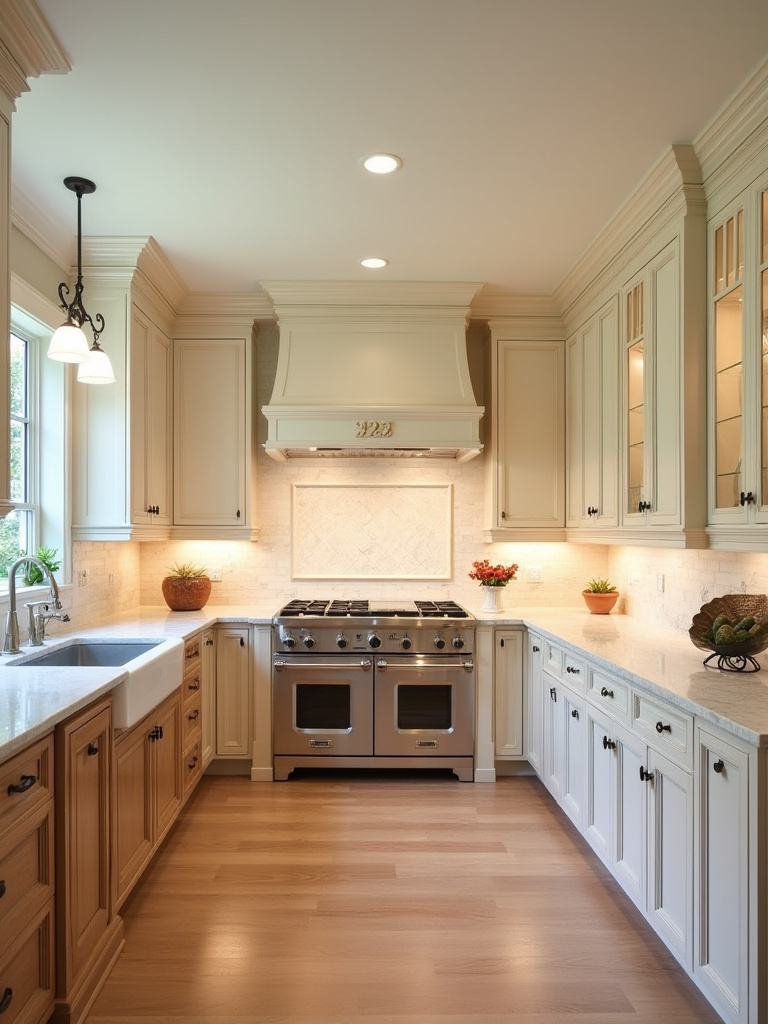
If perfect symmetry isn’t feasible, strive for balance. For instance, a large panel-ready refrigerator on one side can be offset by a tall pantry cabinet of similar scale on the other, creating a visual line that feels intentional and serene. In contrast, a cluttered, asymmetrical layout causes the eye to dart erratically, undermining the tranquil atmosphere traditional kitchens aim to evoke.
Selecting Enduring Fixtures and Surfaces for Classic Appeal
With the room’s framework in place, it’s time to focus on the daily touchpoints: countertops, sinks, and backsplashes. These elements must marry timeless elegance with practical durability.
Opt for Countertops with Understated Elegance and Resilience
Countertops cover a vast visual area, so their material choice is critical. Avoid overly busy or trendy patterns. Traditional kitchens benefit from surfaces with subtle, natural character. Stones like marble, quartzite, or soapstone are perennial favorites. While marble can develop etches and stains, many cherish the patina as a testament to a life well-lived. For a more maintenance-friendly option, quartzite offers marble’s soft appearance with enhanced durability.
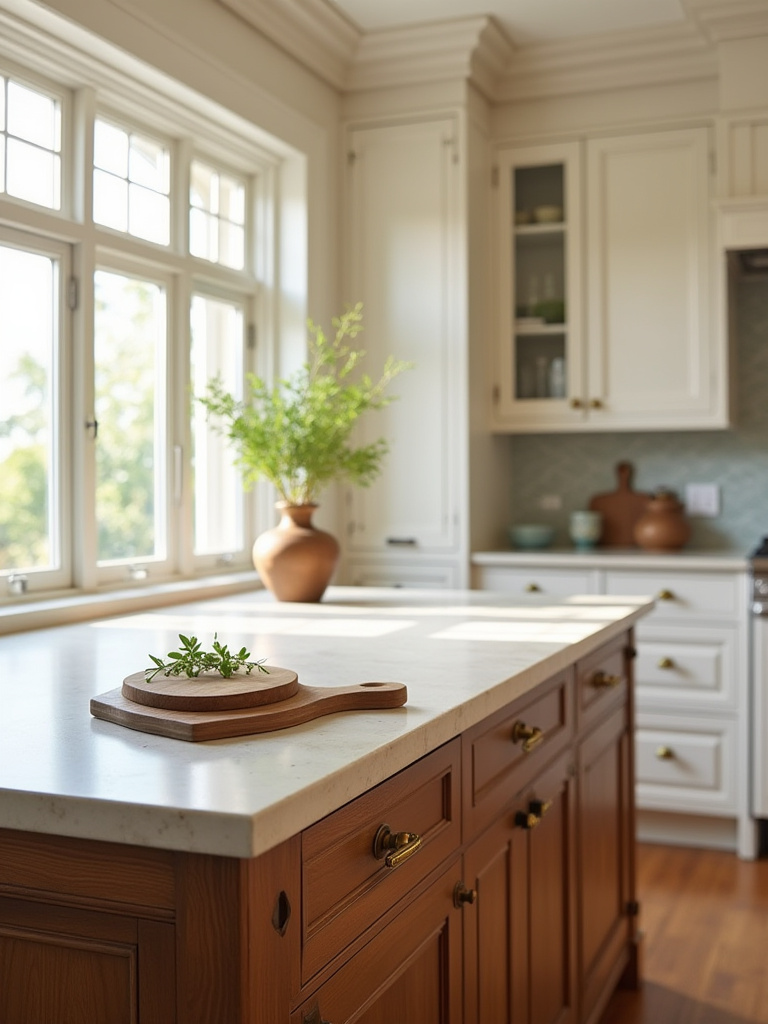
Honed or leathered finishes suit traditional spaces better than glossy surfaces. A honed finish absorbs light, creating a warm, understated ambiance. If choosing engineered quartz, select patterns that subtly mimic natural stone. Steer clear of loud, repetitive designs or sparkly flecks that will date quickly. For [countertops](https://www.amazon.com/s?k=countertops&tag=blogfizzb-20), explore options that combine beauty with longevity.
Incorporate Classic Backsplash Designs for Timeless Texture
The backsplash offers a chance to introduce texture without overwhelming the space. Ceramic subway tile remains a steadfast classic, favored for over a century. The charm lies in the details: handmade tiles with slight surface variations catch light beautifully, adding subtle depth absent in perfectly flat, machine-made tiles. Grout color also plays a role-matching grout creates a seamless look, while contrasting grout introduces a bold, graphic element that leans modern or industrial.
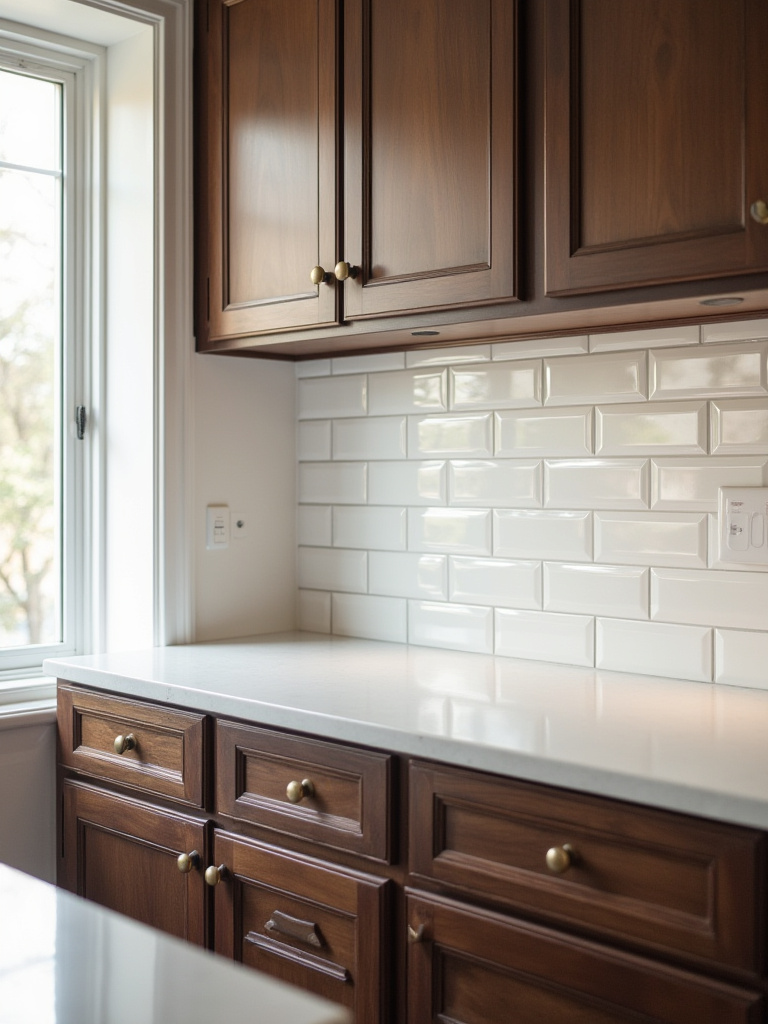
Beadboard is another excellent backsplash choice, adding vertical lines and a cozy, rustic charm ideal for farmhouse or cottage-style kitchens. Finished in durable, wipeable semi-gloss paint, it’s as practical as tile but offers a softer, more inviting aesthetic. For [backsplash tile](https://www.amazon.com/s?k=backsplash+tile&tag=blogfizzb-20), consider these timeless options that blend function with character.
Select Authentic Sinks and Faucets for Traditional Character
The sink and faucet are the kitchen’s most frequently used fixtures, so they must combine tactile comfort with visual appeal. Apron-front or farmhouse sinks, crafted from fireclay or cast iron, provide a substantial, grounded feel that standard stainless steel undermounts lack. They serve as a commanding anchor in the cleaning zone.
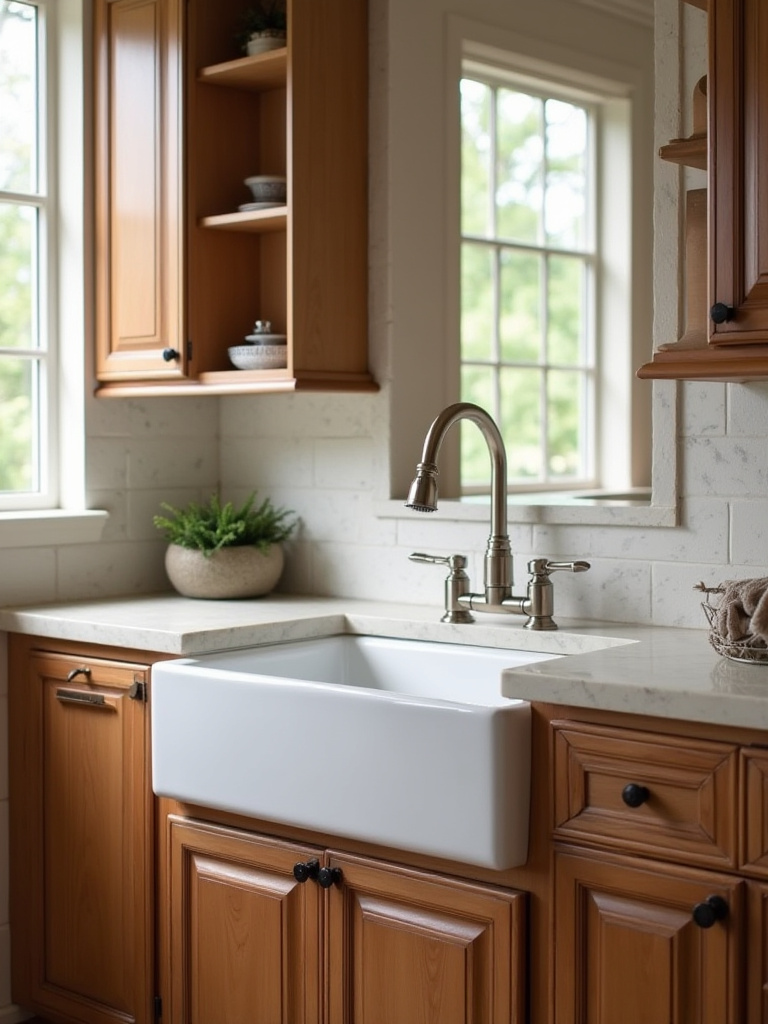
For faucets, classic designs like bridge faucets or gooseneck spouts with lever or cross handles are ideal. Pay close attention to finishes: polished nickel offers a warm, soft silver tone; unlacquered brass develops a rich patina over time; oil-rubbed bronze provides a deep, elegant contrast. Choose fixtures that feel robust and well-engineered-this is not the place to cut corners. Explore [kitchen faucets](https://www.amazon.com/s?k=kitchen+faucets&tag=blogfizzb-20) that combine style and durability.
Seamlessly Integrate Modern Appliances with Custom Panels
Nothing disrupts the timeless feel of a traditional kitchen like large, exposed stainless steel appliances. If your budget permits, panel-ready appliances are transformative. These units accept custom cabinet panels that match your cabinetry, allowing refrigerators and dishwashers to blend invisibly into the design.
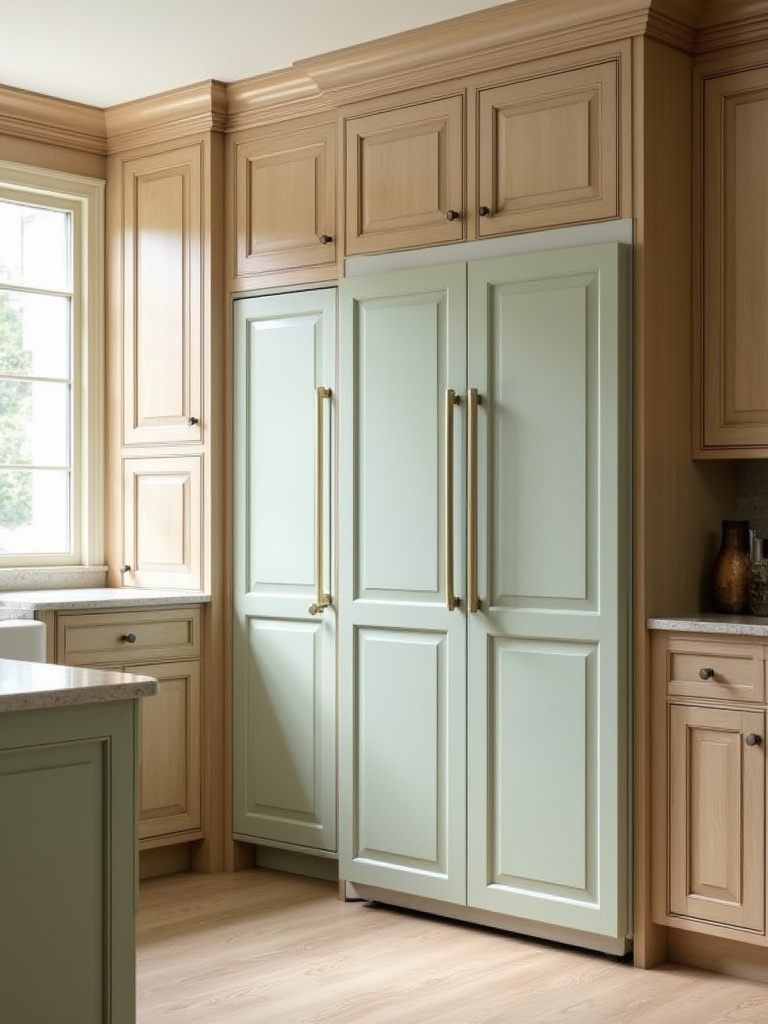
This approach creates a continuous, elegant wall of millwork, elevating the kitchen from a utilitarian space to a refined living area. Concealing appliances allows the design to focus on craftsmanship and cohesion rather than machinery.
Elevating Traditional Kitchen Design with Statement Features
Having addressed the core surfaces and layout, it’s time to consider the eye-level elements that define the room’s character-the range hood and lighting fixtures. These features set the tone and mood.
Make the Range Hood a Striking Focal Point
In the kitchen, the range hood is akin to the hearth in a home-it deserves to be an architectural centerpiece, not just a functional box. Custom-built hoods can match cabinetry for a seamless look or contrast with materials like curved plaster, reclaimed wood, hammered copper, or aged zinc for dramatic effect.
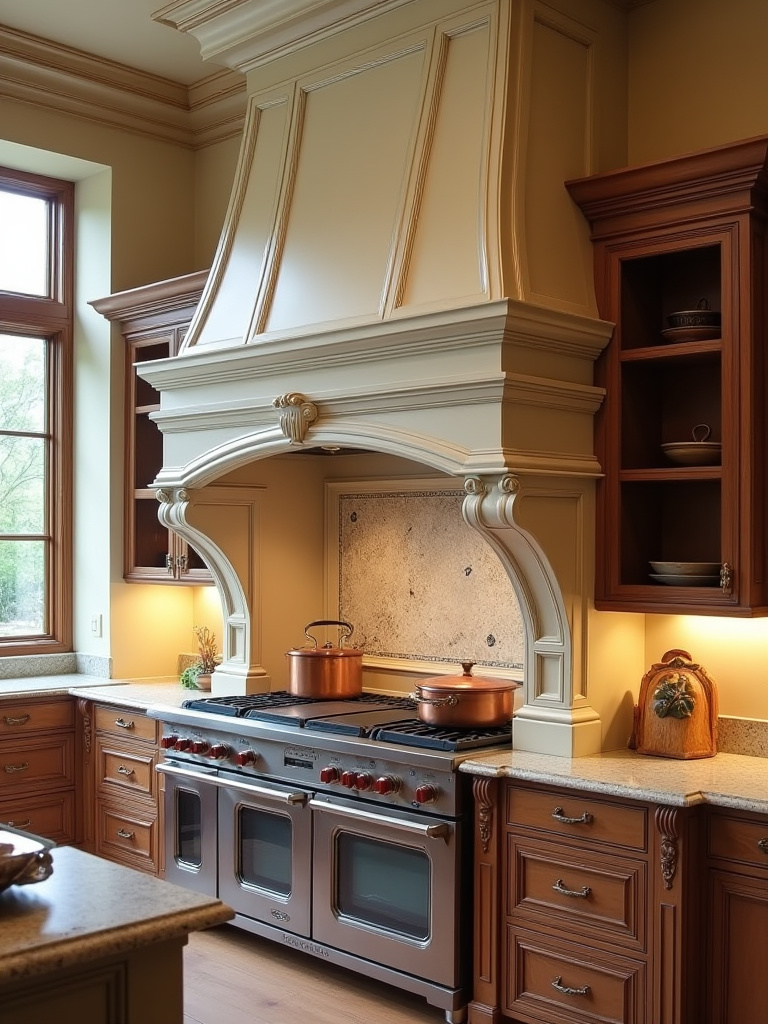
From a design standpoint, the range hood anchors the kitchen’s main wall, providing a central point around which other elements balance. Its size should slightly exceed the cooktop’s width to ensure proper ventilation and visual proportion. This is your opportunity to introduce a sculptural, memorable element-don’t settle for a generic, off-the-shelf model.
Layer Lighting for Function and Ambiance
Lighting is often mishandled in kitchen design. A single overhead fixture won’t suffice. Effective lighting involves three layers working in harmony:
- Ambient Lighting: Provides overall illumination. Options include elegant chandeliers, flush mounts, or multiple pendants that cast a warm, inviting glow.
- Task Lighting: Focused light for work areas. Under-cabinet lights are essential to illuminate countertops without shadows. Pendant lights over islands and sconces above sinks also serve this purpose.
- Accent Lighting: Decorative lighting that highlights features, such as in-cabinet lights showcasing glassware or small picture lights over artwork.
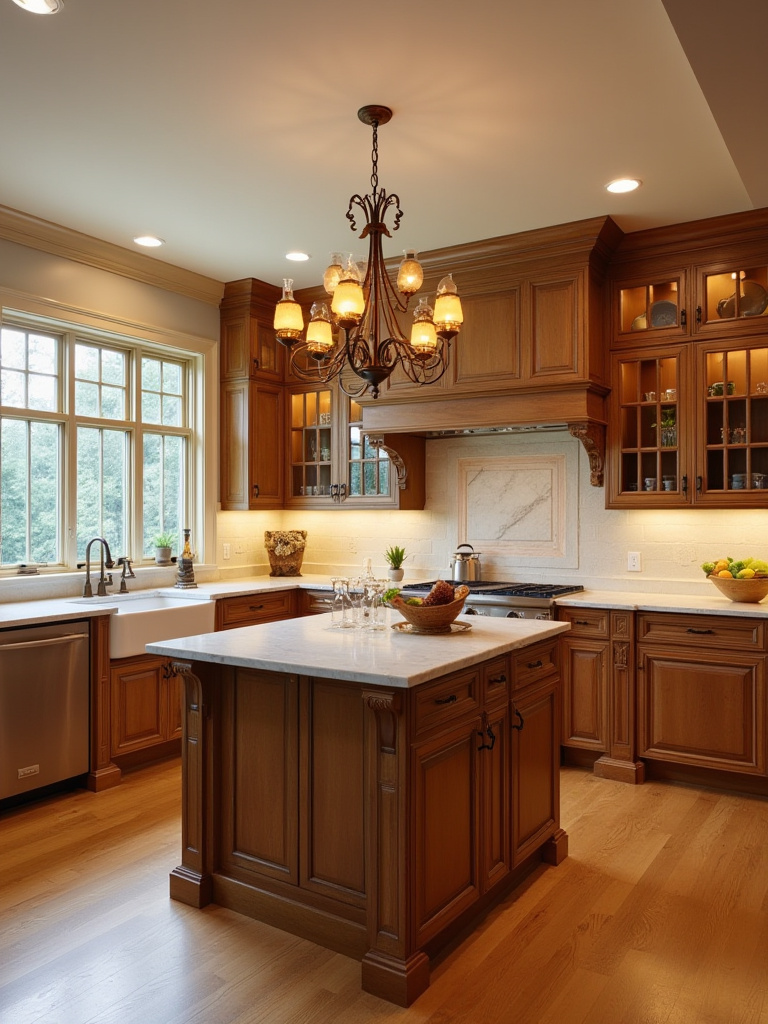
Always install dimmers to control light intensity, allowing seamless transitions from bright cooking light to soft, cozy ambiance for dining.
Adding Personalized Details and Functional Accents
With the major components in place, the final step is layering in details that infuse your kitchen with personality and warmth-elements that make the space feel curated and lived-in.
Select Hardware with Authentic Character
Cabinet hardware acts as the kitchen’s jewelry. Though small, these details profoundly impact the room’s feel. Choose knobs and pulls with weight and texture that invite touch. Avoid sleek, modern bar pulls; instead, opt for classic bin or cup pulls on drawers and simple knobs on doors.
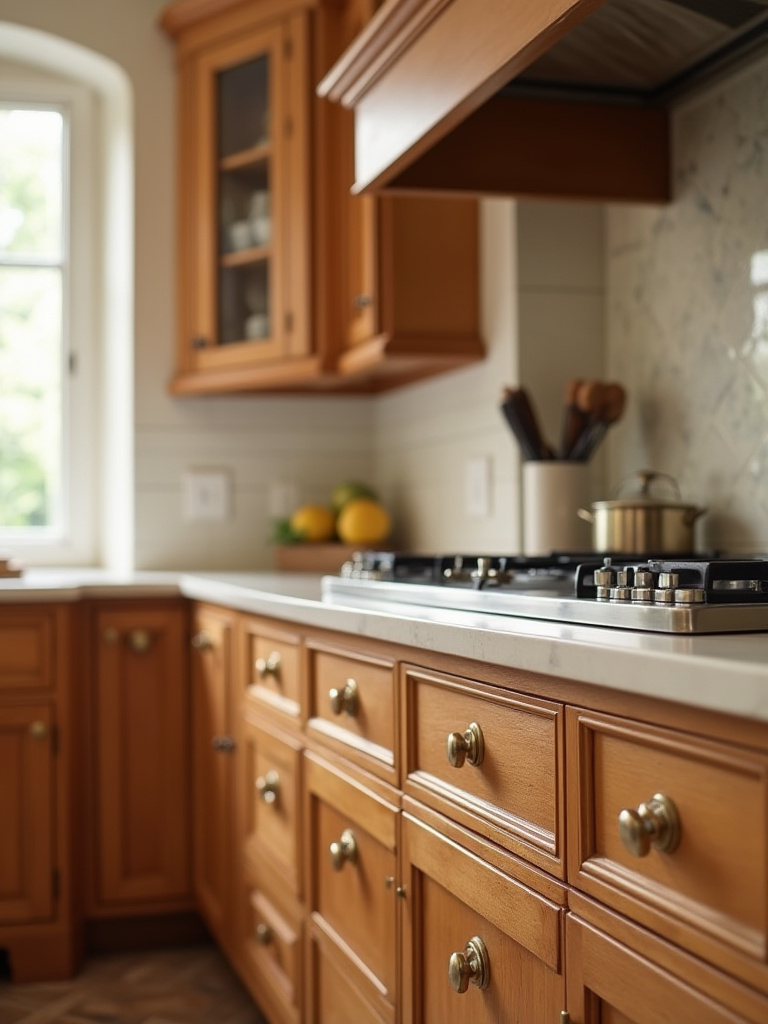
Materials like aged brass, polished nickel, oil-rubbed bronze, and porcelain are excellent choices. Unlacquered brass, in particular, develops a rich patina over time, adding depth and history that epitomize traditional design. This evolving finish is a testament to enduring quality.
Incorporate Open Shelving with Architectural Brackets
While a kitchen full of open shelves can be overwhelming, a modest section can break up solid cabinetry and provide a charming display area for frequently used dishes, cookbooks, or decorative items. This approach softens the space, making it feel more like a home than a sterile workspace.
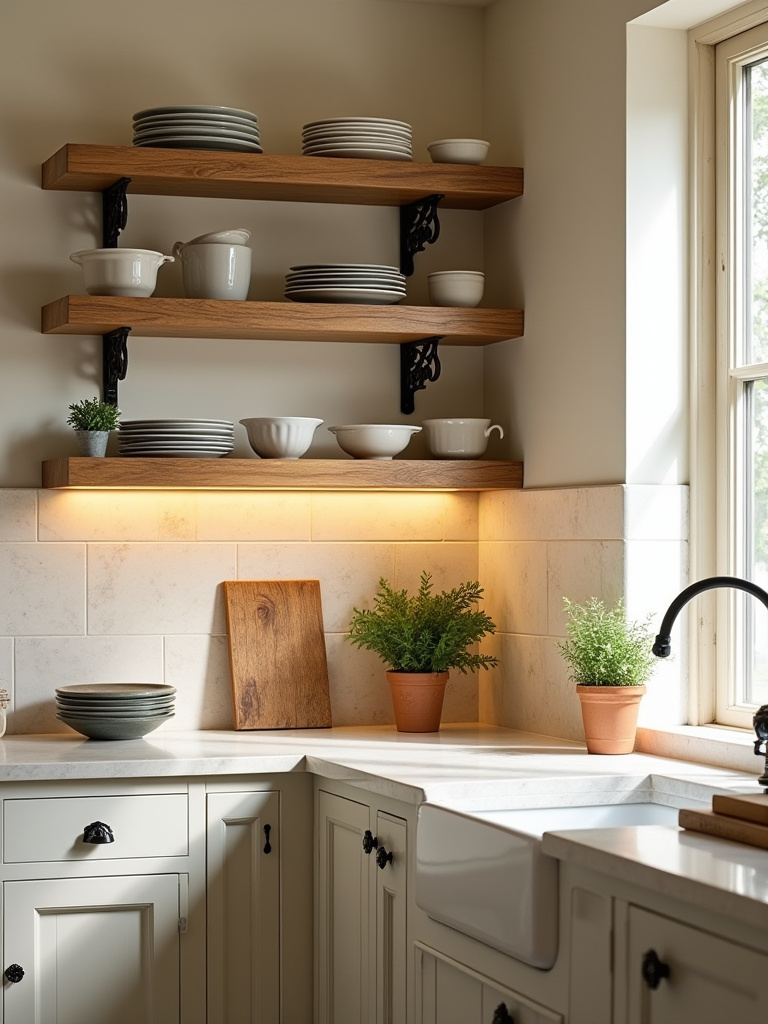
The secret to traditional open shelving lies in details: use thick, solid wood shelves that feel substantial, supported by decorative brackets such as hand-carved corbels or ornate cast iron. These elements integrate the shelving architecturally, avoiding the appearance of an afterthought.
Add Glass-Front Cabinets for Visual Depth and Lightness
Strategically placed glass-front cabinet doors offer a visual break and create a sense of openness by allowing the eye to penetrate deeper into the cabinetry. They’re ideal for displaying everyday glassware or attractive dish sets.
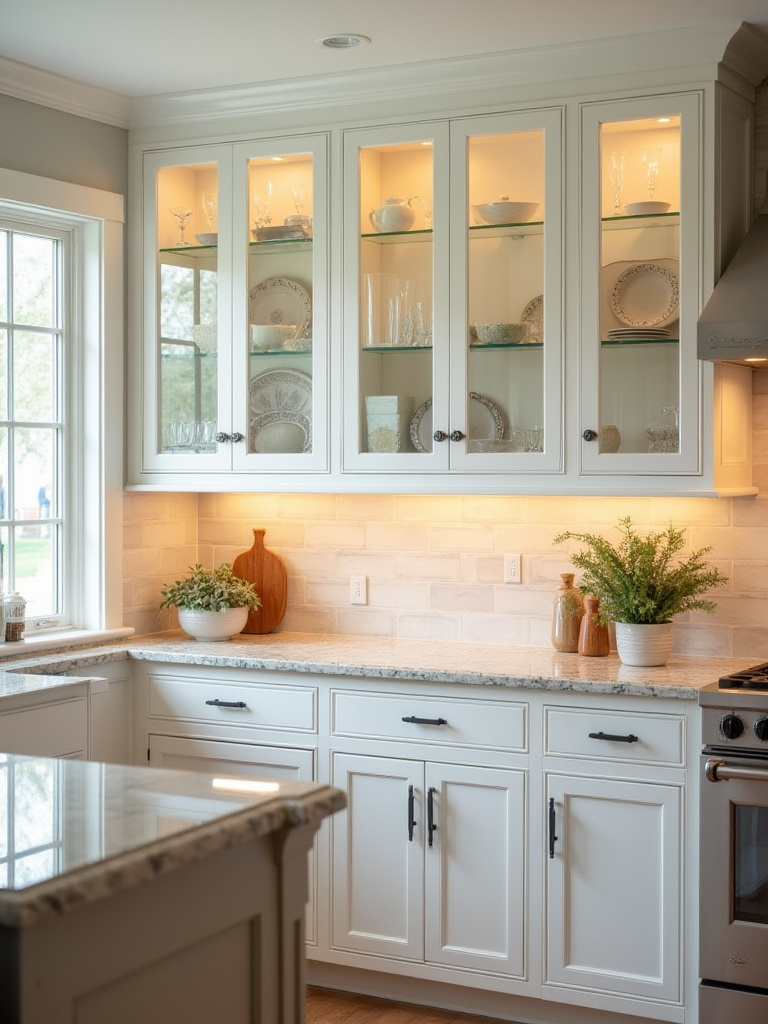
For added authenticity, consider antique or textured glass varieties such as seeded glass with tiny bubbles, reeded glass with linear texture, or leaded/mullioned glass featuring classic patterns. These options obscure contents slightly while reflecting light, reducing the need for perfect tidiness and enhancing ambiance.
Incorporate Custom Built-Ins for Style and Function
Custom built-ins elevate a kitchen’s personality and utility. A built-in banquette nestled in a sunny window corner creates a cozy breakfast nook far more inviting than a standalone table and chairs. These often include hidden storage drawers beneath seating, maximizing space.
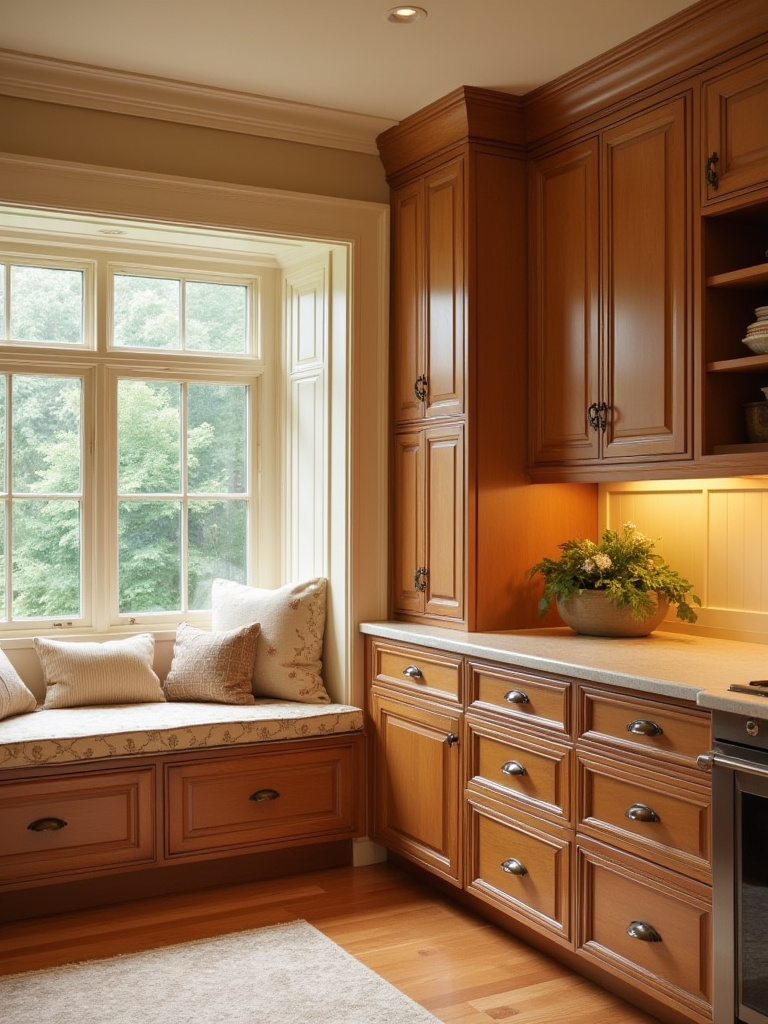
Other examples include floor-to-ceiling pantry units that blend seamlessly with cabinetry or built-in desk areas for managing household tasks. These thoughtful features optimize every inch and transform cabinetry into a cohesive, personalized environment.
Final Touches: Soft Textiles and Personal Accents
Finally, consider the soft elements and curated accessories that breathe life into your kitchen. These layers tell your story and make the space feel warm, lived-in, and timeless.
Incorporate Classic Textiles and Window Treatments for Warmth
Kitchens are dominated by hard surfaces-stone, wood, tile, metal-which can feel cold and echoey without softening elements. Textiles provide balance. A simple Roman shade in linen or subtly patterned cotton adds texture, softness, and a splash of color. Café curtains covering the lower half of windows offer privacy while maintaining light flow.
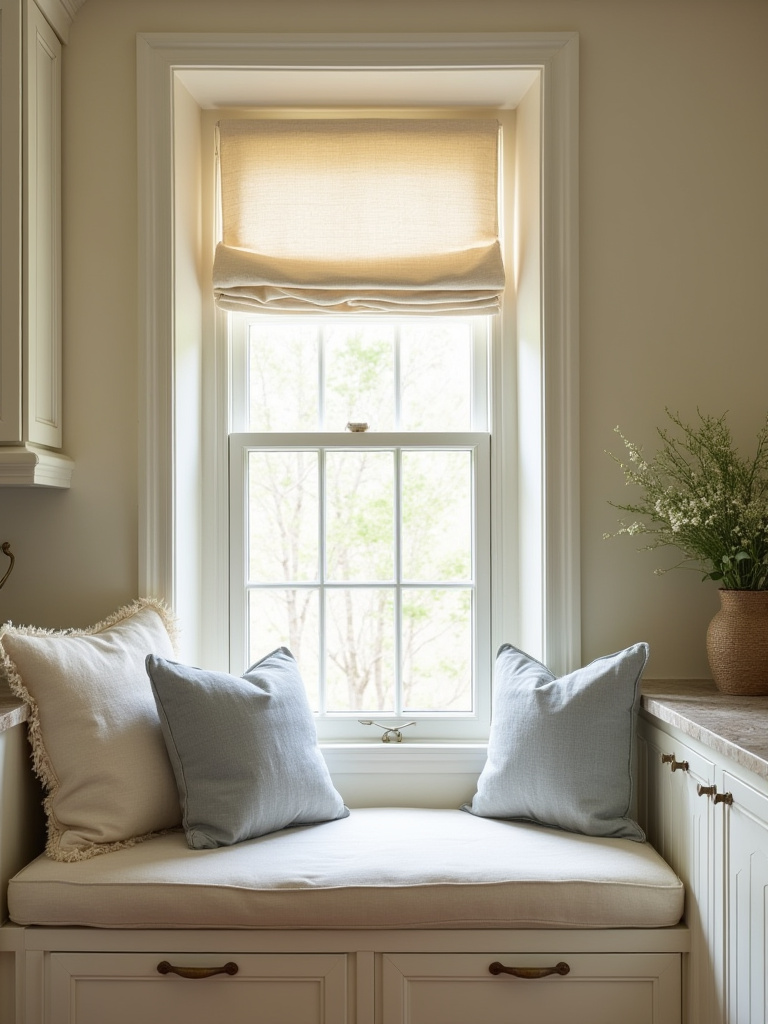
Don’t overlook the floor-a durable vintage runner can introduce color and pattern, define pathways, and provide comfort during long cooking sessions. These soft touches absorb sound and light, creating a calmer, more inviting atmosphere.
Add Warmth with Antique and Vintage Accessories
Perhaps the most vital tip: a kitchen filled solely with brand-new items lacks soul. Incorporate objects with history to add warmth and character. Seek out vintage paintings at local markets, antique marble pastry boards, or collections of stoneware crocks for utensils. A well-worn wooden cutting board tells a richer story than any new accessory.
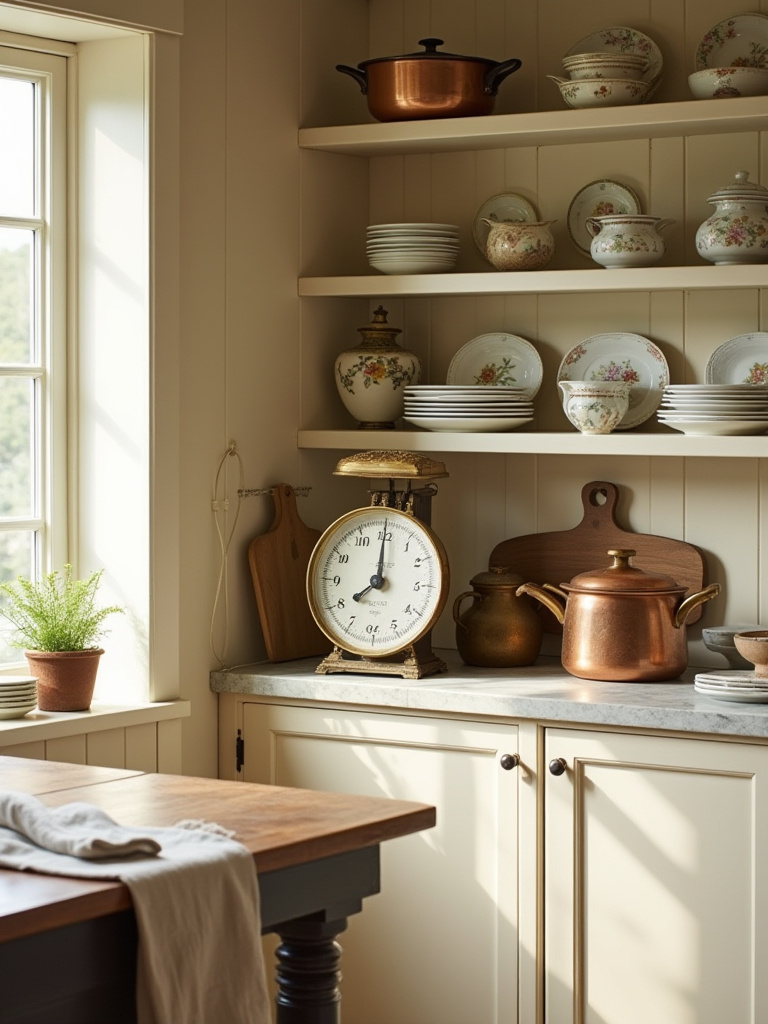
You don’t need to turn your kitchen into an antique store-just a few carefully chosen pieces add essential layers of history and personality. These items tell your story and prevent the space from feeling like a generic showroom, making it uniquely yours.
Summary and Final Thoughts
Creating a traditional kitchen transcends trends; it’s about embracing enduring principles. Investing in quality materials, thoughtful layouts, and authentic details results in a space that feels both fresh and timeless. By prioritizing functional design, classic colors, and cabinetry, and layering in textures and personal touches, you craft a kitchen that’s not only beautiful but deeply functional and soulful.
The true charm of traditional design lies in its longevity. When the foundation is solid and the space filled with quality and character, you’re not just designing for today-you’re shaping the heart of your home for generations. Now, with these insights, you’re equipped to create a kitchen that’s as enduring as it is inviting.