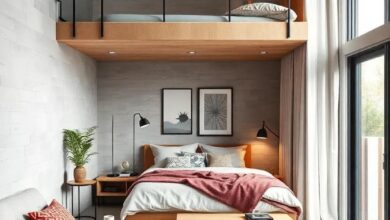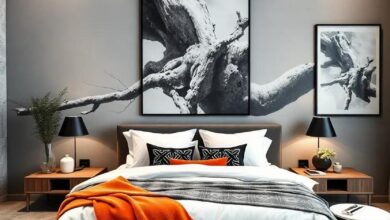
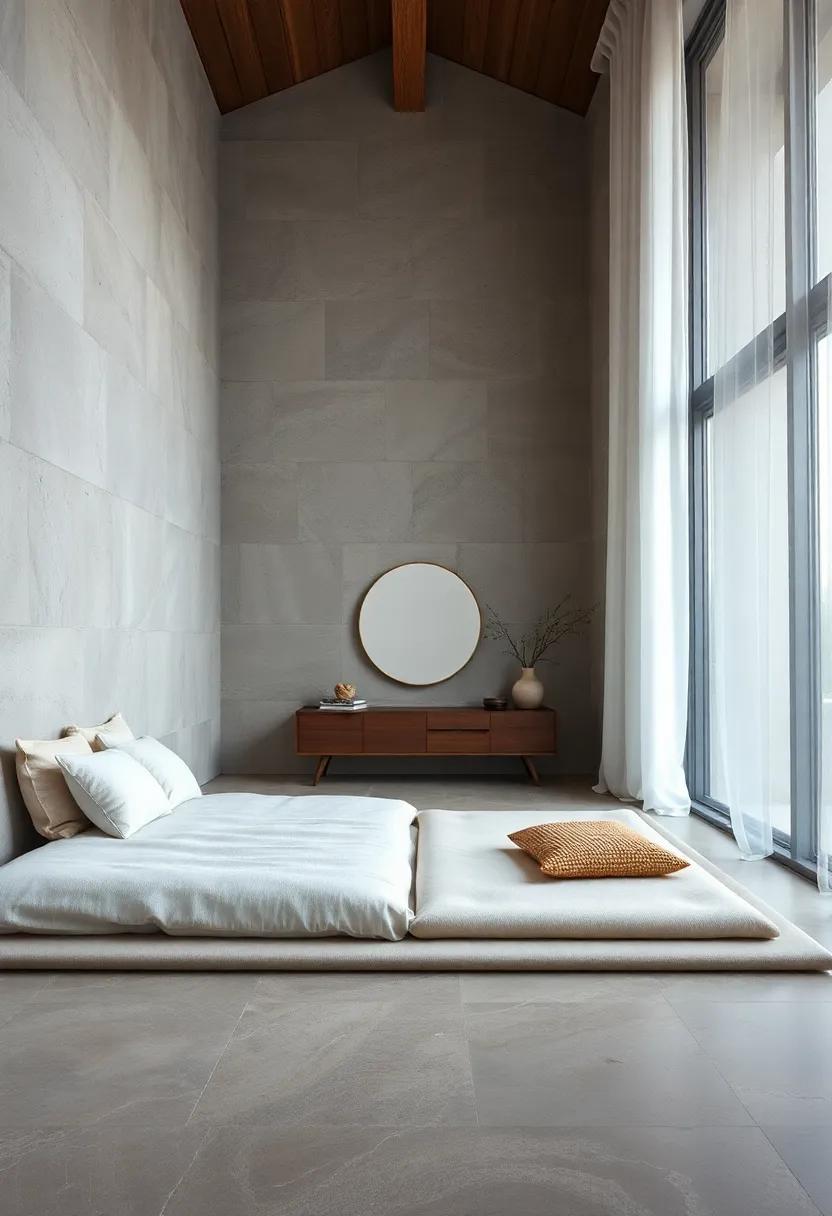
In an age where complexity often overwhelms our living spaces, the modern ultra-minimalist bedroom offers a serene sanctuary-an oasis of calm stripped to its essence. At the heart of this design philosophy lies a subtle yet transformative element: the floor mattress. Embracing simplicity not only redefines comfort but also invites a mindful approach to rest and relaxation. This article explores how floor mattresses seamlessly blend function and minimalism, reshaping the way we experience our most personal space.
The Gentle Curves and Clean Lines of Floor Mattresses in a Softly Lit Minimalist Room
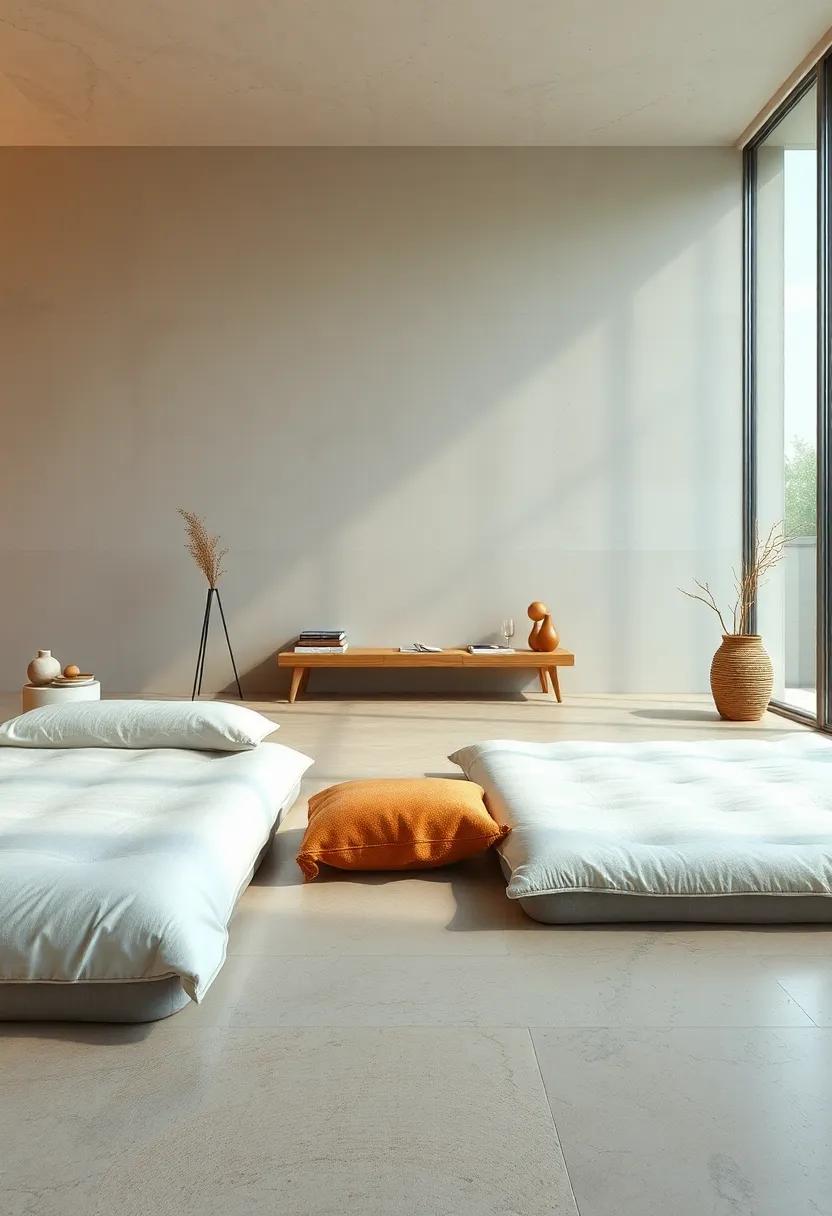
Soft, inviting silhouettes embrace the essence of modern minimalism through the simple elegance of floor mattresses. The gentle curves soften the starkness of a room, allowing the eye to rest and the mind to find calm amidst uncluttered surroundings. Clean, unadorned lines contribute to a feeling of spaciousness, creating an airy environment where every element breathes with purpose. The subtle interplay of shadows in a softly lit room enhances the tactile appeal of the materials, making the space feel both warm and refined without excess.
Incorporating floor mattresses offers a unique blend of comfort and aesthetic clarity. Consider these key features that make them ideal for a minimalist retreat:
- Low profile design that fosters intimacy with the floor and a grounded sleeping experience.
- Natural textures and muted tones that complement ambient lighting for a soothing atmosphere.
- Versatile placement, perfect for flexible layouts or multipurpose living spaces.
| Feature | Benefit | Ideal For |
|---|---|---|
| Curved Edges | Softens the visual impact | Small rooms |
| Monochrome Fabrics | Enhances ambient lighting | Minimalist palettes |
| Foldable Options | Easy storage and mobility | Multi-use spaces |
Natural Materials and Earthy Tones Enhancing Serenity in Ultra-Minimalist Bedroom Designs
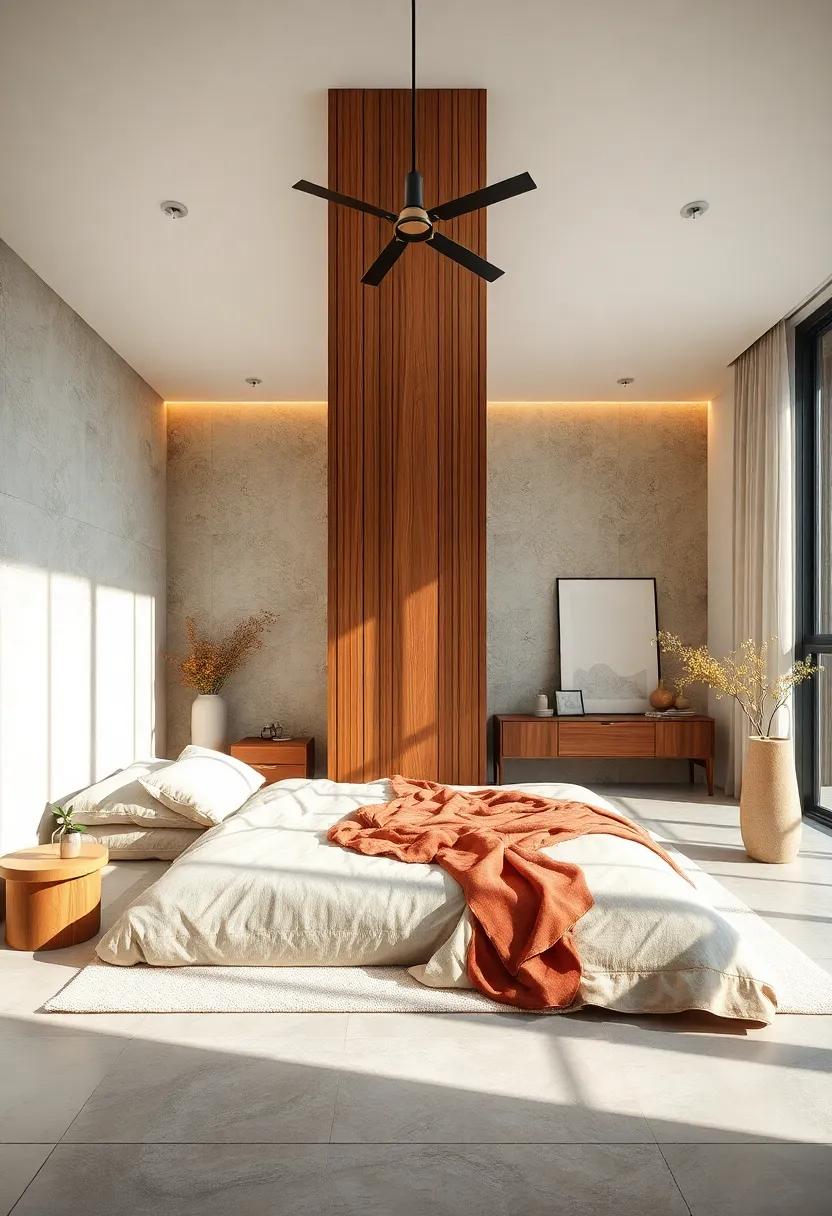
Incorporating natural elements into the ultra-minimalist bedroom transforms the space into a sanctuary of calm and balance. Materials like bamboo, rattan, linen, and raw wood infuse warmth and texture, creating tactile contrasts that complement the simplicity of floor mattresses. When paired with earthy hues such as muted taupes, soft greens, and warm terracottas, these materials enhance the feeling of groundedness and serenity. This restrained palette avoids visual noise, allowing the mind to relax while the body enjoys the gentle support of a minimalist sleeping surface.
The subtle beauty of natural fibers and tones works harmoniously with the spatial openness that floor mattresses provide. To create a coherent and soothing environment, consider layering textiles like organic cotton throws and wool rugs that not only add comfort but also emphasize the room’s tactile narrative. Here’s a concise overview of how natural materials and earthy tones can be skillfully integrated:
- Wooden accents: Nightstands or low shelves crafted from reclaimed wood.
- Natural textiles: Bedding and cushions in linen or hemp for breathability.
- Soft color palette: Terracotta, sage, beige, and clay tones to maintain visual harmony.
- Organic décor: Potted plants, woven baskets, and stoneware for artisanal charm.
Aerial Perspective of a Zen-Inspired Floor Mattress Surrounded by Subtle Indoor Plants
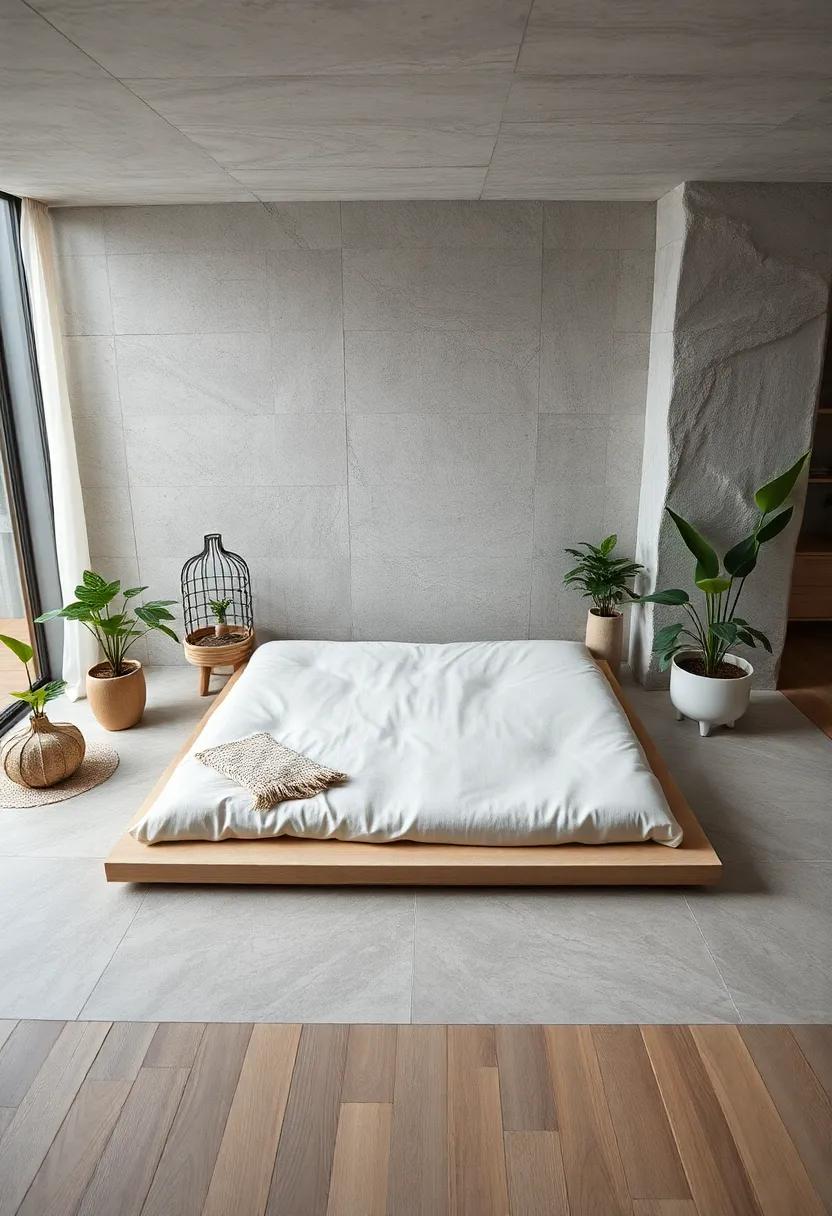
Floating just above the earth, a floor mattress becomes a sanctuary of tranquility when paired with the gentle presence of subtle indoor greenery. This aerial view captures the essence of minimalism, where space and natural elements blend seamlessly to create an environment that invites relaxation and mindfulness. The carefully curated plants, modest in their size yet abundant in their serenity, amplify the mattress’s simplicity without overwhelming the senses.
The dynamic interplay between organic forms and clean lines encourages a mindful approach to bedroom design. Consider these elements to enhance your ultra-minimalist retreat:
- Neutral Tones: Embrace soft shades of beige, cream, and muted greens to complement the natural theme.
- Texture Harmony: Combine smooth fabrics on the mattress with the rough texture of plant leaves for tactile balance.
- Strategic Placement: Position plants around the mattress to frame the space without cluttering it.
Monochrome Palette Featuring a Floor Mattress with Layered Textures and Sparse Decor
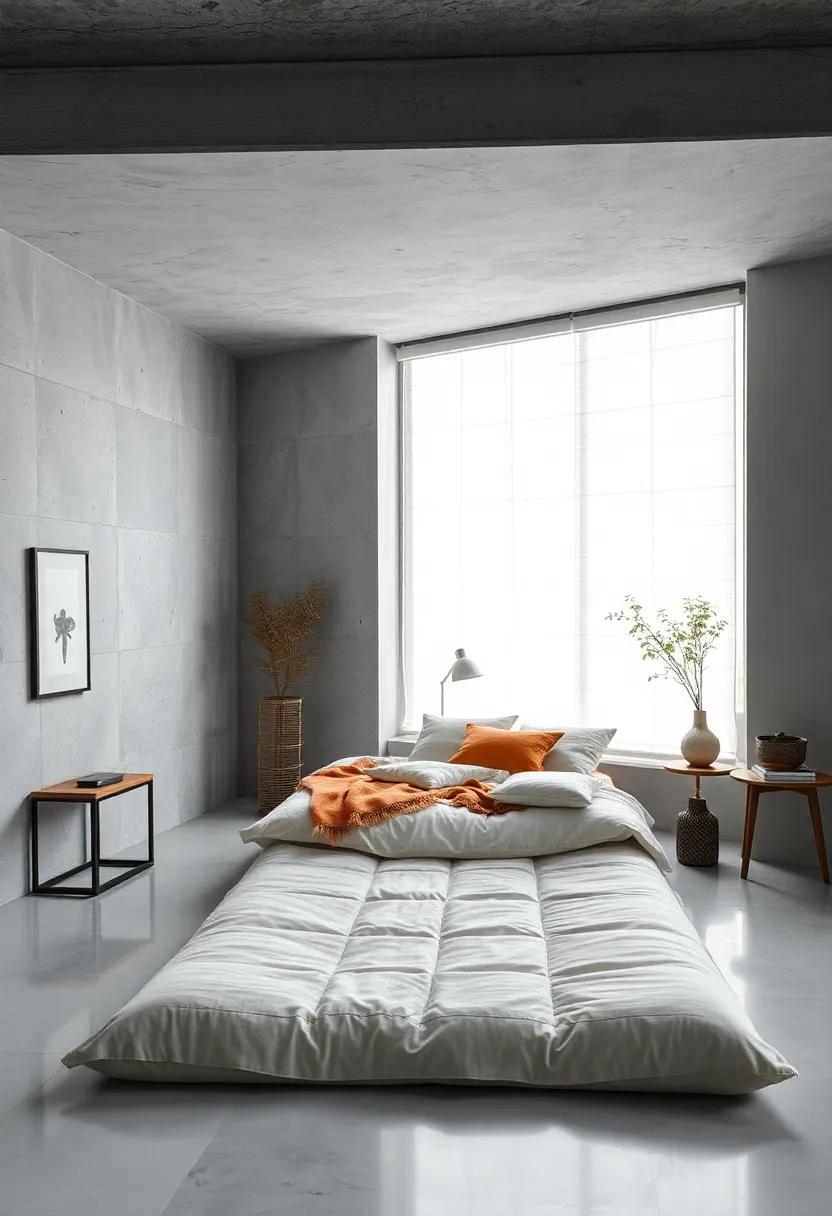
The visual harmony achieved through a carefully curated monochrome palette transforms the floor mattress into more than just a sleeping spot-it becomes a tactile experience. Layering subtle variations of grays, creams, and off-whites invites depth without overwhelming the senses. This approach enhances the inherent softness of linens and throws, allowing each texture-from nubby wools to smooth cottons-to stand out in a quiet celebration of simplicity.
Sparse decor complements this understated arrangement, emphasizing intentionality over excess. Key elements such as a single sculptural vase or an artfully crafted side table add personality without disrupting the visual flow. The minimalist setting benefits from clean lines and natural materials, fostering a calm atmosphere ideal for rest and reflection.
- Monochrome Layers: Wool throws, textured cushions, linen sheets
- Sparse Accents: Wooden side table, ceramic vase, minimalistic floor lamp
- Material Focus: Natural fibers, unfinished wood, matte finishes
| Texture | Material | Effect |
|---|---|---|
| Soft & Cozy | Wool | Warmth and tactile richness |
| Cool & Crisp | Linen | Breathability and clean lines |
| Solid & Natural | Wood | Grounding, organic accent |
Warm Ambient Lighting Casting Soothing Shadows on a Low-Profile Floor Mattress Setup
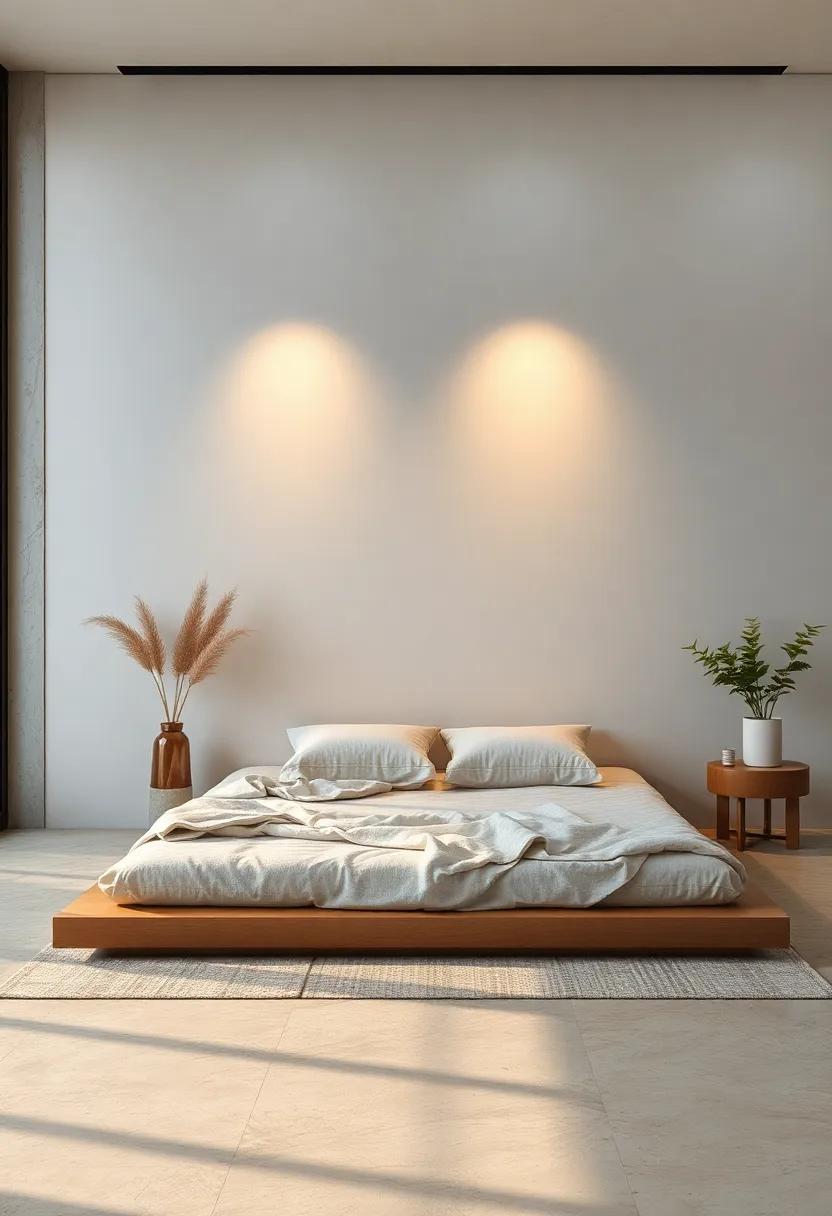
Soft pools of light gently ripple across the floor, breathing life into the understated mattress arrangement below. This kind of lighting doesn’t just illuminate; it transforms the space into a sanctuary of calm and introspection. By positioning warm-toned lamps or fairy lights at strategic points, shadows playfully dance on the low-profile bedding, enhancing the sensory experience and reinforcing the ultra-minimalist atmosphere that values tranquility over clutter.
Embracing such a lighting scheme invites a unique harmony between functionality and aesthetics. Warm ambient light encourages relaxation and eases the transition between wakefulness and restfulness. Some essentials to consider when incorporating this style:
- Use dimmable bulbs to tailor the light intensity throughout the day.
- Incorporate natural materials for lampshades to soften the glow.
- Position lighting sources close to the mattress to cast elongated, soothing shadows.
- Combine with low-reflective surfaces to avoid harsh glares and maintain a cozy feel.
The Balance of Negative Space and Cozy Comfort Around a Floor Mattress in a Modern Bedroom
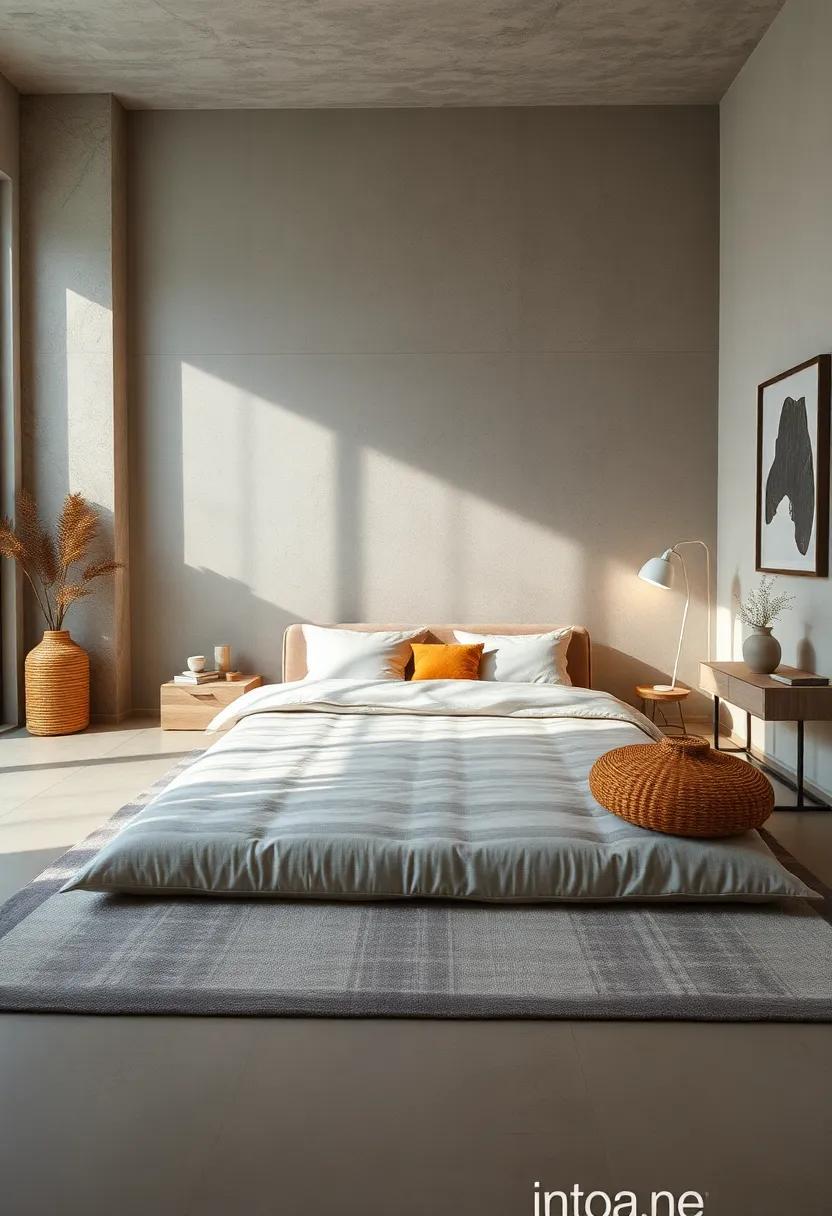
Achieving the perfect harmony between negative space and inviting warmth is essential when incorporating a floor mattress into a modern bedroom. The minimal footprint of the mattress naturally carves out generous空白区域, which amplifies the sense of openness and tranquility in the room. This deliberate use of空白区域 isn’t just an aesthetic choice but a subtle invitation for the mind to breathe, fostering a serene atmosphere ideal for rest. Balancing this with cozy textures-like a plush throw or a soft area rug beneath-ensures the room feels snug without becoming cluttered or visually overwhelming.
To maintain this balance, consider integrating elements that provide tactile comfort without infringing on空白区域. Focus on features such as:
- Low-profile lighting to accentuate the floor mattress gently.
- Natural fibers in bedding and cushions for warmth and inviting texture.
- Monochromatic palettes with subtle contrast to enhance depth without disrupting simplicity.
Below is a quick overview of design elements to balance negative space and comfort:
| Design Aspect | Effect |
|---|---|
| Minimal Furniture | Enhances空白区域, fosters calm |
| Soft Textiles | Invokes warmth and coziness |
| Neutral Colors | Creates visual unity and peace |
| Strategic Accent Pieces | Adds personality without clutter |
Delicate Linen and Cotton Fabrics Draped Over a Floor Mattress Invoking Peaceful Simplicity
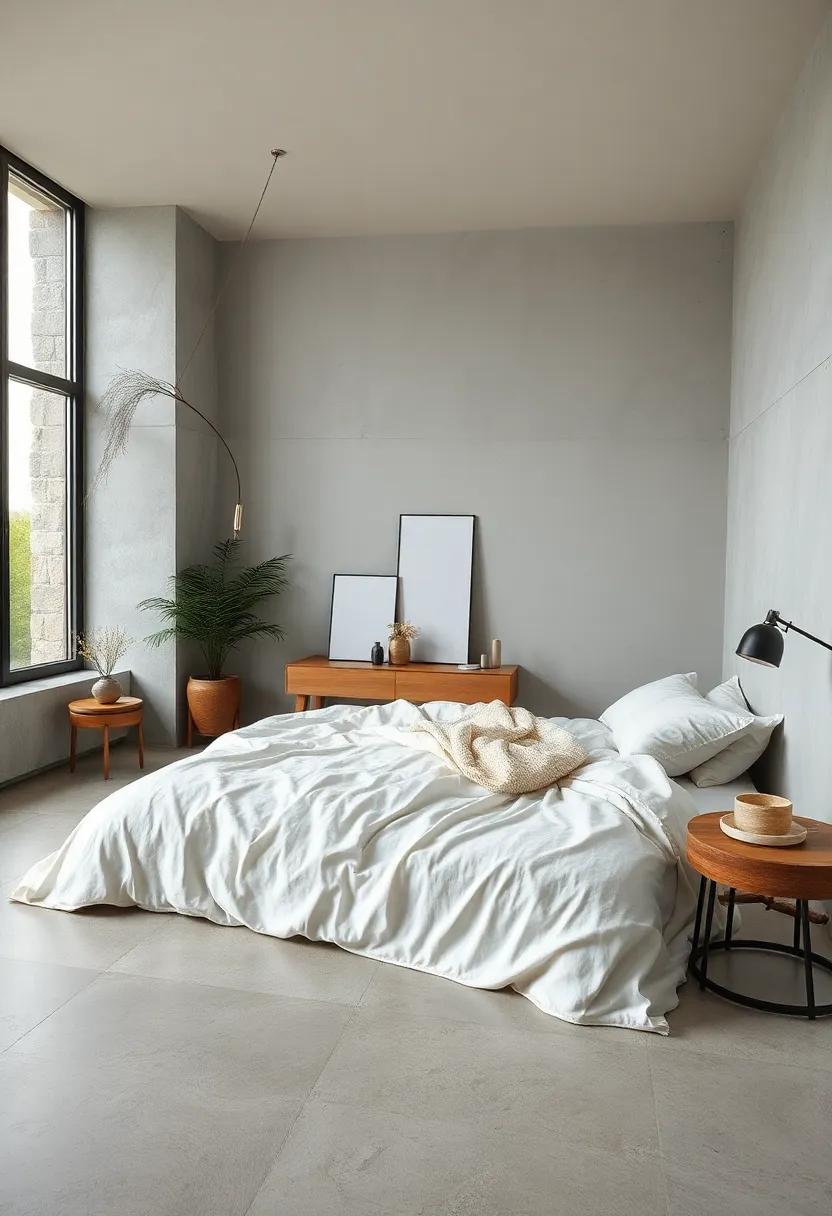
There is an undeniable charm in fabrics that breathe serenity into a space, especially when they are carefully chosen to complement the grounded nature of a floor mattress. The subtle textures of linen and cotton, soft to the touch yet visually inviting, create an atmosphere where simplicity feels luxurious. These natural materials harness the beauty of imperfection: slight wrinkles and gentle drapes that echo the ebb and flow of daily life, unstructured yet comforting. When laid out over a mattress close to the ground, they become more than just bedding-they transform into a tactile canvas inviting moments of rest and mindfulness.
Choosing the right fabric can influence more than comfort; it can redefine the entire mood of your ultra-minimalist bedroom. Here are a few characteristics that make linen and cotton ideal for this serene setup:
- Breathability: Both fabrics allow air to circulate, keeping you cool in summer and cozy in winter.
- Eco-friendliness: Naturally sourced and biodegradable, they align perfectly with sustainable living principles.
- Durability: With each wash, their softness intensifies while maintaining strength.
- Natural hues: Their colors-ranging from soft creams to muted earth tones-blend effortlessly with minimalist palettes.
| Fabric | Texture | Suitability | Care |
|---|---|---|---|
| Linen | Lightly textured, crisp | Warm climates, airy spaces | Machine wash cold, tumble dry low |
| Cotton | Soft, smooth | All climates, versatile use | Machine wash cold, tumble dry medium |
Soft Natural Light Highlighting the Smooth Contours of a Minimalist Floor Mattress Arrangement
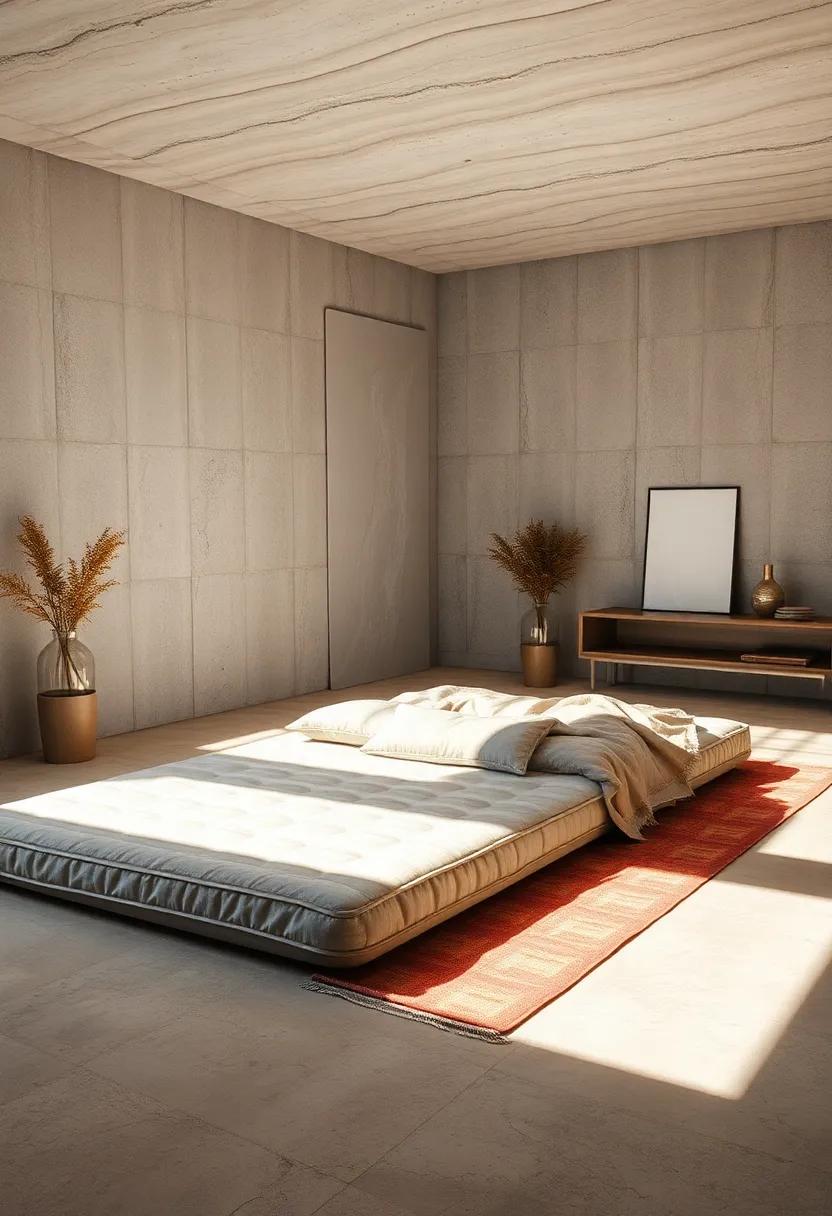
Bathed in a gentle, diffused glow, the arrangement is transformed into a serene tableau where every curve and edge of the mattress tells a subtle story. This soft natural light skims across the fabric’s surface, revealing the understated elegance of smooth contours that define the minimalist ethos. The interplay of light and shadow enhances the tactile allure of the floor mattress, inviting a quiet pause amid the simplicity. It’s this nuanced highlighting that elevates the minimalist setup beyond mere functionality, giving it a poetic allure that speaks volumes through silence.
Integrating this visual harmony depends largely on thoughtful placement and the use of natural elements. To replicate this effect in your own space, consider:
- Positioning the mattress near large windows for optimal indirect sunlight.
- Choosing light, neutral tones that amplify radiance without overwhelming the senses.
- Pairing minimal furnishings to let the light and shape take center stage.
| Light Source | Effect on Mattress |
|---|---|
| Morning Sunlight | Soft golden hues, gentle shadow play |
| Overcast Daylight | Even, muted illumination emphasizing texture |
| Late Afternoon Glow | Warm highlights accentuating gentle folds |
A Cozy Meditation Corner Featuring a Floor Mattress with Minimalist Cushions and Soft Rugs
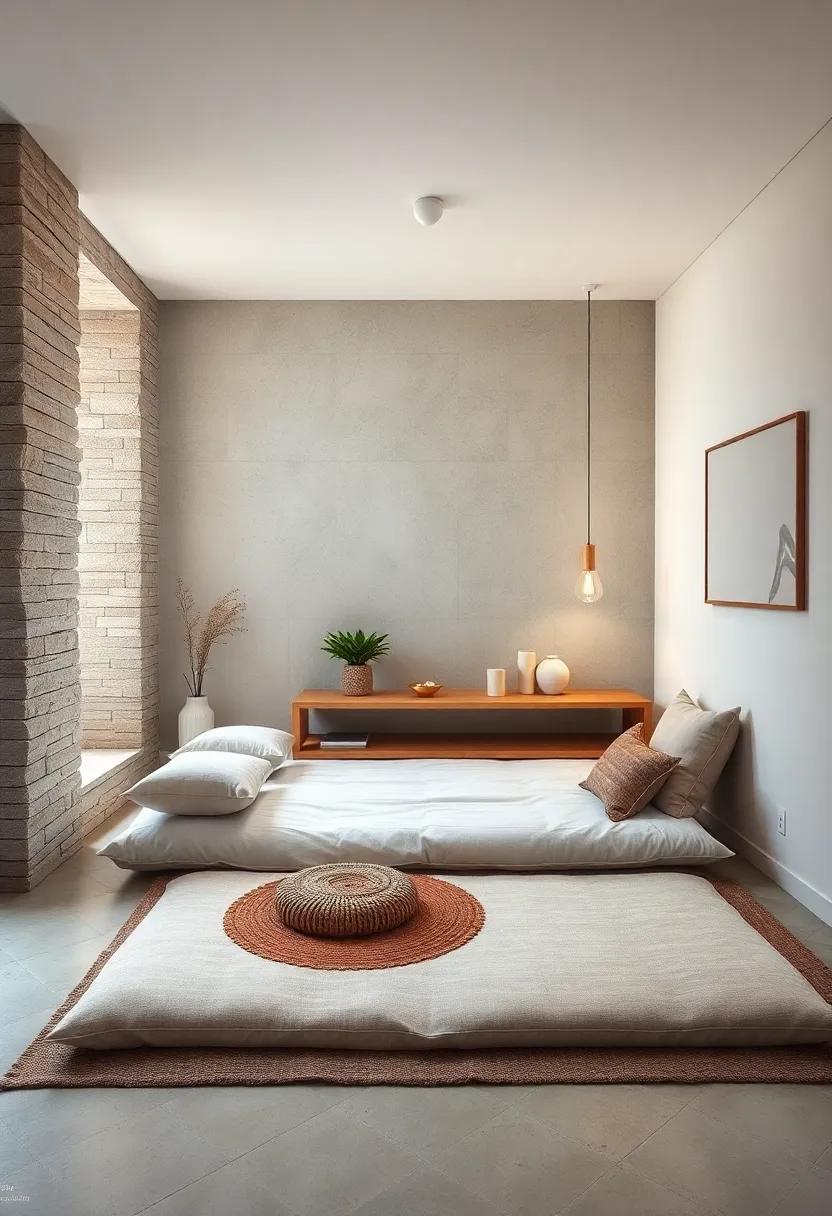
Transforming a corner of your room into a peaceful meditation sanctuary is effortless with the addition of a floor mattress paired with minimalist cushions and soft rugs. This setup not only offers a visually calming space but also encourages a deeper connection to the practice of mindfulness. The simplicity of a floor mattress creates an inviting foundation, while the cushions provide essential support without overwhelming the senses. Surrounding the area with plush rugs softens the space, blending comfort and tranquility for moments of reflection and repose.
When curating your meditation corner, consider incorporating elements that enhance serenity without clutter. Opt for neutral tones and natural textures to maintain a cohesive ultra-minimalist aesthetic. Here are a few thoughtful additions to elevate the space:
- Low, ambient lighting to soothe the eyes and calm the mind
- Handmade candles or essential oil diffusers promoting relaxation
- Subtle greenery such as small potted plants or succulents for a touch of life
| Element | Benefit | Material |
|---|---|---|
| Floor Mattress | Comfortable seating with minimal footprint | Organic cotton or linen |
| Minimalist Cushions | Support for posture and ease of relaxation | Memory foam or buckwheat hulls |
| Soft Rugs | Adds warmth and texture underfoot | Wool, jute, or faux sheepskin |
Clean White Walls Serving as a Backdrop for a Floor Mattress Accented by a Single Statement Art Piece
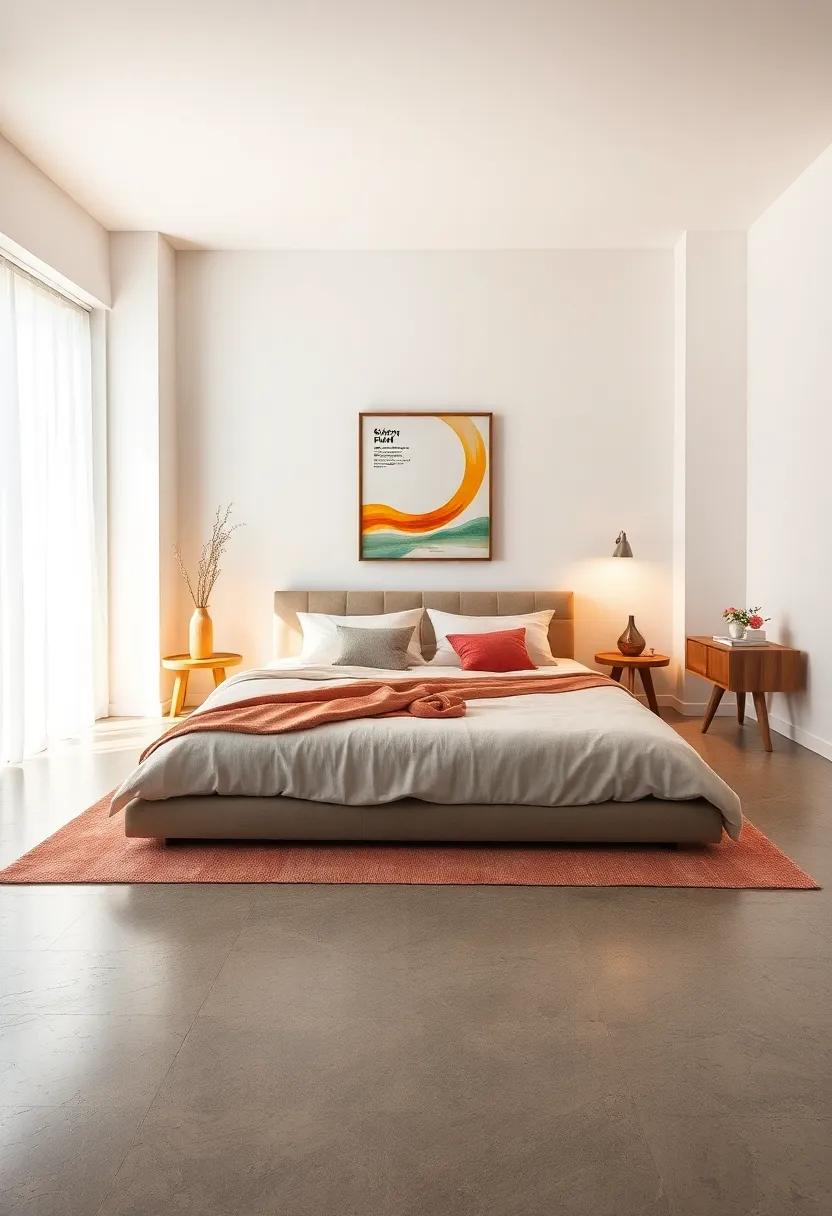
The pristine white walls in ultra-minimalist bedrooms act as a serene canvas, amplifying the subtle charm of the floor mattress. Stripped of unnecessary adornments, these bright expanses invite a calming atmosphere where every element breathes simplicity. Instead of overwhelming the space, a singular, bold art piece introduces a visual anchor, drawing the eye with deliberate intent. This thoughtful interplay between the plain backdrop and the expressive artwork creates a harmonious balance, emphasizing the room’s quiet elegance while allowing personality to quietly speak through design.
In a room where less is truly more, the selection of a statement art piece becomes an essential choice. Consider these benefits when pairing art with clean white walls and a floor mattress:
- Focus & Impact: A solitary art piece stands out dramatically, enhancing focus without clutter.
- Depth & Dimension: Art injects depth into the otherwise flat white expanses, shaping the room’s narrative.
- Texture Contrast: Juxtaposing smooth white walls with textured strokes or bold color enriches the sensory experience.
| Art Style | Effect | Color Palette |
|---|---|---|
| Abstract | Evokes curiosity and modern appeal | Bold primaries or monochrome |
| Minimal Line Art | Maintains subtlety and grace | Black & white or soft pastels |
| Geometric Shapes | Adds structure and rhythm | Contrasting neutrals |
Subtle Patterns and Neutral Shades Creating Depth Around a Floor Mattress in a Sleek Setting
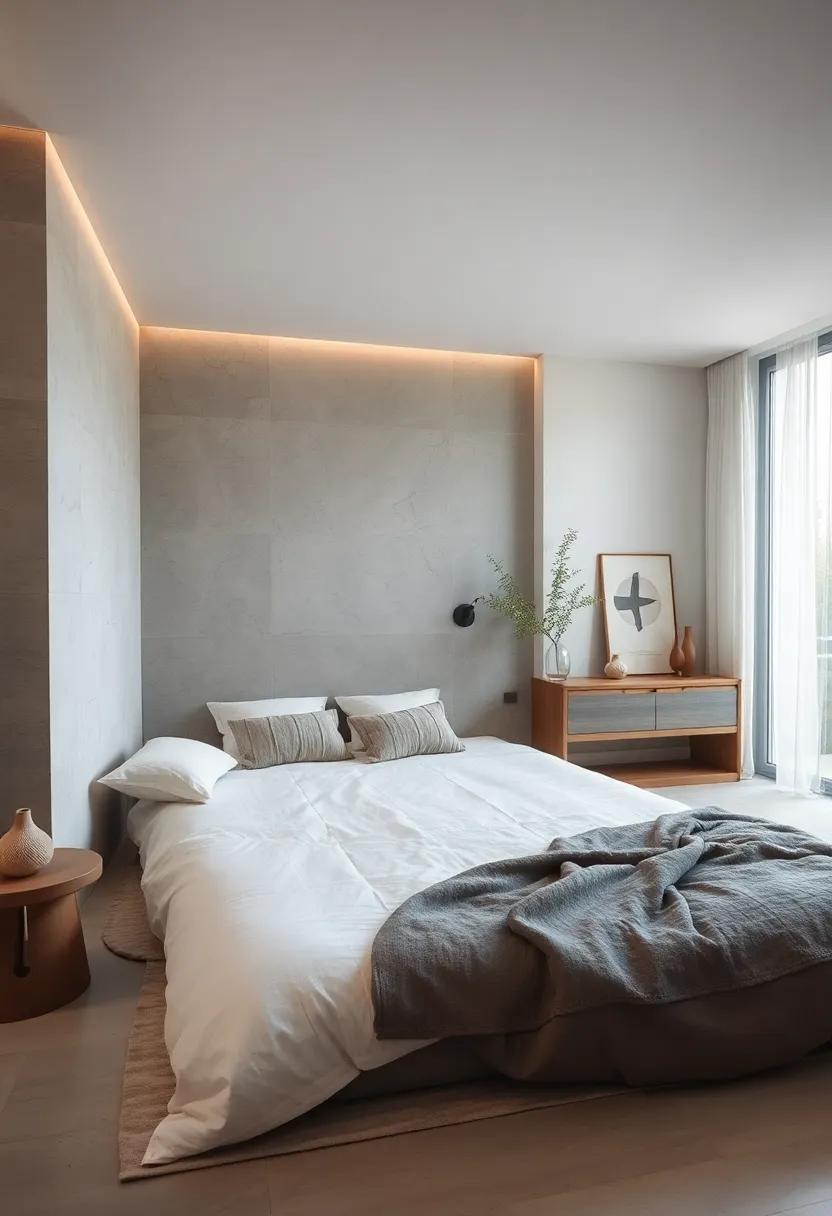
In crafting an ambiance that resonates with tranquility and understated elegance, the use of subtle patterns paired with neutral shades acts as a transformative layer around a floor mattress. These delicate details invite a quiet complexity, turning minimalism into a canvas where every shade and texture plays a pivotal role. The tactile appeal of soft linens, muted woods, and gently patterned rugs introduces a comforting depth, balancing the airy openness of ultra-minimalist spaces without overwhelming them.
Key elements that enhance this effect include:
- Soft textiles in beige, taupe, and ivory tones
- Geometric or organic patterns that are barely perceptible to the eye
- Natural materials that emphasize texture over color saturation
- Accent pieces like small throws or cushions that maintain a tonal harmony
| Material | Texture | Color Palette |
|---|---|---|
| Linen | Soft, breathable | Ivory, Pale Gray |
| Wool Rug | Dense, warm | Warm Beige |
| Wood Frame | Smooth, matte finish | Light Oak |
By thoughtfully layering these subtle tones and muted patterns, the floor mattress becomes more than a sleeping spot – it morphs into a serene retreat. This careful balance of elements ensures the space feels both inviting and spacious, allowing the inherent beauty of simplicity to shine through in every corner of the sleek, modern bedroom.
Overhead View of a Floor Mattress Surrounded by Minimalist Furniture and Open Floor Space
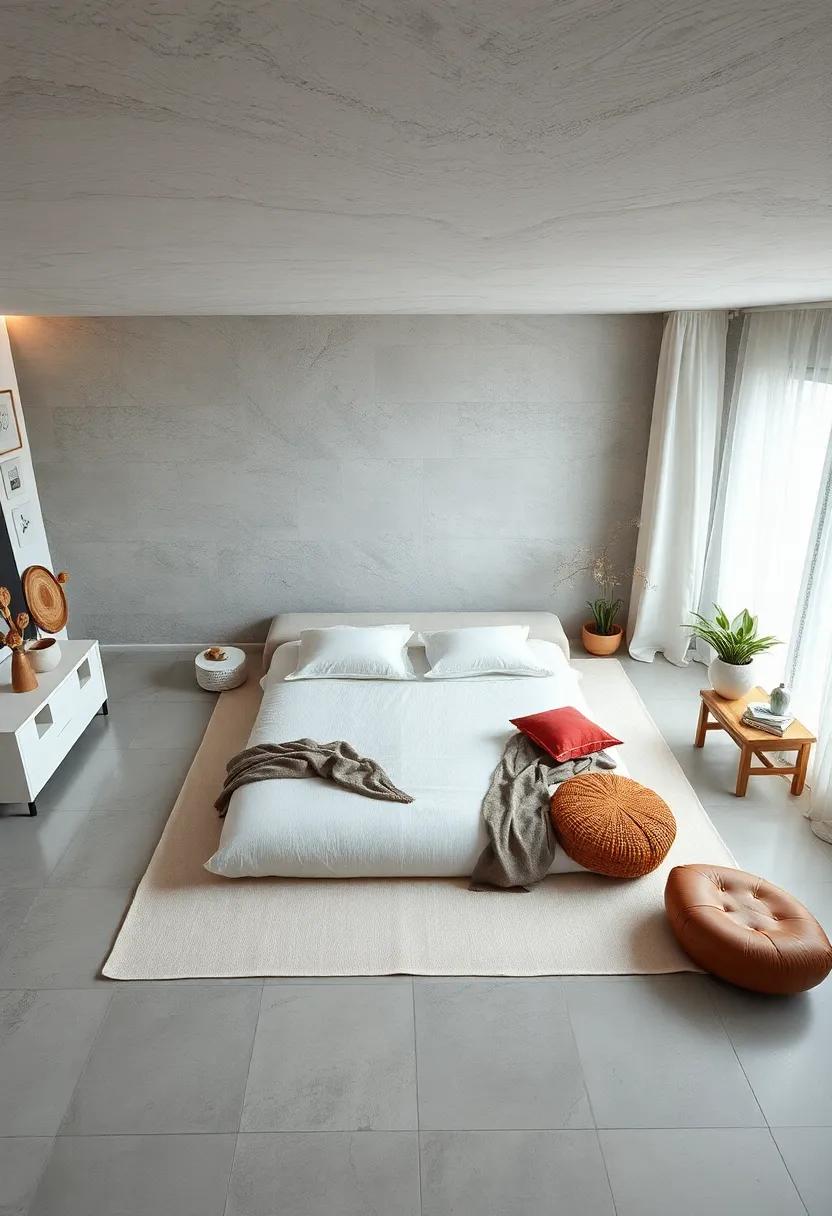
Nestled at the heart of an uncluttered room, the floor mattress transforms the space into a sanctuary of calm and clarity. Its low-profile presence enhances the expansiveness of the room, inviting natural light to play across the smooth surfaces of minimalist furnishings. The surrounding elements-carefully chosen for functionality and aesthetic balance-craft an environment where every item breathes intentionality. From the slender lines of a bamboo side table to the soft texture of a cotton throw, simplicity coalesces into a refined yet approachable living experience.
Emphasizing open floor plans and minimal distractions, the layout promotes both movement and mindfulness. Key characteristics include:
- Open pathways: Ensuring fluid circulation without obstruction.
- Neutral tones: A palette of whites, beiges, and natural woods enhances the serene vibe.
- Functional art: Furniture doubles as sculptural elements, blending form with purpose.
This approach not only maximizes spatial efficiency but nurtures a restful atmosphere where rest and relaxation flourish effortlessly.
Soft Earth Tones Blending with Sleek Minimalist Furnishings Around a Floor-Level Sleeping Area
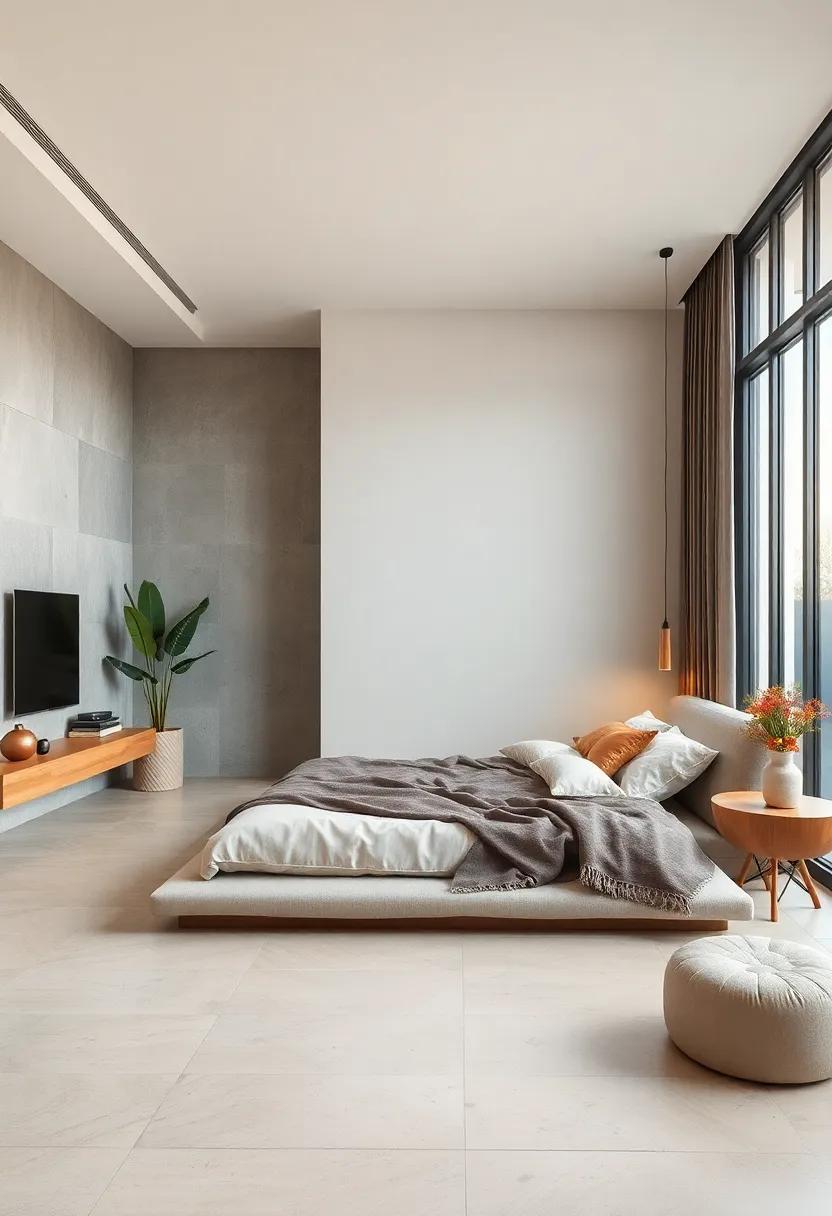
Imagine a bedroom where calmness permeates every inch, created through a harmonious blend of soft earth tones and clean, minimalist furnishings. This aesthetic embraces subtle shades like warm taupes, sandy beiges, and gentle olive greens, which serve as a calming backdrop for floor-level sleeping arrangements. The low mattresses invite a grounded, intimate vibe-heightening the spatial awareness and providing a serene sanctuary where every element feels thoughtfully placed.
Complementing these natural shades, ultra-minimalist furniture pieces assert themselves with sleek lines and functional design. Key features include:
- Uncluttered surfaces: Allowing the textures and tones to breathe without distraction.
- Modular versatility: Furniture that can be easily adapted for different needs without overpowering the room’s calm.
- Neutral materials: Wood, metal, and linen in muted finishes, reinforcing the earthy palette and minimalist philosophy.
| Element | Purpose | Material |
|---|---|---|
| Floor Mattress | Creates a grounded, spacious feel | Organic cotton, Wool upholstery |
| Low-profile Nightstand | Functional surface, Minimal visual weight | Natural wood, Matte finish |
| Neutral Rug | Texture & warmth | Jute or Sisal |
The Harmony of Low Lighting and Open Space Framing a Floor Mattress in a Contemporary Bedroom
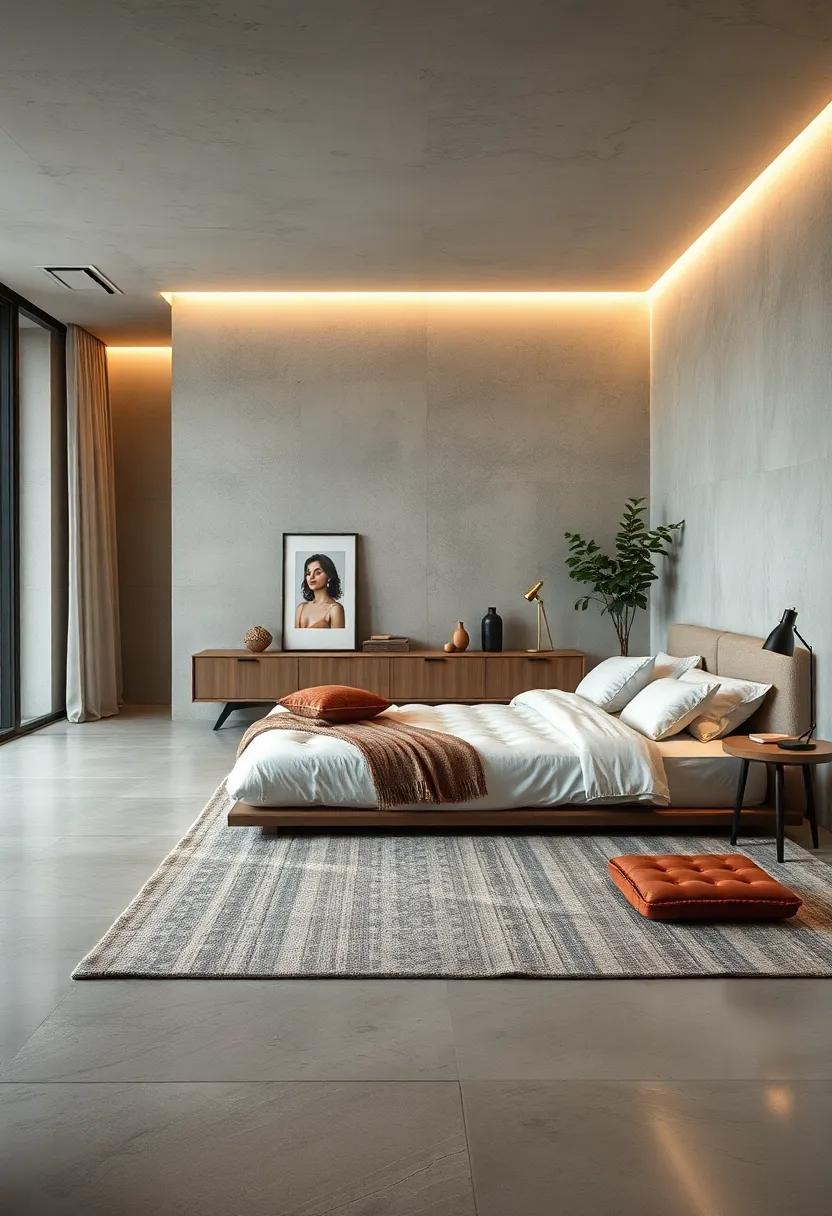
In the modern ultra-minimalist bedroom, the interplay between low lighting and expansive open spaces cultivates a tranquil sanctuary-where every element breathes simplicity. Soft, ambient lighting caresses the floor mattress, casting gentle shadows that invite relaxation rather than distraction. This subtle illumination emphasizes the raw textures and natural hues of the mattress, allowing it to become the focal point without overwhelming the senses. The minimalist design philosophy thrives here: fewer boundaries, more flow, and a profound connection to the room’s openness that encourages mindful rest.
Embracing this aesthetic means prioritizing openness, where the absence of clutter unlocks a calm environment. With the floor mattress situated strategically within the open floor plan, the bedroom embraces:
- Uninterrupted sightlines that enhance spatial perception
- Soft, diffused lighting to highlight natural materials
- Flexible use of space ideal for meditation or creative pursuits
This approach redefines comfort by stripping away excess, promoting a breathing room that encourages deeper rest and a serene start to the day.
Natural Fiber Rugs and a Floor Mattress Emphasizing Warmth and Simplicity in Interior Design
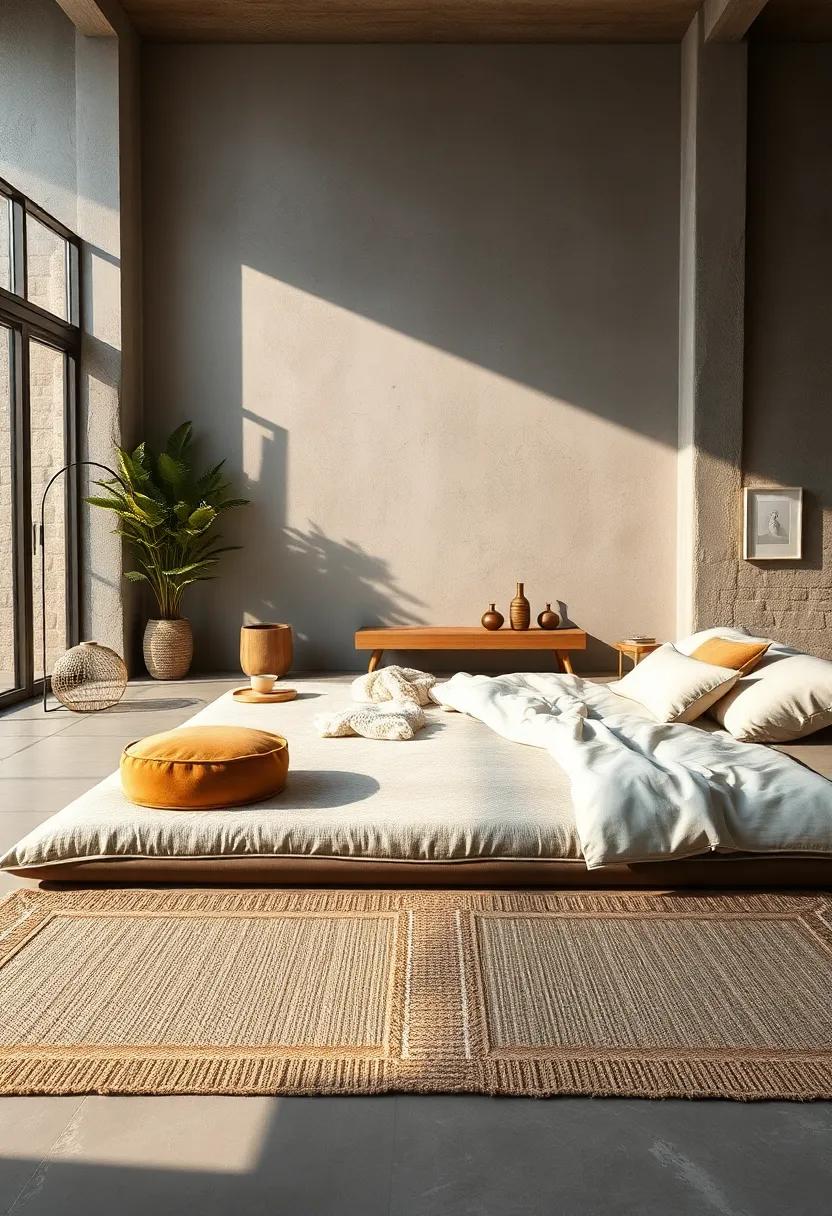
Incorporating natural fiber rugs into your bedroom offers an understated yet profound connection to nature that perfectly complements a floor mattress setup. These rugs, crafted from materials like jute, sisal, and seagrass, bring rich textures and warmth beneath your feet without overwhelming the room’s minimalist aesthetic. Their organic patterns and earth tones serve as a subtle anchor that enhances the calming atmosphere, inviting a tactile softness that contrasts beautifully with clean, sharp lines. As the foundation for your ultra-minimalist haven, natural fiber rugs not only evoke simplicity but also provide durability and eco-conscious qualities-qualities essential for modern living.
The symbiotic relationship between a floor mattress and natural fiber rugs elevates the bedroom to a sanctuary of tranquil simplicity. This duo champions comfort and clarity by stripping back unnecessary elements while emphasizing warmth through natural materials and textures. Consider the following advantages when choosing this approach:
- Breathable fibers that regulate temperature and moisture
- Low-maintenance surfaces ideal for a clutter-free lifestyle
- Visual grounding with soft organic hues that blend effortlessly
- Increased floor space enhancing airiness and openness
Together, these elements foster a restful environment that invites mindfulness and ease, embodying the essence of modern minimalism where every detail is purposeful and serene.
Minimalist Bedroom Corners Highlighting Floor Mattress Comfort Without Excess Decoration
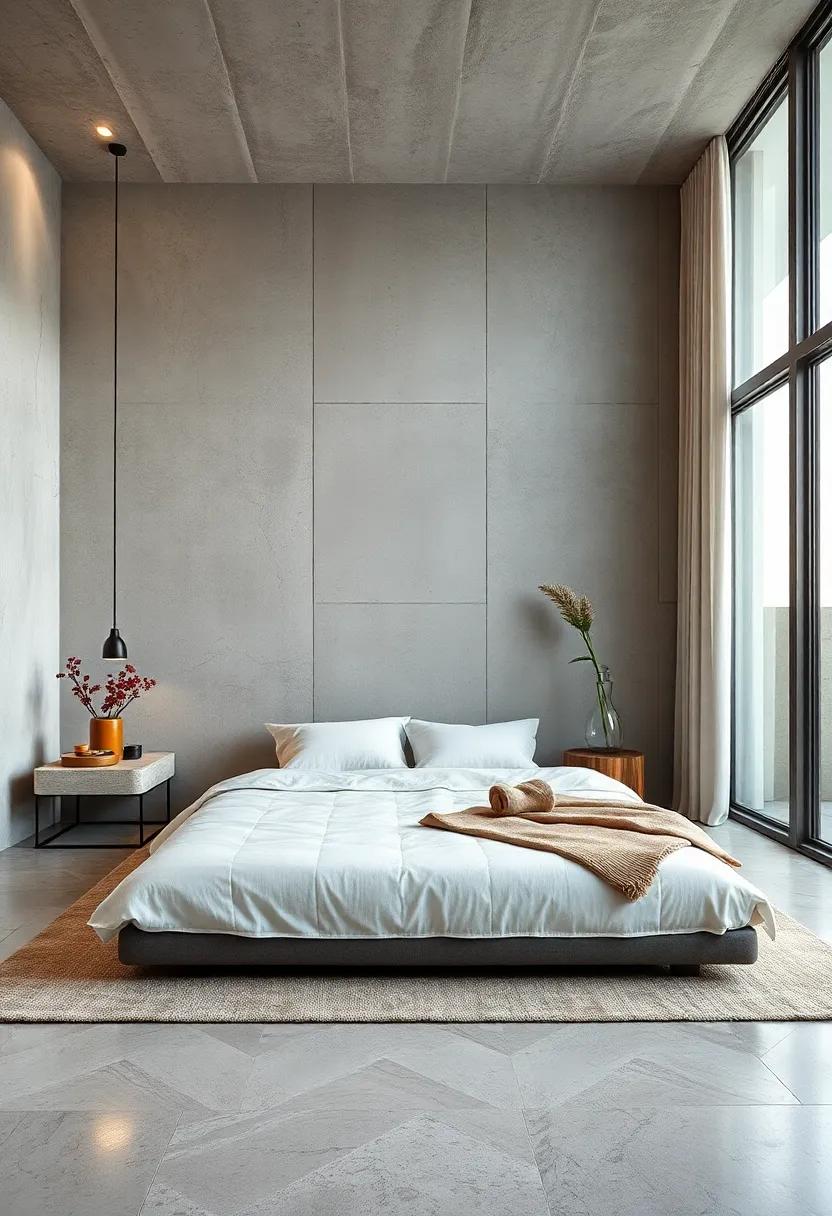
In these serene nooks, the focus is purely on comfort and ease. The floor mattress itself becomes a statement piece, freeing the space from the visual clutter of excess furniture or decoration. A soft, low-profile mattress layered with crisp linens and a singular, plush throw pillow creates an inviting retreat that emphasizes tactile simplicity. The warmth of natural textures-such as a woven rug or a wooden side table-introduces a subtle contrast without overpowering the calmness of the corner, reinforcing the idea that less truly can be more.
To enhance the ambiance without complicating the minimal aesthetic, consider incorporating these gentle accents:
- Soft ambient lighting like a small paper lantern or a simple, low-wattage lamp
- A low-maintenance plant to infuse a touch of life and color
- Delicate woven baskets for storage that blend seamlessly into the environment
The charm here lies in restraint, transforming a mattress on the floor into both a functional sleep space and an artful reflection of modern minimalist living.
Light Wood Floors Paired With a Low-Profile Floor Mattress for an Airy, Clutter-Free Atmosphere
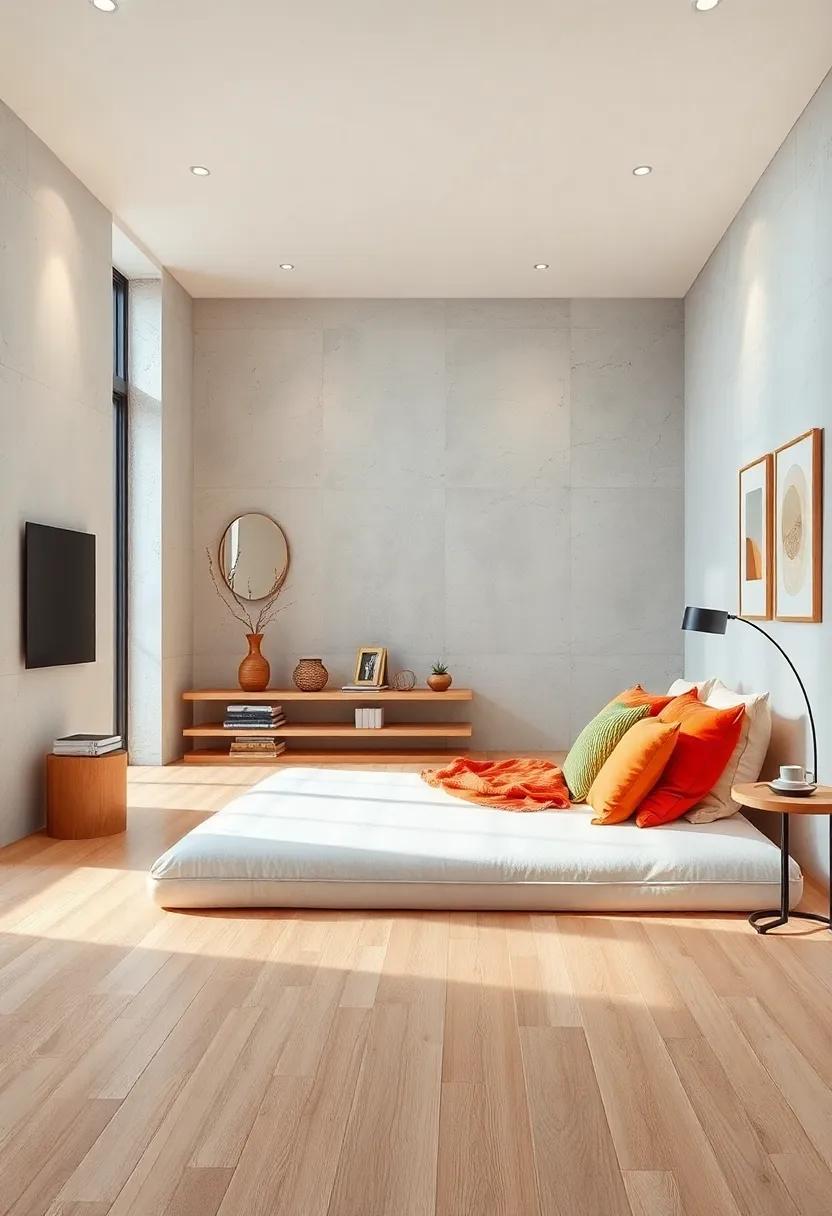
Combining the natural warmth of light wood floors with the minimalist charm of a low-profile floor mattress invokes a serene, airy vibe that simplifies your bedroom without sacrificing comfort. The seamless flow between the floor and mattress keeps the space visually open, allowing sunlight to bounce freely and accentuate the subtle wood grain beneath. This design approach strips away unnecessary furnishings, focusing instead on essential elements that nurture calm and clarity.
Key benefits include:
- Enhanced spatial perception, making smaller rooms feel more expansive
- Reduced visual clutter, promoting mental relaxation
- Easy upkeep and rearrangement, perfect for dynamic lifestyles
| Feature | Effect |
|---|---|
| Light wood tones | Brighten and open the room |
| Low-profile mattress | Maintains clean sight lines |
| Minimal accessories | Reduces distractions |
Juxtaposition of Modern Geometric Shapes and the Organic Form of a Floor Mattress in a Minimalist Room
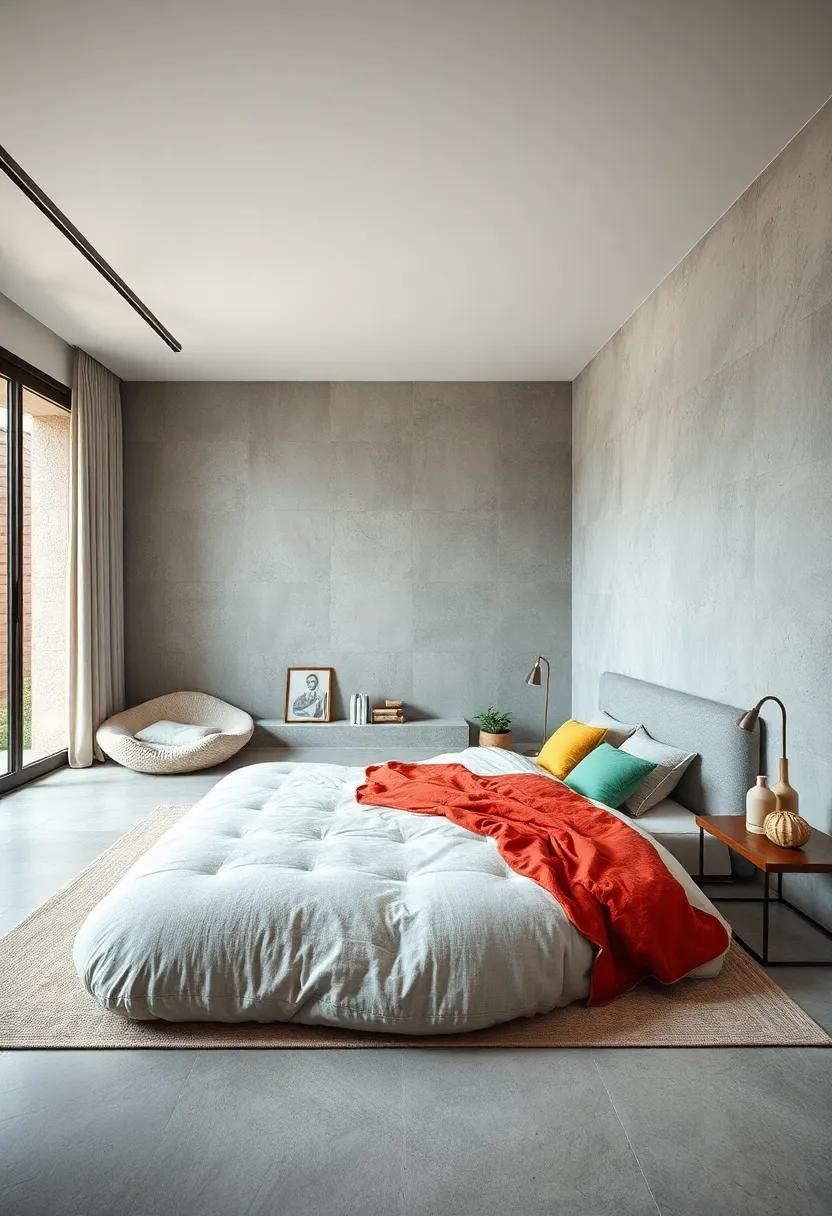
The harmony between sleek, angular lines of modern geometric shapes and the supple contours of a floor mattress creates a captivating visual and tactile balance. In minimalistic interiors where every piece matters, the rigid forms of cube shelves, triangular lighting fixtures, or linear wall art serve as a structured backdrop that highlights the inviting softness and low profile of a floor mattress. This contrast not only fosters a serene ambiance but also emphasizes the thoughtful restraint in design choices, proving that simplicity can be both functional and expressive.
Incorporating such juxtaposition involves more than just placement; it’s about embracing texture, scale, and color in subtle ways. The sharp edges of a minimalist room’s furniture can be softened by natural linen or cotton textiles, while muted earth tones of the mattress provide warmth against monochrome geometric elements. Consider the following key points to achieve this balance:
- Material contrast: Combine hard surfaces like metal or lacquer with soft, organic fabrics.
- Shape dialogue: Use geometric patterns in accessories to echo furniture lines, contrasting the mattress’s fluid shapes.
- Color palette: Opt for complementary shades that enhance calmness without overwhelming simplicity.
| Element | Effect |
|---|---|
| Geometric Lighting | Highlights precision & formality |
| Floor Mattress | Introduces comfort & organic flow |
| Neutral Palette | Unifies visual tension |
The Subtle Elegance of Muted Decorative Elements Around a Floor Mattress in a Calm, Spacious Bedroom
The charm of a floor mattress lies in its inherent simplicity, which is beautifully amplified by the presence of subtle, muted decorative elements. These understated touches act as a soft whisper in the room, allowing the mattress to be the unobtrusive hero of the space. Think soft linens in earthy tones, gentle woven throws, or minimalistic cushions in shades like stone gray, dusty rose, or pale sage. These accents create a serene palette that soothes the eye and invites relaxation without overwhelming the senses.
Incorporating a few carefully chosen items enhances the ambiance without sacrificing the room’s spaciousness. Consider integrating:
- Low-profile side tables made of natural wood or matte metals to maintain an organic flow.
- Delicate ceramic vases with single stems, adding a touch of nature and softness.
- Textured floor cushions that echo the tones of the mattress, providing both form and function.
| Element | Material | Effect |
|---|---|---|
| Low-profile side tables | Natural wood | Adds warmth and structure |
| Ceramic vases | Matte glazed porcelain | Introduces soft, organic shapes |
| Textured floor cushions | Natural linen or cotton | Enhances tactile comfort and visual depth |
A Peaceful Night Setting with Soft Moonlight Illuminating a Minimalist Floor Mattress Arrangement
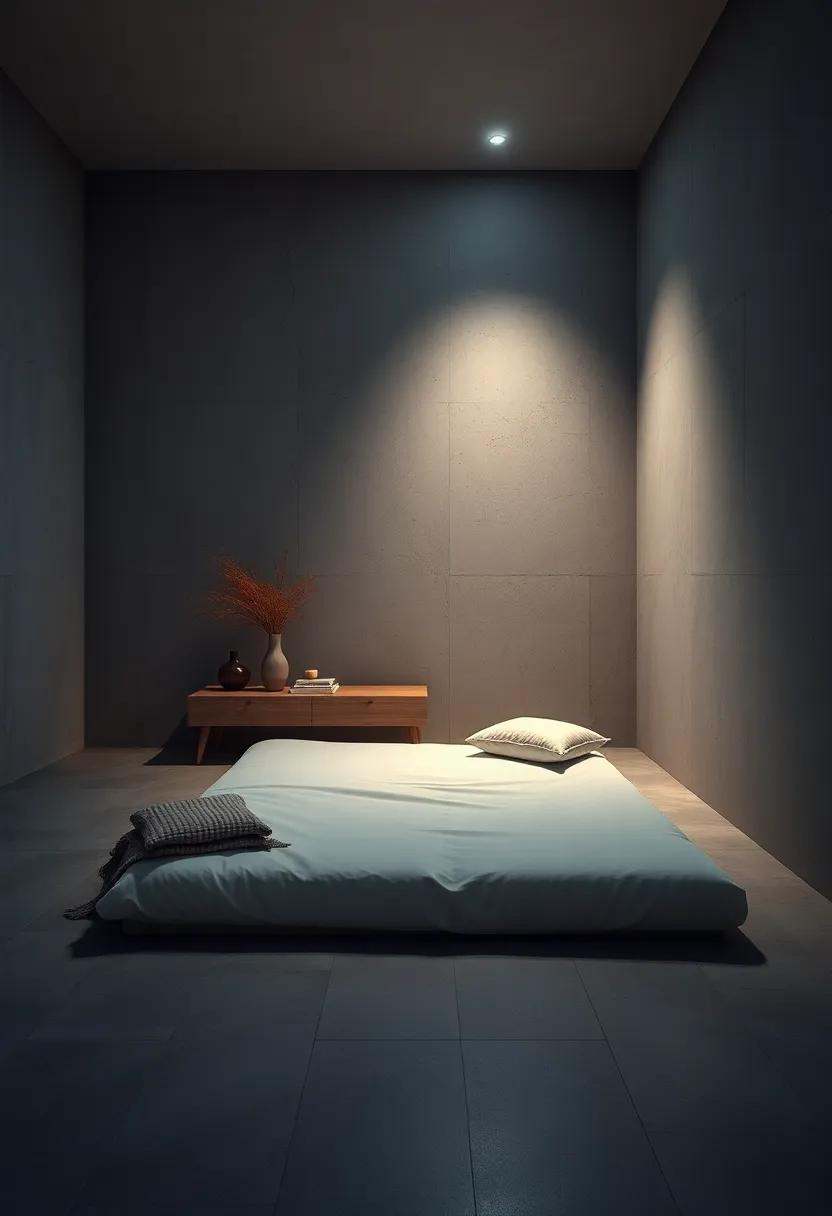
Under the gentle glow of moonlight, a floor mattress transforms the bedroom into a sanctuary of calm and simplicity. The quiet allure of a minimalist setup encourages restful sleep, free from the distractions of bulky furniture and clutter. A soft blanket folded neatly and pillows arranged with subtle precision invite relaxation, reflecting an understated elegance that resonates with modern design trends.
Key elements of this serene atmosphere include:
- Neutral tones to amplify the natural moonlight glow
- Textured linens that add tactile comfort without overpowering the space
- Minimalist accessories, such as a small plant or a single decorative object
| Element | Contribution to Ambiance |
|---|---|
| Soft Moonlight | Creates a tranquil, dreamlike environment |
| Floor Mattress | Grounds the room in simplicity and intimacy |
| Minimalist Decor | Enhances focus on peacefulness and space |
The Sculptural Aspect of a Floor Mattress Surrounded by Minimalist Lighting and Pristine Surfaces
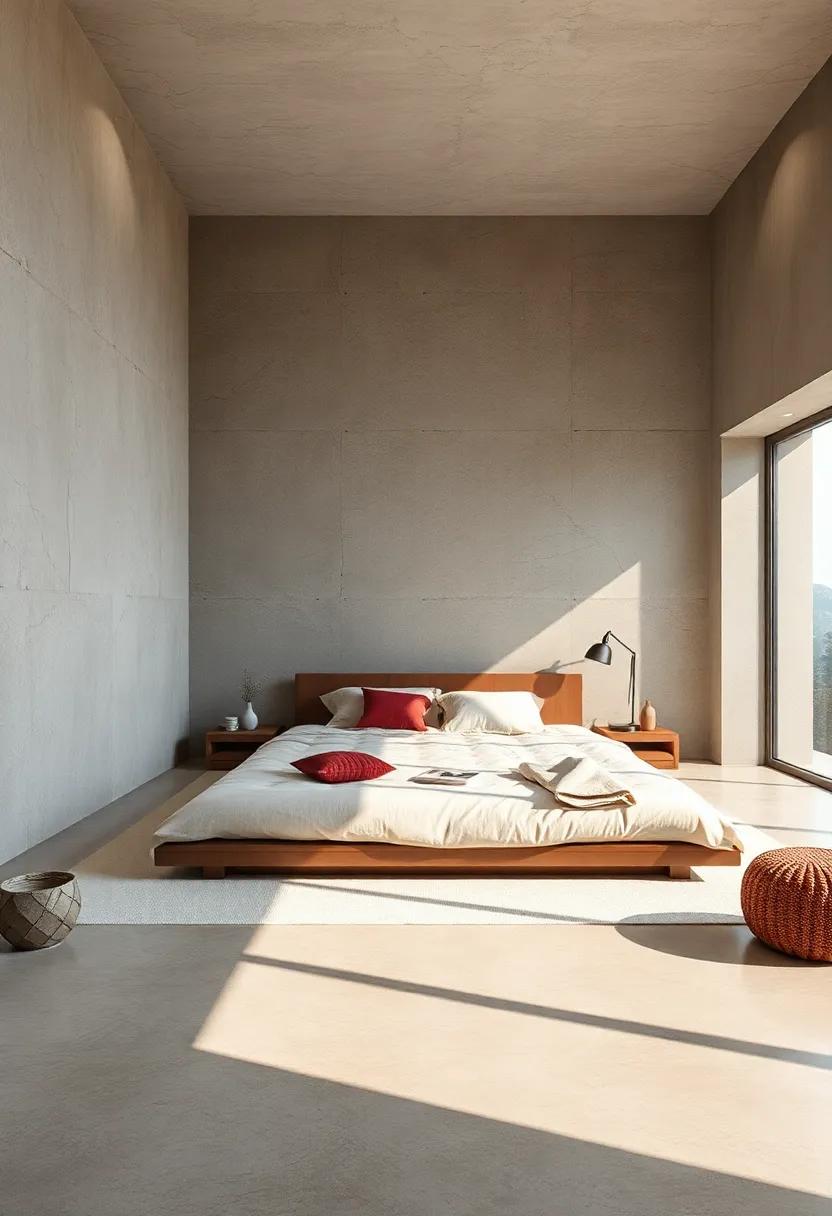
In the realm of modern design, the floor mattress transcends its traditional role as mere bedding to become a sculptural anchor within the space. Its low-profile silhouette, often crafted from natural fibers or muted fabrics, invites a tactile harmony that contrasts beautifully against minimalist lighting. The subtle interplay of shadow and glow emphasizes the mattress’s form, elevating it beyond function into an artful presence. This careful orchestration allows the mattress to engage with its surroundings, creating a spatial dialogue that whispers calm and intentionality.
Surrounding pristine surfaces-often austere and uncluttered-act as a sleek canvas, accentuating the mattress’s understated elegance. The lighting, deliberately minimal and sometimes recessed, does more than illuminate; it sculpts the atmosphere, enhancing textures and contours. In this curated environment, essential elements become focal points rather than distractions. Consider these key components that support this aesthetic:
- Matte finishes: Diffuse reflection that softens the room’s visual impact
- Warm accent lighting: Selective illumination highlighting texture and depth
- Natural materials: Woven fibers, wood grains, and stone surfaces for tactile synergy
Closing Remarks
In the quest for a modern ultra-minimalist bedroom, floor mattresses offer a quiet yet profound invitation to embrace simplicity. Stripped of excess and free from convention, they redefine comfort in the most unassuming way. By choosing to rest closer to the ground, you open your space to clarity, calm, and a new kind of mindfulness-where every element serves a purpose, and every breath feels lighter. In a world that constantly pulls us toward complexity, sometimes the most profound statement is made simply by lowering ourselves to the floor.