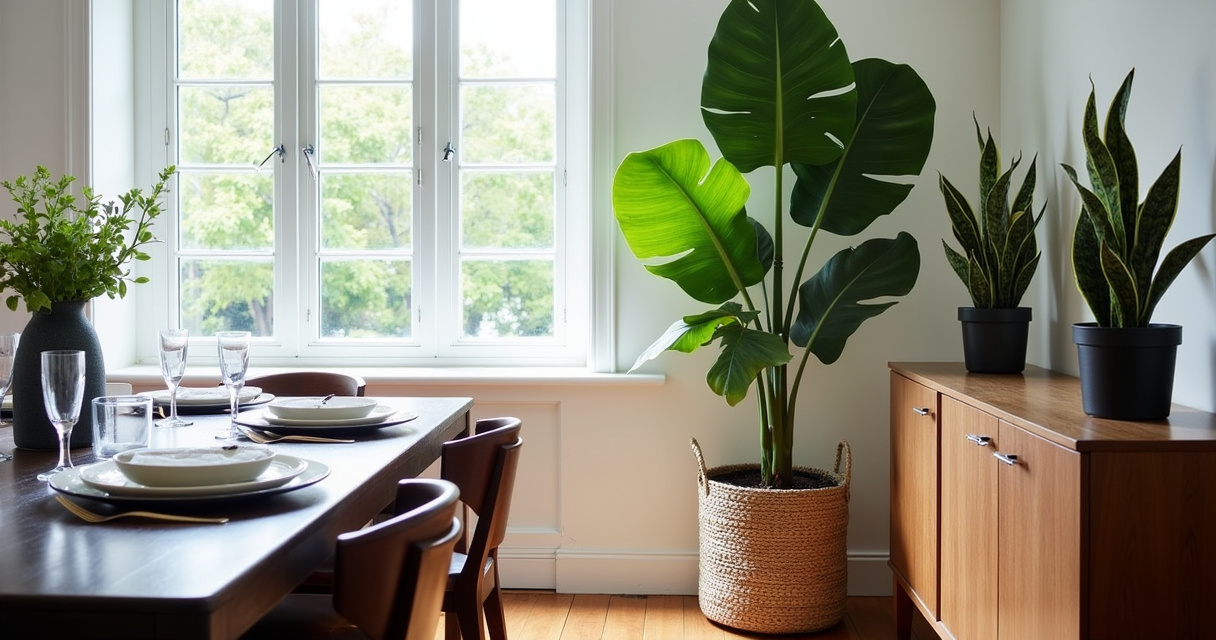
The dining area is far more than just a spot for meals; it’s a cherished setting where family and friends come together, share stories, and build unforgettable memories. But does your dining space truly capture the warmth and connection of these moments?
Having revamped numerous uninspiring dining rooms into inviting, stylish spaces without overspending, I’ve discovered that creating a stunning dining environment doesn’t require a hefty budget. Whether you have a compact breakfast corner or a grand formal dining room, these 21 innovative dining room decorating tips will help you craft a space that balances functionality with elegance.
1. Brighten Up with Striking Light Fixtures
Lighting acts as the crown jewel of your dining room, providing the finishing touch that elevates the entire atmosphere. Move beyond ordinary ceiling lights! Consider a bold chandelier, a set of large pendant lamps, or an artistic cluster of hanging bulbs to draw attention upward and establish the room’s mood. The right lighting not only brightens the area but also sets the tone for your guests’ experience.
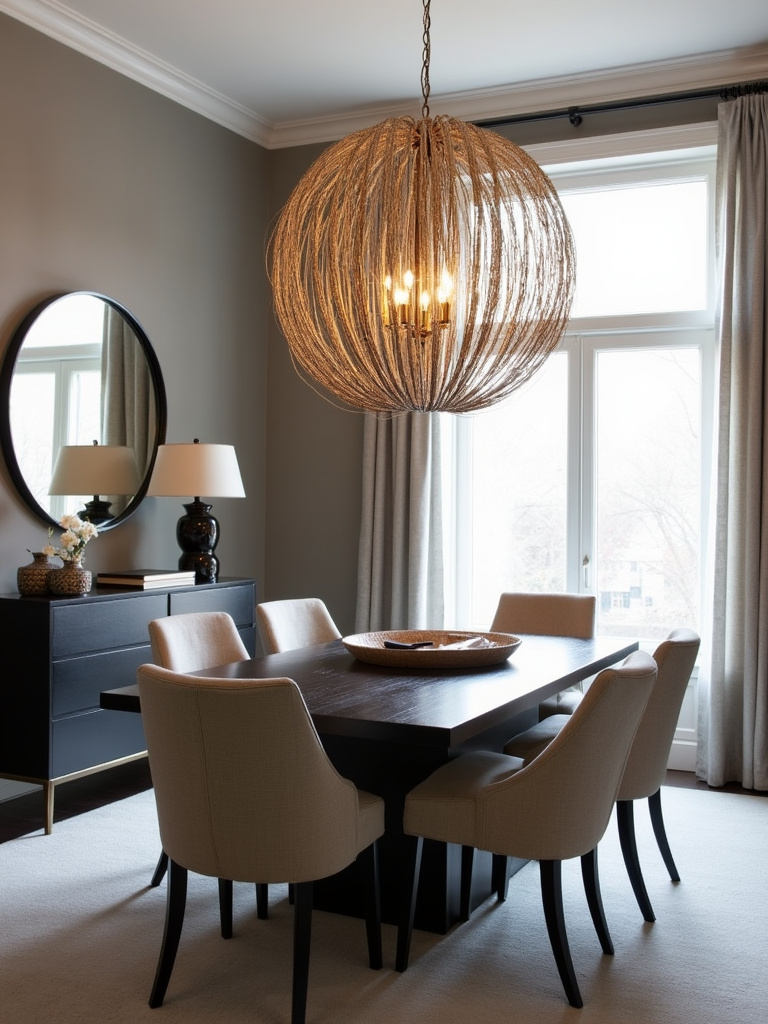
When selecting your centerpiece fixture, size is crucial. For chandeliers or pendants above the table, aim for a width that’s roughly 50-66% of your table’s width. Also, maintain a clearance of 30-36 inches from the bottom of the fixture to the tabletop to avoid obstructing views or causing discomfort during conversations.
The style of your lighting can dramatically influence your dining room’s vibe. A minimalist geometric pendant exudes contemporary elegance, while a crystal chandelier evokes classic charm. For rustic or farmhouse aesthetics, fixtures crafted from natural elements like wood or woven fibers add authenticity.
2. Anchor Your Space with the Ideal Area Rug
An area rug does more than protect your flooring-it grounds your dining zone, introduces warmth, and unifies your design elements. Think of it as the foundation that supports the entire room’s aesthetic. I’ve witnessed countless dining areas transformed simply by adding the perfect rug.
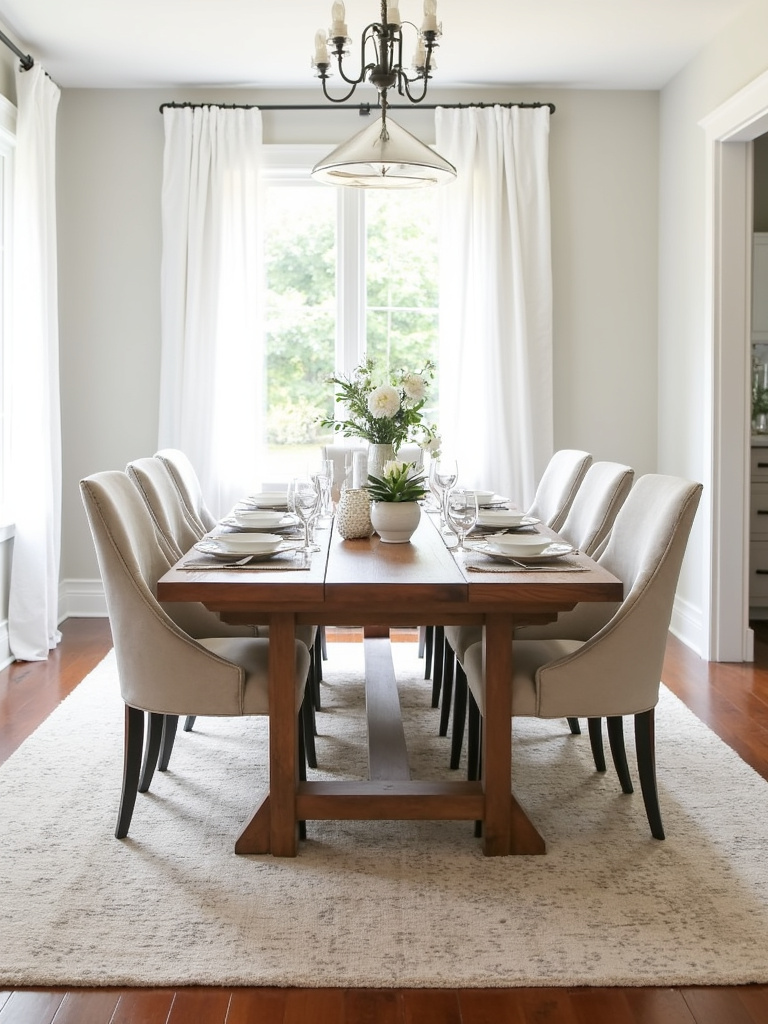
Size is paramount. Your rug should extend at least 24-36 inches beyond the table’s edges on all sides, ensuring chairs remain fully on the rug when pulled out. To estimate, measure your table and add 4-6 feet to both length and width.
Material choice is equally important. Wool rugs are a fantastic investment due to their durability and natural stain resistance, offering a plush feel underfoot. For budget-conscious options, synthetic fibers like polypropylene provide good stain protection and affordability. Always use a rug pad underneath to prevent slipping and add cushioning.
3. Infuse Personality with a Gallery Wall
Gallery walls are a brilliant way to inject character into your dining room. They turn blank walls into engaging focal points and reflect your unique style. You can mix family portraits, abstract paintings, vintage prints, or even children’s artwork to create a dynamic display.
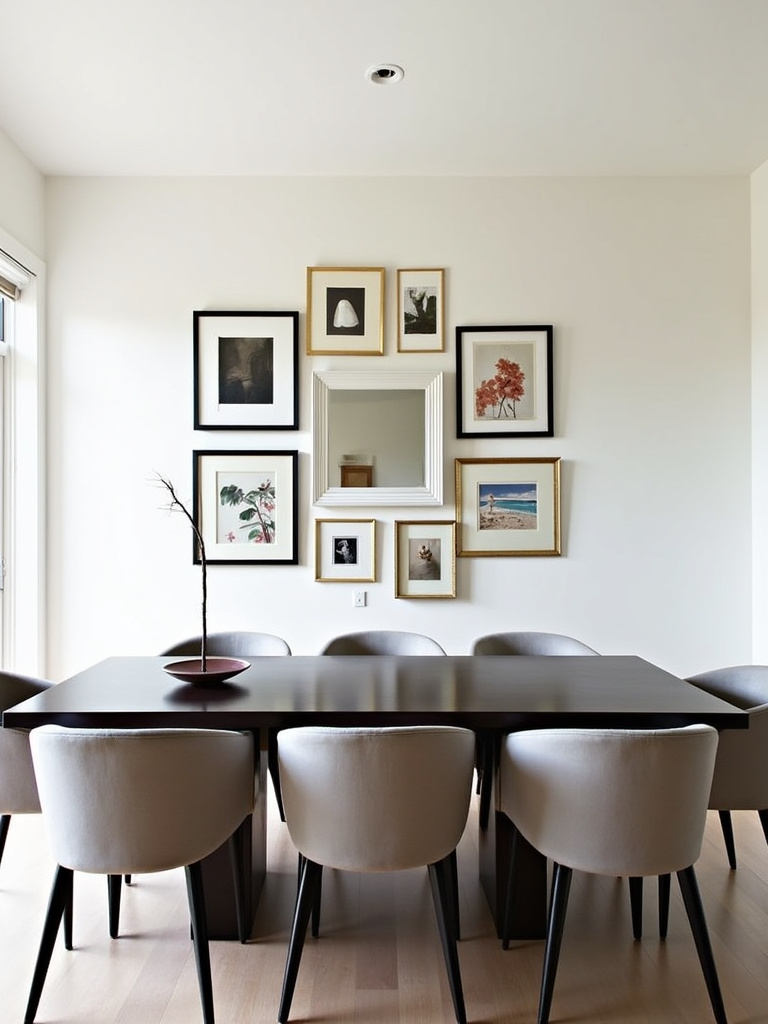
Start by measuring your wall and experimenting with layouts on the floor. For a polished look, arrange frames symmetrically with matching styles. For a more eclectic feel, mix frame types but maintain a consistent color scheme. Using painter’s tape to mark frame positions on the wall before hanging can save you from unnecessary holes.
- Incorporate mirrors to amplify light and create a sense of spaciousness
- Combine various mediums such as paintings, photos, and small sculptures
- Use a laser level to ensure perfectly straight alignment
4. Enhance Light and Space with Statement Mirrors
Mirrors are transformative in dining rooms, reflecting light to make the area feel larger and more inviting. They add a touch of glamour and dynamically reflect your table settings and lighting, creating a lively ambiance.
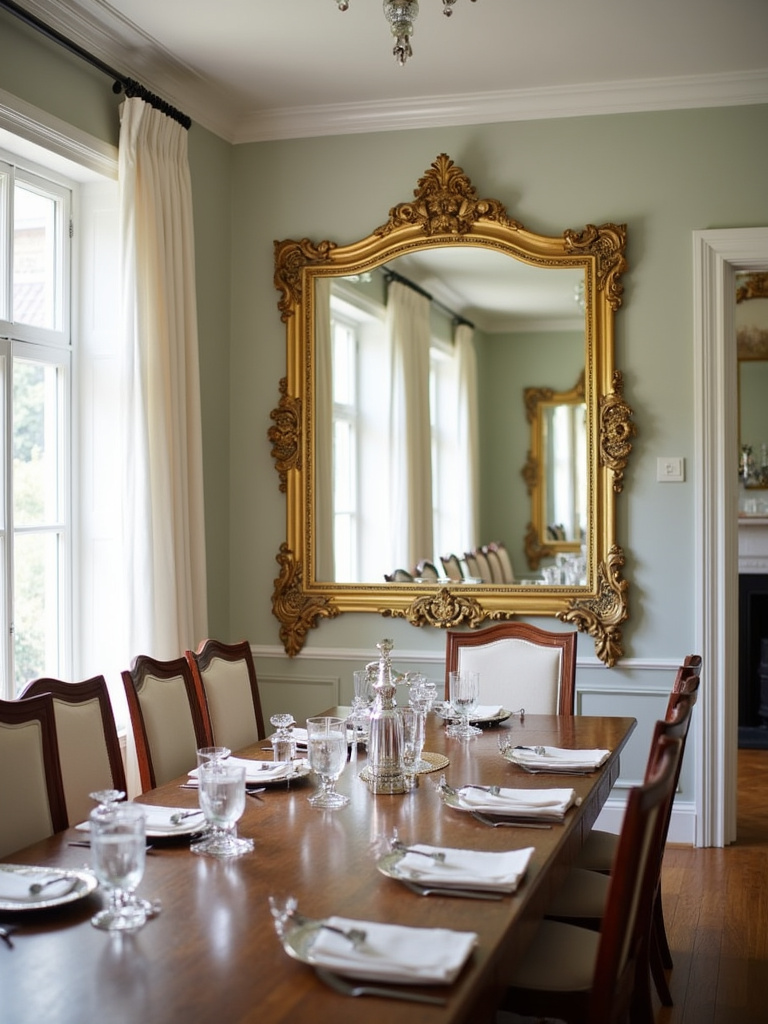
Place mirrors opposite windows to maximize natural light or where they can reflect your chandelier or centerpiece. Large framed mirrors serve as stunning focal points, while clusters of smaller mirrors arranged gallery-style add texture and interest in compact spaces.
5. Bring Nature Indoors with Lush Plants
Adding greenery breathes life into any dining room, creating a fresh and welcoming atmosphere. Even if you’re not confident with plant care, there are resilient varieties that thrive indoors.
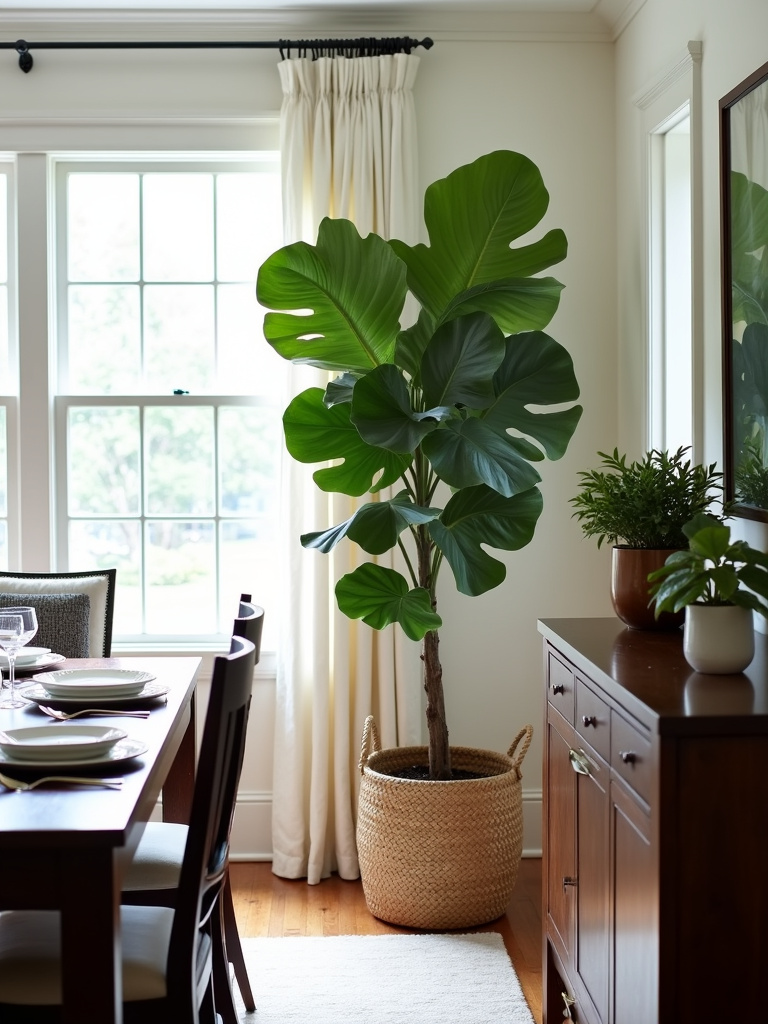
For low-light areas, consider hardy plants like snake plants, ZZ plants, or pothos vines. In brighter spaces, statement plants such as fiddle leaf figs or clusters of smaller pots add visual interest. Fresh herbs in small pots not only look charming but also provide fragrant accents and culinary benefits.
“Plants transform a dining room from a place where you eat to a place where you live.” – A guiding principle that consistently revitalizes spaces.
Choose planters that complement your décor-sleek modern pots for contemporary rooms or terracotta and woven baskets for rustic charm. Varying plant heights creates a balanced, rhythmic visual flow.
6. Inject Energy with Bold Color Schemes
Color dramatically influences the mood of your dining room. While neutrals are safe, daring with rich hues can invigorate your space. Deep jewel tones like emerald or sapphire add opulence, while vibrant shades such as coral or turquoise bring a lively, fresh vibe.
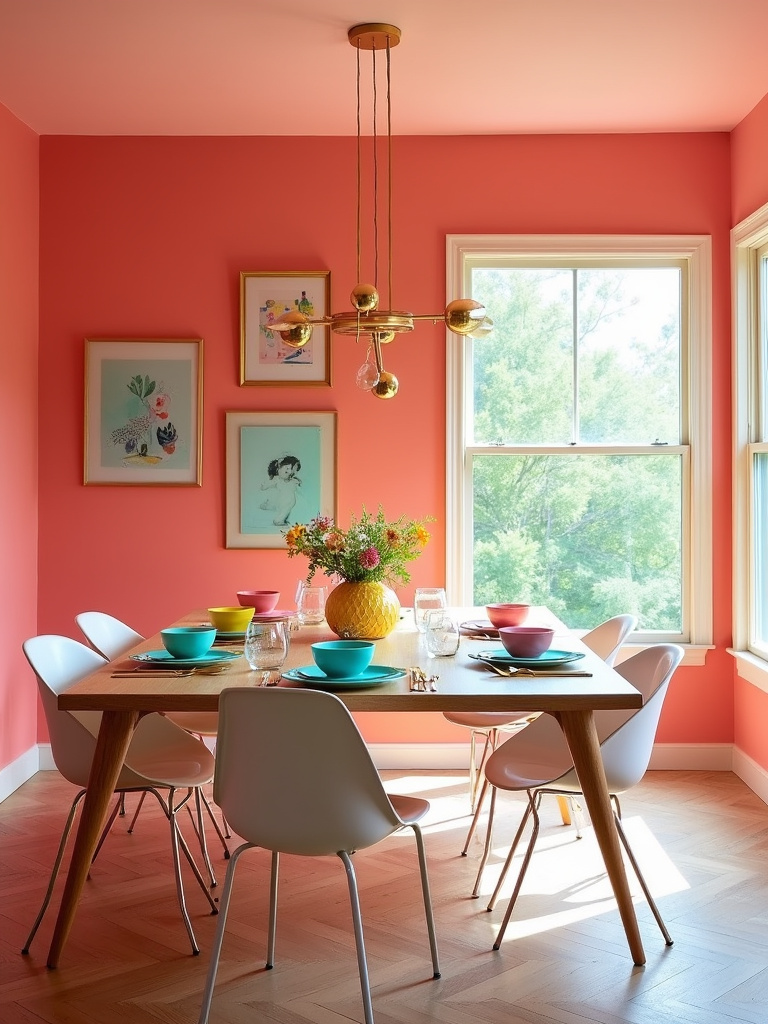
Balance is key: try an accent wall in a bold color or introduce vivid hues through chairs, artwork, or textiles. For example, pairing deep teal walls with gold accents can transform a room from ordinary to extraordinary with minimal effort.
- Jewel tones create a sophisticated ambiance
- Tropical brights add playful energy
- Mediterranean blues combined with terracotta evoke coastal warmth
- Monochromatic schemes in varying shades add depth
7. Embrace Elegance with Neutral Palettes
Neutral tones often get overlooked but provide a timeless, versatile backdrop that highlights your table settings and décor. They allow for easy seasonal updates without repainting.
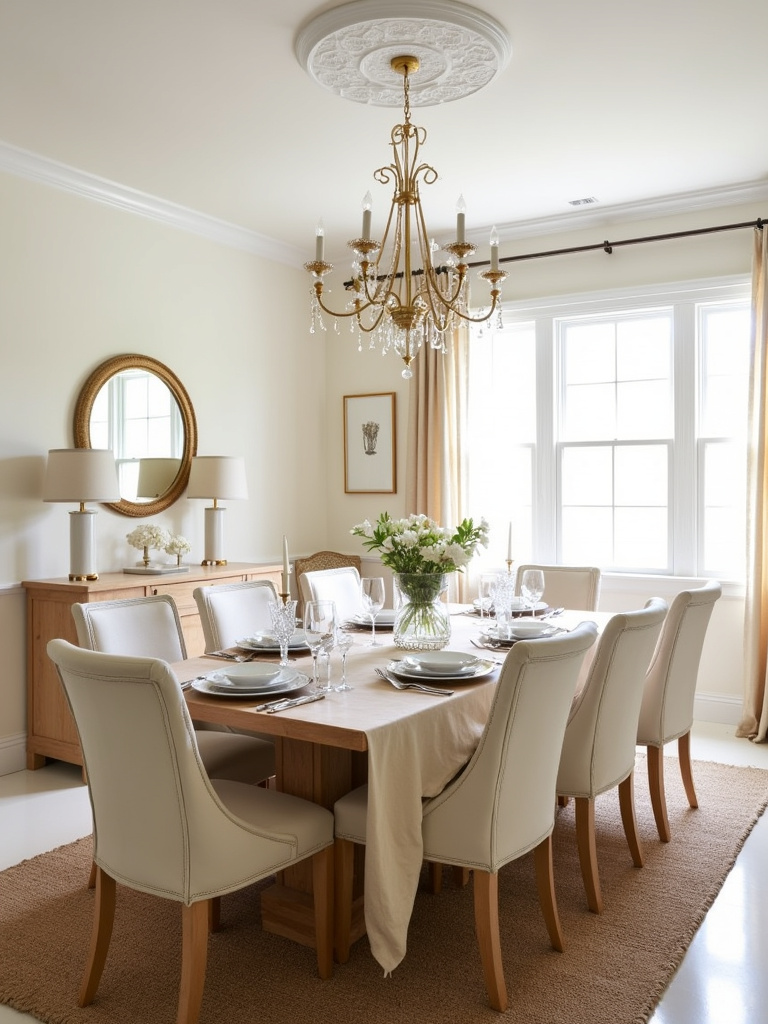
Layer various shades and textures-warm whites, beiges, grays, and natural woods-to add dimension. Incorporate textured wallpaper or grasscloth and natural materials like stone and metal for a rich, inviting environment.
8. Make a Statement with Wallpaper Accent Walls
Wallpaper is resurging as a powerful design tool. An accent wall adorned with patterned or textured wallpaper can instantly elevate your dining room’s style.
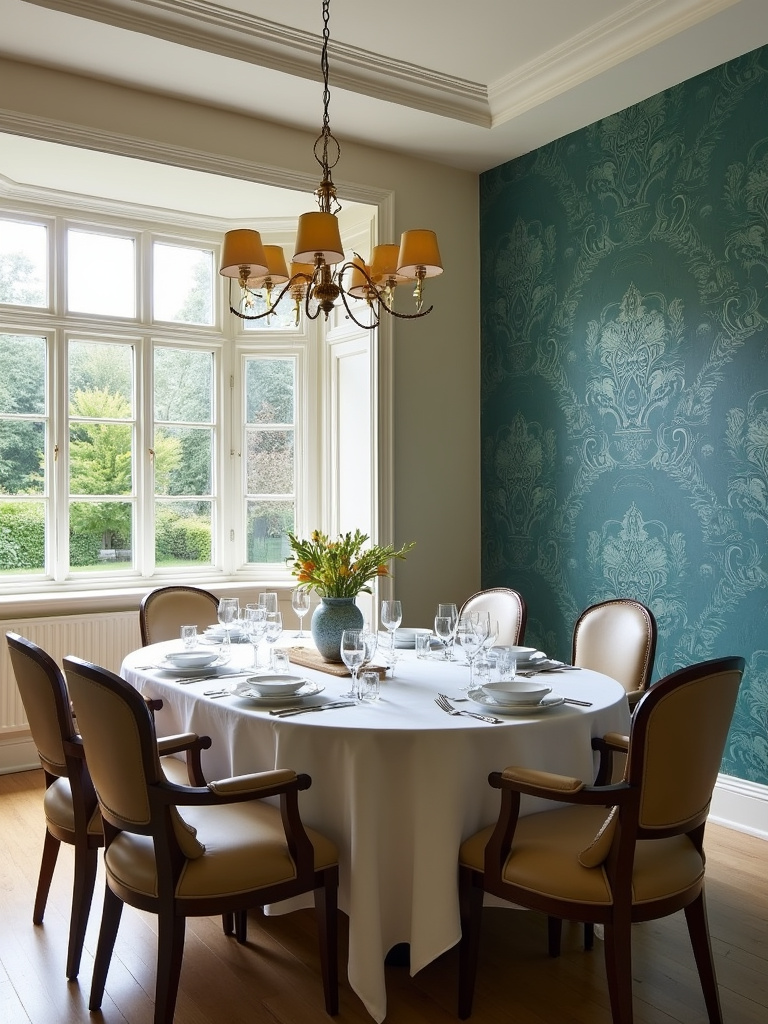
Choose the wall that commands attention-often the one you see first or behind a buffet. Bold patterns work well here since dining rooms are used less continuously than other rooms. Peel-and-stick options make this accessible for renters or those who like frequent changes.
9. Display Your Treasures with Open Shelving
Open shelves add character and provide a platform to showcase your favorite dishes, heirlooms, or collectibles while keeping them within easy reach.
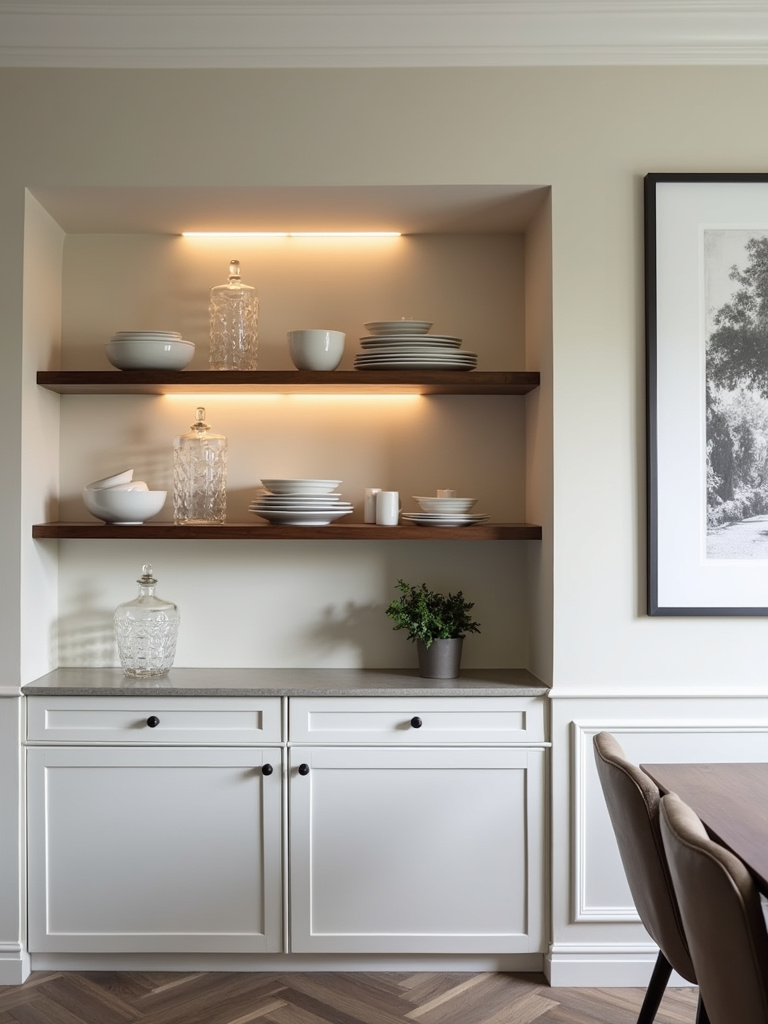
Curate thoughtfully: group items in odd numbers, vary heights and textures, and leave space to avoid clutter. Decorative baskets can conceal less attractive essentials.
10. Maximize Coziness with Banquette Seating
Banquettes are perfect for small or awkward dining areas, offering ample seating and often hidden storage beneath. They create a snug, inviting atmosphere reminiscent of boutique restaurants.
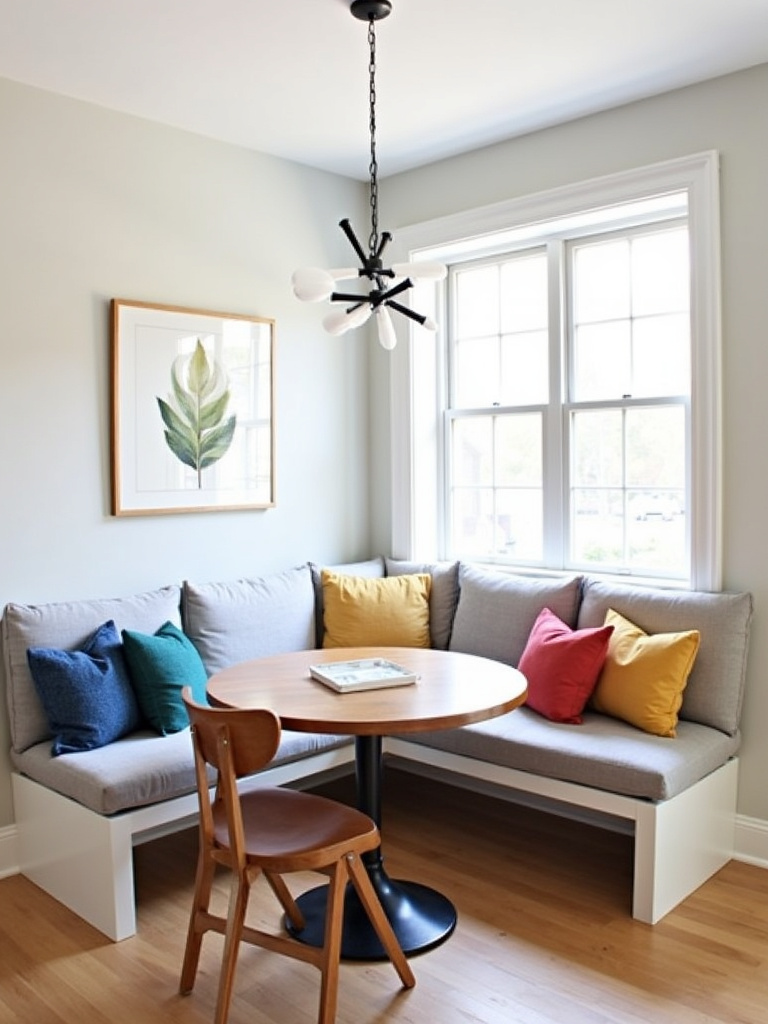
Choose durable, easy-to-clean fabrics like Crypton or Sunbrella, especially in homes with children. Ensure cushions are thick and comfortable, and add throw pillows for extra support and style.
11. Foster Connection with Round Dining Tables
Round tables encourage inclusive conversation by eliminating hierarchical seating. They promote a relaxed, social dining experience where everyone feels equally engaged.
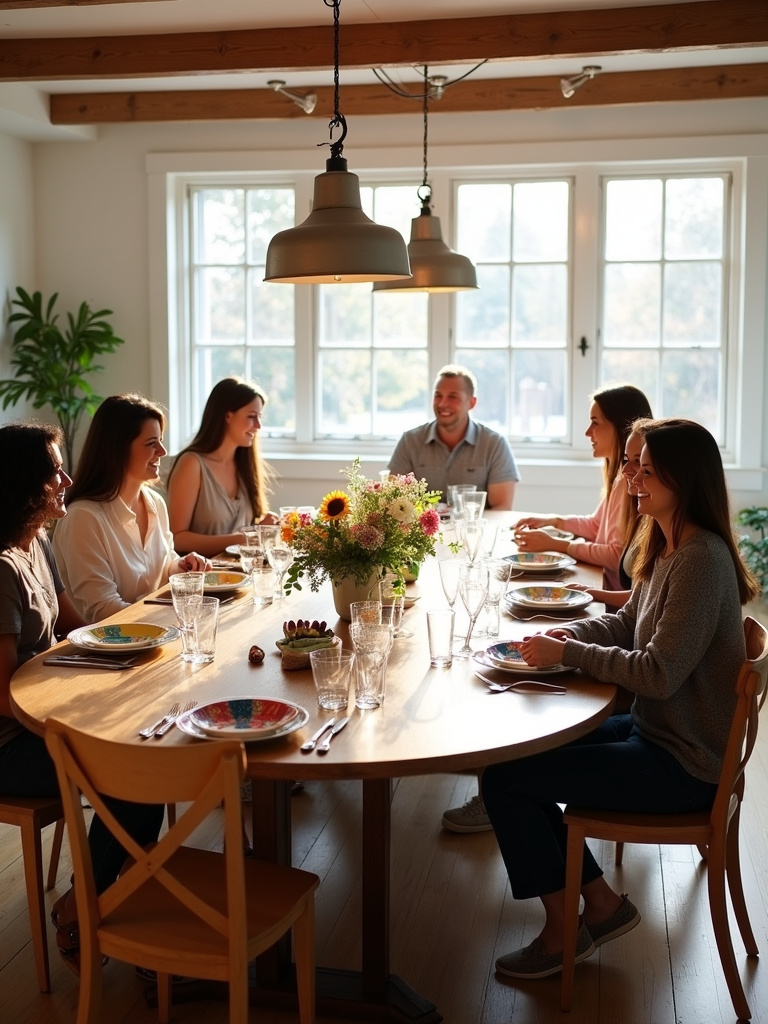
Allow 24 inches of table edge per person and maintain at least 36 inches clearance around the table for comfortable movement. Styles range from sleek pedestal bases for modern rooms to rustic wooden tables for farmhouse charm.
12. Classic Appeal of Rectangular Tables
Rectangular tables offer a formal, structured dining experience with clear seating hierarchy, ideal for large gatherings and traditional settings.
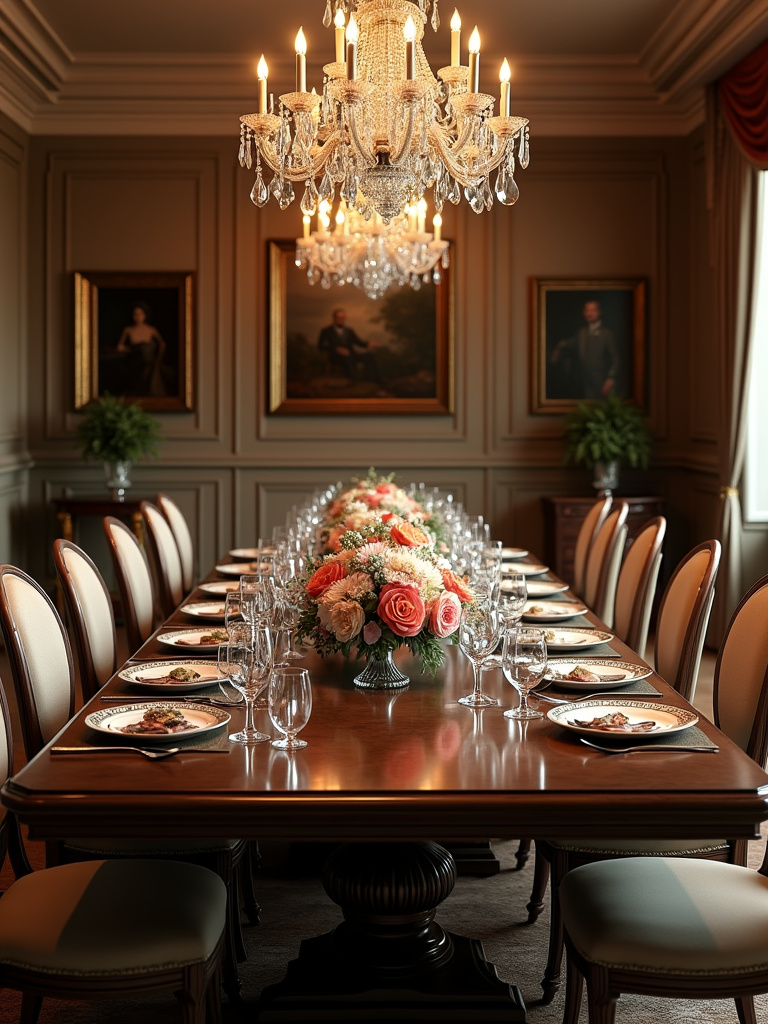
Ensure the table fits your room proportionally, leaving 36 inches between the table edge and walls. Provide 24 inches width per person and at least 12 inches depth for place settings.
13. Versatile Extendable Tables for Dynamic Spaces
Extendable tables offer flexibility, expanding to accommodate guests while remaining compact for daily use-ideal for those with limited space or occasional entertaining.
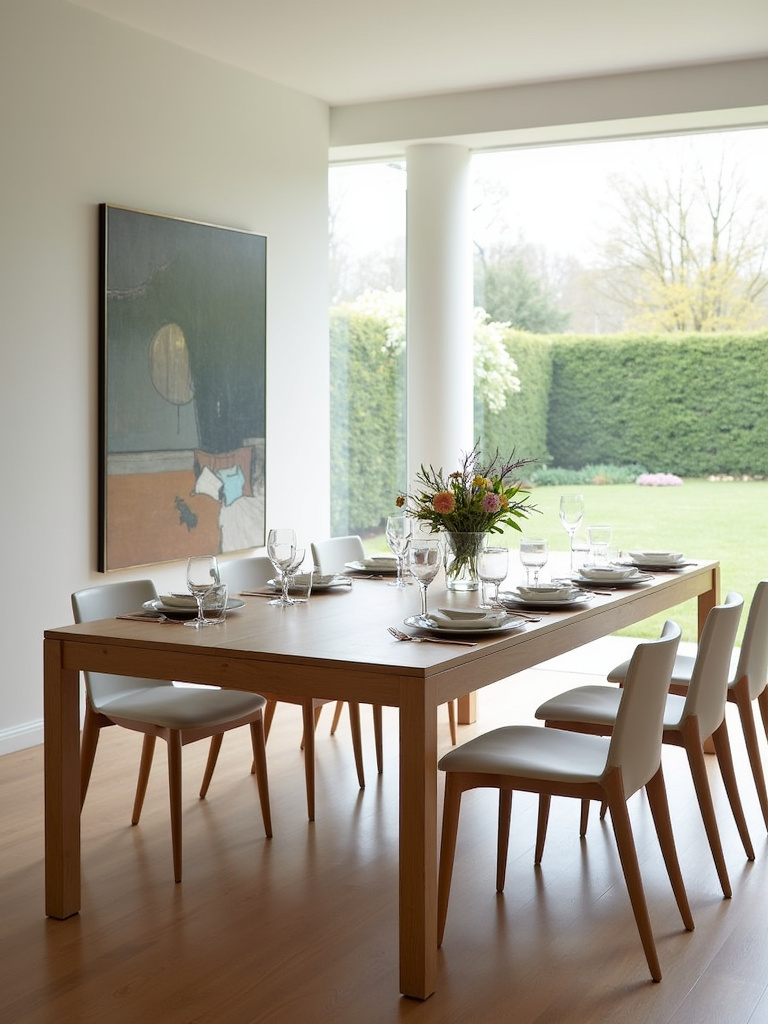
Modern mechanisms like butterfly leaves or drop-leaf sides allow smooth, one-person operation. This adaptability enhances room flow and comfort.
Prioritize Comfort with Ergonomic Dining Chairs
Comfortable seating is essential for enjoyable meals. Look for chairs with lumbar support, appropriate seat depth, and height that allows feet to rest flat on the floor. Cushioned seats and breathable fabrics enhance comfort during long dinners.
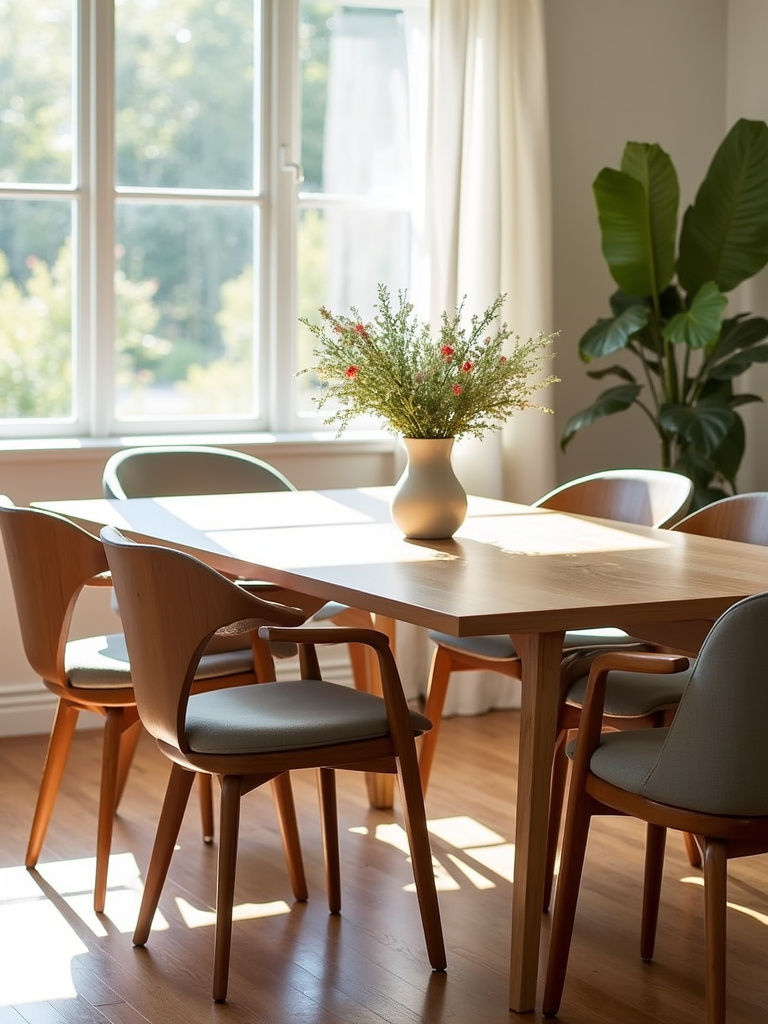
Invest in quality chairs for everyday use and consider budget-friendly options for occasional seating. Comfortable chairs encourage guests to linger and enjoy the experience.
14. Add Character with Mix-and-Match Chairs
Combining different chair styles adds charm and a curated feel to your dining room. This approach is budget-friendly and allows gradual collection over time.
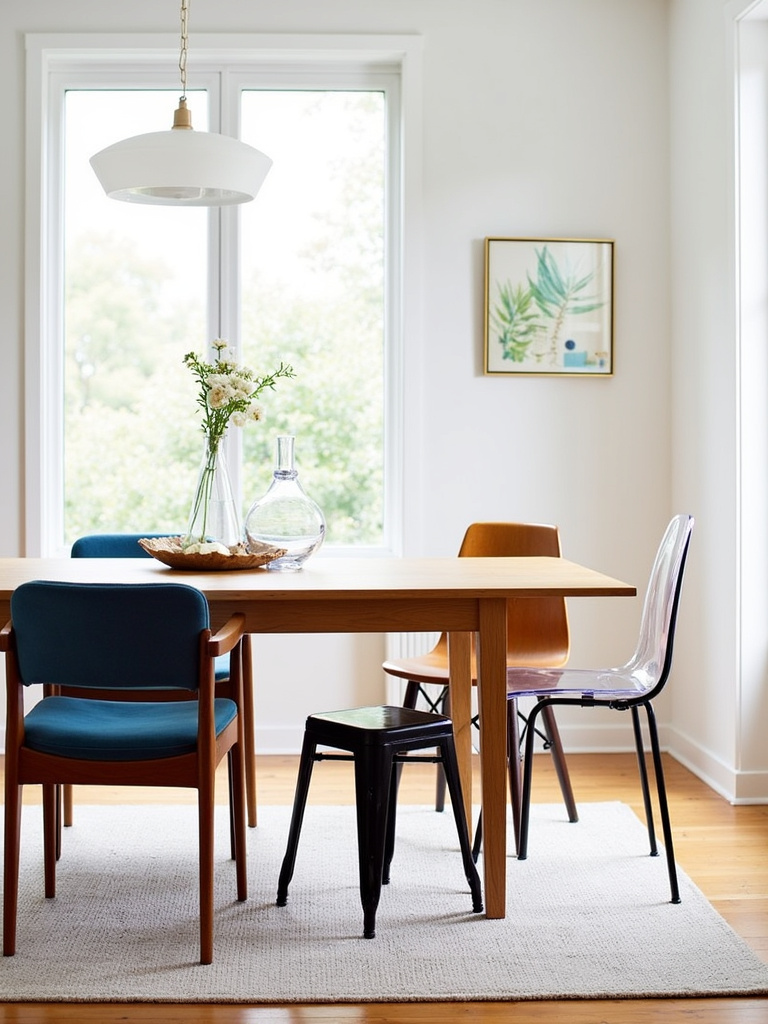
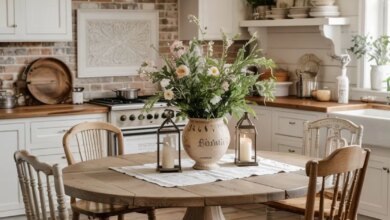
Unify the look by maintaining a consistent color palette, material, or chair height. For example, painting mismatched wooden chairs the same color can create cohesion with personality.
- Use upholstered armchairs at table ends for host and hostess seating
- Combine chairs of the same material but different designs
- Stick to one design style but vary chair shapes
Enhance Your Table with Runners and Centerpieces
Table runners and centerpieces are simple yet impactful ways to elevate your dining table. They can be easily swapped to reflect seasons or special occasions.
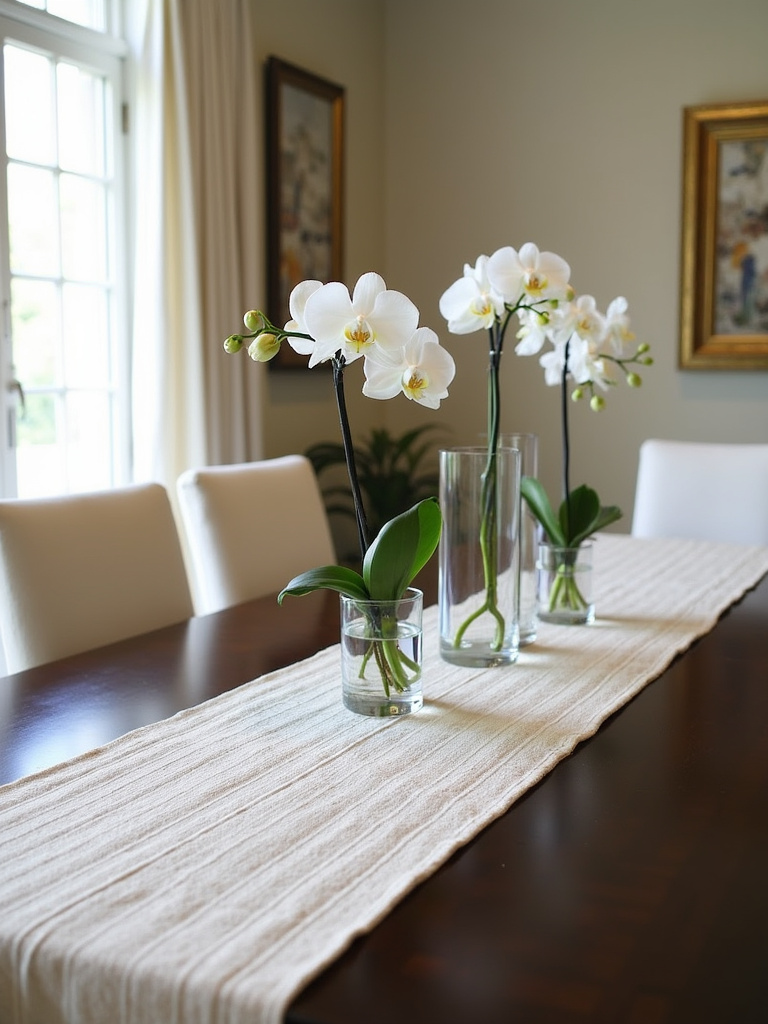
Choose runners that complement rather than conceal your table’s surface. A length extending 6-12 inches beyond each end creates an elegant drape. Centerpieces should be low-profile to facilitate conversation-think candlesticks, seasonal fruit bowls, or simple floral arrangements.
15. Create Warmth with Wall Sconces
Wall sconces add a soft, flattering glow that enhances the dining ambiance. They provide eye-level lighting that complements overhead fixtures and save space compared to floor or table lamps.
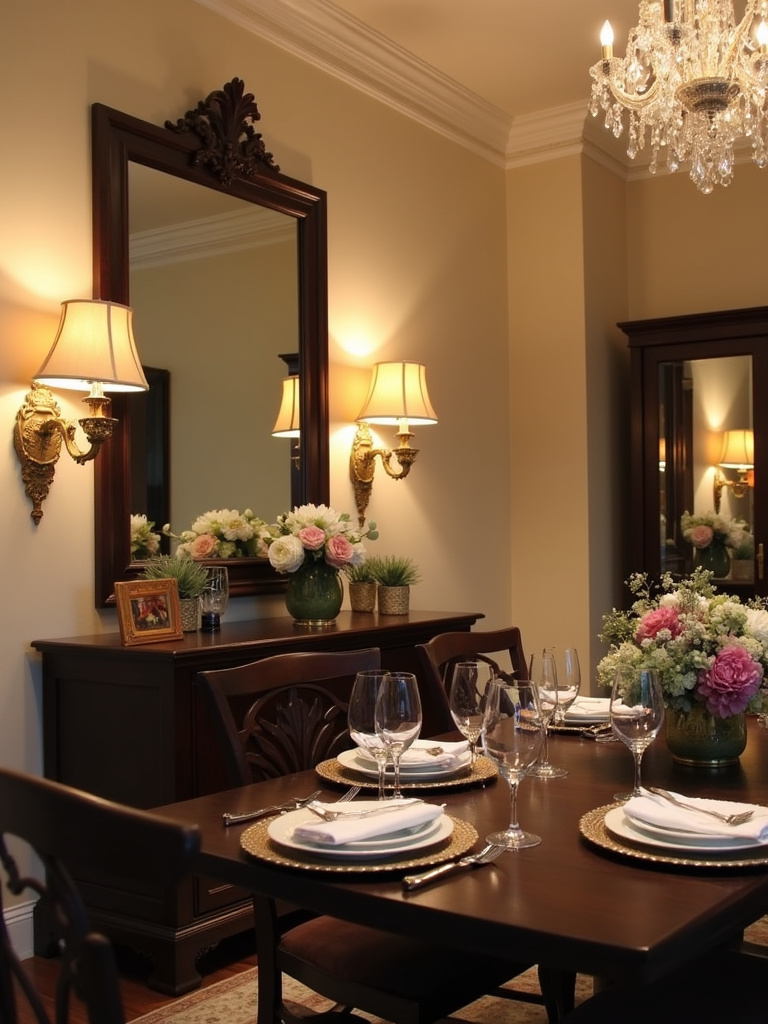
Install sconces at seated eye level (60-66 inches from the floor) and space them 36-40 inches apart if flanking artwork or mirrors. Choose styles that complement your décor and consider dimmers for adjustable ambiance.
Combine Style and Function with Buffets and Sideboards
Buffets and sideboards are indispensable for storage and serving. They keep dishes, linens, and serving ware organized while providing surfaces for décor or drink stations.
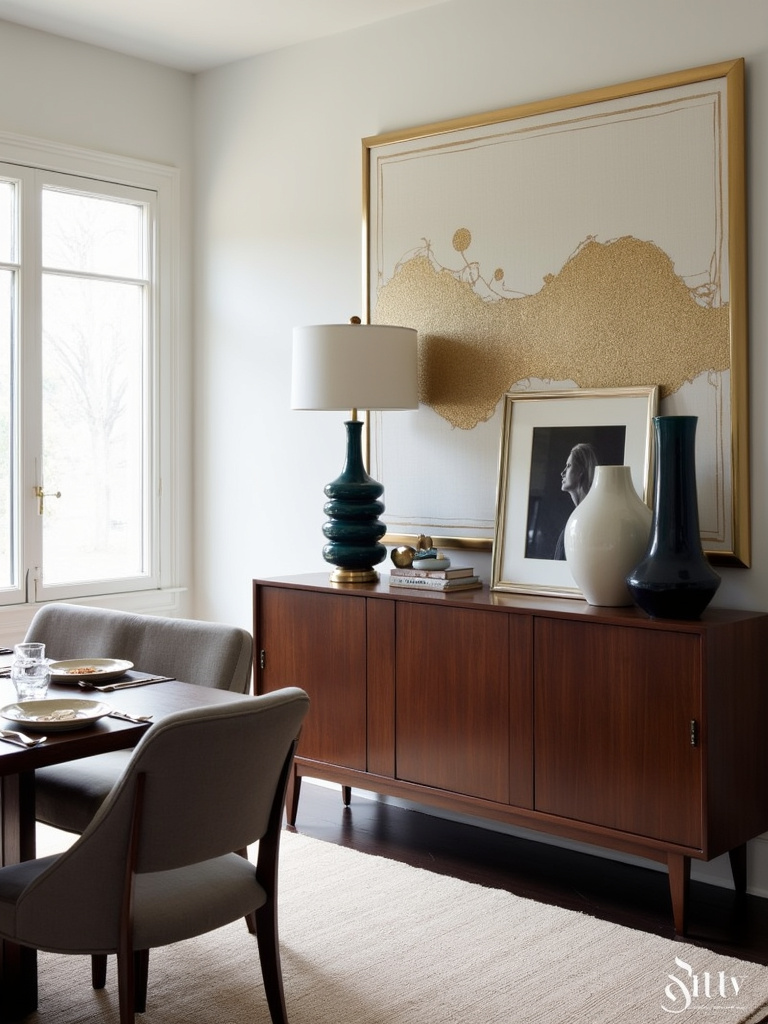
Select pieces that complement but don’t exactly match your table for visual interest. The top should be about 36 inches high for serving ease. Style the surface in thirds with lamps, artwork, and curated objects for a balanced look.
16. Frame Your Windows with Elegant Drapes
Window treatments soften the room, add texture, and control light and privacy. Properly hung curtains can make windows appear larger and enhance natural light.
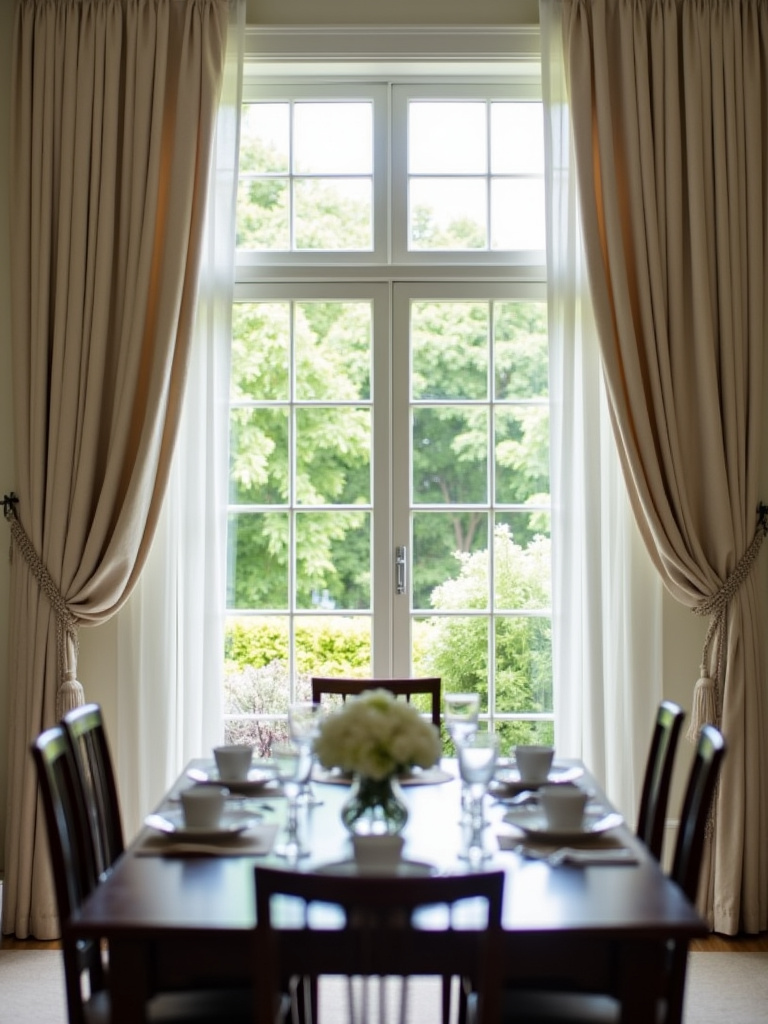
Mount rods 4-6 inches above the window and extend 8-12 inches beyond the frame. Floor-length or slightly puddled curtains create a polished look. Sheer or lightweight fabrics maintain brightness while adding softness.
17. Make a Statement with Bold Artwork
A striking piece of art can redefine your dining room’s character instantly. Large-scale works command attention and spark conversation.
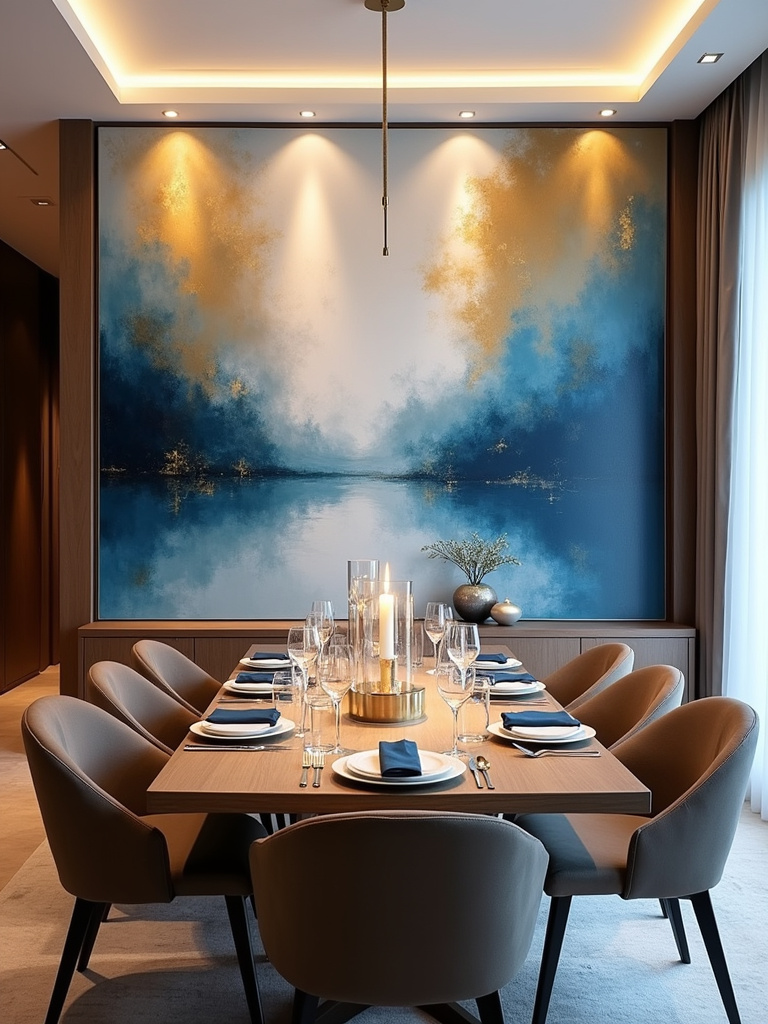
Choose artwork about two-thirds to three-quarters the width of the furniture it hangs above. Hang the center at 57-60 inches from the floor for optimal viewing from a seated position. Personal or meaningful art often enriches the dining experience.
18. Add Depth with Layered Textures
Texture brings richness and dimension to your dining room, preventing flatness even in simple color schemes. Mix and match materials to create visual and tactile interest.
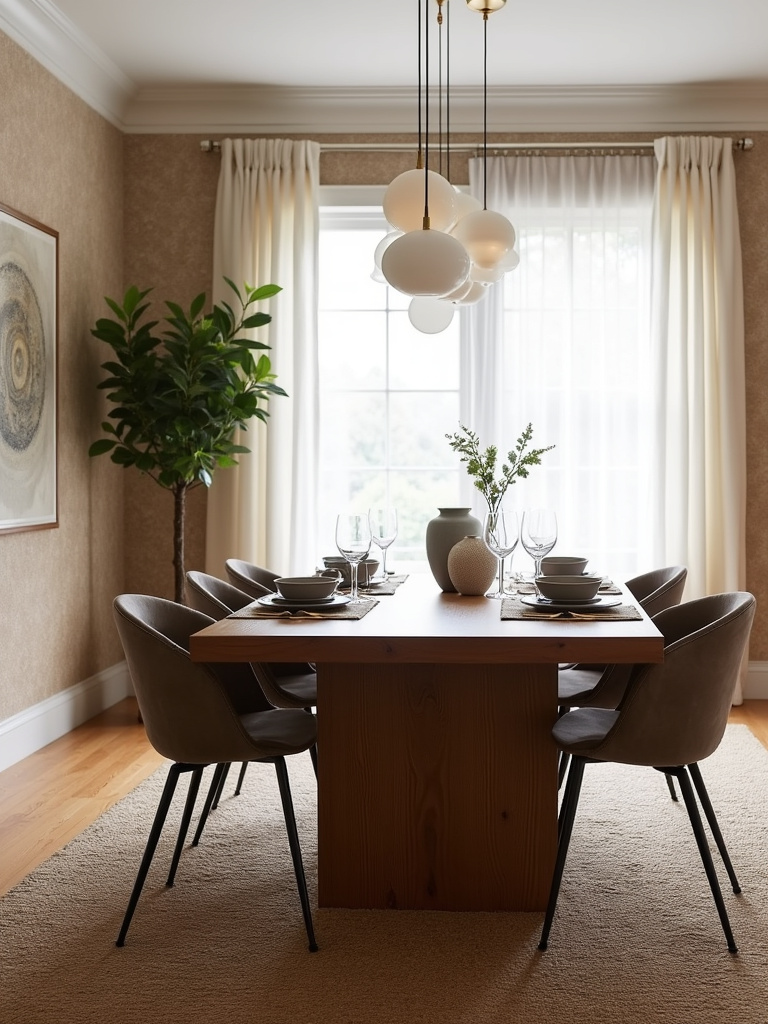
Combine smooth and rough surfaces, glossy and matte finishes, and hard and soft elements. Examples include pairing a glass tabletop with woven placemats or layering rugs for depth. Incorporate natural materials like stone, clay, and fibers for organic texture.
- Wood and metal blend warmth with industrial edge
- Matte and glossy finishes create subtle contrasts
- Layer textiles such as linen napkins on leather placemats
- Natural elements add authenticity and tactile appeal
Conclusion: Your Dining Room, Your Story
Your dining room should be a reflection of your life and style-a welcoming backdrop for meaningful moments. These 21 decorating ideas offer versatile, budget-friendly ways to transform your space into a place where people want to gather, share, and enjoy.
Remember, the most memorable dining rooms aren’t about perfection or expense-they’re about comfort, connection, and personality. Whether you adopt a few tips or embark on a full redesign, focus on creating a space that suits your lifestyle and entertains with ease.
Ready to start your dining room transformation? Your perfect space awaits!