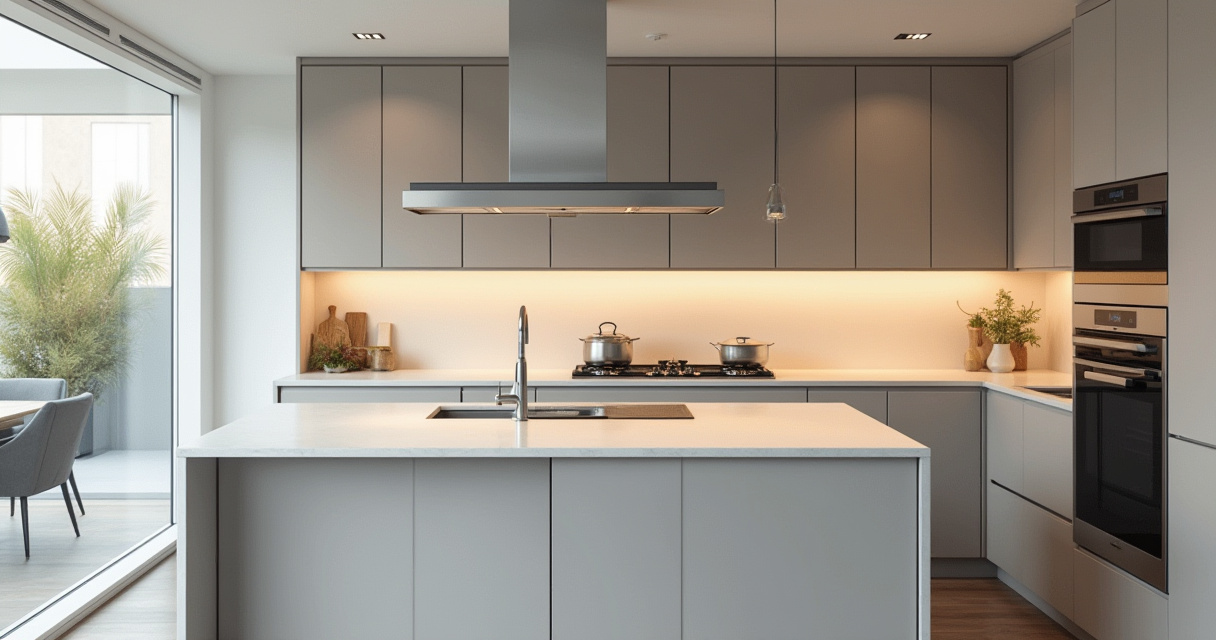
Imagine stepping into a stunning kitchen that looks like it belongs on a design magazine cover. The countertops shine with rich soapstone, the cabinetry boasts a deep emerald hue, and the brass fixtures add a touch of elegance. Yet, despite all this beauty, you struggle to see what you’re chopping because your own shadow looms over the workspace. This isn’t just a design flaw-it’s a practical and safety concern. Creating a gorgeous kitchen that’s difficult to use is a costly misstep in both form and function.
One of the most common questions I hear is, “How can I brighten my kitchen and make it welcoming without it feeling like a hospital room?” The kitchen truly is the soul of the home, but many people mistakenly believe that a single, overpowering ceiling light is the answer. The truth is, effective kitchen lighting is about layering multiple light sources that adapt to your needs, conserve energy, and enhance every moment-from hectic weeknight dinners to leisurely weekend breakfasts. Let’s explore how to achieve this balance.
Foundations of Effective Kitchen Lighting: Planning for Success
Before you get caught up in choosing stylish fixtures, it’s essential to start with a solid plan. Skipping this step often leads to wasted money, energy inefficiency, and a kitchen that doesn’t support your daily routines.
1. Analyze Your Kitchen’s Functional Lighting Requirements
Don’t be intimidated by the term “lighting needs assessment.” It simply means observing how you use your kitchen in real life. Forget the staged photos and think about your actual habits. Where do you prepare meals? Where do your children do homework? Where do you sort mail? These “activity zones” are critical to identify because a generic overhead light won’t adequately illuminate all these areas.
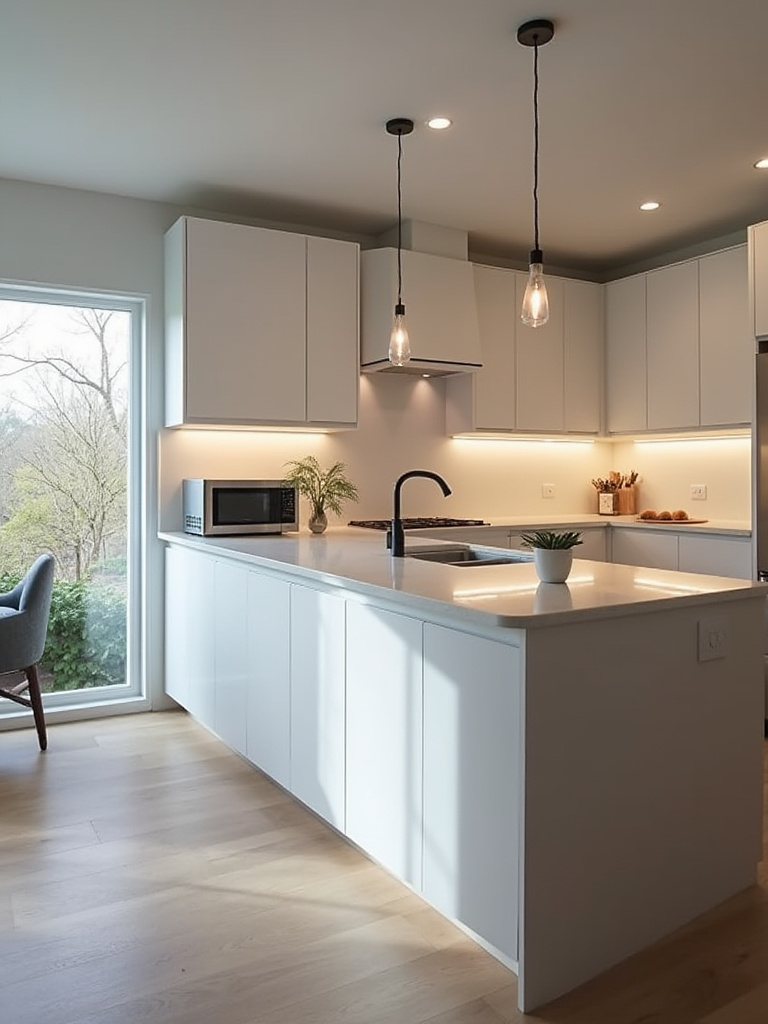
For example, a client once had a single, expensive pendant light but found the kitchen gloomy and impractical. By simply mapping his evening routine, we discovered the light was positioned behind him during key tasks. Adding focused LED under-cabinet lighting transformed the space, making it both safer and more enjoyable. Mapping your habits costs nothing but can save you from costly errors.
2. Identify Distinct Zones for Purposeful Lighting
Think of your kitchen as a series of specialized workstations rather than one large room. Each area-whether it’s the prep counter, sink, stove, or island-requires its own dedicated lighting. The goal is to illuminate specific tasks rather than flooding the entire room with light. This approach aligns with sustainable design principles by directing energy only where it’s needed.
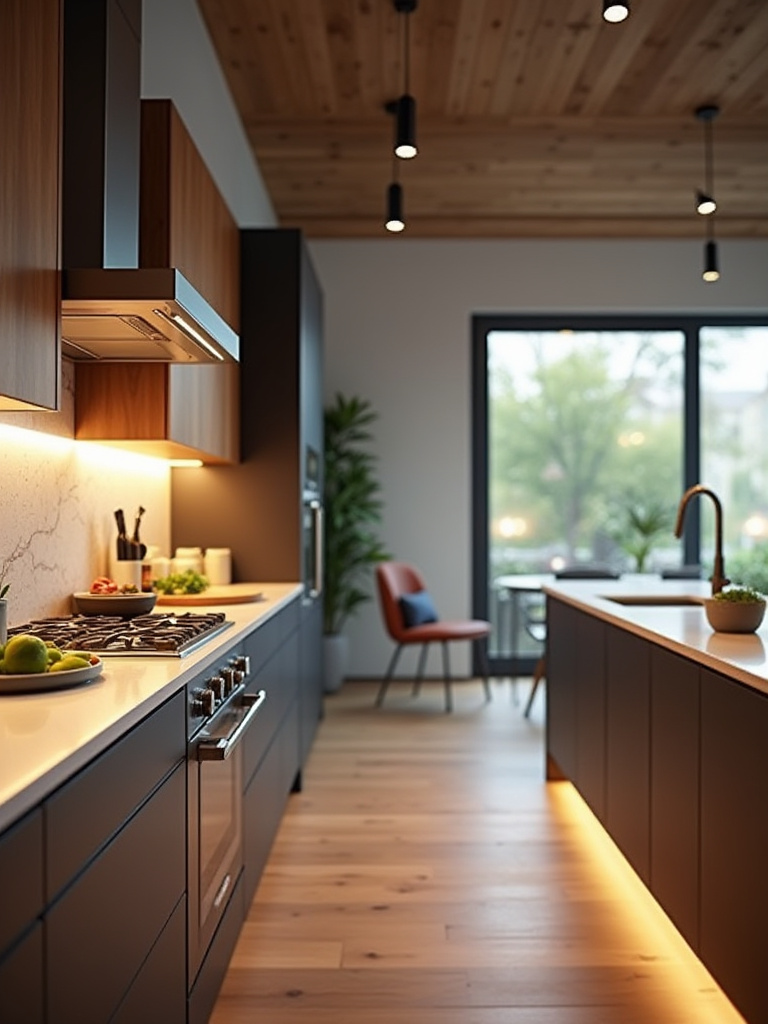
By assigning each zone its own switch or dimmer, you avoid unnecessary energy use. Bright, focused lighting can be reserved for chopping or cooking, while softer ambient light creates a cozy atmosphere elsewhere. This layered lighting strategy enhances both efficiency and comfort.
3. Embrace Layered Lighting for Maximum Flexibility
Relying on a single type of light is a common mistake. A well-designed kitchen lighting plan incorporates three essential layers:
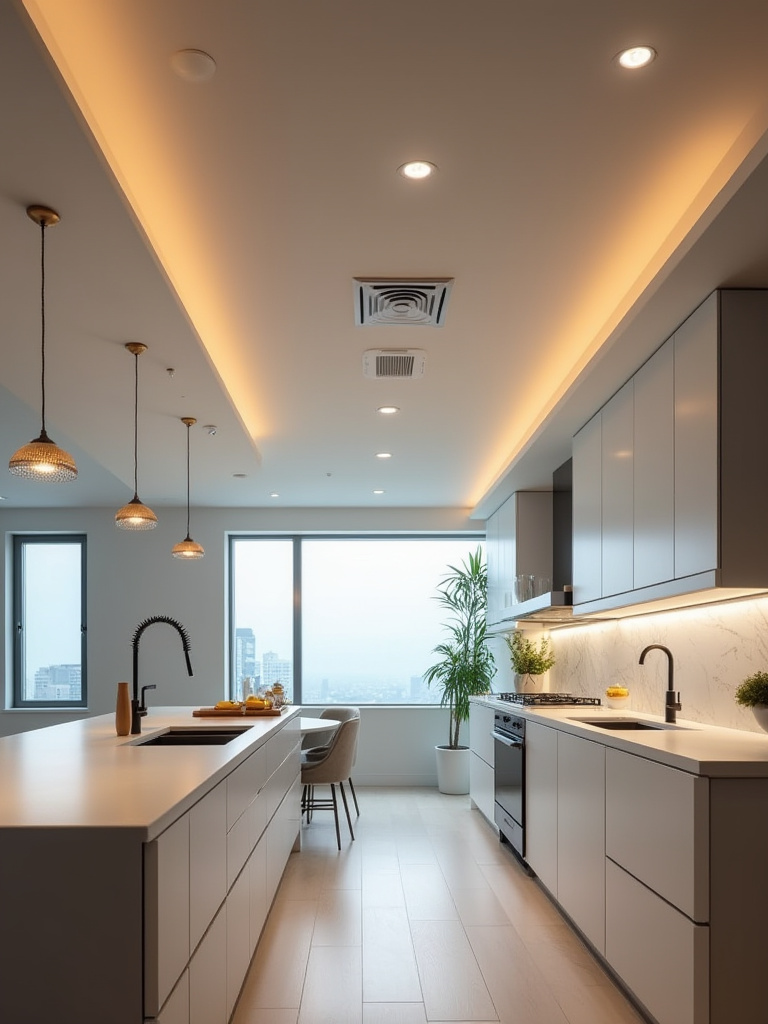
- Ambient Lighting: Provides general illumination to navigate the space safely, often achieved with recessed or flush-mount fixtures.
- Task Lighting: Focused light for specific activities like food prep, typically under-cabinet LEDs or pendant lights over islands.
- Accent Lighting: Decorative elements such as lights inside glass cabinets or wall sconces that add depth and character.
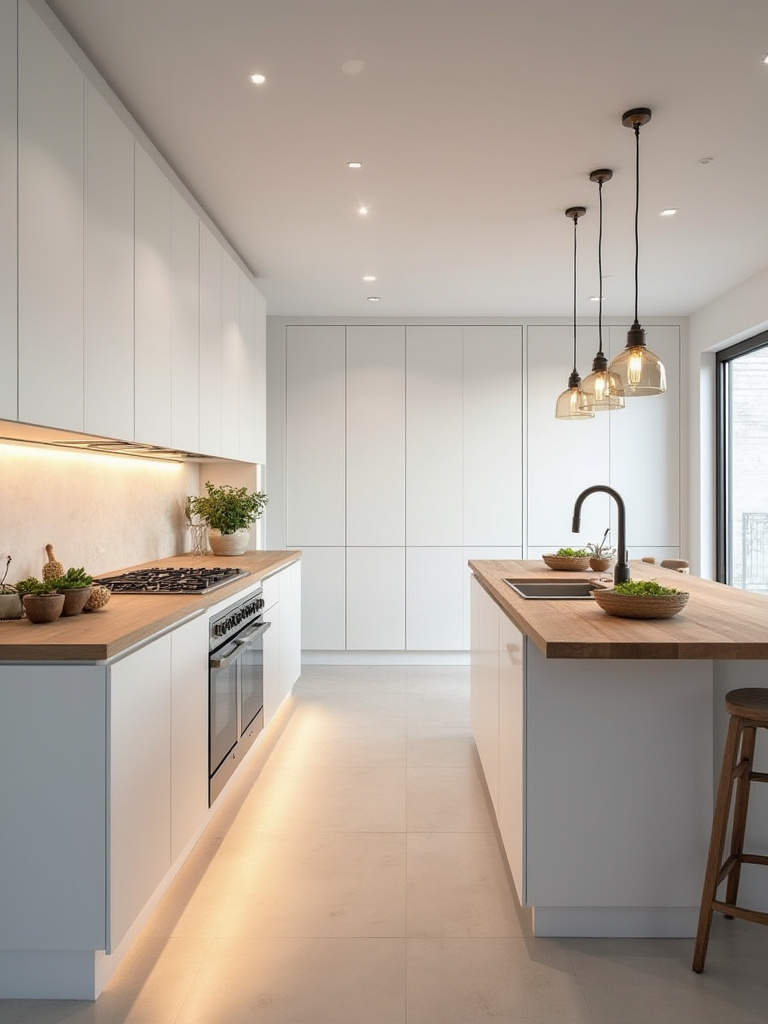
Separating these layers onto individual dimmers gives you full control to tailor the lighting to your mood and activity, from bright and energetic to soft and intimate-all while conserving energy.
4. Choose the Right Color Temperature to Set the Mood
Color temperature, measured in Kelvin (K), influences the ambiance of your kitchen. Warm light (around 2700K) creates a cozy, inviting feel, ideal for dining areas. Cooler light (around 4000K) offers crisp, clear illumination perfect for cooking and food preparation.
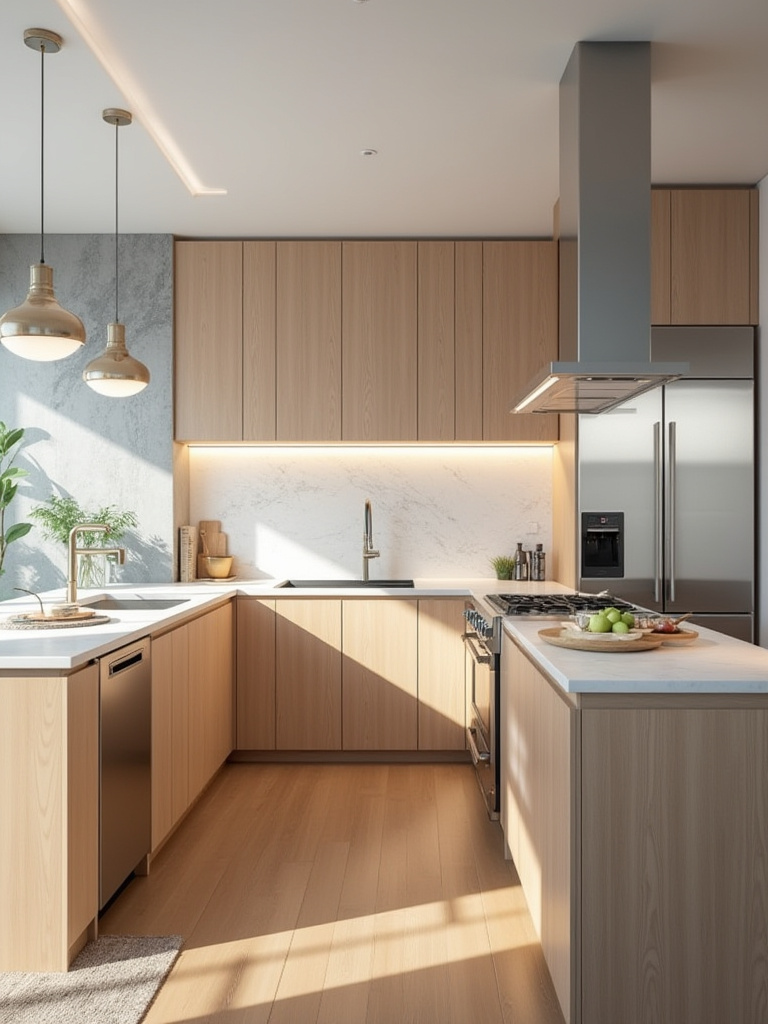
A common pitfall is using a single color temperature throughout the kitchen, which can feel either too clinical or too dim. The modern solution is tunable white LED technology, allowing you to adjust the color temperature via an app or switch. This flexibility lets you match lighting to the time of day and activity, enhancing both comfort and energy efficiency.
Power and Control: The Backbone of Your Kitchen Lighting
Understanding how your lighting is powered and controlled is crucial to avoid unsightly cords and maximize convenience.
5. Strategically Position Outlets and Switches
Nothing spoils a sleek kitchen design like poorly placed switches or visible power strips. Plan your electrical layout with your appliances in mind-coffee makers, toasters, mixers-all need accessible outlets, ideally hidden to keep counters clutter-free and safe.
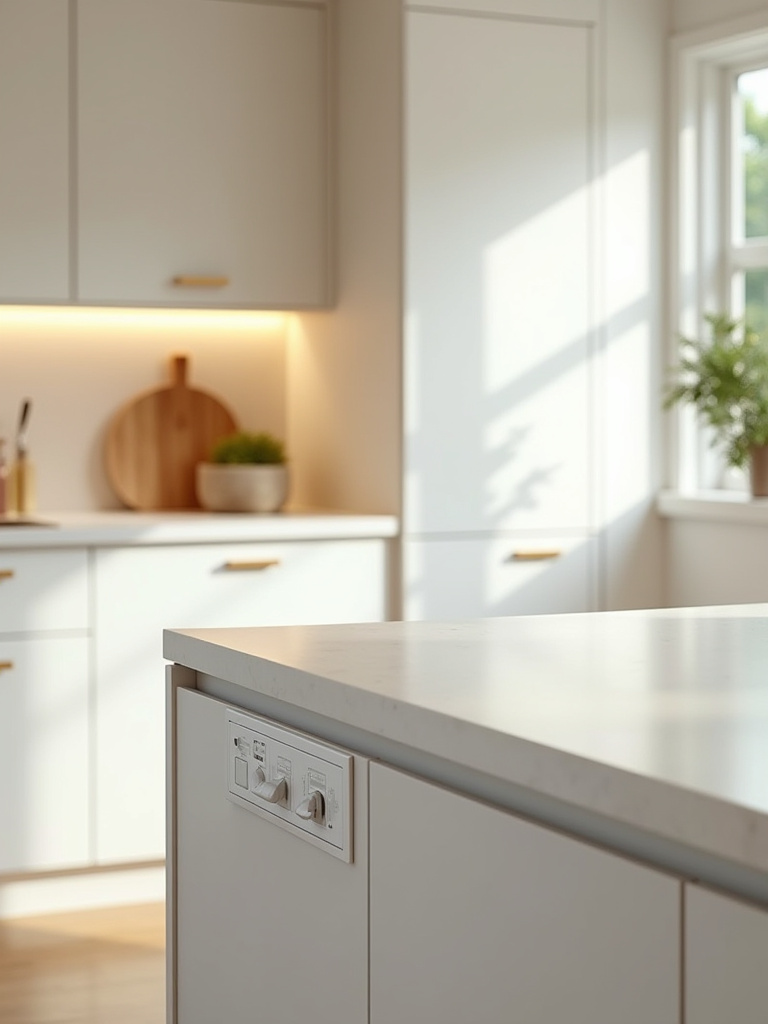
Ensure that main overhead lights have switches at every kitchen entrance, and that each lighting layer has its own control. This zoning approach prevents all lights from turning on simultaneously, saving energy and enhancing usability.
Choosing Fixtures and Positioning: Illuminating Key Kitchen Areas
Now comes the exciting part: selecting fixtures that combine style and function to bring your lighting plan to life.
6. Use Recessed Lighting for Even Ambient Illumination
Recessed lights often get a bad reputation for overuse, but when thoughtfully installed, they provide a clean, unobtrusive source of ambient light. A well-planned grid of LED recessed fixtures with a high Color Rendering Index (CRI 90+) ensures colors appear vibrant and natural-crucial for food preparation.
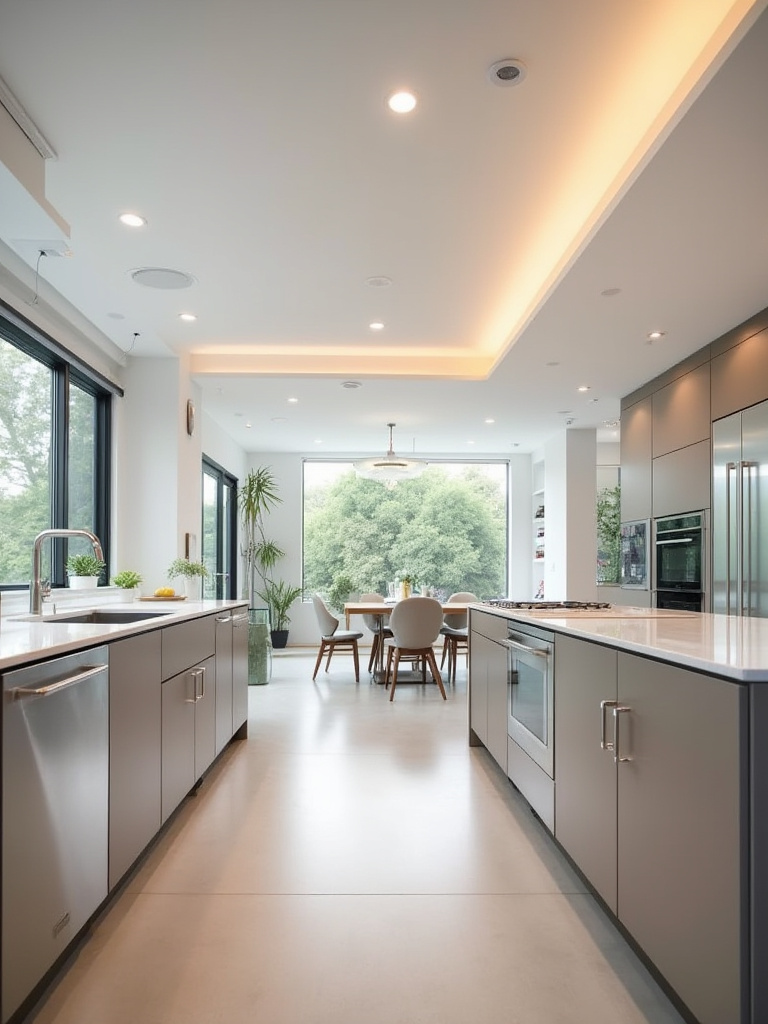
Installing dimmers on these lights allows you to adjust brightness from full power for cleaning to a soft glow for entertaining, making them the perfect foundation for your lighting layers.
7. Brighten Work Surfaces with Under-Cabinet LED Lighting
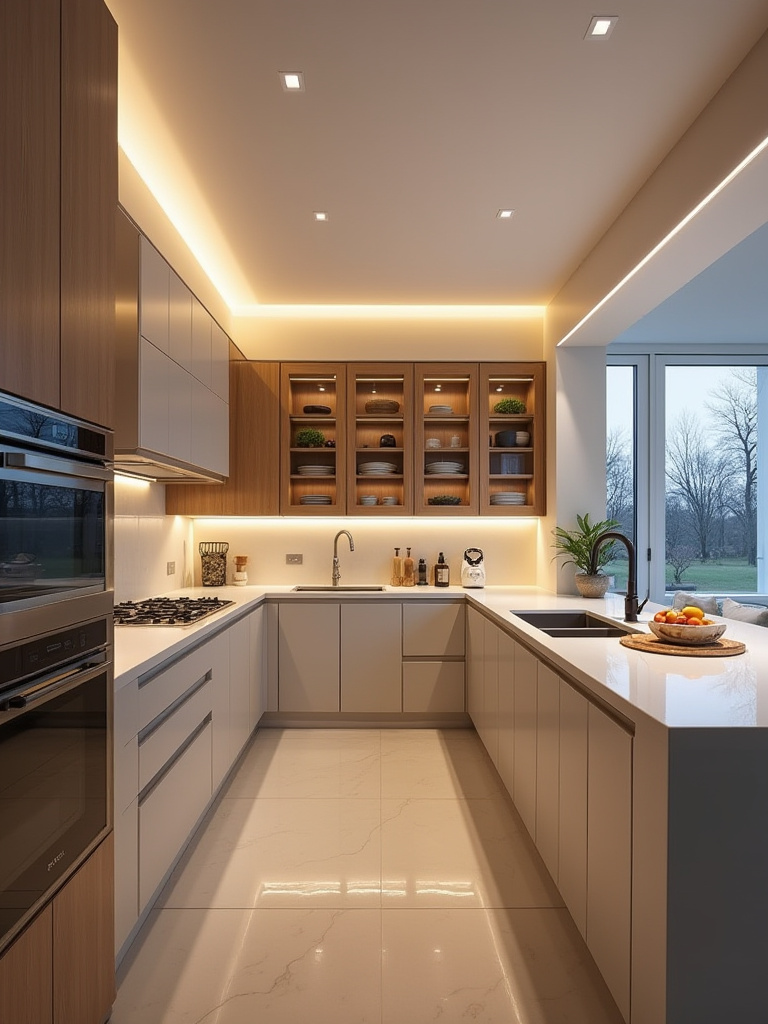
If you implement only one lighting upgrade, make it under-cabinet LEDs. These lights eliminate shadows cast by overhead fixtures and your own body, providing clear, focused illumination exactly where you need it.
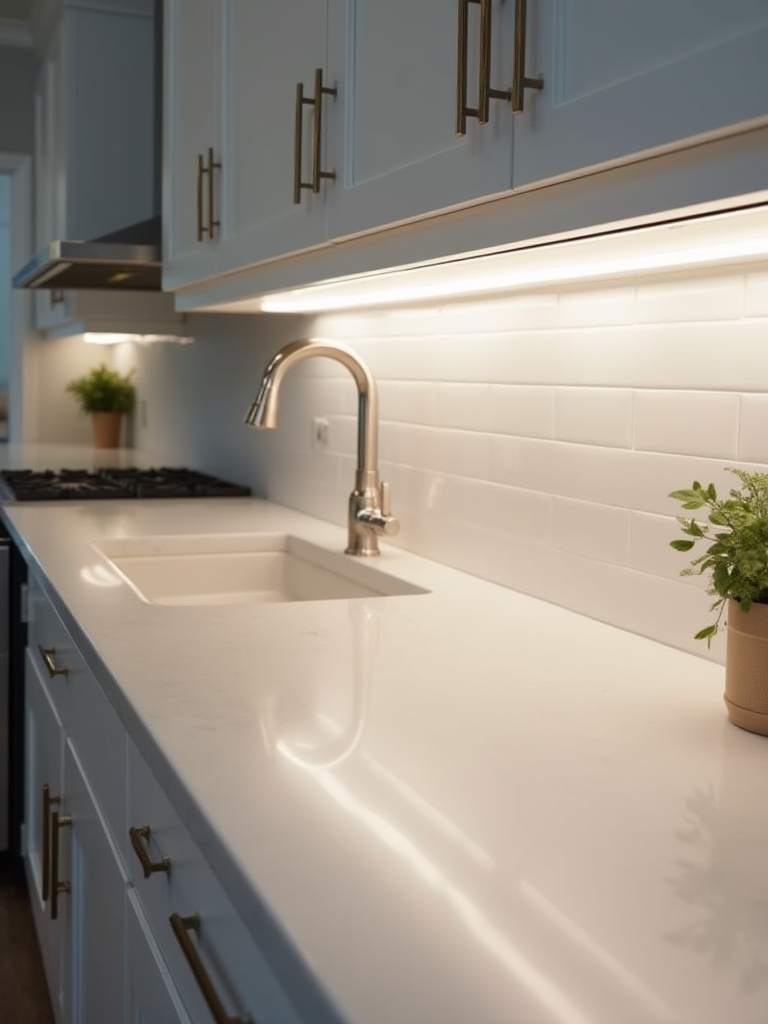
Modern LED tape lights are slim, energy-efficient, and easy to install, offering continuous light that’s perfect for meal prep without lighting the entire room unnecessarily.
8. Select Pendant Lights for Focused Island Illumination
Pendants over kitchen islands serve as both functional task lights and stylish accents. Choose fixtures that direct light downward, such as open-bottom shades or focused downlights, to illuminate the workspace effectively.
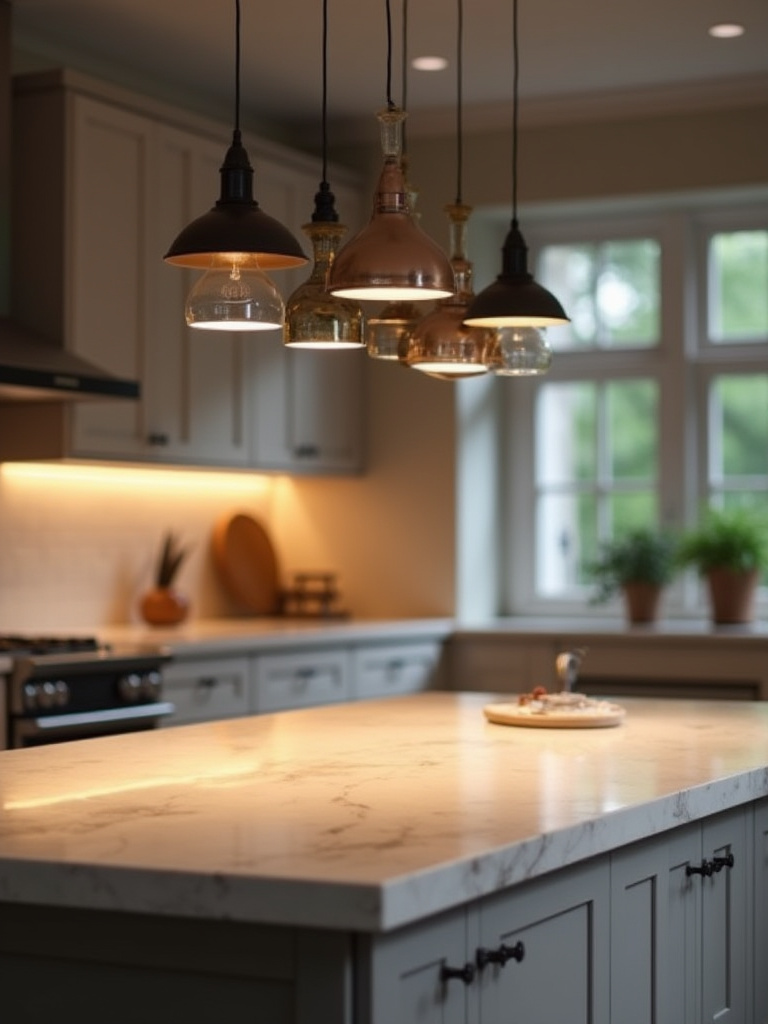
Hang pendants approximately 30-36 inches above the countertop to avoid glare while ensuring sufficient light. Typically, two or three pendants work well, or a single linear fixture can create a modern statement. Don’t forget to install dimmers for mood control.
9. Incorporate Subtle In-Cabinet Lighting for Visibility and Style
Installing low-voltage LED strips inside cabinets, especially pantries or deep storage areas, enhances visibility and reduces food waste by making it easier to find items. This practical addition also adds a touch of luxury when used inside glass-front cabinets to highlight dishware.
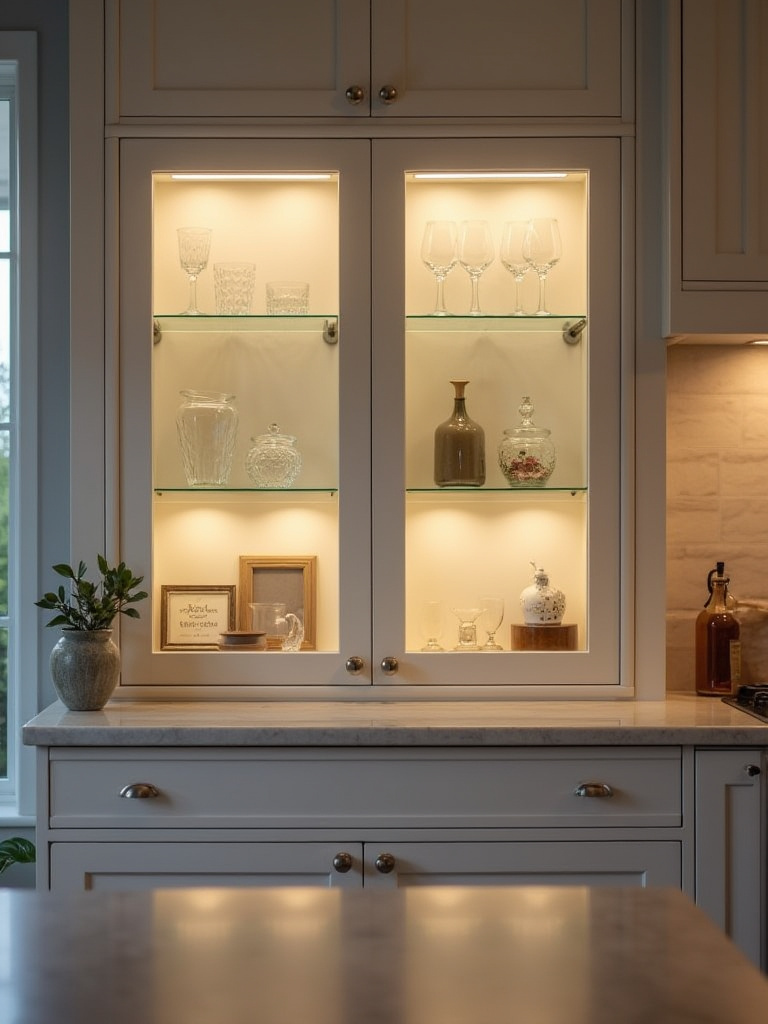
Motion-activated switches are ideal here, ensuring lights operate only when needed, further conserving energy.
Advanced Fixtures and Finishing Touches: Enhancing Flexibility and Ambiance
10. Utilize Track Lighting for Adjustable Spot and Accent Illumination
Modern track lighting has evolved into a sleek, adaptable solution perfect for kitchens with challenging layouts or where new wiring is limited. It allows multiple adjustable light heads powered from a single source, enabling you to direct light precisely where it’s needed.
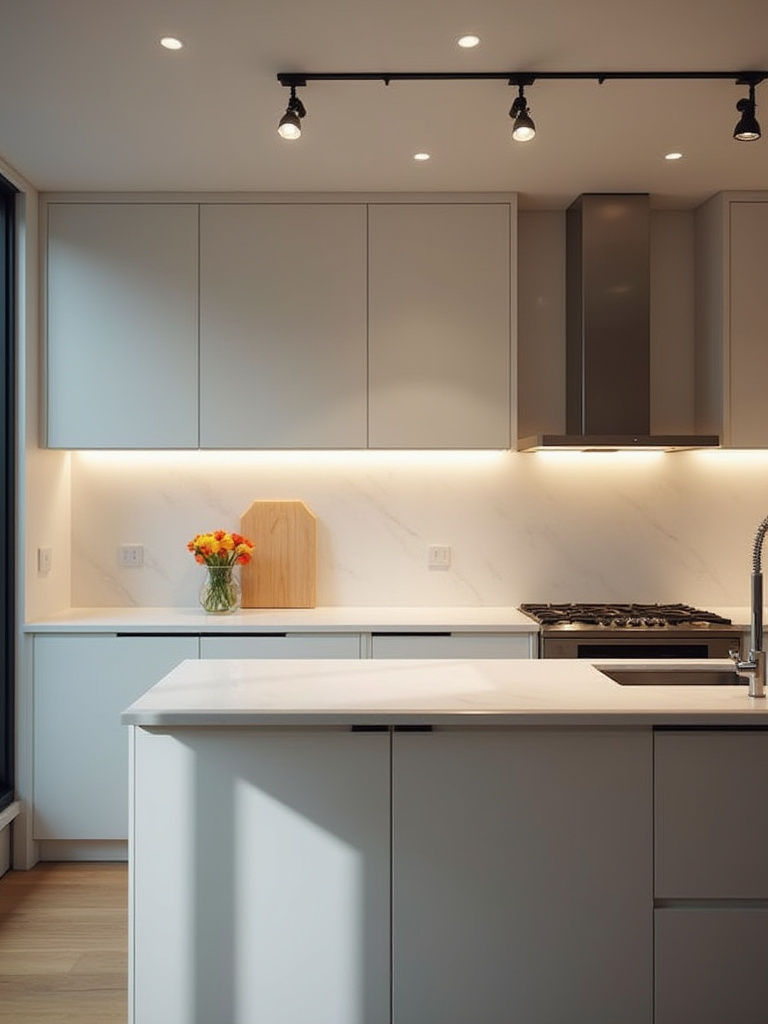
This flexibility supports sustainable design by maximizing lighting efficiency and adapting as your kitchen evolves. Opt for high-quality LED track heads to maintain energy savings.
11. Add Toe-Kick Lighting for Safety and Subtle Elegance
Installing low-output LED strips beneath base cabinets creates a soft glow at floor level, giving the illusion of floating cabinetry and adding architectural interest.
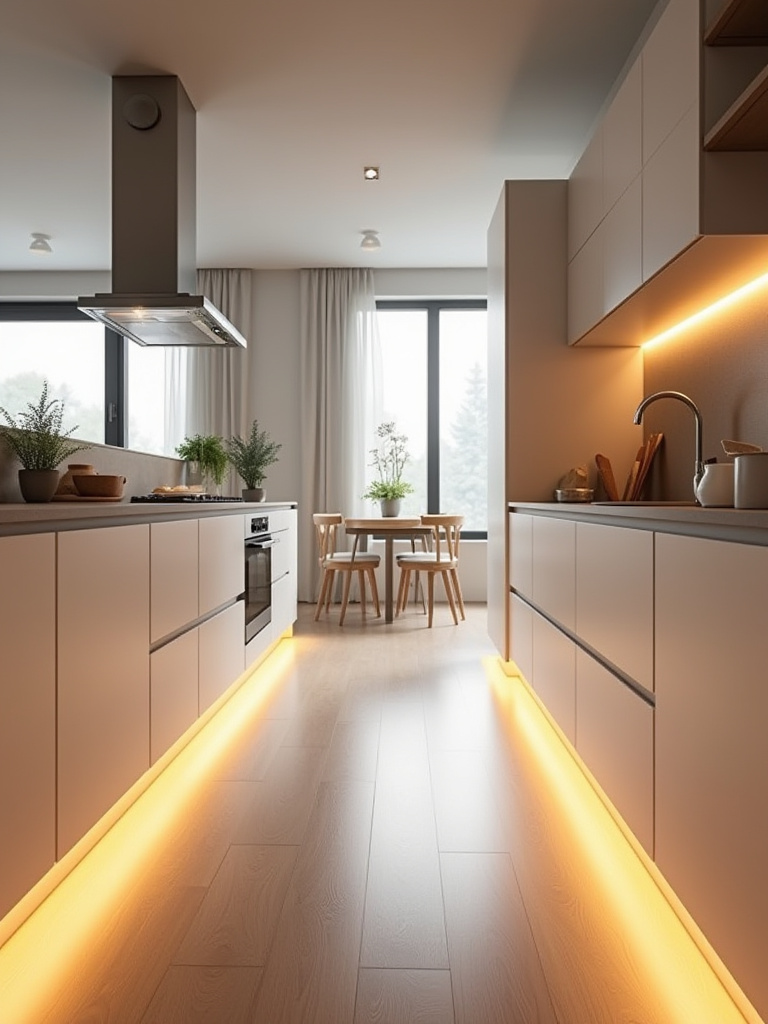
At night, this gentle illumination acts as a low-energy nightlight, guiding your way without the harshness of overhead lights. Pairing it with motion sensors creates an automatic, energy-efficient pathway light.
Smart Controls and Decorative Elements: Elevating Your Kitchen’s Atmosphere
12. Add Wall Sconces for Warm, Ambient Light
Wall sconces provide light at eye level, softening the atmosphere and preventing the “cave effect” caused by ceiling-only lighting. Positioned strategically, they can serve as both functional lighting and decorative art pieces.
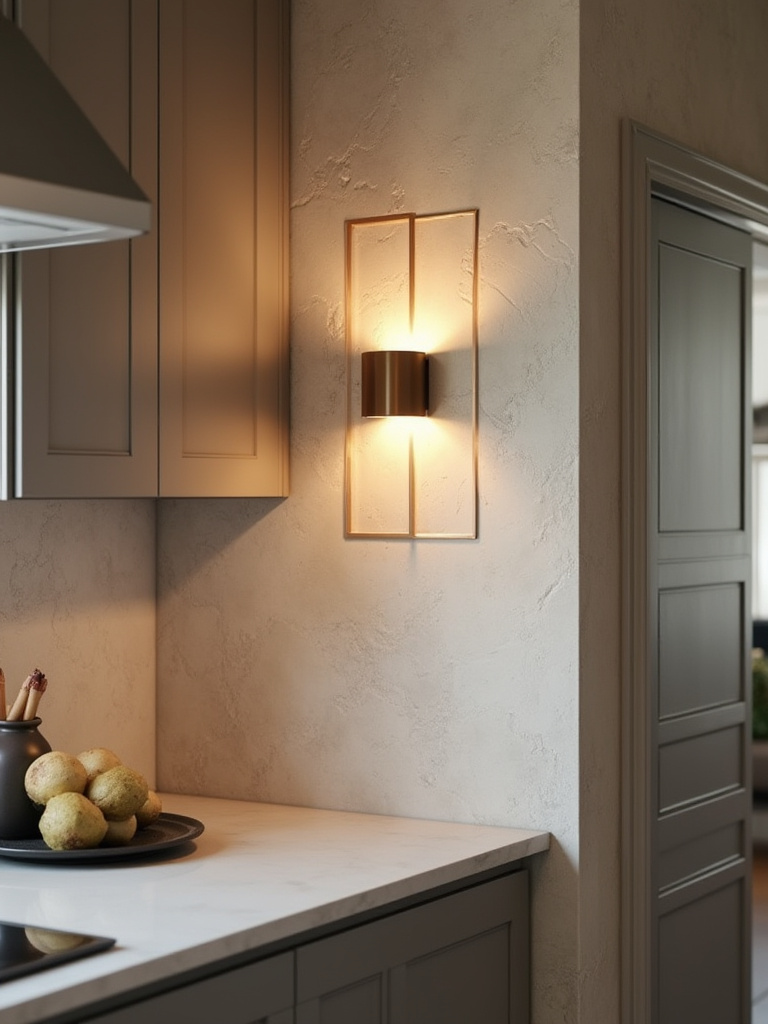
These fixtures contribute to a layered lighting scheme that makes your kitchen feel inviting and lived-in.
13. Install Dimmers on All Lighting Circuits for Complete Control
Every lighting zone should be equipped with a dimmer switch. This simple addition transforms your kitchen’s ambiance, allowing you to adjust brightness from full task lighting to a gentle glow for entertaining.
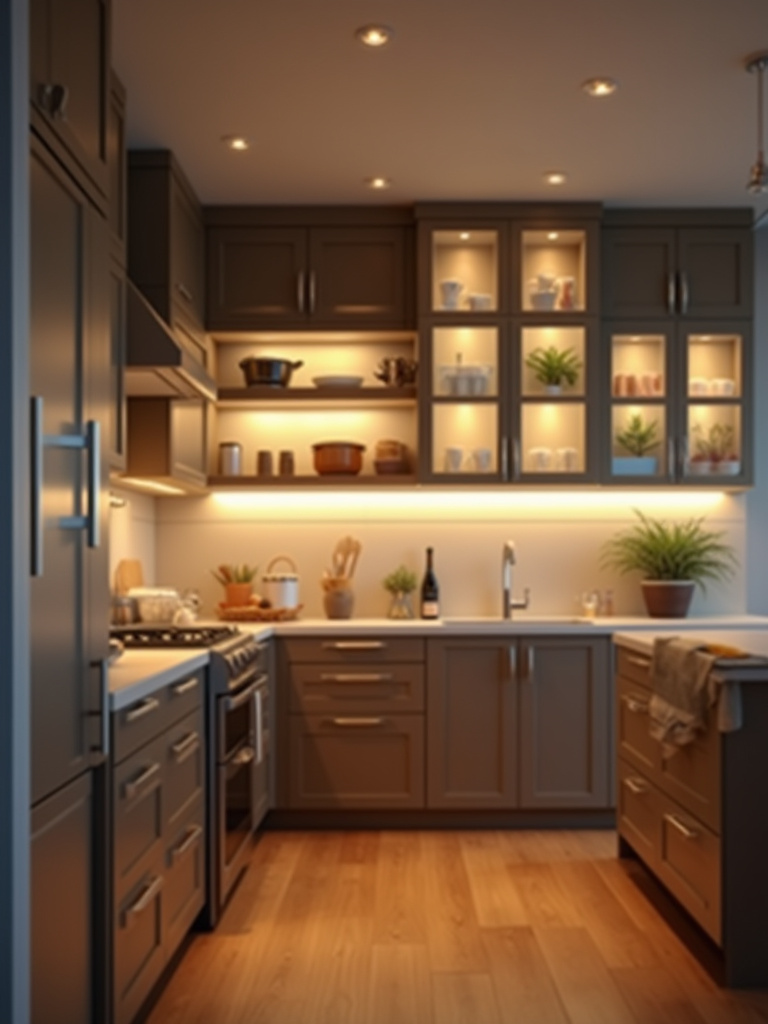
Dimming lights also reduces energy consumption and extends the lifespan of your LED bulbs, making it a cost-effective and eco-friendly upgrade.
14. Embrace Smart Lighting for Convenience and Efficiency
Smart lighting systems offer unparalleled control, enabling you to program scenes like “Cooking” or “Dinner” and adjust lighting with voice commands or smartphone apps. Features such as scheduling and geofencing ensure lights turn off automatically when not needed, preventing wasted energy.
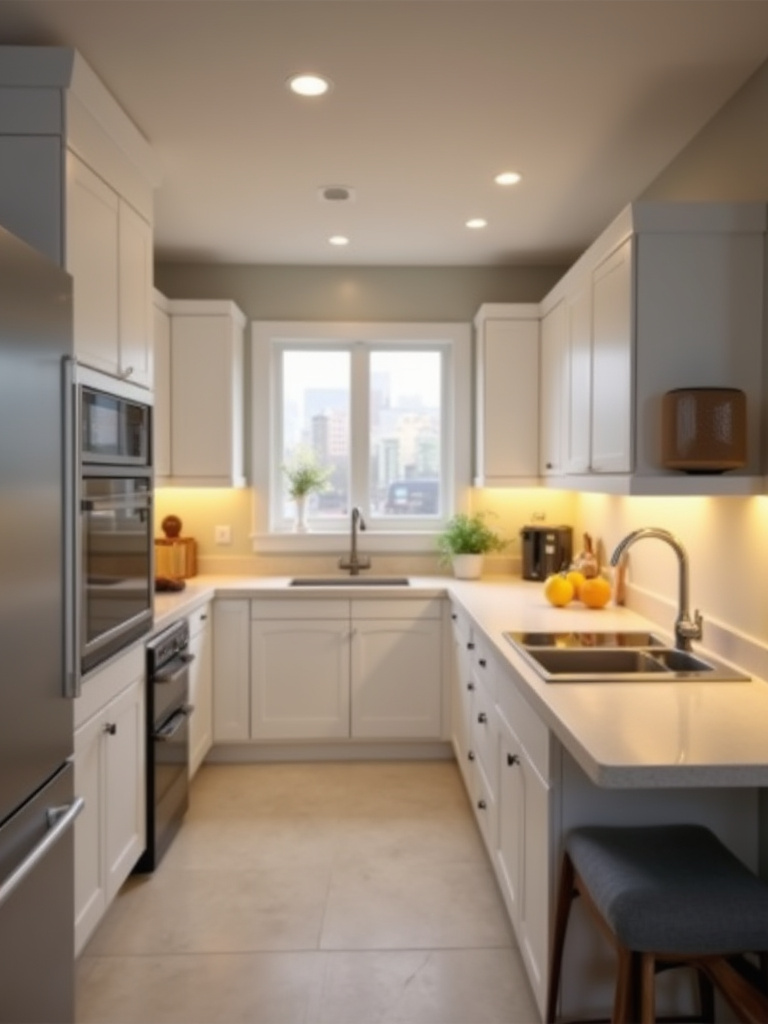
Some systems even adjust color temperature throughout the day to support natural circadian rhythms, enhancing well-being while conserving power.
15. Use LED Strip Lighting for Coving and Shelf Backlighting
Beyond under-cabinet use, LED strips can be installed in ceiling coves or behind floating shelves to create indirect ambient light that adds depth and sophistication.
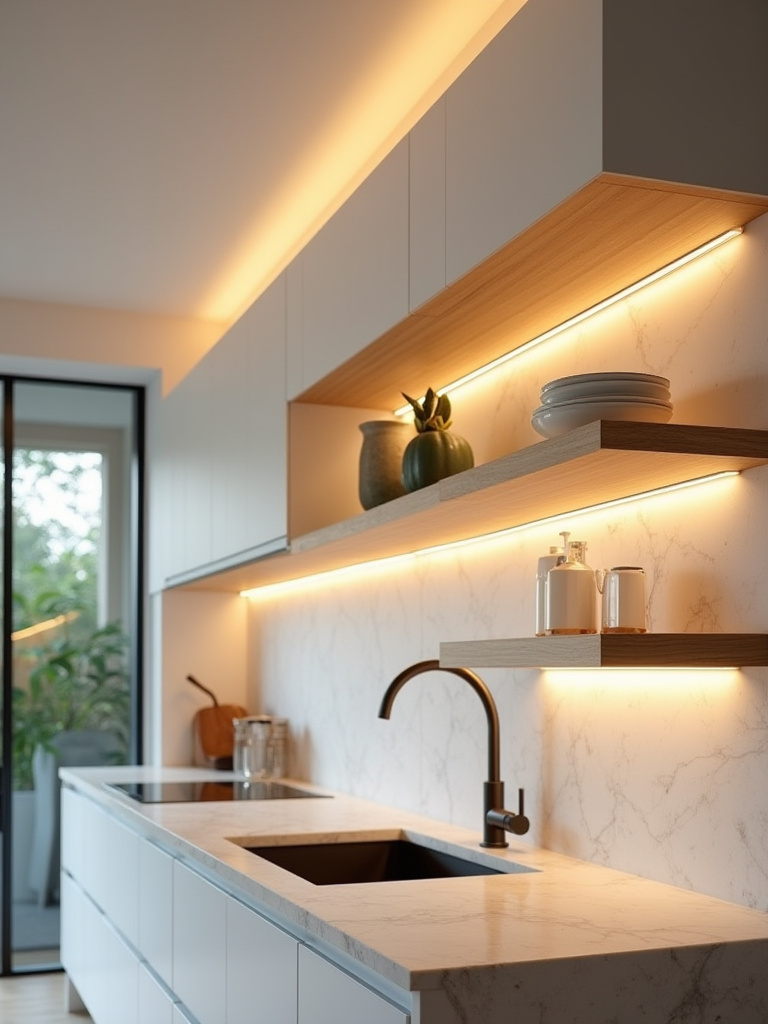
These subtle accents consume minimal energy while delivering a high-end aesthetic, perfect for enhancing your kitchen’s character.
Maintaining Efficiency and Longevity: Caring for Your Kitchen Lighting
Installing your lighting is just the beginning. Proper maintenance and smart choices ensure your system remains efficient and beautiful for years.
16. Switch to Energy-Saving LED Bulbs Throughout
If you haven’t already, replace all incandescent or halogen bulbs with LEDs. They use up to 90% less energy and last significantly longer, reducing waste and saving money over time.
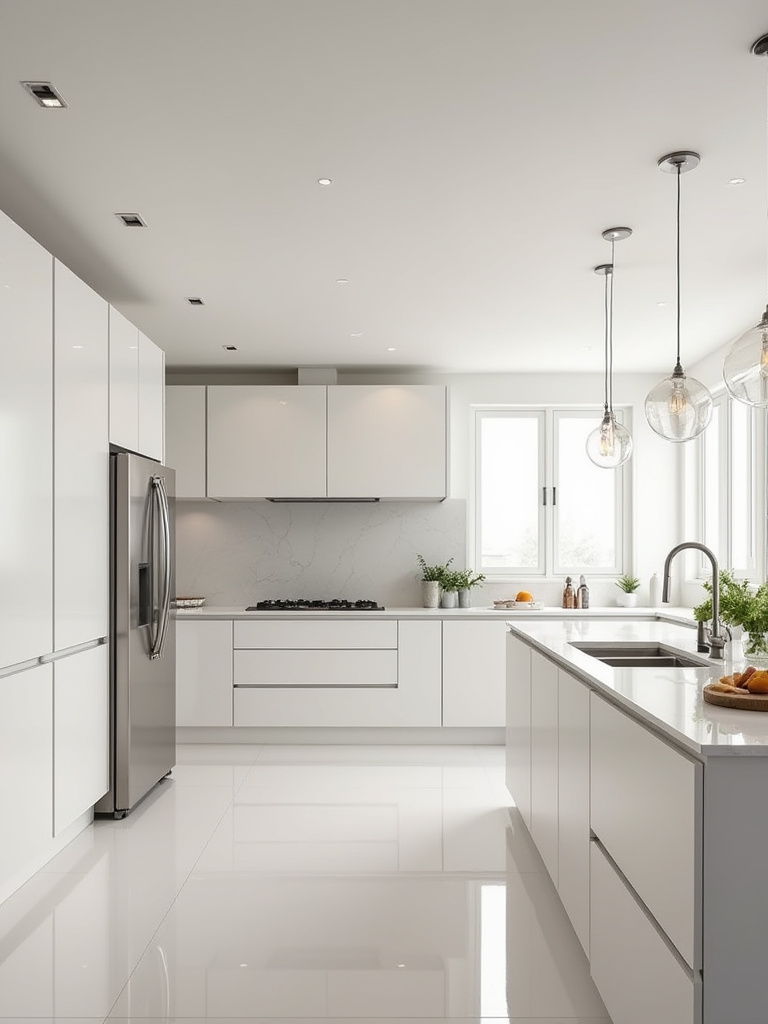
Choose high-quality, Energy Star-rated bulbs to maximize performance and lifespan.
17. Consider Beam Angles for Precise Lighting Effects
Beam angle determines how light spreads from a fixture. Narrow beams focus light on specific tasks, while wide beams provide general illumination. Selecting the right beam angle prevents uneven lighting and ensures energy is used effectively.
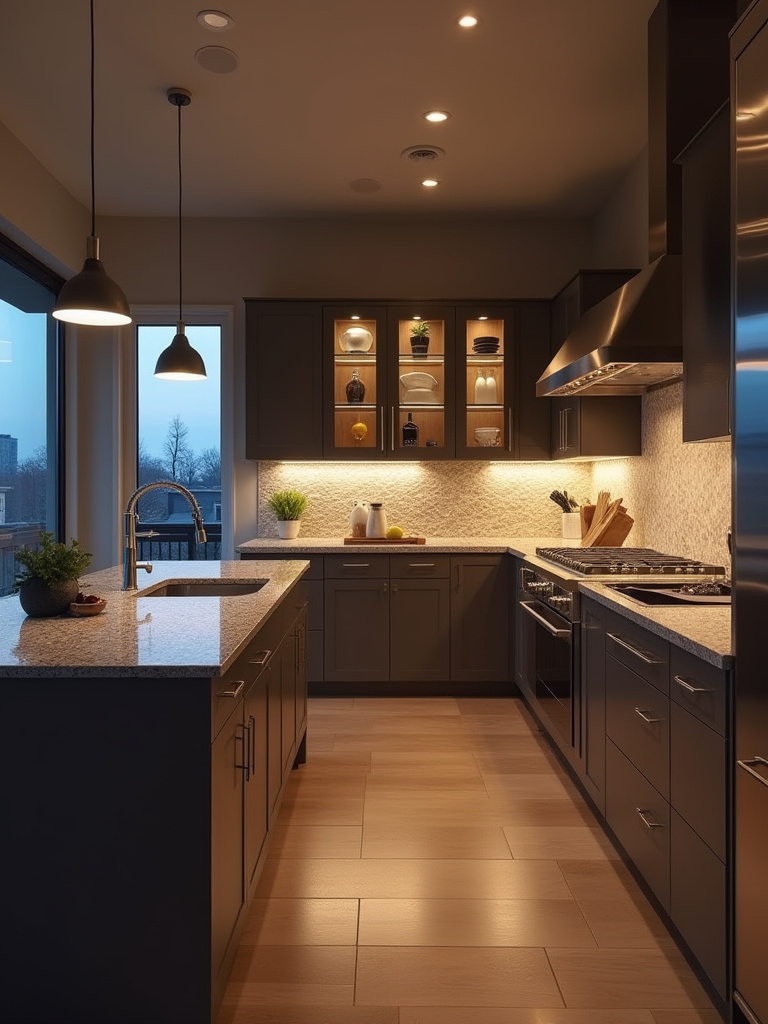
18. Ensure Proper Heat Management for Longer Fixture Life
Heat can degrade LED fixtures over time. Quality fixtures include heat sinks to dissipate warmth, and recessed lights should be “IC-rated” for safe contact with insulation. Adequate airflow around fixtures extends their lifespan, reducing replacement frequency and waste.
19. Maintain Fixtures Regularly to Preserve Brightness
Grease and dust buildup on fixtures and diffusers can reduce light output by up to 30%. Regular cleaning every few months restores brightness, allowing you to use lower light levels and save energy.
20. Hire a Lighting Professional for Complex Projects
For major renovations or challenging spaces, consulting a professional lighting designer is invaluable. They understand technical details like lumen calculations, beam angles, and color temperature, ensuring your lighting plan is both beautiful and efficient.
Investing in expert guidance upfront prevents costly mistakes and guarantees a sustainable, long-lasting lighting solution.
Final Thoughts: Illuminate Your Kitchen with Purpose and Style
Lighting your kitchen is far more than installing a bright bulb. It’s about creating a dynamic, layered environment that supports your lifestyle while minimizing energy use. By thoughtfully planning your zones, layering different types of light, selecting efficient LED fixtures, and incorporating smart controls, you can transform your kitchen into a space that’s both functional and inviting.
Start by observing your kitchen’s shadows and identifying where you need better light. Even a simple under-cabinet LED light bar can make a significant difference. Each small, intentional upgrade brings you closer to a brighter, more efficient, and more enjoyable kitchen. You’re not just adding lights-you’re enhancing the way you live.
For the best selection of kitchen lighting, LED under cabinet lighting, and pendant lights for kitchen, check out Amazon’s extensive range to find fixtures that perfectly suit your style and needs.