
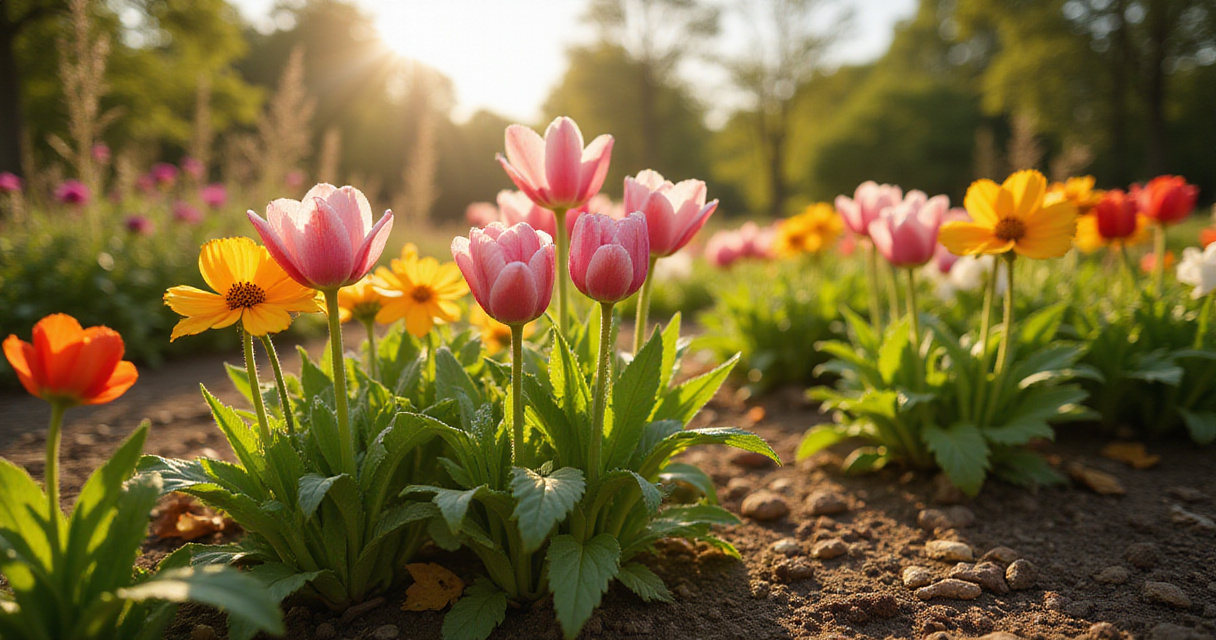
Crafting a captivating flower garden goes well beyond simply scattering seeds and hoping for growth. It requires a deep appreciation of the complex interplay between soil composition, sunlight exposure, watering habits, and plant physiology to cultivate a vibrant, evolving outdoor sanctuary. Whether you’re beginning with untouched soil or rejuvenating an existing plot, achieving a stunning flower garden demands both horticultural expertise and creative flair.
The distinction between an ordinary garden and one that captivates every passerby lies in the meticulous attention to detail-knowing how various plants respond to their surroundings, the timing and methods of care, and establishing eco-friendly systems that nurture plant vitality and biodiversity. This detailed guide compiles extensive gardening knowledge, innovative sustainable methods, and proven techniques to elevate your outdoor space into a flourishing haven.
From preparing nutrient-rich soil that lays the groundwork for radiant blossoms to employing advanced strategies for continuous seasonal color, these insights will empower you to grow not only beautiful flowers but also a balanced ecosystem that supports local fauna while minimizing ecological footprints. Let’s explore the essential principles that will revolutionize your gardening journey and help you design the flower garden you envision.
Unlock Your Garden’s Potential with Soil Analysis
Grasping the unique properties of your soil is fundamental to cultivating a thriving flower garden. Conducting a thorough soil analysis uncovers vital information such as pH balance, nutrient levels, and organic matter content-elements that dictate whether your plants will merely survive or truly flourish. This scientific insight removes uncertainty, preventing wasted effort and resources.
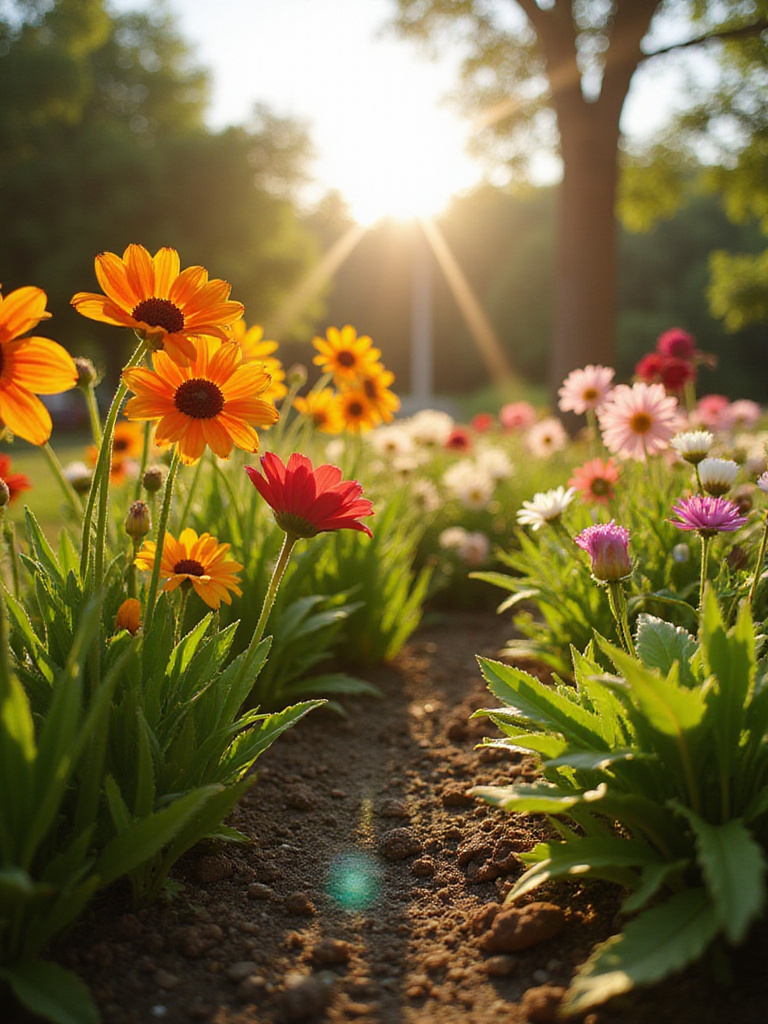
Professional soil testing provides detailed data on macronutrients like nitrogen, phosphorus, and potassium, as well as micronutrients such as iron and magnesium. Many gardeners are surprised to learn that soil pH, often neglected, can lock nutrients away even when present. For example, soils with a pH above 7.5 can inhibit iron absorption, causing leaves to yellow despite healthy roots.
- Detects specific nutrient shortages before they affect plant health
- Identifies pH imbalances that limit nutrient uptake
- Assesses organic matter to improve soil texture and fertility
- Establishes a baseline for monitoring soil health over time
Investing in soil testing usually pays off within a single growing season by reducing fertilizer expenses and enhancing plant vigor. Many agricultural extension services offer affordable testing with tailored recommendations suited to your region and plant choices.
Beyond chemical analysis, soil testing reveals the vibrant microbial community beneath the surface, where countless organisms decompose organic material and release nutrients accessible to roots.
Select Climate-Smart Plants for Effortless Garden Success
Choosing plants adapted to your local climate significantly lowers maintenance demands while boosting bloom quality and duration. This strategy aligns with natural conditions, fostering a garden that thrives with minimal intervention and supports indigenous wildlife.
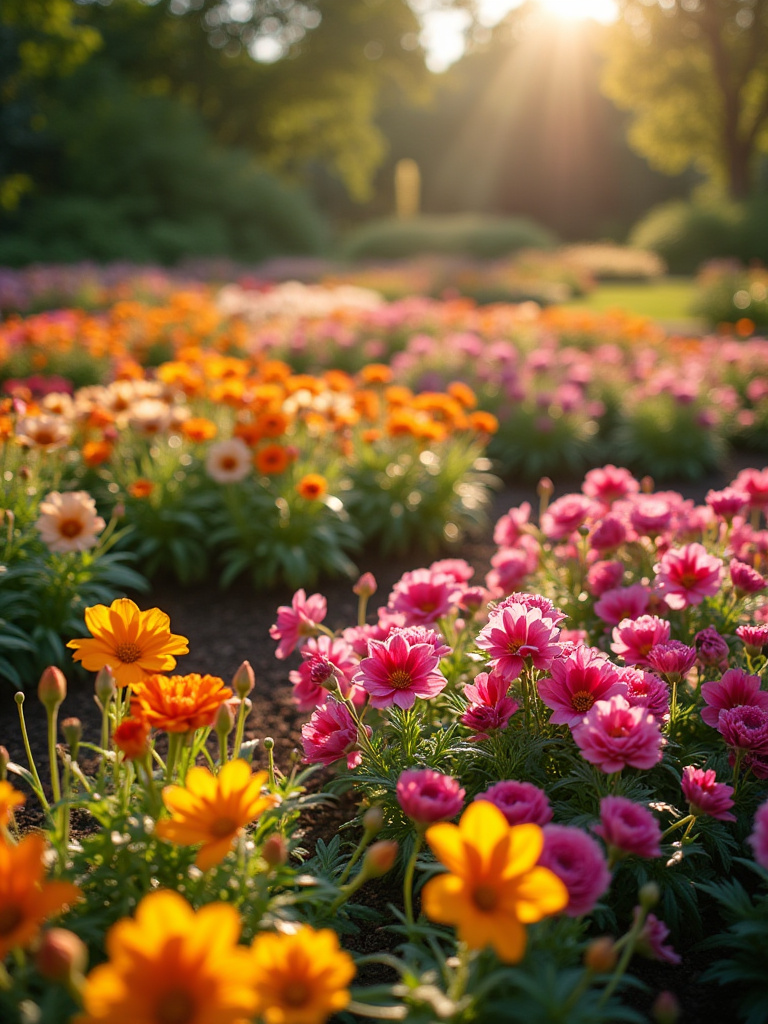
Native and well-adapted plants have evolved to withstand local temperature fluctuations, precipitation patterns, and soil types. These species often require up to 50% less irrigation than exotic plants and exhibit stronger resistance to pests and diseases. Moreover, they provide essential habitats and nourishment for native pollinators, fostering a self-sustaining garden ecosystem.
- Compatibility with USDA hardiness zones for winter survival
- Heat tolerance suited to summer conditions
- Drought resilience matching local rainfall
- Support for native pollinators and beneficial insects
Thoroughly research your area’s frost dates, heat waves, and rainfall trends. Many gardeners overlook summer heat tolerance, which can stress plants and reduce flowering. Plants struggling with climate extremes divert energy from blooming to survival, resulting in sparse displays.
Embracing climate-appropriate species reflects a commitment to environmentally responsible gardening that honors regional biodiversity.
Strategic Plant Arrangement for Stunning Visual Appeal
Deliberate plant placement transforms individual specimens into a harmonious garden that captivates the eye and creates focal points throughout the seasons. This requires understanding how plant height, texture, and bloom timing interact to build depth and sustained interest rather than random color spots.
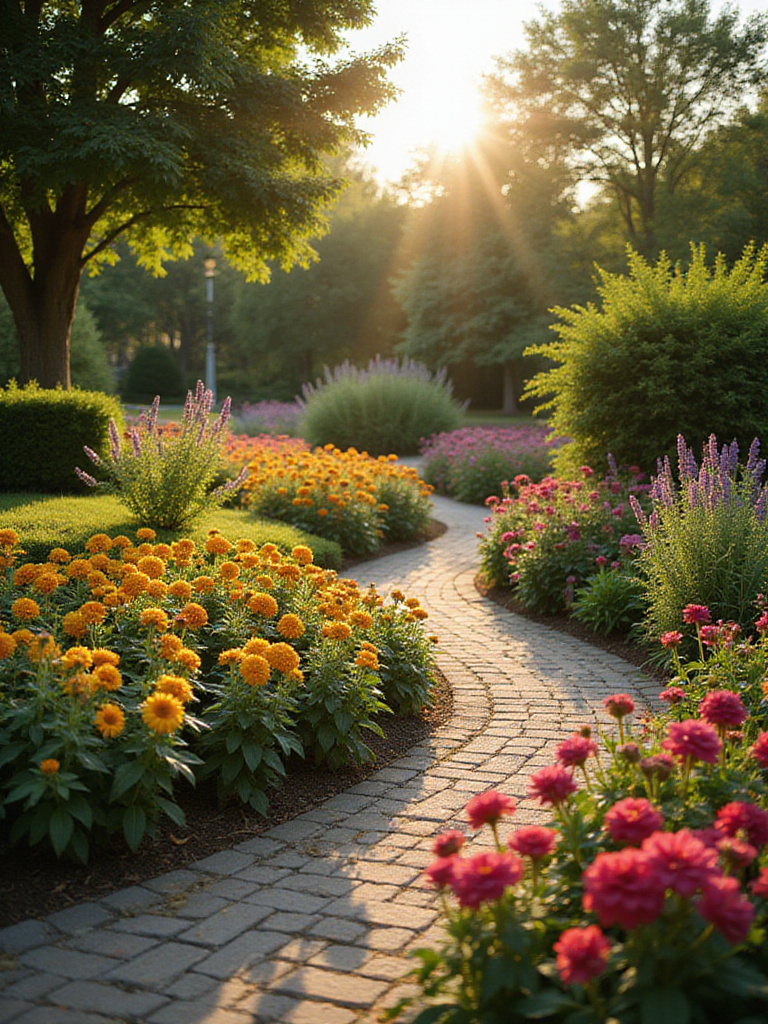
The “thriller, filler, spiller” concept extends beyond containers to entire beds: tall, dramatic plants like hollyhocks or ornamental grasses act as vertical anchors; mid-height plants such as black-eyed Susans add bulk; and low-growing ground covers like creeping thyme soften edges. Color temperature influences perception-warm hues (reds, oranges, yellows) appear closer, while cool tones (blues, purples, whites) recede, enhancing spatial depth.
- Layering vertically from ground covers to towering plants
- Color schemes progressing from cool to warm or monochromatic palettes
- Seasonal succession to maintain continuous blooms
- Focal points that draw attention to key garden areas
Consider viewpoints from windows, patios, and walkways when positioning standout plants. Specimens visible from multiple angles should be attractive all around, while those seen mainly from one side can be designed for maximum impact from that perspective. Repeating plant varieties or color themes throughout the garden fosters unity and avoids a disjointed look common in novice designs.
This thoughtful design approach ensures each element complements its neighbors, creating evolving compositions as plants mature and seasons shift.
Adopt Deep Watering Practices to Cultivate Drought-Resilient Plants
Applying water deeply but infrequently encourages roots to grow downward, accessing moisture and nutrients from deeper soil layers. This fosters drought-resistant plants that require less frequent watering, mimicking natural rainfall patterns and promoting robust root systems.
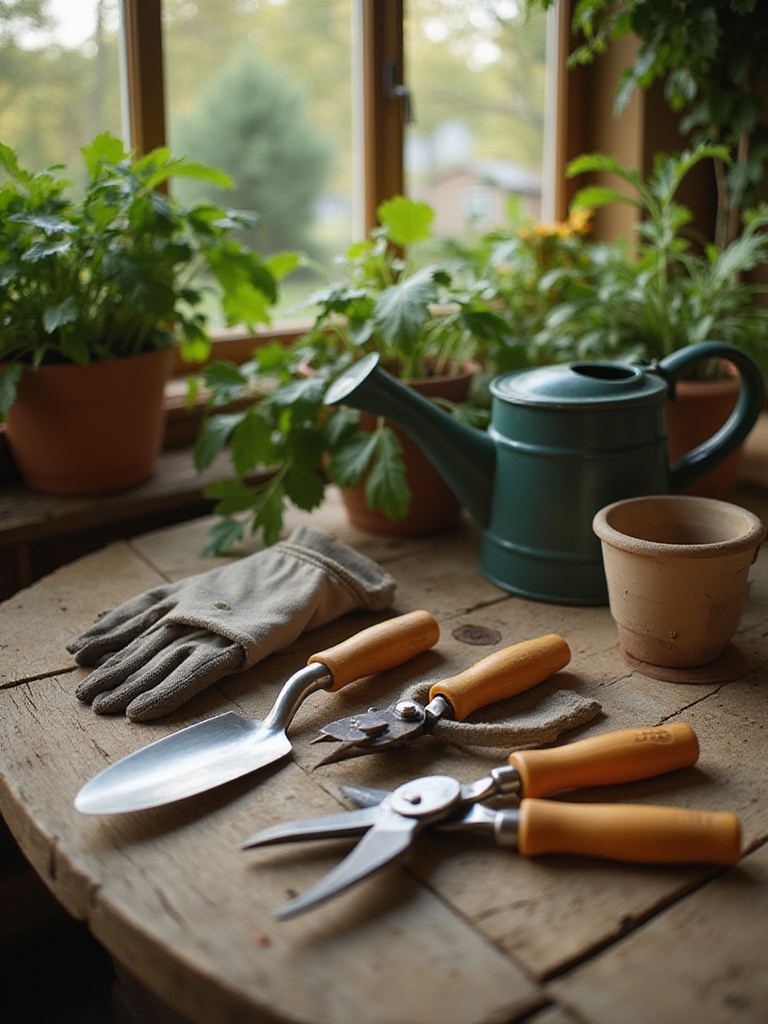
Many garden failures result from shallow, frequent watering that confines roots to the top few inches of soil. When surface moisture evaporates during hot spells, these plants quickly suffer stress. Deep watering involves slowly applying water until it penetrates 8-12 inches deep, then allowing the surface to dry before the next irrigation.
- Deliver 1-2 inches of water per session instead of daily light watering
- Water early in the morning to reduce evaporation
- Utilize soaker hoses or drip irrigation for efficient watering
- Check soil moisture at root depth before rewatering
Soil texture influences watering frequency: sandy soils drain rapidly and may need watering every 3-4 days, while clay soils retain moisture longer, allowing 7-10 days between sessions. Mulching can cut surface evaporation by up to 70%, extending intervals between watering while maintaining steady moisture.
Mastering water conservation techniques is essential for building resilient gardens that thrive amid changing climate conditions.
Optimize Planting Timing for Stronger Establishment
Planting at the right time can boost establishment success by up to 60%, reducing transplant shock and long-term care needs. Aligning planting schedules with natural growth cycles and weather patterns allows plants to settle in with less stress.
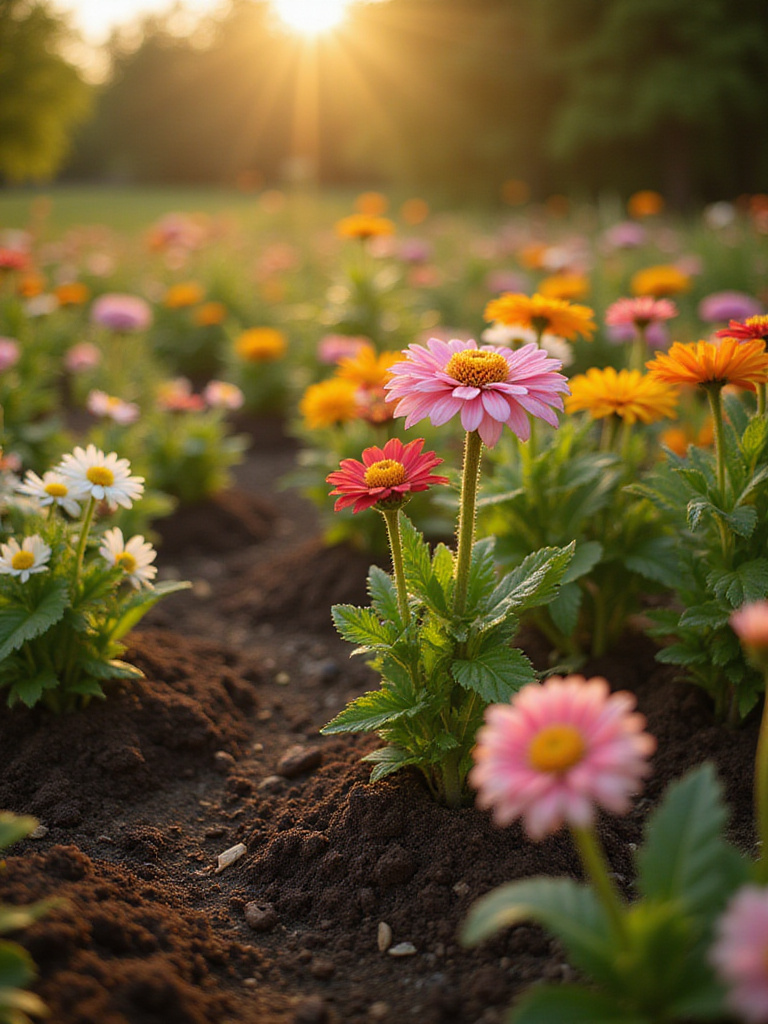
Warm-season annuals and most perennials benefit from spring planting, gaining a full growing season to develop roots before colder weather. Conversely, fall planting is often ideal for trees, shrubs, and cool-season flowers, as cooler air reduces water stress while soil remains warm enough for root growth. Experienced gardeners note that fall-planted perennials frequently outperform spring-planted ones in subsequent seasons.
- Cool-season annuals: plant 4-6 weeks before last frost
- Warm-season annuals: plant 2-3 weeks after last frost
- Perennials: plant in spring when soil is workable or fall 6-8 weeks before first hard frost
- Bulbs: plant in fall when soil temperature drops below 60°F
Avoid planting during heatwaves or prolonged dry spells, as even consistent watering may not prevent stress. Ideal conditions include overcast skies or gentle rain during the first week after transplanting, which support root establishment.
Timing plantings to natural cycles reduces reliance on supplemental inputs and enhances plant vigor.
Enhance Soil Fertility with Home Composting Systems
Transforming kitchen scraps and garden waste into nutrient-rich compost not only enriches your soil but also cuts household waste by nearly a third. This sustainable practice creates living soil that forms the backbone of a thriving flower garden, reducing dependence on chemical fertilizers.
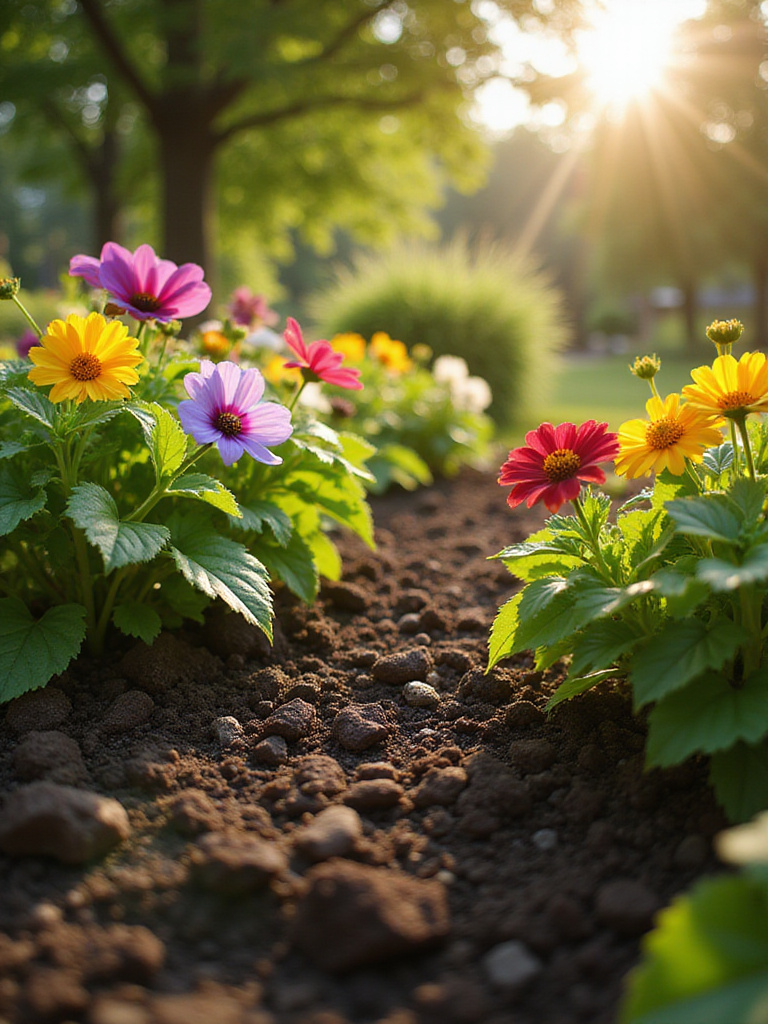
Successful composting balances carbon-rich “brown” materials like dried leaves and shredded paper with nitrogen-rich “green” materials such as vegetable scraps and fresh grass clippings. The ideal mix is roughly three parts brown to one part green by volume. Maintaining moisture similar to a wrung-out sponge and regularly turning the pile ensures aerobic decomposition, producing fragrant, nutrient-dense compost within a few months.
- Carbon sources: dried leaves, cardboard, wood chips
- Nitrogen sources: vegetable peelings, coffee grounds, fresh grass clippings
- Moisture control through regular checks and adjustments
- Aeration via turning or passive airflow systems
Finished compost improves soil texture in both sandy and clay soils, supplies slow-release nutrients, and fosters beneficial microbes. Unlike synthetic fertilizers that offer quick nutrient bursts followed by depletion, compost sustains fertility throughout the growing season.
This traditional method offers cost-effective, long-lasting benefits for soil health and plant vitality.
Adopt Integrated Pest Management for Chemical-Free Gardens
Integrated Pest Management (IPM) fosters balanced ecosystems where beneficial insects naturally suppress harmful pests, eliminating the need for synthetic chemicals and safeguarding pollinators and soil health. This approach emphasizes prevention, vigilant monitoring, and targeted biological or cultural controls.
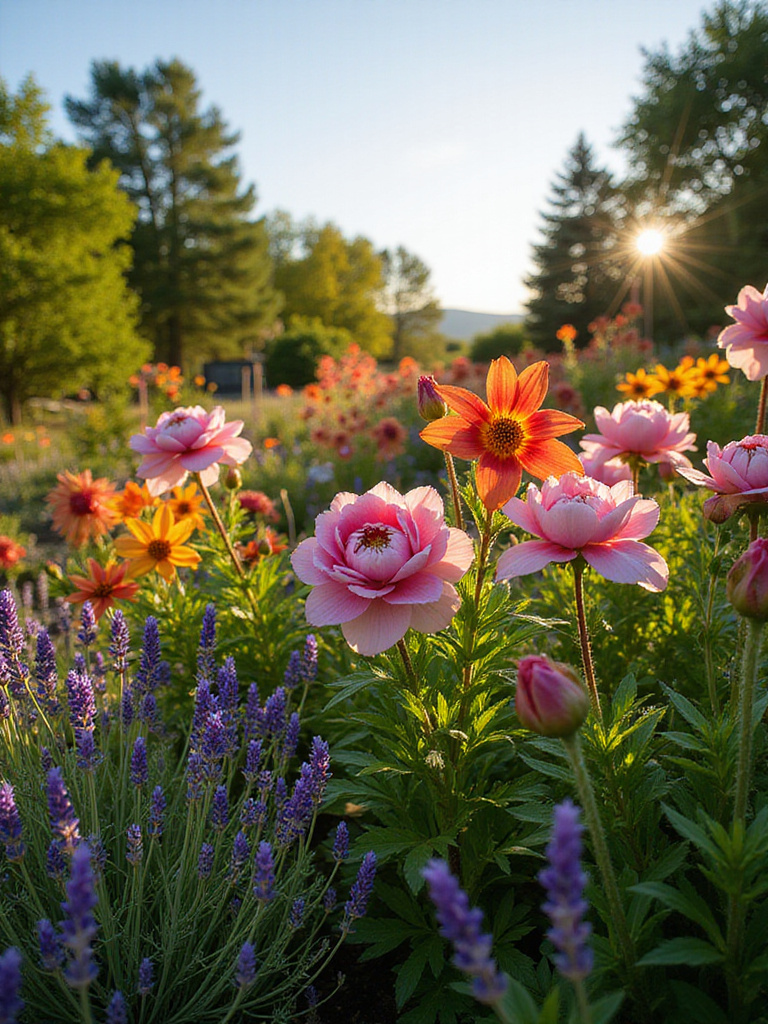
Understanding pest life cycles and predator-prey dynamics enables timely interventions with minimal environmental impact. For instance, releasing ladybugs early during aphid outbreaks can prevent infestations that would otherwise require harsher treatments. Companion planting with herbs like basil and marigolds naturally deters pests while attracting beneficial insects.
- Regular scouting to detect issues early
- Cultural practices such as proper spacing and sanitation
- Biological controls using predatory insects and natural enemies
- Physical barriers and traps for specific pests
Many pest problems arise from plant stress due to suboptimal growing conditions rather than external infestations. Healthy plants grown in ideal environments exhibit natural resistance. When treatment is necessary, organic options like insecticidal soap or neem oil target pests without harming beneficial insects.
This approach highlights how well-balanced garden ecosystems can largely self-regulate when biodiversity and proper care are prioritized.
Extend Bloom Periods with Succession Planting
Succession planting involves sowing the same flower varieties at staggered intervals, typically every 2-3 weeks, to maintain continuous blooms and harvests throughout the season. This method avoids the common scenario where all plants flower simultaneously and then fade together.
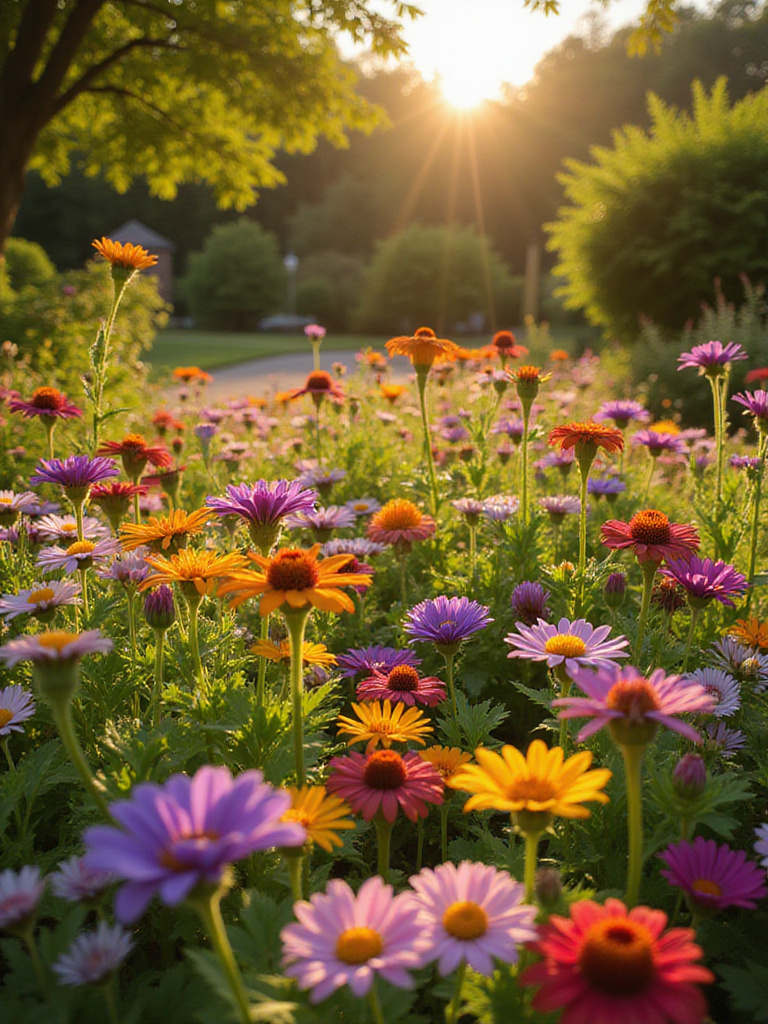
Cool-season flowers like snapdragons and sweet peas can be planted multiple times from early spring through fall, providing color when heat-sensitive plants struggle. Warm-season annuals also benefit from multiple plantings, extending their display and offering replacements when early plants decline during peak heat.
- Space plantings every 2-3 weeks for ongoing blooms
- Use varieties with different maturity dates
- Plan fall plantings to prolong autumn color
- Maintain backup plants for mid-season replacements
Though requiring careful planning and record-keeping, succession planting rewards gardeners with prolonged garden vibrancy. Late-season plantings often outperform early ones by avoiding peak pest pressures and benefiting from improved conditions.
This classic technique gains new relevance through modern insights into plant biology and seasonal growth patterns.
Implement Efficient Irrigation Systems to Conserve Water
Advanced irrigation technologies enable precise water delivery, reducing consumption by up to half while promoting plant health through consistent moisture. Drip irrigation and soaker hoses target water directly to roots, minimizing evaporation and lowering the risk of foliar diseases common with overhead watering.
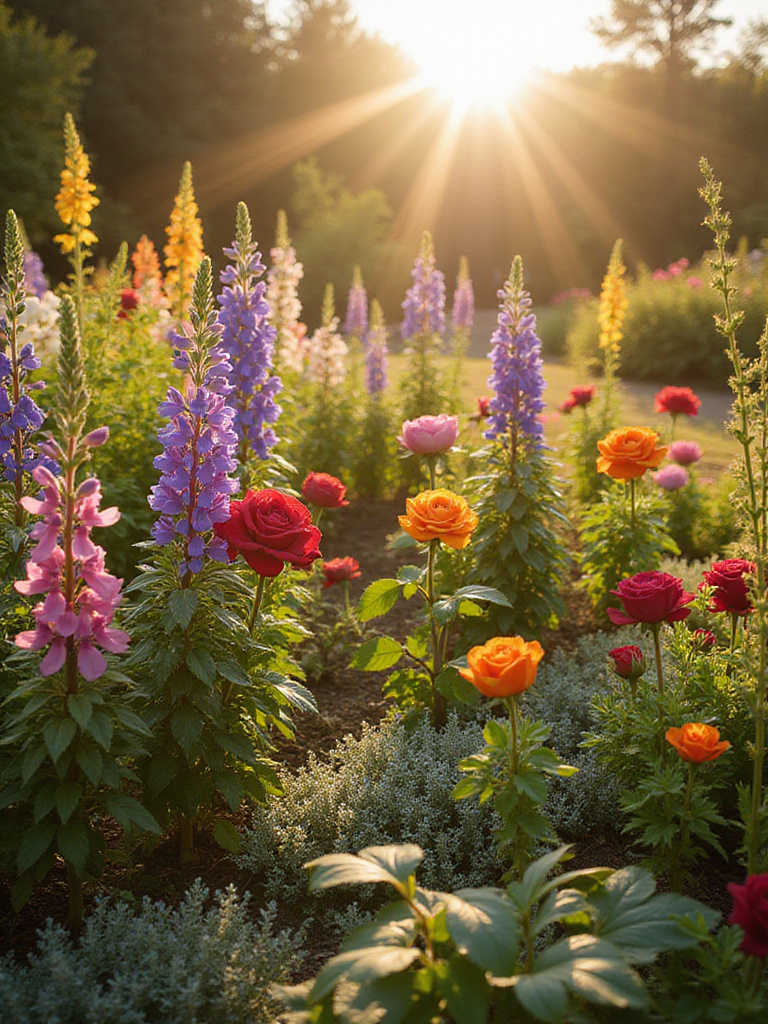
Smart irrigation controllers adjust watering schedules based on real-time weather data and soil moisture sensors, eliminating guesswork that leads to overwatering or drought stress. These systems can sync with local weather stations to skip watering during rain and adapt timing according to temperature and humidity.
- Zone-specific watering tailored to plant needs
- Soil moisture sensors to prevent unnecessary irrigation
- Weather-responsive scheduling
- Low-pressure emitters for gentle, deep soil penetration
Designing irrigation systems requires considering plant spacing, soil type, and terrain to ensure even water distribution. Grouping plants with similar water requirements into zones allows customized schedules that avoid waste. Mulching further conserves moisture by reducing evaporation.
With increasing water restrictions in many areas, efficient irrigation is vital for sustainable flower garden management.
Choose Disease-Resistant Varieties for Low-Maintenance Gardens
Opting for disease-resistant plant cultivars prevents many common garden ailments, reducing fungicide use and ensuring dependable performance throughout the season. Modern breeding programs have developed varieties with genetic resistance to widespread diseases like powdery mildew, black spot, and bacterial wilt.
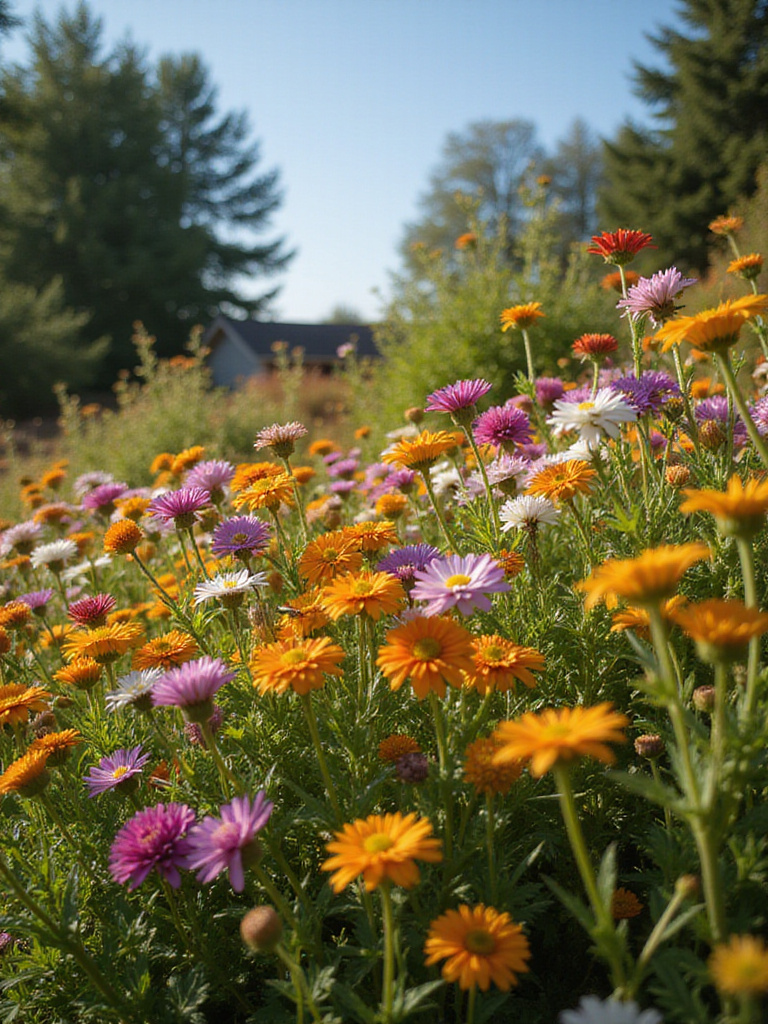
Disease resistance can vary widely even within the same species. For example, traditional bee balm often suffers from powdery mildew in humid climates, whereas resistant cultivars like ‘Jacob Cline’ and ‘Marshall’s Delight’ maintain healthy foliage. Similarly, newer zinnia varieties show strong resistance to powdery mildew that affected older types.
- Research prevalent diseases in your area
- Select cultivars with documented resistance
- Favor newer varieties with improved genetics
- Consider local adaptation and breeding programs
Extension services often conduct trials evaluating disease resistance under regional conditions, providing valuable guidance. Many seed suppliers now label disease resistance traits, simplifying selection for gardeners.
Combining resistant varieties with good cultural practices like proper spacing and airflow creates nearly maintenance-free gardens.
Apply Crop Rotation Principles to Ornamental Beds
Adapting crop rotation techniques to flower gardens helps prevent soil-borne diseases and nutrient depletion, maintaining soil vitality and plant health. This involves rotating plant families in specific garden sections on a 3-4 year cycle.
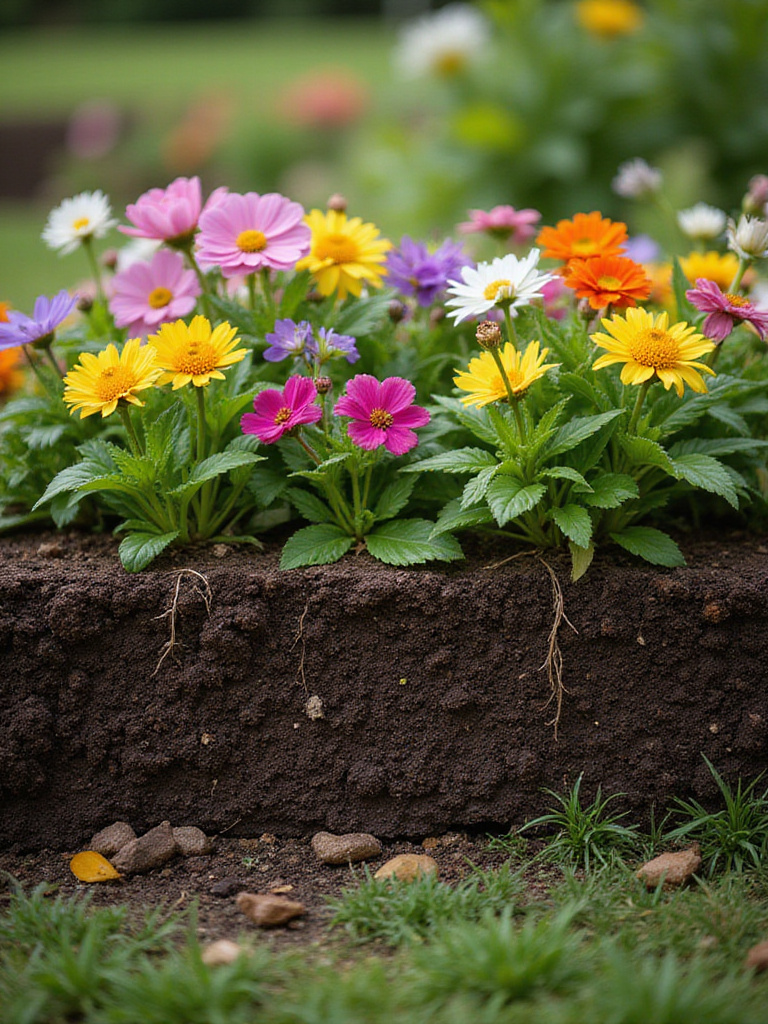
Different plant families have distinct nutrient needs and vulnerabilities to pests and diseases. Rotating families disrupts disease cycles and prevents soil exhaustion caused by repeatedly planting the same species in one spot. For example, following heavy feeders like sunflowers with nitrogen-fixing legumes such as sweet peas naturally enriches the soil.
- Group plants by botanical families rather than appearance
- Keep detailed records or maps of planting locations
- Plan rotations over 3-4 years for maximum effect
- Include soil-enhancing plants like legumes in rotations
This practice is especially beneficial for annual flower beds, where the same varieties often occupy the same areas yearly. Perennial gardens can also benefit by rotating annual fillers to maintain soil health. Accurate record-keeping is essential to track rotations effectively.
Ancient agricultural wisdom proves highly applicable to modern ornamental gardening challenges.
Optimize Soil pH to Maximize Nutrient Uptake
Soil pH profoundly influences nutrient availability, even when nutrients are present. Most flowering plants thrive in slightly acidic to neutral soils (pH 6.0-7.0), where essential nutrients remain accessible. Outside this range, nutrients can become chemically locked, unavailable to plants despite their presence.
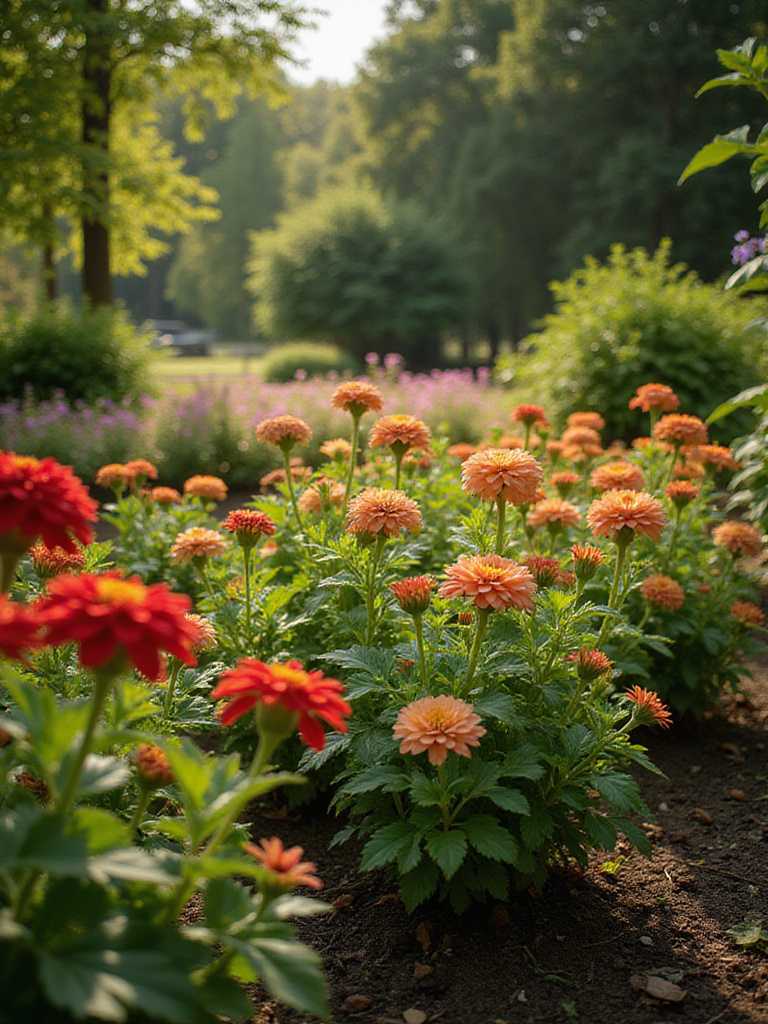
Managing pH unlocks existing soil nutrients, reducing the need for excessive fertilization. For instance, iron deficiency symptoms often indicate alkaline soil rather than actual iron scarcity. Adjusting pH through organic matter addition or sulfur application can resolve such issues without supplemental iron.
- Test soil pH annually with reliable methods
- Make gradual adjustments using organic amendments
- Monitor plant responses to pH changes
- Consider specific pH preferences of different plants
Adding organic matter is the most sustainable way to buffer soil pH toward optimal levels. Sulfur lowers pH in alkaline soils, while lime raises pH in acidic soils. These changes take time, often several months, to fully manifest.
Proper pH management lays the foundation for all other garden care practices to succeed.
Foster Beneficial Insects by Creating Supportive Habitats
Establishing diverse habitats attracts beneficial insects that provide natural pest control, pollination, and ecosystem balance in flower gardens. This involves offering food, nesting sites, and overwintering areas to sustain these allies throughout their life cycles.
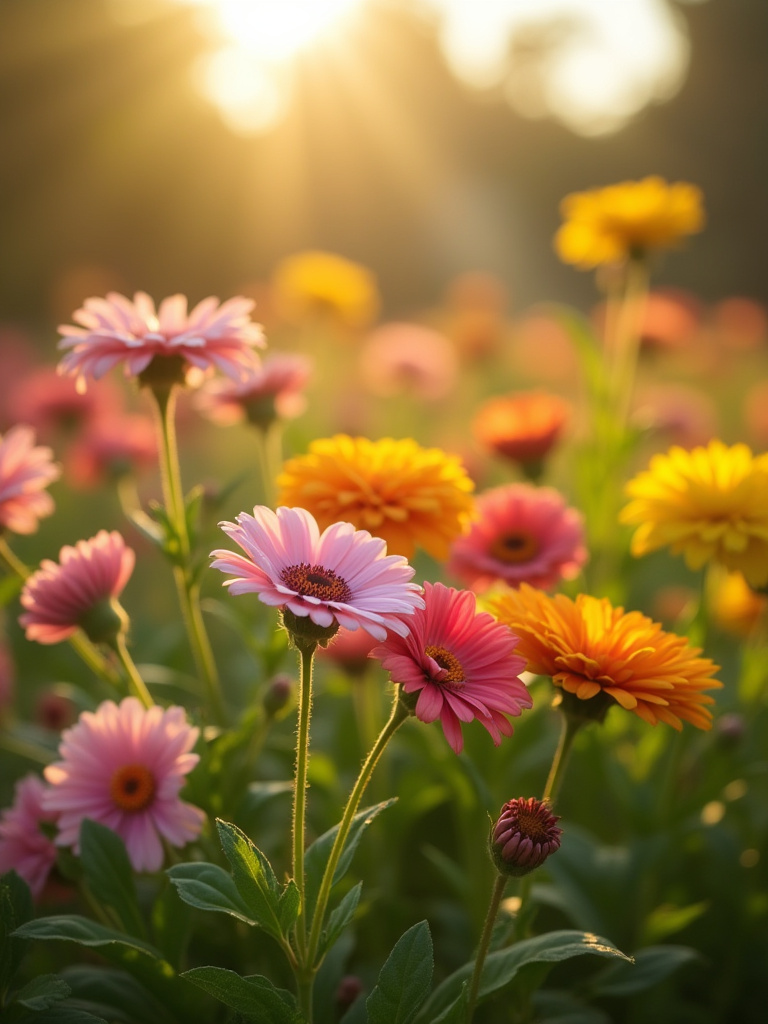
Beneficial insects have varying needs at different stages. Adult predators often require nectar, while larvae depend on specific host plants or prey. Planting a variety of flowers that bloom throughout the season ensures continuous nourishment, while leaving some garden areas undisturbed provides shelter and breeding grounds.
- Diverse flowering plants supplying nectar and pollen
- Native plants supporting specialized insect relationships
- Undisturbed zones for nesting and overwintering
- Accessible water sources for hydration and reproduction
Small-flowered plants like sweet alyssum and dill offer nectar for tiny beneficial insects, while larger blooms attract bigger species. Avoid pesticide use during peak beneficial insect activity to protect these vital garden partners. Many beneficial insects are most active during early morning and evening, allowing targeted treatments with minimal impact.
When beneficial insect populations thrive, they naturally regulate pests, reducing the need for human intervention.
Extend Your Garden’s Growing Season with Protective Techniques
Season extension methods enable flower gardens to remain vibrant and productive beyond typical growing periods. Utilizing protective structures, microclimates, and strategic plant choices can prolong spring and fall growth while adding winter interest through structural elements.
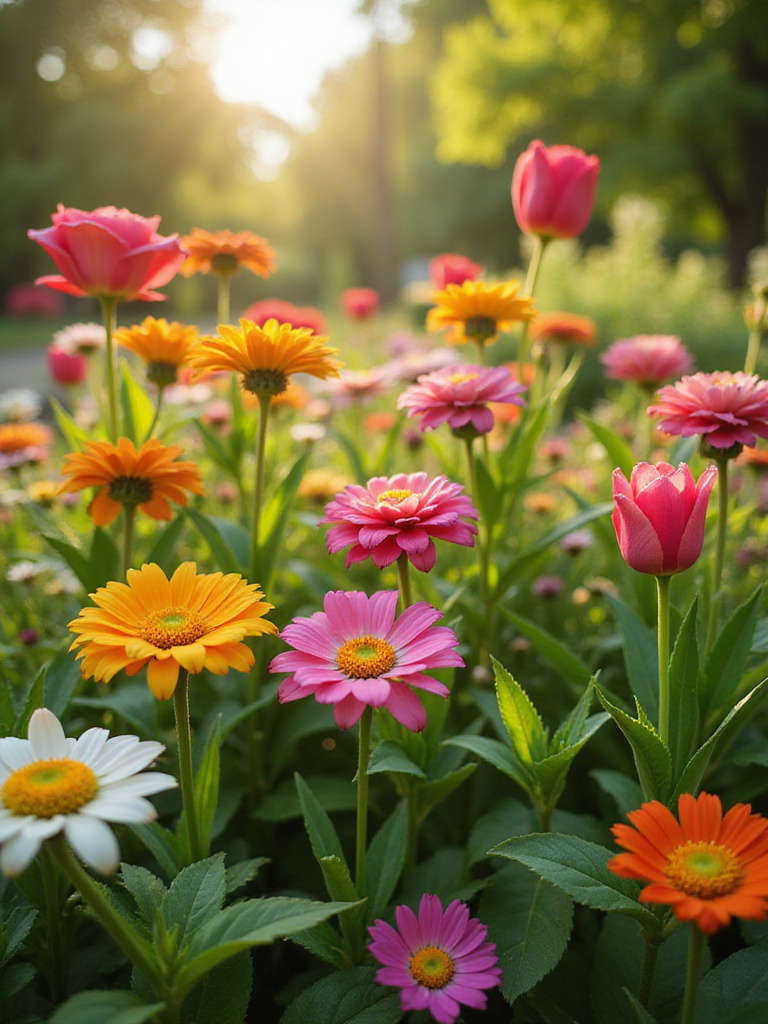
Cold frames, row covers, and hoop tunnels can extend growing seasons by several weeks on either end, shielding plants from frost and wind. These create favorable microclimates that allow tender species to survive light freezes and continue growing during marginal weather.
- Protective structures to guard against frost and wind
- Microclimate creation using thermal mass and shelter
- Strategic plant placement for enhanced protection
- Incorporation of winter-interest plants for year-round appeal
Elements like stone walls or water features moderate temperature fluctuations, while south-facing, wind-sheltered spots remain warmer, enabling extended growth for borderline hardy plants.
Season extension enriches garden ambiance as natural light shifts reveal different facets of plant and structural interplay.
Embrace Organic Fertilization for Sustainable Growth
Organic fertilization nurtures long-term soil health and delivers balanced nutrients that support steady plant growth and abundant blooms. This method feeds soil microbes, which convert nutrients into forms plants can absorb throughout the season.
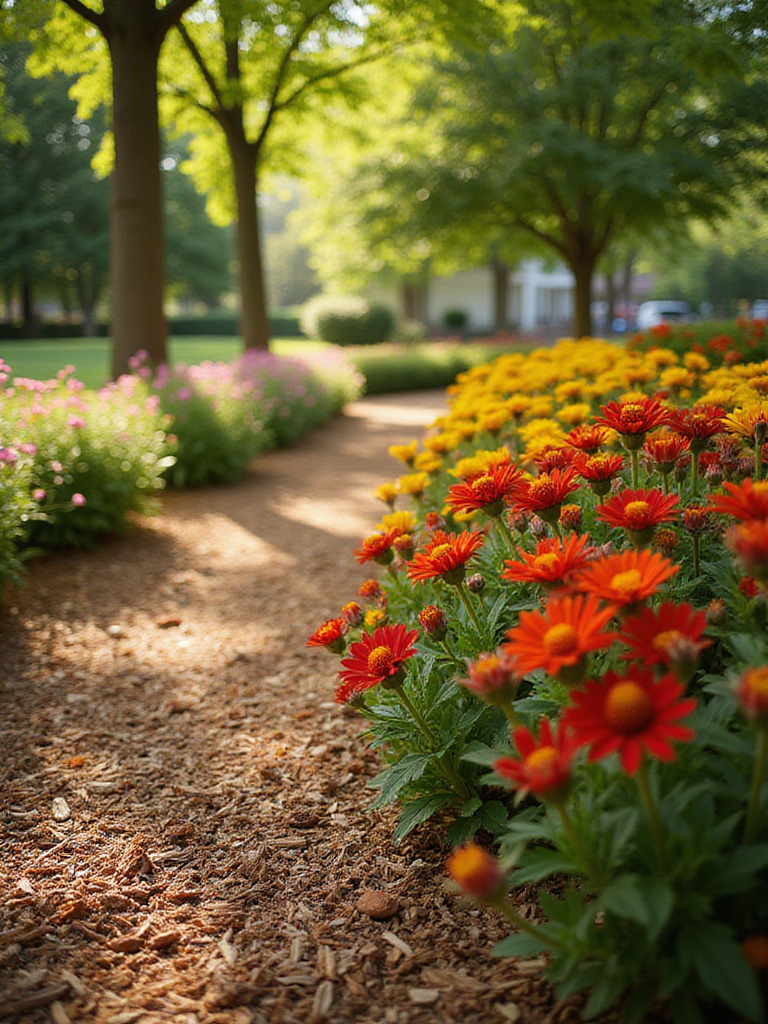
While synthetic fertilizers provide quick nutrient boosts, they often lack micronutrients and organic matter essential for comprehensive plant health. Organic fertilizers release nutrients gradually as soil organisms break them down, aligning with plant growth and improving soil structure and moisture retention.
- Feed soil life rather than plants directly
- Use diverse organic materials for complete nutrition
- Time applications to coincide with growth stages
- Monitor plant health and adjust as needed
Compost, aged manure, and organic blends offer balanced nutrition and foster beneficial microbes. These materials enhance soil texture, increase water-holding capacity, and reduce risks of nutrient burn or leaching common with synthetic inputs.
Investing in organic fertilization yields exceptional long-term soil improvements, decreasing future fertilizer needs and boosting garden productivity.
Design Pollinator-Friendly Gardens with Native Plant Communities
Establishing native plant communities supports local pollinators throughout their life cycles, providing essential habitat and ensuring reliable garden performance with minimal upkeep. Pollinators require more than nectar-they need host plants for reproduction and diverse habitats for different stages.
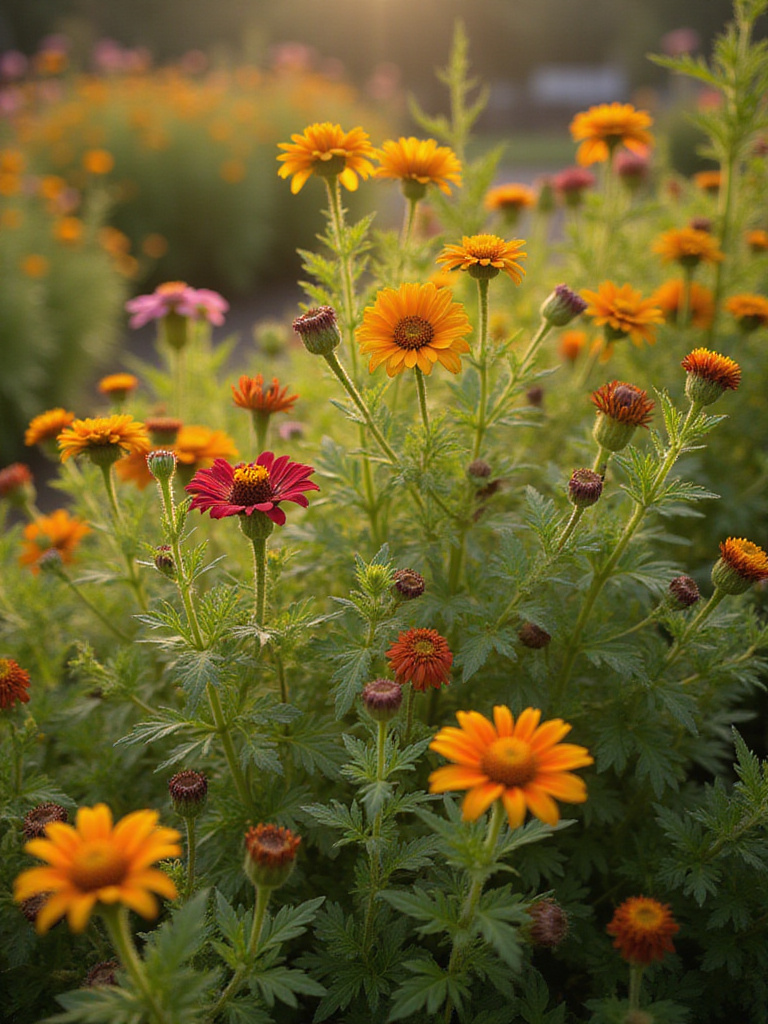
Native plants have co-evolved with local pollinators, forming specialized relationships that enhance biodiversity and provide dependable garden success. These species typically require less water, fertilizer, and pest control than non-natives while offering superior wildlife habitat.
- Host plants for butterfly and moth larvae
- Varied bloom times for continuous nectar supply
- Nesting sites for native bees and beneficial insects
- Overwintering habitats supporting pollinator life cycles
Local native plant societies and extension services offer excellent resources for selecting appropriate species and understanding ecological interactions. Specialized native plant nurseries provide adapted varieties and expert guidance for successful establishment.
This approach preserves a rich cultural heritage of plant-pollinator co-evolution, fostering self-sustaining garden ecosystems.
Harness Garden Microclimates to Boost Plant Performance
Recognizing and managing microclimates within your flower garden enables cultivation of plants that might otherwise struggle in your broader climate zone, optimizing overall garden health. Microclimates are localized areas with distinct conditions influenced by terrain, structures, and thermal mass.
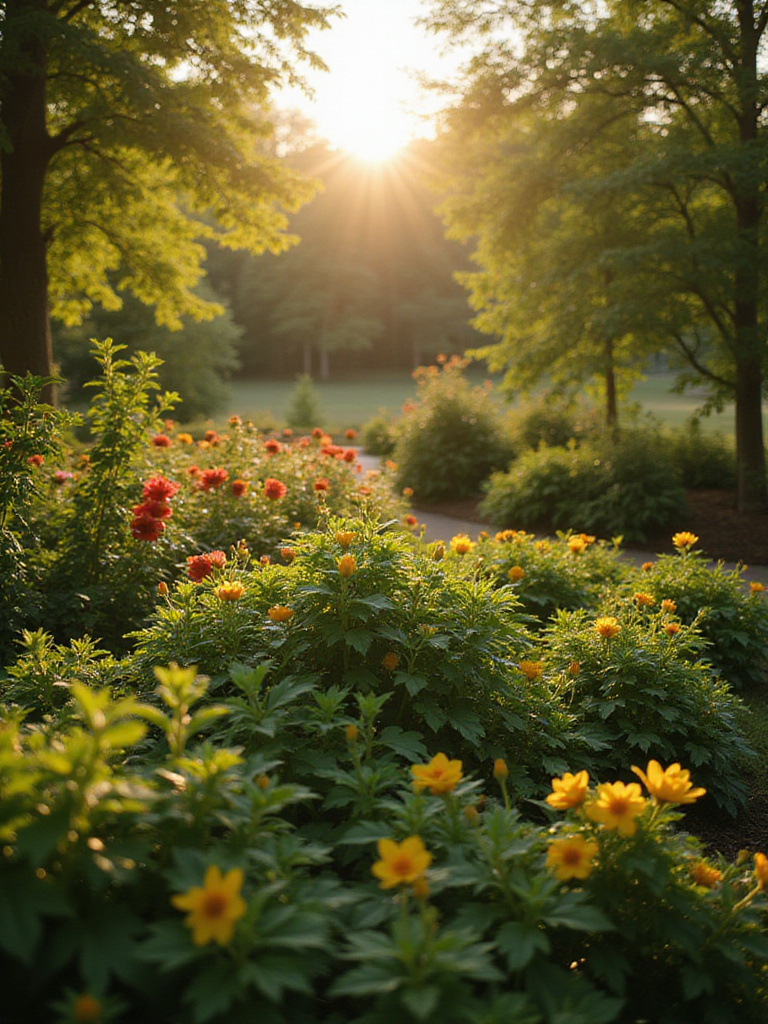
South-facing walls create warmer microclimates, extending growing zones by one or two levels, while low-lying spots may be cooler and frost-prone. Wind exposure, drainage, and sunlight patterns also shape microclimates, which can be managed through thoughtful design and plant placement.
- Use thermal mass to moderate temperature fluctuations
- Establish windbreaks to shield from drying winds
- Improve drainage in frost-prone low areas
- Maximize sun exposure for heat-loving species
Observing your garden across seasons reveals microclimate patterns that can be enhanced or modified. Adding stone features or water elements moderates extremes, while strategic plantings create protective barriers or channel cooling breezes.
Understanding these micro-environments allows you to tailor plant choices and garden design for optimal growth.
Establish Consistent Garden Maintenance Routines
Regular maintenance prevents minor issues from escalating and ensures plants perform at their best throughout the season. Developing seasonal task lists aligned with plant needs maintains garden health and aesthetics.
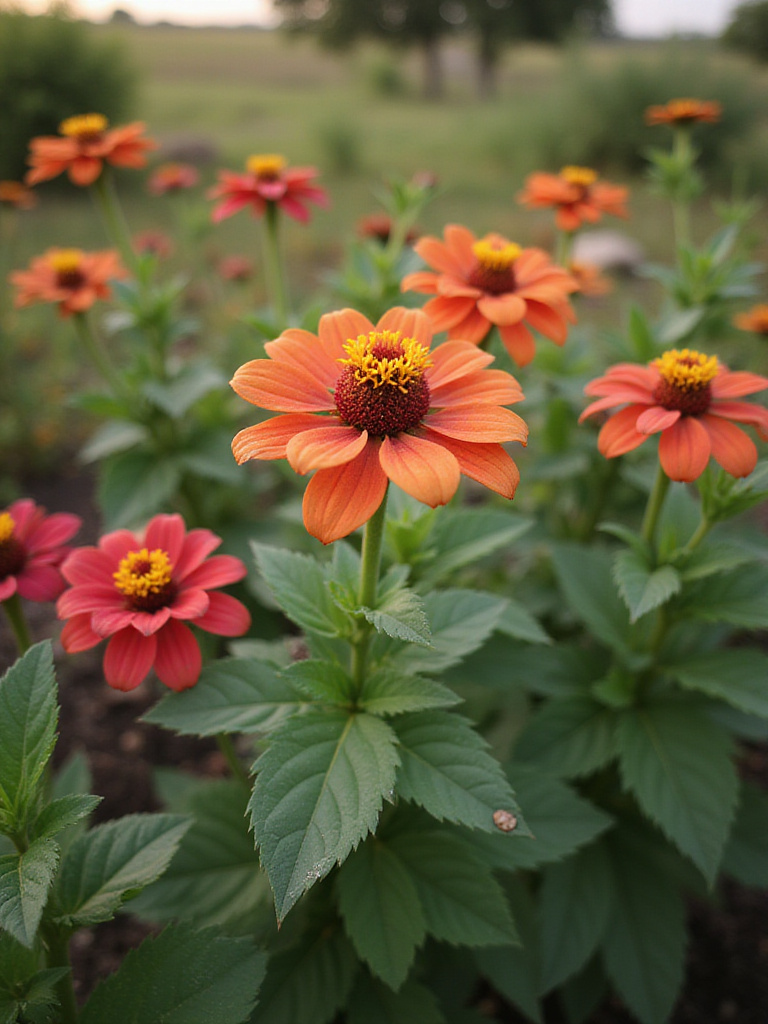
Preventive care is more efficient and less time-consuming than reactive problem-solving. Routine deadheading, weeding, and monitoring allow early intervention when problems are manageable, avoiding intensive treatments later.
- Weekly inspections and minor upkeep
- Monthly major tasks like pruning and fertilizing
- Seasonal preparation and cleanup
- Annual planning and performance reviews
Keeping maintenance logs helps identify patterns and optimize timing. Many gardeners find that dedicating 15-20 minutes daily prevents overwhelming weekend chores and promotes healthier gardens.
A common mistake is concentrating all maintenance into infrequent, intensive sessions rather than spreading tasks evenly.
Design for Year-Round Garden Appeal
Planning for four-season interest ensures your flower garden remains visually engaging throughout the year, avoiding barren periods during dormancy. This involves incorporating plants with attractive bark, seed heads, evergreen foliage, and structural features alongside flowering species.
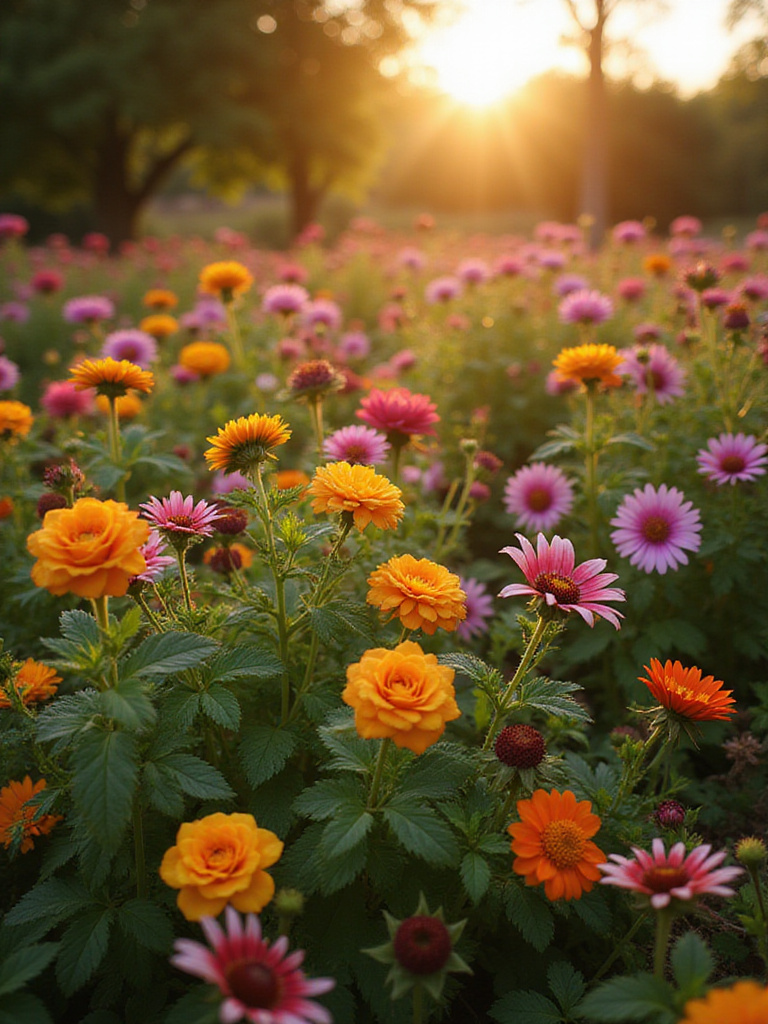
Winter interest is crucial in regions with long dormant seasons. Plants with striking bark, persistent seed heads, or evergreen leaves provide structure and color when herbaceous plants die back. Ornamental grasses add texture and habitat for beneficial wildlife during winter.
- Evergreens for winter structure and color
- Plants with distinctive bark or silhouettes
- Seed heads and dried flowers for texture
- Early bloomers to extend growing seasons
Strategic placement of these elements creates year-round focal points and a framework for seasonal plantings. This approach blends traditional design with modern understanding of continuous garden engagement.
Adopt Sustainable Water Management for Resilient Gardens
Implementing sustainable water practices reduces environmental impact and builds drought-resilient flower gardens. Techniques include rainwater harvesting, enhancing soil water retention, and selecting drought-tolerant plants.
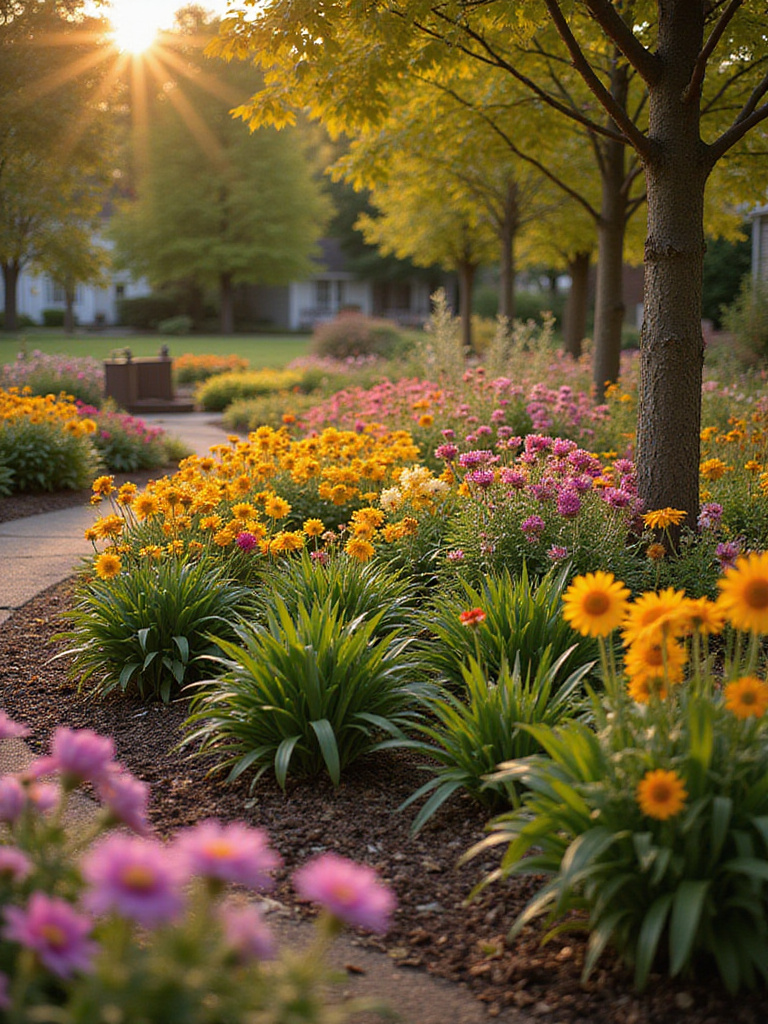
Rain gardens and bioswales capture stormwater runoff, reducing erosion and filtering pollutants while creating attractive planting zones for moisture-loving species. These features support diverse plant communities distinct from traditional beds.
- Rainwater collection and storage systems
- Soil amendments to boost water retention
- Drought-tolerant plant selection and placement
- Efficient irrigation design and management
Permeable paving and strategic grading direct water to planted areas, minimizing runoff and conserving resources. These methods reduce water waste and provide supplemental irrigation during dry spells.
Working with natural water cycles fosters sustainable, resilient garden ecosystems.
Embrace Integrated Garden Design for Ecosystem Vitality
Viewing your flower garden as part of a broader ecosystem-including soil microbes, beneficial insects, birds, and wildlife-promotes self-sustaining systems that require minimal inputs while maximizing environmental benefits.
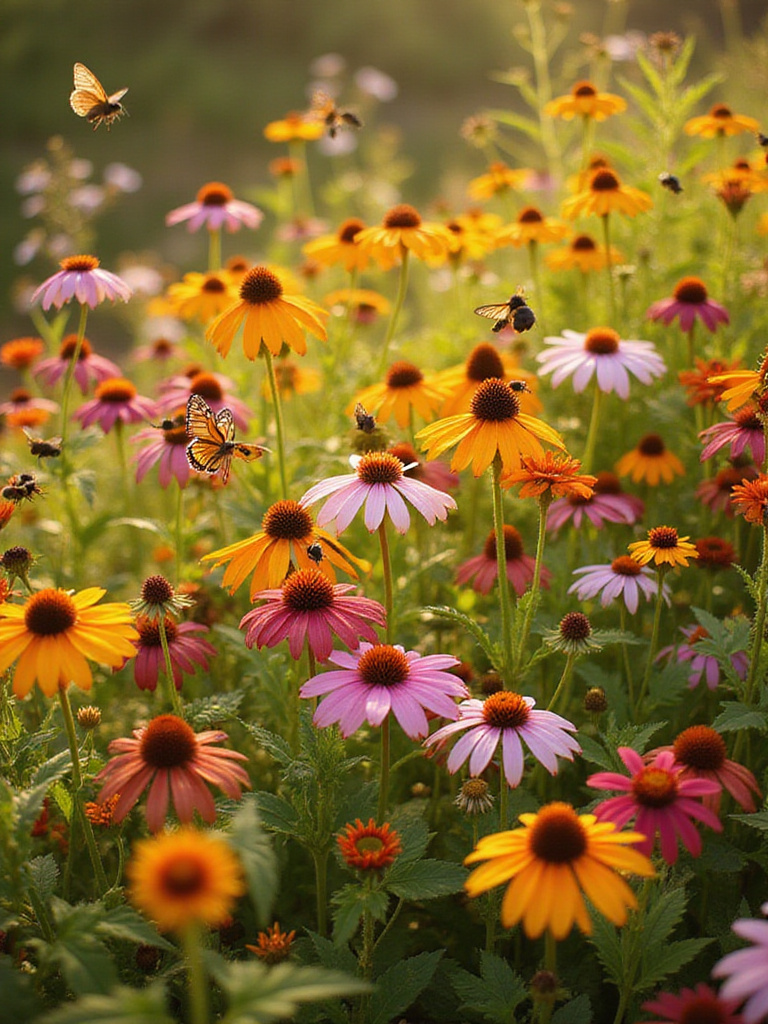
Designing plant communities that support ecological interactions-such as nitrogen fixation, natural pest control, and soil enhancement-creates resilient, productive polycultures superior to monocultures. These diverse habitats also support a wide range of wildlife.
- Plant communities fostering ecological relationships
- Habitat creation for beneficial wildlife
- Soil health improvement through diverse species
- Natural pest and disease management
Observing natural plant communities inspires garden designs that harmonize with ecological principles, reducing the need for constant intervention. Such systems grow more robust and attractive over time as relationships deepen.
This holistic approach reflects a cultural shift toward recognizing gardens as integral parts of environmental systems.
Plan for Long-Term Garden Sustainability
Developing a long-term sustainability plan ensures your flower garden continues to thrive and improve while minimizing resource use and environmental impact. This involves selecting plants and practices that enhance soil health, support biodiversity, and build resilient ecosystems.
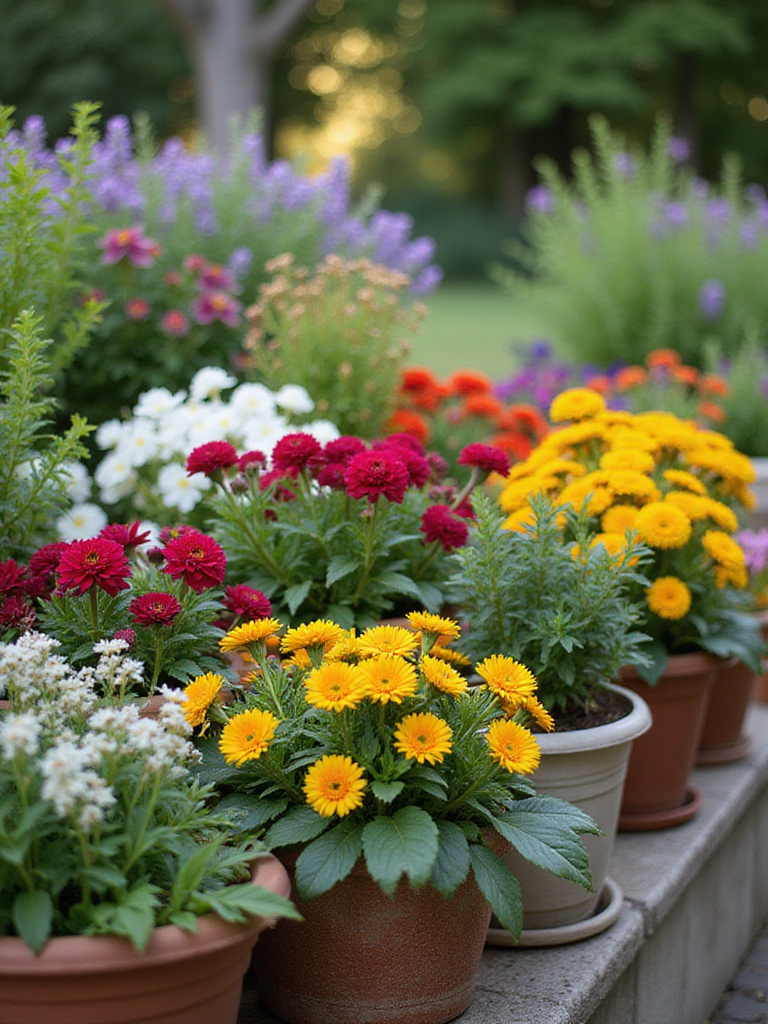
Sustainable gardens become more productive and visually appealing over time as soil quality improves and ecological relationships strengthen. This contrasts with high-input gardens that demand increasing fertilizer, water, and pest control to maintain appearance.
- Enhance soil health with organic matter
- Choose plants for long-term adaptability and performance
- Conserve resources through efficient design and management
- Develop ecosystems that balance naturally
Planning accounts for plant growth and succession, preserving design integrity while preventing common issues. This foresight transforms your garden into a valuable, evolving landscape asset.
Each season’s growth is a testament to your role in nurturing a living, regenerating environment.
Conclusion
Designing a breathtaking flower garden transcends mere plant arrangement-it involves collaborating with natural systems to create sustainable, thriving ecosystems that offer beauty and environmental benefits. These expert strategies lay the groundwork for gardens that grow more vibrant, productive, and ecologically valuable over time.
The path from beginner to skilled gardener is one of ongoing learning and adaptation, observing how techniques perform in your unique conditions. Each season presents opportunities to refine your methods, experiment with new plants, and deepen your understanding, distinguishing exceptional gardens from ordinary ones.
Your flower garden can become a beacon of sustainable beauty, inspiring others while providing habitat for wildlife, enhancing soil and water quality, and fostering environmental stewardship. Begin with the practices that resonate most and gradually integrate additional strategies as your confidence and knowledge expand. The rewards include increasingly spectacular results and a meaningful contribution to ecological health and resilience.
For essential gardening tools and supplies, explore options on Amazon Gardening Tools and Organic Fertilizers to support your sustainable gardening journey.