Utilizing raised garden beds along fence lines is an ingenious way to optimize limited yard space, creating well-defined planting zones that boost both practicality and visual charm. These placements not only offer natural support for climbing flora but also help delineate property edges and organize garden layouts. Fence-adjacent beds are ideal for vertical gardening, enhancing privacy, and improving irrigation efficiency. Whether crafted from rot-resistant cedar, sturdy concrete blocks, or modern composites, these setups cater to diverse budgets and gardening expertise, turning overlooked fence borders into thriving cultivation areas.
Elegant Cedar Raised Beds with Privacy Enhancements
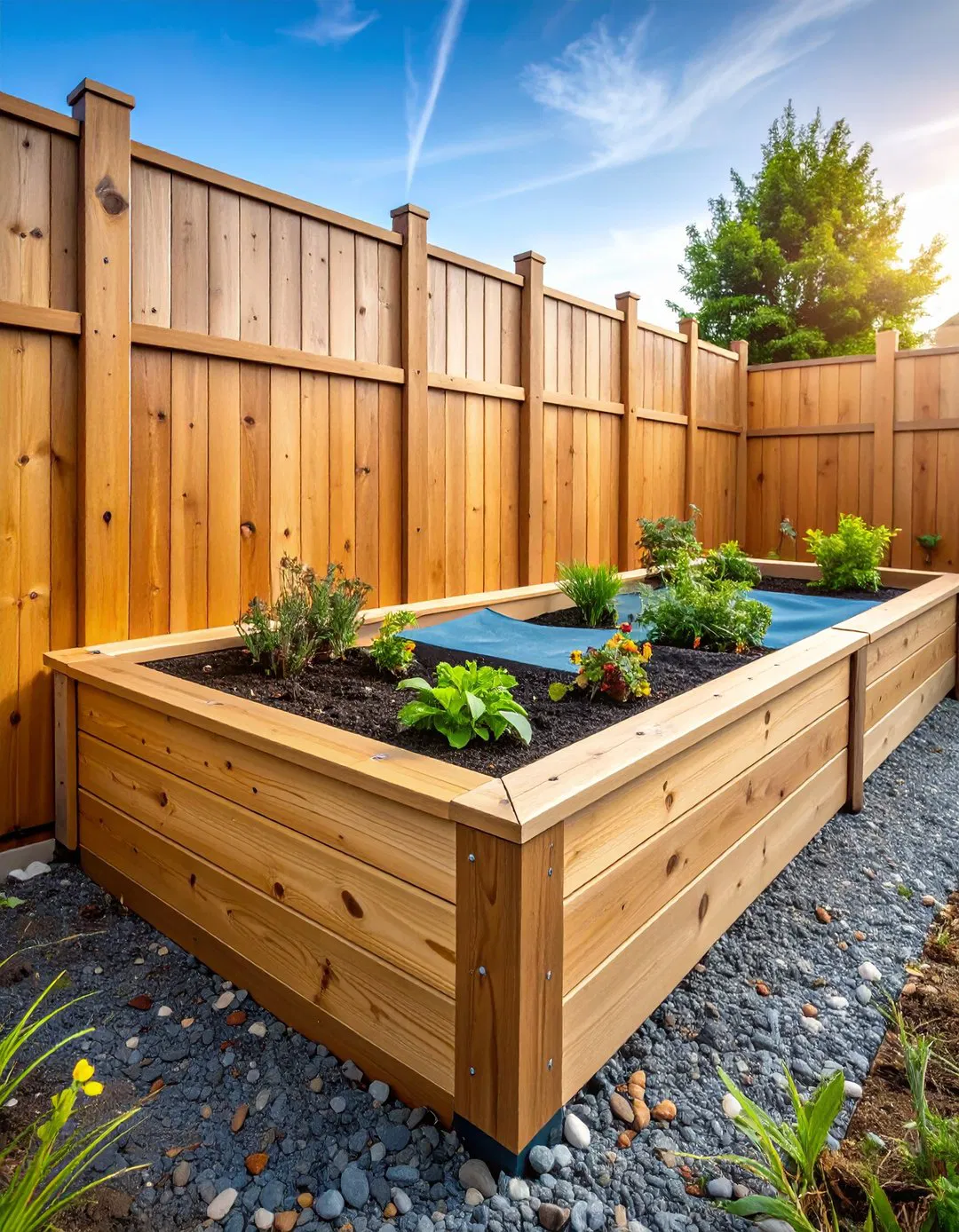
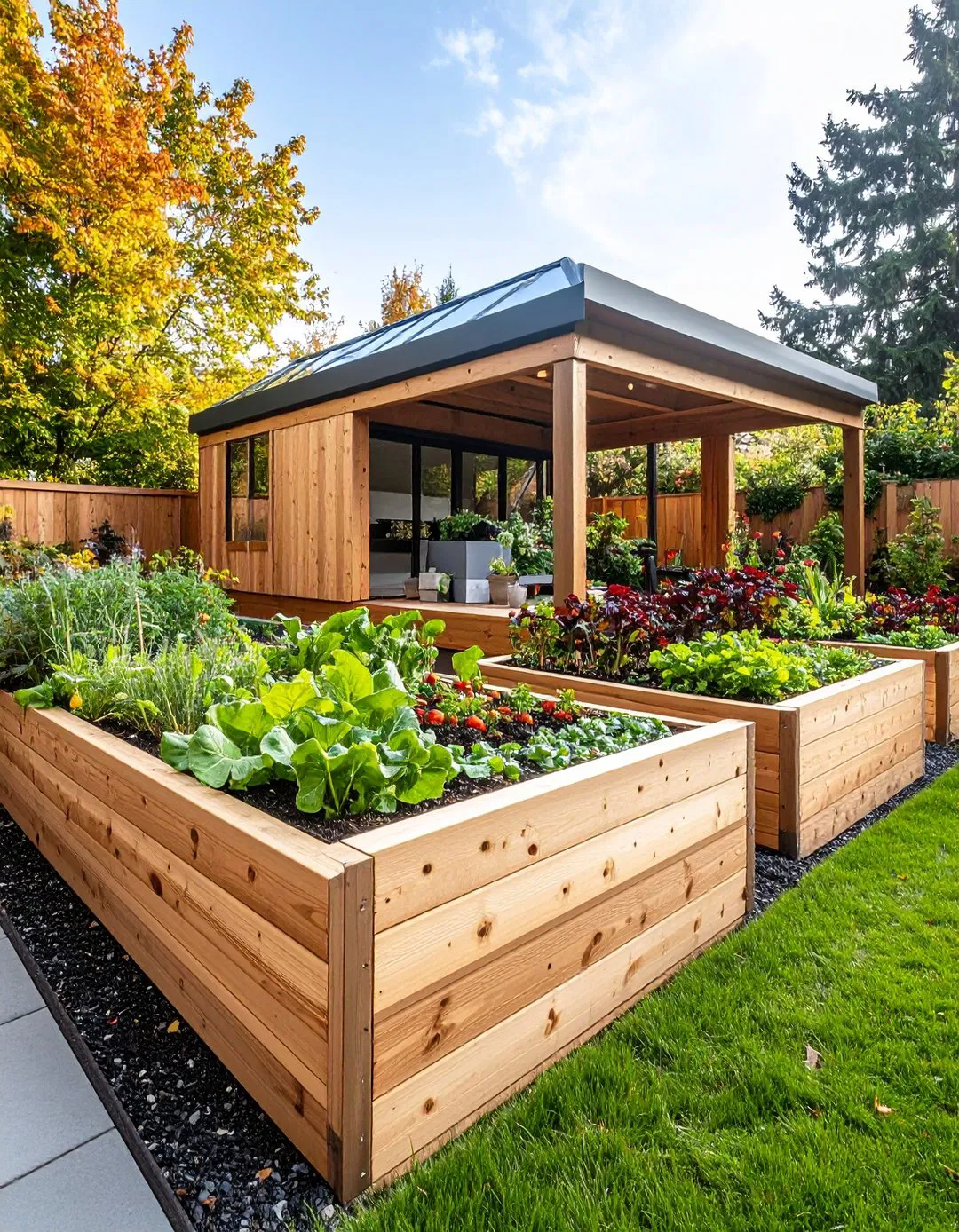
Constructed from naturally decay-resistant cedar planks, these raised beds blend seamlessly with extended privacy fences. The design features two to three stacked cedar layers aligned with the fence, topped with vertical slats that extend upward, providing both additional planting space and enhanced screening. Corner posts secure the structure and serve as anchors for the fence extension. Inside, landscape fabric suppresses weeds while ensuring proper drainage. This setup is perfect for cultivating herbs, leafy vegetables, and compact crops that benefit from wind protection offered by the fence extension.
Durable Concrete Block Beds with Integrated Trellis Supports
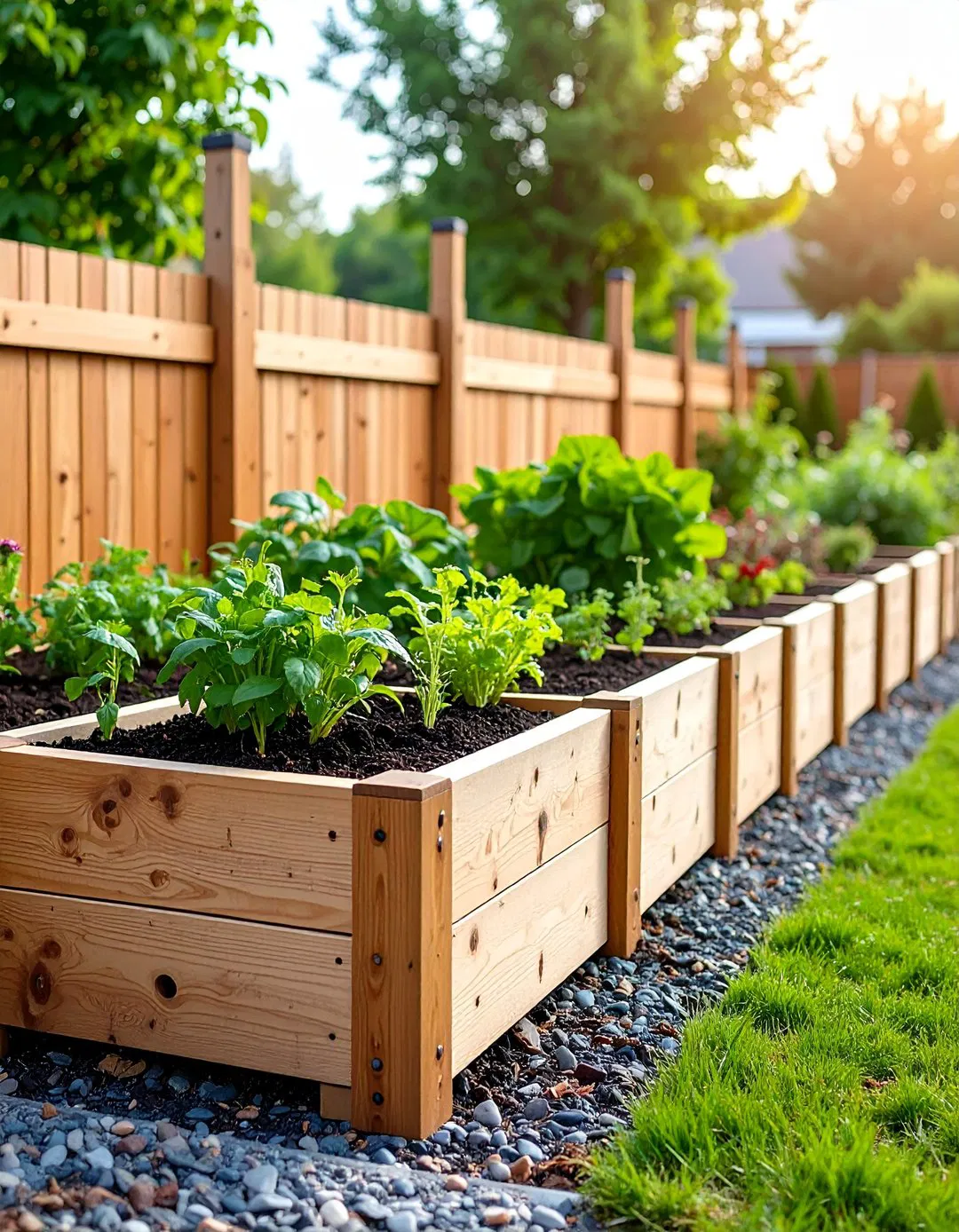
Concrete blocks provide a robust and versatile foundation for fence-line raised beds, especially when combined with built-in trellis posts. By stacking standard 8x8x16-inch blocks two layers high parallel to the fence and leaving drainage gaps, gardeners can insert metal conduits or rebar through the hollow cores to support climbing plants. The block cavities can also be planted with herbs or flowers, adding vertical layers to the garden. Gravel and landscape fabric between the blocks and fence ensure excellent drainage. This design is ideal for pole beans, cucumbers, peas, and flowering vines that require sturdy vertical support.
Modern Galvanized Metal Beds with Wire Mesh Climbing Supports
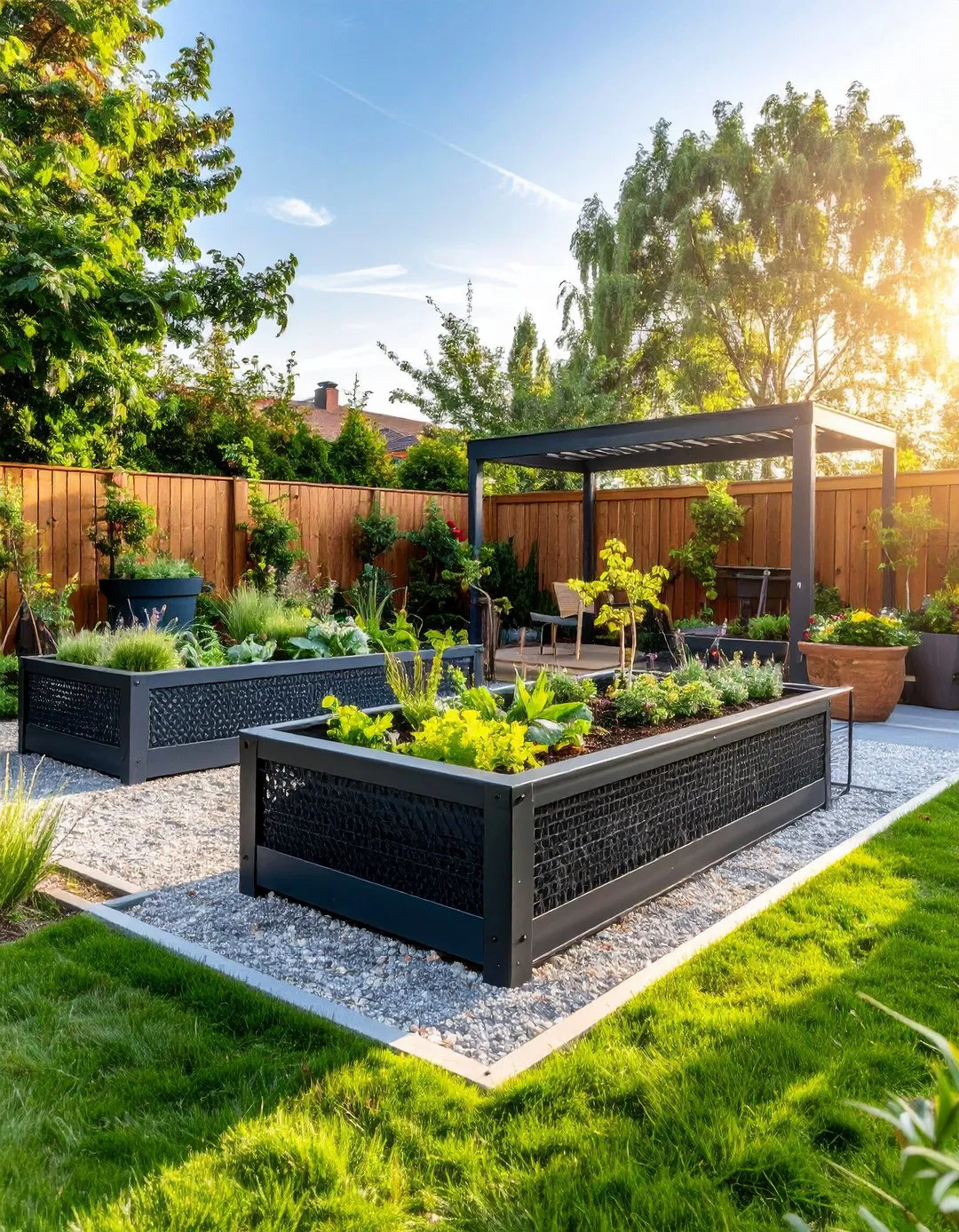
Galvanized steel raised beds offer a sleek, contemporary look combined with exceptional durability against weather and pests. Positioned along fences, these metal planters can be outfitted with wire mesh or hardware cloth on the fence side to support smaller climbing plants or secure plant ties. Their precise geometric shapes and clean lines enhance modern landscapes, while built-in drainage systems prevent waterlogging and maintain soil health. This style suits vegetable gardens, ornamental plantings, and mixed herb-flower beds that thrive with excellent drainage and organized layouts.
Terraced Stone Block Gardens for Sloped Fence Lines
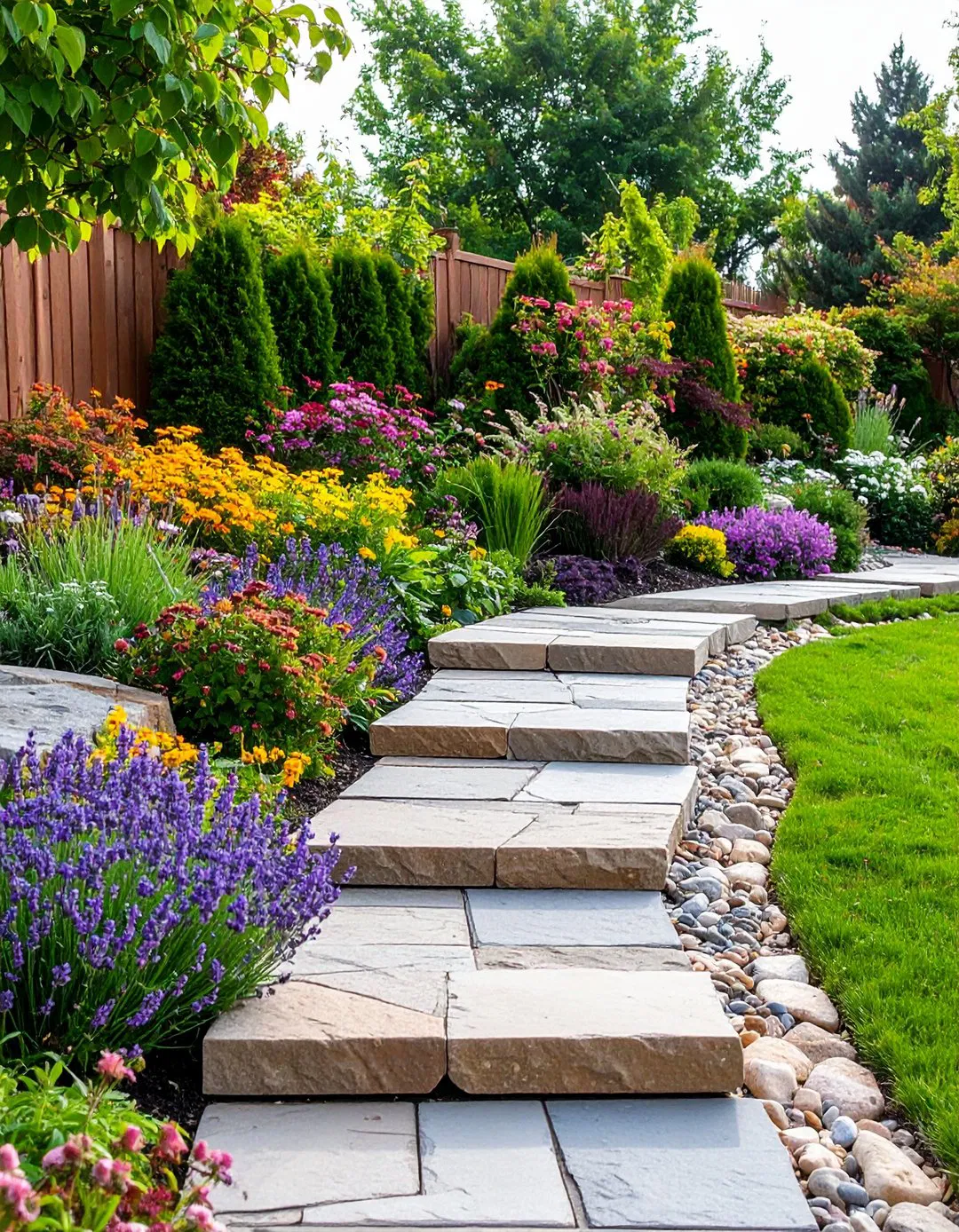
For yards with sloping fence lines, terraced gardens built from natural stone or concrete retaining blocks create visually striking, multi-level planting areas. Starting with the tallest tier adjacent to the fence and stepping downwards, each level can host plants suited to their sun exposure and height needs-tall tomatoes or corn at the back, with herbs and low-growing plants in front. Flat capstones can double as seating, enhancing garden usability. Drip irrigation installed between terraces ensures efficient watering. This design maximizes vertical space and adds dramatic appeal to sloped landscapes.
Rustic Reclaimed Wood Beds with Chicken Wire Trellises
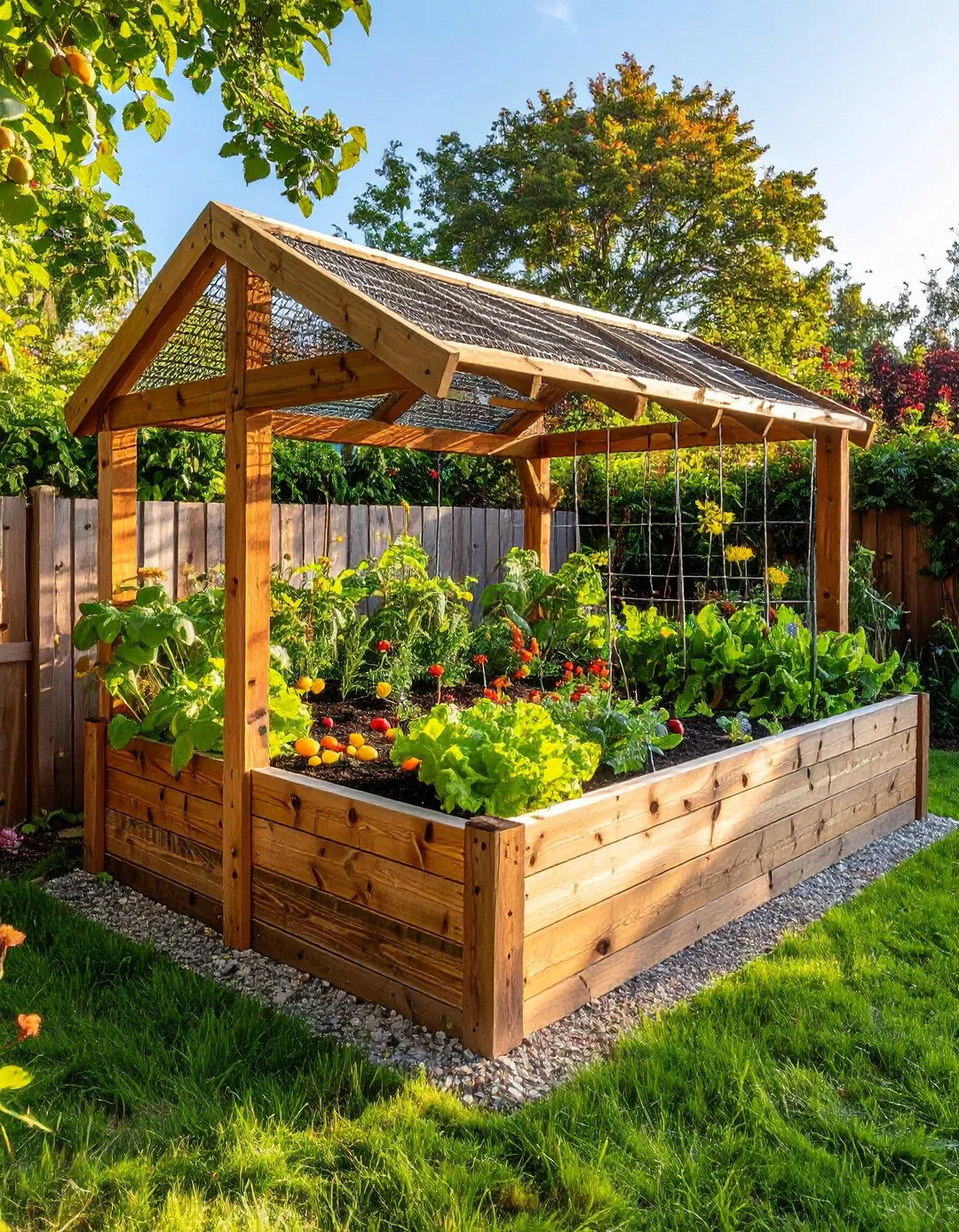
Utilizing reclaimed barnwood or weathered lumber, these raised beds exude rustic charm while being eco-friendly. Thick, aged boards form the bed walls, preserving their natural patina for character. Chicken wire or welded mesh attached to wooden frames on the fence side provides lightweight support for climbing plants. This cost-effective method repurposes materials and suits annual vegetables and flowers. Lining the beds with cardboard or landscape fabric helps suppress weeds, while organic soil amendments promote healthy growth. This style complements cottage gardens and farmhouse aesthetics beautifully.
Composite Raised Beds with Automated Irrigation
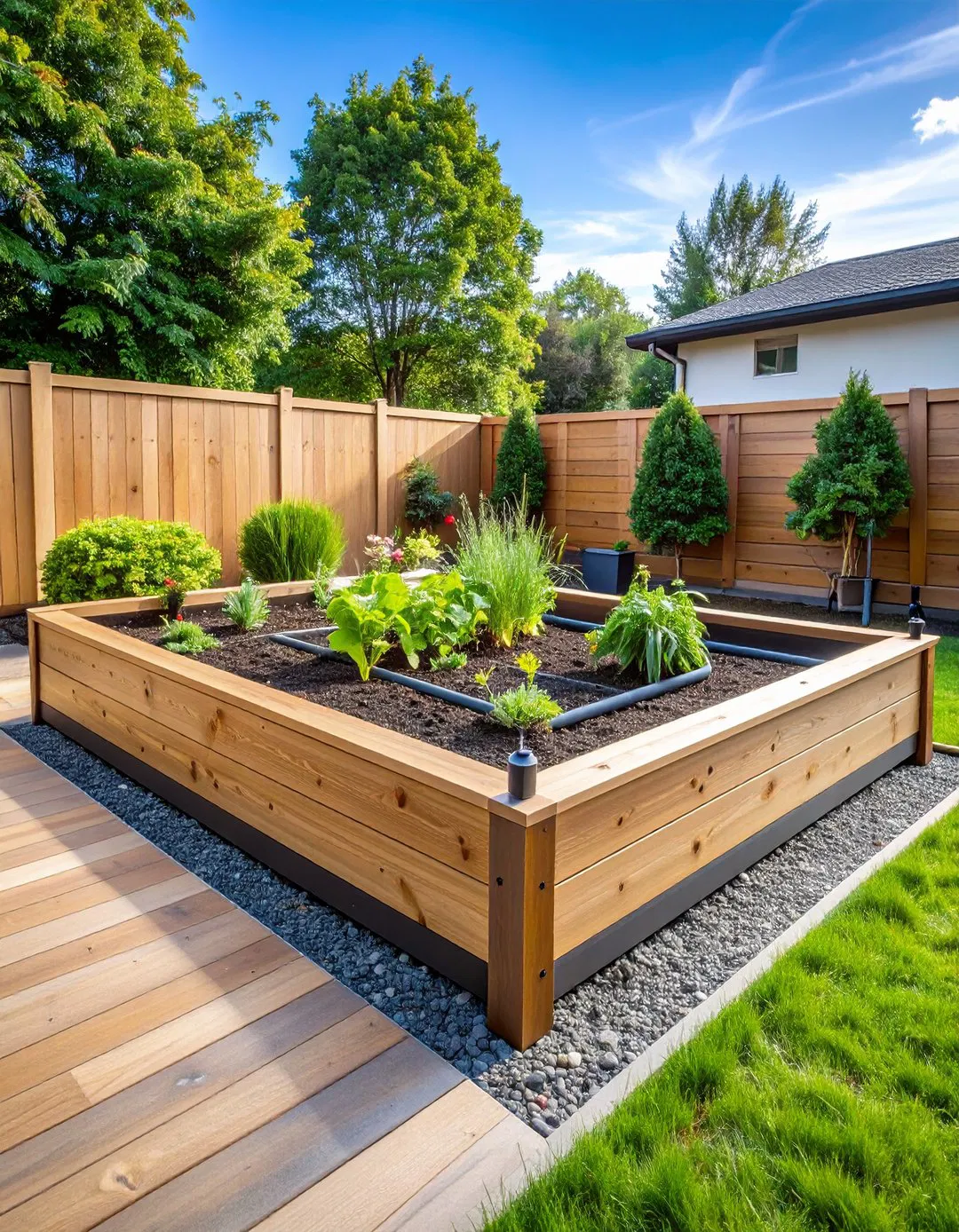
Composite lumber beds, made from recycled plastic-wood blends, offer long-lasting, low-maintenance solutions for fence-line gardening. These beds resist rot, insect damage, and weathering while maintaining a natural wood look. Integrated drip irrigation tubing runs discreetly along the fence side, often paired with timers and moisture sensors for automated watering. The composite material allows for precise construction and consistent aesthetics. This system is ideal for busy gardeners seeking efficient, productive herb or vegetable gardens with minimal upkeep.
Maximizing Corners: L-Shaped Beds with Arching Trellises
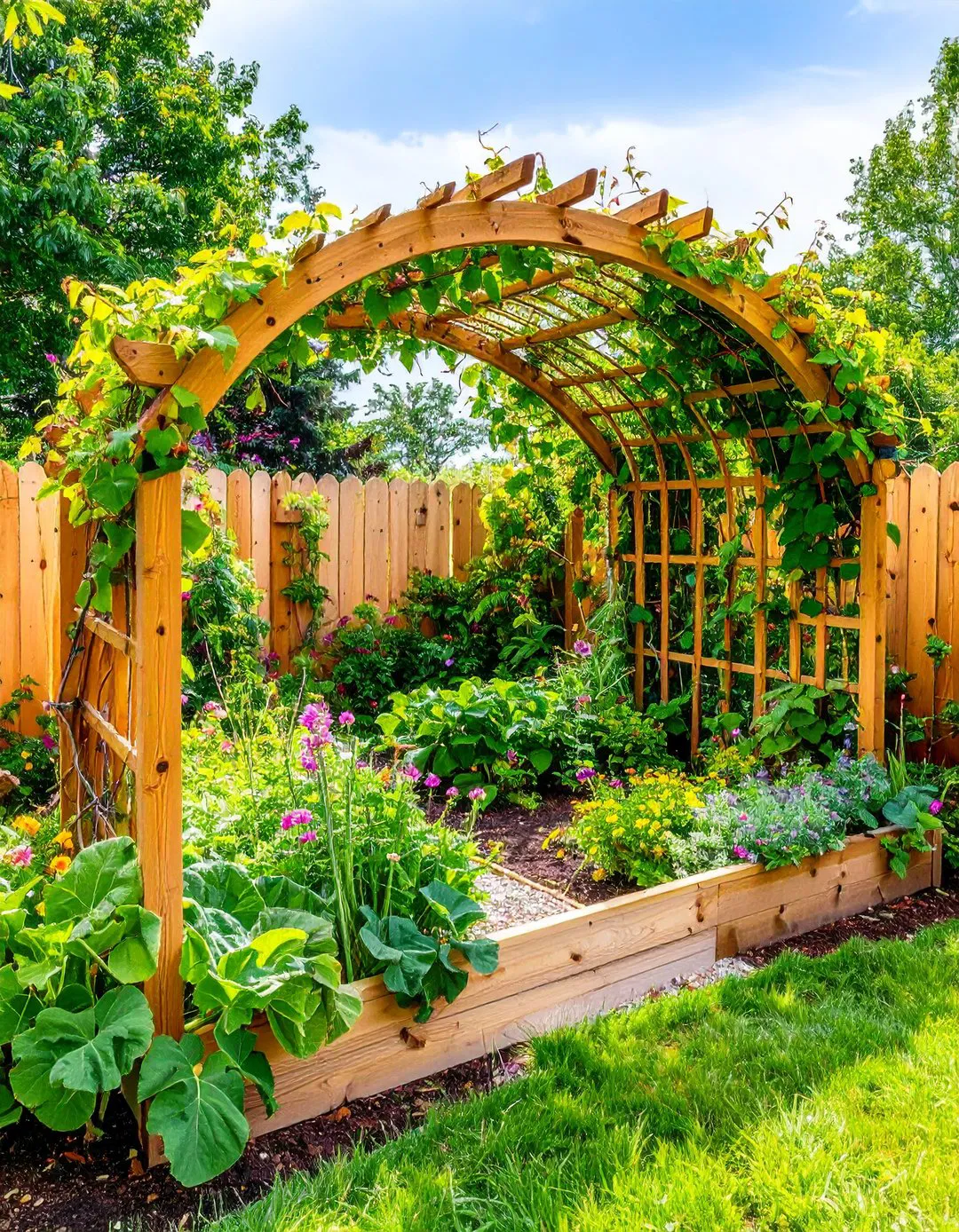
Corner spaces where two fences meet can be transformed into productive garden zones with L-shaped raised beds topped by arch trellises. Constructed from cedar or composite materials, these beds vary in height to accommodate diverse plants. Wire mesh or cattle panels form arches between the bed arms, creating tunnels for climbing crops like beans, cucumbers, or flowering vines. This design optimizes corner usage, provides vertical growing space, and defines garden rooms within larger landscapes. Accessible interior pathways facilitate planting and harvesting.
Espaliered Fruit Trees in Narrow Raised Beds
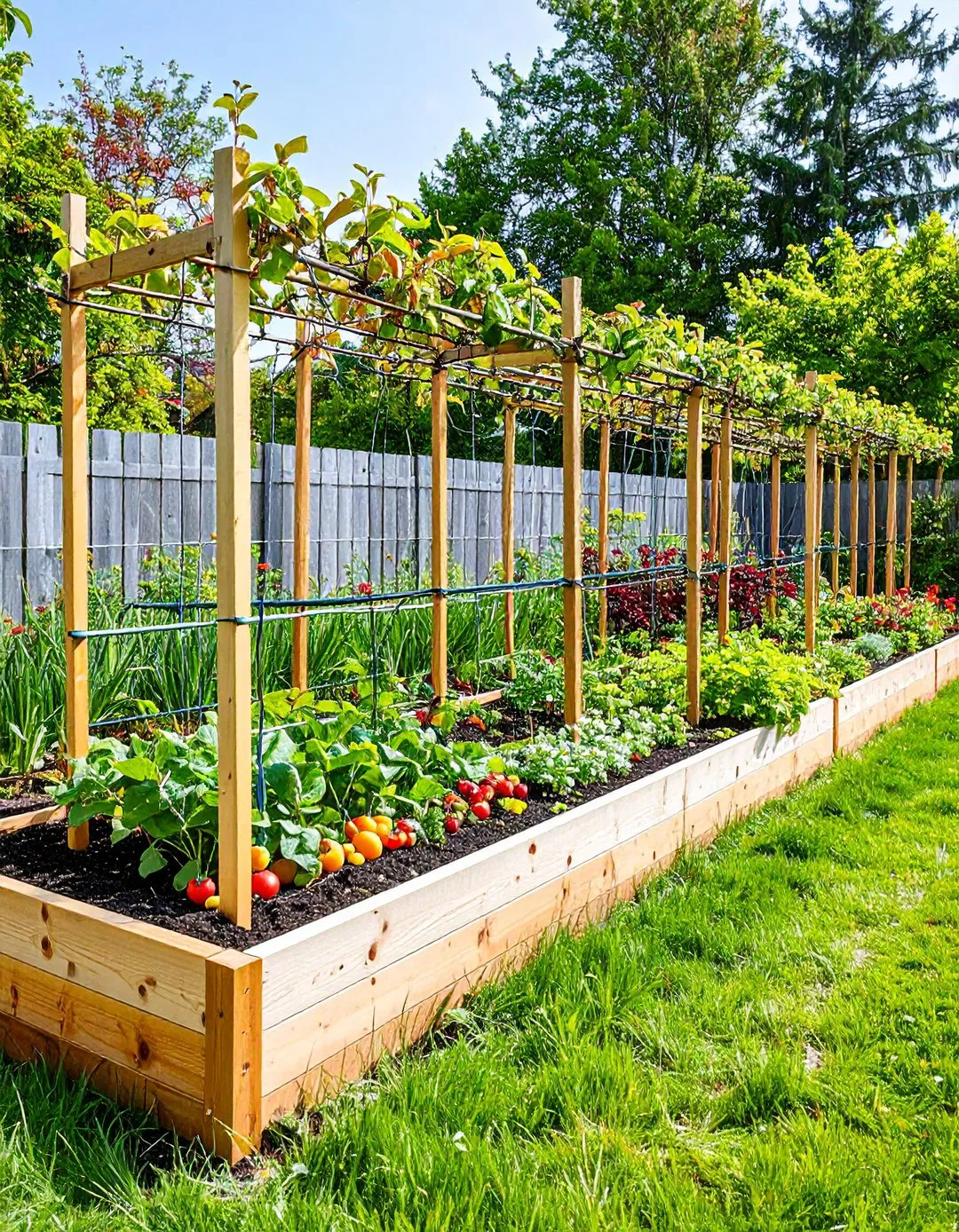
Transform fence lines into compact orchards by building narrow raised beds (18-24 inches wide, 12-18 inches deep) designed for espaliered fruit trees. Horizontal wires attached to fence posts at 12-inch intervals train branches into flat, decorative patterns, ideal for apples, pears, and stone fruits. Underplant with shallow-rooted herbs or flowers to maximize space without root competition. This method enhances fruit production in limited areas while adding ornamental value to fence lines.
Rolling Plant Supports for Flexible Growing

Incorporate mobility into fence-line raised beds by adding rolling wire panels or trellises that slide along tracks mounted to the fence. Construct beds from cedar or composite materials, then install lockable rolling supports to adjust plant positioning according to seasonal sun exposure, crop rotation, or maintenance needs. This adaptable system suits experimental gardeners and maximizes production by allowing dynamic plant support configurations throughout the growing season.
Insulated Double-Wall Raised Beds for Extended Seasons
Double-wall raised beds, constructed with inner and outer cedar or composite boards, create insulated growing spaces by filling the gap with materials like straw, leaves, or foam. This thermal buffer stabilizes soil temperatures, protecting roots from extreme cold or heat and extending the growing season. Removable tops or cold frames can be added for further season extension. Ideal for root vegetables, herbs, and leafy greens, these beds include drainage systems to prevent moisture buildup while maintaining insulation efficiency.
Storage-Integrated Raised Beds for Space Efficiency
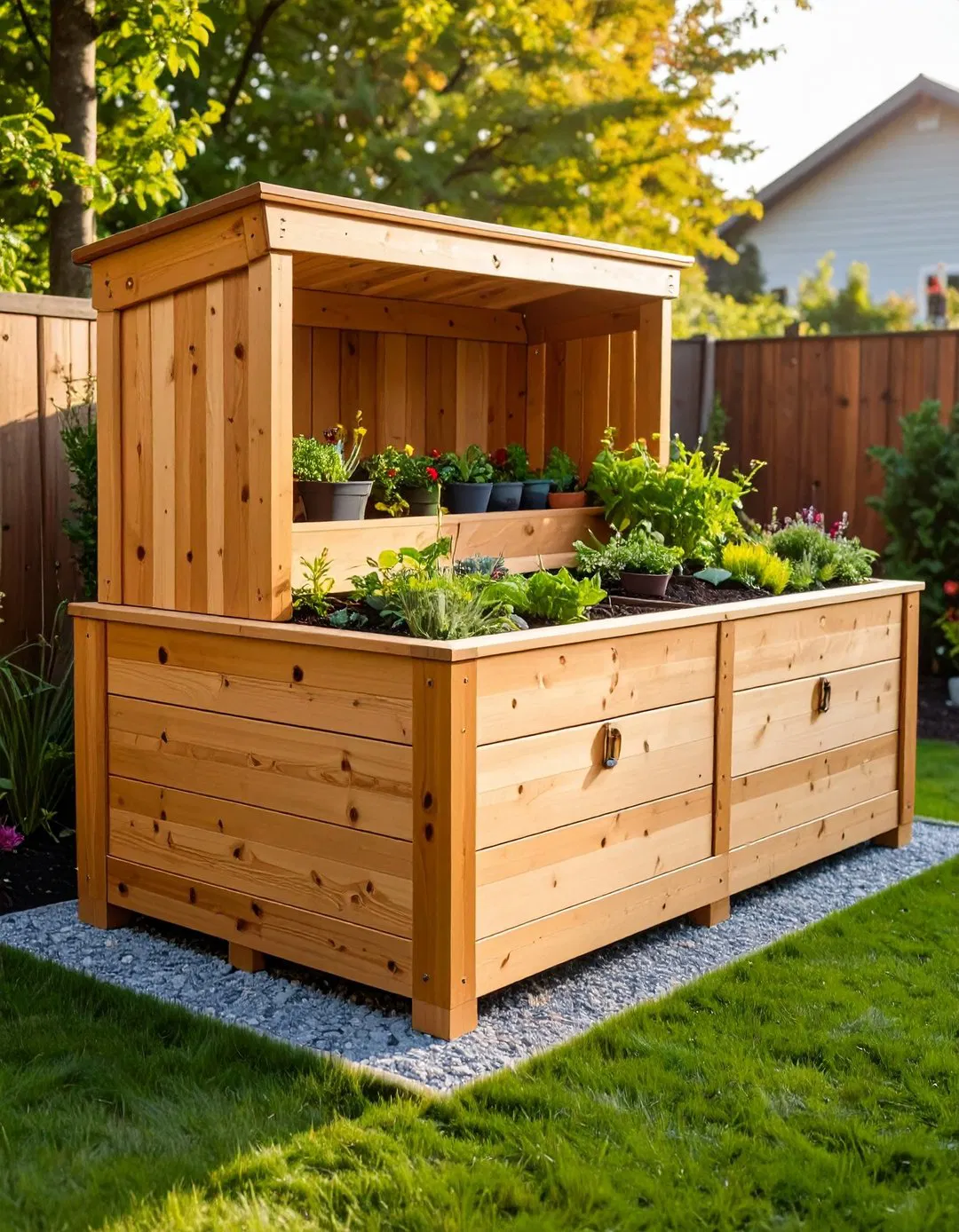
Maximize garden functionality by incorporating storage compartments within raised beds. These designs feature hinged lids or removable panels revealing spaces for tools, seeds, fertilizers, and supplies. Constructed from weather-resistant cedar or composite lumber, they include internal dividers and ventilation to keep contents dry and organized. Storage access is positioned away from the fence side for convenience. This solution is perfect for small-space gardeners needing efficient storage without sacrificing growing area or aesthetic appeal.
Organic Curved Raised Beds Complementing Serpentine Fences
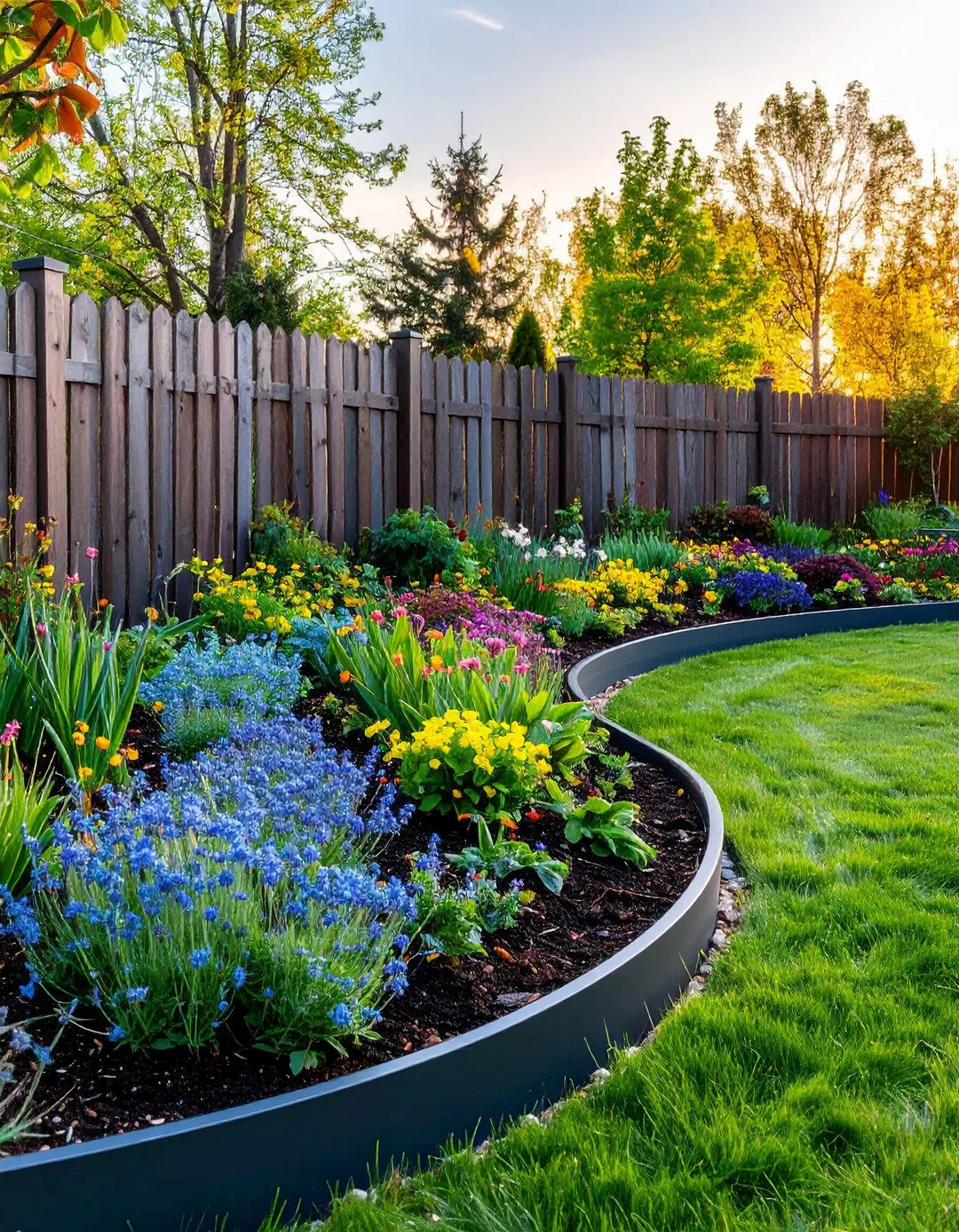
Softening rigid fence lines, curved raised beds crafted from flexible steel edging or bent composite boards create flowing, serpentine shapes that enhance garden aesthetics. Varying bed widths accommodate diverse plant sizes, with wider sections for larger crops and narrow areas for herbs or decorative plants. These beds form natural pathways and viewing angles, breaking monotony and adding artistic flair. Ideal for ornamental gardens and mixed plantings, this design balances beauty and functionality.
Vertical Tower Gardens Attached to Fence Posts
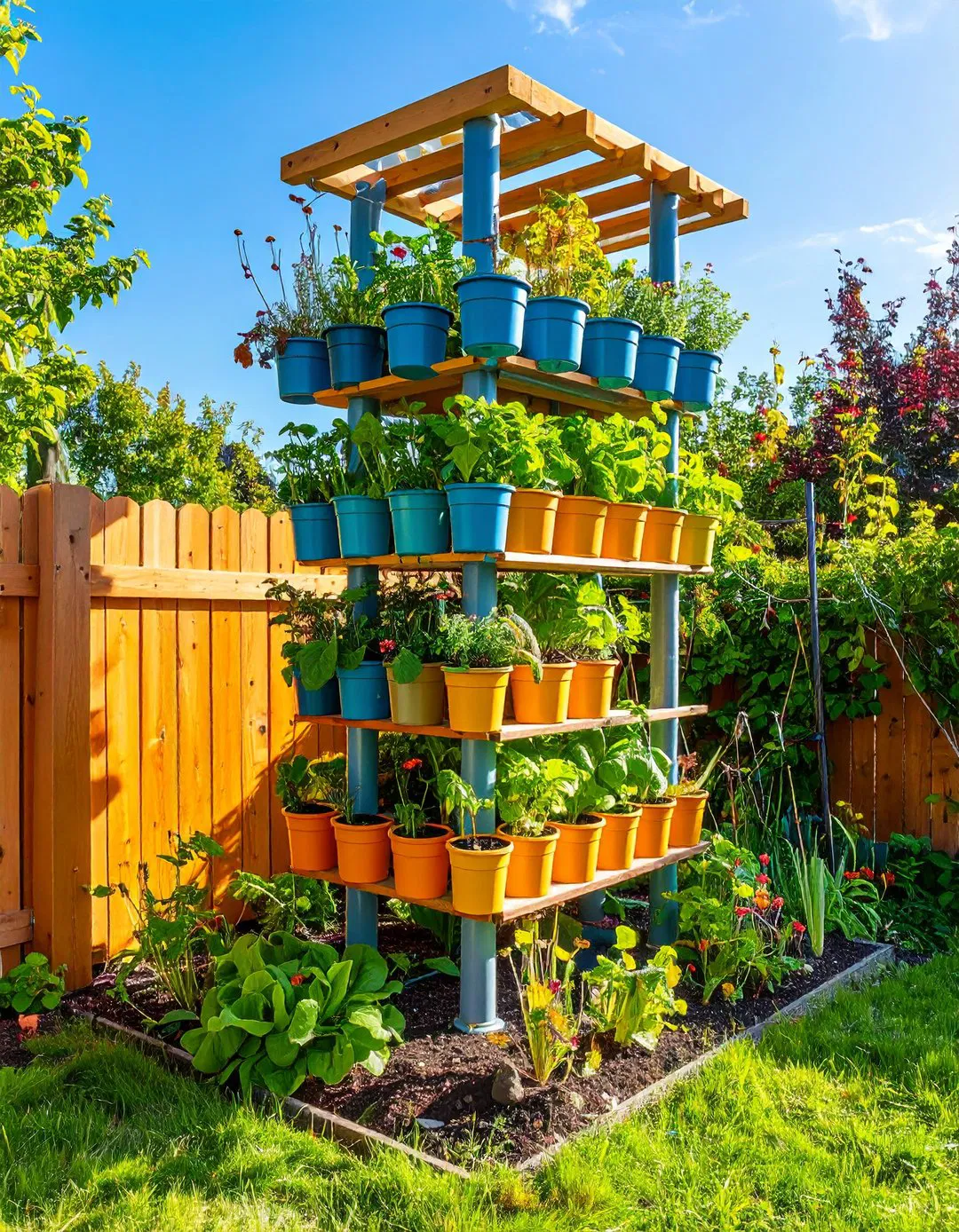
Maximize vertical space by installing tower gardens or stacked planters directly on fence posts. Cylindrical PVC pipes with planting holes, strawberry planters, or wire mesh cylinders filled with growing medium allow upward expansion without increasing ground footprint. This method suits herbs, strawberries, lettuce, and other compact plants thriving in vertical setups. Integrated irrigation systems ensure even moisture distribution from top to bottom, optimizing growth in tight spaces.
Solar-Powered Raised Beds with Smart Automation
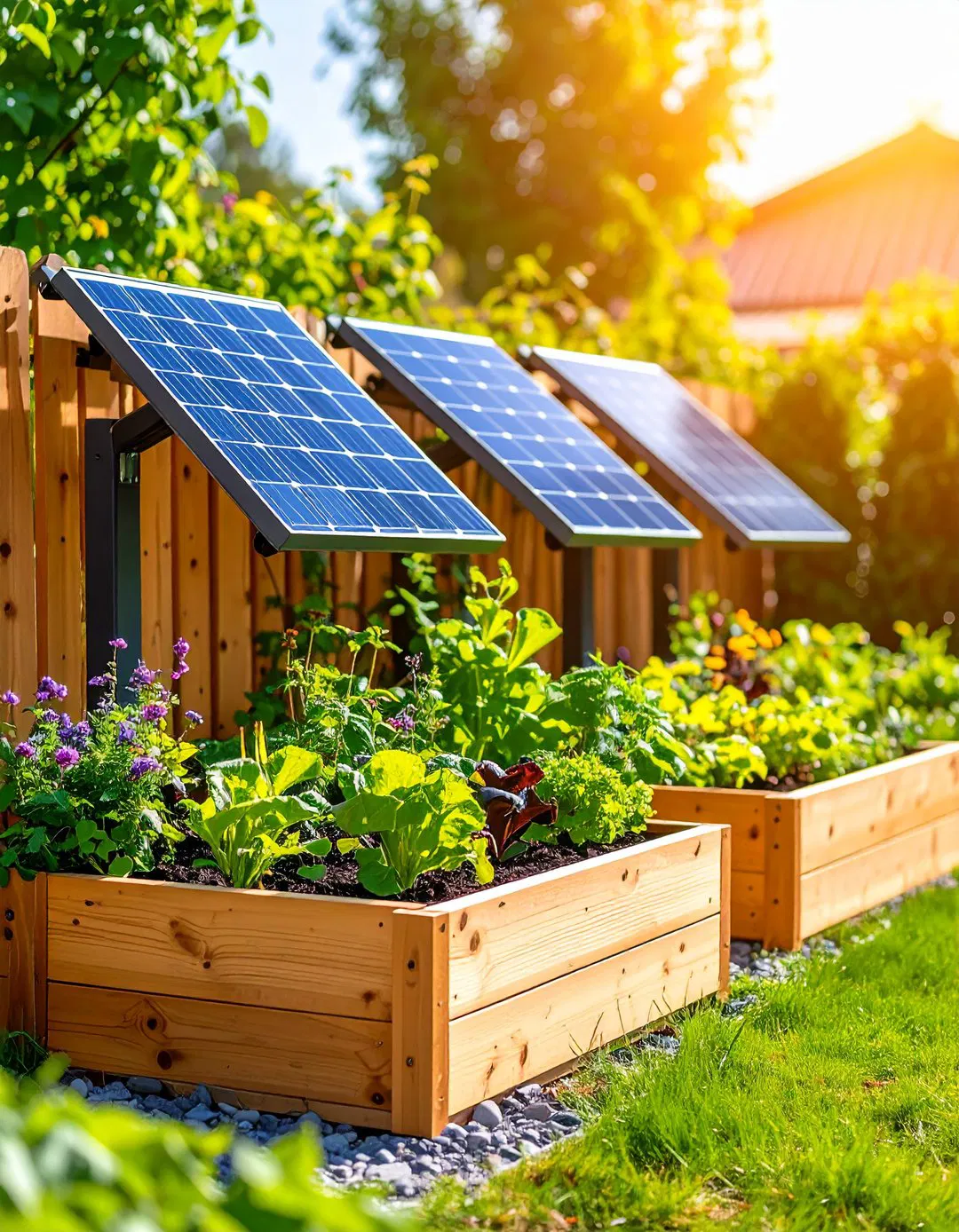
Incorporate sustainable technology into your garden with solar-powered raised beds featuring automated watering, lighting, and monitoring. Small solar panels mounted on fences power drip irrigation timers, LED grow lights for extended seasons, and soil moisture sensors. Weatherproof controllers optimize conditions automatically, with battery backups ensuring reliability during low sunlight. This eco-friendly approach reduces manual labor and resource use while enhancing plant health and productivity.
Self-Sustaining Raised Beds with Integrated Composting

Design raised beds with built-in composting chambers to create a closed-loop growing system. Typically divided into three sections-two active compost bins and one growing bed-this setup allows continuous compost maturation and soil enrichment. Removable panels provide easy access, while ventilation and drainage prevent odors and pests. This sustainable design reduces waste and reliance on external fertilizers, producing nutrient-rich soil that supports vigorous plant growth.
Seasonal Covers for Year-Round Growing Flexibility
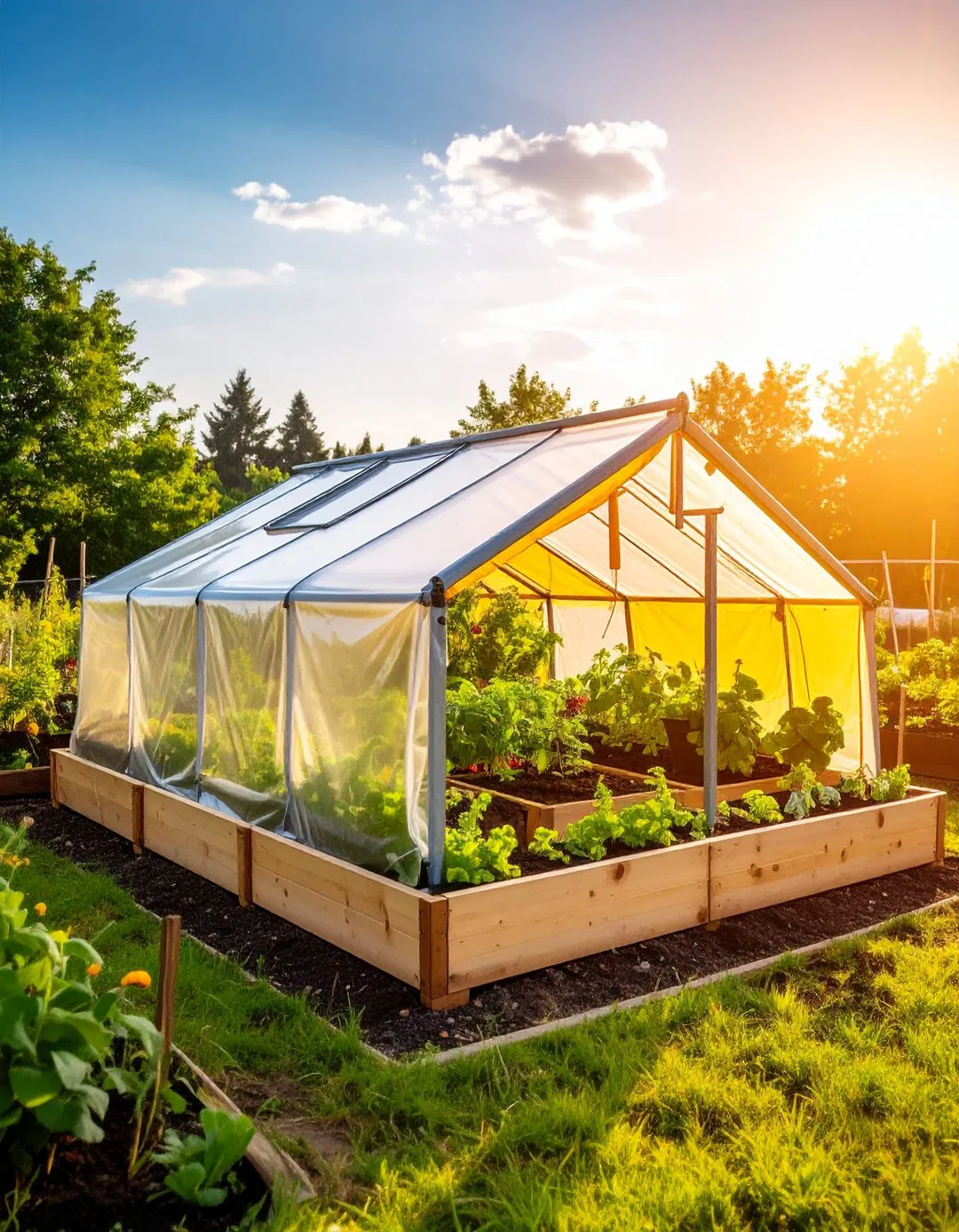
Adapt your fence-line raised beds for all seasons by adding removable covers such as cold frames, hoop houses, shade cloths, or insect netting. Lightweight and easy to attach, these covers regulate temperature, humidity, and pest exposure, extending growing periods and protecting crops from harsh weather. Adjustable ventilation ensures optimal conditions, making this a versatile solution for gardeners aiming for year-round productivity without permanent structures.
Deep Narrow Beds Tailored for Root Crops
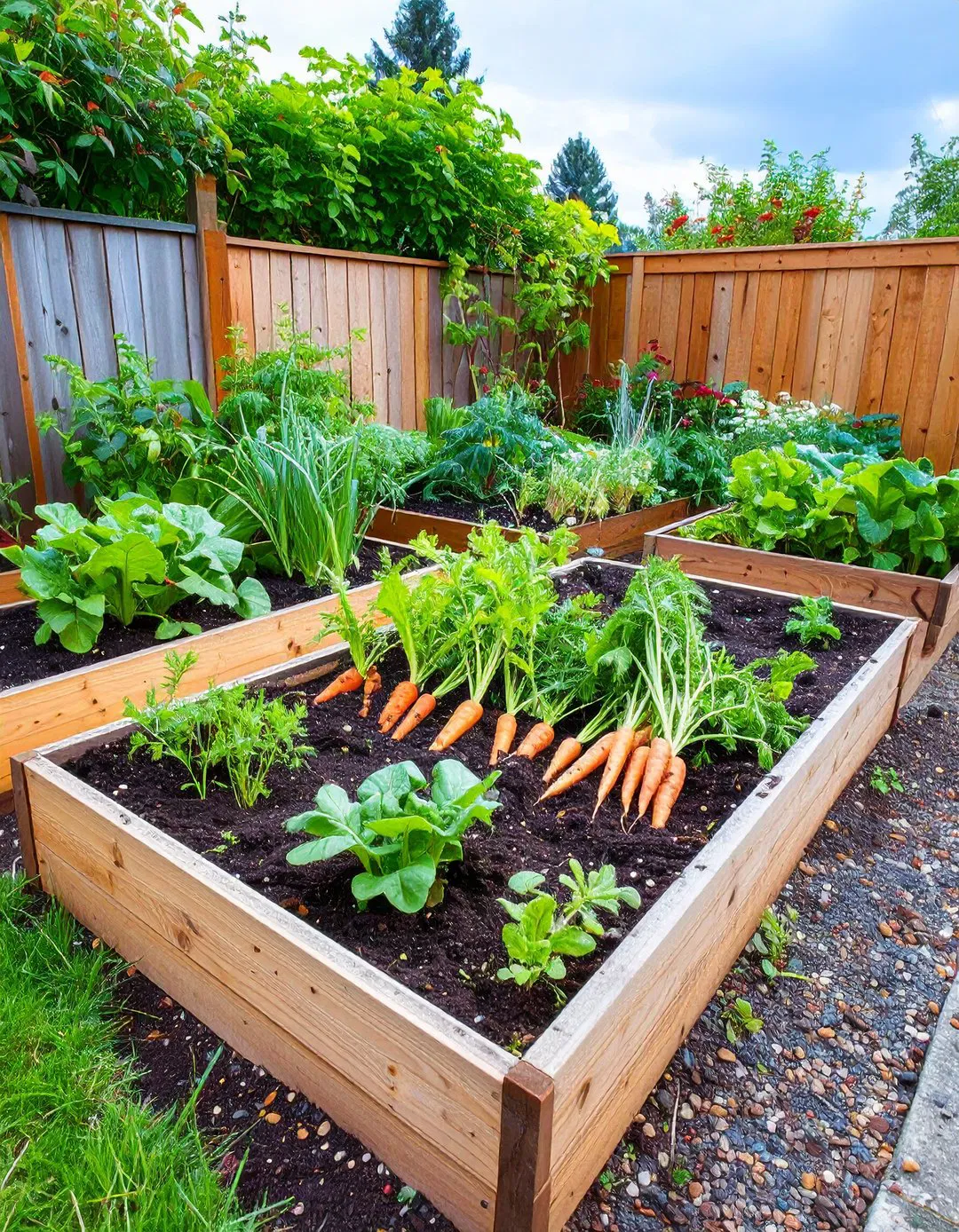
Optimize root vegetable production by constructing deep, narrow raised beds along fences. With widths of 12-18 inches and depths of 18-24 inches, these beds provide ample space for long, straight root development. Use loose, organic-rich soil to encourage healthy growth of carrots, beets, parsnips, and similar crops. Companion plant shallow-rooted herbs or greens in upper soil layers to maximize space without competition. This design efficiently utilizes narrow fence-line areas unsuitable for wider beds.
Multi-Level Tiered Beds with Cascading Plant Arrangements
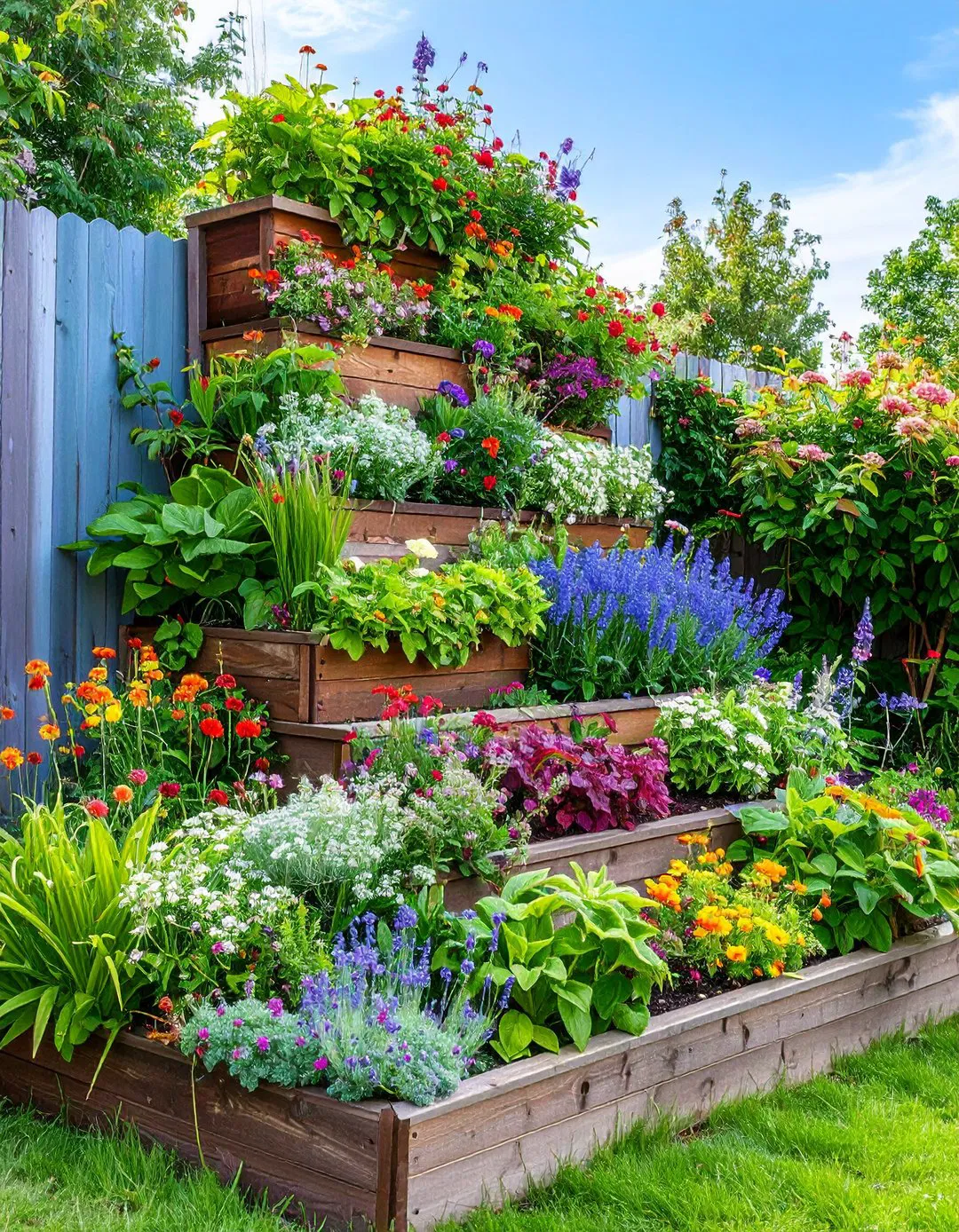
Create eye-catching, productive gardens with tiered raised beds featuring cascading plant layouts. Construct three or more levels, each 6-8 inches lower than the previous, starting with tall crops like tomatoes or corn at the back and trailing plants in front. This arrangement ensures all plants receive adequate sunlight and maximizes vertical space. Integrated watering systems cascade water from top to bottom, conserving resources and maintaining consistent moisture throughout the tiers.
Ergonomic Raised Beds with Seating and Work Areas
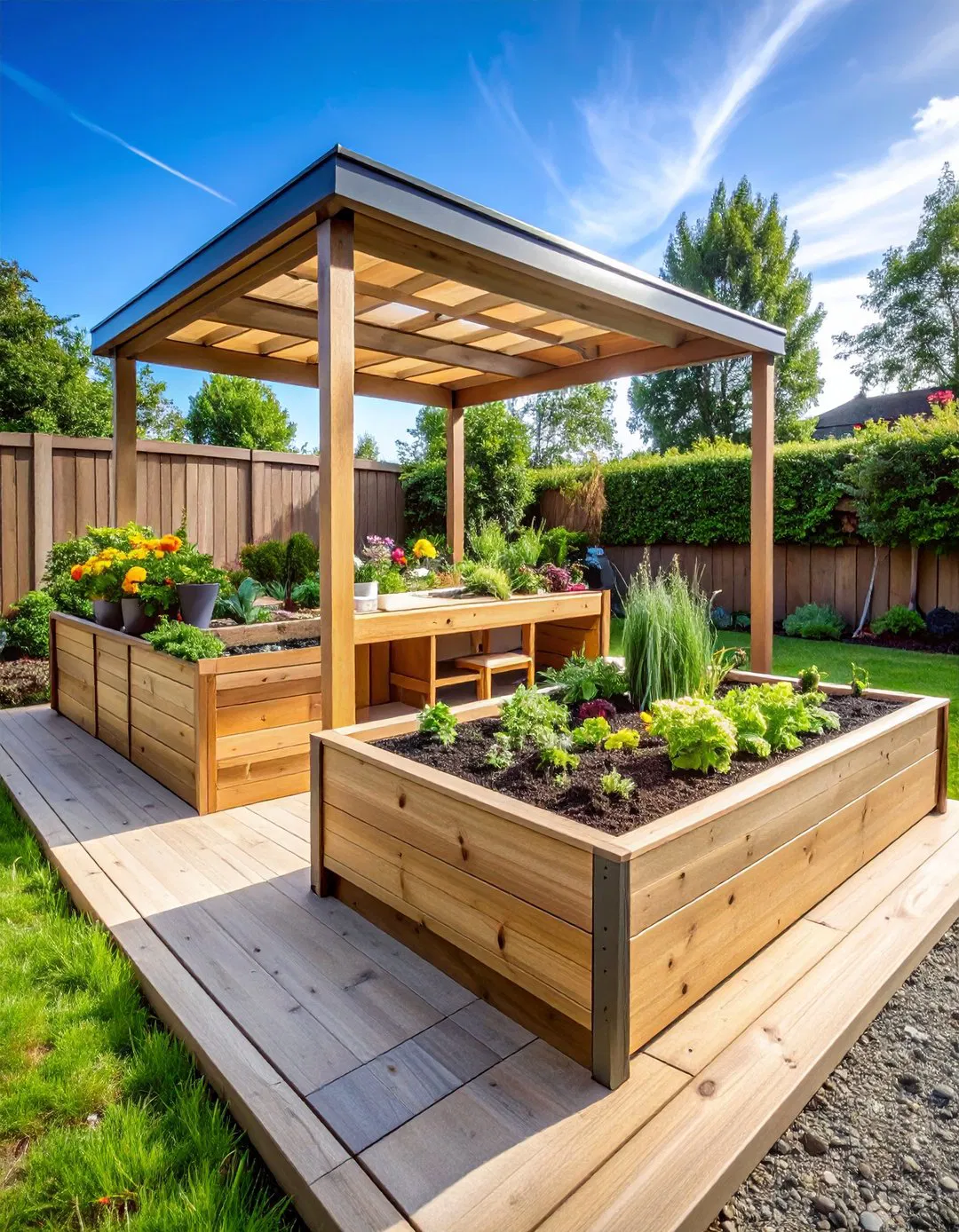
Combine comfort and productivity by designing raised beds with built-in seating and work surfaces. Wide edges made from flat boards or stone caps serve as benches, while fold-down or permanent work areas provide convenient spaces for potting, seed starting, and harvest processing. Weather-resistant materials ensure durability, and storage compartments beneath seating keep tools handy. This ergonomic design reduces strain and enhances garden enjoyment, especially for those with mobility challenges.
Protective Raised Beds with Pest and Deer Barriers
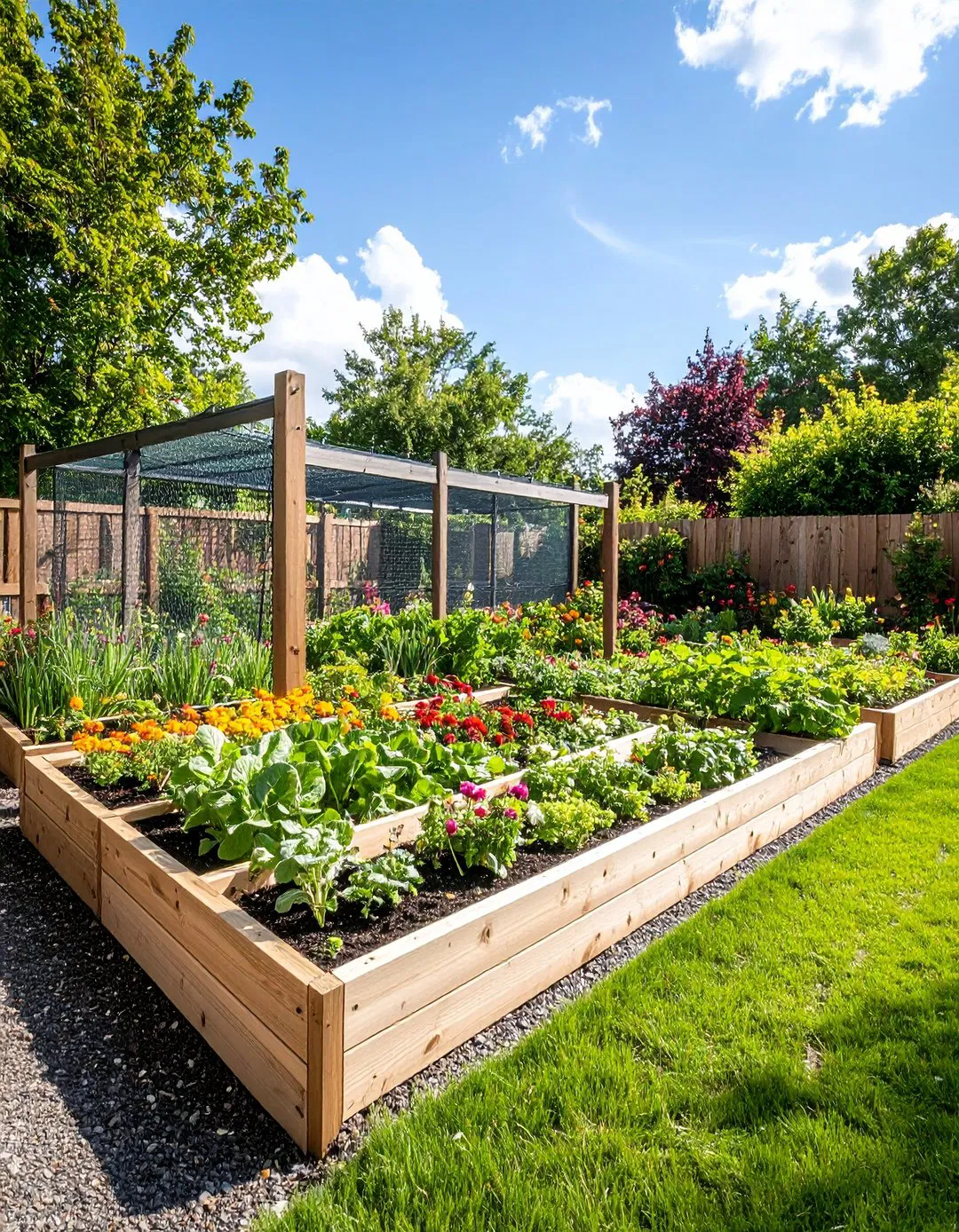
Safeguard your crops with raised beds featuring integrated pest protection. Posts installed within or around beds support wire mesh, netting, or solid barriers that deter deer, rabbits, and other pests. Designs include easy-access gates or removable panels for maintenance and harvesting. Protective tops can shield vulnerable seedlings. Attractive materials ensure the barriers complement garden aesthetics while providing effective defense, crucial in areas with high pest pressure.
Hydroponic Raised Beds with Recirculating Reservoirs
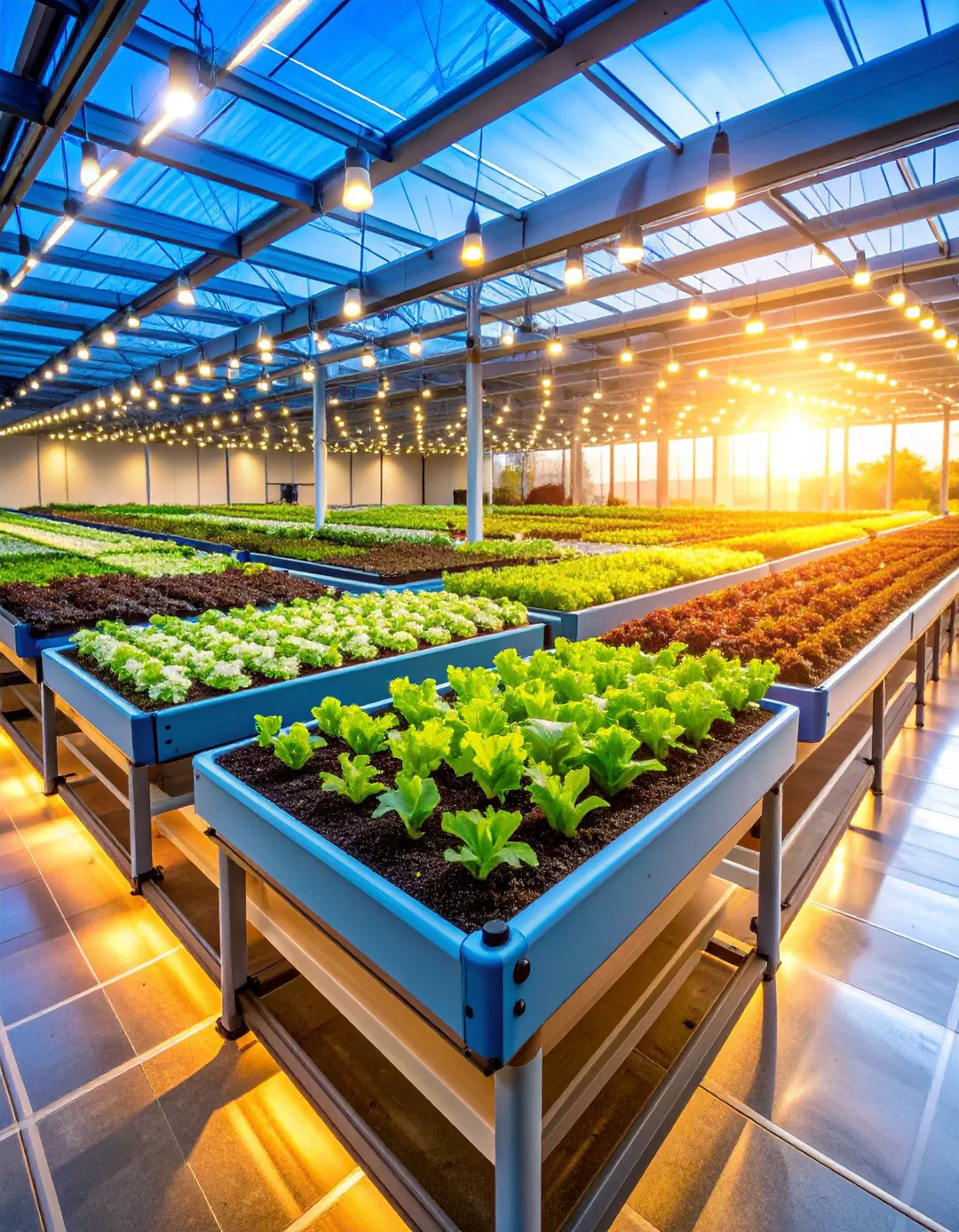
Integrate hydroponic technology into fence-line raised beds for precise nutrient and water management. Beds feature waterproof liners and reservoirs that recycle nutrient solutions, with growing media like expanded clay or perlite supporting roots. Pumps and distribution systems, powered by solar or electrical sources, automate nutrient delivery. This soil-free method yields high productivity in compact spaces, reduces weeding, and minimizes pest issues, ideal for intensive urban or small-space gardening.
Herb-Focused Raised Beds for Culinary and Medicinal Use
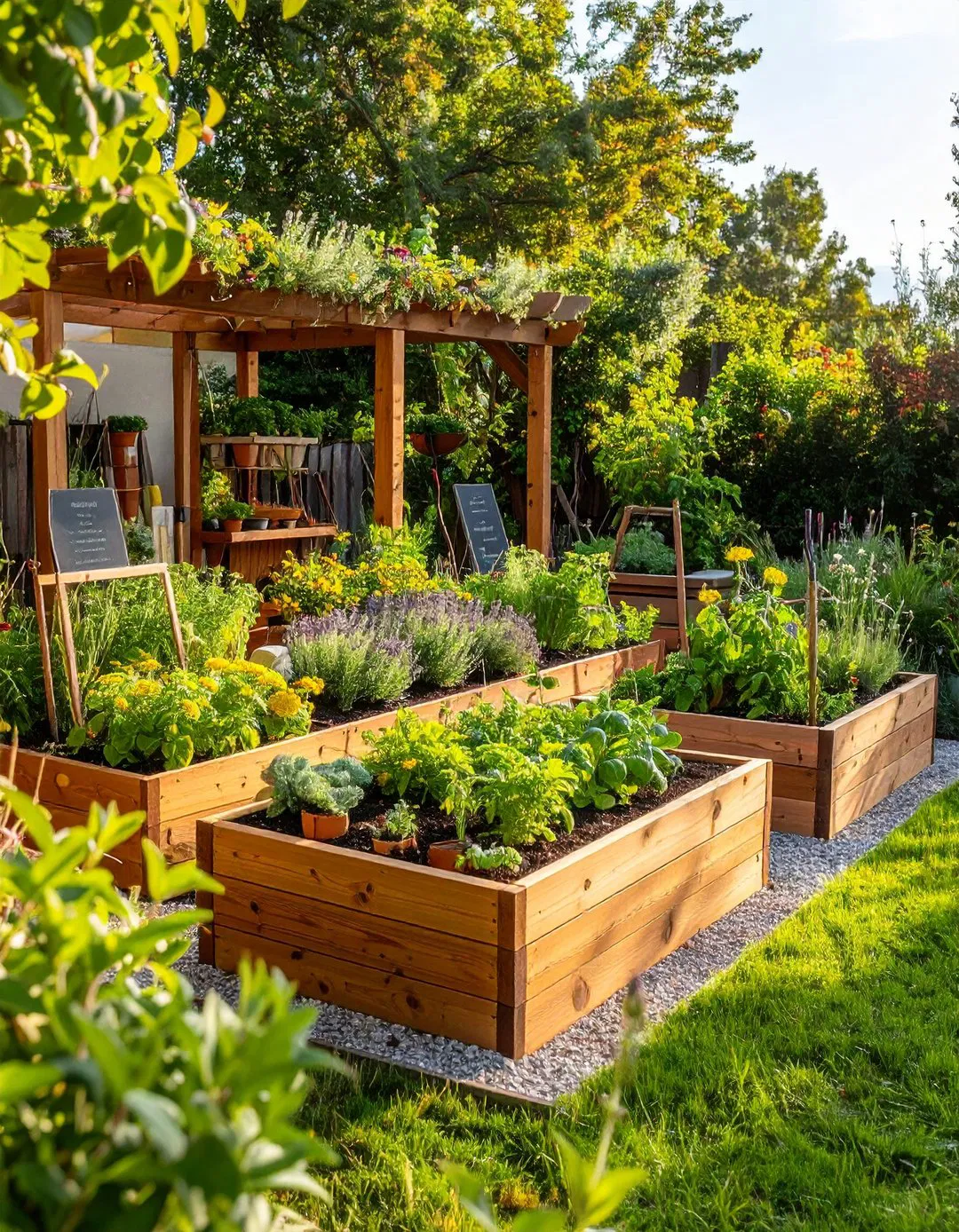
Design specialized raised beds along fences to cultivate organized collections of culinary and medicinal herbs. Separate sections accommodate Mediterranean herbs needing excellent drainage, moisture-loving varieties like mint and parsley, and taller species such as fennel. Labeling systems and tool storage enhance maintenance ease. Companion planting principles guide grouping by similar needs, creating visually appealing and aromatic gardens that provide year-round sensory and practical benefits.
Integrated Drip Irrigation and Mulch Systems for Efficiency
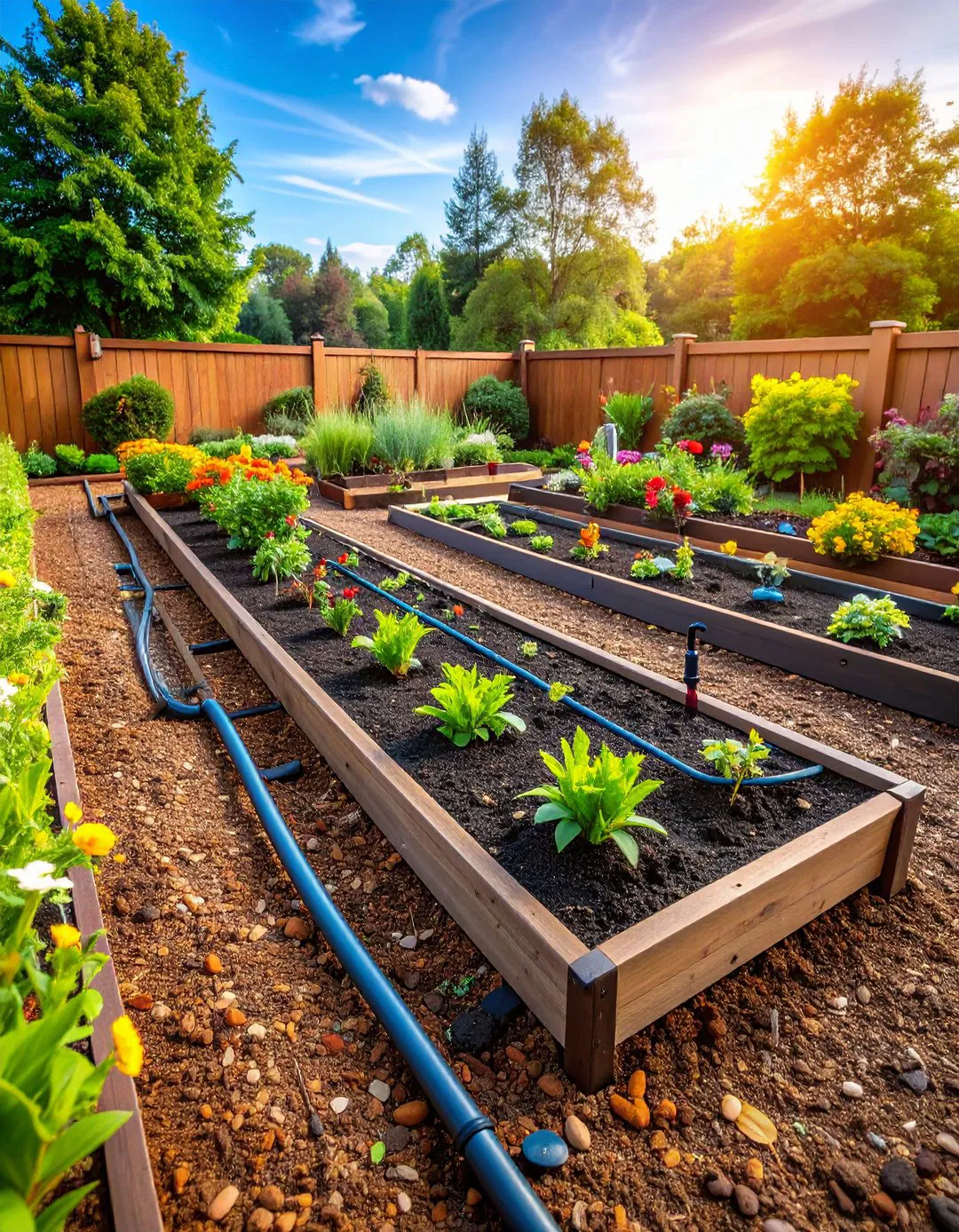
Enhance garden productivity with raised beds equipped with buried drip irrigation lines and automated mulch distribution. Emitters deliver water directly to root zones, controlled by timers and soil moisture sensors for precision. Mulch materials like straw or wood chips suppress weeds and retain soil moisture, reducing maintenance. This integrated system conserves water, minimizes labor, and supports sustainable gardening practices by recycling organic waste as mulch.
Mobile Raised Beds on Wheels with Fence-Mounted Stabilizers
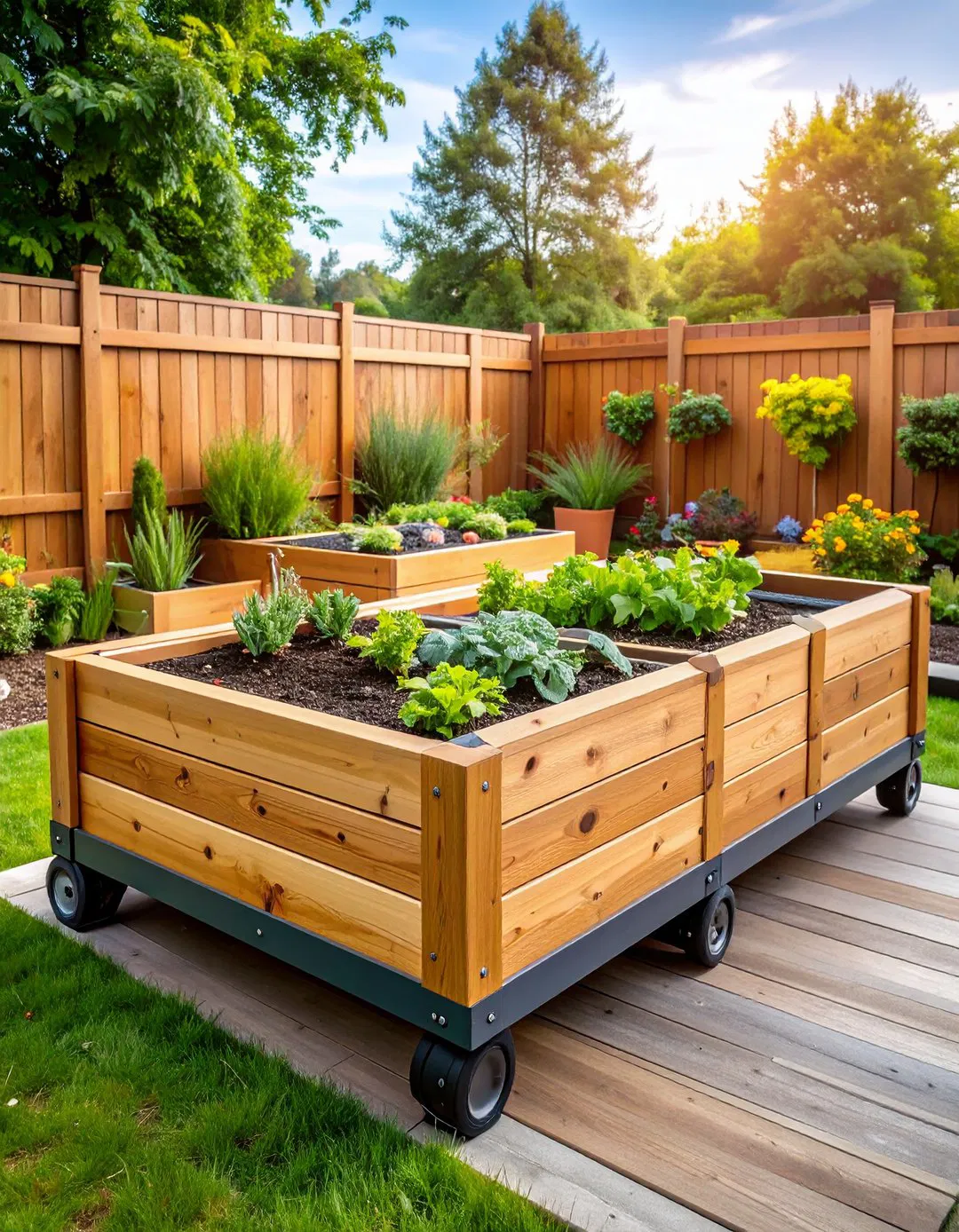
For ultimate flexibility, build lightweight raised beds on heavy-duty wheels or casters, allowing repositioning along fence lines to follow sun patterns or access water sources. Fold-down or removable supports brace beds against fences during growing seasons. Mobility enables protection from severe weather by moving beds to sheltered spots and supports dynamic garden layouts. This design suits renters, experimental gardeners, and those valuing adaptable growing spaces.
Conclusion: Transforming Fence Lines into Thriving Gardens
Raised garden beds installed along fence lines unlock the potential of often overlooked spaces, turning them into efficient, attractive growing areas. The 24 innovative designs presented here showcase a wide range of materials, structures, and features tailored to various gardening ambitions, budgets, and skill levels. From traditional cedar beds to cutting-edge hydroponic systems, these approaches maximize space utilization and create optimal growing conditions. Selecting the right design based on your site’s unique characteristics and plant needs is key to cultivating a sustainable, productive garden that enhances your outdoor living environment.
For those interested in outfitting their garden with quality materials and tools, explore options on Amazon raised garden beds, vertical garden trellises, and drip irrigation kits to enhance your fence-line gardening experience.