Transforming the often-overlooked shaded corners of your garden into captivating outdoor havens demands careful design and the right plant choices. Shade gardens present a distinctive chance to craft cool, serene retreats that offer relief during warm seasons. Unlike sun-drenched gardens that depend on vibrant blossoms, shade gardens shine through a rich variety of leaf textures, nuanced hues, and imaginative layouts that blend seamlessly. Understanding the spectrum of shade-from soft, dappled sunlight filtering through tree branches to deep shadows cast by structures or dense evergreens-is essential. A well-planned shade garden layers plants vertically, from mossy ground covers and delicate ferns to mid-height shrubs and towering canopy trees, delivering depth and visual intrigue throughout the year.
Hostas and Ferns: Crafting a Woodland Oasis
Designing a lush woodland-inspired garden begins with the harmonious pairing of hostas and ferns, which offer striking contrasts in foliage. The broad, sculpted leaves of hostas serve as bold visual anchors, while the feathery fronds of ferns introduce delicate movement and intricate texture. Varieties like the silvery-purple Japanese painted fern beautifully complement the cool blue-green tones of hostas such as ‘Halcyon’. For dramatic scale differences, combine ‘Halcyon’ hostas with the robust Athyrium ‘Godzilla’. Ostrich ferns can act as natural backdrops, screening smaller hosta clusters, while maidenhair ferns weave through the base, adding interest at ground level. These plants flourish in moist, shaded environments and require minimal upkeep once established, promising years of verdant beauty.
Moss as a Soft, Sustainable Ground Cover
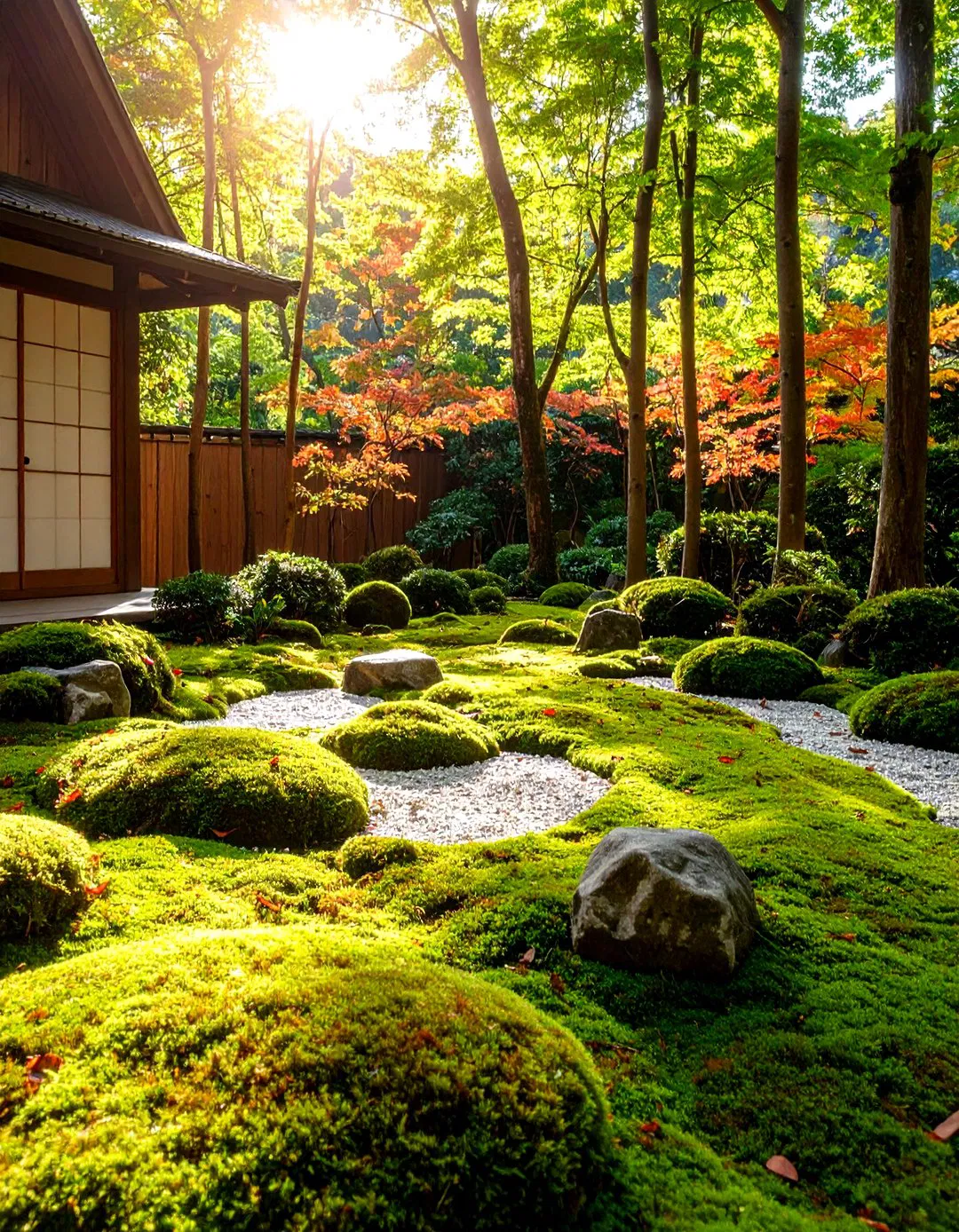
Have you explored the lush, velvety effect moss can bring to shaded garden floors? Moss gardens offer an eco-friendly, low-maintenance alternative to traditional lawns, thriving in damp, acidic soils. Different moss species provide a range of textures-from dense cushion moss to sprawling sheet moss-that can be used creatively around stepping stones, tree trunks, or in areas where grass struggles to grow. Maintaining consistent moisture through misting or regular watering encourages moss establishment. This soft, cushiony ground cover not only creates a tranquil atmosphere but also eliminates the need for fertilizers or mowing, making it a sustainable choice for shaded landscapes.
Dynamic Container Gardens for Shaded Spaces
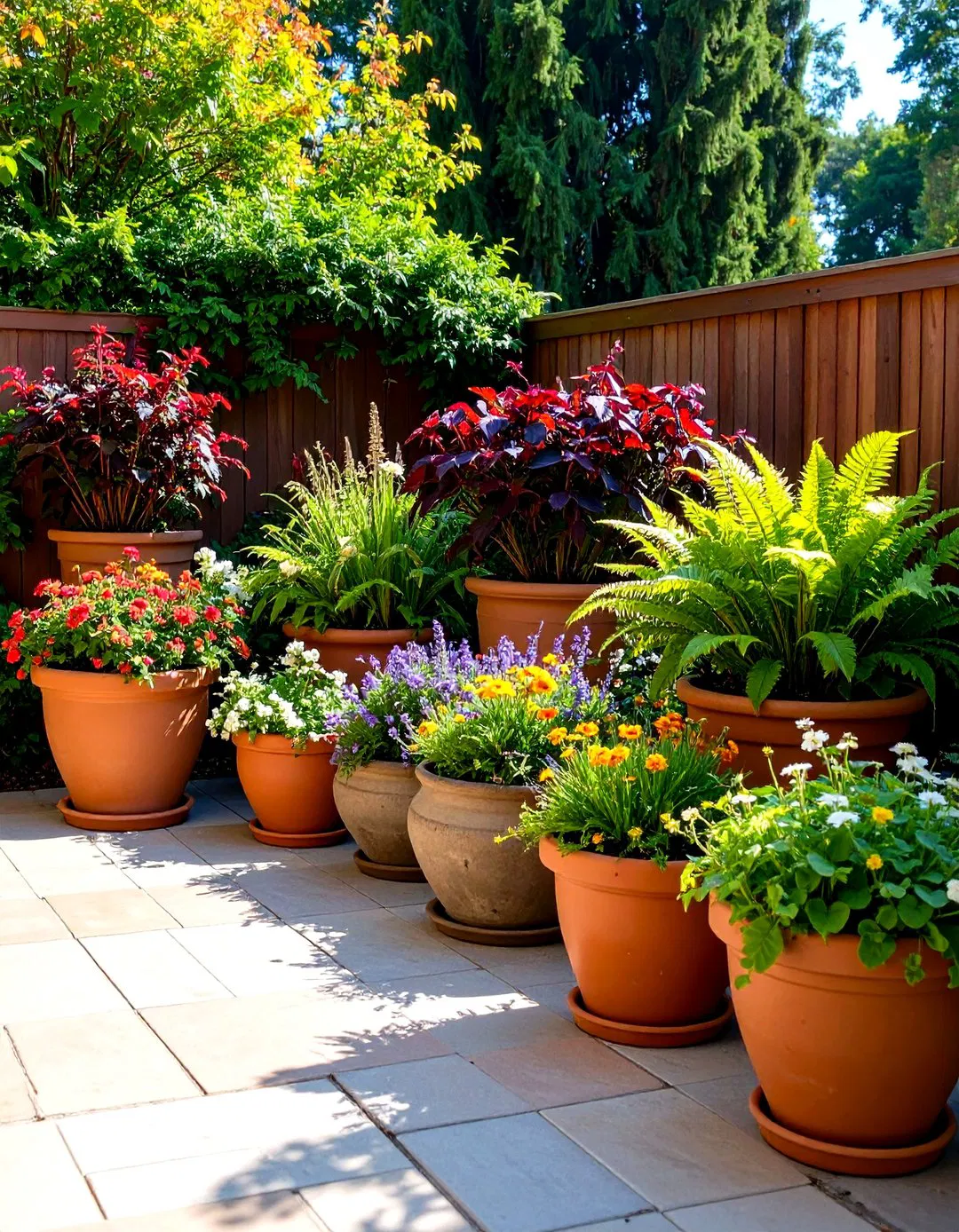
Container gardening unlocks the full potential of shaded areas by offering flexibility in plant placement and seasonal refreshes. Opt for sizable pots that retain moisture yet ensure proper drainage to keep plants healthy. A vibrant mix of trailing begonias, upright coleus, and cascading ferns creates layered visual interest with varied heights and textures. Bright-leaved caladiums and ever-blooming impatiens add pops of color throughout the growing season. Strategically position containers to highlight focal points, fill shadowy corners, or brighten entryways. Lightweight pots facilitate easy relocation to adapt to changing light conditions. This method is ideal for renters or gardeners eager to experiment with different plant combinations before committing to permanent beds.
Zen-Inspired Shade Gardens: Simplicity and Serenity
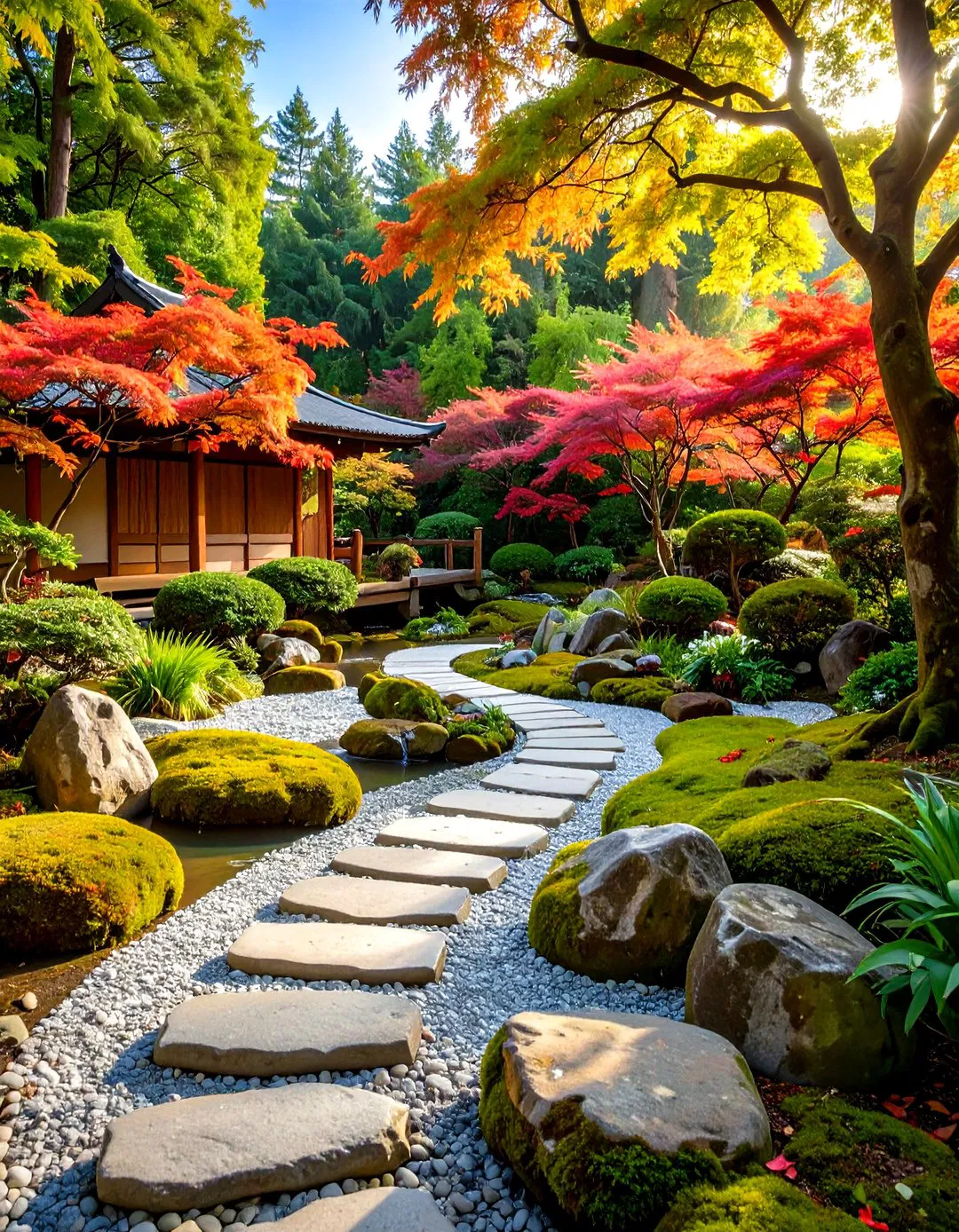
Drawing inspiration from Japanese garden aesthetics, shade gardens can become tranquil spaces that emphasize balance, simplicity, and natural materials. Feature Japanese maples as centerpiece specimens, complemented by underplantings of hostas and Japanese forest grass to create subtle color transitions. Incorporate traditional elements such as bamboo water spouts, stone lanterns, and gravel paths that enhance rather than overshadow the plantings. Prune selectively to maintain clean lines and avoid overcrowding. Use moss as a living mulch to evoke the timeless, aged look prized in Japanese gardens. Natural stone arrangements and weathered wooden accents add texture and character, fostering a peaceful environment ideal for meditation or quiet reflection amid the bustle of daily life.
Astilbe Borders: Vibrant Perennial Highlights
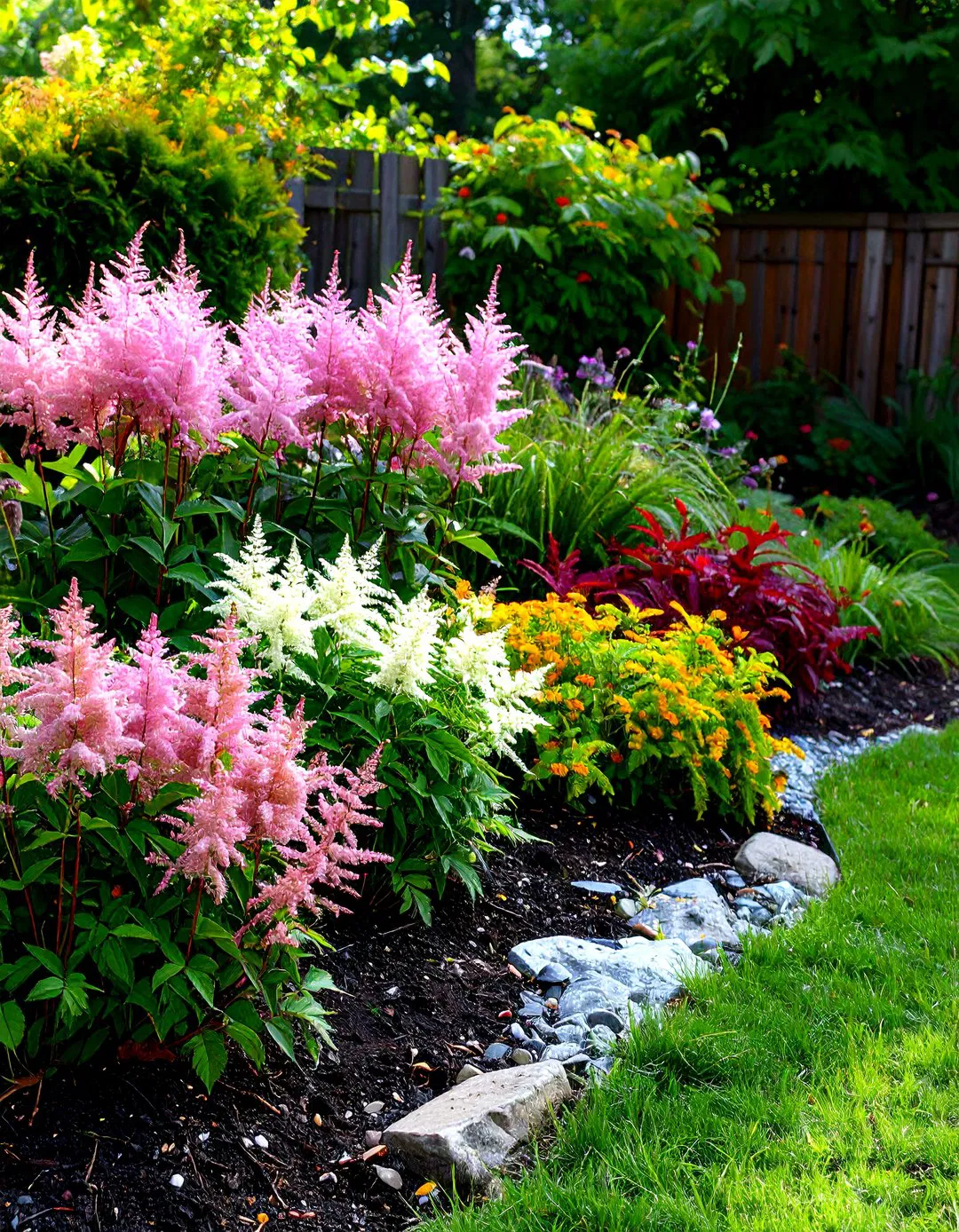
Astilbe perennials bring months of captivating color and texture to shaded borders, far from dull or monotonous. Their feathery plumes bloom in a spectrum of hues including white, cream, pink, red, and purple, extending from early to mid-summer. Stagger planting of varieties such as ‘Deutschland’ for early blooms, ‘Fanal’ for mid-season, and ‘Superba’ for late flowering to prolong visual interest. The fern-like foliage remains attractive well beyond the flowering period, adding structure into autumn. Astilbe thrives in moist, nutrient-rich soils with protection from harsh afternoon sun. Mass plantings create bold statements, while individual clumps serve as striking accents among hostas and ferns in mixed perennial beds.
Incorporating Water Features for Shade Garden Ambiance
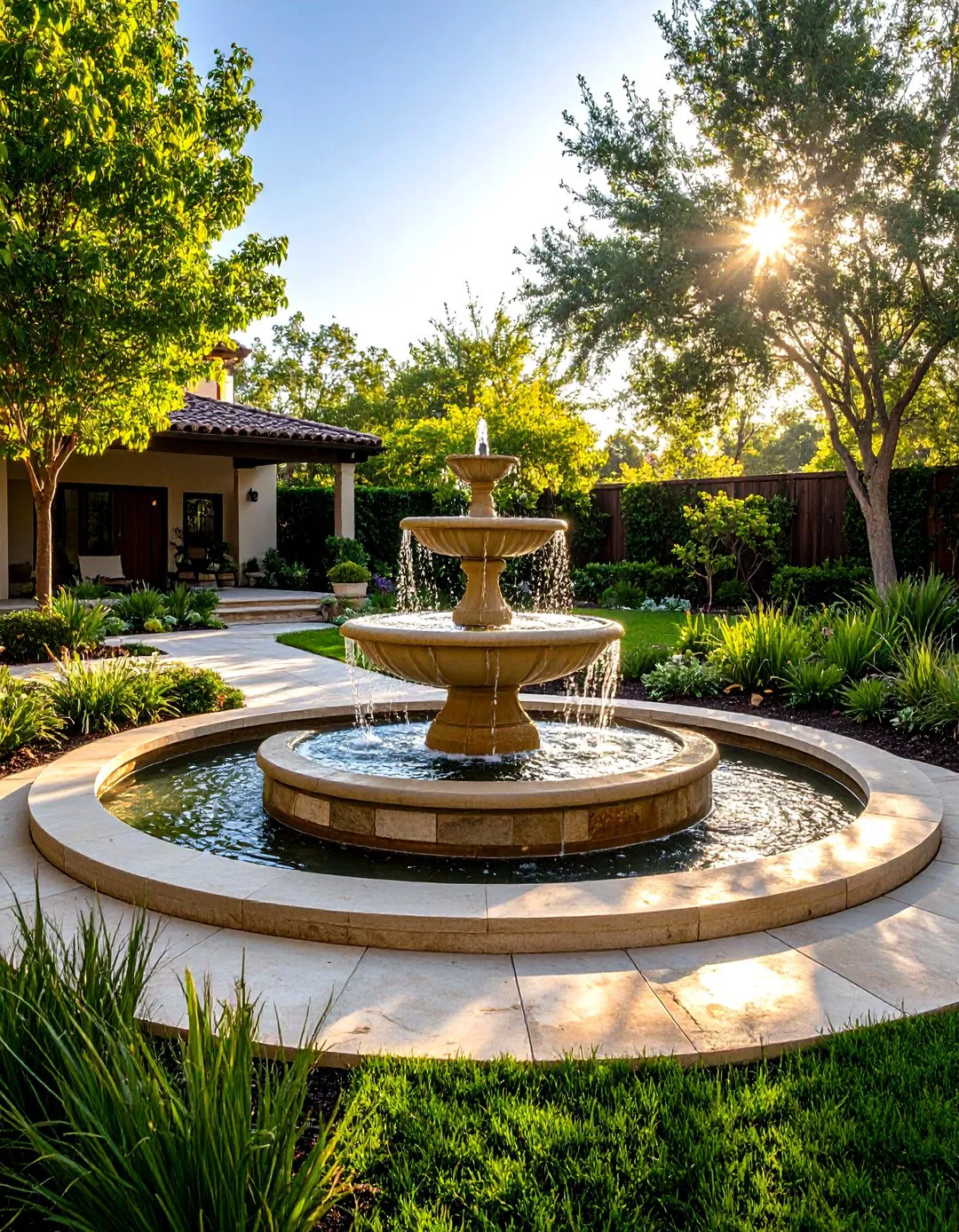
Adding water elements to shaded gardens elevates the sensory experience by introducing soothing sounds, reflective light, and gentle movement. Features like small fountains, bubbling stones, or recirculating streams can mask urban noise and attract beneficial wildlife such as birds and pollinators. Position these elements where filtered sunlight creates sparkling highlights throughout the day. The increased humidity around water features benefits surrounding plants, fostering a cooler microclimate. Choose between naturalistic designs with stacked stones or sleek, modern installations that complement your garden’s style. Solar-powered pumps offer eco-friendly operation without complex wiring. Water features integrate beautifully into Japanese-inspired gardens, woodland settings, or container arrangements, transforming shade gardens into peaceful retreats that engage multiple senses.
Coral Bells: A Spectrum of Shade-Friendly Foliage
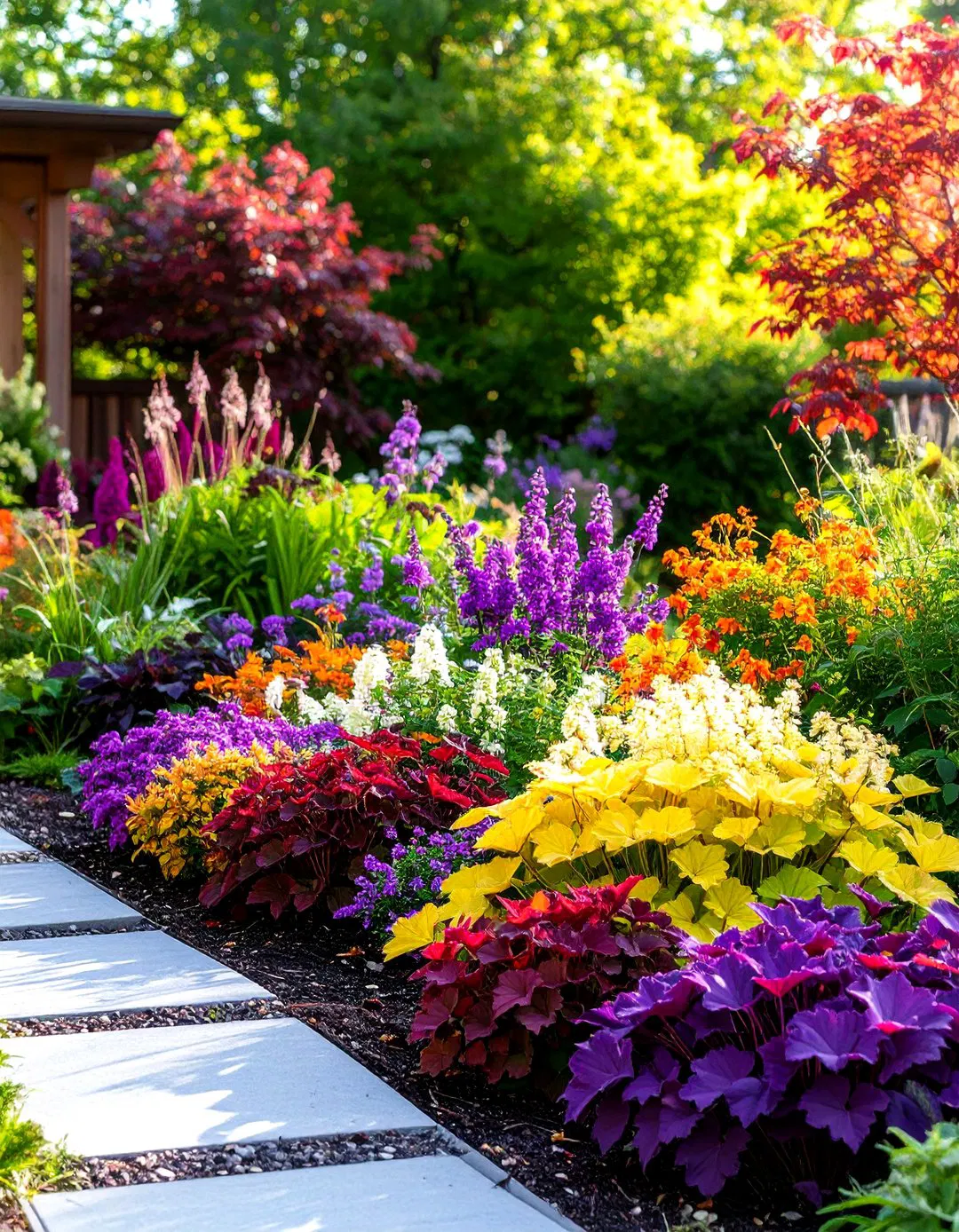
Coral bells (Heuchera) bring a dazzling array of leaf colors to shade gardens, ranging from bright chartreuse and fiery orange to deep purples and near-black tones. These adaptable perennials thrive in various shade levels and offer year-round appeal with evergreen or semi-evergreen foliage in milder climates. Pair contrasting cultivars like ‘Palace Purple’ with the golden hues of ‘Lime Rickey’ for striking visual impact. Delicate flower spikes emerge in late spring, adding vertical interest above the colorful leaf mounds. Plant coral bells in well-drained soil enriched with organic matter for best results. Their compact size suits small spaces, and their drought tolerance reduces maintenance once established, making them a versatile choice for borders, mass plantings, or container gardens.
Creating Inviting Woodland Paths and Stepping Stones
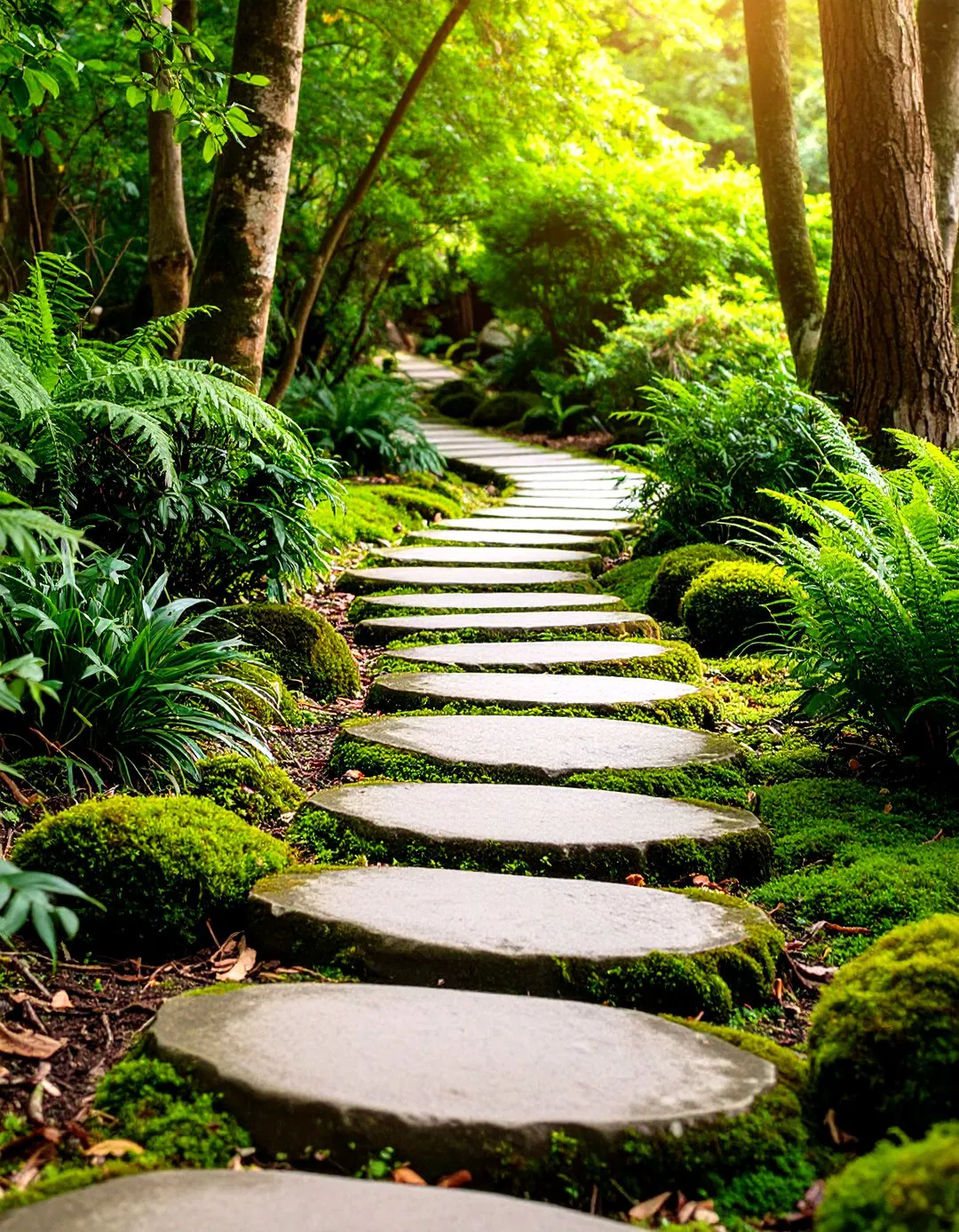
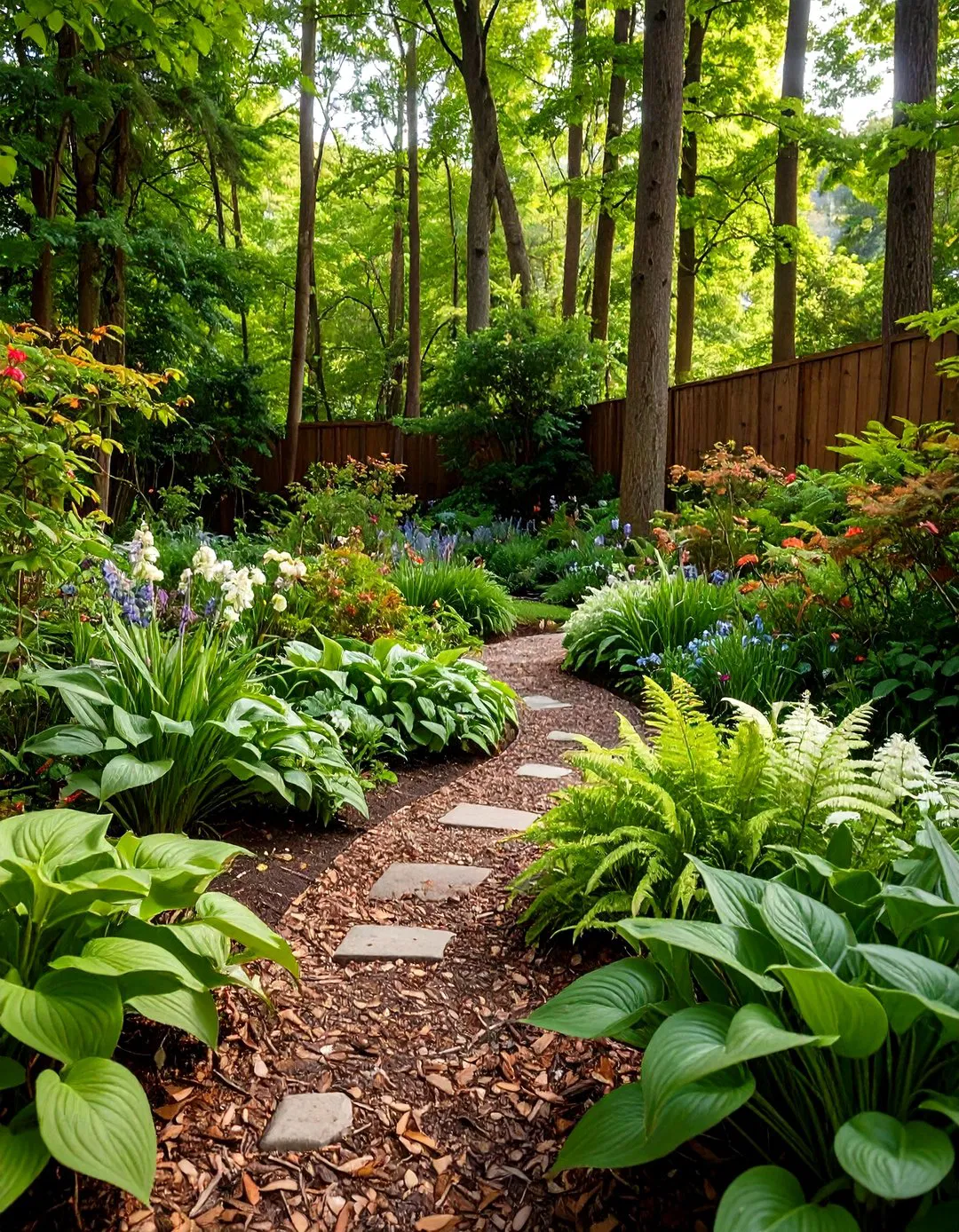
Enhance your shade garden’s accessibility and charm with thoughtfully designed woodland pathways. These routes guide visitors deeper into the garden while protecting delicate plants from foot traffic. Use natural materials such as bark mulch, wood slices, or flagstone to blend seamlessly with the surrounding greenery. Stepping stones spaced to allow moss and small plants to flourish between them soften hard edges and create a naturalistic feel. Curved paths reveal garden features gradually, inviting exploration and discovery. Ensure paths are wide enough for comfortable walking but intimate enough to maintain a cozy atmosphere. Border walkways with shade-tolerant ground covers like ajuga, lamium, or wild ginger to define edges and add color and texture.
Embracing Native Woodland Plant Communities
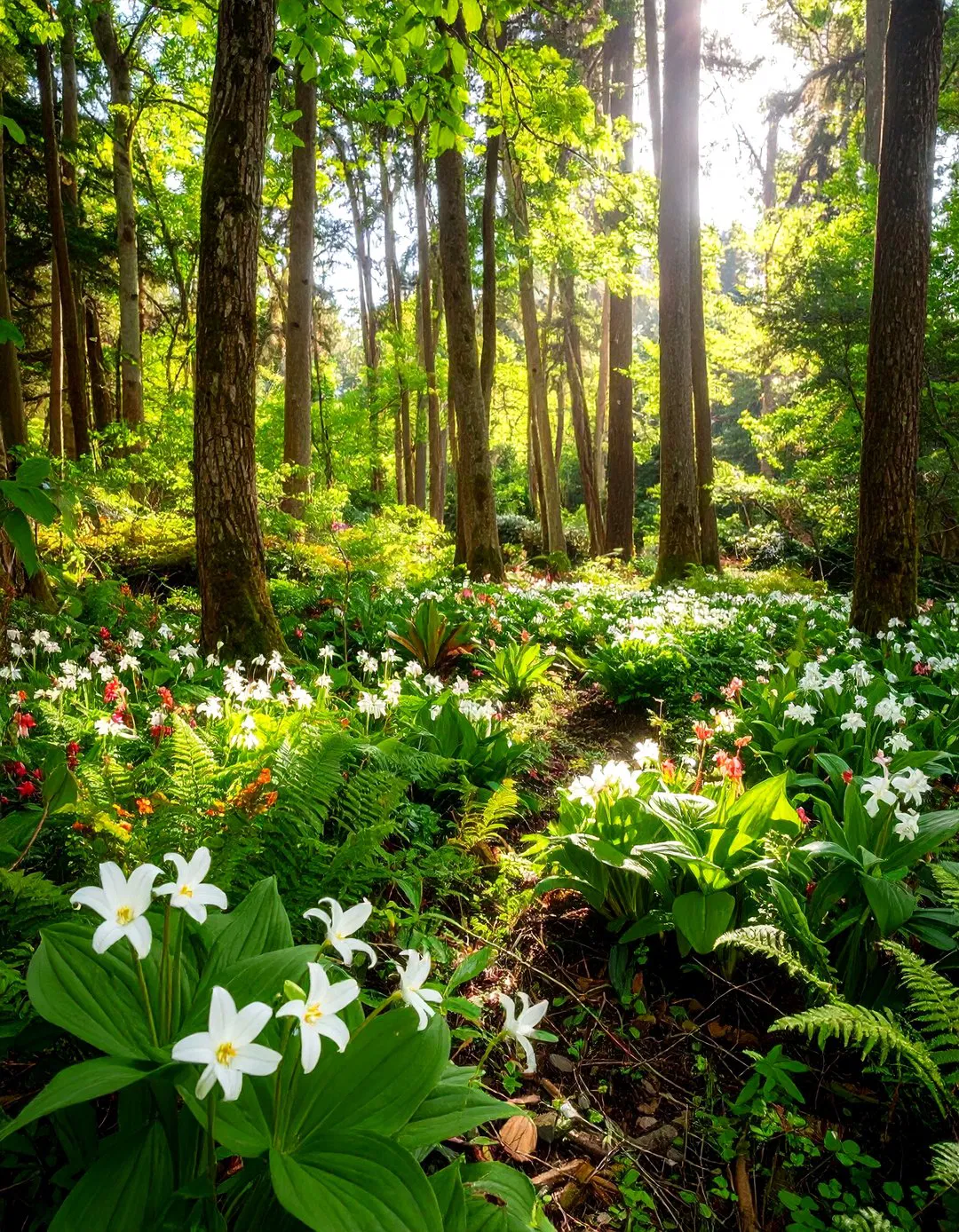
Incorporating native plants into your shade garden fosters sustainability and supports local ecosystems. Research species indigenous to your area that thrive in woodland understory conditions, adapting well to local soil and climate. Early bloomers like bloodroot, trillium, and wild ginger provide spring interest before tree canopies fully develop. Ferns such as Christmas fern and lady fern add year-round structure. Native plants often outperform exotics in challenging environments and supply vital food for pollinators and birds. Group plants with similar moisture and light needs to create naturalistic communities that reduce the need for fertilizers and pesticides, celebrating regional biodiversity while enhancing garden resilience.
Planning for Year-Round Shade Garden Appeal
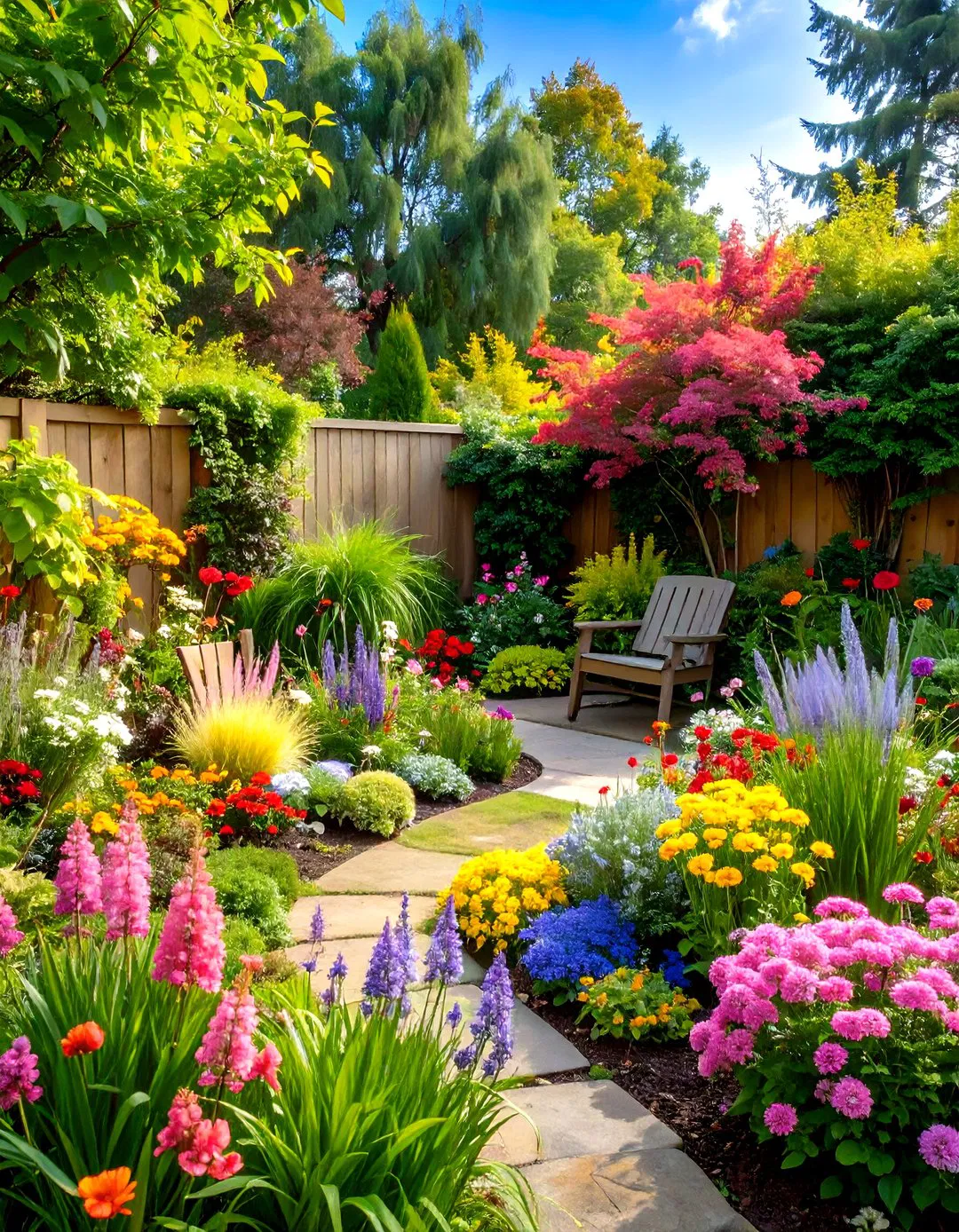
To maintain visual interest throughout the year, select plants that offer staggered bloom times, changing foliage colors, and structural diversity. Early spring bulbs like daffodils and crocuses brighten the garden before perennials emerge. Summer showcases astilbe flowers, vibrant begonias, and lush greenery. Autumn brings fiery foliage from Japanese maples, coral bells, and deciduous ferns. Winter interest is sustained by evergreen ferns, persistent seed heads, ornamental grasses, and the textured bark of small trees. Incorporate decorative containers, garden sculptures, or architectural features to provide consistent focal points regardless of the season, ensuring your shade garden remains captivating year-round.
Vibrant Begonias for Shade Annual Color
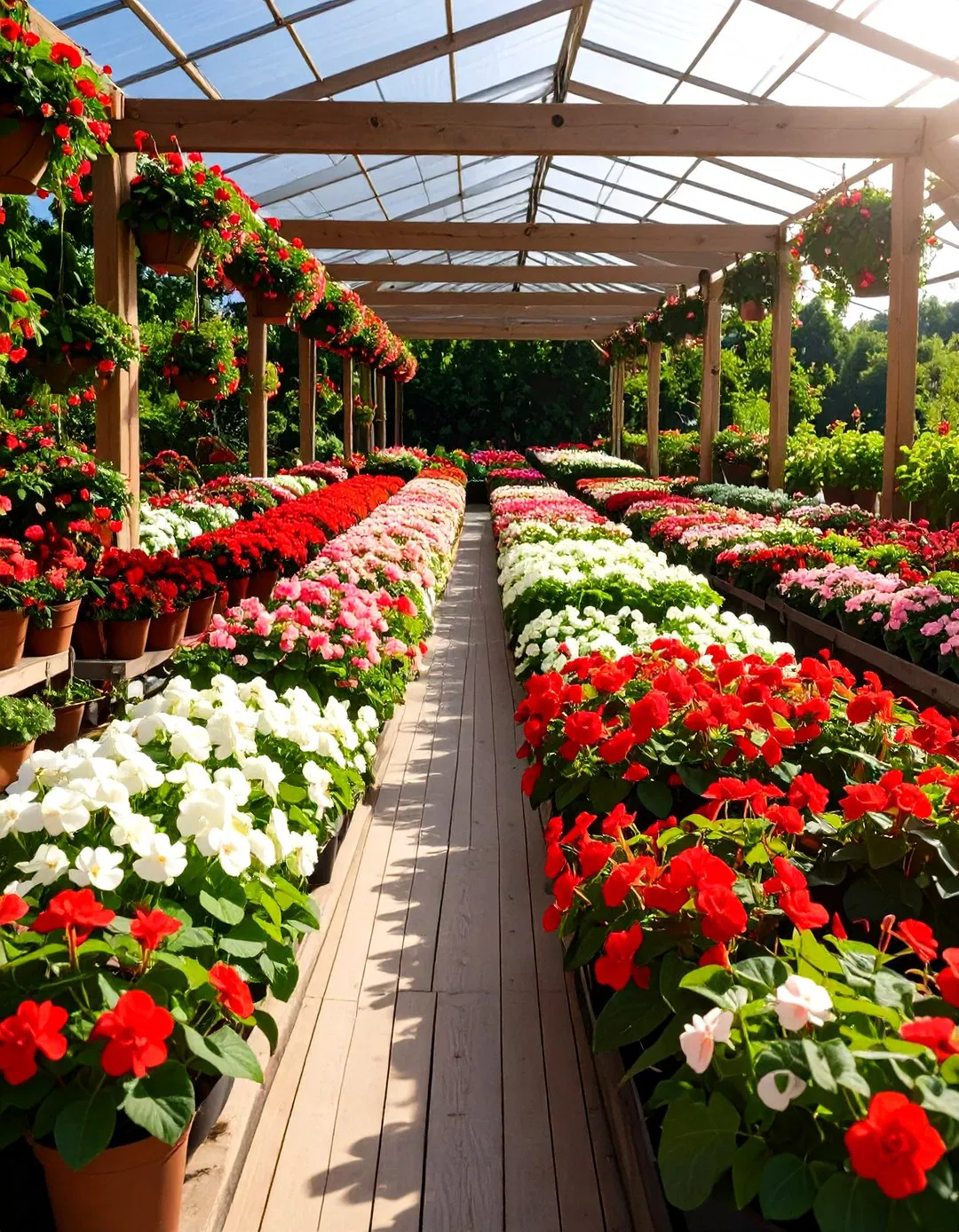
Begonias are a dependable source of vibrant color in shaded gardens where many flowering plants falter. Wax begonias bloom continuously in shades of red, pink, and white, complemented by glossy green or bronze foliage that remains attractive all season. Dragon wing begonias offer larger, more dramatic flowers, while tuberous begonias produce spectacular double blooms perfect for containers or hanging baskets. Plant begonias after the soil warms, ensuring consistent moisture without waterlogging. Though tender and requiring annual replacement, begonias provide instant color gratification. Pair them with caladiums, coleus, and ferns for dynamic, shade-loving color combinations that enliven summer gardens.
Building Layered Canopies for Natural Shade Gardens
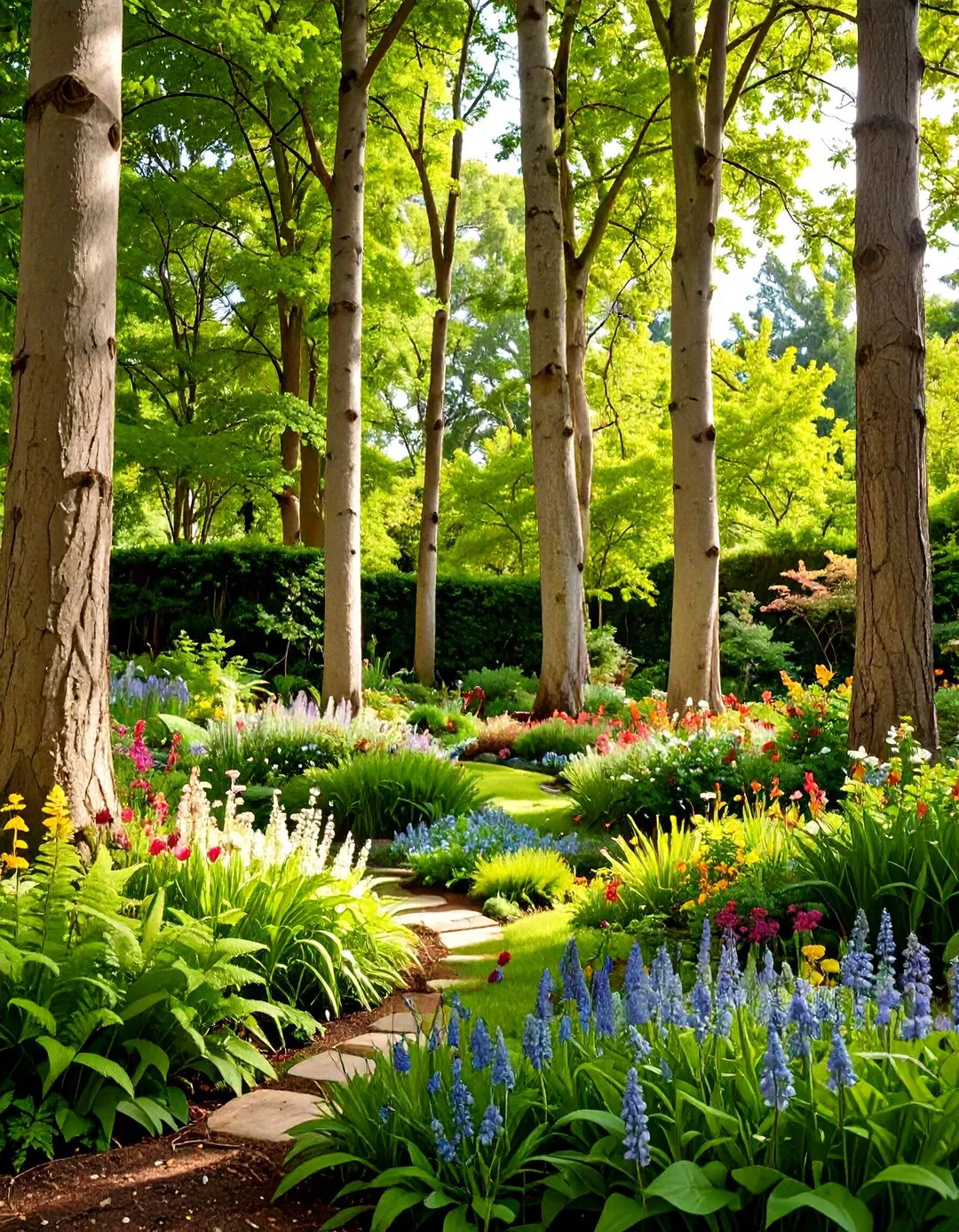
Emulating the structure of natural forests, layered canopy gardens maximize vertical space and biodiversity. Tall canopy trees such as oaks or maples form the primary shade layer and provide habitat for wildlife. Mid-story trees like dogwoods, redbuds, or Japanese maples add seasonal color and intermediate height. Shrubs including rhododendrons, hydrangeas, and native azaleas fill the space between trees and ground plants. The ground layer features shade-adapted ferns, hostas, and wildflowers. This stratified design creates diverse microclimates, supporting a variety of plant and animal species while enhancing garden beauty and ecological function.
Heuchera and Tiarella: Stunning Shade Ground Covers
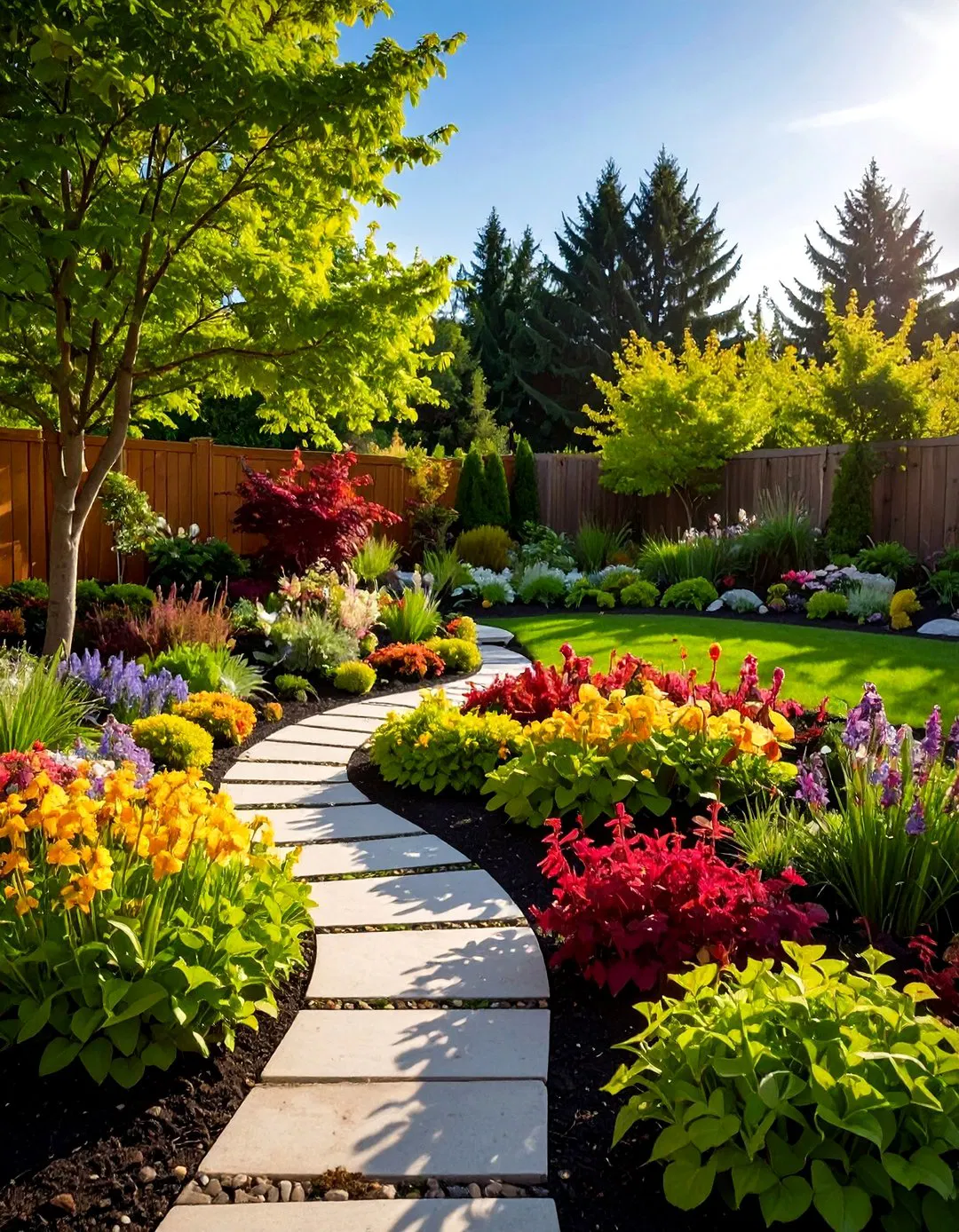
Replacing struggling grass in shaded spots, heuchera and tiarella offer eye-catching ground cover alternatives. These related perennials form dense mats of colorful foliage in diverse shades and patterns, complemented by delicate spring flower spikes. Heuchera leaves range from bright lime green to deep burgundy, while tiarella features intricate leaf markings and fragrant white blooms. Both spread gradually, suppressing weeds and requiring minimal care once established. They tolerate drier shade better than many options and provide year-round interest in temperate climates. Use mixed varieties for a tapestry effect or mass plant single cultivars for bold impact, suitable for formal borders or natural woodland gardens.
Creating Cozy Outdoor Rooms with Seating
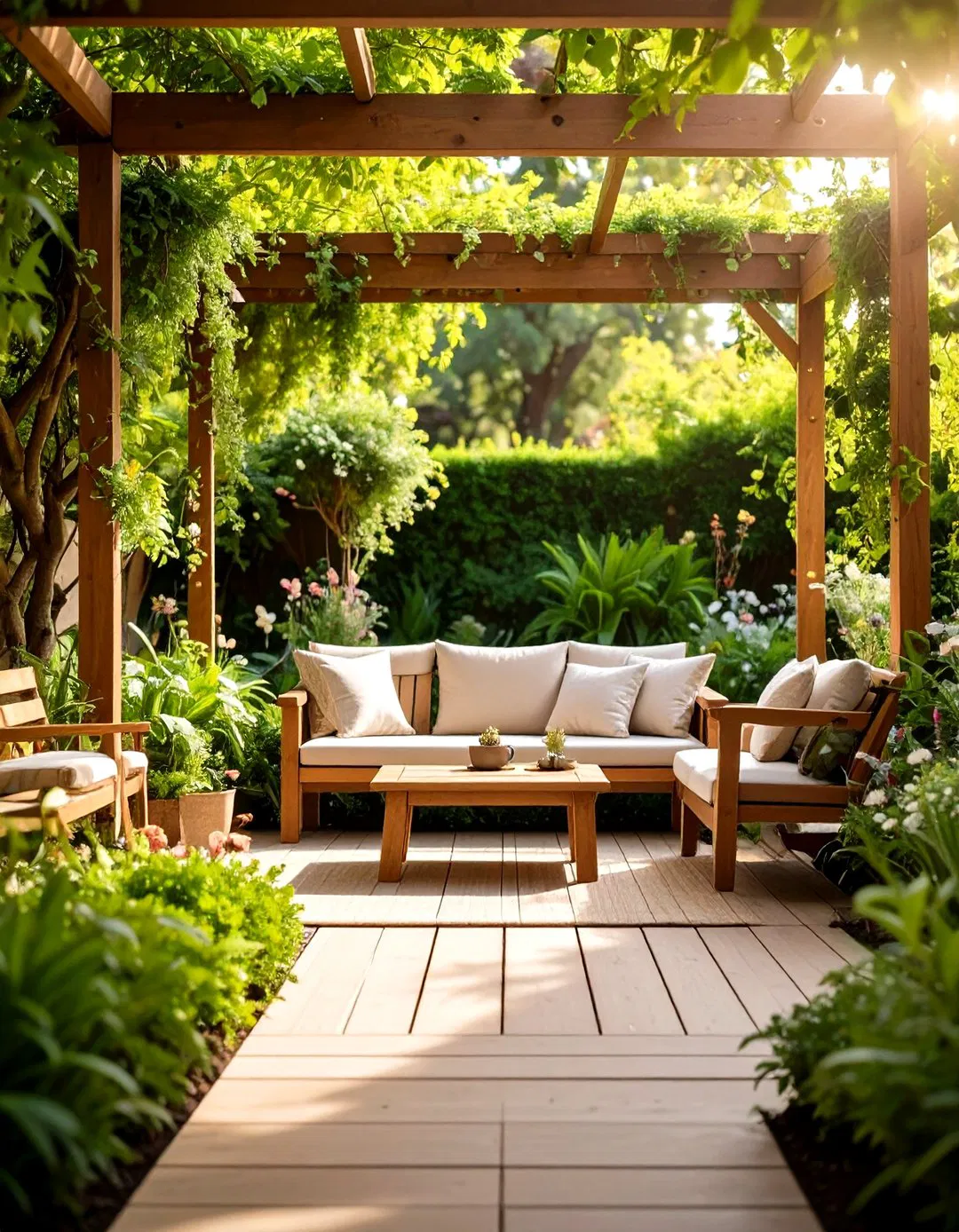
Transform shaded garden areas into inviting outdoor living spaces by incorporating well-placed seating. Opt for durable materials like teak, cedar, or weathered metal that age gracefully. Position benches or chairs to capture the best garden views and ensure easy access via established paths. Create intimate nooks using natural screens such as shrubs or trellises adorned with climbing plants. Add side tables for convenience, making these spaces perfect for relaxation, reading, or entertaining. Built-in options like stone benches or wooden platforms can blend seamlessly with the garden design. Incorporate subtle lighting to extend usability into the evening, crafting magical atmospheres after dusk.
Variegated Foliage: Brightening Shaded Corners
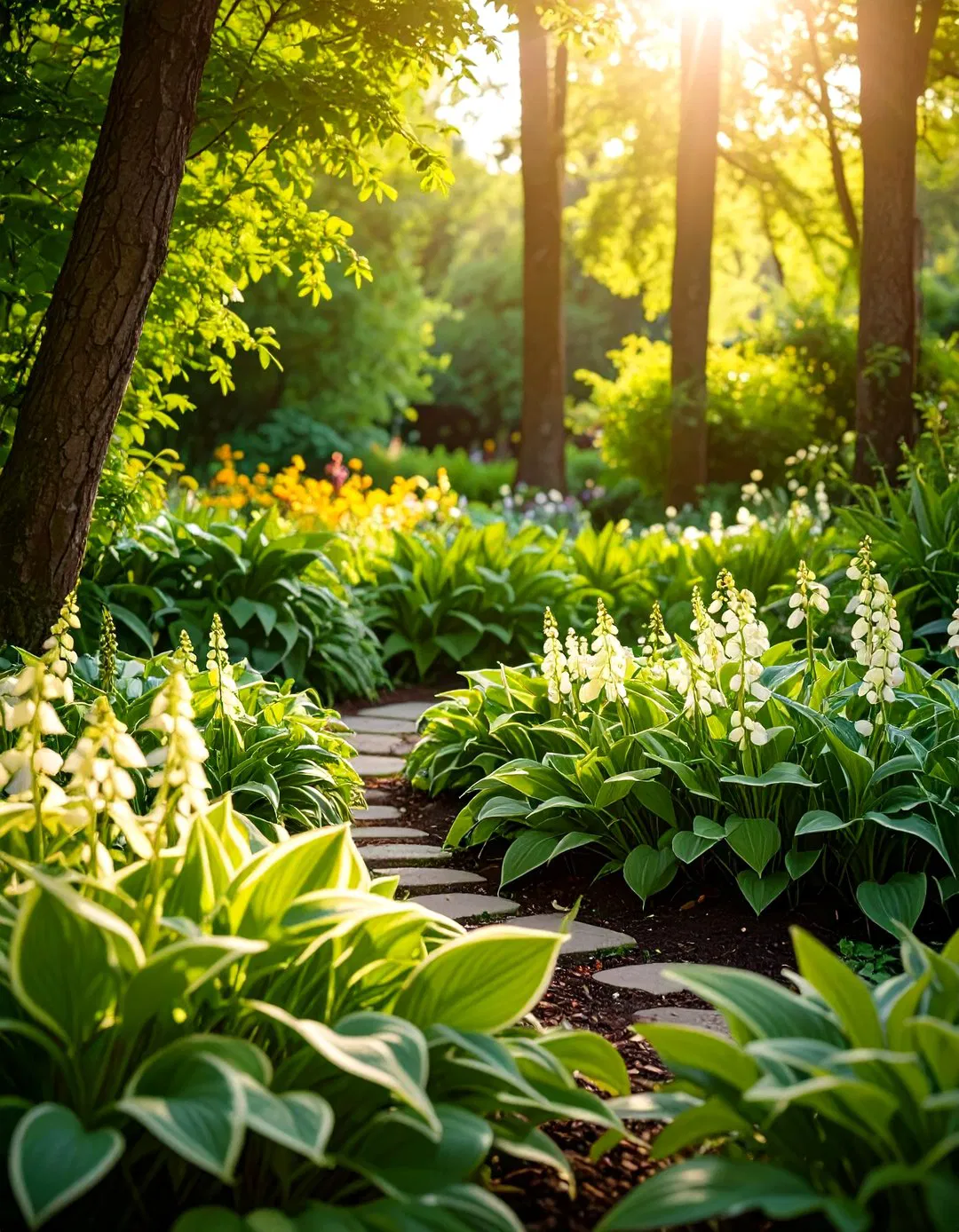
Plants with variegated leaves brighten shaded garden areas by reflecting available light and adding visual excitement. Hostas like ‘Patriot’ with white margins or ‘Sum and Substance’ with chartreuse centers make bold statements in mixed plantings. Pair these with variegated Solomon’s seal, lamium, or pulmonaria to create layered effects using plants of varying heights and growth habits. Balance variegated foliage with solid green companions to avoid overwhelming the eye. Cream, white, or yellow leaf markings illuminate dark corners where flowers may struggle. Unlike fleeting blooms, variegated foliage offers sustained interest throughout the growing season, crafting sophisticated color schemes without heavy reliance on flowers.
Adapting Rain Gardens for Shaded, Moist Areas
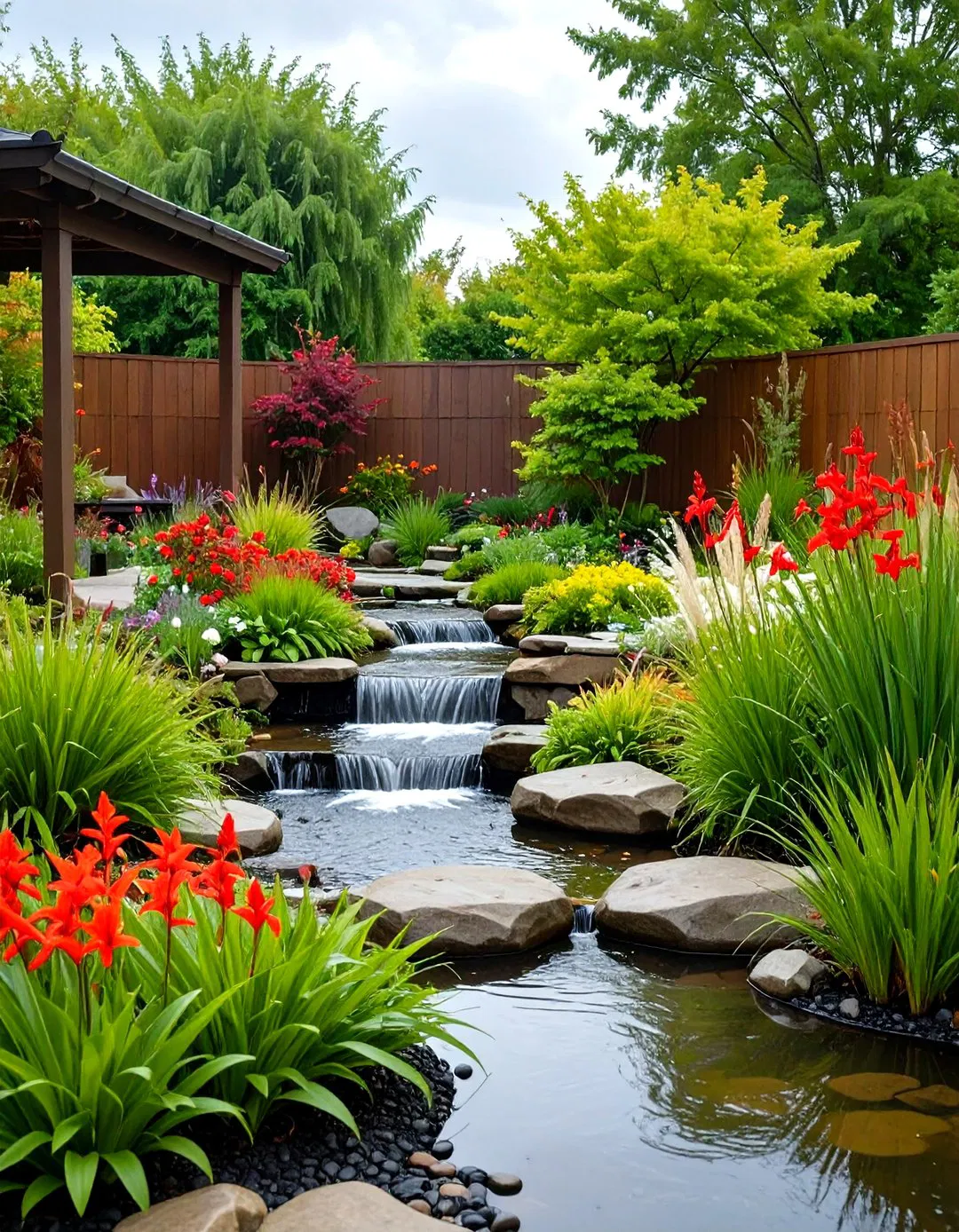
Low-lying shaded areas prone to moisture can be transformed into functional rain gardens that manage stormwater while enhancing biodiversity. Many shade-tolerant plants thrive in fluctuating wet and dry conditions, making them ideal for these settings. Native sedges, cardinal flowers, and monkey flowers provide seasonal color and habitat value. Moisture-loving astilbe and ligularia add dramatic foliage and blooms. Design gentle slopes to channel water into planted zones while preventing erosion. Incorporate natural elements like rocks and logs to add structure and shelter for wildlife. Rain gardens reduce runoff, filter pollutants, and create diverse plant communities that support beneficial insects and birds, combining environmental responsibility with aesthetic appeal.
Vertical Gardens with Climbing Vines for Shade
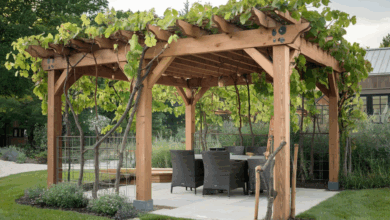
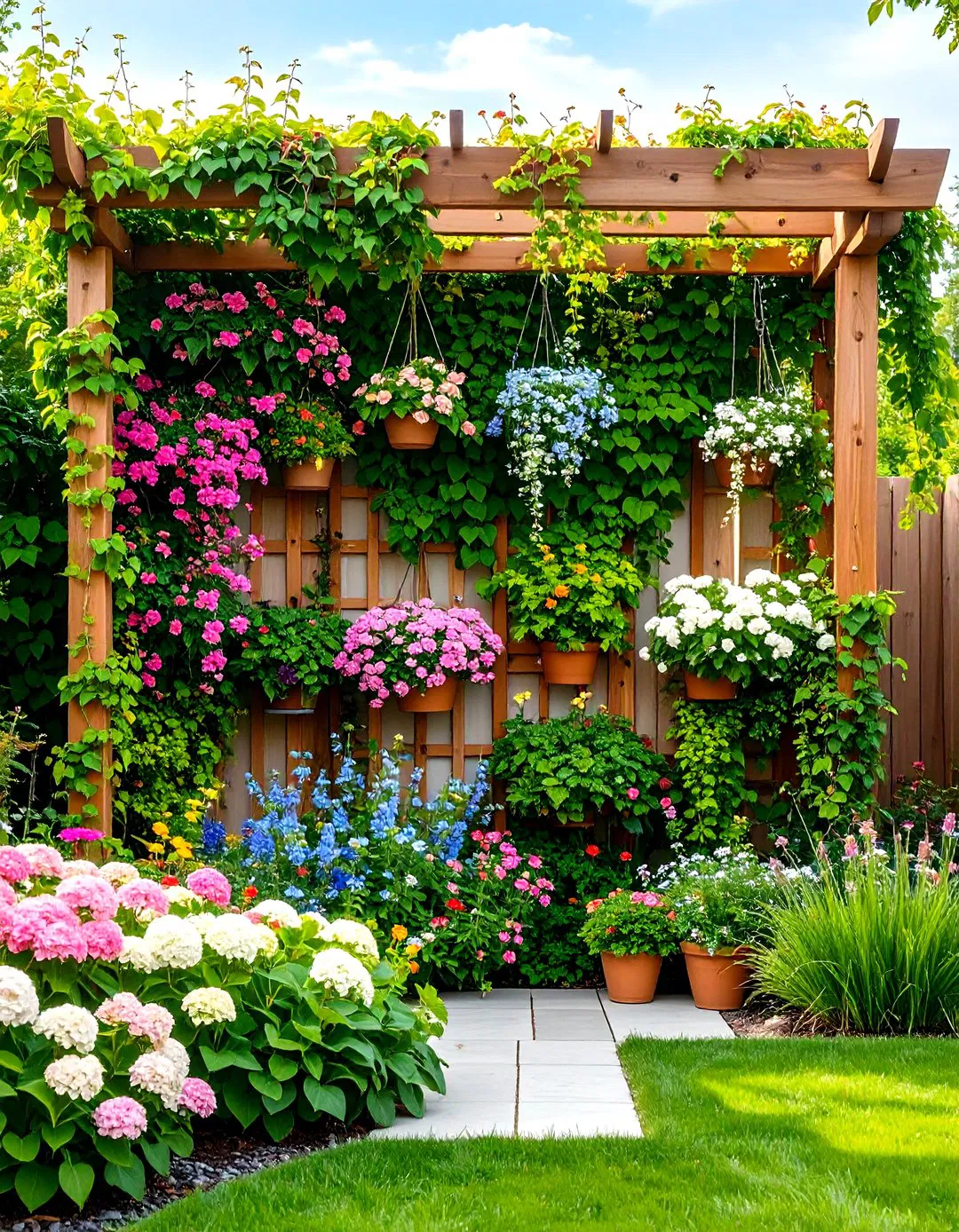
Maximize limited space in shaded gardens by incorporating vertical elements with climbing vines. Shade-tolerant species such as English ivy, climbing hydrangea, and Virginia creeper can cover walls, fences, or trellises with lush foliage and seasonal interest. Fast-growing annual vines like cardinal climber or moon vine offer quick coverage and vibrant flowers in partial shade. Install sturdy supports capable of bearing mature vine weight and plan for regular pruning to manage growth. Use vines to screen unattractive views, enhance privacy, or create living walls that improve air quality. Combine vertical plantings with ground covers for a fully layered, dynamic garden design.
Incorporating Stone and Rock for Structure and Texture
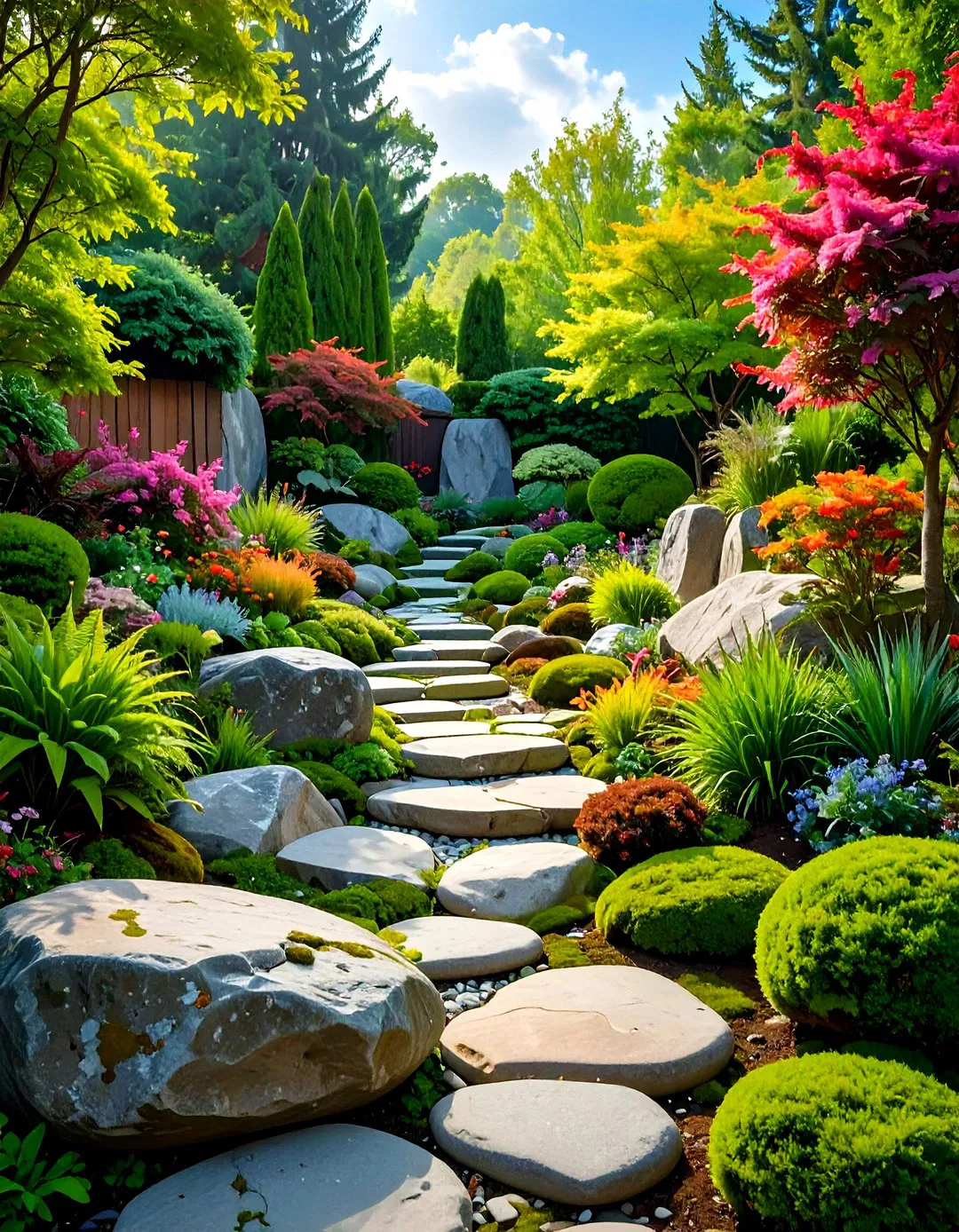
Natural stone elements provide essential structure and visual weight in shade gardens, complementing the softness of foliage. Large boulders serve as focal points and create microhabitats for mosses and small ferns that naturally colonize crevices. Flagstone paths or patios offer functional surfaces that harmonize with the garden’s organic feel. Rock walls can define spaces, support trailing plants, or manage slopes. Selecting local stone ensures integration with the surrounding landscape. Arrange stones to mimic natural placement, avoiding artificial patterns. These enduring features contribute year-round interest and create microclimates that benefit nearby plants by moderating temperature and wind exposure.
Privacy Screens with Shade-Tolerant Plants
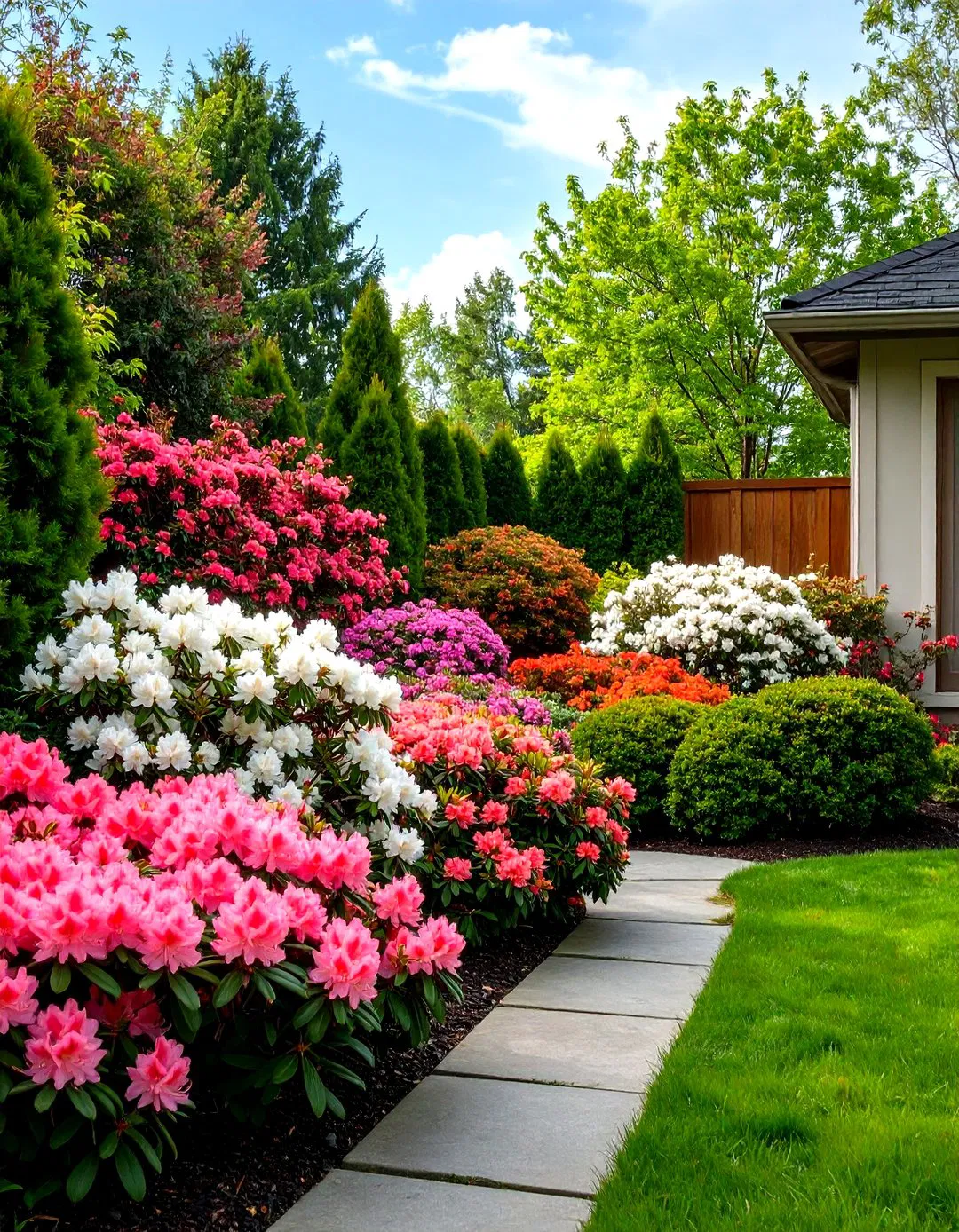
Shade-loving plants can form effective privacy screens that enhance garden beauty and support wildlife. Evergreen shrubs such as rhododendrons, mountain laurel, and boxwood provide year-round coverage with seasonal blooms. Deciduous options like viburnum and native elderberry offer flowers, berries, and colorful foliage during active seasons. Layer plants of varying heights to avoid monotonous walls and include flowering species to attract pollinators while maintaining privacy. Consider mature sizes and maintenance needs to prevent overcrowding. Thoughtful placement filters unwanted views and frames desirable garden scenes, creating secluded, intimate outdoor spaces.
Combining Diverse Foliage Textures for Visual Interest
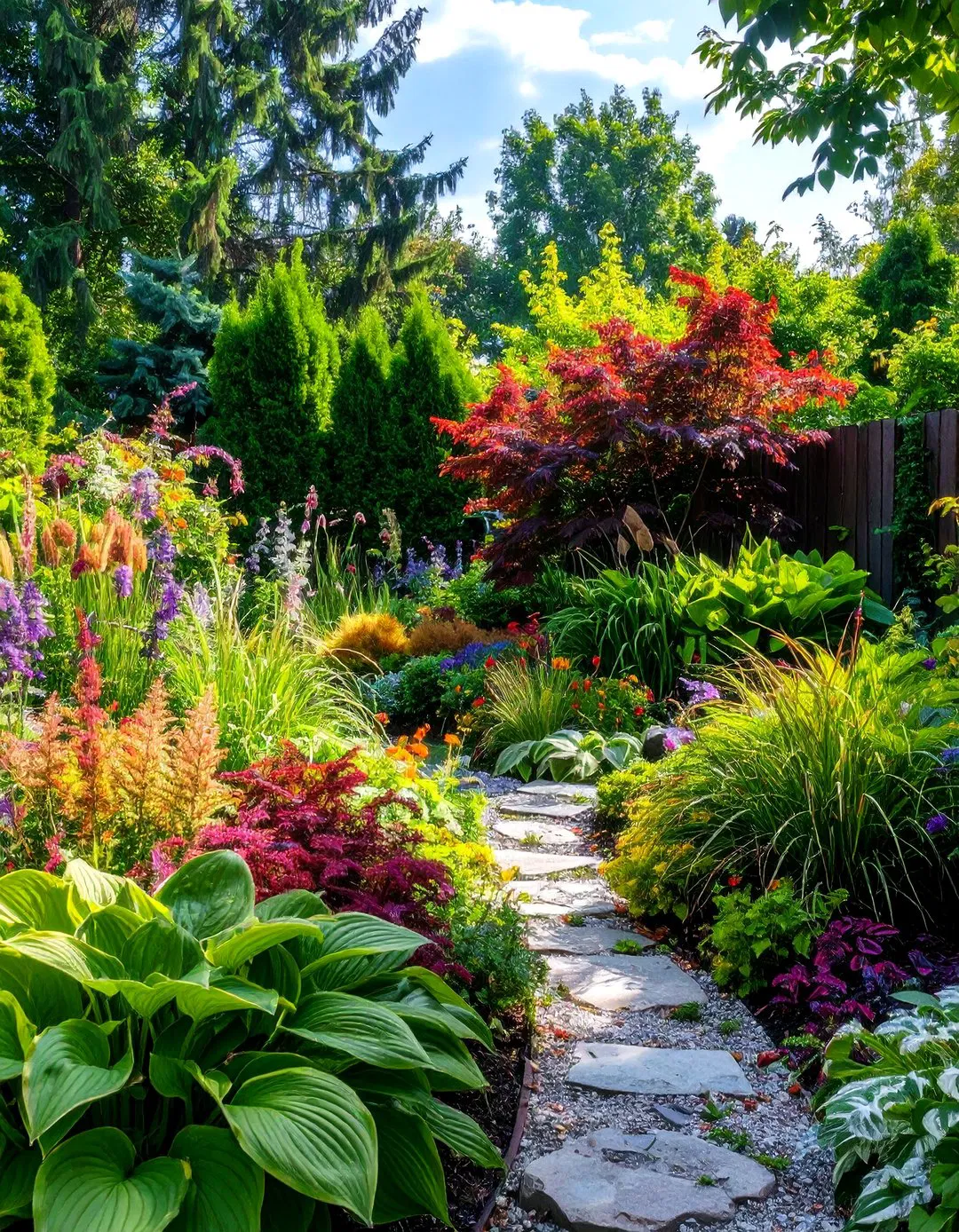
Creating shade gardens with contrasting leaf textures adds sophistication and keeps the landscape engaging without relying on flowers. Pair broad-leafed hostas with the fine, feathery foliage of astilbe for striking contrasts. Introduce ornamental grasses like Japanese forest grass to add movement and linear form among rounded plants. Ferns with diverse frond shapes-from simple to highly dissected-enhance textural variety. Smooth-leaved plants such as bergenia contrast beautifully with fuzzy lamb’s ear or textured coral bells. This focus on form and structure over color results in refined compositions suitable for both formal and naturalistic gardens, offering lasting interest with minimal upkeep compared to flower-dependent designs.
Naturalizing Bulbs Beneath Tree Canopies
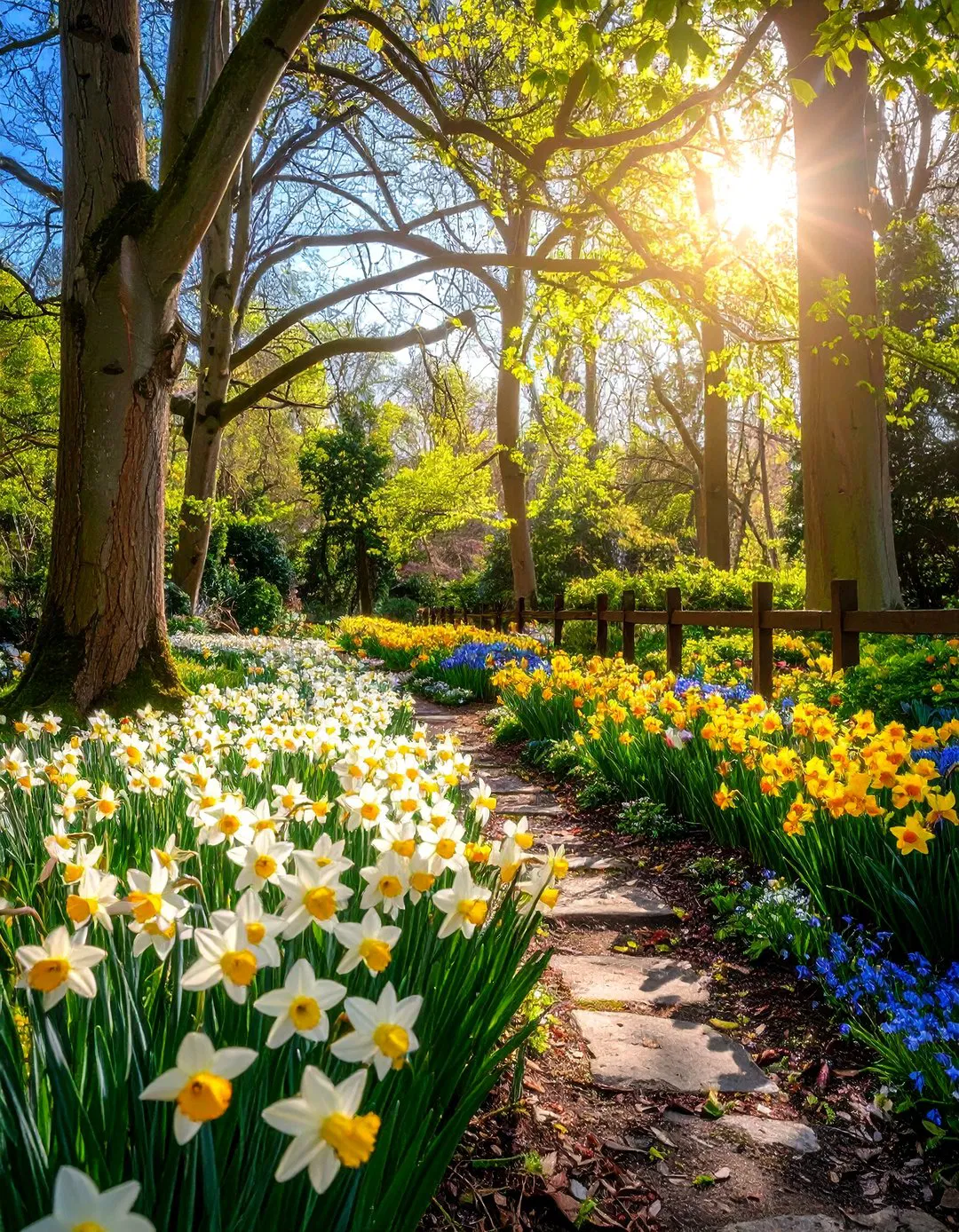
Imagine the charm of spring bulbs naturalizing beneath deciduous trees, creating spontaneous drifts of color. Early bloomers like daffodils, crocuses, and snowdrops take advantage of sunlight before tree leaves fully develop. Plant bulbs in informal clusters rather than straight lines for a natural look. Select varieties suited to partial shade that reliably return each season. Allow foliage to die back naturally to nourish bulbs for future growth. Pair early bulbs with later-emerging perennials such as hostas, which conceal fading foliage with fresh leaves. This strategy offers early-season vibrancy and establishes self-sustaining plant communities that enhance garden continuity.
Seamless Woodland Edge Transitions
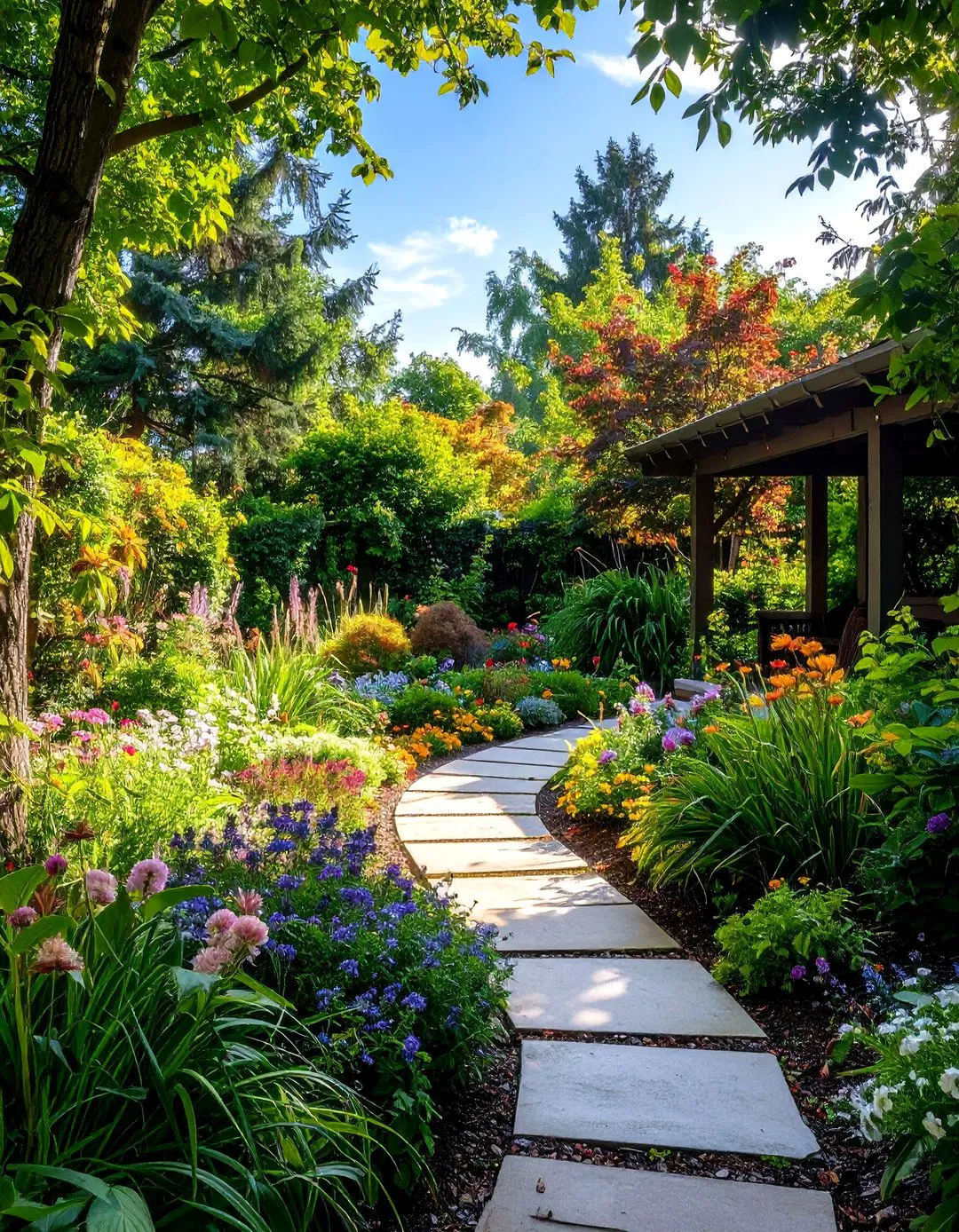
Transition zones between open spaces and dense shade require thoughtful plant choices to create smooth visual flow. Select species tolerant of varying light levels as tree canopies develop and shade patterns shift. Partial shade perennials like heuchera, astilbe, and Japanese painted ferns adapt well to these changing conditions. Incorporate flowering shrubs that bloom before full leaf-out for early interest. Design edges with gentle curves and gradual height changes to avoid abrupt transitions. Woodland edge gardens often benefit from richer soils and higher moisture, supporting diverse plant communities that provide wildlife habitat and enhance garden beauty.
Structured Elegance: Formal Shade Gardens
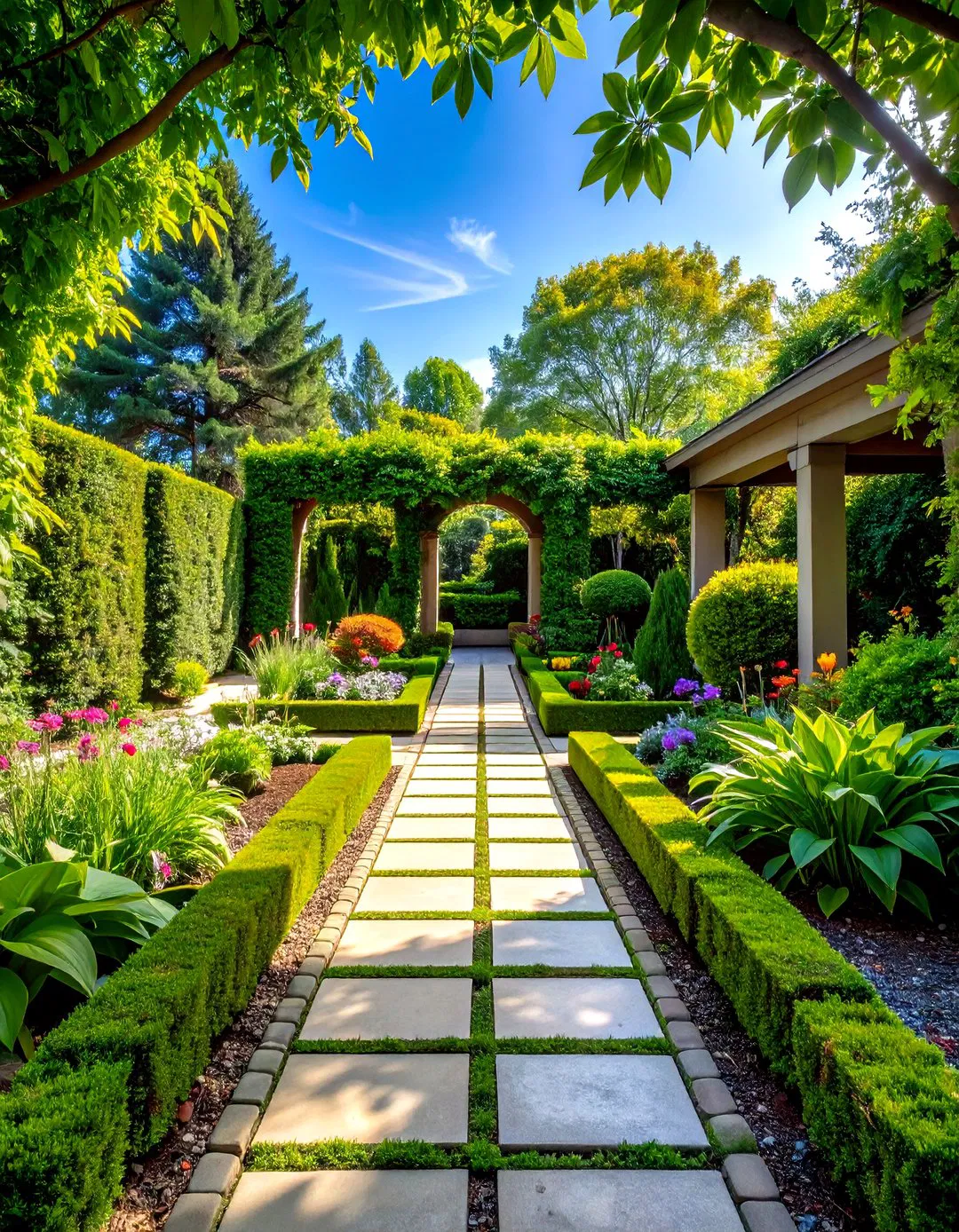
Formal shade gardens demonstrate that structured, geometric designs can thrive in low-light environments. Use boxwood hedges to create enduring frameworks that tolerate shade beneath mature trees. Employ repetitive planting patterns with hostas, ferns, or coral bells to establish rhythm and order. Architectural features such as obelisks, urns, or formal water elements serve as focal points. Maintain crisp edges and precise plant placement through regular care and thoughtful selection of plants with strong structural qualities. This style suits urban or formal landscapes where sophistication and order take precedence over naturalistic woodland aesthetics.
Supporting Wildlife with Shade Garden Habitats
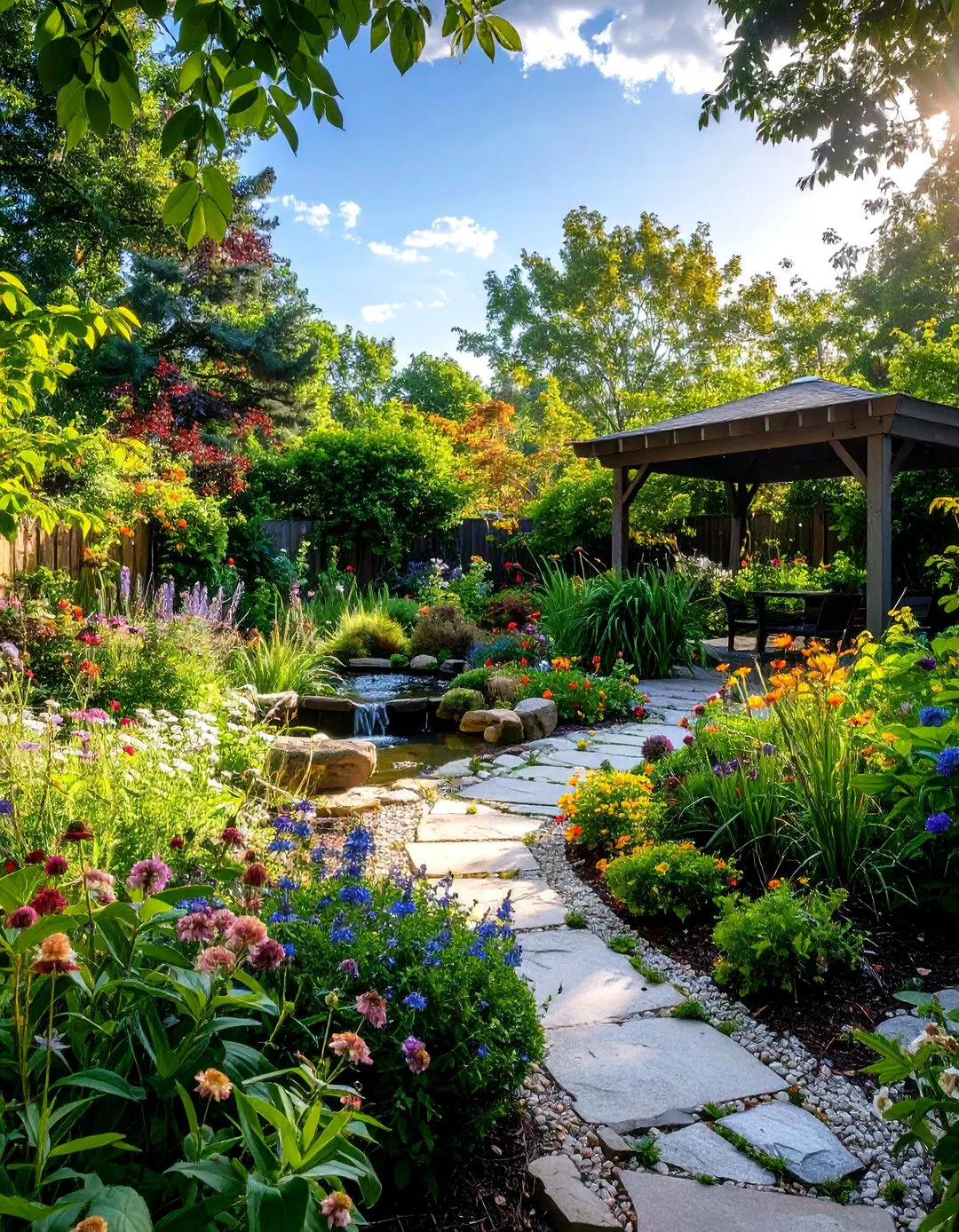
Transform your shade garden into a vibrant ecosystem that nurtures local wildlife year-round. Native plants provide essential food and shelter for insects, birds, and small mammals. Incorporate berry-producing shrubs like elderberry, spicebush, and native viburnums to feed birds during migration and winter. Plant native wildflowers such as wild ginger, bloodroot, and trillium to support specialized pollinators. Provide water sources through small ponds, fountains, or shallow dishes. Leave some areas less manicured with brush piles or leaf litter to offer refuge for beneficial insects and creatures. This approach creates habitat corridors that enhance biodiversity while offering environmental benefits and garden enjoyment.
Final Thoughts: Unlocking the Potential of Shade Gardens
Shade gardens are not limitations but opportunities to explore unique design possibilities. Embracing the natural qualities of shaded environments and selecting plants and features suited to low light can transform dark corners into stunning outdoor spaces. From simple moss carpets to complex layered woodland ecosystems, shade gardens accommodate diverse styles and maintenance preferences. Combining varied foliage textures, seasonal planning, and thoughtful structural elements results in gardens that offer year-round beauty and function. Whether crafting intimate container displays or expansive woodland retreats, these ideas reveal how shaded areas can become captivating garden highlights that boost property appeal while supporting local wildlife and sustainability.