Unlock the full potential of your most awkward spaces by cleverly utilizing vertical dimensions and versatile furnishings. Incorporate tall shelving units and lush greenery to draw the eye upward, while selecting furniture pieces that serve multiple purposes, such as sleeper sofas or storage ottomans. Enhance brightness and openness with well-placed mirrors and layered lighting techniques. Define functional areas using area rugs and elevate your décor with floating shelves that showcase your favorite items. Explore these innovative ideas to effortlessly boost both the style and practicality of your home.
Leveraging Vertical Dimensions for Spaciousness
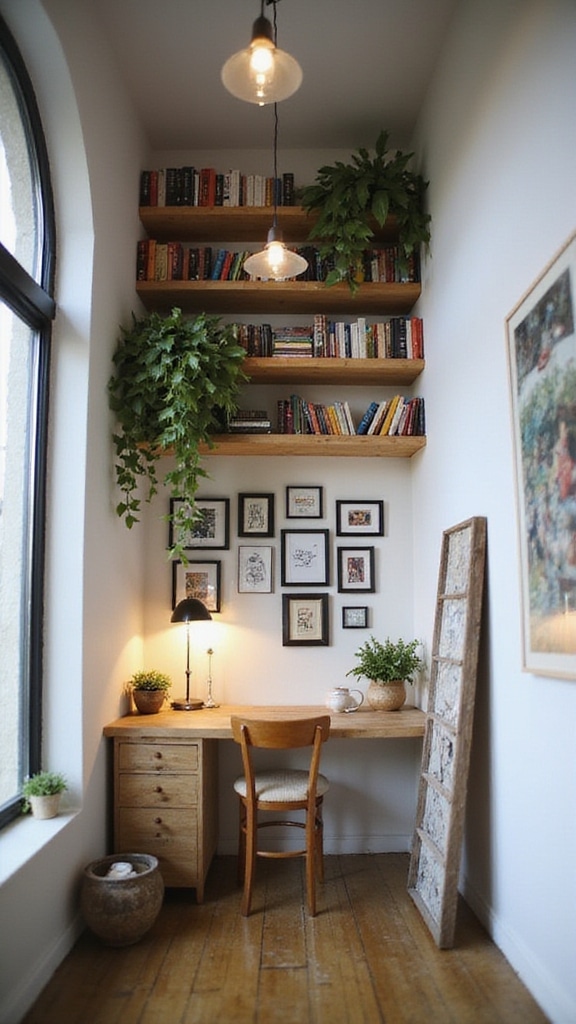
When floor area is at a premium, turning your attention upward can dramatically alter the perception of space. Installing tall, floor-to-ceiling shelving units not only provides ample storage but also creates a striking vertical emphasis that visually expands the room.
Floating shelves offer a minimalist way to display art, books, or collectibles without encroaching on floor space. Incorporating towering indoor plants adds a refreshing natural element that breathes life into corners and draws attention skyward.
Wall-mounted sconces or lamps free up surfaces while contributing to a layered lighting scheme. This vertical approach ensures every inch is optimized for both utility and aesthetic appeal.
Versatile Furniture for Functional Living
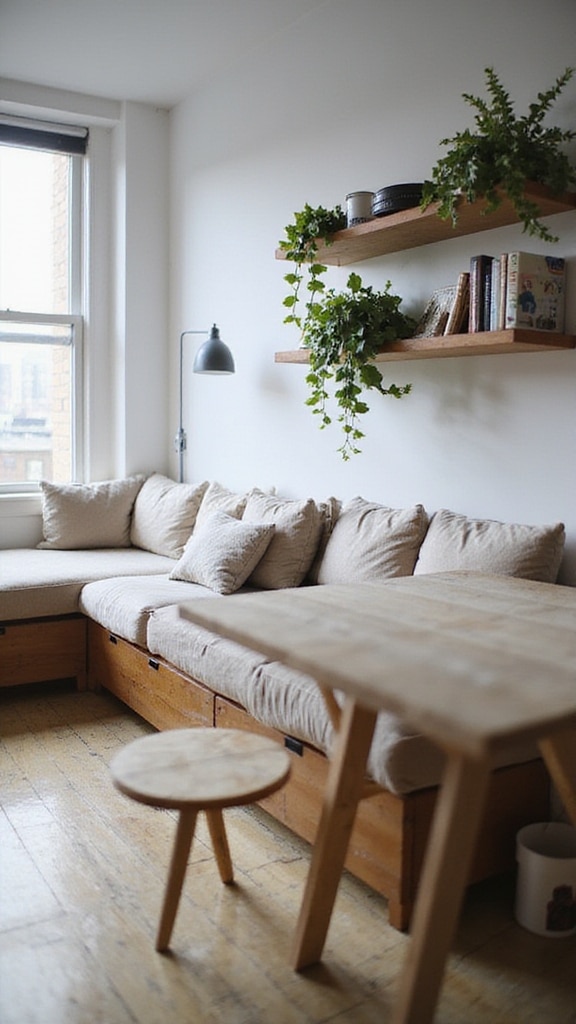
Complementing vertical design with adaptable furniture pieces anchors your space in practicality. Imagine a stylish sectional that effortlessly converts into a guest bed or a coffee table equipped with hidden compartments for clutter control.
Furniture that adjusts to your needs-like expandable dining tables or stackable stools-maximizes usability without sacrificing style. These smart choices streamline your living area, making it both inviting and efficient.
Infusing Spaces with Vibrant Hues and Textures
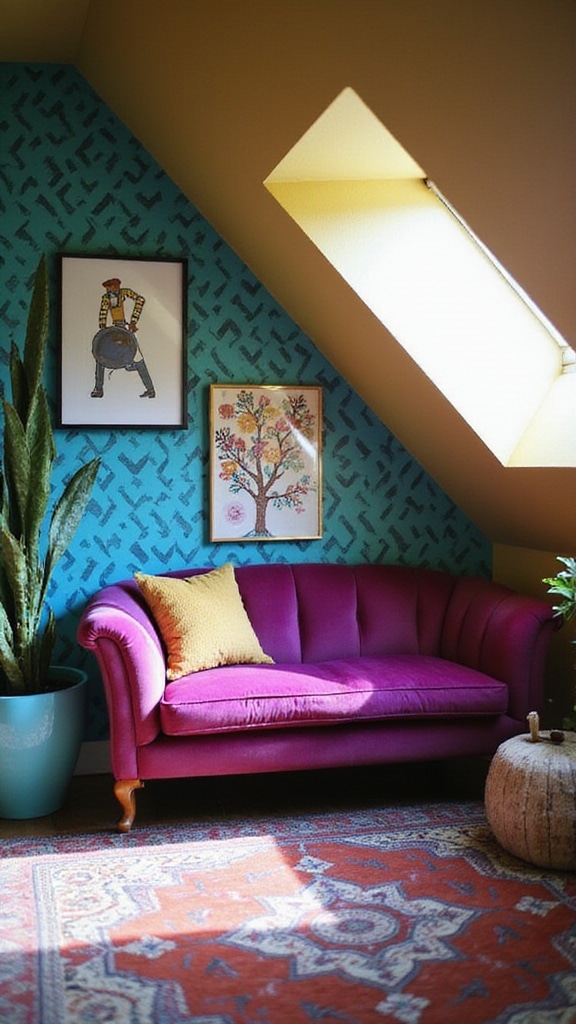
Inject personality into your interiors by experimenting with rich colors and dynamic patterns. Opt for striking shades such as deep emerald or burnt orange on accent walls to create focal points that energize the room.
Introduce patterned textiles-think bold stripes or abstract prints-through cushions, throws, or rugs to add layers of visual interest. Balancing these vivid elements with neutral backgrounds ensures a cohesive and inviting atmosphere.
Mixing different textures, like velvet cushions paired with woven rugs, adds depth and tactile appeal, making your space feel thoughtfully curated.
Strategic Mirror Placement to Enhance Light and Space
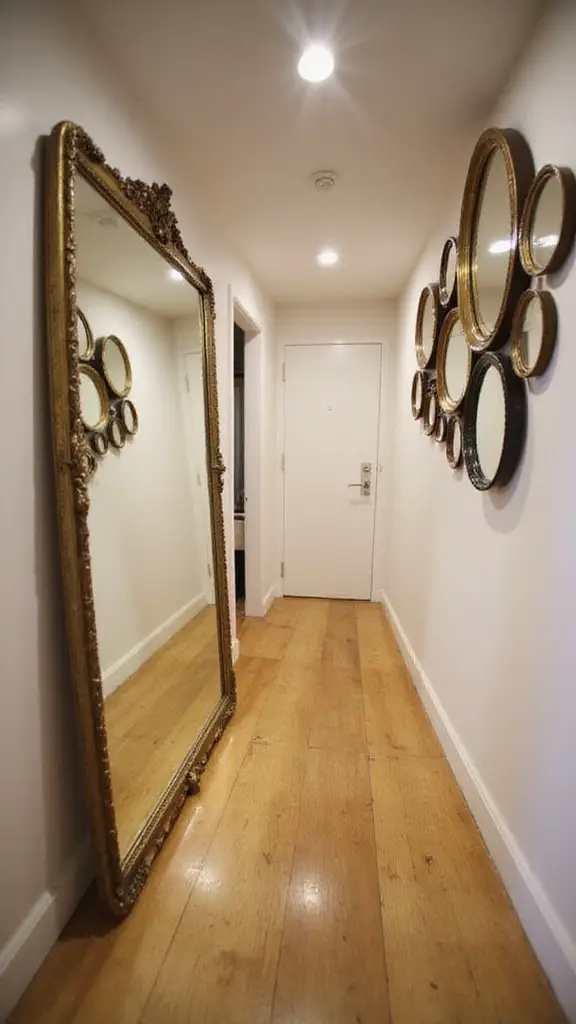
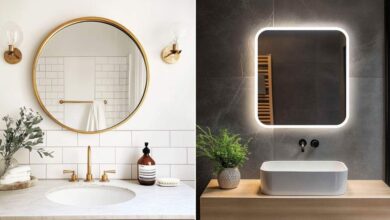
Mirrors are an often-underestimated design element that can dramatically brighten and enlarge compact areas. Positioning mirrors opposite windows reflects natural light, amplifying brightness and creating a sense of openness.
Choose mirrors with distinctive frames to serve as statement pieces that enhance your décor’s character. In narrow or confined spots, tall, slender mirrors guide the gaze upward, reinforcing verticality and spatial depth.
Layered Lighting for Mood and Function
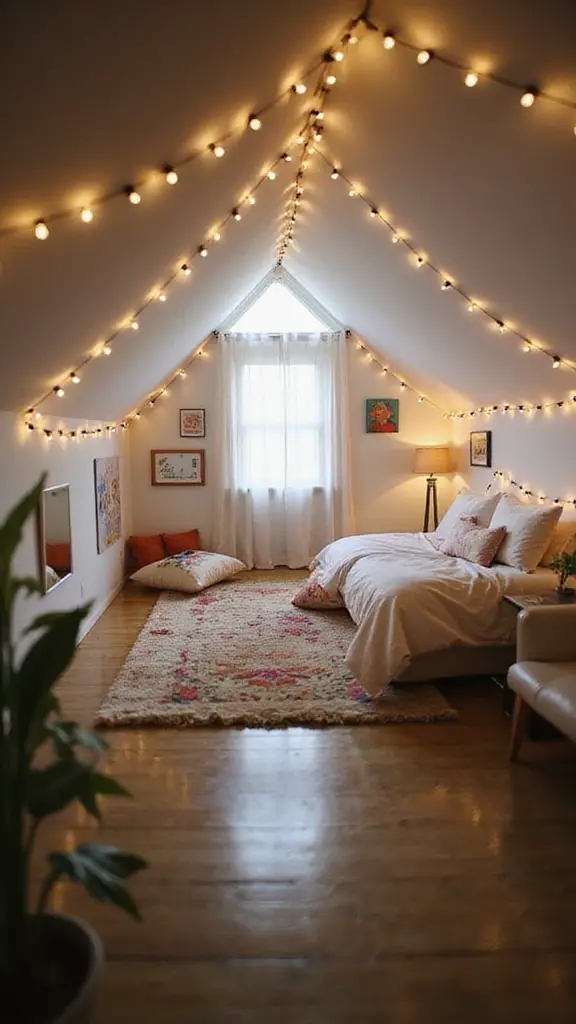
While mirrors enhance spatial perception, lighting defines the ambiance and usability of your rooms. Employ a combination of ambient, task, and accent lighting to create a versatile environment.
Dimmable overhead fixtures allow you to adjust brightness according to mood or activity, while focused task lights are essential for areas like reading nooks or kitchen counters.
Space-saving options such as pendant lamps or wall-mounted sconces add flair without cluttering surfaces. To maximize daylight, opt for translucent curtains that diffuse sunlight gently, maintaining privacy without sacrificing illumination.
Transforming Nooks into Functional Spaces
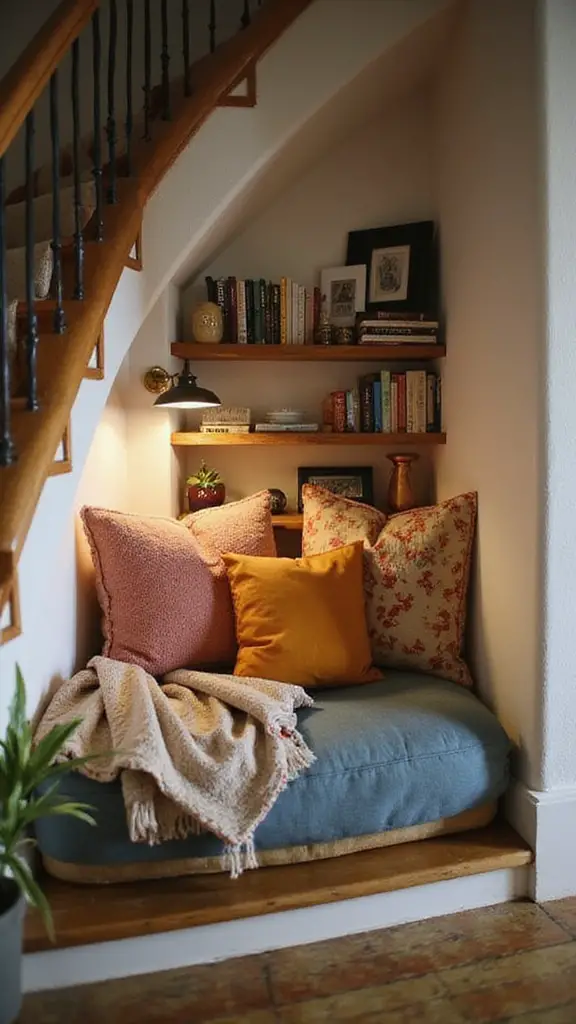
Small corners and alcoves often go unused but hold great potential for creating intimate, purposeful areas. Convert a tight corner into a serene reading retreat with a comfortable armchair and a soft floor lamp.
Floating shelves can turn these spaces into mini galleries for your favorite books or collectibles, adding personality and dimension. A slim desk tucked into a narrow recess can serve as a compact home office, blending functionality with style.
Defining Areas with Area Rugs
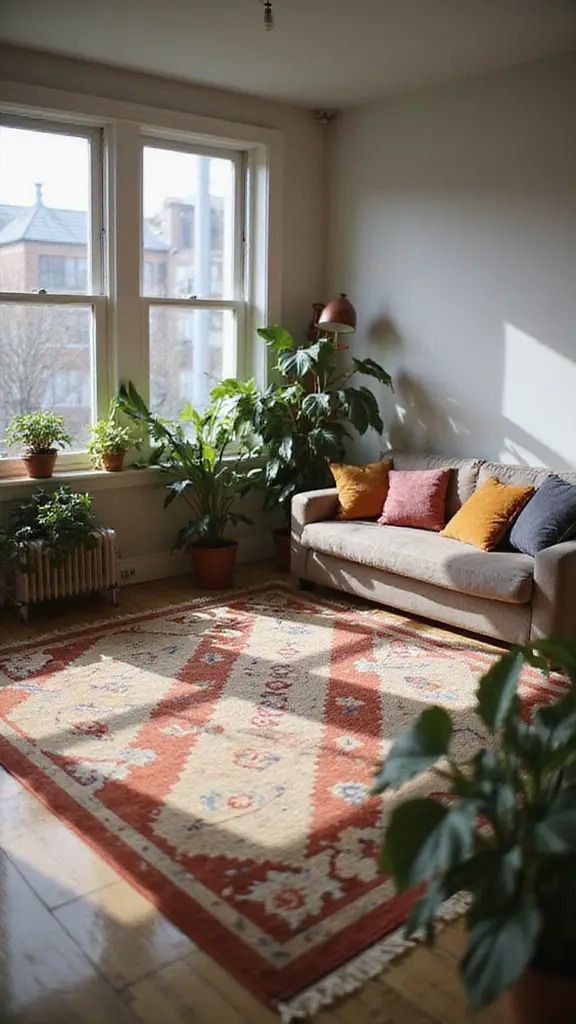
Area rugs are invaluable for visually segmenting open-plan interiors without erecting physical barriers. Select rugs with textures and patterns that complement your overall design scheme to anchor different zones.
For example, a plush rug beneath a seating arrangement defines the living area, while a woven mat under the dining table delineates that space. This technique guides movement and enhances comfort, all while maintaining an open feel.
Floating Shelves for Style and Storage
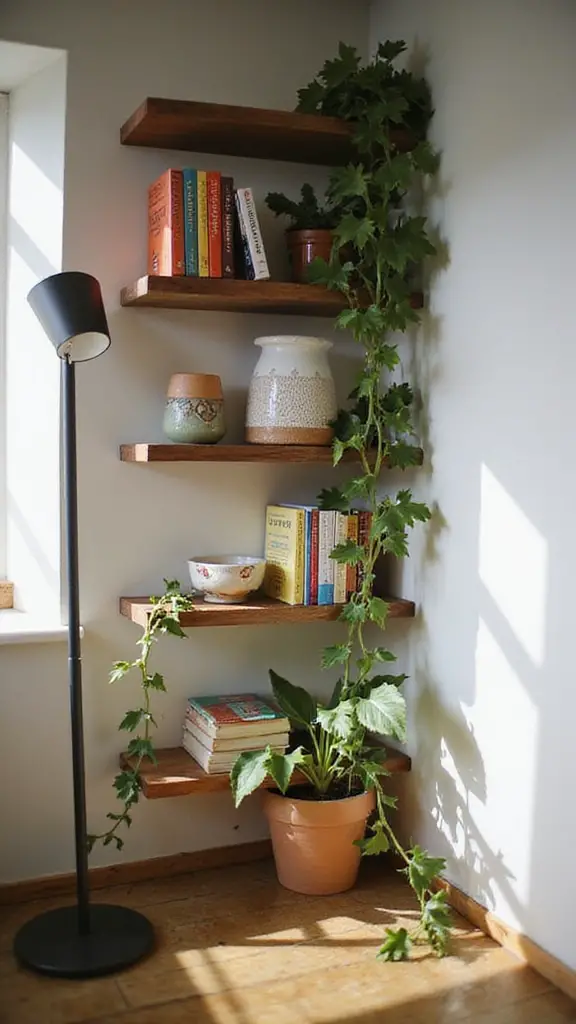
Complement your floor-level décor with floating shelves that add vertical interest and practical storage. These sleek installations transform blank walls into curated displays for plants, artwork, or treasured mementos.
Position them above sofas, desks, or entryways to keep surfaces clear while showcasing your style. Opt for materials and finishes that harmonize with your existing décor to maintain a balanced look.
Floating shelves are a chic solution to maximize vertical space without overwhelming the room.
Final Thoughts on Optimizing Challenging Spaces
Revamping difficult areas into inviting, functional environments is achievable with thoughtful design strategies. By focusing on vertical space and selecting multi-purpose furniture, you ensure every corner serves a meaningful role.
Incorporate vibrant colors and well-placed mirrors to breathe life and depth into your rooms, while layered lighting enhances both mood and practicality. Don’t overlook the charm of small nooks-they can become your favorite spots.
Use area rugs to define zones and floating shelves to express your personality. These approaches combine to create spaces that are not only visually appealing but also highly efficient.
For those looking to implement these ideas, explore versatile multi-functional furniture, stylish area rugs, and elegant floating shelves to elevate your home’s design effortlessly.