When people ask me how to design a truly elegant dining room, they often envision grandiose, magazine-worthy spaces and wonder how to replicate that exact look. However, this approach misses the essence of what makes a dining room genuinely luxurious. It’s not about creating a static showcase; it’s about crafting an inviting environment where guests feel compelled to stay long after the meal ends.
The hallmark of an extraordinary dining room is what I call the “linger effect.” This is the subtle ambiance that encourages guests to relax, savor their wine, and engage in effortless conversation well beyond dessert. Many focus solely on visual impact, chasing that initial “wow” factor, but true luxury lies in the experience itself. Let’s explore how to design a dining space that embodies this philosophy.
Building a Strong Base: Designing Your Ideal Dining Area (Part 1)
Before purchasing any furniture or decor, it’s crucial to establish a solid plan. Think of this as the architectural blueprint of your dining room. Skipping this foundational step is like constructing a building without a proper foundation-it may look fine initially but will lack lasting functionality and comfort. This phase is where thoughtful design begins, distinguishing a room that merely looks good from one that truly works.
1. Assess Space and Movement for Efficient Layout
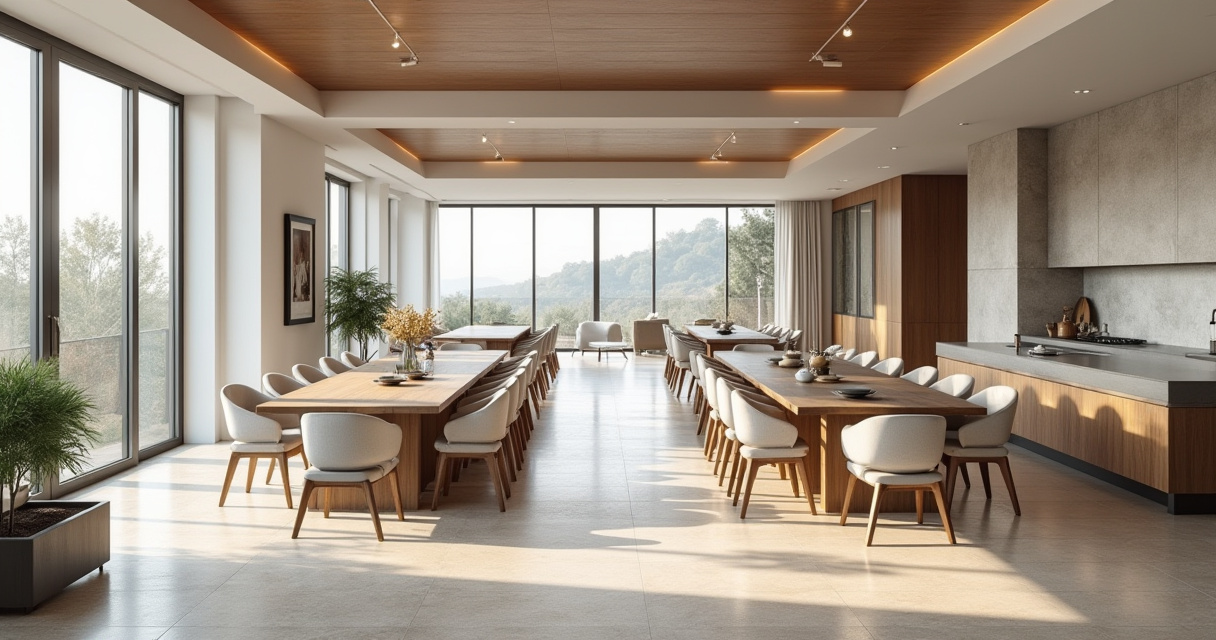
Put aside furniture choices momentarily and measure your room carefully. One of the most common errors is selecting an oversized dining table that overwhelms the space and restricts movement. Remember, your guests need room to navigate comfortably without awkwardly squeezing past one another. A minimum clearance of 36 inches around the table is essential, with 48 inches being ideal for ease of movement.
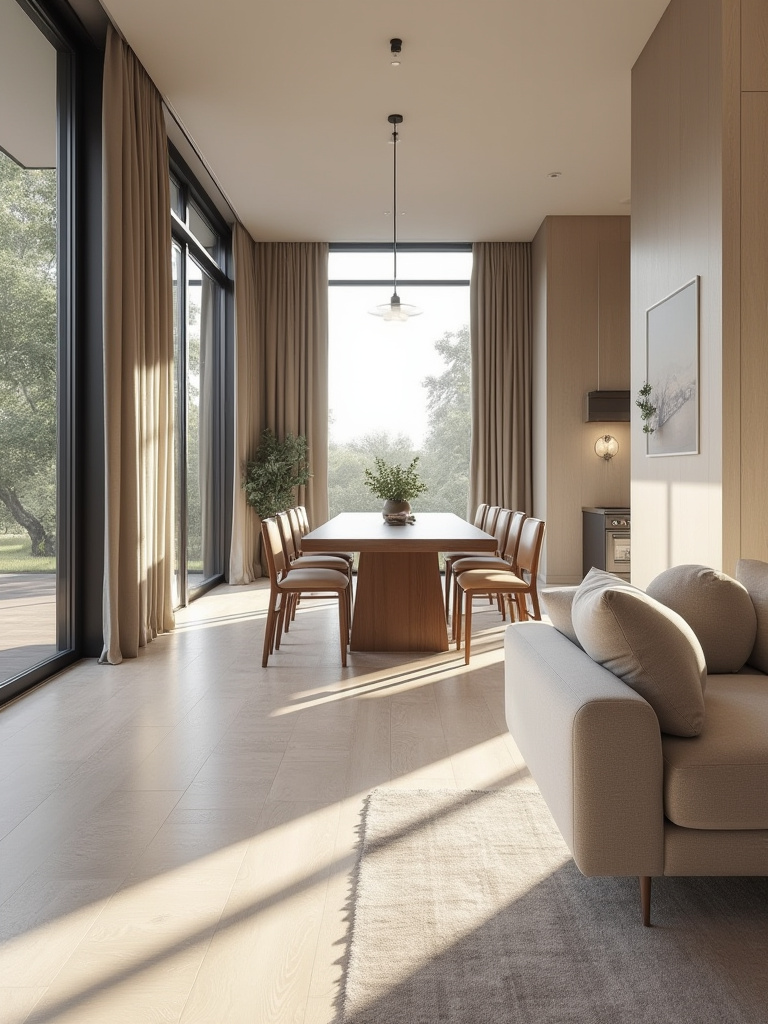
For example, I once advised a client who had purchased a 10-foot table for a 14-foot-wide room. While visually stunning, the setup made it nearly impossible for guests to move freely during gatherings, leading to discomfort and frustration. They eventually downsized to a more appropriately sized table, which transformed the flow and enjoyment of their dinners.
A practical tip: use painter’s tape to outline the table and chair footprint on your floor. Live with this mock-up for a day or two, walking around it to gauge if the scale feels right. This simple exercise can save you from costly mistakes.
2. Clarify Your Dining Room Usage and Purpose
Be honest about how you intend to use your dining space. While the idea of hosting lavish formal dinners is appealing, the reality might be different. Does your dining table double as a workspace? Is it a hub for children’s homework? Or is it reserved solely for special occasions? Understanding your lifestyle will guide your design choices.
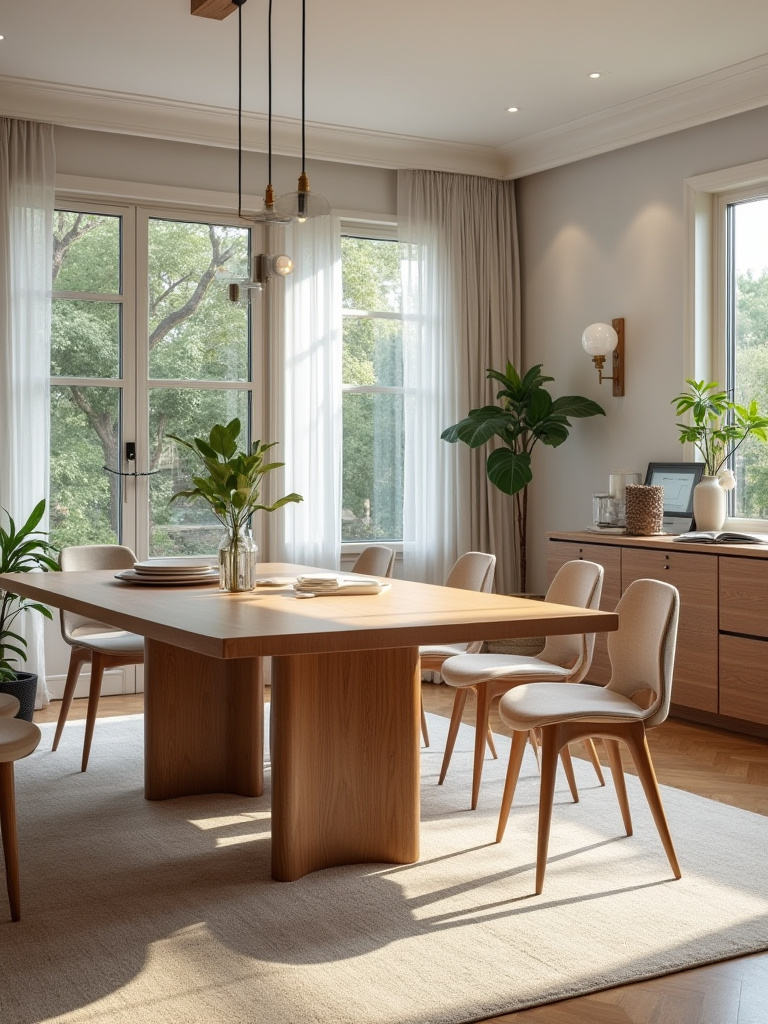
Designing for a lifestyle you don’t live leads to wasted resources and a space that feels disconnected. If your dining room serves multiple roles, prioritize durable surfaces, ergonomic chairs for extended sitting, and discreet storage solutions for work essentials. This approach ensures your dining area supports your daily life rather than becoming a fragile showroom piece.
3. Create a Harmonious Design Theme
The word “theme” often conjures images of kitsch, but here it means crafting a cohesive story for your room. Whether your style leans toward understated elegance, bold modernity, or cozy rustic charm, this narrative should guide every design decision-from lighting fixtures to table linens. A unified theme prevents your space from feeling like a random assortment of beautiful objects.
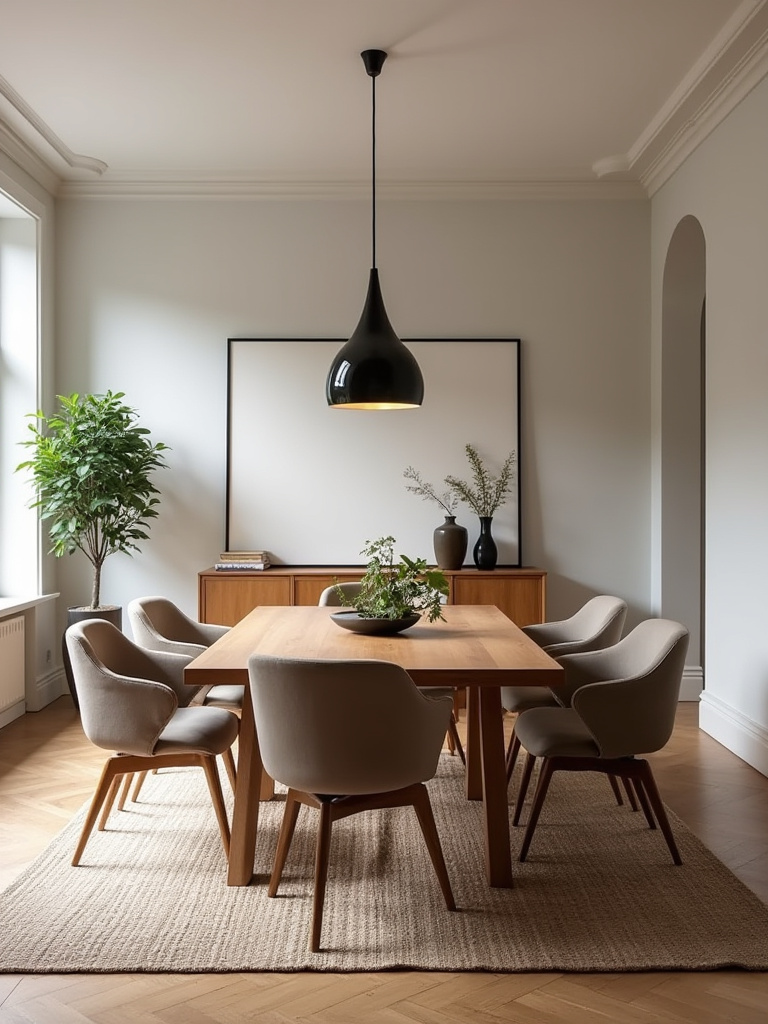
One client struggled to define her style until we noticed all her inspiration images shared a moody, atmospheric quality. Embracing this, we incorporated deep teal walls, plush velvet seating, and warm brass accents, resulting in a space that felt both personal and polished.
4. Implement Layered Lighting for Mood and Practicality
Lighting is often underestimated but is one of the most transformative elements in a dining room. Relying solely on a central chandelier can create harsh shadows and an unflattering atmosphere. Instead, aim for layered lighting that combines ambient, task, and accent sources.
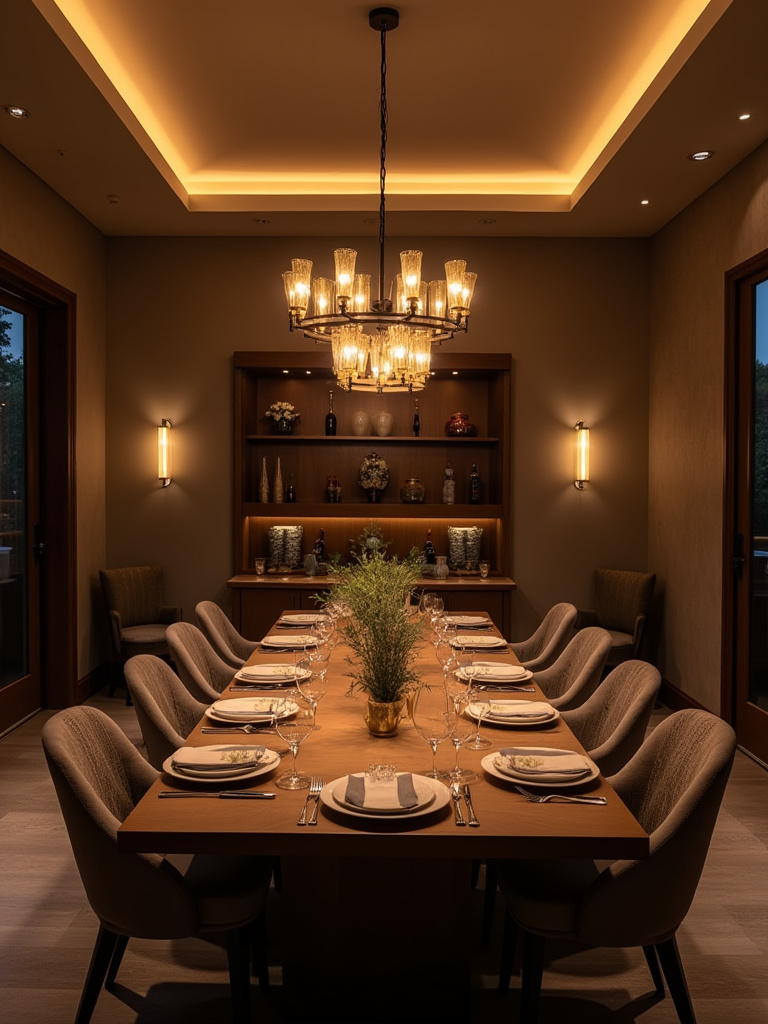
Ambient lighting provides overall illumination, task lighting focuses on the table surface, and accent lighting highlights artwork or architectural features. Crucially, all lighting should be dimmable, allowing you to adjust the brightness to suit the occasion-from lively dinners to intimate gatherings. Installing dimmer switches is one of the most cost-effective upgrades you can make to elevate your dining experience.
Building a Strong Base: Designing Your Ideal Dining Area (Part 2)
Having addressed spatial flow, function, and lighting, it’s time to focus on the surfaces that shape the room’s character. These foundational choices influence everything from acoustics to the overall ambiance, setting the stage for the rest of your design.
5. Choose Flooring for Style and Practicality
Avoid wall-to-wall carpeting in dining areas-it traps spills and crumbs, making maintenance a nightmare. Instead, opt for surfaces that balance elegance with durability. Hardwood floors remain a timeless favorite, offering warmth and the ability to be refinished over time. Alternatively, large-format porcelain tiles provide a sleek, modern look and exceptional resilience.
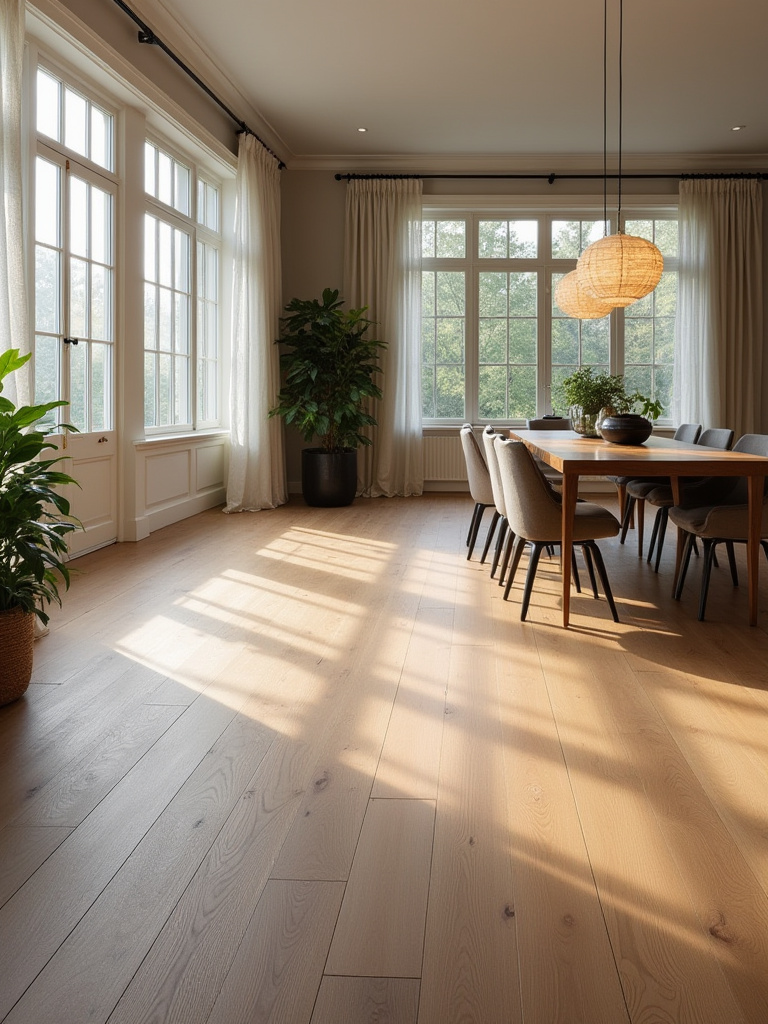
For families or wine lovers, luxury vinyl plank (LVP) flooring is a game-changer. Modern LVP mimics natural materials like wood or stone with remarkable realism and stands up to heavy use and spills. I installed a dark, wide-plank LVP in a client’s dining room, and when a bottle of red wine was accidentally spilled, it wiped up without a trace-true peace of mind.
6. Select a Color Scheme to Enhance Mood and Personality
Color sets the emotional tone of your dining room. Instead of defaulting to neutral shades, consider embracing richer hues that come alive in evening light. Deep blues, forest greens, charcoal grays, or warm terracotta tones create an intimate, enveloping atmosphere that encourages lingering conversations.
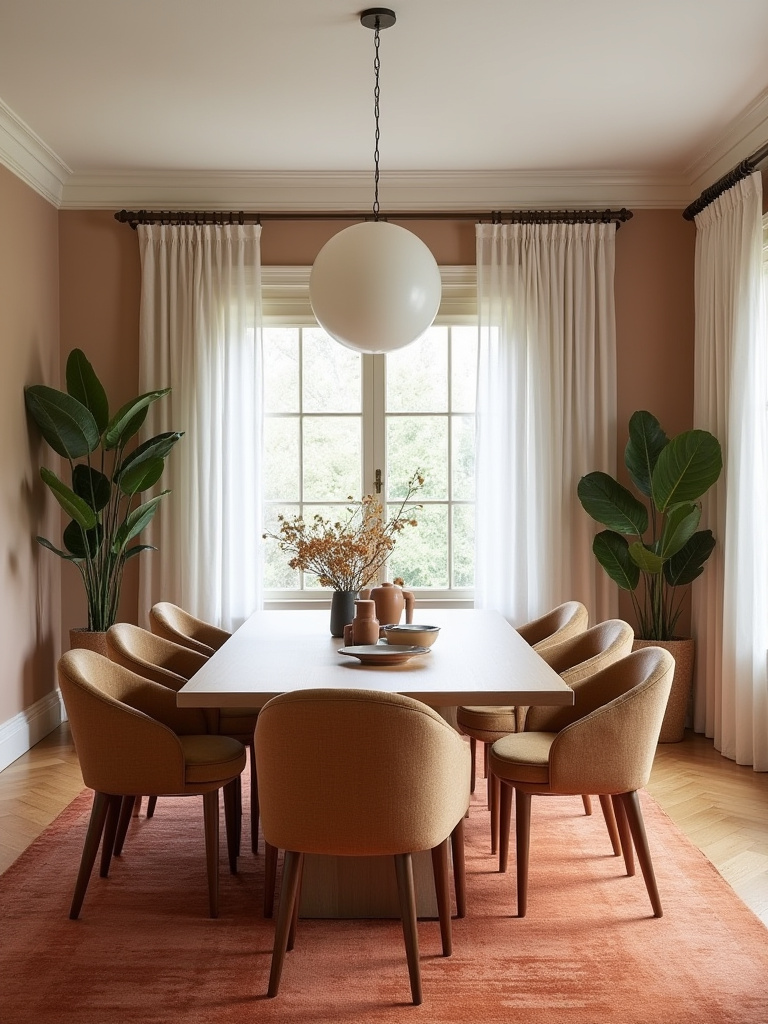
If you’re hesitant, start with an accent wall. Use large paint samples on poster boards and observe how the color shifts throughout the day and under different lighting conditions. Avoid choosing colors from small swatches under artificial lighting, as they can be misleading.
Selecting Furniture and Key Components (Part 1)
Now we arrive at the centerpiece of your dining room-the furniture. These are the investments that will anchor your space for years to come. Prioritize quality, comfort, and timeless design over fleeting trends to create a room that endures.
7. Choose Table Shape and Size to Maximize Seating
While rectangular tables are versatile and classic, round tables excel at fostering inclusive conversation by eliminating hierarchical seating. They work especially well in smaller or square rooms. For flexibility, consider an extendable table that adapts to everyday use and larger gatherings.
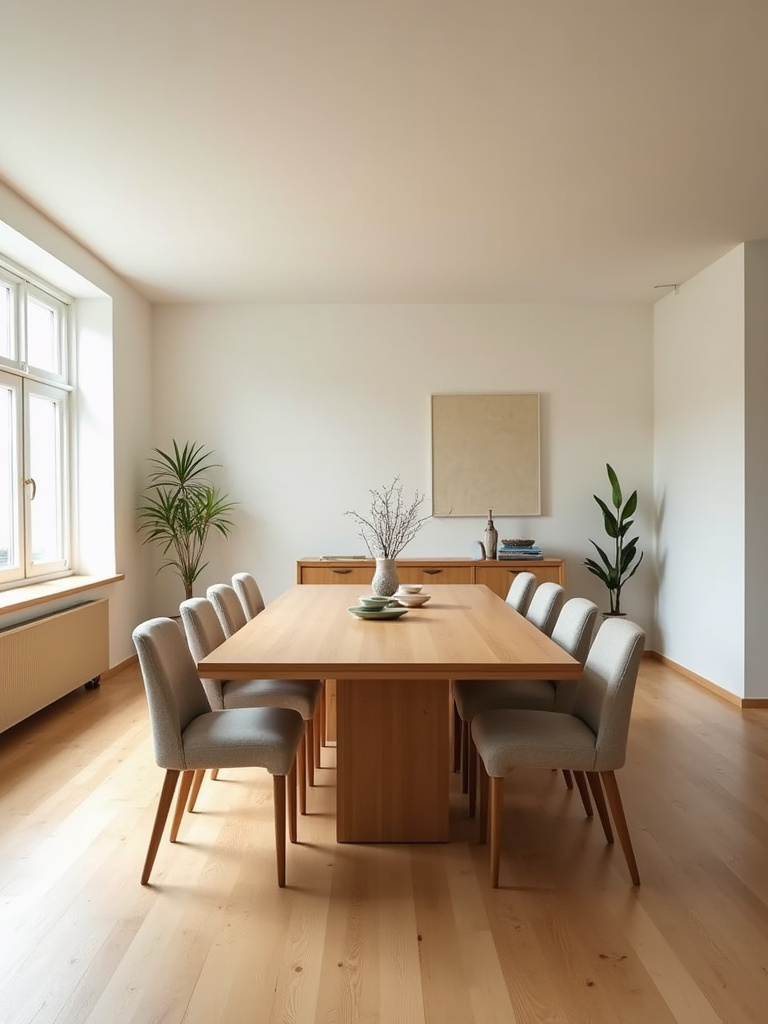
A pedestal base, particularly on round tables, is a clever design choice. It removes obstructive legs at the corners, allowing guests to squeeze in comfortably and maximizing seating capacity.
8. Invest in Ergonomic Dining Chairs for Long-Lasting Comfort
If you take away one piece of advice, let it be this: prioritize your dining chairs over the table. Chairs are the unsung heroes of hospitality. Uncomfortable seating sends a subtle message that it’s time to wrap up the evening, no matter how stunning your table is.
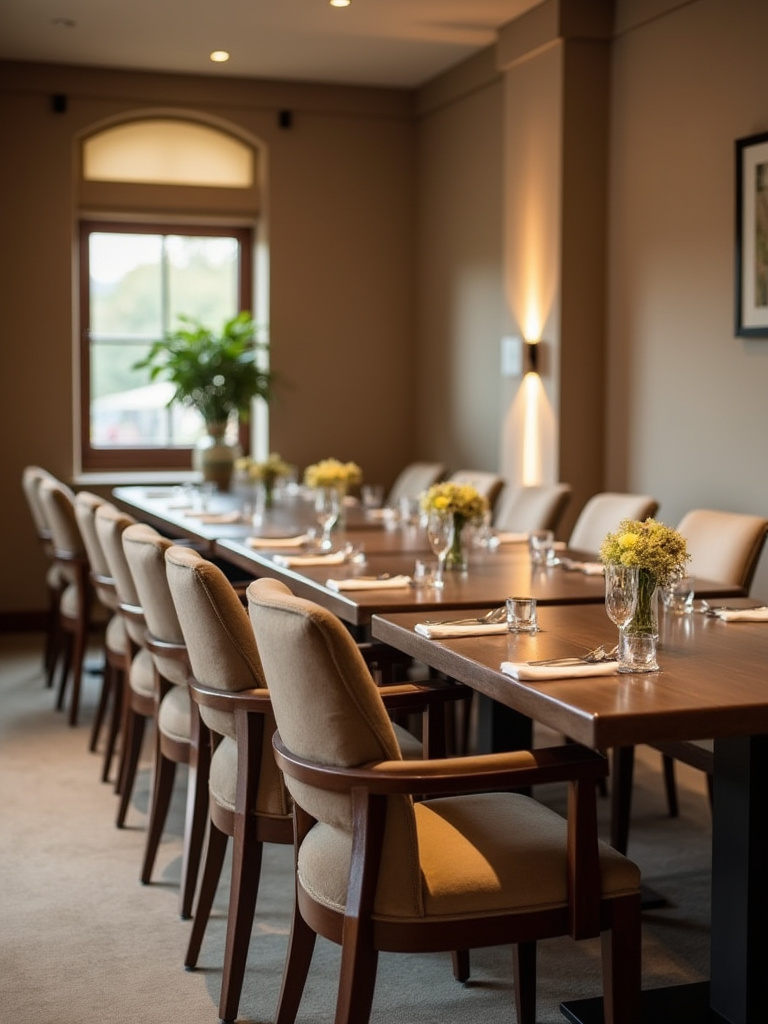
Look for chairs with cushioned seats, supportive backs, and proportions that allow comfortable leg positioning. Always test chairs by sitting in them for at least ten minutes before purchasing. This is where allocating a significant portion of your budget pays off in guest satisfaction and your own enjoyment.
9. Integrate Functional Storage with Sideboards and Buffets
Clutter undermines elegance. A well-chosen sideboard or buffet serves as your operational hub, storing linens, serving dishes, and candles out of sight but within easy reach. This minimizes trips to the kitchen during meals, maintaining the flow of your gatherings.
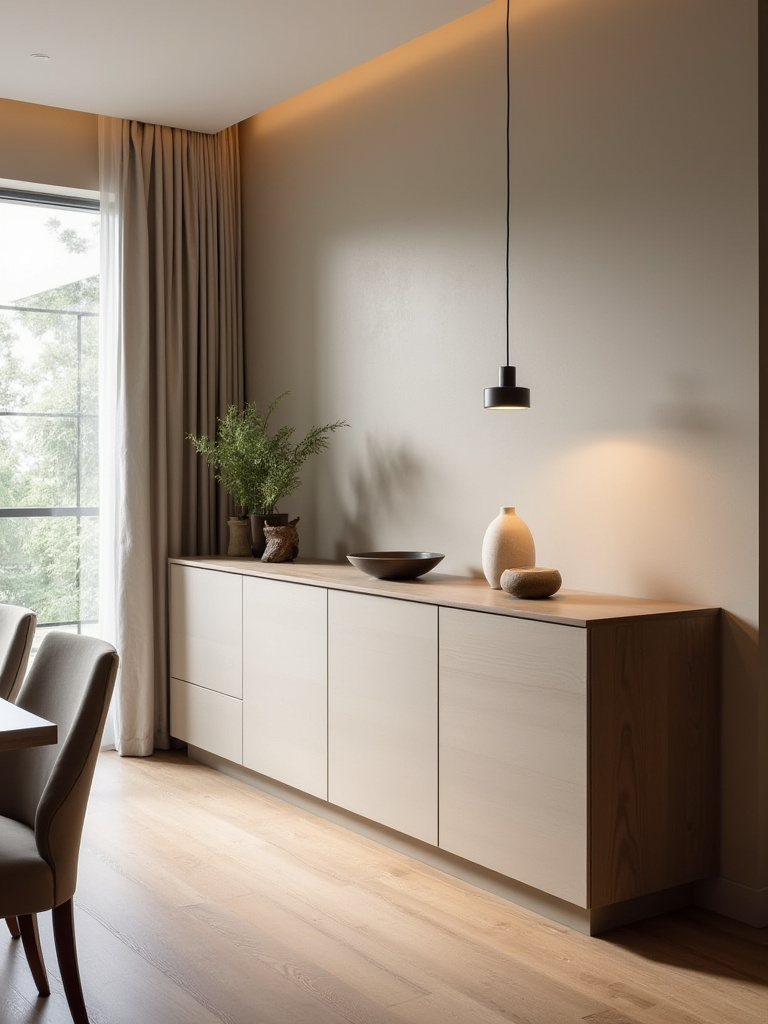
During events, the sideboard doubles as a secondary surface for drinks, desserts, or family-style dishes, freeing up space on the dining table for comfort and presentation. Choose a piece that complements but doesn’t exactly match your dining set to add visual interest.
10. Add Bold Artwork to Create a Focal Point
Artwork breathes life into your dining room, serving as its soul. Don’t shy away from large-scale pieces that command attention. A good rule is to select art approximately two-thirds the width of the furniture beneath it, such as your sideboard.
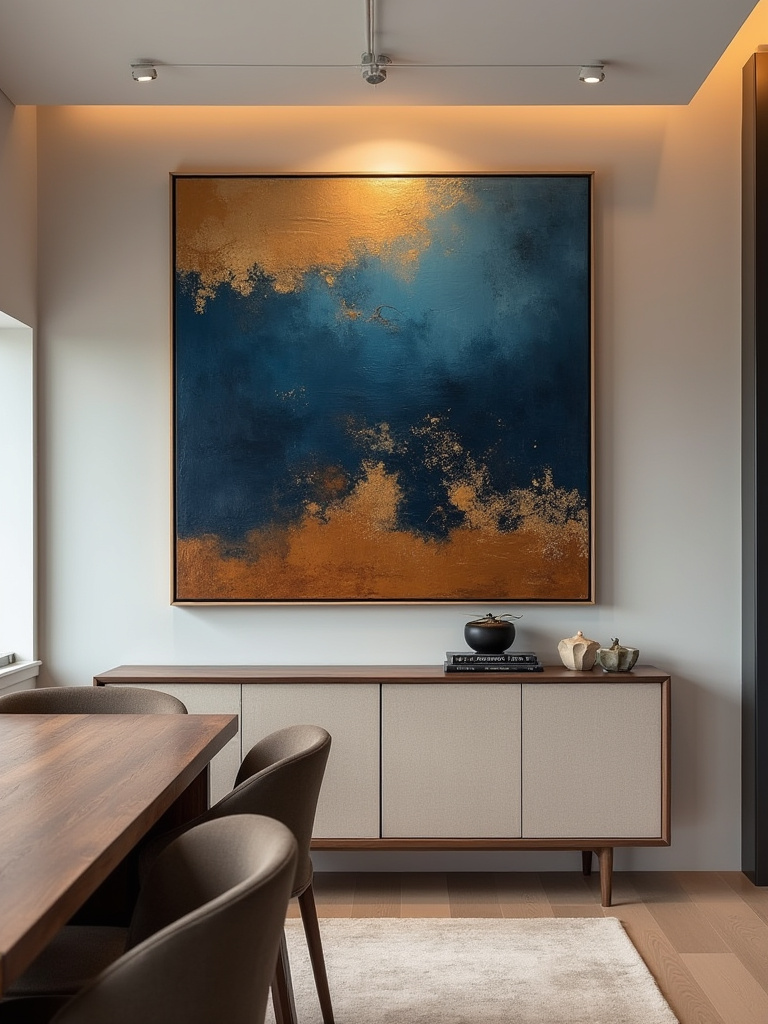
The right piece injects color, energy, and personality, sparking conversation. Hang artwork at eye level-about 57 to 60 inches from the floor to the center of the piece-to ensure it feels connected to the room rather than floating disconnectedly.
Selecting Furniture and Key Components (Part 2)
With the main furniture in place, it’s time to focus on the elements that soften the space and enhance the atmosphere. These finishing touches add warmth, texture, and a sense of thoughtful hospitality that makes your dining room truly inviting.
11. Choose Window Treatments for Light and Privacy Control
Window coverings frame your view and regulate the room’s mood. Bare windows can feel cold and unfinished, especially at night. Layering treatments offers versatility: start with functional options like woven wood shades or roller blinds for privacy and light control, then add decorative drapes for softness and elegance.
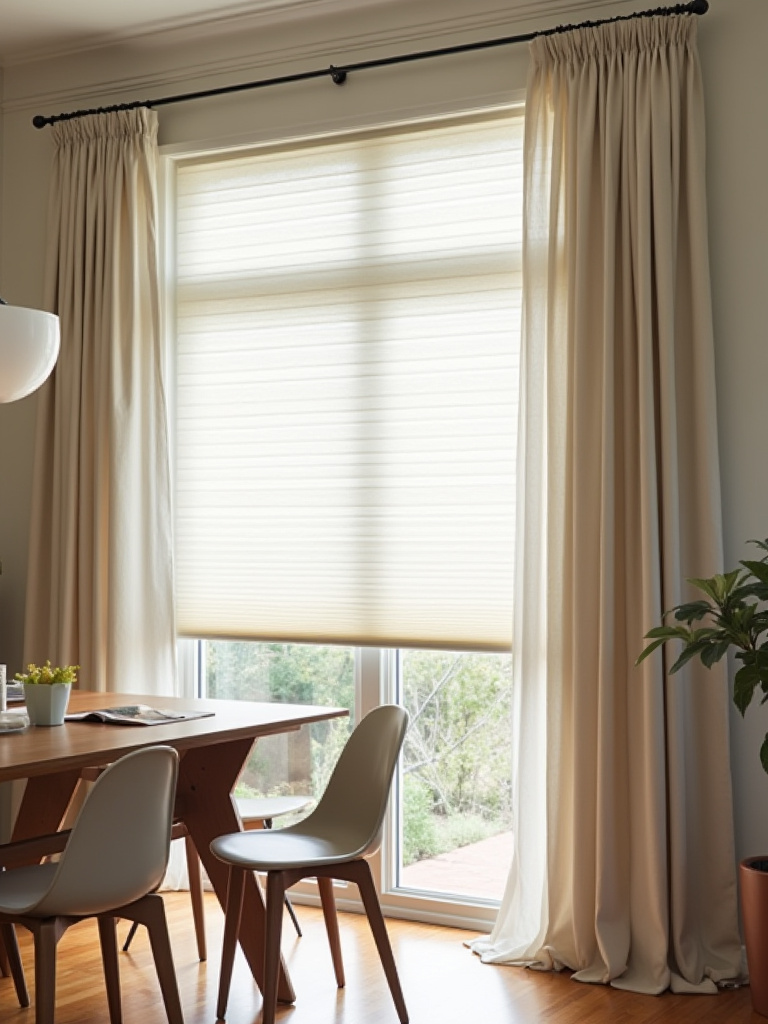
Mount curtain rods high and wide-several inches above the window frame and extending beyond the sides-to create the illusion of larger, grander windows, enhancing the room’s sense of height and occasion.
12. Select an Area Rug to Define and Soften the Space
An area rug anchors your dining set, adds warmth, and improves acoustics by absorbing sound. The rug must be large enough so that all chair legs remain on it even when chairs are pulled out. Typically, this means adding 24 to 36 inches around your table’s dimensions.
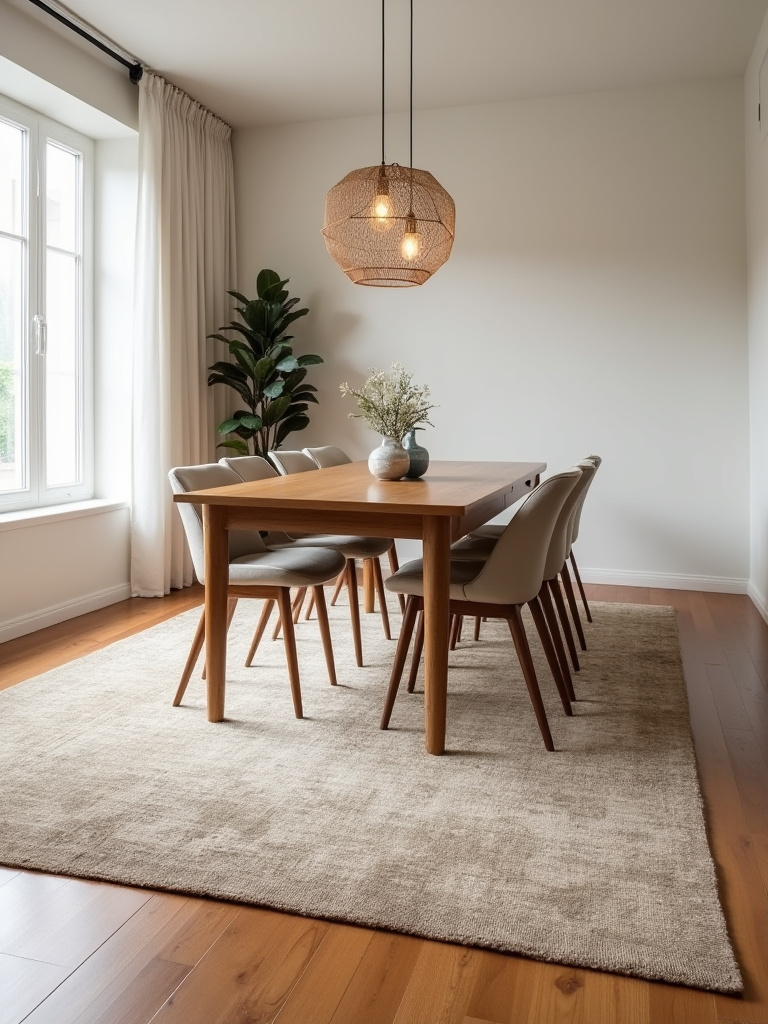
Choose low-pile, easy-to-clean materials like wool or high-quality indoor/outdoor rugs, which offer stain resistance and durability without sacrificing style.
13. Add a Bar or Coffee Station for Enhanced Hospitality
A well-appointed bar cart or coffee station invites guests to serve themselves, fostering a relaxed atmosphere and freeing you from constant hosting duties. Stock a bar cart with essential spirits, glassware, ice, and garnishes for effortless entertaining.
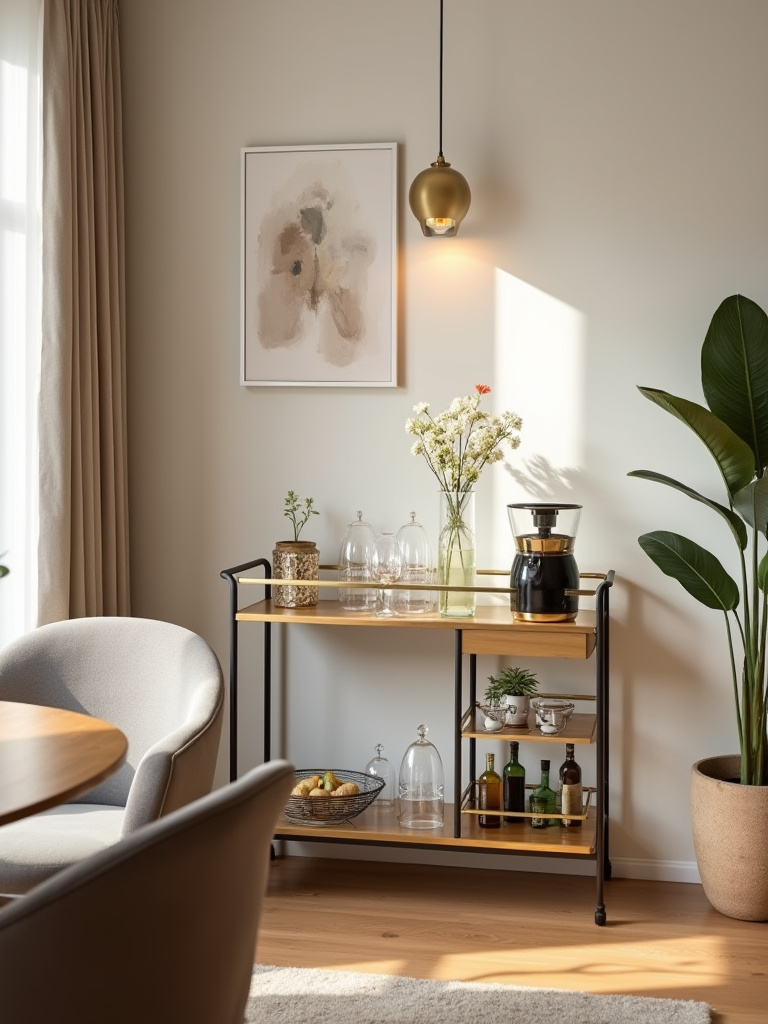
If cocktails aren’t your preference, a coffee bar with a quality machine, cups, and sweeteners offers a charming self-serve option for after-dinner drinks or brunch, enhancing the sense of thoughtful hospitality.
Styling and Final Details (Part 1)
With the structural and furniture elements in place, it’s time to infuse your dining room with personality through styling. These layers add intimacy, visual intrigue, and character, transforming a showroom into a welcoming home.
14. Perfect the Dining Table Centerpiece
Centerpieces should enhance, not obstruct, conversation. Avoid tall floral arrangements that block sightlines. Instead, opt for low, layered displays such as clusters of candles at varying heights, small bud vases with single stems, or bowls filled with seasonal fruits or decorative objects.
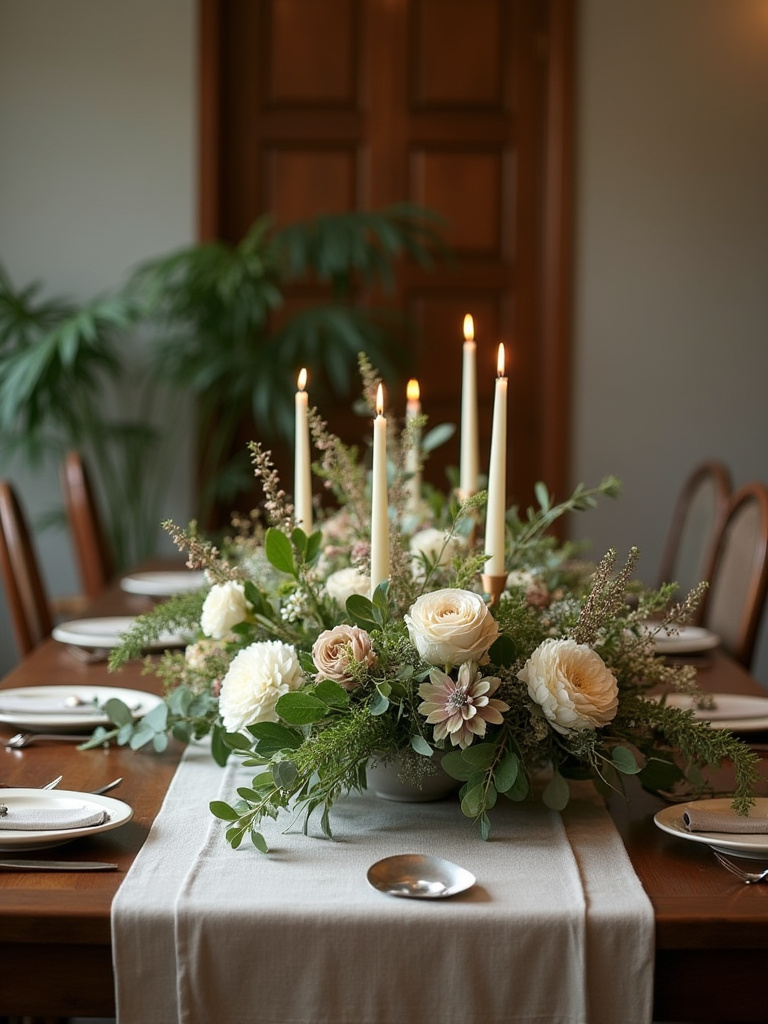
Using a narrow tray or a simple linen runner as a base helps contain the arrangement and gives it a deliberate, curated feel.
15. Add Life with Greenery and Florals
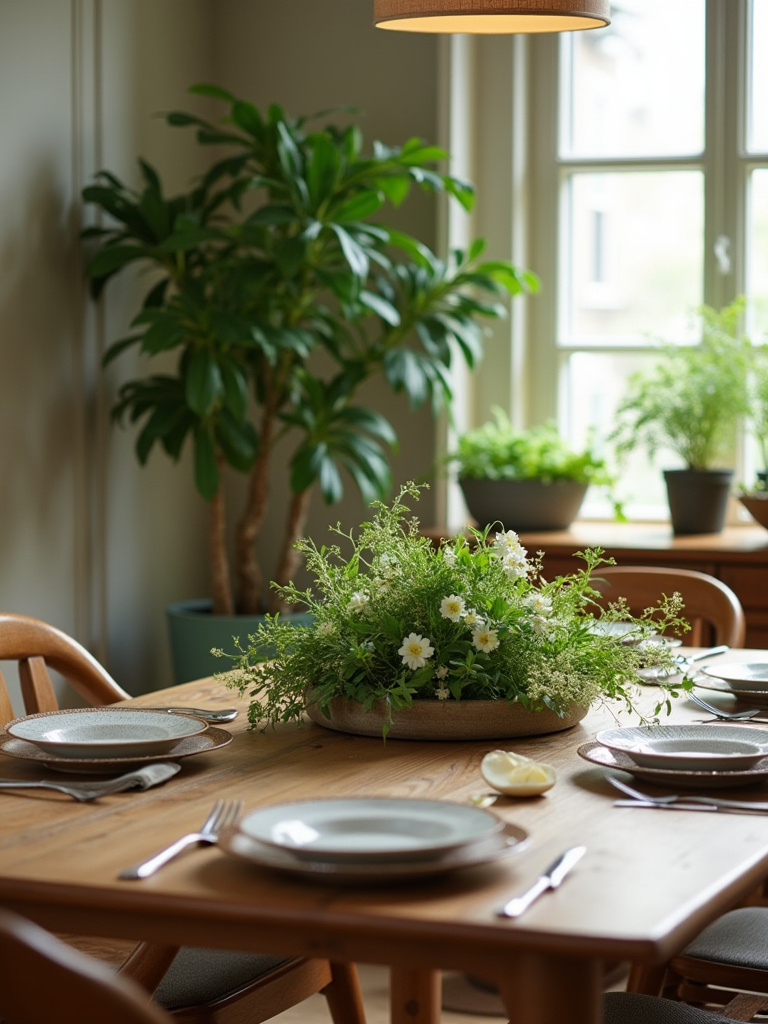
Plants bring vitality and texture to any room. A tall fiddle leaf fig in a corner adds architectural interest, while orchids or fresh-cut branches on a sideboard provide elegant accents. On the table, choose unscented blooms or foliage to avoid competing with the aromas of your meal.
16. Curated Open Shelving and Display Cabinets
Open shelving is a stage for your most beautiful and meaningful items. Edit carefully, displaying only pieces that are functional, beautiful, or tell a story. Leave ample negative space to allow each object to stand out. Group items in odd numbers and vary heights and textures for visual interest.
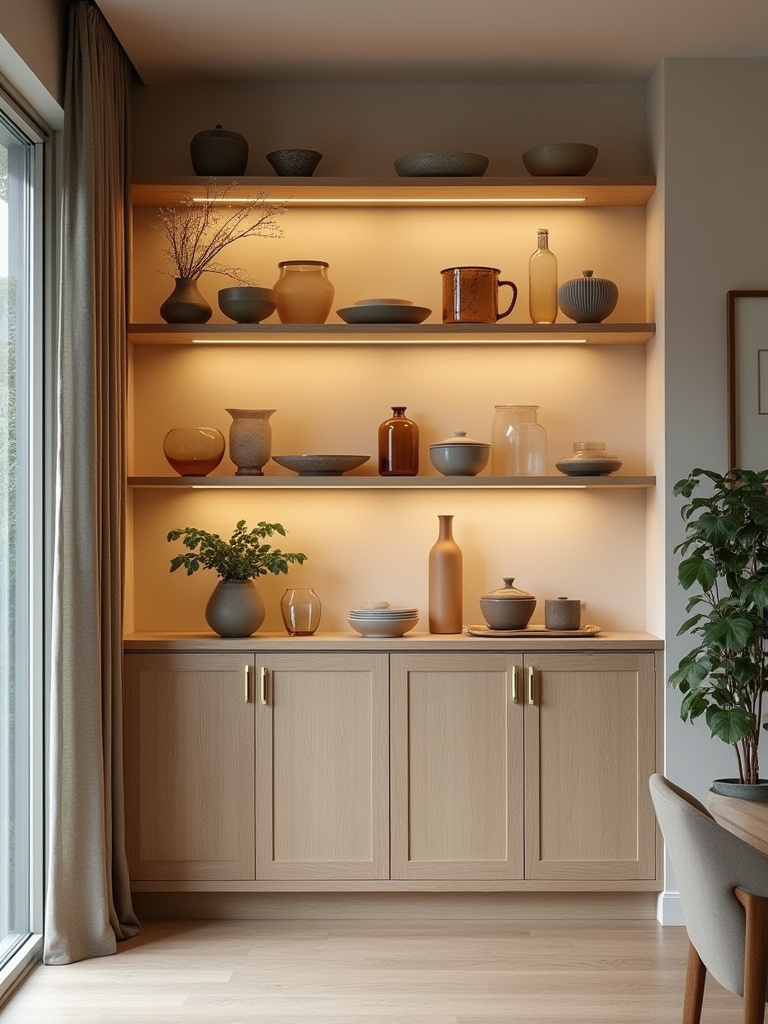
“Every item on display should be beautiful, functional, or tell a story. If it doesn’t fit one of those categories, it probably doesn’t belong.”
17. Layer Textures with Textiles and Decor
Texture enriches a room’s sensory experience. Combine smooth wood surfaces with nubby linen runners, crisp cotton napkins, matte ceramics, and sparkling glassware for a harmonious tactile interplay. Add velvet or wool cushions to chairs for comfort, and a plush rug underfoot to contrast with hard flooring.
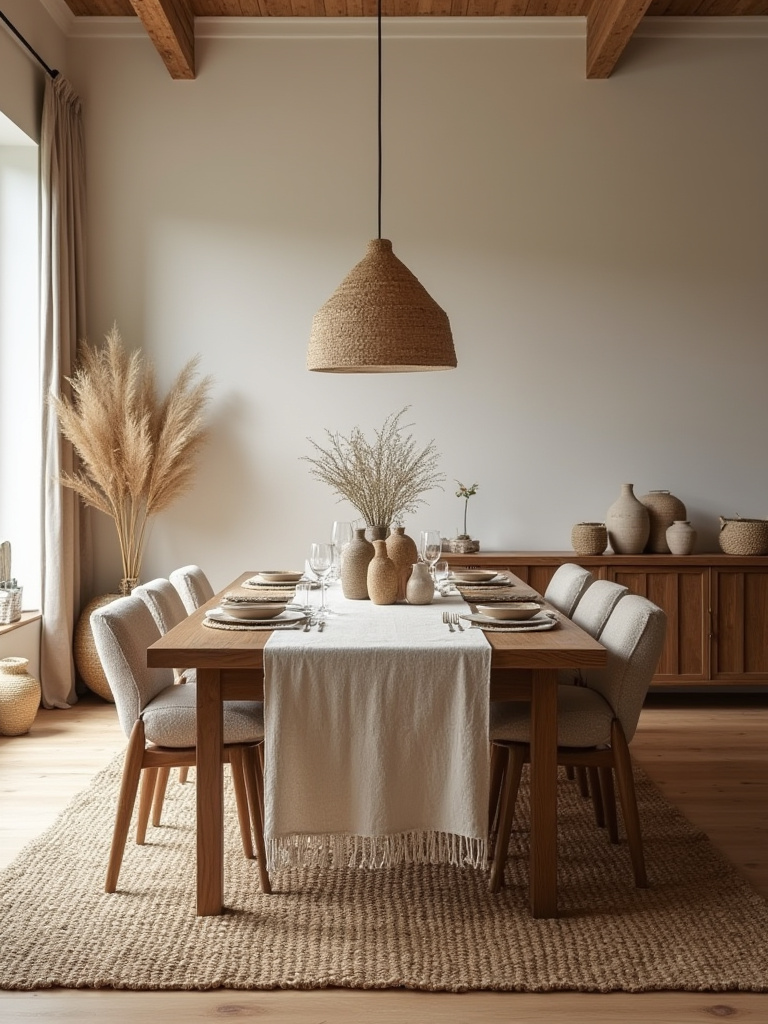
On sideboards, mix materials like smooth marble trays with woven baskets to create a rich, layered environment that feels thoughtfully curated and inviting.
Styling and Final Details (Part 2)
We’re nearing the finish line. These final touches polish your dining room, enhancing its natural qualities and embedding your personal story into the space.
18. Use Mirrors to Enhance Space and Light
Mirrors are a classic design tool to amplify light and create the illusion of spaciousness. Position a large mirror opposite a window to reflect natural light and outdoor views, brightening and visually expanding the room.
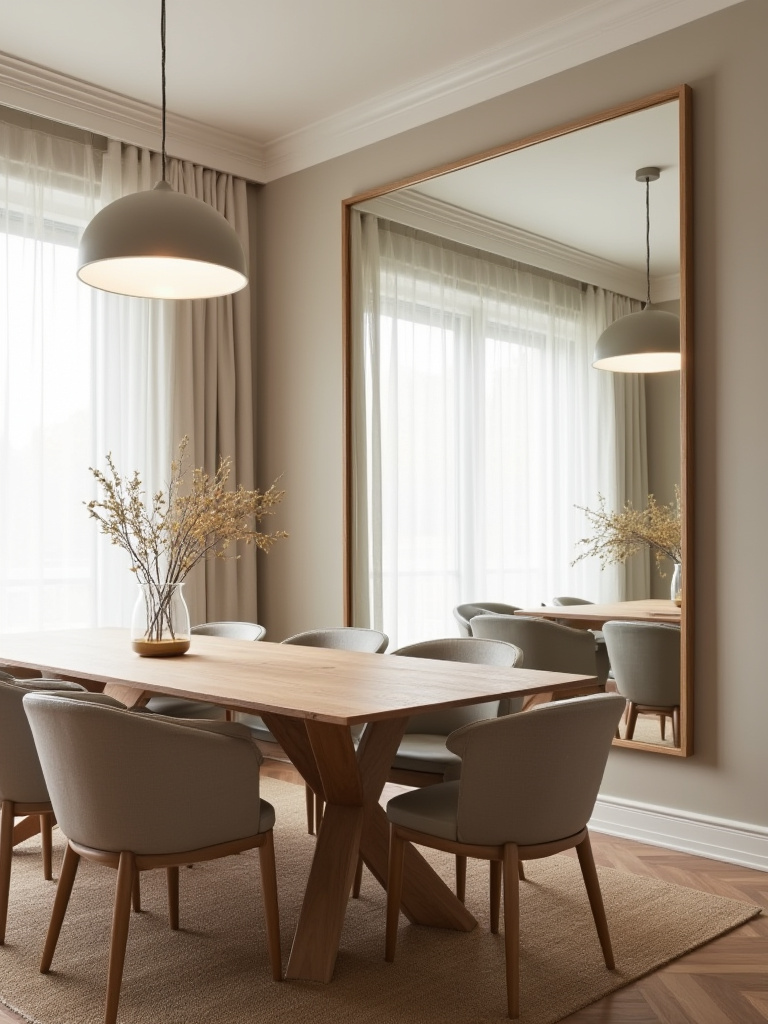
Select a mirror frame that complements your room’s style and functions as an art piece. Be mindful of what the mirror reflects-avoid cluttered or dull views, instead aiming to capture your chandelier, artwork, or a beautiful outdoor scene.
19. Infuse Personal Touches to Tell Your Story
Personal elements transform a well-designed room into a warm home. Display family photos, heirlooms, or souvenirs that carry meaning. These items spark conversations and make your dining room uniquely yours.
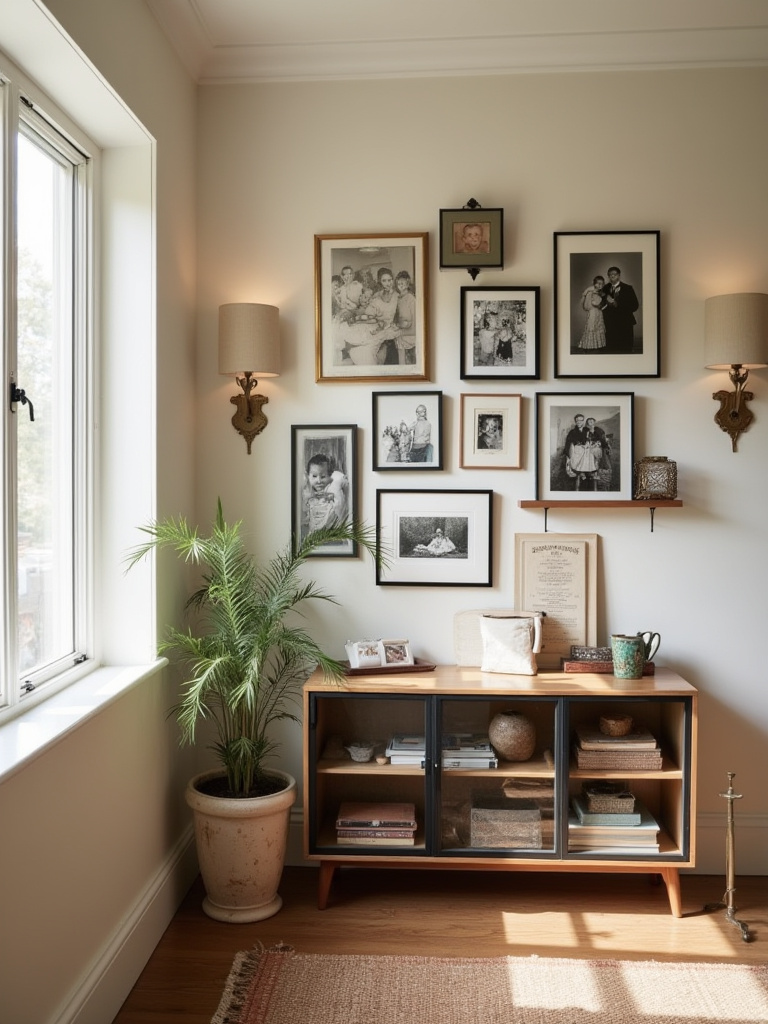
For instance, a client framed her children’s early artwork in elegant mats and simple frames, creating a gallery that felt like fine art but was deeply personal. These thoughtful touches imbue your space with heart and authenticity.
Conclusion: Reimagining Your Dining Room
Designing a dining room that inspires isn’t about mimicking a single style; it’s a layered process that balances function, comfort, and personality. Start with an honest evaluation of your space and lifestyle, then build a room that feels right in every sense. This is a place to slow down, connect, and create lasting memories.
Your dining room can become the heart of your home-the space that draws people in and keeps them engaged with good food and meaningful conversation. Don’t hesitate to make bold choices, invest in quality, and weave your story into the design. Begin with one small change, like installing dimmer switches or selecting a striking piece of statement artwork, and watch your dining room transform into a space where everyone wants to linger.