When it comes to updating a kitchen, many homeowners find themselves stuck on one particular element: the backsplash. It’s not the countertops or the cabinetry that cause hesitation-it’s that narrow strip of wall that sits right at eye level, demanding attention every day. The backsplash can feel like a permanent decision, which makes choosing the right one a daunting task.
Here’s the insider tip: your backsplash is actually the unsung hero of your kitchen design. It offers a fantastic opportunity to inject personality and style without breaking the bank. Think of it as the finishing touch that harmonizes all your kitchen elements. Just like in art, where the background supports the subject, your backsplash sets the tone for the entire space. Let’s cut through the noise of endless online inspiration and focus on practical, effective choices. I’ll guide you through the process as if we’re selecting tiles side by side.
Foundations of Backsplash Design: Smart Planning for Success
Before diving into the exciting world of patterns and textures, it’s crucial to lay a solid foundation. This preparatory phase might seem tedious, but investing time here will save you from costly mistakes and regrets down the line. Proper planning is the difference between a backsplash you adore and one you wish you’d skipped.
1. Identify Your Kitchen’s Design Language
Pause before pinning another trendy tile photo. Take a moment to assess your kitchen’s existing style. Are your cabinets sleek and minimalist, or do they feature ornate detailing? Is your countertop a vibrant granite or a subtle quartz? The goal is to find a backsplash that complements your kitchen’s character rather than clashes with it. It should feel like a natural extension, not an alien addition.
For example, a friend once chose rustic, handcrafted terracotta tiles for her ultra-modern kitchen with glossy white cabinets and stainless steel fixtures. The result was a visual conflict that led to a costly removal within months. To avoid this, collect large tile samples and place them in your kitchen environment. Observe how they look in different lighting throughout the day. Your kitchen’s ambiance will guide you to the perfect match.
Once you understand your kitchen’s style, selecting the right backsplash material becomes a much smoother process.
2. Budget Wisely: Achieving Luxe Looks Without Overspending
Backsplashes can range from budget-friendly to extravagant. Establish your budget upfront and seek the best options within that range. Remember, tile cost is just the beginning. Factor in additional expenses like adhesive, grout, sealers, and any necessary tools. Always purchase 10-15% extra tile to cover cuts, mistakes, and future repairs-running out mid-project is a hassle you want to avoid.
A clever cost-saving strategy is the “feature zone” approach. Use a premium, eye-catching tile in a focal area-such as behind the stove-while surrounding it with more affordable complementary tiles. This technique delivers a high-impact look without the high price tag. I applied this in my own kitchen by installing a small section of hand-painted tile behind the range, paired with simple ceramic tiles elsewhere. The result? A designer-worthy backsplash that impressed guests, with a budget-friendly secret.
3. Decide on the Ideal Backsplash Height
How far up the wall should your backsplash extend? The traditional 4-inch backsplash aligned with the countertop is increasingly seen as outdated and impractical. Cooking splatters often reach well above that height. The modern standard is to tile from the countertop all the way to the bottom of the upper cabinets, offering full protection and a cohesive look.
For added drama, consider extending the backsplash to the ceiling in areas without upper cabinets, such as around windows or behind the stove. This design trick visually elongates the room and adds a custom, upscale feel. Mixing heights-full height behind the stove and shorter elsewhere-is also a smart way to balance aesthetics and budget.
4. Assess Your Kitchen’s Usage and Cleaning Needs
Before committing to a delicate or porous tile, honestly evaluate your cooking habits. Are you a casual cook who relies on takeout, or do you frequently prepare messy, splatter-prone meals? Do children often turn the kitchen into a creative splash zone? Your backsplash must be both beautiful and resilient.
Porous materials like unsealed marble or travertine can become maintenance nightmares, absorbing stains and grease. For busy kitchens, non-porous surfaces such as porcelain, ceramic, or glass tiles are easier to clean. Additionally, larger tiles with minimal grout lines reduce scrubbing effort. I once worked with a client who chose rustic, unsealed travertine, only to find it stained beyond repair within a year. Learning from that, I recommend prioritizing durability alongside style.
5. Harmonize with Existing Surfaces
Your backsplash should complement your countertops and cabinetry, not compete with them. Pay close attention to undertones-whether your gray countertop leans cool or warm can drastically affect the backsplash’s appearance. Mismatched undertones create visual dissonance.
Bring tile samples home and place them next to your counters and cabinet doors. If your countertops are busy with patterns, opt for a simple backsplash to avoid visual overload. Conversely, if your kitchen surfaces are understated, a bold, patterned backsplash can add exciting flair. Think of it like fashion: balance a statement top with neutral bottoms.
Exploring Backsplash Styles and Materials: From Timeless to Trendy
With the groundwork complete, it’s time to explore the diverse materials and styles that can transform your kitchen’s personality. Here are some standout options to consider.
6. Timeless Charm: The Versatility of Subway Tiles
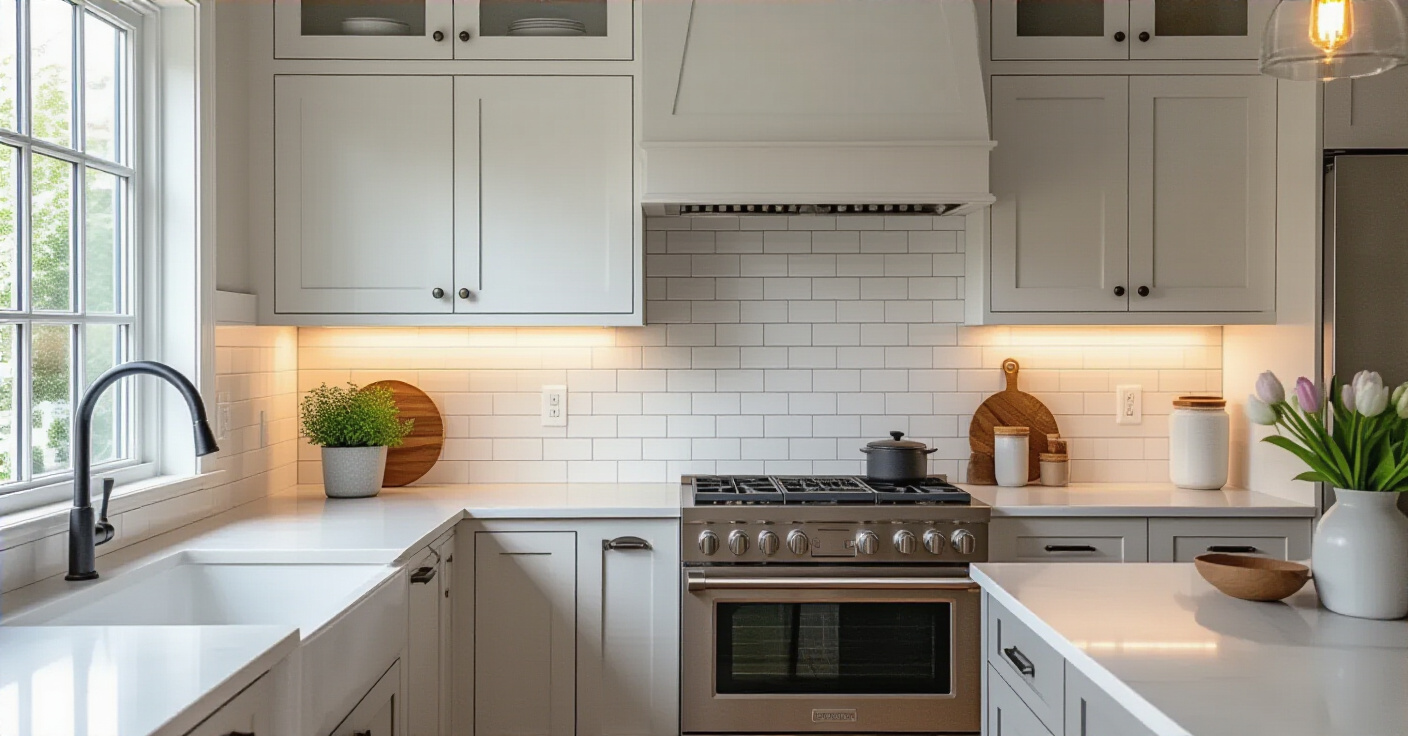
Subway tiles are the design equivalent of a classic white tee-simple, adaptable, and endlessly stylish. They fit seamlessly into any kitchen style, from rustic to contemporary, and are budget-friendly and durable. If you’re uncertain, subway tile is a reliable choice.
To personalize this classic, experiment with tile layout, grout color, and finish. Try stacking tiles vertically for a modern twist or using contrasting grout to highlight the pattern. For instance, white tiles with dark grout create a striking graphic effect that elevates the space.
7. Sophisticated Luxury: Embracing Natural Stone
Natural stone backsplashes-such as marble, granite, or quartzite-offer unparalleled elegance and uniqueness. Each slab is a natural masterpiece, making your kitchen truly one-of-a-kind. Selecting your slab at a stone yard is like choosing a large-scale artwork for your home.
However, natural stone requires upkeep. Its porous nature means it can stain or etch from acidic spills. Regular sealing is essential to maintain its beauty. If you’re willing to invest in this care, natural stone delivers a timeless, luxurious ambiance.
8. Contemporary Flair: Geometric and Patterned Tiles
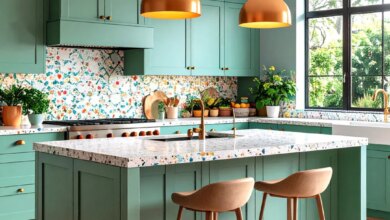
For those seeking a bold statement, geometric shapes like hexagons, chevrons, or fish scales inject energy and personality into the backsplash. These patterns transform the backsplash from a background element into a focal point.
Balance is key: pair intricate patterns with a restrained color palette to avoid overwhelming the space. For example, a deep teal fish scale tile against white cabinetry creates a stunning, artful effect that feels both modern and sophisticated.
9. Light-Enhancing Glass Tiles
In kitchens with limited natural light or compact layouts, glass tiles are a brilliant choice. Their reflective surfaces amplify light, making the space feel larger and more inviting. Available in countless colors and finishes, glass tiles can add subtle shimmer or bold gloss.
Maximize their impact with under-cabinet lighting, which creates a radiant glow and highlights the tile’s texture. A small, windowless kitchen can be transformed from dim to dazzling with this approach.
10. Glamorous Metallic and Mirrored Finishes
If your style leans toward the dramatic, metallic or mirrored backsplashes offer a dazzling effect. Stainless steel evokes a professional kitchen vibe, while warm copper or brass adds trendy luxury. Antiqued mirrors bring vintage Hollywood glamour.
Use these finishes sparingly-such as a feature panel behind the stove-to avoid overwhelming the room. Paired with matte cabinetry and countertops, they create a striking contrast and a sense of spaciousness.
11. Handcrafted Warmth: Zellige and Terracotta Tiles
For a kitchen that feels inviting and full of character, handmade tiles like Moroccan Zellige or terracotta are perfect. Each tile’s subtle variations in color and texture create an organic, artisanal surface that tells a story.
These tiles require sealing to protect against stains and moisture. Embrace their imperfections by mixing tiles from different boxes to distribute variations evenly. The result is a backsplash rich in warmth and personality, impossible to replicate with mass-produced options.
Innovative Backsplash Ideas: Beyond the Basics
Now that you know your materials, let’s explore creative ways to apply them for maximum impact.
12. Dramatic Ceiling-High Backsplashes
Extending your backsplash all the way to the ceiling creates a stunning vertical statement, especially on walls without upper cabinets. This technique visually raises the ceiling and turns the backsplash into a large-scale artwork.
Large-format tiles with subtle patterns or textures work beautifully here, offering a luxurious, custom feel that’s more accessible than ever thanks to modern tile options.
13. Highlighting the Range Hood Area
The space behind your stove naturally draws the eye. Using a distinctive tile or slab here creates a captivating focal point without the expense of tiling the entire kitchen in premium materials.
Think of it as hanging a masterpiece in your kitchen’s gallery. Whether framed with simple tiles or left as a bold standalone panel, this area is perfect for showcasing your most striking backsplash choice.
14. Combining Materials for a Layered Look
Mixing two backsplash materials adds depth and individuality. Use one material for the majority of the space and a contrasting one as an accent, following an 80/20 ratio to maintain balance.
For example, pair classic subway tiles with a small section of patterned cement tile or combine sleek modern tiles with rustic wood panels. This approach invites creativity and personalization.
15. Integrating Open Shelving
Breaking up a large backsplash with open shelves adds warmth and functionality. Display your favorite mugs, cookbooks, or plants to create a curated, lived-in feel.
Wood shelves against cool tiles like marble or white ceramic provide a beautiful textural contrast, softening the space and making it more inviting.
Finishing Touches: Protecting and Enhancing Your Backsplash
With your backsplash installed, attention to detail ensures it remains stunning and functional for years.
16. The Power of Lighting
Even the most exquisite backsplash can go unnoticed without proper lighting. Under-cabinet LED strips are essential, providing task lighting and making your backsplash glow. Choose warm white tones for a cozy atmosphere or cooler whites for modern kitchens. Installing a dimmer switch allows you to adjust the mood from bright prep light to soft ambiance.
17. Peel-and-Stick Tiles: A Modern Budget-Friendly Solution
Peel-and-stick tiles have evolved dramatically. Today’s options offer realistic textures and patterns, from subway tiles to marble and mosaics, making them ideal for renters or quick updates.
Success hinges on meticulous surface preparation-clean, smooth, and dry walls are a must. When done right, peel-and-stick backsplashes can be installed in a few hours for under $100, delivering instant kitchen transformation.
18. Choosing the Right Grout Color
Grout color is a subtle but powerful design element. Contrasting grout highlights tile patterns, while matching grout creates a seamless look. Avoid pure white grout in kitchens-it stains quickly and is hard to maintain. Instead, opt for light gray, beige, or greige tones for a clean yet forgiving finish.
For durability, consider epoxy or urethane grout, which resists stains and moisture better than traditional grout, making it a worthwhile investment.
19. Maintaining Your Backsplash’s Freshness
Keep your backsplash looking pristine by wiping spills immediately. Daily cleaning with a soft cloth and mild soap is usually sufficient. For deeper cleaning, use pH-neutral cleaners safe for your tile type-never harsh chemicals on natural stone.
A handheld steam cleaner is a fantastic tool for grout lines, removing grime without chemicals. Remember to reseal natural stone and cement grout every couple of years to protect against stains and wear.
Your Kitchen’s Next Chapter Starts Here
Choosing and installing a backsplash might seem intimidating, but it’s one of the most impactful and rewarding kitchen projects you can undertake. It’s your chance to express your style, enhance your space, and enjoy a kitchen that feels truly yours.
Gather samples, sketch ideas, and embrace the process. Your kitchen is the heart of your home-make it a place that delights you every time you step inside. You’re ready to create something amazing!