
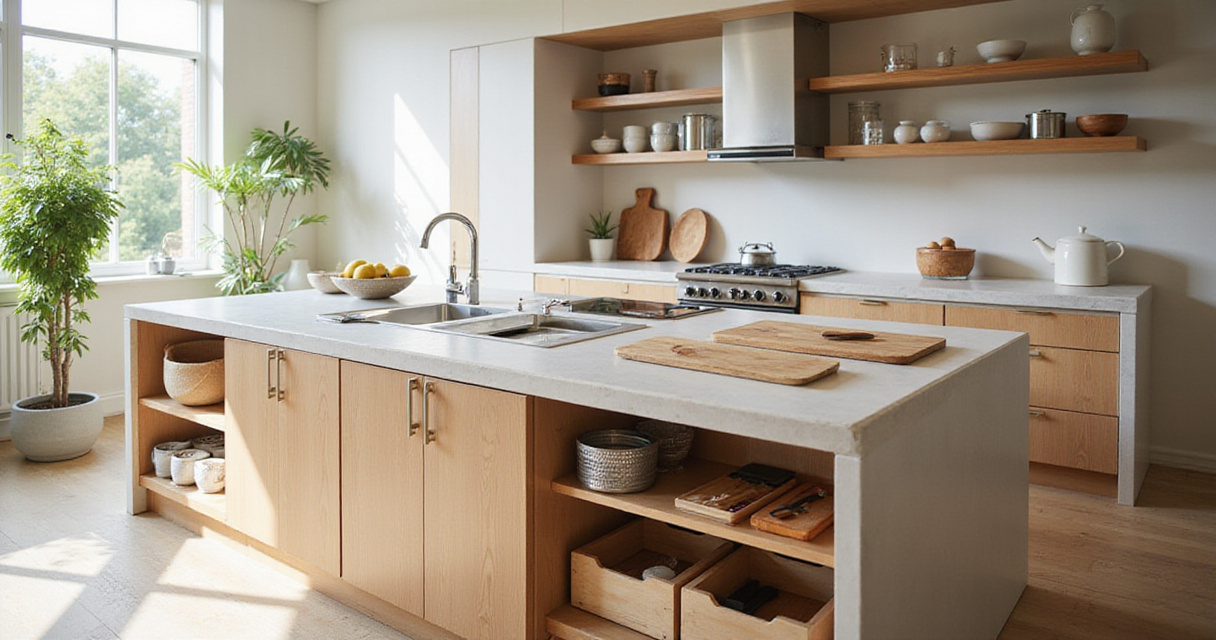
The kitchen has transcended its original purpose as merely a place to cook. It now functions as the vibrant hub of contemporary homes-a spot where mornings begin with coffee, children focus on schoolwork, and friends gather for relaxed evenings. Central to this evolution is the kitchen island, a multifunctional feature that can redefine how you interact with your kitchen space.
Designing an effective kitchen island goes well beyond choosing a stylish countertop. The best islands harmonize aesthetics with practicality, crafting a workspace that streamlines everyday tasks while mirroring your unique taste. From enhancing movement flow to incorporating clever storage options, every element influences your kitchen’s usability for years ahead.
However, the process can be overwhelming given the myriad of design choices, and missteps can lead to costly regrets. Poorly positioned islands can cause congestion, insufficient storage can frustrate, and incompatible materials may disrupt your kitchen’s visual harmony. Yet, with thoughtful planning, your island can become the transformative centerpiece that elevates your entire kitchen experience.
To assist you in this journey, we’ve compiled 19 inventive kitchen island concepts alongside vital planning tips. Whether you’re undertaking a full remodel or simply updating your space, these guidelines will help you craft an island that is both stunning and supremely functional.
Clarify Your Island’s Main Function
Outstanding kitchen islands start with a clear understanding of their primary role. Instead of trying to cram every feature into one unit, focus on one or two key purposes-be it maximizing storage, creating a convivial dining area, or dedicating space for food preparation. This targeted strategy avoids the pitfall of an island that tries to do everything but excels at nothing.
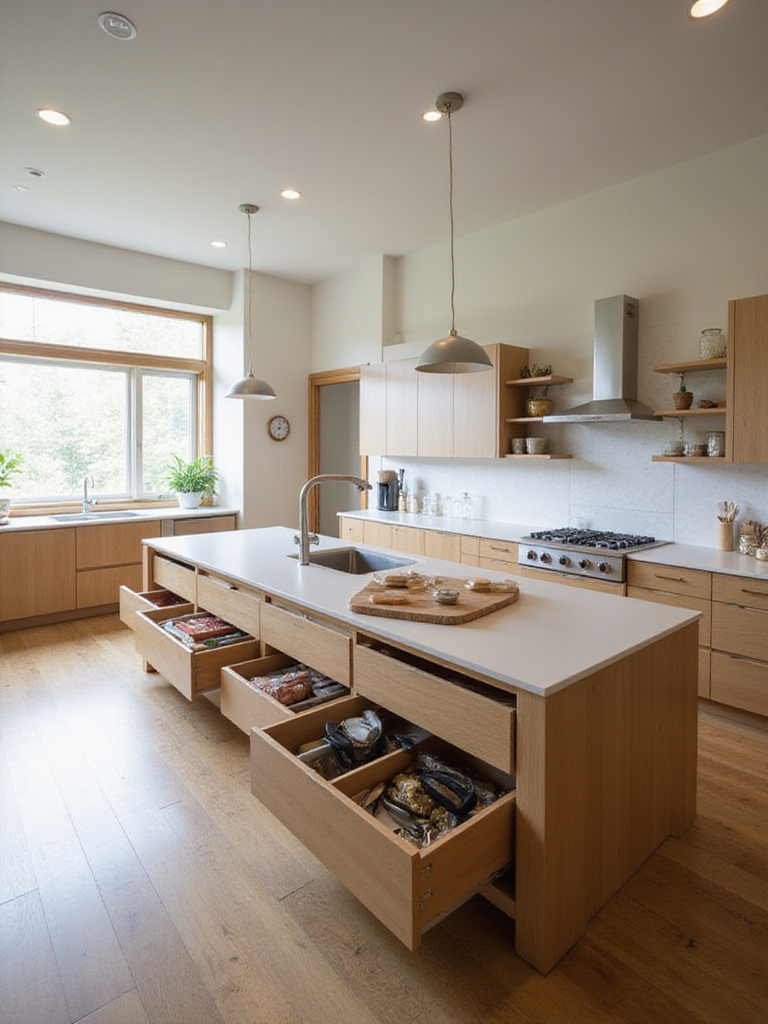
Design experts stress that your island’s function should guide all subsequent choices-from size and location to materials and features. For example, a storage-centric island might prioritize deep drawers over seating, while a social island emphasizes comfortable stools and extended countertops. Defining these priorities early ensures your investment aligns with your lifestyle rather than fleeting trends.
Moreover, this intentional design approach supports sustainability by minimizing waste and enhancing long-term satisfaction with your kitchen.
Determine Ideal Sizing for Efficient Movement
Adhering to established guidelines, such as those from the National Kitchen and Bath Association, is crucial for creating a kitchen that flows smoothly. Maintaining at least 42 inches of clearance around your island allows multiple people to work simultaneously without congestion or safety hazards. This space accounts for open appliance doors and natural kitchen traffic patterns.
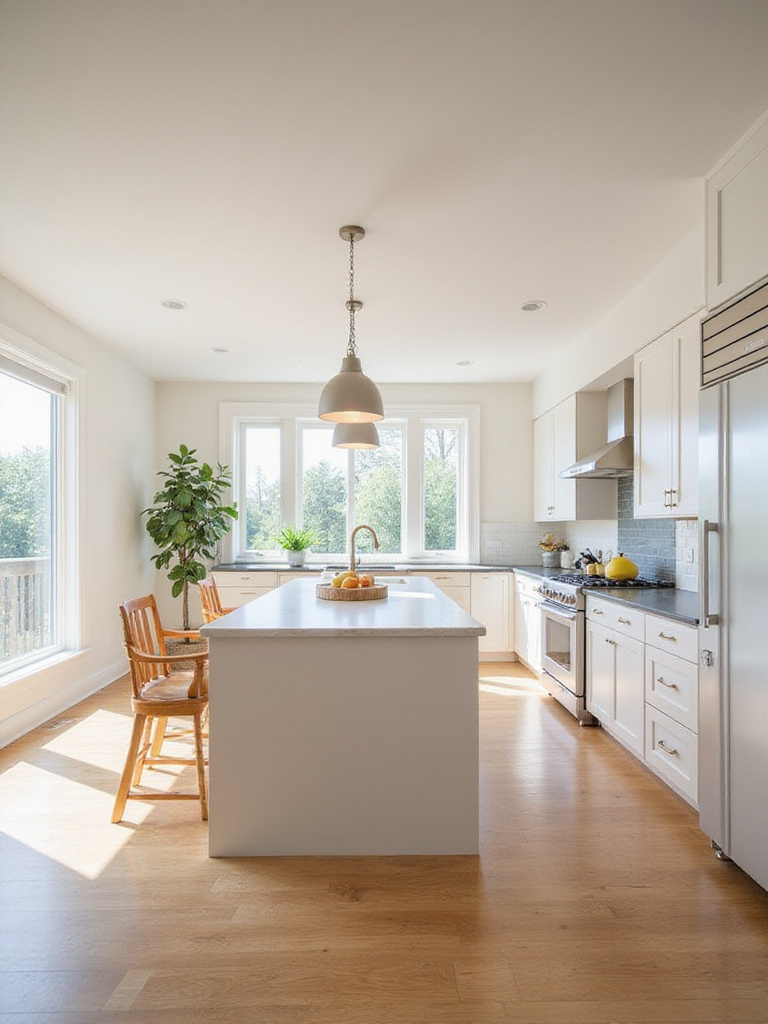
Beyond clearance, consider how the island’s size complements your kitchen’s scale. Oversized islands can dominate small rooms, while tiny islands may feel insignificant in large spaces. A practical tip is to mark the island’s footprint on your floor with painter’s tape, allowing you to physically experience the space before committing.
Simulate daily kitchen activities within this taped area-unloading groceries, cooking, entertaining-to ensure the layout supports your routines comfortably.
Choose Island Forms to Boost Workflow
Rectangular islands remain popular due to their efficient use of space and ample work surface. However, alternative shapes can better suit specific kitchen layouts. L-shaped islands fit snugly into corners, creating defined work zones and guiding traffic flow. Rounded or oval islands soften edges, reducing hazards and fitting well in compact kitchens.
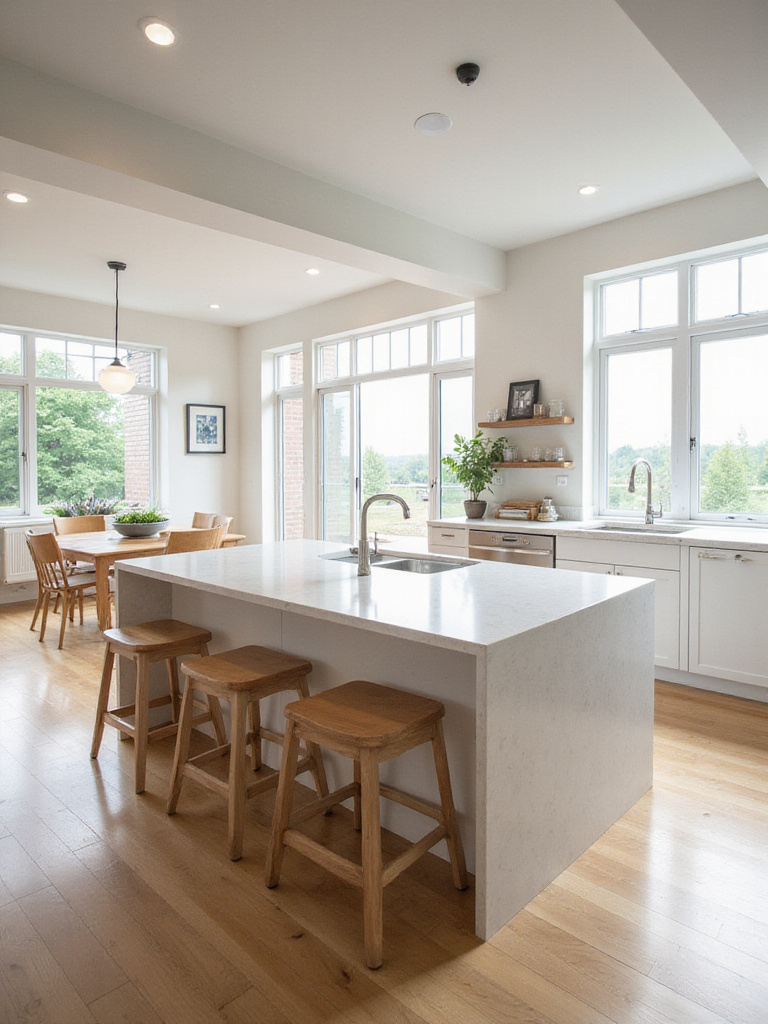
Matching your island’s shape to your kitchen’s layout and traffic patterns is key. Narrow rectangular islands suit galley kitchens by preserving sight lines, while open-plan spaces can accommodate more sculptural forms that serve as visual anchors. A popular hybrid design combines straight sides with curved ends, balancing workspace efficiency with aesthetic softness.
Select Durable Countertop Materials
Engineered quartz has become a top choice for kitchen islands due to its resilience and low maintenance. With a hardness rating that resists scratches and stains, quartz offers consistent color and pattern without the need for sealing. Unlike natural stones such as granite or marble, quartz withstands everyday spills and acidic substances effortlessly.
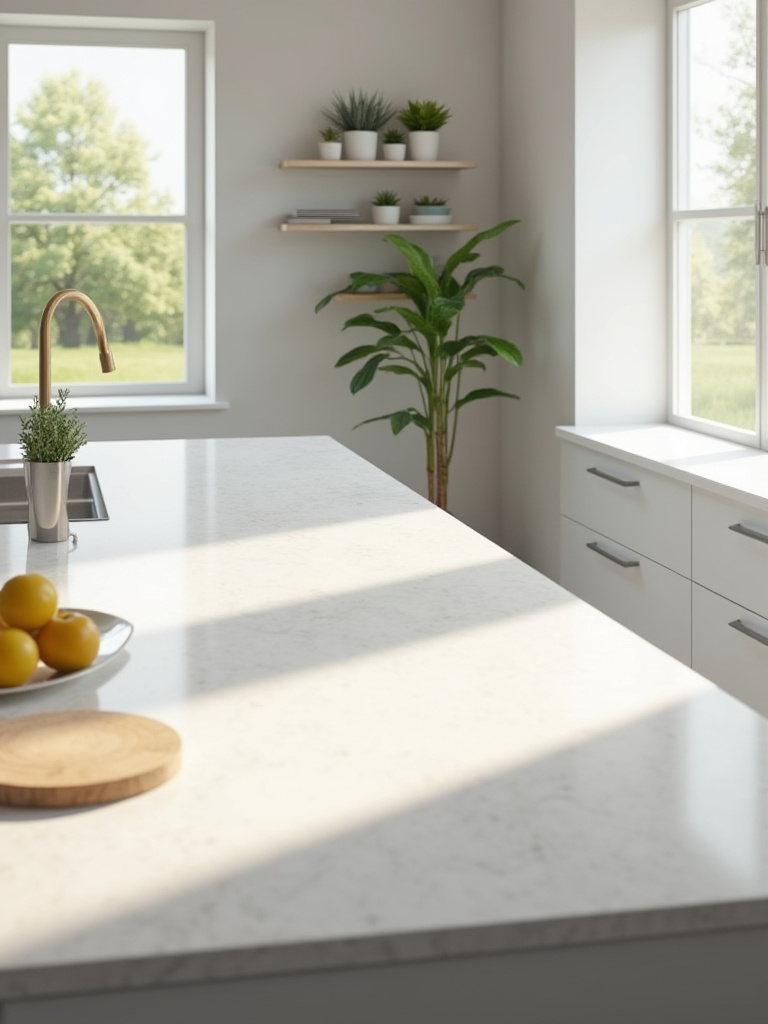
Material choice should align with your island’s intended use and style. Butcher block countertops add warmth and serve as excellent cutting surfaces but require regular maintenance to prevent water damage. Natural stone offers timeless beauty and heat resistance but demands more care. Request samples and test them against common kitchen challenges like coffee, wine, and oils before deciding.
Attention to detail, such as smooth edge profiles and integrated undermount sinks or cooktops, elevates the overall craftsmanship.
Craft Island Bases to Match Your Style
The base of your kitchen island acts as a statement piece, so its finish and design are pivotal. While matching the surrounding cabinetry creates a unified look, contrasting colors or finishes can turn your island into a captivating focal point. For instance, deep forest green or charcoal bases paired with light cabinetry add sophistication and depth.
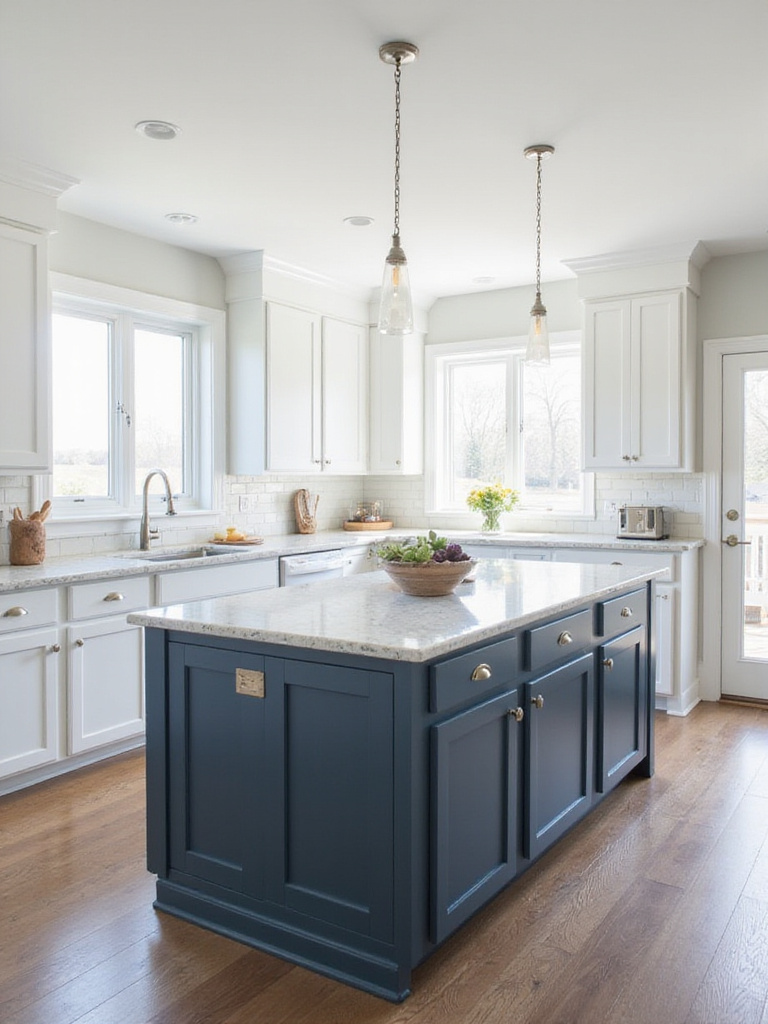
Think of your island as a piece of furniture that complements your home’s architectural style. Shaker-style doors suit traditional and transitional kitchens, while flat-panel designs fit modern aesthetics. The goal is to ensure the island feels intentional-either blending seamlessly or standing out with purpose.
Combining classic door styles with contemporary hardware and unexpected hues offers a fresh take on timeless design.
Incorporate Ergonomic Seating for Socializing
Integrating seating into your island requires careful attention to comfort and space. A 12-inch countertop overhang provides necessary knee room and allows stools to slide under when not in use. Allocating 24 to 30 inches per seat prevents crowding and encourages guests to linger.
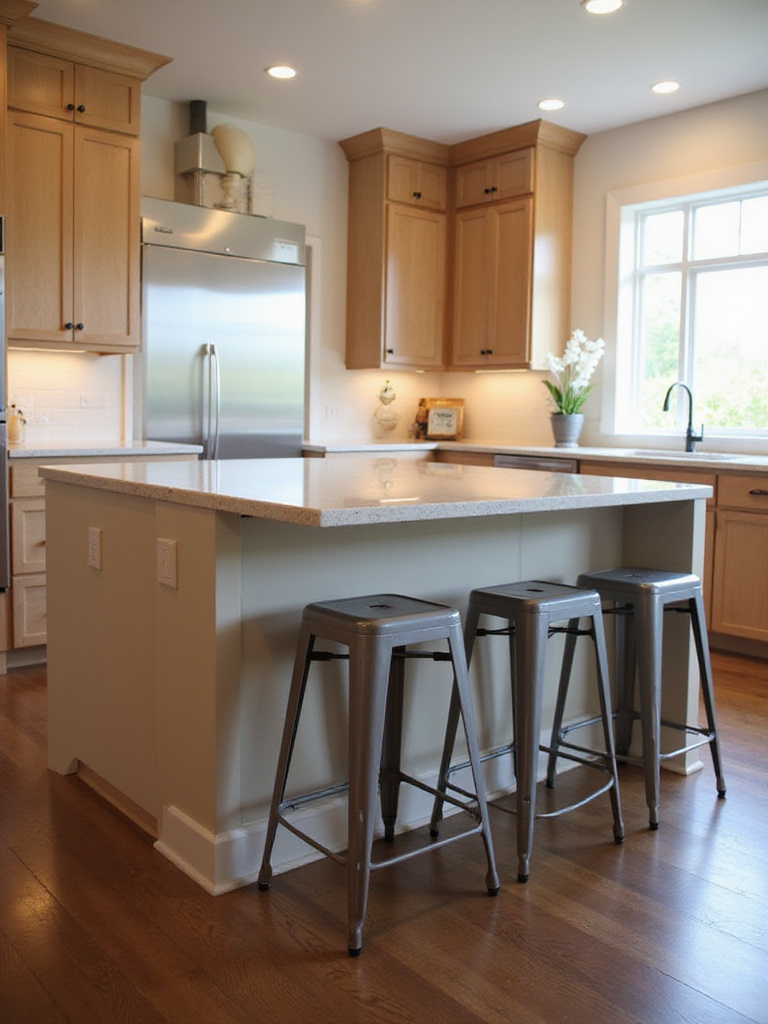
Consider how seating orientation affects interaction. Stools facing the kitchen foster conversation with the cook, while those oriented toward living areas connect guests to broader social spaces. Counter-height seating feels inclusive for longer chats, whereas bar-height stools suit quick meals or homework sessions.
Designers recommend tailoring stool height and style to your household’s habits and preferences for maximum comfort.
Add Prep Sinks to Boost Efficiency
Installing a prep sink on your island creates a dedicated workspace that streamlines meal preparation by reducing trips across the kitchen. This secondary sink is ideal for washing vegetables, filling pots, and quick hand rinses without interfering with the main sink’s cleanup tasks. For active households or frequent entertainers, a prep sink can cut meal prep time by nearly a third.
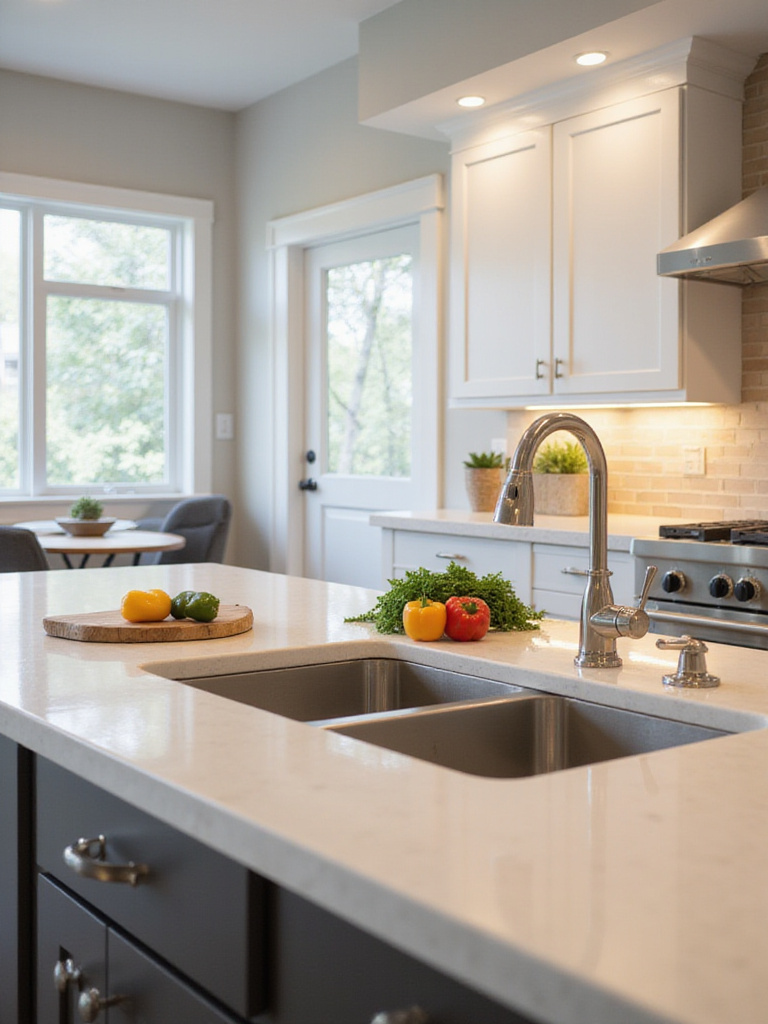
Early coordination with plumbing and electrical professionals is essential to ensure proper drainage, venting, and possibly instant hot water access via under-counter heaters. This setup not only improves functionality but also supports water and energy conservation by optimizing kitchen workflows.
Integrate Cooktops for Social Cooking
Positioning your cooktop on the island transforms cooking into a shared experience, allowing the chef to engage with family and guests. This layout fosters connection but demands careful ventilation planning to prevent smoke and odors from permeating your home.
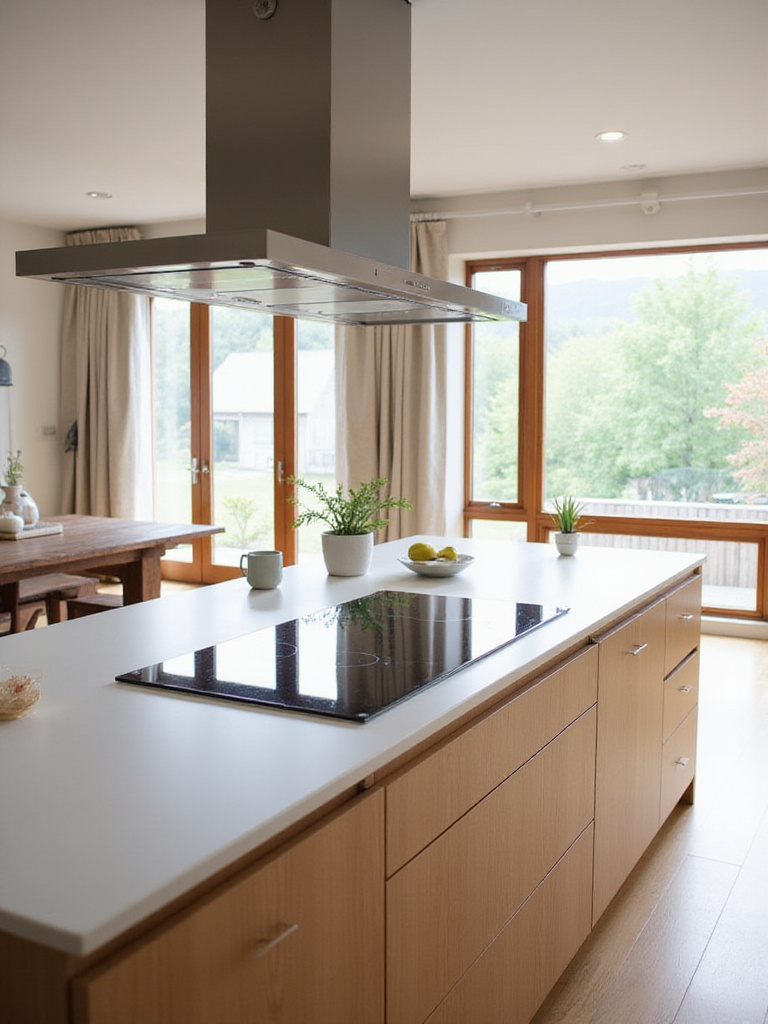
Island range hoods require higher airflow capacity-typically 400-600 CFM or more-and should extend beyond the cooktop edges for effective smoke capture. Many modern homes also need makeup air systems to balance ventilation. Collaborating with HVAC experts early ensures your kitchen remains fresh and comfortable.
Incorporate Appliances for Convenience and Style
Microwave drawers are a game-changer, freeing up counter space and improving accessibility by positioning the microwave at waist height. Beverage coolers and wine refrigerators integrated into the island create a centralized entertainment zone, perfect for hosting.
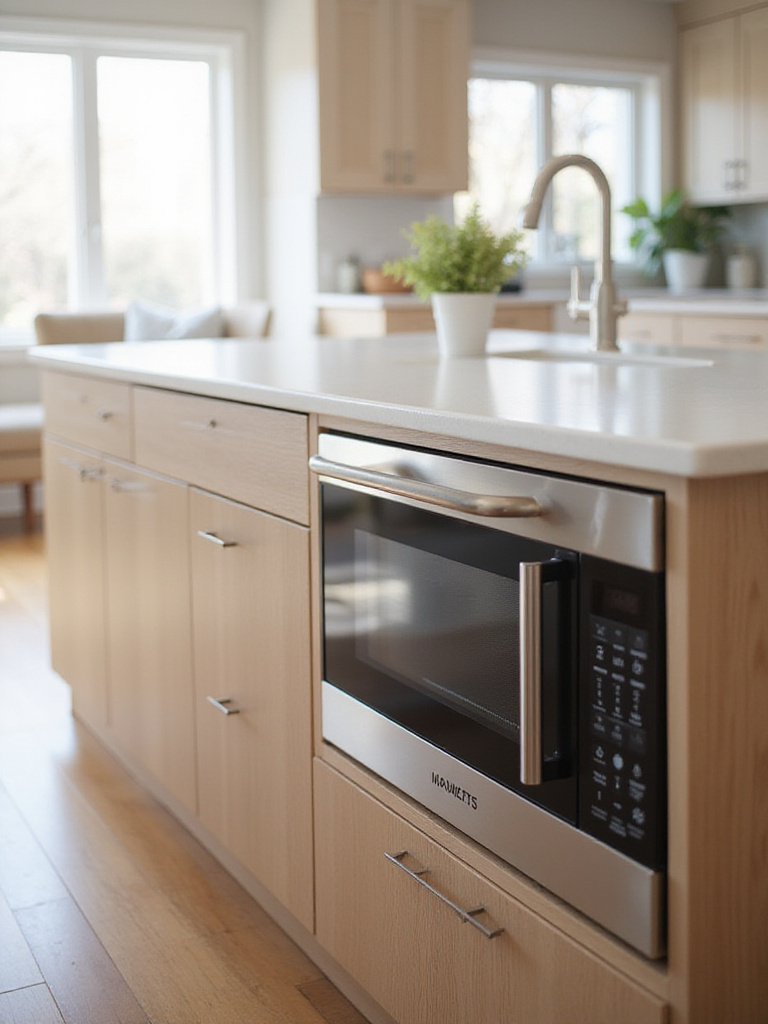
Choose appliances that align with your lifestyle. Families with children benefit from lower microwave placement, while wine aficionados appreciate dual-zone refrigeration. Ensure appliances fit within your island’s storage plan and have adequate ventilation for optimal performance.
Strategically placing noisy appliances away from seating areas helps maintain a pleasant atmosphere for conversation.
Optimize Lighting for Function and Ambiance
Pendant lighting above the island serves both practical and aesthetic roles-illuminating work areas while enhancing the room’s mood. Hanging fixtures 30-36 inches above the countertop provides ideal light without obstructing views. Installing dimmers allows you to adjust brightness from focused prep lighting to soft, inviting ambiance.
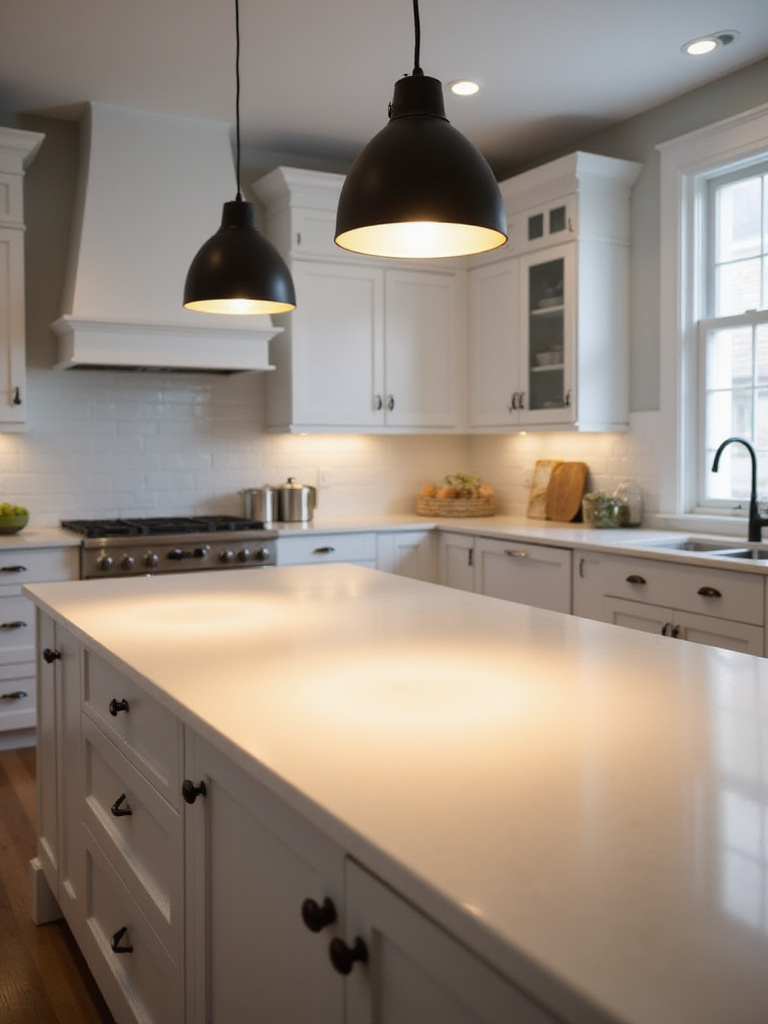
The number of pendants should correspond to your island’s length-typically one light per 24-30 inches. Position lights to avoid glare on seating areas while ensuring work surfaces are well-lit. Natural daylight interacting with your fixtures throughout the day creates a dynamic and welcoming environment.
Maximize Storage with Smart Organization
Deep drawers equipped with full-extension slides revolutionize island storage by providing easy access to pots, pans, and utensils. Incorporate dividers and organizers to keep items orderly. Pull-out trash and recycling bins maintain cleanliness and convenience without sacrificing aesthetics.
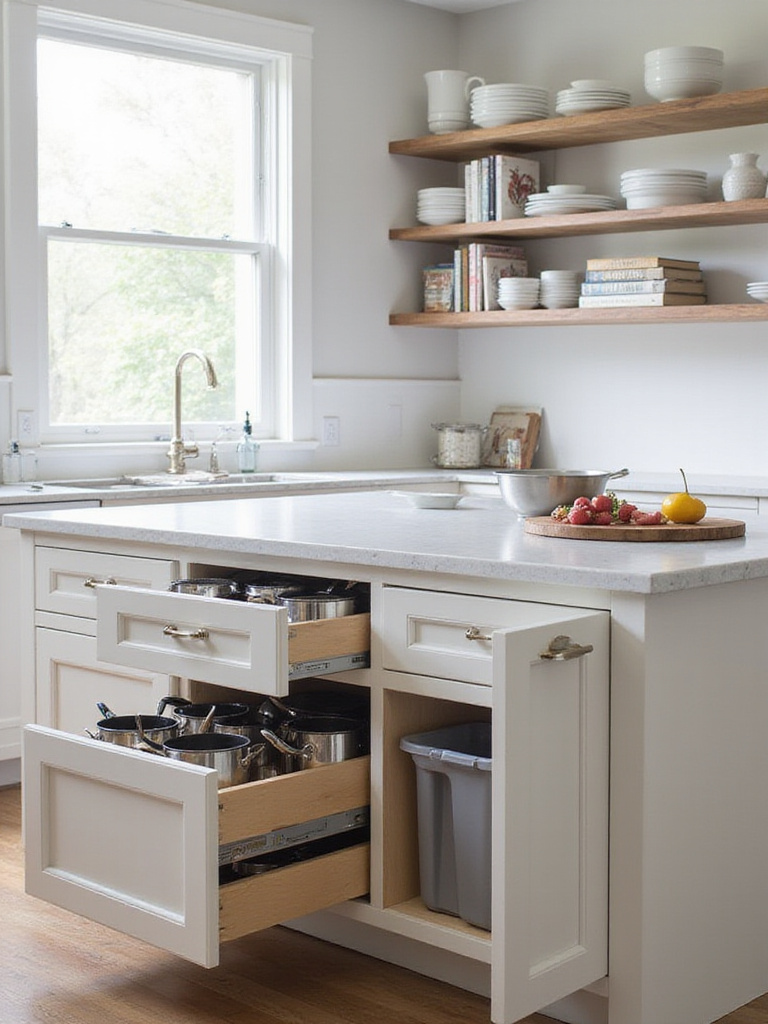
Vertical storage solutions, such as pull-out shelves and specialized inserts for cutting boards or baking sheets, maximize capacity without expanding the island’s footprint. Tailor your storage to your specific needs-whether that’s housing small appliances, cookware, or even children’s craft supplies.
Plan Electrical Outlets for Modern Use
Modern kitchens demand accessible power sources. Strategically placed outlets on your island enable the use of small appliances and provide charging stations for devices like tablets and smartphones. GFCI outlets near water sources ensure safety compliance.
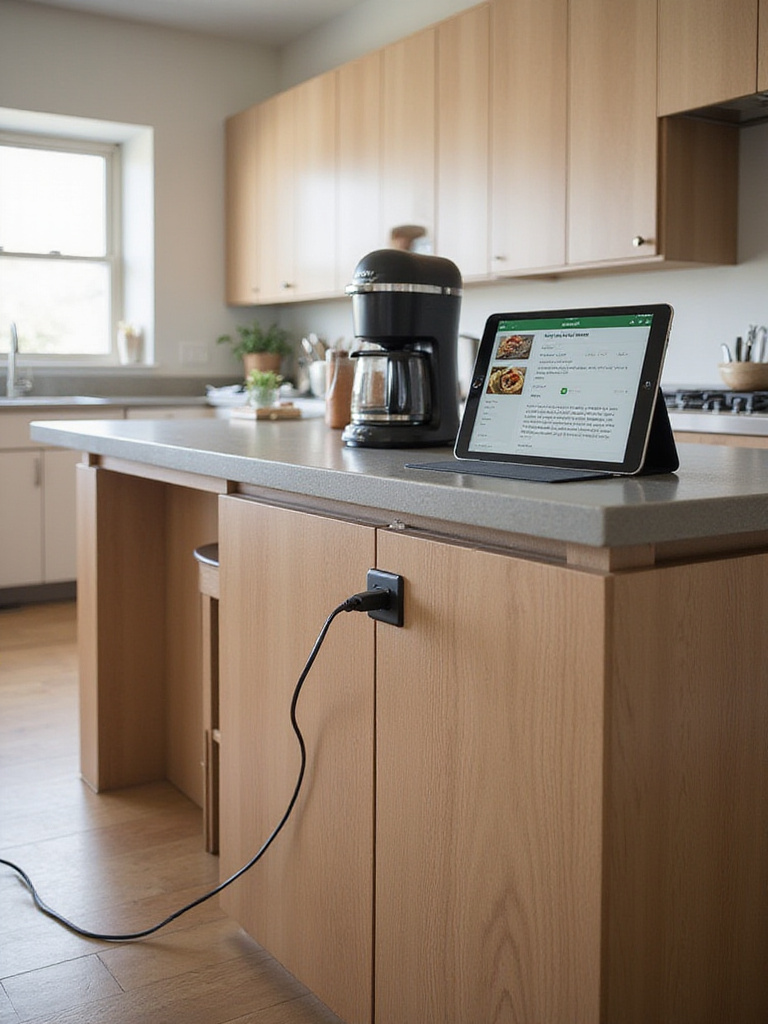
Pop-up outlets and USB ports maintain clean surfaces while providing necessary power. Position outlets on island sides or beneath overhangs to keep them accessible yet discreet. Plan for future technology needs to avoid costly upgrades later.
Compare Fixed and Mobile Island Options
Permanent islands offer extensive workspace and storage, often accommodating sinks, cooktops, and appliances. They serve as architectural anchors but require significant space and utility planning.
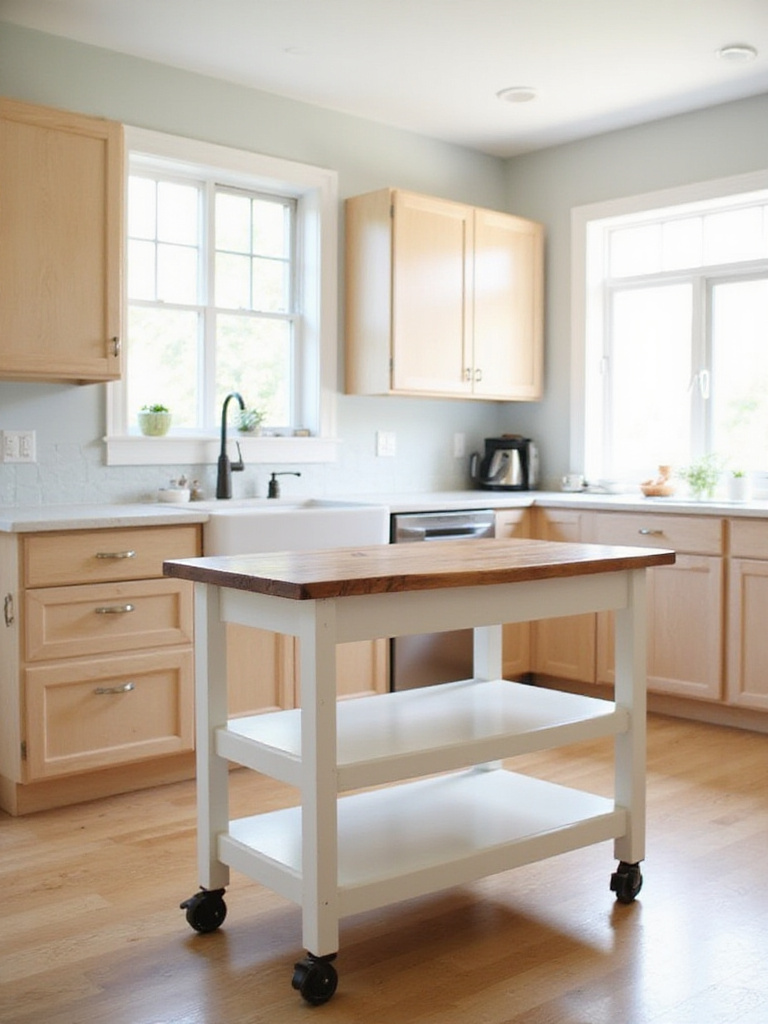
Mobile carts provide adaptability for smaller kitchens or evolving needs. High-quality rolling islands can be locked in place and offer functional surfaces that can be moved for cleaning or entertaining. Choose models with sturdy construction and finishes that complement your kitchen.
Design Multi-Level Islands for Versatility
Multi-tiered islands create distinct zones, typically featuring a lower prep surface and a raised dining area. This separation keeps food prep messes away from eating spaces and offers visual privacy from guests.
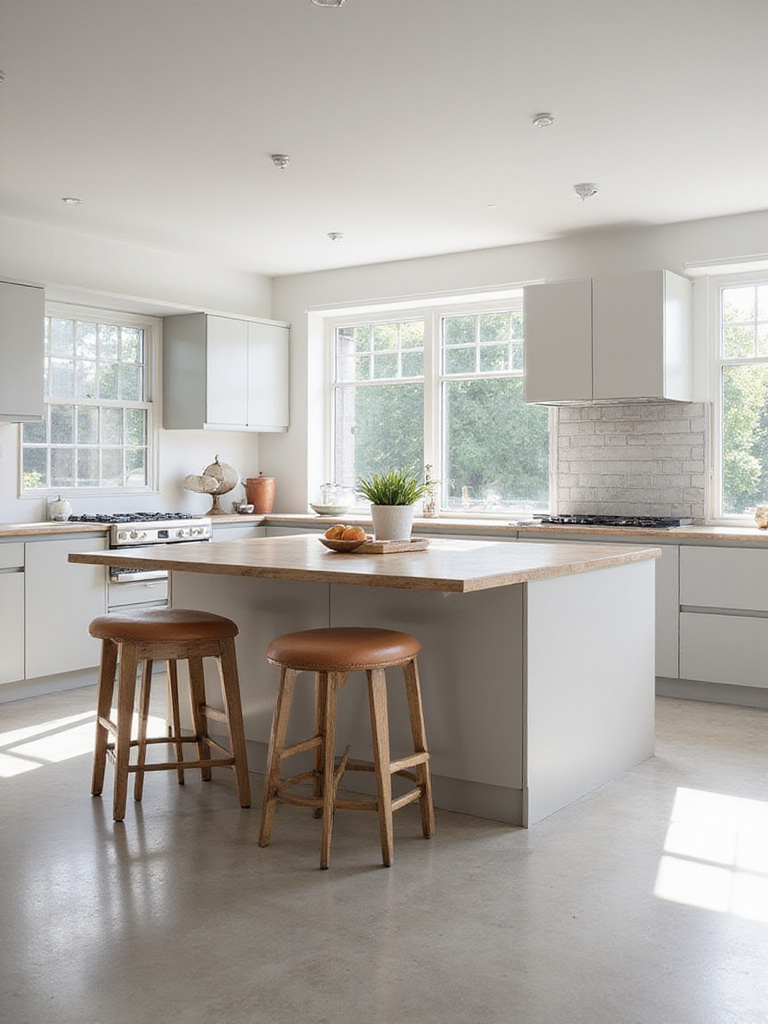
The height difference also supports ergonomic comfort, with standard counter height ideal for prep and bar height suited for casual dining. Integrate storage that serves both levels while maintaining clean sight lines.
Coordinate Colors with Your Kitchen Palette
Color choices can unify your kitchen or make your island stand out. Matching cabinetry creates cohesion, while bold hues like deep navy, emerald green, or charcoal add drama and sophistication. The key is ensuring contrasts feel deliberate and harmonious.
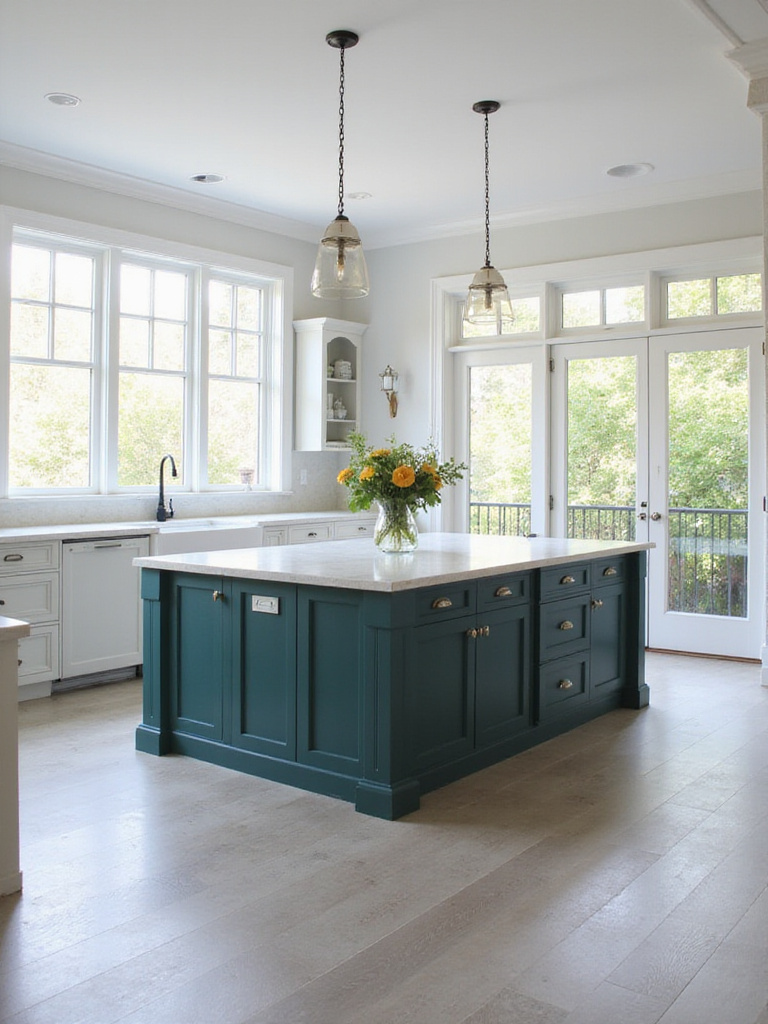
Test large color samples in your kitchen’s lighting throughout the day, as natural and artificial light can alter color perception. Modern paint technologies offer durable finishes that retain vibrancy even in high-use areas.
Set Realistic Budgets for Your Project
Costs for kitchen islands vary widely depending on size, materials, and features, ranging from a few thousand dollars for basic models to upwards of $20,000 for custom designs with premium finishes and integrated appliances. Plumbing for sinks and electrical work for outlets and lighting add to expenses.
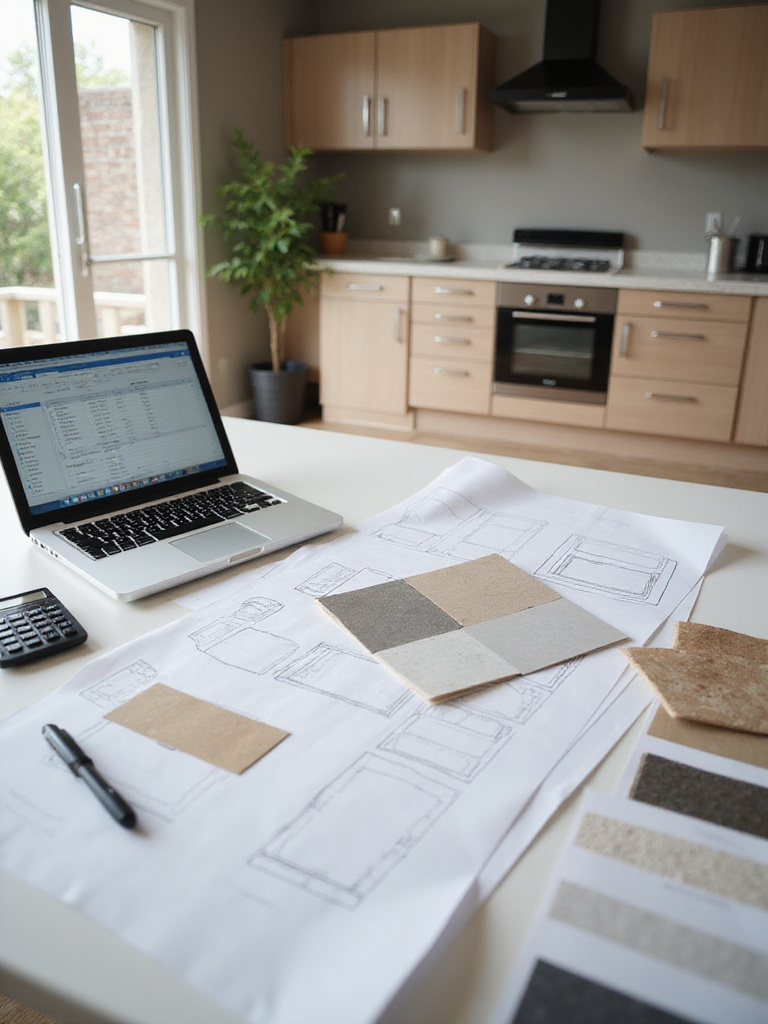
Professional installation ensures compliance with codes and proper integration but can increase labor costs. DIY projects may save money but require skill and time. Always allocate a contingency fund of 15-20% for unforeseen issues, especially in older homes.
Investing wisely in your island pays off through enhanced functionality and lasting aesthetic appeal.
Maintain Safe Clearance Spaces
Maintaining at least 42 inches of clearance around your island is vital for safety and ease of use. This space allows appliance doors to open fully and provides comfortable passage for multiple users. Insufficient clearance leads to congestion and potential hazards.
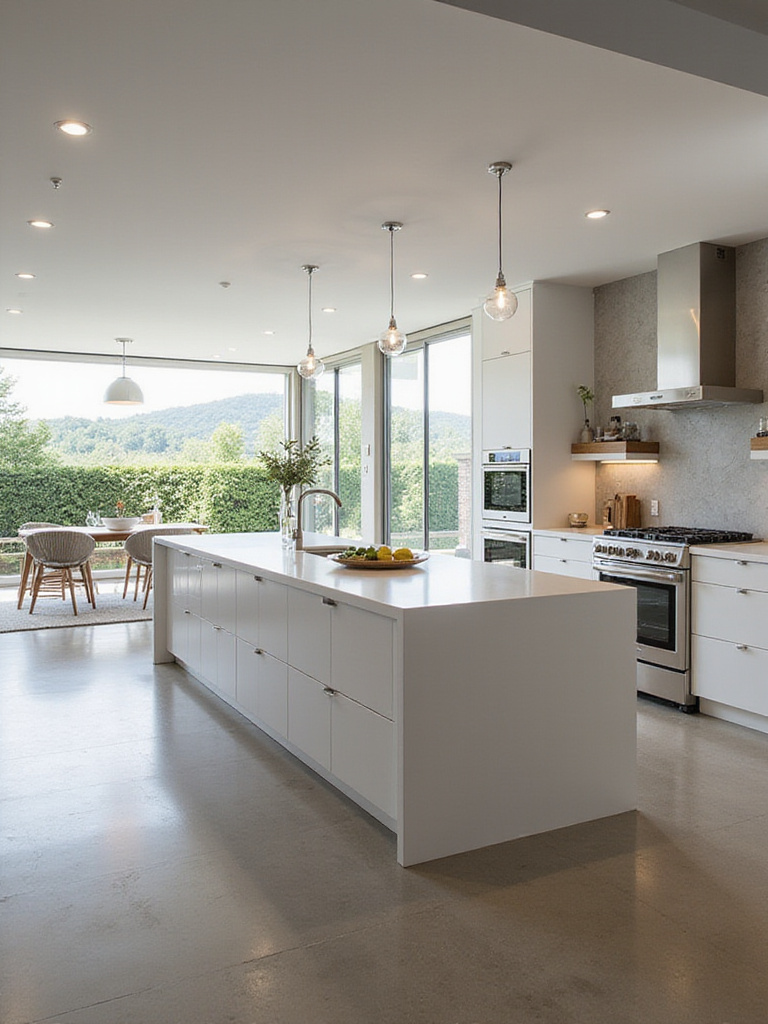
Account for extra space near dishwashers and ovens to facilitate safe loading and unloading. Use mockups with tape or cardboard to test clearances before finalizing your design.
Proper spacing not only improves safety but also enhances the kitchen’s visual openness and flow.
Incorporate Modern Features for Contemporary Appeal
Waterfall edges, where countertop material cascades down the island’s sides, create a sleek, dramatic look while protecting cabinetry. This design works especially well with bold stone patterns or solid colors but increases material costs.
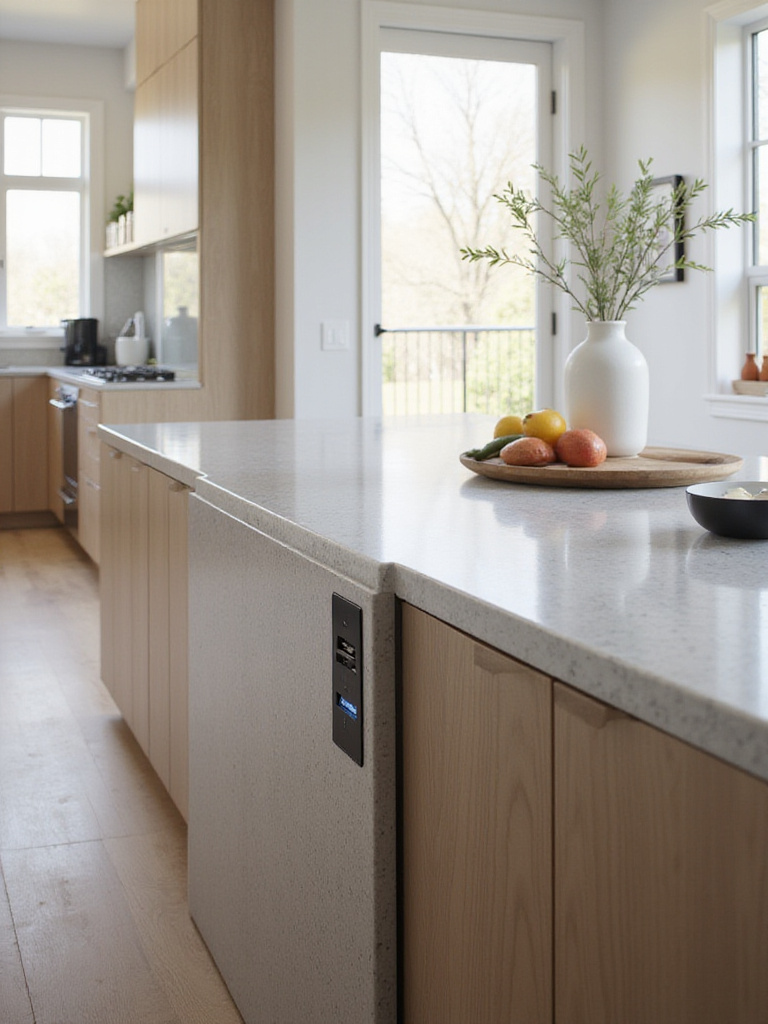
Integrate built-in charging stations and smart technology to support today’s connected lifestyles while maintaining clean lines. Choose features that will remain useful over time, such as USB outlets and wireless charging pads, while being mindful that some smart devices may require future updates.
This blend of craftsmanship and technology reflects a modern design ethos that values both tradition and innovation.
Decide Between DIY and Professional Installation
Simple cabinet-style islands may be suitable for experienced DIYers, potentially saving 30-60% on labor. However, projects involving plumbing, electrical, or gas connections generally require licensed professionals to ensure safety and code compliance. Permits may also be necessary, adding complexity to DIY efforts.
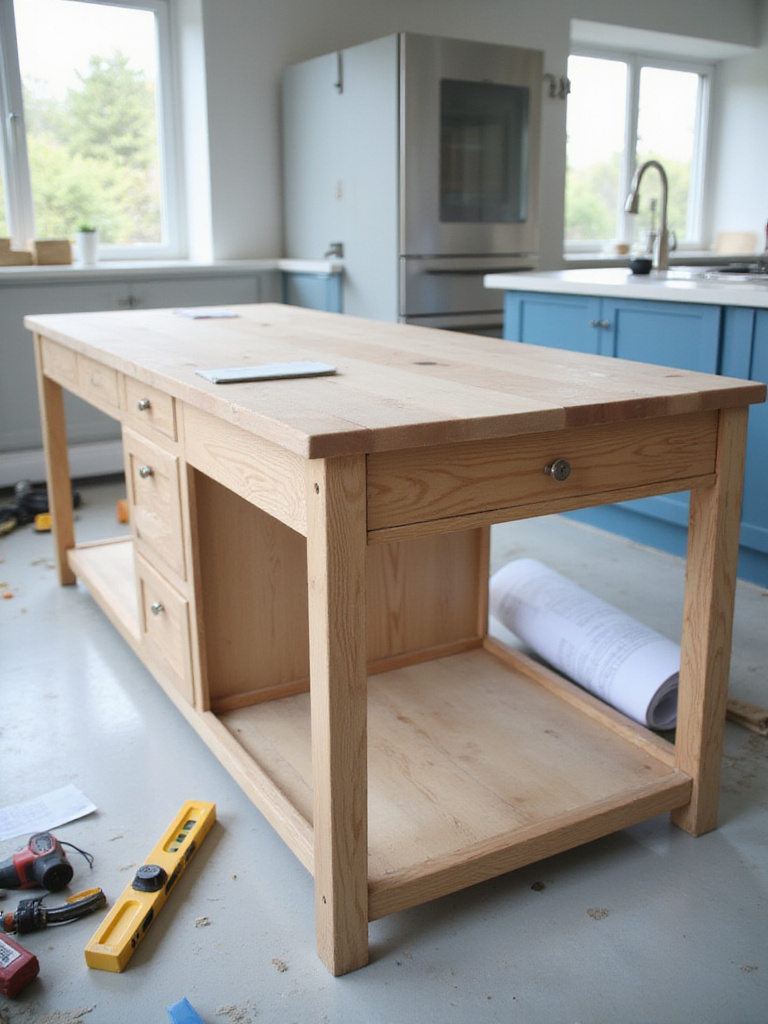
Professional installers bring speed, expertise, and warranty protection, often completing projects in days rather than weeks. They also have access to trade discounts and specialized tools that can offset some costs while ensuring quality results.
Weigh the long-term benefits of professional installation against potential savings, considering your skills and available time.
Elevate Your Kitchen with the Ideal Island
Designing the perfect kitchen island involves balancing function, space, materials, and budget. The most successful islands arise from thoughtful planning that addresses your family’s unique needs and integrates seamlessly with your kitchen’s layout. Whether you desire a simple prep area or a comprehensive cooking and entertaining station, informed choices ensure your island remains both beautiful and practical for years to come.
Keep in mind that your island will likely outlast trends and evolving household dynamics. Investing in quality materials, expert installation, and timeless design guarantees a centerpiece that enhances your daily life. Begin by assessing your needs honestly, measuring your space accurately, and drawing inspiration from proven designs. Don’t hesitate to seek professional advice for complex projects-their expertise can save you time and money while bringing your vision to life.
Your dream kitchen island is within reach, ready to transform your culinary space into the heart of your home.
Explore top-rated kitchen island storage solutions, quartz countertops, and kitchen island lighting options on Amazon to complement your design.