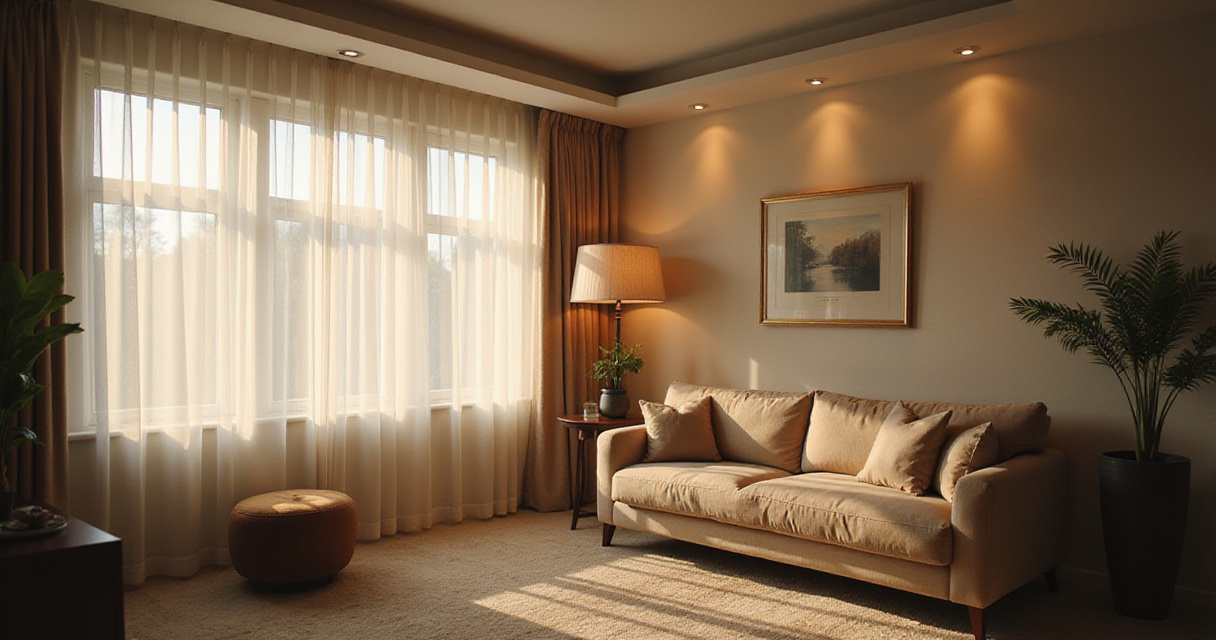
Feeling like your living room lacks warmth and charm? If it doesn’t quite offer that cozy retreat you desire after a busy day, the solution might be simpler than you think. Lighting holds the transformative power to elevate your space from dull to dazzling. Say goodbye to plain ceiling fixtures and explore a spectrum of lighting options that can redefine your living area!
Whether you want to create snug corners glowing with soft light or striking highlights that draw the eye, here are 22 innovative lighting strategies to inspire your next interior refresh. Discover how the right illumination can brighten your room and completely change how you enjoy your living space.
1. Unlock the Potential of Layered Lighting for a Vibrant Living Room
Picture entering a living room that feels welcoming and versatile, perfectly suited for any mood or task. This effect is achieved through layered lighting-a design approach that adds complexity, depth, and adaptability beyond mere brightness.
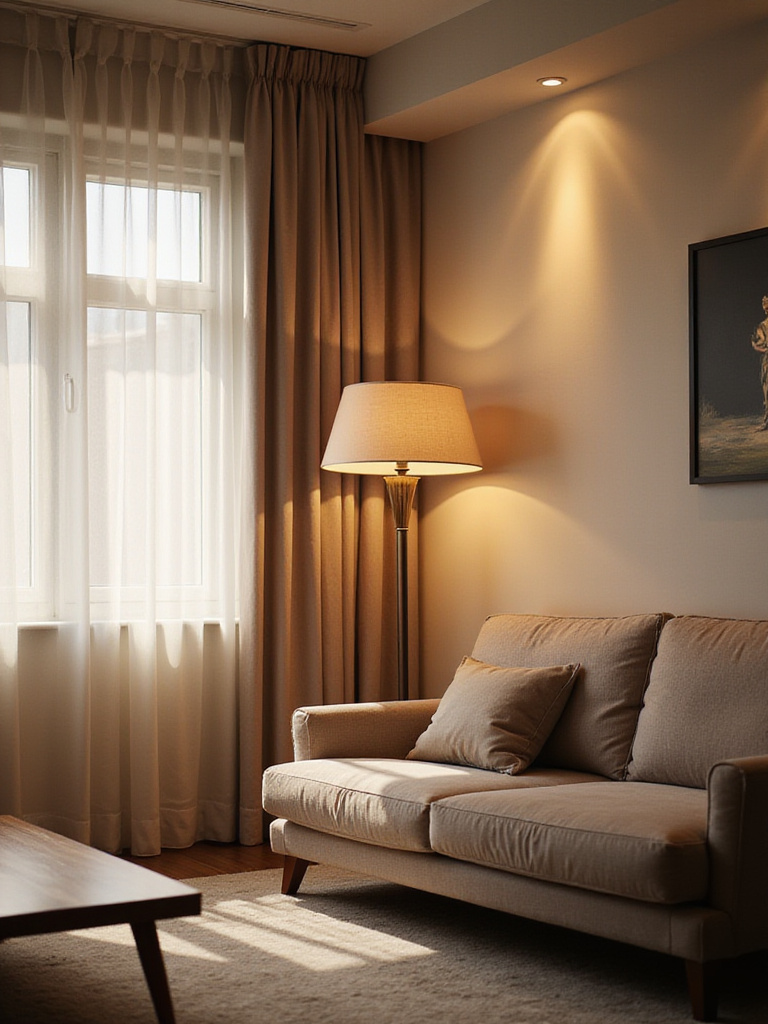
Layered lighting integrates three key types: ambient (general illumination), task (focused lighting for activities), and accent (highlighting features). Ambient light ensures safe navigation and sets the overall tone. Task lighting brightens specific zones for reading, crafting, or working. Accent lighting adds drama by spotlighting artwork, plants, or architectural details. Incorporating dimmers across these layers allows you to tailor the ambiance to your needs throughout the day.
Humans are instinctively drawn to light, so thoughtful lighting placement guides attention and shapes how we perceive and interact with a room.
2. Start with Ambient Lighting to Create a Warm Backdrop
Ambient lighting acts as the foundational glow that envelops your living room in comfort and usability. Without this base layer, even the most elegant furnishings can feel cold and uninviting.
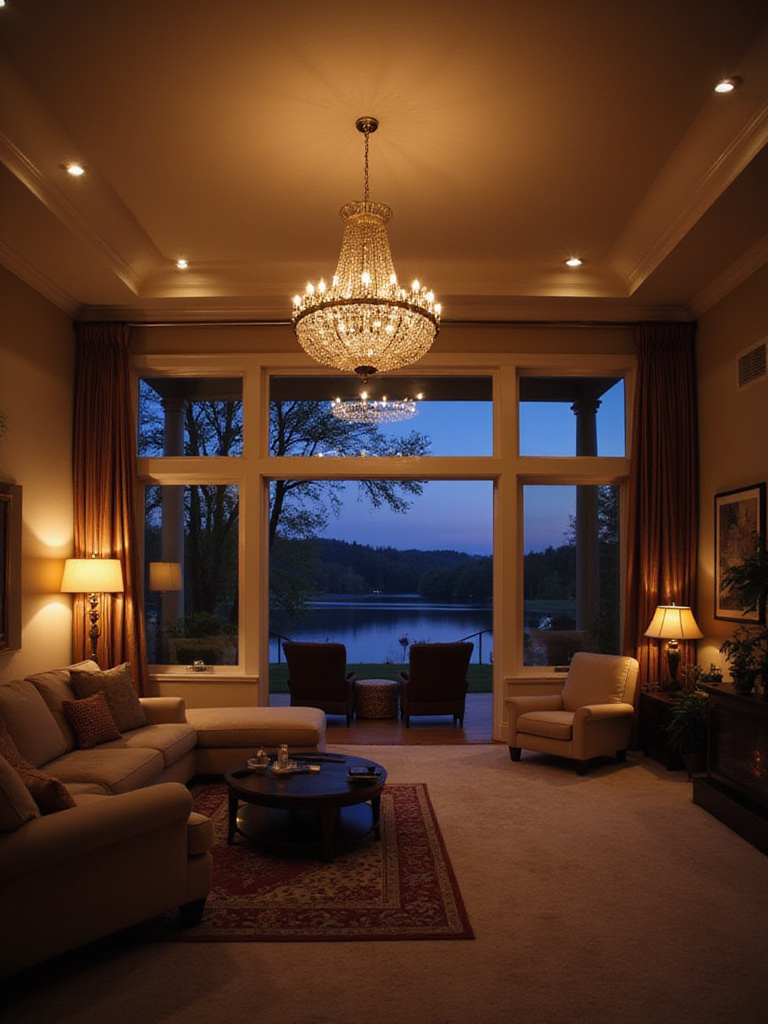
Effective ambient lighting can come from various sources: overhead fixtures like chandeliers, pendant lamps, or flush mounts; recessed lights for a sleek, modern look; floor lamps placed strategically; wall sconces; and torchiere lamps that cast light upward. Aim for approximately 10-20 lumens per square foot, favoring warm white bulbs (2700K-3000K) to foster a cozy atmosphere.
To calculate the total lumens needed, multiply your room’s square footage by 10-20, then select fixtures whose combined output meets this target.
3. Enhance Functionality with Task Lighting for Reading and Work
Living rooms often serve multiple purposes beyond relaxation-they’re spaces for reading, working, and hobbies. Task lighting is essential to illuminate these zones effectively, reducing eye strain and boosting comfort.
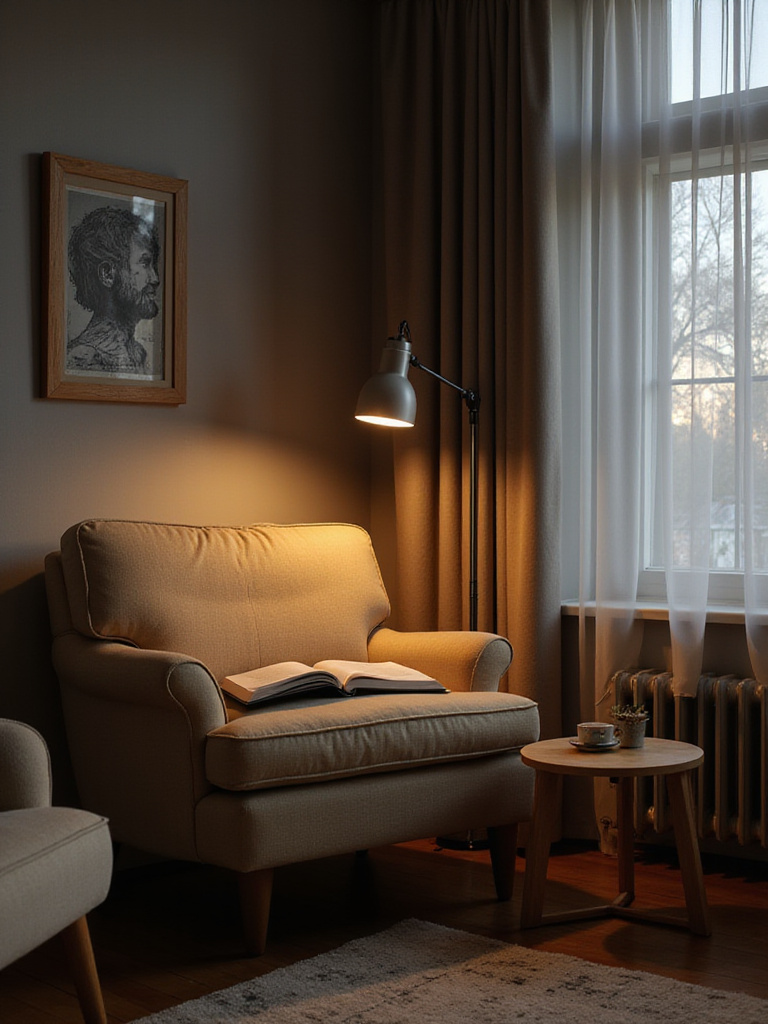
Popular task lighting options include:
- Table lamps – portable and versatile
- Floor lamps – adjustable for height and direction
- Swing-arm lamps – ideal for focused work areas
- Clip-on lamps – attachable to shelves or furniture
- Desk lamps – designed for work surfaces
Integrating smart bulbs into task lighting setups allows you to adjust brightness and color temperature via smartphone or voice commands, enhancing convenience. Position lights to the side and slightly behind you to minimize glare on screens or reflective surfaces.
4. Use Accent Lighting to Add Character and Depth
Accent lighting is the artistic touch that elevates your living room from merely functional to visually captivating. It’s designed to spotlight key elements, adding layers of interest and a personalized flair.
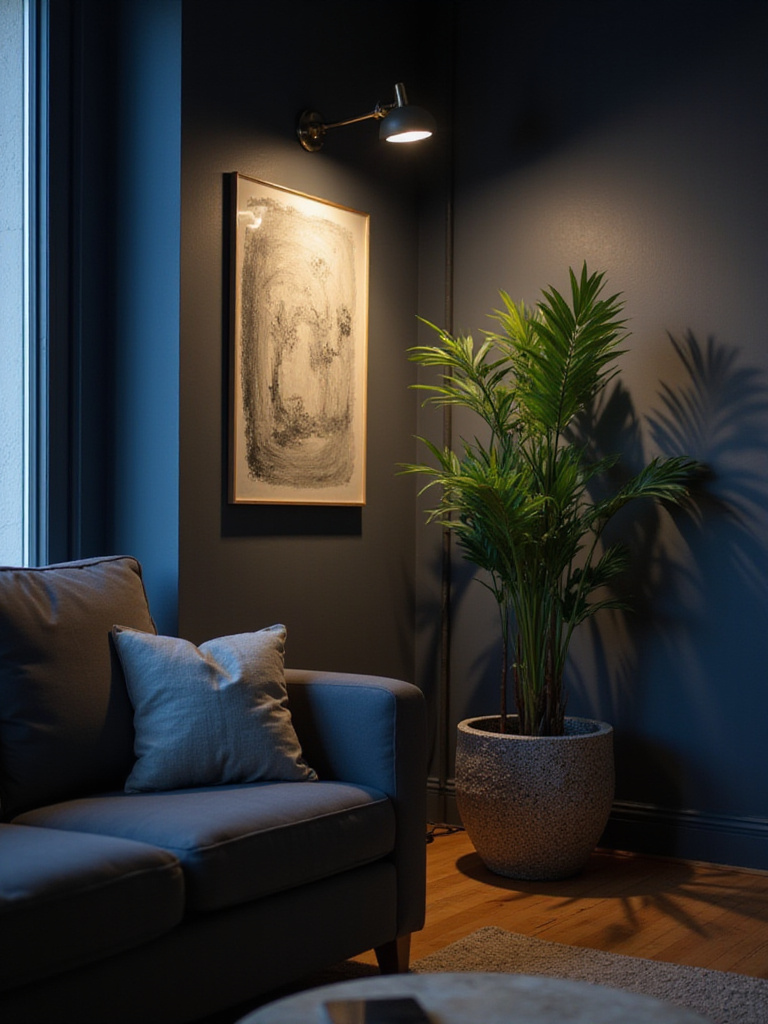
Accent lighting can enhance:
- Artwork and sculptures
- Architectural features like fireplaces or crown molding
- Indoor plants
- Decorative objects and textured walls
Fixtures such as track lights, wall sconces, picture lights, and spotlights work well for accentuating these features. Properly applied, accent lighting can even make a compact living room feel more spacious by creating visual depth.
5. Leverage Natural Light to Enhance Vibrancy and Wellbeing
Before turning on any artificial lights, harness the power of natural sunlight. Sunlight not only brightens a room but also uplifts mood, boosts energy, and improves overall wellbeing.
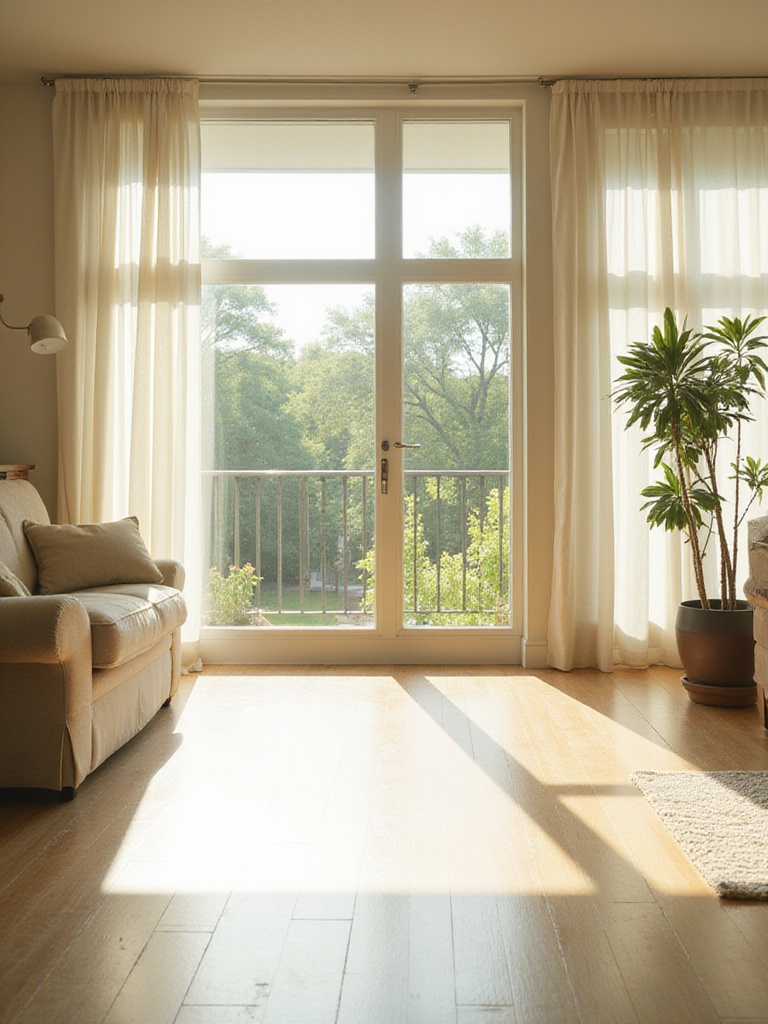
Common challenges to maximizing daylight include small or shaded windows, heavy curtains, and outdoor obstructions. Solutions involve installing larger windows or skylights, trimming landscaping, using sheer window treatments, placing mirrors to reflect light, and choosing light-colored walls and furnishings.
Innovative options like sun tunnels can channel sunlight into darker rooms, creating a natural and energizing atmosphere proven to enhance focus and productivity.
6. Select Bulbs Based on Color Temperature and Lumens for Optimal Effect
Choosing the right light bulbs is crucial for setting the mood and functionality of your living room. Beyond wattage, understanding color temperature and lumens helps you tailor your lighting precisely.
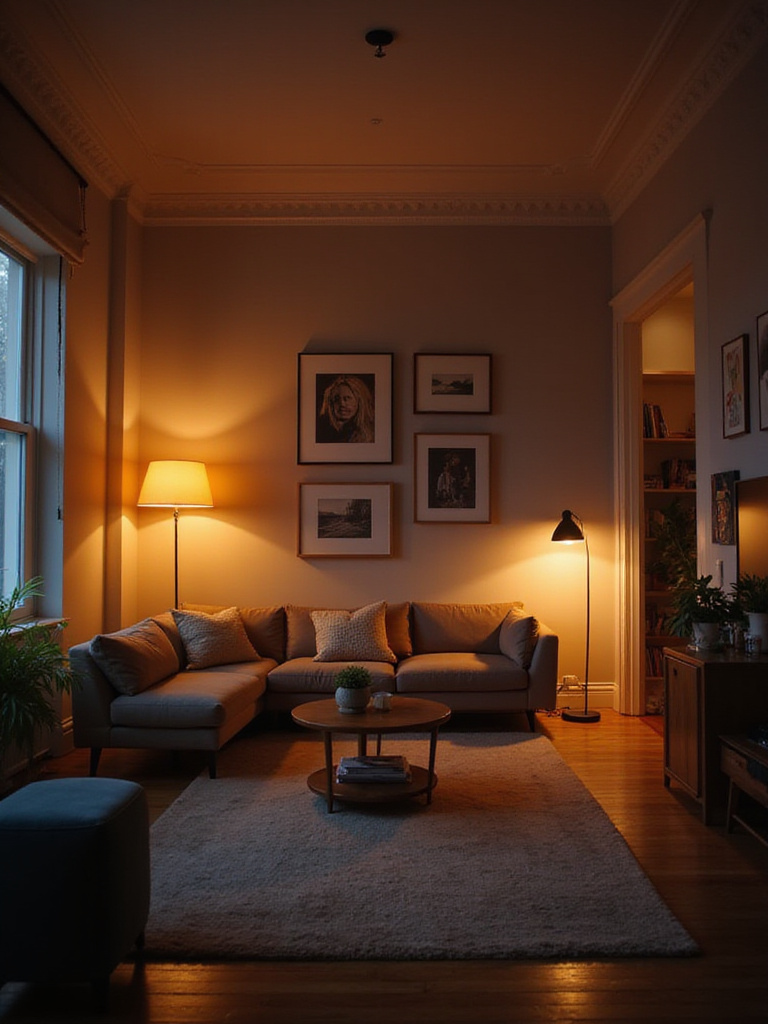
Color temperature (Kelvin scale) influences the warmth or coolness of light:
- Warm (2700K-3000K): Cozy and relaxing
- Neutral (3500K-4000K): Balanced and energizing
- Daylight (5000K-6500K): Bright and crisp, ideal for detailed tasks
Lumens measure brightness; for ambient lighting in living rooms, aim for 1,500-3,000 lumens total, adjusted for room size. Warm light tends to feel more soothing, while cooler light promotes alertness. Experiment with different bulbs to find the perfect balance for your space.
7. Utilize Dimmable Lighting to Customize Your Mood
Dimmable lights provide effortless control over your living room’s atmosphere, allowing you to shift from bright and lively to soft and intimate with ease.
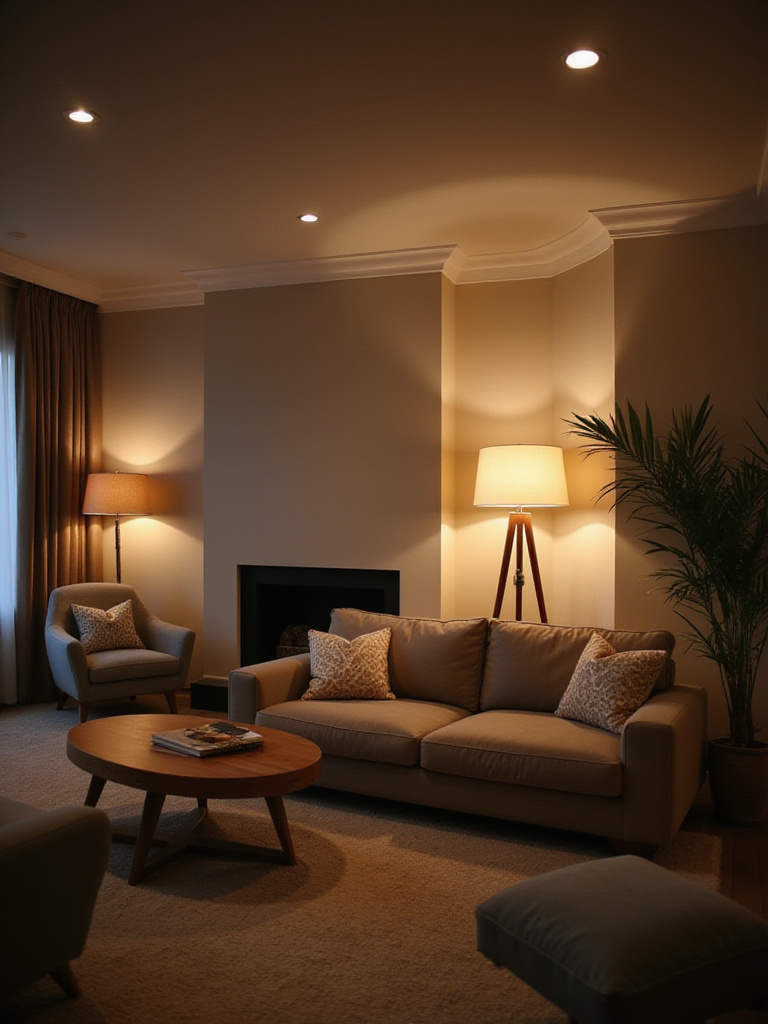
Options include dimmable LED bulbs (ensure compatibility), incandescent and halogen bulbs, and fixtures like table lamps, floor lamps, and recessed lights. Smart dimmer switches controlled via apps or voice assistants add convenience. Keep in mind potential compatibility issues and initial costs when upgrading.
8. Floor Lamps: Flexible and Stylish Lighting Solutions
Floor lamps are versatile lighting champions, combining practicality with design flair. They can serve as ambient sources or focused task lights, adapting to your living room’s needs.
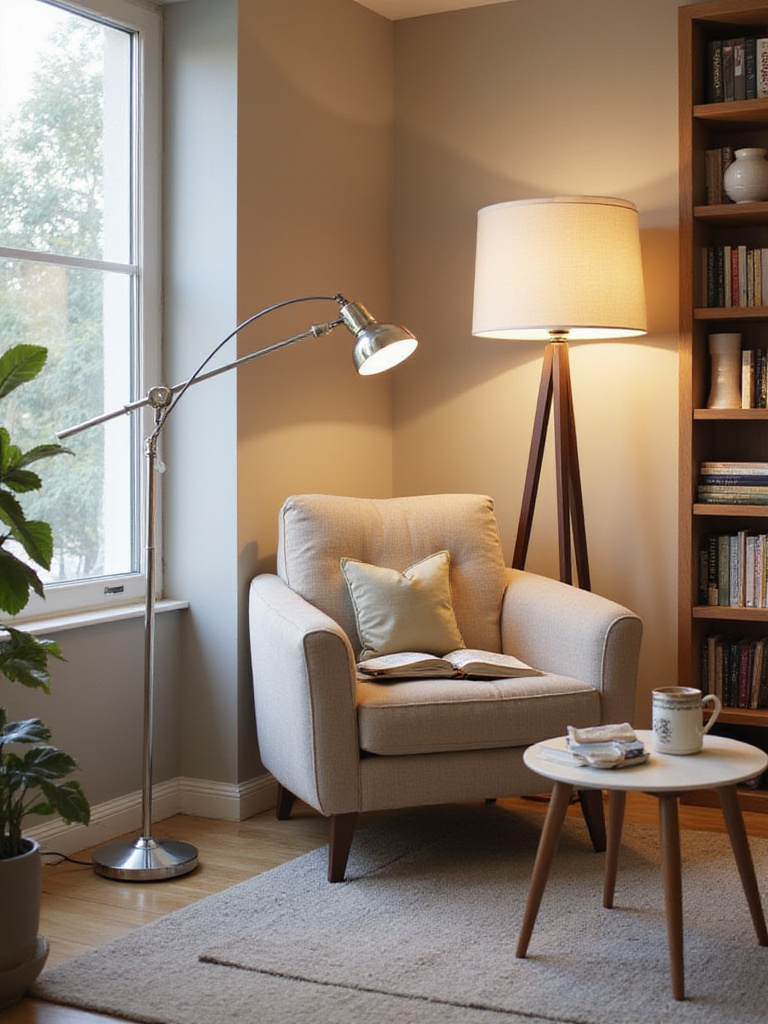
Types include:
- Torchiere lamps: Cast light upward for gentle ambient glow
- Arc lamps: Extend over seating for reading light
- Task lamps: Adjustable arms for focused illumination
- Tripod lamps: Stylish with three-legged bases
- Reading lamps: Designed for comfort during reading
- Multi-headed lamps: Multiple adjustable light sources
Bulb warmth, shade material, and lamp placement influence the mood created. Consider ceiling height when selecting lamp size to ensure proportionality.
9. Table Lamps Add Warmth and Character to Side and Console Tables
Table lamps bring intimate pools of light that enhance coziness and style. Positioned on side or console tables, they contribute to layered lighting and personalize your space.
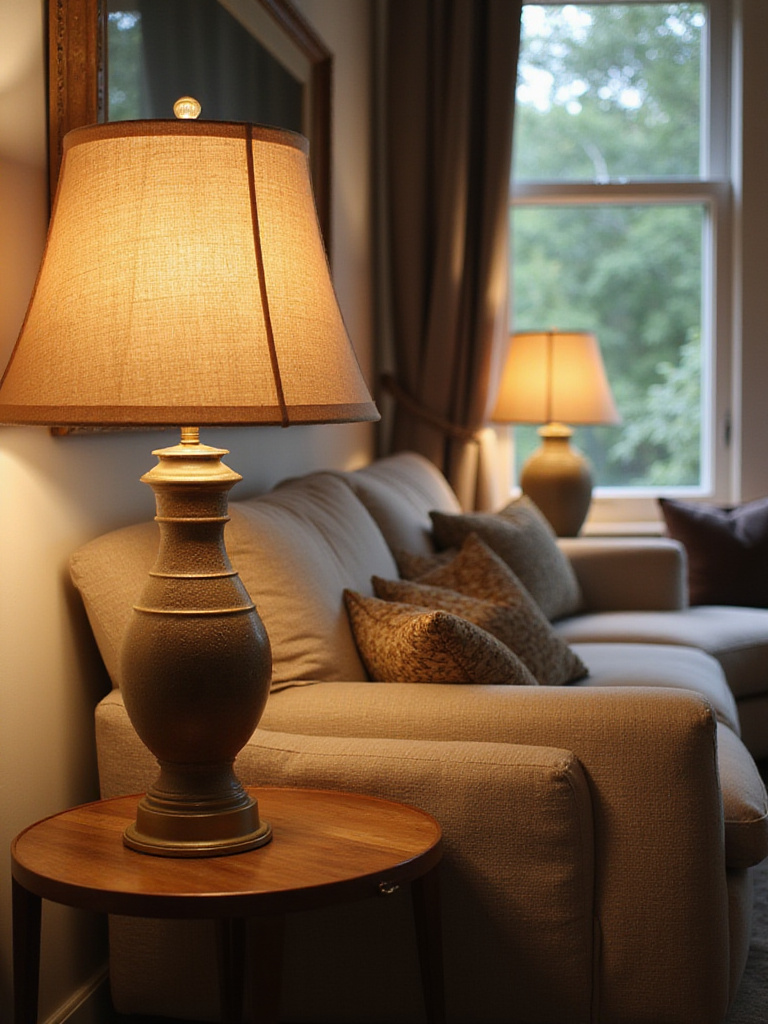
When selecting table lamps, consider:
- Scale relative to the table size
- Height so the lampshade bottom aligns with seated eye level
- Style that complements your decor
- Functionality for reading or ambiance
- Base materials and finishes that coordinate with room elements
Measure your furniture to find the ideal lamp height, ensuring comfortable and effective lighting.
10. Chandeliers as Striking Centerpieces to Elevate Style
Chandeliers serve as eye-catching focal points that add elegance and personality to your living room. From ornate crystal designs to sleek modern forms, they define the space with grandeur.
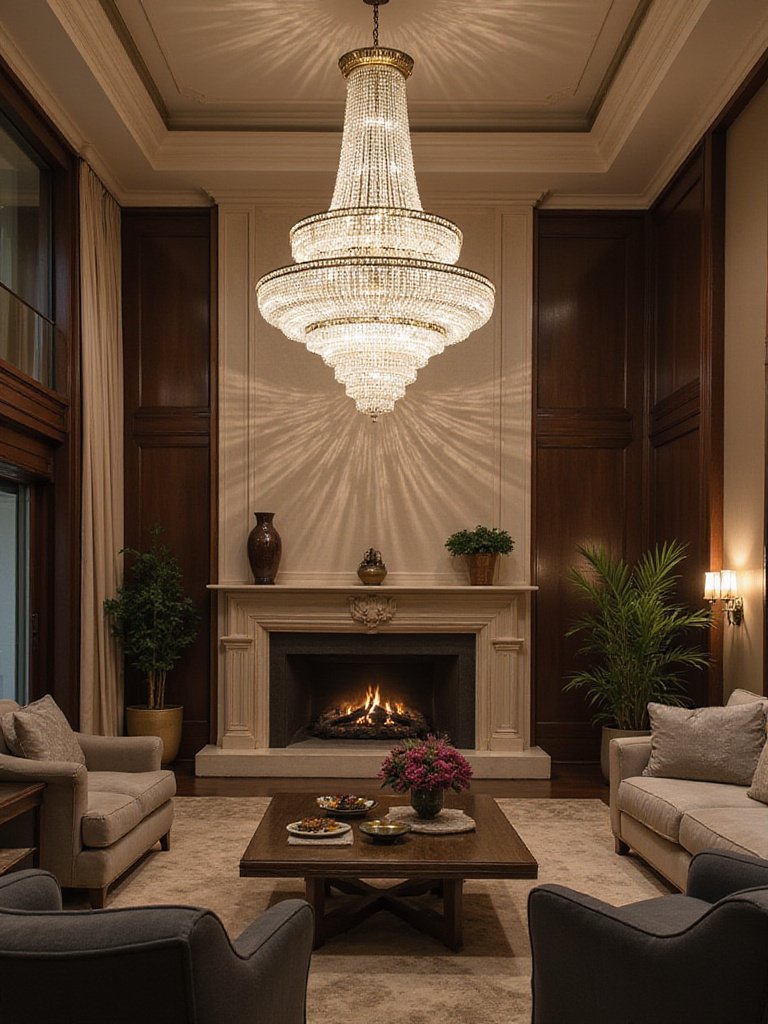
Choose chandeliers that suit your style:
- Traditional: Crystal with intricate details
- Modern: Minimalist geometric shapes
- Rustic: Natural materials like wood or wrought iron
- Bohemian: Beaded or artistic designs
Position chandeliers about 7 feet above the floor or 30 inches above a coffee table for optimal impact. Incorporating colored glass or crystals can create captivating light reflections, turning your chandelier into a luminous artwork.
11. Recessed Lighting for a Clean and Modern Aesthetic
For a minimalist and streamlined look, recessed lighting offers unobtrusive illumination that blends seamlessly into ceilings. It provides both ambient and accent lighting without cluttering the visual space.
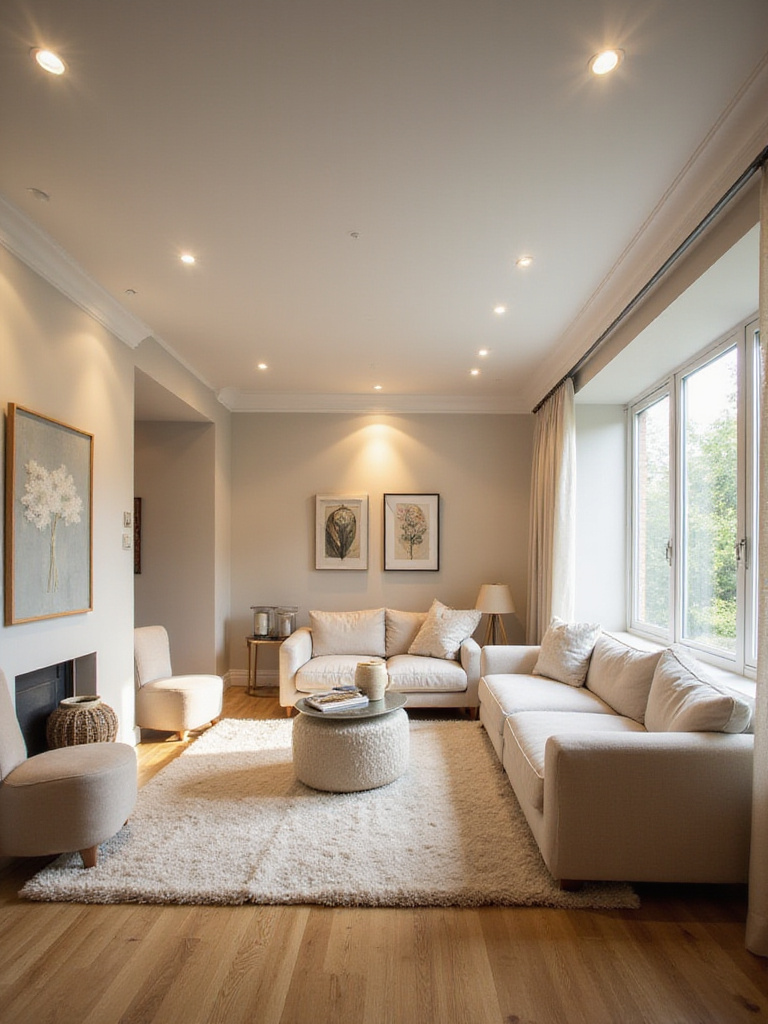
Options include standard recessed cans, shallow models for low ceilings, energy-efficient LED versions, adjustable fixtures for highlighting, and various trim styles to match decor. Proper planning of placement ensures even light distribution and avoids shadows.
12. Track Lighting for Flexible and Contemporary Illumination
Track lighting adds a modern, industrial edge while offering customizable lighting angles. It’s perfect for spotlighting artwork, architectural details, or creating dynamic lighting arrangements.
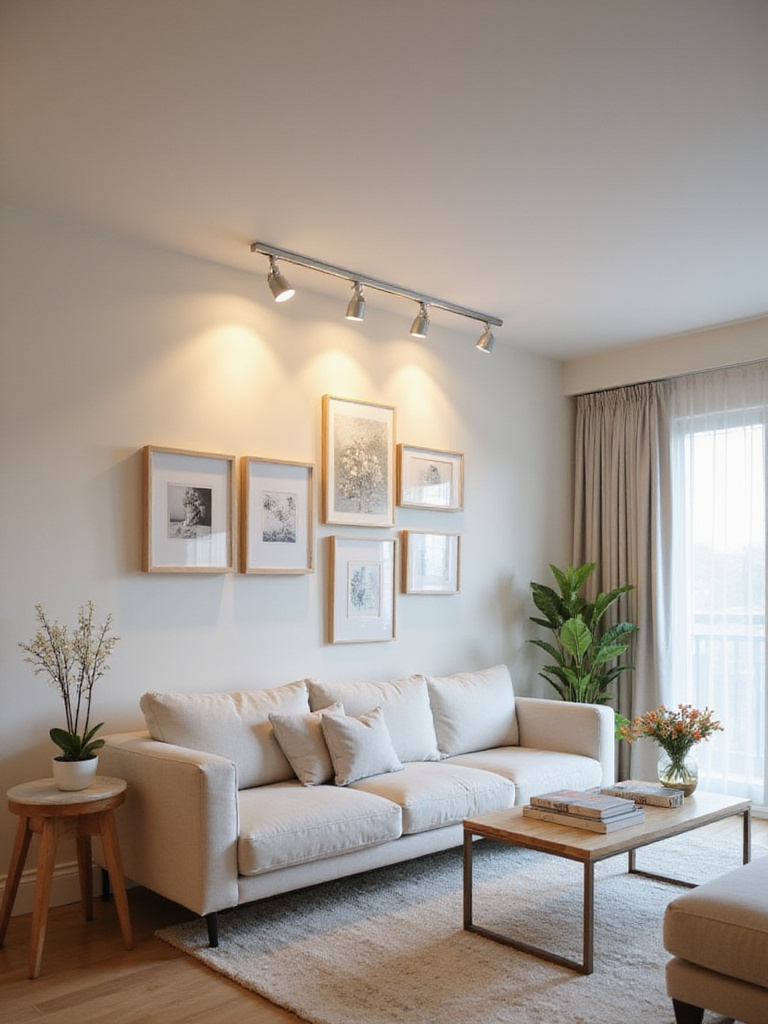
Compatible fixtures include spotlights, floodlights, pendant lights, directional lights, and energy-saving LED track heads, allowing you to tailor illumination to your space’s needs.
13. Wall Sconces Add Elegance and Save Space
Wall sconces act as decorative accents that add warmth and vertical interest without occupying floor or table space. Their placement draws the eye upward, enhancing room height and openness.
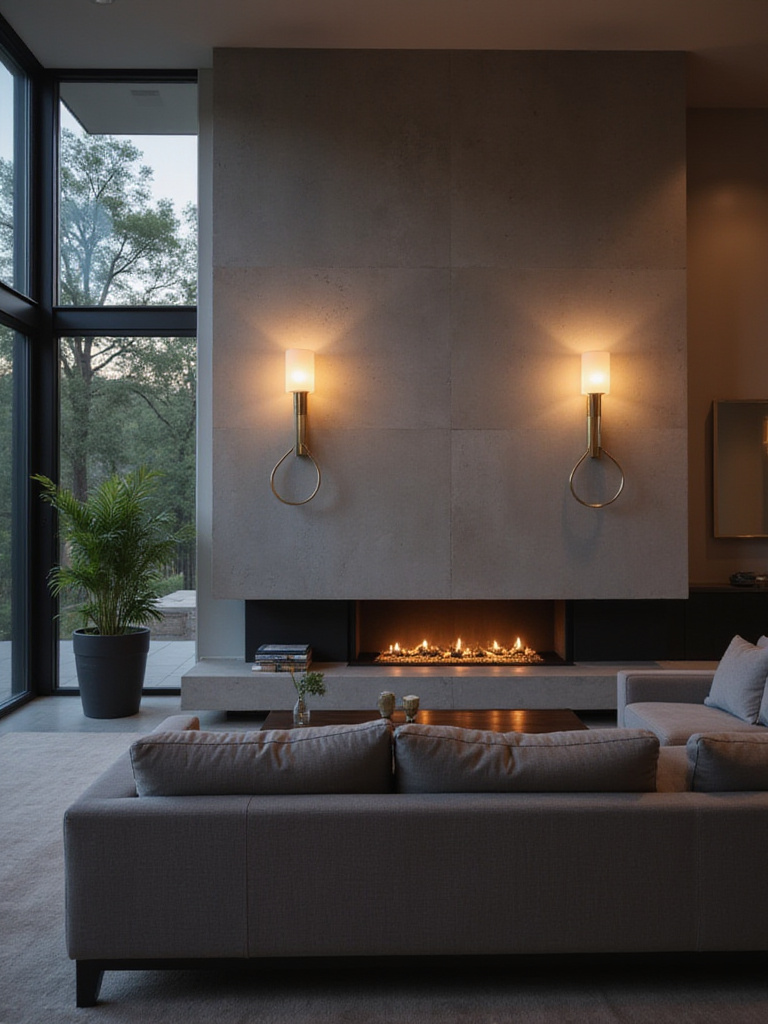
Styles range from classic to contemporary, including uplights, downlights, adjustable arms, candle sconces, picture lights, and swing-arm models. Historically, sconces date back to ancient times when they held candles or torches, adding a timeless charm to your lighting design.
14. Smart Lighting for Convenience and Customization
Embrace the future with smart lighting systems that let you control your living room’s illumination via voice commands, smartphone apps, or automated schedules. This technology offers energy efficiency and personalized ambiance at your fingertips.
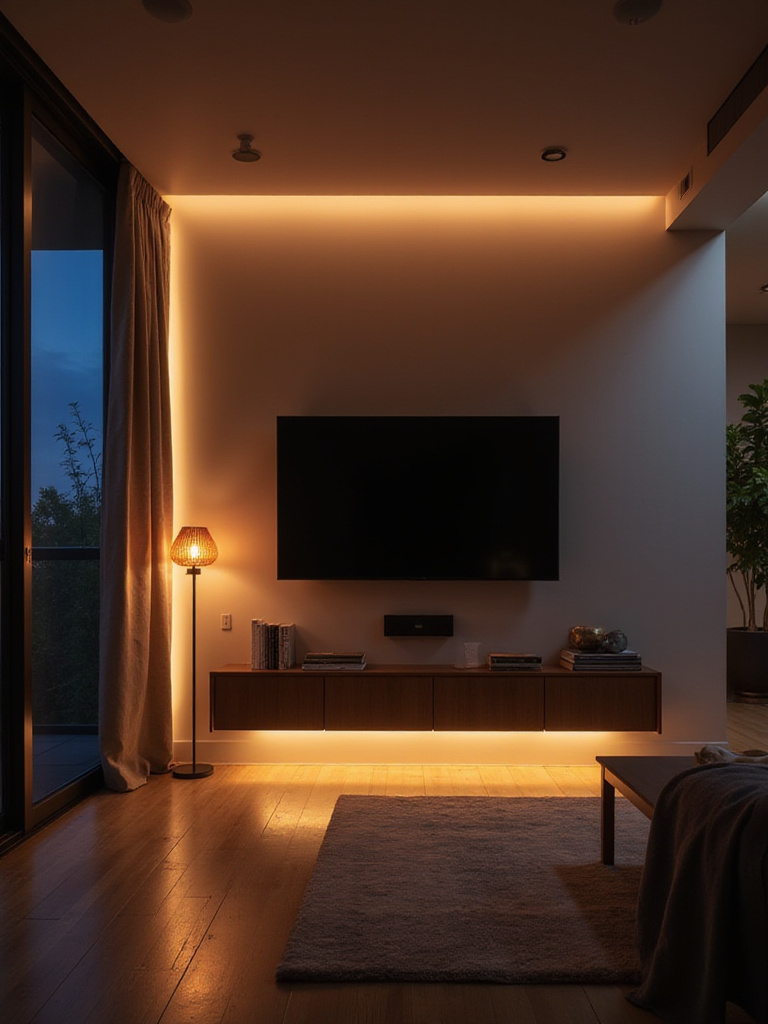
Smart lighting options include smart bulbs, light strips, recessed fixtures, switches, and lamps. Integration with platforms like Amazon Alexa, Google Assistant, Apple HomeKit, and Samsung SmartThings enables complex automation, such as dimming lights and changing colors for movie nights or relaxing evenings.
Central hubs like the Philips Hue Bridge or Samsung SmartThings Hub coordinate devices, making your lighting system intuitive and seamless.
15. Choosing Warm or Cool Light to Set the Mood
The choice between warm and cool lighting dramatically influences your living room’s atmosphere. Warm light (2700K-3000K) fosters relaxation and coziness, ideal for unwinding spaces. Cool light (4000K-6500K) energizes and sharpens focus but can feel clinical if overused.
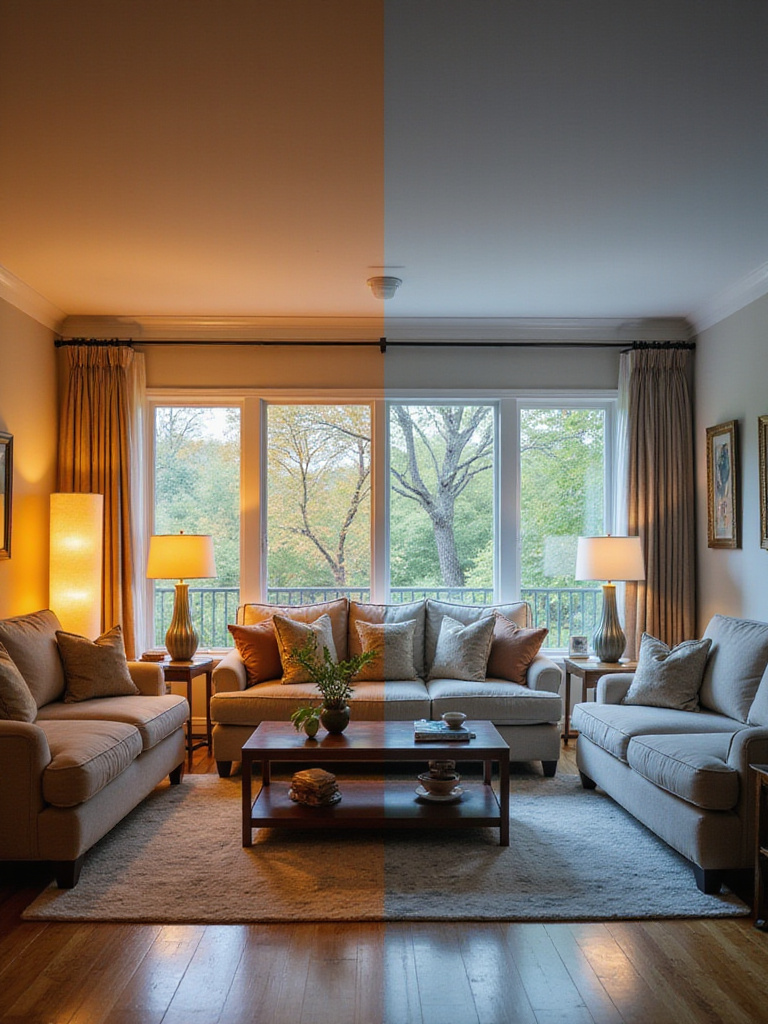
Design styles influence your choice: rustic and traditional interiors benefit from warm tones that highlight natural textures, while modern and minimalist spaces often suit cooler hues that emphasize clean lines. Smart bulbs can dynamically adjust color temperature throughout the day, mimicking natural light patterns to support your circadian rhythm.
16. Softening Overhead Lighting for a More Inviting Space
Relying solely on harsh overhead lighting can create unflattering shadows and a sterile environment. Instead, layering various light sources at different heights softens the ambiance and enhances comfort.
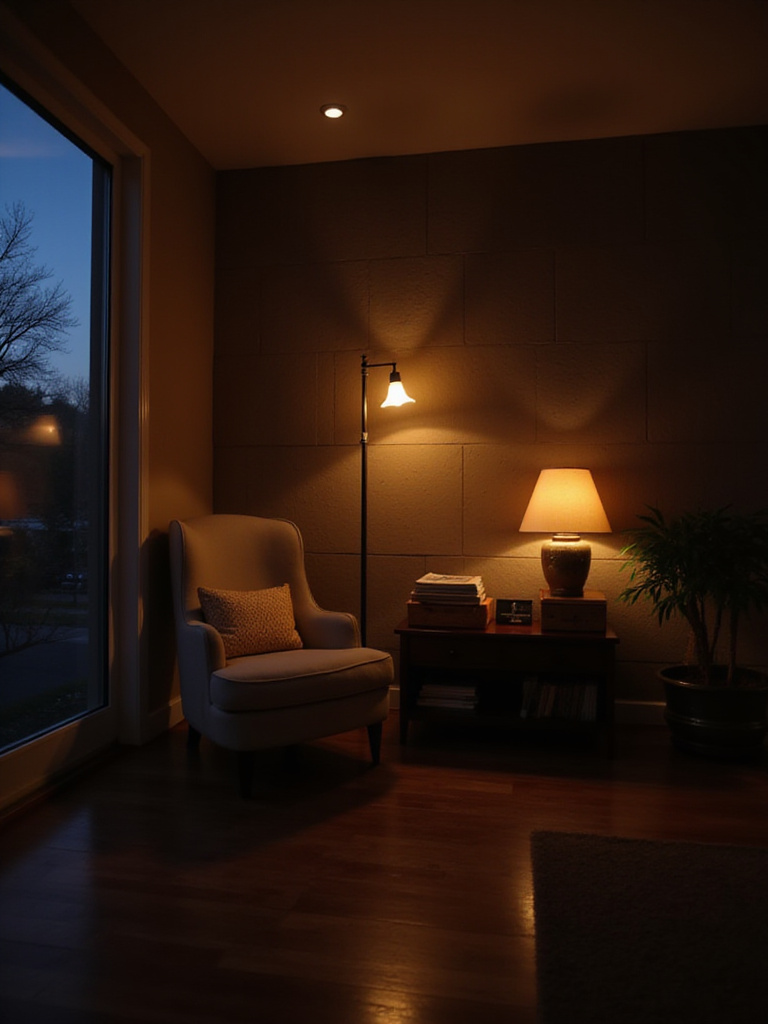
Use dimmers, warm bulbs, and a mix of floor, table, and accent lights to replace harsh overhead fixtures. Assess your living room’s activities to determine the right balance of task and ambient lighting, creating a layered scheme that feels natural and welcoming.
17. Position Lamps to Balance Visual Weight and Guide the Eye
Lamp placement is a powerful design tool that shapes how a room feels. Strategically positioned lamps can balance heavy furniture, create focal points, and enhance spatial harmony.
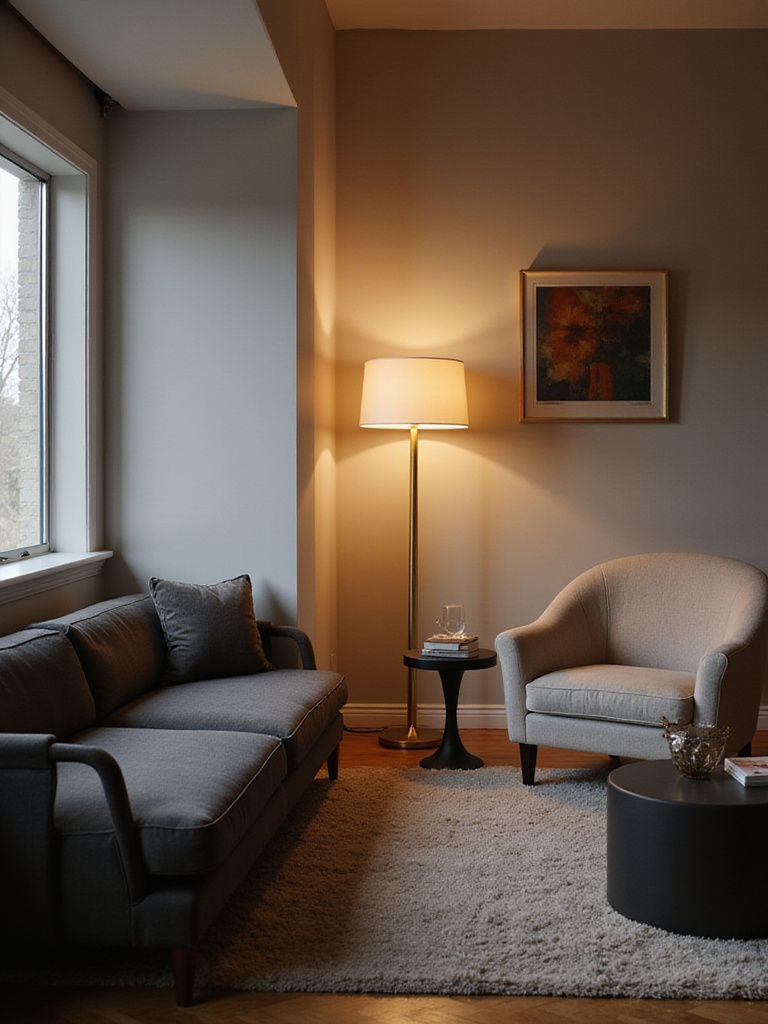
For example, placing tall floor lamps in corners can visually elongate walls, while lamps on low tables foster intimacy. Balance dark or bulky furniture with lighting on the opposite side to prevent visual heaviness. Remember, the eye naturally gravitates toward the brightest spot, so use lighting to direct attention where you want it.
18. Use Mirrors to Reflect and Amplify Light
Mirrors are excellent tools for enhancing both natural and artificial light, making your living room feel brighter and more spacious. By reflecting light, they create an illusion of depth and openness.
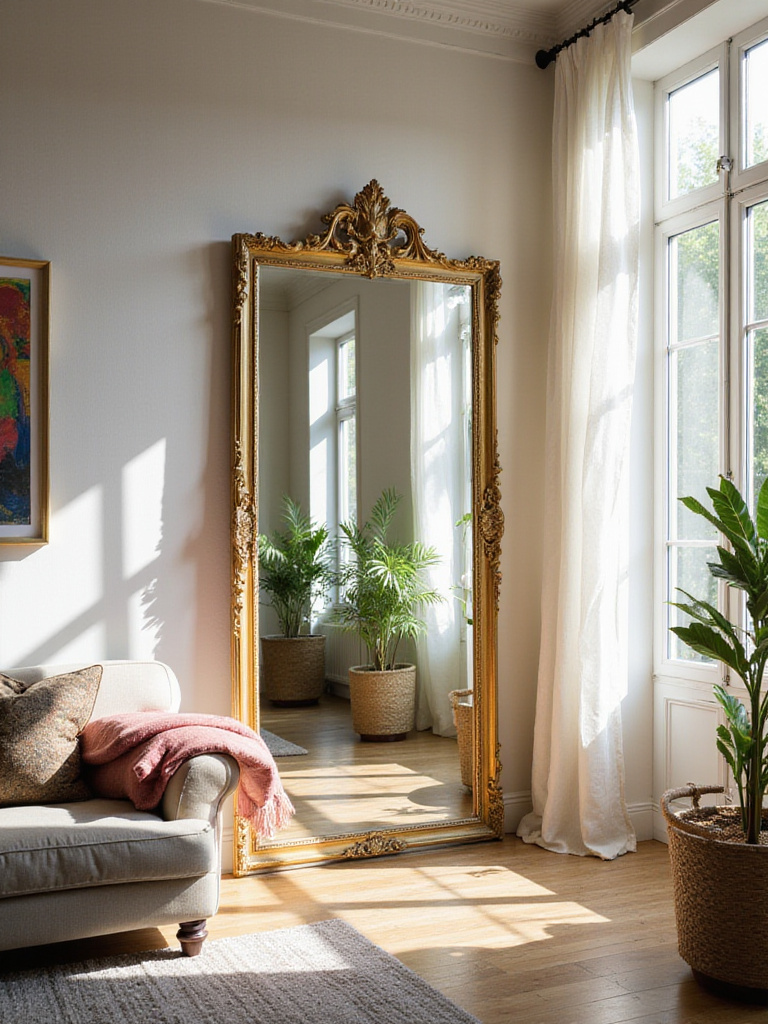
Place large mirrors opposite windows to bounce sunlight back into the room, or near light fixtures to intensify their glow. Avoid reflecting clutter or unattractive views. Creating a gallery wall of mirrors in various shapes and sizes can add visual interest while amplifying light, effectively doubling your room’s brightness without extra fixtures.
19. Illuminate Architectural Details to Showcase Your Space
Every living room has unique architectural features-exposed brick, crown molding, fireplaces-that can become stunning focal points with the right lighting.
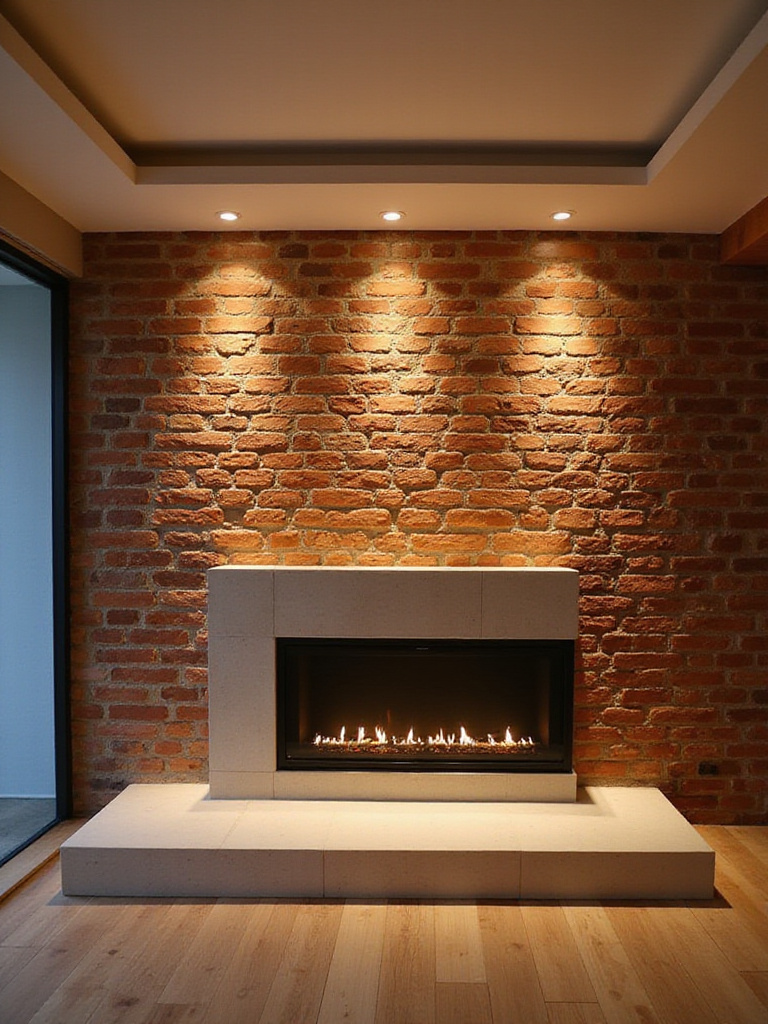
Use grazing light close to textured surfaces like brick or stone, uplighting for crown molding or tray ceilings, recessed spotlights for niches, and picture lights or track lighting for artwork. Fireplaces can be accentuated with uplights from the floor or small lamps on the mantel. Experiment with warm and cool light to find what best complements each feature.
20. Blend Lighting with Your Decor for a Cohesive Look
Lighting should harmonize with your living room’s style, enhancing both function and aesthetics. Thoughtfully chosen fixtures can amplify your decor and contribute to the room’s overall vibe.
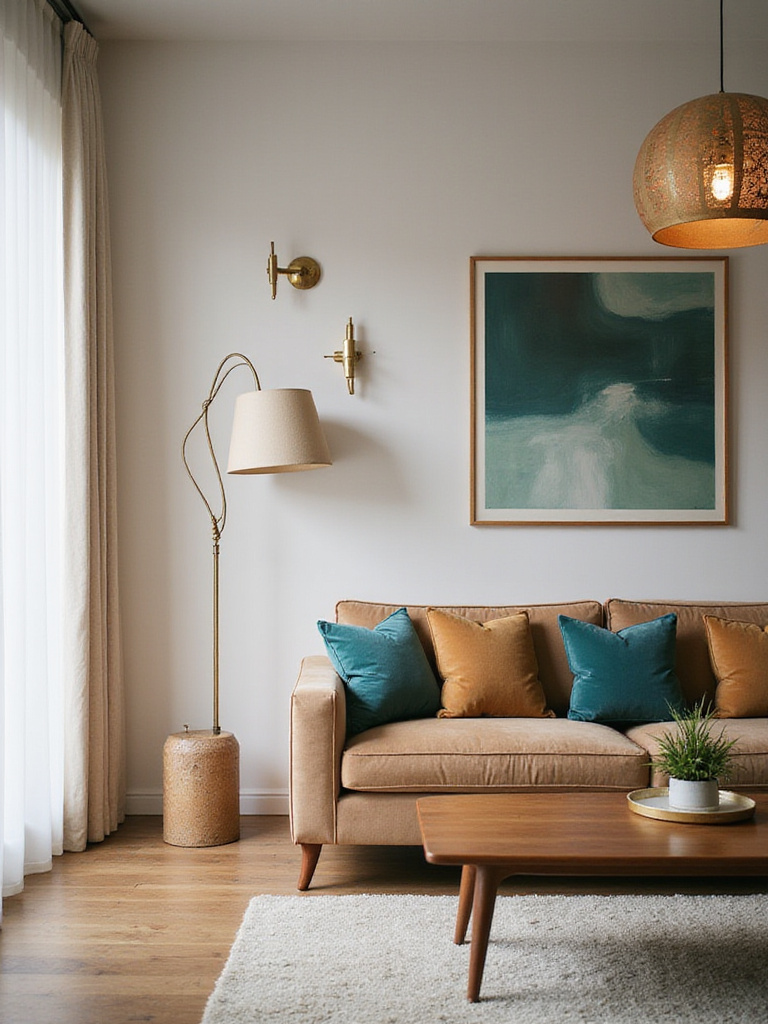
Consider your room’s style, color palette, materials, and scale when selecting lighting. Modern minimalist spaces benefit from sleek metal fixtures, while bohemian rooms might incorporate woven or vintage lamps. Mixing styles is fine if there’s a unifying element like color or texture. Also, factor in how color temperature affects mood-warmer tones for coziness, cooler for energy.
21. Illuminate Corners to Expand and Balance Your Space
Neglected dark corners can shrink your living room’s perceived size and warmth. Brightening these areas creates a more balanced, open, and inviting environment.
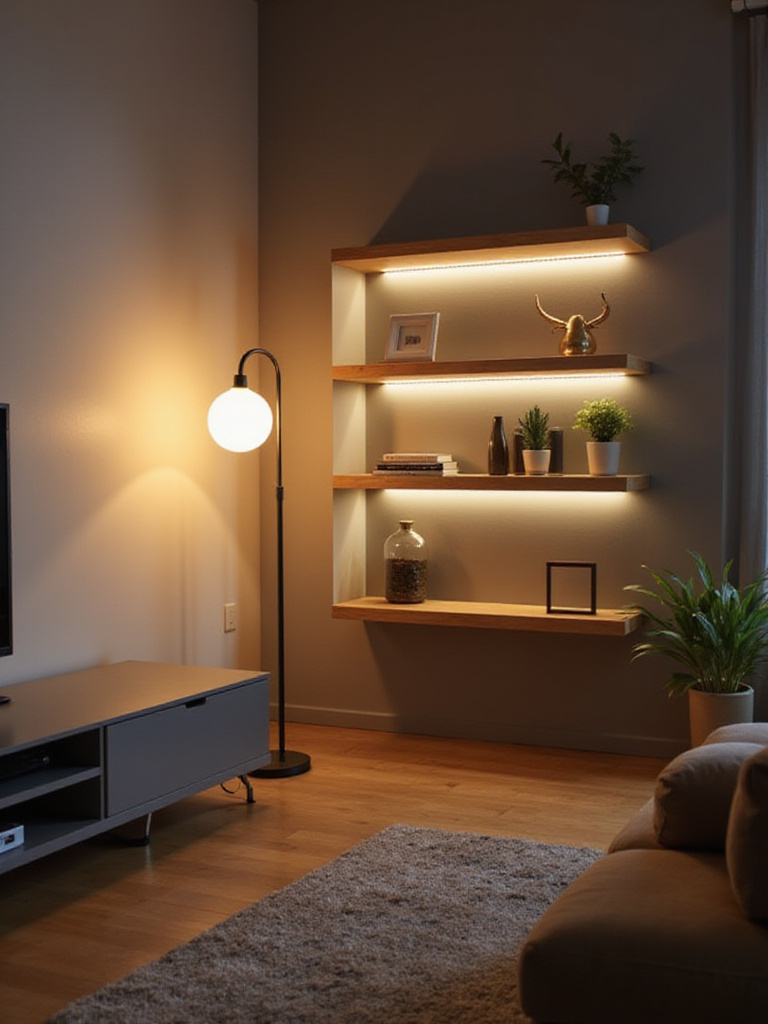
Floor lamps, torchiere lamps, wall sconces, string lights, and table lamps work well in corners. Well-lit corners soften shadows and enhance depth, making the room feel larger. Since the eye is drawn to the brightest spots, illuminating corners helps distribute visual interest evenly.
22. Plan Your Lighting Scheme Before You Decorate
Lighting should be a foundational element in your living room design, not an afterthought. Planning your lighting layout early ensures that electrical infrastructure, fixture placement, and decor work in harmony.
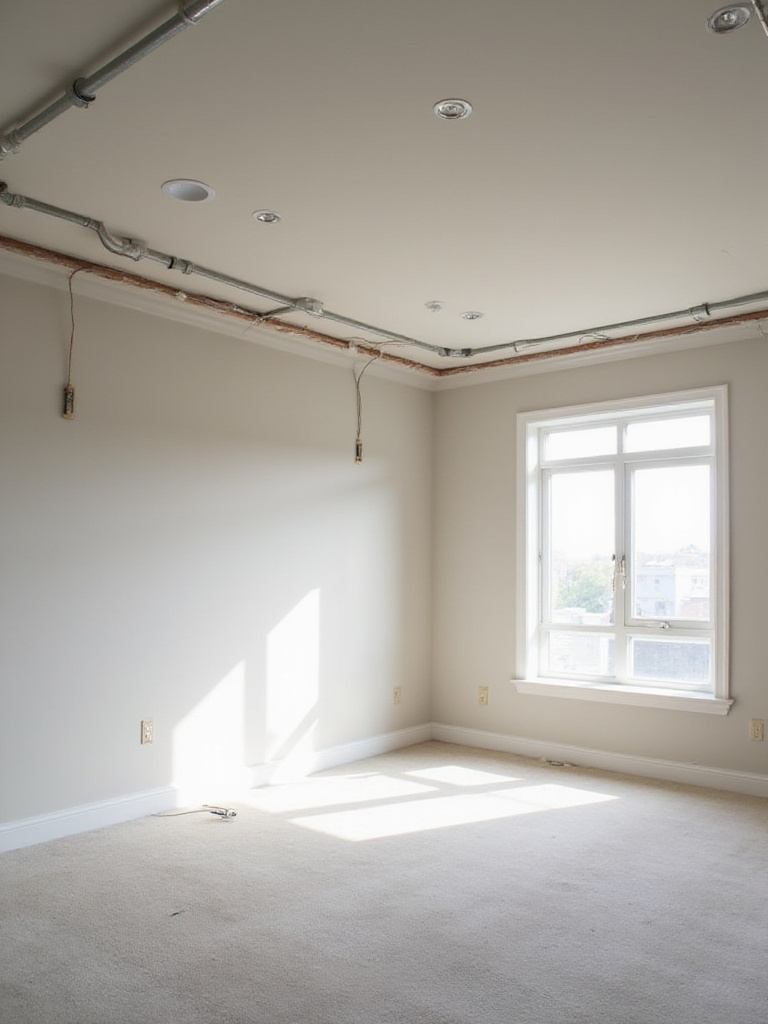
Early planning prevents costly rewiring, ensures adequate outlets and switches, and allows you to optimize the interplay of natural and artificial light. A well-designed lighting plan can increase a home’s perceived value significantly. Start by mapping out activities in your living room and determining lighting needs accordingly.
Conclusion: Transform Your Living Room with Smart Lighting Design
Revamping your living room lighting is a powerful way to enhance both style and comfort. By layering ambient, task, and accent lights, selecting bulbs with the right color temperature and brightness, and thoughtfully positioning fixtures, you can craft a space that reflects your personality and lifestyle.
Never underestimate the influence of light-it shapes how you feel and interact with your home. Use these 22 strategies to spark your creativity and create a living room that’s not only beautifully illuminated but truly inviting. Your ideal lighting setup is just a few thoughtful choices away!