Is your kitchen not living up to its full potential? As the central hub of any home, it deserves to be more than just practical-it should be a space that motivates creativity, invites comfort, and mirrors your unique way of living. The key lies in intentional kitchen furniture design. Whether you’re planning a full overhaul or just a stylish refresh, selecting the right furniture pieces is essential.
Say goodbye to generic kitchens! We’ve gathered 22 innovative kitchen furniture design concepts that blend functionality with aesthetic appeal. Discover how carefully chosen furniture can reveal your kitchen’s hidden charm and boost its efficiency. Let’s embark on a journey to craft the kitchen you’ve always envisioned.
1. Intelligent Kitchen Furniture: Elevate Your Culinary Experience
Fed up with repetitive kitchen chores? Imagine a refrigerator that alerts you when essentials run low. The era of smart kitchens is here, revolutionizing kitchen furniture design by integrating technology that simplifies your cooking routine. Smart appliances and furniture are no longer optional-they’re becoming standard for a seamless kitchen experience.
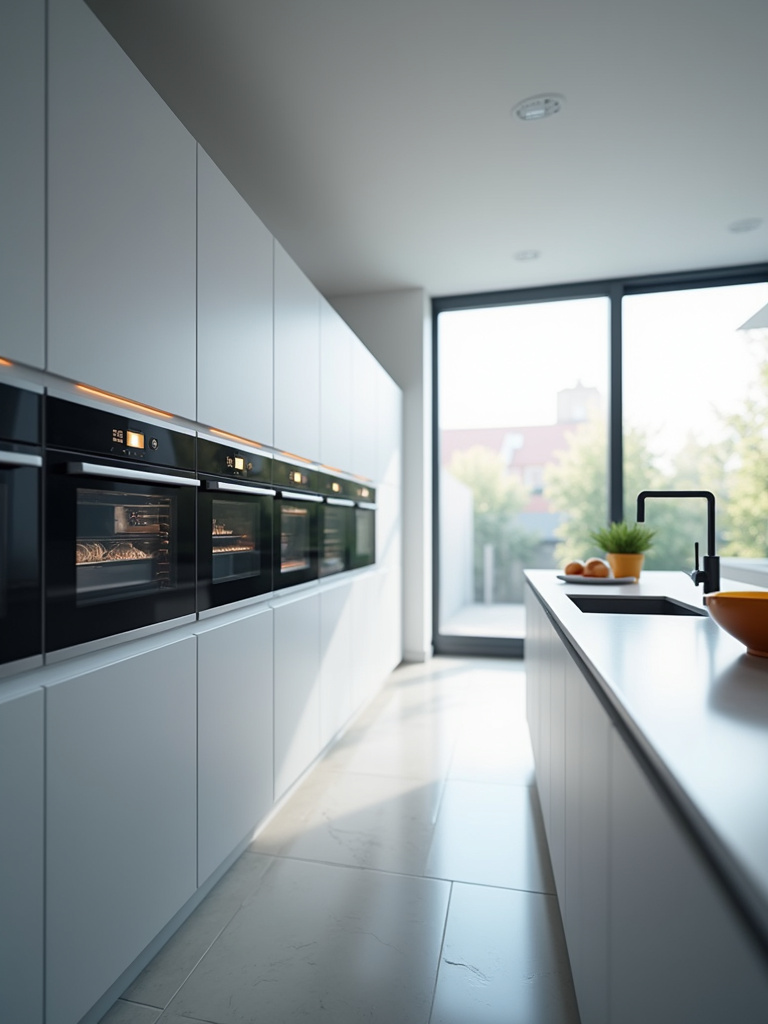
Think about lighting systems that adjust brightness and color temperature based on the time of day, or faucets that dispense exact water amounts via voice commands. Did you know the earliest smart refrigerator appeared over a century ago, albeit with limited features? Today, smart kitchen furniture creates an intuitive environment that anticipates your needs. To start, add a smart speaker to control appliances effortlessly and bring tech-savvy convenience to your cooking space. Embracing intelligent kitchen furniture design means welcoming a kitchen that works harmoniously with you.
2. Rustic Farmhouse Style: The Timeless Allure
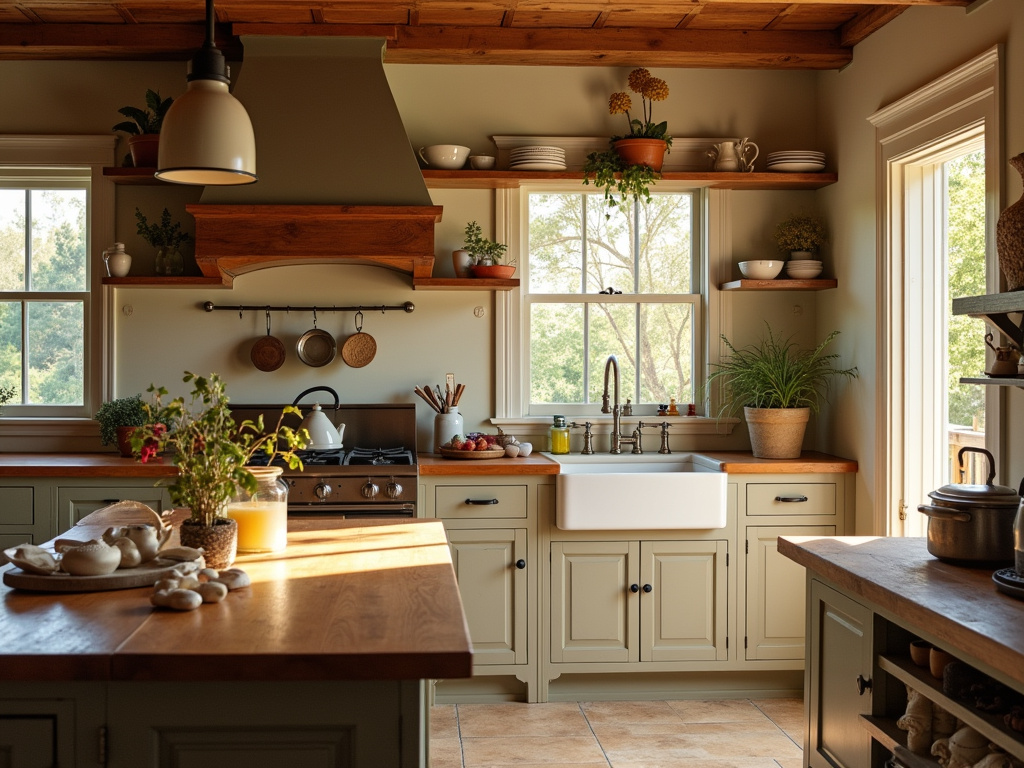
Why do farmhouse kitchens continue to captivate homeowners? Their charm lies in evoking warmth, authenticity, and a nostalgic connection to simpler days. Rustic farmhouse kitchen furniture design transcends trends, offering a cozy atmosphere that fits perfectly in contemporary homes.
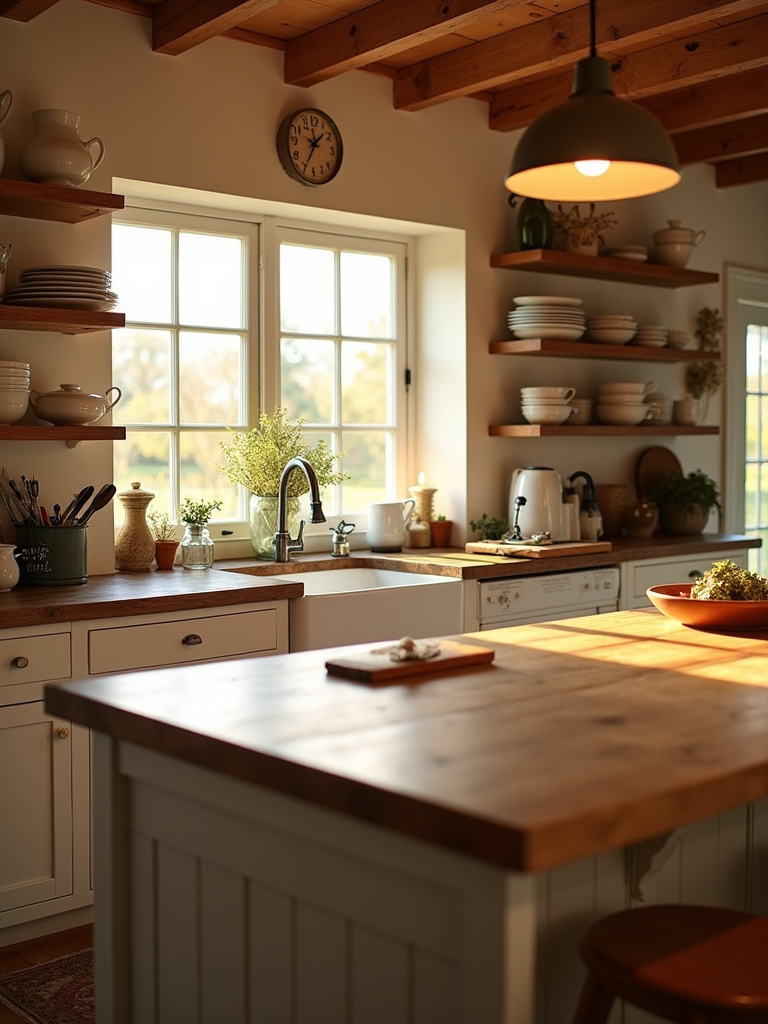
Incorporate elements like reclaimed timber and exposed brickwork to anchor your kitchen in rustic elegance. For instance, a reclaimed wood countertop or brick backsplash can instantly add character. Fun fact: Shiplap paneling, a farmhouse staple, was originally used as exterior siding for barns and homes before becoming a beloved interior feature. For a quick farmhouse update, distress new furniture with sandpaper to simulate aged textures-a simple DIY that adds authentic charm. This style remains popular because it combines comfort with enduring appeal, making your kitchen feel truly inviting.
3. Eco-Friendly Kitchens: Sustainable Furniture for a Greener Home
Is it possible to have a kitchen that’s both stylish and environmentally responsible? Absolutely. Sustainable kitchen furniture design is gaining traction as more homeowners prioritize reducing their ecological impact without sacrificing beauty or function.
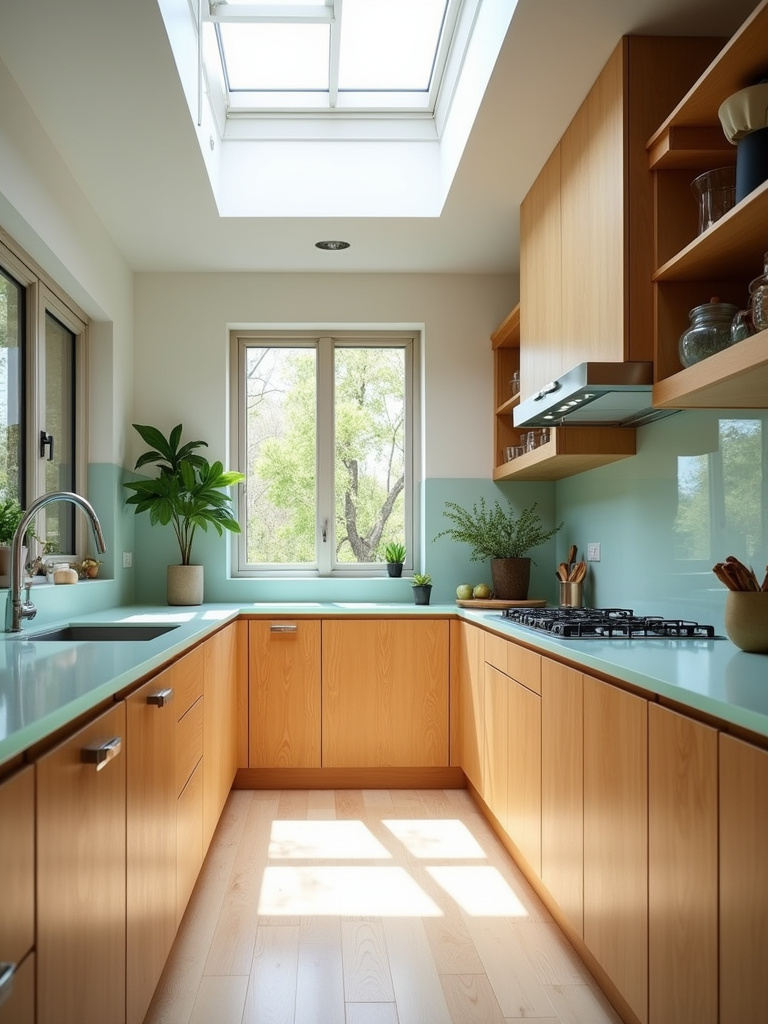
Consider countertops crafted from recycled glass or concrete for a chic, sustainable surface. Bamboo furniture is another excellent choice due to its rapid growth and renewability. Did you know bamboo is technically a grass and one of the fastest-growing plants on Earth? When selecting furniture, prioritize reclaimed wood pieces to combine environmental mindfulness with rustic beauty. Sustainable kitchen furniture design proves that eco-conscious choices can enhance your kitchen’s aesthetic while supporting the planet.
4. Maximizing Small Kitchens: Clever Space-Saving Furniture
Struggling with limited kitchen space? Smart design can make even the smallest kitchens feel open and efficient. Thoughtful kitchen furniture design focuses on maximizing every inch without compromising style.
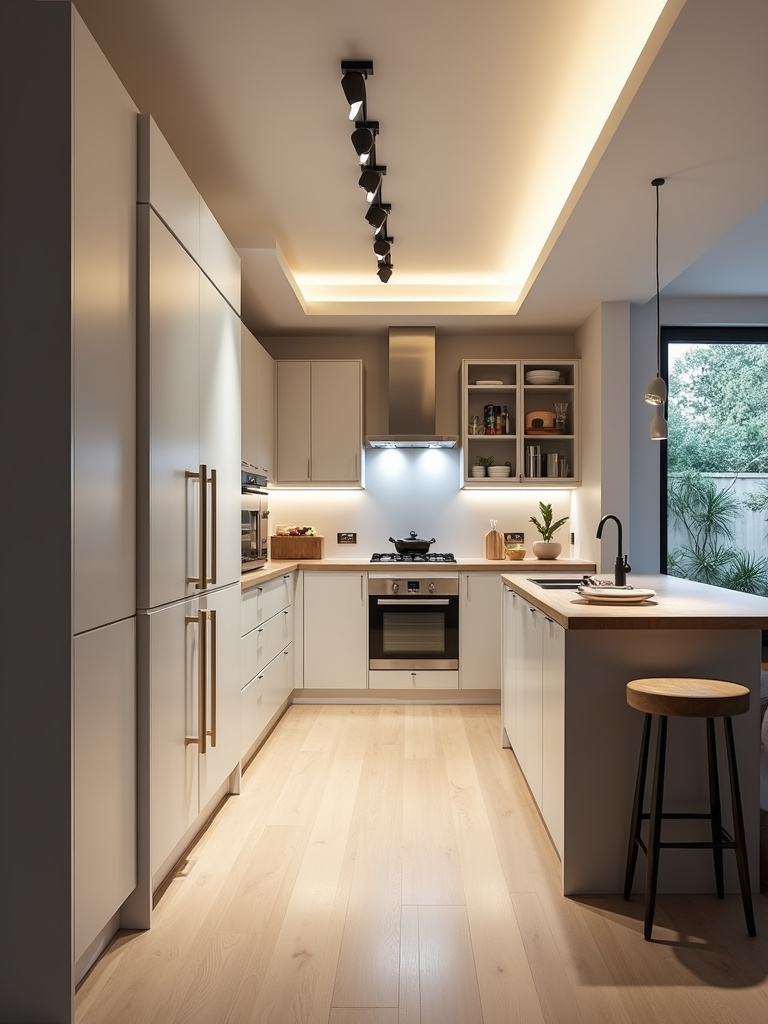
Utilize vertical storage by installing tall, slim cabinets that extend to the ceiling, drawing the eye upward and expanding storage capacity. Fun fact: Modern homes often feature smaller kitchens to allocate more space to living areas, making efficiency essential. Incorporate pull-out drawers in deep cabinets to improve accessibility and organization. With smart kitchen furniture design, even compact kitchens can become stylish, functional culinary spaces.
5. Kitchen Islands: The Heart of Cooking and Gathering
What transforms a kitchen island from a simple countertop to a social and functional centerpiece? Today’s kitchen islands serve multiple roles-from food prep stations to casual dining spots-making them indispensable in modern kitchen furniture design.
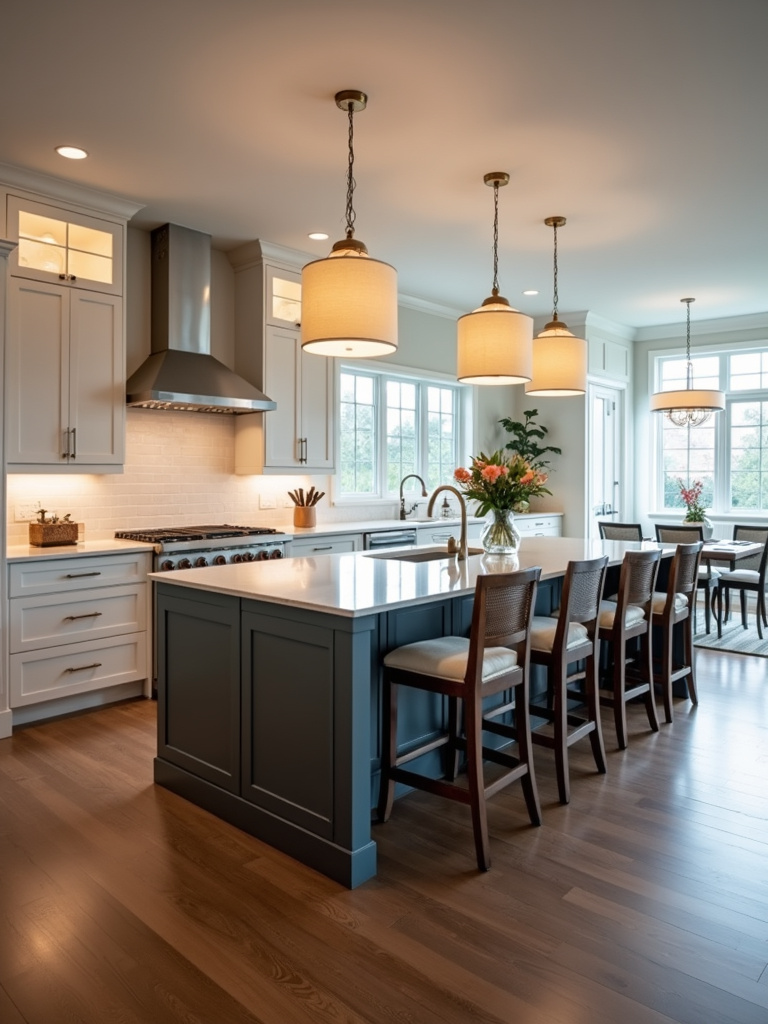
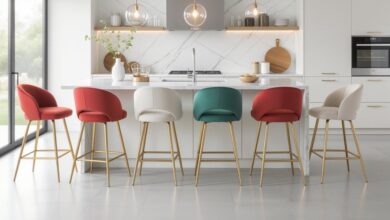
Enhance your island by integrating a sink and dishwasher to create a dedicated prep area separate from cooking zones. Adding bar stools invites casual dining and social interaction, turning the island into a lively gathering place. Fun fact: Kitchen islands became popular as kitchens evolved into social hubs rather than just workspaces. When planning, carefully measure your kitchen layout to select an island size and shape that optimizes flow and usability. A well-designed island is a cornerstone of effective kitchen furniture design, balancing practicality with social engagement.
6. Vibrant Color Choices: Infuse Energy into Your Kitchen
Are bold colors just a passing fad? Not at all. Bright, daring hues are revitalizing kitchen furniture design, injecting personality and vibrancy into spaces once dominated by neutrals.
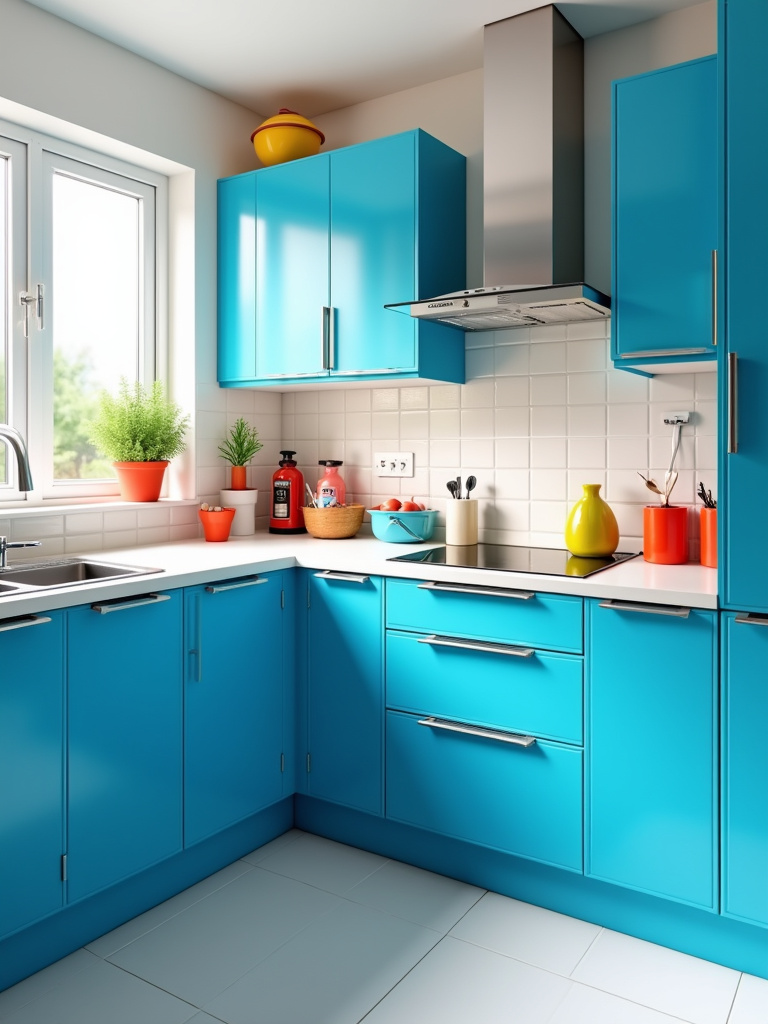
Add pops of color through appliances, cookware, or accent furniture. Consider painting your kitchen island a striking shade or incorporating colorful bar stools for a playful touch. Fun fact: Color trends in kitchens often cycle back, with retro shades like avocado green making a comeback in modern designs. To ensure harmony, create a mood board to visualize how bold colors will interact with your existing elements before committing. Bold color accents in kitchen furniture design allow you to express your unique style and enliven your space.
7. Open Shelving: Display Your Personality and Essentials
Is open shelving practical or just decorative? It’s both. Open shelving has surged in popularity within kitchen furniture design, offering a way to showcase your favorite dishes and accessories while creating an airy, open feel.
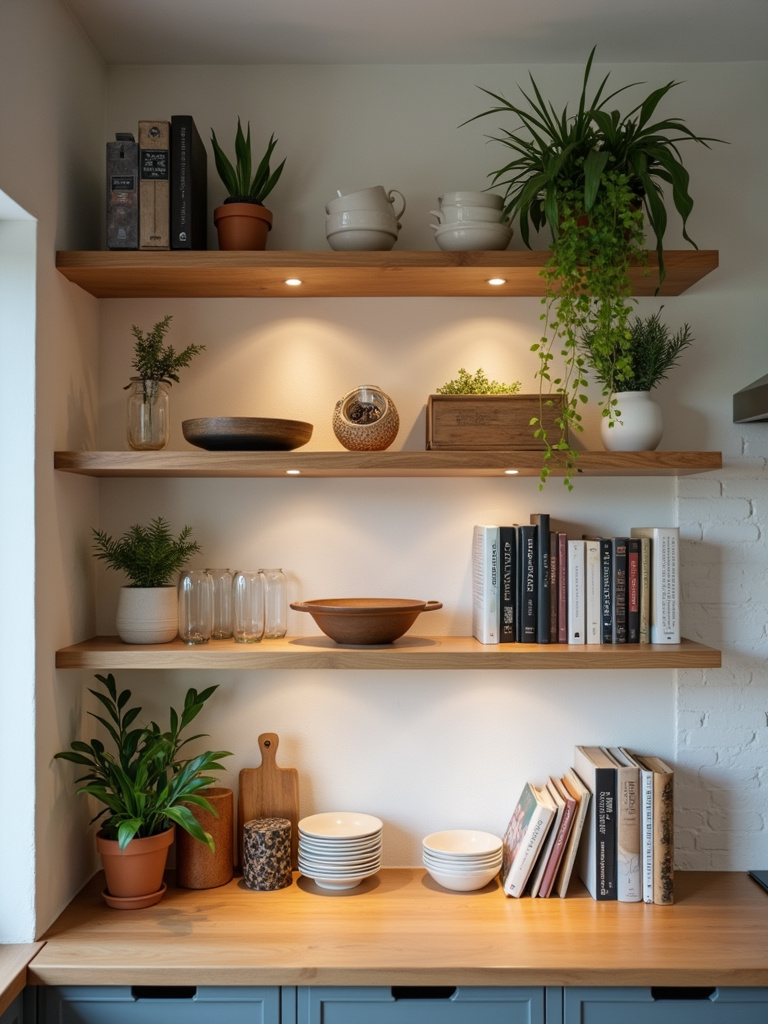
Mix dishware styles while maintaining a cohesive color scheme, and add decorative touches like plants and cookbooks for depth. Historically, open shelving was the norm before closed cabinets became widespread, and now it’s making a stylish comeback. To avoid clutter, only display items you love and use regularly, creating a curated and inviting look. Open shelving in kitchen furniture design balances accessibility with aesthetic appeal.
8. Hidden Storage: Clever Solutions for a Clutter-Free Kitchen
Where can you find the best concealed storage beyond traditional cabinets? Achieving a tidy kitchen often depends on smart hidden storage integrated into your kitchen furniture design.
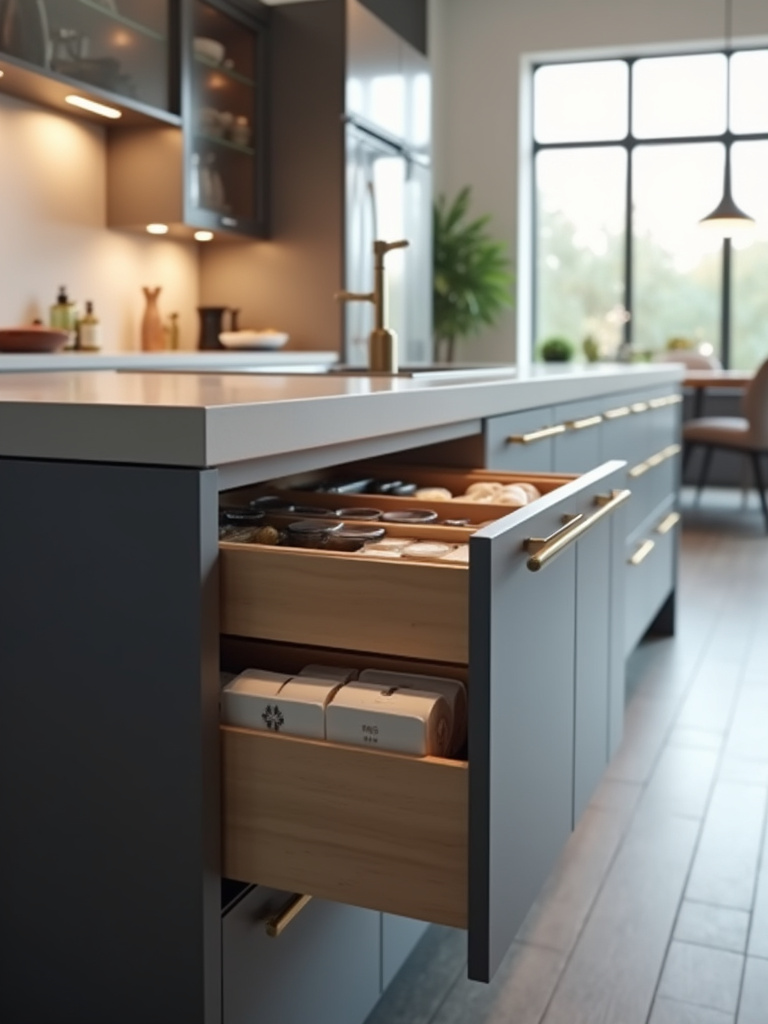
Utilize toe-kick drawers beneath cabinets for shallow items and install organizers on cabinet doors for spices and wraps. Hidden storage has been used for centuries, both for practicality and security. Assess your kitchen’s layout to identify underused spaces where concealed compartments can be added. Incorporating hidden storage in kitchen furniture design maximizes efficiency and keeps your kitchen serene and clutter-free.
9. Ergonomic Kitchen Design: Comfort Meets Functionality
Can thoughtful design reduce strain and make cooking more enjoyable? Ergonomic kitchen furniture design focuses on comfort and usability, transforming your kitchen into a space that supports your natural movements and reduces fatigue.
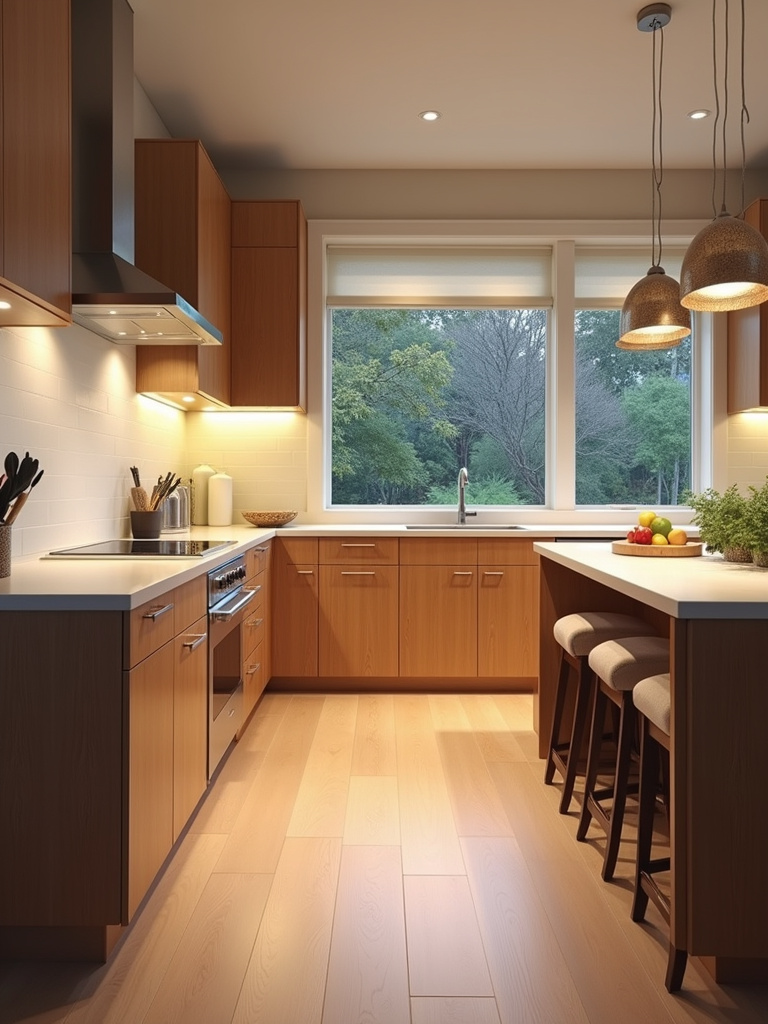
Incorporate adjustable-height countertops to accommodate different users and tasks, and select appliances with controls positioned for easy reach. Ergonomics in kitchen design is a relatively recent focus, emphasizing safety and efficiency. Identify areas where you experience discomfort during cooking to guide ergonomic improvements. Prioritizing ergonomics in kitchen furniture design enhances comfort and makes your kitchen a joy to use for everyone.
10. Natural Wood Furniture: Timeless Warmth and Beauty
Why does natural wood remain a favorite in kitchen design? It offers unmatched warmth and organic texture, enriching kitchen furniture design with depth and character that synthetic materials can’t replicate.
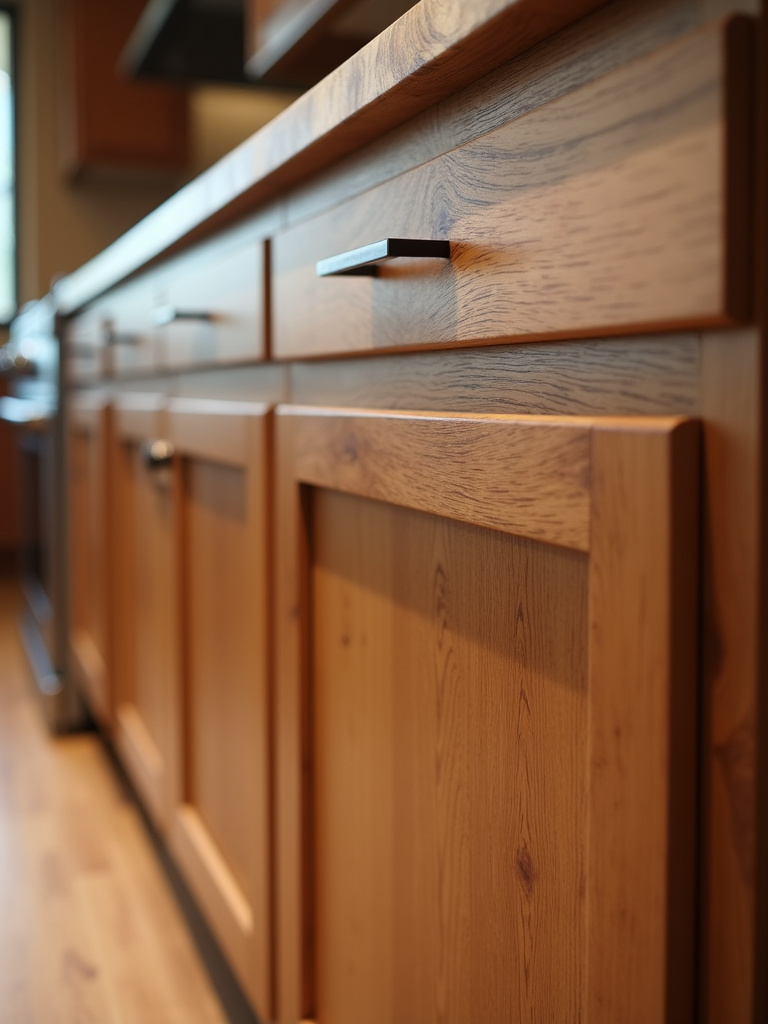
Add wooden bar stools or butcher block countertops to introduce warmth and tactile appeal. Wood has been a staple in furniture making for thousands of years due to its durability and inviting aesthetic. When choosing wood for your kitchen, opt for moisture-resistant hardwoods like maple or oak to ensure longevity. Natural wood in kitchen furniture design offers a timeless look that ages gracefully, adding lasting charm to your space.
11. Countertop Comparison: Quartz Versus Granite
Choosing between quartz and granite countertops is a pivotal decision in kitchen furniture design. Both materials provide durability and elegance, but their unique qualities cater to different preferences.
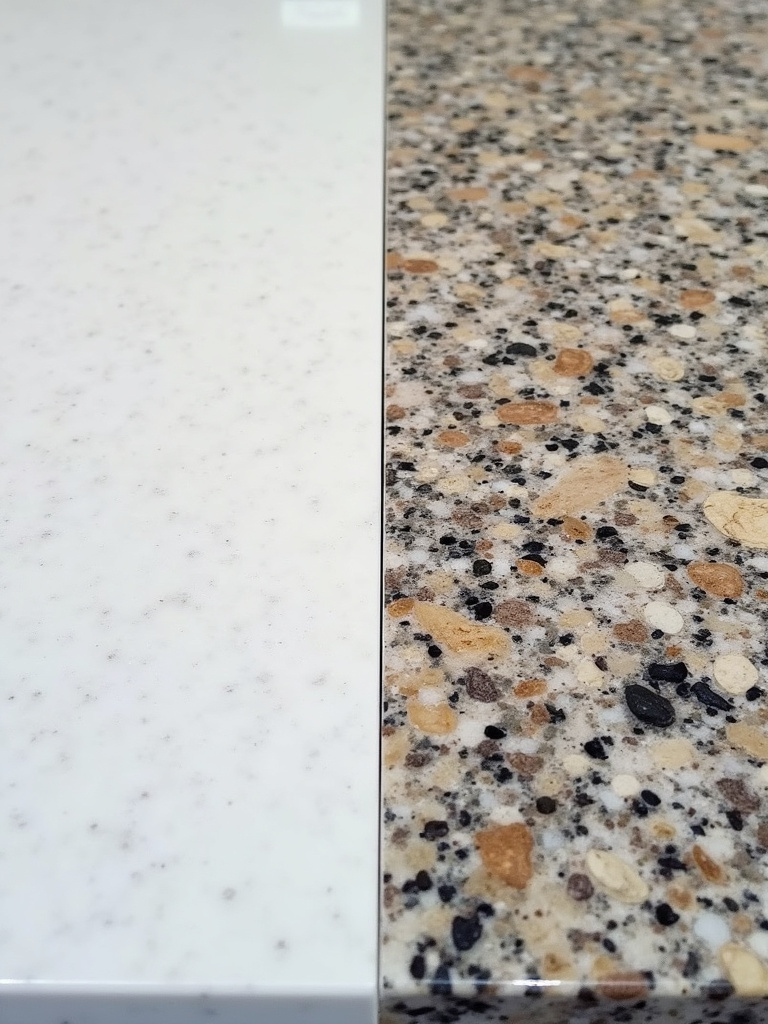
Quartz offers uniform color and patterns, ideal for sleek, modern kitchens, while granite boasts unique, natural veining that makes each slab one-of-a-kind. Quartz is engineered from crushed quartz and resins, whereas granite is a natural stone. To decide, view samples in your kitchen’s lighting to see how they complement your cabinetry and overall design. Balancing aesthetics, maintenance, and durability will help you select the perfect countertop material for your lifestyle.
12. Lighting Strategies: Crafting the Perfect Kitchen Atmosphere
Can lighting truly transform your kitchen’s mood? Absolutely. Statement lighting in kitchen furniture design goes beyond functionality, shaping ambiance and highlighting key features.
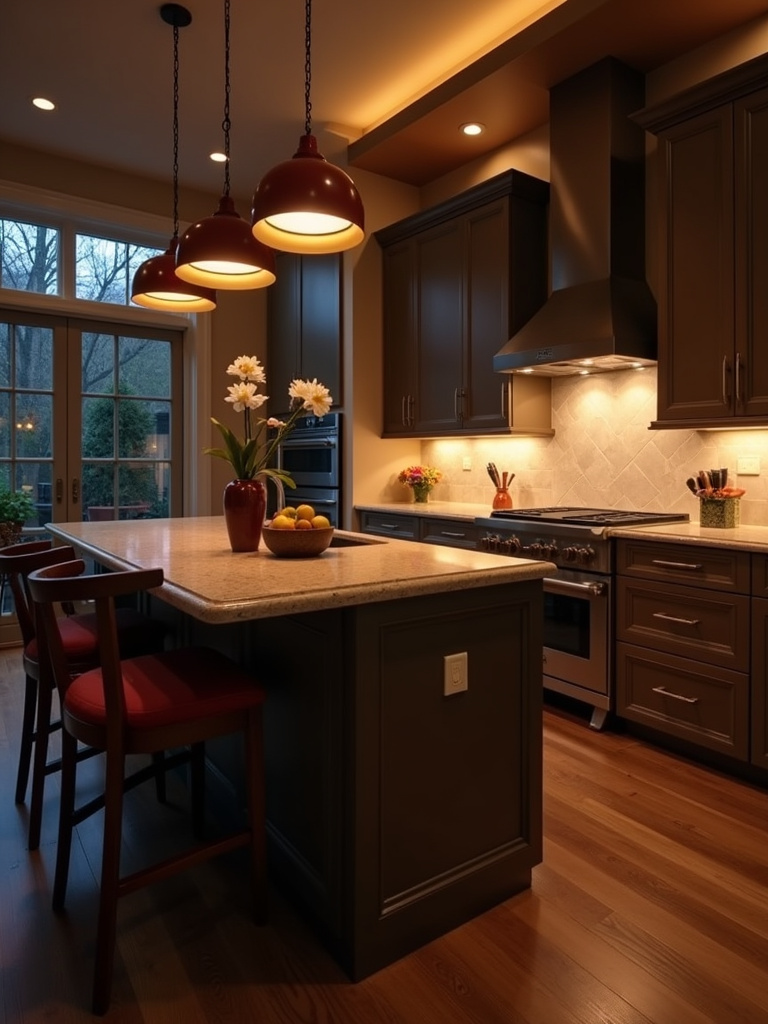
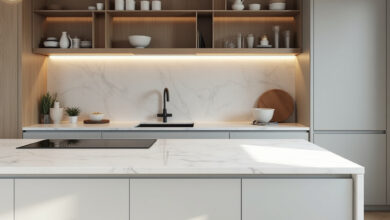
Incorporate under-cabinet LED strips to accentuate backsplashes and countertops, and install eye-catching pendant lights over islands for a dramatic effect. LEDs are energy-efficient and versatile, making them ideal for kitchens. Layer ambient, task, and accent lighting to create a balanced and inviting environment. Thoughtful lighting enhances both the functionality and aesthetic appeal of your kitchen.
13. Open-Concept Kitchen Furniture: Designing for Flow and Unity
How can kitchen furniture help unify open-concept living spaces? In modern homes, kitchen furniture design plays a crucial role in blending kitchen, dining, and living areas into a cohesive whole.
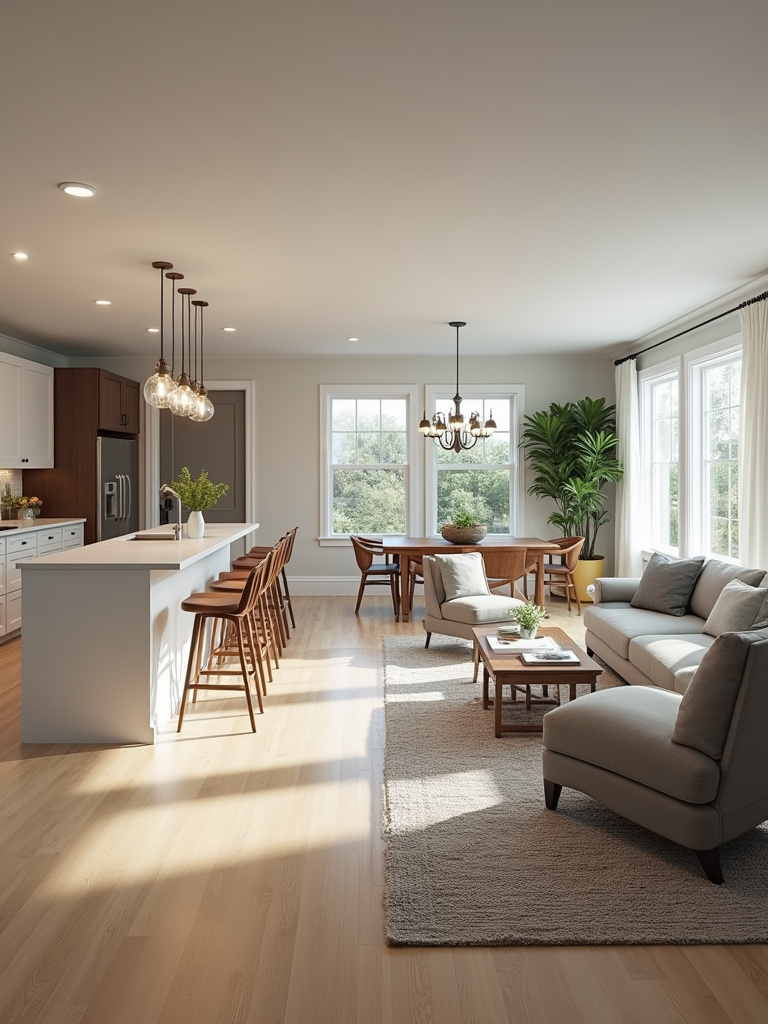
Choose furniture with consistent design elements to create harmony across spaces. Use kitchen islands with extended seating to subtly define zones without walls. Open-concept living gained popularity as homeowners sought more social and flexible layouts. Strategically placing furniture helps delineate areas while maintaining an open, airy feel. Seamless kitchen furniture design is key to achieving a balanced and inviting open-plan home.
14. Outdoor Kitchen Furniture: Creating an Al Fresco Culinary Retreat
What distinguishes outdoor kitchen furniture? Extending your cooking space outdoors requires durable, weather-resistant pieces that combine style with resilience.
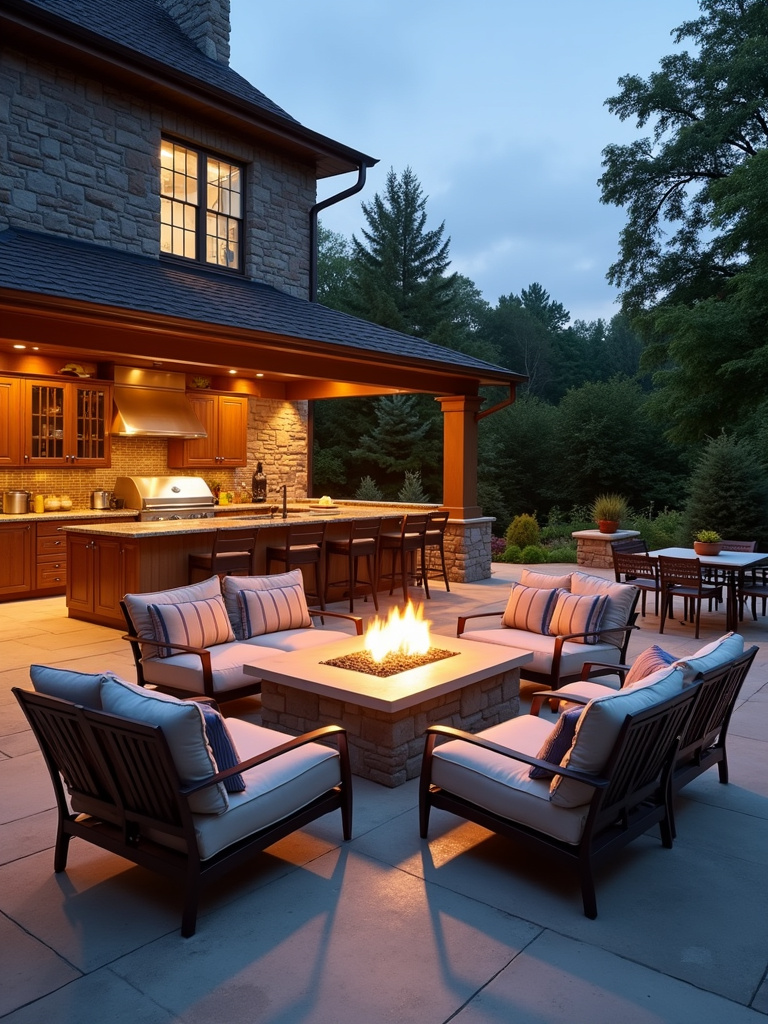
Opt for stainless steel cabinets and UV-resistant fabrics to withstand the elements. Comfortable outdoor seating creates a relaxed atmosphere for cooking and entertaining. Outdoor kitchens are increasingly popular, enhancing home value and lifestyle. Selecting durable materials ensures your outdoor kitchen remains functional and stylish season after season.
15. DIY Kitchen Furniture: Crafting Personalized Pieces
Is building your own kitchen furniture feasible? For DIY enthusiasts, creating custom pieces offers a rewarding way to infuse personality and craftsmanship into your kitchen.
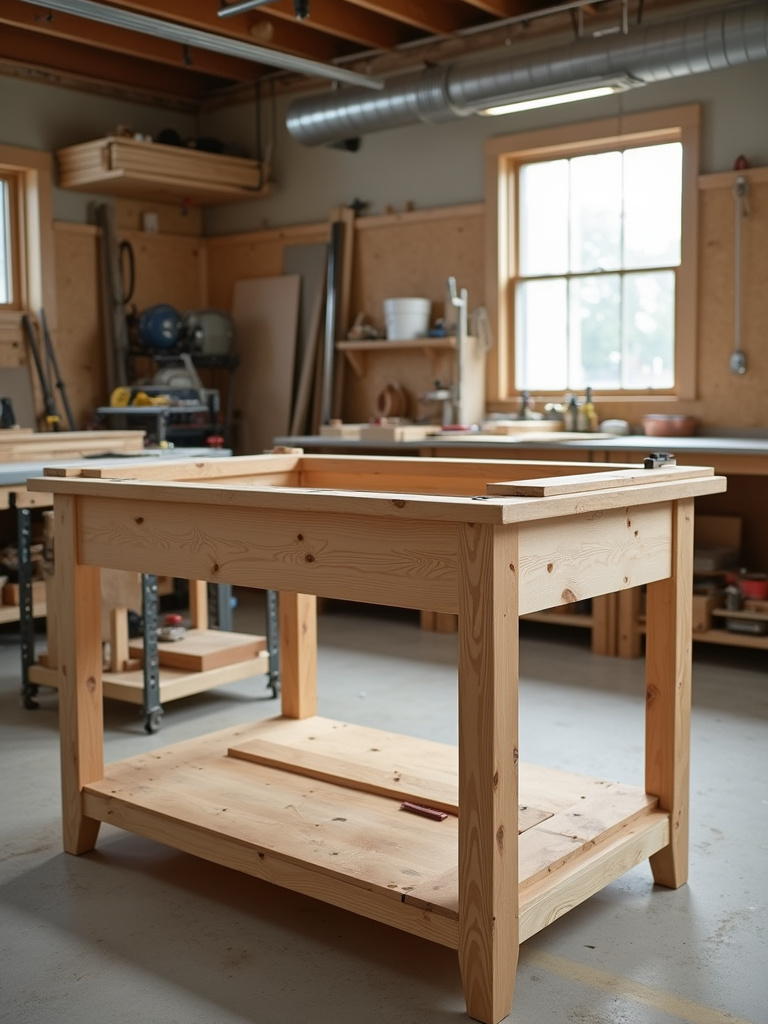
Begin with simple projects like open shelving or repurposing old furniture for unique accents. DIY furniture making is enjoying a resurgence thanks to online tutorials and a desire for bespoke decor. Start small to build skills and confidence before tackling larger pieces. DIY kitchen furniture design empowers you to create a kitchen that’s truly your own, blending creativity with cost-effectiveness.
16. Minimalist Kitchens: Embracing Clean Lines and Functionality
How can you design a minimalist kitchen that’s both elegant and practical? Minimalist kitchen furniture design focuses on simplicity, clean lines, and essential elements to create calm, uncluttered spaces.
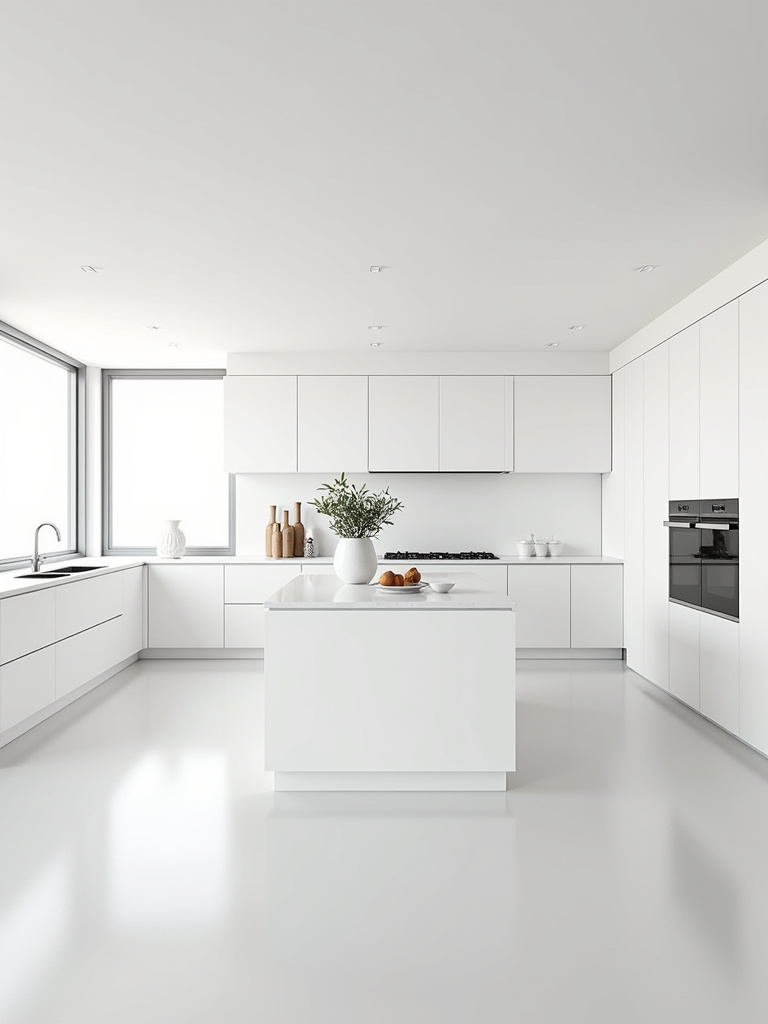
Choose handleless cabinetry and a neutral palette to maintain a sleek, uncluttered look. Minimalism draws inspiration from Scandinavian and Japanese design philosophies, emphasizing function over excess. Declutter countertops and storage areas to enhance the minimalist vibe. This approach to kitchen furniture design creates a serene and efficient cooking environment.
17. Industrial Kitchen Style: Bold, Raw, and Contemporary
How do you incorporate industrial elements without making your kitchen feel cold? Industrial kitchen furniture design celebrates raw materials and utilitarian aesthetics, crafting kitchens with a distinctive, edgy vibe.
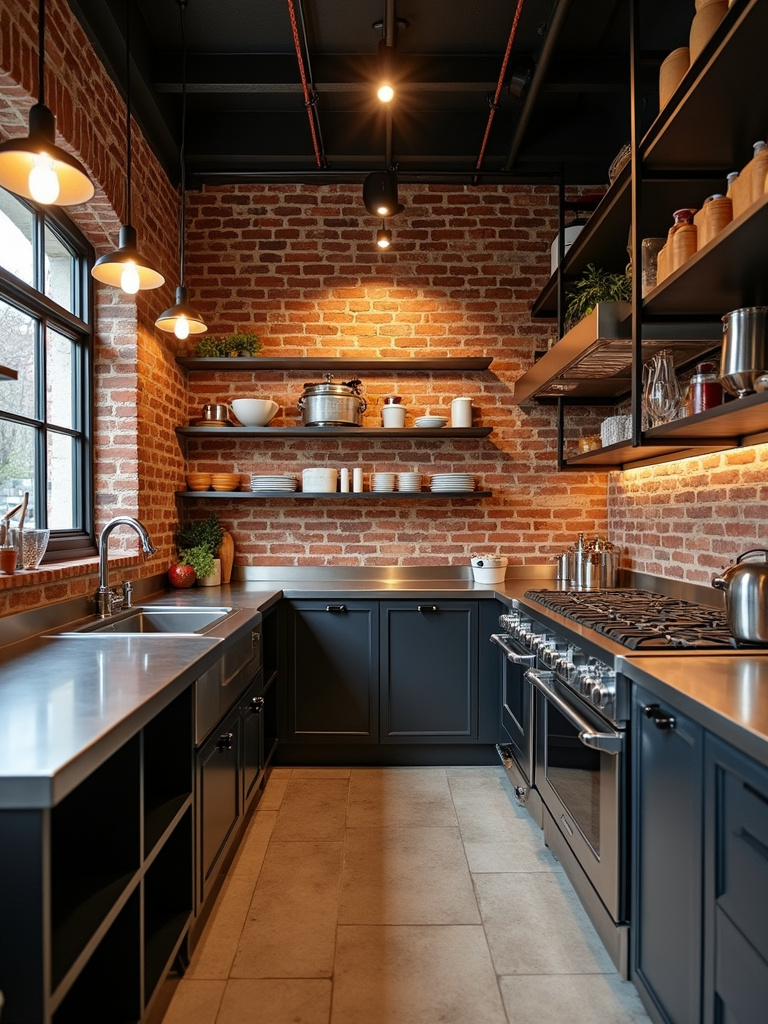
Incorporate metal shelving, exposed brick walls, and industrial pendant lighting to achieve this look. Balance the rawness with warm wood accents to avoid a sterile atmosphere. Industrial design draws from factory and warehouse aesthetics, focusing on function and material honesty. This style creates a striking, modern kitchen that’s both practical and visually compelling.
18. Classic Kitchen Furniture: Elegance That Endures
What makes kitchen furniture truly classic? Classic kitchen furniture design emphasizes timeless elegance through quality craftsmanship, clean lines, and understated sophistication that never goes out of style.
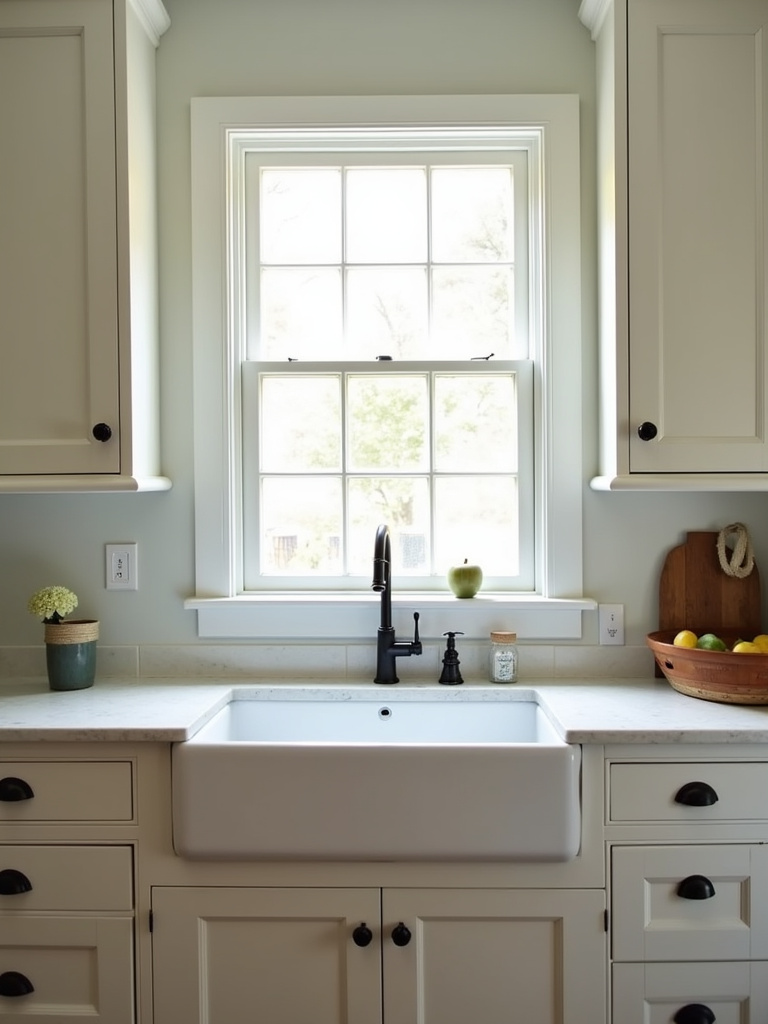
Opt for Shaker-style cabinets and invest in solid wood furniture that can be refinished over time. Classic design often draws inspiration from historical styles, ensuring longevity in appeal. Use neutral colors to keep your kitchen versatile and adaptable to evolving trends. Classic kitchen furniture design offers a beautiful, lasting investment in your home.
19. Universal Design Kitchens: Accessible and Comfortable for Everyone
How can kitchens be designed to accommodate all ages and abilities? Universal design principles in kitchen furniture design ensure spaces are accessible, safe, and comfortable for everyone, regardless of physical ability.
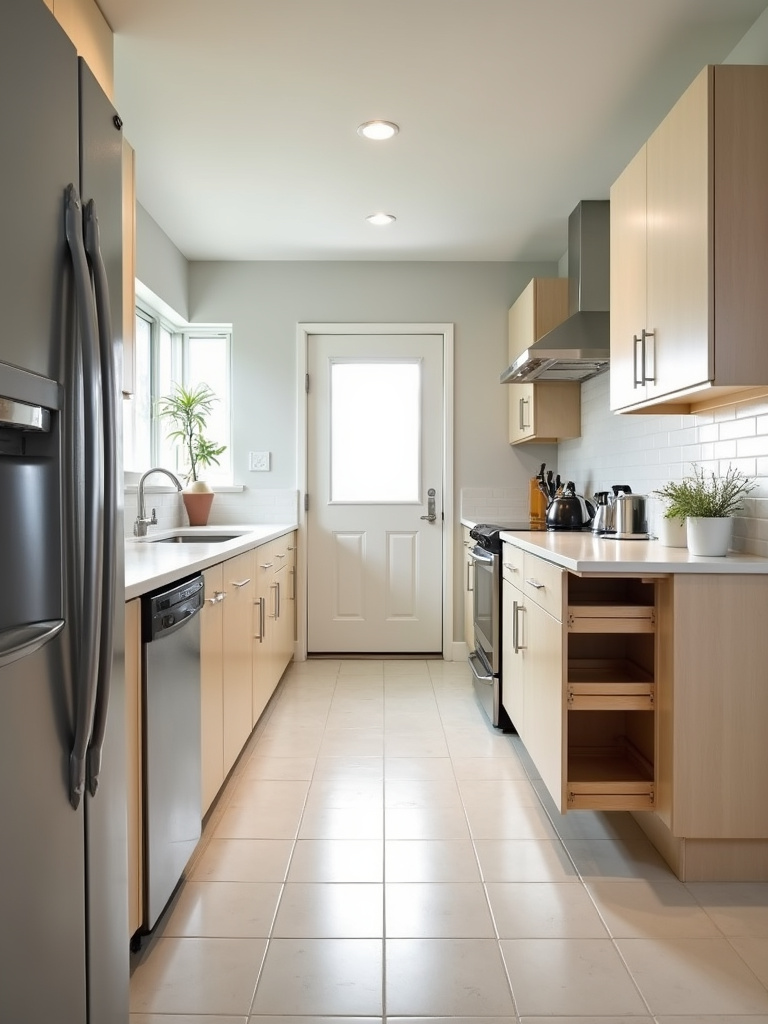
Incorporate adjustable countertop heights, pull-down shelving, and wider walkways to accommodate mobility devices. Universal design focuses on inclusivity, making kitchens functional and welcoming for all life stages. Planning for accessibility in kitchen furniture design ensures your kitchen remains usable and comfortable for years to come.
20. Custom Kitchen Furniture: Tailored to Your Lifestyle
When is investing in custom kitchen furniture worthwhile? Custom kitchen furniture design offers unmatched personalization, allowing you to create pieces that perfectly fit your space and style.
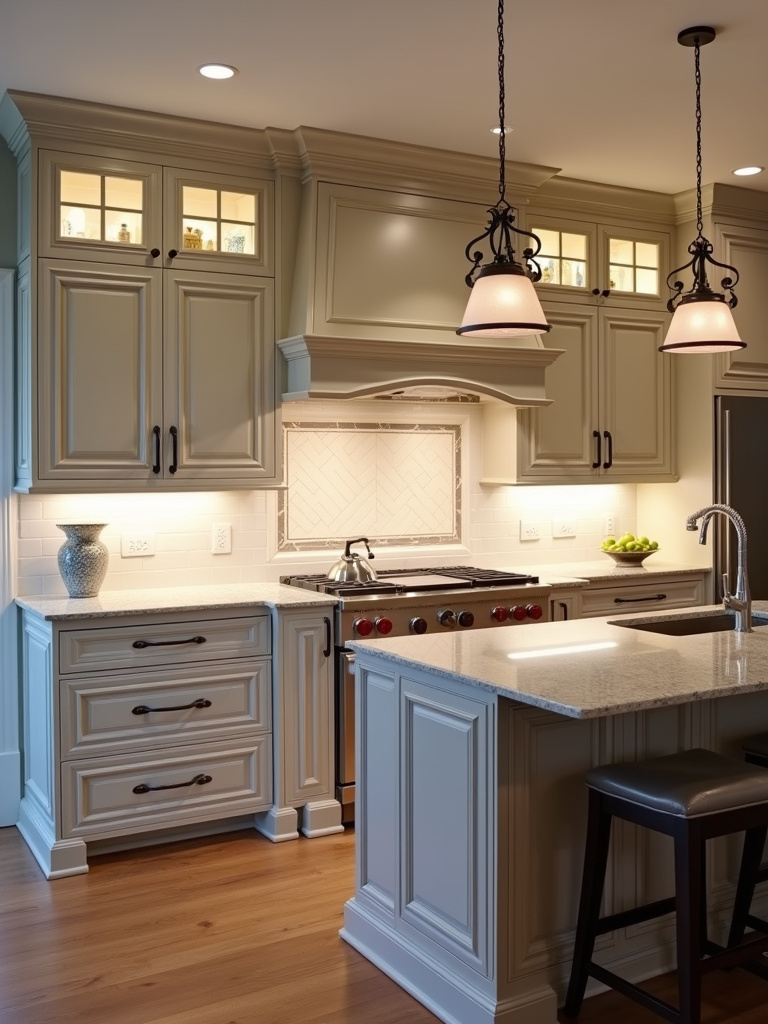
Design bespoke cabinetry to optimize storage in unconventional spaces or create unique kitchen islands tailored to your needs. Historically, all furniture was custom-made before mass production, reflecting a return to craftsmanship. Start by outlining your requirements and style preferences to guide your custom project. Custom kitchen furniture design results in a kitchen that’s both beautiful and uniquely yours.
21. Trending Kitchen Cabinets: Styles to Watch
What cabinet styles are dominating the scene? Staying updated on cabinet trends is vital for contemporary kitchen furniture design, as styles and materials evolve to meet modern tastes and needs.
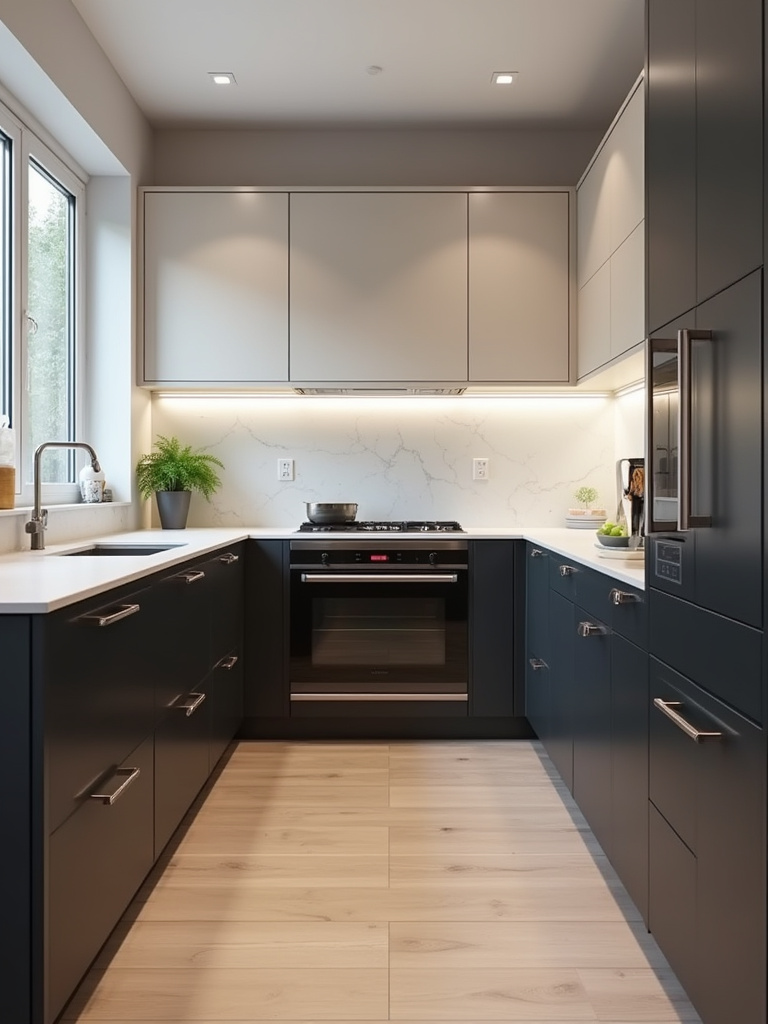
Two-tone cabinetry is a standout trend, combining contrasting colors for visual interest. Integrated appliances create a sleek, seamless look. Kitchen cabinets often represent the largest furniture investment in a remodel, so trend awareness helps you make informed choices. Follow design media and shows to discover styles that resonate with your vision. Embracing current cabinet trends in kitchen furniture design keeps your kitchen fresh and stylish.
22. Backsplash Designs: Elevate Your Kitchen Walls
Is a backsplash just practical, or can it be a design highlight? The backsplash has evolved into a key feature in kitchen furniture design, offering a canvas to express personality and style.
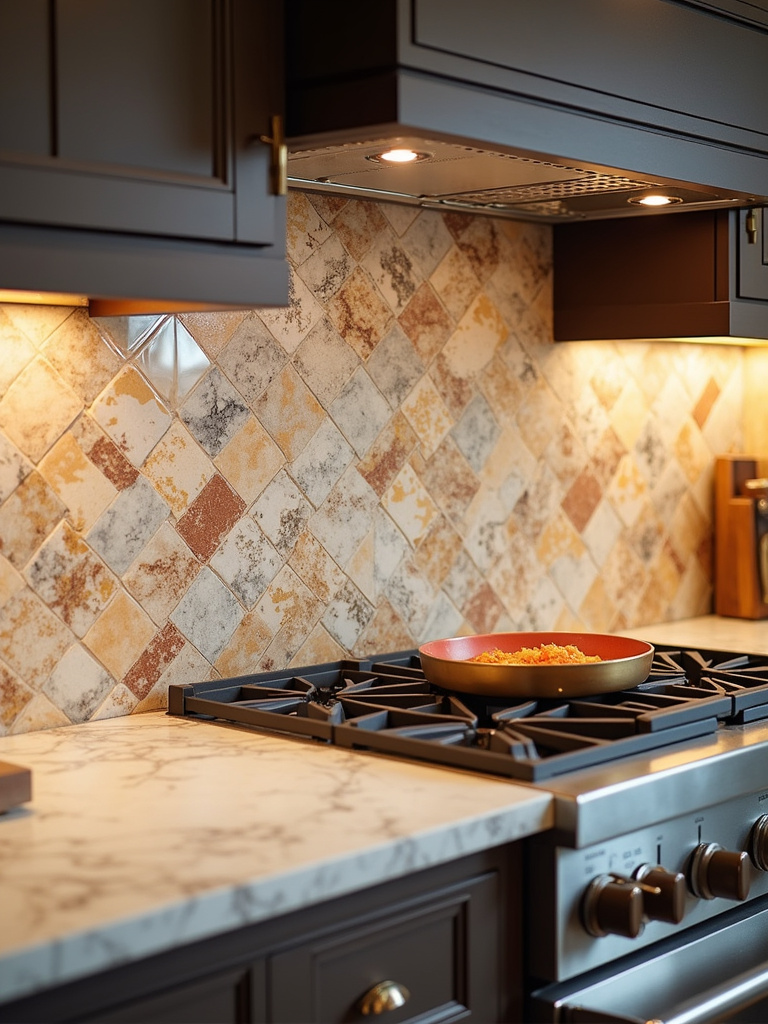
Choose bold patterned tiles to create a backsplash that doubles as artwork, or extend your countertop material up the wall for a sleek, cohesive look. Originally designed to protect walls from splashes, backsplashes now serve as major style statements. When selecting a backsplash, consider your kitchen’s overall design to ensure harmony with cabinets and countertops. Thoughtful backsplash choices in kitchen furniture design add depth and visual interest, transforming your kitchen walls into captivating focal points.
Conclusion:
Revamping your kitchen through inspired kitchen furniture design is a creative journey that reflects your personality and lifestyle. From integrating smart technology to honoring classic styles, optimizing small spaces, and embracing inclusivity, these 22 ideas offer diverse pathways to transform your kitchen. Your kitchen should be a space that brings joy and functionality every day. Use these insights to tailor your design and craft a culinary environment that truly elevates your home. Your ideal kitchen is within reach-start designing now!