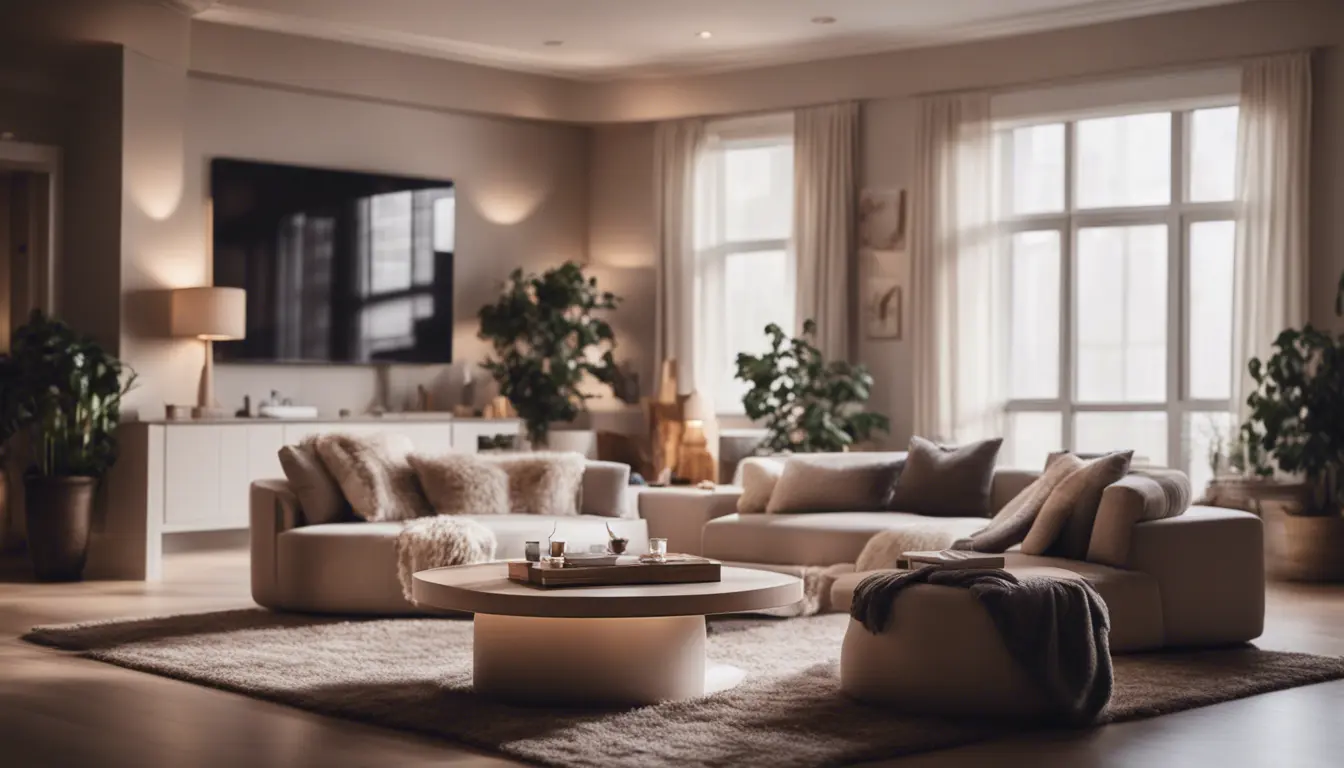
Picture stepping into a living room that immediately feels warm and welcoming. The furniture is thoughtfully positioned to invite you to sit, unwind, and engage in lively conversation. This inviting ambiance isn’t accidental-it stems from strategic furniture placement designed to foster social interaction.
Drawing from my experience as a lifestyle writer and urban culture observer based in New York City, I’ve witnessed how the layout of living room furnishings profoundly influences the ease and quality of social exchanges. Surveys reveal that nearly three-quarters of homeowners prioritize interior design to enhance comfort at home. Let’s explore essential strategies for arranging furniture that sparks meaningful conversations and social connection.

Creating Dedicated Social Zones
Begin by carving out distinct areas within your living room specifically designed to encourage interaction. These social zones should feel natural and inviting, promoting easy movement and comfortable engagement.
When planning these spaces, pay close attention to how people will navigate the room. Ensure pathways remain unobstructed and spacious enough to prevent any sense of confinement. Arranging seating in circular or U-shaped formations can significantly boost interaction, with studies indicating up to a 20% increase in engagement when using these layouts.

Identify a central feature in the room-be it a striking piece of art, a cozy fireplace, or a panoramic window-and arrange your seating around it. This focal point naturally draws people together, creating a hub for conversation.
Arranging Furniture to Encourage Dialogue
After establishing your social zones, focus on grouping furniture to foster intimate and engaging conversations. Position chairs and sofas so that occupants face one another, making interaction effortless.
For instance, consider placing a loveseat opposite a pair of armchairs with a stylish coffee table in between, or cluster a sectional sofa with movable ottomans to create a flexible seating arrangement. The objective is to craft a cohesive and aesthetically pleasing setup that invites guests to linger and chat.

Keep in mind the scale and proportion of your furniture pieces. Disproportionate or mismatched items can disrupt the harmony of the space and deter social comfort. Aim for balanced arrangements that are visually appealing and welcoming.
Optimizing Movement and Accessibility
Ensuring smooth circulation within your living room is crucial for a space that supports socializing. Guests should be able to move freely without feeling like they’re maneuvering through obstacles.
Map out primary walkways and avoid placing bulky furniture in these zones. Instead, use your furniture layout to subtly guide movement toward your conversation areas, enhancing the room’s flow.

Lighting plays a pivotal role in facilitating movement. Well-placed floor lamps, sconces, and overhead fixtures can brighten pathways and open up the space, making it more inviting and easier to navigate.
Utilizing Focal Points to Anchor the Space
Focal points serve as visual anchors that unify your living room’s design and encourage social gathering. Incorporate one or more standout elements to draw attention and create a natural meeting spot.
Options include a bold piece of artwork, a large window with a scenic view, or a modern fireplace. Arrange seating to face these features, enhancing both the room’s aesthetic appeal and its social functionality.

Be cautious not to overcrowd the room with too many focal points, as this can create visual chaos. Strive for a balanced distribution of interest to maintain a calm and inviting atmosphere.
Designing for Versatility and Adaptability
Flexibility is key when arranging living room furniture, especially since social gatherings can vary in size and style. Designing a space that adapts to different needs ensures it remains functional and welcoming.
Incorporate modular pieces like sectional sofas or movable ottomans that can be rearranged effortlessly. Circular or U-shaped seating configurations can be adjusted to accommodate both intimate chats and larger groups.

Multi-purpose furniture, such as coffee tables with hidden compartments or foldable dining tables, further enhance your room’s adaptability. These smart solutions keep your space ready for any social occasion.
Final Thoughts on Crafting a Socially Inviting Living Room
Strategically arranging your living room furniture to promote social flow transforms your space into a welcoming haven for connection and conversation. By focusing on dedicated social zones, thoughtful furniture groupings, unobstructed pathways, and compelling focal points, you create an environment that naturally encourages interaction.

Next time you refresh your living room layout, experiment with different configurations and furniture combinations. The goal is to design a space that acts as a catalyst for conversation-a cozy retreat where friends and family feel at ease to gather, relax, and connect.
For those looking to enhance their living room setup, explore living room furniture, modular sofas, and ambient lighting options on Amazon to find pieces that perfectly suit your style and social needs.