Discovering the Beauty of Wabi-Sabi Painting: Embracing Flaws and Natural Elegance
Welcome, lovers of art and seekers of deeper meaning! Today, we explore the enchanting realm of Wabi-Sabi painting, an artistic philosophy that honors imperfection as a source of profound beauty.
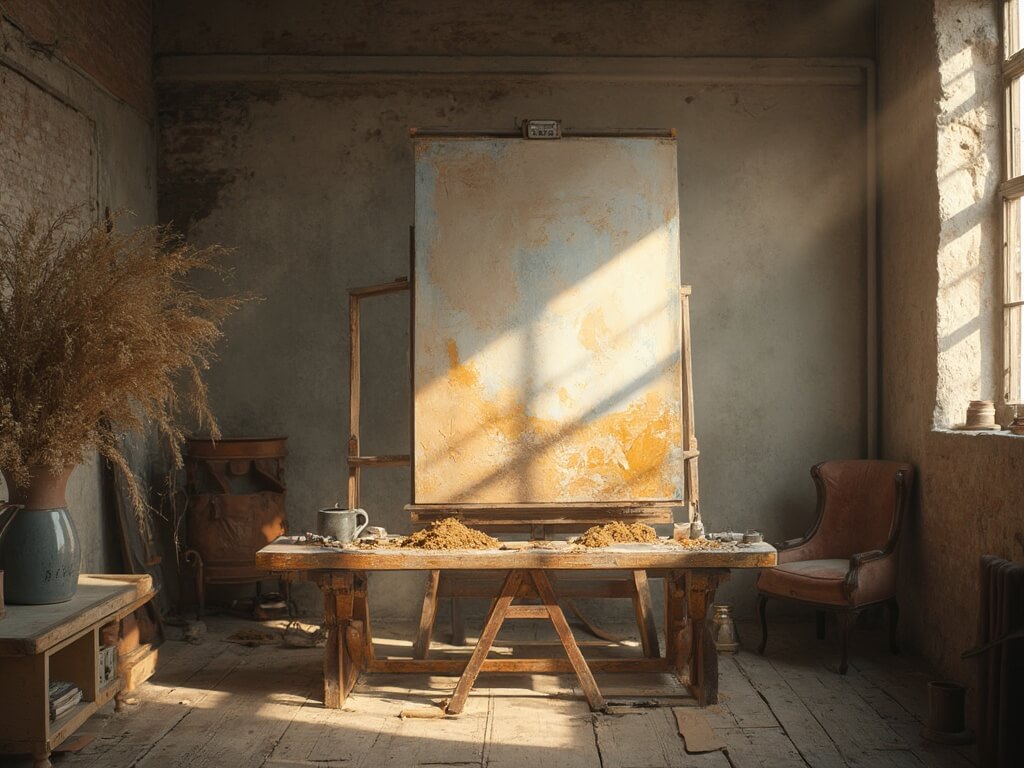
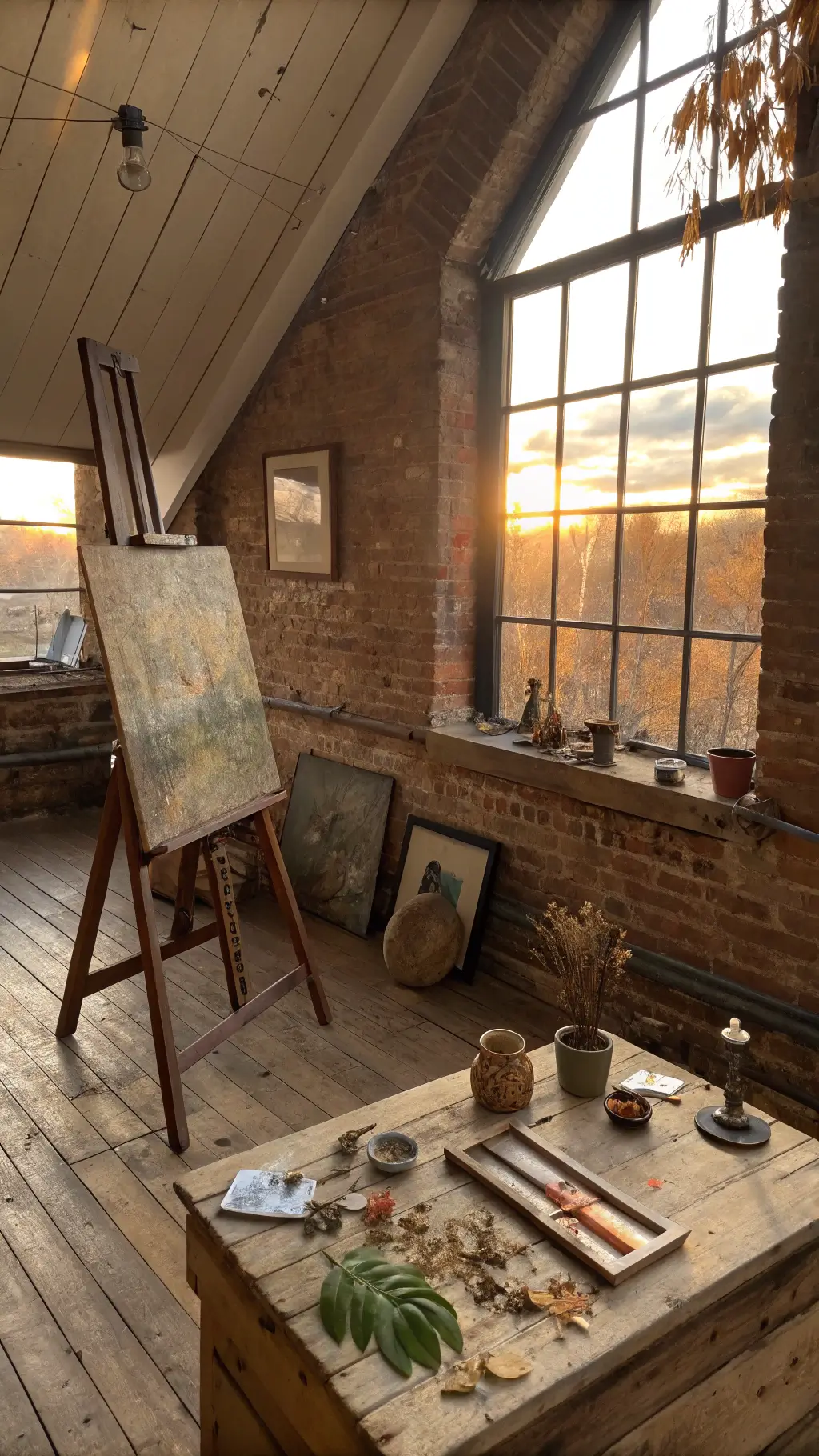 materials, and a painting on a wooden easel, illuminated by golden light through industrial windows.” style=”max-width: 100%; height: auto;” title=”Wabi-Sabi Painting: Embracing Imperfection and Natural Beauty in Art”/>
Understanding the Essence of Wabi-Sabi Art
Imagine an art form that speaks softly, inviting contemplation rather than commanding attention. Wabi-Sabi is a Japanese aesthetic that finds elegance in the aged, the imperfect, and the transient. It’s a celebration of the natural cycle of growth and decay, where beauty is found in simplicity and authenticity.
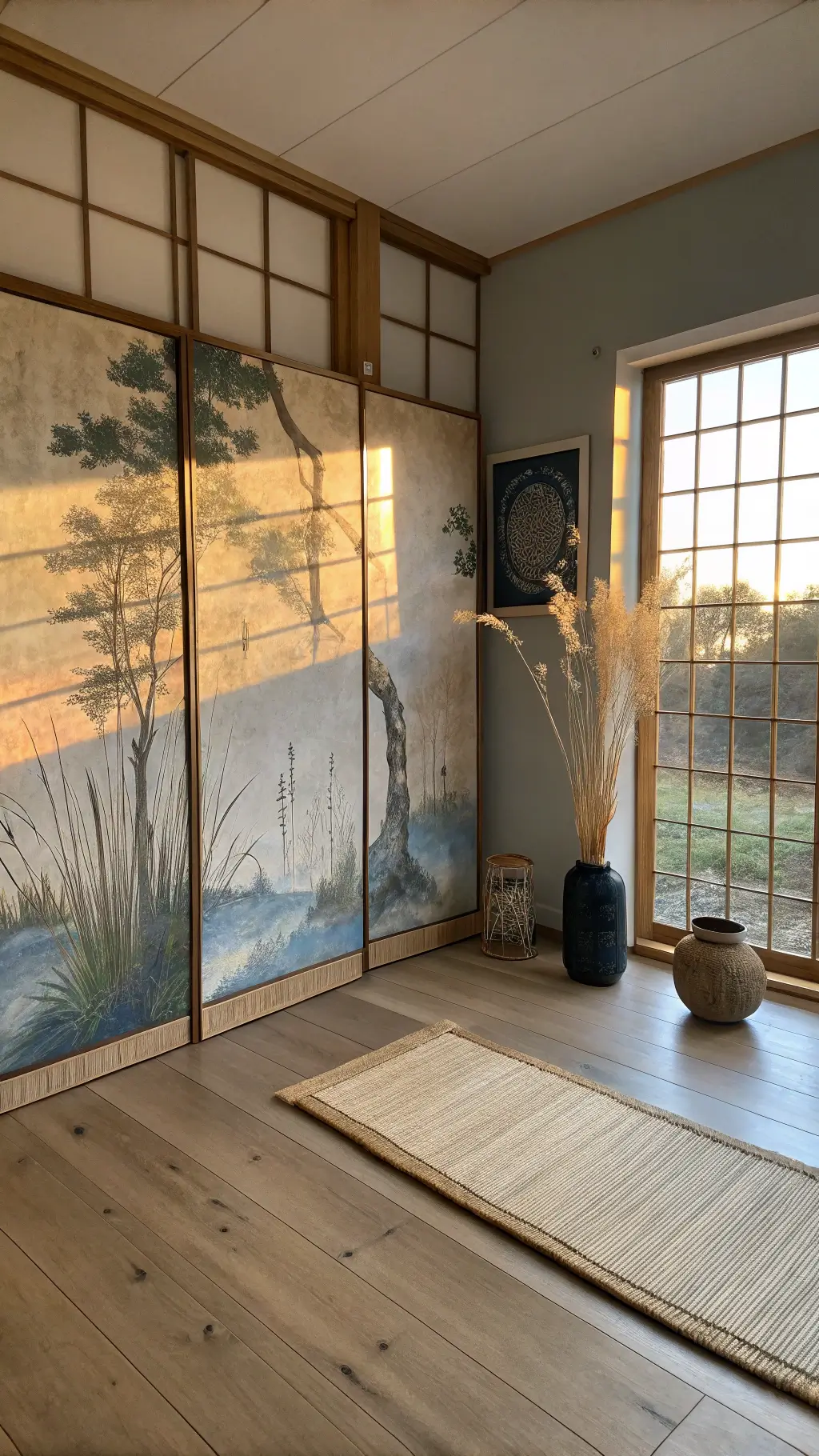
Why Embracing Wabi-Sabi Transforms Your Art
While conventional art often strives for flawlessness, Wabi-Sabi art invites you to embrace authenticity and the beauty of imperfection. This approach encourages artists to focus on the journey of creation rather than a polished final product.
Core Elements of Wabi-Sabi Art
- Appreciation of natural flaws and irregularities
- Use of subdued, earthy tones that evoke nature
- Incorporation of tactile textures that tell a story
- Prioritizing the creative process over perfection
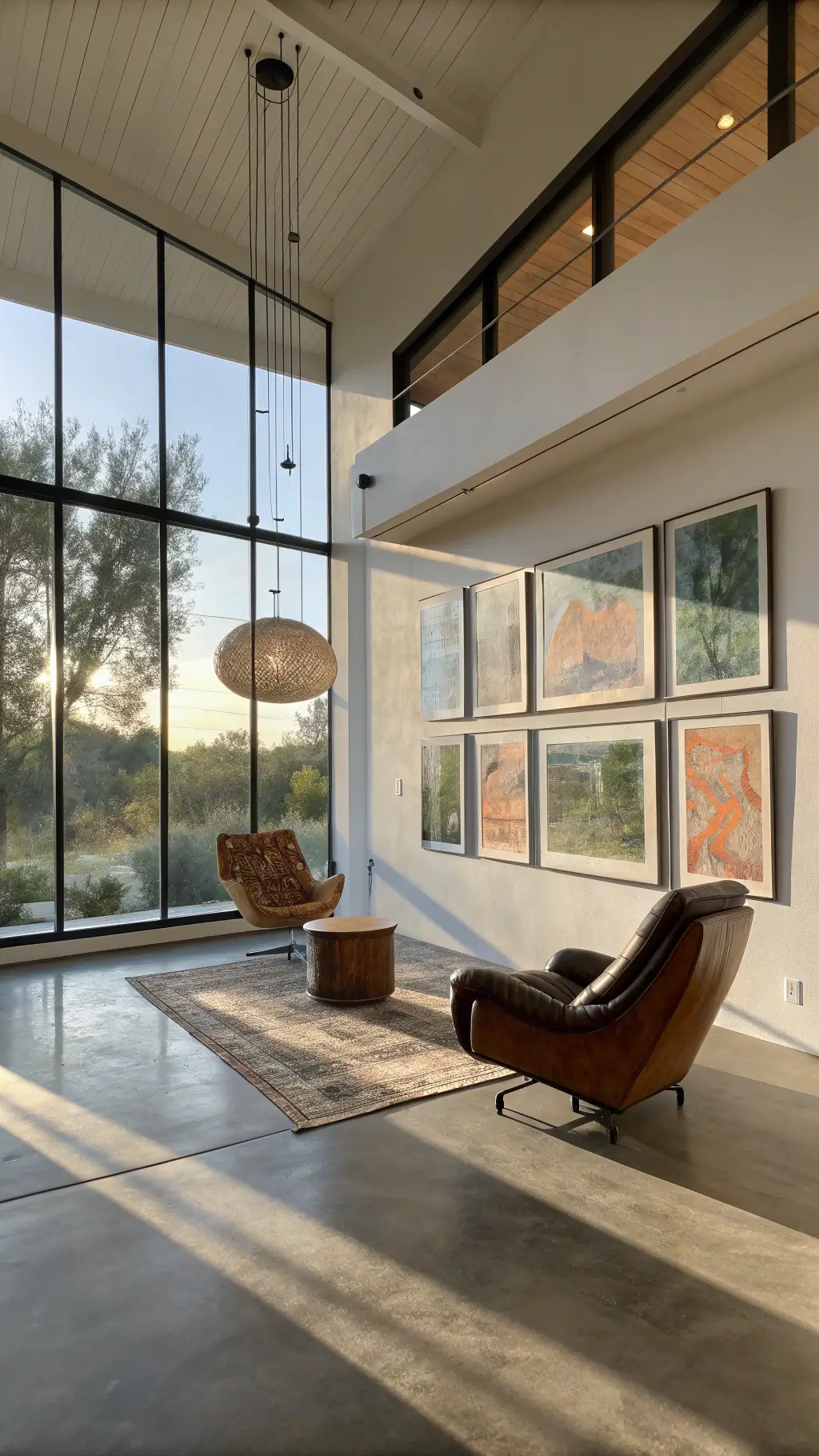
Essential Supplies for Your Wabi-Sabi Art Journey
Recommended Materials
- Canvas or wooden panels with natural texture
- Acrylic paints in gentle earth hues
- Organic elements like sand, dried leaves, or small stones
- Palette knives for layering and texture
- Brushes of various shapes and bristle types
Inspiration for Your Color Scheme
- Warm beige shades
- Faded blues reminiscent of weathered wood
- Soft, muted greens
- Rich terracotta and clay tones
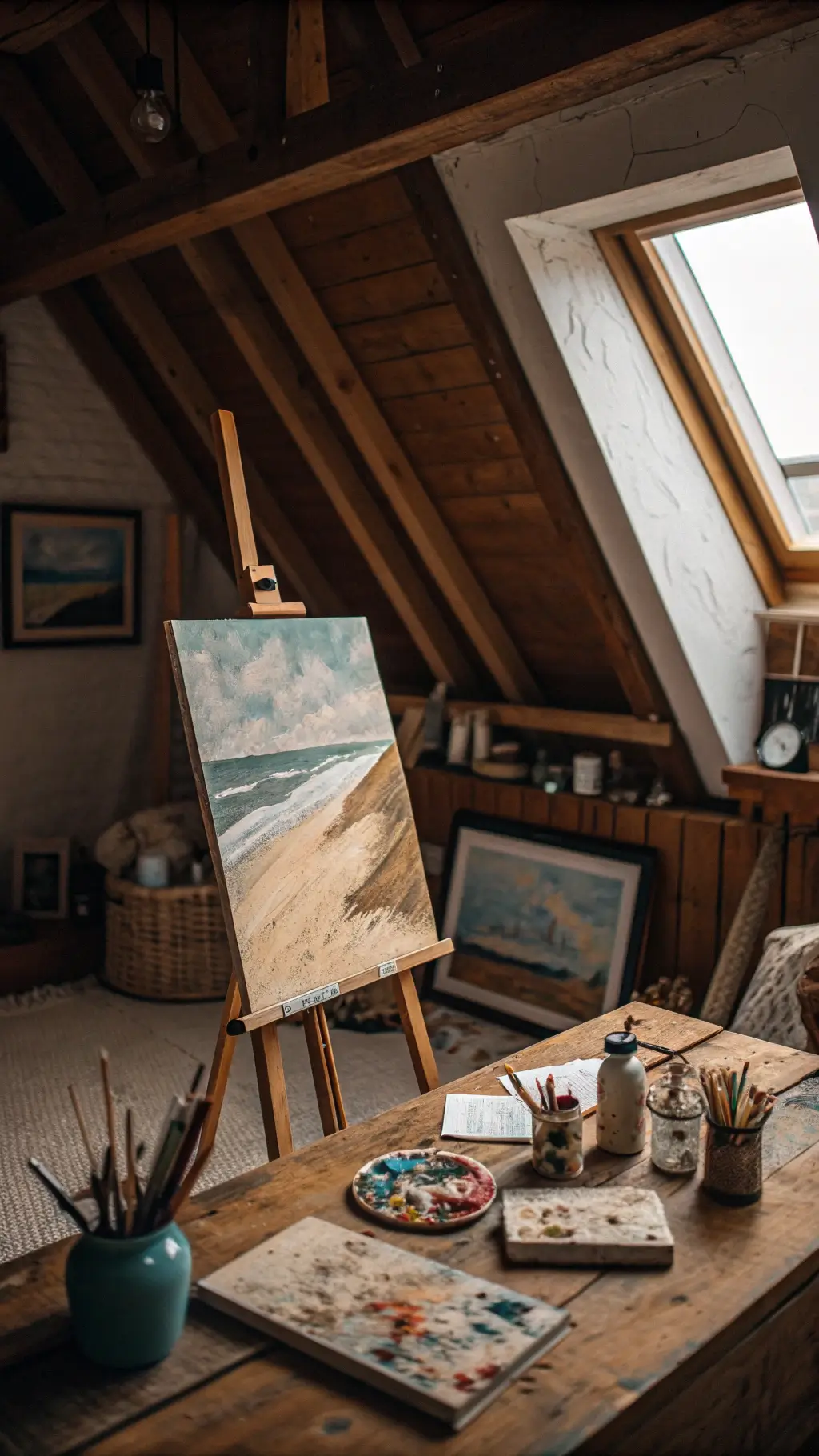
Techniques to Express the Spirit of Wabi-Sabi
1. The Dry Brush Approach
- Apply paint sparingly to create textured, uneven strokes
- Allow the surface to show through, giving the work breathing space
- Layer subtly to build depth without overworking
2. Creating Texture with Natural Additives
- Blend sand or crushed leaves into your paint for tactile interest
- Press organic materials into wet paint to leave unique imprints
- Celebrate rough, imperfect surfaces as part of the composition
3. Embracing Asymmetry and Negative Space
- Design compositions that avoid rigid symmetry
- Leave portions of the canvas intentionally incomplete
- Use empty spaces to evoke calm and balance
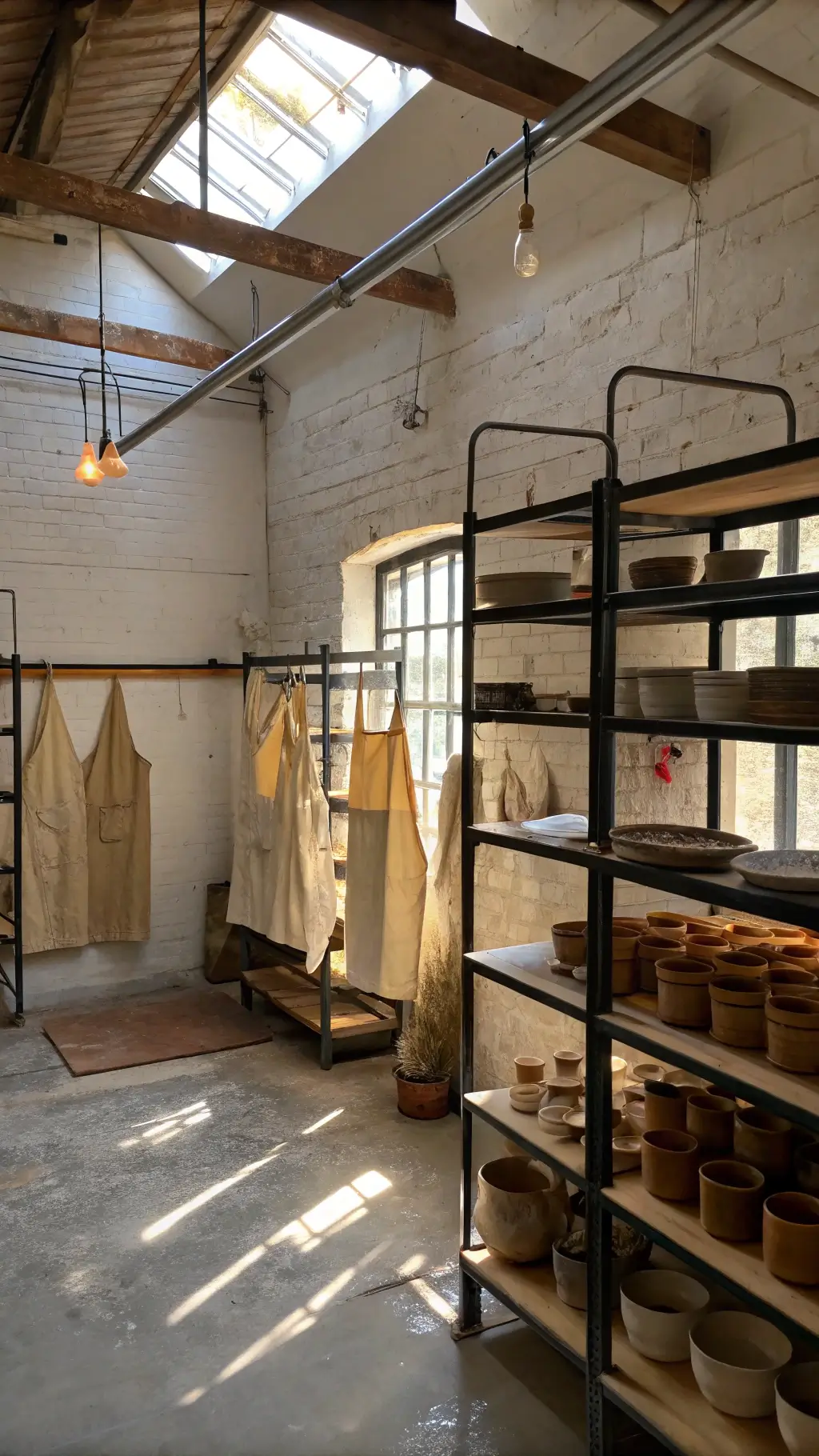
Expert Advice for Creating Genuine Wabi-Sabi Art
Adopt the Right Mindset
- Release the need for flawlessness
- Channel your emotions into your brushwork
- Enjoy the unpredictability of the creative process
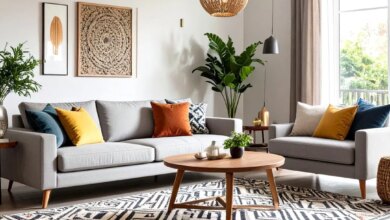
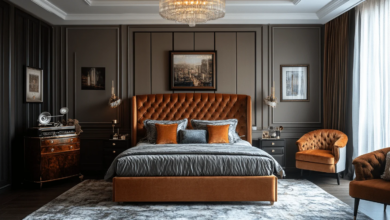
Ideal Spaces to Showcase Your Wabi-Sabi Creations
- Quiet meditation or yoga rooms
- Minimalist living areas with natural light
- Serene bedrooms designed for relaxation
- Cozy nooks inspired by Zen principles
Common Pitfalls to Steer Clear Of
- Overworking your piece until it loses spontaneity
- Introducing too many contrasting colors
- Forcing rigid, precise lines that disrupt flow
- Neglecting the emotional connection to your work
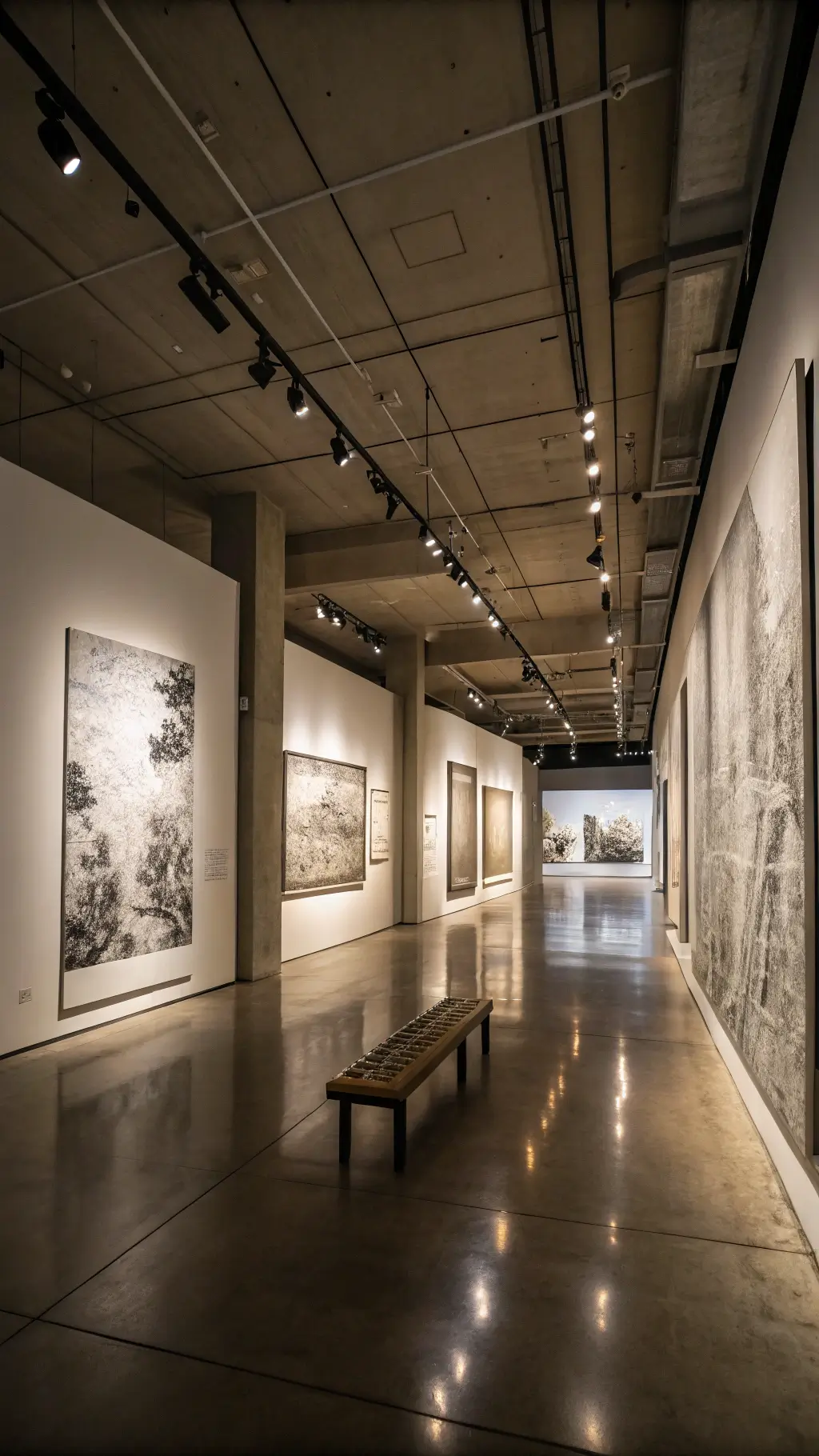
The Therapeutic Power of Wabi-Sabi
Wabi-Sabi transcends mere aesthetics; it serves as a meditative practice that nurtures self-acceptance. By welcoming imperfection, you align with the natural ebb and flow of life, fostering inner peace and mindfulness.
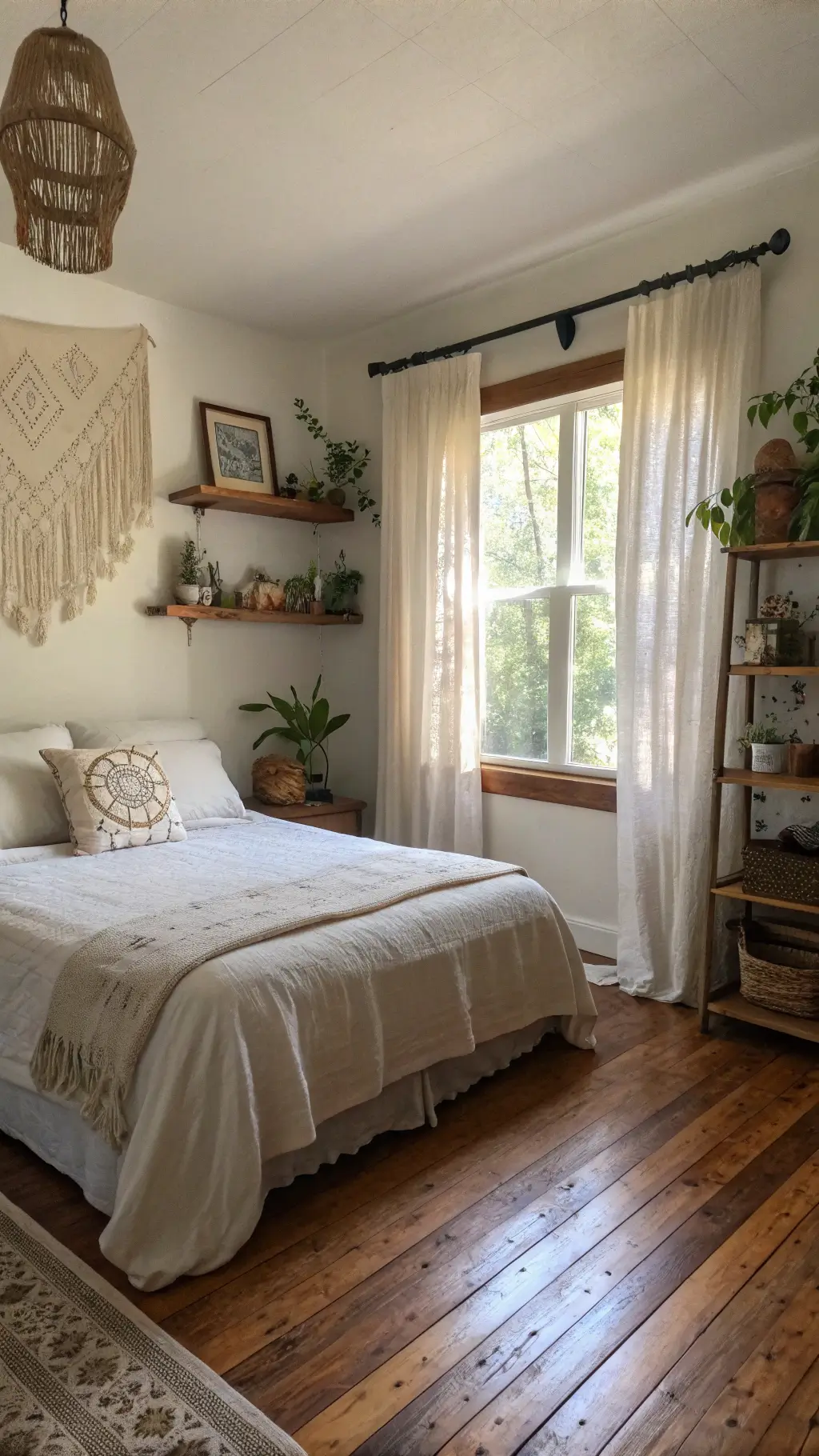
Inspiration at a Glance: Your Wabi-Sabi Checklist
- Observe the irregular patterns found in nature
- Practice mindful, deliberate brushstrokes
- Allow your feelings to guide your artistic choices
- Celebrate unexpected textures and forms
Closing Reflections
Wabi-Sabi painting invites you to capture fleeting moments and genuine emotions rather than striving for flawless perfection. Your unique imperfections are what make your art truly compelling-embrace them with pride.
Keywords:
Wabi-Sabi art, imperfect painting, organic textures, mindful creativity, Japanese art philosophy
Ready to awaken your creative spirit? Gather your brushes and materials, and embark on a journey to craft art that is beautifully imperfect and deeply authentic!