Understanding the Essence of Wabi Sabi
Wabi Sabi transcends mere interior design trends; it embodies a deep-rooted Japanese philosophy that celebrates the charm found in imperfection and the natural flow of life. It invites us to appreciate the understated elegance of everyday moments and objects.
Fundamental Characteristics of a Wabi Sabi Dining Area
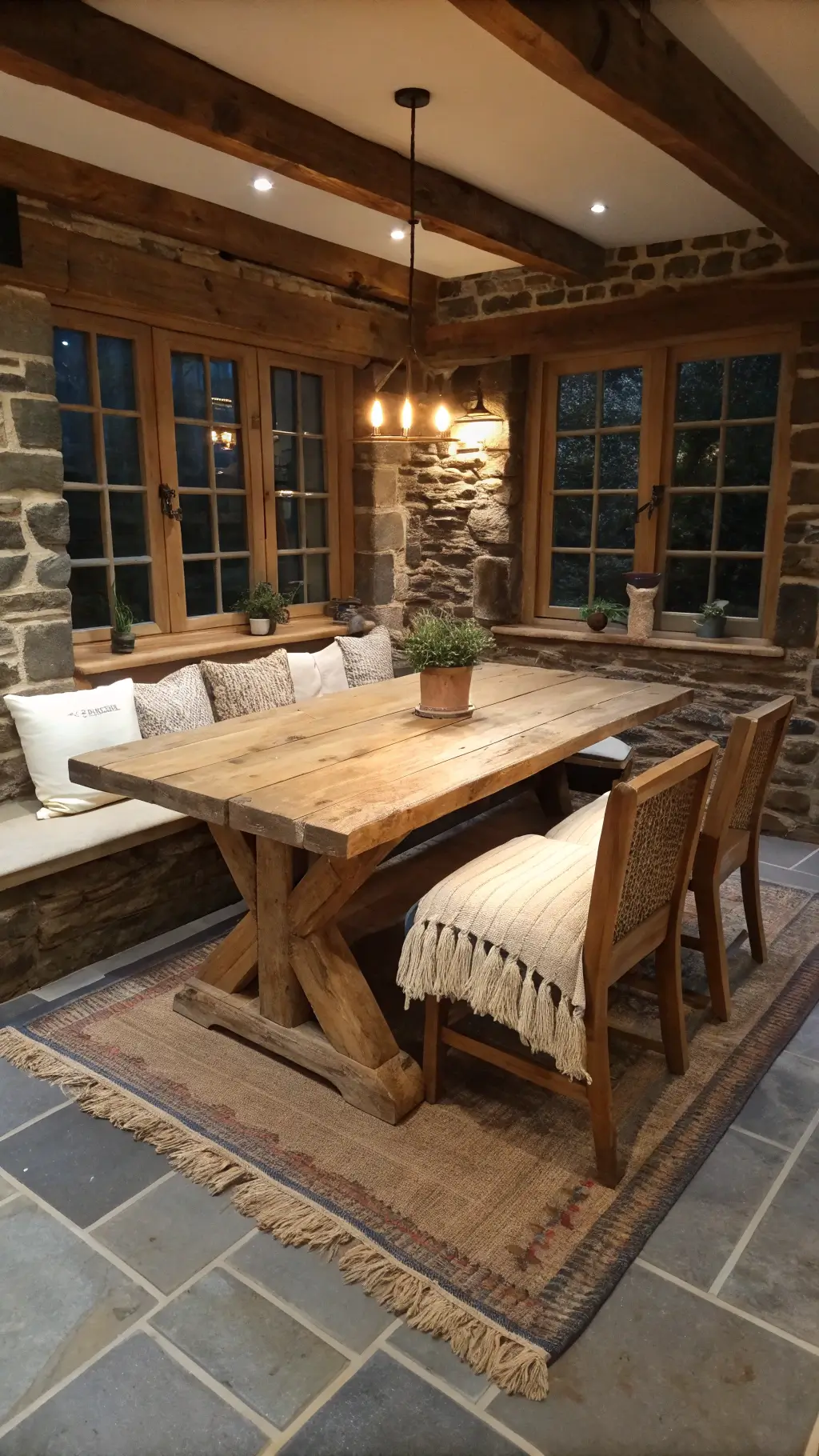
1. Prioritize Organic and Raw Materials
Essential Materials to Incorporate:
- Wood showcasing natural grain and texture
- Stone countertops or accents
- Artisanal ceramics crafted by hand
- Textiles made from linen or other natural fibers
- Rugs woven from jute, sisal, or similar materials
2. Soothing and Muted Color Schemes
Recommended Palette:
- Warm off-whites
- Soft beige tones
- Subtle shades of grey
- Earth-inspired hues like clay, ochre, and moss
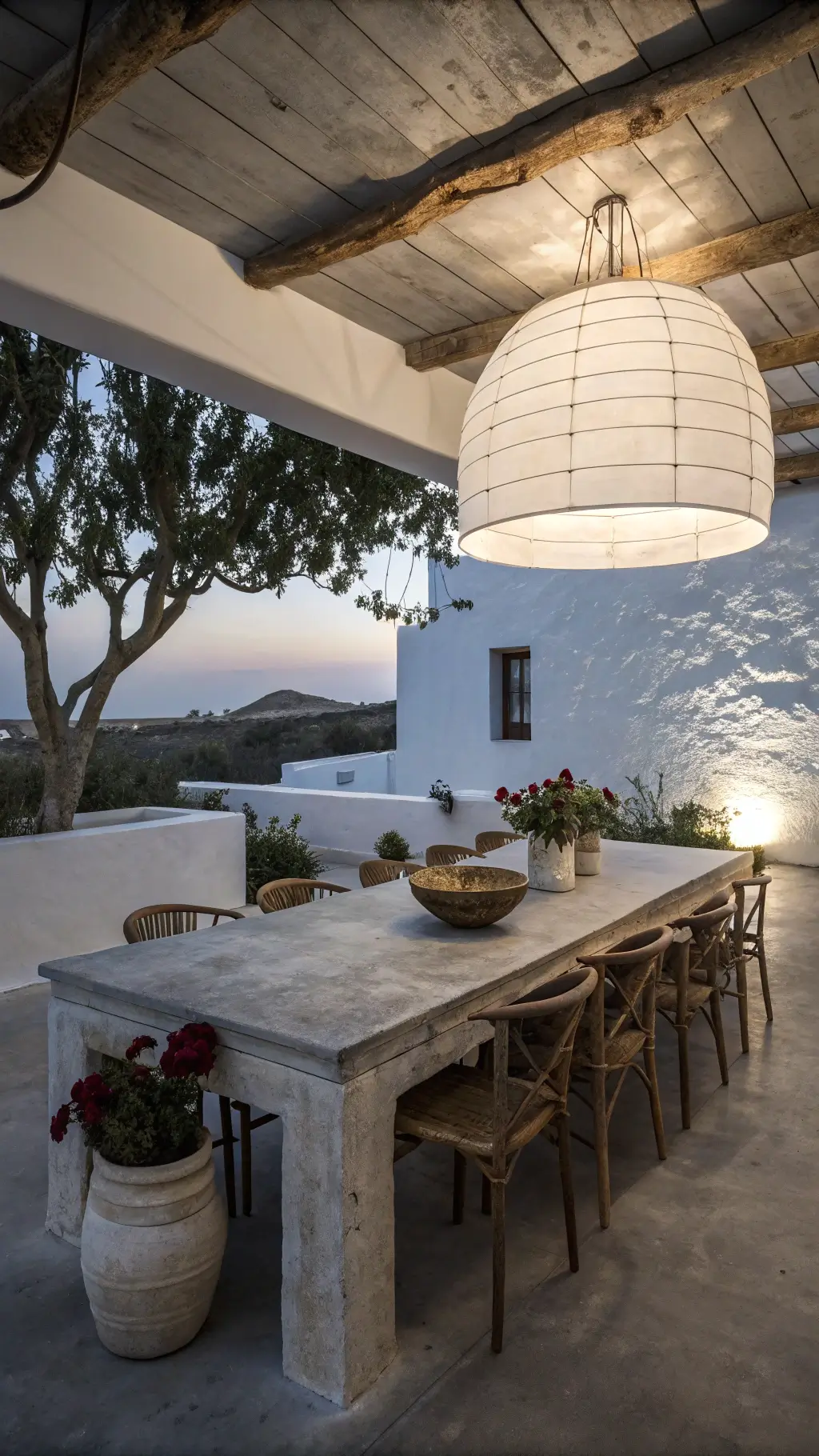
3. Minimalism with a Cozy Touch
Design Guidelines:
- Opt for thoughtful selection over excess
- Invest in pieces with character and history
- Allow each item to convey its own narrative
- Maintain open spaces to foster calmness
How to Design a Wabi Sabi Dining Room: Step-by-Step
Choosing the Right Furniture
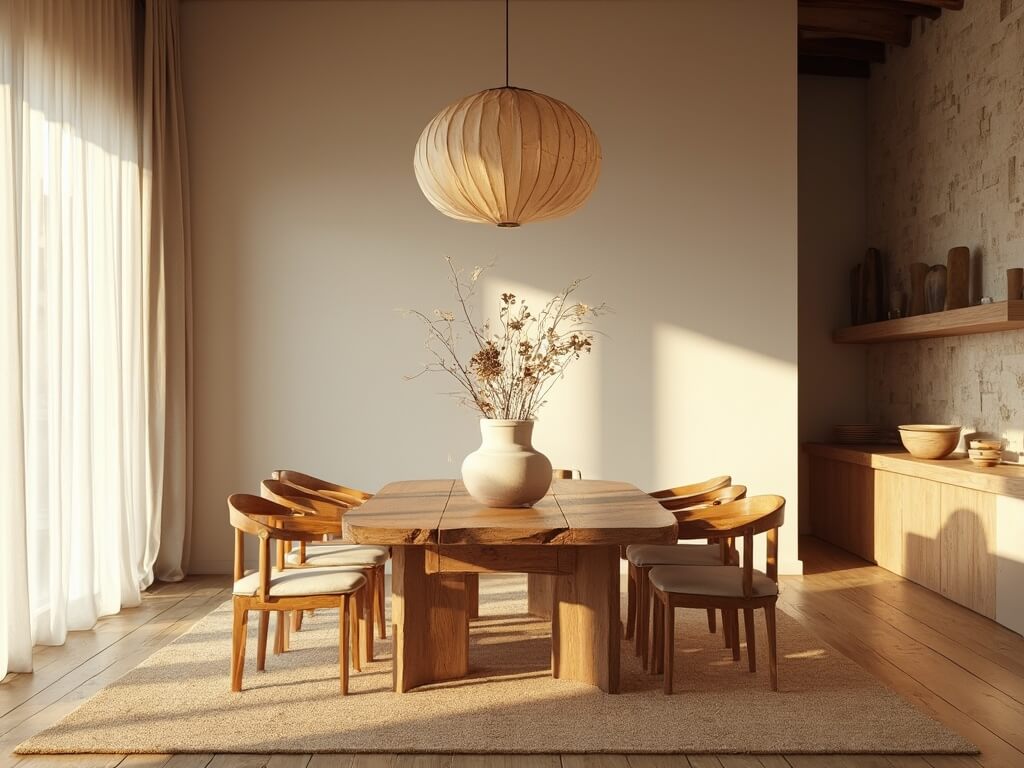
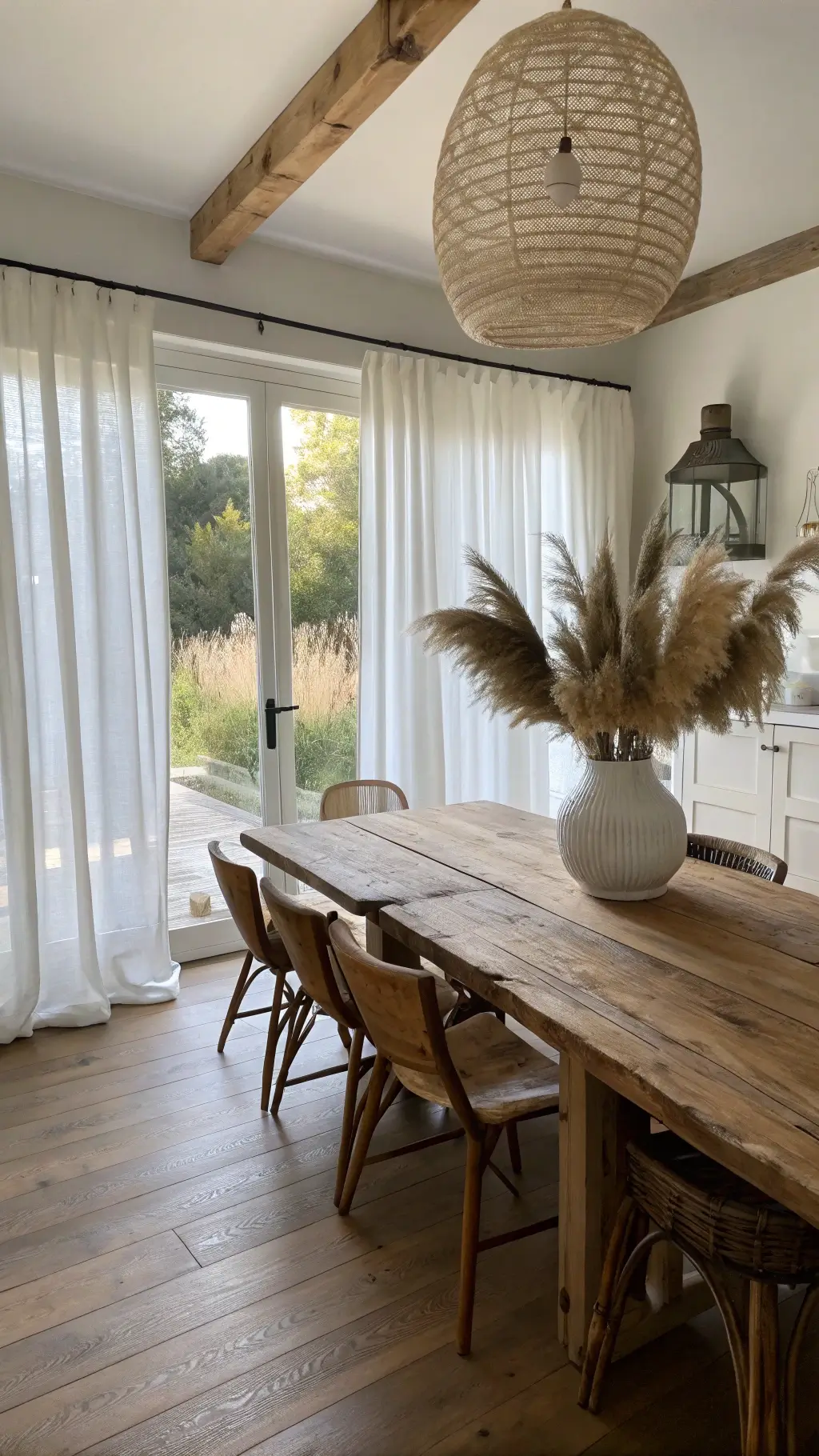
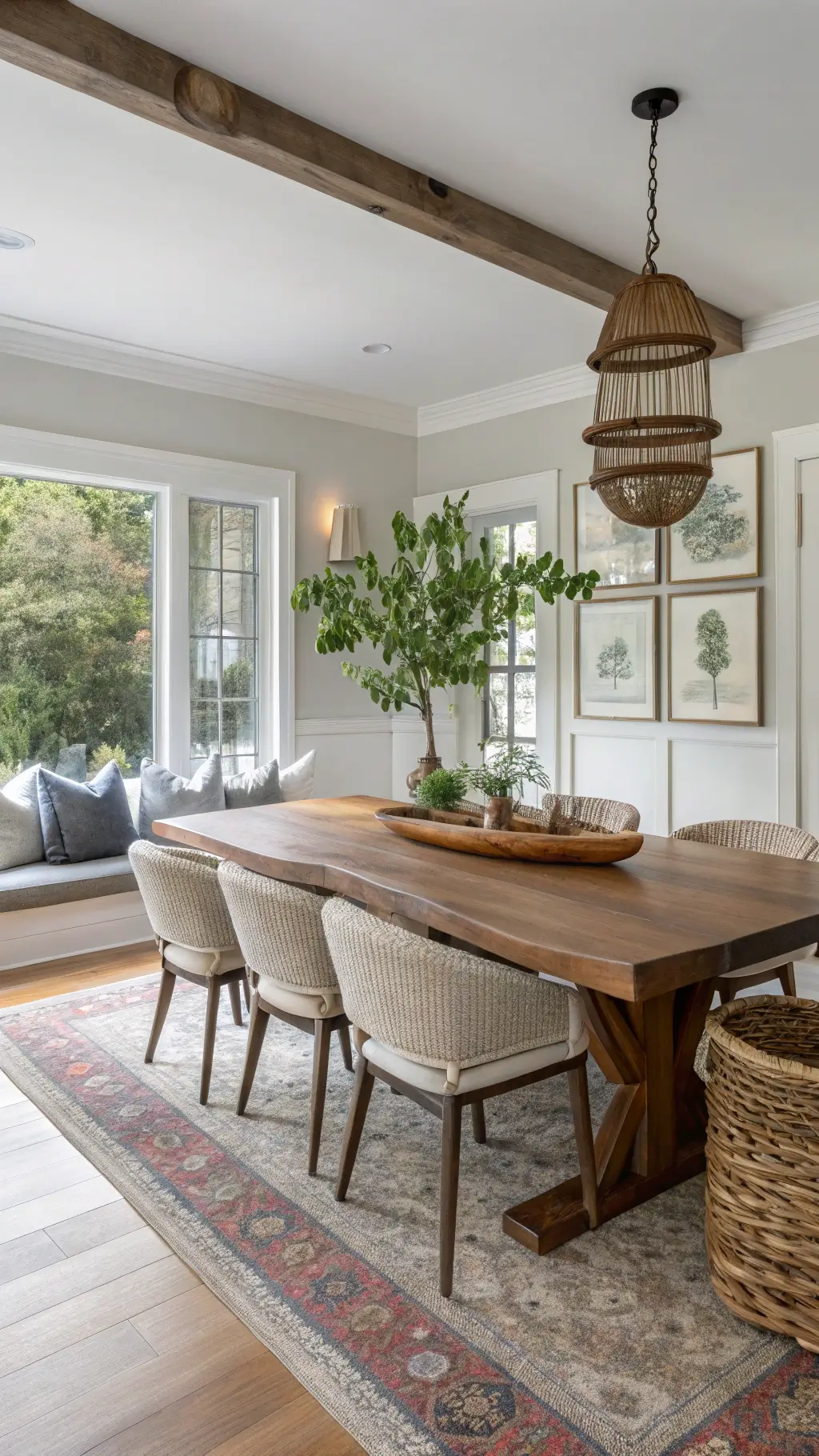
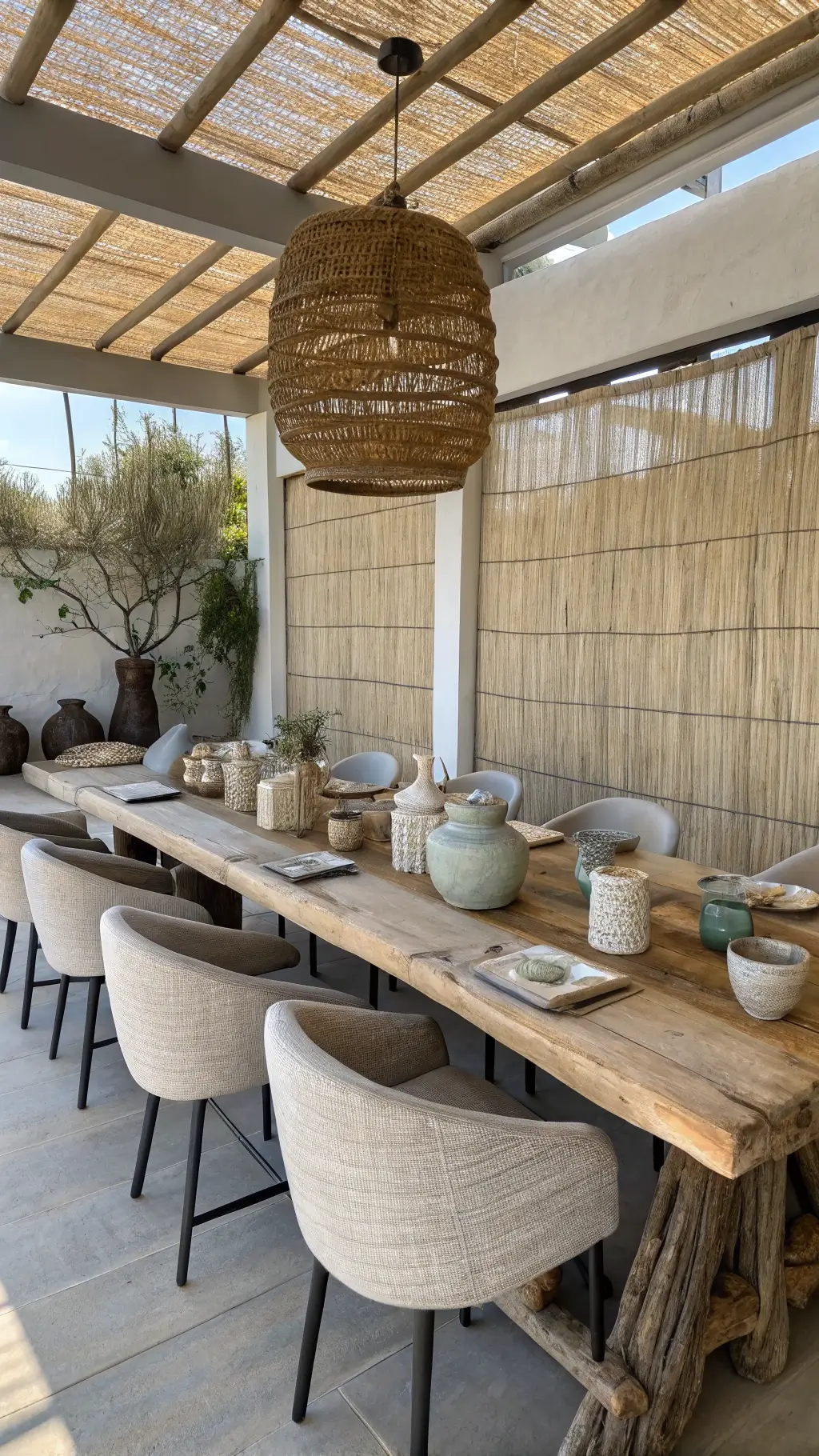
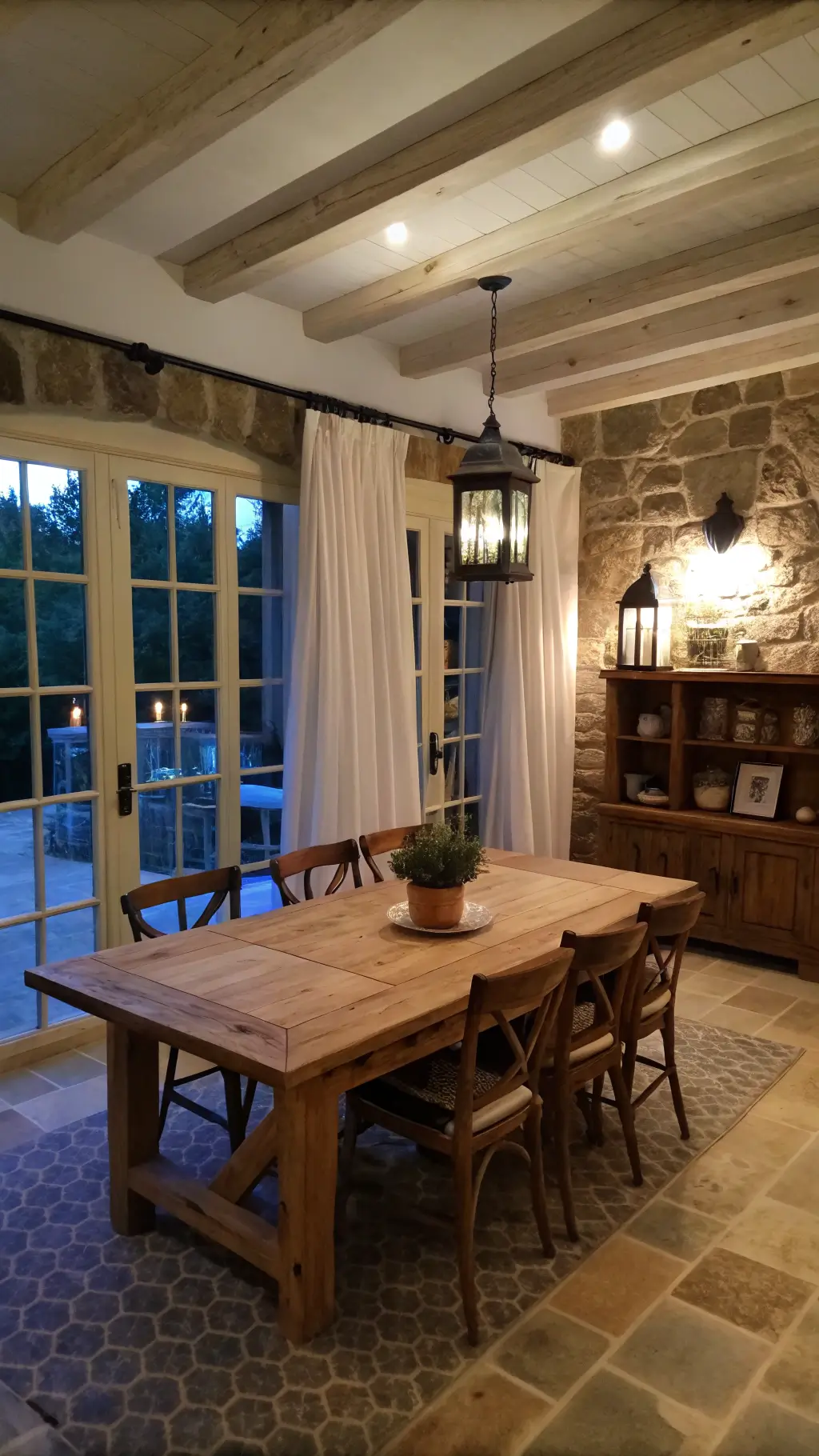
Table Selection: Opt for pieces with natural edges or visible imperfections, such as a live-edge walnut or reclaimed wood table, to highlight authenticity.
Seating Ideas: Combine linen-upholstered benches with rope-backed chairs or vintage wooden seats to add texture and warmth.
Setting the Mood with Lighting
Lighting Tips:
- Use soft, ambient lighting to create a gentle glow
- Incorporate paper lanterns or rice paper lamps for diffused light
- Arrange candles in clusters for warmth and intimacy
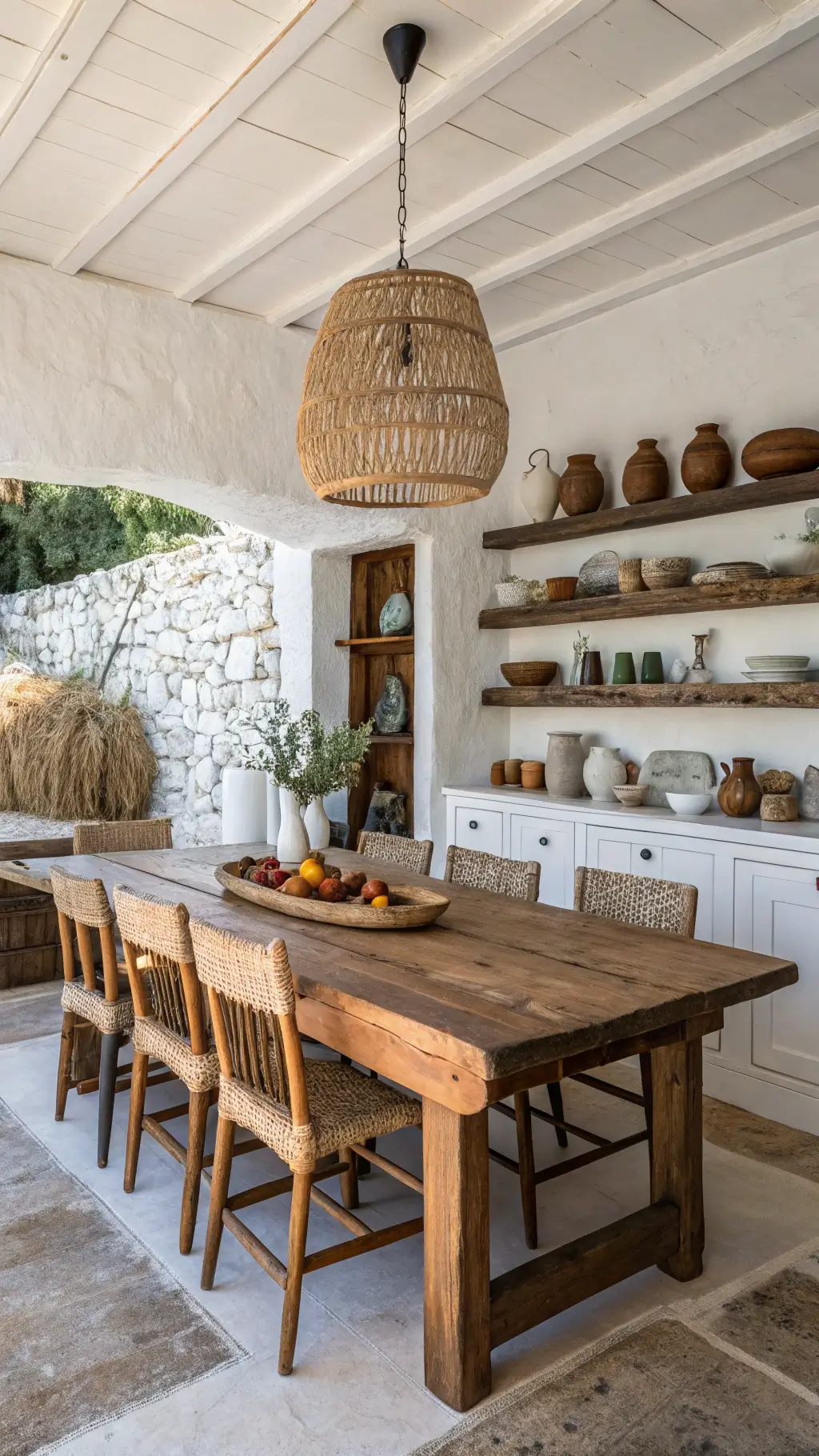
- Choose pendant lights with warm tones and natural materials
Adding Thoughtful Decorative Elements
Accessories to Enhance the Wabi Sabi Feel:
- Unique, handcrafted ceramic vases
- Arrangements of dried flowers or grasses
- Simple linen or cotton table runners
- Artisan-made serving bowls and platters
Common Pitfalls to Steer Clear Of
- Filling the room with too many items, causing clutter
- Choosing overly polished or glossy finishes that feel artificial
- Matching furniture and decor too uniformly, losing character
- Neglecting the tactile quality of natural surfaces and textures
Who Will Appreciate the Wabi Sabi Style?
Ideal For:
- Lovers of minimalist and mindful living
- Those craving serene, calming interiors
- Individuals who value craftsmanship and authenticity
- Fans of Japanese-inspired design philosophies
Expert Advice for Mastering Wabi Sabi
- Give each item space to stand out and “breathe”
- Maximize natural daylight to enhance textures
- Select pieces that hold personal significance or stories
- Welcome asymmetry and irregular shapes
- Focus on tactile textures rather than busy patterns
Affordable Ways to Infuse Wabi Sabi Charm
Simple Upgrades to Try:
- Find a rustic wooden table at a thrift or vintage store
- Use a linen tablecloth to soften the dining surface
- Add a handmade ceramic centerpiece for authenticity
- Incorporate woven placemats made from natural fibers
Closing Reflections
Wabi Sabi invites us to embrace imperfection and authenticity in our living spaces. Transforming your dining room with this philosophy turns it into a sanctuary that honors the imperfect beauty of life’s journey.
Keep in mind: True elegance emerges from simplicity, natural flaws, and intentional selection.
Explore quality handmade ceramic vases, linen tablecloths, and natural fiber rugs to start your Wabi Sabi journey today.