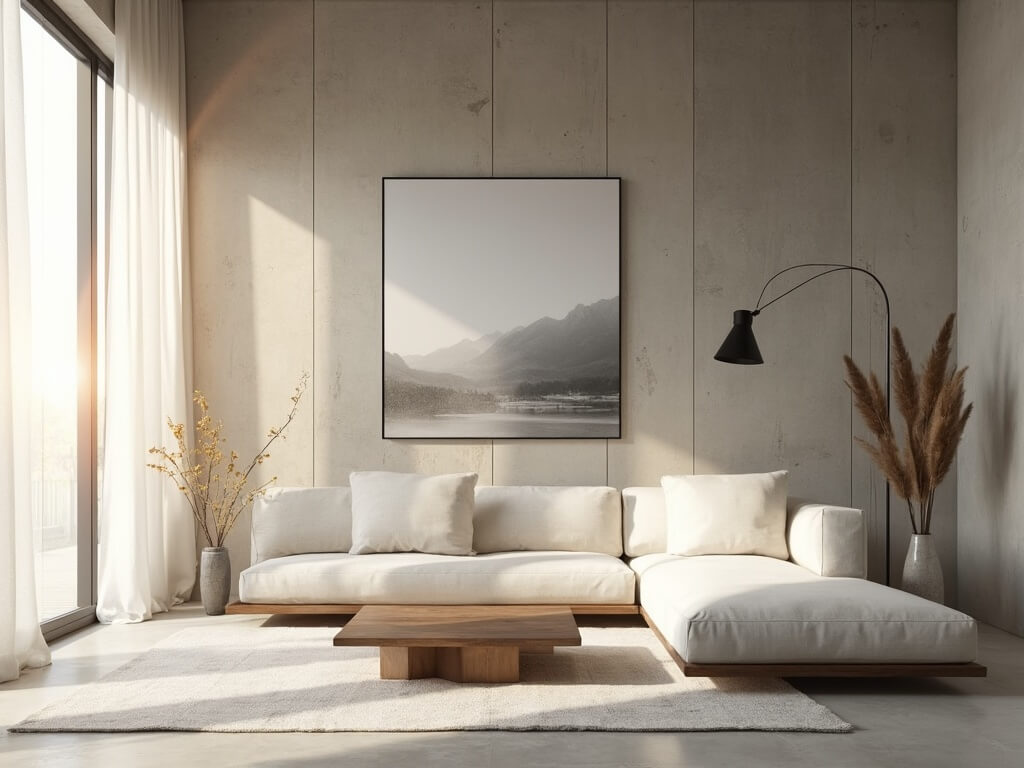
Embracing Minimalist Interior Design: Cultivating Serenity Through Intentional Simplicity
Picture stepping into a space that immediately soothes your senses-free from disorder and distractions. A room where every element is thoughtfully chosen, allowing tranquility to flourish. This is the essence of minimalist interior design.
Defining Minimalist Interior Design
Minimalism is not about emptiness; rather, it’s the art of curating only what truly adds value to your living environment.
Fundamental Tenets:
- Champion simplicity in form and function
- Focus on purposeful use of space
- Allow for openness and flow
- Opt for durability and craftsmanship over volume
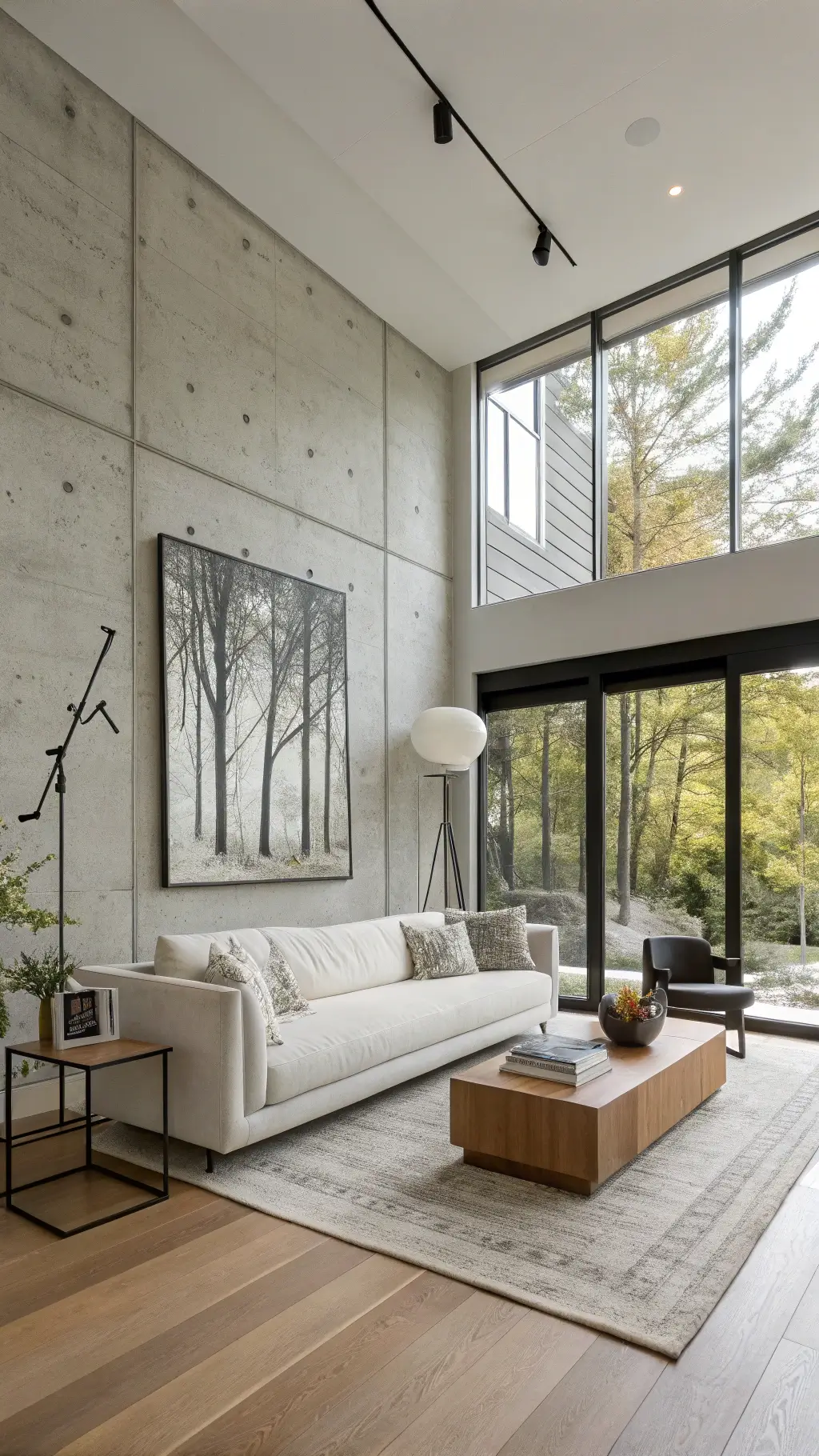
The Philosophy Behind Minimalism: Embracing ‘Less is More’
My personal exploration of minimalist design began when I noticed how physical clutter often mirrors mental chaos. Each unnecessary object contributes to visual distraction, sapping your mental energy.
Hallmarks of Minimalist Interiors
Elements That Foster Visual Peace:
- Streamlined Silhouettes: Furniture featuring clean, angular shapes
- Muted Color Schemes: Soft whites, gentle grays, and earthy neutrals
- Functional Furnishings: Every item has a clear, intentional purpose
- Generous Natural Illumination: Enhances openness and mood
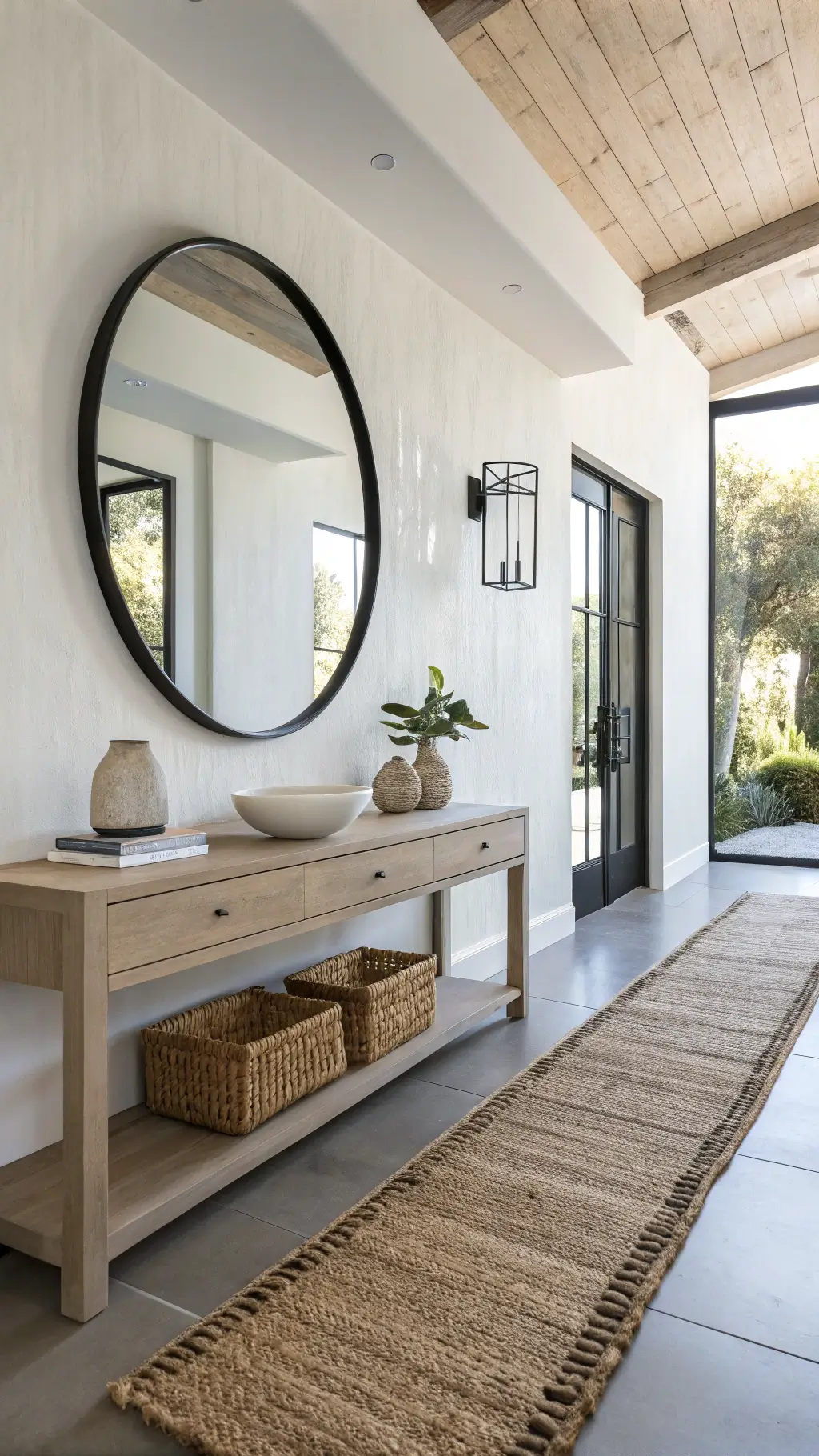
Why Minimalism Resonates: Benefits Beyond Aesthetics
Mental and Emotional Advantages
- Alleviates anxiety and stress
- Enhances concentration and mindfulness
- Instills a feeling of empowerment and control
- Encourages mental clarity and calmness
Functional and Environmental Perks
- Simplifies cleaning routines
- Reduces upkeep expenses
- Supports eco-friendly living habits
- Maintains a timeless, adaptable style
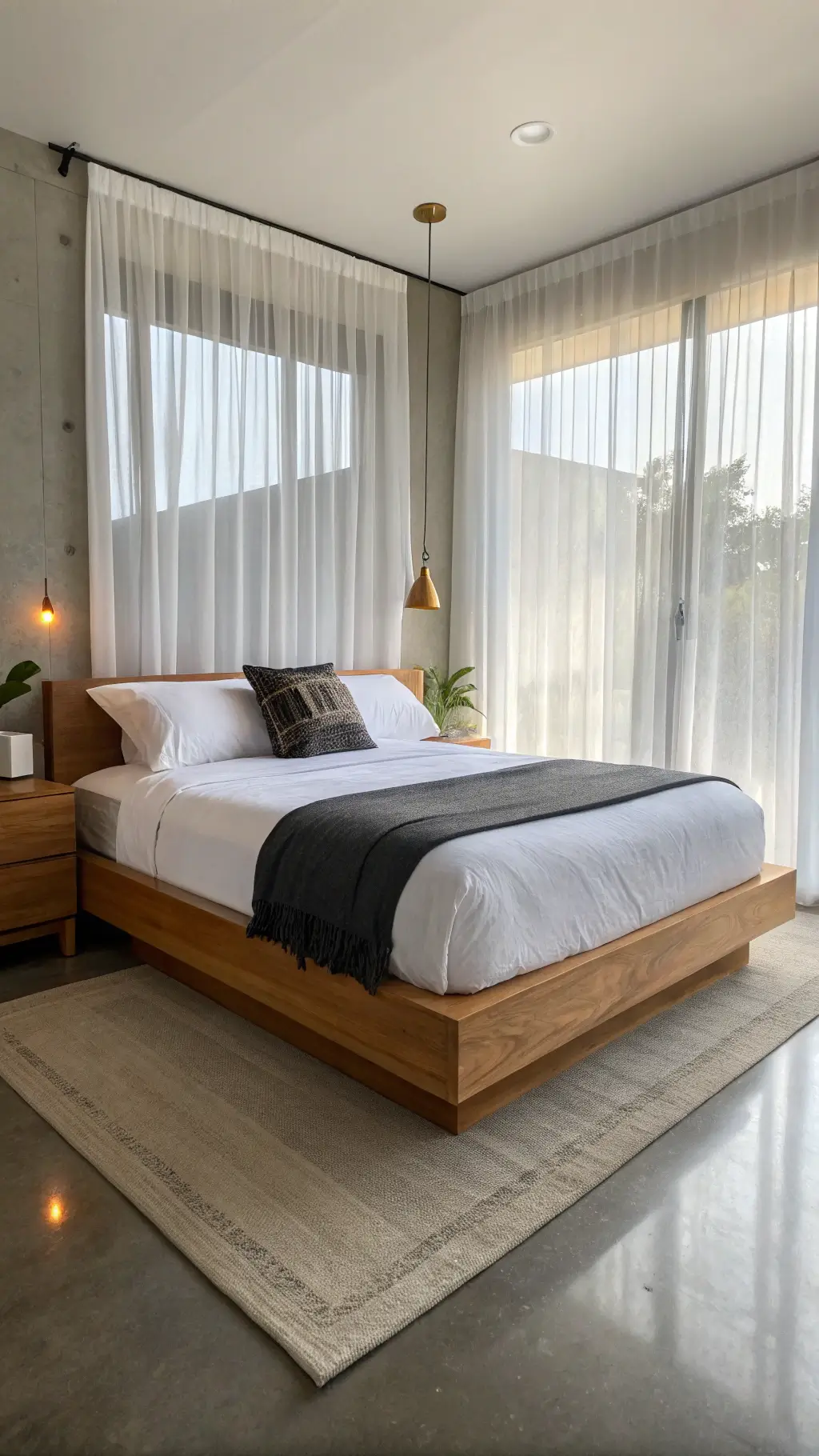
Applying Minimalism Room by Room
Revamping the Living Area
Typical Cluttered Setup:
- Overcrowded surfaces
- Excessive decorative objects
- Vibrant, conflicting colors
Minimalist Makeover:
- Feature a singular focal piece
- Adopt a subdued, neutral palette
- Arrange furniture to maximize openness
- Harness abundant daylight
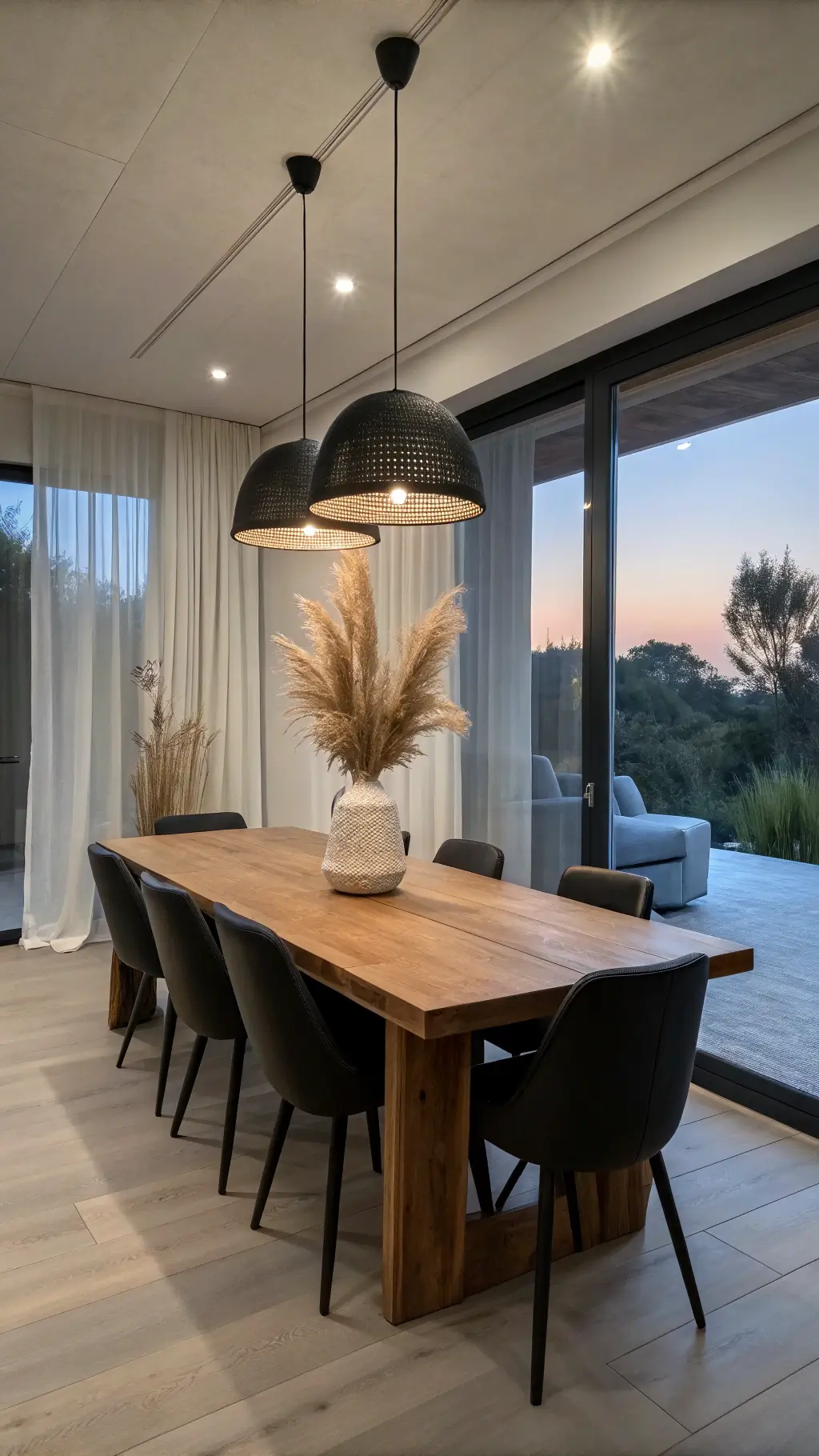
Creating a Tranquil Bedroom Sanctuary
Minimalist Bedroom Must-Haves:
- Low-profile bed with sleek design
- Monochrome or tonal bedding sets
- One carefully chosen piece of art
- Clear, uncluttered bedside tables
- Gentle, natural lighting sources
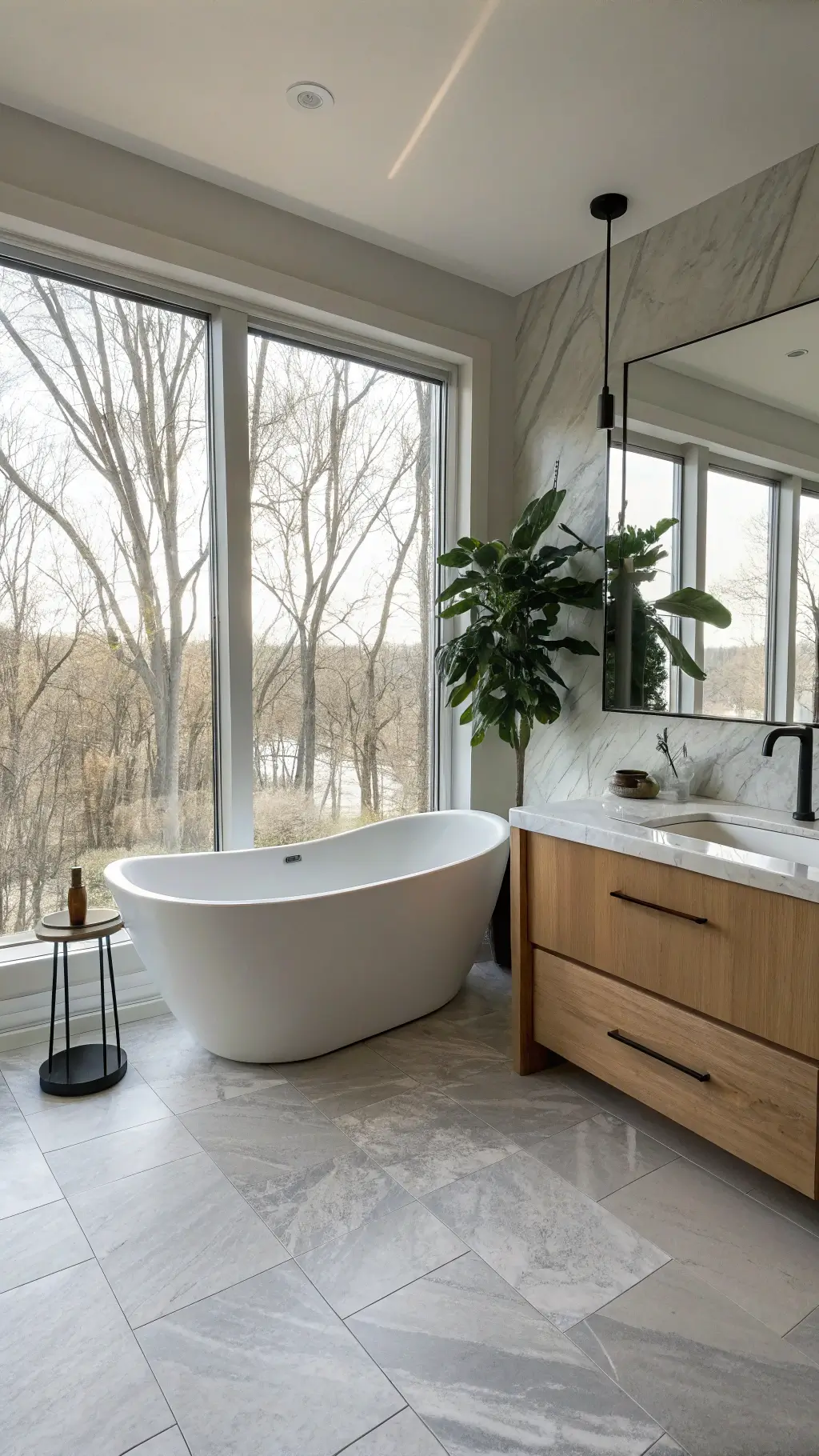
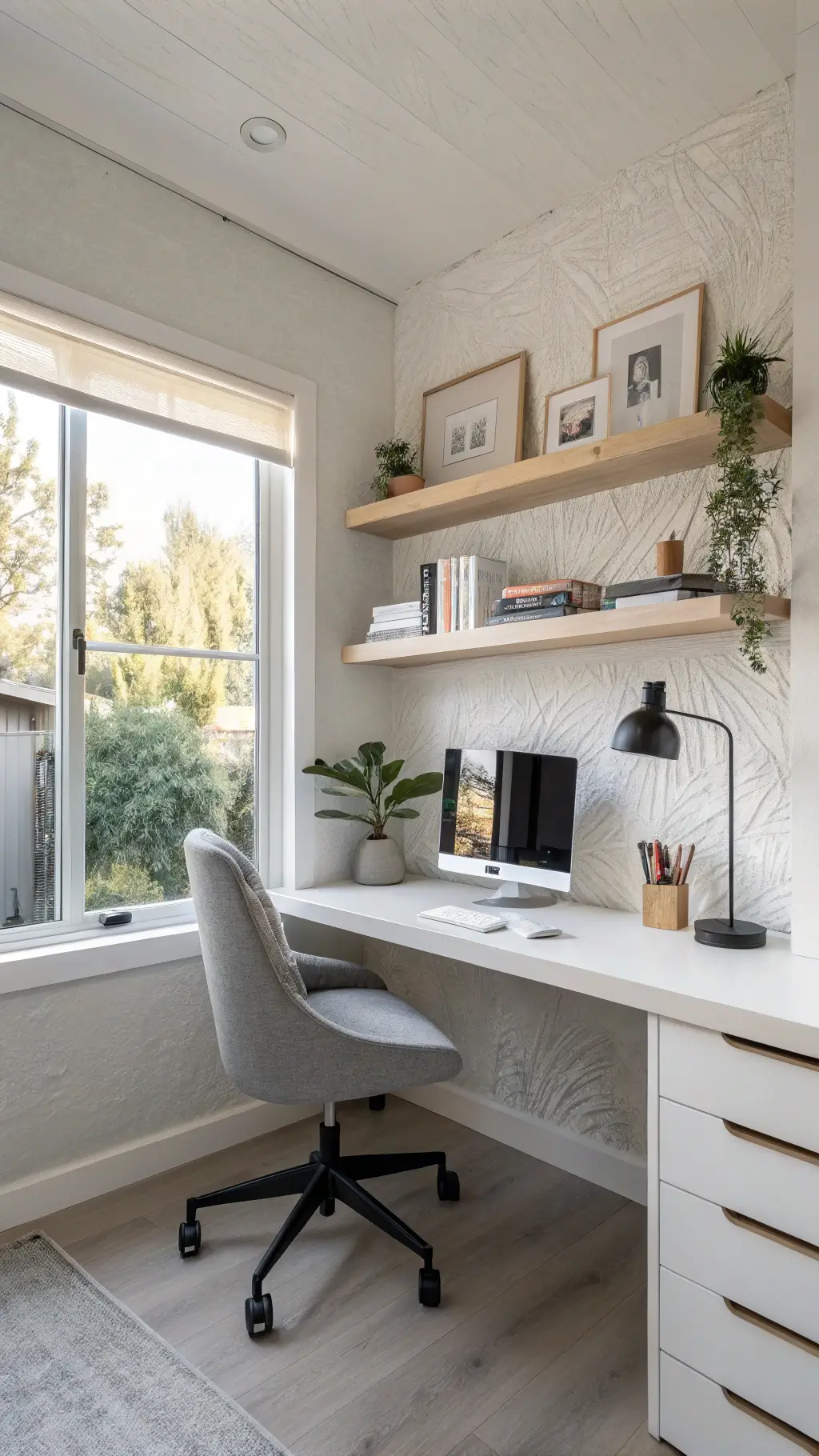
Optimizing the Home Office for Focus
Essentials for a Minimalist Workspace:
- Ergonomically designed desk
- Only necessary tech gadgets
- Concealed storage solutions
- Neutral, calming color tones
- Minimal desktop clutter
Effective Strategies for Minimalist Living
Smart Decluttering Methods
- Thirty-Day Test: Donate items unused for a month
- One In, One Out Policy: Replace an item only by removing another
- Digital Cleanse: Organize and reduce digital clutter
- Conscious Buying: Purchase with intention and necessity
Adding Warmth and Texture Without Clutter
Minimalism doesn’t equate to cold or impersonal spaces. Incorporate:
- Elements of natural wood
- Soft, tactile fabrics
- Subtle variations in texture
- Organic, sustainable materials
Common Pitfalls to Avoid in Minimalist Design
Steer clear of these mistakes:
- Excessive purging that removes meaningful items
- Purchasing low-quality, disposable furniture
- Neglecting your unique personal style
- Designing spaces that feel sterile or lifeless
Cost-Effective Tips for Minimalist Interiors
- Source quality pieces from thrift stores or online marketplaces
- Invest in multi-functional furniture
- Choose classic, enduring designs
- Always prioritize usability and comfort
Closing Reflections
Minimalist design is less about achieving flawlessness and more about purposeful living. It’s about crafting environments that breathe, inspire, and nurture your well-being.
Insider Tip: Begin with a small space-perhaps a single corner or room-and observe how intentional simplicity can transform both your surroundings and mindset.
Explore quality minimalist furniture to start your journey.
Discover elegant neutral color home decor for a calming atmosphere.
Upgrade your workspace with ergonomic desks designed for productivity.