Constructing an effective vegetable garden fence does more than just mark your garden’s perimeter-it safeguards your crops from unwelcome wildlife and enhances the overall design of your outdoor area. Whether you’re contending with deer, rabbits, or neighborhood pets, choosing the ideal fencing solution can turn your garden into a secure and visually appealing sanctuary for your plants. From timeless wooden fences to cutting-edge living walls, contemporary garden fencing blends practicality with style. The secret to success is selecting materials and designs that harmonize with your landscape while offering sufficient protection tailored to your local wildlife and climate.
Classic Cedar Picket Fence Enhanced with Hardware Cloth
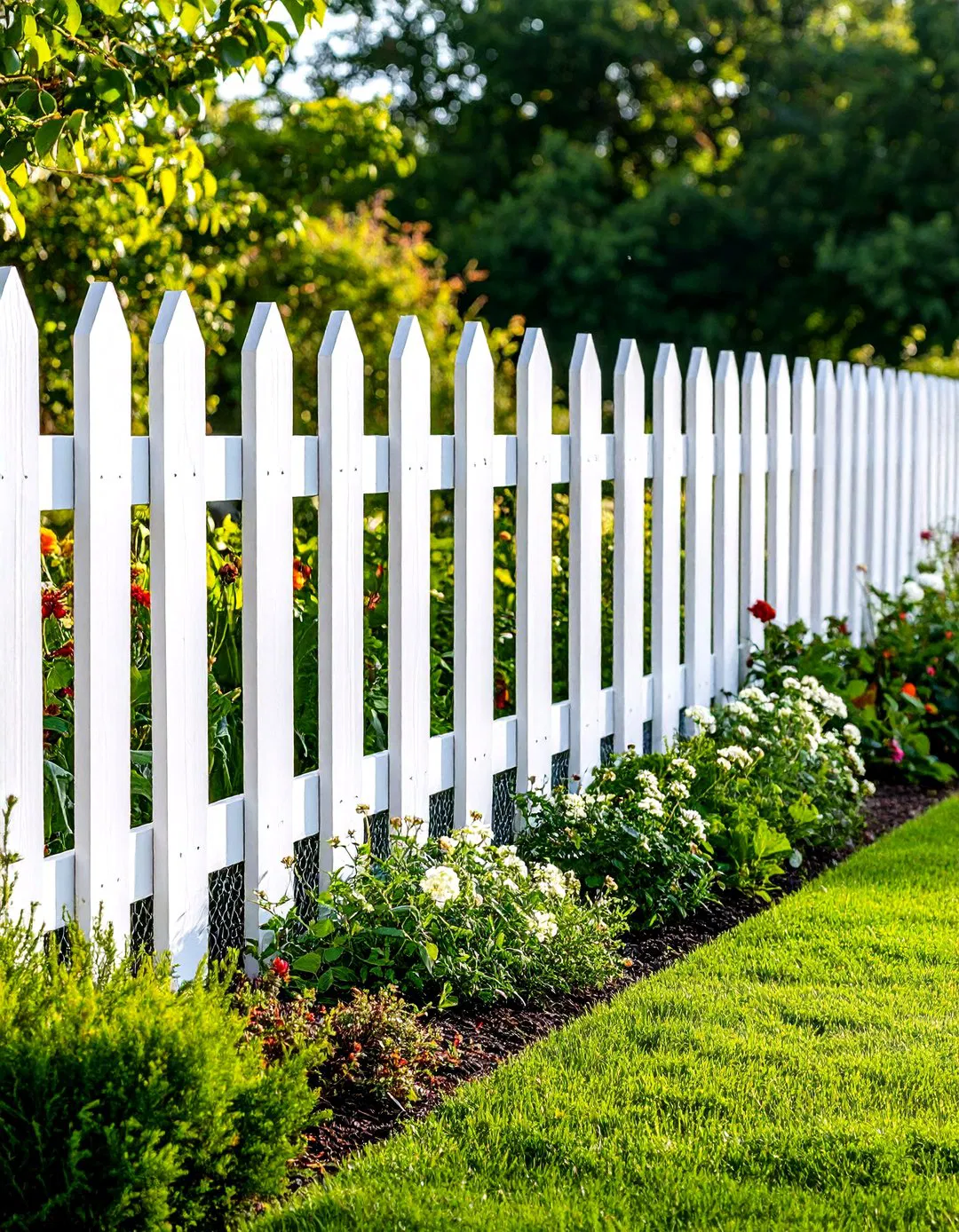
The cedar picket fence remains a beloved choice for vegetable garden enclosures, offering a blend of rustic charm and natural resilience. This style features upright cedar slats affixed to horizontal rails, typically standing around four feet tall. Incorporating a fine hardware cloth mesh along the lower eighteen inches effectively blocks small critters like rabbits and groundhogs from sneaking in, all while preserving the fence’s traditional look. Cedar wood naturally contains oils that fend off insects, decay, and weathering, promising years of dependable service. Over time, the fresh honey-colored cedar gracefully ages to a silvery-gray, requiring only occasional cleaning or optional staining to maintain its hue. For those interested in enhancing their garden’s security, explore [cedar garden fence options](https://www.amazon.com/s?k=cedar+garden+fence&tag=blogfizzb-20) for quality materials.
Durable Galvanized Wire Mesh Supported by Wooden Posts
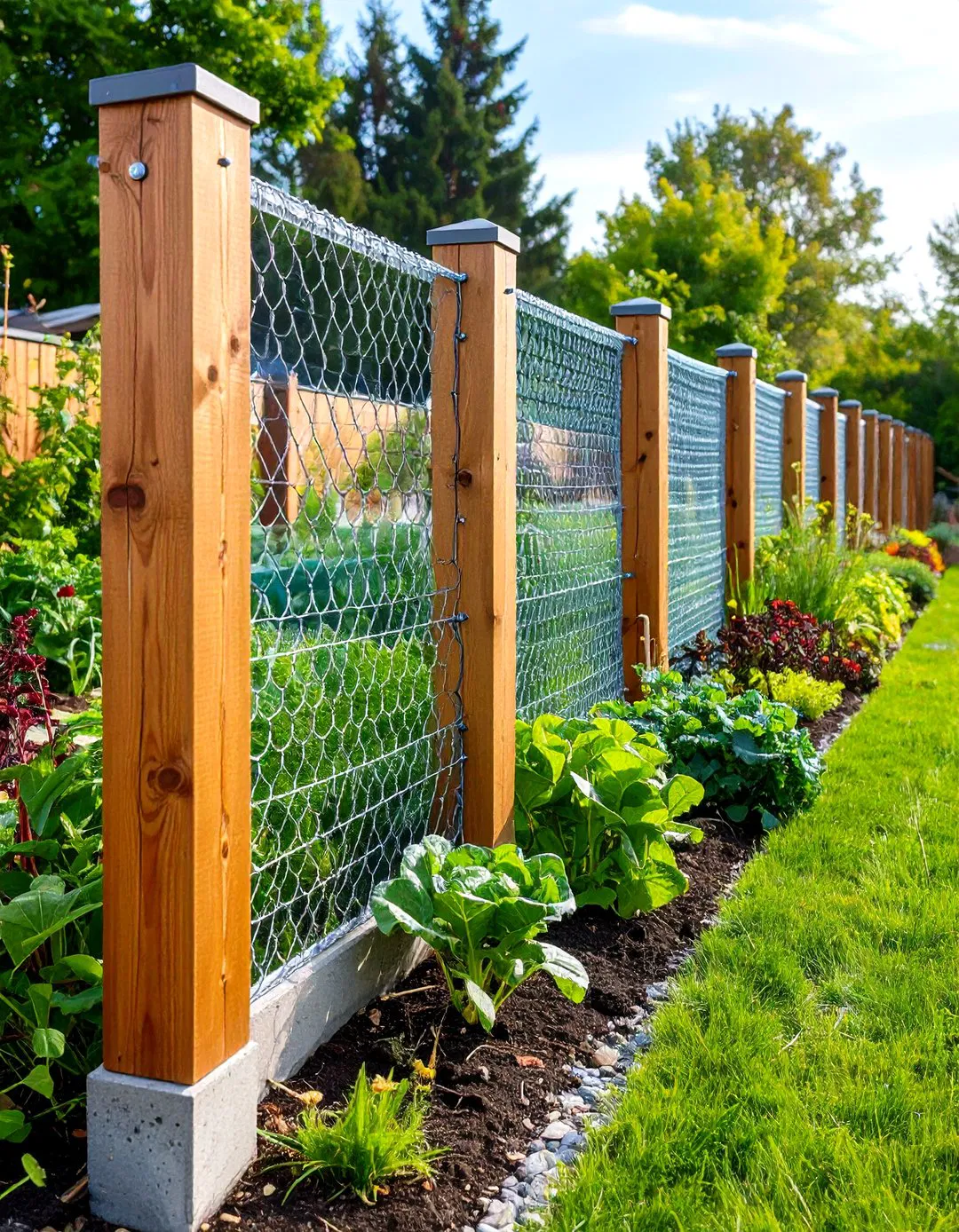
For gardeners seeking a cost-effective yet sturdy solution, galvanized steel mesh stretched between robust wooden posts offers excellent protection against common garden pests. The welded wire mesh features small apertures that keep out rabbits, squirrels, and other small animals, while allowing ample airflow and visibility. Posts made from pressure-treated pine or cedar ensure structural integrity, and the galvanized coating on the mesh prevents rust and corrosion, extending the fence’s lifespan. Installation involves anchoring posts in concrete and fastening the mesh securely with heavy-duty staples or wire ties. This design prioritizes function over form, making it ideal for dedicated vegetable plots where protection is paramount. Consider browsing [garden wire mesh fencing](https://www.amazon.com/s?k=galvanized+wire+mesh+fence&tag=blogfizzb-20) for suitable materials.
Eco-Friendly Bamboo Screening for a Natural Look
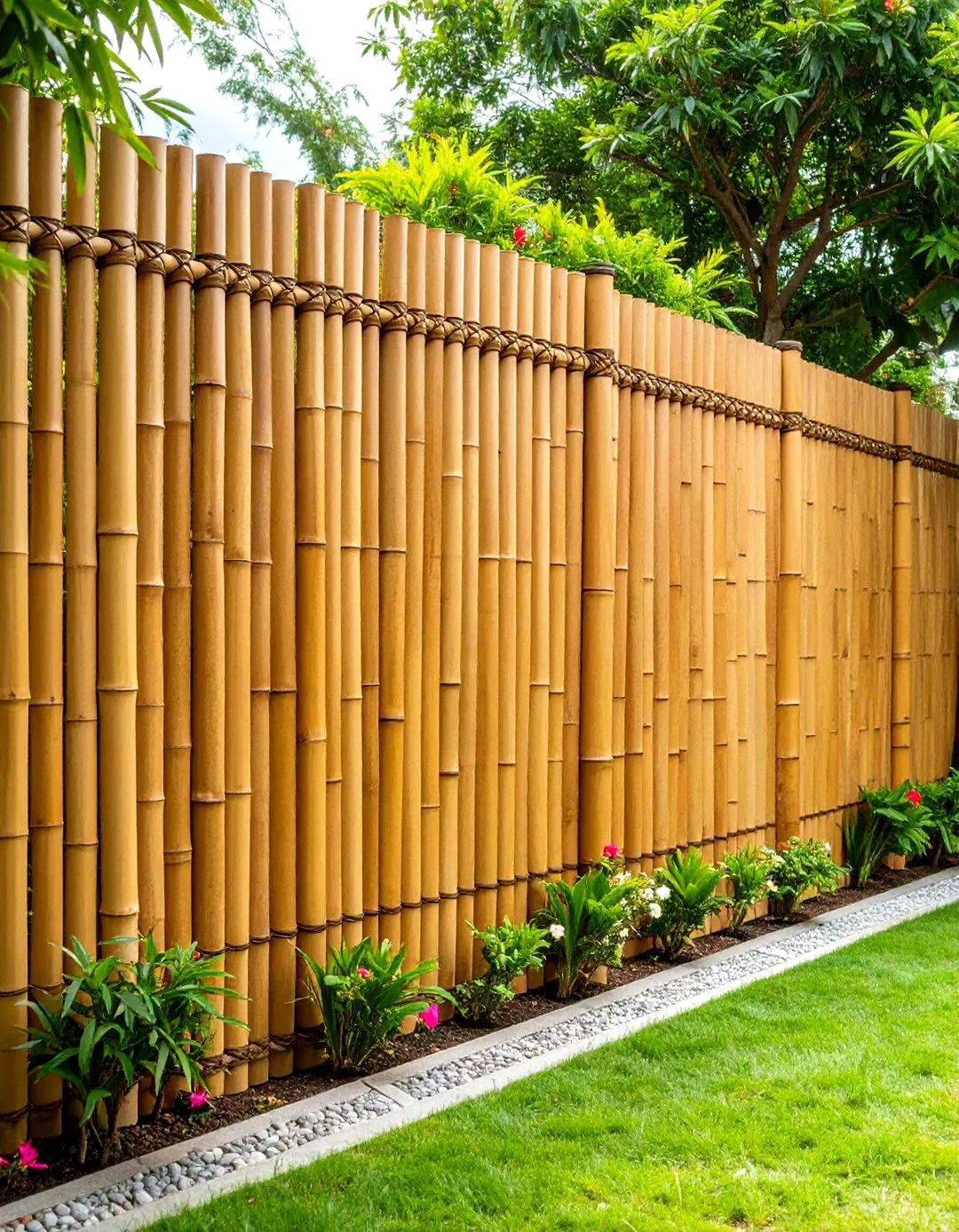
Bamboo fencing offers a sustainable and stylish option that infuses your garden with a tropical flair. Panels made from tightly bound bamboo stalks are mounted between wooden or metal posts, typically ranging from four to six feet tall. The dense weave provides privacy while allowing gentle air movement through small gaps. Bamboo naturally ages to warm golden and gray hues, requiring minimal upkeep aside from occasional washing with mild soap and water. Its vertical lines add height and structure, visually expanding smaller garden areas and effectively deterring larger animals like deer. Installation is straightforward, using galvanized screws or zip ties to secure prefabricated panels. For eco-conscious gardeners, check out [bamboo fencing panels](https://www.amazon.com/s?k=bamboo+garden+fence&tag=blogfizzb-20) for inspiration.
High-Tech Electric Netting for Superior Defense
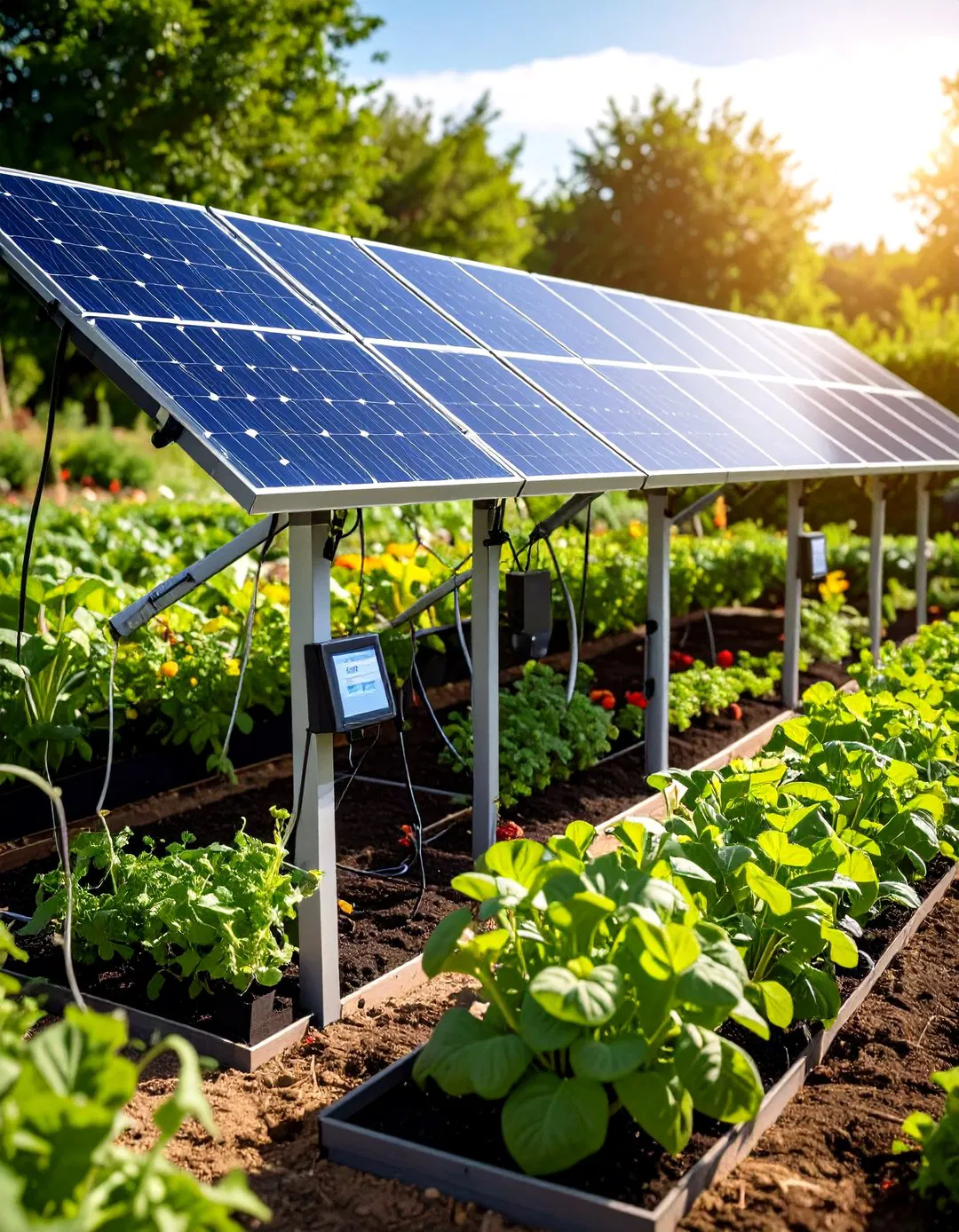
Electric netting fences merge modern innovation with effective animal deterrence, creating nearly impenetrable barriers for vegetable gardens. These lightweight mesh panels incorporate fiber posts and integrated electric wires powered by solar or battery units. The mild electric shock serves as a memorable but harmless deterrent, training wildlife to avoid your garden permanently. Their portable design allows for easy setup and seasonal removal, perfect for temporary or rotating garden layouts. Standing four to five feet tall, electric netting efficiently keeps out deer, raccoons, and other persistent intruders while remaining discreet from a distance. Maintenance is minimal, mainly involving battery checks and trimming nearby vegetation to prevent grounding. Explore [electric garden fencing kits](https://www.amazon.com/s?k=electric+garden+fence&tag=blogfizzb-20) for effective solutions.
Rustic Split Rail Fence with Deer Netting Overlay
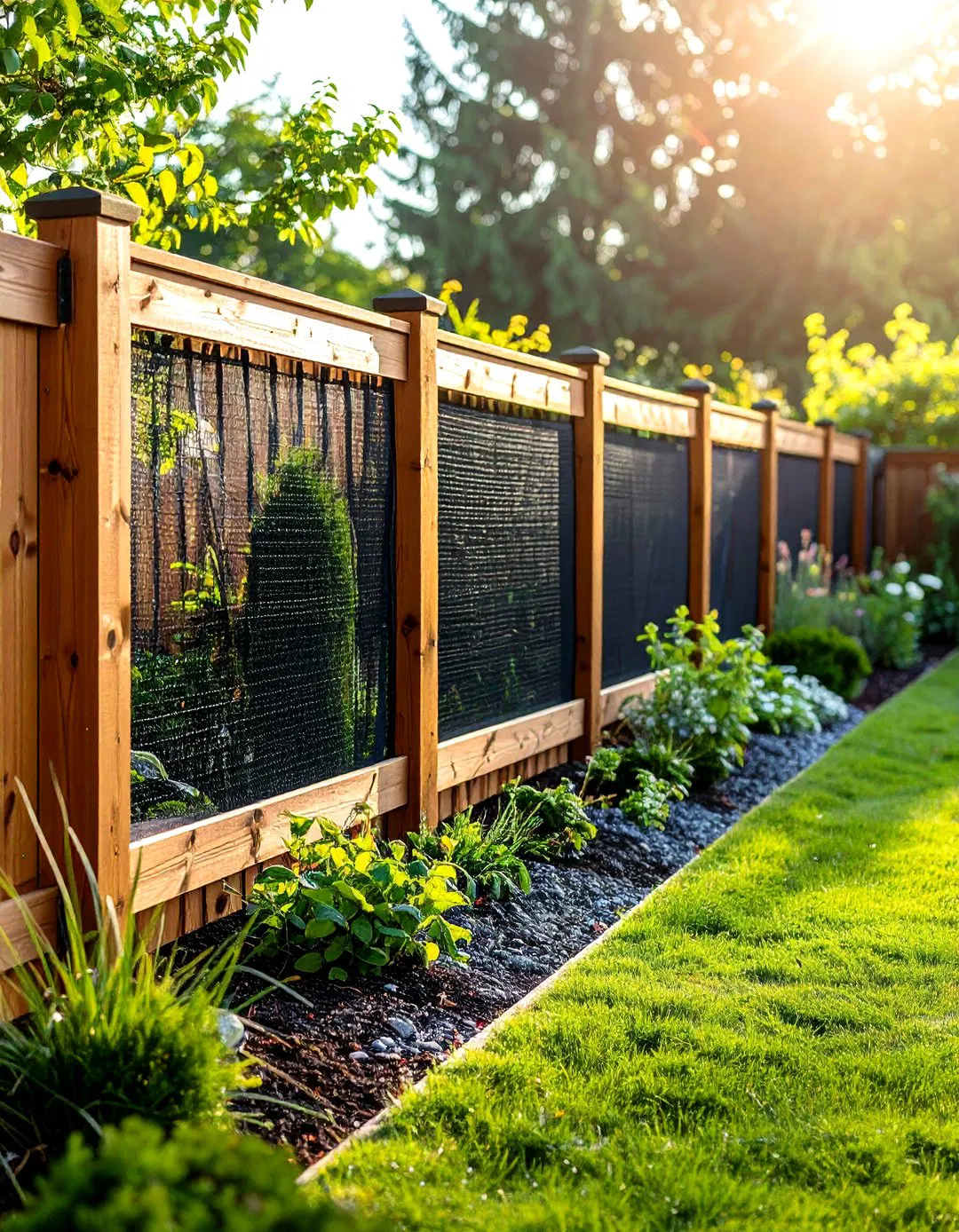
The timeless split-rail fence offers a charming rustic foundation that pairs beautifully with modern protective materials. This design features horizontal wooden rails, often cedar or locust, fitted into posts with routed holes for durability. Stretching black polypropylene deer netting across the rails creates an effective barrier against both large and small garden pests. The netting blends subtly into the landscape, maintaining the fence’s natural appeal while providing reliable protection from birds and animals. This combination balances traditional aesthetics with contemporary functionality, allowing easy access through gates while securing the entire garden perimeter.
Maintenance-Free Vinyl Privacy Fence with Stylish Accents
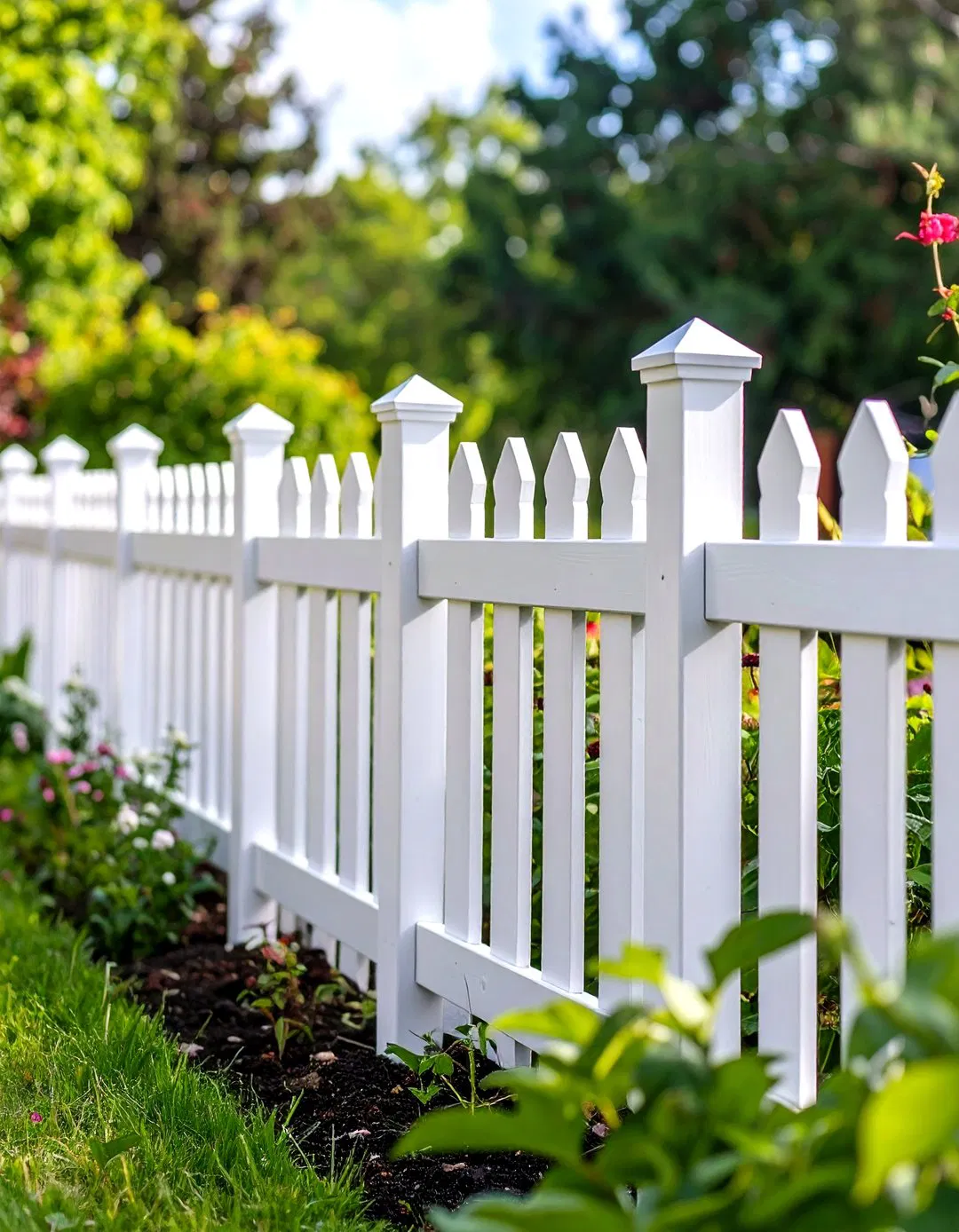
Vinyl fencing offers a durable, low-maintenance option that combines privacy with clean, modern aesthetics. These interlocking panels form solid barriers between six and eight feet tall, providing complete seclusion and security for your vegetable garden. Made from UV-resistant materials, vinyl fences resist fading, cracking, and weather damage, requiring only occasional cleaning with soap and water. Decorative features such as lattice tops, scalloped edges, and post caps add visual interest without sacrificing function. The solid construction also acts as a windbreak, creating microclimates that can extend the growing season for sensitive crops. Installation typically involves setting posts in concrete for stability. For a hassle-free fencing solution, consider browsing [vinyl garden fences](https://www.amazon.com/s?k=vinyl+garden+fence&tag=blogfizzb-20).
Living Hedge Fences: Natural, Dynamic Boundaries
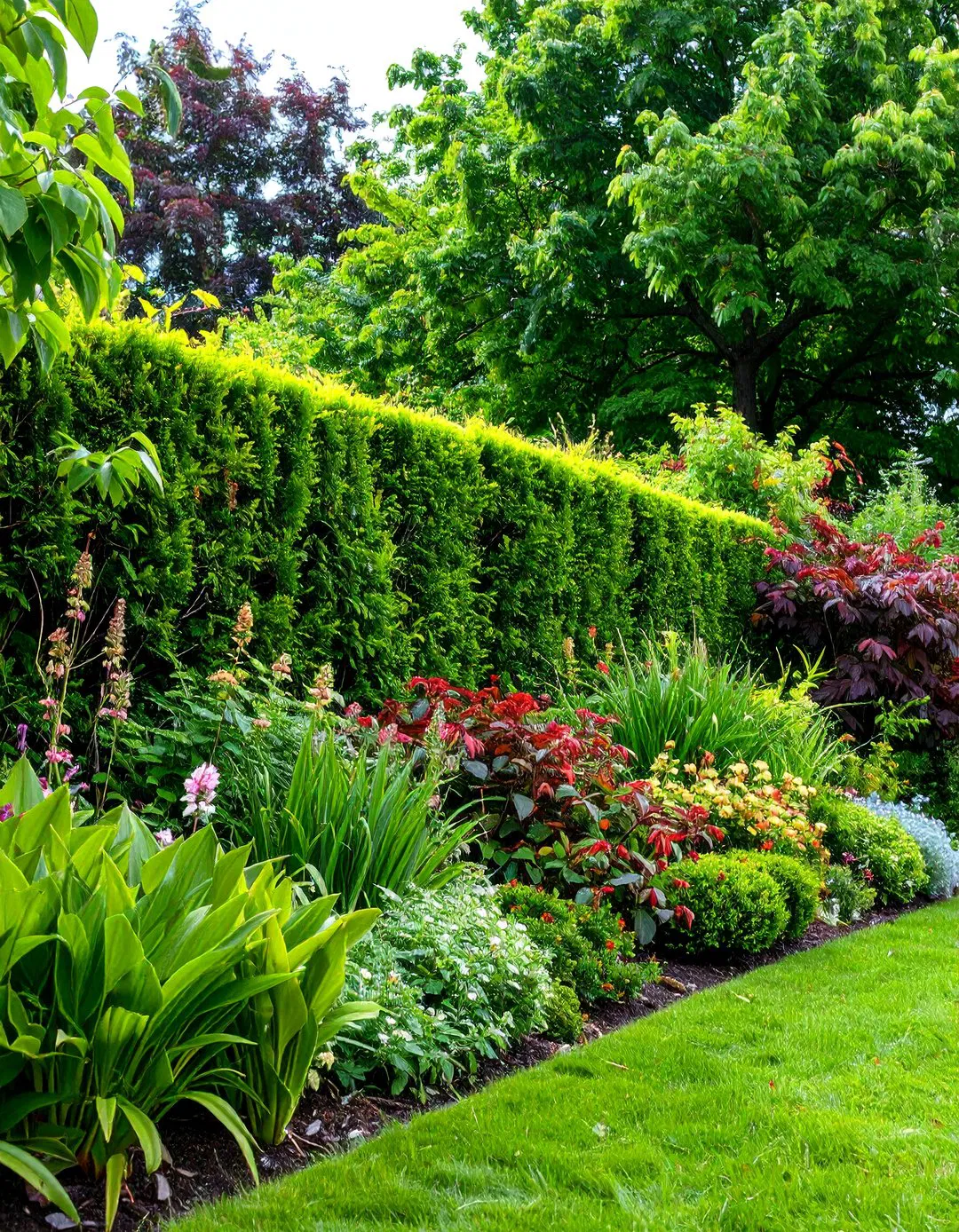
Transform your garden’s perimeter into a vibrant, wildlife-friendly barrier with living hedges composed of fast-growing shrubs like privet, boxwood, or holly. These plants, arranged in continuous rows, form dense green walls that evolve with the seasons. Incorporating flowering species such as forsythia or lilac adds seasonal color, while evergreen varieties provide year-round structure. Edible plants like blueberry bushes can serve dual purposes, offering both protection and harvest. Proper spacing encourages thick growth that deters deer and other large animals, while pruning maintains shape and density. Though it takes several growing seasons to reach full effectiveness, living hedges create beautiful, sustainable boundaries that support beneficial wildlife.
Sleek Corrugated Metal Panels for a Contemporary Edge
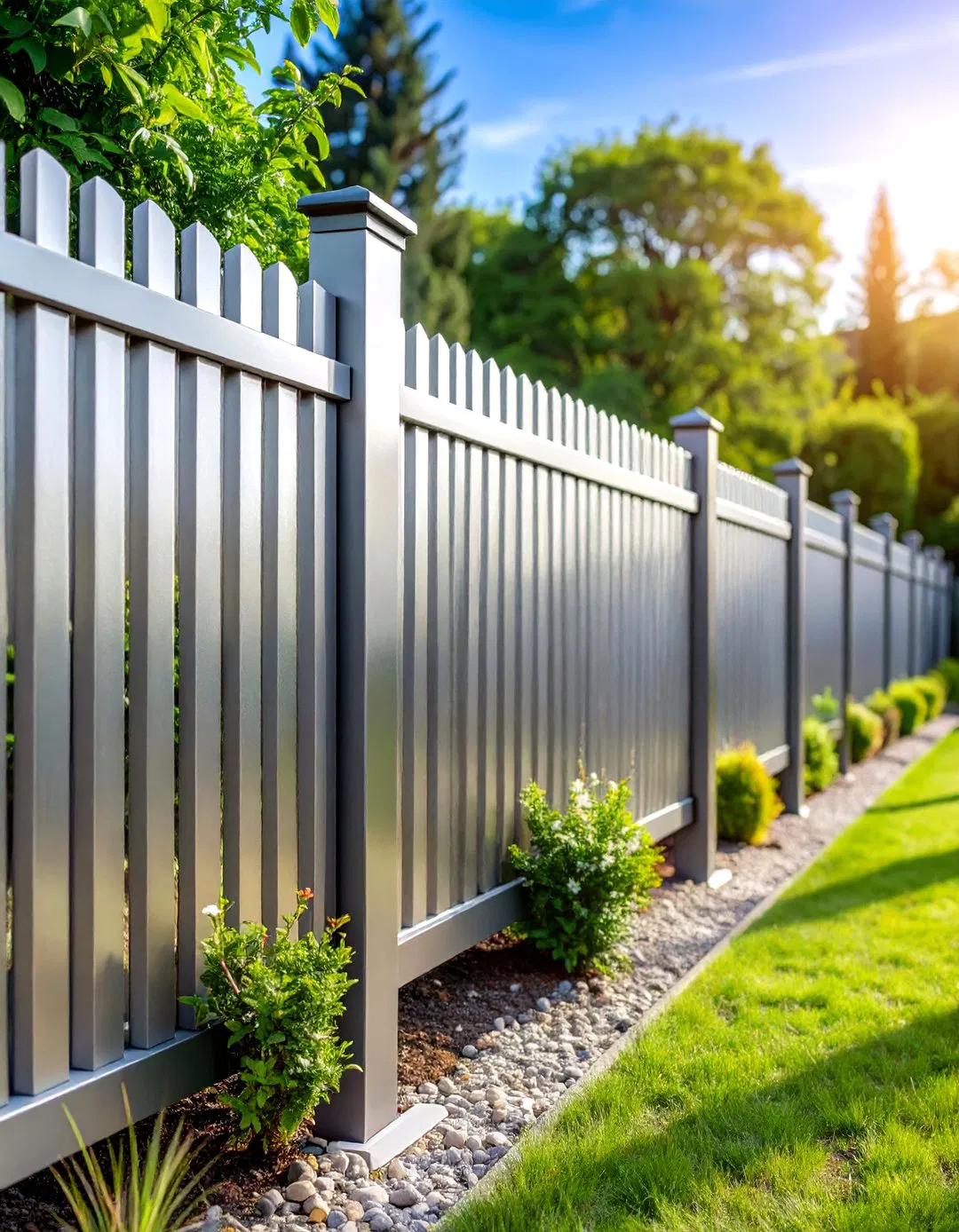
Corrugated metal fencing offers a modern, industrial aesthetic that complements contemporary garden designs. Galvanized steel panels mounted between posts create solid, wind-resistant barriers that provide full privacy. The vertical ridges add structural strength and cast dynamic shadows as sunlight shifts throughout the day. Metal’s reflective properties can create beneficial microclimates for heat-loving plants nearby. The neutral gray finish blends well with most landscapes and requires minimal upkeep beyond occasional cleaning. Installation involves securing panels with metal screws and washers, with options to add wire mesh at the base for small animal exclusion if needed.
Rustic Charm with Reclaimed Pallet Wood Fencing
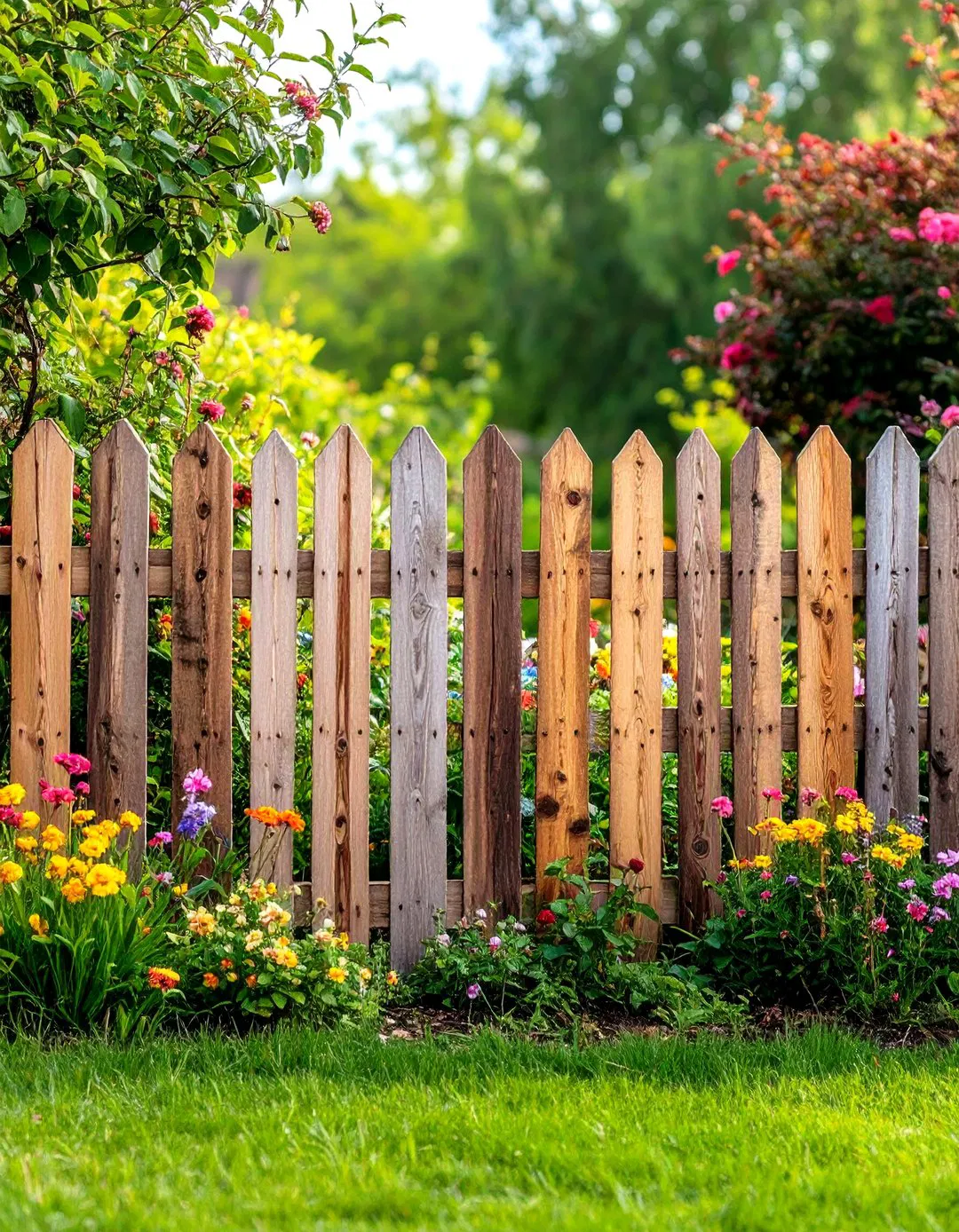
Utilizing reclaimed shipping pallets offers an eco-friendly and budget-conscious way to build vegetable garden fences with rustic appeal. This DIY-friendly method involves dismantling pallets and reassembling the boards into custom panels, which can be painted, stained, or left natural for a weathered look. The varied wood tones and irregular spacing create visually engaging barriers that effectively deter most garden pests. Proper preparation includes removing nails, sanding rough edges, and treating the wood for outdoor durability. Creative designs might feature alternating board heights, decorative cutouts, or integrated planter boxes, turning waste materials into unique, personalized garden boundaries.
Chain Link Fencing Enhanced with Privacy Slats
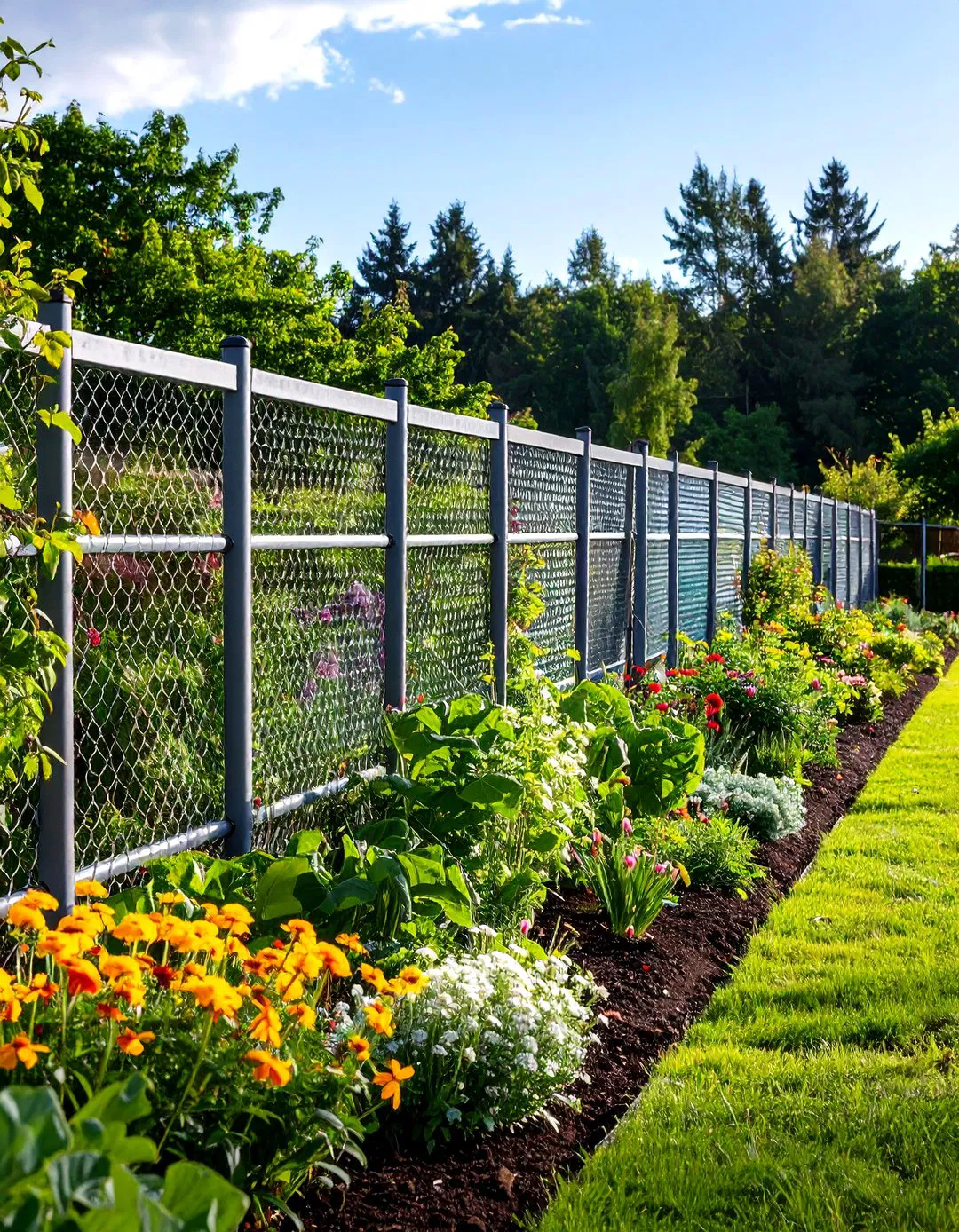
Chain link fences provide robust, long-lasting security for vegetable gardens, with the added benefit of customization through privacy slats and support for climbing plants. The galvanized steel mesh offers decades of maintenance-free service, effectively keeping out large and small pests. Privacy slats inserted into the mesh reduce wind exposure and enhance visual appeal, creating cozy garden spaces. The fence also serves as a sturdy trellis for vertical gardening of beans, peas, and cucumbers, maximizing space efficiency. Installation requires concrete footings and proper tensioning, with height options ranging from four to eight feet to suit local regulations and pest pressures.
Stone Walls Featuring Built-In Planting Niches
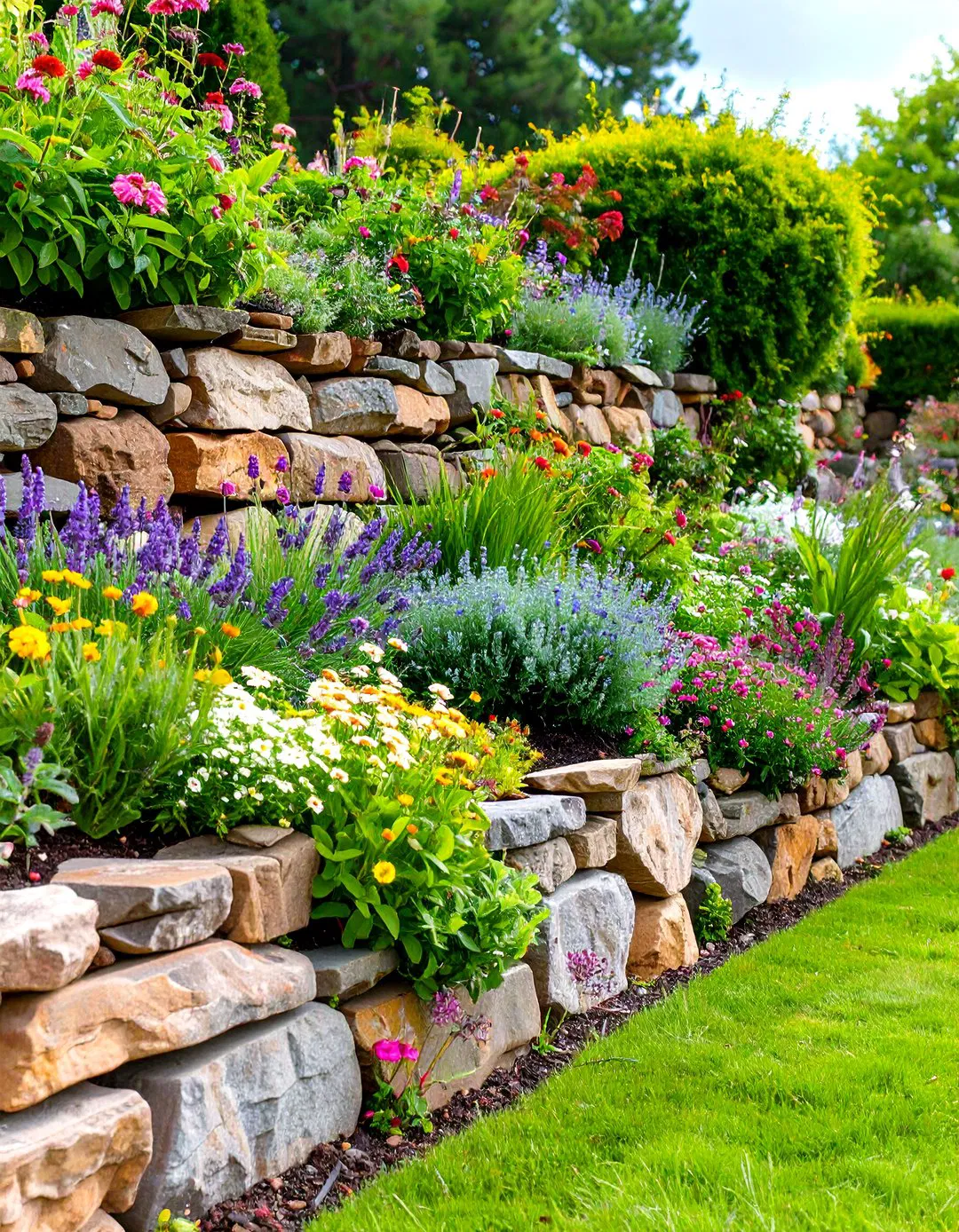
Natural stone walls offer timeless, sturdy boundaries that improve aesthetically with age while providing excellent protection for your vegetable garden. Constructed from locally sourced fieldstone or quarried rock stacked without mortar, these walls flexibly adapt to ground shifts and seasonal changes. Integrated planting pockets nestled between stones allow for herbs, flowers, or small vegetables to thrive within the wall itself, adding living beauty. The stone’s thermal mass moderates temperature swings, shielding plants from frost and extending growing seasons. Though building requires careful stone selection and foundation work, these walls can endure for centuries with minimal upkeep. Heights typically range from three to five feet, balancing protection and privacy.
Handcrafted Woven Willow Fences with Timeless Appeal
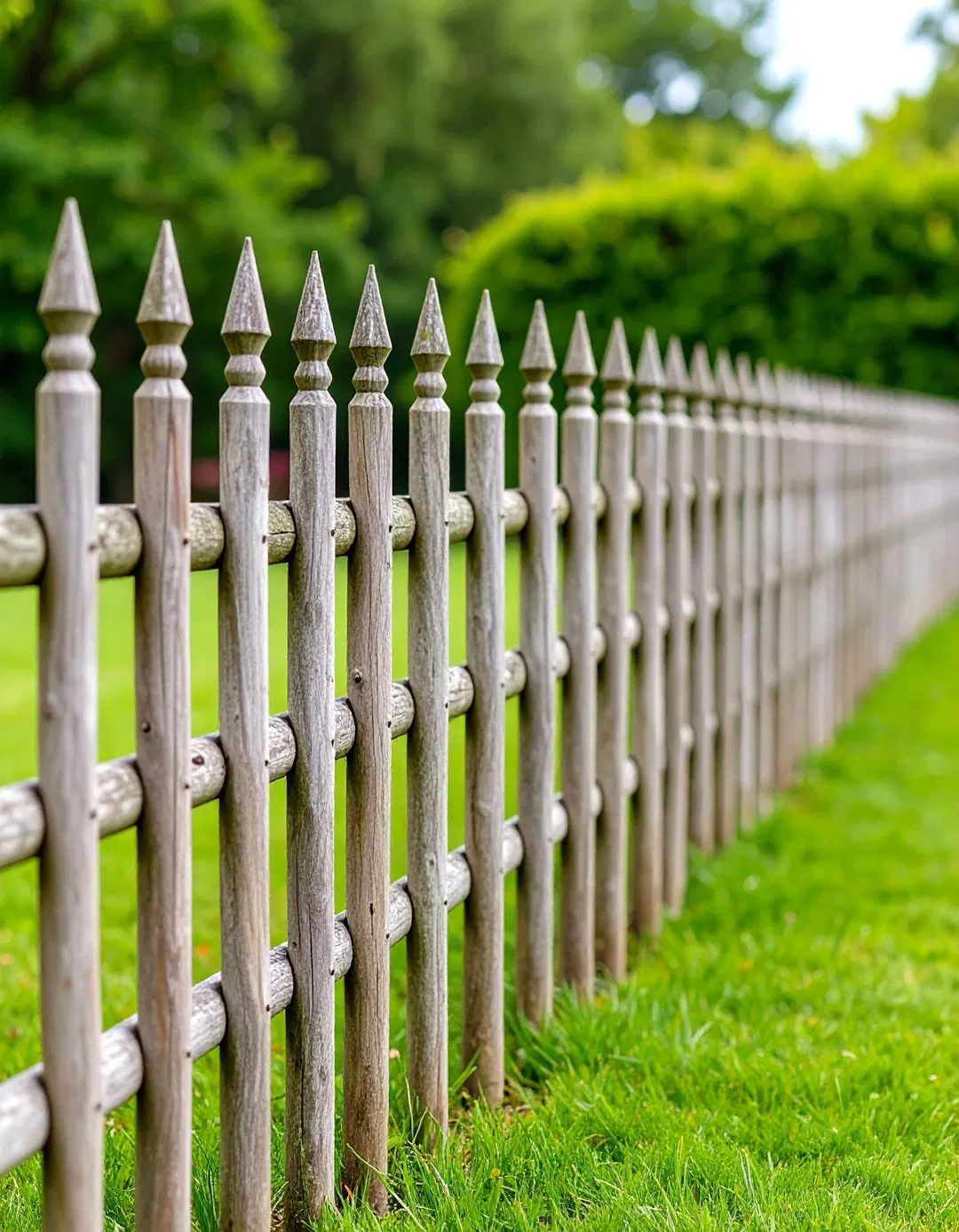
Woven willow fencing revives ancient European craftsmanship, creating natural, artisanal barriers that blend effortlessly into garden landscapes. Flexible willow branches are intricately woven between vertical stakes to form dense panels standing four to six feet tall. The natural materials weather to soft gray hues while maintaining strength for many years with proper care. The woven design allows airflow while effectively keeping out rabbits and other small animals. Installation involves driving stakes into the soil and weaving branches in traditional patterns refined over centuries. This biodegradable, sustainable fencing option adds unique character and supports local craft traditions.
Hardware Cloth Cylinders for Targeted Plant Defense
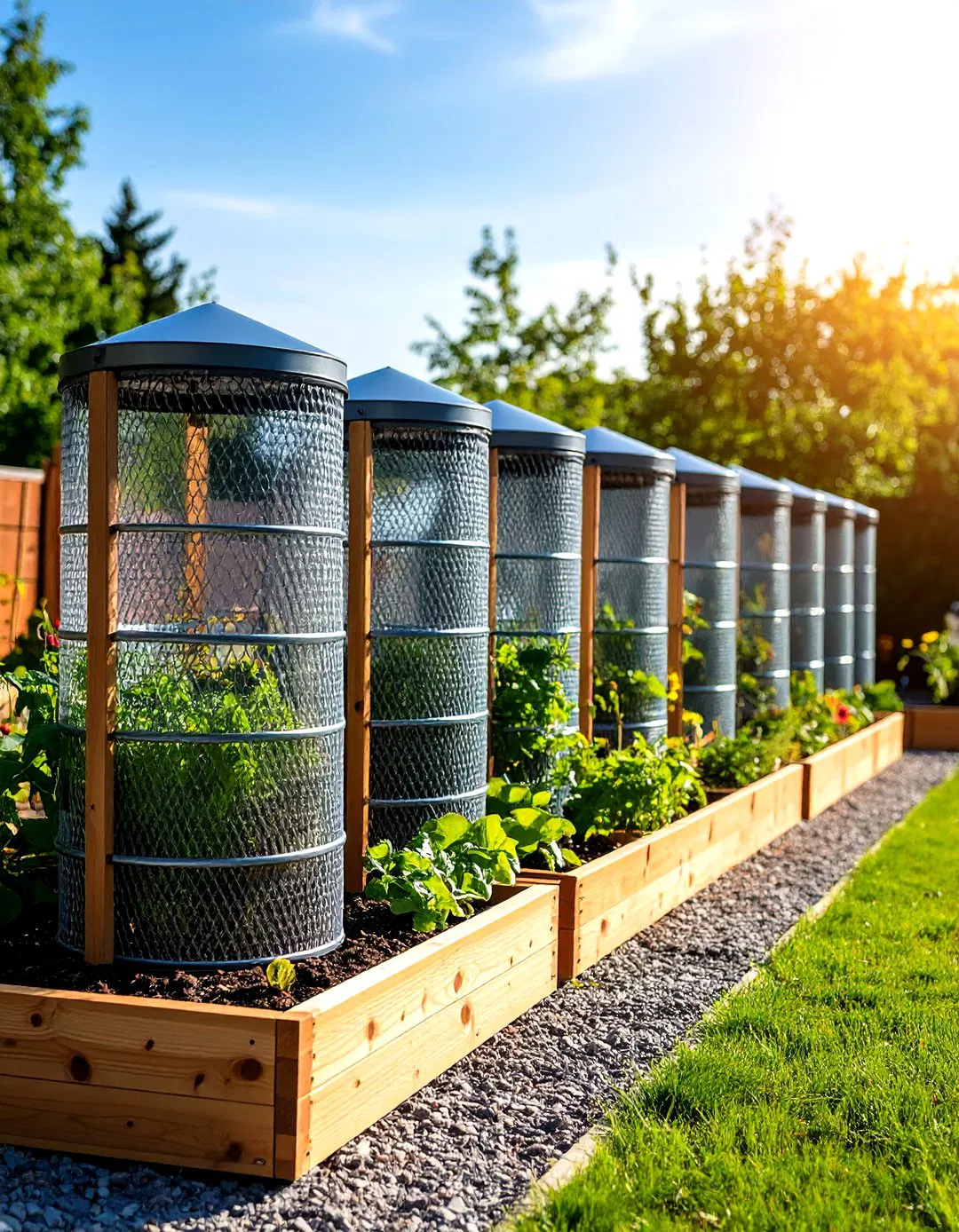
Protect individual plants or small clusters with hardware cloth cylinders, a flexible and efficient method adaptable to shifting garden layouts. Galvanized mesh is shaped into cylinders and secured with wire clips, creating fine-mesh barriers that exclude rabbits, squirrels, and birds while allowing sunlight, air, and beneficial insects to reach the plants. Removable tops facilitate easy maintenance and harvesting. Heights vary to suit different crops, from low enclosures for herbs to taller ones for tomatoes and climbing vegetables. This system is especially effective in raised beds where perimeter fencing might hinder access.
Contemporary Cedar Horizontal Slat Fencing
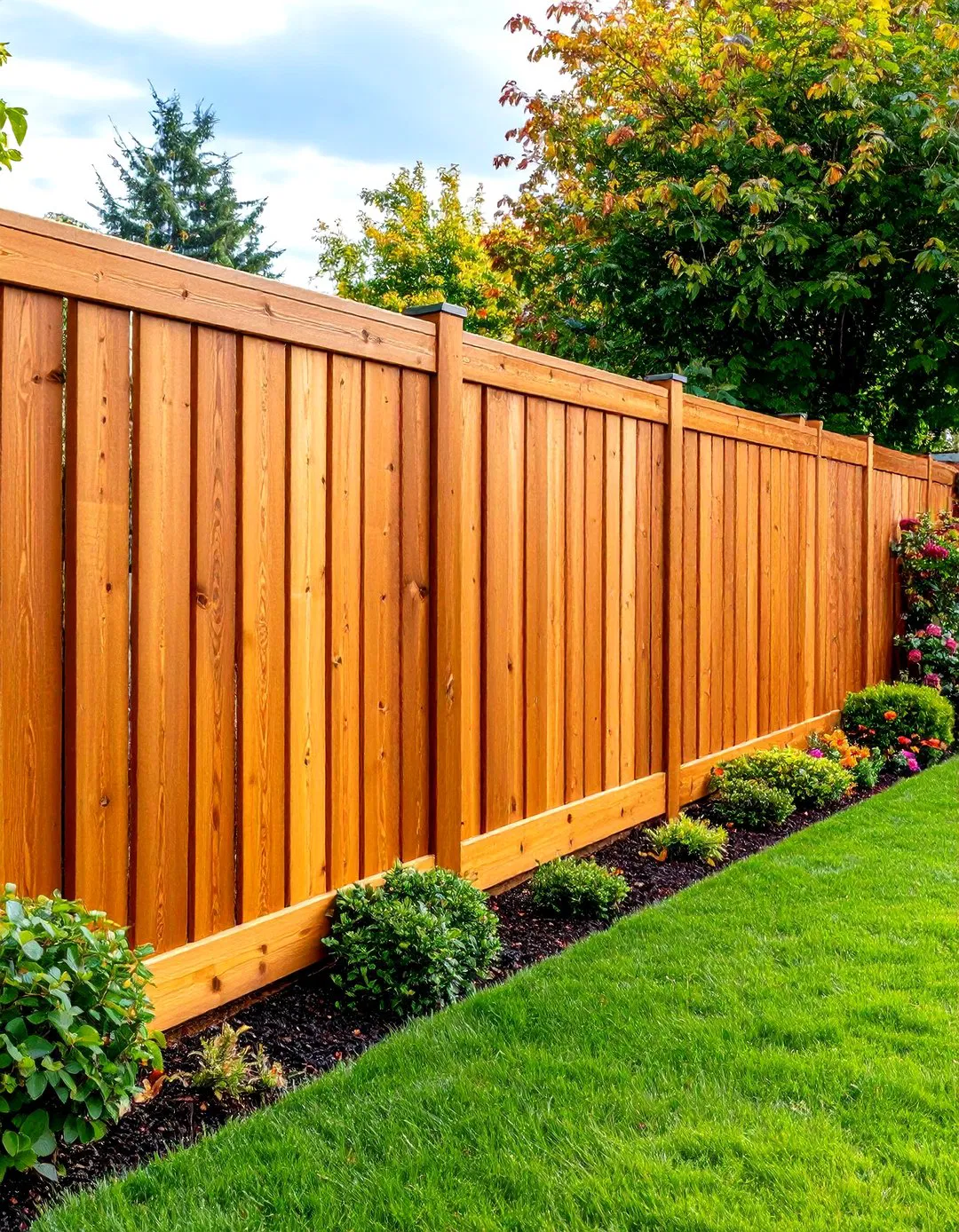
Horizontal cedar slat fences offer a sleek, modern boundary that complements contemporary home designs while delivering excellent protection. Wide cedar boards are mounted horizontally between posts, creating clean, continuous lines that visually widen garden spaces. Carefully spaced slats allow airflow and privacy, with gap sizes tailored to deter specific pests. The horizontal layout enhances structural stability against wind, and cedar’s natural oils provide weather resistance. Over time, the wood ages to a distinguished silver-gray. Installation demands precise measurement and leveling but results in striking, low-maintenance fences that boost property appeal.
Lightweight Plastic Mesh for Temporary Garden Protection
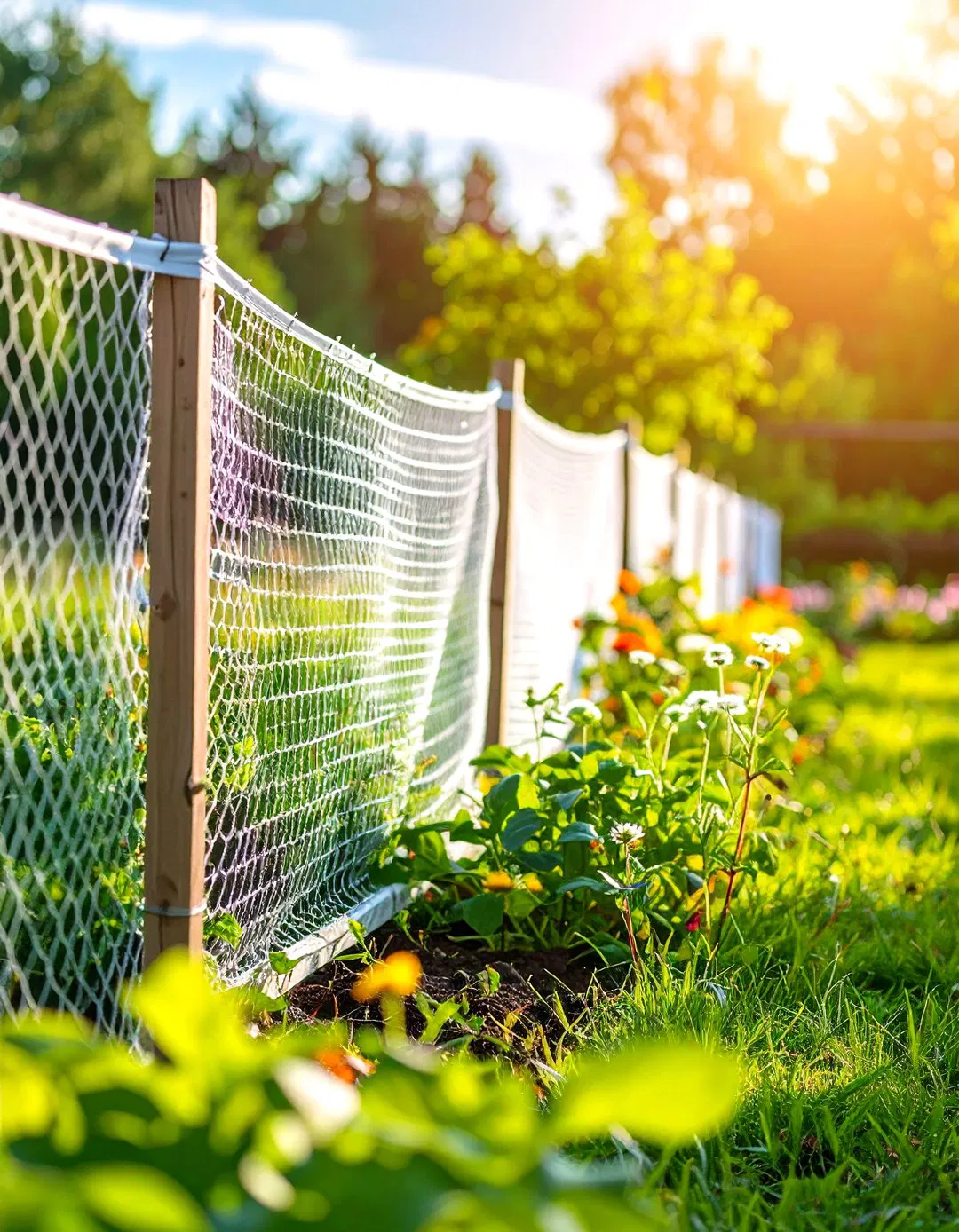
Plastic mesh fencing offers an affordable, easy-to-install option for gardeners needing temporary or seasonal protection. Made from UV-resistant polypropylene or polyethylene, the flexible mesh stretches between wooden stakes or metal posts to form effective barriers against most pests. Its near-invisible appearance preserves garden aesthetics, making it ideal for rental properties or short-term growing spaces. Installation is quick and requires minimal tools, with materials easily stored when not in use. Mesh sizes vary to exclude birds, rabbits, or deer as needed.
Industrial-Style Gabion Walls for Durable Boundaries
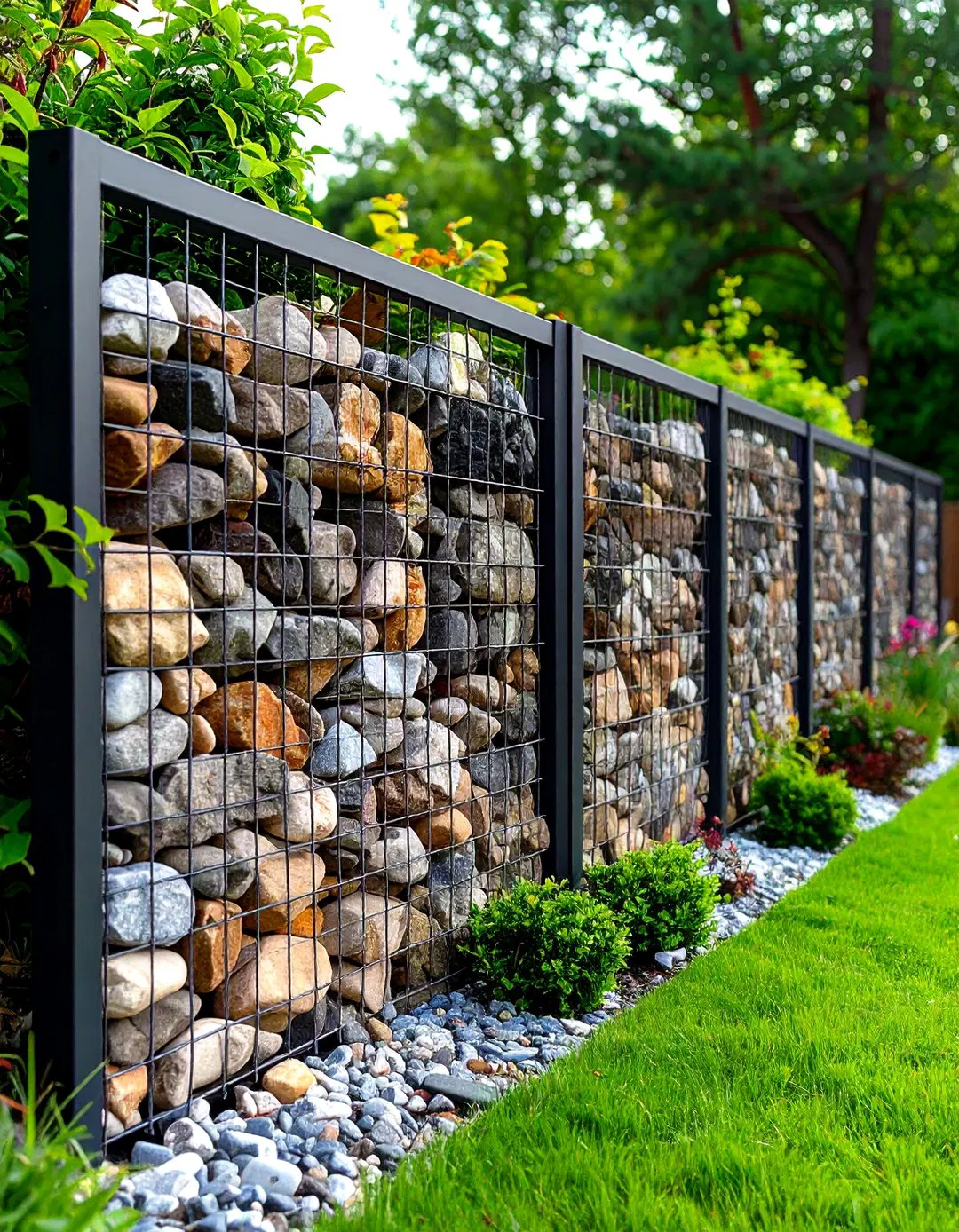
Gabion walls combine rugged industrial aesthetics with natural stone to create striking, long-lasting vegetable garden fences. Wire cages filled with stones form substantial barriers that provide wind protection and thermal mass benefits, moderating temperature extremes and extending growing seasons. Various stone colors and types allow customization to match your landscape, while the wire framework ensures structural strength. Proper foundation and stone selection are essential for installation, but the resulting fence offers a unique, sustainable boundary that improves with age.
Vinyl Lattice Panels Supporting Climbing Vegetables
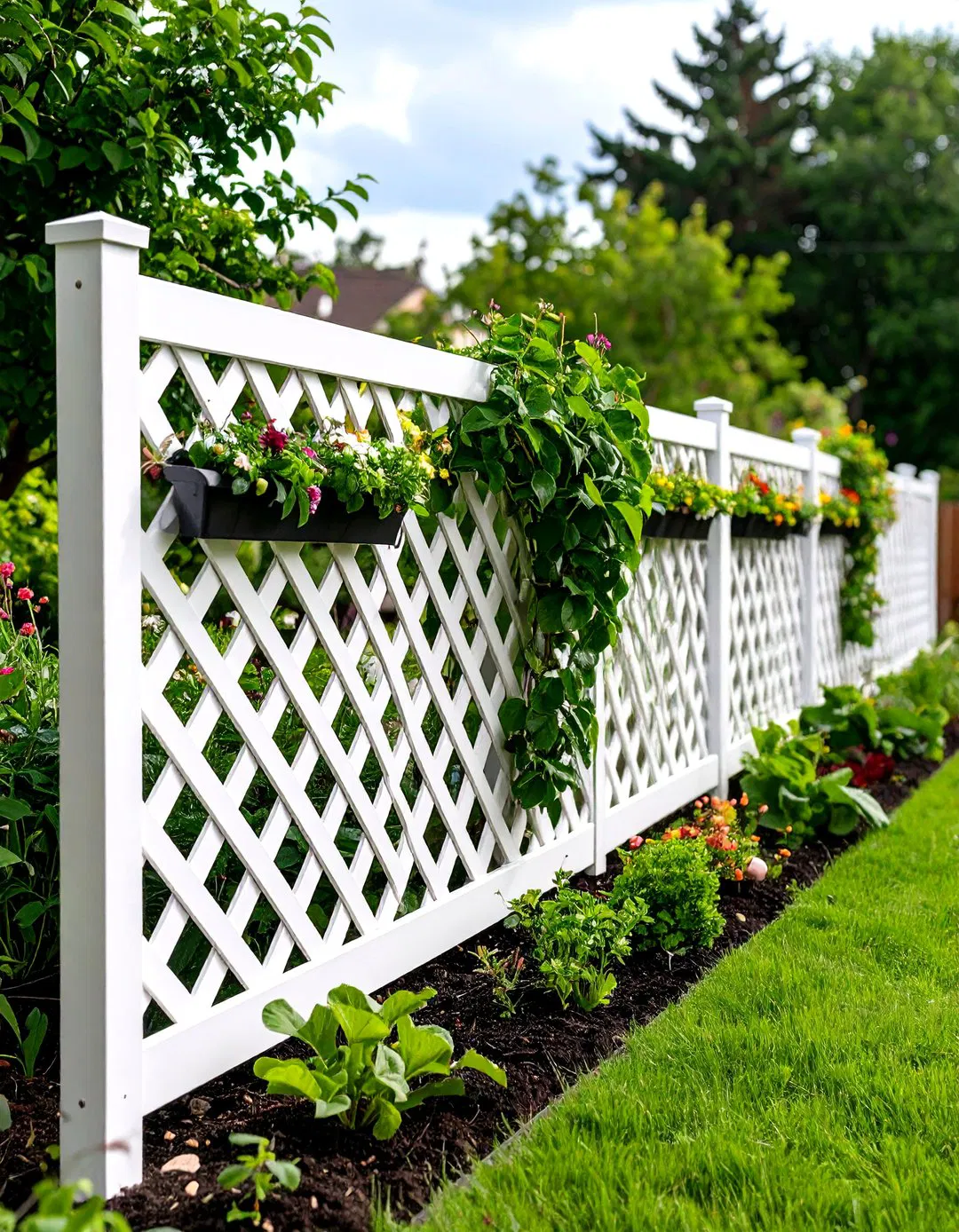
Vinyl lattice fencing offers an attractive, maintenance-free solution that doubles as a support structure for climbing plants and vines. The diagonal grid pattern provides sturdy support for beans, peas, cucumbers, and flowering vines, while the UV-resistant vinyl construction eliminates the need for painting or staining. This design allows excellent airflow, modest privacy, and animal deterrence. Panels are mounted between posts with hardware, and gates can be incorporated for easy garden access.
Natural Brushwood Screens for Wind Protection
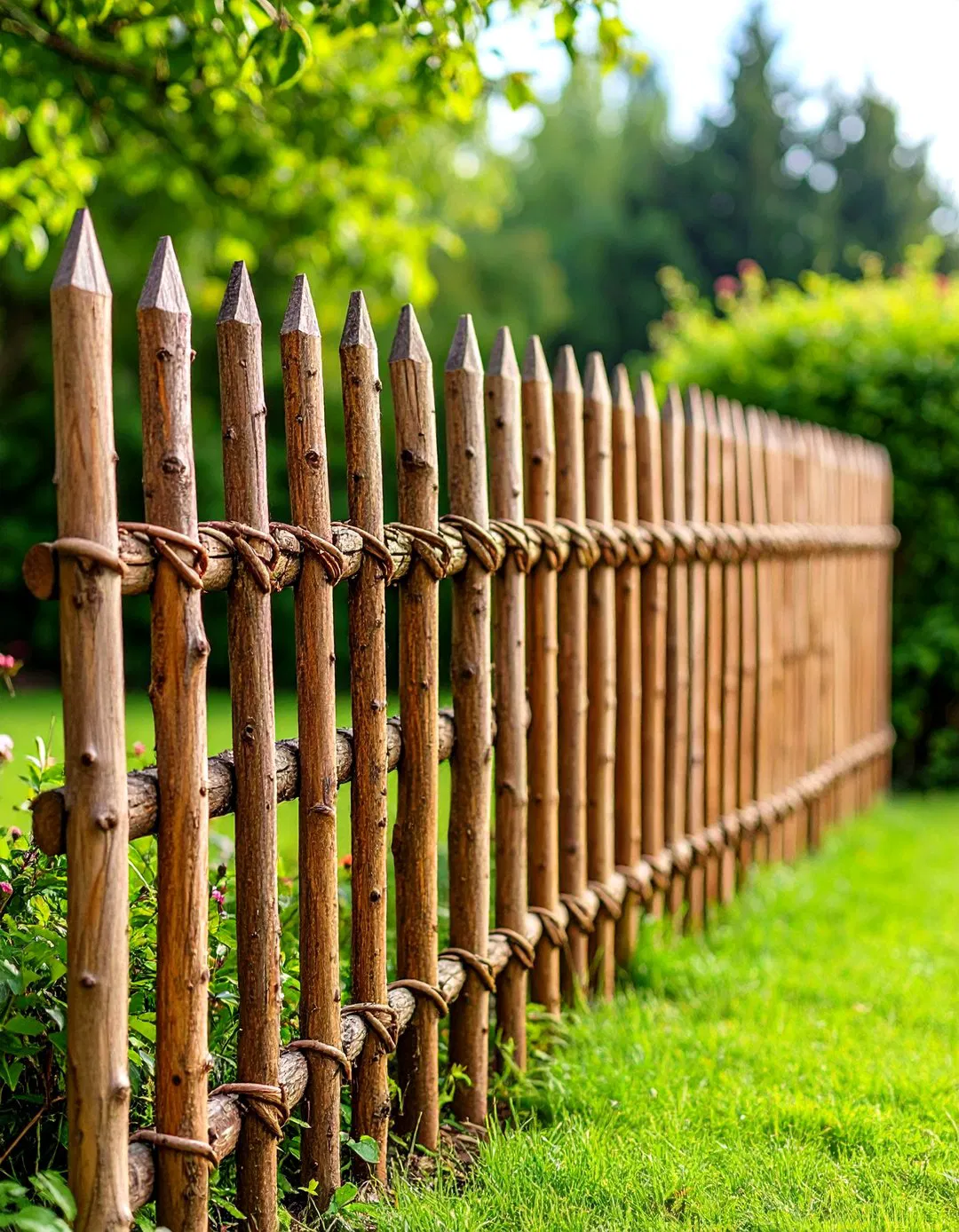
Brushwood fencing, crafted from bundled twigs and small branches like hazel or birch, offers a distinctive, natural-looking barrier that shields gardens from wind while blending seamlessly with the environment. This European-inspired technique weaves flexible woods tightly to form dense panels that weather gracefully. Installation involves mounting prefabricated sections between posts or custom-building to fit specific garden dimensions. The dense weave provides privacy and subtle air circulation, making it a sustainable, biodegradable alternative to synthetic fences.
Hybrid Wire and Wood Fences for Balanced Functionality
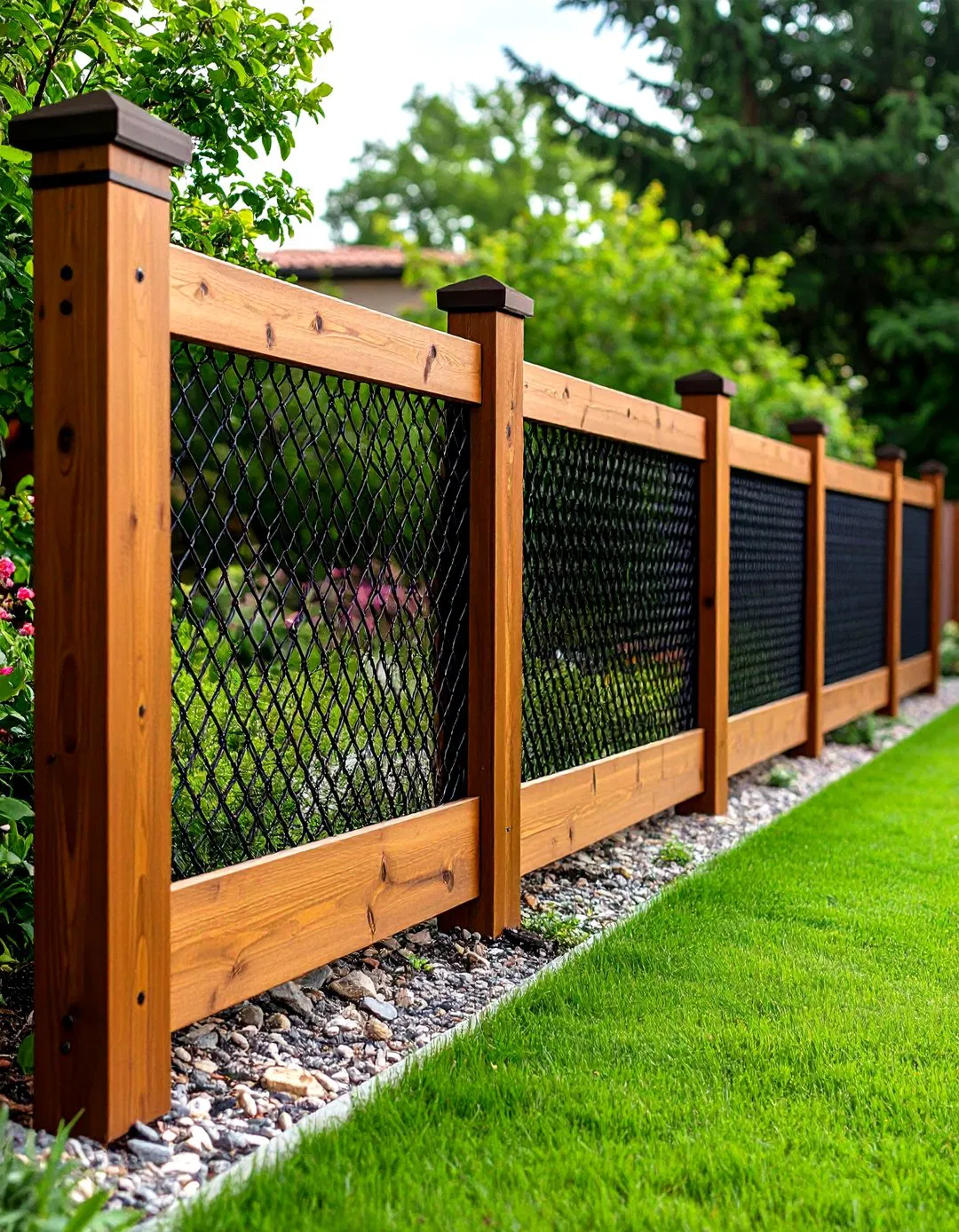
Combining wire mesh with wooden components creates versatile garden fences that balance cost, utility, and aesthetics. Typically, wooden posts and rails frame wire mesh infill, offering sturdy protection while maintaining a light visual footprint. Wood can be finished to complement your landscape, while wire mesh types vary to exclude different pests-from fine hardware cloth for small animals to larger mesh for deer. This hybrid approach allows creative designs and cost savings compared to all-wood fences, with maintenance focusing mainly on the wood elements.
Composite Fencing: Wood-Like Beauty with Minimal Upkeep
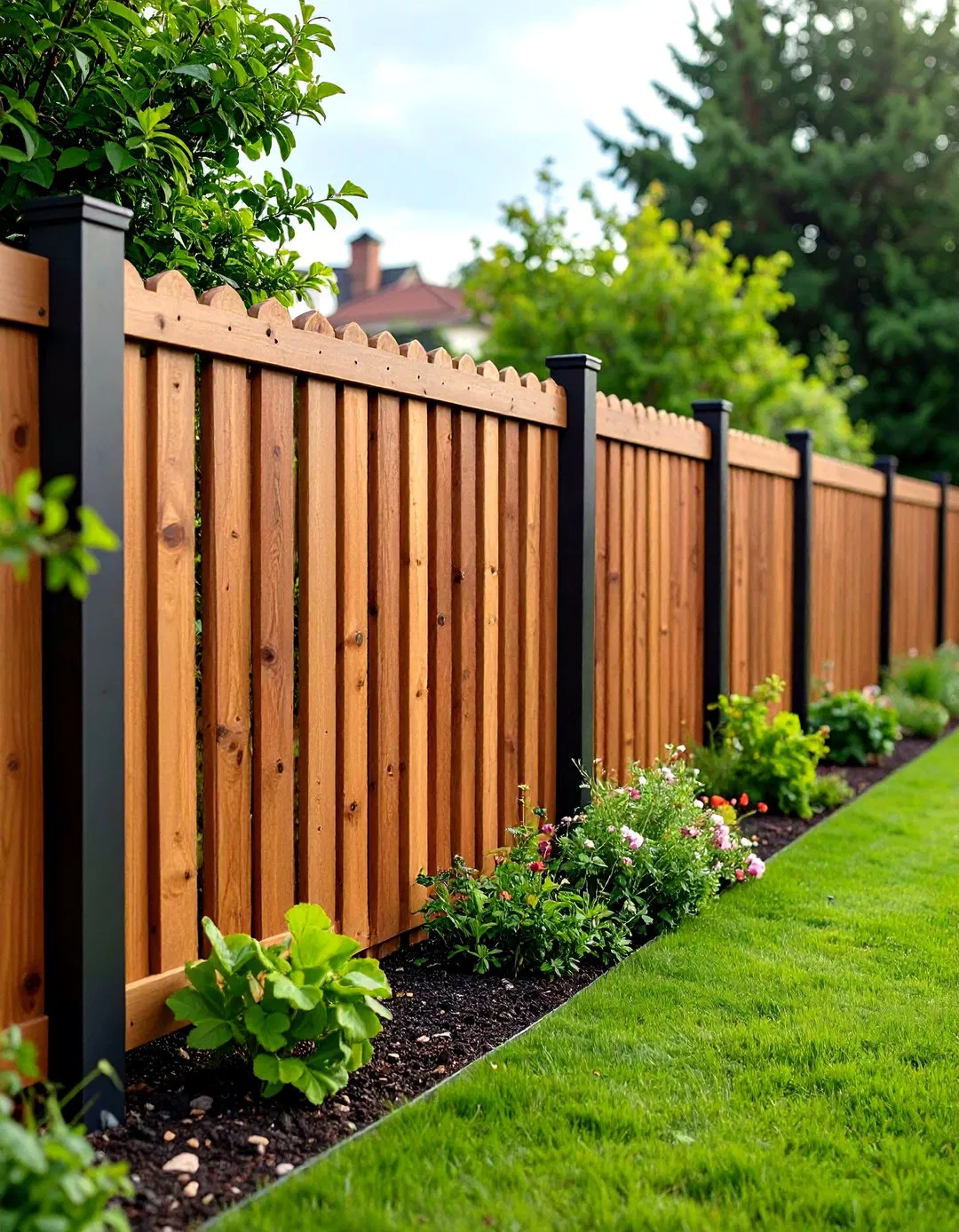
Composite fencing materials offer the natural look of wood combined with the durability and low maintenance of synthetics. Engineered to resist fading, cracking, warping, and insect damage, these fences maintain wood-grain textures and color variations without the need for staining or sealing. Suitable for various styles-from traditional pickets to modern horizontal slats-composite fences install similarly to wood but last significantly longer. Though the upfront cost is higher, the reduced maintenance often offsets this over time.
Tall Deer Netting for Expansive Garden Protection
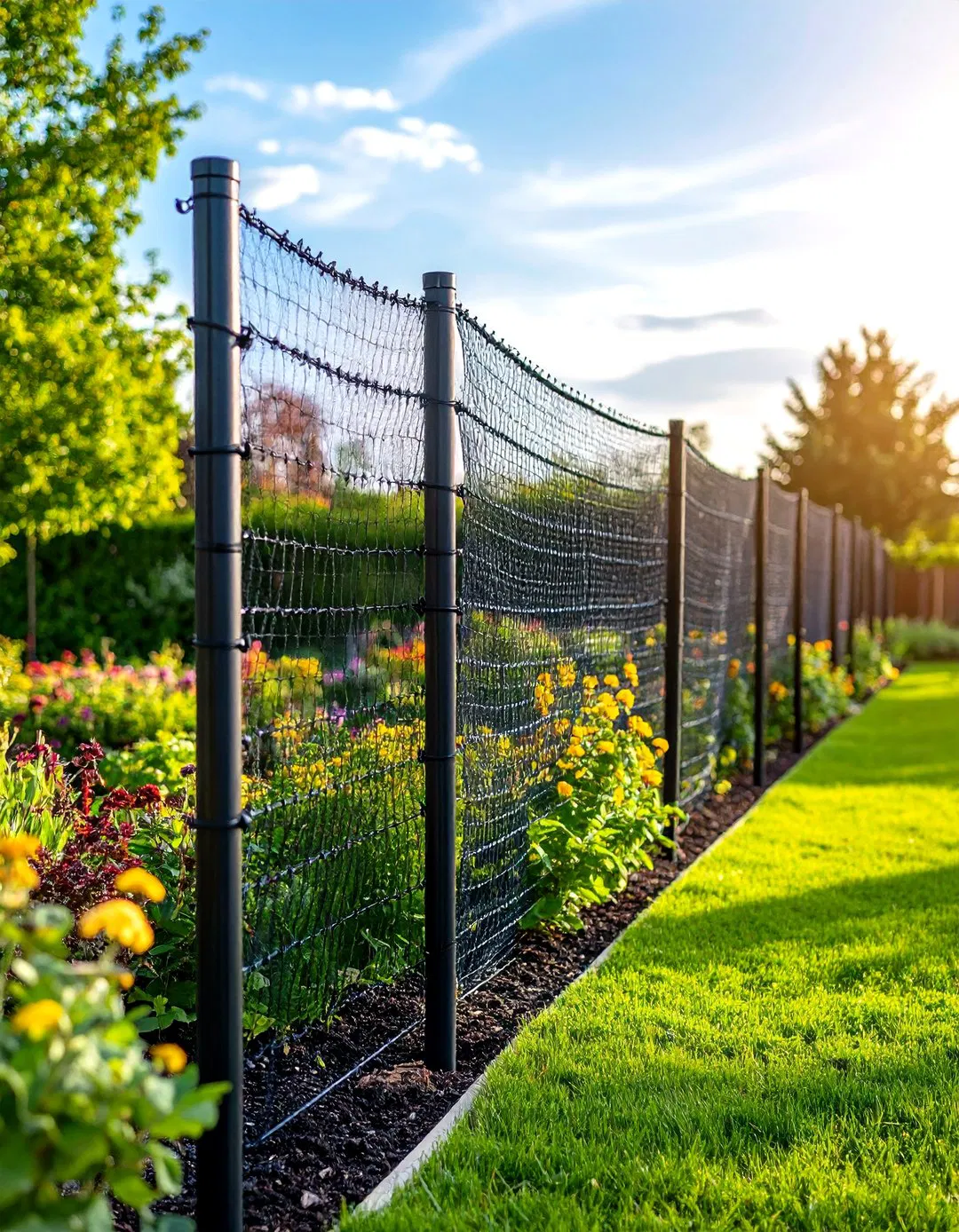
For large vegetable gardens facing significant deer pressure, tall deer netting stretched between sturdy posts offers an almost invisible yet highly effective barrier. Made from black polypropylene mesh, this fencing stands about eight feet tall, preventing deer from leaping into your garden while allowing full light and air penetration. Posts are anchored in concrete to withstand wind and animal impact. This solution is ideal for rural settings where minimizing visual impact is important. The netting is easy to store and reuse seasonally, providing long-term protection.
Living Willow Fences: Growing, Self-Healing Boundaries
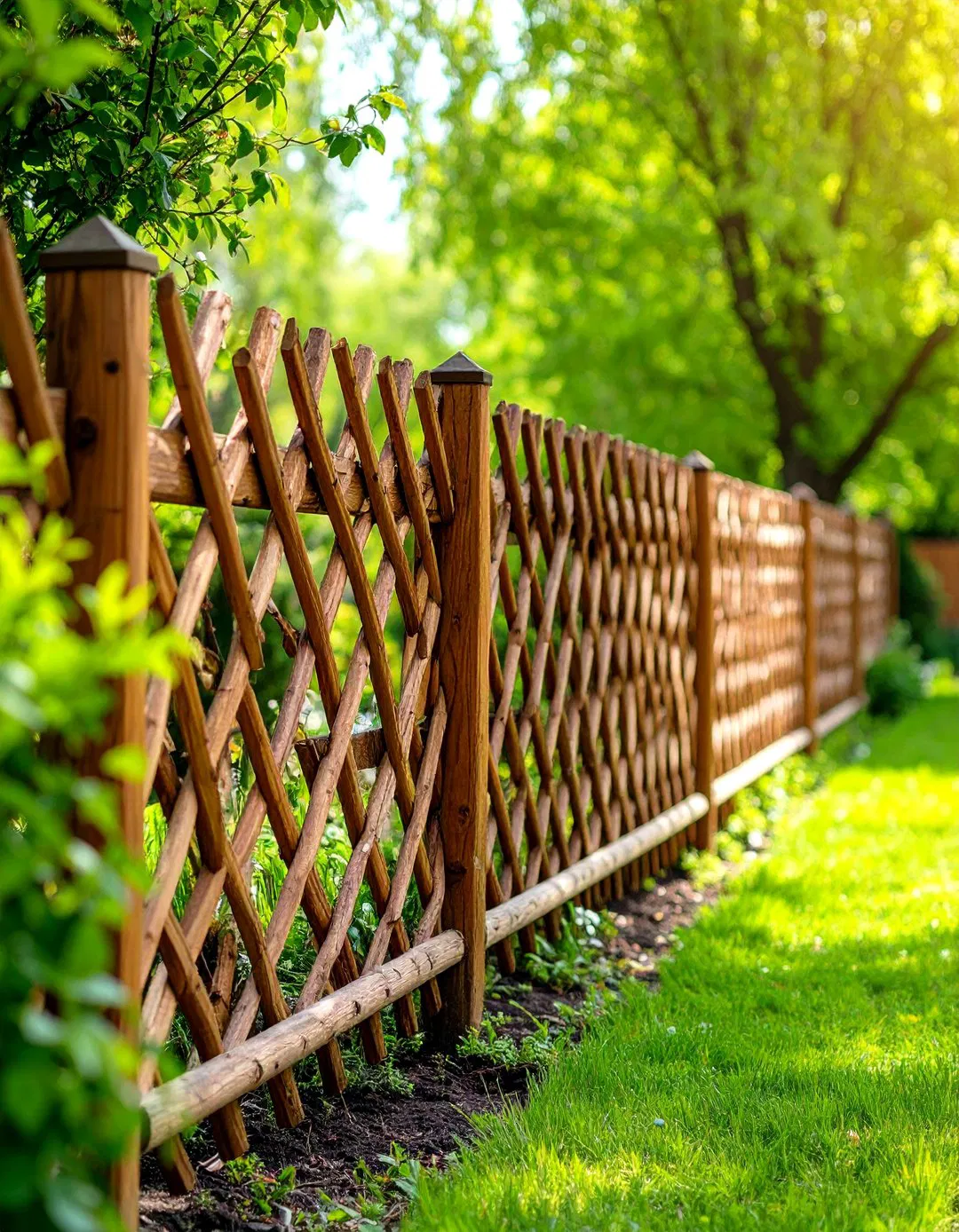
Living willow fences offer a unique, sustainable fencing method where willow branches planted directly in the ground grow into dense, self-repairing barriers. Freshly cut willow rods are woven into traditional patterns while still viable for rooting, eventually developing root systems and thickening over time. Regular pruning maintains shape and height, while the living fence supports beneficial wildlife and adds seasonal interest with vibrant leaves and autumn colors. Proper soil preparation and timing are crucial for success, but the result is a living boundary that strengthens and beautifies your garden for decades.
Temporary Metal T-Post and Mesh Fencing System
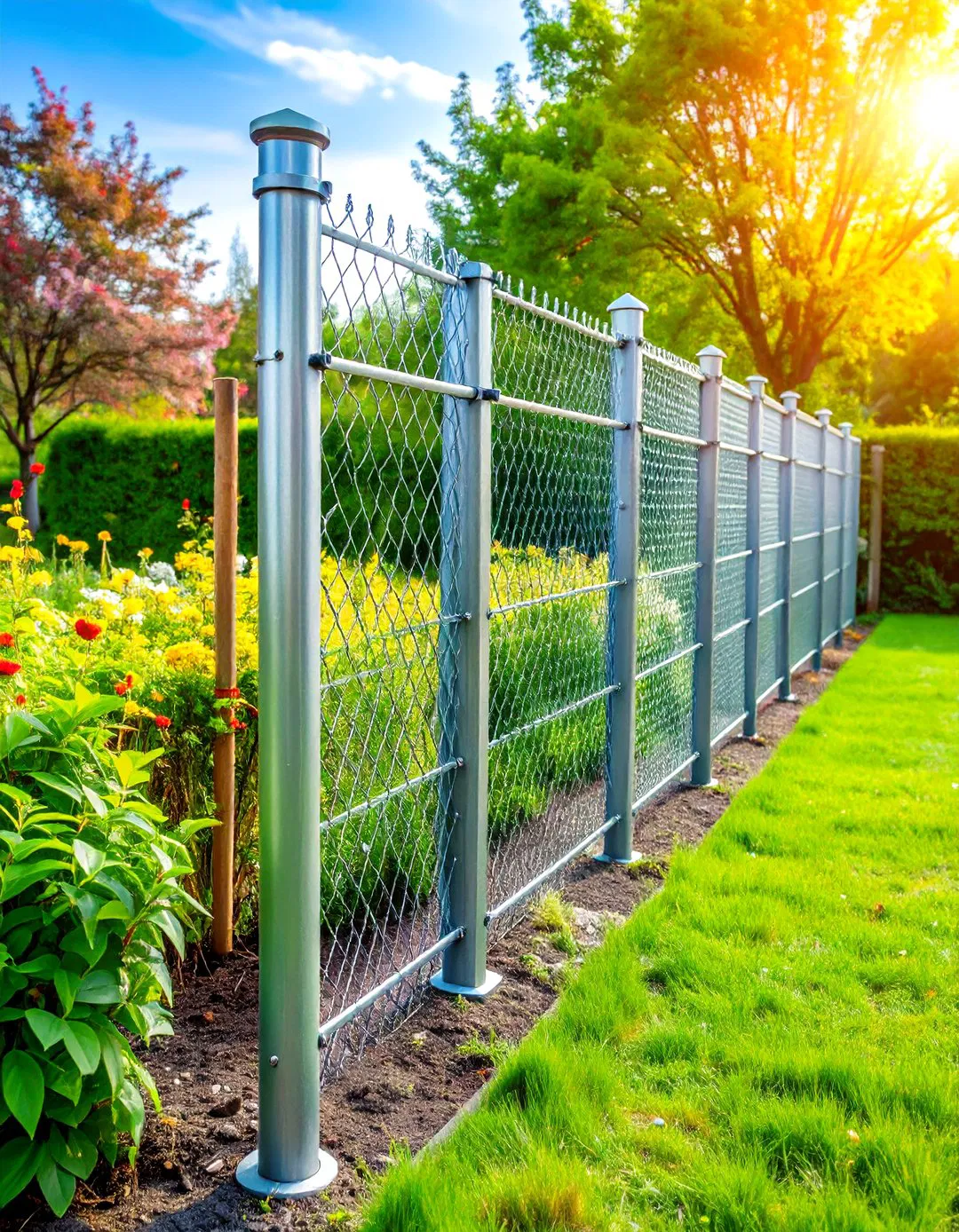
Metal T-posts paired with welded wire mesh create a flexible, cost-effective fencing system that can be easily moved or adjusted as your garden evolves. This practical setup allows customization of fence height, length, and layout, with steel posts driven into the soil using basic tools. Mesh panels attach securely with wire clips or zip ties, and various mesh sizes accommodate different pest exclusion needs. Galvanized components resist rust, ensuring long-lasting performance. This approach is especially suitable for novice gardeners seeking effective protection while assessing their garden’s specific challenges before investing in permanent fencing.
Integrated Multi-Level Raised Bed Fencing Systems
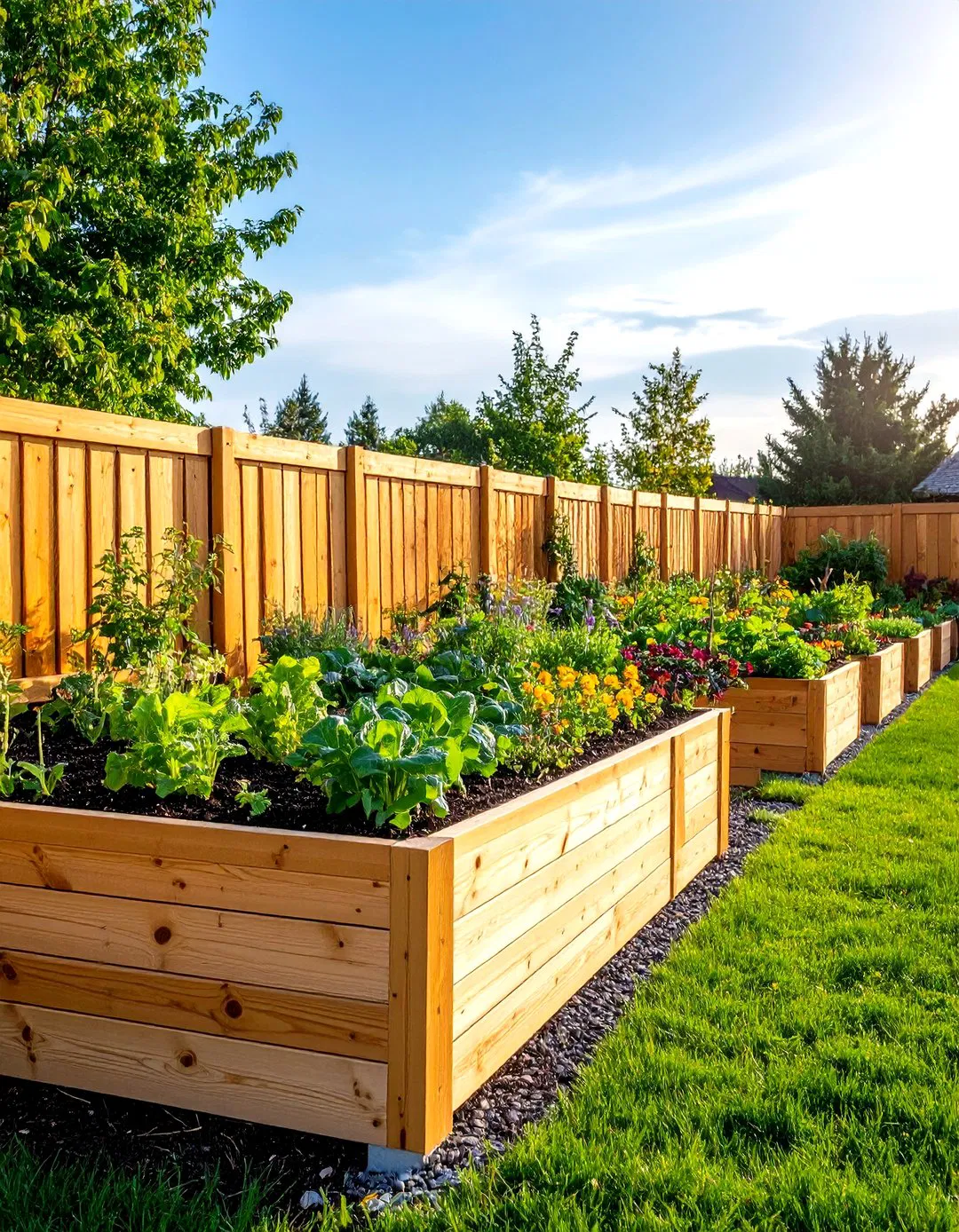
Combining fencing directly into multi-level raised bed designs creates comprehensive growing environments that maximize space and protect plants effectively. These systems elevate planting areas for improved drainage and soil quality, while integrated fence panels eliminate entry points for pests. Modular construction allows for easy expansion and reconfiguration, maintaining consistent protection throughout the garden. Materials range from cedar and composite lumber to metal and vinyl, matching various architectural styles. Though initial costs are higher, these thoughtfully designed systems offer decades of productive use and enhance property value with their professional appearance.
Final Thoughts: Choosing the Ideal Fence for Your Vegetable Garden
Choosing the perfect fence for your vegetable garden transforms vulnerable plots into thriving, protected spaces that flourish season after season. Whether you prefer the timeless appeal of cedar pickets, the advanced deterrence of electric netting, or the natural beauty of living hedges, the key is aligning your fence choice with your specific needs, budget, and style preferences. Take into account local wildlife challenges, maintenance demands, and long-term durability when making your decision. A well-crafted fence not only shields your harvest but also elevates your garden’s aesthetic and value, creating organized, inviting spaces that encourage ongoing gardening success.