Elevate your outdoor environment by integrating thoughtfully designed tree arrangements that blend beauty with practicality. Trees are fundamental to outstanding landscape design, offering structure, seasonal charm, privacy, and natural elegance year-round. Whether you have a cozy city garden or a sprawling suburban yard, placing trees with intention can create captivating focal points, define outdoor living zones, and boost your home’s visual appeal. Contemporary tree landscaping emphasizes eco-friendly methods, prioritizes native species, and incorporates innovative design strategies that harmonize with your surroundings. From crafting serene shaded retreats to making bold architectural impressions, trees provide endless opportunities for artistic landscaping. Each selected tree contributes to a unified design that flourishes through the seasons, enhancing property value while fostering local wildlife habitats and ecological balance.
Centerpiece Trees: Creating Visual Anchors
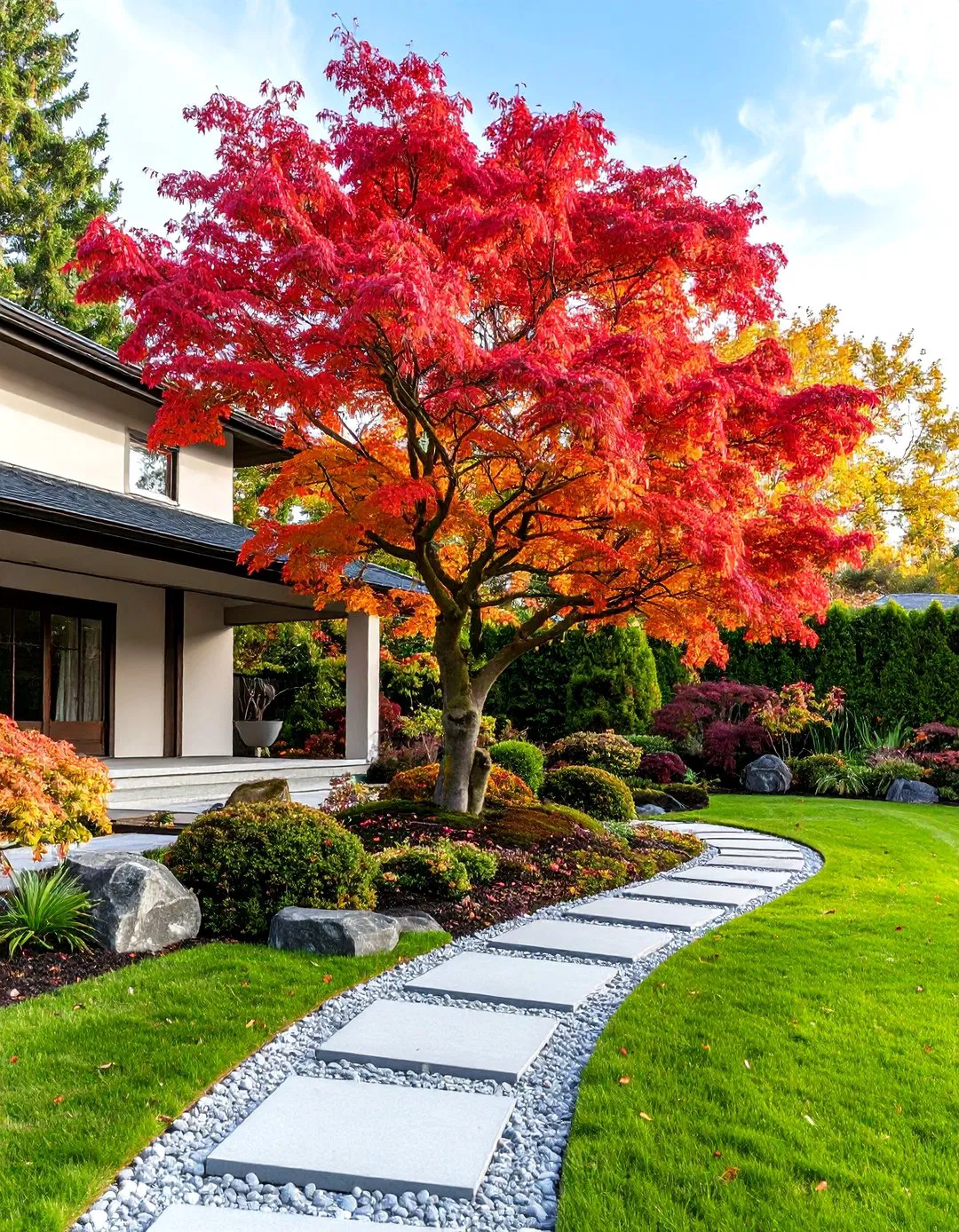
Begin your landscape transformation by selecting a standout specimen tree to serve as the garden’s visual anchor. Opt for species with distinctive features such as textured bark, vibrant autumn hues, or unique branching patterns that captivate attention throughout the year. Position this focal tree where it can be admired from various angles, including indoor living areas and main walkways. Consider alternatives like the striking Japanese maple for its elegant silhouette, the eye-catching paperbark maple with its exfoliating bark, or the fragrant magnolia for seasonal blossoms. Surround the base with subtle understory plants that complement rather than overshadow the tree’s natural allure. This method instantly elevates your landscape’s visual impact and lays a strong foundation for a cohesive outdoor design that invites exploration.
Clustered Multi-Trunk Trees for Natural Woodland Vibes
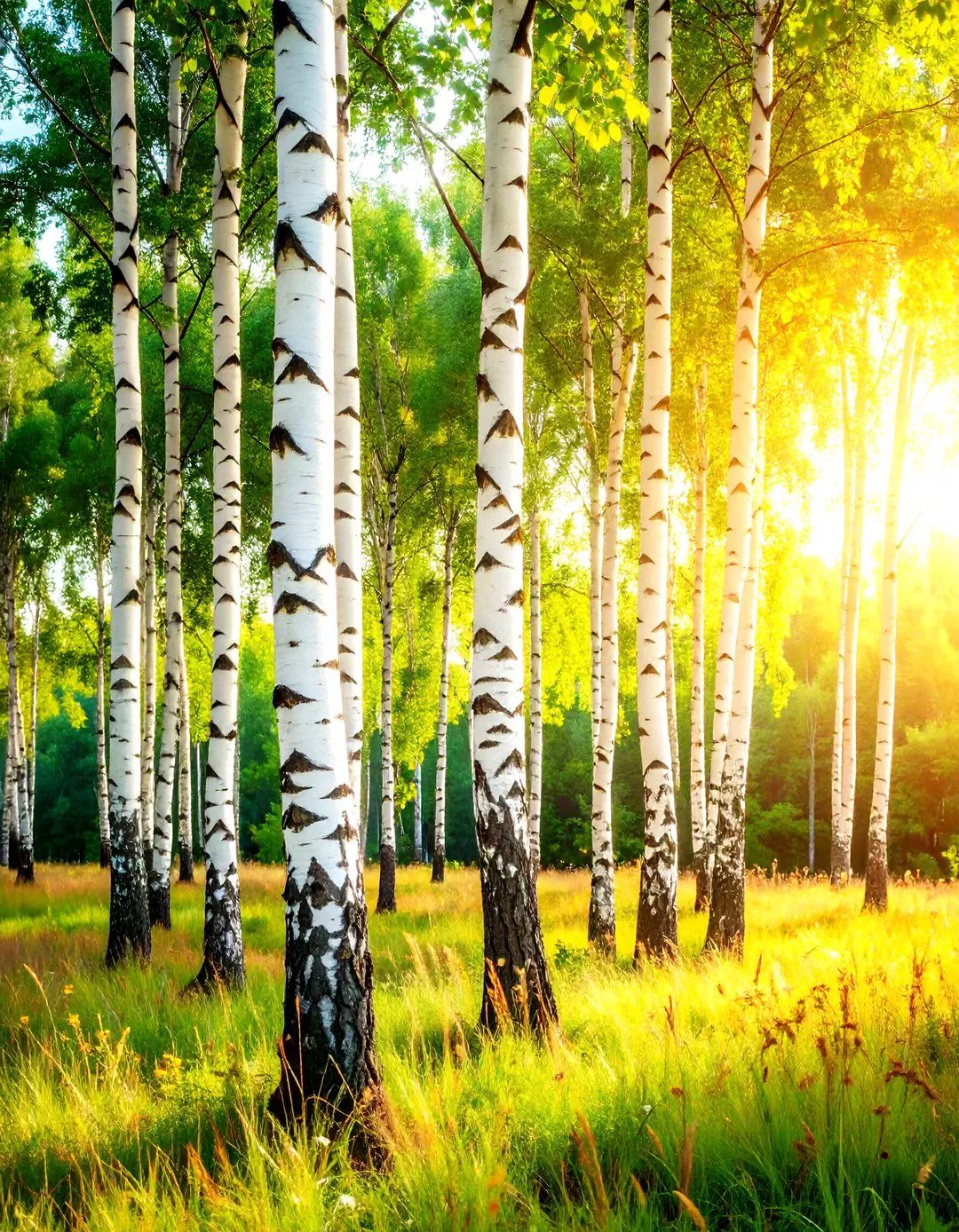
Emulate a serene forest atmosphere by grouping multi-stemmed trees in thoughtfully arranged clusters that mimic natural groves. Species such as birches, serviceberries, or ornamental cherries that develop several trunks from a single base work exceptionally well for this style. Space trees closely enough to form a continuous canopy while allowing sufficient room for healthy growth. This grove effect not only offers privacy but also softens sunlight into dappled patterns ideal for shade-loving plants beneath. The architectural interest of these groupings is especially pronounced in winter when their intricate branch structures stand out against the sky. Enhance the understory with native groundcovers or perennials adapted to filtered light, creating sustainable, low-maintenance plant communities that enrich your landscape year-round.
Defining Spaces with Tree Border Edges
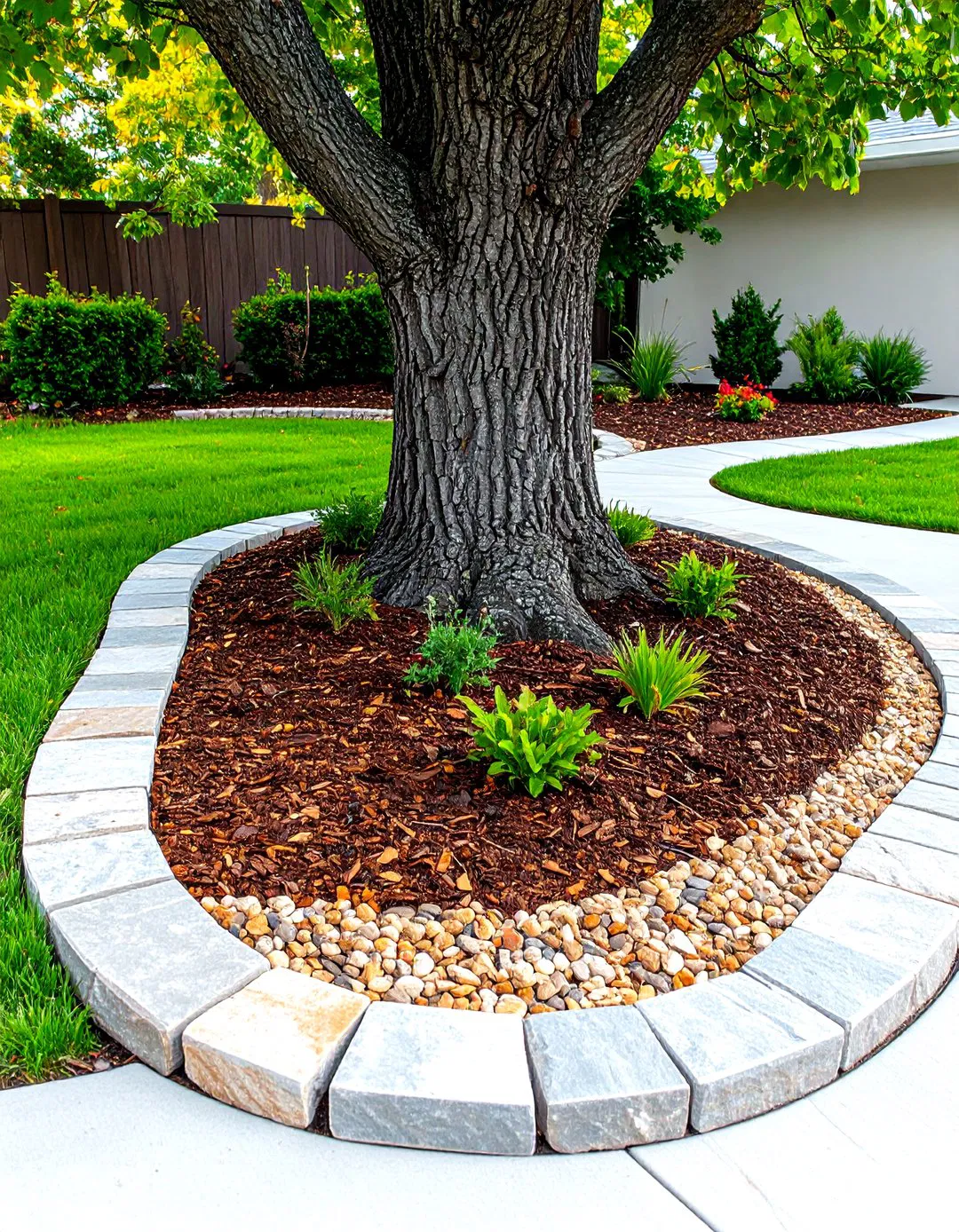
If your landscape feels undefined around existing trees, create structured border edges to organize planting beds and safeguard root zones from lawn equipment damage. Utilize natural materials such as fieldstone, reclaimed brick, or timber to form circular or organically shaped borders extending to the tree’s drip line. These boundaries protect roots, reduce competition from turfgrass, and designate areas for specialized plantings. Fill these spaces with mulch, shade-tolerant plants, or decorative stones based on your aesthetic and maintenance preferences. Repeating this technique across your property introduces rhythm and cohesion, elevating the overall professionalism and health of your landscape.
Creating Cool, Inviting Shade Gardens
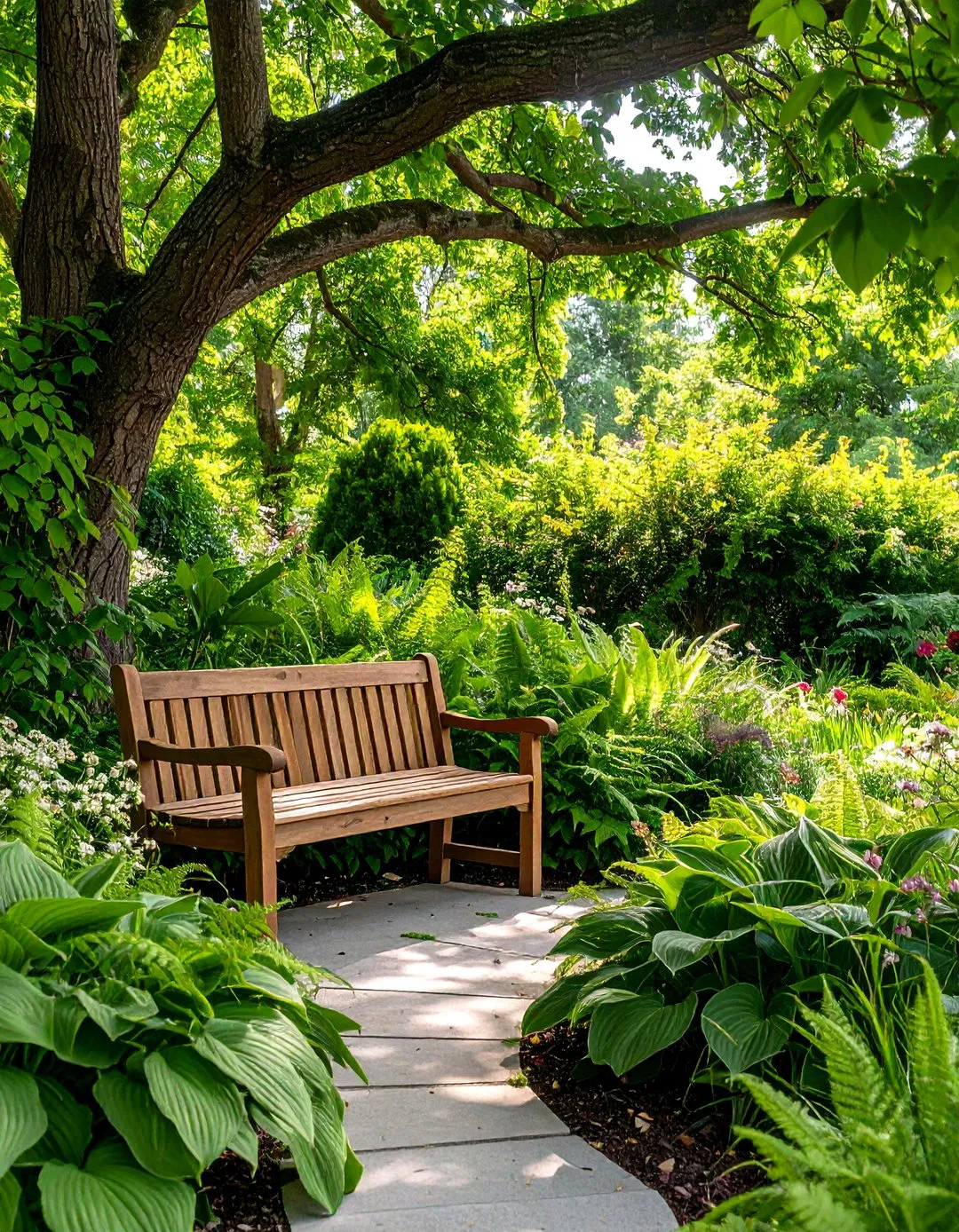
Transform shaded zones beneath mature trees into lush garden sanctuaries that celebrate filtered sunlight. Instead of battling low-light conditions, embrace them by selecting plants adapted to shade, layering various heights and textures with shrubs, perennials, and groundcovers. Incorporate comfortable seating like benches or lounge chairs to create tranquil retreats perfect for relaxation or quiet reflection. Add visual interest with variegated foliage, textured leaves, or subtle blooms that brighten shadowed corners. Consider installing soft, solar-powered lighting to extend usability into the evening, highlighting the garden’s natural architecture. These cool, shaded spaces become invaluable outdoor rooms during warm seasons, offering respite from heat and sun.
Championing Native Trees for Sustainable Landscapes
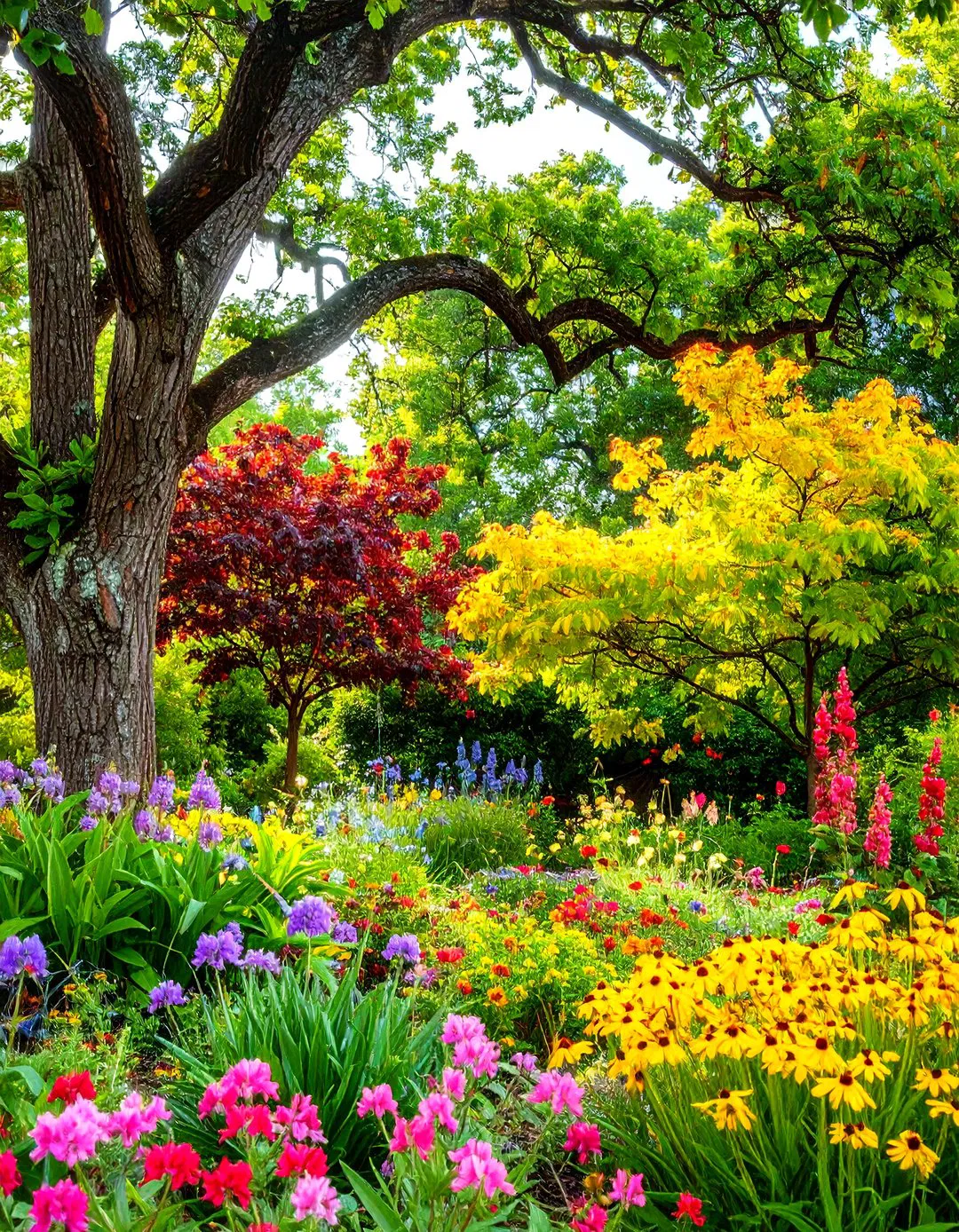
Design eco-friendly landscapes by prioritizing native tree species that naturally flourish in your region’s climate and soil. This strategy minimizes upkeep while supporting local wildlife and preserving the area’s natural character. Investigate historically native trees, considering their mature size, growth habits, and seasonal traits to ensure compatibility with your site. Native trees typically require less watering, fertilization, and pest control once established, making them ideal for sustainable gardening. Incorporate a variety of native understory plants to create a complete ecosystem from ground level to canopy. These plantings provide vital habitats for birds, pollinators, and small mammals, while offering dynamic seasonal beauty that reflects your region’s natural heritage.
Evergreen Trees as Year-Round Privacy Screens
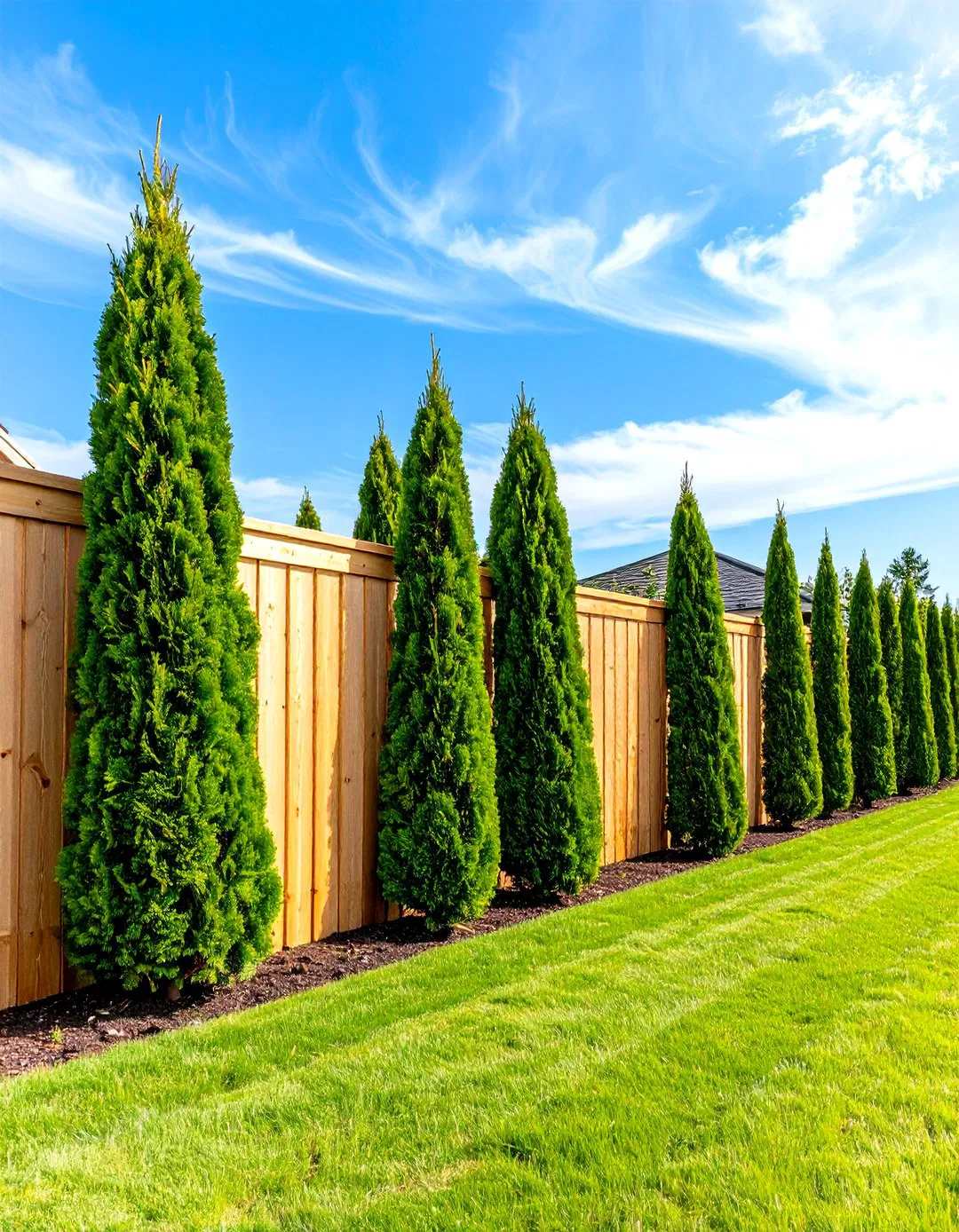
Use evergreen trees strategically to form natural privacy barriers that shield your property from neighbors or unsightly views throughout the year. Fast-growing species such as arborvitae, Leyland cypress, or eastern red cedar develop dense foliage quickly, providing effective screening and wind protection. Plan spacing to balance coverage density with healthy growth, and consider mixing species with varying textures and heights for a more dynamic visual effect. These living walls not only enhance privacy but also reduce noise pollution and create secluded outdoor spaces ideal for entertaining or relaxation. Proper placement away from property lines helps avoid future disputes as trees mature. Compared to traditional fencing, evergreen screens offer a low-maintenance, eco-friendly alternative that adds lasting value.
Ornamental Flowering Trees for Seasonal Splendor
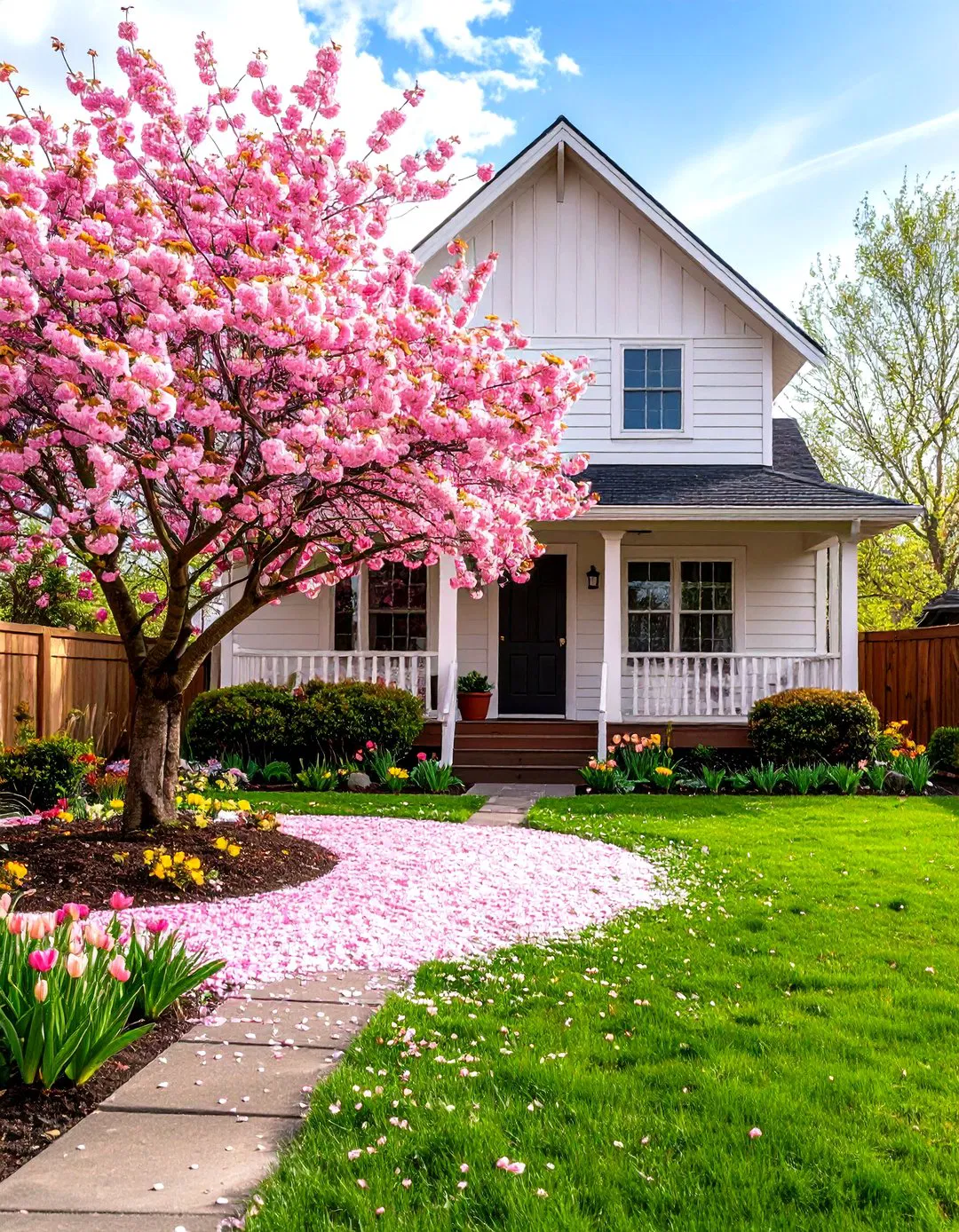
Enhance your garden’s seasonal appeal by planting ornamental flowering trees that burst into color during spring and summer. Choose species with staggered bloom times to extend the flowering season, such as flowering crabapples, ornamental cherries, redbuds, or magnolias, each offering unique flower shapes and hues. Position these trees where their blossoms can be enjoyed from both inside your home and outdoor gathering spots. Many flowering trees also provide attractive fall foliage, textured bark, or colorful fruits, extending their visual interest beyond the blooming period. Complement these trees with bulbs and early perennials to create layered displays that celebrate seasonal transitions and offer memorable photo opportunities.
Guiding Movement with Tree-Lined Walkways
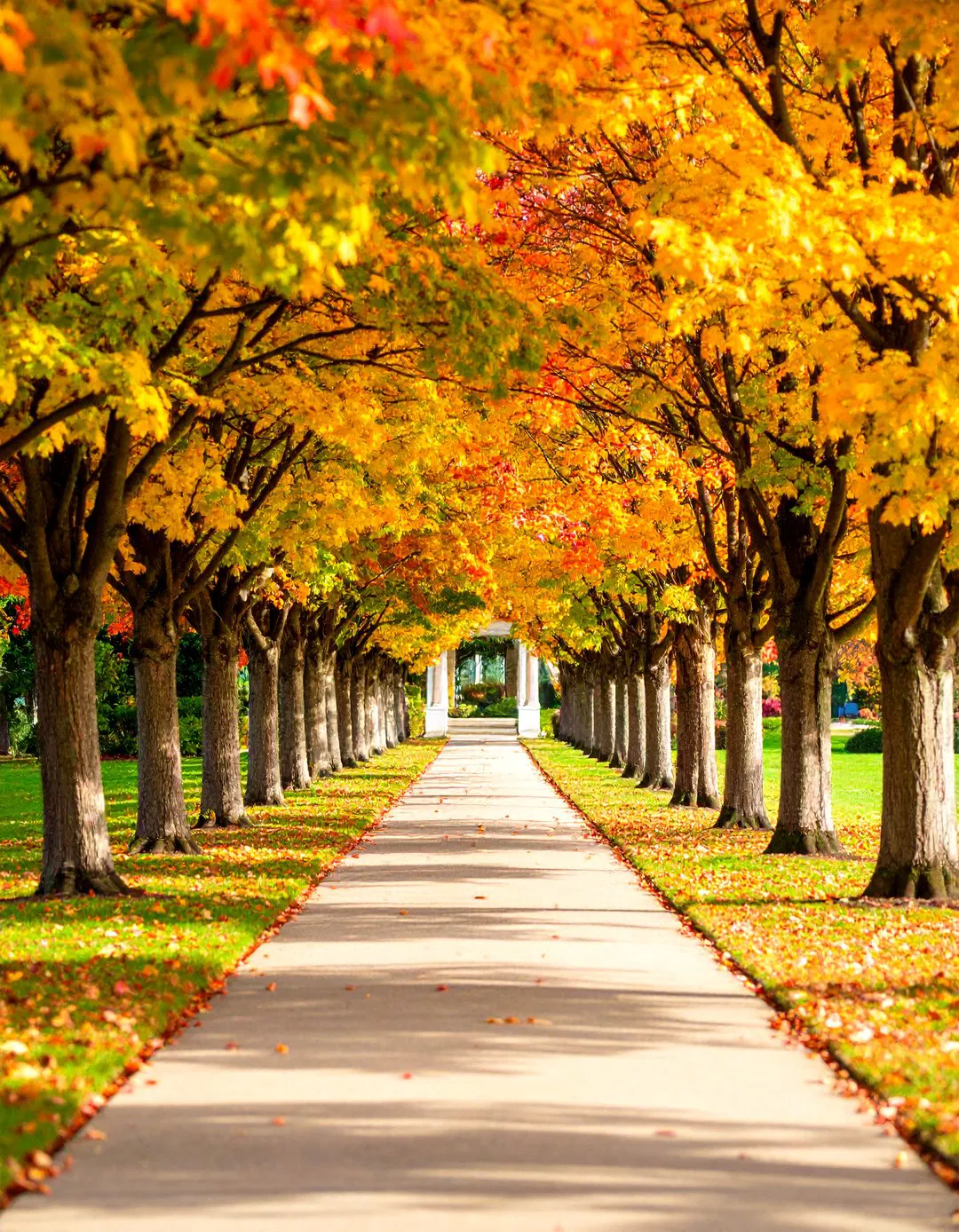
Direct visitors through your landscape by lining paths and driveways with trees that create formal or informal corridors. This timeless design technique establishes rhythm and movement, enhancing the journey through your outdoor spaces. For a classic look, plant uniform species in symmetrical rows; for a more relaxed feel, mix complementary varieties. Ensure mature tree sizes allow sufficient clearance for pedestrians and vehicles while providing canopy coverage. Tree-lined walkways frame views of your home, garden features, or distant vistas, offering evolving beauty as foliage changes with the seasons. This approach is especially effective on larger properties, where it adds structure without compromising natural charm.
Flexible Container Tree Gardens
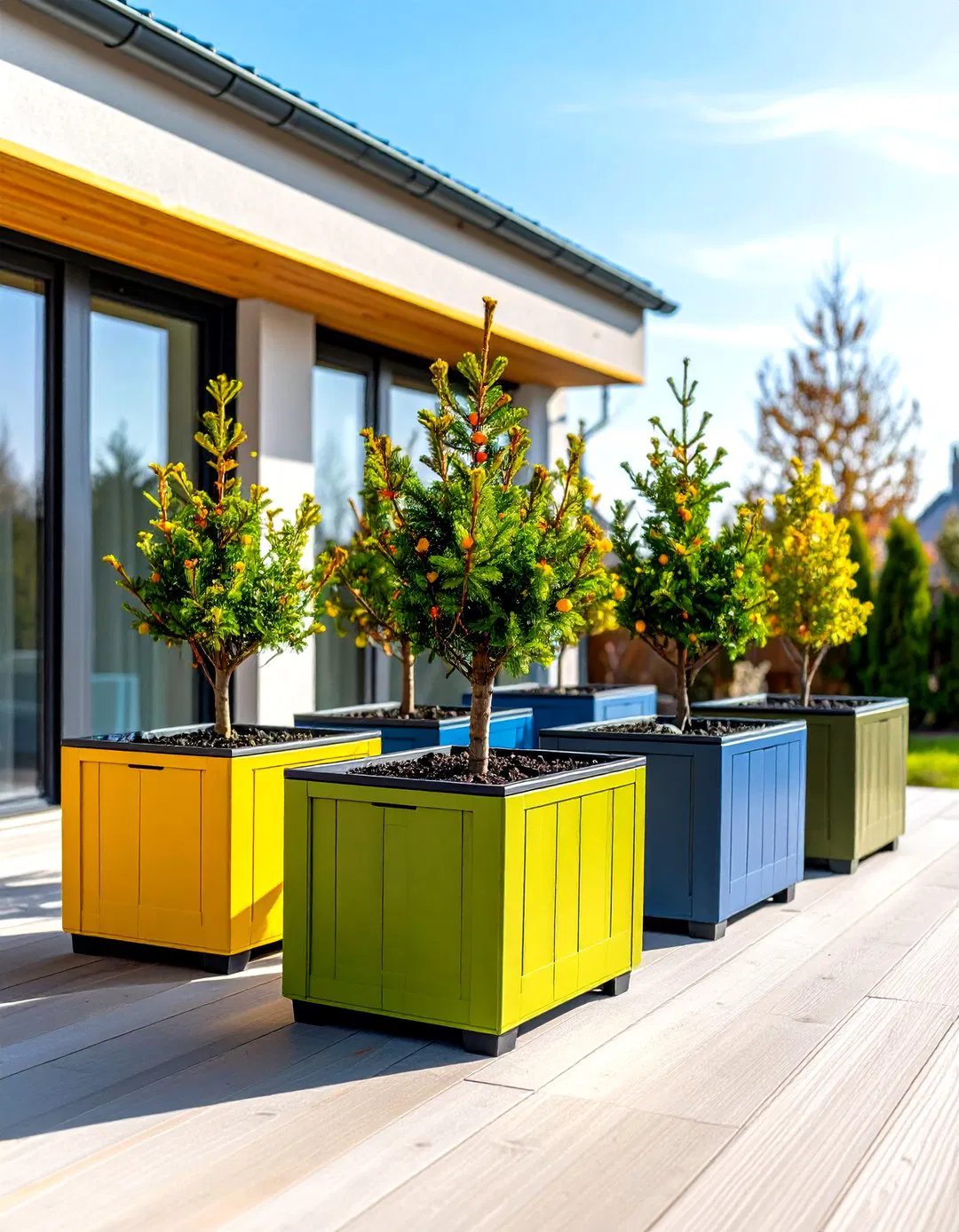
Increase your landscaping versatility by using container-grown trees that can be moved seasonally or relocated as your design evolves. This method is ideal for renters, small-space gardeners, or those experimenting with tree placement before committing to permanent planting. Choose containers that provide ample root space yet remain manageable for occasional relocation. Dwarf or naturally compact species like Japanese maples, small fruit trees, or ornamental varieties adapt well to container life. Select stylish pots that complement your design while ensuring proper drainage and insulation. Container trees thrive on patios, decks, or balconies where in-ground planting isn’t feasible, and they make excellent focal points for seasonal décor or special events. With proper care, these trees offer healthy growth and dynamic design impact in limited spaces.
Architectural Elegance with Pollarded Trees
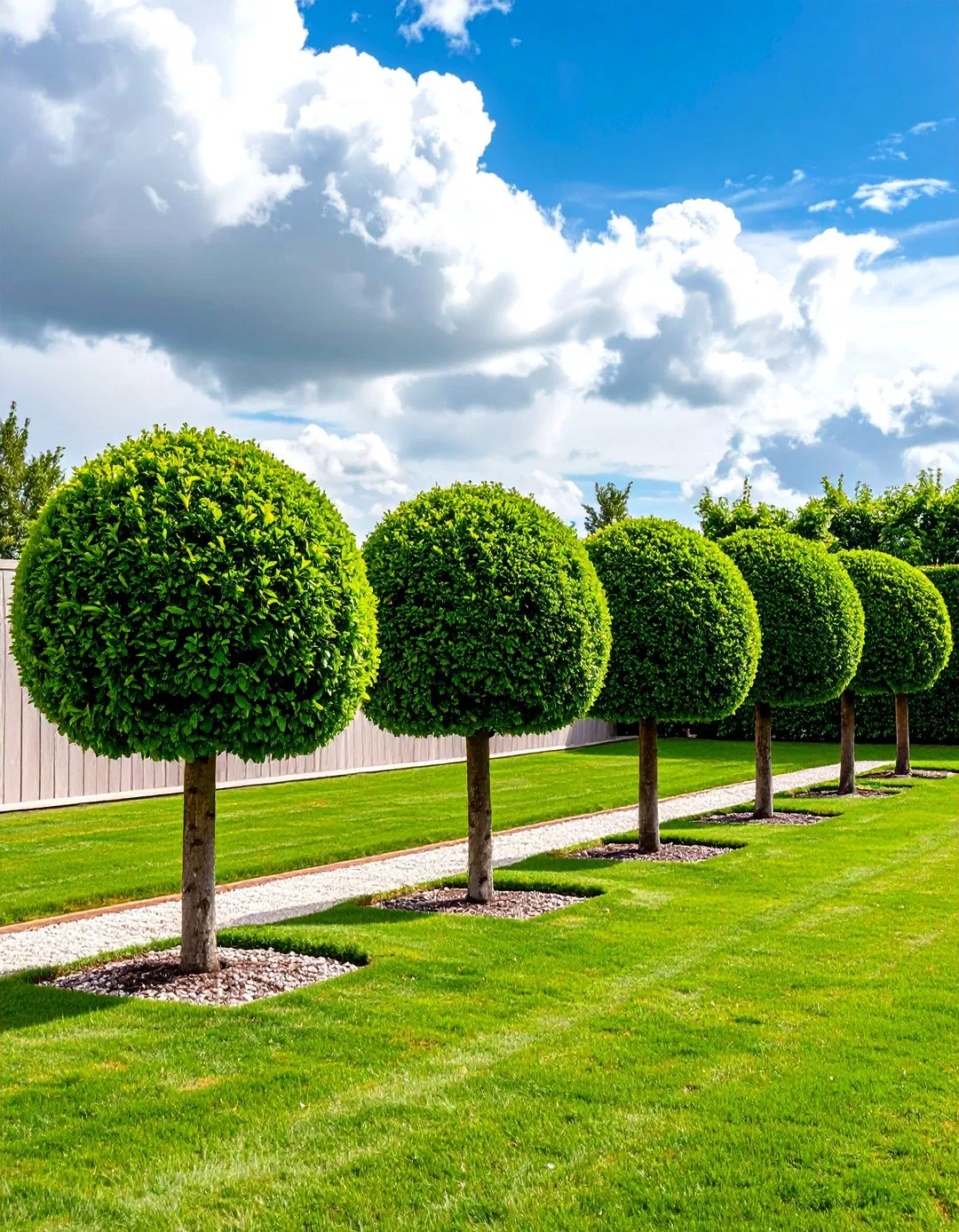
Introduce striking sculptural elements by incorporating pollarded trees, which are regularly pruned to maintain rounded crowns and formal shapes. This traditional technique involves cutting back branches annually to the main trunk or large limbs, resulting in distinctive silhouettes that add year-round interest. Species like London plane trees, lindens, or willows respond well to pollarding and maintain healthy growth. These trees complement modern landscapes with clean lines and geometric forms, especially when paired with contemporary architecture and hardscaping. While pollarding requires consistent maintenance, the resulting trees offer controlled size, enhanced flowering or fruiting, and unique focal points that elevate landscape sophistication. Professional pruning ensures tree health and optimal form.
Edible Beauty: Integrating Fruit Trees
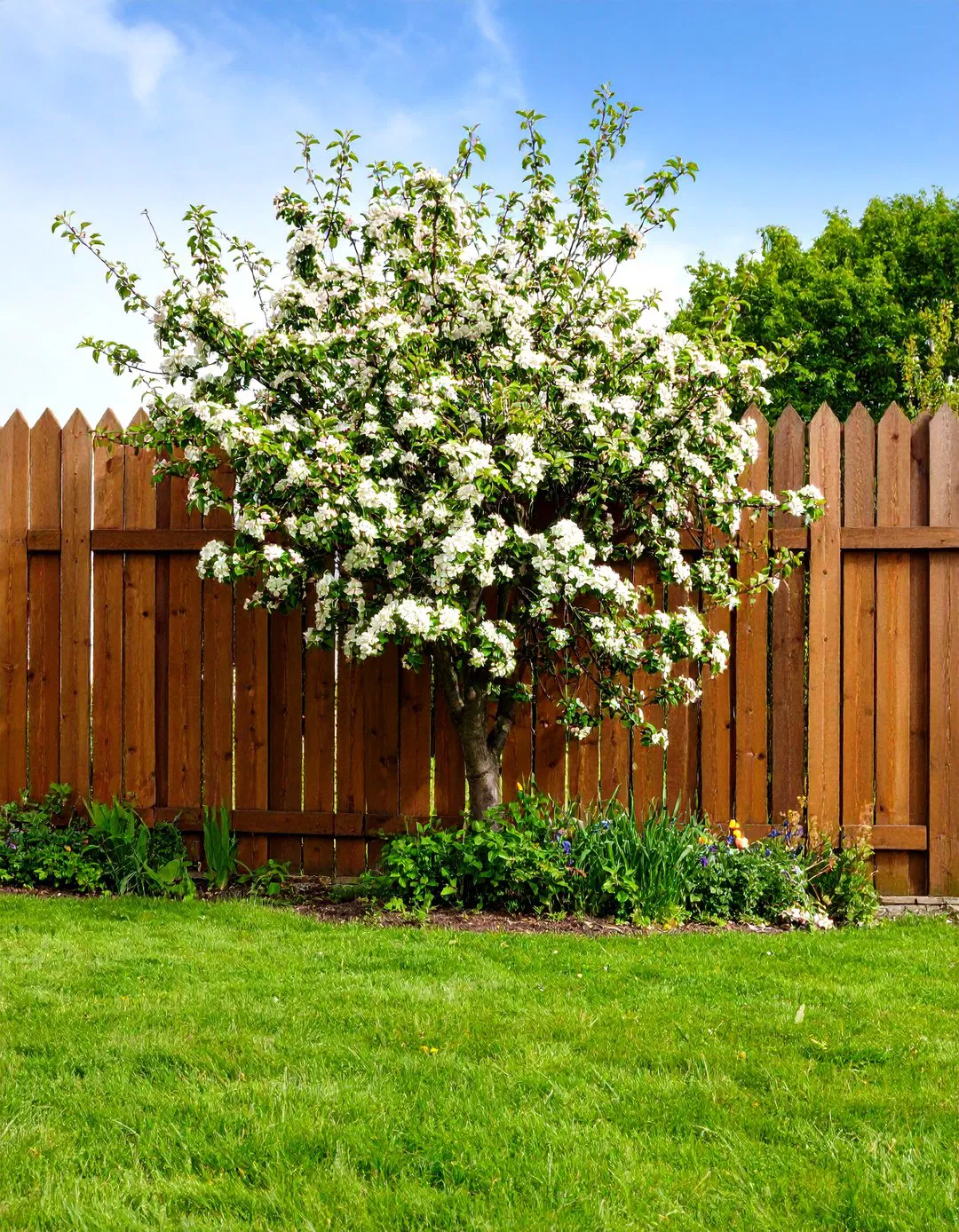
Blend aesthetics with practicality by incorporating fruit trees into your ornamental landscape, offering both seasonal beauty and fresh harvests. Modern dwarf cultivars and espalier techniques enable fruit production in limited spaces while maintaining elegant proportions. Choose varieties suited to your climate, such as apples, pears, cherries, or citrus, focusing on both ornamental appeal and fruit quality. Position these trees in sunny spots where their blossoms, fruits, and fall colors can be appreciated. Complement fruit trees with companion plants that support their growth without competing for resources. Edible landscaping promotes sustainability and deepens your connection to your outdoor space by providing fresh ingredients for cooking and preserving.
Windbreaks: Protecting and Enhancing Your Property
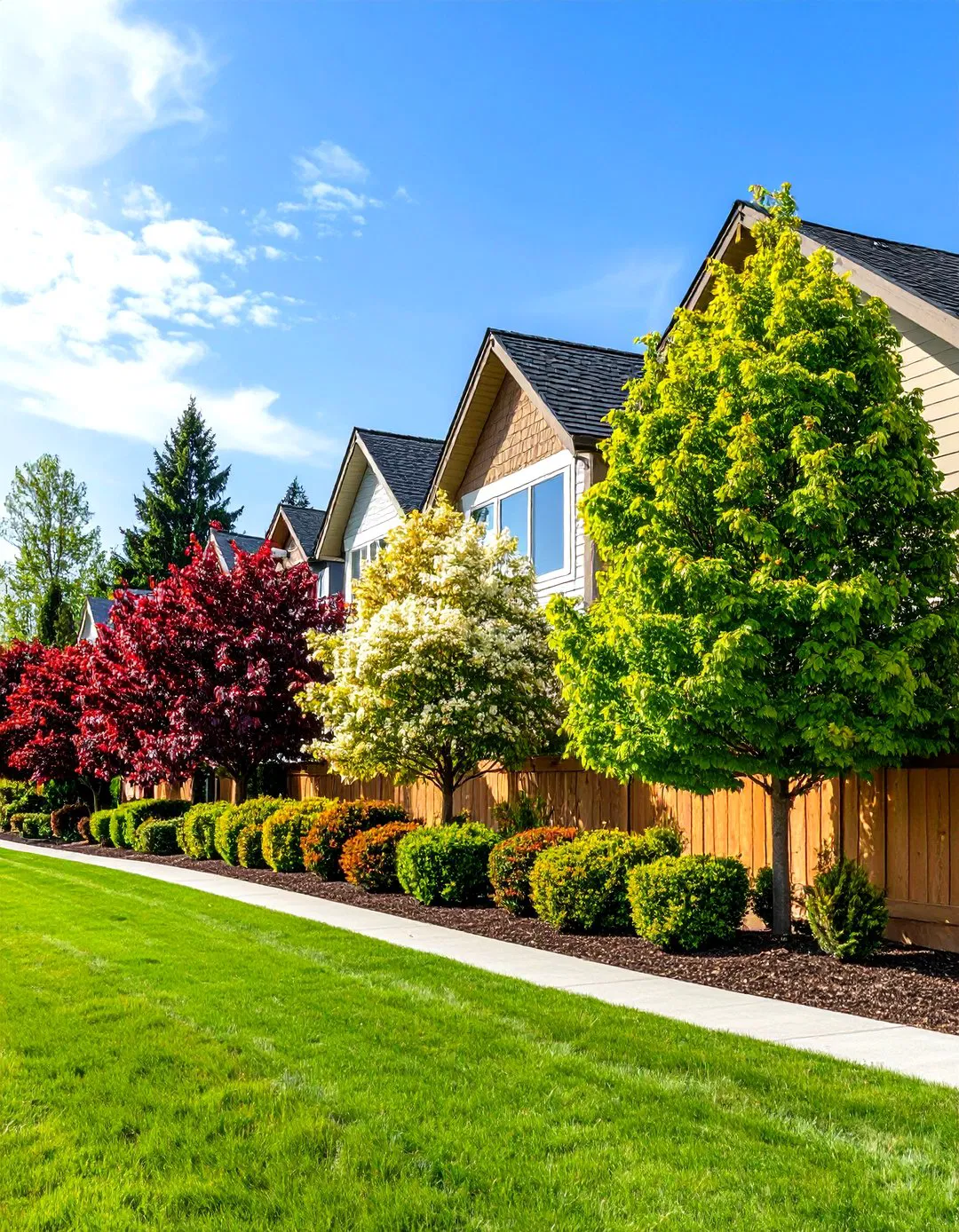
Shield your home from strong winds and reduce energy expenses by designing layered windbreaks using a mix of evergreen and deciduous trees. Position taller evergreens on the windward side, with shorter trees and shrubs behind, to effectively deflect wind without causing turbulent downdrafts. Species like spruce, pine, and fir serve as primary barriers, while hardwoods add seasonal interest and wildlife habitat. Proper spacing ensures healthy growth and sustained wind protection. Well-planned windbreaks create comfortable outdoor microclimates, reduce heating costs, and provide privacy and noise reduction, enhancing your property’s comfort and value.
Year-Round Appeal with Seasonal Trees

Maintain dynamic visual interest throughout the year by selecting trees known for their seasonal transformations. Combine early spring bloomers like redbuds or serviceberries with summer shade providers such as maples and oaks, and fall foliage stars like sweetgums or dogwoods. Include species with striking winter bark or berries, like birches or hollies, to ensure your landscape remains captivating even in dormant months. Thoughtful placement allows each tree’s peak display to complement neighboring plants, creating a harmonious and evolving outdoor environment. Documenting these changes can guide future planting decisions and deepen your appreciation of your landscape’s natural rhythms.
Water-Wise Landscapes with Drought-Tolerant Trees
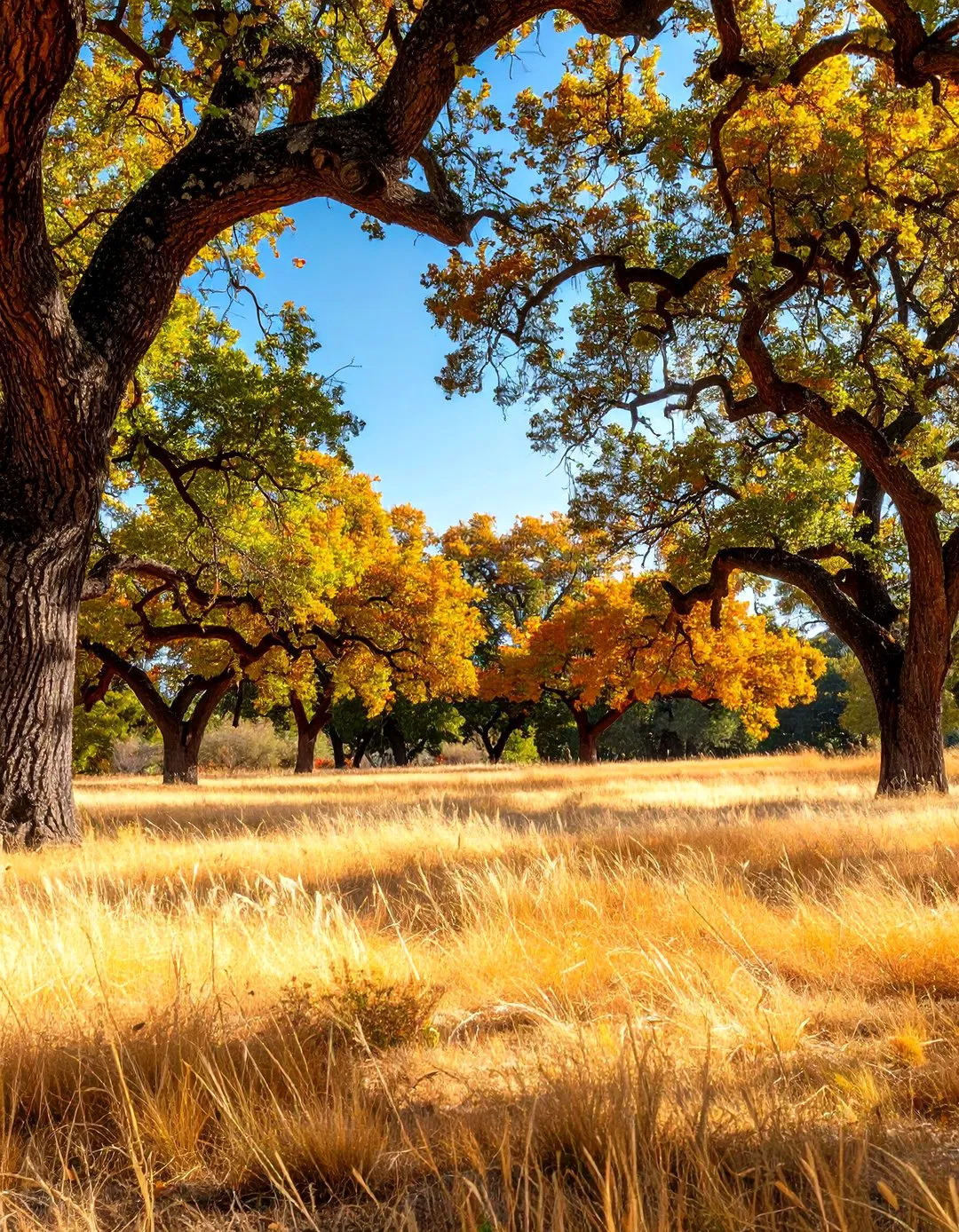
Design resilient landscapes by choosing drought-resistant trees that thrive with minimal supplemental watering, ideal for regions facing water scarcity. Research species adapted to your local rainfall and soil conditions, such as Texas red oak, golden rain tree, Chinese pistache, or Mediterranean olives where appropriate. These trees develop deep root systems that access groundwater, reducing irrigation needs once established. Plan spacing to optimize water efficiency and visual impact, pairing trees with complementary drought-tolerant plants. Such landscapes demonstrate environmental responsibility, lower maintenance costs, and often feature attractive bark, foliage, or seasonal color changes that enhance their appeal beyond water conservation benefits.
Enhancing Nightscapes with Tree Uplighting
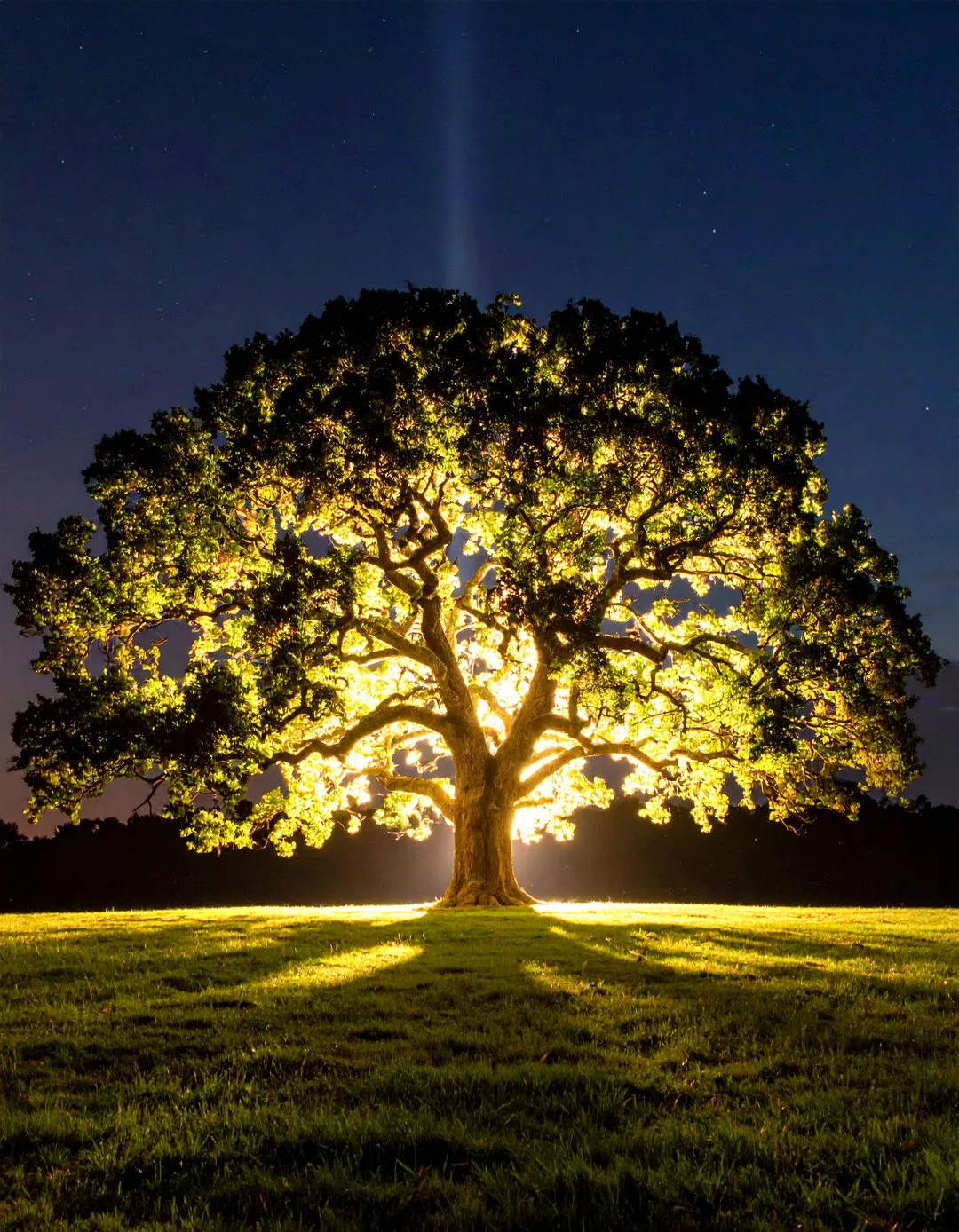
Amplify your garden’s evening ambiance by installing uplighting that accentuates the beauty of your trees after dark. Position LED lights at the base of trees to cast dramatic shadows and highlight bark textures, creating enchanting silhouettes. Vary lighting angles to achieve effects ranging from subtle accents to bold statements, using warm color temperatures that complement natural tones. This lighting extends the usability of outdoor spaces, enhances safety, and boosts nighttime curb appeal. Incorporate timers and dimmers for flexible control, and consider professional installation to ensure optimal placement and electrical safety. Well-executed tree lighting transforms your landscape into a captivating nocturnal retreat.
Planning for the Future with Tree Succession
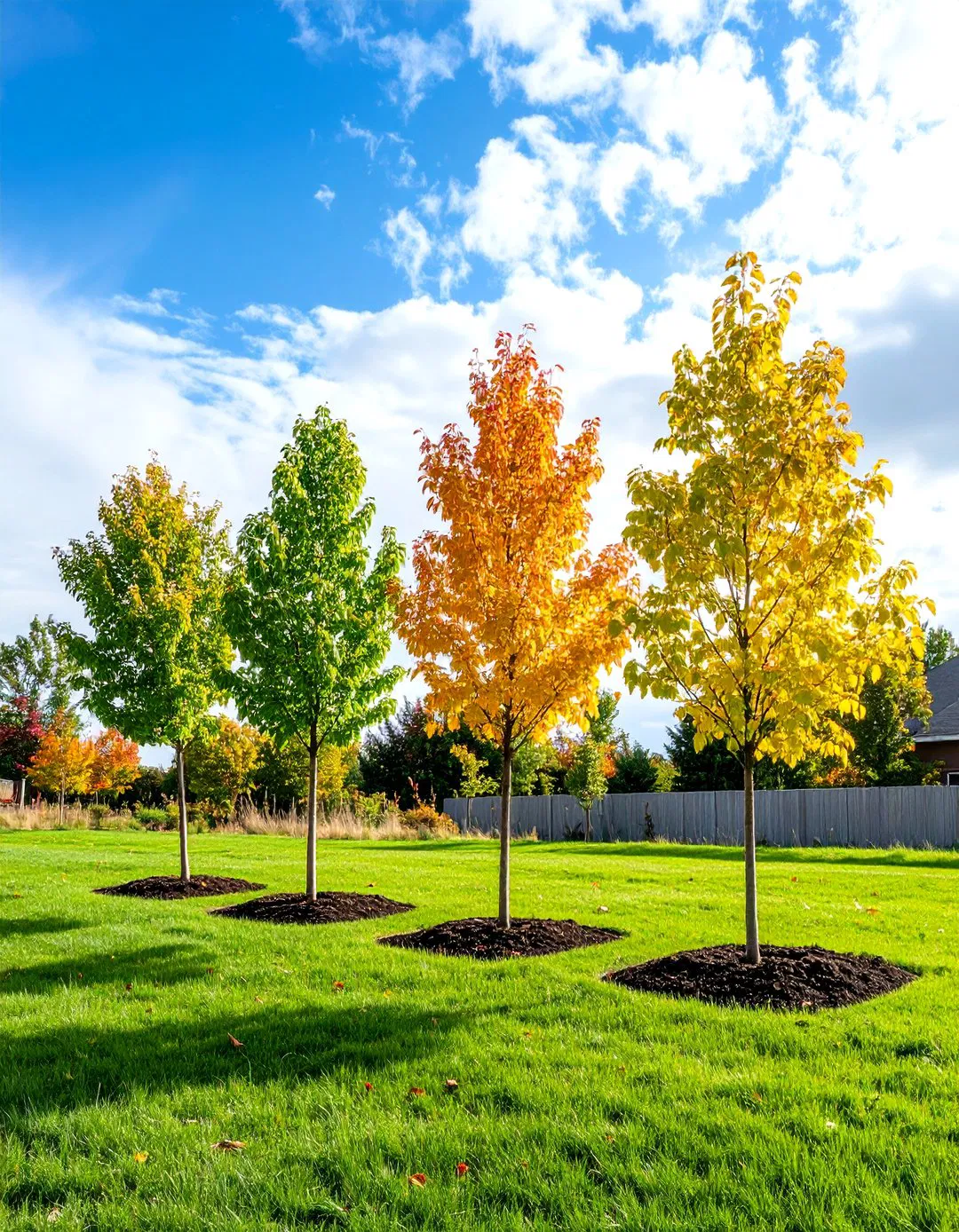
Ensure your landscape remains vibrant over time by implementing tree succession planting, where younger trees are introduced near mature specimens to gradually replace them as they age. This proactive strategy considers growth rates, mature sizes, and lifespans to maintain continuous canopy coverage and landscape character. Fast-growing species provide interim shade and structure while slower-growing, long-lived trees develop into permanent features. Succession planting prevents sudden gaps caused by tree removal due to age or damage, allowing your garden to evolve gracefully. Keep detailed records of planting dates, health, and replacement plans to guide ongoing landscape management and protect your outdoor investment.
Stabilizing Slopes with Deep-Rooted Trees
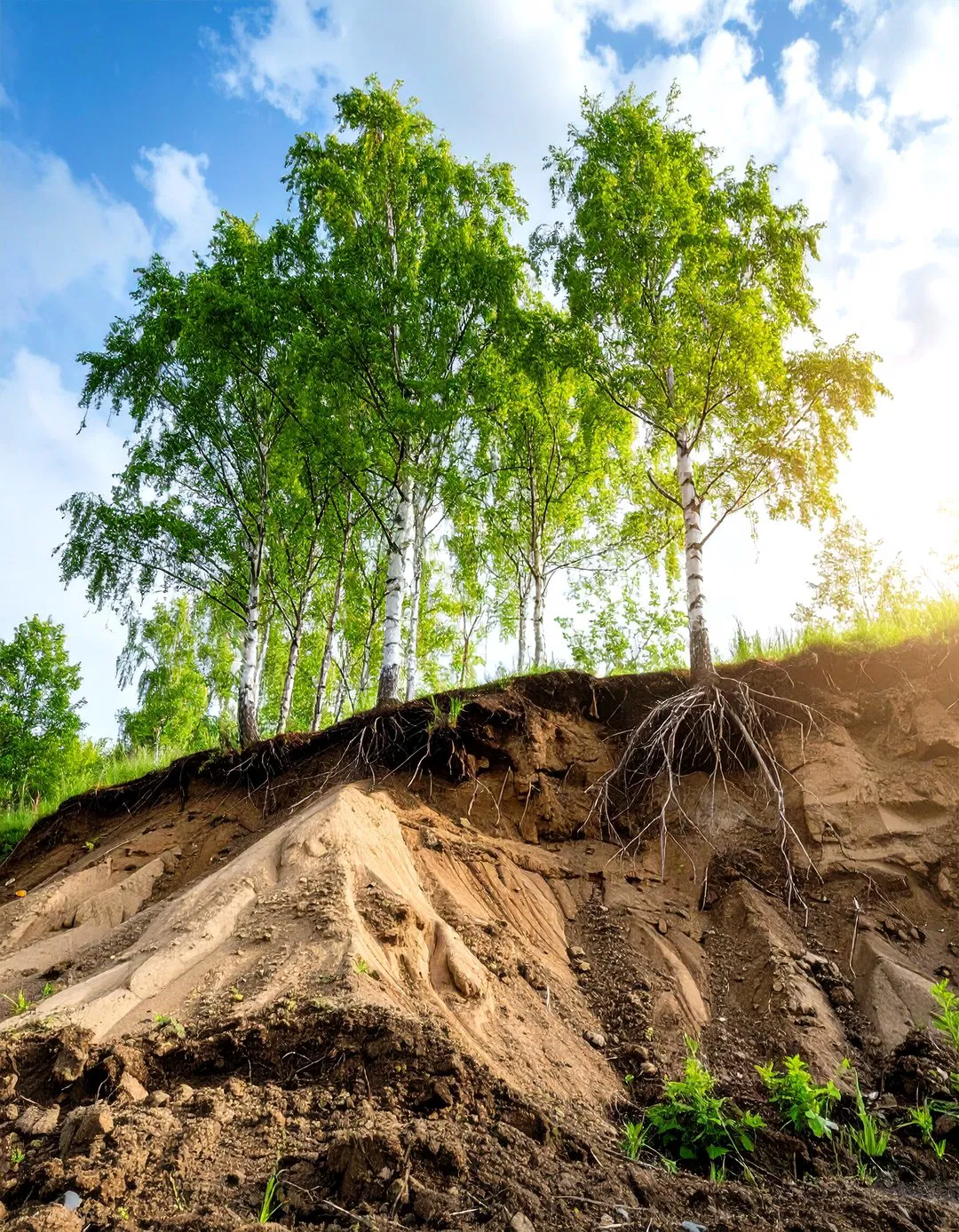
Address erosion and soil stability challenges on sloped terrain by planting trees with extensive root systems that bind soil and reduce runoff. Species such as willows, poplars, or regionally adapted natives establish quickly and provide long-term slope reinforcement. Arrange plantings in staggered, naturalistic patterns to maximize soil coverage and visual appeal. Combine with groundcovers that add root density and surface protection between trees. These plantings not only prevent costly erosion damage but also transform difficult topography into attractive landscape features. For severe slopes or areas near structures, consult professionals to ensure effective stabilization and safety.
Supporting Wildlife with Habitat Trees
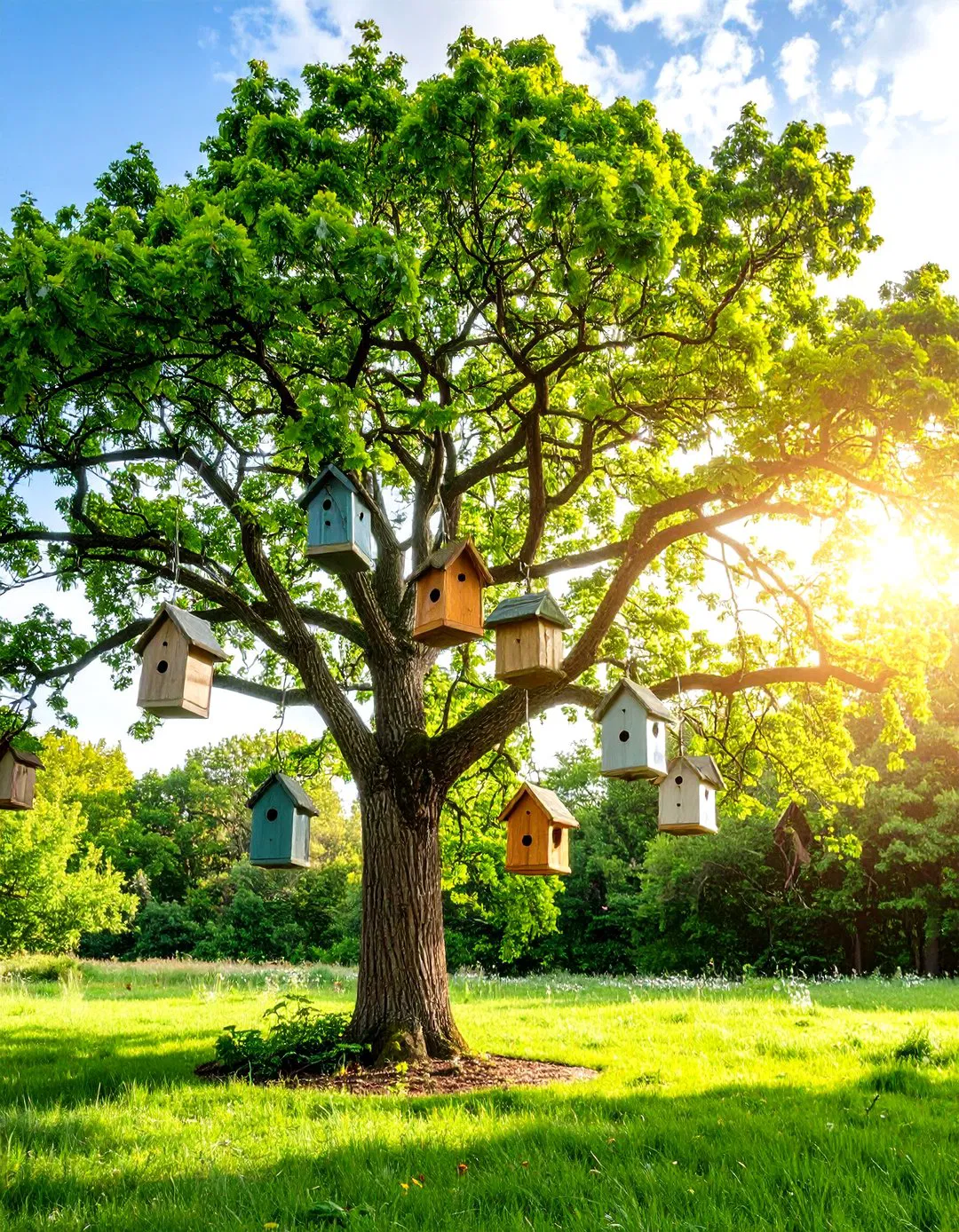
Foster biodiversity by planting trees that provide essential food, shelter, and nesting sites for native wildlife. Select species that support local birds, beneficial insects, and small mammals, such as oaks for acorns, elderberries for fruit, or serviceberries for seeds. Design layered plantings with canopy trees, understory species, and shrubs to create diverse habitats catering to various wildlife needs. Position these trees where you can observe wildlife activity safely, while maintaining distance from high-traffic areas. Wildlife-friendly landscapes offer educational opportunities, require less maintenance than ornamental gardens, and enrich your outdoor experience with natural ecosystem interactions.
Harmonizing Trees with Rock Gardens
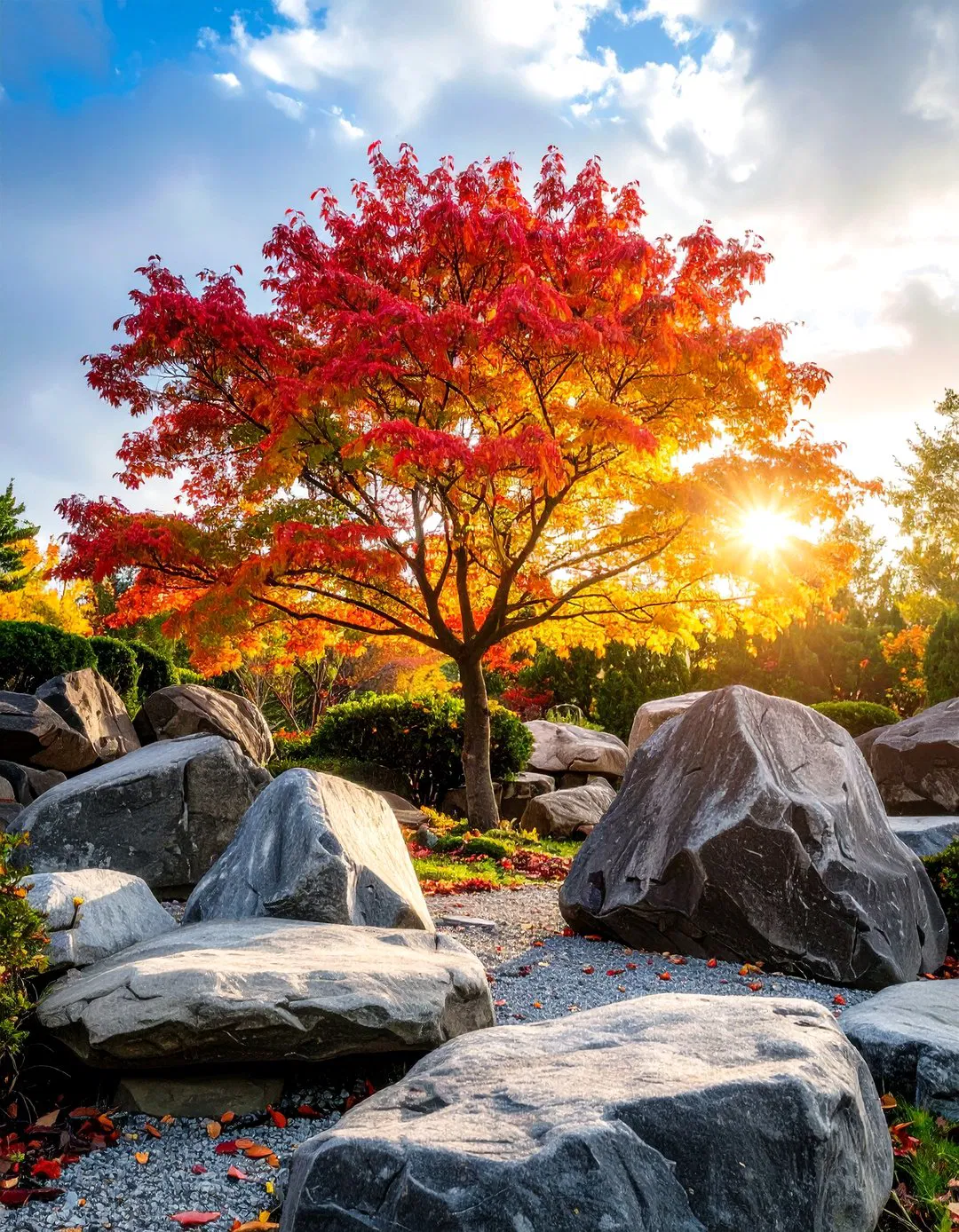
Combine the rugged beauty of natural stone with the organic forms of trees to create striking landscape compositions. This pairing works well with specimen trees that benefit from improved drainage and root protection provided by rocks. Arrange boulders or stone clusters to appear naturally integrated, enhancing both aesthetics and function by controlling erosion and retaining moisture. Choose trees with contrasting bark textures or unique shapes to complement the stone’s colors and forms, ensuring year-round visual interest. Use native stone materials to maintain regional authenticity and avoid artificial appearances. This approach is ideal for sites with rocky terrain or drainage challenges, producing low-maintenance, enduring landscape features.
Crafting Private Courtyards with Tree Enclosures
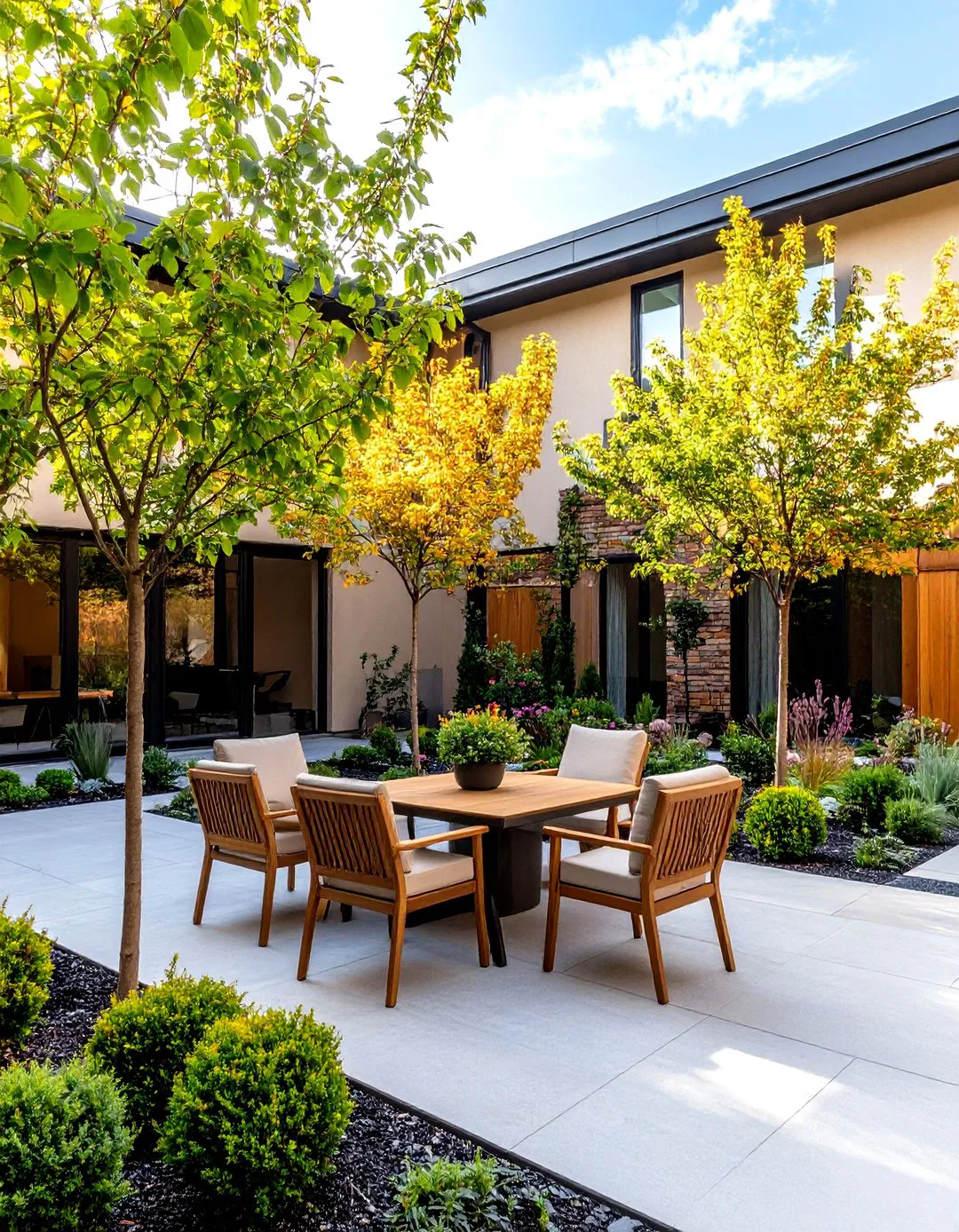
Create secluded outdoor rooms by arranging trees to form natural walls and overhead canopies, perfect for private courtyards or intimate gathering spots. This technique breaks larger properties into smaller, inviting spaces with distinct atmospheres. Select tree species with appropriate mature sizes to provide privacy without overwhelming the area or obstructing views and airflow. Combine evergreens for year-round screening with deciduous trees that add seasonal interest through changing foliage and branch patterns. Position trees to frame seating or dining areas, ensuring enough space for furniture and movement. These natural enclosures offer shelter from wind and sun, enhancing comfort and psychological well-being, especially where traditional fencing is impractical or undesirable.
Foundation Trees: Softening Architectural Lines
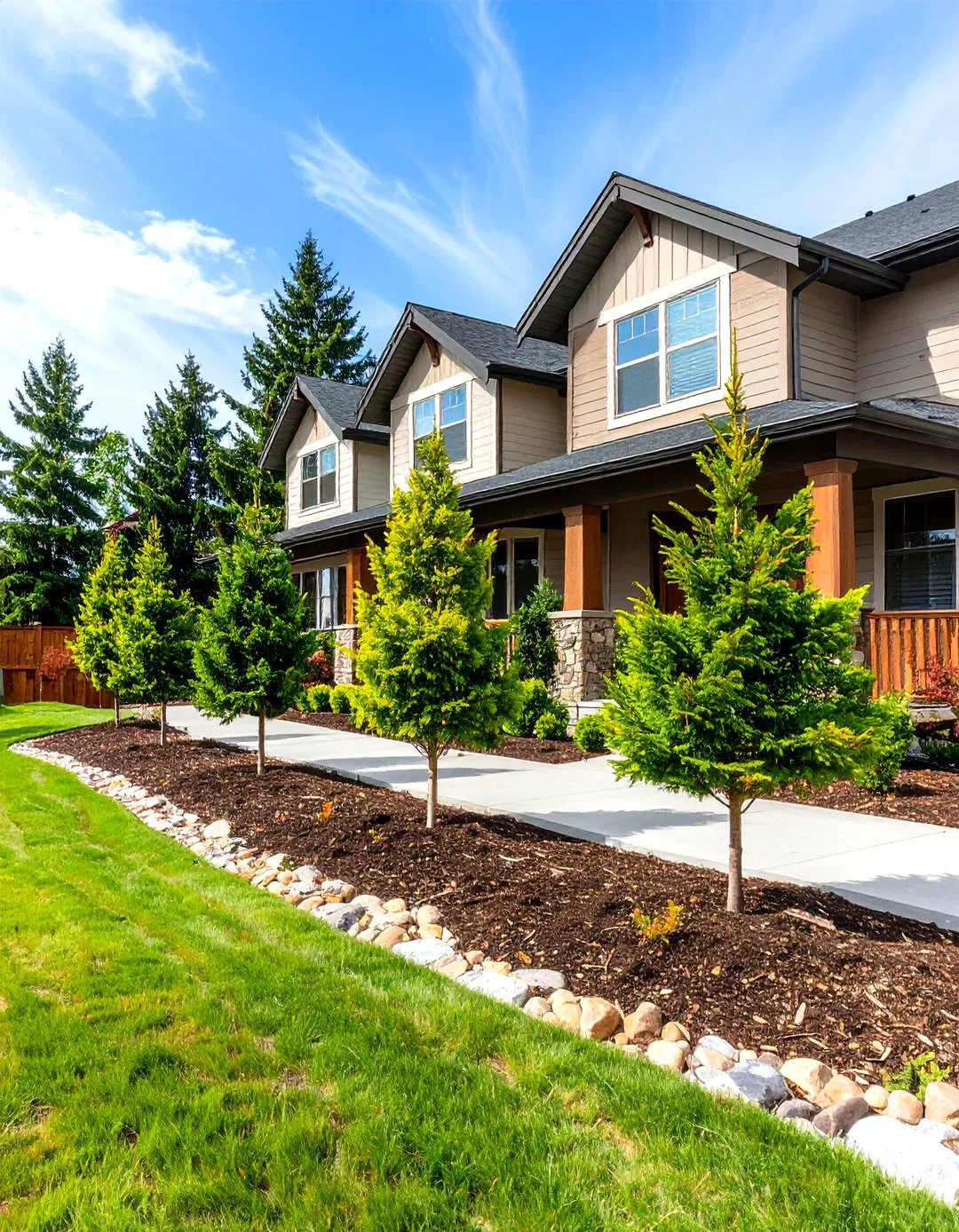
Enhance your home’s exterior by integrating trees into foundation plantings that complement architectural proportions and provide functional benefits like energy efficiency and weather protection. Choose trees scaled to avoid overpowering facades or interfering with utilities and rooflines. Evergreens offer year-round screening and windbreaks, while deciduous trees provide summer shade and allow winter sunlight. Plan spacing to accommodate mature growth and maintenance access. Foundation trees soften harsh building edges, create welcoming entrances, and add seasonal color and texture, significantly boosting curb appeal.
Formal Tree Allees: Timeless Landscape Statements
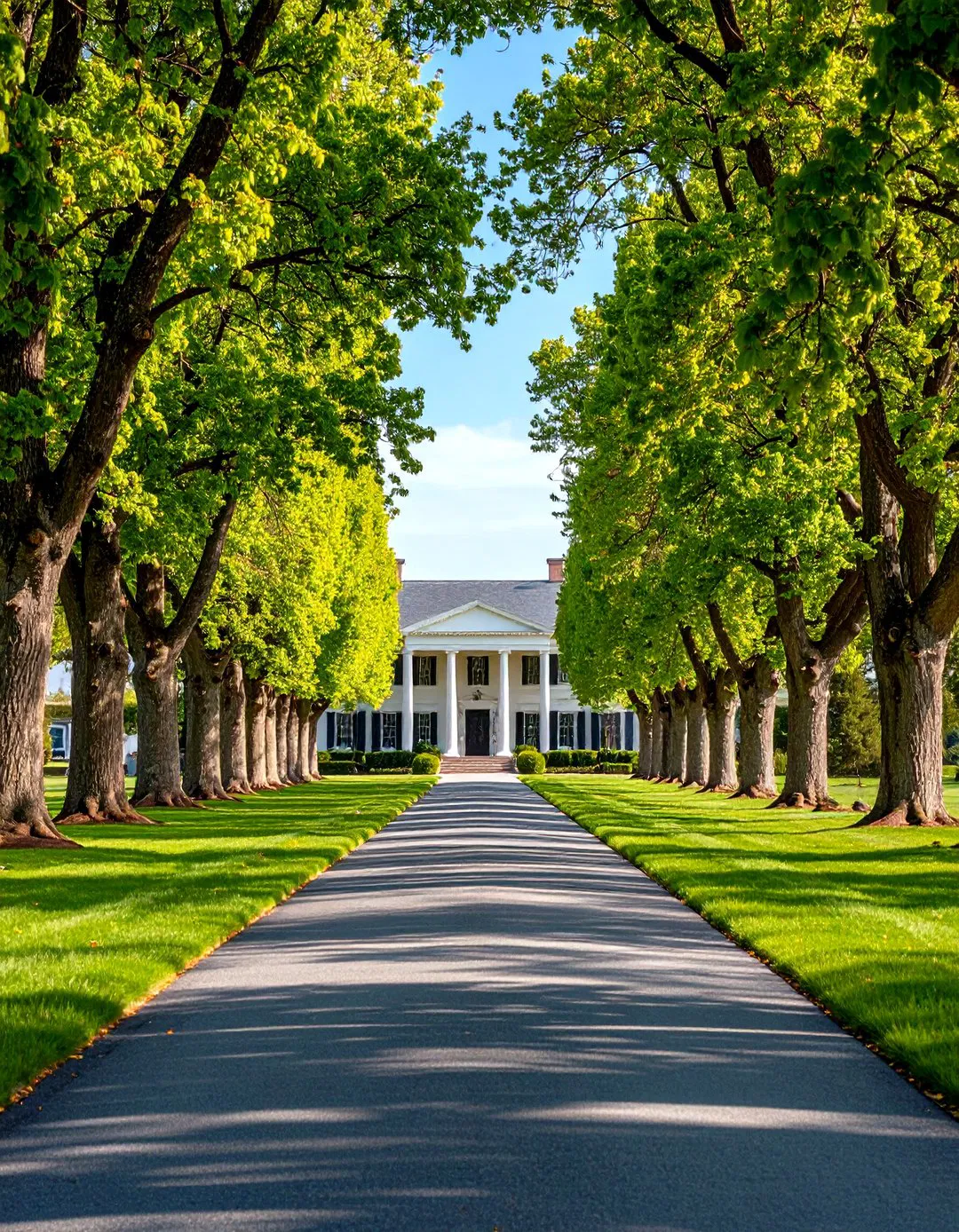
Make a grand impression with formal tree allees-rows of matching trees planted symmetrically along driveways, walkways, or sightlines. This classic design exudes elegance and order, framing views and guiding movement. Select species with uniform growth habits, such as London plane trees, lindens, or maples, and maintain consistent spacing to develop rhythmic patterns. Regular pruning and maintenance preserve the allee’s structure and visual impact. These arrangements suit larger properties where scale supports their grandeur, adding timeless appeal and architectural harmony.
Integrating Trees into Deck and Patio Spaces
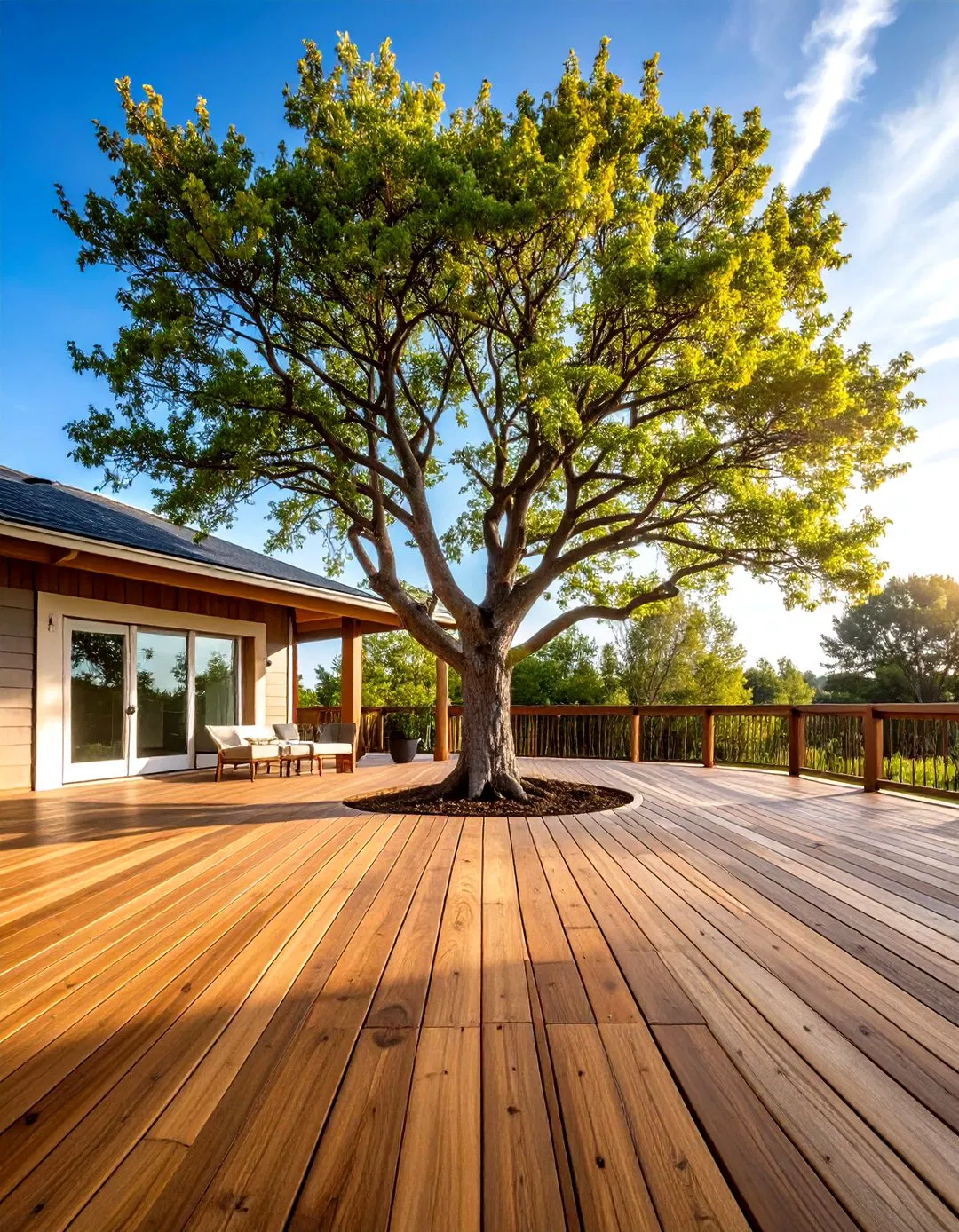
Incorporate mature trees into deck or patio designs to celebrate natural features and create unique outdoor living areas with instant character. Plan construction carefully to accommodate trunk growth and protect root systems. Design deck openings or elevated platforms that minimize root disturbance and blend hardscape with natural bark textures. These integrated spaces provide immediate shade and ambiance, avoiding the wait for new trees to mature. Regular monitoring and occasional structural adjustments ensure tree health and deck longevity. Professional guidance during design and build phases helps prevent conflicts and maximizes the harmony between trees and outdoor structures.
Understory Gardens: Enriching Shaded Spaces
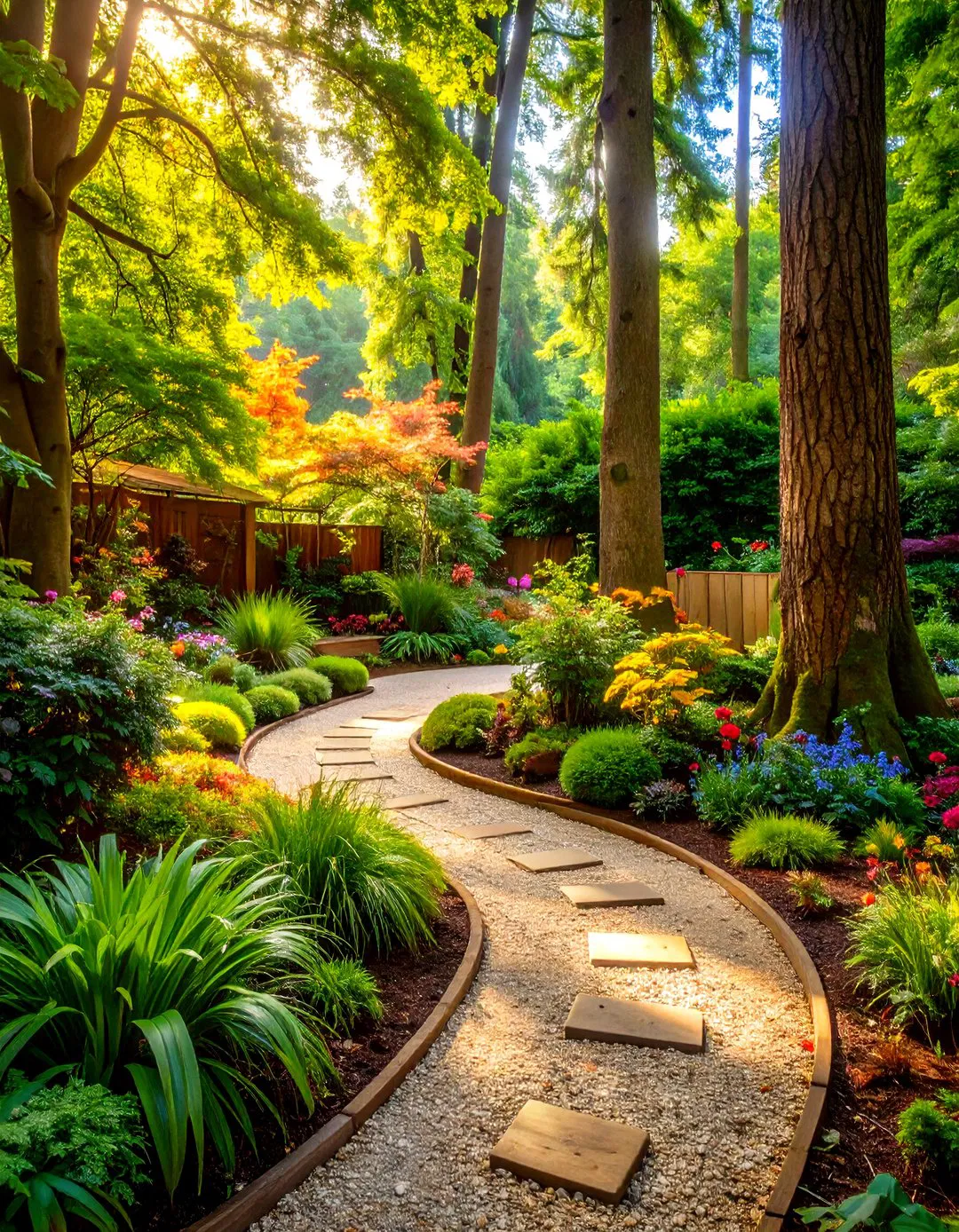
Maximize your landscape’s potential by cultivating rich understory gardens beneath tree canopies, transforming shaded areas into sophisticated planting compositions. This layered approach mimics natural forest ecosystems, showcasing shade-adapted plants that coexist harmoniously with tree roots. Select species that thrive in low light and avoid aggressive competitors. Use principles of color, texture, and seasonal interest to create compelling designs despite limited sunlight. Incorporate pathways, seating, or decorative elements to invite exploration and enjoyment. Though requiring thoughtful plant selection and care, understory gardens reward with low-maintenance, year-round beauty and a deep connection to natural woodland environments.
Final Thoughts
Investing in thoughtful tree landscaping is one of the most rewarding ways to enhance your property’s beauty and functionality over time. Each tree you select and place becomes a living artwork that matures gracefully, offering seasonal interest, environmental benefits, and enriched outdoor experiences. The diverse design strategies outlined here cater to various property sizes, climates, and styles-from formal statements to natural habitats. Remember, successful tree landscaping demands patience and foresight, as your choices today will shape your landscape’s character for decades. Collaborate with local arborists or landscape experts to select suitable species and ensure proper planting techniques, maximizing the longevity and impact of your outdoor sanctuary.