
As the season of renewal arrives, gardeners are inspired to craft lively and inviting outdoor environments. Whether your style leans toward rustic cottage gardens or sleek, eco-friendly landscapes, spring offers a perfect canvas to merge aesthetics with practicality. From expansive yards to cozy container setups, strategic design can turn any area into a vibrant seasonal retreat that nurtures local fauna and offers a peaceful haven.
1. Cultivating a Native Wildflower Meadow
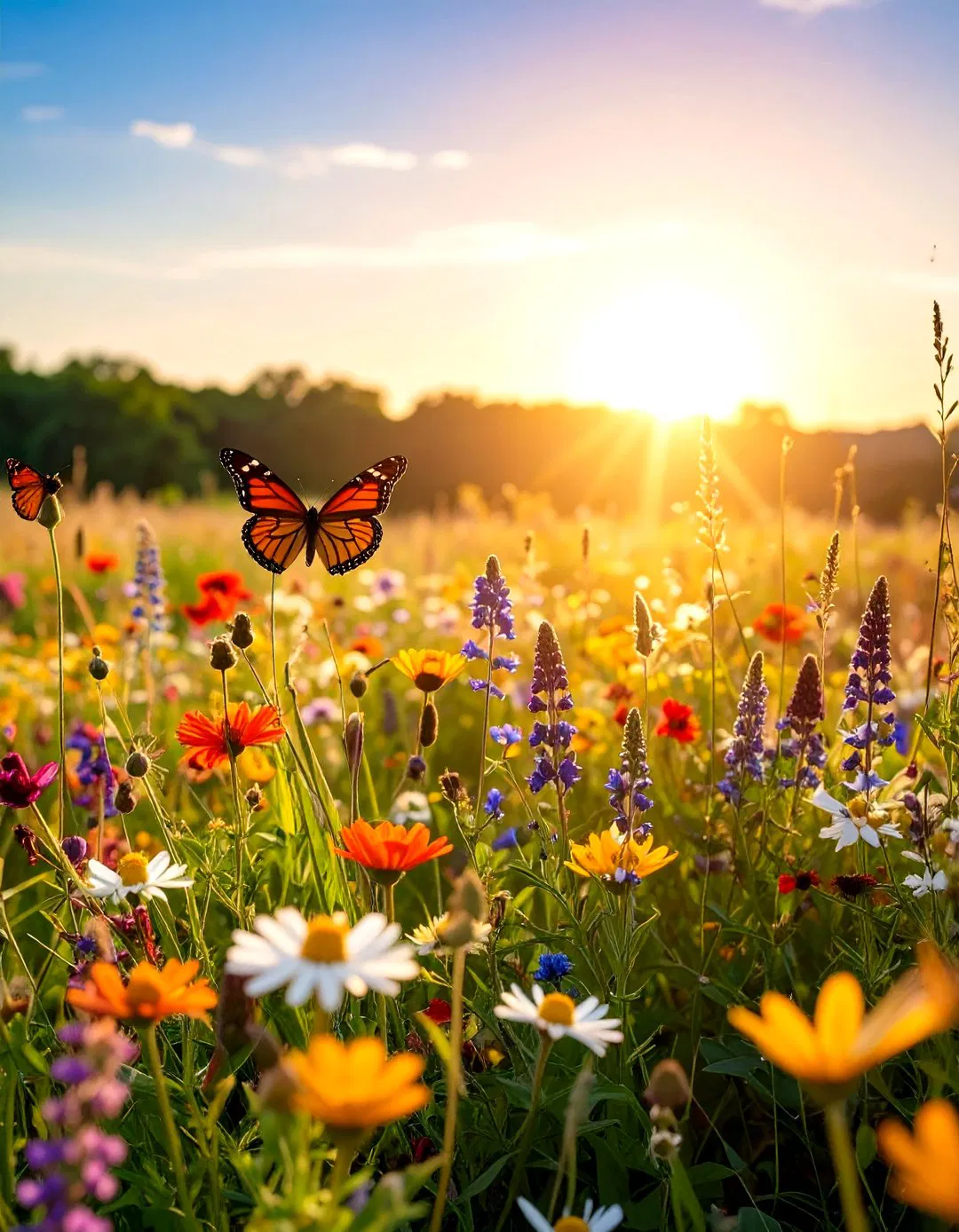
Convert your outdoor space into a thriving ecosystem by planting a native wildflower meadow that honors local plant species and supports pollinators. Choose wildflowers indigenous to your region, such as early bloomers like Virginia bluebells and white wood asters to brighten spring, followed by summer staples like black-eyed Susans and purple coneflowers. Sow seeds in the fall to ensure naturalized growth in spring, favoring organic clusters over rigid rows. Incorporate native ornamental grasses like little bluestem to add texture and dynamic movement year-round. This eco-friendly, low-maintenance garden reduces watering needs once established and fosters habitats for beneficial insects, birds, and butterflies, while cutting down on traditional lawn upkeep.
2. Contemporary Cottage Garden with Defined Structure
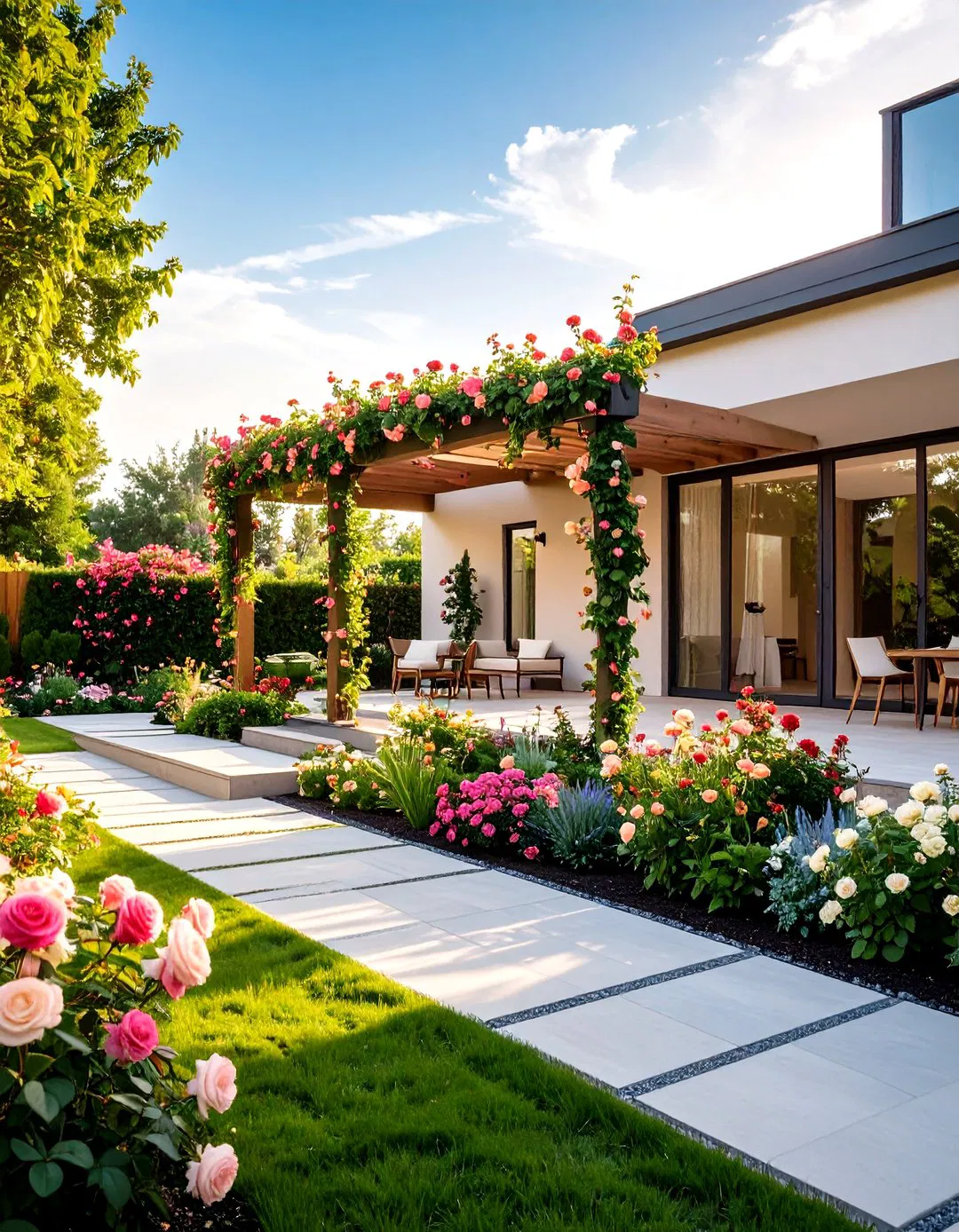
Merge the timeless charm of a cottage garden with sleek, modern design by pairing lush, romantic plants with clean architectural features. Combine beloved cottage staples such as hollyhocks, delphiniums, and climbing roses with contemporary materials like steel planters and angular walkways. Group plants in clusters of three to five to amplify visual interest rather than scattering single specimens. Incorporate modern outdoor furnishings and lighting to harmonize traditional and current styles. Structural additions like minimalist pergolas or streamlined fencing help define garden zones while preserving the classic overflowing feel. This fusion creates a garden that is both enchanting and functional for today’s lifestyle.
3. Productive Spring Container Herb and Vegetable Garden
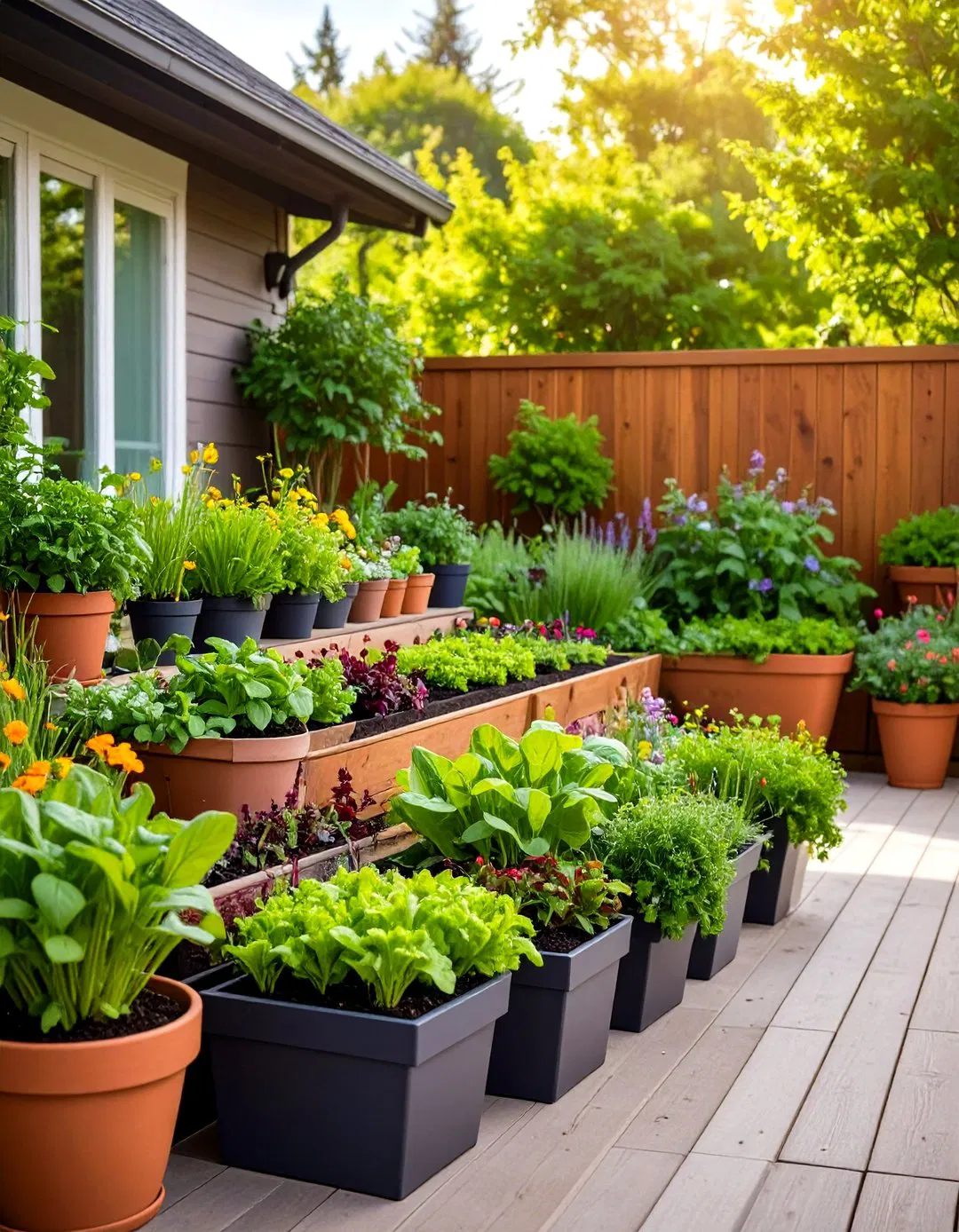
Optimize small spaces by cultivating a container garden filled with cool-season vegetables and fragrant herbs. Select pots at least 12 inches deep for crops like lettuce, spinach, and radishes, while herbs such as thyme, chives, and parsley thrive in smaller containers. Use premium potting soil enriched with organic compost to promote healthy growth and proper drainage. Place containers where they receive 6 to 8 hours of sunlight daily, arranging them in clusters for ease of care and aesthetic appeal. Start planting early spring vegetables like peas and carrots, staggering sowing every two weeks to enjoy a steady supply. This method brings fresh, homegrown ingredients right to your doorstep, even in limited outdoor areas.
4. Creating a Pollinator-Friendly Spring Border
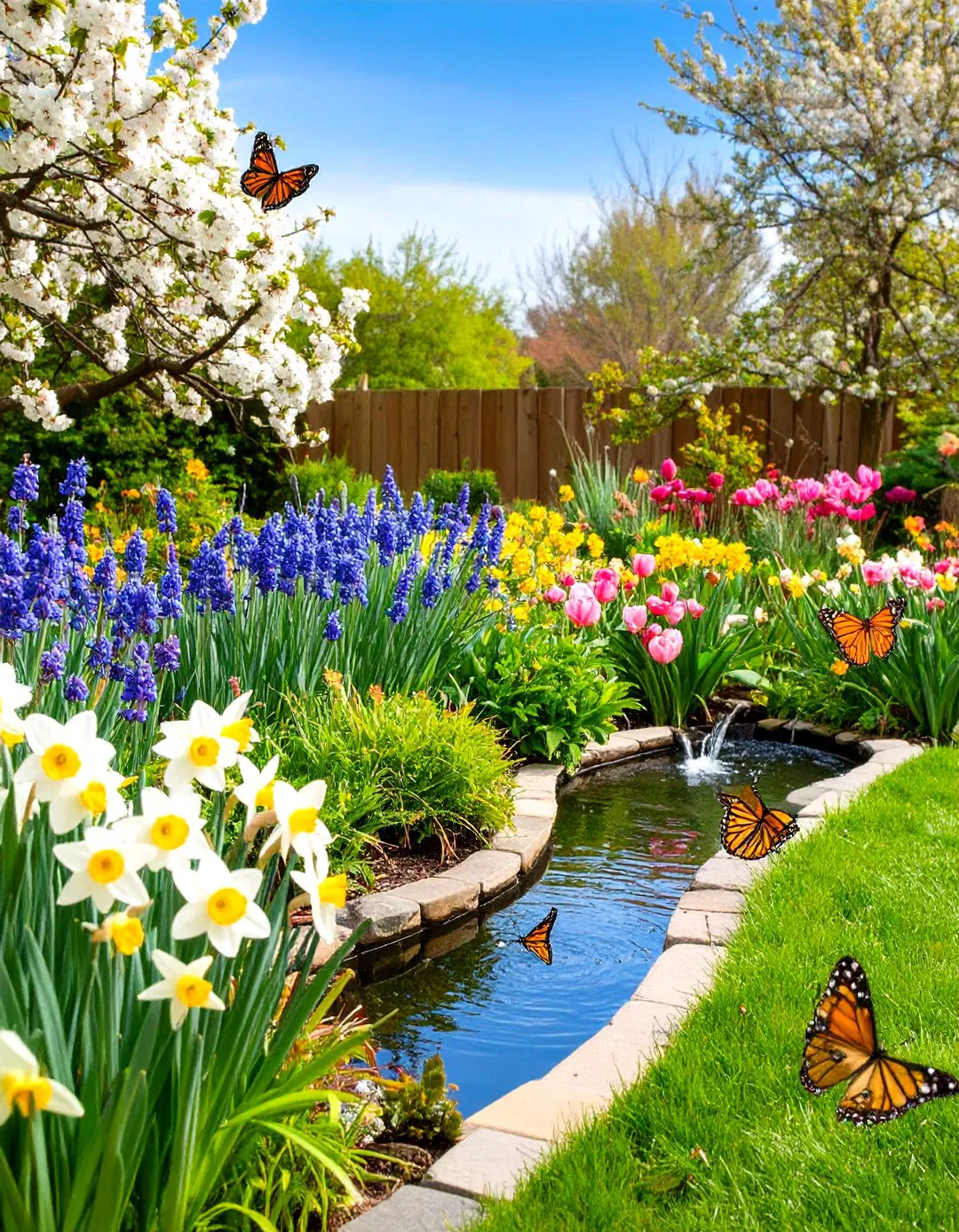
Design a vibrant border dedicated to pollinators by planting early-blooming species that provide vital nectar as bees and butterflies awaken. Layer spring bulbs like crocuses and grape hyacinths with perennials such as lungwort, hellebores, and native azaleas that flower early. Incorporate fruit trees like cherry or apple to offer blossoms that support pollinators and yield edible fruits later. Enhance the habitat with shallow water features like birdbaths or small fountains. Plant densely to create welcoming landing zones for pollinators and avoid pesticides to maintain a safe environment. This garden not only boosts biodiversity but also delivers stunning springtime color that benefits the entire ecosystem.
5. Designing a Serene Shade Garden Retreat
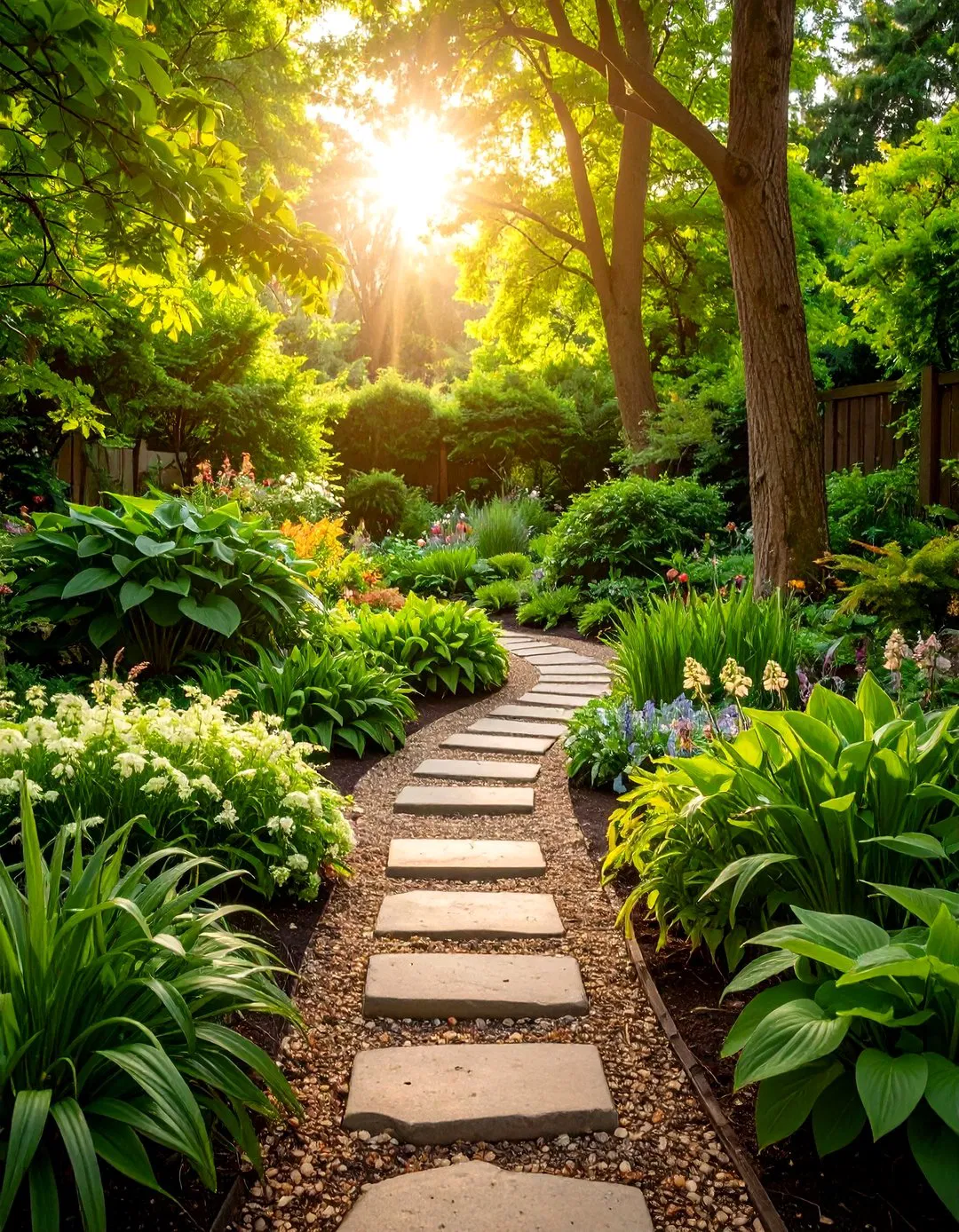
Transform shaded corners into lush spring sanctuaries by selecting plants that flourish in low-light environments while offering seasonal blooms and foliage interest. Start with early bulbs like snowdrops and winter aconite that naturalize beneath deciduous trees, followed by hellebores and coral bells for prolonged color. Add texture and depth with ferns, hostas, and heuchera. Include flowering shrubs such as pieris and rhododendrons that bloom before tree canopies fully develop. Create inviting pathways using natural materials like bark mulch or stepping stones to encourage exploration. This strategy turns challenging spots into tranquil spaces perfect for reflection and enjoyment throughout the growing season.
6. Perennial Borders for Extended Seasonal Appeal
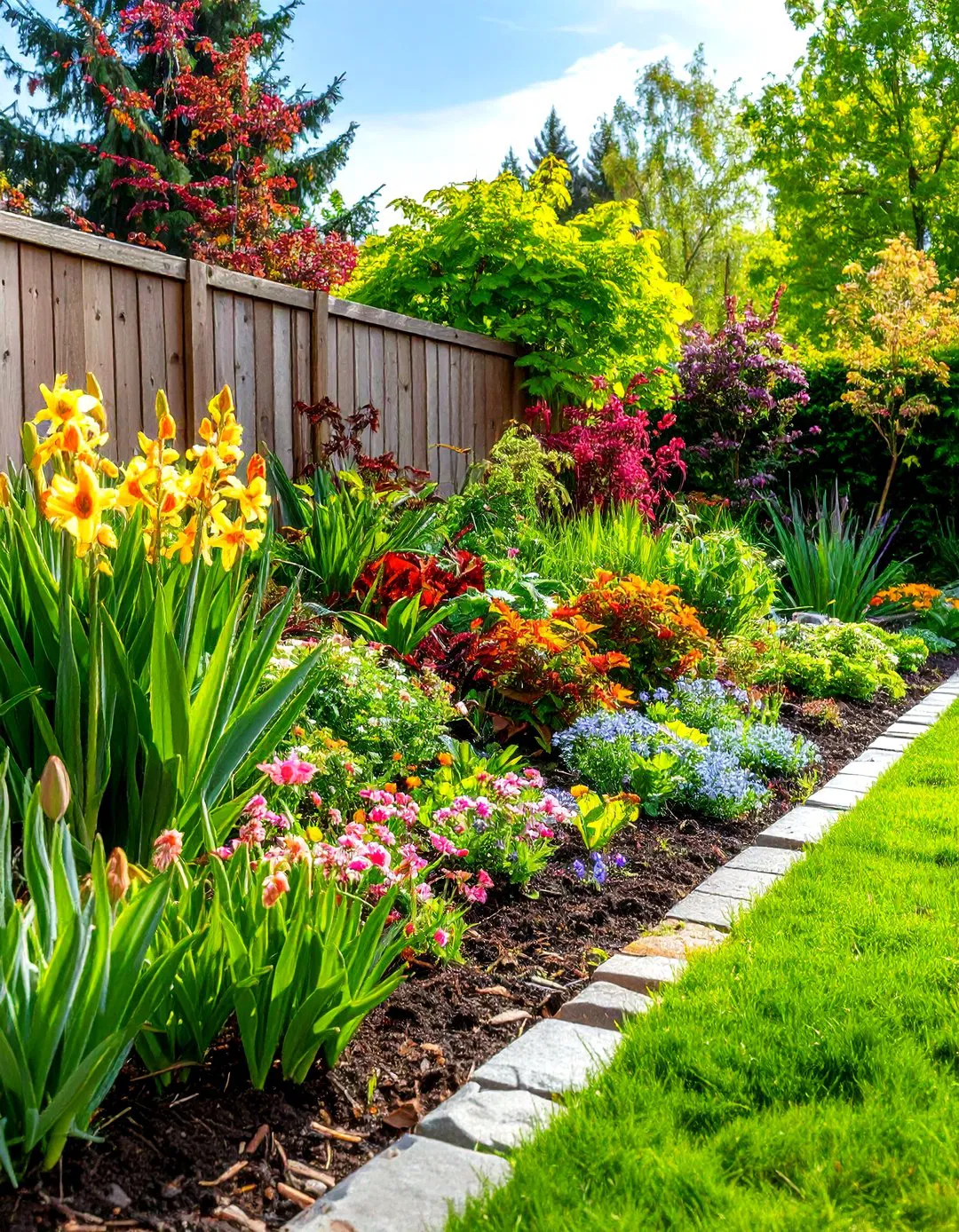
Craft a perennial border that offers continuous visual interest from early spring through fall by selecting plants with staggered bloom periods and complementary forms. Begin with spring bulbs like tulips and daffodils interspersed with emerging perennials such as peonies and bearded iris. Transition to summer bloomers like coneflowers and bee balm, then to autumn favorites including asters and sedum. Vary plant heights from low-growing creeping phlox to tall joe-pye weed to add dimension. Incorporate ornamental grasses for movement and winter structure. This thoughtful planting plan ensures a dynamic garden that requires minimal replanting once established.
7. Designing a Fragrant Spring Garden Pathway
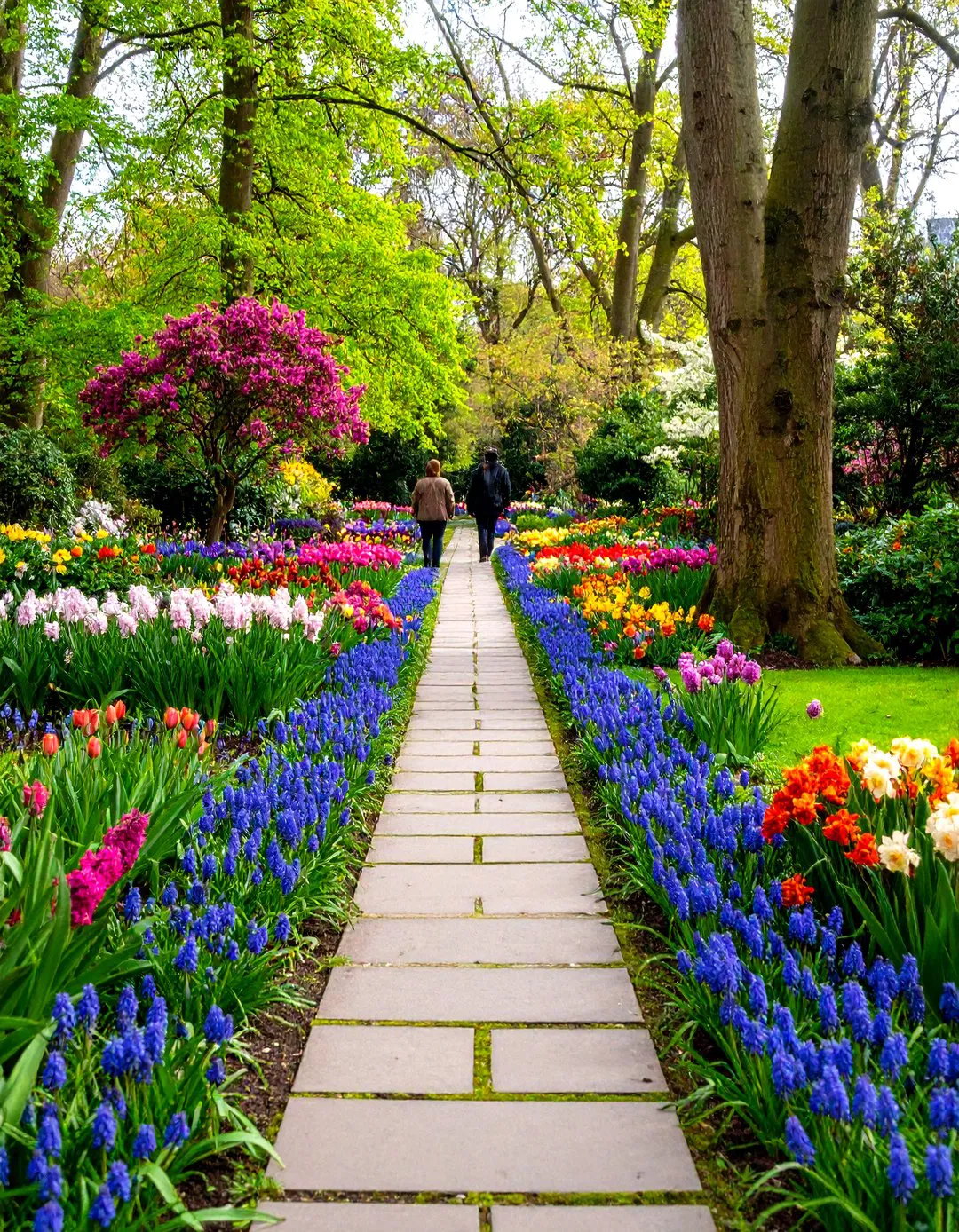
Transform garden strolls into sensory adventures by lining walkways with aromatic spring blooms that delight the nose and eyes. Plant fragrant species such as lilacs, mock orange, and flowering quince near paths for easy scent enjoyment. Intermix with fragrant bulbs like hyacinths and lily-of-the-valley for early-season aroma. Add herbs like lavender and rosemary that release fragrance when brushed against. Include night-blooming plants such as evening primrose to extend enjoyment into the evening. Use natural materials like flagstone or gravel for pathways that complement the informal planting style. This design elevates simple garden navigation into a memorable sensory experience.
8. Establishing a Spring Cutting Garden
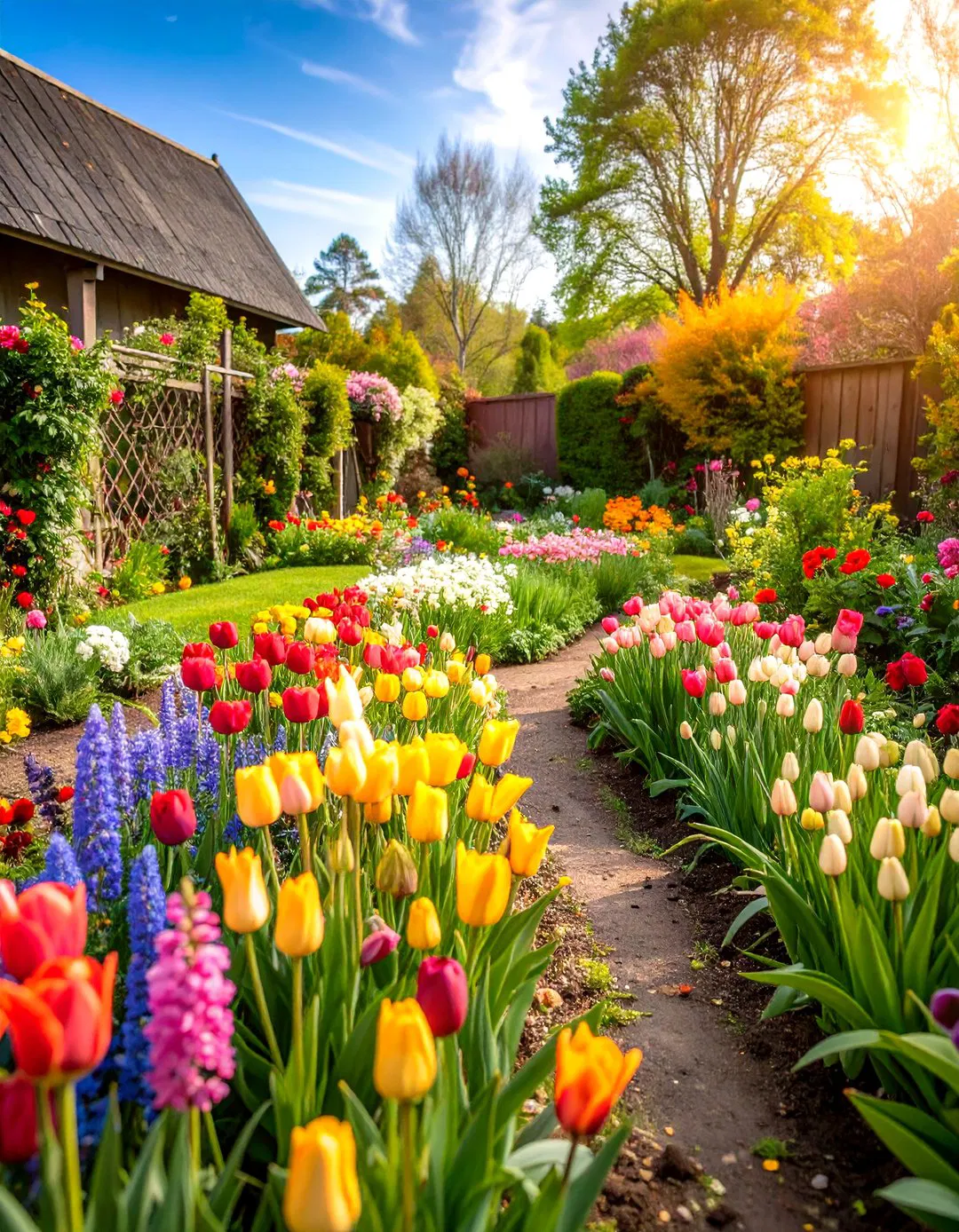
Create a dedicated cutting garden designed to supply fresh flowers for indoor arrangements throughout spring. Plant rows of tulips, daffodils, and ranunculus for early blooms, followed by sweet peas, larkspur, and Canterbury bells for ongoing harvests. Include foliage plants like dusty miller and ornamental grasses to add texture and volume to bouquets. Arrange beds in accessible rows or blocks to facilitate harvesting without disturbing other plants. Incorporate trellises for climbing flowers such as clematis and sweet peas to add vertical interest and additional cutting options. This practical design ensures a steady supply of fresh blooms while maintaining an attractive garden display.
9. Embracing Modern Minimalism in Spring Gardens
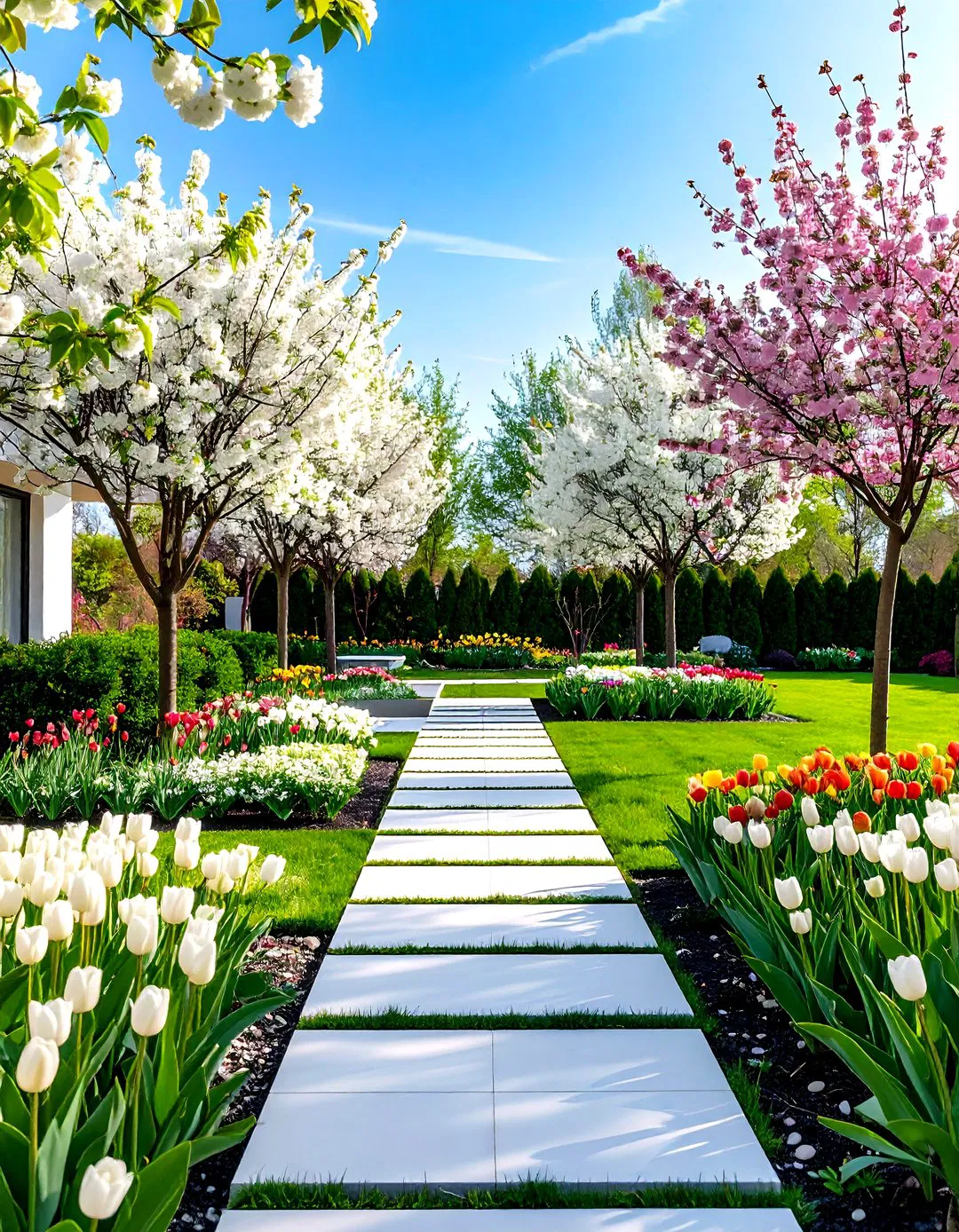
Adopt a minimalist approach by designing uncluttered garden spaces that emphasize select plants through repetition and strategic placement. Opt for a restrained palette featuring spring bloomers like ornamental cherry trees, white tulips, and architectural grasses, repeated throughout the garden for unity. Define planting beds with modern materials such as corten steel or concrete for crisp edges. Incorporate sleek hardscape features like linear water elements or sculptures as focal points. Space plants generously to highlight individual specimens and create tranquil, meditative environments. This style complements contemporary architecture and proves that simplicity can yield striking garden designs.
10. Vertical Container Gardens for Small Spaces
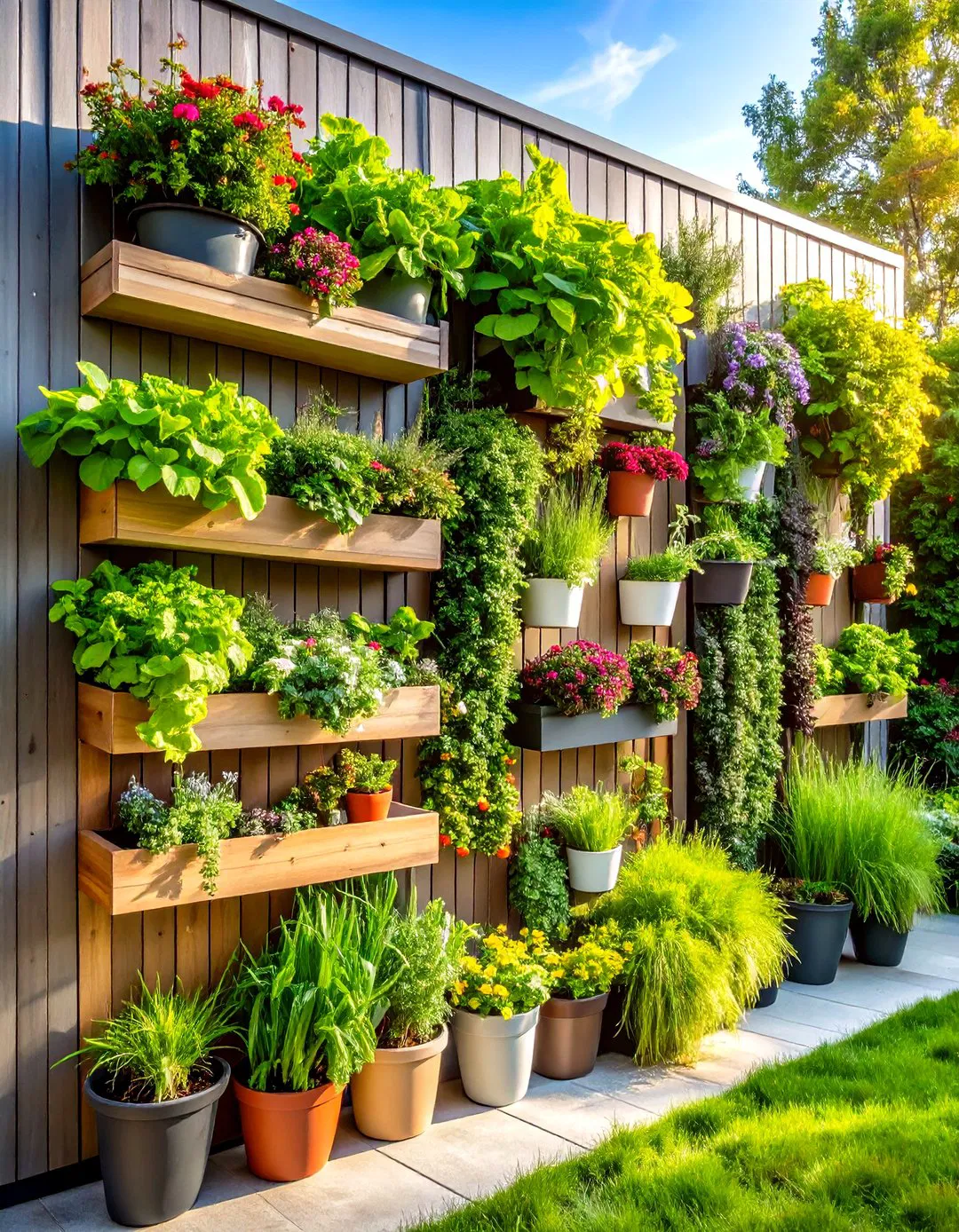
Make the most of limited outdoor areas by building vertical gardens that support diverse spring plantings while adding architectural flair to patios, balconies, or compact yards. Use tiered planters, wall-mounted containers, or hanging baskets to grow trailing plants like nasturtiums and creeping jenny alongside upright species. Position cool-season vegetables such as lettuce and herbs in upper tiers for optimal sunlight, with shade-tolerant plants below. Incorporate flowering vines like sweet peas to climb supports, creating natural privacy screens. Choose lightweight containers and premium potting mix to ensure stability and healthy growth. This efficient design proves that even small spaces can host productive and beautiful spring gardens.
Conclusion
Spring gardening presents endless opportunities to create stunning outdoor spaces that blend beauty, productivity, and ecological responsibility. Whether you prefer the charm of native wildflower meadows, the sleekness of modern minimalism, or the functionality of container gardens, these ideas demonstrate how thoughtful design and plant selection can transform any space. By embracing sustainable practices and supporting local wildlife, your spring garden can flourish year after year, offering both personal enjoyment and environmental benefits.