
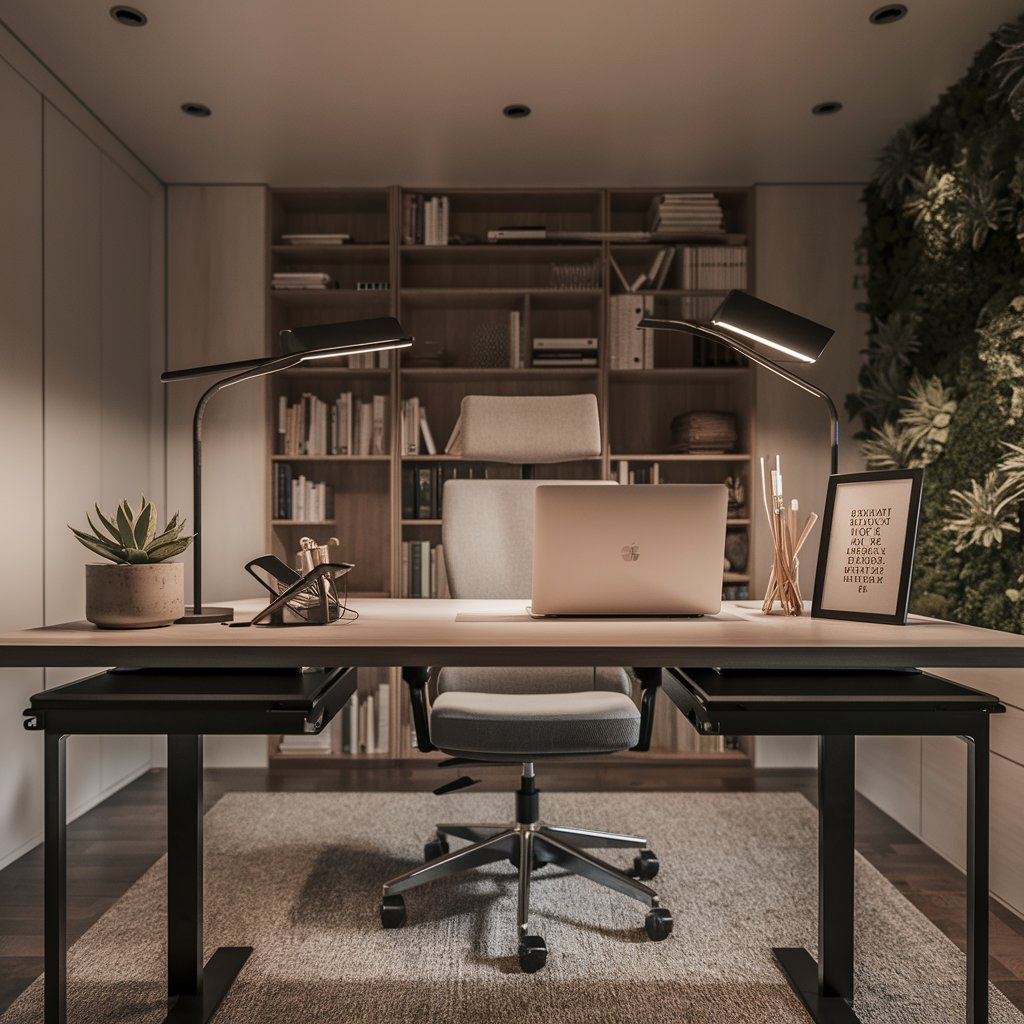
Designing an efficient home office is like crafting your personal productivity hub. Whether you’re fully remote or occasionally working on projects at home, the environment you establish significantly influences your efficiency and creativity.
A cluttered workspace can easily become a source of distraction, irritation, and stress. However, organizing your home office doesn’t have to be overwhelming. With thoughtful strategies and the right accessories, you can convert your area into a focused and inspiring retreat.
Clear Your Workspace for Enhanced Focus
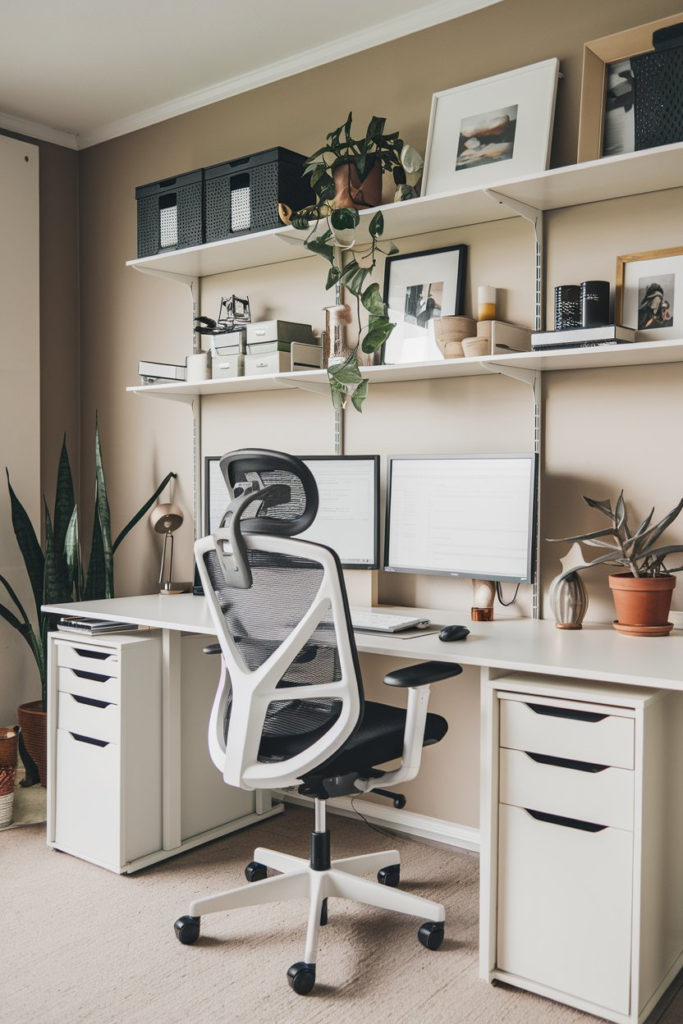
Your desk is the epicenter of your workday, but when it’s buried under stacks of papers, mugs, and miscellaneous items, your concentration suffers. Begin by completely clearing your desk surface and only returning essential items. This minimalist approach creates a distraction-free zone that fosters creativity and sharp focus.
Tame Cable Chaos with Smart Solutions
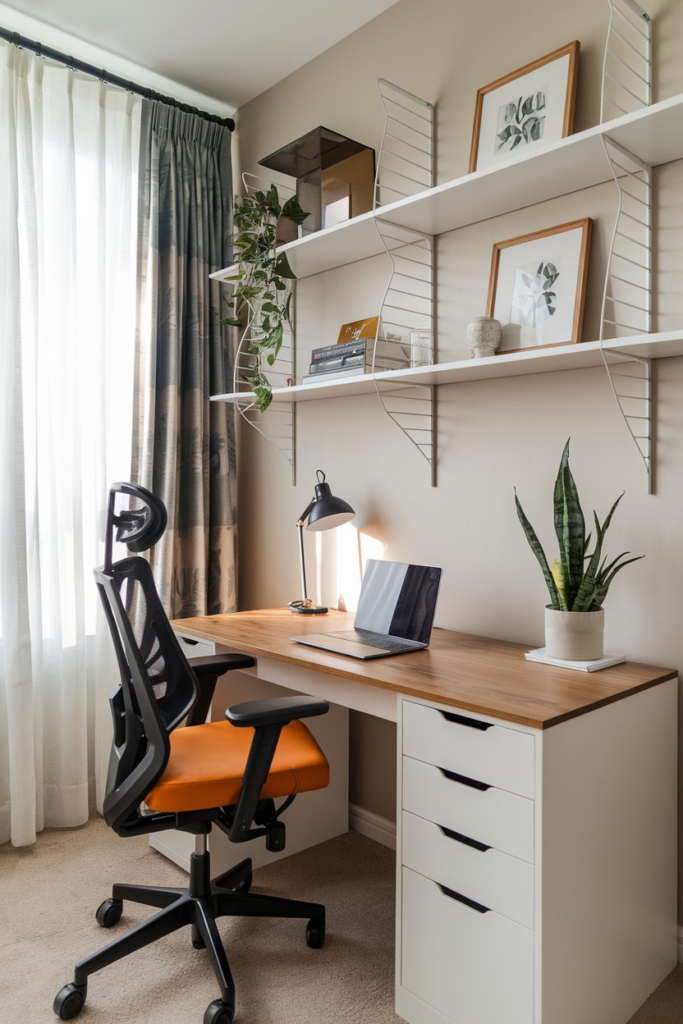
Messy cords from laptops, chargers, and peripherals can clutter your desk and cause frustration. Implementing cable management tools like clips, sleeves, or cable boxes can neatly conceal wires, reducing distractions and preventing accidental unplugging during critical tasks.
Establish an Efficient Filing System
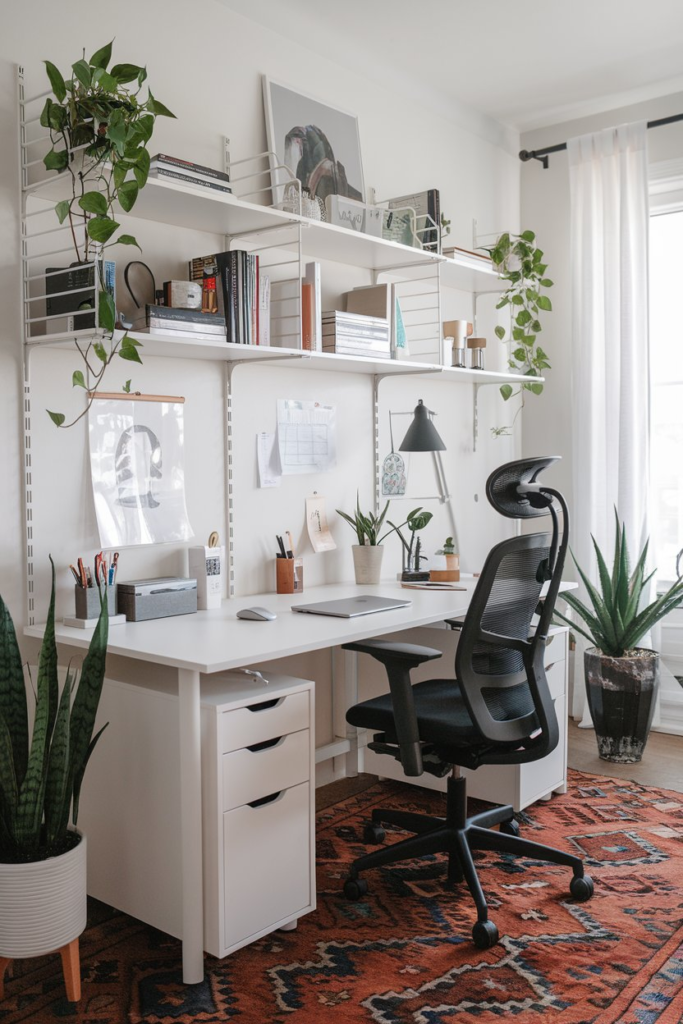
Paper documents can quickly accumulate and overwhelm your workspace. Investing in a reliable filing system-whether traditional filing cabinets or modern accordion folders-helps keep important papers sorted by project, date, or category, making retrieval effortless and reducing clutter.
Maximize Vertical Space with Wall Storage
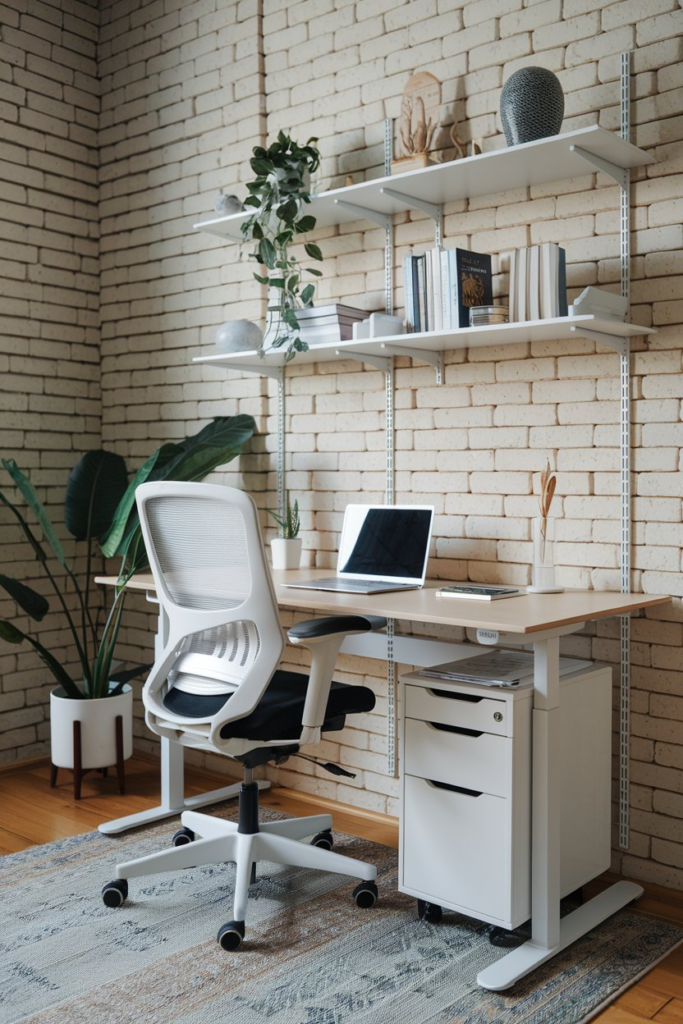
When floor space is limited, utilizing walls for storage is a smart move. Installing floating shelves or wall-mounted cabinets can hold books, office supplies, or decorative items, freeing up your desk and adding character to your workspace. Incorporate elements like framed art or small plants to personalize the area.
Embrace Digital Organization to Reduce Paper
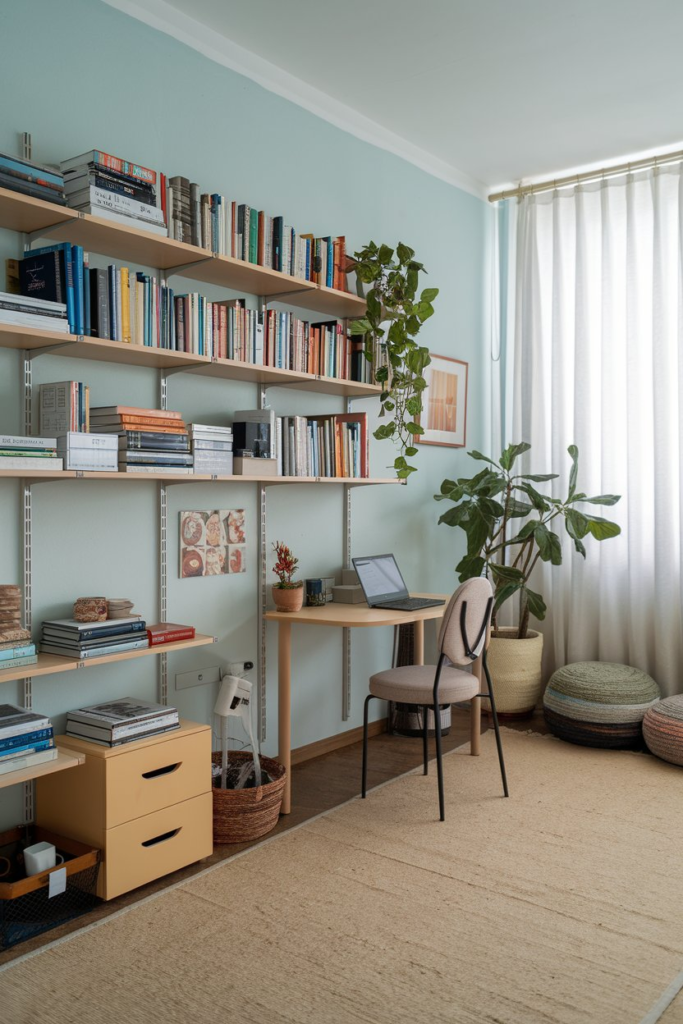
Transitioning to a paperless system can dramatically cut down on clutter. Utilize cloud services like Google Drive or note-taking apps such as Evernote to store and organize documents digitally. Scanning important papers ensures you have access anytime without the mess.
Prioritize Comfort with Ergonomic Seating
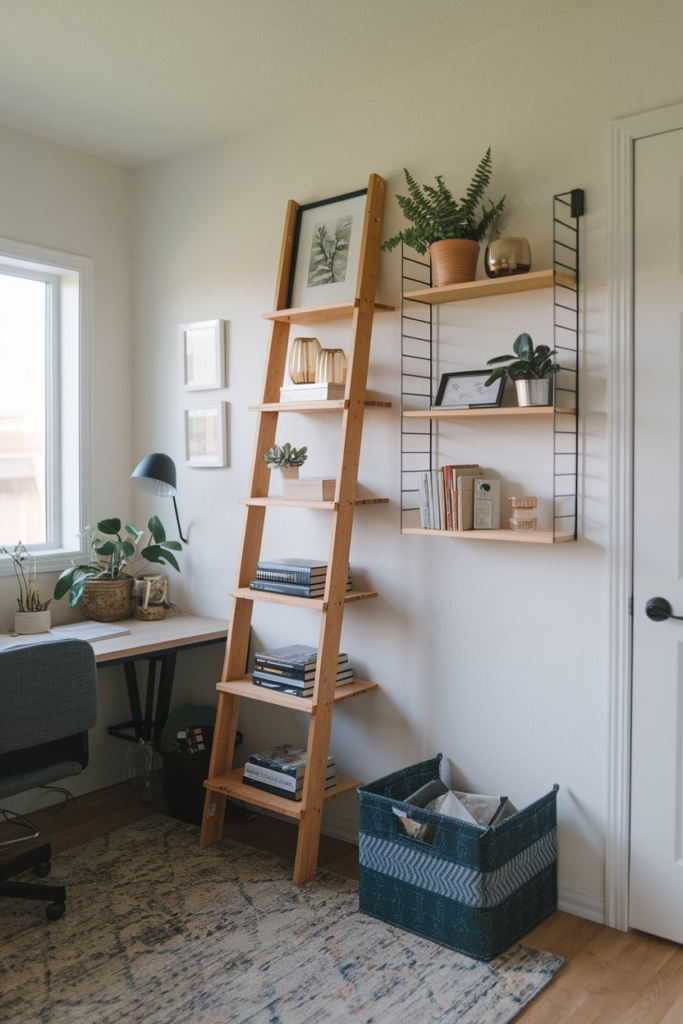
Investing in a high-quality ergonomic chair is essential for your health and productivity. Proper support encourages good posture, alleviates back strain, and allows you to work comfortably for extended periods. Don’t compromise on this key piece of your office setup.
Organize Drawers with Purpose
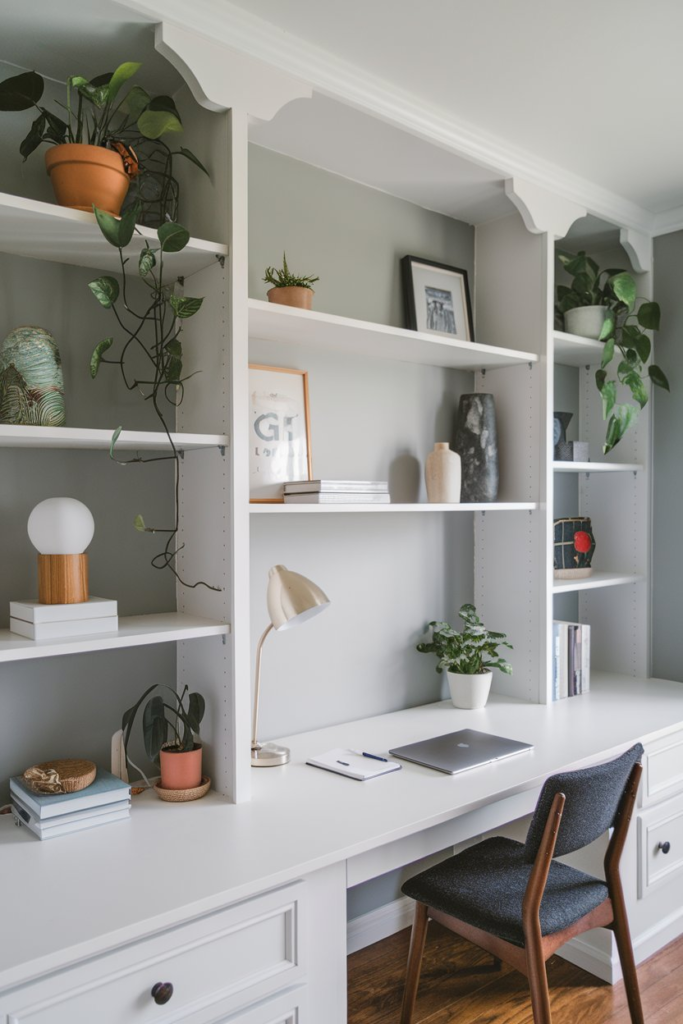
Drawers often become catch-alls for miscellaneous items. Using drawer organizers helps keep pens, clips, and notes neatly separated, making it easier to locate essentials without rummaging.
Maintain Order with a Daily Tidying Habit
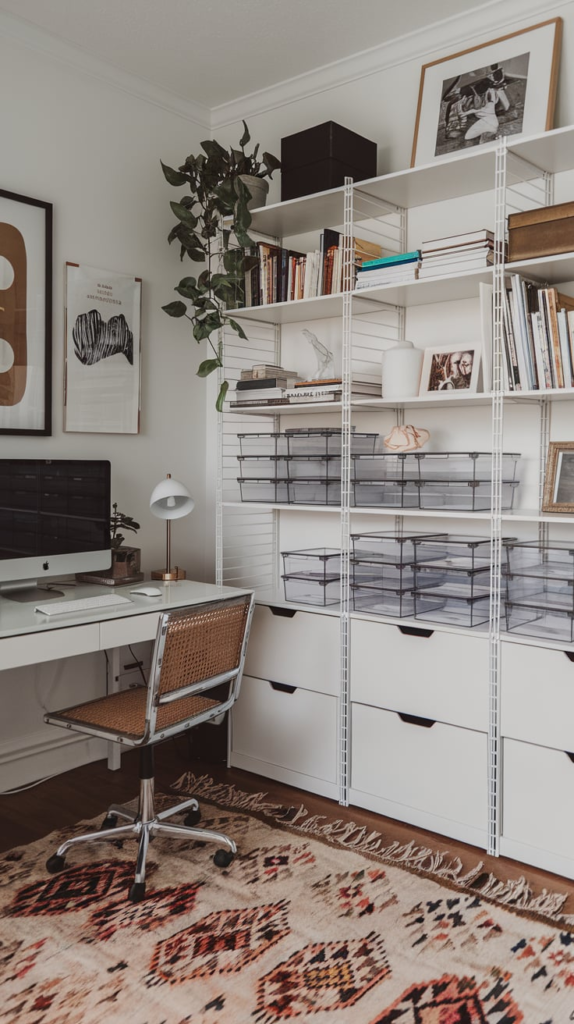
Keeping your workspace neat requires consistent effort. Dedicate 10-15 minutes at the end of each day to clear your desk, organize papers, and put away supplies. This simple routine prevents clutter buildup and prepares you for a productive start the next day.
Visualize Tasks with Boards
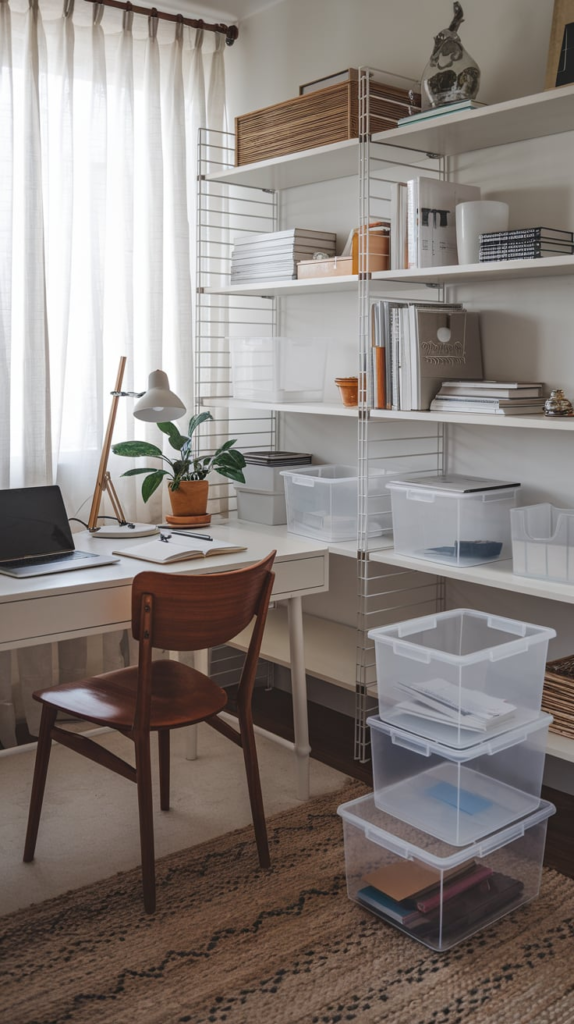
Sometimes, physical reminders outperform digital lists. A whiteboard or corkboard placed near your desk can help you track deadlines, jot down ideas, and prioritize tasks visually, keeping your goals clear and accessible.
Streamline Your Digital Workspace
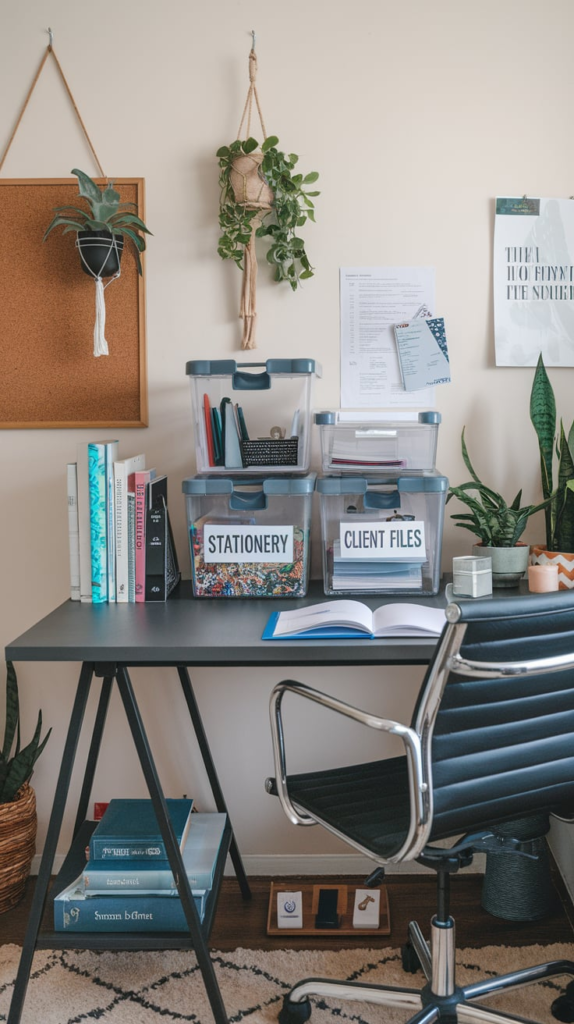
Digital clutter can be just as distracting as physical mess. Regularly clean your computer desktop, organize files into clearly labeled folders, and unsubscribe from unnecessary emails. A tidy digital environment enhances focus and efficiency.
Harness the Benefits of Natural Lighting
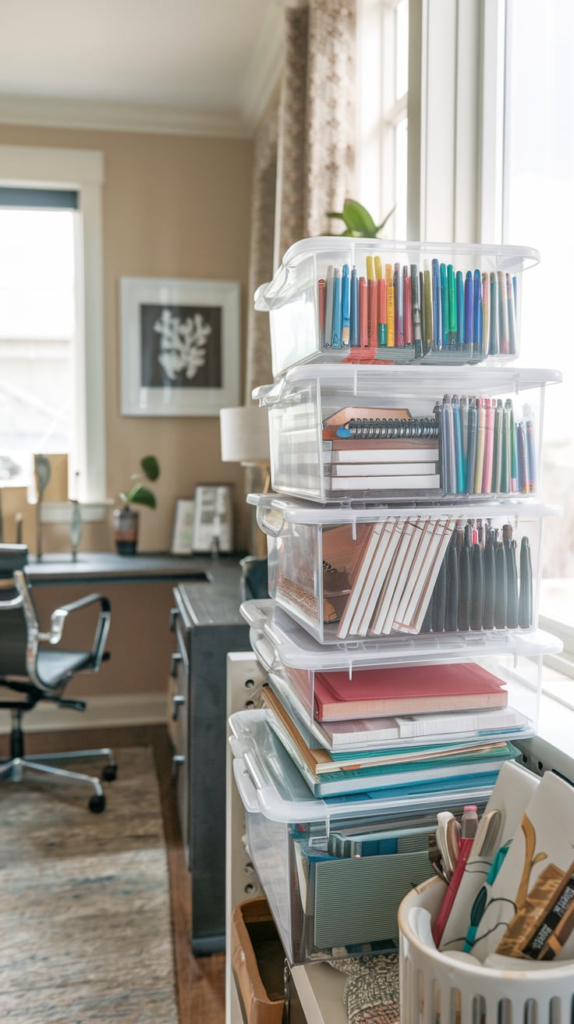
Exposure to natural light has been linked to improved mood and productivity. Position your desk near a window to soak in sunlight. If natural light is limited, supplement with bright LED bulbs or adjustable task lighting to create a vibrant and inviting workspace.
Personalize Your Space for Inspiration
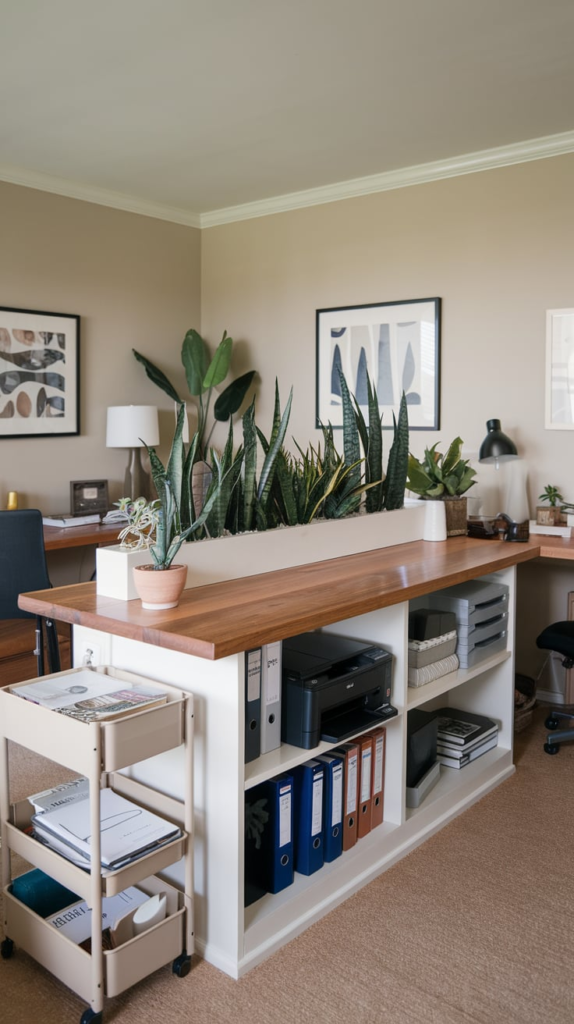
Adding personal elements like a cherished plant, artwork, or photos can make your office feel welcoming and motivating. A space that reflects your personality encourages engagement and sustained focus throughout the day.
Adopt a Minimalist Desk Setup
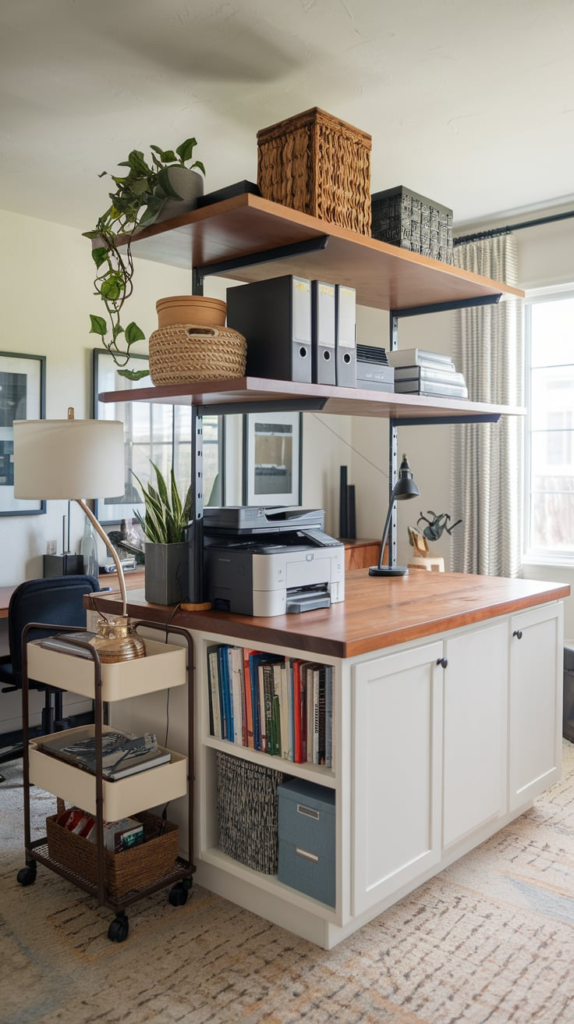
Keeping your desk free from unnecessary items helps maintain concentration. Limit your workspace to essentials like your laptop, a notebook, and a few writing tools. Consider sleek organizers or hidden compartments to store additional items without cluttering your surface.
Labeling: A Simple Key to Organization
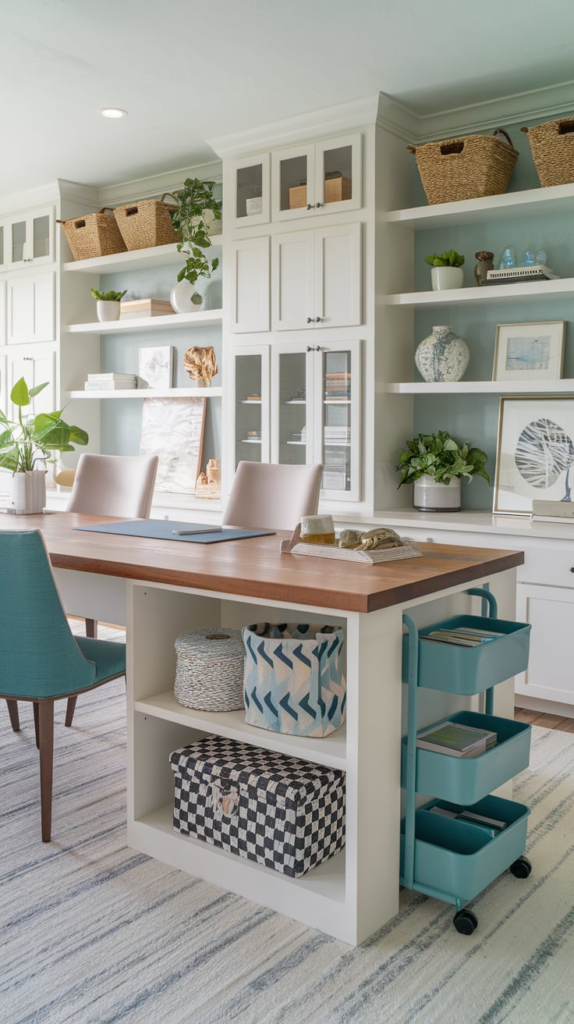
Clearly labeling folders, drawers, and storage bins eliminates guesswork and speeds up finding what you need. This straightforward method ensures every item has a designated place, streamlining your workflow.
Designate Functional Zones Within Your Office
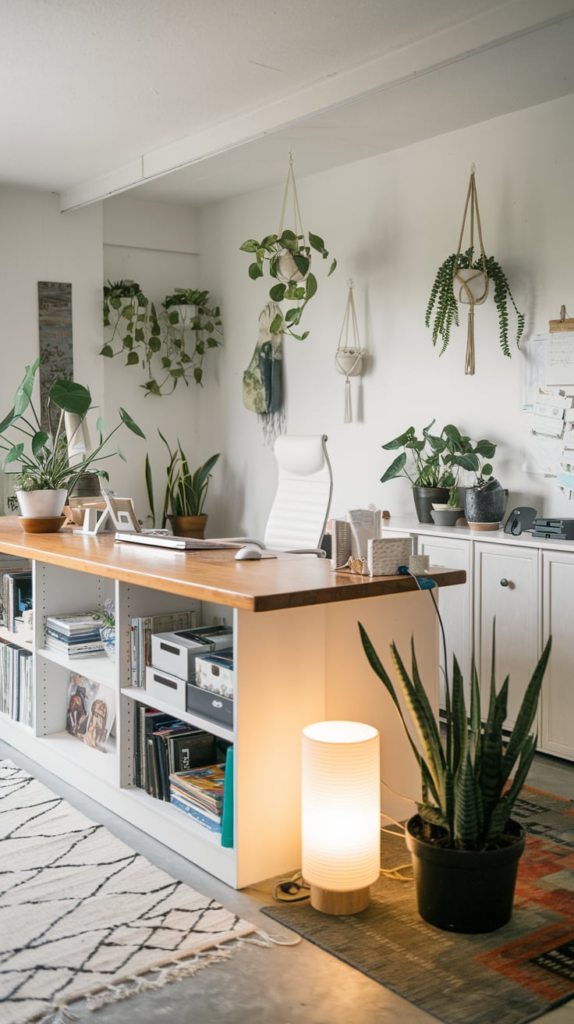
For compact spaces, dividing your office into specific zones can boost efficiency. Allocate areas for focused work, brainstorming, and meetings or calls. This physical separation helps mentally prepare you for different tasks and keeps your space orderly.
Utilize Mobile Storage with Rolling Carts
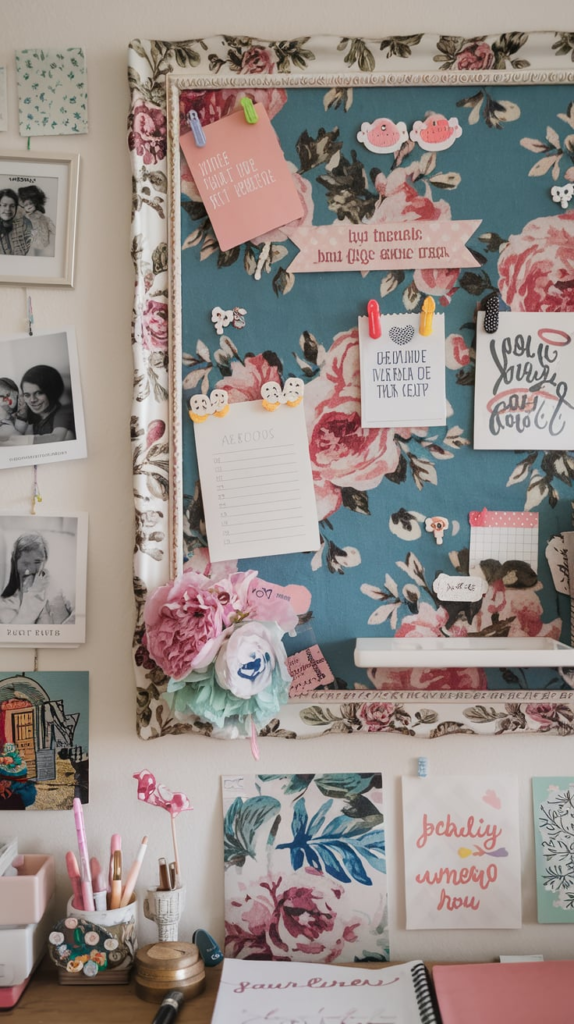
A rolling cart offers flexible storage that can be moved around your office as needed. It’s perfect for keeping supplies handy without crowding your desk, adapting to your workflow dynamically.
Organize Your Digital Files Systematically
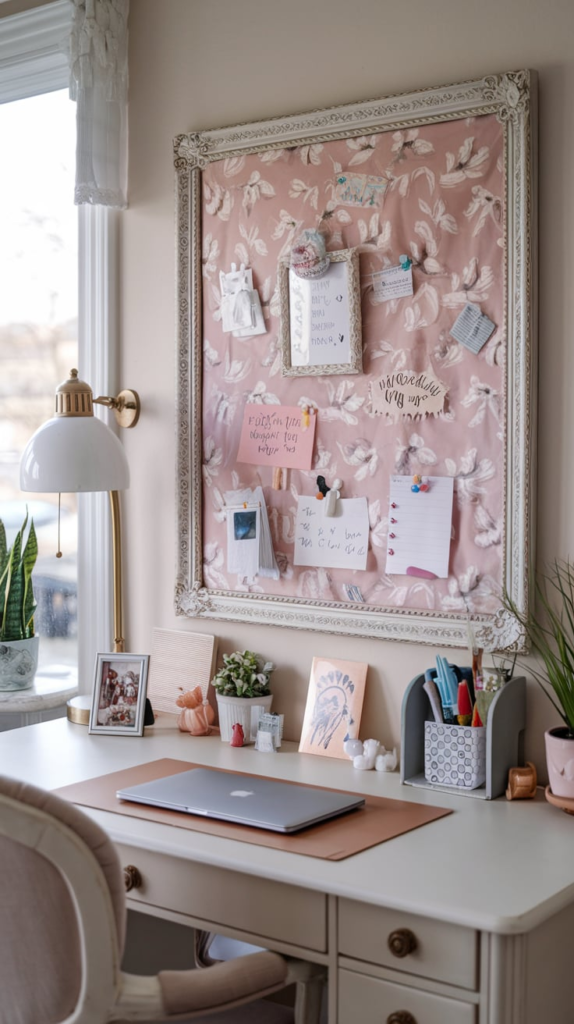
Just as physical documents require order, your digital files benefit from a clear folder hierarchy on your computer or cloud storage. Regularly sorting and archiving files keeps your digital workspace efficient and clutter-free.
Add a Pegboard for Versatile Storage
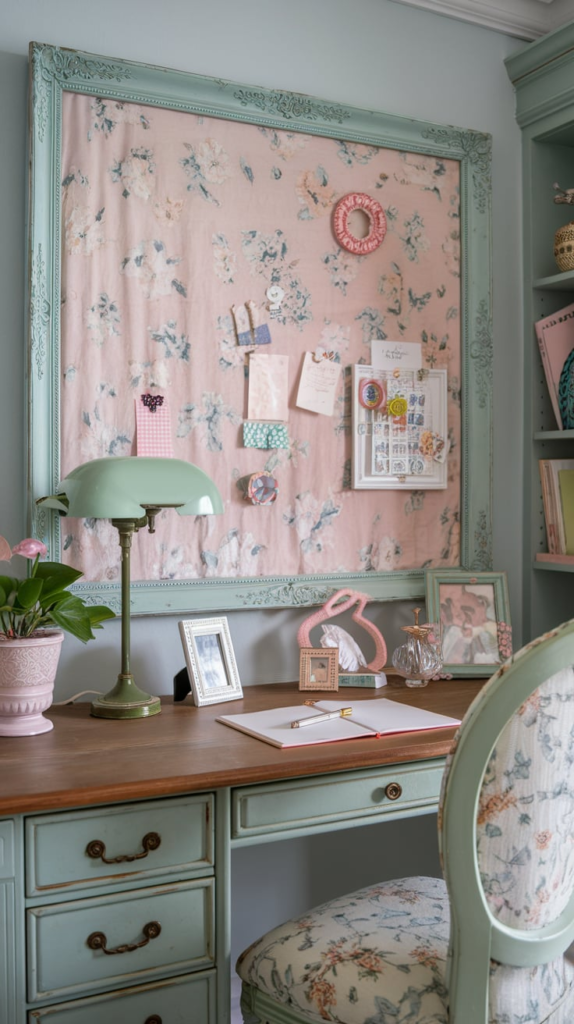
A pegboard is a customizable storage solution that keeps tools and accessories like scissors, headphones, and pens within easy reach while freeing up desk space. Its modular design allows you to rearrange items as your needs evolve.
Keep a Convenient Trash Bin Handy
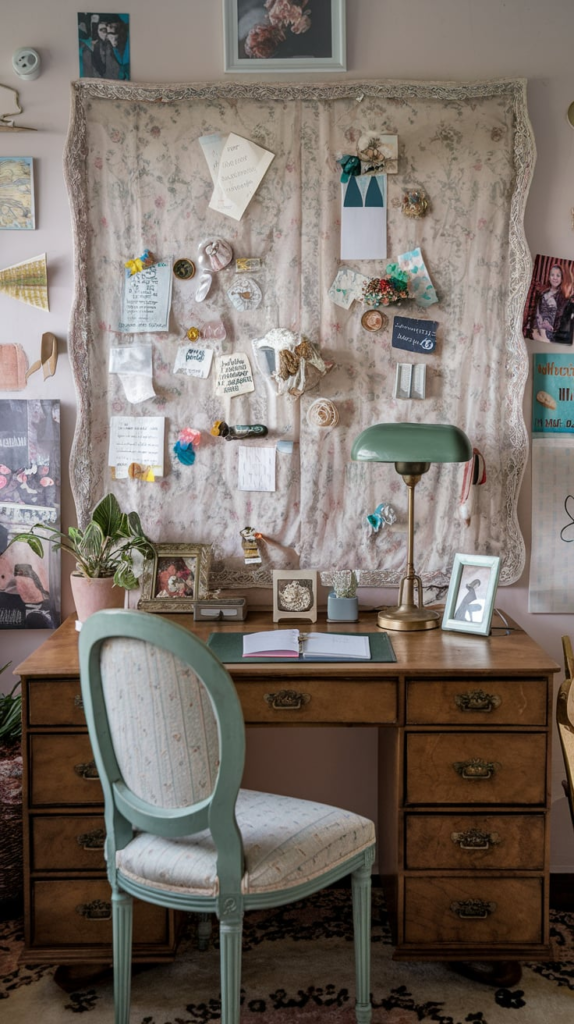
Having a trash bin within arm’s reach encourages immediate disposal of waste like paper scraps and packaging, preventing clutter accumulation. Regularly emptying the bin maintains a clean and inviting workspace.
Optimize Your Bookshelf for Function and Style
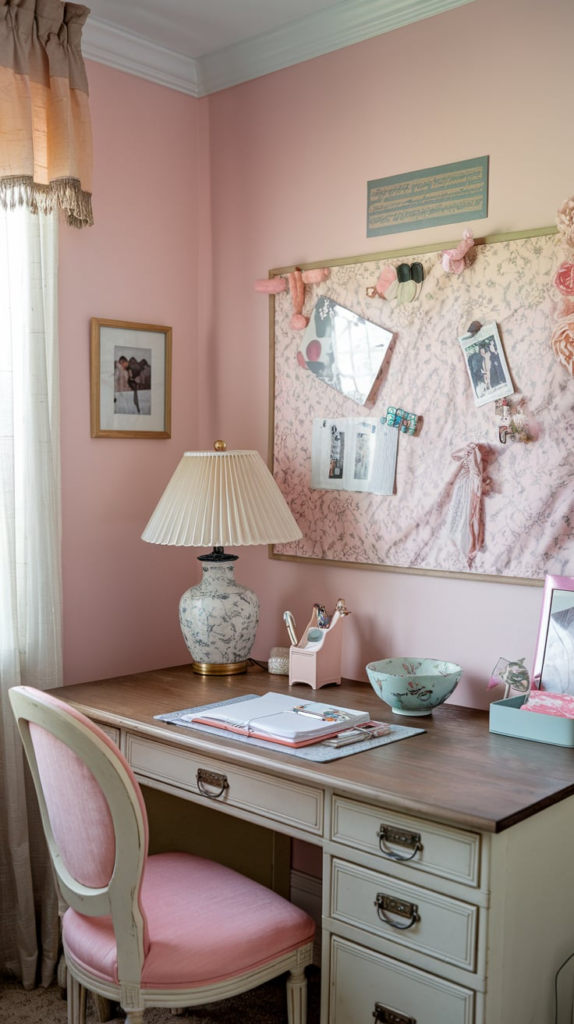
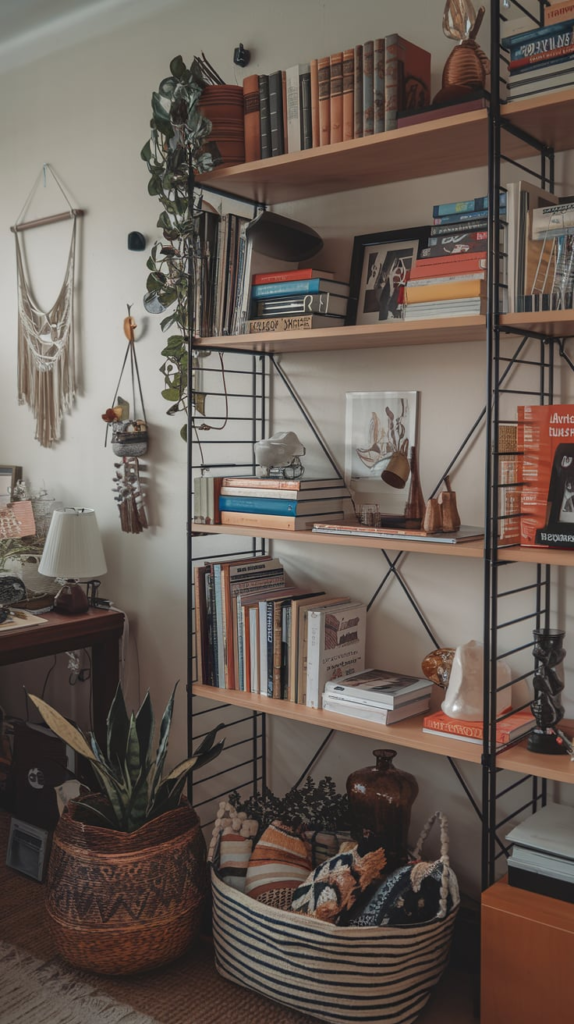
Arrange your bookshelves thoughtfully by grouping books by theme, color, or size to suit your workflow. Incorporate decorative storage boxes or baskets on lower shelves to conceal supplies and personal items, keeping the area tidy yet accessible.
Assign a Home for Every Item
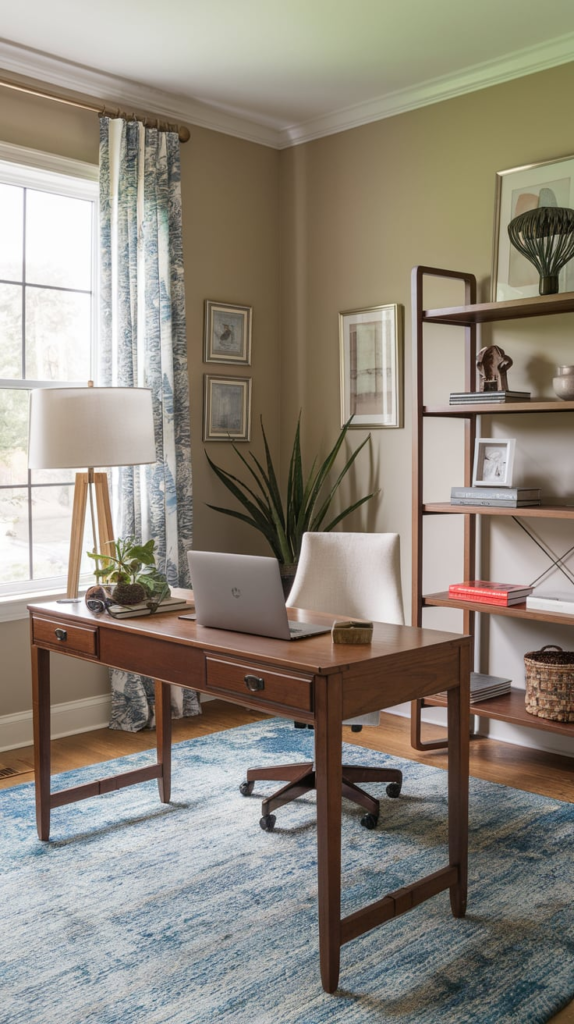
One of the most effective organizational habits is to give every item a specific place. Whether it’s your writing instruments, notebooks, or coffee cup, knowing exactly where things belong makes tidying up effortless and reduces clutter.
Choose Furniture That Serves Multiple Purposes
In smaller spaces, multi-functional furniture is invaluable. Desks with built-in storage or chairs that double as filing units maximize your area without sacrificing style or accessibility.
Regularly Assess and Adapt Your Workspace
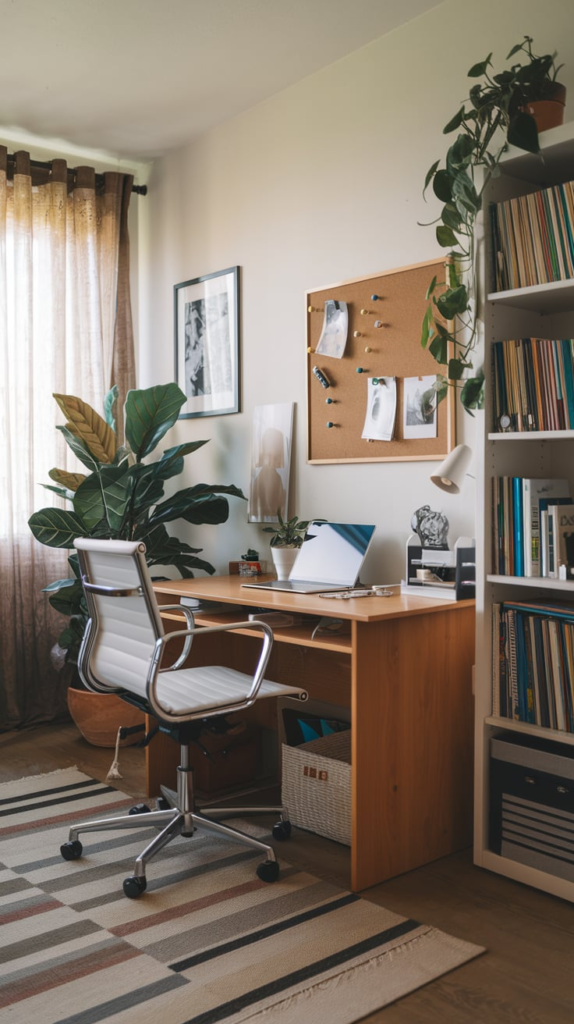
Maintaining an organized office is an ongoing process. Periodically evaluate your setup to ensure it aligns with your evolving work habits. Adjust storage solutions, layout, and organization methods to keep your environment efficient and comfortable.
Minimize Noise and Visual Distractions
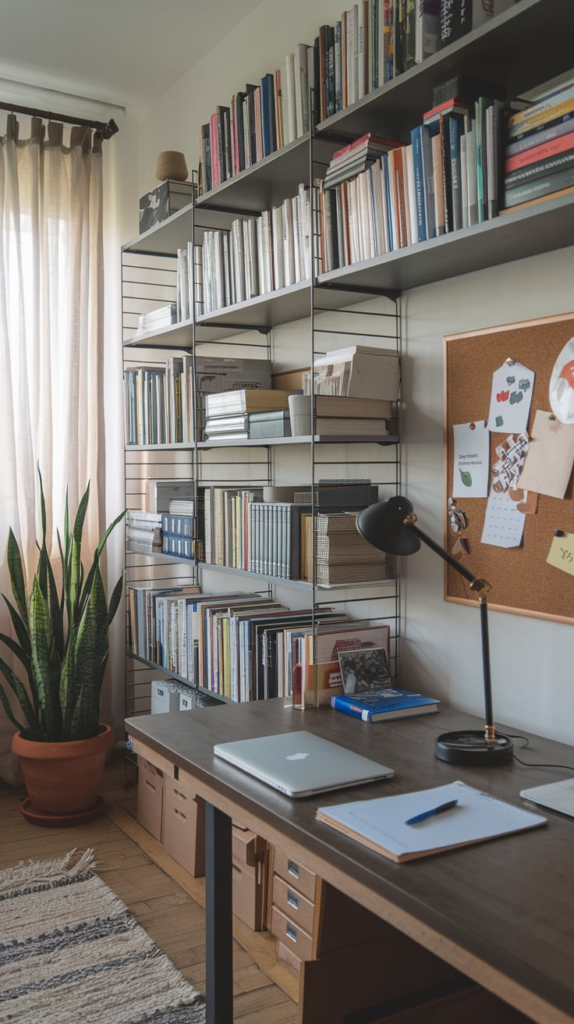
Distractions can come from sound or visual clutter. If you thrive in silence, consider soundproofing options or noise-canceling headphones. To reduce visual distractions, use blinds or curtains to control lighting and maintain a calm, focused atmosphere.
Consistency Is Key to Long-Term Organization
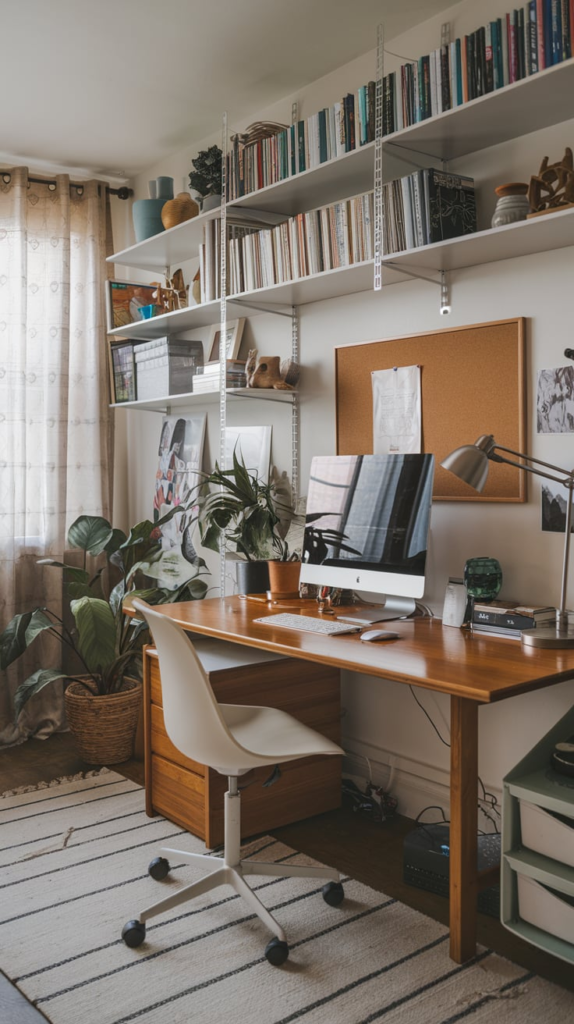
After setting up your organized office, maintaining it requires consistent habits. Make it a routine to put items back after use, file documents promptly, and tidy your space before starting new projects. This discipline ensures your workspace remains a productivity powerhouse.
Final Thoughts
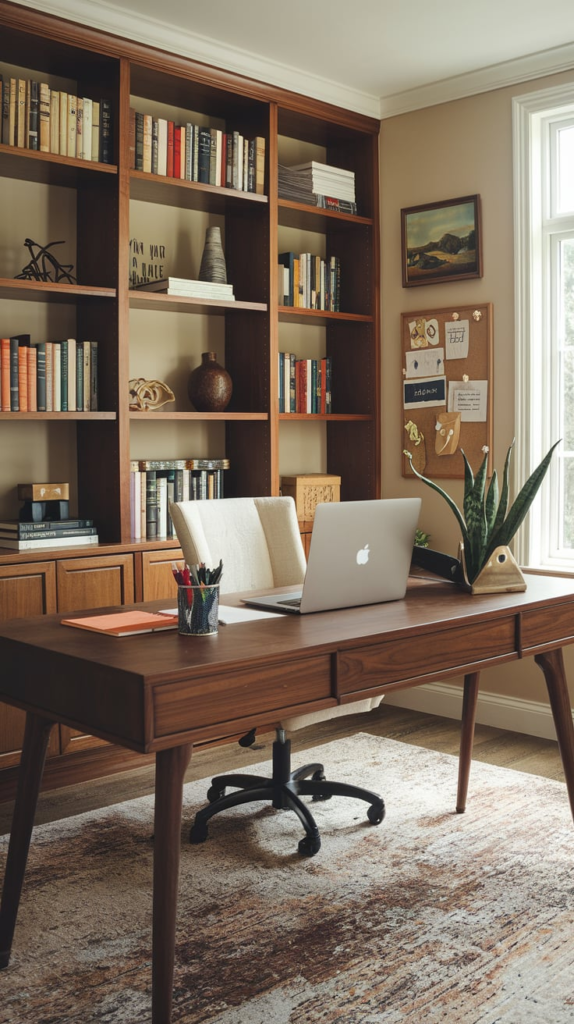
Transforming your home office into an organized, efficient space may seem challenging initially, but the benefits to your productivity and mental clarity are well worth the effort. Remember, a well-ordered workspace is more than just neatness-it’s about creating an environment tailored to support your unique work style and daily needs.