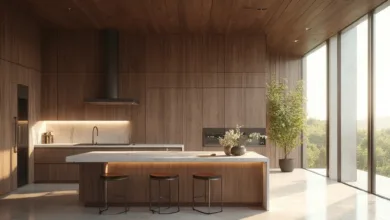
Exploring the Warmth of Brown Kitchens: Merging Classic Charm with Modern Elegance. Brown has long symbolized comfort, reliability, and a grounded atmosphere. This hue has been a favored choice in interior design for ages, especially in kitchen spaces.
From cabinetry to countertops and flooring, brown elements offer a timeless allure that fits seamlessly into today’s kitchen aesthetics.
In this piece, we delve into why brown remains a beloved color in kitchen design and how to stylishly incorporate it into contemporary settings.
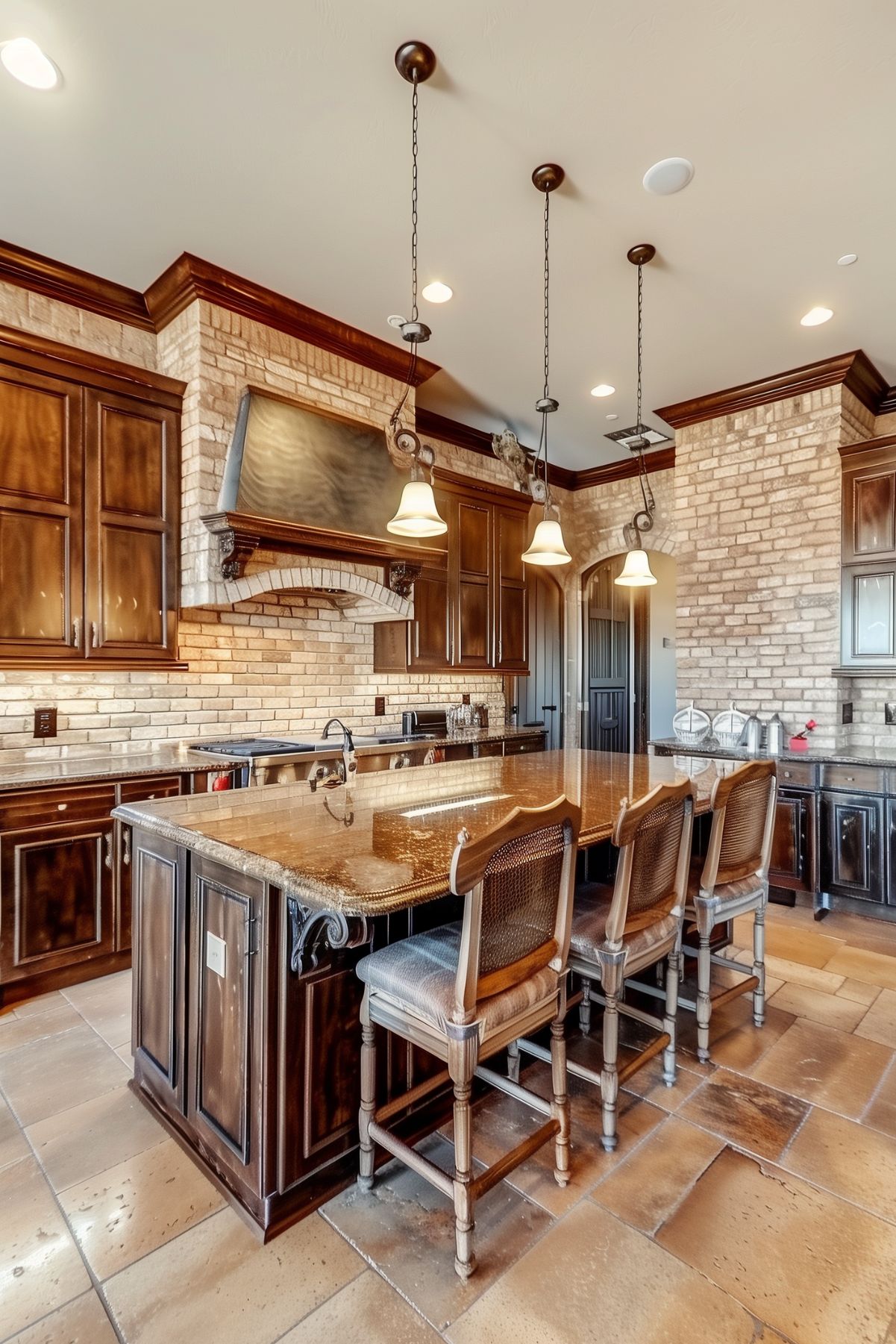
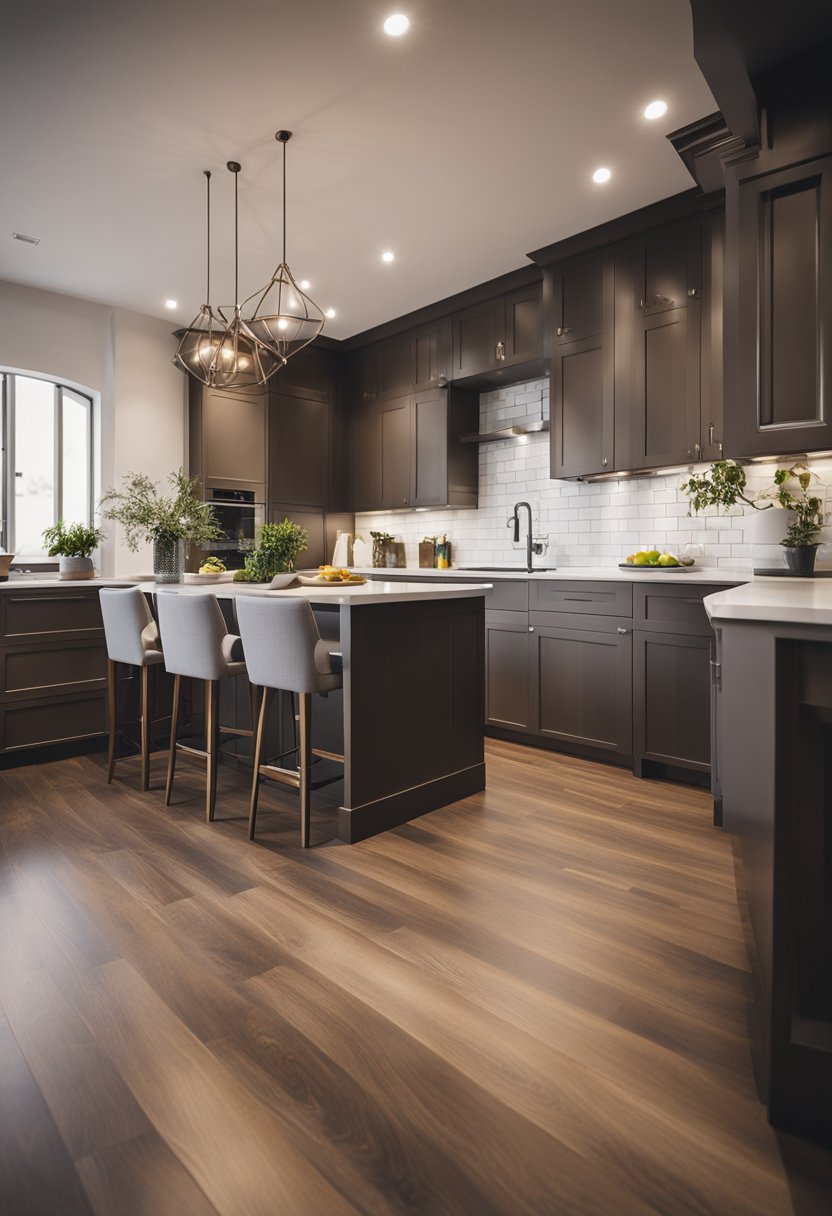
Brown is incredibly adaptable in kitchen design, serving either as the dominant color or as a subtle accent. Brown cabinetry paired with matching countertops can create a cozy, welcoming environment.
Alternatively, brown flooring or backsplash tiles can introduce texture and dimension without overwhelming the space.
Its compatibility with a broad spectrum of colors makes brown a flexible choice for diverse kitchen styles.
Essential Insights
- Brown is a classic color with a rich history in interior design.
- It offers versatility, functioning well as both a primary and accent color in kitchens.
- Brown harmonizes effortlessly with many other hues, enhancing various design schemes.
Why Brown Continues to Captivate in Kitchen Interiors
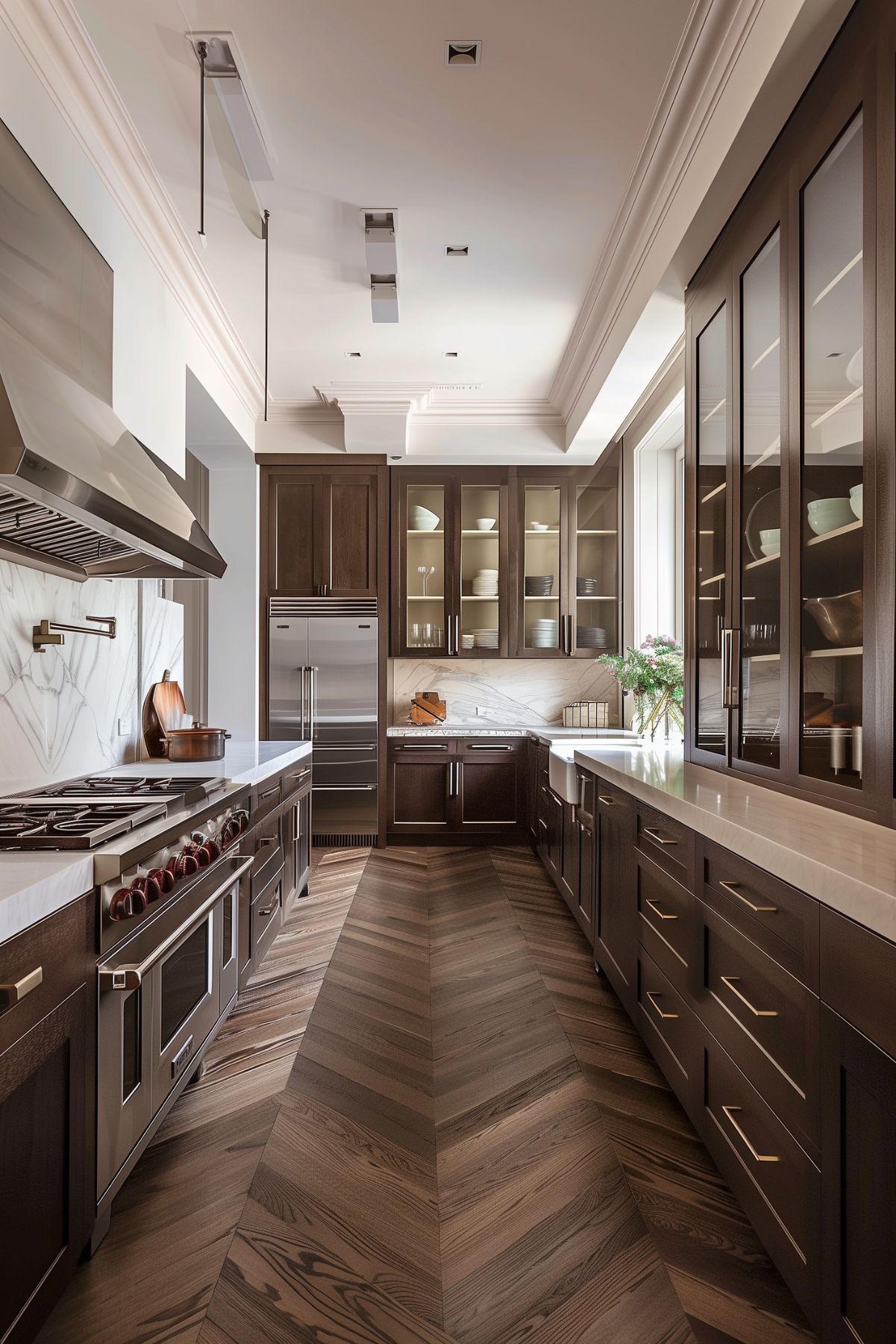
Brown has remained a cornerstone in kitchen aesthetics due to its enduring appeal and adaptability. It effortlessly blends tradition with modernity, making it a favored option for homeowners seeking a warm yet stylish kitchen.
Its ability to foster a sense of comfort and grounding is unmatched, creating spaces that feel both inviting and balanced.
One of brown’s greatest strengths is its versatility. It can be incorporated through cabinetry, countertops, flooring, or backsplashes, allowing for endless design possibilities.
Pairing brown with neutrals like cream or gray softens the look, while combining it with vibrant colors such as teal or mustard adds a contemporary twist.
From a practical standpoint, brown tones are excellent at concealing everyday kitchen wear and tear, such as spills or stains, making them a smart choice for busy households.
Moreover, brown’s timeless nature ensures your kitchen remains stylish and relevant for years to come.
Ultimately, the lasting charm of brown in kitchen design lies in its warmth, flexibility, and practicality, making it a reliable choice for creating inviting culinary spaces.
Incorporating Brown into Contemporary Kitchen Designs
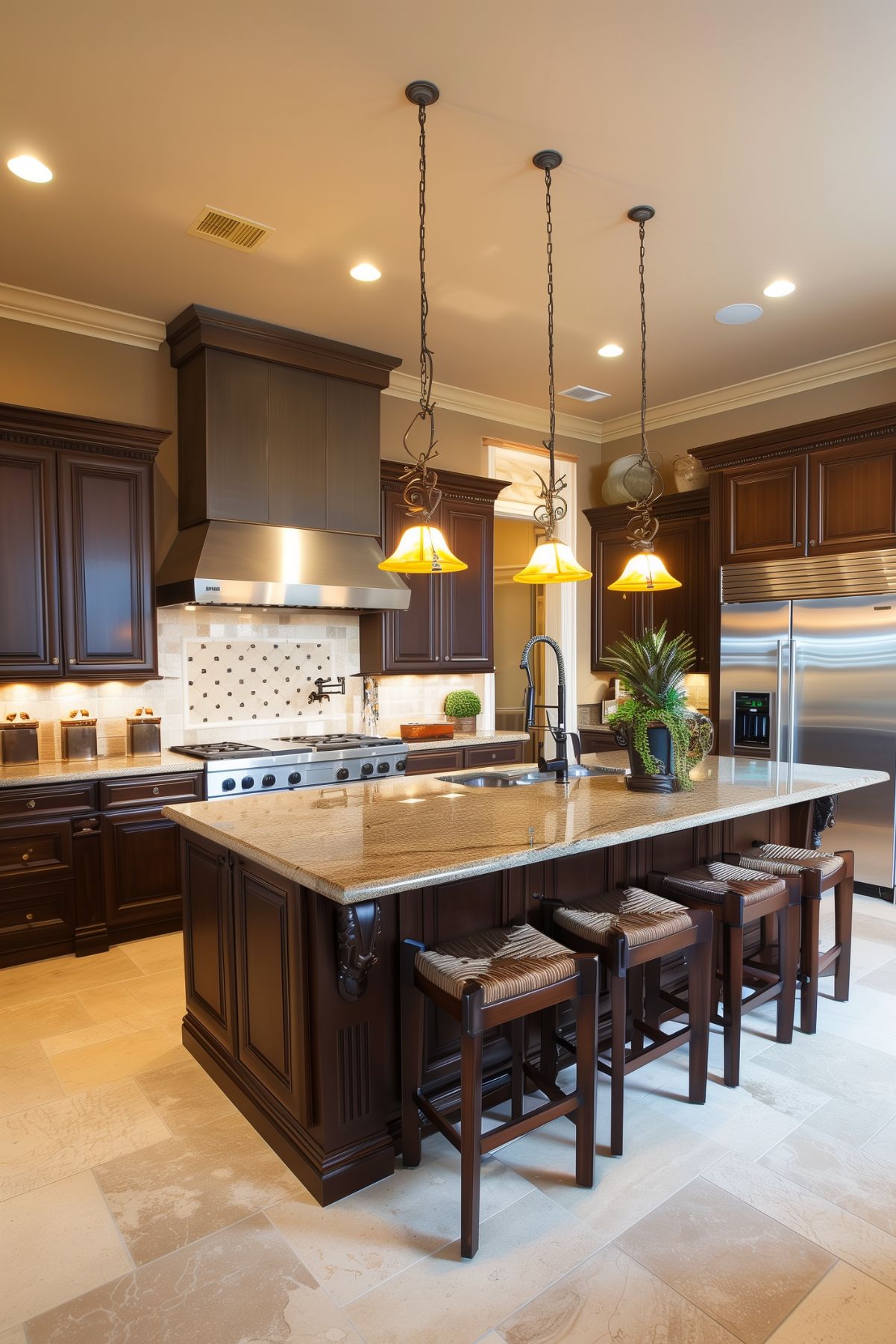
Brown remains a favored palette for modern kitchens, offering a cozy yet sophisticated backdrop. Here are some strategies to seamlessly weave brown into your kitchen’s design.
Selecting the Ideal Brown Hue
Choosing the right shade of brown is crucial to setting the kitchen’s mood.
Soft, lighter browns like beige or camel evoke tranquility and openness, while deeper tones such as mahogany or espresso introduce richness and drama.
Consider the kitchen’s lighting and size when making your selection to ensure the color enhances the space.
Pairing Brown with Complementary Colors
Brown pairs beautifully with a spectrum of colors to create diverse aesthetics.
For a fresh, airy feel, combine brown with crisp whites or soft creams.
To add contrast and depth, integrate charcoal grays or matte blacks.
For a splash of vibrancy, accents in emerald green or navy blue can energize the space.
Explore [brown kitchen decor](https://www.amazon.com/s?k=brown+kitchen+decor&tag=blogfizzb-20) for accessories that enhance these combinations.
Choosing Materials and Textures
The tactile quality of materials plays a significant role in a brown kitchen’s ambiance.
Wooden floors or cabinetry with visible grain add warmth and organic texture.
Leather bar stools or woven fabric cushions introduce softness and sophistication.
Mixing matte and glossy finishes can create visual interest and balance.
Consider [kitchen countertops](https://www.amazon.com/s?k=kitchen+countertops&tag=blogfizzb-20) that complement brown tones for a cohesive look.
By thoughtfully selecting shades, color pairings, and materials, you can craft a brown kitchen that feels both contemporary and inviting.
Brown Cabinets: The Heart of Your Kitchen
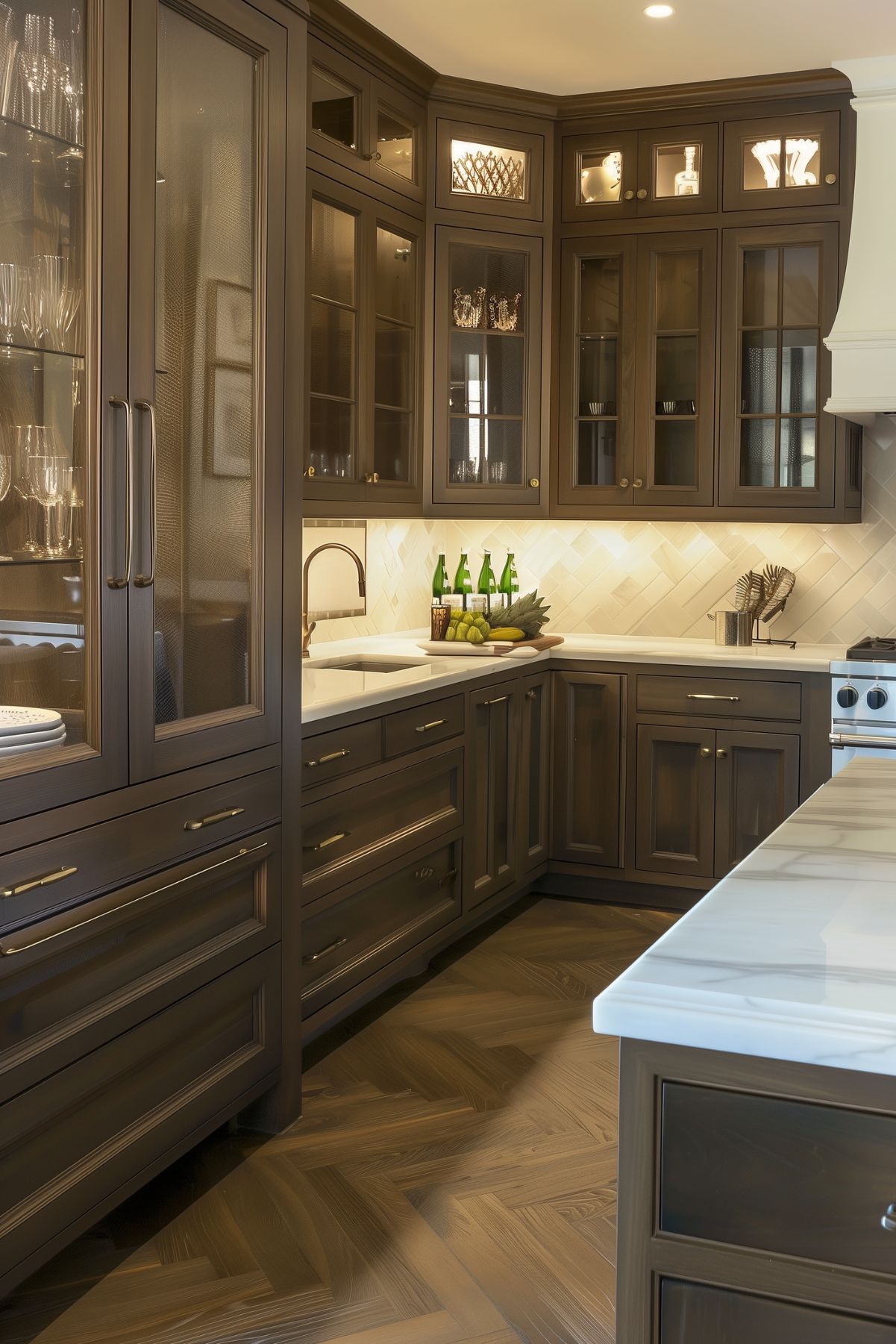
Brown cabinetry serves as a versatile and enduring foundation for kitchen design.
Its adaptability allows it to harmonize with various styles, from rustic farmhouse to sleek modern.
Let’s explore popular wood types, finishes, and design options to help you customize your cabinets.
Wood Varieties and Finishes
Brown cabinets can be crafted from numerous woods, each offering distinct textures and tones:
- Mahogany: Known for its deep reddish-brown hue, mahogany ages gracefully, developing a rich patina over time.
- Ash: Featuring a light, straight grain, ash can be stained to mimic darker woods while maintaining durability.
- Hickory: Hickory’s varied grain and color patterns add character and rustic charm.
- Teak: Teak offers a warm, golden-brown tone with natural oils that resist moisture and wear.
Finishes also influence the cabinet’s vibe: a high-gloss lacquer imparts a modern edge, while a matte or satin finish evokes a cozy, traditional feel.
Cabinet Designs and Hardware Choices
Brown cabinets can be tailored through style and hardware to suit your kitchen’s personality.
Popular cabinet styles include:
- Flat-Panel: Sleek and minimalist, perfect for contemporary kitchens.
- Beadboard: Adds texture and a cottage-like charm.
- Inset: Offers a classic, high-end look with doors set flush within the frame.
Hardware options range from:
- Matte black pulls: For a bold, modern statement.
- Antique brass knobs: To introduce vintage warmth.
- Brushed stainless steel handles: For a clean, industrial touch.
Choosing the right combination of wood, finish, style, and hardware allows you to create cabinetry that is uniquely yours.
Countertops and Backsplashes: Enhancing Brown Cabinetry
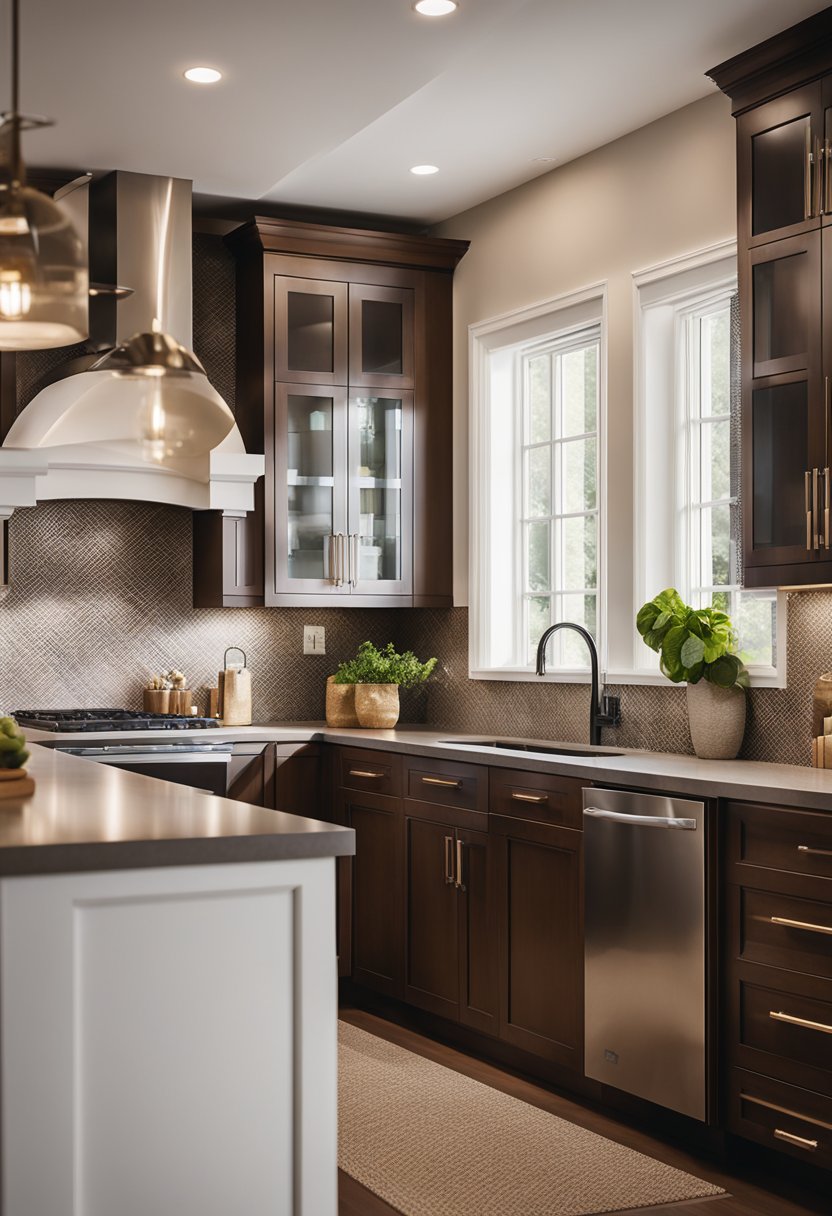
Choosing the Right Materials
Countertops and backsplashes play a pivotal role in complementing brown cabinetry.
Consider these popular materials:
- Soapstone: Known for its smooth texture and dark, matte finish, soapstone pairs beautifully with brown tones.
- Concrete: Offers an industrial, customizable surface that contrasts nicely with warm cabinetry.
- Recycled Glass: Eco-friendly and colorful, it adds sparkle and interest.
- Solid Surface: Durable and seamless, available in numerous shades to coordinate with brown.
Harmonizing Colors and Patterns
When selecting countertops or backsplashes, color harmony is key.
Tips include:
- Contrast: Light-colored quartz or marble countertops can brighten dark brown cabinets.
- Complement: Earth-toned granite with flecks of brown can unify the kitchen’s palette.
- Accent: Incorporate colorful mosaic tiles in greens or blues for a lively backsplash.
Explore [kitchen backsplash ideas](https://www.amazon.com/s?k=kitchen+backsplash&tag=blogfizzb-20) to find materials that enhance your brown cabinetry.
Flooring Solutions That Elevate Brown Kitchens
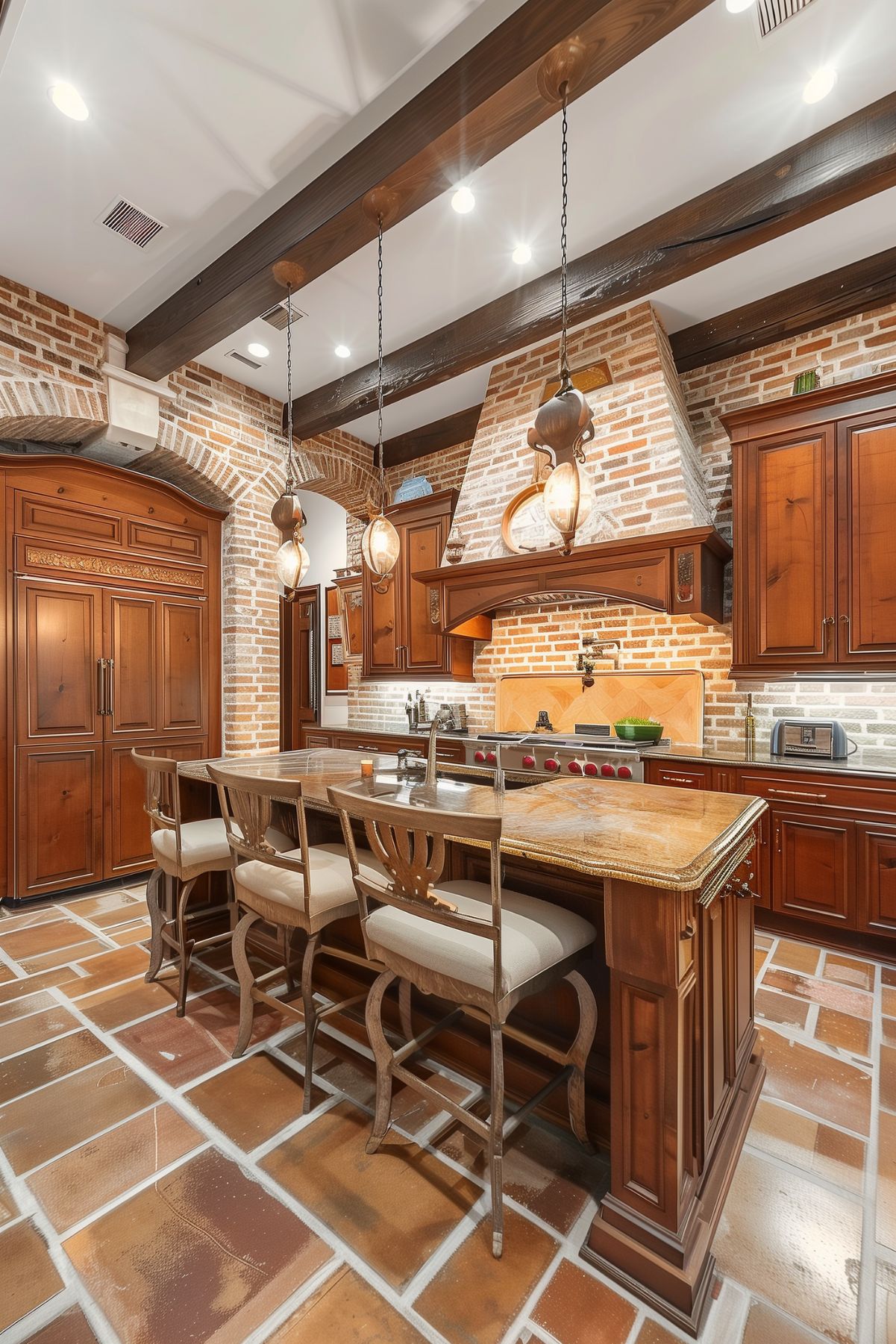
Choosing the perfect flooring is essential to complement the warmth of brown kitchens.
Here are two favored options:
Engineered Wood and Luxury Vinyl Planks
Engineered wood offers the beauty of hardwood with enhanced moisture resistance, ideal for kitchens.
Luxury vinyl planks mimic wood’s appearance while providing durability and easy maintenance.
Both come in a variety of brown shades, from honey to deep walnut.
These options are practical and stylish, perfect for high-traffic kitchen areas.
Ceramic and Porcelain Tiles
Ceramic and porcelain tiles are resilient and easy to clean, making them excellent for kitchens.
They come in diverse patterns and colors, including wood-look tiles that blend seamlessly with brown cabinetry.
Large-format tiles can visually expand smaller kitchens, while patterned tiles add personality.
Consider grout colors that complement your brown tones for a polished finish.
Both flooring types offer durability and aesthetic appeal, so weigh your lifestyle needs and design preferences when choosing.
Optimizing Lighting in Brown Kitchen Spaces
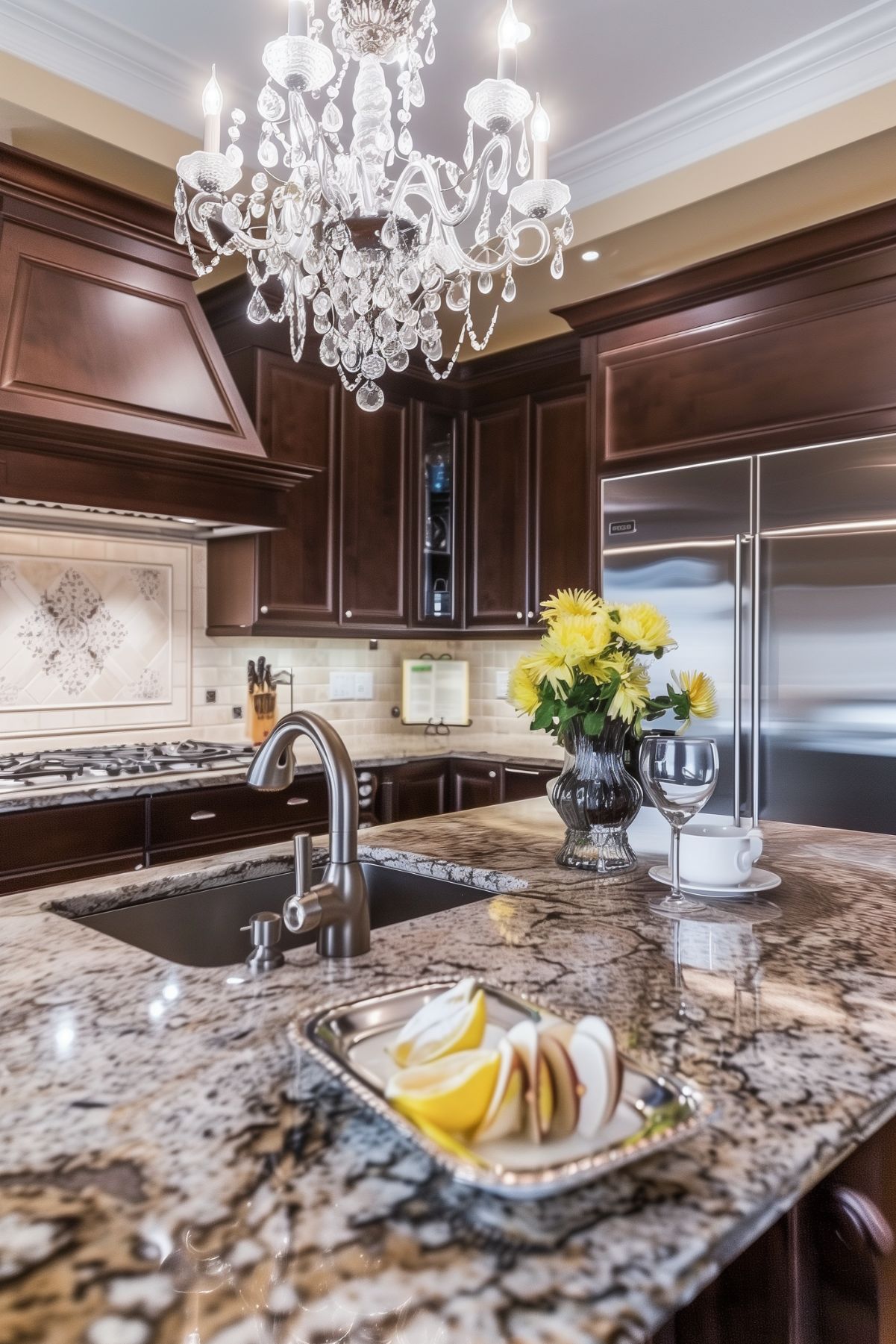
Lighting profoundly influences the ambiance and functionality of brown kitchens.
Here’s how to make the most of both natural and artificial light.
Maximizing Daylight
Natural light enhances the richness of brown hues and opens up the space.
Strategically placed windows or skylights can flood the kitchen with sunlight.
Light-filtering window treatments maintain privacy without sacrificing brightness.
Incorporate reflective surfaces like glossy backsplashes or mirrors to amplify daylight.
Artificial Lighting Strategies
When daylight fades, well-planned artificial lighting keeps the kitchen inviting and practical.
Use warm LED bulbs (2700K-3000K) to complement brown tones.
Layer lighting with ceiling fixtures, under-cabinet lights, and pendant lamps for depth.
Fixtures with bronze or copper finishes harmonize beautifully with brown cabinetry.
Check out [kitchen lighting fixtures](https://www.amazon.com/s?k=kitchen+lighting+fixtures&tag=blogfizzb-20) to find options that enhance your space.
Thoughtful lighting design ensures your brown kitchen remains warm, welcoming, and functional throughout the day.
Elevating Your Brown Kitchen with Thoughtful Accessories
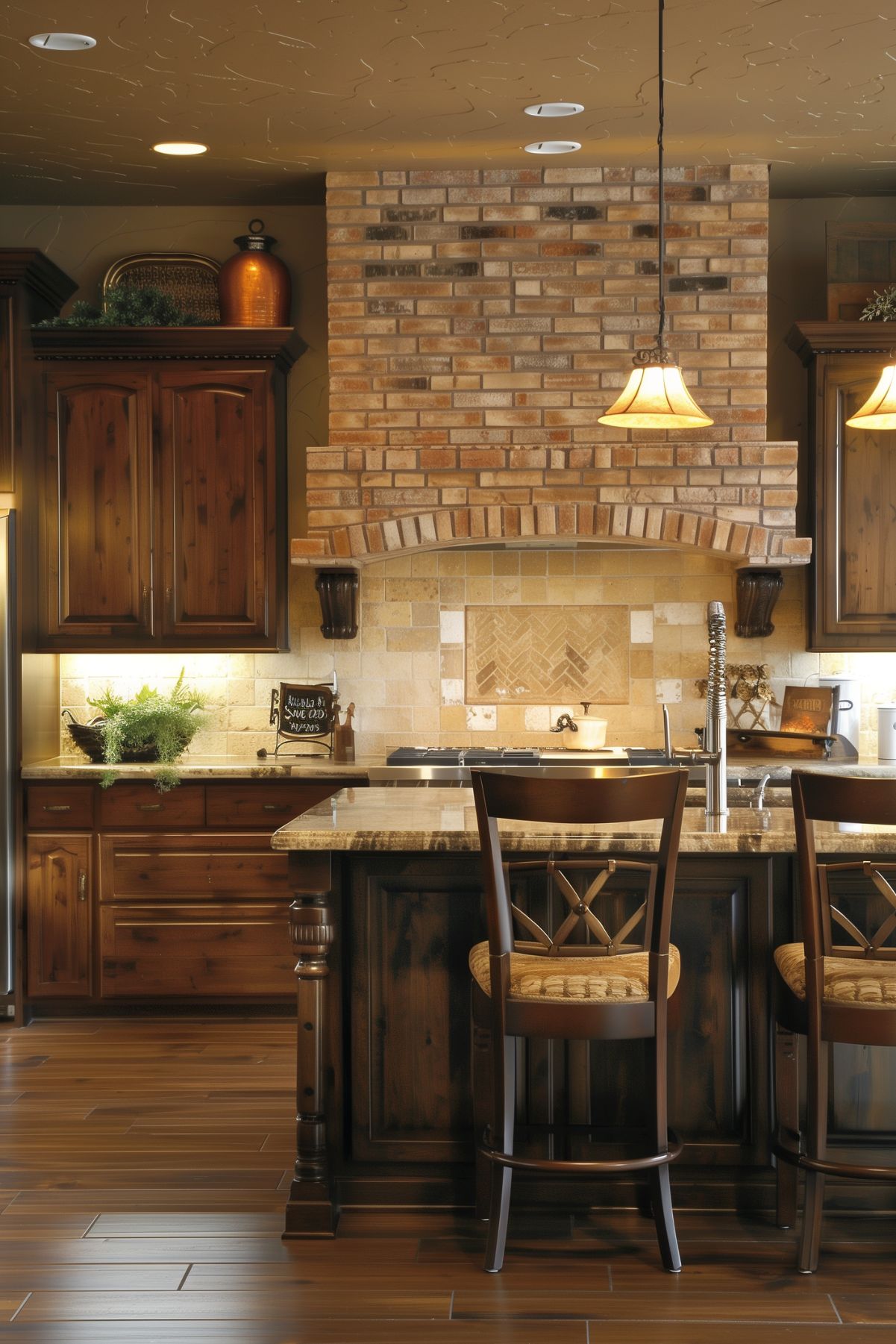
Accessorizing is key to personalizing your brown kitchen and adding layers of style.
Here are some ideas to enhance your space with accents and textiles.
Metallic Touches and Fixtures
Incorporate metallic elements like brushed nickel or matte black hardware to add contrast and shine.
Lighting fixtures such as pendant lamps or chandeliers in warm metals like bronze or copper can serve as focal points.
These details bring sophistication and a modern edge to brown kitchens.
Textiles and Decorative Elements
Introduce patterned rugs or runners to add texture and comfort underfoot.
Window treatments in neutral or earth tones complement brown cabinetry without overwhelming the space.
Display curated collections, such as artisanal pottery or framed prints, to infuse personality.
Explore [kitchen rugs](https://www.amazon.com/s?k=kitchen+rugs&tag=blogfizzb-20) to find pieces that blend style and function.
Balancing finishes, fabrics, and decor creates a harmonious and inviting kitchen environment.
The Psychological Influence of Brown in Kitchen Environments
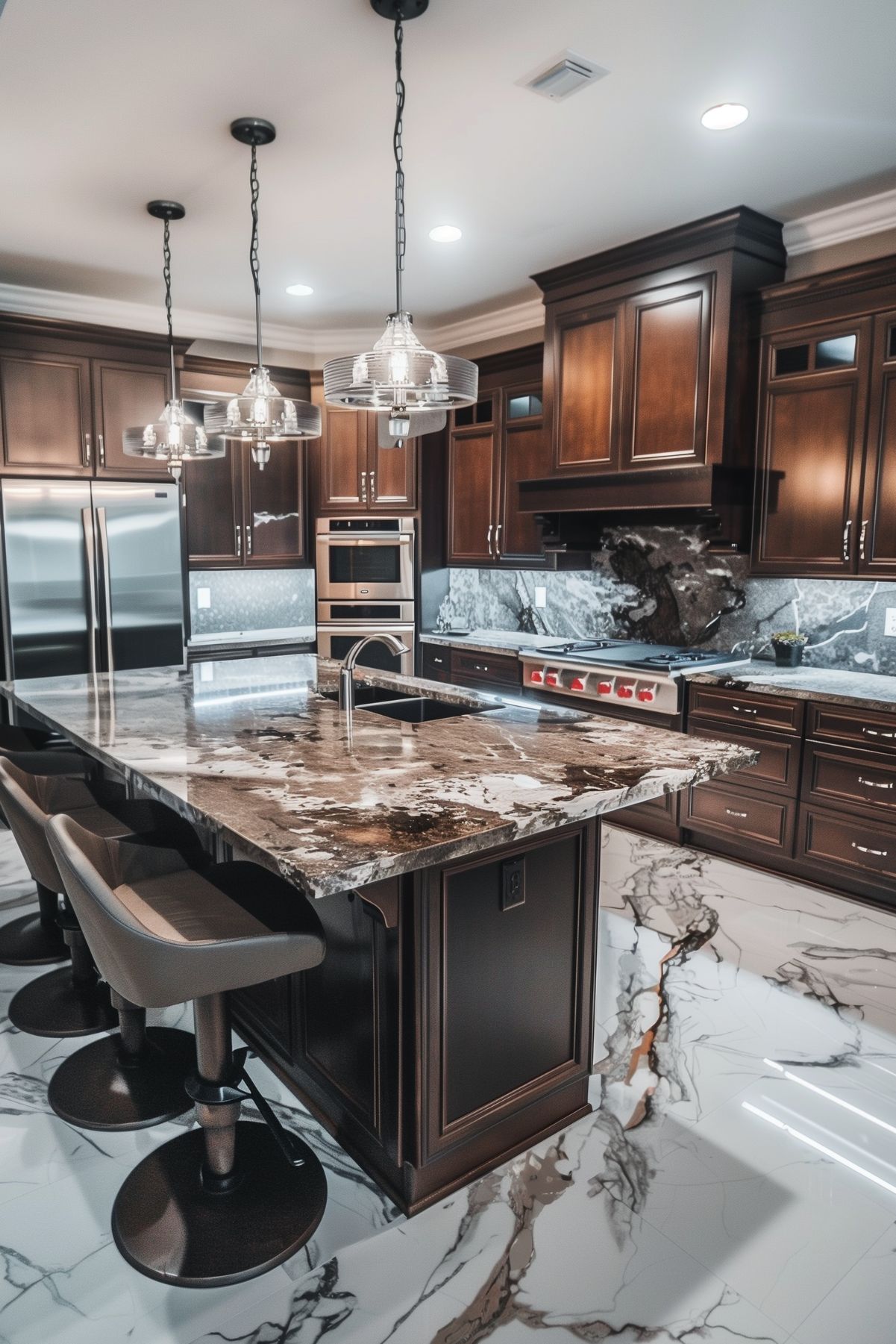
Brown evokes feelings of security, warmth, and groundedness, making it an ideal color for kitchen spaces where comfort and connection are paramount.
Its earthy tones foster a nurturing environment, encouraging relaxation and togetherness during meal preparation and social gatherings.
Color psychology suggests that brown helps individuals feel anchored and stable, which can reduce stress and promote a sense of well-being.
Incorporating natural wood elements or brown-hued paints and wallpapers can amplify these effects.
To avoid a heavy or dark atmosphere, balance brown with lighter shades like soft whites, pale blues, or gentle greens.
Maximizing natural light further enhances the welcoming quality of brown kitchens.
Ultimately, brown kitchens offer a timeless, comforting space that supports both daily living and memorable moments with loved ones.