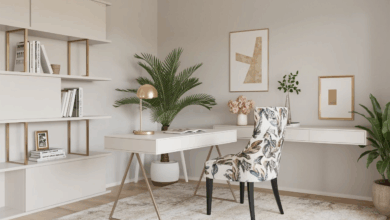
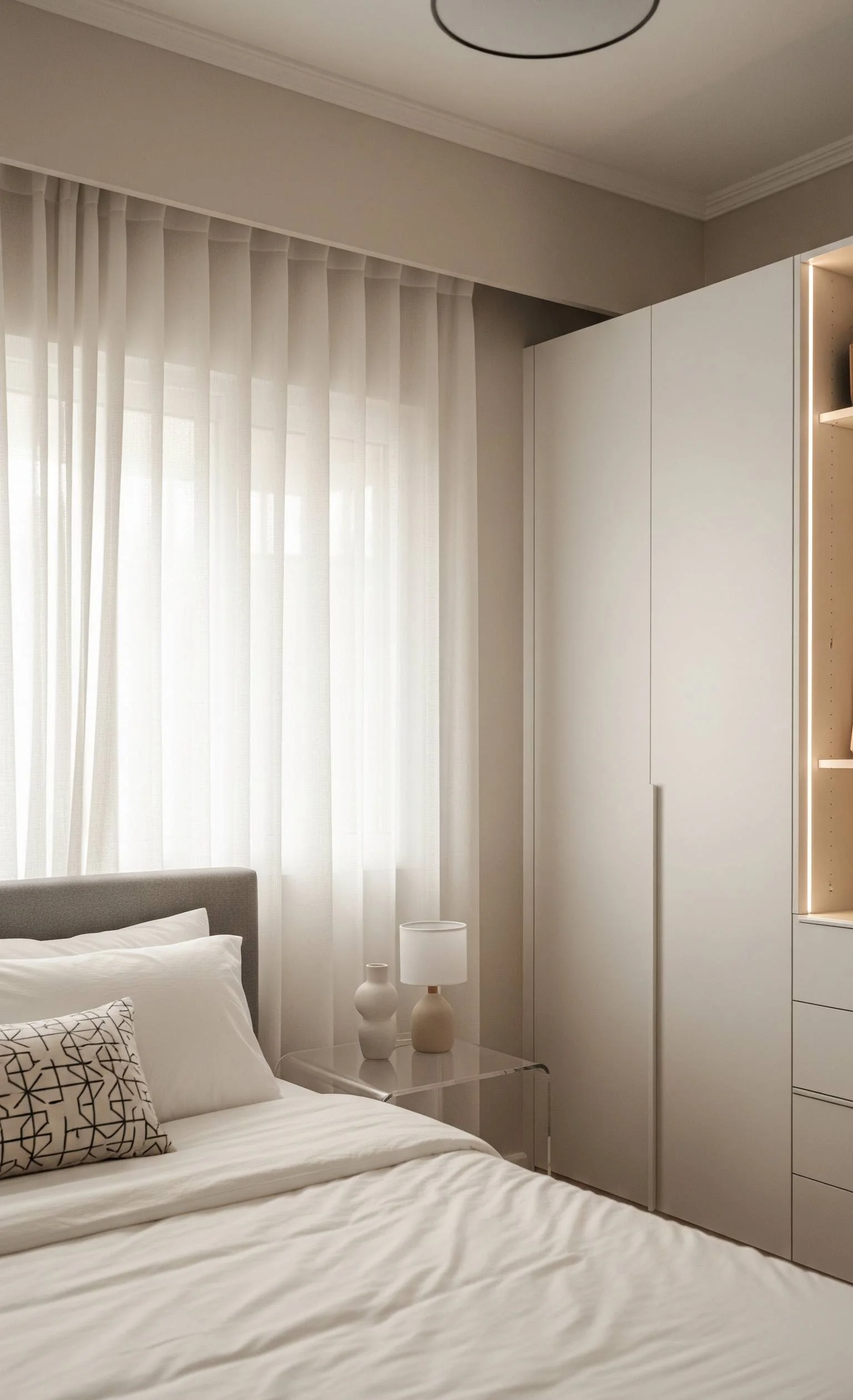
Your bedroom should serve as a tranquil retreat, a space dedicated to rest and renewal.
Yet, it often transforms into a dumping ground for clothes, books, and various belongings, resulting in a chaotic and stressful atmosphere.
Clearing out your bedroom goes beyond simple tidying; it’s about crafting a serene and practical environment that nurtures your mental and physical health.
This detailed guide offers a structured approach to help you declutter your bedroom efficiently and sustainably.
Step 1: Laying the Groundwork for Success

Before diving into the decluttering process, it’s essential to prepare thoughtfully. Preparation ensures the task feels manageable and less daunting.
- Allocate Dedicated Time: Set aside specific periods for decluttering. Avoid attempting to complete everything in one go to prevent exhaustion. Breaking the task into smaller, focused sessions can enhance productivity.
- Assemble Necessary Materials: Gather trash bags, boxes for donations, cleaning tools (such as microfiber cloths, multipurpose cleaners, and a vacuum), and storage solutions like bins or organizers for items you plan to keep.
- Visualize Your Ideal Space: Envision how you want your bedroom to look and feel after decluttering. Whether you prefer a minimalist haven, a cozy nook, or a meticulously organized area, having a clear goal will keep you motivated.
- Establish Personal Guidelines: Set rules for yourself, such as assigning a specific place for every item or committing to parting with belongings that no longer serve you.
Step 2: Tackle One Zone at a Time

Approach your bedroom in sections rather than attempting to declutter the entire room simultaneously. This method helps maintain focus and provides a sense of accomplishment as you progress.
- Closet: Often the biggest contributor to clutter.
- Clear it out completely: Remove all items and spread them out on your bed or floor to get a full overview.
- Sort into groups: Create piles labeled “Keep,” “Donate/Sell,” and “Discard.”
- Assess each piece: Reflect on questions like:
- Have I worn this in the past twelve months? (Seasonal exceptions apply.)
- Does it fit well and feel comfortable?
- Is it free from damage such as stains or tears?
- Do I feel confident and happy wearing it?
- Be decisive: Avoid holding onto items out of guilt or “just in case” scenarios. If it doesn’t add value or joy, it’s time to let it go.
- Optimize storage: Use uniform hangers, shelf dividers, and storage bins to maximize closet space and maintain order.
- Dresser and Nightstands: These spots often collect miscellaneous small items.
- Empty all drawers and surfaces: Lay everything out to evaluate.
- Discard unnecessary items: Remove trash, expired products, or things you no longer use, such as old cosmetics or dried-up pens.
- Organize thoughtfully: Utilize drawer dividers or small containers to separate items by category.
- Maintain clear surfaces: Limit items on top to essentials and a few decorative accents to keep a tidy look.
- Under-Bed Storage: This area can easily become a clutter trap.
- Remove everything: Identify what’s stored beneath your bed.
- Keep only what’s necessary: Store items you use infrequently, like seasonal bedding or extra blankets.
- Invest in slim storage bins: Flat containers designed for under-bed use help keep belongings dust-free and organized.
- Additional Spaces: Don’t overlook bookshelves, corners, or other nooks where clutter may accumulate. Apply the same empty-sort-purge routine.
Step 3: Making Thoughtful Choices About What to Keep

Deciding which items to retain can be the most difficult part of decluttering. Use these criteria to guide your decisions:
- Frequency of Use: Have you used this item recently? If not, and it lacks sentimental or practical importance, consider releasing it.
- Condition and Fit: Does the item still fit or function properly? Broken or ill-fitting items usually just occupy space unnecessarily.
- Emotional and Practical Value: Does this object bring you happiness or serve a meaningful purpose? If it doesn’t, it might be time to part ways.
- Redundancy: Do you own multiple items serving the same function? Keep the best or most frequently used and let go of duplicates.
- Sentimental Keepsakes: These can be tricky. Reflect on:
- Why do I hold onto this? What memories does it represent?
- Could a photo or written memory replace the physical item?
- Is my attachment genuine or out of obligation?
- Consider creating a special memory box for a select few cherished items.
Step 4: Efficiently Removing Unwanted Items
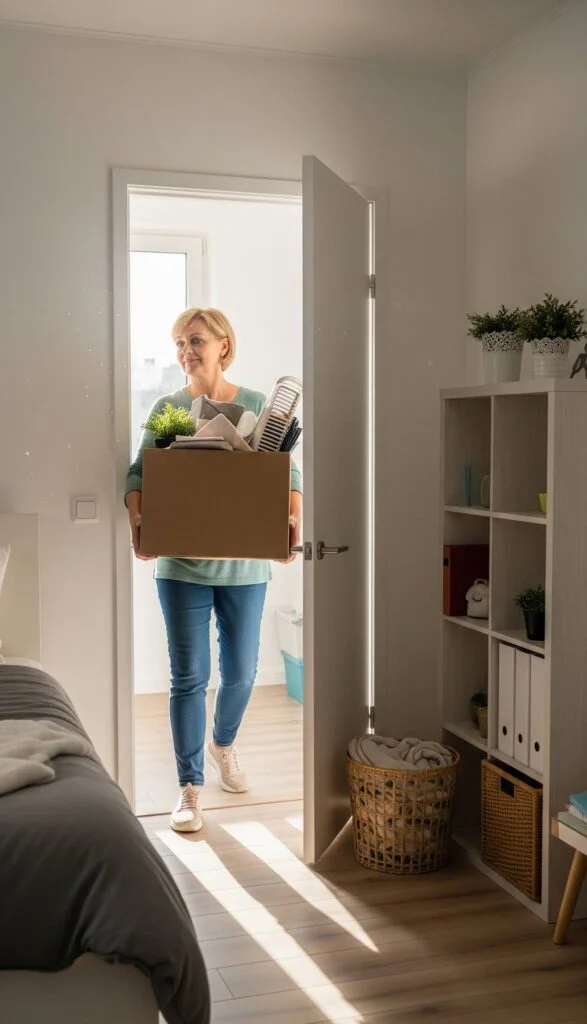
After sorting, promptly remove items you’ve decided to part with to prevent clutter from creeping back.
- Donate: Deliver donation items to local charities or thrift stores without delay.
- Sell: For items in good condition, consider selling through online platforms or consignment shops. Be realistic about the time commitment involved.
- Dispose: Properly throw away broken or unusable items.
- Return Misplaced Items: If you find belongings that belong elsewhere in your home, put them away immediately to avoid creating new clutter zones.
Step 5: Smart Organization for Lasting Order
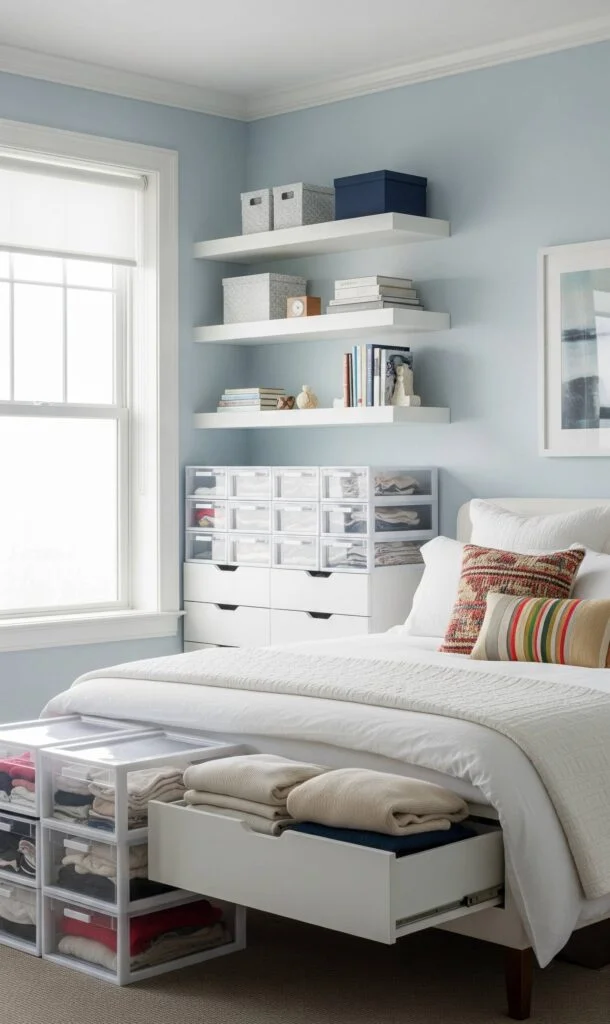
With clutter removed, focus on arranging your belongings in a way that is both practical and visually appealing.
- Assign a Home for Every Item: Ensuring each possession has a specific place simplifies tidying and retrieval.
- Maximize Vertical Storage: Use wall shelves, hooks, and over-the-door organizers to save floor space in smaller bedrooms.
- Choose Functional Storage Solutions: Incorporate bins, drawer dividers, and baskets that complement your décor and fit your space.
- Maintain Clear Surfaces: Keep dresser tops, nightstands, and desks free from clutter to foster a calm atmosphere.
- Group Similar Items: Organize by category, such as keeping all socks together or consolidating books on a dedicated shelf.
Step 6: Cleaning and Sustaining Your Organized Space

After decluttering and organizing, give your bedroom a thorough cleaning. Dust surfaces, vacuum or mop floors, and wash windows to enhance the fresh, inviting feel.
Maintaining a clutter-free bedroom requires consistent effort. Consider these strategies:
- Return Items Immediately: Make it a habit to put things back in their designated spots right after use.
- Adopt the One-In, One-Out Policy: For every new item brought into your bedroom, remove an existing one to prevent accumulation.
- Daily Quick Tidies: Spend a few minutes each day straightening up to avoid overwhelming messes.
- Seasonal Reviews: Periodically reassess your belongings, especially when changing seasonal wardrobes.
- Mindful Acquisitions: Before purchasing new bedroom items, evaluate their necessity and storage plans.
Step 7: The Positive Impact of a Clutter-Free Bedroom
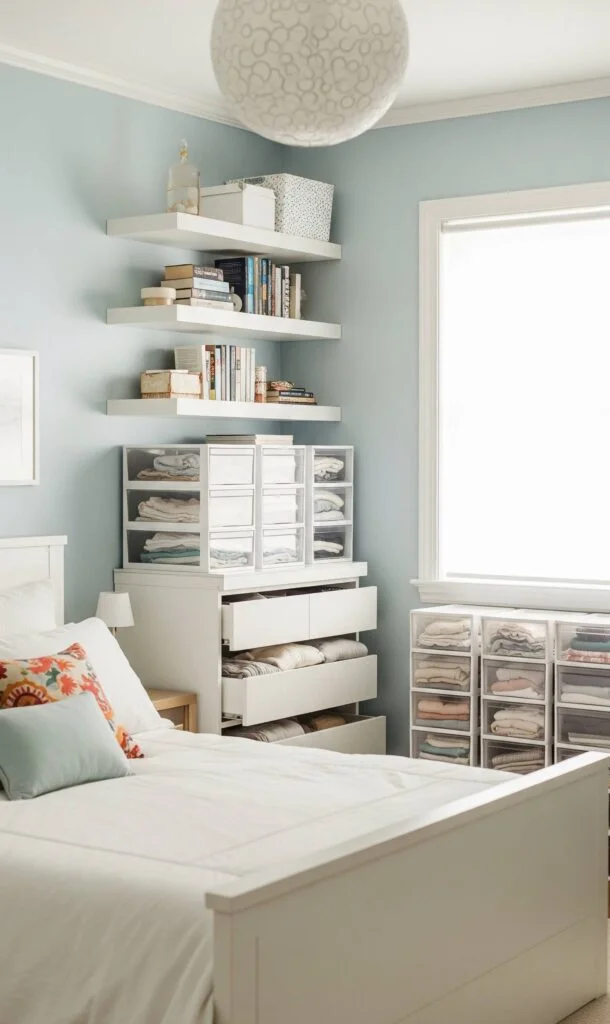
Transforming your bedroom into an orderly space offers numerous benefits, such as:
- Enhanced Sleep Quality: A tidy, serene environment promotes relaxation and reduces stress, contributing to deeper, more restful sleep.
- Lowered Stress Levels: Visual clutter can increase anxiety; a decluttered room fosters calm and mental clarity.
- Boosted Focus and Efficiency: If your bedroom doubles as a workspace, an organized setting can improve concentration and productivity.
- Streamlined Cleaning: Less clutter means quicker and easier cleaning routines.
- Empowerment Through Control: Taking charge of your space can enhance your sense of control and well-being.
- More Inviting Atmosphere: A neat bedroom becomes a pleasant sanctuary where you enjoy spending time.
Final Thoughts
Investing time in decluttering your bedroom is a powerful step toward improving your overall well-being.
By following these structured steps and committing to regular upkeep, you can cultivate a peaceful, functional haven that supports your rest and rejuvenation.
Be patient with yourself throughout the process and celebrate each milestone as you create a space that truly feels like home.
For those looking to enhance their bedroom organization, consider exploring bedroom storage solutions or closet organizers to find practical and stylish options.