
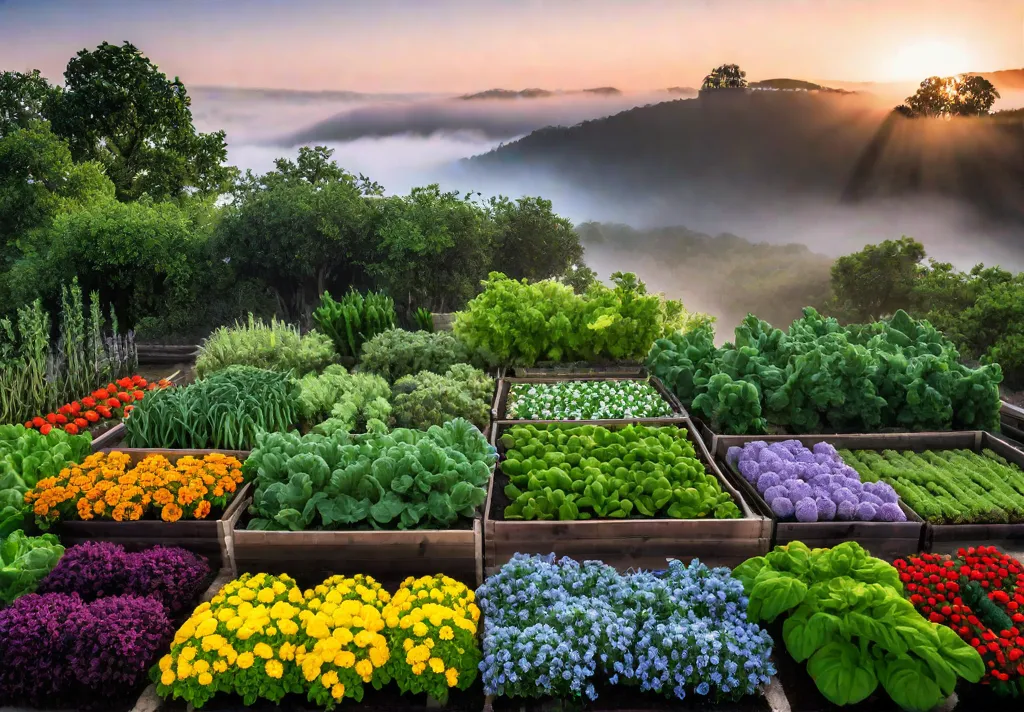
Embarking on the journey of growing your own vegetables can be incredibly satisfying, especially for those new to gardening. As someone experienced in home improvement and DIY projects, I understand the initial hesitation that comes with starting a vegetable garden. To help you overcome that, I’m sharing ten top vegetable gardening strategies tailored for beginners.
Whether you have a compact patio or a spacious backyard, these approaches will guide you in cultivating a flourishing vegetable garden. You’ll soon enjoy the benefits of fresh, homegrown produce throughout the growing season without feeling overwhelmed by the process.
Let’s explore these practical and beginner-friendly gardening methods that will empower you to become a confident vegetable gardener.
Elevated Garden Beds: Enhancing Soil and Accessibility
Elevated garden beds are an excellent choice for novice gardeners. These raised planting areas provide numerous advantages that simplify vegetable cultivation.
Primarily, they give you full control over the soil composition. You can fill these beds with a rich, well-balanced soil mix tailored to the needs of your vegetables, ensuring optimal nutrient availability for healthy growth.
Additionally, raised beds offer superior drainage, reducing the risk of water accumulation and root diseases. Their height also makes gardening more comfortable by minimizing the need to bend or kneel, which is especially beneficial for those with mobility concerns.
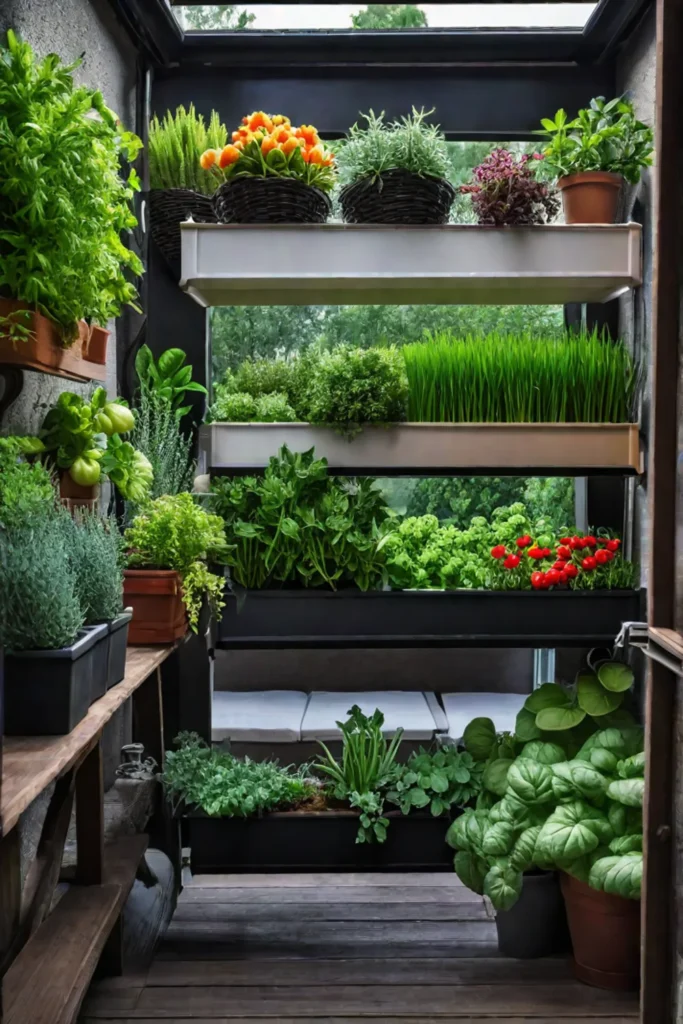
Another advantage is that the soil in raised beds warms up more quickly in early spring, allowing you to start planting sooner than traditional ground gardens.
To build your own raised bed, use durable, rot-resistant wood such as cedar or redwood to construct a sturdy frame. Fill it with a premium soil blend designed for vegetable gardening. This straightforward project can significantly boost your garden’s productivity.
Container Vegetable Gardening: Flexibility for Small Spaces
For those with limited outdoor areas, container gardening offers a versatile solution. You can cultivate vegetables in pots, planters, or even creatively repurposed containers like wooden crates or large buckets.
The flexibility of container gardening allows you to position your plants on balconies, patios, or sunny windowsills. Since containers are portable, you can easily relocate them to optimize sunlight exposure or protect plants from harsh weather.
Choosing the appropriate container size is crucial. For instance, deep pots are necessary for root-heavy plants like tomatoes, while smaller containers suffice for herbs and leafy greens.
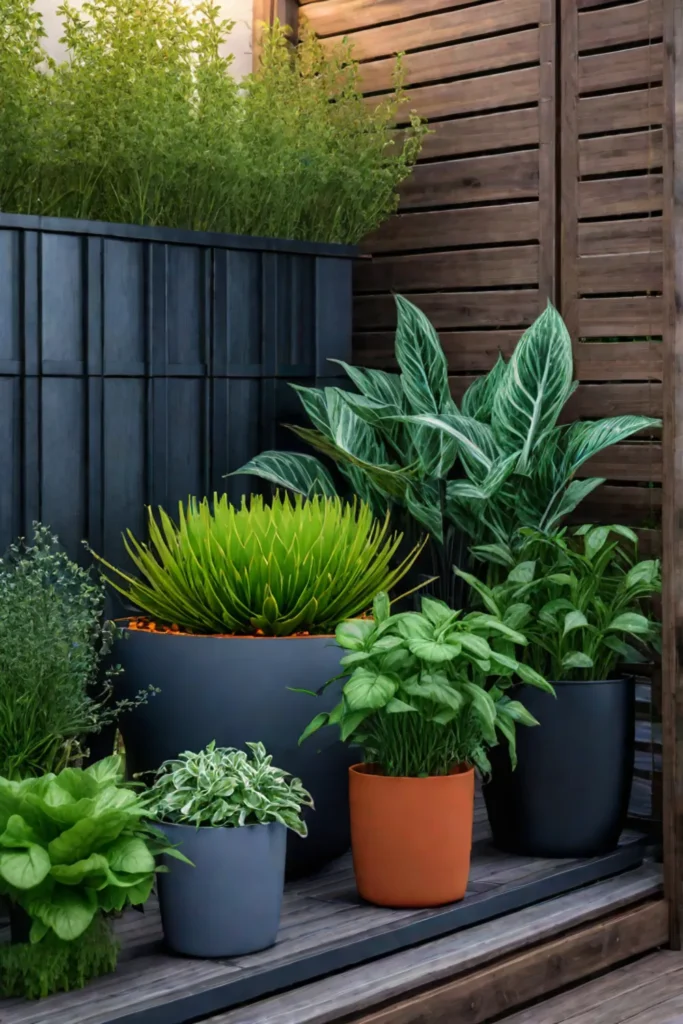
Use a high-quality, well-draining potting mix to prevent water retention issues and provide essential nutrients. With the right setup, even the smallest spaces can yield a bountiful harvest.
Explore a variety of container gardening supplies to customize your garden and maximize your growing potential.
Space-Saving Vertical Gardens: Growing Upwards for Maximum Yield
When ground space is scarce, vertical gardening is an innovative way to expand your vegetable production. This method involves training plants to grow upward using structures like trellises, cages, or vertical towers.
Ideal crops for vertical growth include cucumbers, pole beans, and climbing tomatoes, which naturally thrive when supported vertically.
Vertical gardening can increase your harvest by as much as threefold compared to traditional horizontal planting, as it optimizes the use of limited space.
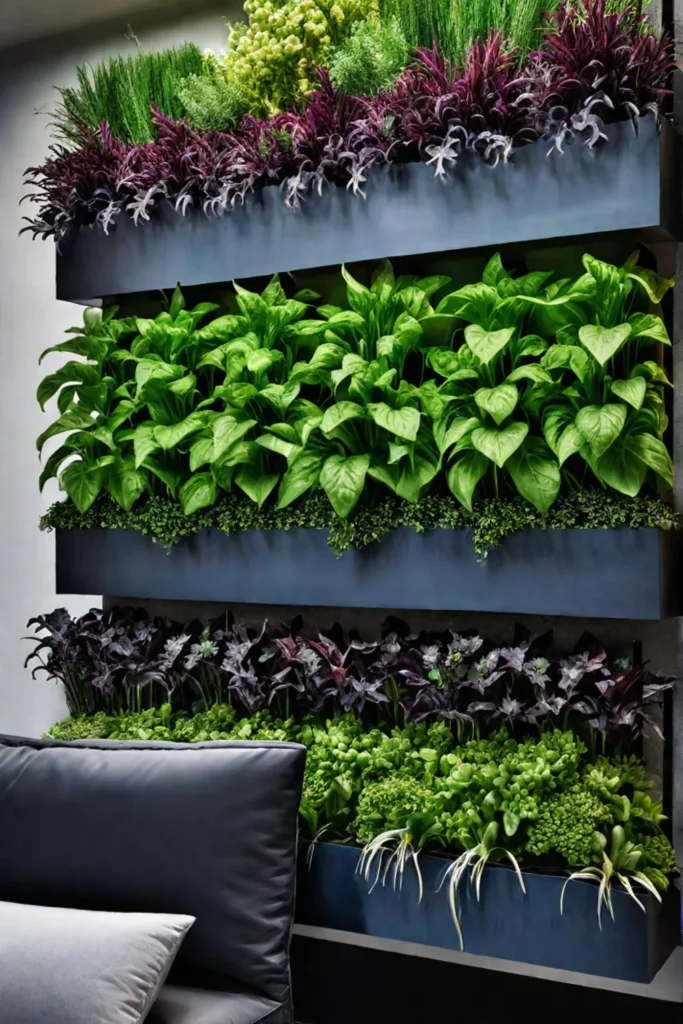
Besides space efficiency, vertical gardens simplify maintenance and harvesting by reducing the need to bend over. You can construct a basic vertical framework using wooden posts combined with wire mesh or netting.
Consider browsing vertical garden kits to find ready-made solutions that suit your space and style.
Strategic Companion Planting: Nature’s Synergy in Your Garden
Companion planting is a clever gardening strategy that involves pairing plants to support each other’s growth and health.
For example, planting basil near your peppers can enhance their flavor and deter pests, while growing nasturtiums alongside cucumbers can help repel aphids.
This method leverages natural plant interactions to reduce pest problems, improve nutrient uptake, and provide beneficial shade, creating a balanced and thriving garden ecosystem.
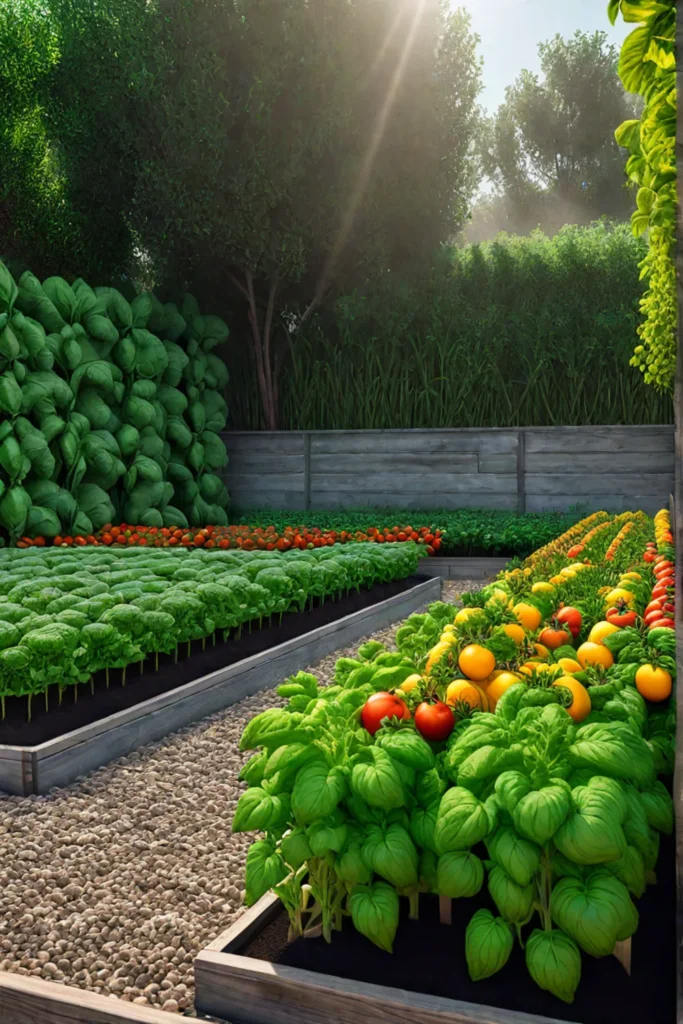
For beginners, companion planting is an accessible, cost-effective way to boost garden health and productivity. Research local plant pairings that work well in your climate and incorporate them into your garden design.
Rotating Crops for Soil Vitality and Pest Control
Crop rotation is a fundamental practice that involves changing the types of vegetables planted in a specific area each season to maintain soil health and reduce pest buildup.
By alternating crops with different nutrient needs and pest susceptibilities, you prevent soil depletion and interrupt pest and disease cycles.
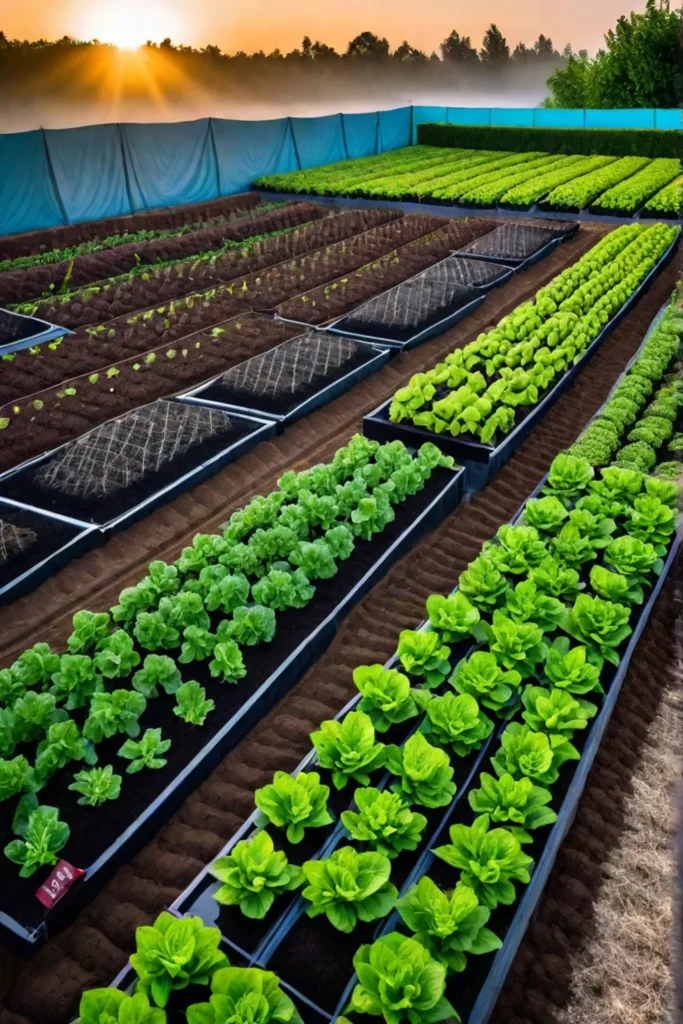
Start by dividing your garden into sections and planning a rotation schedule. For instance, you might plant leafy greens in one area, root vegetables in another, and legumes in a third, rotating them annually to rejuvenate the soil.
Benefits of Mulching: Moisture Retention and Weed Control
Mulching is a simple yet powerful technique that involves covering the soil around your plants with organic materials to conserve moisture, suppress weeds, and enrich the soil.
Materials such as straw, shredded leaves, wood chips, or grass clippings work well as mulch. Applying a 2-3 inch layer around your plants-while keeping it away from stems-helps maintain consistent soil moisture and temperature.
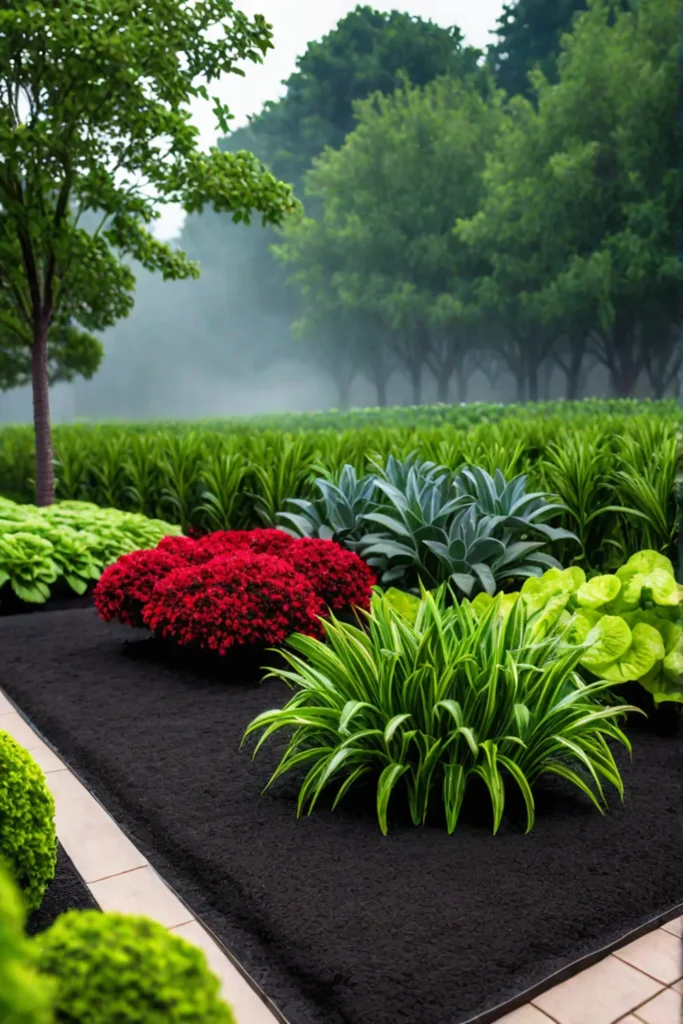
As mulch decomposes, it adds valuable nutrients back into the soil, promoting healthier plant growth. Regularly replenishing mulch throughout the season ensures your garden continues to benefit.
Continuous Harvest with Succession Planting
Succession planting is a strategy to extend your harvest by planting crops in intervals rather than all at once.
This approach guarantees a steady supply of fresh vegetables throughout the season, avoiding the glut-and-gap cycle common in single planting.
Fast-growing vegetables like radishes, lettuce, and spinach are ideal candidates for succession planting. By sowing seeds every couple of weeks, you maintain a continuous harvest of tender greens and crisp roots.
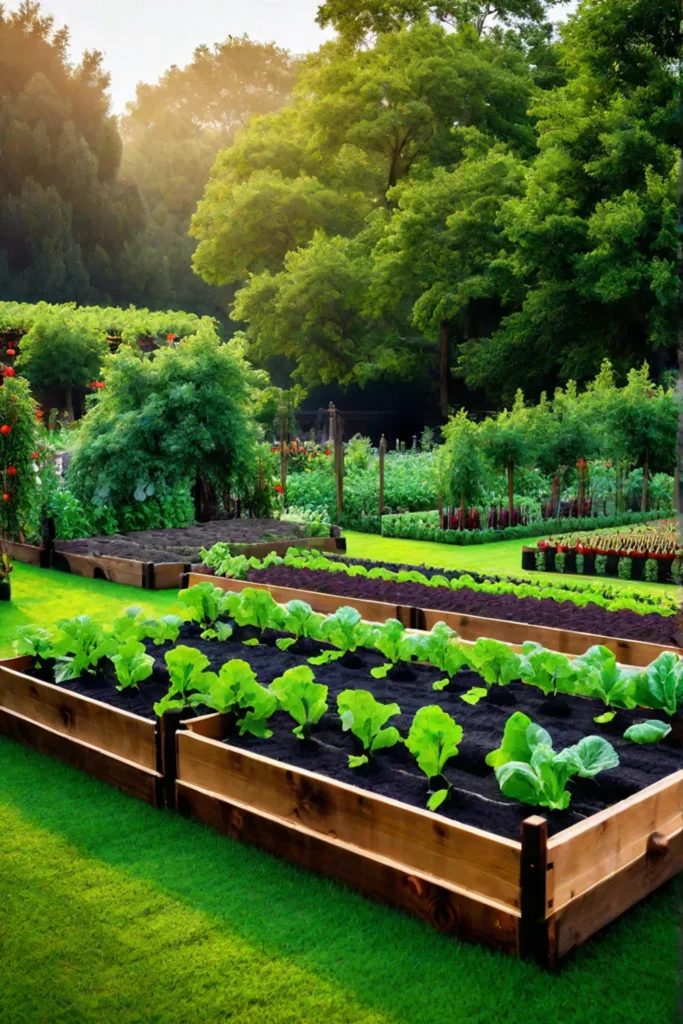
Plan your planting schedule based on each vegetable’s growth cycle to maximize productivity and enjoy fresh produce from early spring through late fall.
Eco-Friendly Pest Management: Integrated Pest Management (IPM)
Dealing with garden pests can be frustrating, but Integrated Pest Management (IPM) offers a sustainable, environmentally conscious approach.
IPM emphasizes prevention and uses natural methods to keep pest populations under control, reducing reliance on chemical pesticides.
Encouraging beneficial insects like ladybugs and lacewings, which prey on harmful pests, is a cornerstone of IPM. Planting pest-repellent species such as marigolds also helps maintain a balanced garden ecosystem.
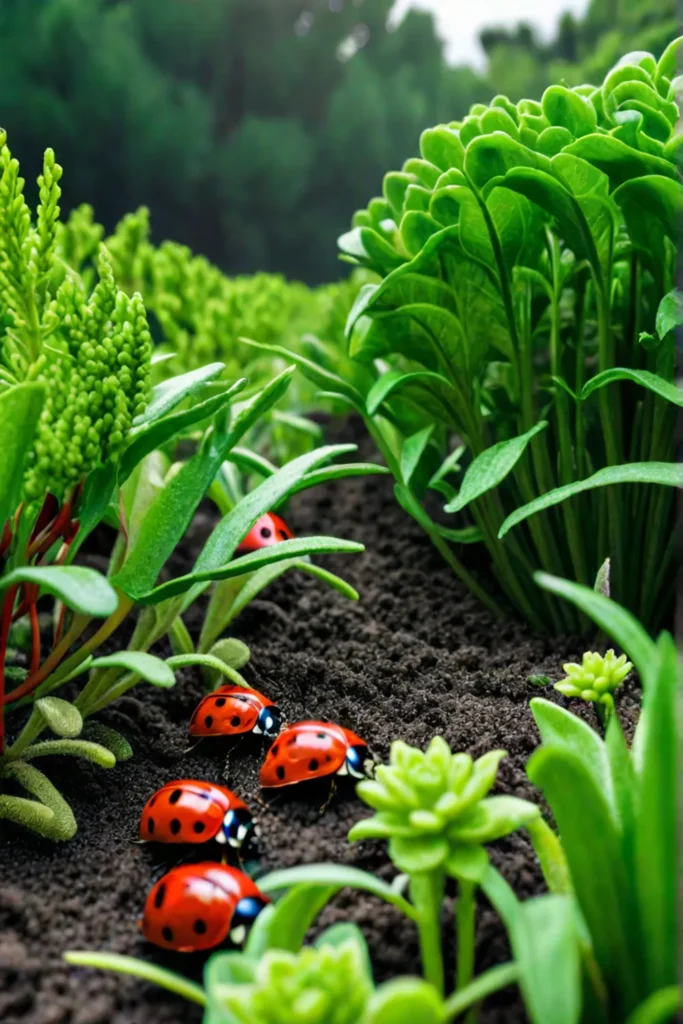
If pests become problematic, start with the least invasive controls like handpicking or using insecticidal soaps before considering stronger measures.
IPM is an excellent method for beginners aiming to protect their gardens responsibly and sustainably.
Composting for Healthy Soil and Waste Reduction
Composting transforms kitchen scraps and yard waste into nutrient-dense soil amendments that enhance garden productivity.
Adding compost improves soil texture, whether breaking up heavy clay or increasing moisture retention in sandy soils. It also supplies essential nutrients that support vigorous vegetable growth.
Setting up a compost bin is simple-use wooden pallets or purchase a compost tumbler. Maintain a balanced mix of carbon-rich materials (dry leaves, shredded paper) and nitrogen-rich scraps (fruit and vegetable peels).
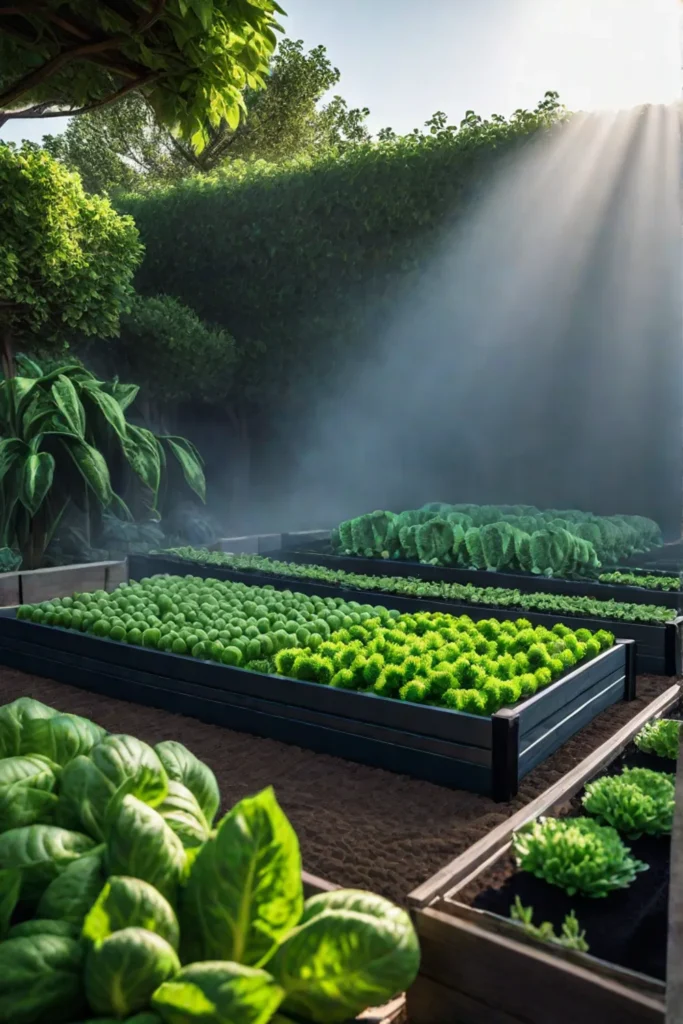
Regularly turning the compost pile and monitoring its temperature accelerates decomposition. Once ready, incorporate the rich compost into your garden beds for a natural fertility boost.
Composting is a cost-effective, eco-friendly practice that benefits both your garden and the environment.
Organized Garden Layout and Tools: Planning for Success
Effective planning and organization are vital for beginner gardeners to maintain a productive vegetable garden.
Mapping out your garden layout with companion planting and crop rotation in mind helps optimize space and soil health. Raised beds can further organize your garden, making it easier to manage and reducing soil compaction.
Investing in proper storage solutions such as tool sheds, garden markers, and cold frames keeps your gardening supplies accessible and your workspace tidy.
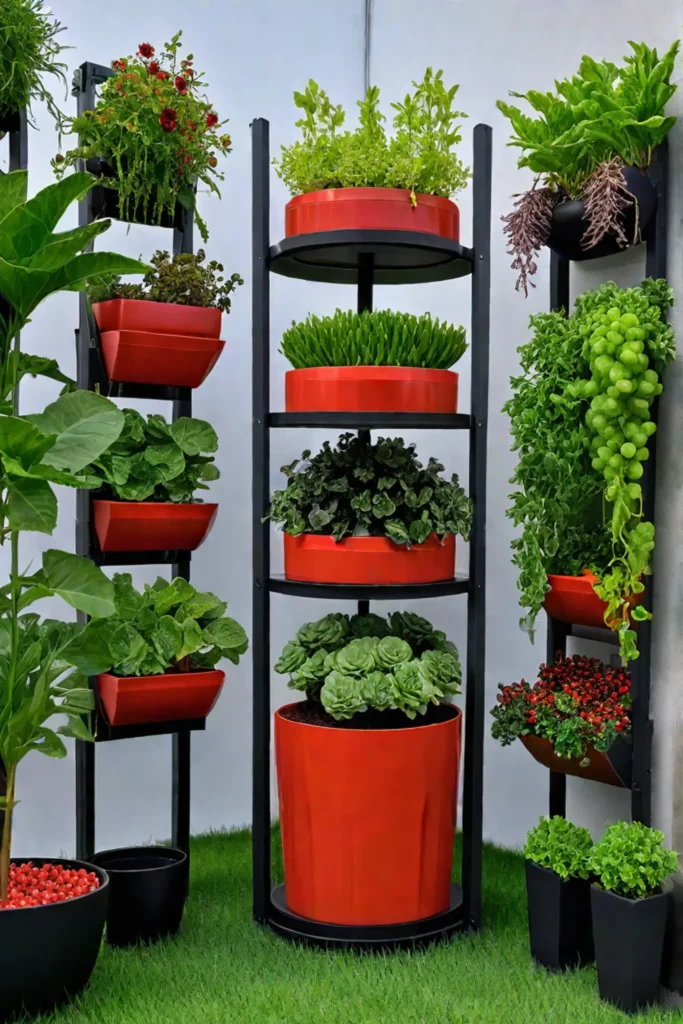
Though it requires some upfront effort, thoughtful garden organization pays dividends by simplifying maintenance and enhancing your garden’s overall productivity.
Final Thoughts: Your Path to a Thriving Vegetable Garden
These ten vegetable gardening strategies provide a solid foundation for beginners eager to cultivate their own fresh produce. From elevated beds and container gardening to vertical growth and sustainable pest management, each technique offers unique benefits to help your garden flourish.
Start with manageable projects, experiment with different methods, and enjoy the learning process. With patience and dedication, you’ll soon be harvesting delicious, homegrown vegetables that enhance your meals and your lifestyle.
Ready to begin? Equip yourself with quality gardening tools and supplies by exploring vegetable gardening tools and get your hands dirty in your own vegetable haven. Your palate and your budget will appreciate the effort!