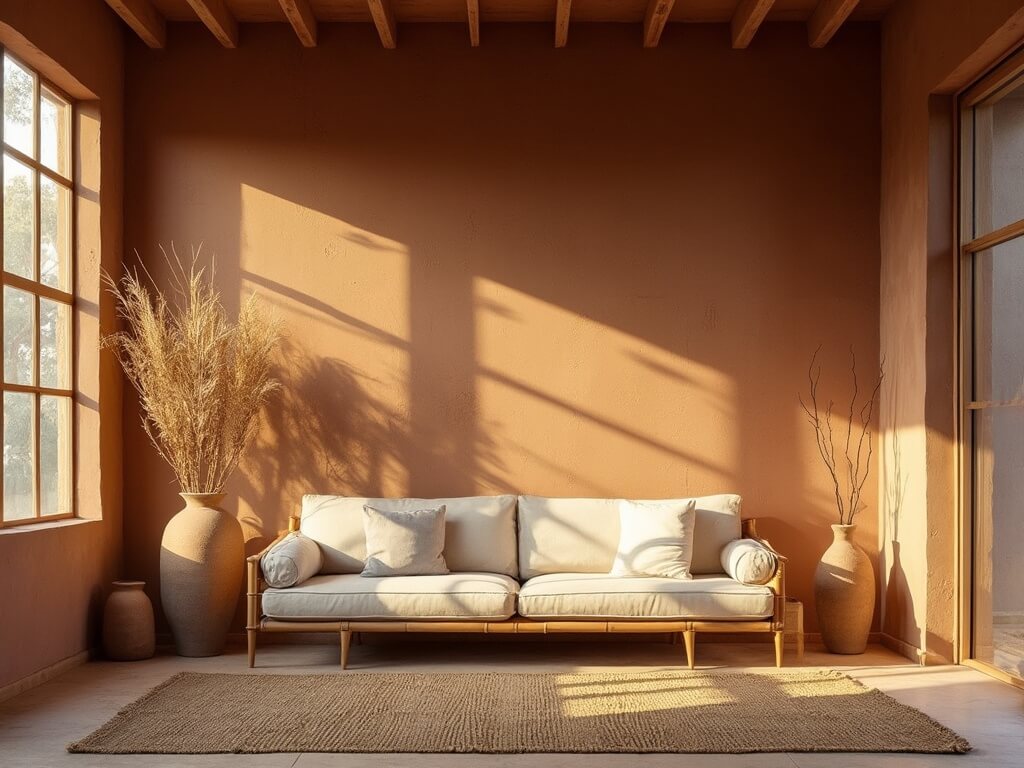
Wabi Sabi Interior Design: Celebrating Flaws and Organic Charm in Your Home
My living space once resembled a showroom-spotless white walls, perfectly coordinated cushions, and a lack of warmth or individuality. Then I embraced the Wabi Sabi aesthetic, and everything transformed.
Understanding Wabi Sabi: The Art of Imperfect Beauty
Defining the Philosophy
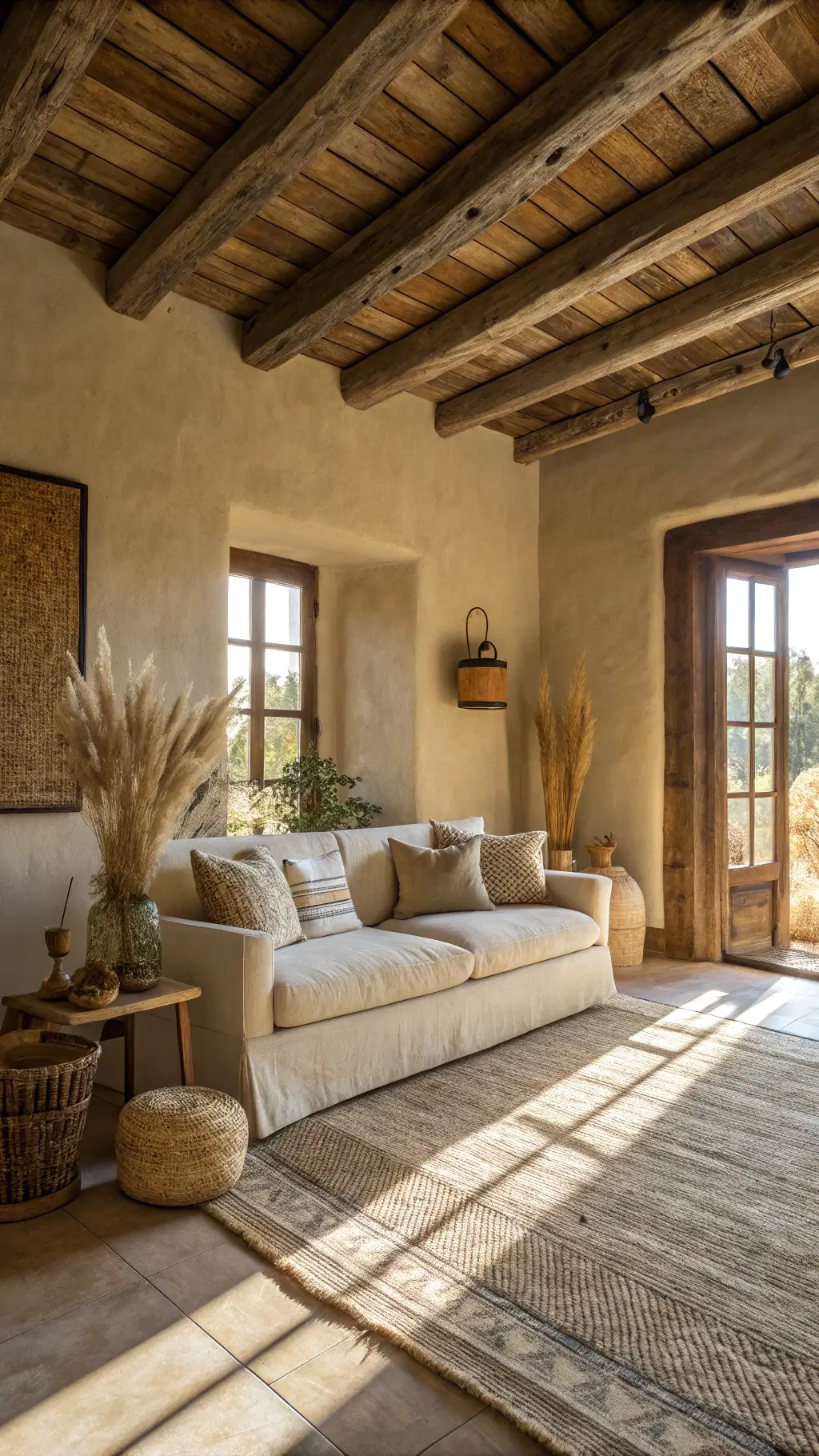
Originating from Japanese culture, Wabi Sabi is a design ethos that honors the beauty found in imperfection, transience, and simplicity. It encourages appreciation for the natural cycle of growth and decay, embracing asymmetry, roughness, and modesty.
Embarking on Your Wabi Sabi Journey
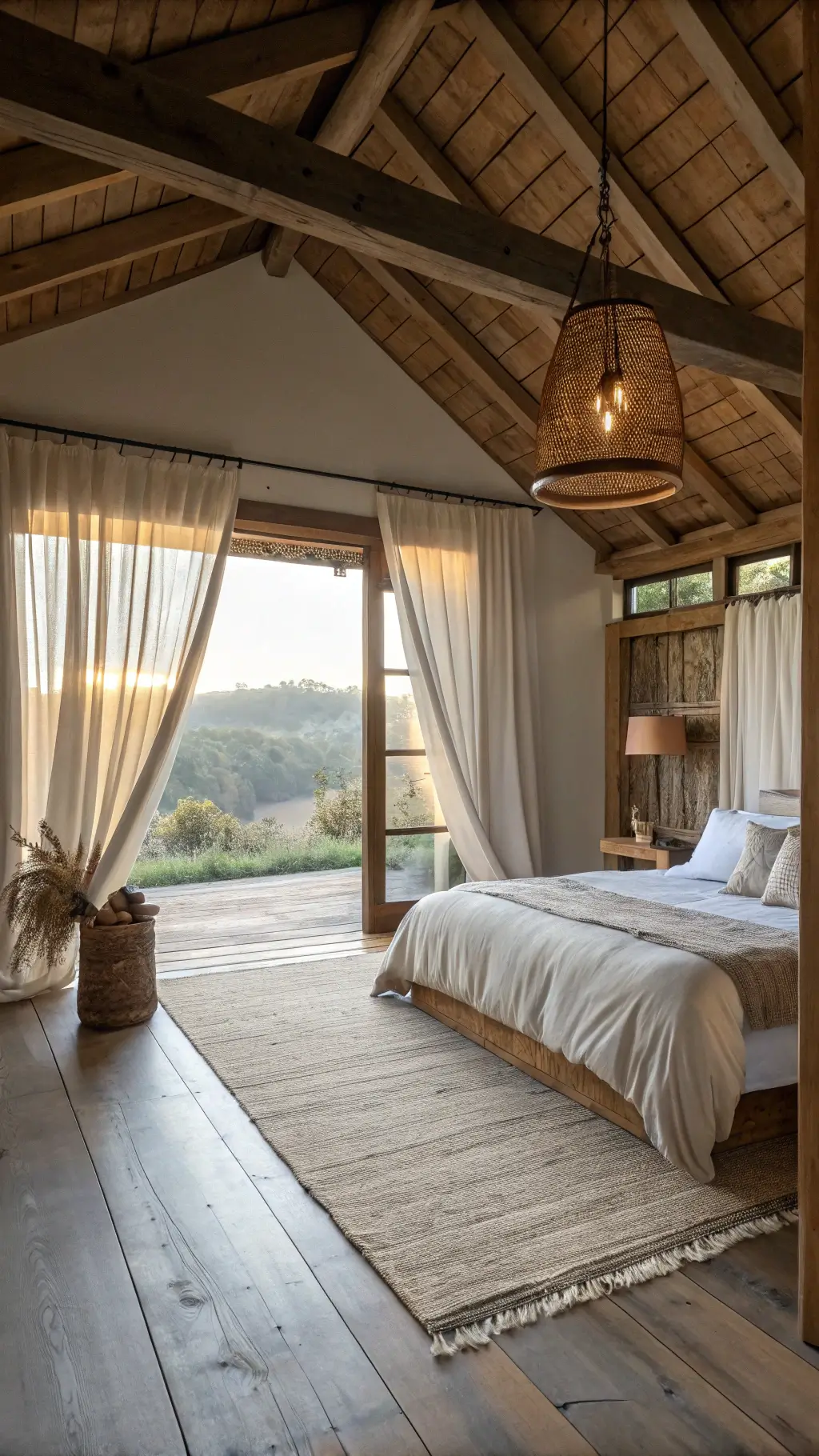
Project Overview
- Estimated Duration: 1 to 2 days
- Budget Range: Adjustable ($50 – $500)
- Skill Level: Suitable for beginners and intermediate decorators
- Applicable Spaces: Ideal for any room in your home
Fundamental Components of Wabi Sabi Design
Subtle and Earthy Color Schemes
- Natural tones such as taupe, sand, and soft gray
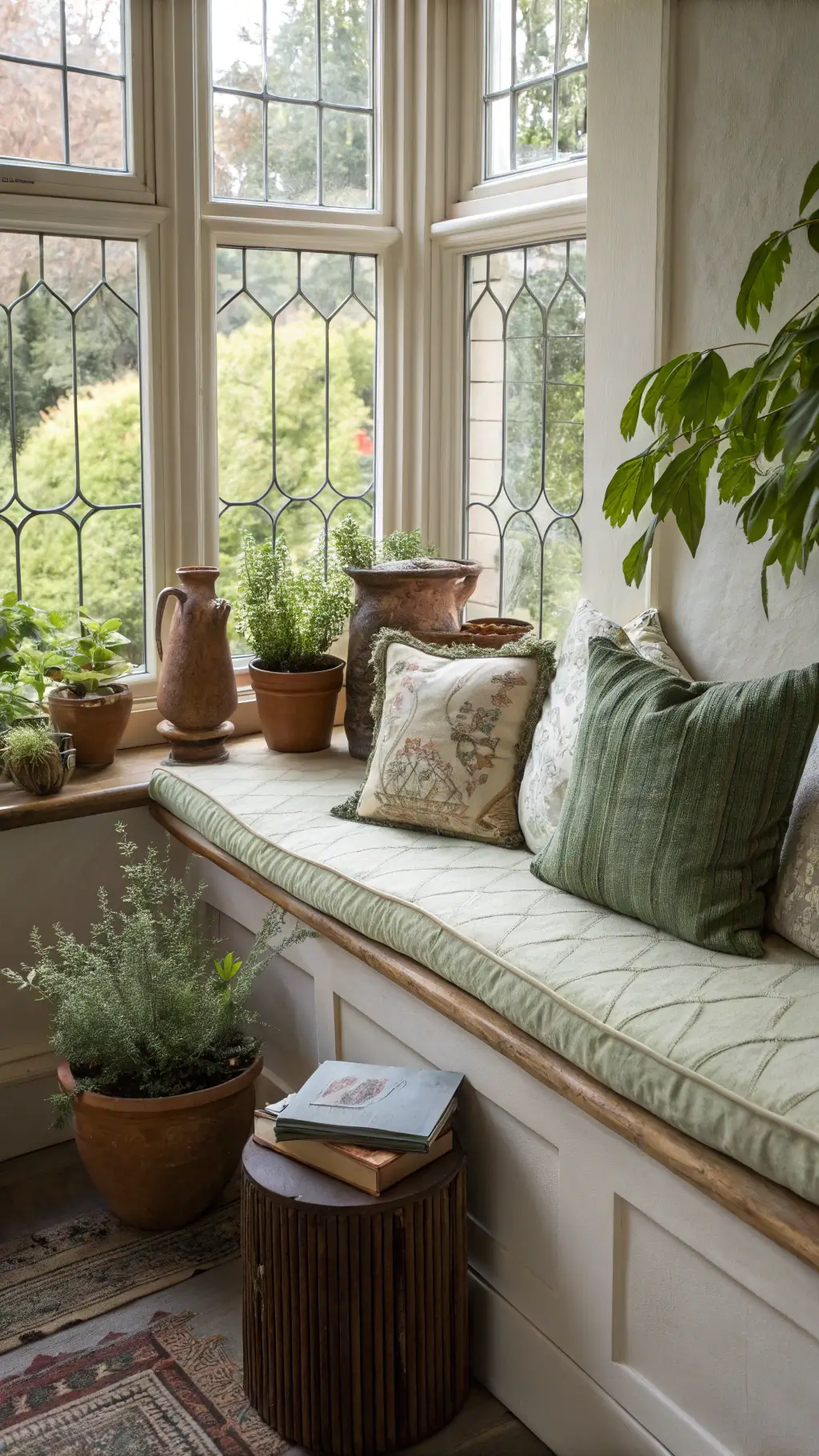
- Delicate hints of muted olive or sage green
- A restrained and calming color palette
Key Textures and Materials
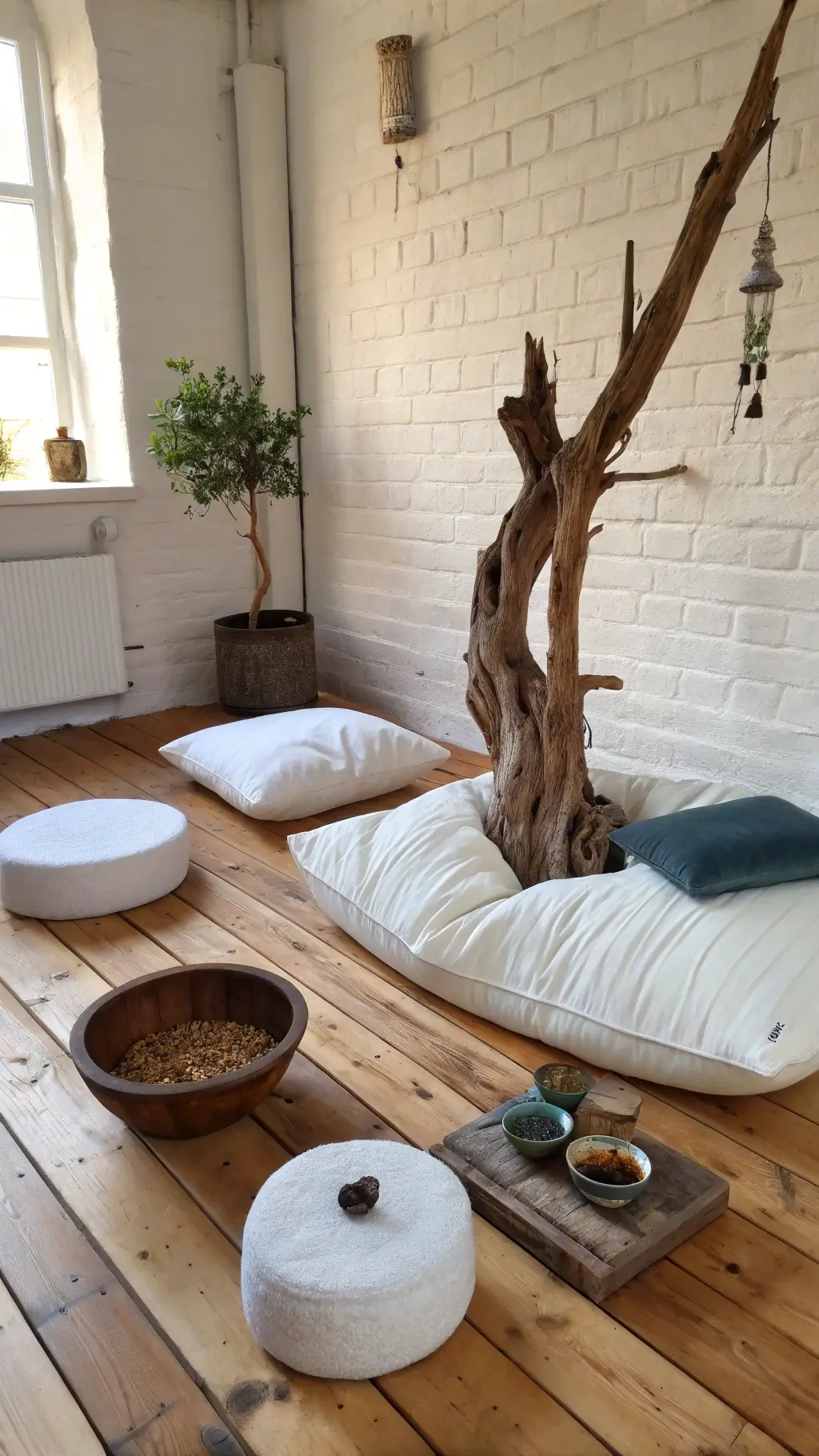
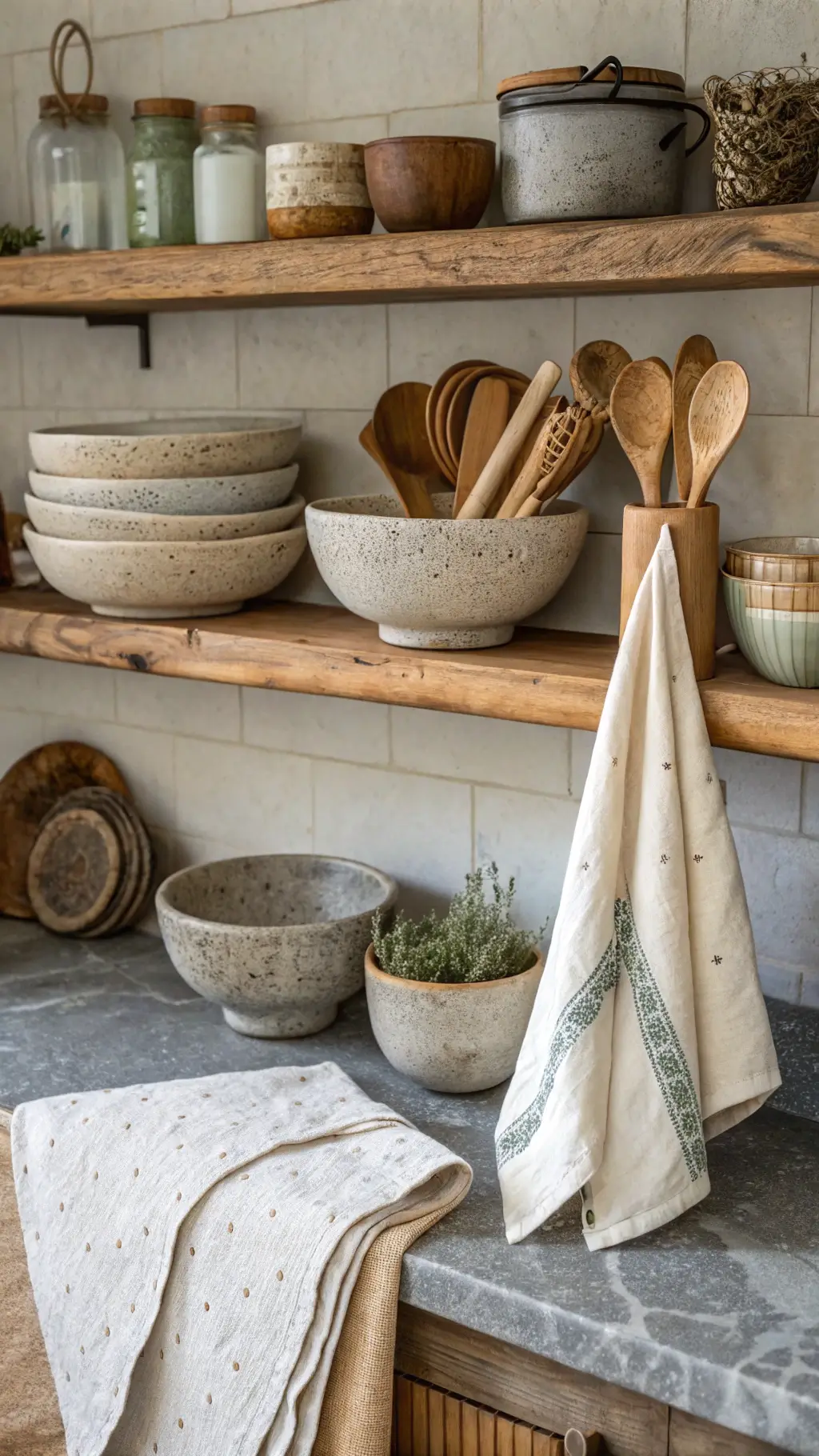
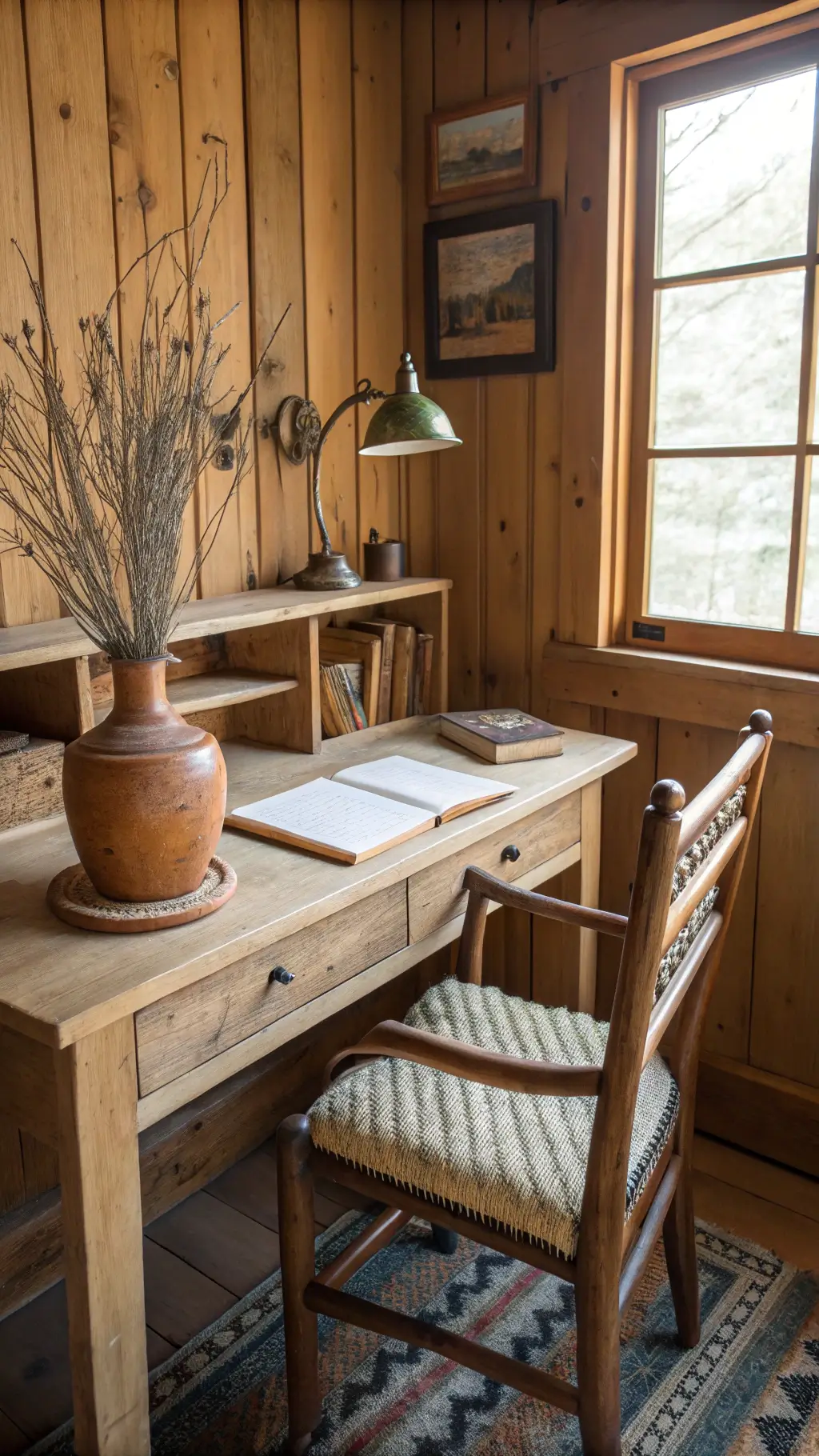
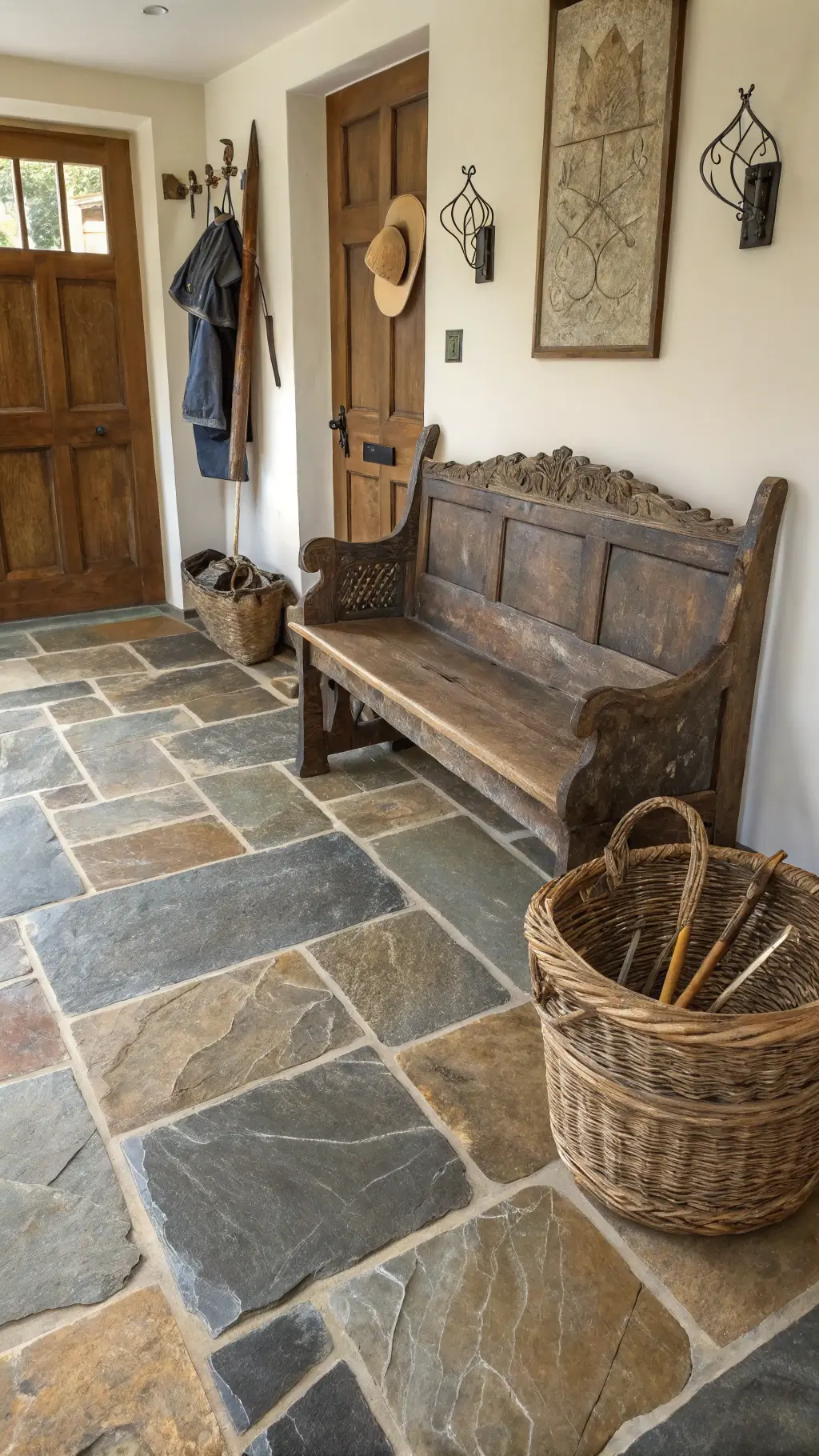
- Raw, untreated wood surfaces
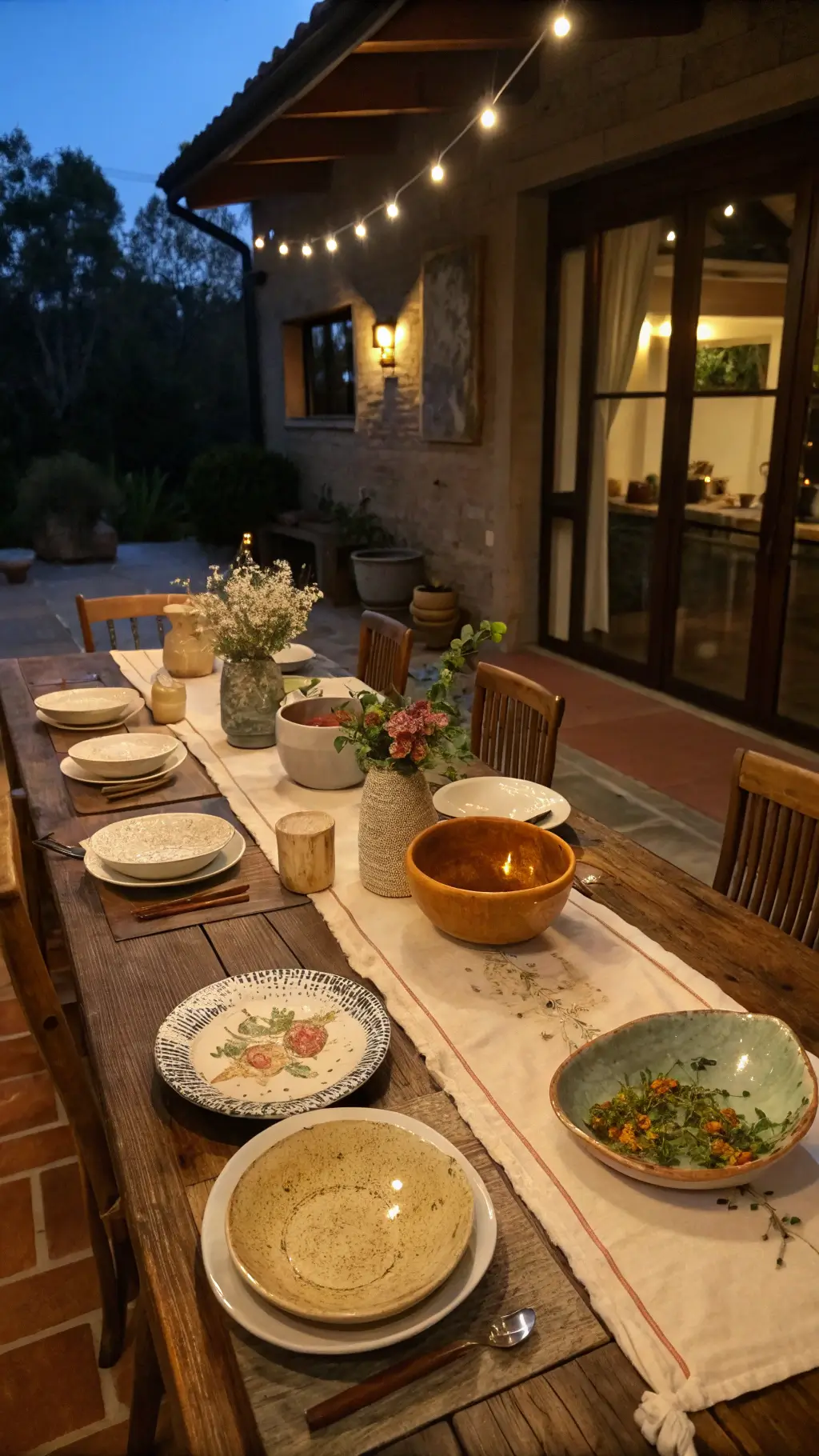
- Handmade ceramics with organic imperfections
- Soft linen fabrics
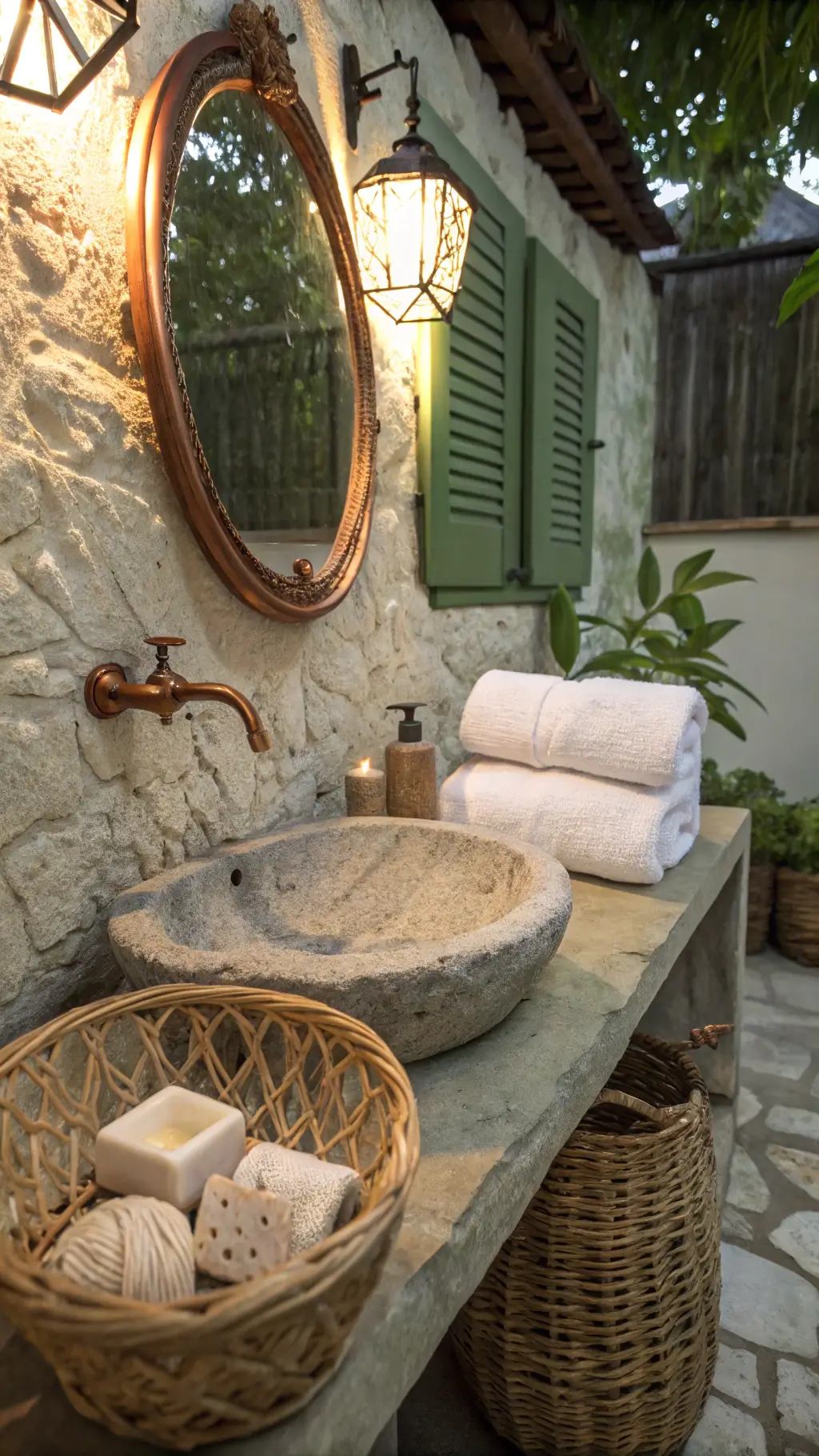
- Natural stone elements
- Surfaces showing signs of weathering or age
Essential Decorative Items
- Artisanal wooden furnishings
- Antique or vintage pottery
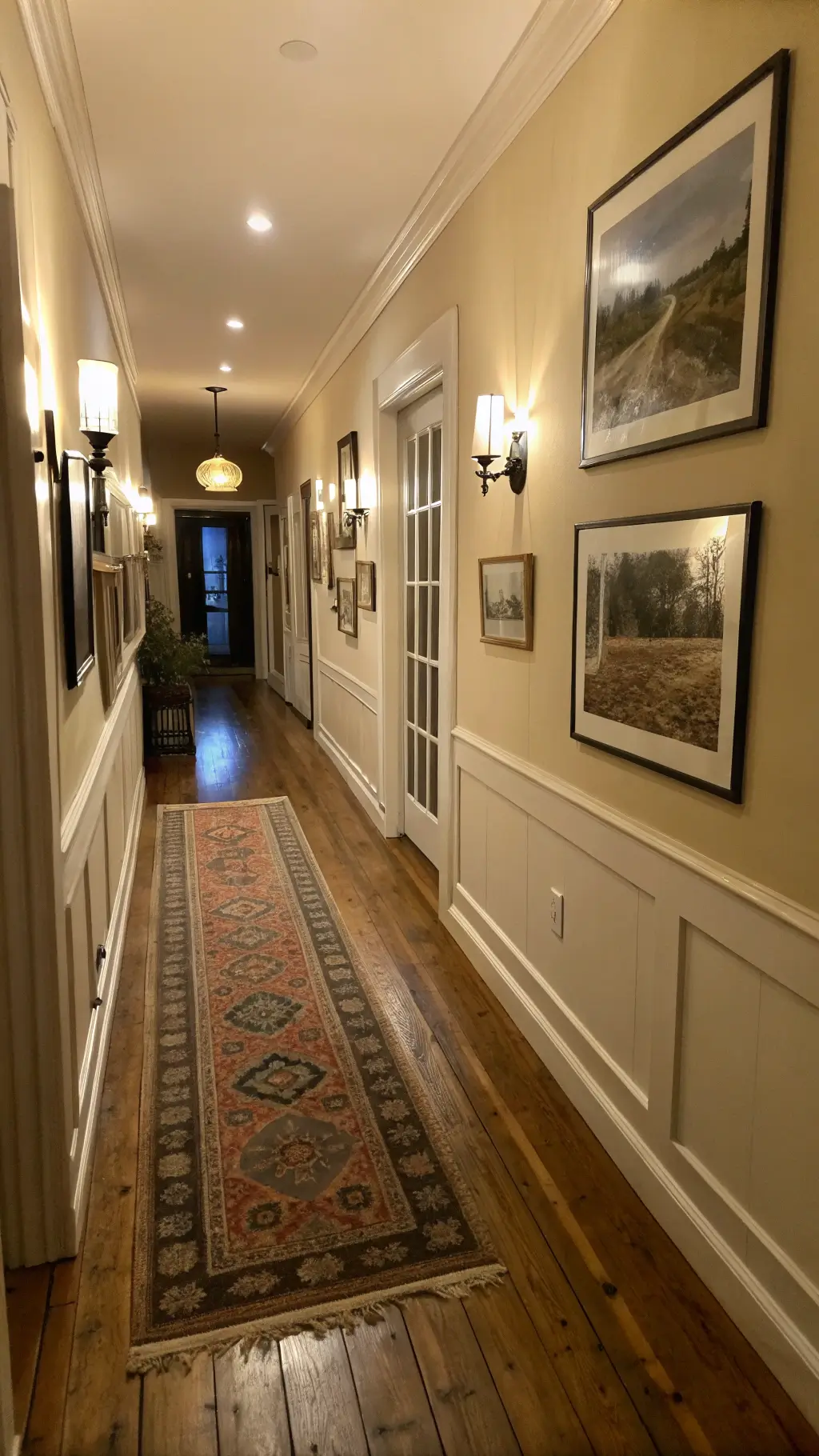
- Handwoven fabrics and rugs
- Natural accents like driftwood, pebbles, or dried botanicals
- Minimalist artwork inspired by nature
Expert Tips for Styling with Wabi Sabi
Mastering Texture Combinations
- Blend coarse and smooth finishes
- Integrate wood, stone, and fabric elements
- Use contrasting textures to add dimension
- Favor asymmetrical layouts to enhance authenticity
The Art of Minimalism and Decluttering
- Embrace simplicity: prioritize quality over quantity
- Choose items that hold personal significance
- Maintain open spaces to foster calmness
- Avoid synthetic or overly polished materials
Implementing Wabi Sabi: A Practical Guide
Stepwise Room Makeover
- Completely clear out the room
- Choose a neutral foundation such as a rug or wall paint
- Introduce a standout piece of handcrafted furniture
- Layer with natural textiles like linen or wool
- Incorporate organic decorative elements
- Allow for negative space to create balance
Adjusting Your Decor with the Seasons
- Autumn: Incorporate dried grasses and warm, earthy hues
- Winter: Use bare branches and stone textures
- Spring: Add fresh foliage and light, airy fabrics
- Summer: Opt for lightweight linens and minimalistic arrangements
Cost-Effective Ways to Achieve the Look
- Explore thrift shops and flea markets for unique finds
- Refinish or repaint existing furniture yourself
- Repurpose old items with creative upcycling
- Limit new purchases to essential, high-quality pieces
Tips for Capturing and Sharing Your Wabi Sabi Space
- Utilize soft, natural lighting to highlight textures
- Focus on close-ups that reveal imperfections
- Emphasize mood and atmosphere over flawless presentation
Common Pitfalls to Steer Clear Of
- Overcrowding spaces with too many items
- Using bright, artificial colors that clash with the natural vibe
- Trying to imitate the style without personal authenticity
- Neglecting the emotional connection to your belongings
Estimated Budget Tiers for Your Wabi Sabi Makeover
- Entry-Level: $50-$200
- Moderate: $200-$500
- High-End: $500-$1500
Closing Thoughts
Wabi Sabi transcends mere decoration; it’s a mindset that invites us to appreciate the imperfect, impermanent nature of life. Your home should reflect your unique story, not a cookie-cutter magazine spread.
Suggested Next Steps
- Evaluate your current decor and identify areas lacking warmth or authenticity
- Begin sourcing natural materials and handcrafted pieces from local artisans or online marketplaces like Amazon handcrafted furniture
- Experiment with layering textures and colors in a small space before expanding
- Practice mindful decluttering, keeping only items that resonate with you
Disclosure: blogfizz.com is a participant in the Amazon Services LLC Associates Program, an affiliate advertising program designed to provide a means for website owners to earn advertising fees by advertising and linking to amazon.com that may be affiliated with Amazon Service LLC Associates Program. As an Amazon Associate I earn from qualifying purchases.