15 Innovative No-Grass Front Yard Designs to Revamp Your Outdoor Space
For a long time, I believed that a flawless front yard had to feature a lush, green lawn. However, after countless hours spent mowing, watering, and battling weeds, I discovered a more efficient and creative alternative. Eliminating grass from my landscape turned out to be one of the smartest choices for my home’s curb appeal and maintenance.
This change not only reduced my upkeep time and expenses but also unlocked a variety of imaginative landscaping options that are both sustainable and visually appealing.
If you’re eager to move away from the traditional, high-maintenance turf, you’re in the perfect spot.
Below, I’ve compiled 15 inspiring no-grass front yard concepts that combine beauty, ease of care, and environmental friendliness.
Let’s dive into how you can craft a captivating front yard without relying on conventional grass.
1. Cultivate a Native Wildflower Haven

Replacing grass with a vibrant wildflower meadow creates a dynamic and colorful landscape that evolves throughout the seasons. I selected a blend of native perennials and annuals, which not only thrive in the local environment but also attract essential pollinators such as bees and butterflies, enriching the ecosystem.
Opting for indigenous species is crucial since they are naturally adapted to the climate, reducing the need for supplemental watering and care once established.
2. Design a Drought-Resistant Succulent Display

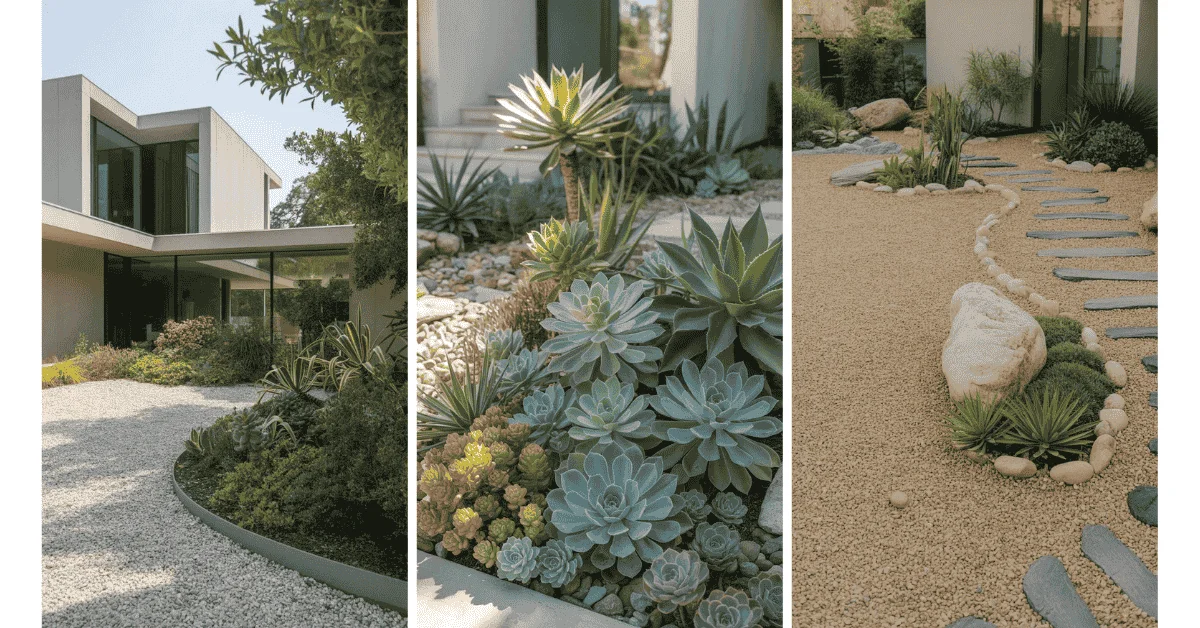
Transforming a sunny corner into a succulent garden offers a striking, architectural aesthetic with minimal water requirements. I incorporated varieties like echeverias, sedums, and agaves planted in well-draining, rocky soil to ensure longevity and visual interest year-round.
Adding a few larger, sculptural succulents creates a captivating centerpiece that enhances the garden’s appeal.
3. Opt for Water-Efficient Groundcovers

Seeking a green alternative that mimics the softness of a lawn without the hassle? Low-water groundcovers like creeping thyme, white clover, and Turkish Veronica are excellent choices. Creeping thyme, for instance, releases a delightful fragrance when stepped on, adding sensory appeal.
These plants form dense mats that suppress weeds naturally and require significantly less irrigation than traditional turfgrass.
4. Add Texture with Ornamental Grasses

Incorporating ornamental grasses such as little bluestem and prairie dropseed introduces graceful movement and soft textures to your yard. These hardy grasses provide visual interest throughout the year, with their foliage turning warm hues in cooler months and their seed heads offering nourishment for local birds.
5. Embrace a Modern Gravel and Stone Design

Replacing turf with a combination of pea gravel and larger river stones creates a sleek, contemporary look that’s easy to maintain. This setup serves as an excellent foundation for drought-tolerant plants and adds a tranquil, zen-like atmosphere when accented with natural boulders.
6. Implement a Rain-Absorbing Sponge Garden

To tackle rainwater runoff issues, I created a sponge garden by planting a dense variety of perennials with deep root systems. This garden absorbs stormwater efficiently, preventing erosion and nourishing the soil.
Plants like swamp cypress and other hardy perennials with varying root depths contribute to a lush, multi-layered landscape that manages water sustainably.
7. Enrich Your Yard with Evergreen Shrubs

Evergreen shrubs provide year-round greenery and structure, ensuring your front yard remains vibrant even during dormant seasons. I combined plants with diverse textures and shades, such as coral bells for shaded areas and Kinnikinnick for colder, exposed spots, to maintain visual interest throughout the year.
8. Establish a Productive Edible Landscape

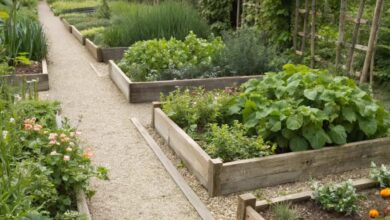
Transforming your front yard into an edible garden is both practical and rewarding. Raised beds filled with vegetables, berry bushes along fences, and aromatic herbs like rosemary and lavender can turn your yard into a fresh food source.
Dwarf fruit trees also thrive in sunny spots, offering the joy of harvesting fresh ingredients just steps from your door.
9. Reintroduce Native Plants to Your Entryway

Even compact front yards can benefit from a grass-free makeover. I “re-wilded” my stoop by placing containers filled with hardy native plants like Heuchera and Aquilegia, which provide lush foliage and a welcoming vibe.
This strategy is ideal for urban environments, softening architectural edges and creating small habitats for local wildlife.
10. Honor Regional Heritage with Traditional Plants

Drawing inspiration from local history, I planted resilient “pioneer” species that have thrived for generations. These plants connect the garden to its cultural roots and are well-adapted to the regional climate, making them both beautiful and durable.
11. Blend Architectural Edges with Natural Softness

To soften the sharp, modern lines of my home, I created a wide border filled with plants of varying textures and forms, surrounded by permeable gravel. This contrast enhances the architectural features while promoting natural water drainage.
12. Introduce a Striking Focal Point

Adding a distinctive element like a circular stone wall or a unique sculpture can anchor your garden design. Such features draw attention and add a sense of permanence and personality to your landscape.
Consider a rustic bench or a decorative birdbath as alternative eye-catching additions that complement your garden’s style.
13. Build a Self-Sustaining Layered Garden

Rather than covering soil with mulch, I developed a layered planting system starting with groundcovers, followed by shrubs, and topped with small, airy trees. This natural layering conserves moisture, cools the soil, and suppresses weeds effectively.
As leaves fall and decompose, they enrich the soil, creating a garden that largely maintains itself.
14. Maintain a Partial Lawn for Versatility

If a full grass removal feels overwhelming, consider keeping half your lawn. I replaced part of my side yard with a “pocket prairie” of native plants, balancing open grassy space for play with ecological benefits.
15. Soften Driveway Views with Plant Screens

To minimize the visual impact of parked vehicles, I created a raised bed along my driveway filled with airy, resilient plants like Verbena bonariensis and prairie dropseed. This green buffer softens the hardscape and enhances the garden’s meadow-like ambiance.
Edging the driveway with low-growing grasses further defines the space and adds natural charm.
Final Thoughts
These 15 no-grass front yard ideas offer a fresh perspective on landscaping that prioritizes sustainability, beauty, and ease of maintenance. By selecting plants and materials tailored to your local environment and personal taste, you can create a stunning, eco-conscious outdoor space that stands the test of time.