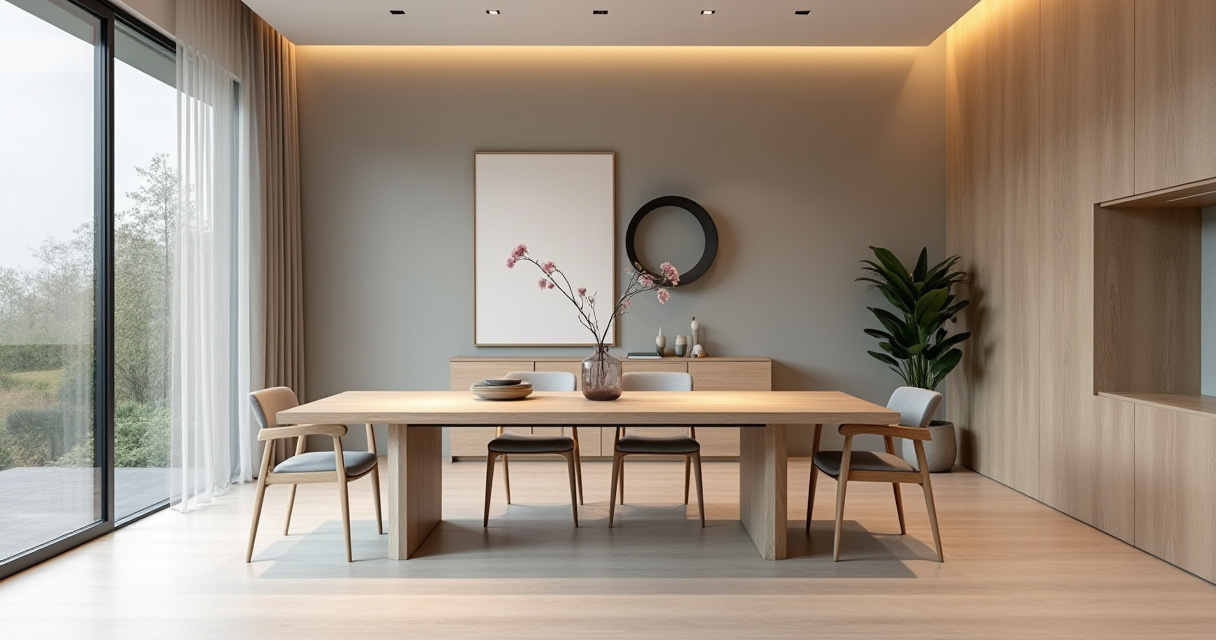
Imagine standing in your dining space-whether it’s a formal dining room or a casual nook. Right now, it might be a mismatched assortment of hand-me-downs or, worse, a clutter hotspot for mail, unfinished crafts, and forgotten returns. It’s a space with a purpose that’s been lost in the shuffle.
If this sounds like your situation, you’re in the perfect spot. One question I hear all the time is, “How can I style my dining area to look like those stunning Pinterest boards without breaking the bank or turning it into a showroom?” The answer lies in creating a space that’s both stylish and livable.
From my experience as an art educator, I’ve discovered that creativity flourishes within boundaries. Constraints like budget limits or compact spaces aren’t obstacles-they’re the spark for innovation. Together, we’ll transform that neglected corner into the vibrant heart of your home. No jargon, no complicated design theories-just practical, approachable steps.
Building a Strong Base: Planning Your Modern Dining Space
Before diving into shopping or decorating, it’s essential to establish a clear plan. Think of this as mixing your paint palette before starting a masterpiece. A little foresight now will save you from costly mistakes and frustration later. This foundational step ensures your dining area feels thoughtfully curated rather than haphazard.
1. Clarify Your Modern Style for a Unified Look
“Modern” covers a broad spectrum. Are you drawn to the warm, organic feel of Mid-Century Modern? The minimalist, cozy vibe of Scandinavian design? Or perhaps the edgy, raw textures of Industrial style? Without a defined direction, your space risks becoming a confusing mix of unrelated pieces.
For example, I once combined a rustic farmhouse table with sleek metal chairs and a plush boho rug-all items I loved individually, but together they clashed. To avoid this, spend some time curating inspiration on platforms like Amazon modern dining room decor. Pin images that resonate with you, and after a few dozen, a clear aesthetic will emerge.
2. Harmonize Open-Plan Areas with Defined Zones
If your dining space blends into the kitchen or living room, creating distinct yet connected zones is key. You want flow without chaos. A simple and effective method is to use an area rug to visually anchor the dining section. It acts like a boundary without physical walls.
Maintaining a consistent color scheme across adjoining spaces also helps. For instance, if your living room features cool blues and grays, avoid introducing starkly contrasting warm tones in the dining area. This continuity guides the eye smoothly and fosters a cohesive atmosphere.
3. Balance Style with Practicality in Furniture Choices
One of my biggest pet peeves is when beautiful furniture sacrifices comfort. I recall a friend who bought ultra-modern acrylic chairs that looked fantastic but were torture to sit in for more than a few minutes. The result? Guests rushed through meals, defeating the purpose of a welcoming dining space.
Consider your lifestyle: Do you have children? Then a delicate marble table might be impractical. Love hosting large gatherings? An extendable table could be a game-changer. Modern design shines brightest when it’s both elegant and functional. Remember, form should always follow function.
4. Use a Neutral Color Palette as a Timeless Backdrop
Neutral tones often get a bad rap for being dull, but think of them as a blank canvas that highlights your décor and company. Shades like soft whites, creams, gentle grays, and muted earth tones create a serene environment that lets your food, art, and guests take center stage.
Plus, neutrals are budget-friendly in the long run. When you want a refresh, swapping out accessories like cushions or centerpieces can transform the room without repainting or replacing furniture. Just be mindful to stick to either warm or cool neutrals to avoid a muddled look.
5. Amplify Natural Light to Brighten and Enlarge the Space
Increasing natural light doesn’t require structural changes. Often, it’s about removing obstacles-like bulky furniture blocking windows or heavy drapes that darken the room. A well-placed mirror opposite a window can reflect sunlight, effectively doubling the brightness.
Switching to sheer curtains, such as lightweight linen, allows privacy without sacrificing daylight. Natural light not only makes your dining area feel more spacious but also energizes the atmosphere, making every meal more enjoyable.
Choosing Key Furniture and Arranging for Flow
With your foundation set, it’s time to select the main elements: the dining table and chairs. These pieces define the room’s character and functionality.
6. Pick the Table Shape That Maximizes Your Space
Table shape impacts both aesthetics and usability. Round tables foster intimate conversations and fit well in compact or square rooms by eliminating sharp corners. Rectangular tables are ideal for hosting larger groups and suit elongated spaces.
Try a practical test: use painter’s tape to outline potential table dimensions on your floor. Walk around it and pull out chairs to ensure there’s at least 36 inches of clearance for comfortable movement. This simple exercise prevents costly sizing errors.
7. Invest in a Statement Table That Anchors the Room
Your dining table is the centerpiece. It should embody your chosen style and set the tone. Whether it’s a sleek concrete top with metal legs for an industrial feel or a light wood slab for Scandinavian warmth, the table is your room’s anchor.
Don’t assume statement pieces must be pricey. I once found a solid wood table at a flea market for under $100. After sanding and staining, it looked like a designer piece. Explore secondhand markets, thrift shops, and online platforms like Amazon dining tables for hidden gems.
8. Choose Chairs That Marry Comfort with Style
Comfort is non-negotiable. Chairs should support your back and fit your table height. Upholstered options offer coziness but may not suit homes with young children prone to spills. Alternatives like molded plastic, wood, or faux leather combine durability with modern aesthetics.
When shopping online, scrutinize customer reviews to avoid uncomfortable designs. The best modern chairs blend ergonomic support with sleek looks, encouraging guests to linger over meals and conversation.
9. Incorporate Clever Storage to Keep Clutter at Bay
Dining areas often accumulate extras-placemats, napkins, candles, serving dishes. Without designated storage, these items clutter your table. A minimalist sideboard or credenza offers a stylish solution, keeping essentials accessible yet hidden.
Upgrade budget-friendly units by swapping hardware for brass knobs or leather pulls, instantly elevating their appearance. Look for pieces that combine utility with clean lines to maintain your modern vibe.
10. Design Your Layout for Easy Movement and Accessibility
Returning to the painter’s tape trick, ensure your layout allows smooth traffic flow. Avoid cramped spaces where guests must squeeze past furniture. Maintain at least 36 inches between table edges and walls or other pieces to facilitate comfortable passage.
A well-planned layout not only looks inviting but also enhances the dining experience by reducing stress and awkwardness.
Creating Atmosphere Through Thoughtful Lighting
While furniture forms the body of your dining room, lighting breathes life into it. Proper illumination can elevate even modest décor to a sophisticated setting.
11. Use Rugs to Anchor and Define the Dining Area
Rugs ground your furniture, preventing it from appearing to float. They add texture and soften acoustics, reducing noise from chair movements. Choose a rug large enough so all chair legs remain on it when pulled out.
Opt for low-pile, easy-to-clean materials like performance fabrics or indoor/outdoor rugs, especially if children are part of your household.
12. Layer Lighting for Versatility and Mood
Effective lighting combines three layers:
- Ambient Light: General illumination, such as recessed fixtures or flush mounts, for everyday visibility.
- Task Light: Focused lighting over the table, typically a pendant or chandelier, to highlight dining activities.
- Accent Light: Decorative or mood lighting, like table lamps or candles, adding warmth and visual interest.
Layering allows you to adjust the ambiance for different occasions, from bright family breakfasts to intimate dinners.
13. Select a Striking Pendant Light as a Focal Point
The fixture above your table is like jewelry for the room. It sets the style tone and draws the eye. Whether you prefer a bold sculptural chandelier or a sleek linear pendant, this piece combines function with artistry.
Hang it approximately 30-36 inches above the tabletop to balance intimacy and practicality, avoiding head bumps or obstructed views.
14. Add Task Lighting for Practical Elegance
Supplement your main light with smaller fixtures where needed. A stylish table lamp on a sideboard or battery-operated puck lights under shelves can create inviting pockets of light and highlight décor.
These thoughtful touches elevate your dining space from merely decorated to intentionally designed.
15. Install Dimmer Switches for Effortless Ambiance Control
If you take away only one tip, let it be this: install dimmers on all your dining lights. This affordable upgrade lets you tailor brightness to the moment-bright for lively meals, soft for romantic evenings.
Dimmer switches are easy to install for DIY enthusiasts or electricians and transform your lighting experience dramatically.
Enhancing Style with Textures, Greenery, and Personal Details
With the essentials in place, it’s time to infuse personality through materials, accents, and finishing touches.
16. Mix Materials to Add Depth and Interest
A room dominated by a single texture can feel flat. Combine elements like a smooth wood table, upholstered chairs, metal light fixtures, and a linen tablecloth to create a rich sensory experience.
Incorporate diverse surfaces-wood, metal, glass, fabric, stone, and plants-to add warmth and character without clutter.
17. Bring in Greenery for a Calming, Natural Touch
Adding plants instantly livens up a space. They introduce organic shapes, fresh color, and improve air quality. Choose low-maintenance options like a Snake Plant or ZZ Plant if you’re not confident in your gardening skills.
Alternatively, high-quality faux plants can provide the same visual benefits with zero upkeep. Even a simple vase with fresh stems on a sideboard or table centerpiece can refresh the room.
18. Showcase Bold Modern Art or Sculptural Pieces
Your walls are a canvas for self-expression. A single large artwork can make a stronger impact than multiple small frames. Explore affordable prints from independent artists on platforms like Amazon modern wall art or try creating your own abstract piece.
Art personalizes your space and transforms it from a house into a home.
19. Accessorize Sparingly with Purposeful Items
Modern design thrives on minimalism. Avoid overcrowding surfaces. Instead, curate small groupings-called vignettes-using odd numbers of items with varied heights, such as a sculptural vase, a stack of books, and a candle.
Allow negative space to give your accessories room to shine and create a gallery-like atmosphere.
20. Choose Durable, Easy-to-Maintain Materials for Longevity
A beautiful dining room should be easy to live in. Opt for performance fabrics on chairs that repel spills and tabletops made from resilient materials like quartz or sintered stone. Simple furniture designs without intricate details are easier to clean and maintain.
Investing in practicality ensures your dining space remains inviting and stress-free for years to come.
Your Ideal Modern Dining Room Is Within Reach
Designing a modern dining area isn’t about rigid rules-it’s about thoughtful choices that blend style with everyday living. Start with a clear vision, select functional furniture, layer your lighting, and add personal touches that reflect you.
Don’t feel pressured to tackle everything at once. Begin with one or two changes-perhaps a new pendant light or decluttering your sideboard. Each intentional step brings you closer to a dining space that’s not only beautiful but truly welcoming. You’ve got this!