Imagine standing in your kitchen where the only illumination comes from a single overhead light, casting inconvenient shadows right where you need clarity for chopping. Navigating to the fridge means squeezing past an open dishwasher door, and every time you open a lower cabinet, you find yourself crouching to rummage through clutter just to locate a single pot lid. This kitchen feels more like an obstacle course than a workspace designed to support you.
One of the most common questions I encounter is, “Where do I begin with a kitchen remodel?” Many assume it’s about selecting stylish finishes from trendy magazines. In reality, the most effective kitchen designers dedicate minimal time to aesthetics initially. After years of documenting architectural spaces, I’ve identified a consistent approach: successful kitchens are crafted through methodical planning, focusing on structure and function before style. This guide of 20 essential insights will help you think like a pro, ensuring your kitchen is not only visually appealing but also perfectly tailored to your daily routines.
Foundations of Smart Kitchen Planning and Layout (Part 1)
It’s tempting to rush past the planning phase to the exciting part of choosing countertops and colors. Resist that urge. The time and money invested in early-stage planning yield exponential returns. This stage is where you draft your blueprint, set project parameters, and define what success means for your renovation. Skipping this is like erecting a building on unstable ground-no matter how exquisite the decor, the foundation must be solid.
1. Clarify Your Renovation Priorities: Essentials, Desires, and Extras
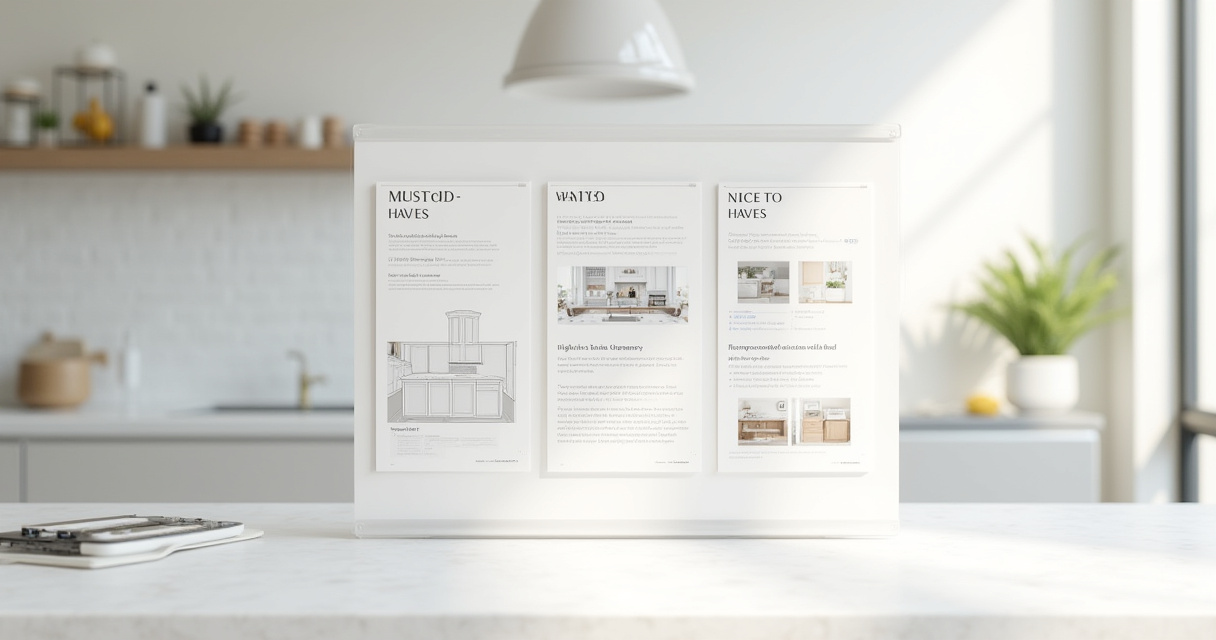
Before diving into inspiration boards, have an honest discussion with everyone who uses the kitchen. Create three lists: Essentials, Desires, and Extras. Essentials address core issues, such as “I need more prep space” or “the dishwasher must not obstruct pathways.” Desires might include “I’d like a hidden appliance garage,” while Extras are luxury touches like a built-in coffee station.
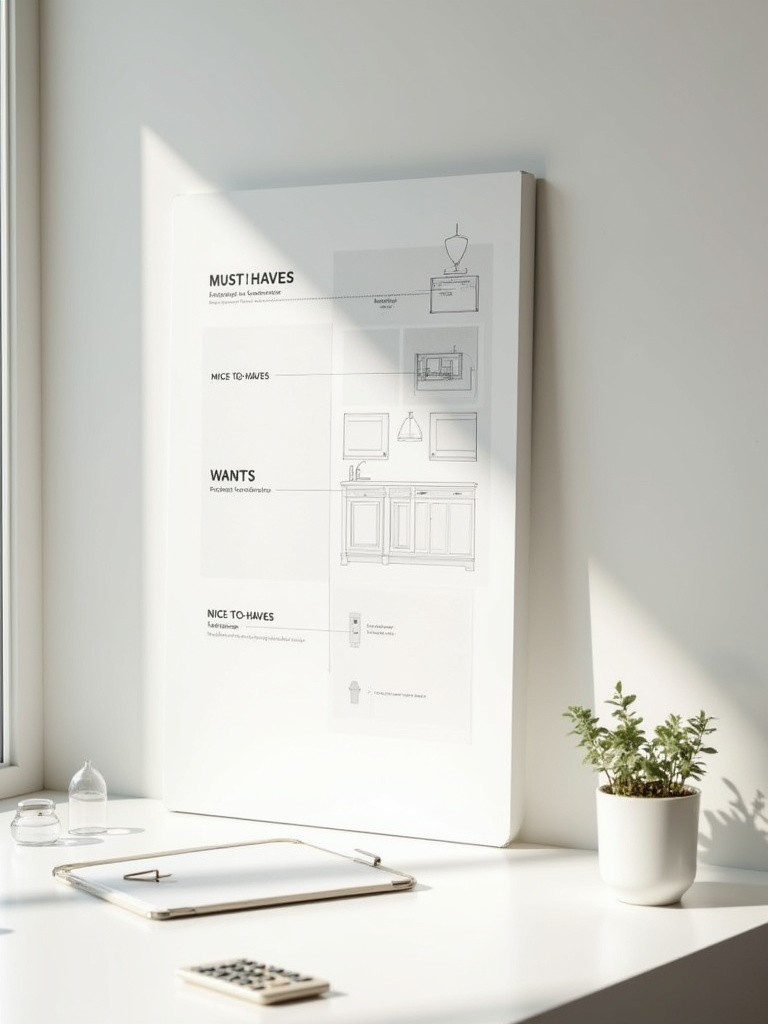
For example, I once collaborated with a homeowner who splurged on artisanal tiles-a desire-only to neglect increasing counter space, an essential. The result was daily frustration despite the kitchen’s beauty. Prioritize solving functional problems first; aesthetics come second. This prioritization isn’t about limiting creativity but about channeling resources wisely to achieve a kitchen that’s both practical and pleasing.
2. Set a Realistic Budget Including a Safety Cushion
A budget is more than a hopeful figure; it’s a comprehensive financial roadmap. Crucially, allocate 15-20% of your budget as a contingency reserve for unforeseen issues, especially in older homes. Hidden problems like outdated wiring, plumbing leaks, or structural damage often surface during demolition.
One client discovered asbestos behind soffits during renovation-a costly surprise. Thanks to their contingency fund, they managed the expense without sacrificing key design elements. Neglecting this buffer is the most common financial pitfall in remodeling. It’s your safeguard against disruptions, ensuring your vision remains intact despite unexpected challenges.
3. Enhance Efficiency with the Kitchen Work Triangle
Contrary to some opinions, the “work triangle” remains a fundamental principle rooted in efficiency, not style. It connects the sink, stove, and refrigerator, aiming to minimize travel distance and avoid obstacles. A well-executed triangle allows seamless transitions from washing to prepping to cooking, saving time and energy.
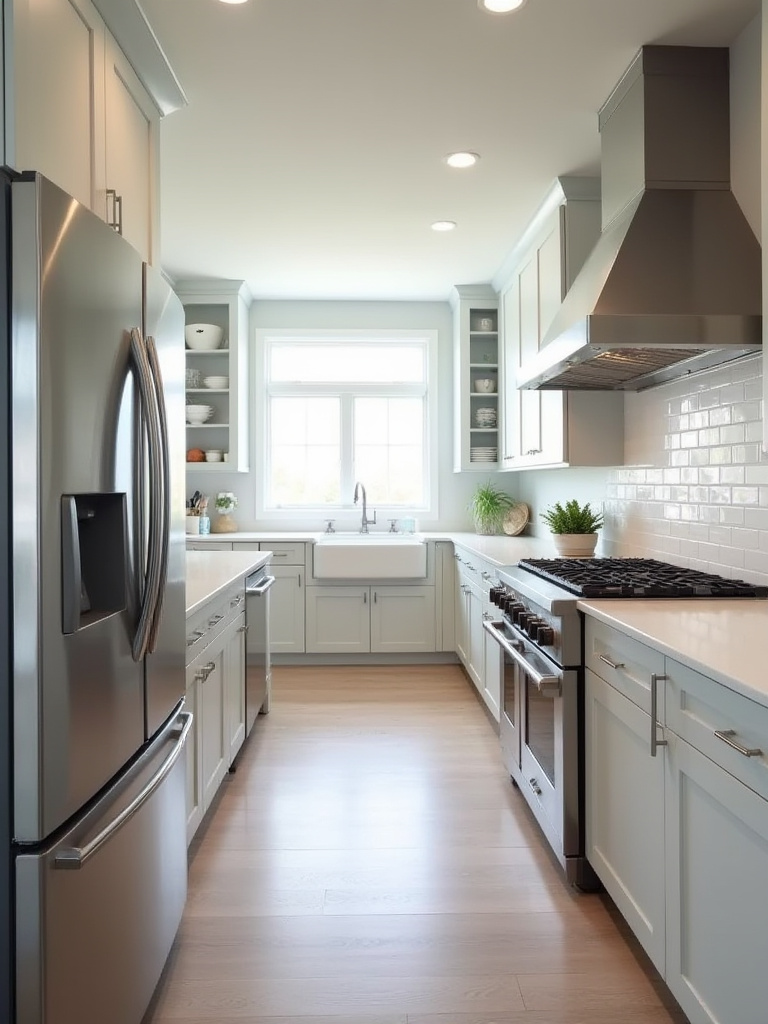
In larger kitchens, this concept expands into “work zones,” such as dedicated baking or beverage areas. The key is grouping related tasks and tools to reduce unnecessary movement. Design your kitchen around your actual habits-do you prep near the sink or stove? A kitchen that looks stunning but exhausts you during cooking is a design failure.
4. Adopt Open-Plan Layouts to Boost Interaction and Light
From a visual and spatial perspective, removing walls does more than enlarge a room-it enhances natural light and sightlines. An open kitchen invites social interaction, turning the cook into a host rather than an isolated figure.
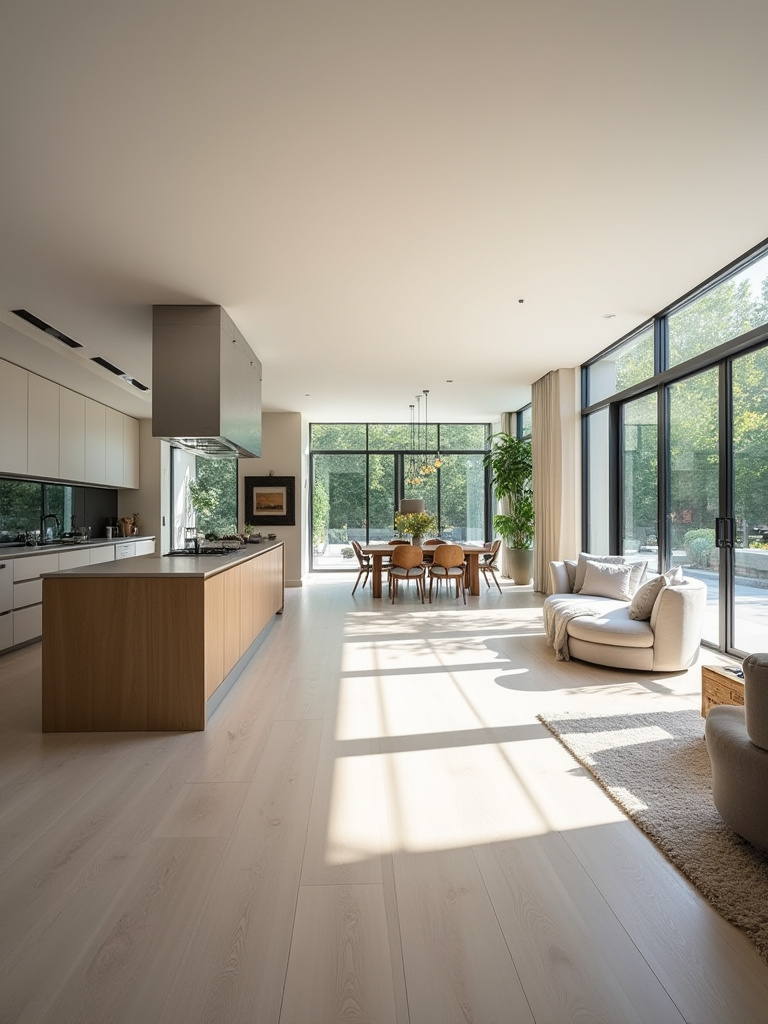
However, open layouts come with trade-offs: noise, cooking odors, and clutter become more visible and audible. Investing in a whisper-quiet dishwasher and a high-capacity ventilation hood (measured in CFM) is essential to maintain comfort. Open-concept living demands a commitment to cleanliness and infrastructure that manages sensory spillover.
Foundations of Smart Kitchen Planning and Layout (Part 2)
With the overall layout established, it’s time to focus on structural elements. These decisions impact not only aesthetics but also the home’s integrity and long-term value.
5. Evaluate Structural Modifications for Maximum Effect
Altering walls, expanding doorways, or adding windows can dramatically transform your kitchen’s ambiance and flow. For instance, removing a wall between a cramped kitchen and dining area can create a spacious, inviting heart of the home.
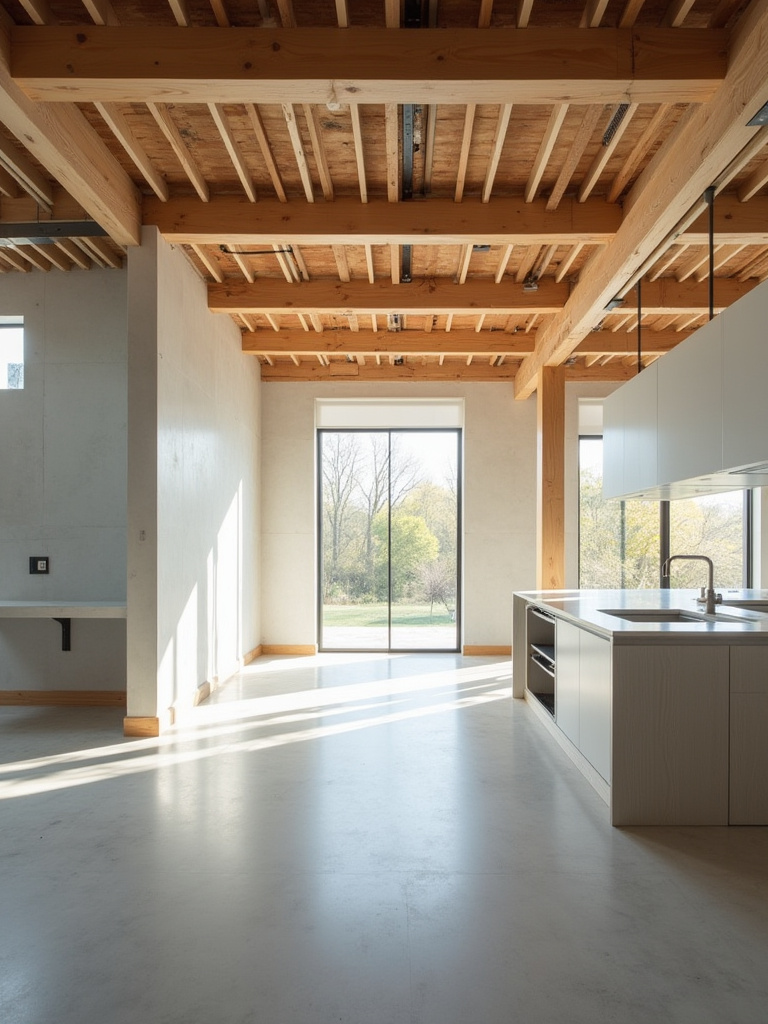
Never attempt these changes without consulting a structural engineer. They determine if walls are load-bearing and ensure safety. Skipping this step risks catastrophic damage and costly repairs. Professional guidance and permits are indispensable investments that protect your home and your wallet.
These major adjustments elevate a renovation from cosmetic to transformative, enhancing light, flow, and functionality while boosting property value.
Material Choices and Essential Installations (Part 1)
With the blueprint finalized, selecting materials and components becomes the focus. Balancing beauty, durability, and cost is key to crafting a kitchen that endures daily use and time.
6. Choose Robust, Attractive Cabinets for Maximum Storage Efficiency
Cabinetry serves as both the visual anchor and storage backbone of your kitchen. Opt for plywood construction over particle board for superior strength and moisture resistance. Quality hardware like soft-close hinges and full-extension drawer slides enhances usability and longevity.
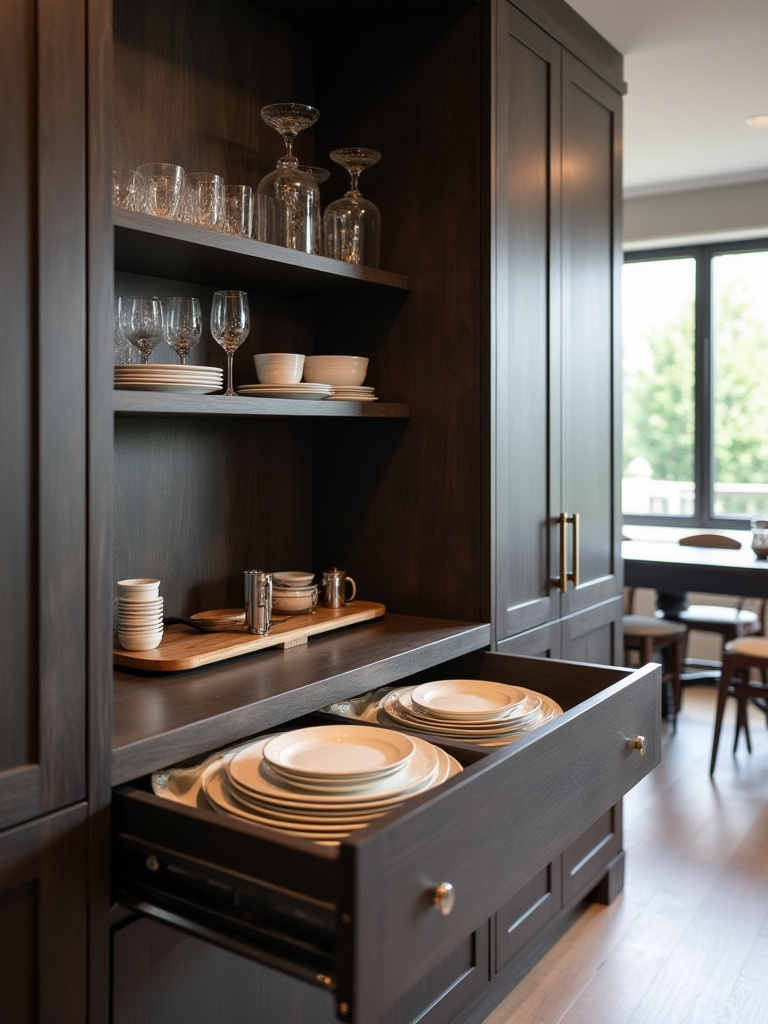
If budget constraints arise, prioritize cabinet boxes and hardware quality, then consider upgrading door fronts later. Favor drawers over cupboards in base cabinets for easier access and organization, reducing the need to crouch and dig.
7. Select Countertop Surfaces That Balance Style and Practicality
Countertop material should align with your lifestyle. For those who promptly clean spills, natural stones like marble offer timeless beauty but require maintenance due to porosity and susceptibility to staining. For busy households, engineered quartz is a superior choice-non-porous, stain-resistant, and durable.
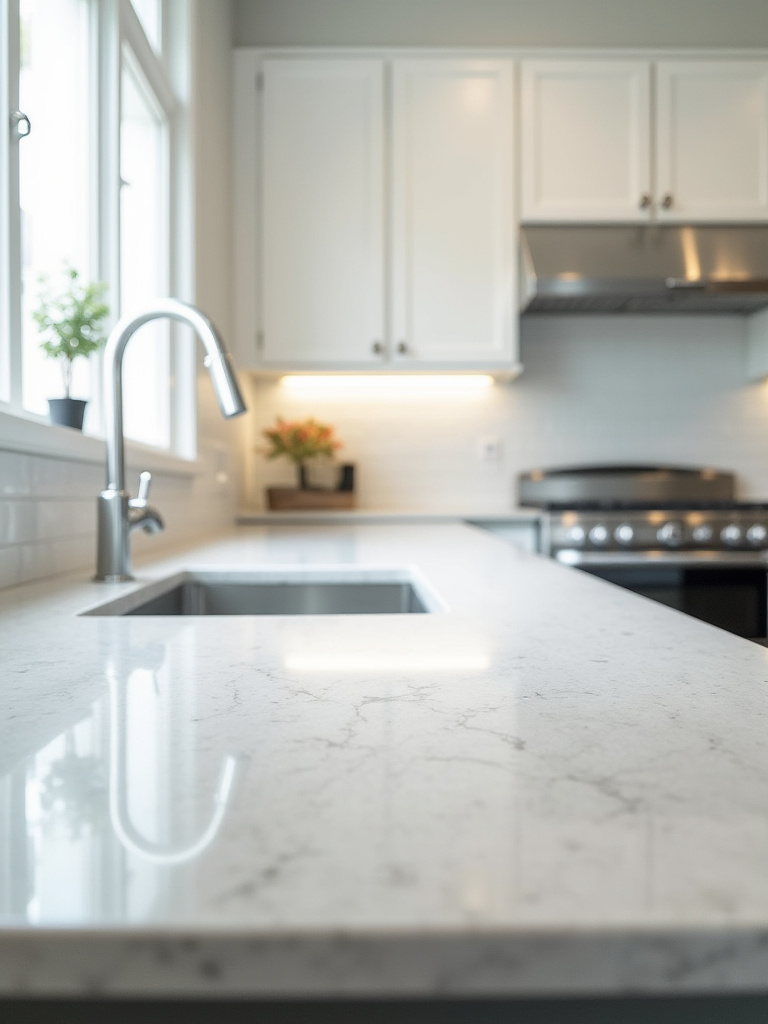
Test samples at home by exposing them to everyday wear and tear-coffee spills, scratches-to ensure they suit your routine. The countertop is your primary workspace, so its material profoundly affects maintenance and appearance.
8. Seamlessly Incorporate Energy-Efficient, Practical Appliances
Cut through the buzz around “smart” appliances. True intelligence lies in features that solve real problems, like remotely preheating an oven or ultra-quiet dishwashers that blend into open layouts.
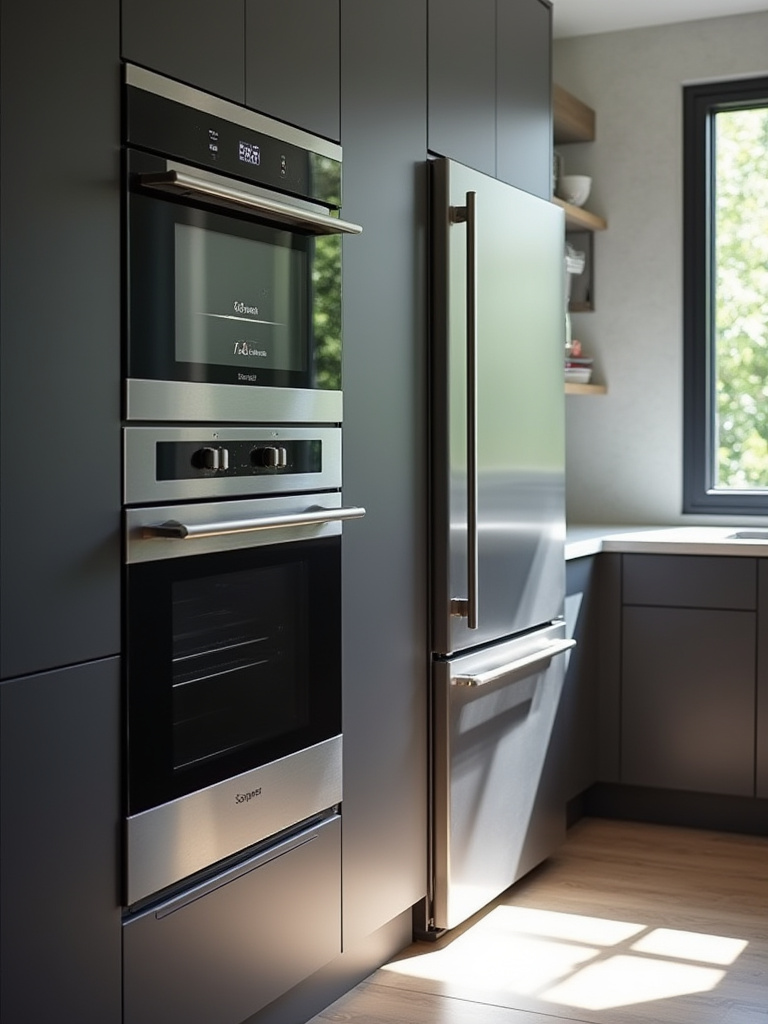
Prioritize ENERGY STAR certified appliances to reduce utility costs. Evaluate smart features critically-do they simplify your life or add complexity? Focus on quiet operation, reliability, and energy efficiency for a worthwhile investment.
9. Select Flooring That Combines Durability with Comfort
Your kitchen floor endures heavy use, spills, and dropped items. Porcelain tile offers excellent durability and water resistance but can be hard and unforgiving. Hardwood provides warmth and beauty but is vulnerable to water damage.
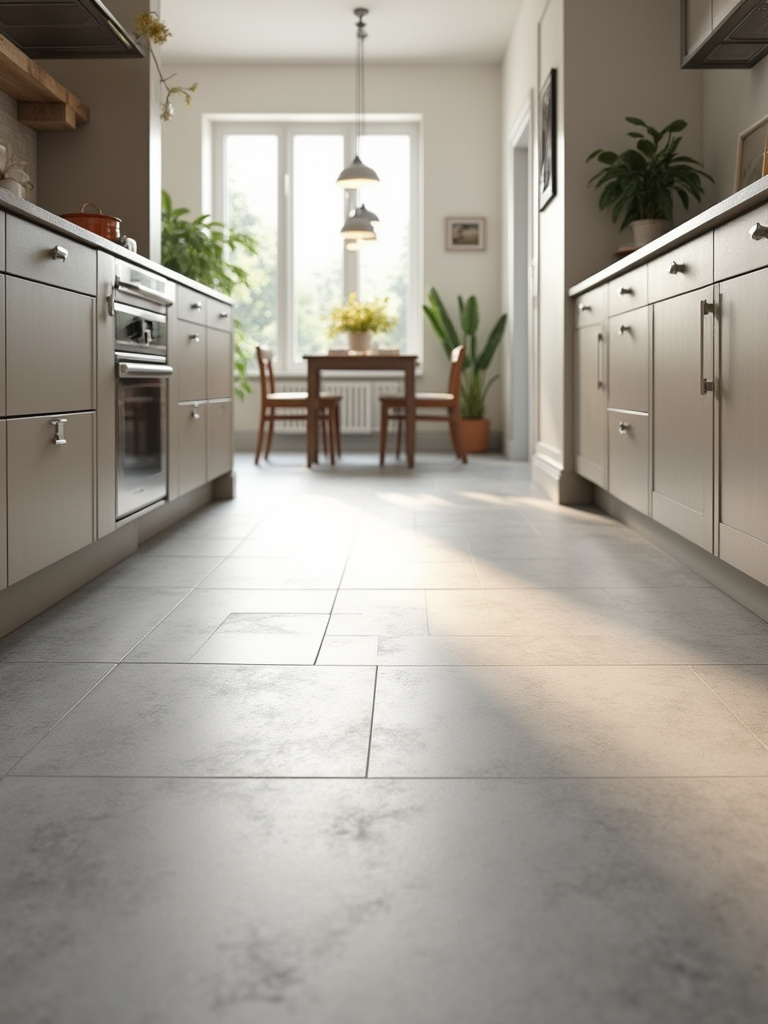
Luxury Vinyl Plank (LVP) strikes a balance: waterproof, scratch-resistant, softer underfoot, and visually convincing. Consider finish too-matte surfaces absorb light for a cozy feel, while glossy finishes brighten darker spaces but may cause glare.
Material Choices and Essential Installations (Part 2)
Next, focus on the kitchen’s architectural anchors, such as islands or peninsulas, which shape flow and function.
10. Design a Multi-Purpose Island or Peninsula for Maximum Utility
Islands are valuable but only if sized and placed correctly. Ensure at least 36 inches of clearance around the island, with 42-48 inches preferred for comfortable movement, especially in busy kitchens.
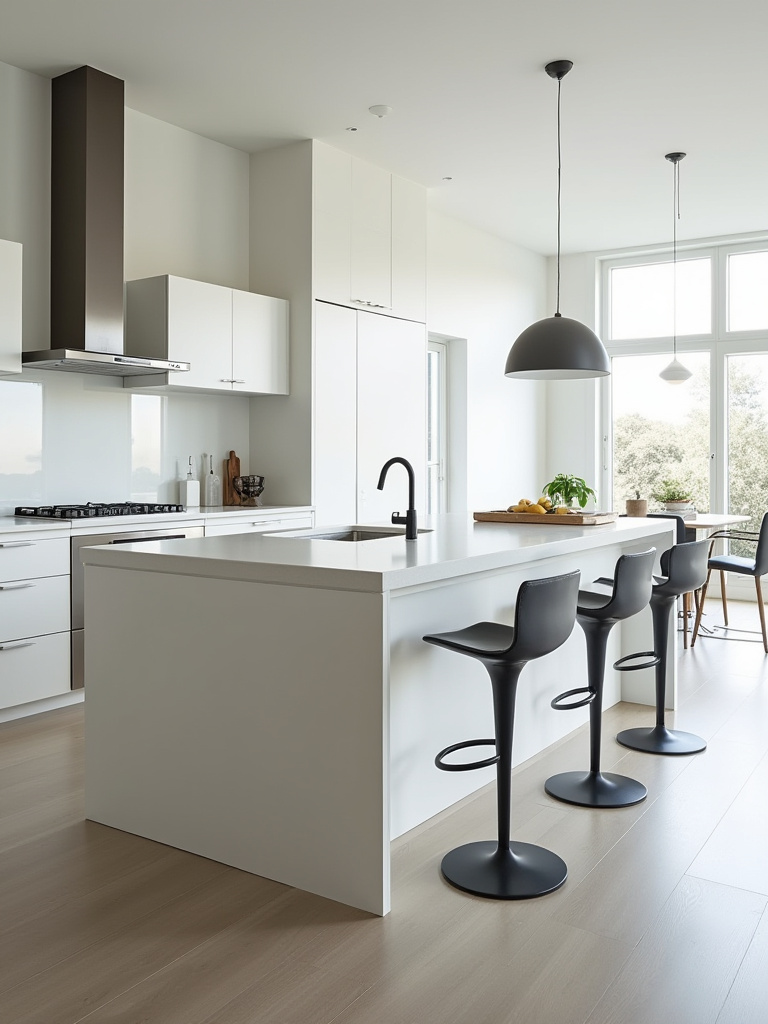
Define the island’s role: prep station, cooking area, cleanup zone, or social hub. Its design should reflect its function-seating requires overhangs, prep areas need accessible storage. A thoughtfully designed island orchestrates kitchen traffic and workflow.
Enhancing Aesthetics and Functionality (Part 1)
With structural and material choices in place, it’s time to add layers that bring your kitchen to life, blending beauty with usability.
11. Implement Layered Lighting for Ambiance and Practicality
Lighting transforms a kitchen’s atmosphere and usability. Relying on a single overhead fixture creates flat, shadowy spaces. Instead, use three layers:
- Ambient lighting: General illumination, such as recessed lights on dimmers, mimicking natural daylight.
- Task lighting: Focused, shadow-free light for work areas, with under-cabinet LEDs as the gold standard.
- Accent lighting: Decorative elements like pendant lights or spotlights that add mood and highlight features.
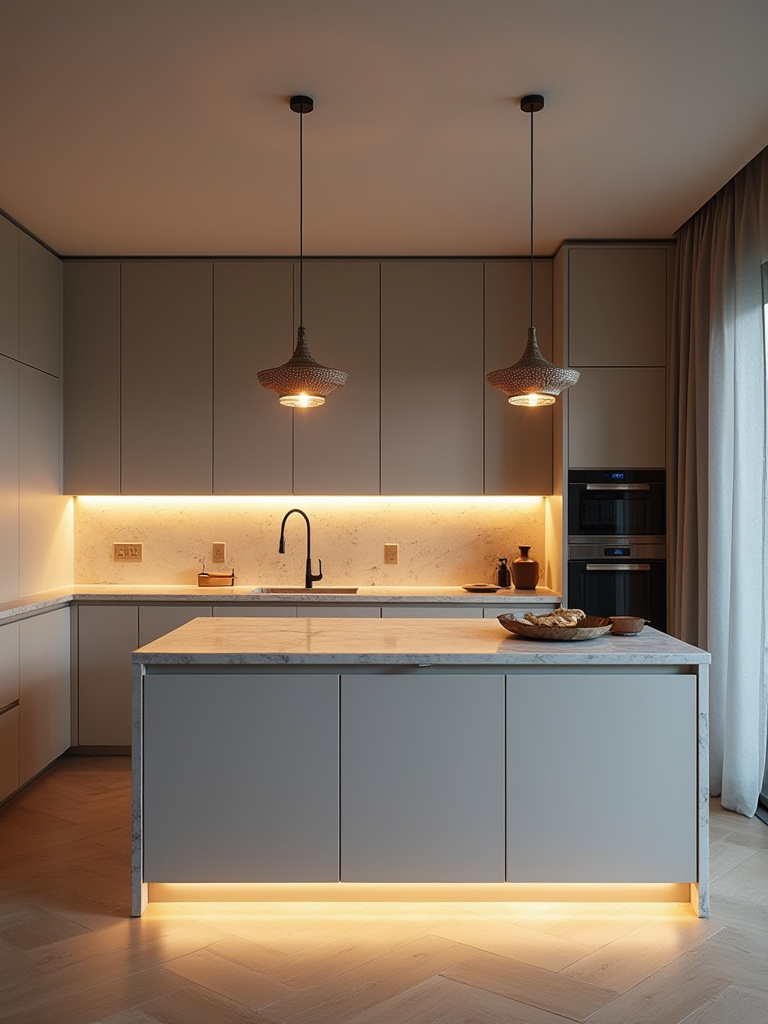
Consider color temperature: warm tones (~3000K) suit ambient lighting, while cooler whites (~4000K) enhance task visibility.
12. Select a Backsplash That Combines Style and Practicality
The backsplash offers a chance to inject personality without a permanent commitment. Options range from classic subway tiles to bold patterned ceramics or continuous stone slabs.
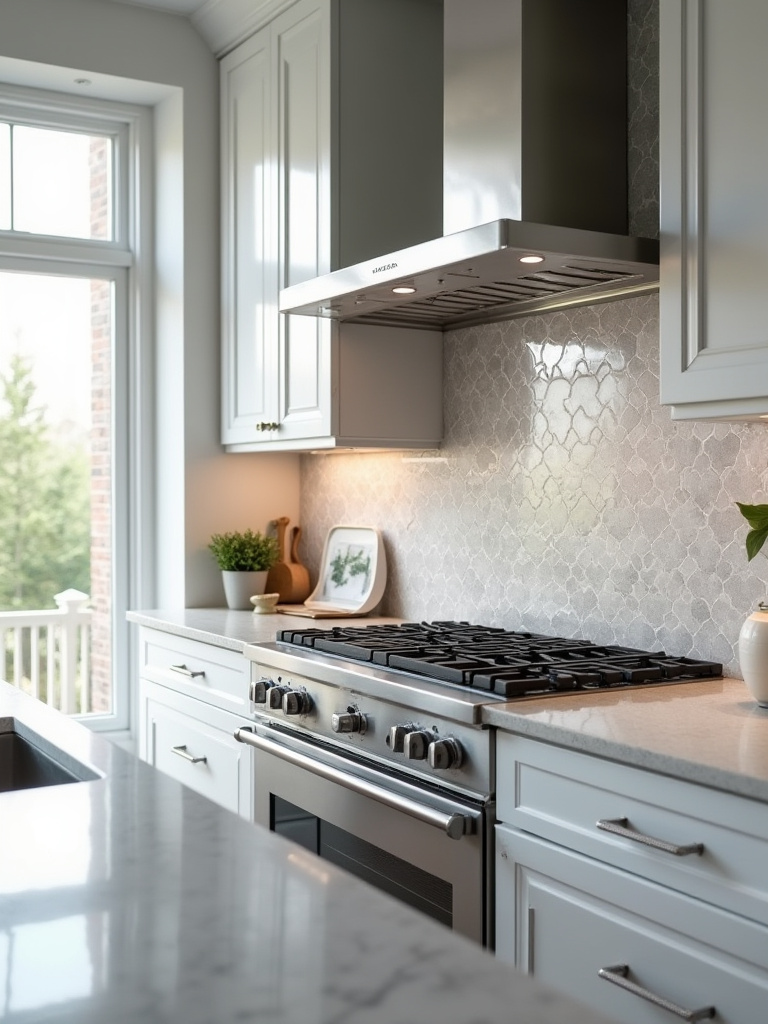
Functionally, it must protect walls from grease and moisture. Avoid porous materials behind cooking surfaces to prevent staining and difficult cleaning. Balance aesthetics with maintenance needs for lasting beauty.
13. Maximize Storage with Integrated Organizers and Pantries
Clutter-free kitchens rely on smart storage, not just more space. Invest in pull-out pantry shelves, utensil dividers, spice racks, and peg systems to keep items orderly.
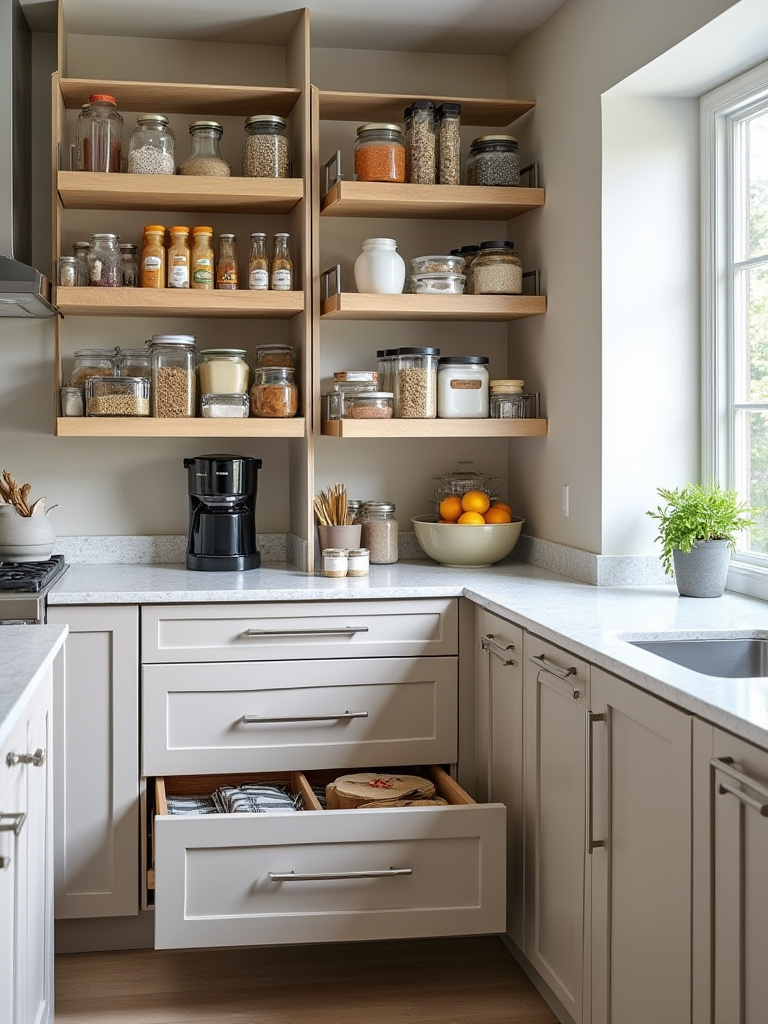
Full-extension, soft-close drawers are essential-they allow complete access and reduce wear. These systems transform cabinetry into efficient, user-friendly storage that enhances daily kitchen flow.
14. Create a Dedicated Coffee or Beverage Station to Improve Traffic Flow
In busy homes, coffee and beverage preparation can congest main kitchen areas. A designated station consolidates related items-coffee maker, kettle, mugs, and supplies-streamlining movement and reducing interruptions.
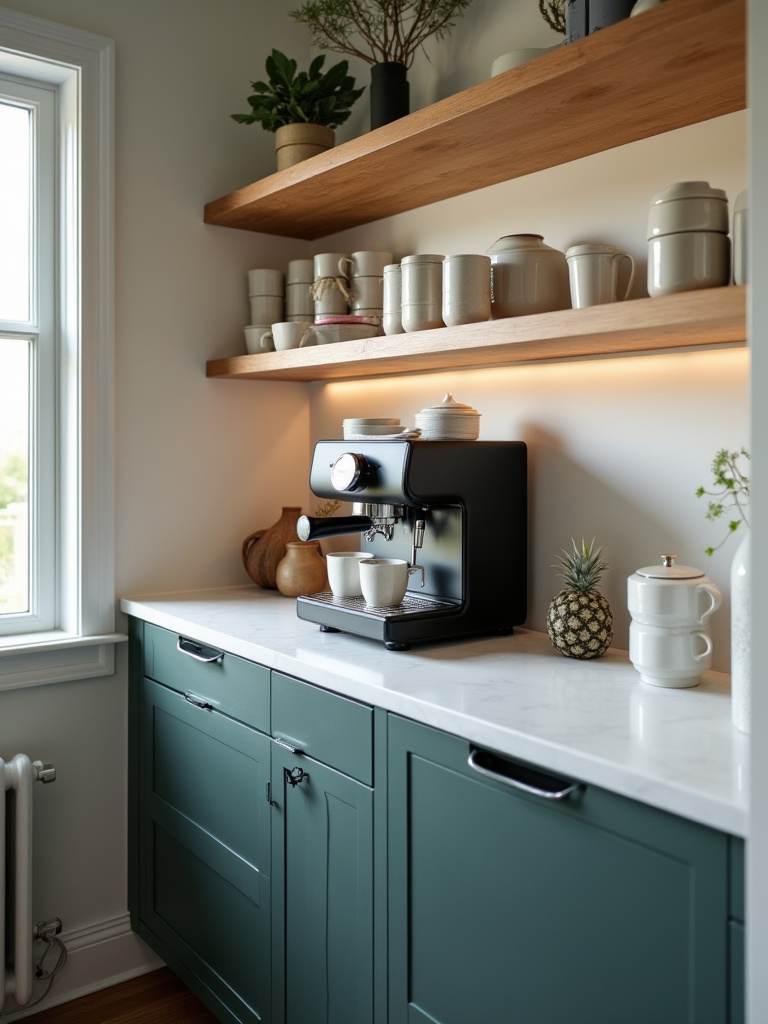
Even a small countertop area with floating shelves can serve this purpose. Position near water sources for convenience. This thoughtful zoning elevates kitchen efficiency and household harmony.
Enhancing Aesthetics and Functionality (Part 2)
As the project nears completion, focus on technology and details that elevate your kitchen’s intelligence and ease of use.
15. Integrate Smart Home Features for Practical Convenience
Choose smart technology that genuinely simplifies tasks. Voice-activated faucets, for example, improve hygiene and ease when hands are occupied. Smart lighting controlled by voice assistants adds convenience.
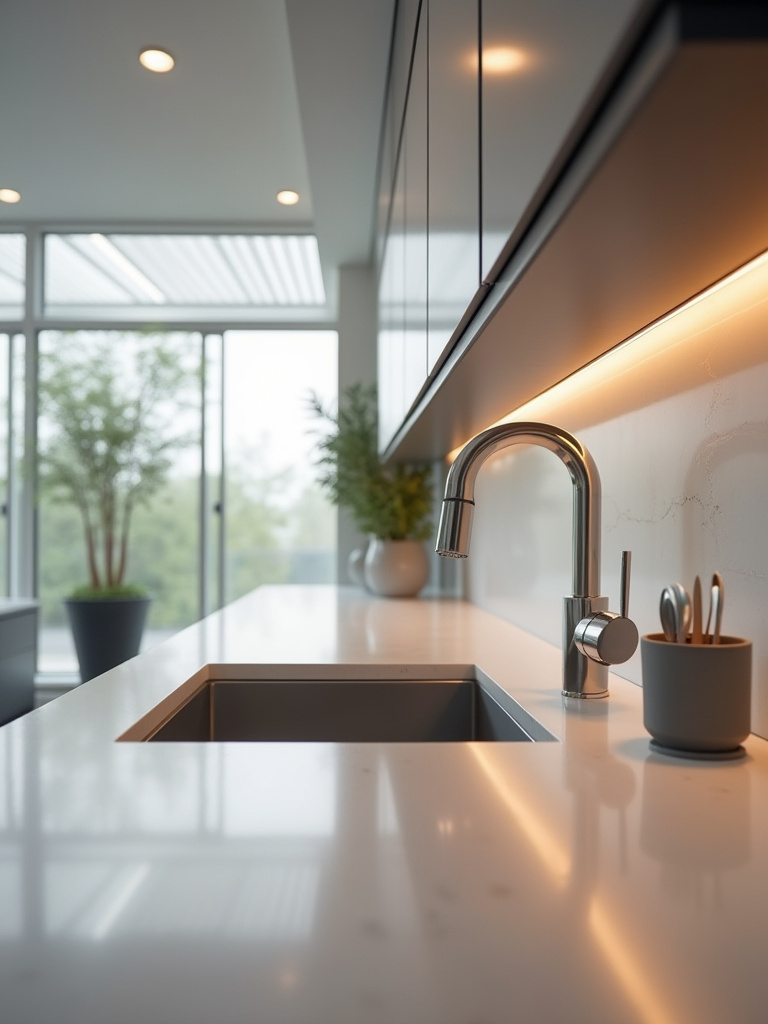
Avoid locking into proprietary ecosystems that may become obsolete. Opt for compatibility with universal platforms like Google Home, Amazon Alexa, or Apple HomeKit, and always maintain manual overrides. Start with simple smart plugs and expand only when features address real needs.
Personalization, Sustainability & Future-Proofing (Part 1)
The final phase is about embedding your personality and values into the kitchen while ensuring it remains functional and relevant over time.
16. Choose Hardware and Fixtures That Express Your Style
Cabinet knobs, pulls, and faucets are the jewelry of your kitchen. They offer a cost-effective way to make a bold design statement. For example, matte black pulls can modernize a classic cabinet, while polished brass knobs add timeless elegance.
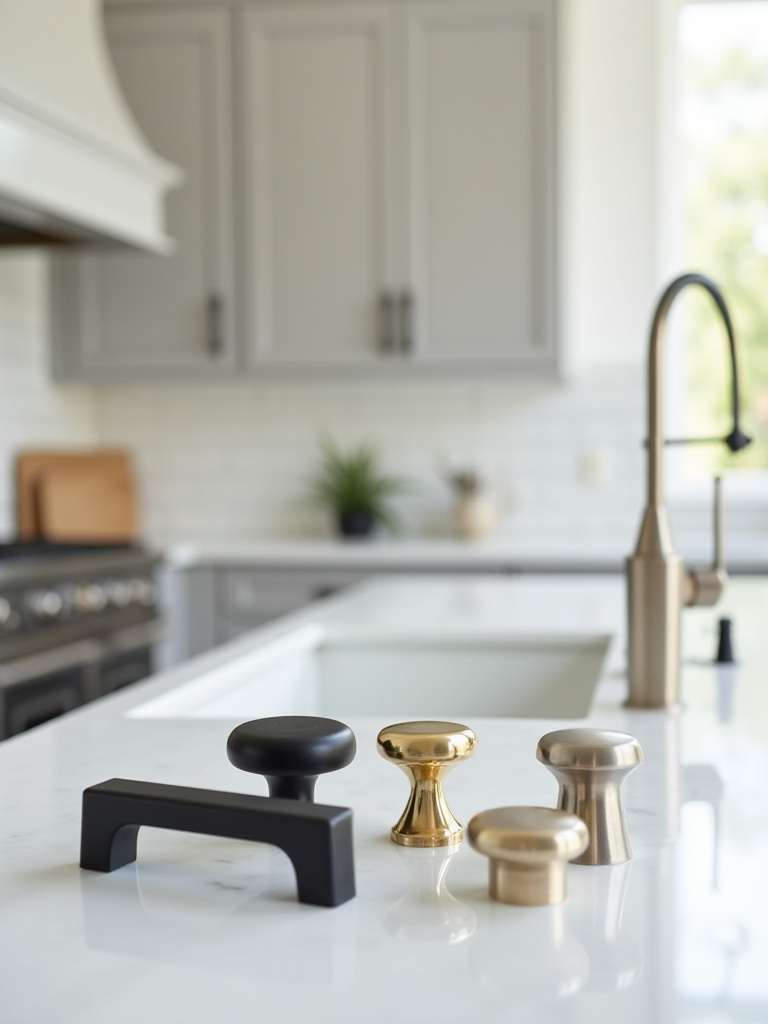
Order samples to assess feel and ergonomics. Since you’ll handle these daily, comfort is as important as appearance. Thoughtful hardware enhances both function and character.
17. Incorporate Eco-Friendly Materials for a Healthier Kitchen
Sustainability means choosing materials that promote indoor air quality and environmental responsibility. Prioritize low or zero VOC paints, finishes, and sealants to reduce harmful emissions.
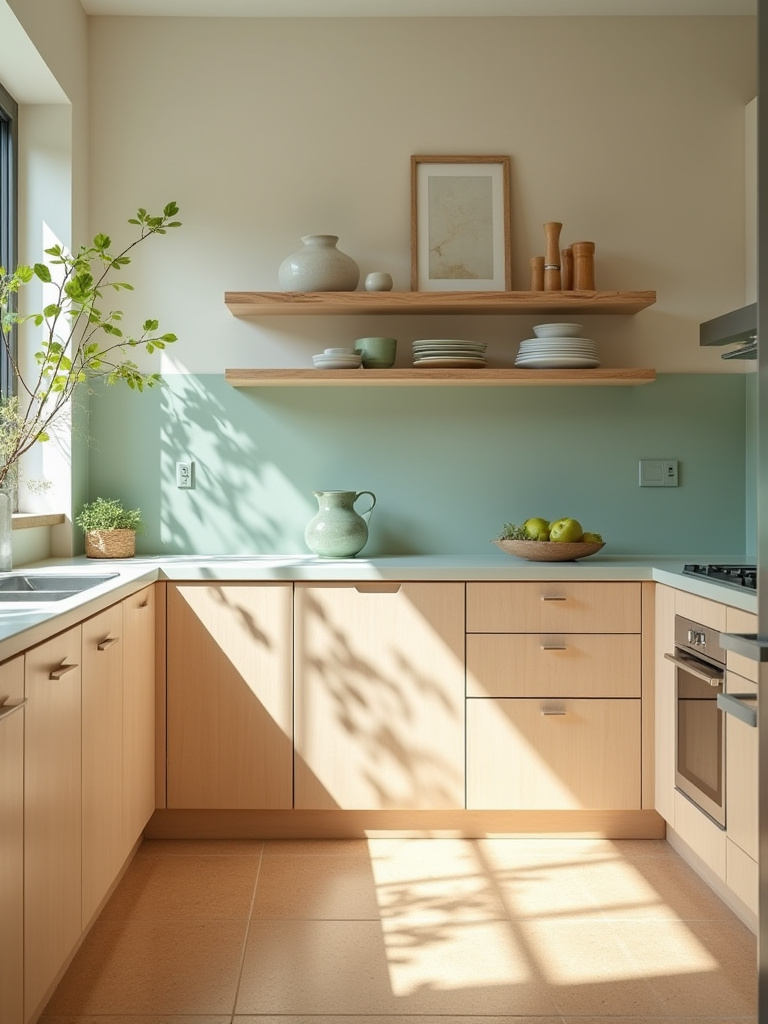
Consider recycled-content surfaces like certain quartz countertops or tiles, and renewable materials such as cork or bamboo flooring-ensuring adhesives are formaldehyde-free. Reclaimed wood adds unique character and sustainability, blending history with modern design.
18. Design for Flexibility to Accommodate Life’s Changes
Future-proof your kitchen by incorporating adaptable features. This might include pre-installed wall blocking for future grab bars or movable islands on casters. Choose timeless, neutral finishes for major elements like countertops and flooring, allowing you to update colors and accents easily over time.
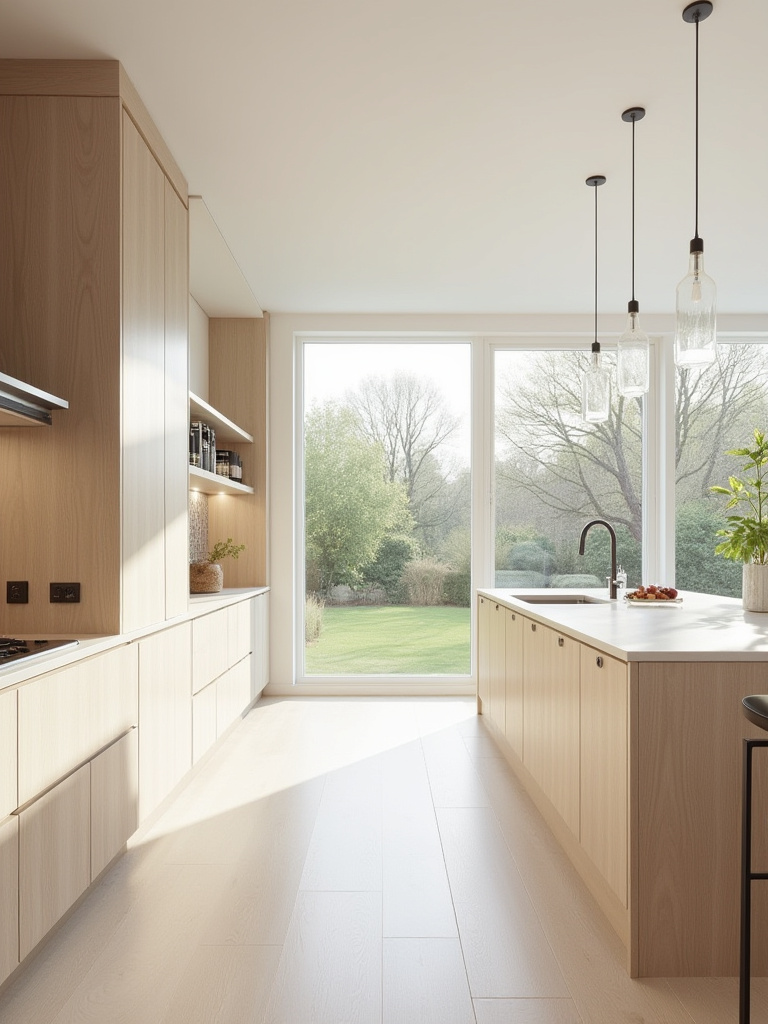
Adaptability is a cornerstone of sustainable design, ensuring your kitchen remains functional and stylish through different life stages.
19. Introduce a Signature Element with Custom Shelving or Art
Just as photographers use focal points to guide the eye, your kitchen benefits from a standout feature that anchors the design. Whether it’s a dramatic range hood or bold patterned flooring, balance this with simpler surrounding elements.
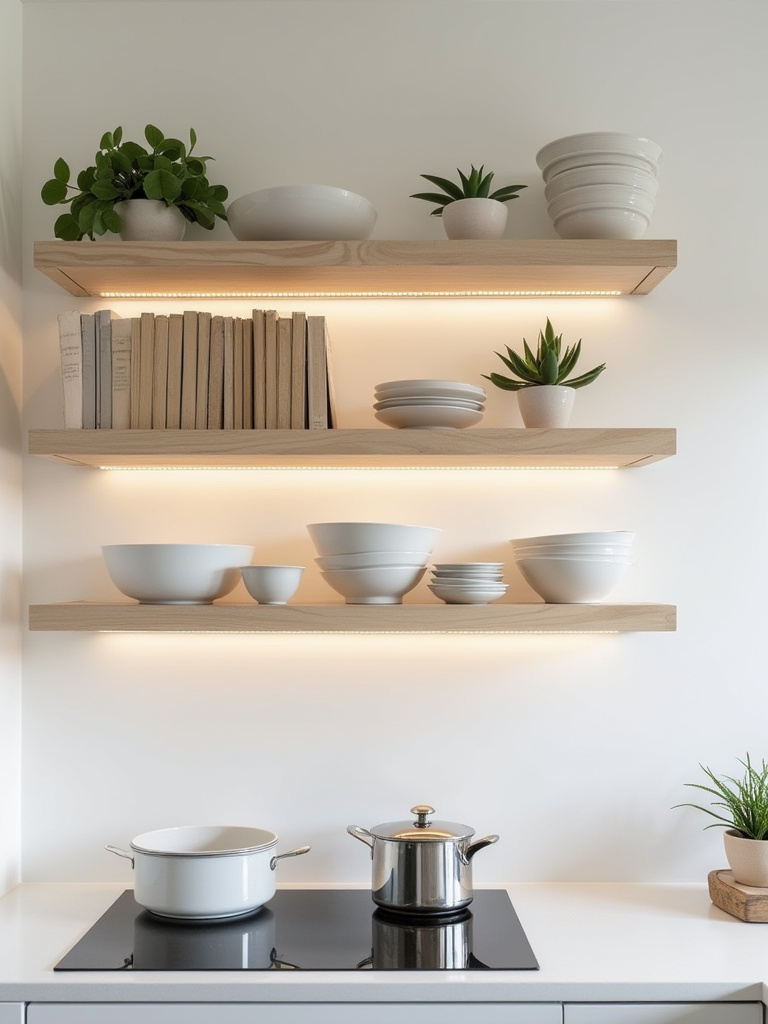
Open shelving made from reclaimed wood can serve as both functional storage and artistic display. Style shelves thoughtfully with curated items to avoid clutter and maintain visual appeal.
Personalization, Sustainability & Future-Proofing (Part 2)
The final step ensures your renovation meets your expectations in every detail.
20. Perform a Thorough Final Inspection to Guarantee Quality
Before releasing the final payment, conduct a meticulous walkthrough with your contractor. Use a punch list and painter’s tape to mark imperfections. Test every cabinet, drawer, faucet, and appliance. Look for misalignments, scratches, or installation flaws.
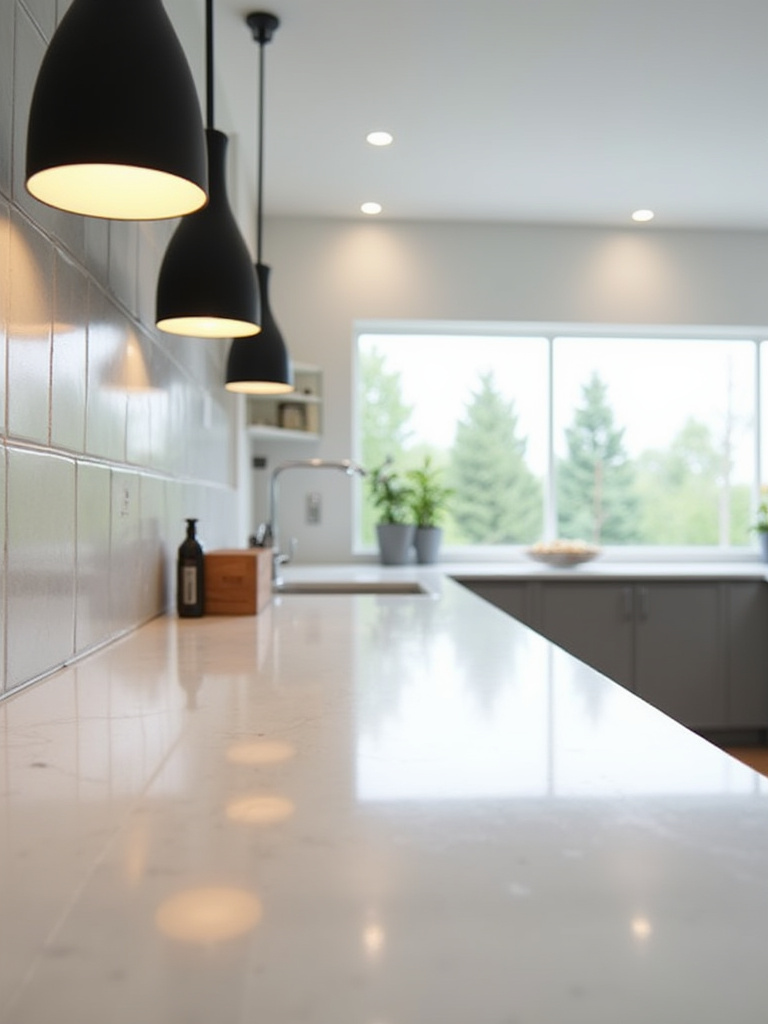
Attention to detail here can prevent costly future repairs. For instance, catching a loose toilet seal early saved a client from water damage to their new kitchen ceiling. Be firm-hold back final payment until all issues are resolved. This step protects your investment and ensures your kitchen is flawless.
Conclusion
Ultimately, a successful kitchen remodel is a strategic process, not a spontaneous shopping spree. Each decision, from layout to hardware, builds upon the last to create a cohesive, functional, and personalized space. With this framework, you can design a kitchen that not only looks stunning but also enhances your daily life.
Your kitchen can become the heart of your home-a place of joy, creativity, and connection. Begin by defining your goals, then proceed thoughtfully through each stage. Now equipped with these insights, you’re ready to craft the kitchen you’ve always envisioned.
For quality cabinetry options, explore cabinetry on Amazon. To find durable countertops, check out quartz countertops. For energy-efficient appliances, browse ENERGY STAR appliances. And for smart kitchen gadgets, visit smart kitchen appliances.