Often overlooked as merely functional, the bathroom holds immense potential to become a serene haven within your home. Among the many design components, tiles stand out as the most impactful, capable of converting a plain, utilitarian space into a personalized oasis through their hues, textures, and patterns.
Drawing from extensive experience exploring how Latin American design heritage can invigorate modern interiors, I’ve witnessed how the right tile selection can revolutionize a bathroom’s ambiance. Beyond durability and water resistance, tiles narrate stories, set moods, and mirror your individual style.
Below are 22 innovative bathroom tile concepts, spanning from enduring classics to daring designs, each capable of redefining your space.
1. Subway Tiles: The Everlasting Classic
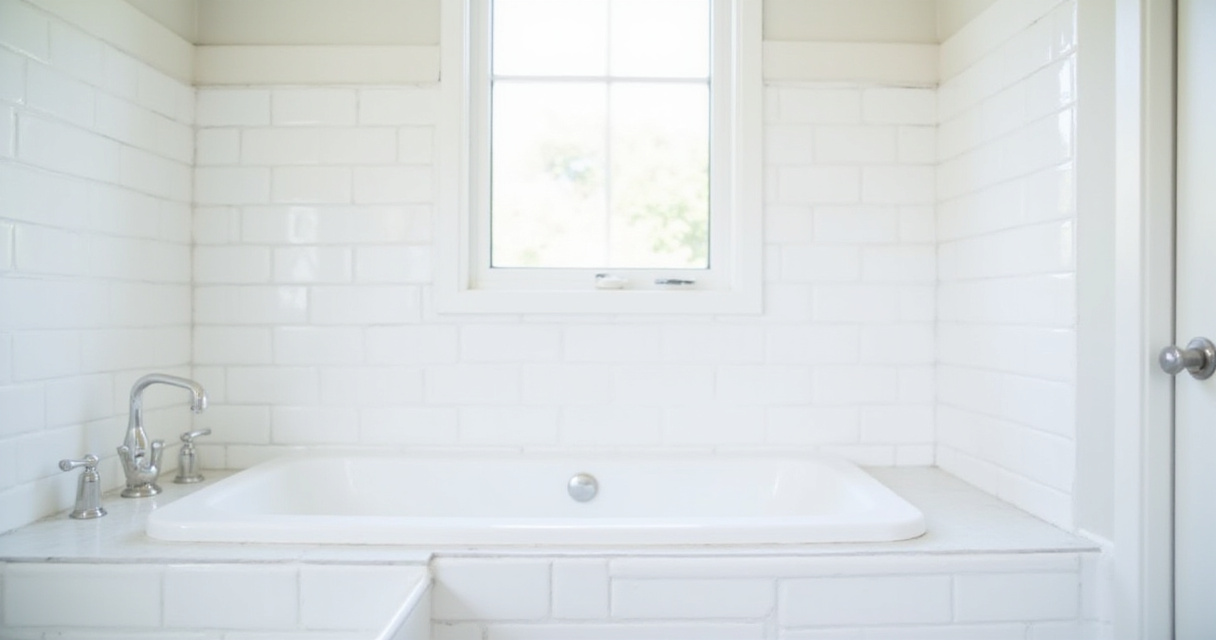
Subway tiles owe their lasting appeal to their sleek, rectangular shape and remarkable versatility. They seamlessly blend with diverse bathroom aesthetics-from rustic farmhouse to contemporary minimalism. Their glossy surfaces enhance light reflection, making compact bathrooms feel brighter. Additionally, their affordability and easy availability make them a go-to choice for many renovations.

While classic white remains a favorite, subway tiles now come in a spectrum of colors and finishes. Imagine soft olive greens for a natural vibe, rich midnight blues for striking contrast, or crackled glazes that add texture and depth. The grout color also plays a pivotal role-contrasting grout highlights the tile’s geometry, whereas matching grout offers a seamless, understated look.
My inspiration for this style came from a beautifully preserved early 20th-century residence in Mexico City, where original subway tiles were cherished rather than replaced, proving that timeless design transcends fleeting trends.
2. Expansive Elegance with Large Format Tiles
Tiles measuring 12×24 inches or larger create a sleek, spacious atmosphere that instantly modernizes bathrooms. Their minimal grout lines not only contribute to a clean aesthetic but also reduce maintenance by limiting mold-prone areas. This effect can visually enlarge even the smallest bathrooms.

Installation precision is essential with large tiles; an uneven subfloor can cause noticeable imperfections. Porcelain remains a top choice for its resilience and moisture resistance, but options now include natural stone and terrazzo-inspired finishes, offering diverse textures and styles.
In my projects blending Latin American artistry with modern design, large format tiles serve as a neutral backdrop, allowing handcrafted textiles and accessories to shine.
3. Vibrant Impact: Bold Patterned Tiles
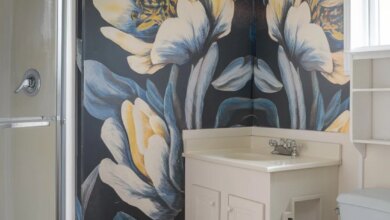
Patterned tiles infuse bathrooms with character and vitality, transforming sterile spaces into visual masterpieces. From geometric shapes to motifs inspired by Moroccan artistry, these tiles make a statement. However, balance is key-using patterns sparingly, such as on a feature wall or floor, prevents overwhelming the room.

Consider the scale of patterns carefully: large motifs can crowd small bathrooms, while tiny patterns may fade in larger areas. Limiting colors to two or three complementary shades ensures harmony, or opt for monochrome designs for subtle elegance.
Many Latin American artisans continue centuries-old traditions by hand-painting cement tiles, merging cultural heritage with contemporary aesthetics.
4. Mosaic Tiles: Intricate Artistry and Flexibility
Mosaics offer unmatched adaptability, conforming to curves and enabling detailed designs impossible with larger tiles. Their small size, often under two inches, makes them ideal for shower niches, backsplashes, or accent walls. The abundance of grout lines also enhances slip resistance in wet zones.

Available in glass, ceramic, stone, and metal, mosaics can suit any style. Glass mosaics brighten spaces by reflecting light, while stone adds natural texture. Using mosaics as accents within larger tile layouts can highlight architectural features beautifully.
This art form, rooted in ancient traditions, flourished in Latin American colonial architecture, blending European and indigenous influences into unique designs.
5. Hexagon Tiles: Geometric Elegance
Hexagonal tiles introduce geometric interest without overpowering the room. Their honeycomb pattern strikes a balance between order and organic flow. Sizes vary from tiny mosaics to large statement pieces.

Color and material choices shape the final look-classic white with dark grout offers timeless contrast, while colorful hexagons can create gradients or playful randomness. Combining hexagon floors with simple rectangular wall tiles achieves a harmonious balance.
In my designs, I often pair handcrafted Mexican hexagon tiles with minimalist white walls, blending cultural richness with modern simplicity.
6. Wood-Look Porcelain: Warmth Meets Durability
Porcelain tiles mimicking wood bring the cozy appeal of timber into moisture-prone bathrooms without the risk of warping or decay. These tiles replicate wood’s grain, color variations, and texture while offering easy upkeep.

Modern manufacturing produces remarkably authentic options, from rustic barn wood to exotic tropical species. Plank size and installation patterns-such as staggered, herringbone, or chevron-can dramatically influence the style, from classic to contemporary.
“Wood-look porcelain bridges the gap between nature’s warmth and bathroom practicality, offering a thoughtful alternative rather than mere imitation.”
Choosing sustainable materials like these supports longevity and reduces environmental impact, aligning with eco-conscious design principles.
7. Marble Tiles: Timeless Luxury
Marble’s distinctive veining and subtle color shifts imbue bathrooms with natural elegance. Each slab is unique, telling a story shaped over millennia. Varieties range from soft gray-veined Carrara to bold, gold-streaked Calacatta, instantly elevating any space.

Marble requires regular sealing to protect against stains and etching. For lower maintenance, marble-look porcelain offers a similar aesthetic with enhanced durability. Alternatively, reserve real marble for accent areas, pairing it with more resilient materials in high-moisture zones.
Over time, marble develops a graceful patina, a quality celebrated in Latin American design traditions that value materials aging with character.
8. Penny Tiles: Nostalgic Charm
Small, round penny tiles evoke early 20th-century elegance, popular during Victorian and Art Deco periods. Their numerous grout lines provide excellent slip resistance, making them practical for bathroom floors.

While black and white remains iconic, penny tiles now come in diverse colors and finishes. They’re perfect for curved surfaces like shower niches or around pedestal sinks, where larger tiles would require complex cuts.
Contemporary designers experiment with ombré effects, mixing matte and glossy finishes, or combining penny tiles with rectangular tiles for a fresh take on tradition.
9. Fish Scale Tiles: Fluid and Organic
Also known as fan or scallop tiles, fish scale shapes evoke the movement of water, ideal for bathrooms. Their overlapping pattern creates a rhythmic visual flow, perfect for feature walls or shower surrounds.

Available in ceramic, porcelain, glass, and stone, color choices influence mood-blues and greens emphasize aquatic themes, neutrals add subtle texture, and metallics introduce glamour. Installation direction alters the effect: horizontal for tradition, vertical for drama.
Recently, earthy terracotta tones have emerged, inspired by indigenous pottery, offering a grounded alternative to typical aquatic colors.
10. Zellige Tiles: Embracing Handcrafted Imperfection
Zellige tiles showcase artisanal charm through their uneven edges, color variations, and textured surfaces. Originating from Morocco, these hand-cut clay tiles are glazed with multiple layers, producing a depth and shine unmatched by machine-made tiles.

While neutral shades are popular, jewel tones like emerald, sapphire, and ruby create striking focal points. Ideal for shower surrounds or vanity backsplashes, their reflective surfaces interact beautifully with water and light.
This craft shares kinship with Mexican talavera pottery, both celebrating the beauty of human touch over mechanical perfection, bridging North African and Latin American traditions.
11. Glass Tiles: Illuminating Spaces
Glass tiles enhance bathroom lighting by capturing and reflecting light, making small or dim spaces feel brighter and more open. Their translucent nature adds a luminous quality that other materials can’t match.

Available in myriad colors, finishes, and sizes, glass tiles range from clear to frosted, with iridescent options that shift hues throughout the day. For durability, select tiles designed for wet environments with proper backing and edge sealing.
Inspired by colonial Latin American architecture, pairing glass tiles with simple lighting fixtures can create dynamic, ever-changing atmospheres.
12. Natural Stone: Earth’s Timeless Touch
Natural stone tiles bring the raw beauty of the earth into bathrooms, each piece bearing unique mineral patterns and textures formed over millions of years. This organic variation adds depth and timelessness that manufactured tiles can’t replicate.

Popular stones include:
- Marble: Elegant veining, requires sealing
- Granite: Durable, stain-resistant
- Slate: Textured, slip-resistant
- Travertine: Warm, rustic, needs filling
- Limestone: Soft, subtle tones
Natural stone grounds bathroom design in authenticity, ideal for spaces that feel too sterile or artificial.
13. Terrazzo Tiles: Playful Elegance
Terrazzo’s speckled surface, composed of marble, quartz, glass, or other chips embedded in cement or resin, offers a lively yet sophisticated look. Originally a resourceful way to reuse stone scraps, terrazzo now shines in modern bathroom designs.

Customization options include background color, chip size, and density, allowing for subtle or bold effects. Terrazzo is also durable and resistant to stains and moisture when sealed properly, making it practical for bathrooms.
14. Industrial Flair with Brick-Look Tiles
Brick-look tiles offer the rugged charm of brickwork without its maintenance challenges. Crafted from porcelain or ceramic, they replicate brick’s texture and color while providing essential water resistance.

Choose from traditional red bricks, whitewashed finishes, charcoal grays, or even bold colors like navy or forest green. Subtle textures are preferable for a refined appearance over heavily distressed surfaces.
In urban-inspired designs, brick-look tiles add warmth and character without compromising functionality.
15. Vertical Tiling: Enhancing Height and Space
Installing tiles vertically draws the eye upward, creating an illusion of taller ceilings and more spacious rooms. This simple orientation change adds architectural interest without altering physical dimensions.

Rectangular tiles like subway or plank formats work best. Use vertical tiling throughout for cohesion or highlight specific areas like showers or vanities. The contrast between vertical tiles and horizontal fixtures adds dynamic tension.
This technique echoes Latin American architectural traditions that emphasize verticality to accentuate features.
16. Striking Contrast: Light Tiles with Dark Grout
Pairing light-colored tiles with dark grout creates bold definition, turning simple tiles into graphic statements. This contrast accentuates tile patterns and adds architectural flair.

Classic white tiles with charcoal or black grout offer timeless appeal. Softer contrasts, like light gray grout with white tiles, provide subtle sophistication. Grout color is a crucial design element often overlooked but capable of transforming the entire look.
17. Soft Definition: Dark Tiles with Light Grout
Reversing the contrast, dark tiles paired with light grout create gentle outlines that emphasize tile shapes without harshness. This approach adds depth and understated elegance.

Colors like charcoal, navy, or forest green with light gray or taupe grout brighten the space while maintaining richness. This balance is reminiscent of colonial Mexican architecture, where dark stones were outlined with light mortar for visual rhythm.
18. Architectural Interest: Tile Wainscoting
Tile wainscoting adds both style and protection, covering lower wall sections to guard against moisture while enhancing visual appeal. Typically installed up to 36-48 inches, it can make ceilings appear taller and add traditional charm.

Options range from subway tiles and beadboard-inspired ceramics to marble with coordinating caps. Above the wainscoting, paint, wallpaper, or contrasting tiles can add interest. This method offers a moisture-resistant alternative to wood millwork.
19. Shower Niches: Functional Accents
Shower niches provide perfect spots for accent tiles, adding personality while organizing essentials. They can complement or contrast the main shower tile, creating focal points without overwhelming the space.

Consider glass mosaics within ceramic surrounds or marble accents in porcelain showers. Coordinating colors with other bathroom elements enhances cohesion. Adding recessed waterproof lighting highlights these features beautifully.
20. Dynamic Patterns: The Herringbone Effect
The herringbone layout arranges rectangular tiles in a distinctive V-shape, adding movement and sophistication without specialty tiles. It works well on floors, walls, or as a vanity backdrop.

Traditional 45-degree angles create classic looks, while 90-degree arrangements feel modern. Smaller tiles yield intricate patterns; larger ones offer bold graphics. This pattern can also be used creatively on ceilings or curved walls, guiding visual flow inspired by Latin American haciendas.
21. Minimalist Precision: Stack Bond Pattern
Stack bond tiling aligns tiles in a perfect grid, emphasizing clean lines and architectural order. This pattern suits modern, minimalist bathrooms, enhancing large-format rectangular tiles.

Contrasting grout can highlight the grid, while matching grout offers a seamless look. Originally popular in commercial spaces, stack bond’s transition to residential bathrooms showcases its versatile appeal.
22. Harmonious Mix: Combining Tile Styles
Blending various tile styles creates personalized bathrooms rich in texture, scale, and pattern. Combining timeless subway tiles with bold geometric or natural stone accents can tell a unique visual story.

Successful mixing requires a cohesive color palette, intentional scale variation, and clear functional roles for each tile type. Limiting to two or three styles prevents visual clutter. This approach also supports sustainability by using specialty tiles sparingly, reflecting Latin American traditions of resourcefulness.
Final Thoughts
These diverse bathroom tile ideas illustrate how a simple material can elevate a functional space into a personal sanctuary. Whether you prefer the classic charm of subway tiles, the boldness of patterns, or the natural beauty of stone, tiles offer endless opportunities to express your style while meeting practical needs.
Effective bathroom design balances aesthetics with durability and maintenance. Choose tiles that resonate with your vision and lifestyle, transforming your bathroom into a space that nurtures both body and soul.