
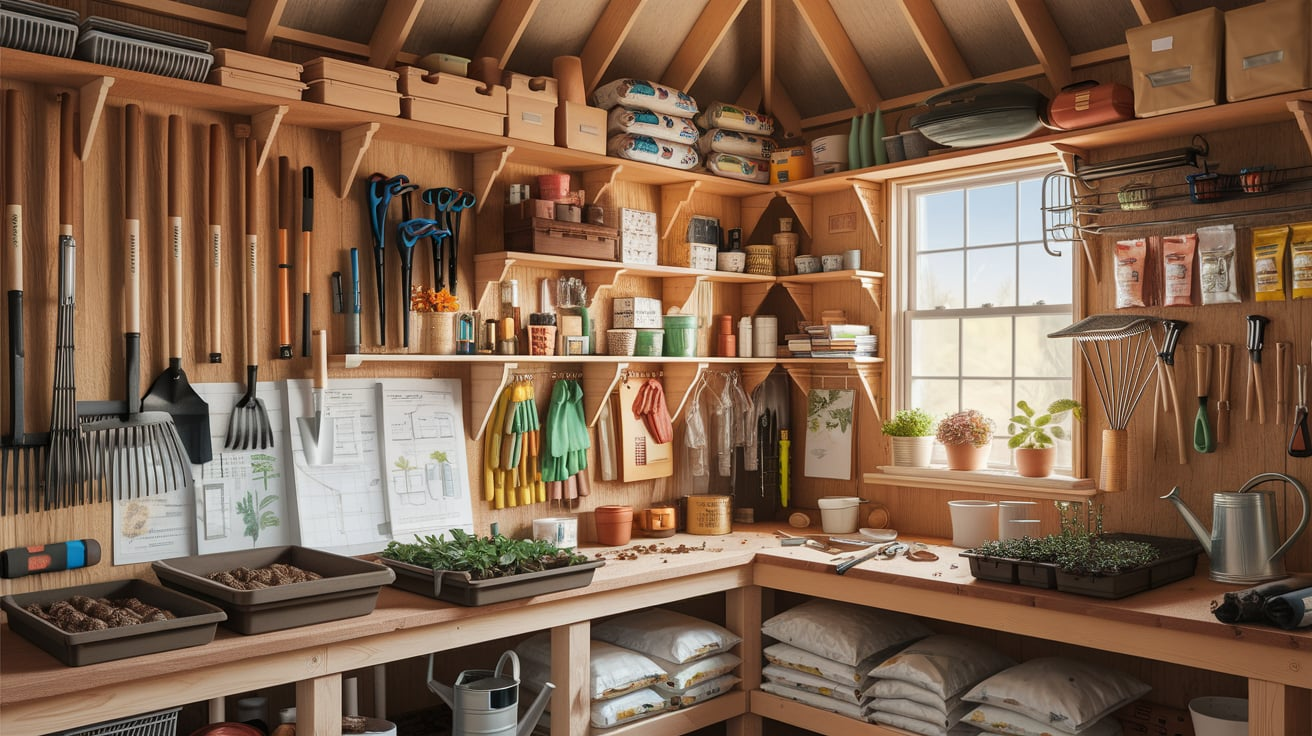
Let’s face it-your shed can either be a well-organized retreat or a cluttered mess filled with misplaced tools and abandoned projects. If your shed currently feels more like the latter, don’t stress. You’re in good company, and there’s a clear path to reclaiming that space.
Whether your shed is a compact 6×4 corner unit or a narrow lean-to hidden behind your home, this comprehensive guide will help you convert that small storage area into a highly efficient and orderly workspace.
Maximizing Vertical Storage: The Untapped Potential of Walls
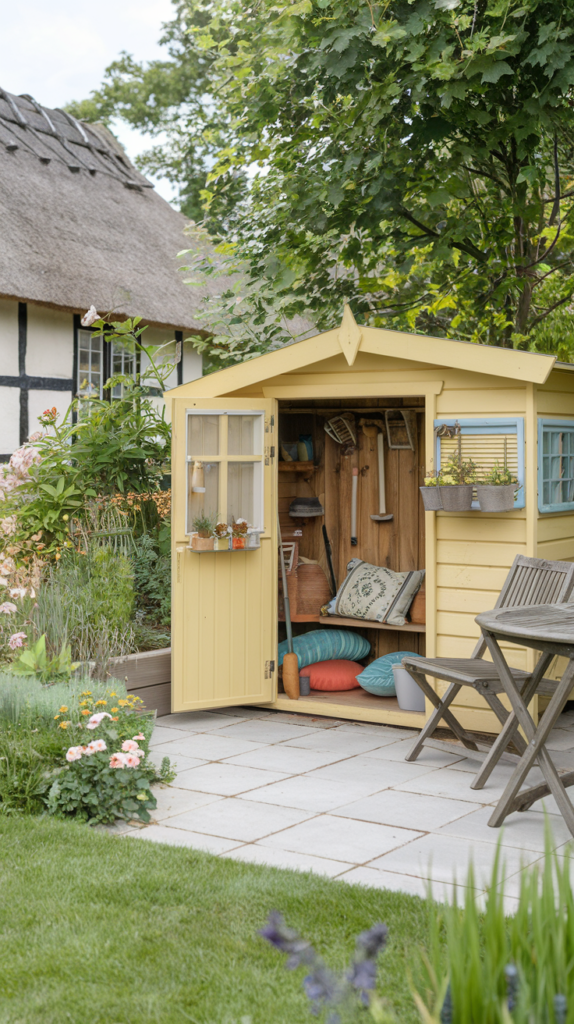
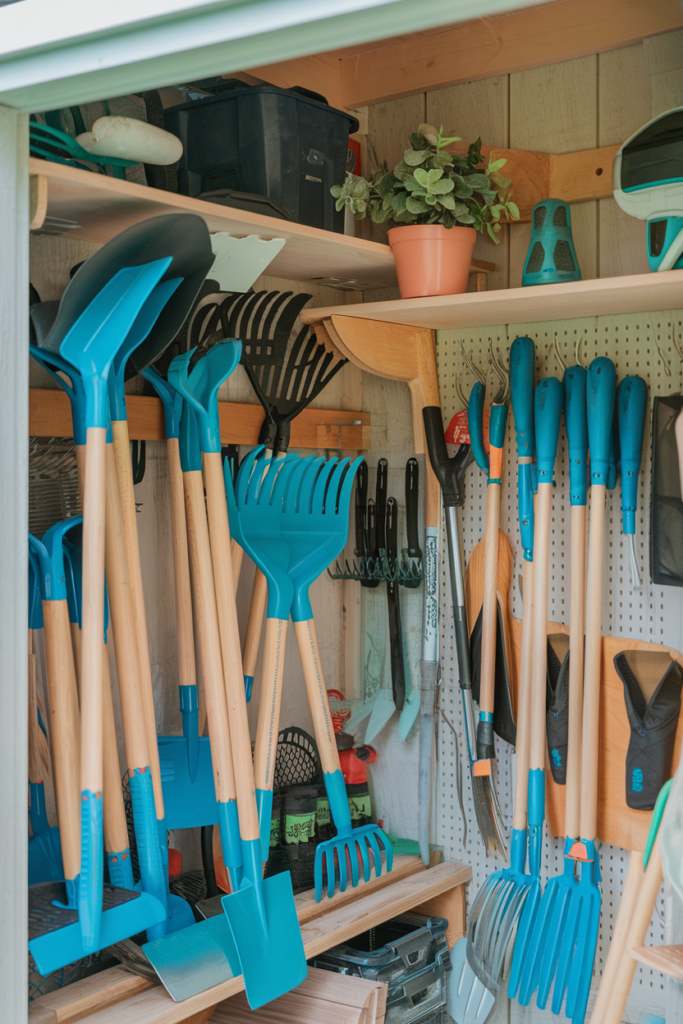
One of the most overlooked storage areas in any shed is the vertical wall space. Think of your walls as towering skyscrapers ready to hold your tools and supplies. Installing pegboards, tool racks, and magnetic strips can instantly clear floor clutter and keep your essentials within easy reach. This vertical approach transforms chaos into clarity.
Harnessing Overhead Space: Ceiling Storage Solutions
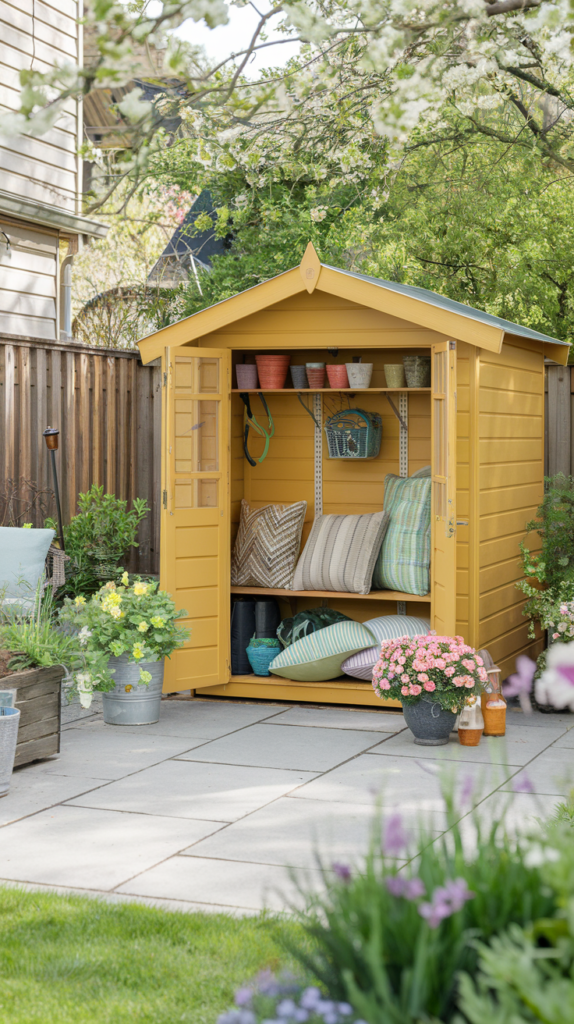
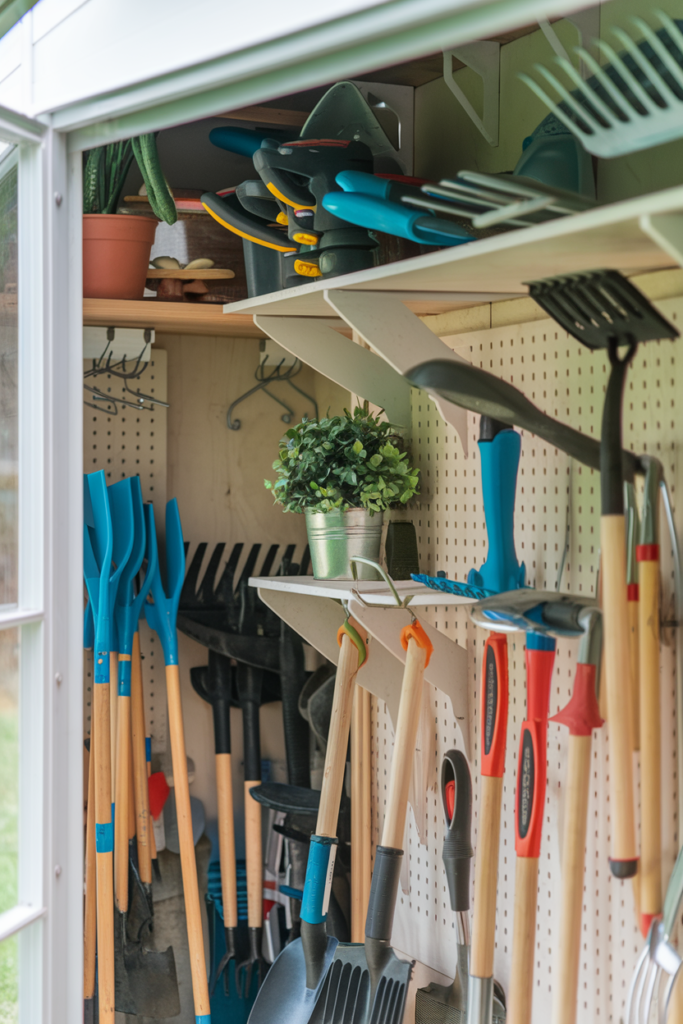
Don’t overlook your shed’s ceiling-it’s a hidden storage goldmine. Installing ceiling-mounted tracks, hooks, or suspended shelves allows you to store lightweight, seasonal items such as camping equipment, extension cords, or extra pots. Just ensure you have a sturdy ladder handy to access these elevated spots safely.
Clear, Stackable Bins: The Backbone of Organized Storage
Durable plastic bins are indispensable for keeping your shed tidy. Opt for transparent, stackable containers with labels so you can quickly identify contents without rummaging. Organize these bins by task-gardening, painting, electrical work-and stack them vertically to maximize space.
Smart Corner Solutions: Shelving That Fits Perfectly
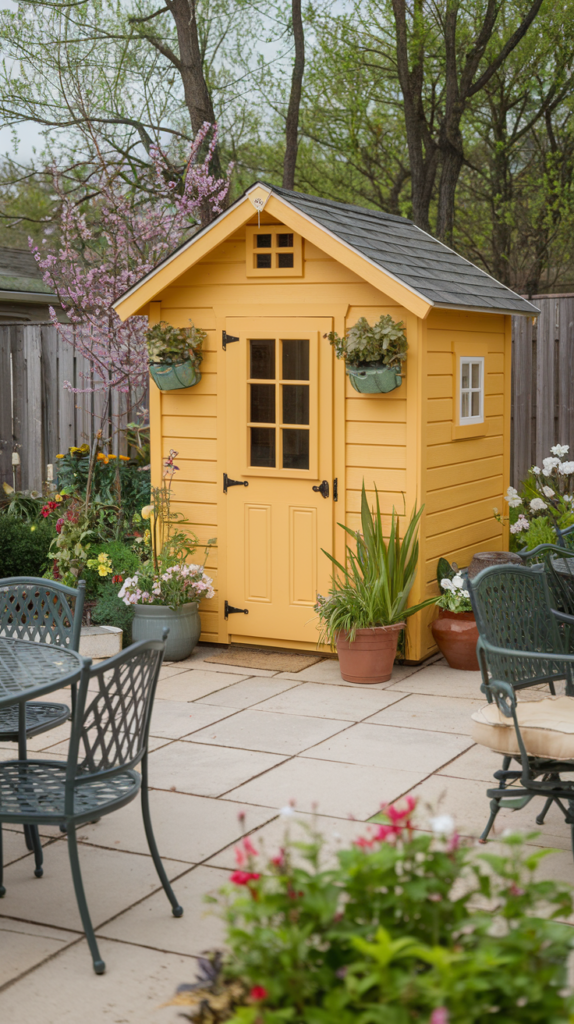
Often neglected, corners in small sheds are prime real estate. Installing custom corner shelves or triangular floating shelves can unlock hidden storage potential, much like discovering a secret compartment in your favorite jacket.
Mobile Storage: Rolling Carts and Compact Tool Cabinets
Flexible storage options like rolling carts or compact tool chests allow you to move your supplies around as needed. For example, I keep my painting materials on a wheeled cart that follows me from one project to the next, making work more efficient.
Space-Saving Workbenches: Folding and Sliding Designs
Traditional workbenches can consume valuable floor space. Consider installing a fold-down workbench attached to the wall or a sliding work surface that tucks away when not in use. It’s like having a Murphy bed for your workspace, freeing up room when you need it most.
Organizing Tools with Pegboards and Slat Walls
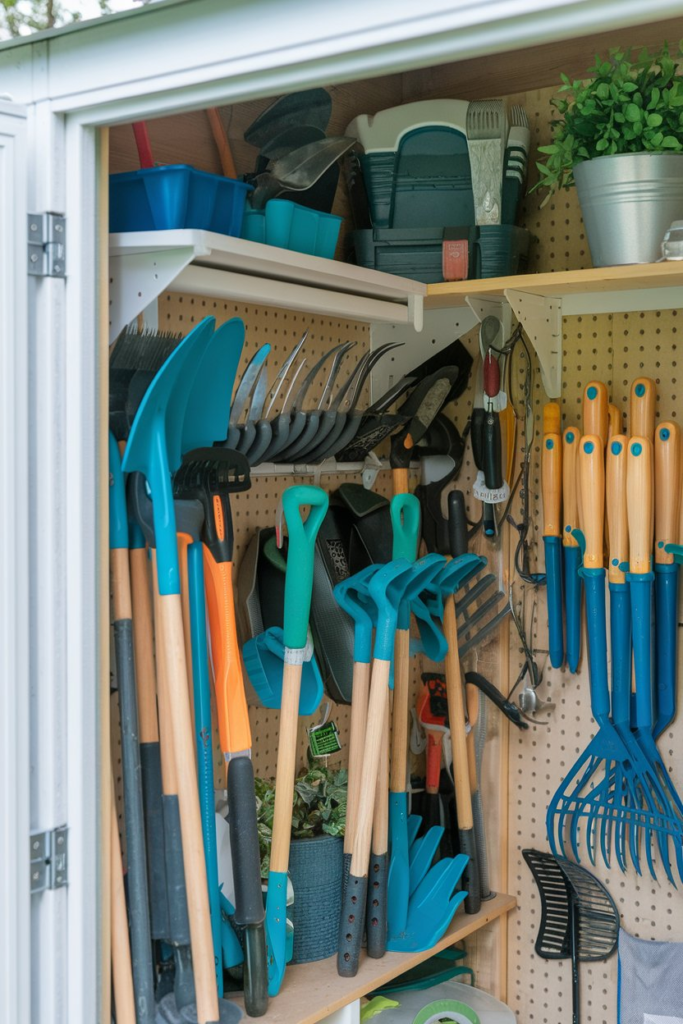
Pegboards remain a timeless and highly effective storage solution. Mount one above your workbench to neatly display hand tools, scissors, and brushes, turning your tools into a visually appealing and accessible collection.
Magnetic Strips: A Sleek Solution for Metal Tools
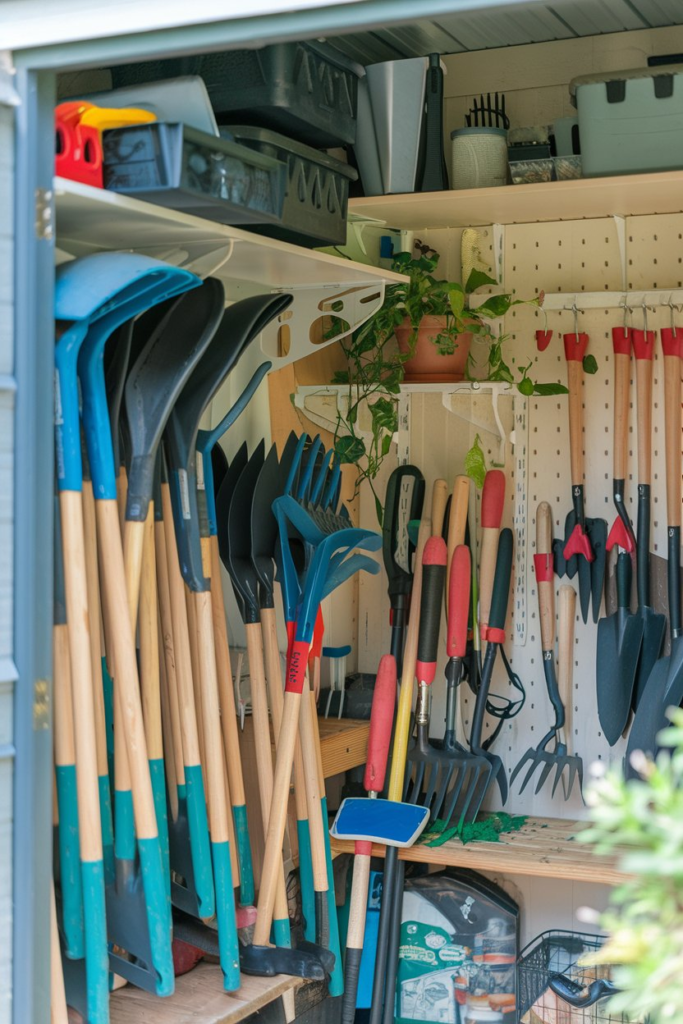
Magnetic strips aren’t just for kitchen knives-they’re perfect for organizing metal tools like screwdrivers, wrenches, and scissors. Mount them on your shed walls for a clean, visible, and easily accessible storage option.
Buckets and Tote Stations: Organized and Accessible
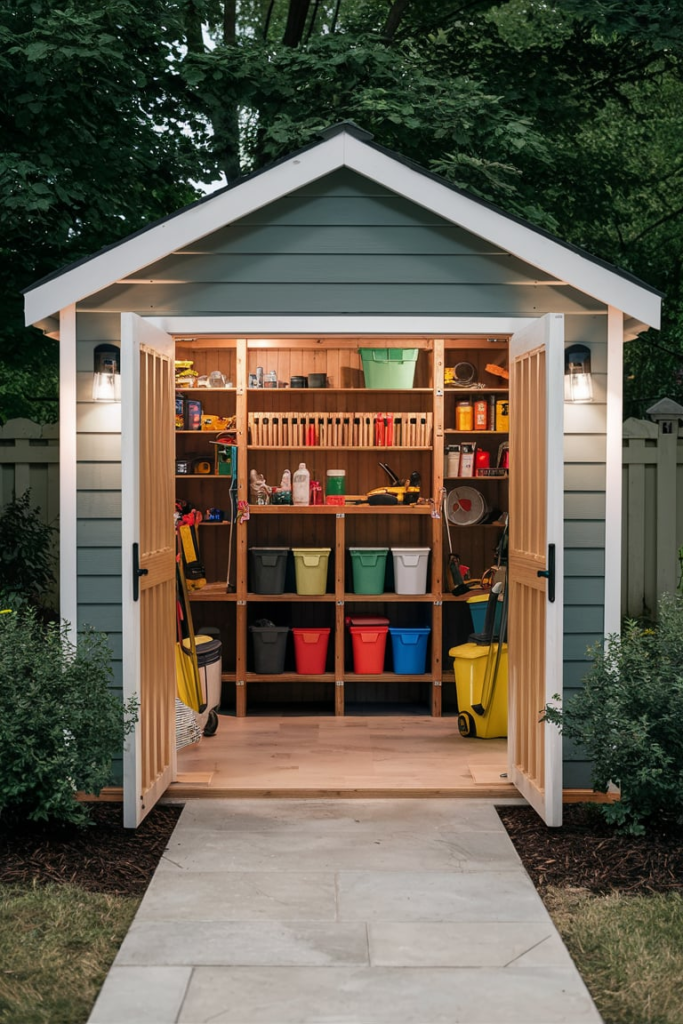
Install hooks to hang totes and buckets, each designated for specific supplies such as cleaning products, fertilizers, or hardware. Arrange them at different heights for a cascading effect that enhances accessibility and visual appeal.
Innovative Door Storage: Making the Most of Every Surface
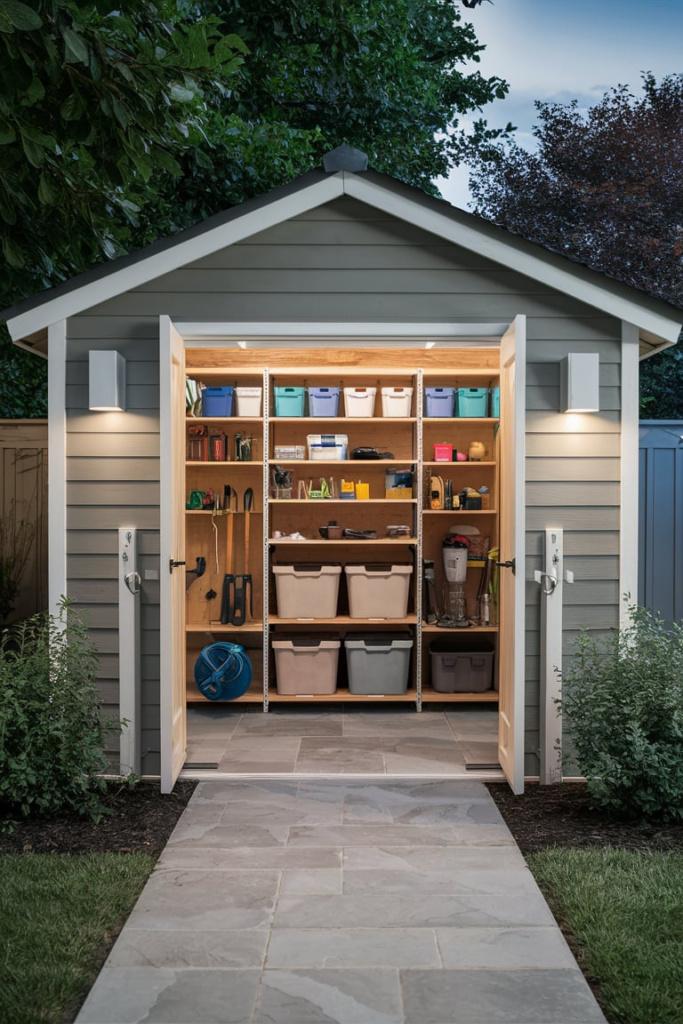
Your shed door can serve as an additional storage area. Attach hooks, wire baskets, or hanging organizers to the inside of the door to hold gloves, twine, or small tools. It’s like turning your door into a stealthy storage assistant.
Clear Containers for Tiny Essentials
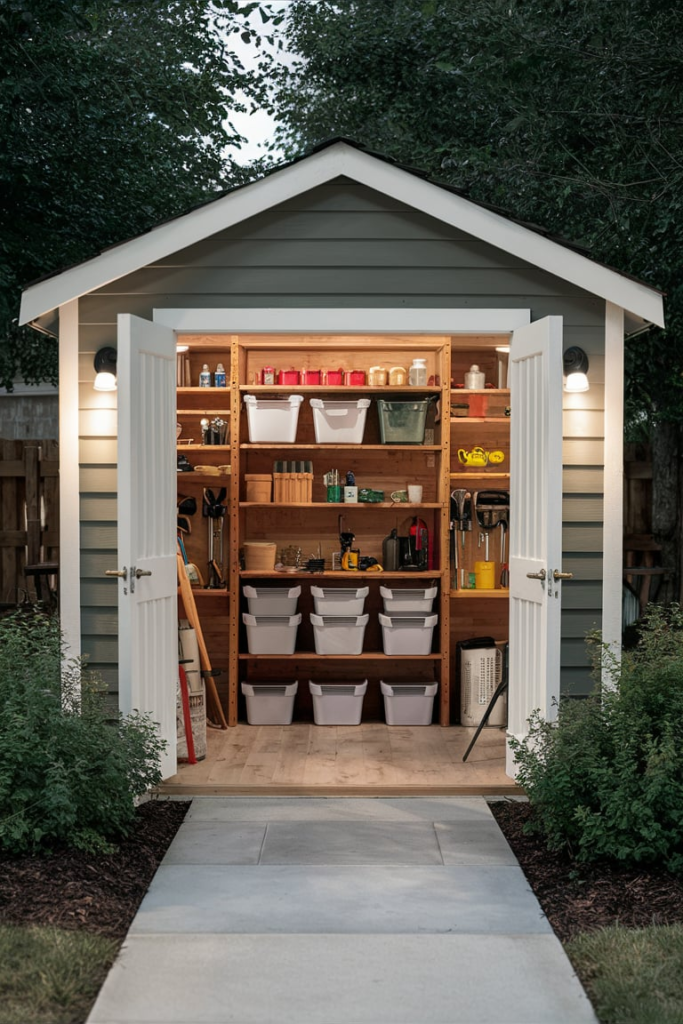
Small items like nails, screws, and washers can easily get lost. Store them in transparent drawers or jars labeled by size or type. Mount these containers on shelves or beneath your workbench for quick and easy access.
Overhead Pulley Systems: Elevate Heavy Items
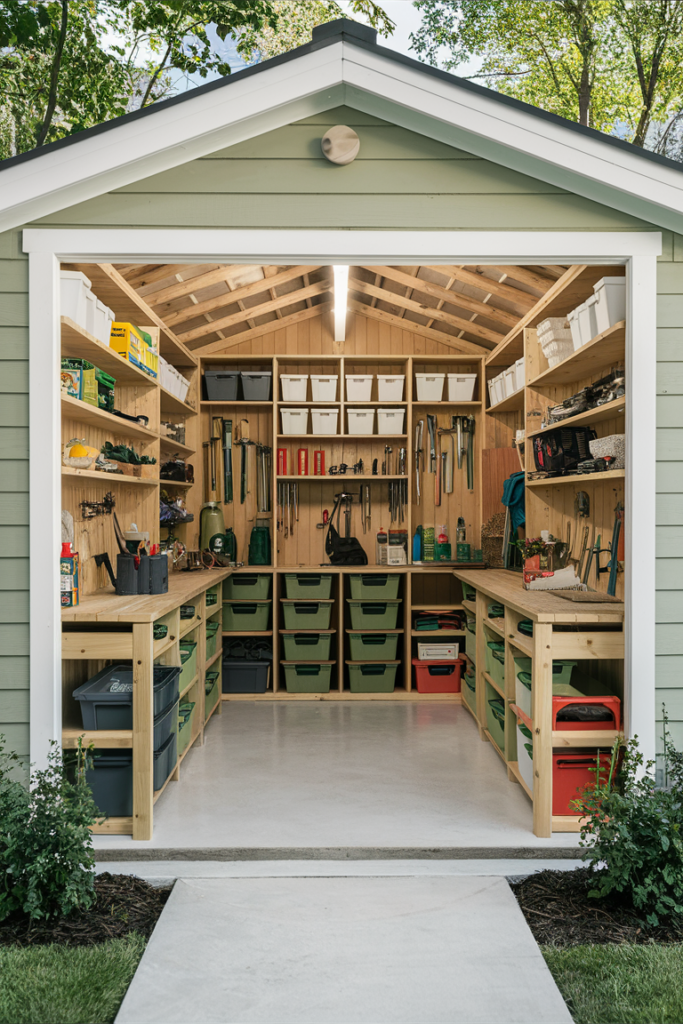
For bulky or heavy items like ladders and bicycles, installing a pulley system allows you to hoist them overhead, keeping the floor clear while maintaining easy access. It’s a clever trick that maximizes your shed’s vertical space.
Furniture That Pulls Double Duty
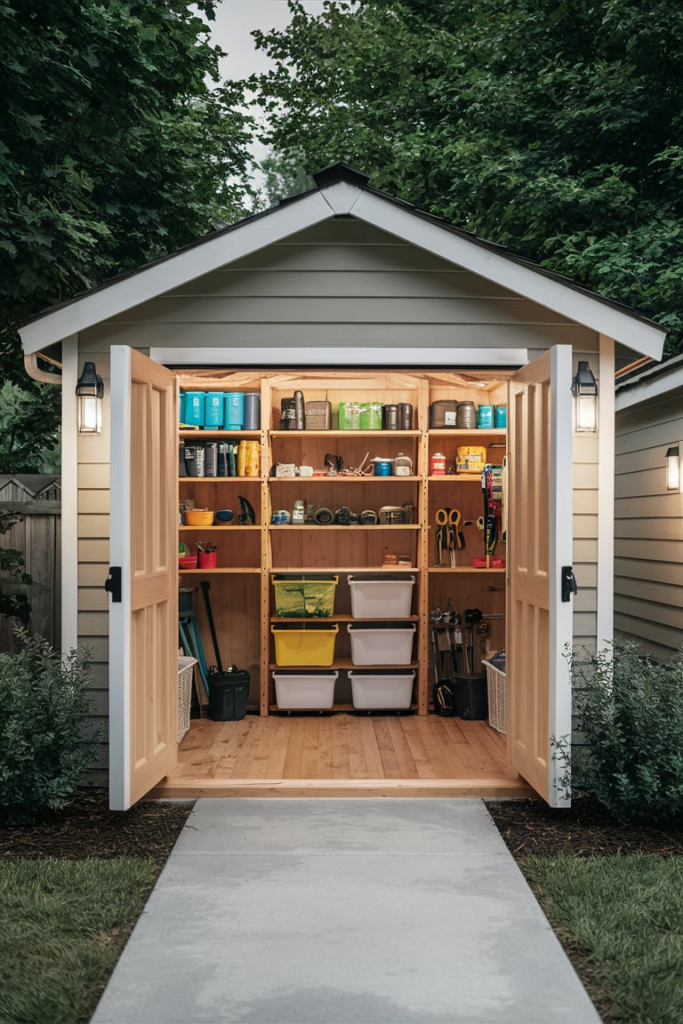
Choose furniture that serves multiple purposes, such as storage benches, foldable stools with compartments, or ottomans that double as storage for garden boots. When space is limited, every piece should justify its presence.
Concealed Storage: Wall-Mounted Cabinets
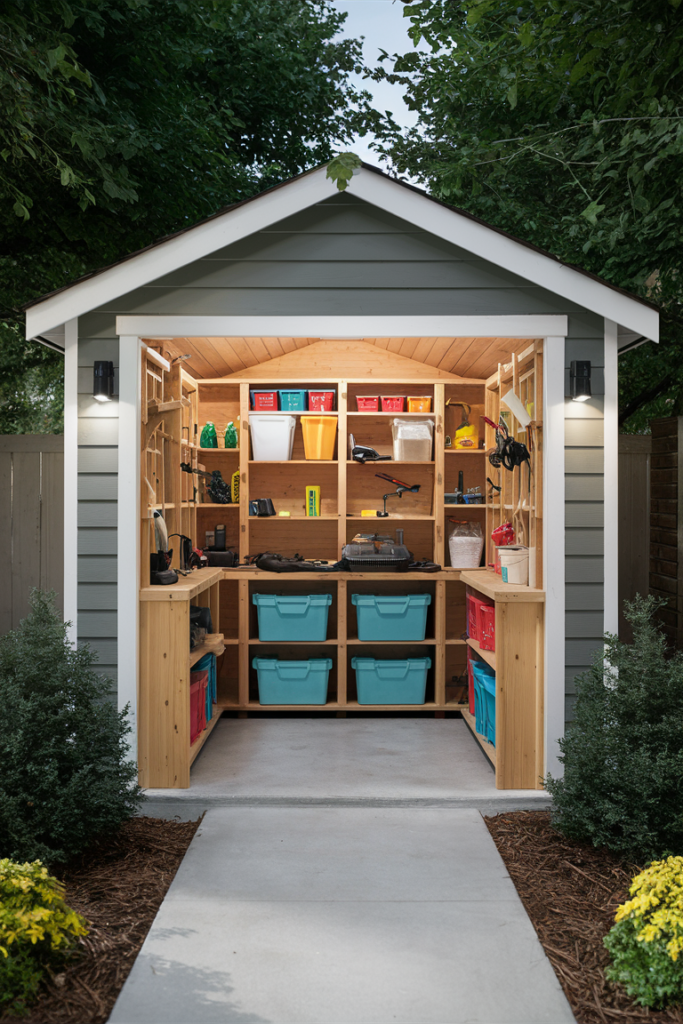
If you prefer to keep clutter out of sight, install wall-mounted cabinets with doors. These sleek units provide a clean look and can even include small mirrors inside the doors for a quick glance before heading out.
Designated Zones: Organize by Activity
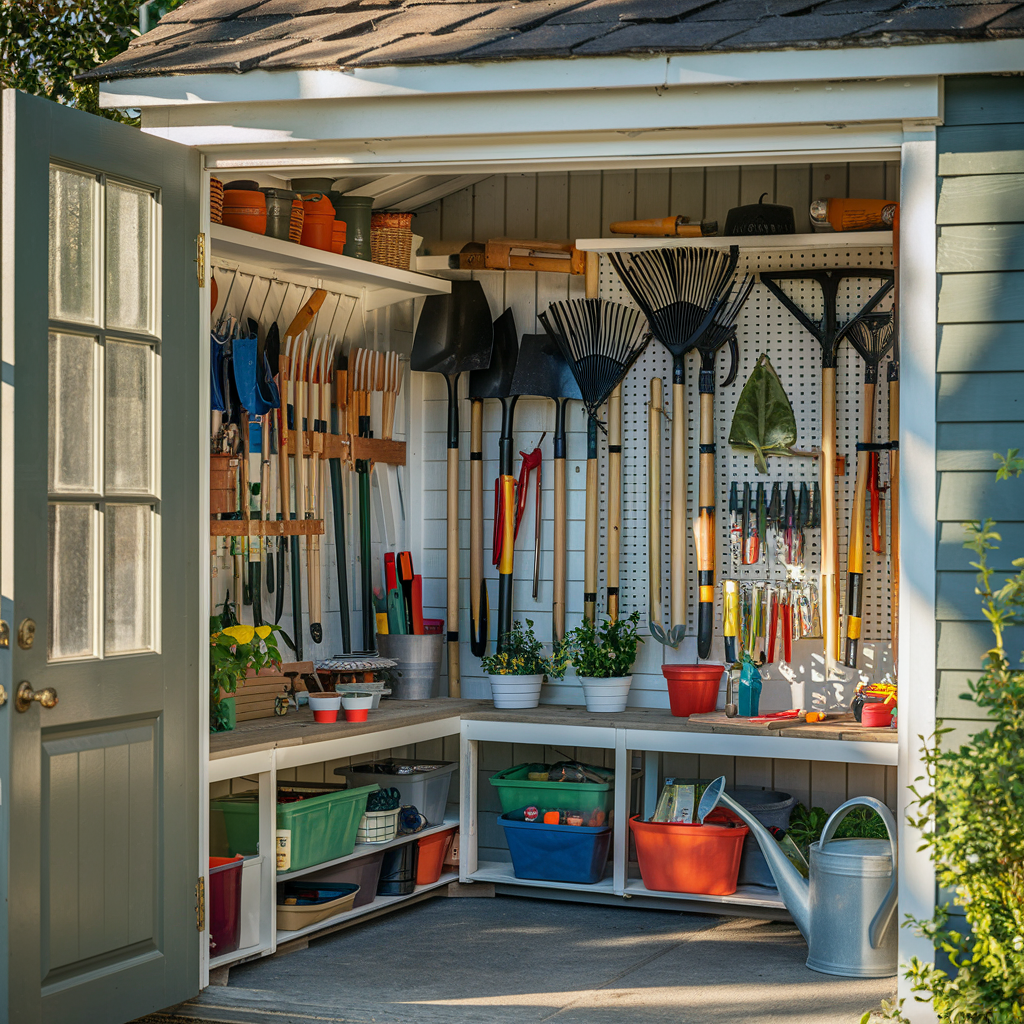
Think of your shed as a miniature department store. Create specific zones for gardening, woodworking, repairs, and painting. This separation prevents overlap and makes locating tools and materials faster and easier.
Rustic Charm Meets Function: Hanging Baskets and Crates
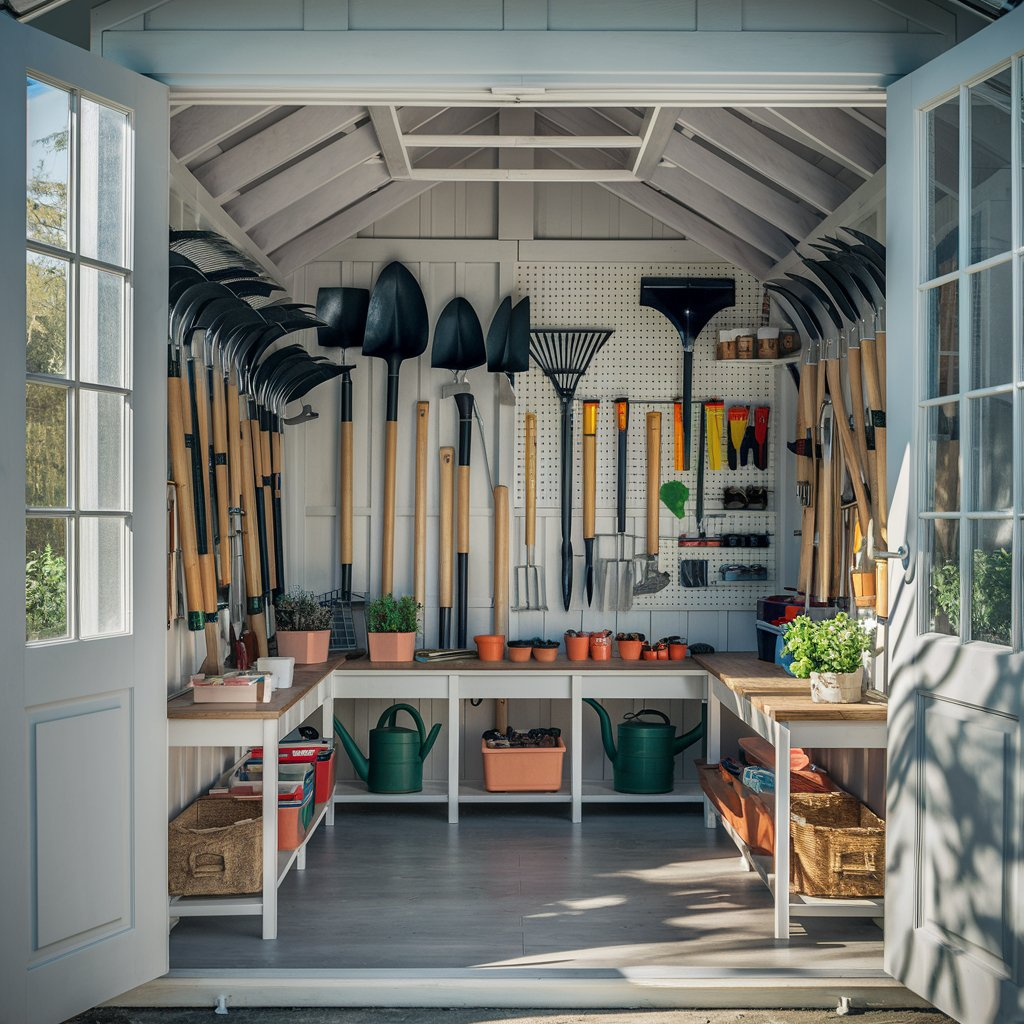
Add character and extra storage by suspending wooden crates or wire baskets from walls or ceiling beams. These are perfect for storing irregularly shaped items like twine spools or citronella candles, combining practicality with a touch of rustic style.
Ladder Storage: Hooks and Racks to Save Space
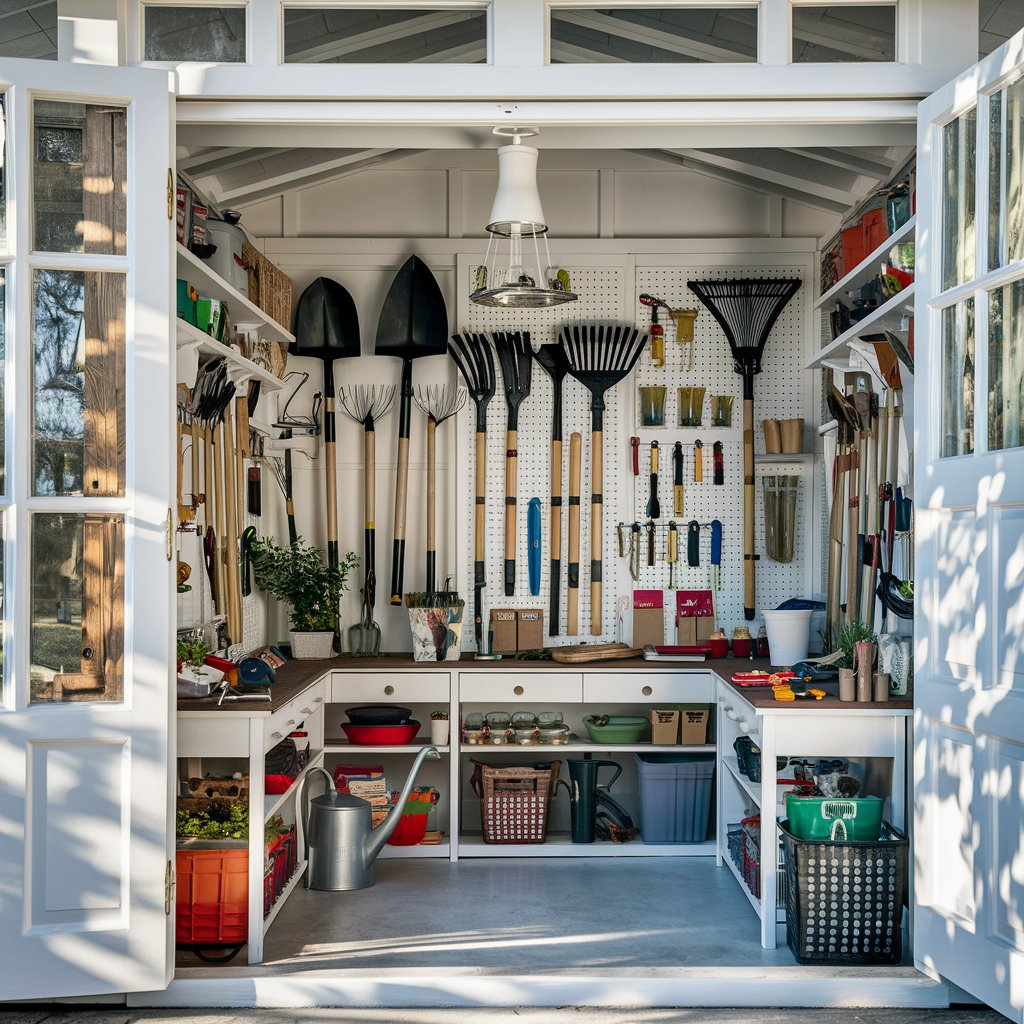
Instead of leaning your ladder against a wall and wasting space, install ladder racks or ceiling hooks to hang it securely. This not only frees up floor area but also prevents accidental falls or damage.
Upcycling Old Furniture for Storage
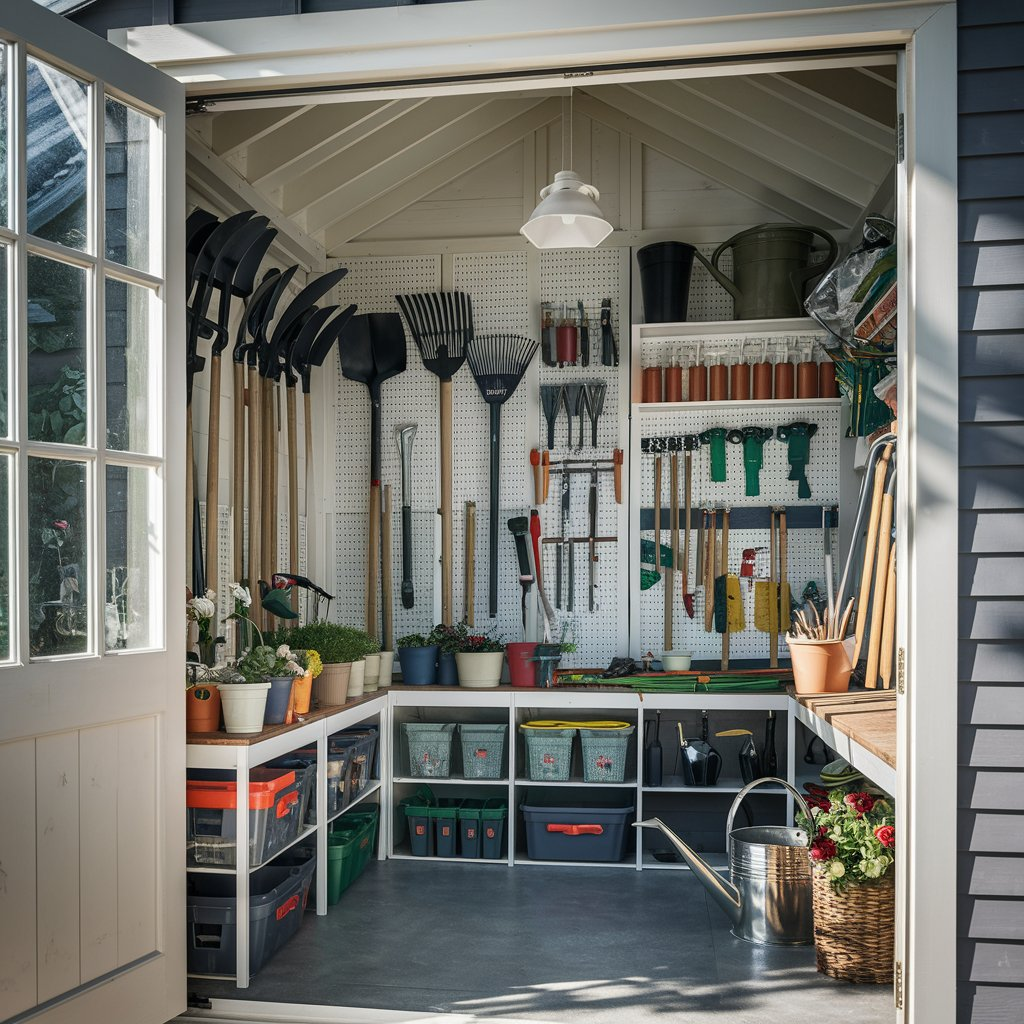
Before buying new storage units, consider repurposing old furniture. An outdated dresser can become a tool chest, and a bookshelf can be transformed into a supply rack. This eco-friendly approach adds charm and functionality to your shed.
Tool Wall Templates: Visual Organization for Accountability
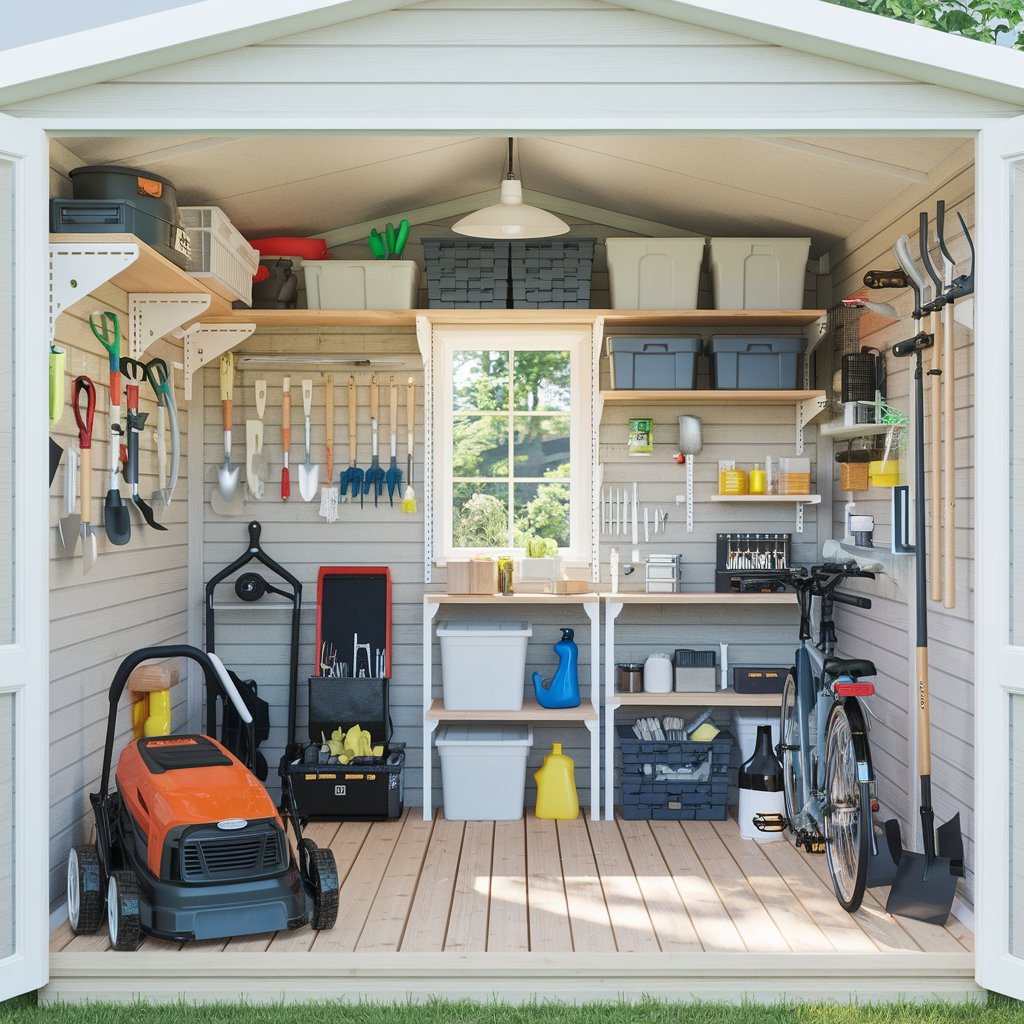
Ever tried tool Tetris? Trace the outline of each tool on your pegboard to create a designated spot. This method makes it immediately obvious when a tool is missing, combining organization with accountability.
Soft Goods Storage: Foldable Bags for Bulky Items
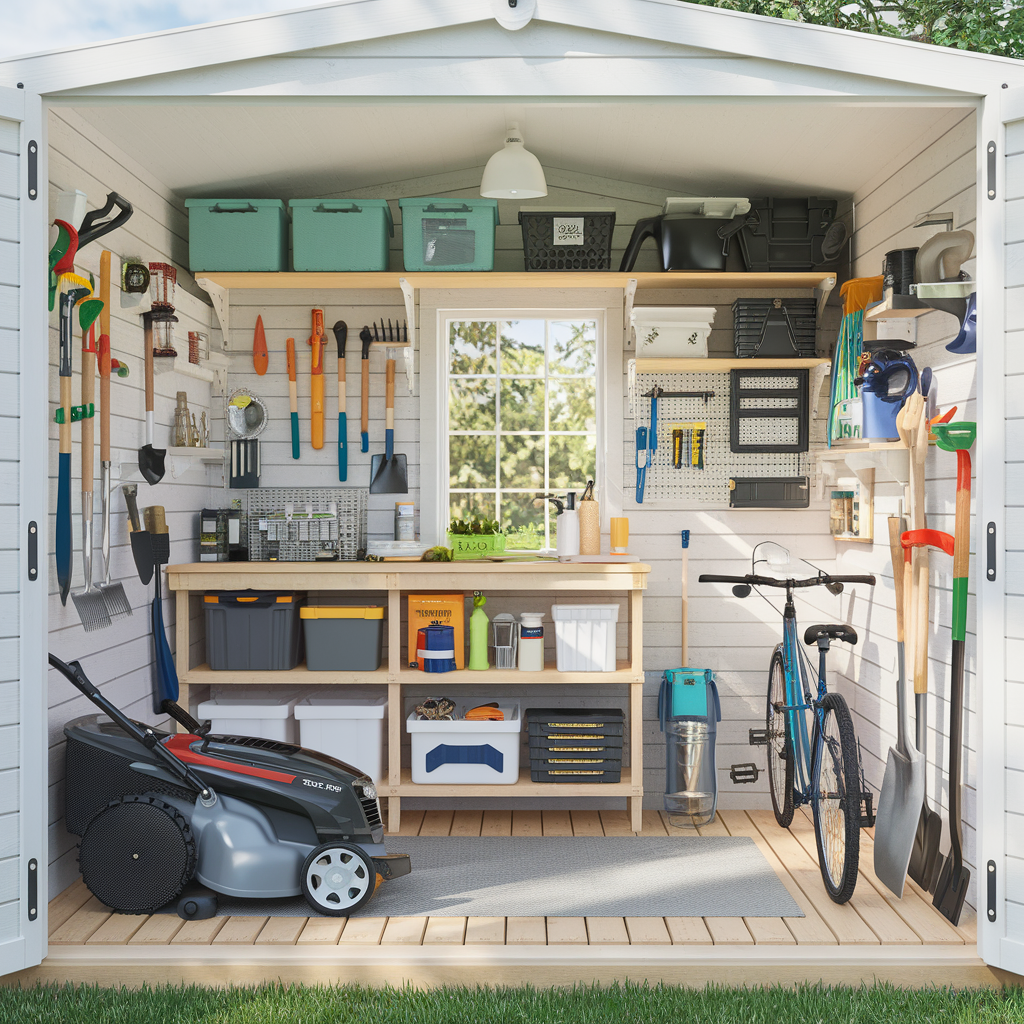
Items like tarps, fabrics, or picnic mats can take up a lot of space. Use foldable storage bags to keep these soft goods compact and tuck them into unused corners or under shelves, keeping them out of sight but easy to grab.
Shelf Above the Door: Utilizing Overhead Nooks
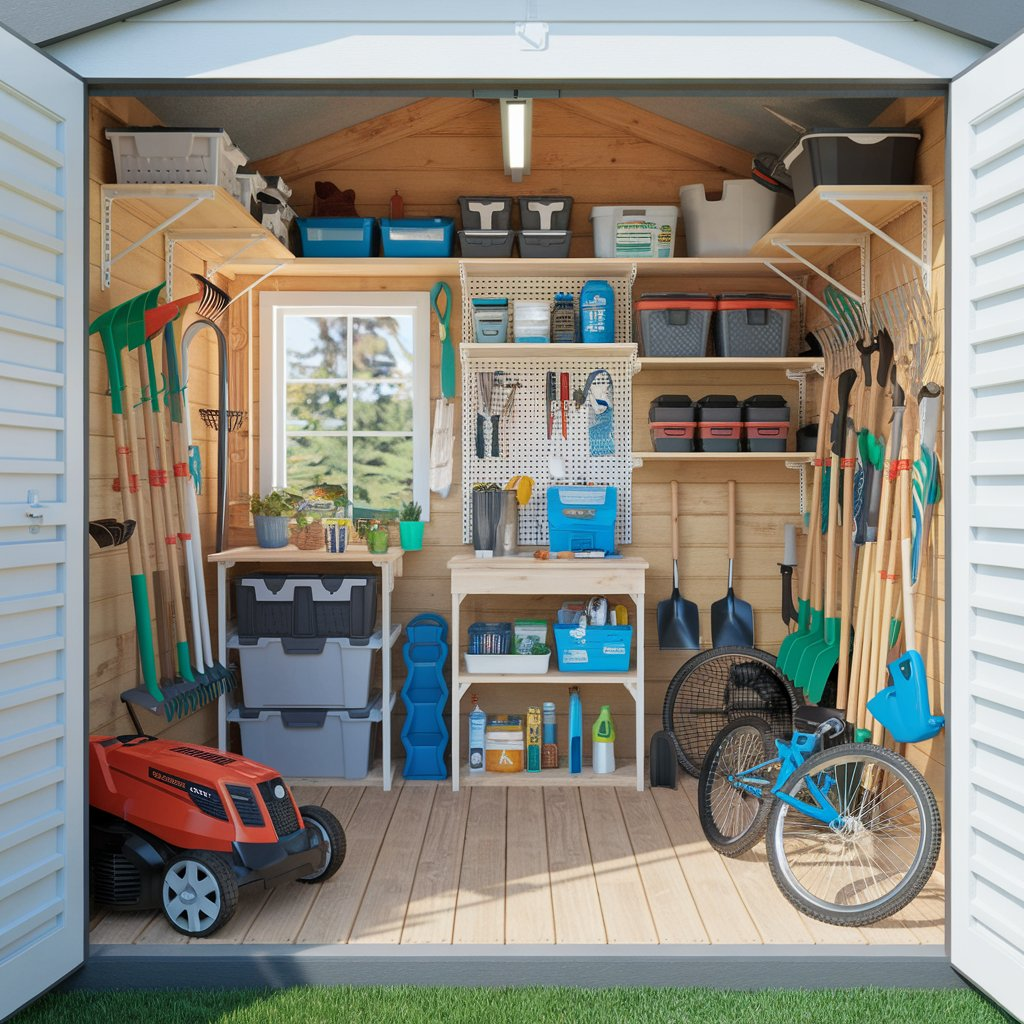
The space above your shed door is ideal for a narrow shelf to store seldom-used items like old paint cans, spare parts, or seed trays. It’s an often-overlooked spot that can serve as your shed’s mini attic.
Seasonal Storage Rotation: Keep Only What You Need
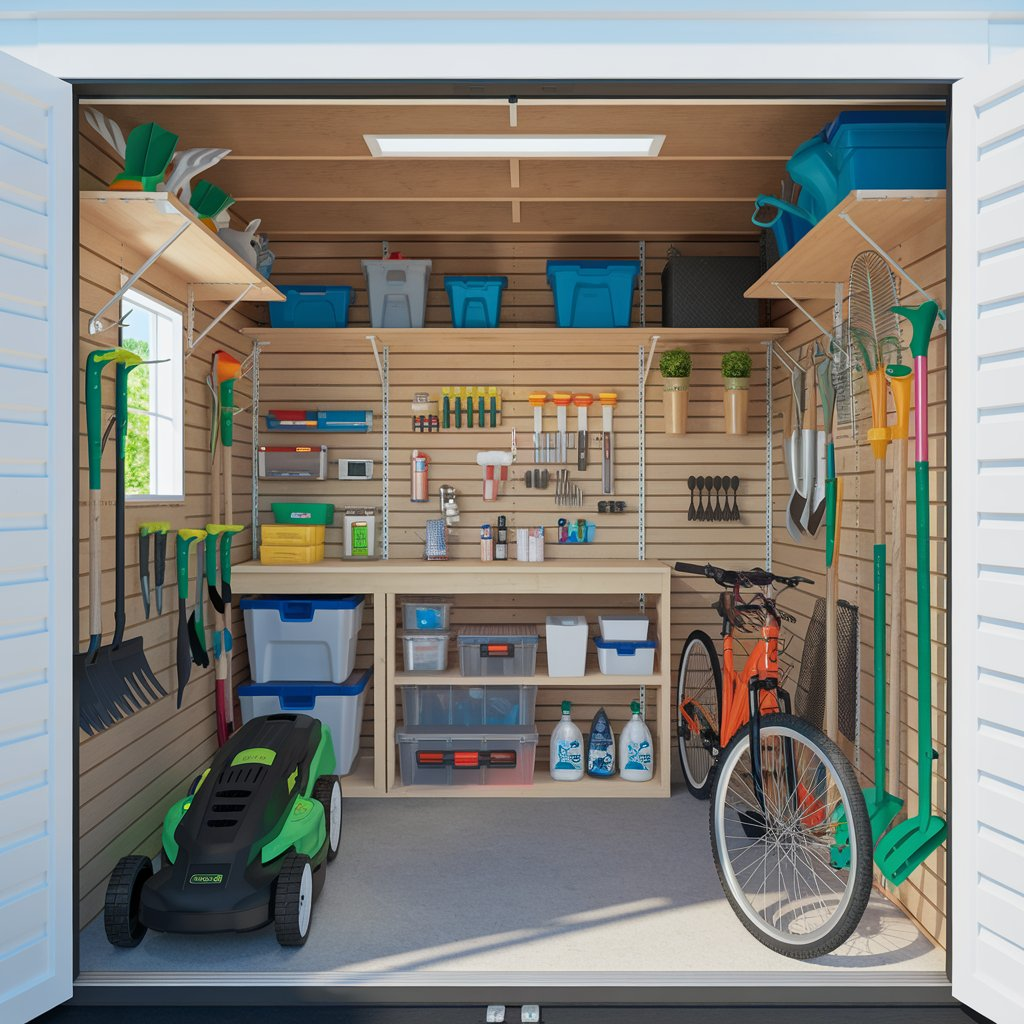
Not all gear is needed year-round. Implement a seasonal rotation system where off-season items are stored in overhead spaces or deeper shelves, freeing up prime storage for the tools and supplies you use most frequently.
Final Thoughts: Strategy Over Size
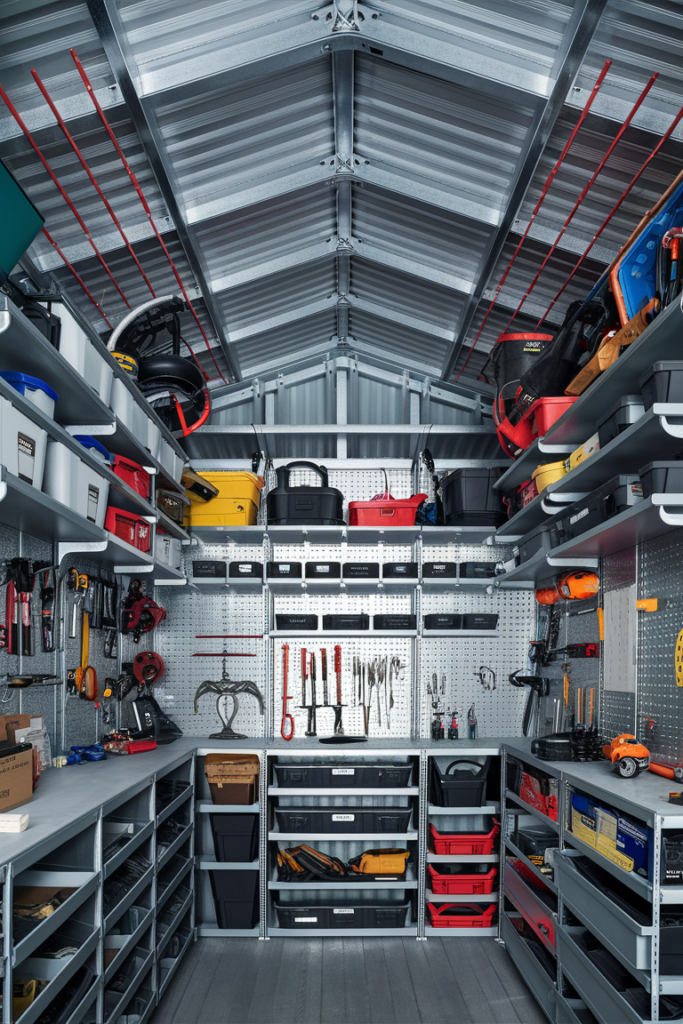
Organizing a small shed isn’t about having a large space-it’s about smart planning and clever use of every inch. You don’t need a high-end workshop or a sprawling garden studio. What you need are practical ideas, some effort, and a fresh perspective on how to use your space.
Don’t let indecision fuel disorder. Choose one of these strategies and start there. Soon enough, your shed will evolve from a cluttered storage spot into a streamlined command center.