Have you ever stepped into your kitchen only to feel a pang of dissatisfaction? I’ve experienced that too. After capturing images of countless remarkable kitchens during my architectural photography career, I’ve witnessed how a well-executed kitchen renovation can elevate not just the space itself but your entire home life.
Your kitchen should transcend mere utility-it should inspire. From layouts that streamline cooking to lighting that shifts the mood from bright mornings to cozy evenings, the following insights condense over a decade of professional experience into practical guidance to help you navigate every pivotal choice in your remodeling adventure.
Optimizing Your Kitchen Layout for Efficiency and Flow
The cornerstone of any effective kitchen renovation is a thoughtfully designed floor plan. I’ve seen stunning kitchens falter simply because the refrigerator door blocked access to the sink. The classic “work triangle” – linking the sink, fridge, and stove – should ideally span between 13 and 26 feet in total distance. This principle isn’t just design jargon; it’s about reducing unnecessary steps between your most frequented stations.
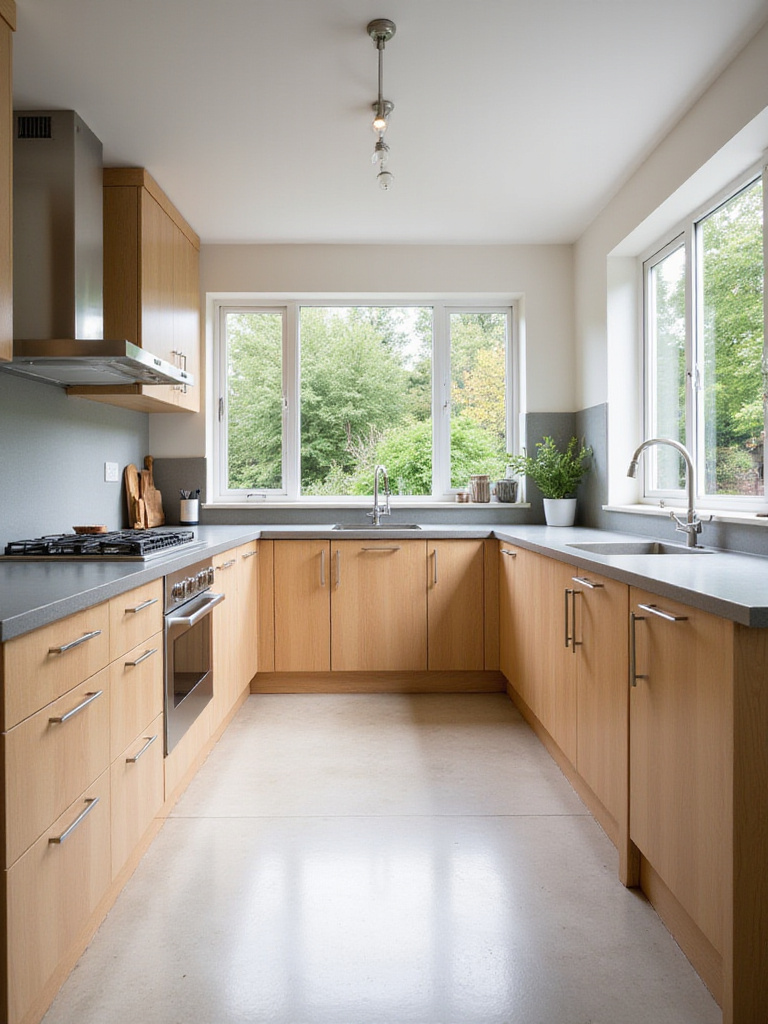
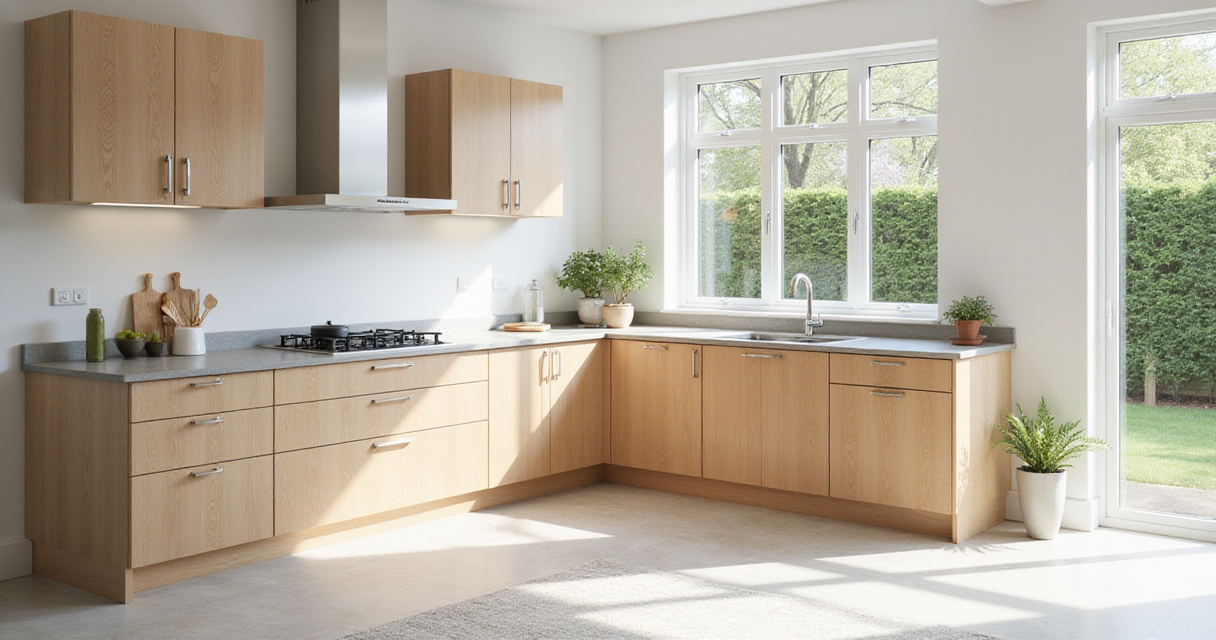
Choose a layout that complements your kitchen’s size and your cooking habits. Compact spaces benefit from one-wall designs, while L-shaped kitchens make the most of corners. U-shaped layouts provide generous counter space, and islands add versatile work and social areas in larger kitchens. Before finalizing your plan, envision your typical kitchen activities-do you cook solo, bake with family, or entertain often?
- Designate clear zones for cooking, prepping, cleaning, and baking
- Use painter’s tape on your floor to visualize potential layouts
- Keep in mind that the average person spends about 42 minutes daily in the kitchen-make that time enjoyable!
With your layout established, you’re ready to translate your vision into a feasible plan.
Smart Budgeting for a Successful Kitchen Renovation
Money matters can be daunting. Before falling for that high-end refrigerator, pause to draft a detailed budget. Typically, cabinetry consumes the largest portion-around 30-40%-with appliances, countertops, and labor dividing the remainder.
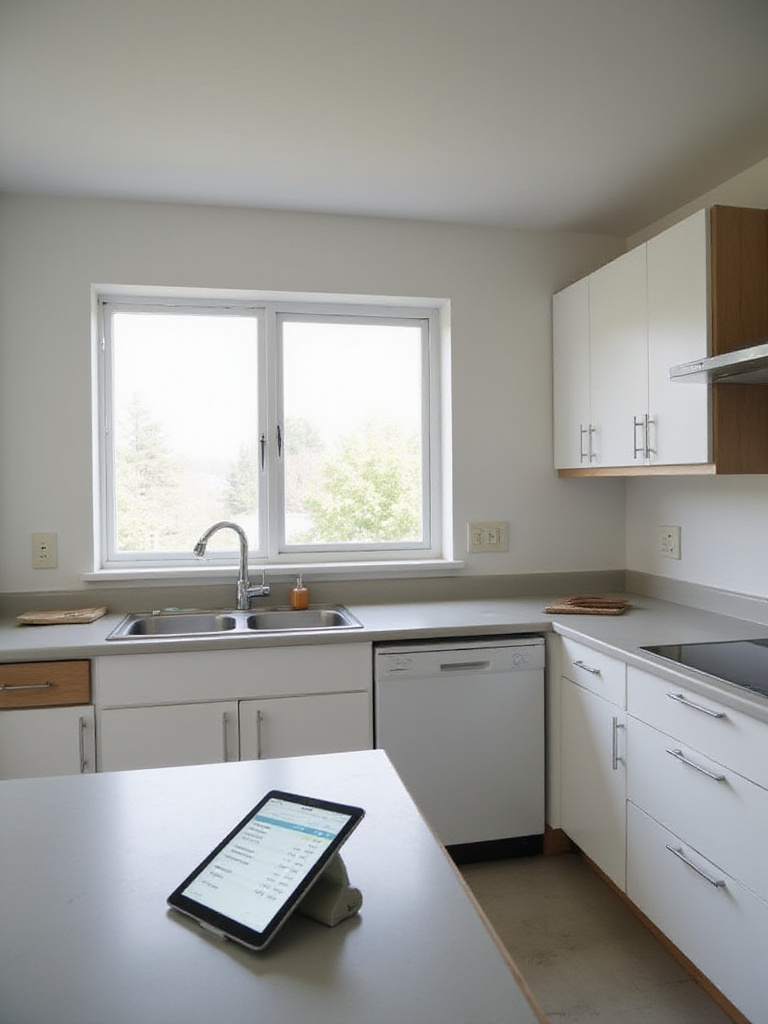
Thorough research is essential. Start with online cost estimates for your region, but also obtain multiple contractor bids and visit showrooms to gauge material prices. Always allocate a 15-20% contingency fund-unexpected issues behind walls are almost guaranteed.
“Kitchen renovations consistently rank among the top home improvements for boosting property value, often recouping 70-80% of the investment depending on location.”
Distinguishing between essentials and luxuries helps you allocate funds wisely. Once your budget is clear, focus on the kitchen’s backbone: cabinetry.
Selecting Cabinets that Marry Style and Storage
Cabinets define both the look and utility of your kitchen. From my photography experience, cabinet choices can make or break the space. Modern kitchens often favor sleek flat-panel doors, while traditional designs benefit from raised-panel or Shaker styles.
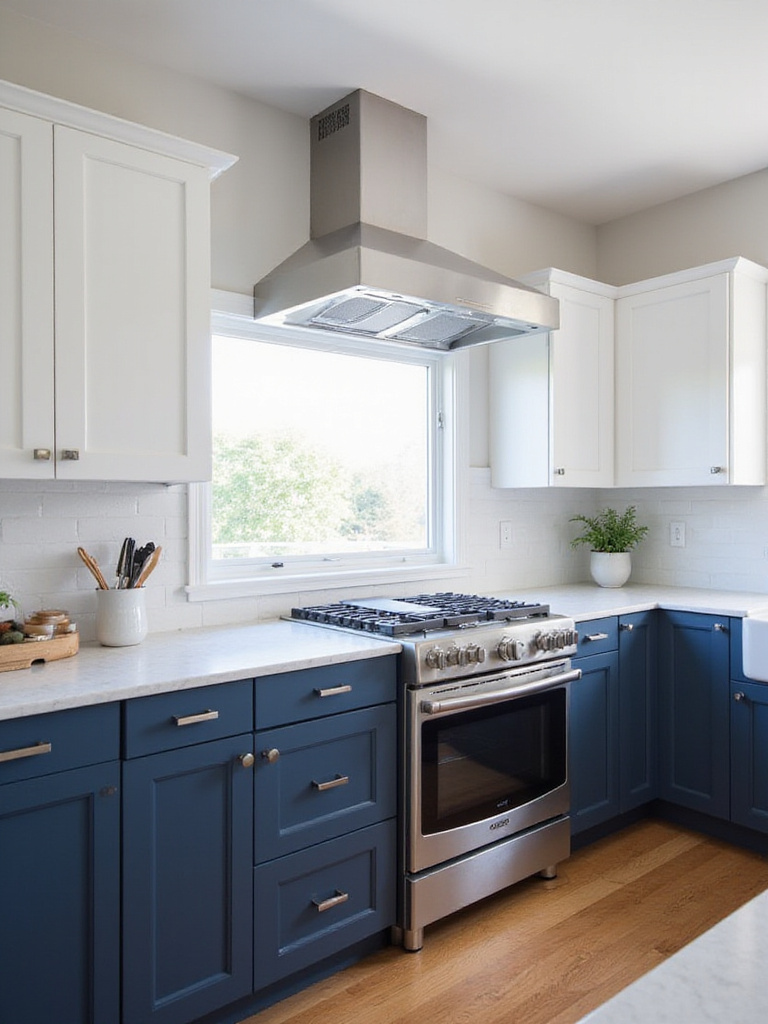
Material selection affects durability and appearance. Solid wood offers timeless beauty but at a premium price, while plywood with solid fronts balances cost and longevity. For tighter budgets, high-quality MDF or laminate can convincingly mimic pricier materials. Enhance storage with pull-out shelves, drawer organizers, and vertical dividers-small features that greatly improve daily usability.
- Incorporate open shelving to showcase attractive dishware
- Use vertical dividers for baking sheets and cutting boards
- Opt for drawer-style lower cabinets for easier access
- Remember cabinets typically consume about 30% of your total budget
Investing in quality cabinets may stretch your budget initially but pays off with longevity. Next, select countertops that combine durability with style.
Choosing Countertops for Both Beauty and Durability
Countertops endure daily wear and tear, so material choice should align with your lifestyle. I’ve seen elegant marble surfaces damaged by acidic spills, and budget laminates show wear quickly. Quartz offers near-indestructible durability with minimal upkeep, while granite provides unique natural patterns and reasonable resilience if sealed properly.
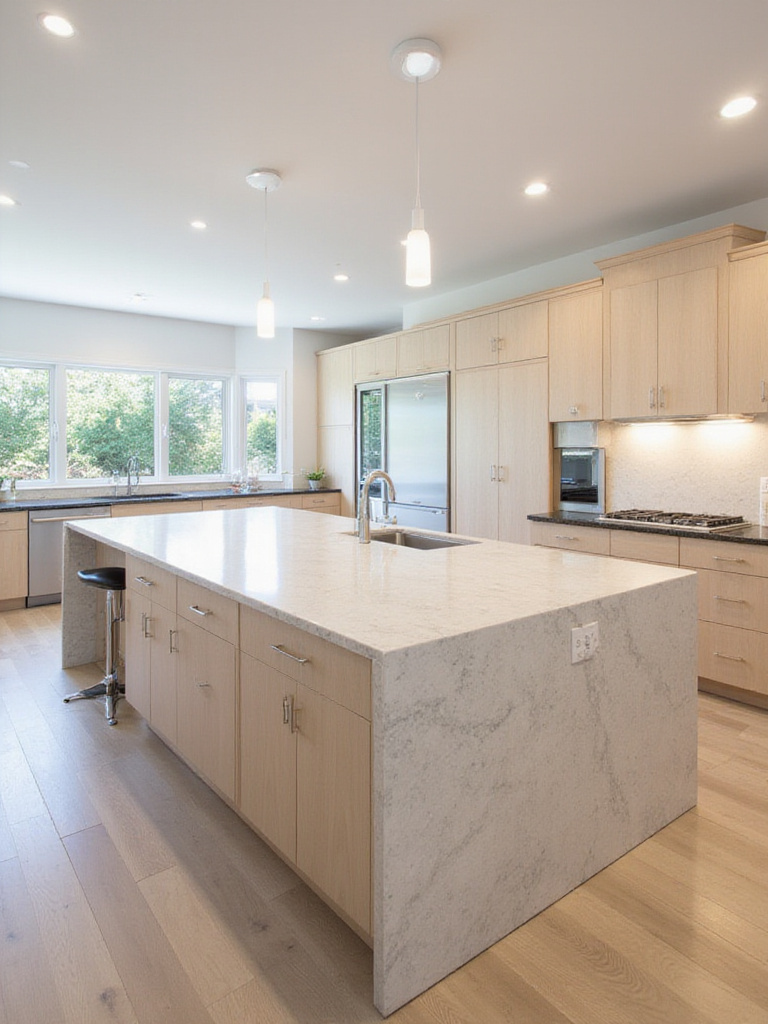
Your cooking habits should guide your choice. Bakers might appreciate a cool marble section for pastry work, while busy families benefit from stain-resistant quartz. Butcher block adds warmth but requires regular oiling, and concrete offers an industrial vibe with some maintenance. Edge profiles also matter for aesthetics and safety, especially in homes with children.
- Test samples with common kitchen substances before deciding
- Consider a contrasting countertop on the island as a visual centerpiece
- Factor in maintenance-are you prepared to reseal natural stone annually?
- Thicker countertops (1¼” or 1½”) provide a more substantial appearance
Mixing materials-such as quartz counters with a butcher block prep area-can optimize both function and budget. With countertops chosen, it’s time to protect your walls with a backsplash that combines style and practicality.
Backsplash Design to Enhance and Protect
The backsplash offers a chance to infuse personality while shielding walls from cooking splatters. This small area can dramatically influence your kitchen’s character. I’ve seen minimalist white kitchens transformed by bold geometric tiles and sleek modern spaces softened with artisanal ceramics. Your backsplash can either be a statement or a subtle complement to countertops and cabinetry.
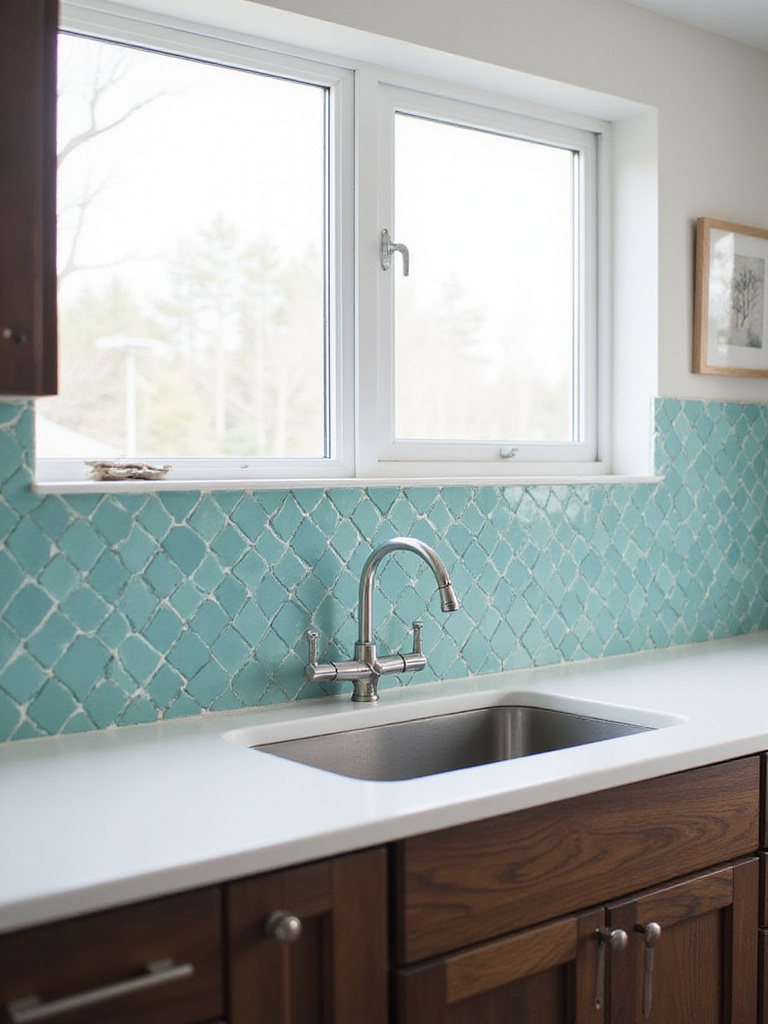
Options range from affordable ceramic subway tiles to luxurious marble slabs. Glass tiles brighten dark kitchens by reflecting light, while stainless steel adds an industrial edge and easy cleaning. Popular trends include large-format tiles with minimal grout, textured surfaces, and dynamic patterns like herringbone or chevron. Ensure your backsplash harmonizes with other surfaces to avoid visual competition.
“Think of your backsplash as the jewelry of your kitchen-it should enhance your look without overpowering it.”
Plan carefully where the backsplash ends, especially near windows and cabinetry. With walls stylishly protected, let’s explore flooring options that combine durability with design.
Durable and Stylish Kitchen Flooring Options
Kitchen floors endure heavy use and spills. Porcelain tile remains a top choice for durability, resisting water, stains, scratches, and impacts. Luxury vinyl plank (LVP) has gained popularity for its waterproof nature, realistic wood appearance, affordability, and comfort underfoot.
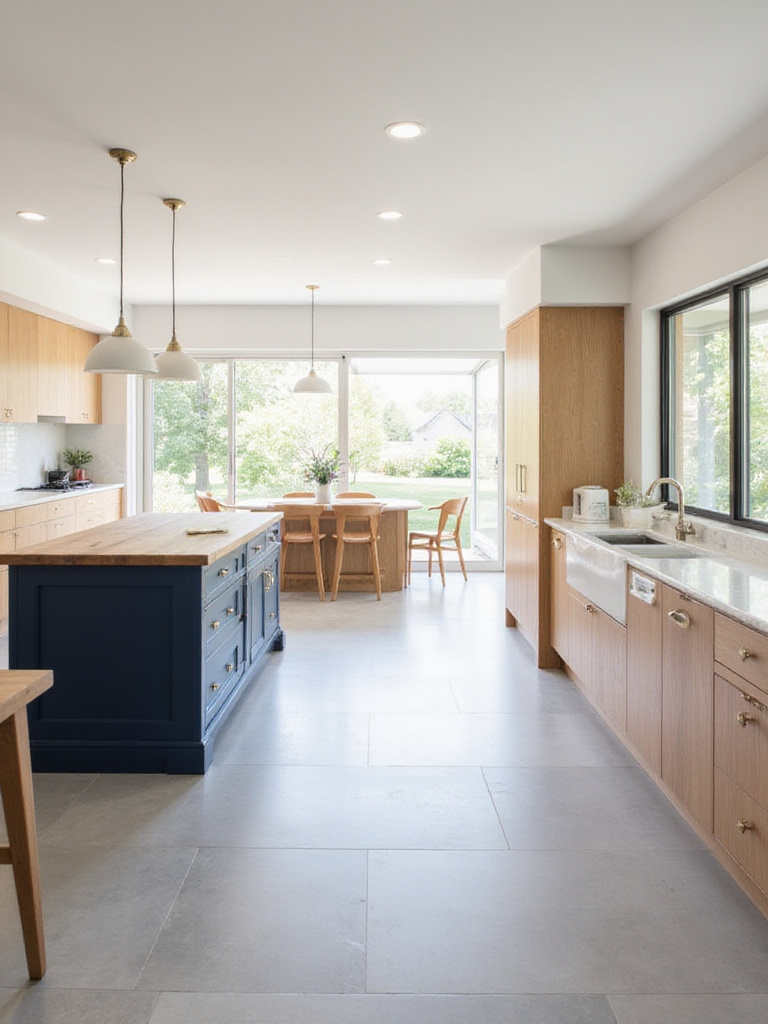
Your kitchen’s style should guide flooring choice. Modern designs shine with large-format porcelain or concrete-look LVP, farmhouse kitchens favor rustic engineered hardwood or wood-look tile, and traditional spaces often feature natural stone like travertine or slate. Consider practical aspects: light floors hide dust but show spills, while dark floors conceal stains but highlight crumbs.
- Install radiant floor heating beneath tile for added comfort in cooler climates
- Use patterned tile in small areas to mimic a rug effect
- Consider cork flooring for eco-friendly, antimicrobial comfort
- Test samples in your kitchen lighting before deciding
Flooring impacts comfort during long cooking sessions. With your foundation set, it’s time to upgrade appliances for efficiency and style.
Energy-Efficient Appliance Selection for Modern Kitchens
Appliances are the technological core of your kitchen. The shift from basic machines to smart devices has transformed cooking. Today’s energy-efficient appliances reduce environmental impact and can save hundreds on utility bills, offsetting their initial cost.
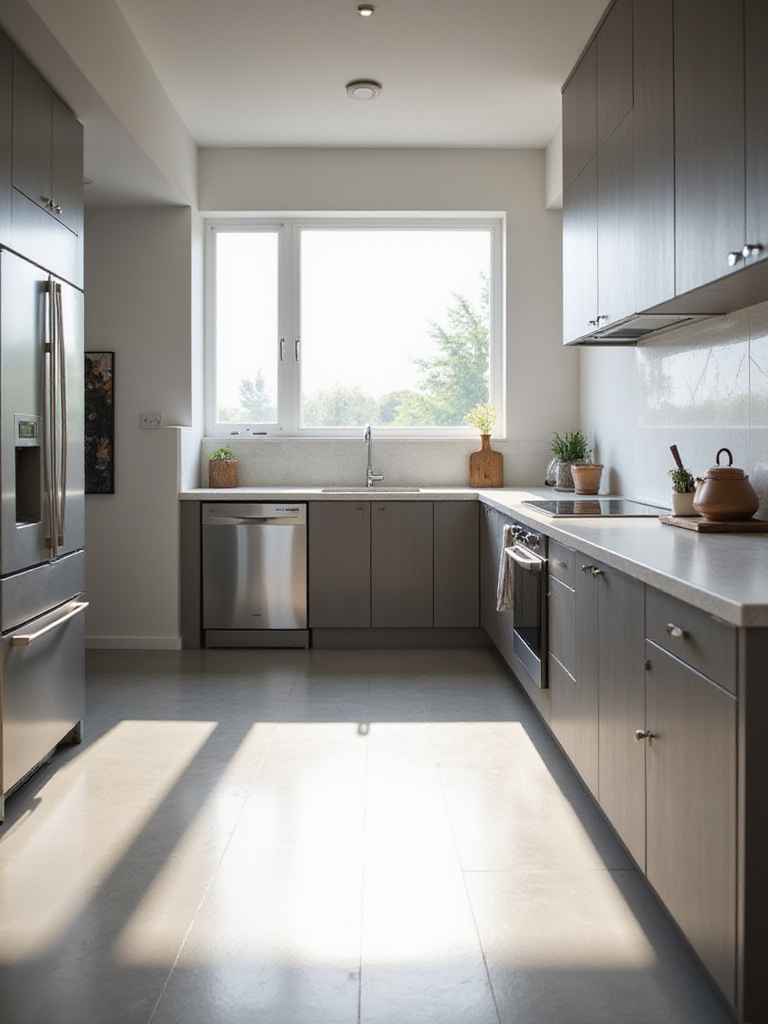
Choose appliances based on your cooking style. Bakers may prefer double wall ovens with convection, entertainers might want wine refrigerators or warming drawers, and induction cooktops offer precise control and safety. French-door refrigerators maximize storage and reduce door swing. Always check Energy Star ratings and consult expert reviews before purchasing.
- Integrate appliances with home automation for a “smart kitchen”
- Consider panel-ready appliances for a seamless cabinetry look
- Modern refrigerators use significantly less energy than older models
- Measure appliance dimensions and clearance requirements carefully
Mix-and-match appliance suites allow personalization while maintaining cohesive aesthetics. Next, let’s illuminate your kitchen with layered lighting for both function and ambiance.
Layered Lighting Strategies for Kitchen Ambiance and Function
Different lighting types serve unique roles. Recessed ceiling lights provide general illumination, pendant lights over islands add style and task lighting, and under-cabinet lights eliminate shadows on work surfaces. Accent lighting, such as interior cabinet lights or LED strips above cabinets, highlights features. Use separate switches or dimmers for flexible control.
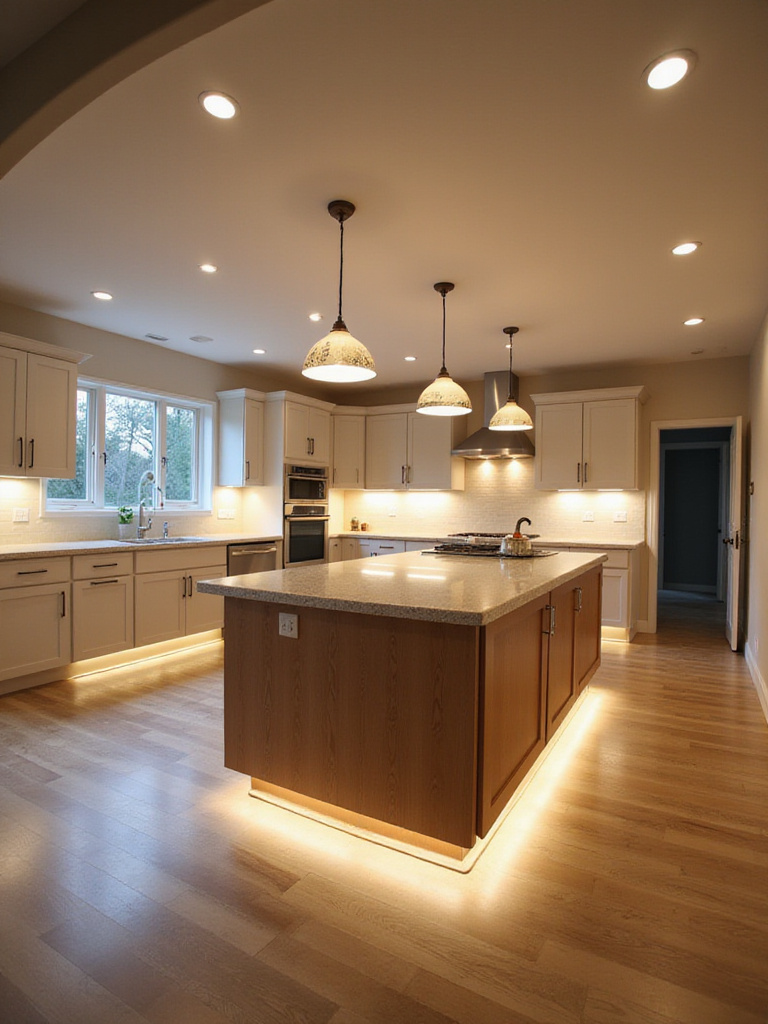
- Install smart lighting controls to adjust brightness and color temperature
- Position task lighting in front of you to avoid shadows
- Use warm white (2700K-3000K) for ambient and cooler white (3500K-4000K) for tasks
- Plan lighting early to ensure proper wiring
Imagine preparing meals at your island with perfect task lighting, ambient glow, and accent lights showcasing treasured china. With lighting perfected, let’s explore smart storage solutions.
Maximizing Kitchen Storage with Innovative Solutions
Storage challenges affect kitchens of all sizes. Thoughtful solutions transform usability. Pull-out shelves ease access to deep cabinets, while lazy Susans or corner drawers reclaim “dead zones.” Tailor storage to your habits-a baker’s needs differ from a takeout lover’s.
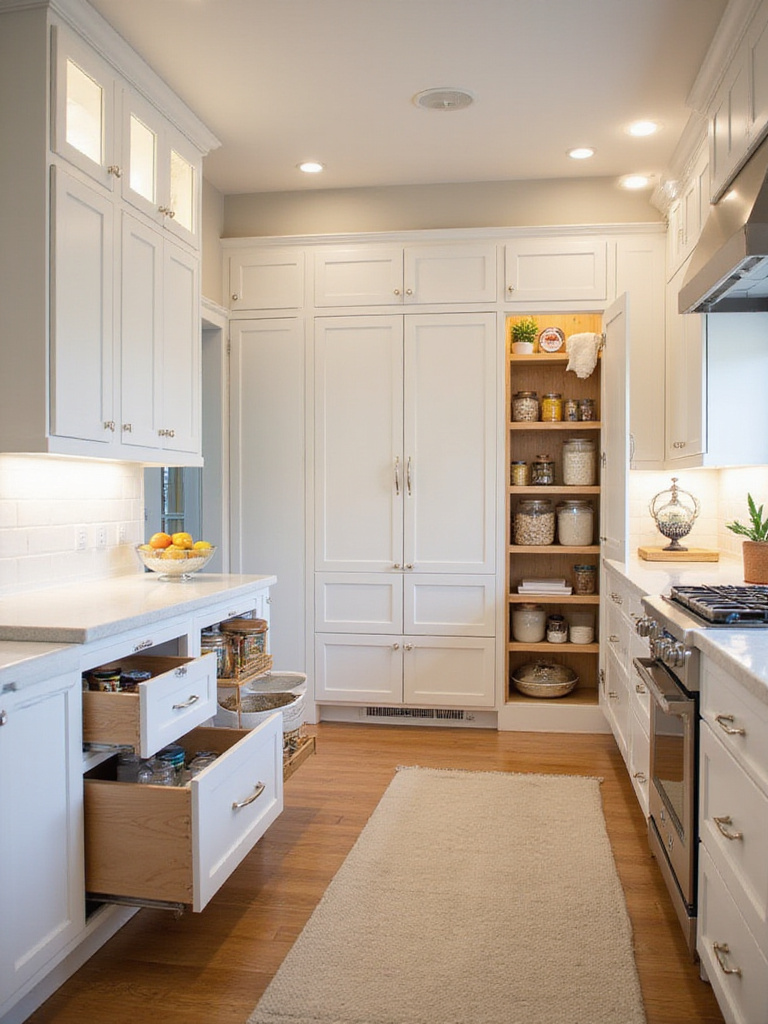
Utilize vertical space by extending cabinets to the ceiling for seasonal items, using stud spaces for spices, and adding wall-mounted pot racks or magnetic knife strips. Kitchen islands offer storage for pots, utensils, and even refrigerated drawers. Custom features like toe-kick drawers and pull-out cutting boards with integrated trash bins maximize efficiency.
- Install a pegboard in the pantry for flexible organization
- Use drawer dividers to keep utensils orderly
- Incorporate appliance garages to clear countertops
- Inventory your items before designing storage to allocate space wisely
Effective storage isn’t about cramming more but making essentials accessible and visible. With storage optimized, let’s design a kitchen island that’s both stunning and practical.
Designing a Functional and Attractive Kitchen Island
Kitchen islands have evolved into multifunctional centers. The ideal island balances size and usability-you need at least 36 inches of clearance around it, with a minimum size of 4 feet by 2 feet for practicality.
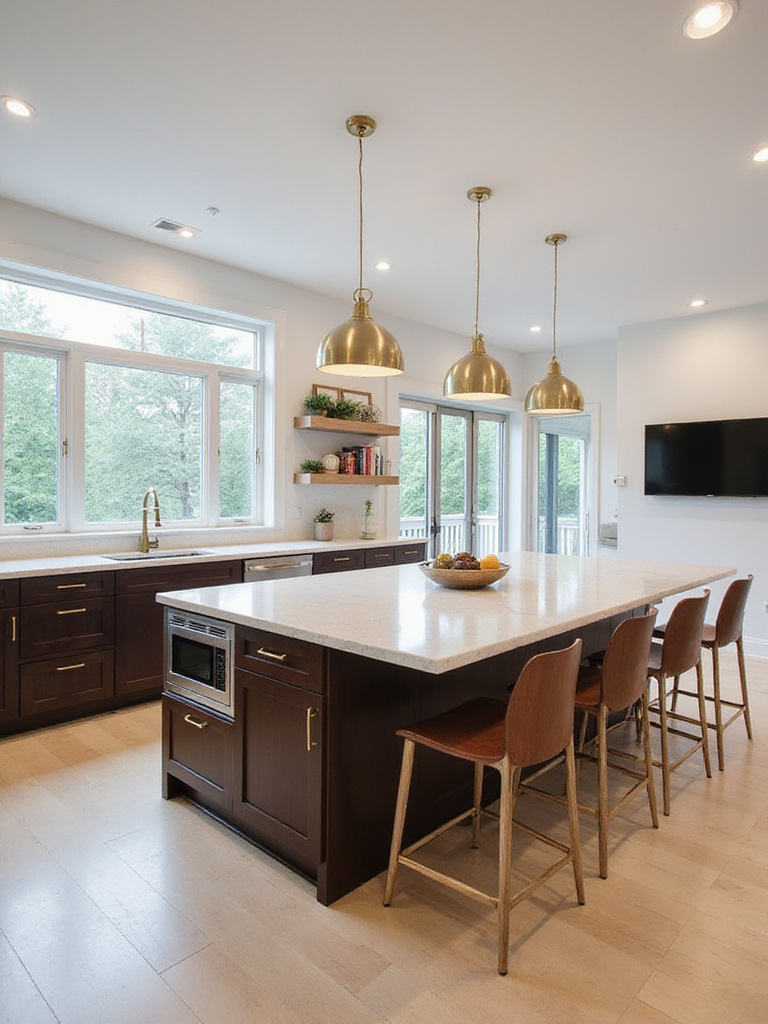
Customize your island to your lifestyle. Need a homework spot? Add lower-height seating. Love entertaining? Include a wine fridge or prep sink. Serious cooks might want a second cooktop or specialized storage. Countertops can match perimeter surfaces or contrast for visual interest-combining butcher block with stone adds warmth and function.
- Incorporate a pet feeding station at one end
- Add electrical outlets and USB ports for device charging
- Consider waterfall edges where the countertop material flows down the sides
- Use island ends for towel bars or cookbook storage
Your island can become the stage where cooking meets socializing. With the island planned, let’s select sinks and faucets that blend practicality with style.
Choosing Sinks and Faucets for Style and Function
Sinks and faucets endure constant use and significantly affect daily kitchen life. Single-bowl sinks accommodate large pots but limit multitasking, while double-bowl designs offer versatility with smaller basins. Farmhouse sinks make a bold style statement and provide ergonomic benefits.
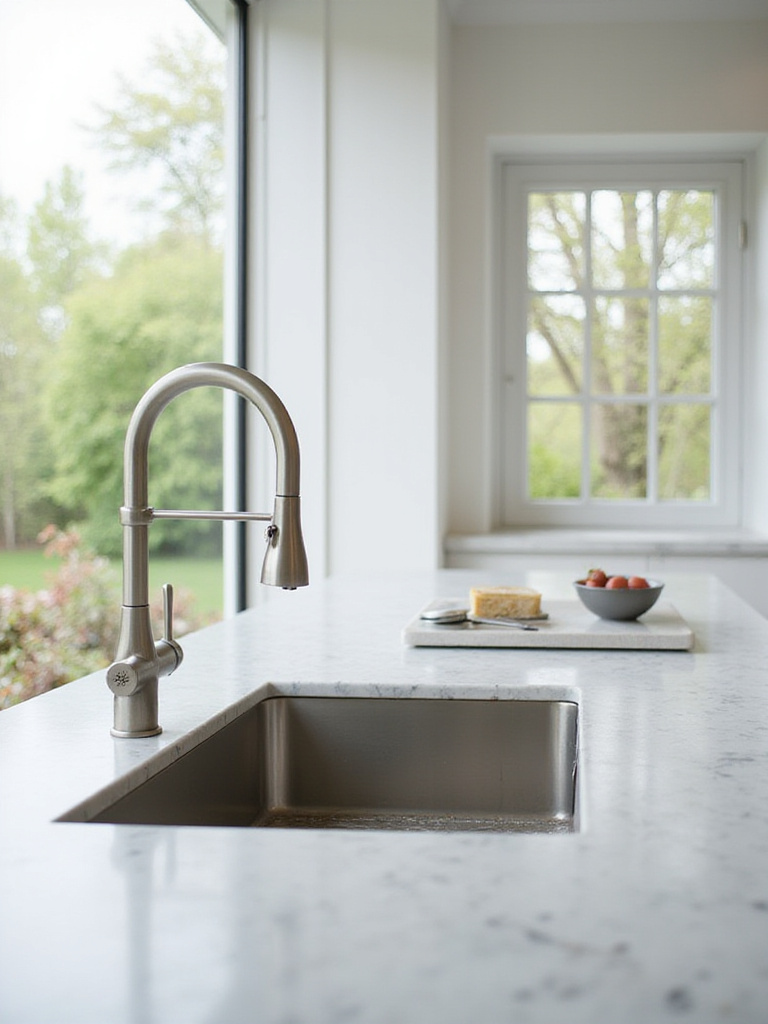
Faucet features matter beyond finish and style. Pull-down sprayers with multiple modes simplify tasks, and touchless models reduce contamination risks. Consider height and reach-tall goosenecks fill large pots but may splash in shallow sinks. Choose durable finishes like PVD for longevity and coordinate with other hardware.
- Choose statement sinks in materials like hammered copper or fireclay
- Install pot-filler faucets near cooktops for convenience
- Undermount sinks facilitate easy countertop cleanup
- Look for faucets with ceramic disc valves for durability
Since these fixtures are touched dozens of times daily, balancing function and beauty enhances satisfaction. Next, let’s explore cabinet hardware choices that complete your kitchen’s look.
Selecting Cabinet Hardware to Enhance Your Kitchen
Cabinet hardware acts as the jewelry of your kitchen, influencing both aesthetics and usability. I’ve seen how the right knobs or pulls elevate cabinetry, while poor choices detract from even expensive installations. Quality and comfort are as important as style.
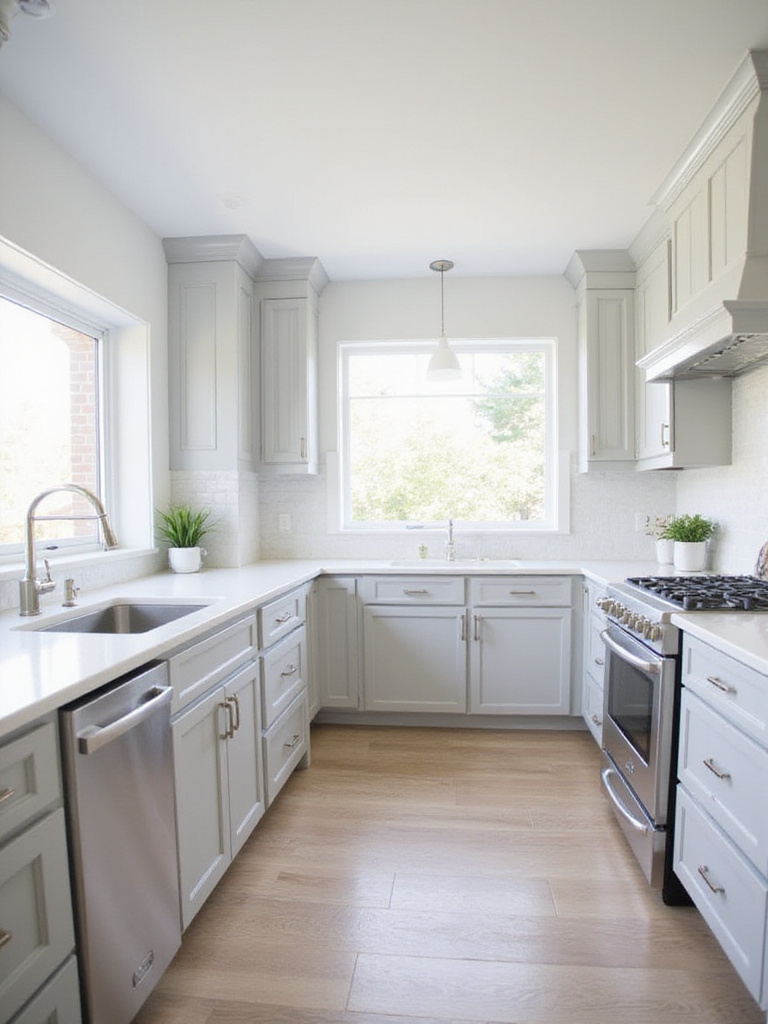
Hardware styles range from minimalist finger pulls to substantial handles. Knobs suit traditional and farmhouse kitchens, while sleek bar pulls complement modern designs. Coordinate finishes with faucets and appliances-popular choices include brushed nickel, matte black, and aged brass. Size matters: larger cabinets need proportionate hardware.
- Mix knobs on upper cabinets with pulls on lower drawers
- Order samples to test feel and appearance
- Use consistent hardware for cohesion or varied styles for eclectic charm
- Position pulls horizontally on drawers and vertically on doors for ease
Hardware installation typically occurs late in the remodel, allowing adjustments based on other design elements. With hardware selected, let’s add personality through color accents.
Using Color Accents to Enliven Your Kitchen
Color can transform a kitchen from bland to vibrant. The most memorable kitchens use color thoughtfully, often applying it to backsplashes, island bases, or appliances-elements easier to update than major components.
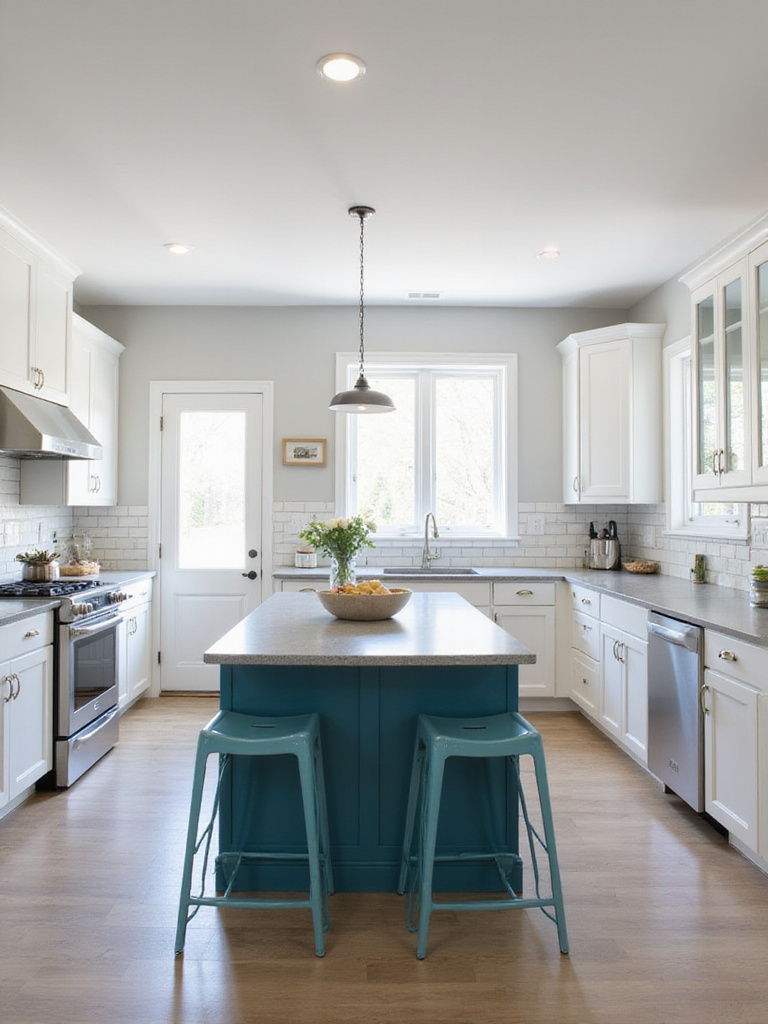
Color psychology plays a subtle role: blues and greens evoke calm, reds and oranges stimulate appetite and conversation, and yellows add warmth. Balance is key-use bold colors as accents unless you’re confident in their lasting appeal. Coordinate with your home’s overall palette for harmony.
- Use vibrant, patterned backsplashes as focal points
- Paint island bases in contrasting colors
- Add color through easily changeable items like bar stools or curtains
- Start with neutral walls and major appliances to highlight accents
Strategic color use creates impact without overwhelming. Next, consider open shelving for display and accessibility.
Strategic Use of Open Shelving in Kitchen Design
Open shelving has gained popularity for adding visual openness and easy access. I’ve observed a shift from fully enclosed cabinetry to balanced combinations of open and closed storage. Open shelves make kitchens feel larger and showcase attractive items like dishware or cookbooks.
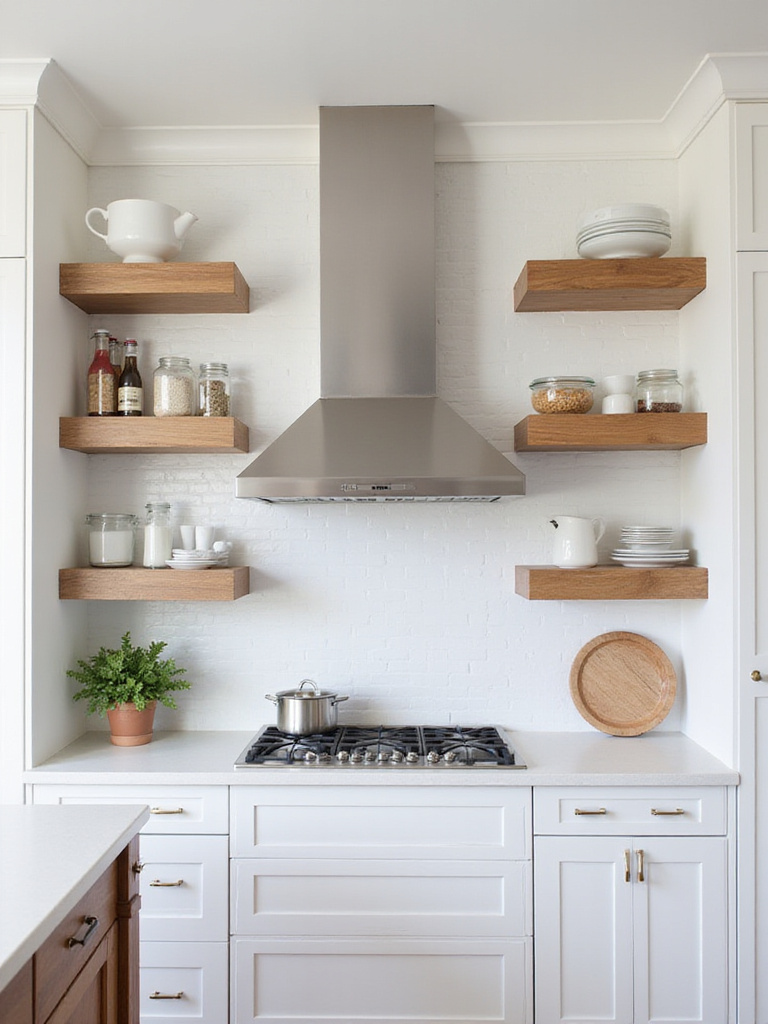
Success with open shelving requires curation and upkeep. Ideal spots include beside range hoods, above coffee stations, or unused corners. Display functional and attractive items-matching sets, colorful glassware, or decorative containers. Avoid clutter and be prepared for more frequent cleaning.
- Create a coffee bar with mugs and supplies on open shelves
- Use floating shelves with hidden brackets for a sleek look
- Add lighting to highlight displays
- Balance open shelves with closed cabinets for less attractive items
Open shelving adds character if maintained well. Next, let’s address the critical but often neglected aspect of kitchen ventilation.
Ensuring Effective Kitchen Ventilation for Health and Comfort
Proper ventilation is vital yet frequently overlooked. I’ve seen kitchens with greasy cabinets and lingering odors due to inadequate airflow. Good ventilation removes pollutants, prevents moisture damage, and keeps cooking smells from spreading.
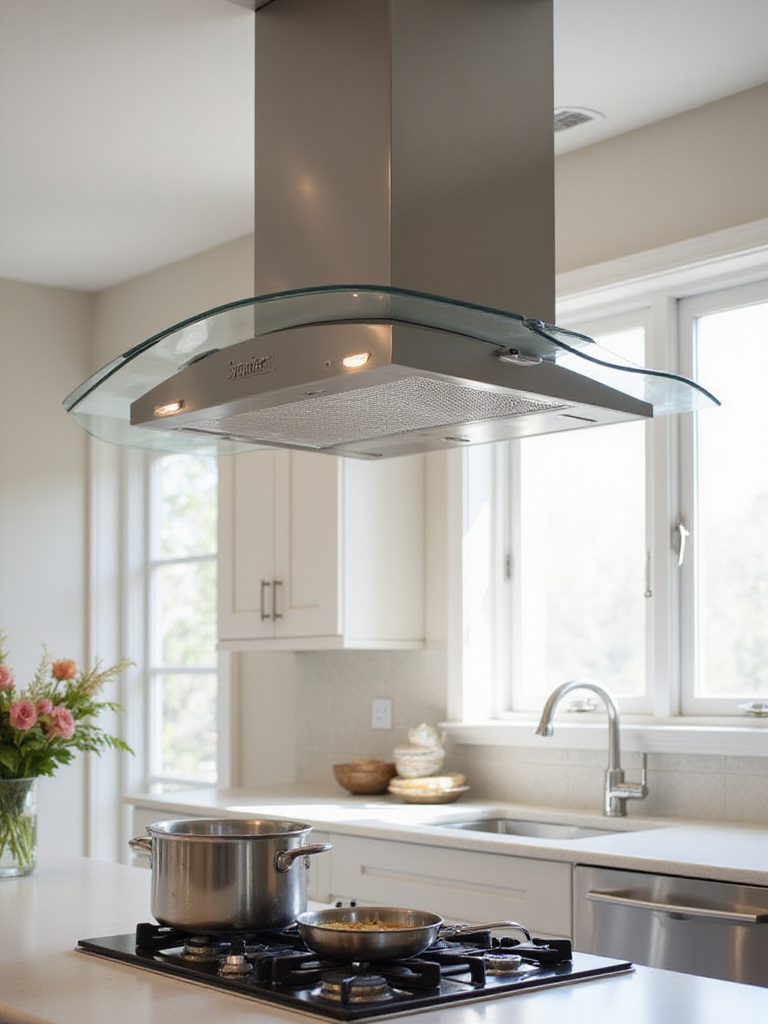
Range hoods vary from bold copper designs to discreet under-cabinet models. Ducted systems venting outdoors outperform recirculating ones but require proper ductwork. Consider CFM ratings-gas cooktops need about 1 CFM per 100 BTU, with a minimum of 100 CFM per linear foot of range.
- Use smart ventilation with automatic speed adjustment
- Consider ceiling vents for island cooktops where hoods aren’t feasible
- Choose quieter models for open-concept kitchens
- Plan duct routes to be short and straight for efficiency
Good ventilation prolongs cabinet life, keeps your home cleaner, and improves cooking comfort. With air quality managed, let’s explore smart technology integration.
Integrating Smart Technology for Convenience and Efficiency
Smart tech has transformed kitchens from simple spaces to interconnected hubs. Refrigerators can track inventory and suggest recipes, ovens preheat remotely, and faucets dispense precise water amounts via voice commands.
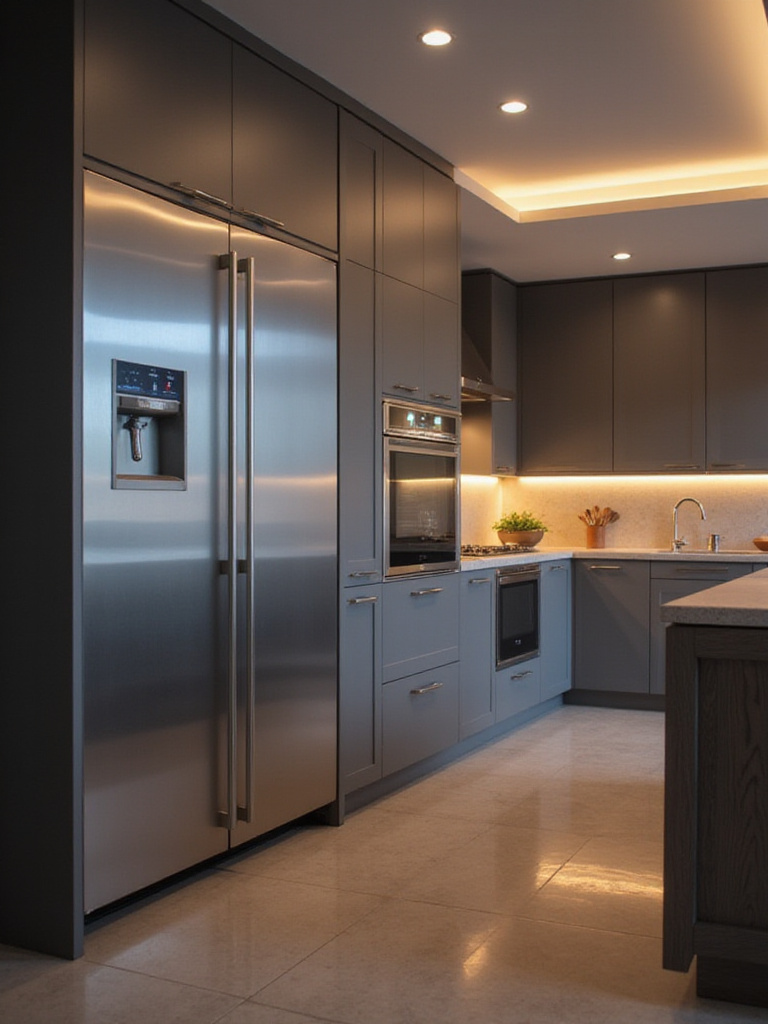
Choose smart devices that address your real needs to avoid complexity. For example, a smart display for recipes or automated lighting that adjusts by time of day. Ensure device compatibility with platforms like Wi-Fi, Bluetooth, Apple HomeKit, Google Assistant, or Amazon Alexa.
- Create a dedicated smart hub for device charging and control
- Use voice assistants for hands-free operation
- Look for appliances with over-the-air updates
- Plan for ample power outlets and USB ports
Smart technology should simplify your kitchen experience. Next, let’s create a captivating focal point to anchor your design.
Crafting a Visual Focal Point in Your Kitchen
A strong focal point organizes your kitchen visually and adds personality. Without one, spaces can feel chaotic or dull. The focal point becomes the centerpiece around which other elements revolve.
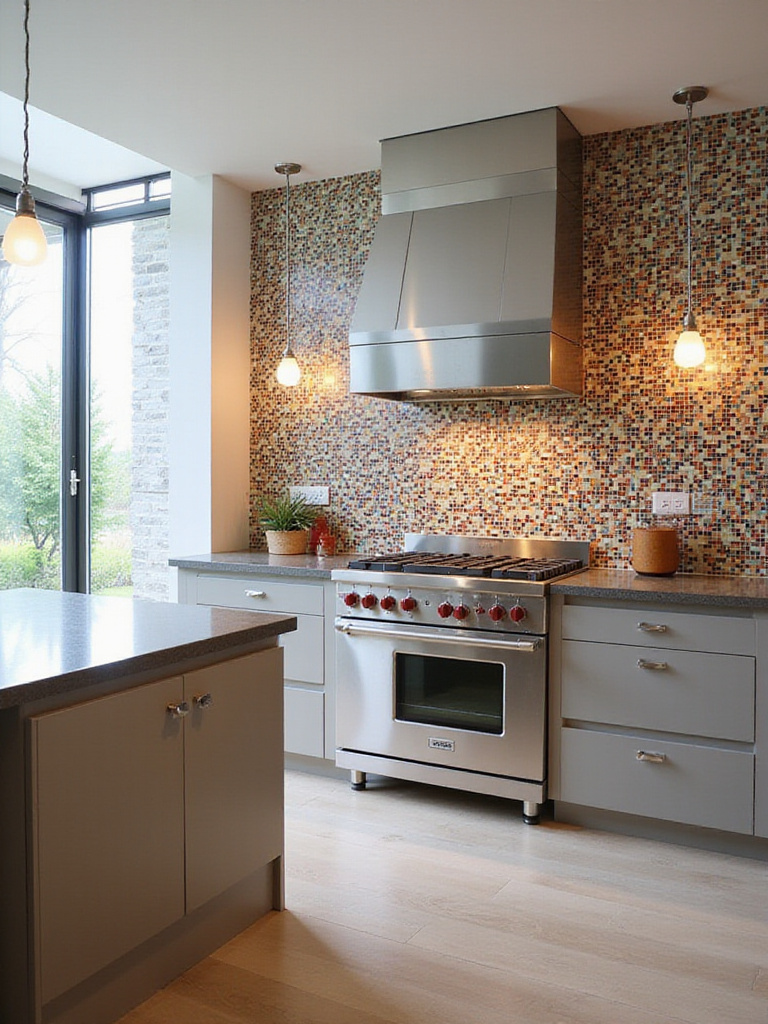
Focal points vary: a custom range hood, a dramatic backsplash, a distinctive island countertop, or unique lighting fixtures. Choose one dominant element to avoid visual confusion.
- Install a detailed custom range hood
- Apply the “rule of thirds” for focal point placement
- Ensure the focal point reflects your personal style
- Scale the focal point appropriately for your kitchen size
Sometimes, unexpected elements like a vintage table or a garden view framed by windows serve as compelling focal points. With this anchor in place, organize your kitchen into functional zones.
Creating Functional Kitchen Zones for Smooth Workflow
Dividing your kitchen into zones enhances efficiency. Common zones include cooking (stove, oven), prep (countertops, knives), cleaning (sink, dishwasher), and storage (pantry, fridge). This reduces cross-traffic and keeps tools where you need them.
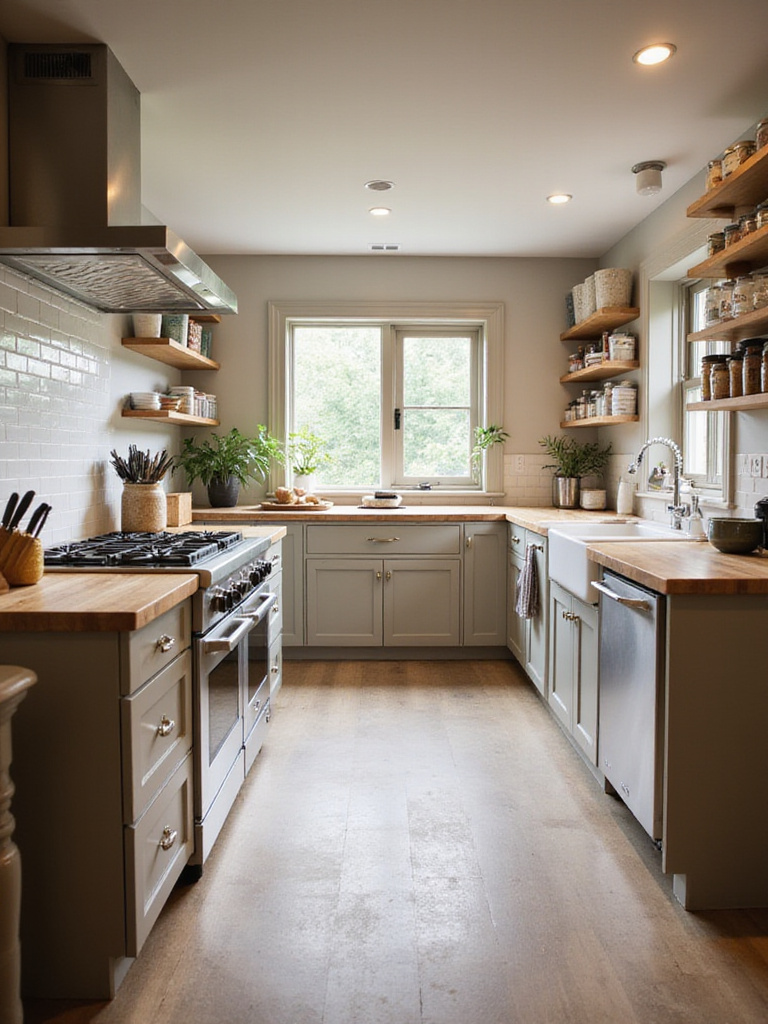
Arrange zones based on your habits-bakers, entertainers, or quick meal preparers have different needs. The classic work triangle is a good start, but consider specialized zones for baking or coffee-making.
- Use color-coding to differentiate zones visually
- Ensure ample counter space in each zone, especially prep areas
- Place the dishwasher near the sink without blocking access
- Create dedicated zones for frequent routines like morning coffee
Design your kitchen to support your natural movements. Next, tailor your remodel to your lifestyle.
Customizing Your Kitchen to Your Lifestyle Needs
Your kitchen should serve your real life, not just showroom ideals. Families with children need different features than empty nesters who entertain often. Consider routines, cooking styles, and household makeup.
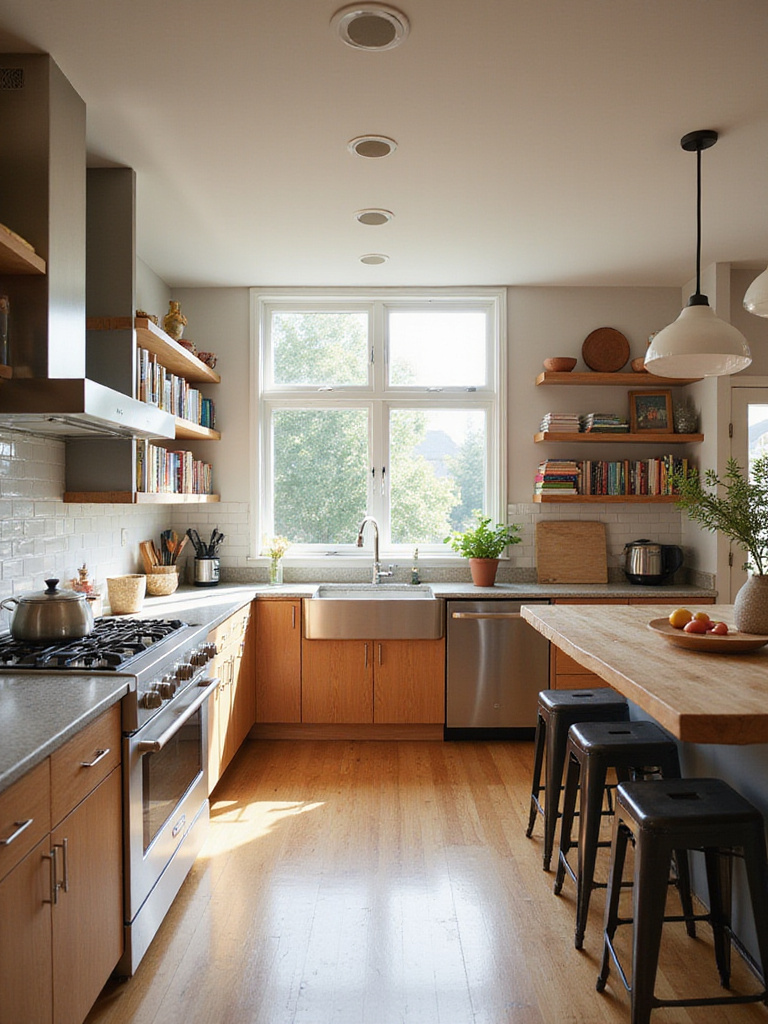
Examples include extra counter height for tall cooks, lower surfaces for accessibility, specialized storage for hobbies, durable materials for pets and kids, or a small desk area for home work. Entertainers might want separate drink stations. The best kitchens solve your actual problems.
- Create a dedicated coffee station for morning rituals
- Install a pot-filler for frequent pasta or soup makers
- Consider a second refrigerator drawer for snacks or drinks
- Design seating to fit how your family gathers
When your kitchen reflects your lifestyle, daily frustrations fade. Finally, know when to bring in professionals.
Hiring Professionals for a Smooth Kitchen Renovation
While DIY can save money, certain tasks require expert skills. Electrical, plumbing, gas line work, structural changes, and specialized countertop installation are best handled by licensed professionals to avoid hazards, code violations, and costly mistakes.
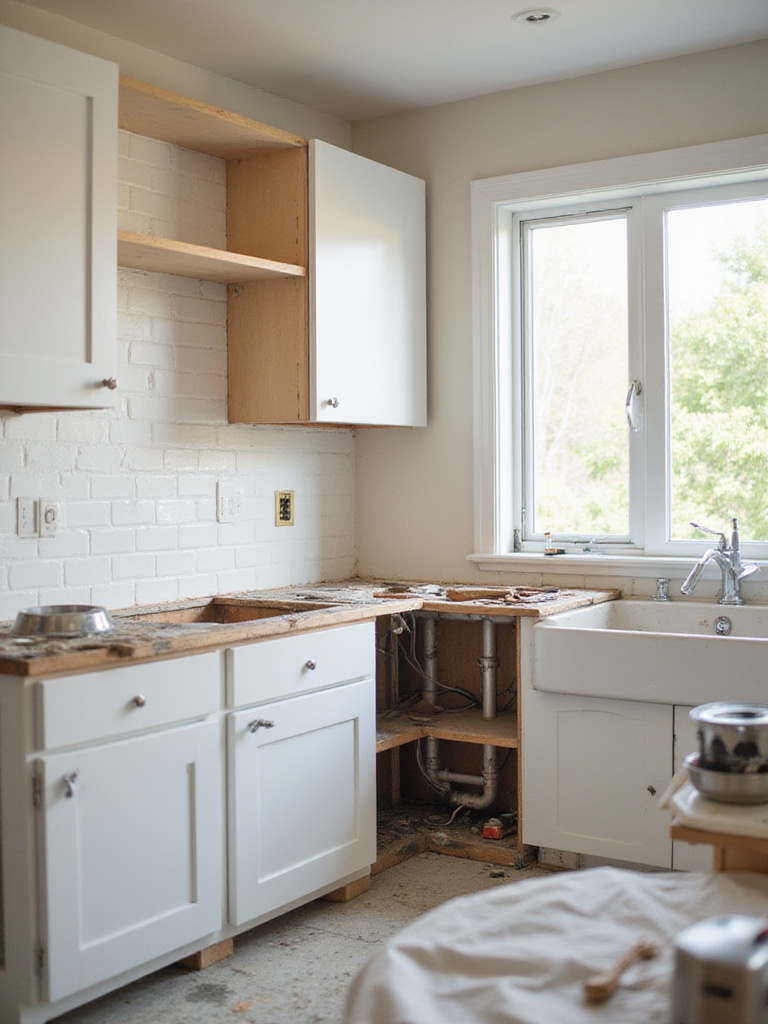
Be honest about your skills and tools. Even if you DIY some parts, hiring a general contractor for oversight can improve coordination. Research credentials, check references, read reviews, and get detailed quotes from multiple contractors.
- Develop a clear plan dividing DIY and professional tasks
- Verify contractors are licensed, bonded, and insured
- Maintain open communication and regular progress updates
- Don’t choose solely on price-quality and reliability matter most
Good professionals bring expertise that prevents costly errors and enhances results. With your team in place, focus on the finishing touches.
Attention to Detail for a Polished Kitchen Finish
Small details distinguish ordinary kitchens from extraordinary ones. Cabinet edge profiles, outlet cover finishes, vent grille styles-all contribute to the overall impression. These finishing touches reflect care and quality.
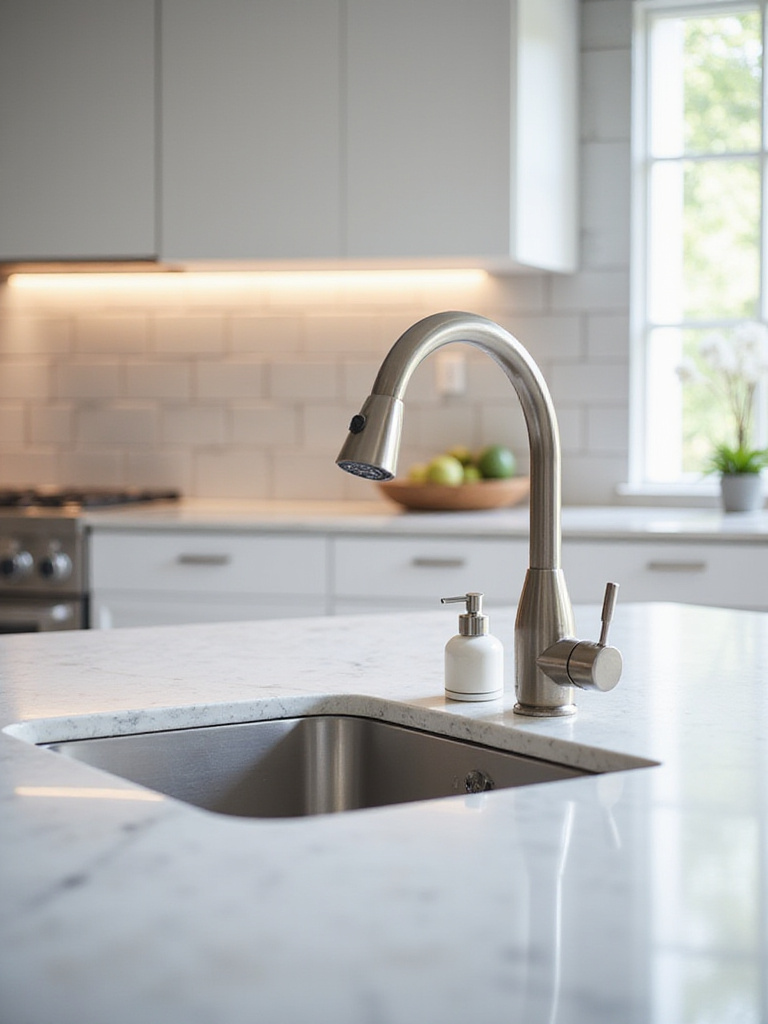
Consider cabinet interiors, soft-close hardware, outlet placement and style, under-cabinet lighting, toe-kick details, and molding transitions. Storage accessories like spice pull-outs and utensil dividers enhance usability. Sink accessories such as custom cutting boards and colanders add convenience. Approach these details thoughtfully to complement your design.
- Choose decorative outlet covers that blend with your backsplash
- Decide between exposed or concealed hinges based on style
- Match cabinet interiors to exteriors for cohesion
- Pay attention to material transitions, like backsplash to wall paint
These elements impact your daily experience long after major installations. Lastly, prepare for surprises with a contingency plan.
Planning for Unexpected Events in Your Kitchen Renovation
Kitchen renovations rarely go exactly as planned. Hidden issues like outdated wiring, delivery delays, or structural surprises are common. A contingency budget is practical, not pessimistic.
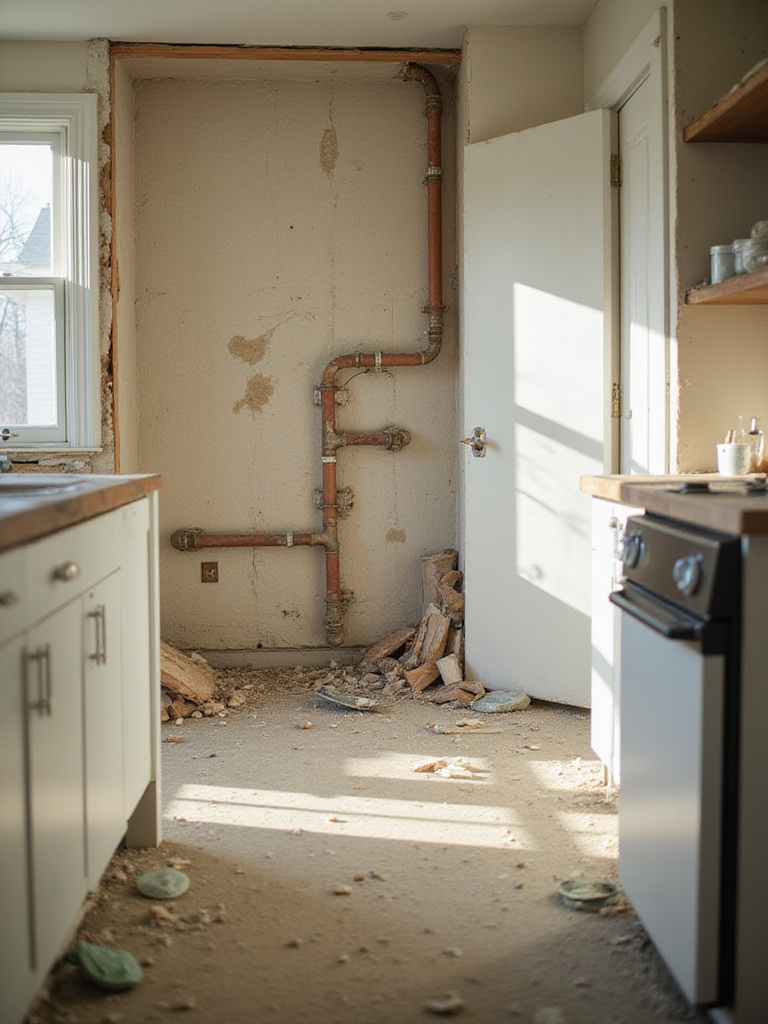
Set aside 15-20% of your budget for contingencies, more for older homes. This fund allows you to address surprises without sacrificing key elements or halting progress. Build time buffers around milestones like cabinet delivery. Maintain clear communication with your contractor to manage expectations and reduce stress.
- Create a tiered contingency plan with accessible funds for minor issues
- Track contingency spending carefully
- Identify “must-haves” versus “nice-to-haves” to guide decisions if cuts are needed
- Over 70% of kitchen remodels encounter unexpected costs or delays
Balancing optimism with preparedness ensures smoother renovations. Equipped with these insights, you’re ready to create your dream kitchen.
Conclusion: Your Perfect Kitchen Is Within Reach
A carefully planned kitchen remodel transforms your daily home life. By focusing on efficient layouts, investing wisely in quality materials, and balancing function with style, you’ll craft a space tailored to your lifestyle that also adds value to your home.
Use these 22 expert tips as a flexible guide, adapting them to your unique needs. Whether you envision a chef’s haven, a family hub, or an entertainer’s dream, the fundamentals remain: thoughtful planning, quality craftsmanship, and attention to detail.
Your dream kitchen is more than beautiful surfaces-it’s where memories form, meals are shared, and your home’s heart beats strongest. With careful preparation and these insights, that dream is well within your grasp.
Explore the best kitchen remodel tools and energy-efficient appliances to get started on your transformation today.