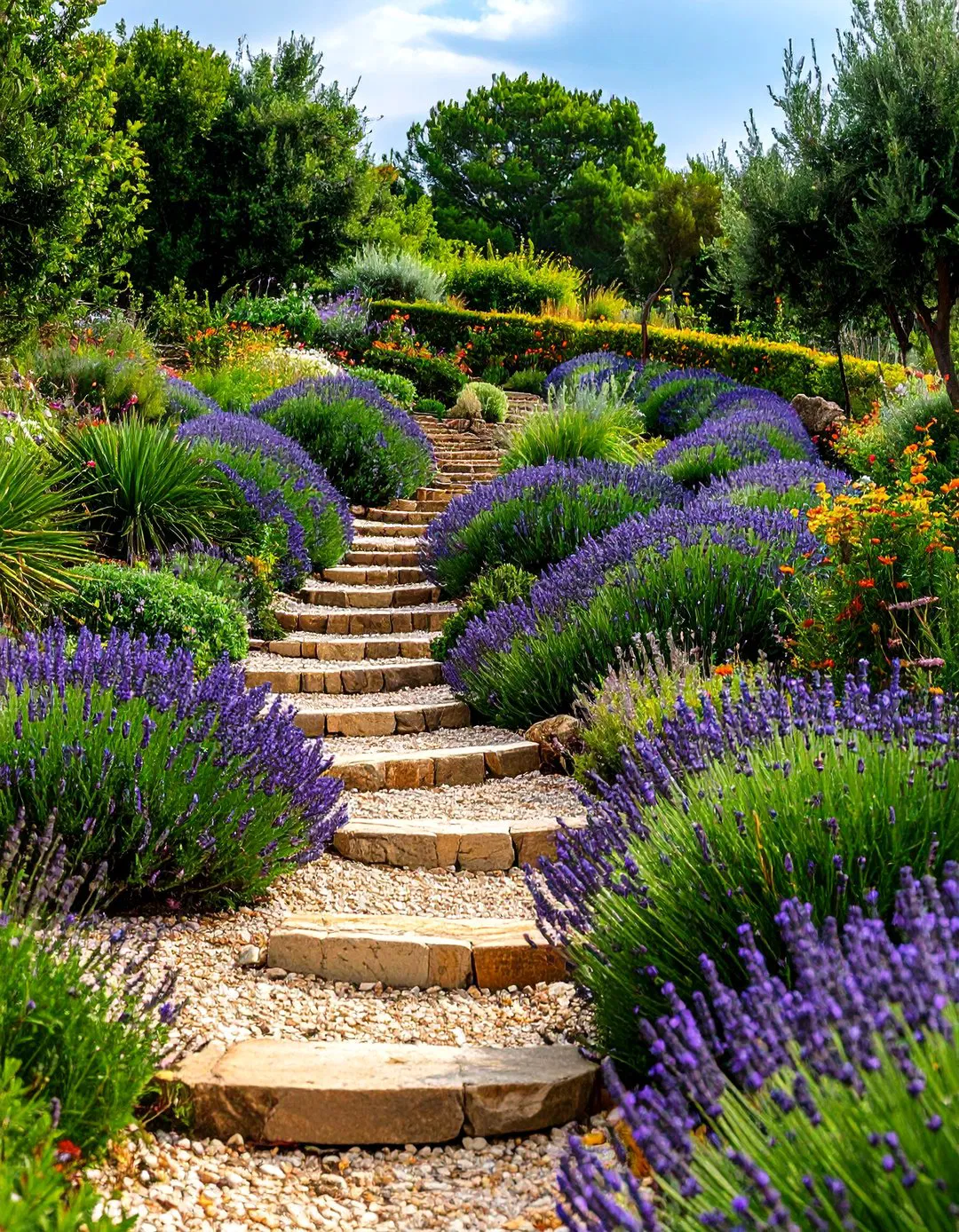
Converting a sloped outdoor area into a practical and visually captivating garden offers a wealth of design possibilities. Multi-tiered landscaping not only tackles difficult gradients but also creates eye-catching layers that optimize your land’s potential. These stepped gardens help control soil erosion, enhance water runoff, and carve out specialized zones for diverse plants and activities. Whether your slope is gentle or steep, tiered garden concepts can be tailored to fit various budgets, upkeep levels, and design preferences. From rugged stone terraces that harmonize with the environment to sleek, modern structures that make a striking architectural impression, each style provides unique benefits for turning uneven ground into a garden sanctuary that boosts both your home’s value and outdoor enjoyment.
Durable Stone Terraces: Timeless Elegance
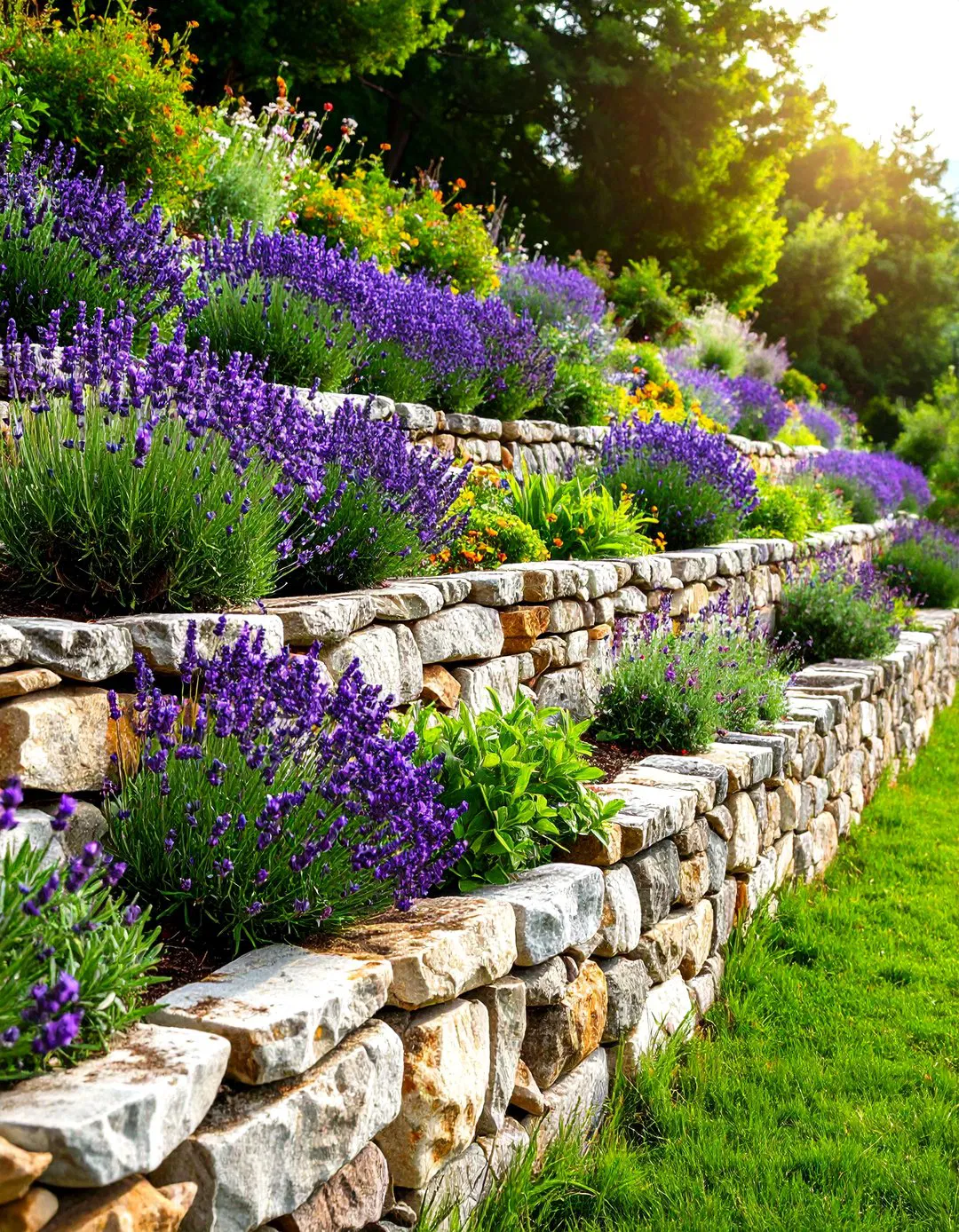
Imagine strolling through rustic hillside landscapes where weathered stone walls have stood the test of time. Using natural stone such as limestone, sandstone, or local fieldstone for retaining walls offers unmatched durability and a classic aesthetic. These materials develop a charming patina over time, inviting moss and lichen to soften their appearance. Incorporate drought-resistant plants like lavender, ornamental grasses, and rosemary nestled in crevices to blend the stonework with greenery. The thermal properties of stone help moderate soil temperatures, shielding roots from extreme fluctuations while ensuring excellent drainage.
Contemporary Concrete Block Gardens: Urban Sophistication
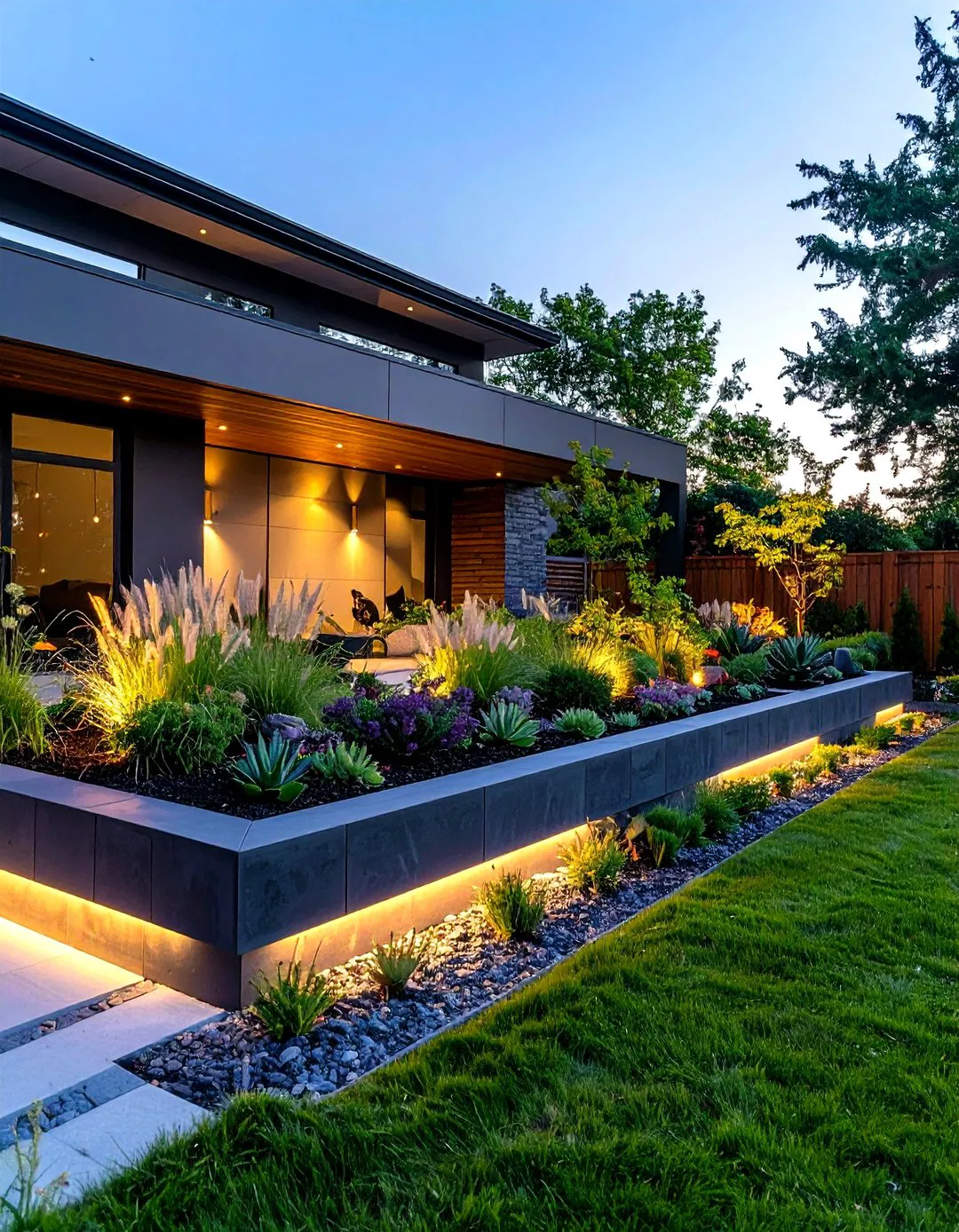
How can simple concrete blocks be transformed into sleek, modern garden features? By emphasizing clean, geometric shapes and thoughtful plant arrangements, concrete block terraces become perfect complements to contemporary homes. These walls can be finished in a variety of colors-from earthy neutrals to bold charcoals-allowing for personalized style statements. Integrate LED lighting strips within the walls to create dramatic nighttime effects. Pair the strong architectural lines with low-maintenance plants such as succulents, agave, and ornamental grasses that thrive in urban settings and reinforce the minimalist vibe.
Rustic Timber Sleeper Terraces: Warmth and Functionality
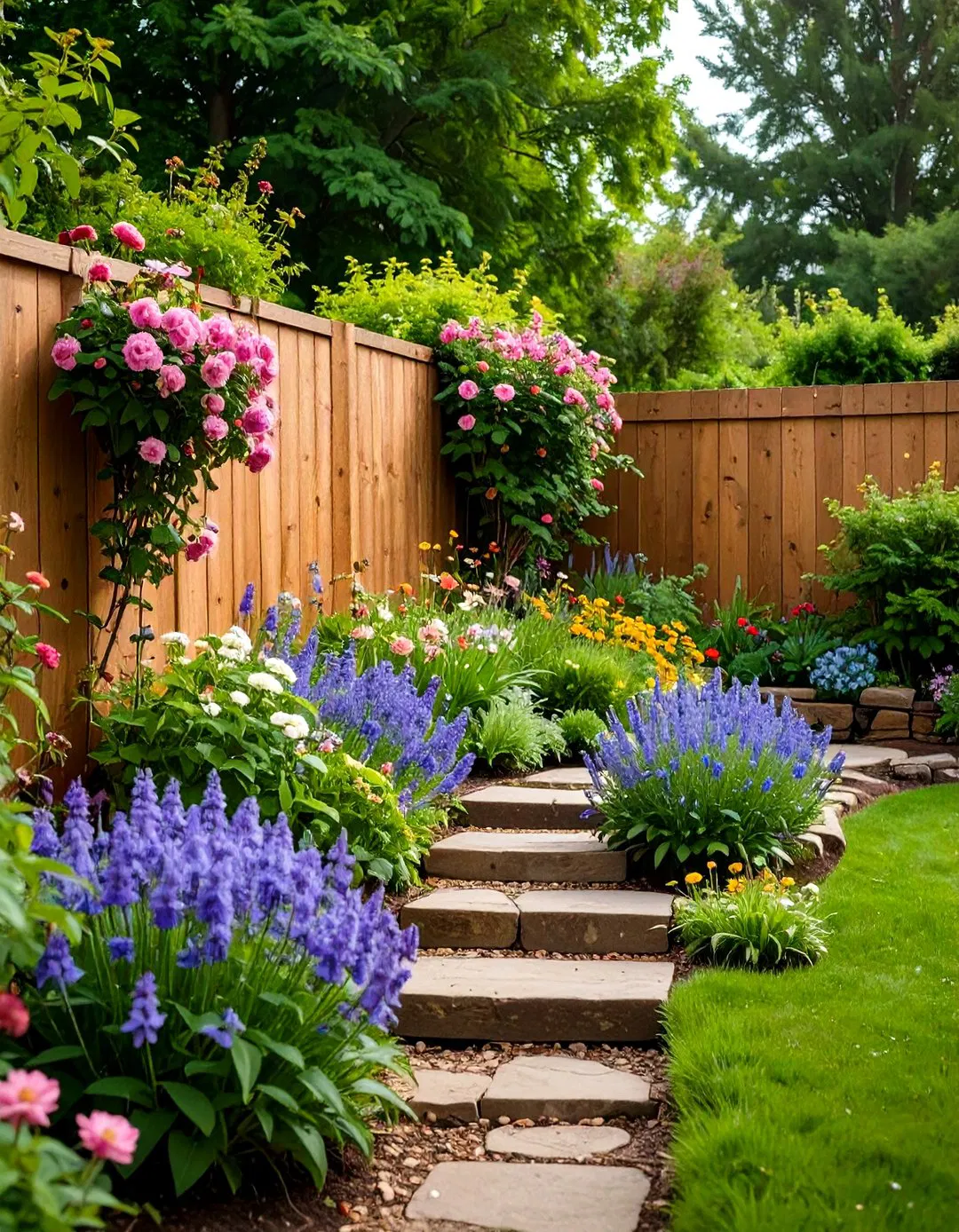
Is there a better way to combine rustic appeal with practicality than timber sleeper terraces? Pressure-treated softwood sleepers offer a cost-effective alternative to stone, bringing warmth and natural texture to your garden. Arrange sleepers in overlapping layers for stability, filling gaps with gravel to promote drainage. Plant native wildflowers, grasses, and perennials that harmonize with the wood’s organic feel. Regularly apply wood preservatives to extend durability, and consider adding climbing plants like clematis or climbing roses to soften the edges and add seasonal interest.
Gabion Retaining Walls: Industrial Meets Eco-Friendly
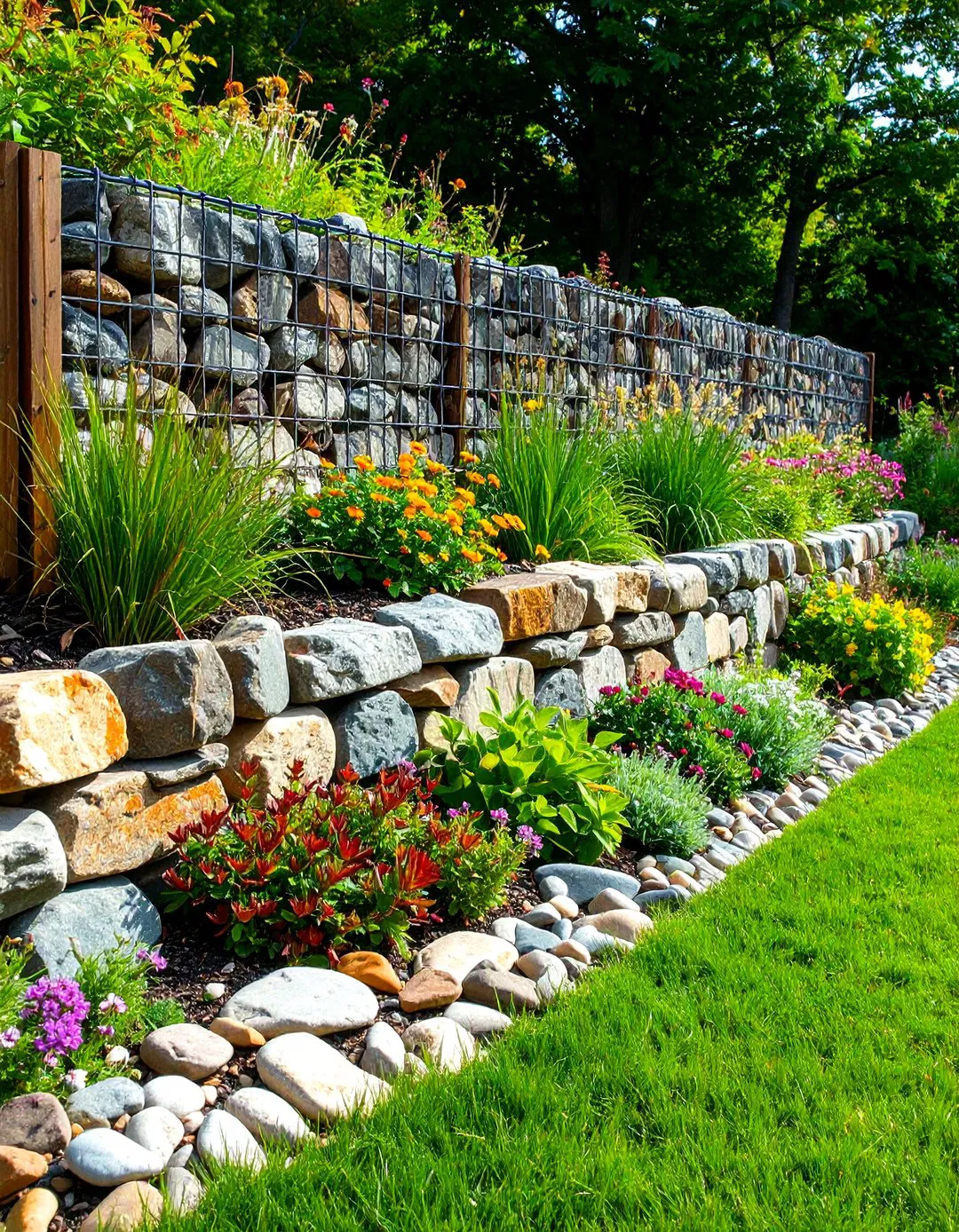
What innovative solutions arise when industrial materials meet natural landscaping? Gabion baskets filled with stones sourced locally create robust retaining walls that are both functional and environmentally conscious. The wire mesh allows excellent drainage and supports plant growth in soil pockets nestled between the rocks. Use contrasting stone colors or recycled materials to add visual texture. Plant hardy sedums, trailing perennials, and native grasses through the mesh to develop living walls that attract wildlife and require minimal upkeep once established.
Vertical Living Walls: Greenery Meets Structure
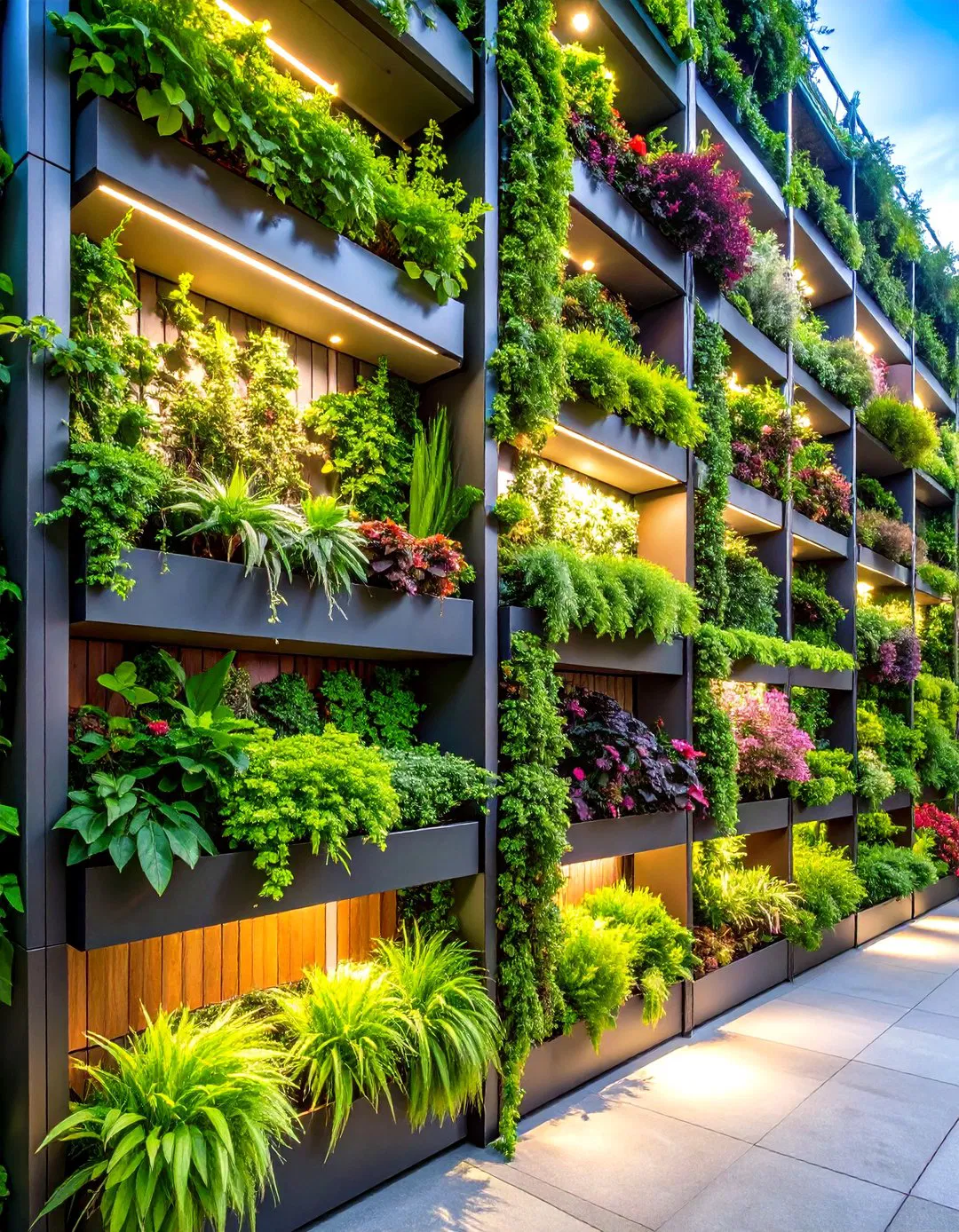
How can retaining walls double as vibrant vertical gardens? Living wall systems integrate modular planting pockets into structural faces, turning otherwise plain surfaces into lush, green canvases. Select plants adapted to vertical growth such as trailing ivy, creeping jenny, ferns, and colorful heucheras. Automated drip irrigation ensures consistent moisture, while LED lighting can highlight the greenery after dark. Though these installations require ongoing care, they offer significant environmental perks like air purification and habitat creation.
Curvilinear Terraces: Embracing Natural Flow
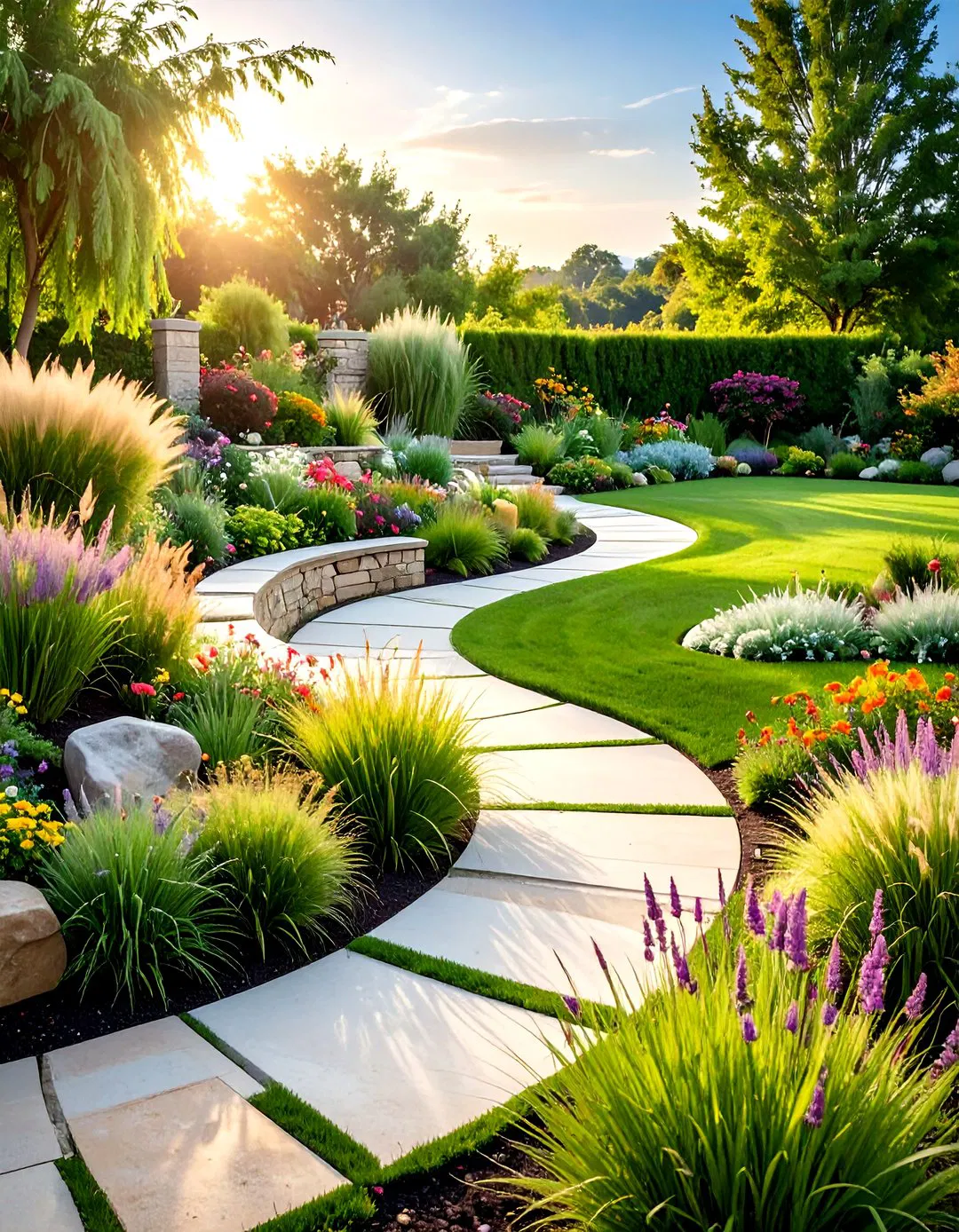
Why opt for rigid lines when gentle curves can create more harmonious garden transitions? Curved retaining walls follow the natural contours of your land, producing organic spaces that feel like an extension of the environment. Use flexible materials such as small stones or modular concrete blocks to accommodate flowing shapes. Plant sweeping drifts of ornamental grasses and perennials that echo the curves, and add winding pathways to connect terraces, enhancing both aesthetics and accessibility.
Herb Spiral Gardens: Functional Art for Slopes
Can herb cultivation double as sculptural landscaping? Spiral herb gardens inspired by Mediterranean designs optimize space and create microclimates for diverse herbs. Construct spirals with warm-hued stone or terracotta, placing sun-loving herbs like thyme and oregano at the top, while moisture-preferring varieties such as parsley and chives occupy lower, sheltered spots. This design ensures excellent drainage and airflow, while gravel paths between planting zones facilitate easy harvesting and maintain the garden’s aesthetic charm.
Zen-Inspired Terraced Gardens: Peaceful Slope Sanctuaries
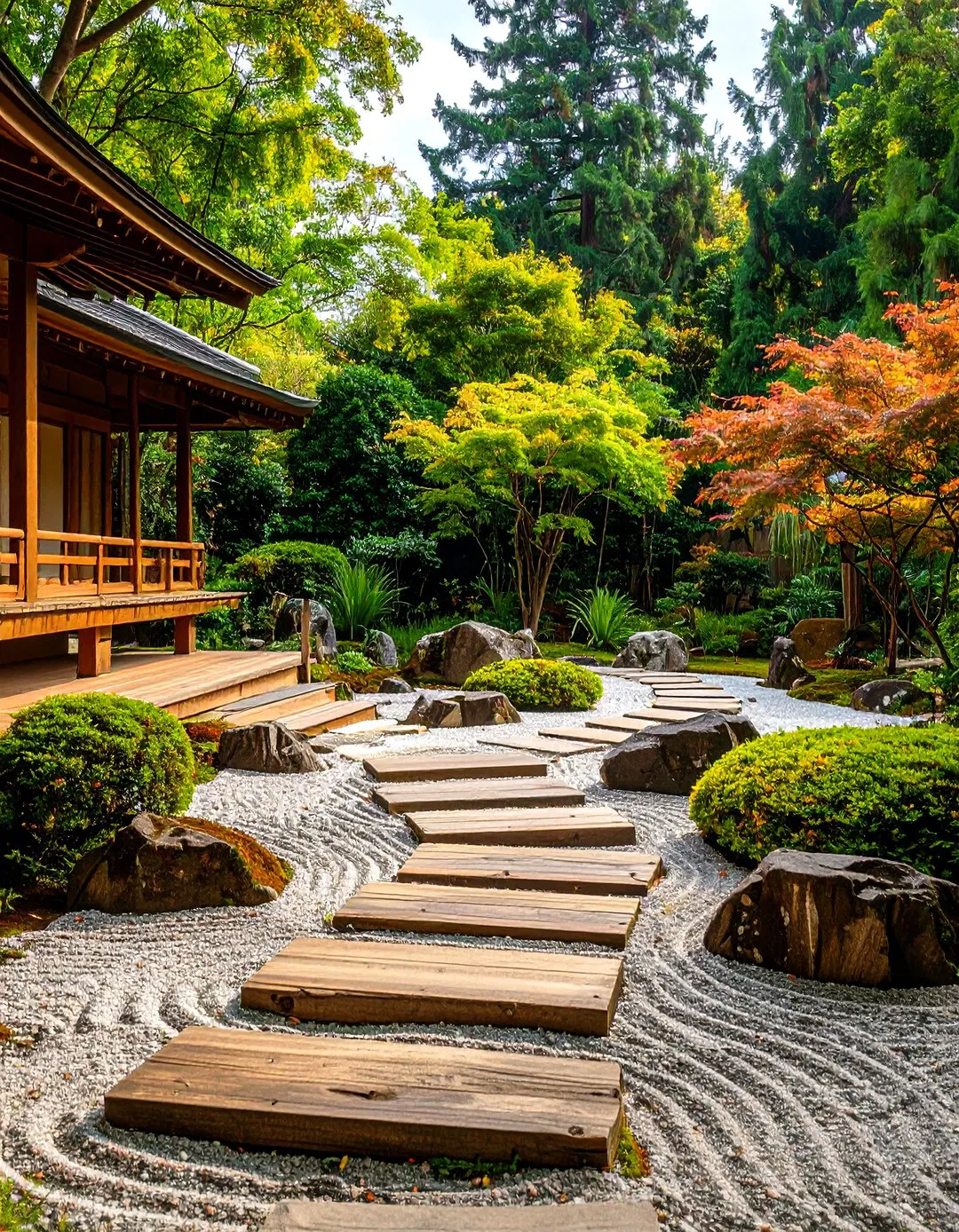
How can sloped gardens become serene meditation spaces? Japanese Zen terraces focus on simplicity, balance, and natural materials to craft tranquil retreats. Use weathered wood, natural stone, and raked gravel to define levels and pathways. Plant architectural species like Japanese maples, bamboo, and moss in asymmetrical yet intentional layouts. Incorporate water features such as small fountains or reflective pools for calming sounds, and add stone lanterns for soft evening lighting. Keep plantings minimal to preserve the peaceful atmosphere essential to authentic Zen gardens.
Edible Terraces: Combining Beauty and Bounty
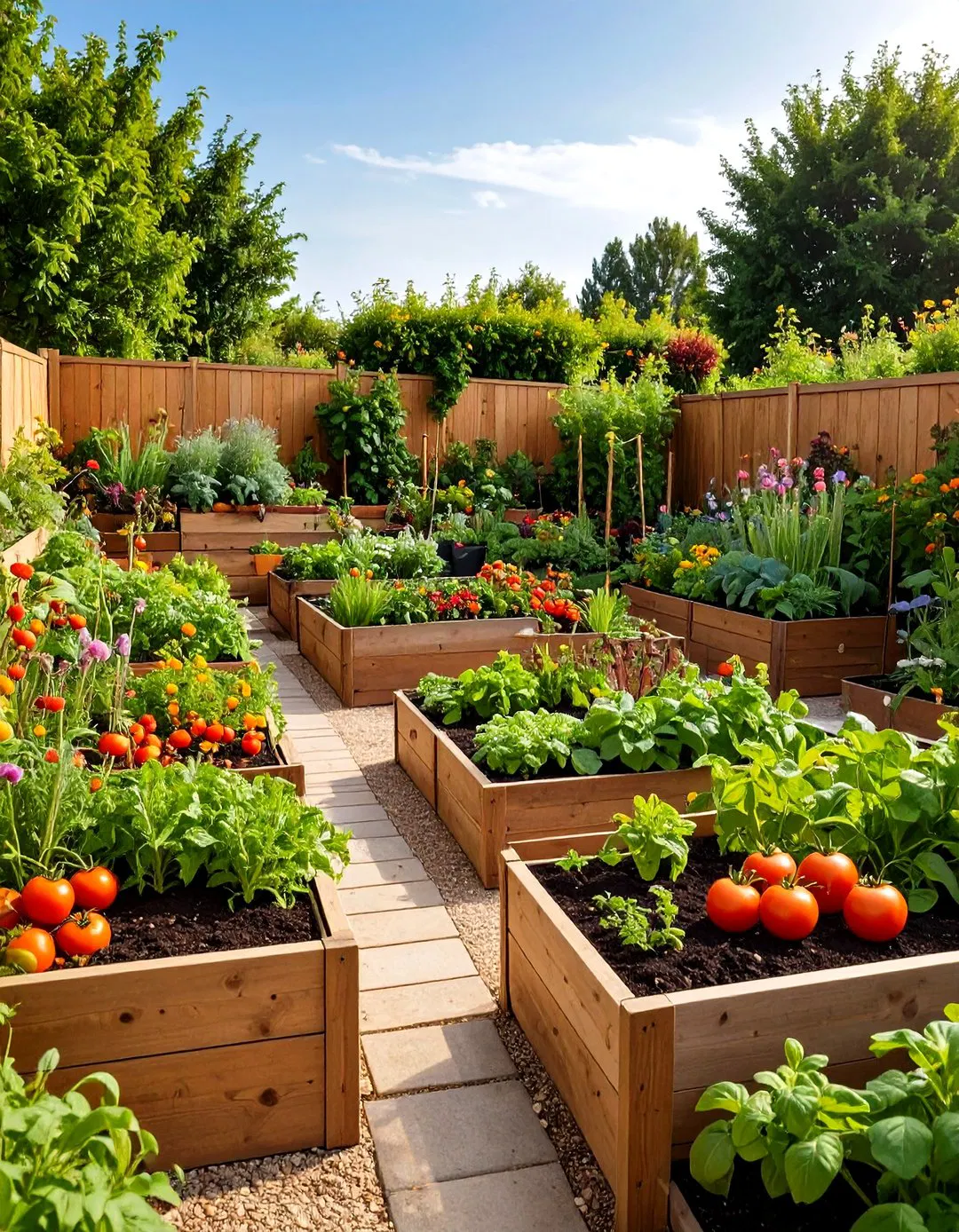
Why compromise between aesthetics and productivity when terraced vegetable gardens offer both? Raised beds at varying heights optimize sunlight exposure and prevent erosion. Design deeper beds for root crops and shallower ones for leafy greens and herbs. Implement irrigation systems with zone controls for efficient watering. Companion planting with flowers like marigolds and nasturtiums helps deter pests while adding color. Use trellises for climbing plants such as beans and peas to add vertical interest and maximize space in compact terraces.
Succulent and Rock Garden Terraces: Low-Maintenance Drama
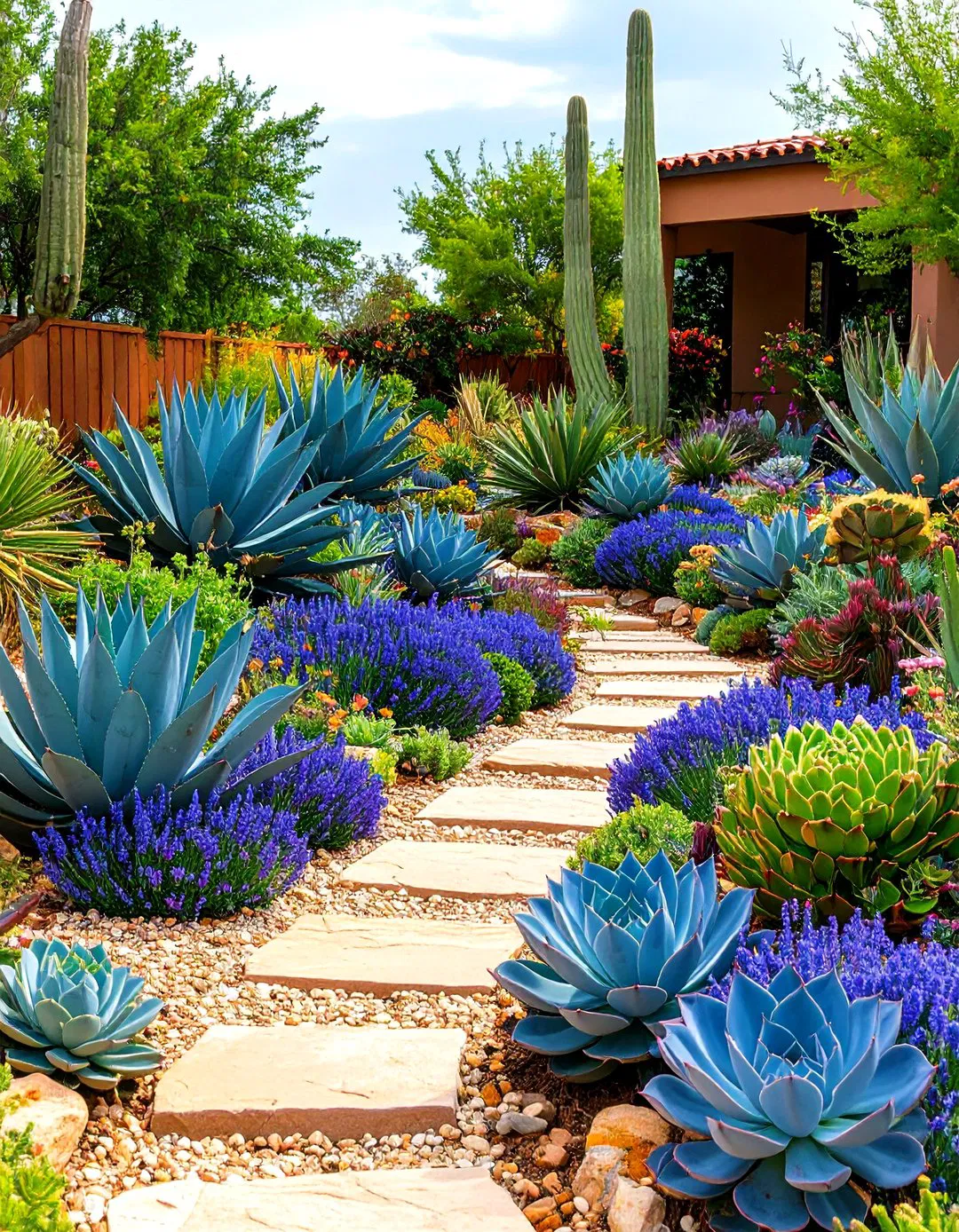
What garden style offers striking visuals with minimal water needs? Succulent rock terraces thrive in well-drained soils, providing year-round texture and color. Mix varieties like blue agave, purple sedum, and silvery echeveria for a vibrant palette. Use decorative gravel and boulders to accentuate plant shapes and improve drainage. Once established, these gardens require little irrigation, making them ideal for dry or low-maintenance landscapes. Position larger specimens like barrel cacti as focal points, with smaller succulents cascading between terrace levels.
Wildflower Meadow Terraces: Natural Beauty and Biodiversity
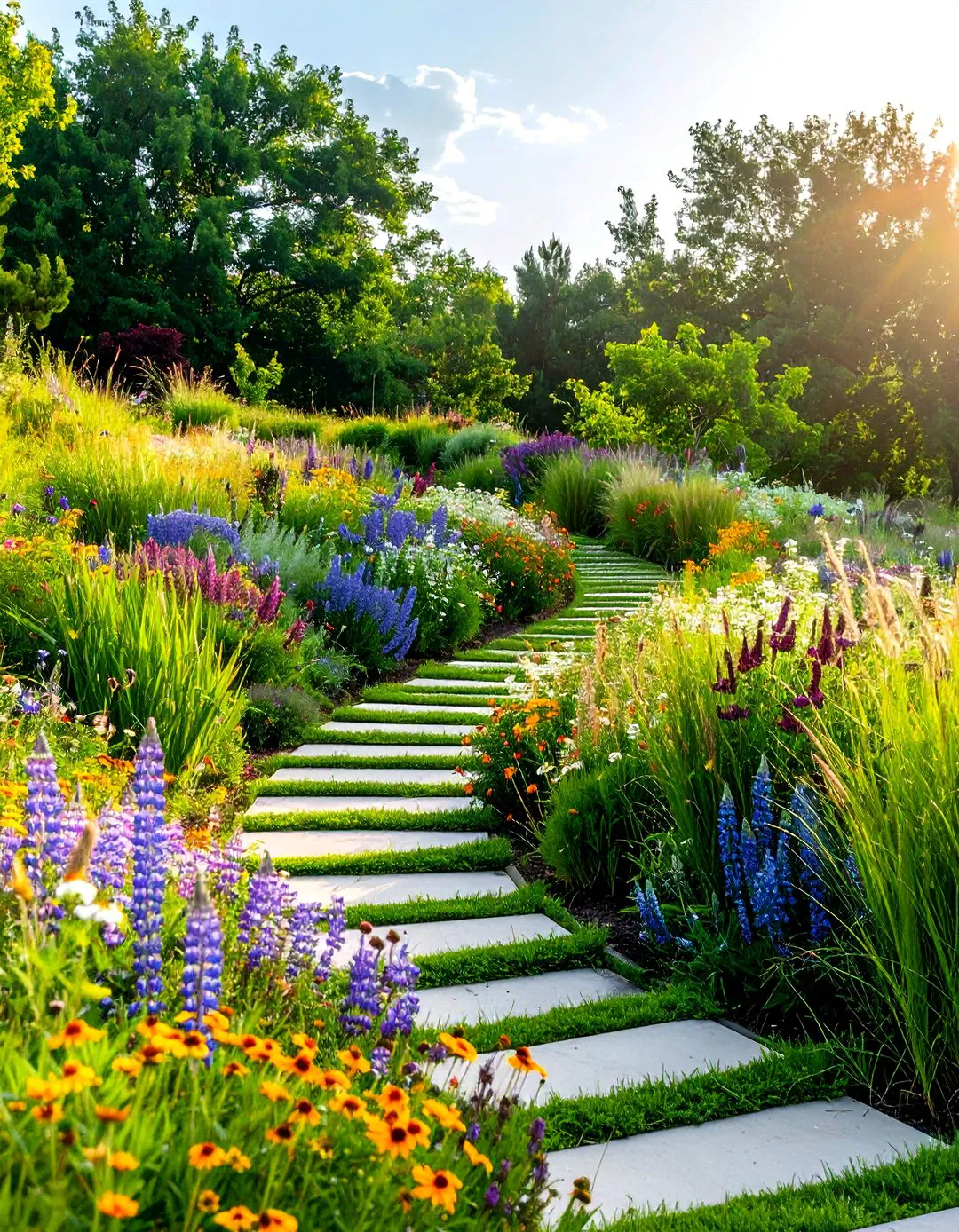
How can you replicate the charm of natural meadows on slopes? Wildflower terraces combine native plants with erosion control, creating sustainable, low-maintenance habitats. Establish zones with varying moisture and sunlight to support diverse species. Use regional wildflower seed mixes that bloom sequentially, ensuring continuous color and resources for pollinators. Incorporate native grasses like little bluestem and buffalo grass for structure and soil stability. These gardens require minimal watering once established and contribute to ecosystem health by supporting wildlife and managing stormwater naturally.
Steel Retaining Walls: Modern Strength and Style
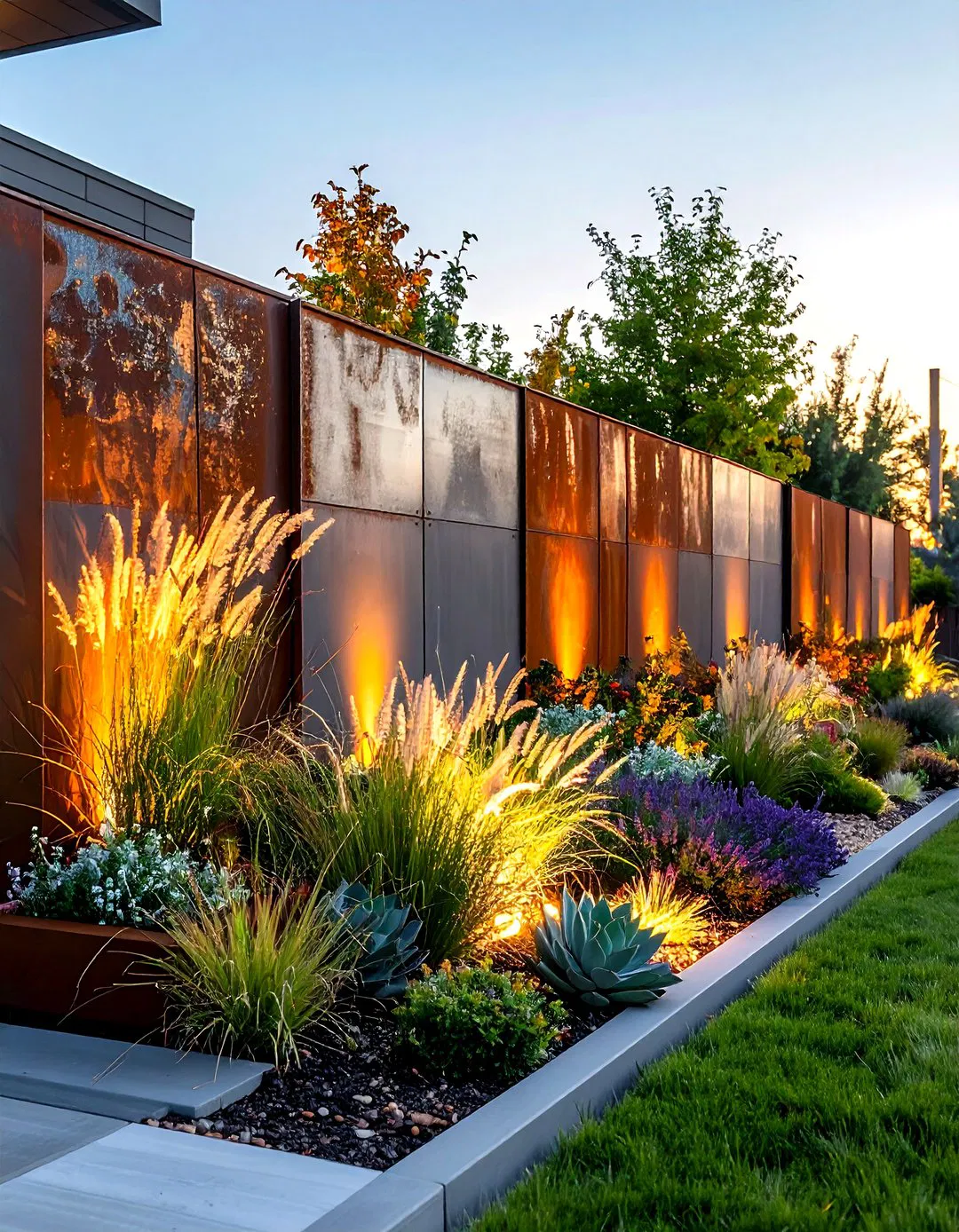
What materials best suit sleek, contemporary landscapes? Weathering steel walls develop a rich rust patina that adds warmth and texture while providing robust support for steep slopes. Their slim profiles maximize planting space and create bold architectural statements that complement modern homes. Contrast the oxidized steel with soft plantings like ornamental grasses, succulents, and perennials. Incorporate integrated lighting to highlight textures and forms after dark, and select plants with strong shapes and seasonal interest to enhance the industrial-chic aesthetic.
Cottage Garden Terraces: Informal Charm and Abundance
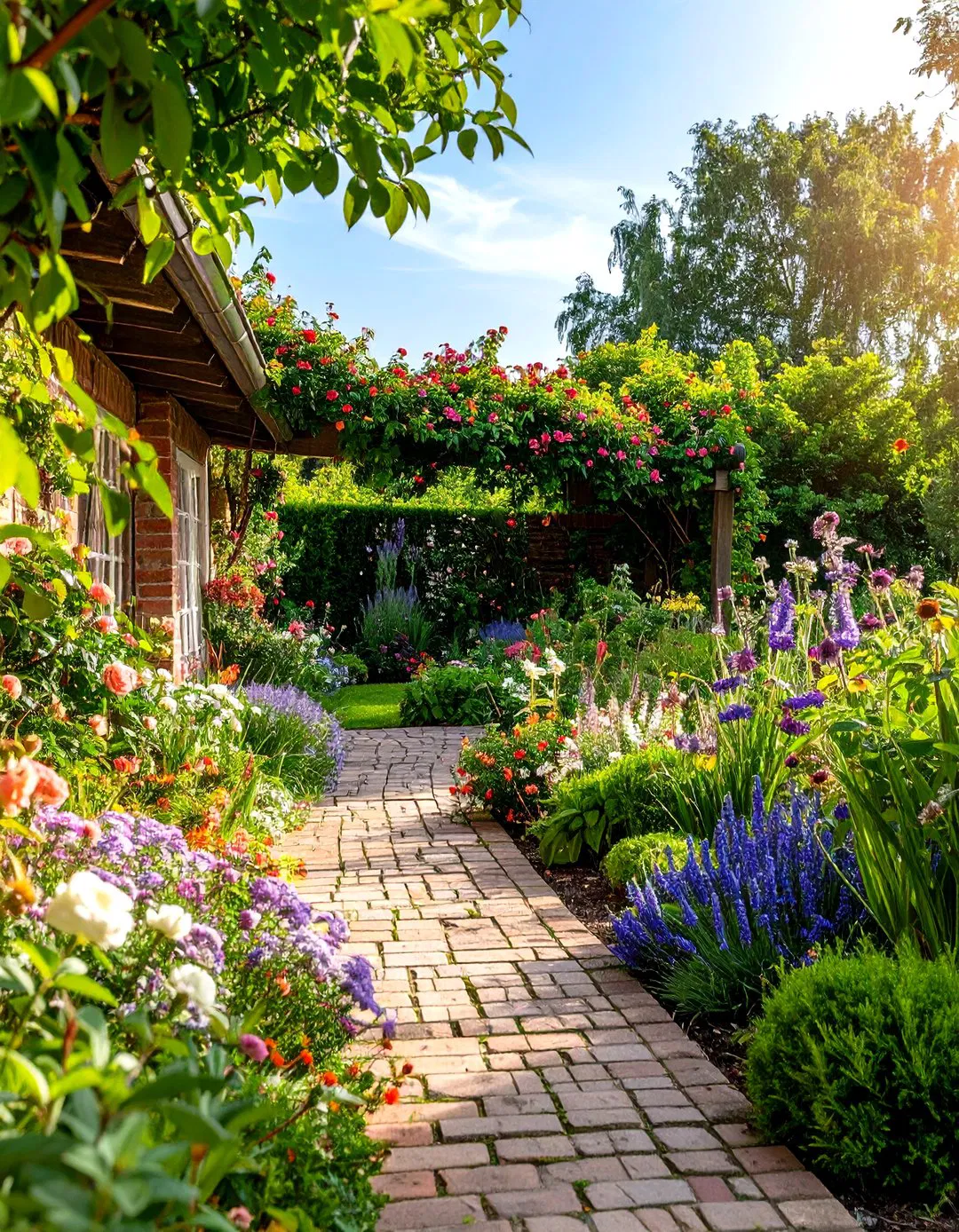
Could a relaxed, overflowing planting style suit your terraced garden better than strict formality? English cottage garden terraces combine practical soil retention with romantic, lush plantings that create inviting outdoor rooms. Use reclaimed brick or weathered stone for retaining walls that complement the informal planting style. Layer flowers, herbs, and shrubs generously, allowing them to spill over edges for a soft, natural look. Include climbers like honeysuckle, clematis, and climbing roses for fragrance and seasonal color. Maintain narrow paths for access while preserving the garden’s abundant, slightly wild character.
Water Features in Terraced Gardens: Dynamic and Soothing
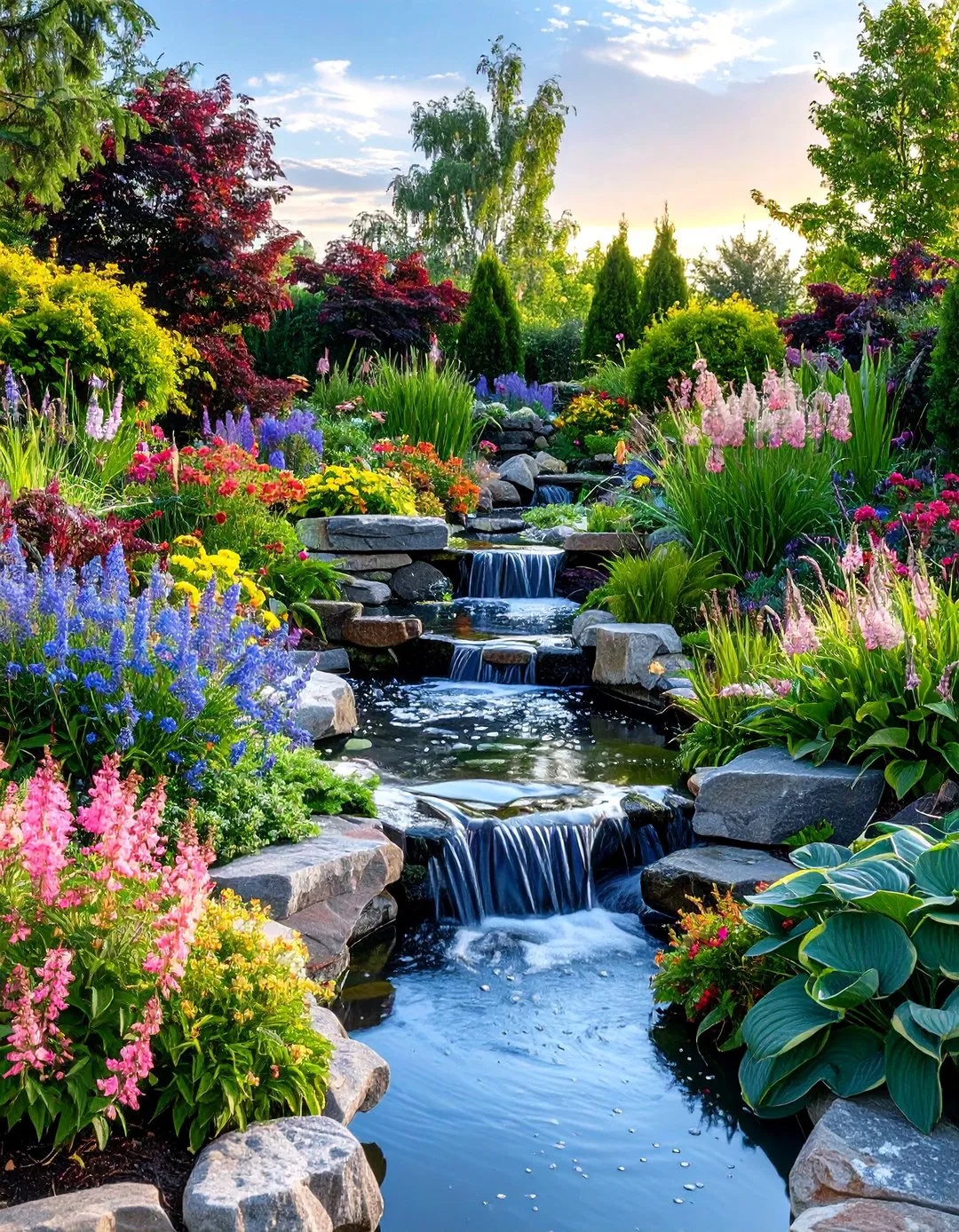
How can water features elevate terraced gardens into sensory havens? Cascading streams or waterfalls flowing between terrace levels add movement, sound, and reflective beauty, while supporting beneficial wildlife. Design naturalistic watercourses lined with river rocks or stone, using hidden recirculating pumps for sustainability. Surround water features with moisture-loving plants like hostas, ferns, and astilbe that thrive in humid microclimates. Incorporate aquatic plants such as water lilies and cattails in collection pools, and consider adding fish or frogs to naturally manage mosquito populations.
Raised Kitchen Gardens: Convenience Meets Productivity
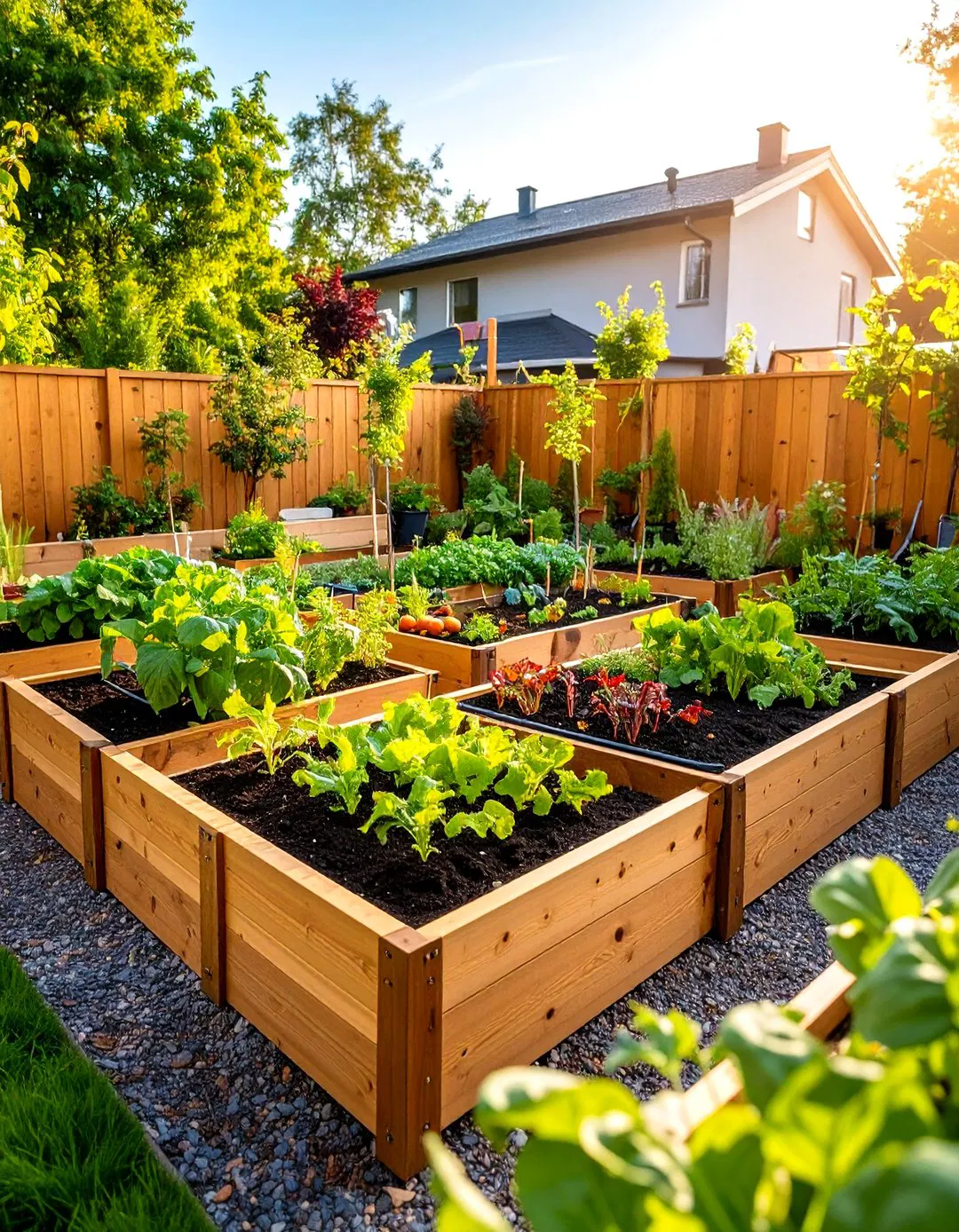
Why strain yourself harvesting herbs when raised terraced beds bring your kitchen garden to a comfortable height? These elevated beds improve drainage and pest control while positioning frequently used crops within easy reach. Construct beds from cedar, composite, or stone materials that complement your home’s style. Install drip irrigation with separate zones for efficient watering. Organize plants by harvest frequency, placing daily-use herbs near paths and seasonal crops further back. Add decorative supports for climbing vegetables and colorful flowers that attract pollinators, creating a productive and beautiful space.
Butterfly-Friendly Terraces: Creating Vibrant Habitats
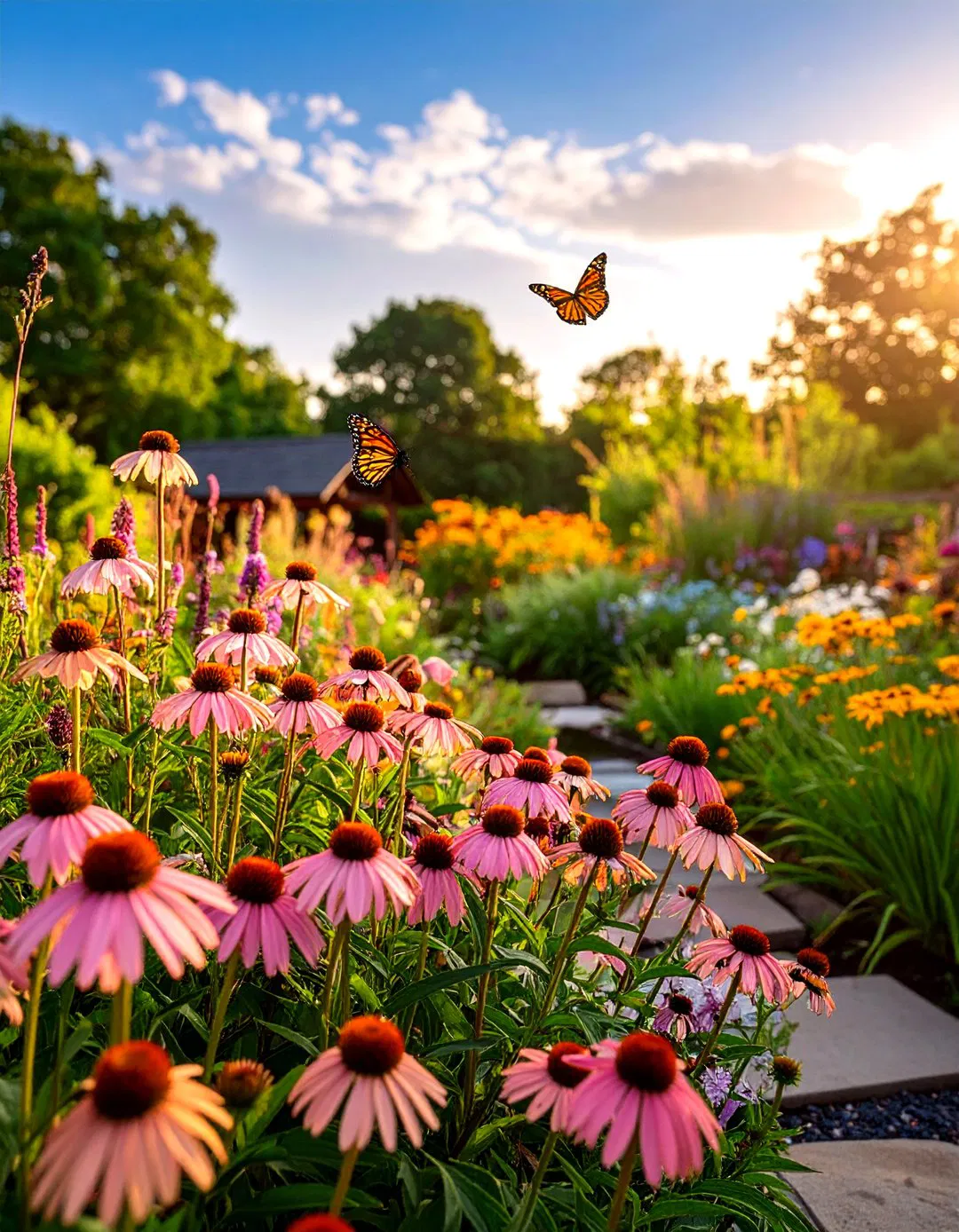
What makes a garden truly enchanting? Butterfly terraces designed to provide nectar, host plants, and shelter throughout the butterfly lifecycle. Create sun-drenched zones for species like milkweed and coneflowers, alongside shaded areas for woodland plants. Plant in generous clusters to attract butterflies from surrounding areas, and avoid pesticides to protect these delicate pollinators. Include shallow water sources and sheltered spots to support butterfly activity and enhance your garden’s vibrancy.
Shaded Woodland Terraces: Lush Retreats in Low Light
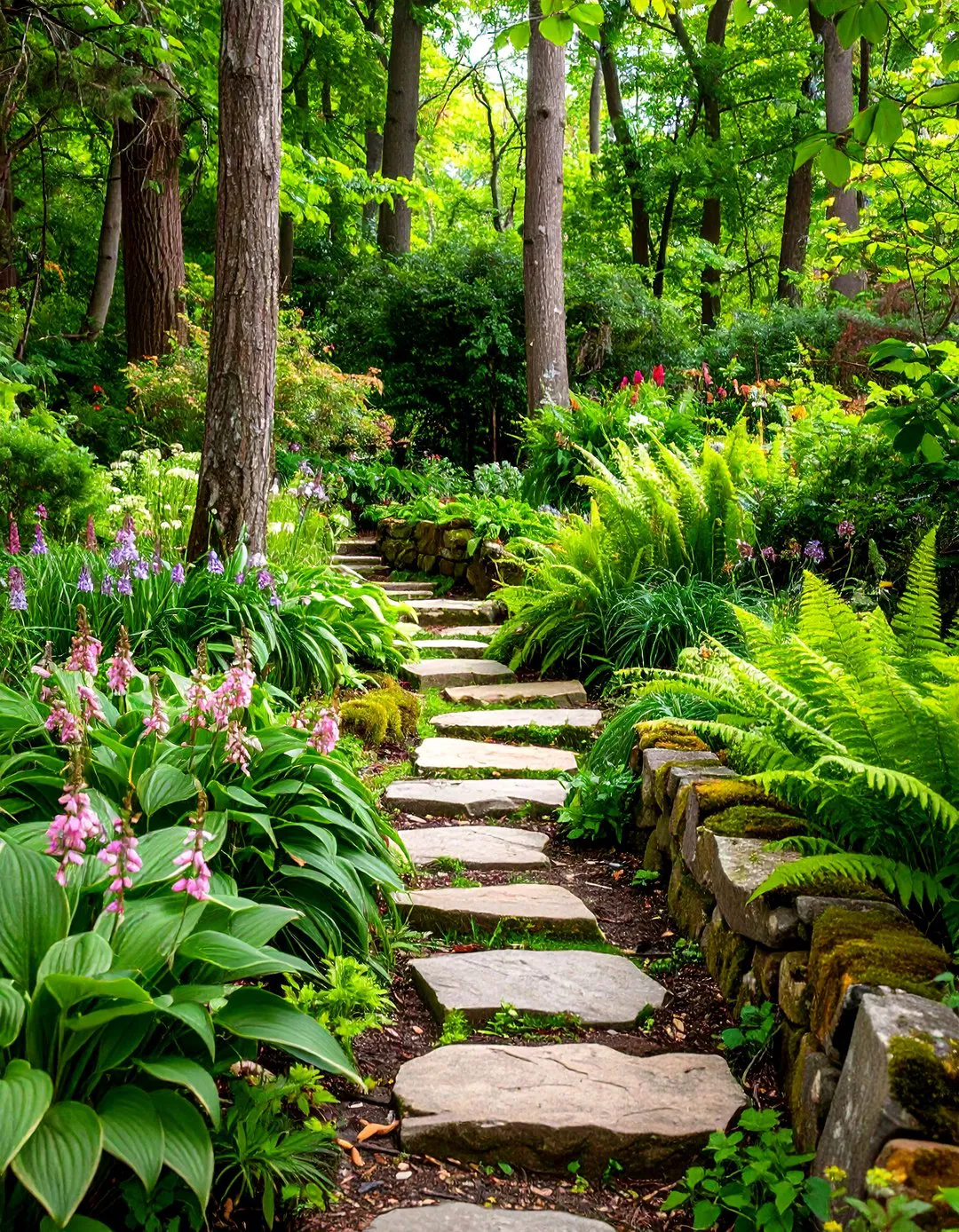
How can shaded slopes be transformed into verdant garden sanctuaries? Woodland terraces embrace existing tree cover, layering plants that thrive in dappled light. Use natural materials like fieldstone or aged wood to complement forest settings. Mimic forest layers with canopy trees, understory shrubs, groundcovers, and ephemeral wildflowers. Shade-tolerant plants such as hostas, ferns, and heucheras provide year-round interest. Add rustic stepping stone paths to encourage exploration while protecting delicate plantings.
Boxwood Formal Terraces: Classic Structure on Slopes
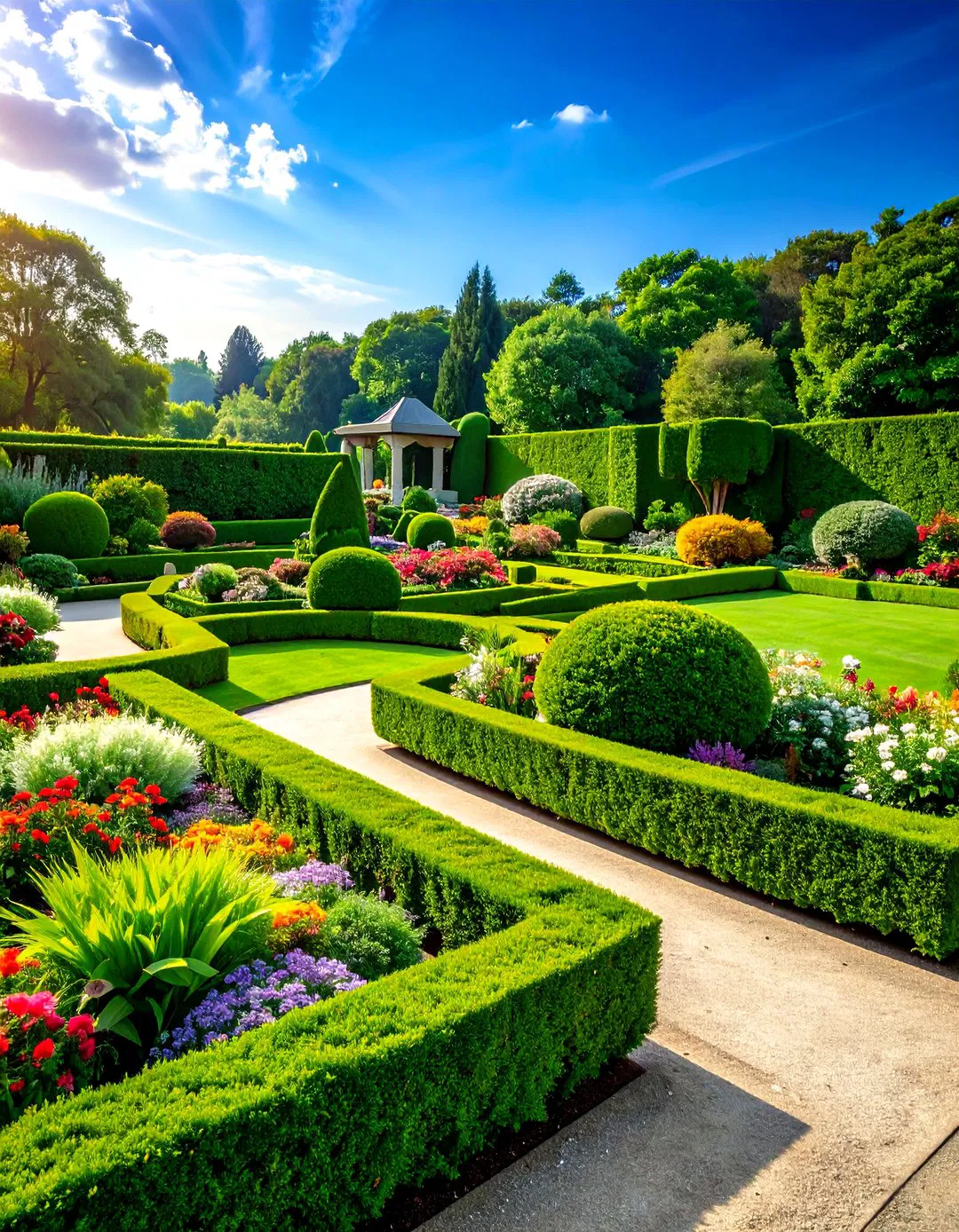
What lends timeless sophistication to sloped gardens? Formal boxwood terraces use geometric hedges and symmetrical layouts to create elegant outdoor rooms. Employ consistent materials for retaining walls and pathways to unify the design. Incorporate seasonal bedding plants or specimen flowers within boxwood frameworks for color variation. While maintenance involves regular trimming and replanting, the result is a refined landscape that complements traditional architecture and effectively manages slopes.
Prairie Grass Terraces: Native Beauty and Sustainability
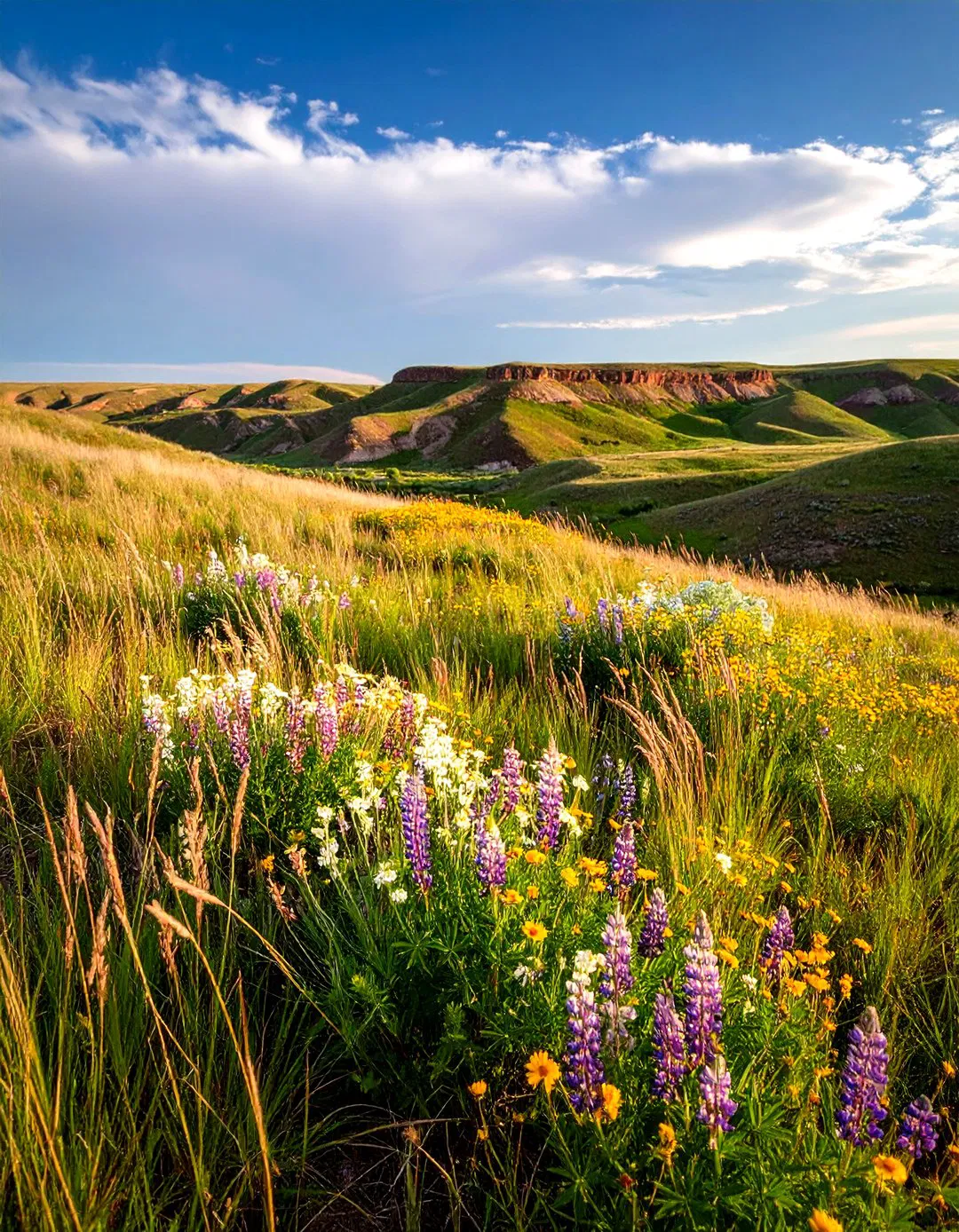
Can native grasslands inspire sustainable terraced gardens? Prairie-style terraces emphasize indigenous grasses and wildflowers that stabilize soil and support wildlife. Create zones with different moisture levels to accommodate species like little bluestem and switchgrass. These plantings offer year-round interest through seed heads and winter structure. Minimal maintenance beyond annual mowing or controlled burns keeps these gardens thriving, while they contribute to carbon capture, stormwater management, and habitat for birds and beneficial insects.
Romantic Rose Terraces: Fragrant and Functional
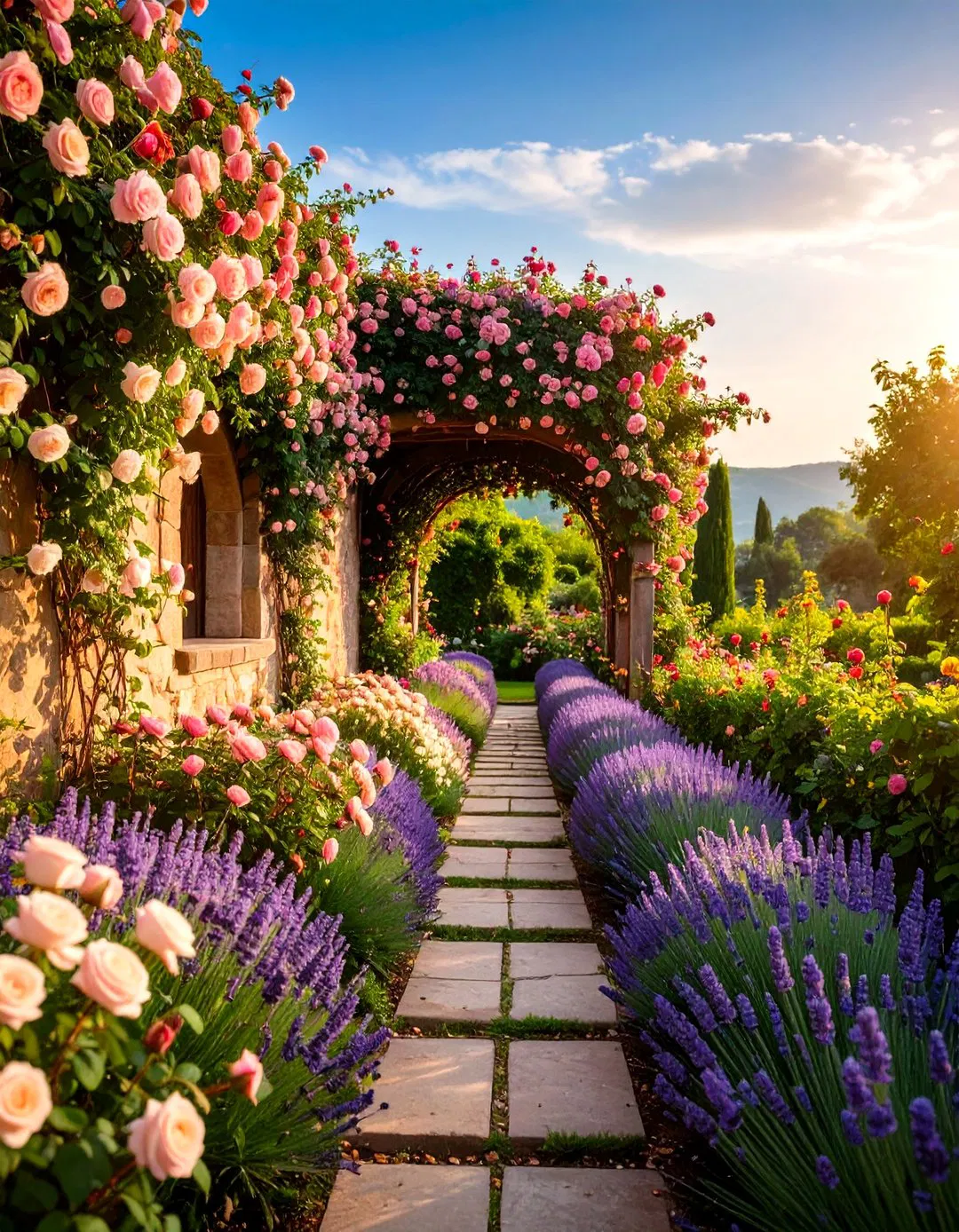
What could be more enchanting than roses cascading down terraced slopes? Rose gardens on terraces showcase a variety of types while promoting airflow and drainage to reduce disease. Arrange climbing roses along retaining walls, shrub roses in mid-level beds, and groundcover roses spilling over edges. Companion plants like lavender, catmint, and ornamental alliums enhance color and naturally deter pests. Use drip irrigation to water at soil level, minimizing fungal issues. Regular pruning, deadheading, and feeding ensure vibrant blooms throughout the season.
Alpine Rock Garden Terraces: Mountain Charm in Small Spaces
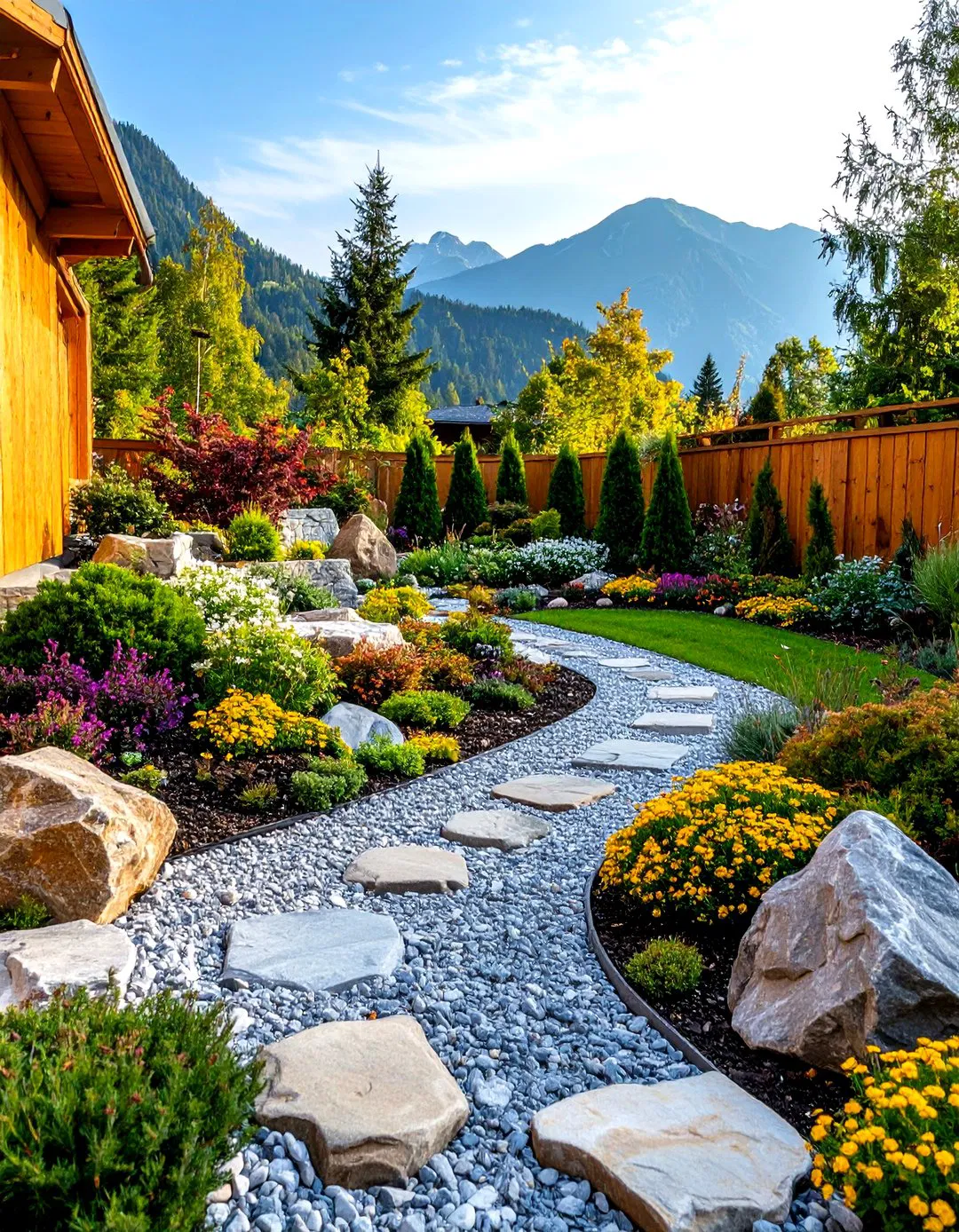
How can alpine landscapes inspire compact terraced gardens? Alpine rock terraces mimic mountain conditions with excellent drainage and carefully placed stones. Use soil mixes rich in gravel and plant alpine species like saxifrage, dianthus, and alpine asters that thrive in lean soils. Add dwarf conifers and small shrubs for year-round structure while maintaining a miniature scale. These gardens require minimal watering once established and benefit from occasional gravel top-dressing and weed control.
Tropical Terraced Gardens: Exotic Backyard Escapes
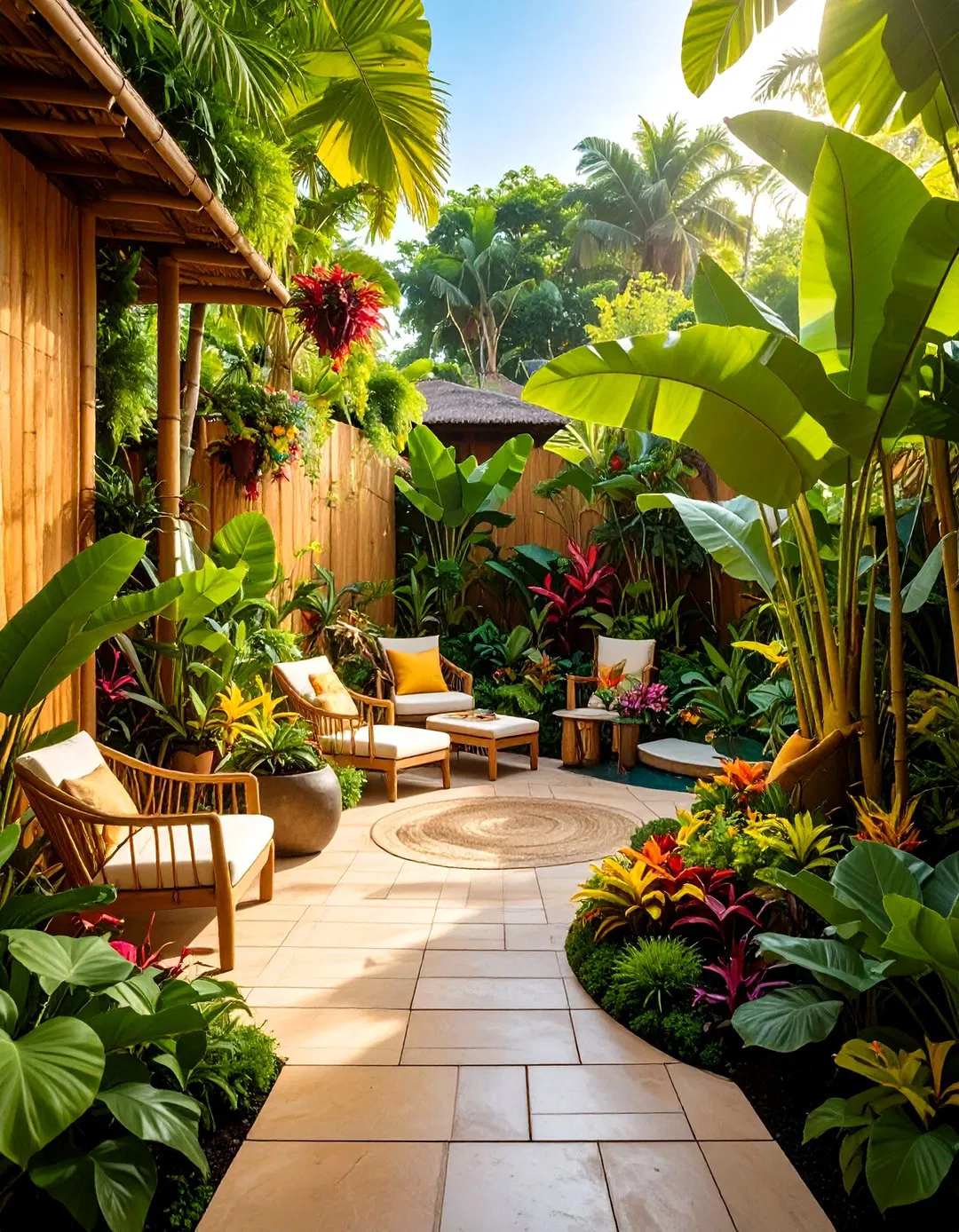
What transforms a temperate garden into a tropical paradise? Tropical terraces emphasize lush foliage, bold textures, and vibrant colors to evoke a vacation vibe. Use bamboo, tropical hardwoods, or warm stone to complement exotic plants. Feature large-leafed species like banana, canna, and elephant ear for dramatic focal points. Add colorful accents such as coleus, caladium, and flowering vines to create dense, jungle-like layers. In cooler climates, grow tender plants in containers that can be moved indoors, while using hardy substitutes to maintain tropical aesthetics year-round.
Minimalist Zen Pebble Gardens: Simplicity and Serenity
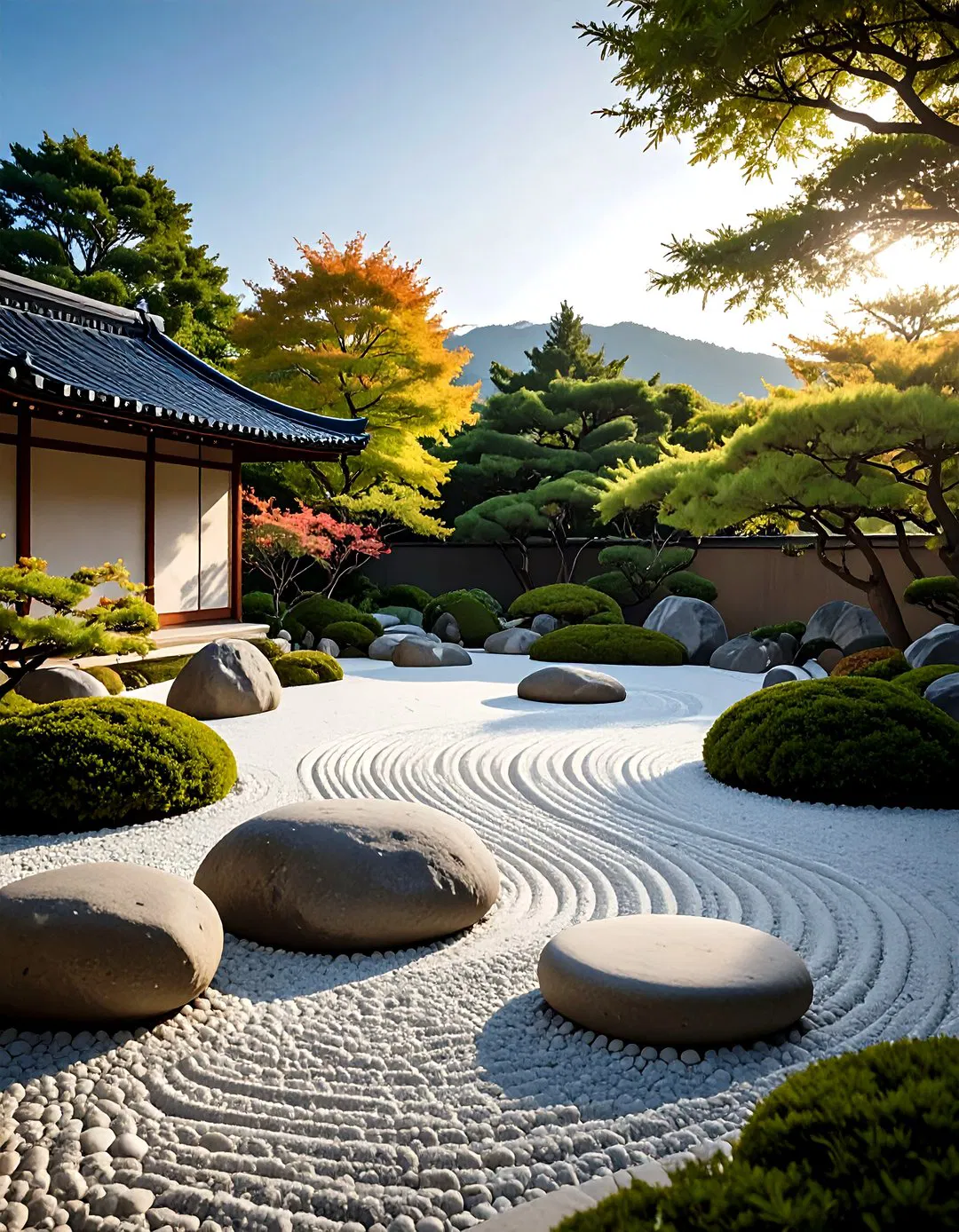
When minimalism guides design, what elements create impactful terraced gardens? Minimalist terraces focus on clean lines, open space, and a restrained plant palette. Use uniform stone types and gravel sizes to unify the look. Large areas of raked gravel or decomposed granite are punctuated by carefully placed boulders or sculptural plants. Maintain sharp edges and regular upkeep to preserve the uncluttered aesthetic, providing both functional slope management and a peaceful outdoor environment.
Gardens with Year-Round Appeal: Multi-Season Terraces
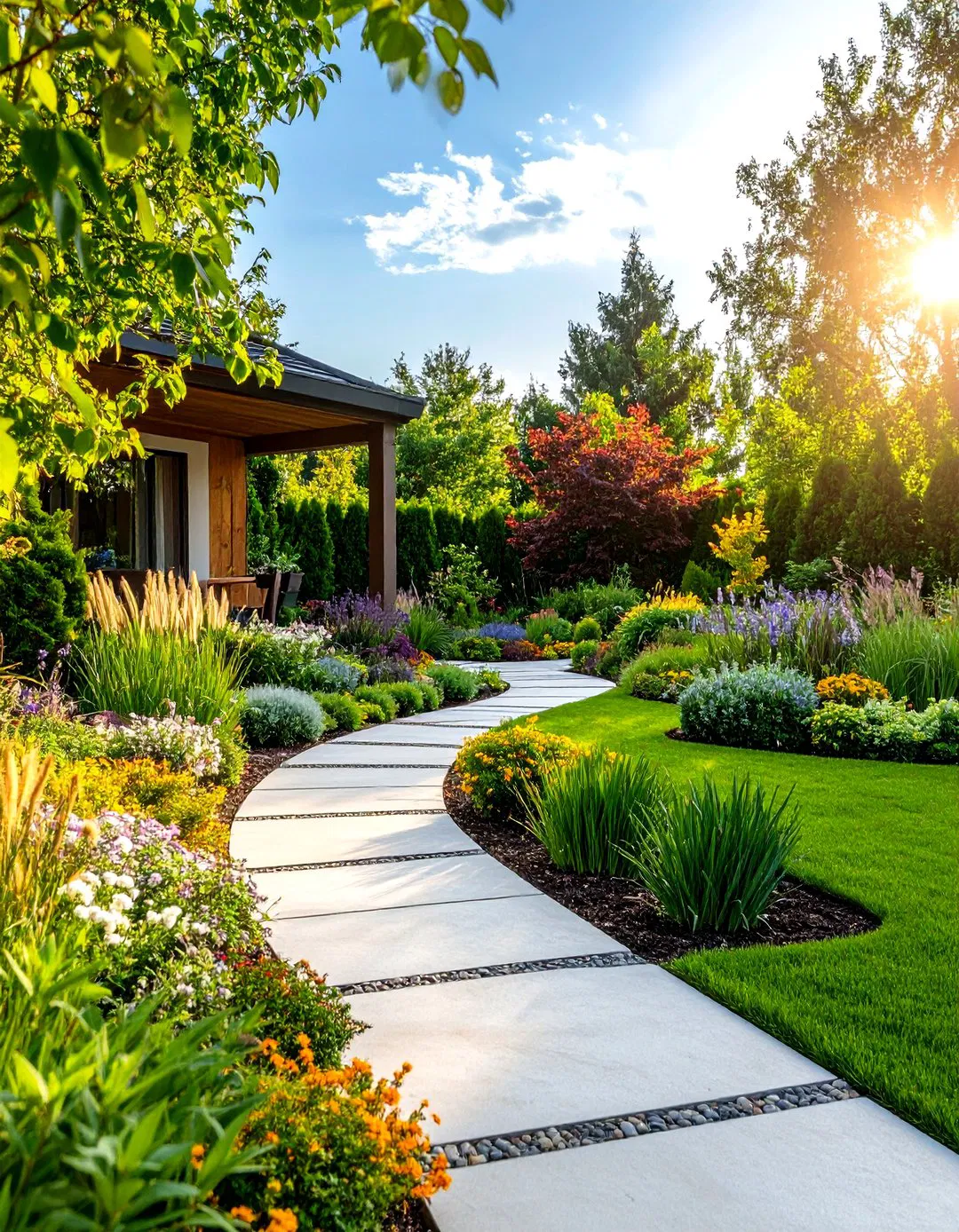
How can terraced gardens maintain their charm through all seasons? Multi-season terraces combine evergreens, ornamental grasses, and deciduous plants to ensure continuous interest. Incorporate spring bulbs, summer perennials, autumn fruiting shrubs, and plants with striking winter bark or seed heads. Use durable hardscape materials like stone or brick that age gracefully. Design accessible pathways and seating areas that invite enjoyment even during dormant months, making your garden a year-round retreat.
Conclusion: Unlocking the Potential of Sloped Gardens
Tiered garden designs offer innovative and elegant solutions for managing sloped landscapes, turning challenging terrain into stunning outdoor living spaces. Whether you prefer the timeless appeal of natural stone, the sleekness of modern materials, or the lushness of living walls and tropical plantings, there’s a tiered garden style to suit every taste and site condition. These multi-level gardens not only prevent erosion and improve drainage but also maximize planting areas and create distinct zones for various uses. Success lies in selecting appropriate materials, ensuring proper drainage, and choosing plants adapted to each terrace’s microclimate. From low-maintenance setups to elaborate displays, tiered gardens reveal the hidden beauty of slopes, enhancing your property’s value and your enjoyment of the outdoors.
For those interested in enhancing their garden with quality materials and tools, explore options on Amazon terrace garden materials, raised garden beds, and outdoor garden lighting to find the perfect additions for your project.