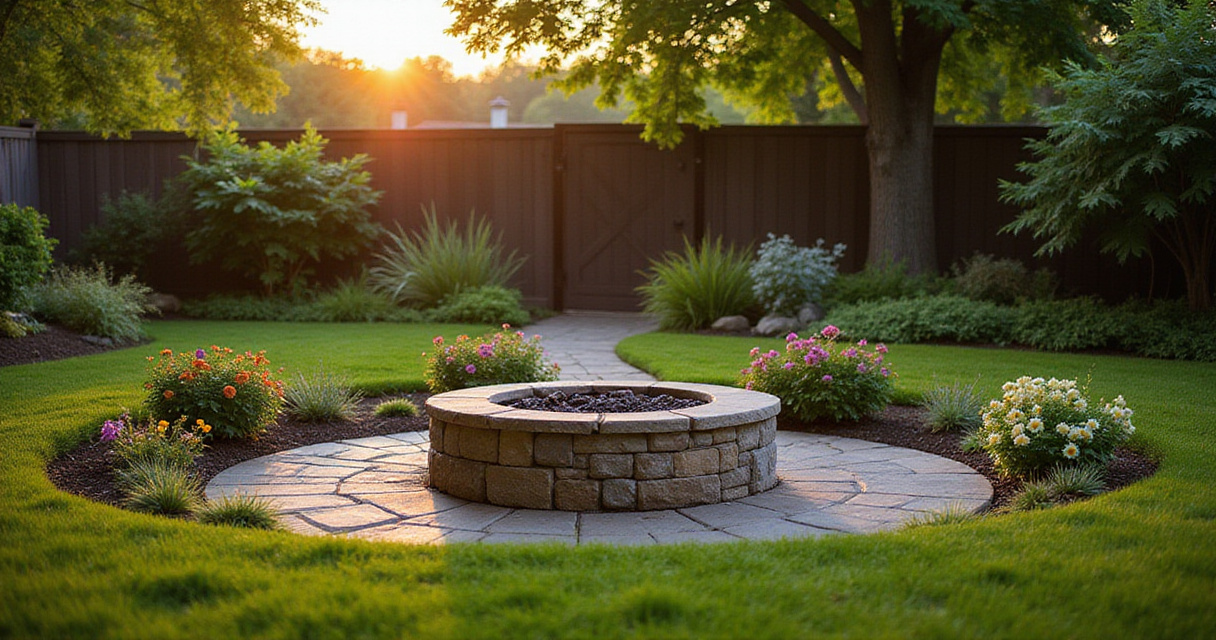
Imagine an evening where the sun dips below the horizon, a cool breeze whispers through the trees, and you’re surrounded by friends and family around a glowing fire. The flickering flames cast a warm glow, sparking lively conversations and turning your backyard into the neighborhood’s favorite retreat. This enchanting scene is the magic a thoughtfully crafted fire pit can bring to your outdoor space.
Having spent years capturing the essence of outdoor environments as an architectural photographer, I’ve seen how a well-chosen fire feature can elevate any backyard-from cozy city patios to expansive suburban gardens-into inviting social hubs. No matter your space constraints or budget, there’s a fire pit design tailored to your lifestyle and setting.
In this guide, we’ll explore 22 innovative fire pit concepts that backyard enthusiasts have embraced to create memorable outdoor experiences. Covering everything from strategic placement and material choices to safety tips and design enhancements, these ideas will inspire you to transform your outdoor area into a captivating gathering spot.
Optimal Placement for Safety and Enjoyment
Choosing the right spot for your fire pit is crucial-it influences safety, usability, and the overall atmosphere. Through extensive experience photographing outdoor setups, I’ve learned that placement goes beyond meeting local regulations; it’s about crafting a space that naturally invites people while ensuring safety. A fire pit’s success often hinges on this initial decision.
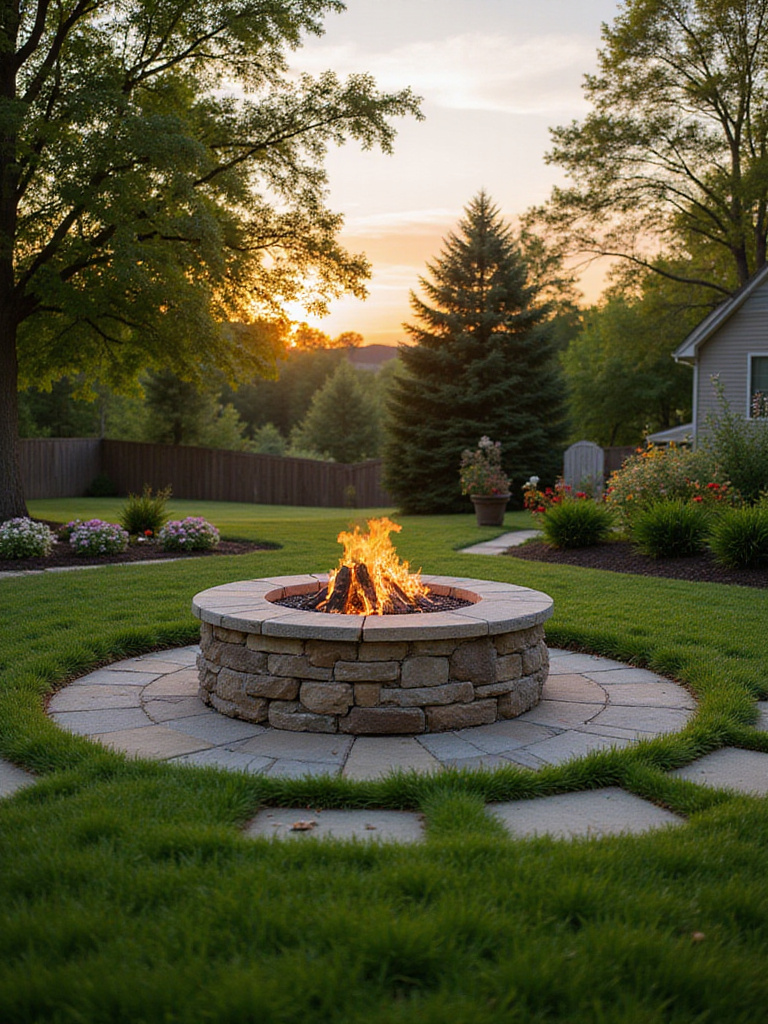
Most areas require a minimum clearance of 10 feet from buildings, with some demanding up to 25 feet depending on local fire codes. Beyond these mandates, consider wind direction to minimize smoke drifting into seating areas, and proximity to your home to encourage frequent use. Positioning your fire pit near natural windbreaks or scenic views enhances comfort and appeal.
Many homeowners make the mistake of placing fire pits in awkward corners that disrupt natural foot traffic, resulting in underused spaces. The ideal location harmonizes safety with accessibility, making your fire pit a beloved centerpiece rather than an afterthought.
Selecting Your Fire Pit Type: Portable, Built-In, or Table
The style of fire pit you choose shapes how you interact with your outdoor space. Portable fire pits offer versatility, perfect for renters or those who enjoy rearranging their patios. Built-in fire pits provide a permanent, elegant feature that can increase property value. Fire pit tables blend warmth with functionality, ideal for smaller areas.
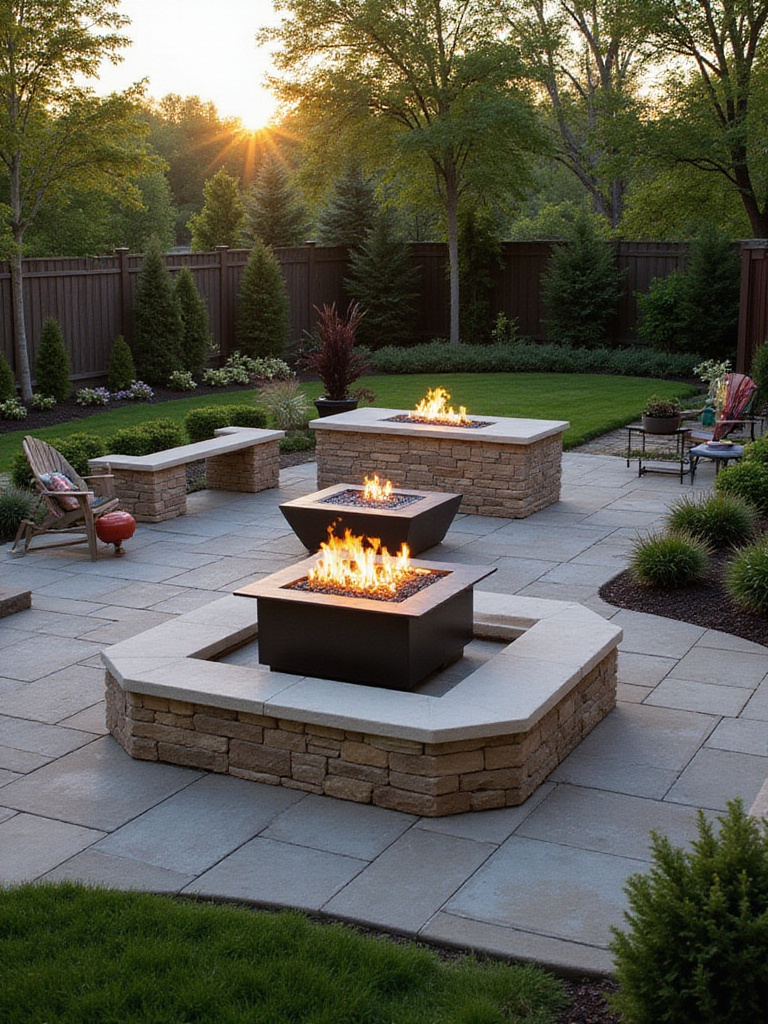
Portable models typically cost between $200 and $800, offering easy storage during off-seasons or harsh weather. Built-in fire pits, while more of an investment ($2,000 to $8,000+), create dedicated outdoor living rooms that can yield significant returns on investment. Fire tables fall in the mid-range ($800 to $2,500), combining warmth with surface space for drinks and snacks.
Families with children often prefer built-in options for their stability and defined boundaries, whereas urban residents might favor portable units for their adaptability. When selecting, prioritize your actual lifestyle needs over aspirational ideas to ensure long-term satisfaction.
Material Choices for Style and Durability
The materials you select influence both the look and lifespan of your fire pit. From my observations across diverse climates, steel develops a charming patina over time, copper offers a rich, evolving finish, and stone or concrete provide enduring, low-maintenance options.
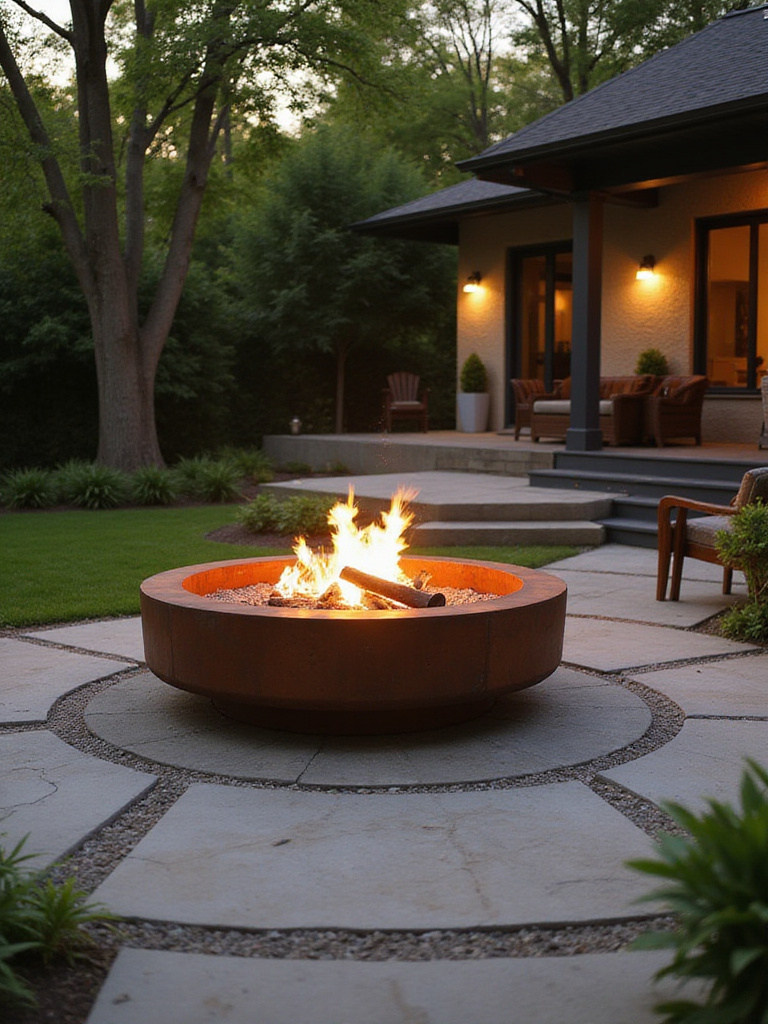
Environmental factors are key: coastal areas benefit from marine-grade stainless steel or copper to resist salt corrosion, while regions with freeze-thaw cycles require materials that tolerate thermal expansion. High-grade 304 stainless steel can endure over two decades with minimal upkeep, and sealed concrete installations can last for decades without deterioration.
Successful designs consider how materials complement existing landscaping and architecture. Choosing materials solely based on upfront cost often leads to premature repairs or replacements. Attention to craftsmanship-like proper drainage and weather-resistant finishes-ensures your fire pit remains a stunning feature season after season.
DIY Concrete Paver Fire Pit Ring: Affordable and Adaptable
For those new to fire pits, constructing a ring from concrete pavers offers an economical and straightforward solution. Typically costing under $150 in materials, this project can be completed in an afternoon with basic tools. The modular design allows for easy relocation or upgrades as your outdoor space evolves.
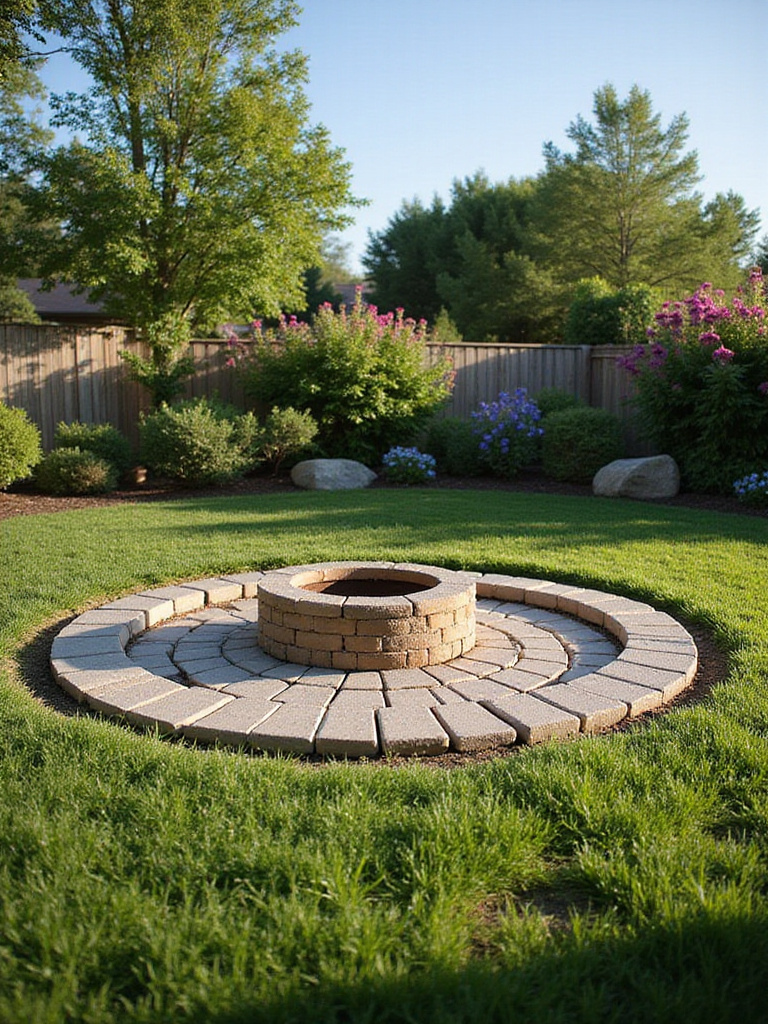
Begin by excavating a 4-6 inch deep circle, laying a compacted gravel base, and stacking 2-3 layers of pavers in a staggered pattern for stability. Incorporating a steel fire ring liner protects the pavers from heat damage, extending the fire pit’s life. This forgiving design accommodates minor imperfections without compromising safety.
Enhance the look by adding premium fire media such as fire glass or high-quality lava rocks, elevating the visual appeal beyond basic stone.
Gas Fire Pits for Convenience and Cleanliness
Gas fire pits have transformed outdoor entertaining by offering instant warmth and ambiance without the hassle of wood fires. With a simple switch or valve, you can enjoy a flame without waiting for kindling to catch or dealing with smoke and ash.
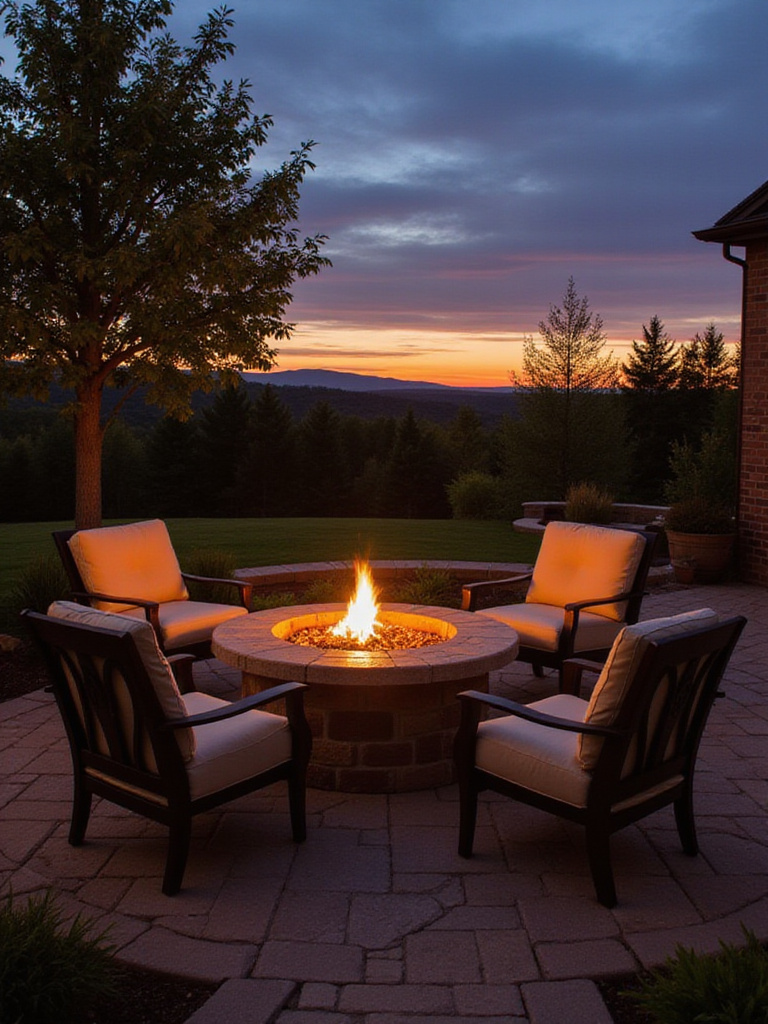
Gas burns cleanly, producing no smoke or sparks, making it ideal for close-to-home setups and neighborhoods with strict fire regulations. Many communities permit gas fire pits where wood burning is restricted. Flame intensity is adjustable, allowing you to tailor heat output to weather and group size.
Propane models are often DIY-friendly, requiring only tank connection and placement, while natural gas installations need professional line work, adding to upfront costs but reducing ongoing fuel expenses. Maintenance is minimal, typically involving annual inspections and occasional burner cleaning.
Permanent Built-In Stone Fire Pits: Timeless Centerpieces
For those seeking a lasting architectural feature, built-in stone fire pits offer unmatched durability and style. These installations, often costing several thousand dollars, become the heart of your outdoor living area, seamlessly integrating with patios, seating walls, and landscaping.
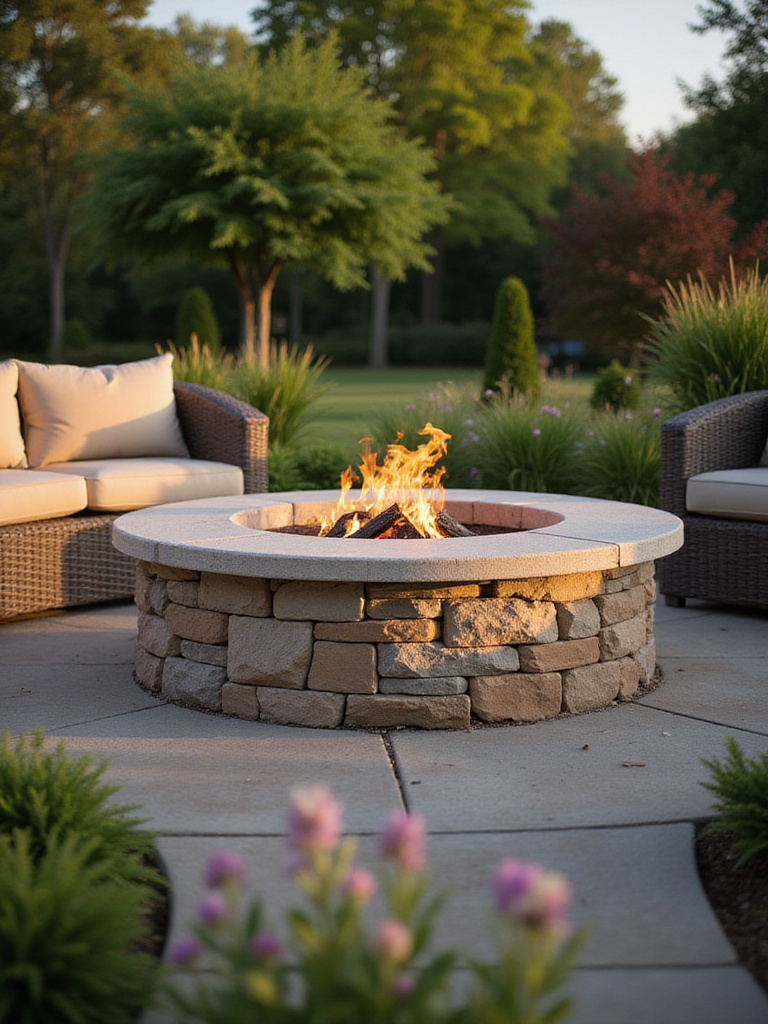
Professional design and construction ensure proper foundations, drainage, and structural integrity, guaranteeing decades of enjoyment. Material options include natural stone, manufactured blocks, or poured concrete, each offering unique aesthetics and maintenance needs.
Exceptional designs incorporate matching seating walls, integrated lighting, and landscaping that frames the fire pit as a natural focal point, creating outdoor rooms that rival indoor spaces in comfort and style.
Comfortable Seating Options: Benches, Adirondack Chairs, and More
Seating transforms a fire pit from a simple feature into a welcoming gathering place. The best setups offer a mix of seating styles to accommodate various preferences and group sizes, while maintaining safe distances from the fire.
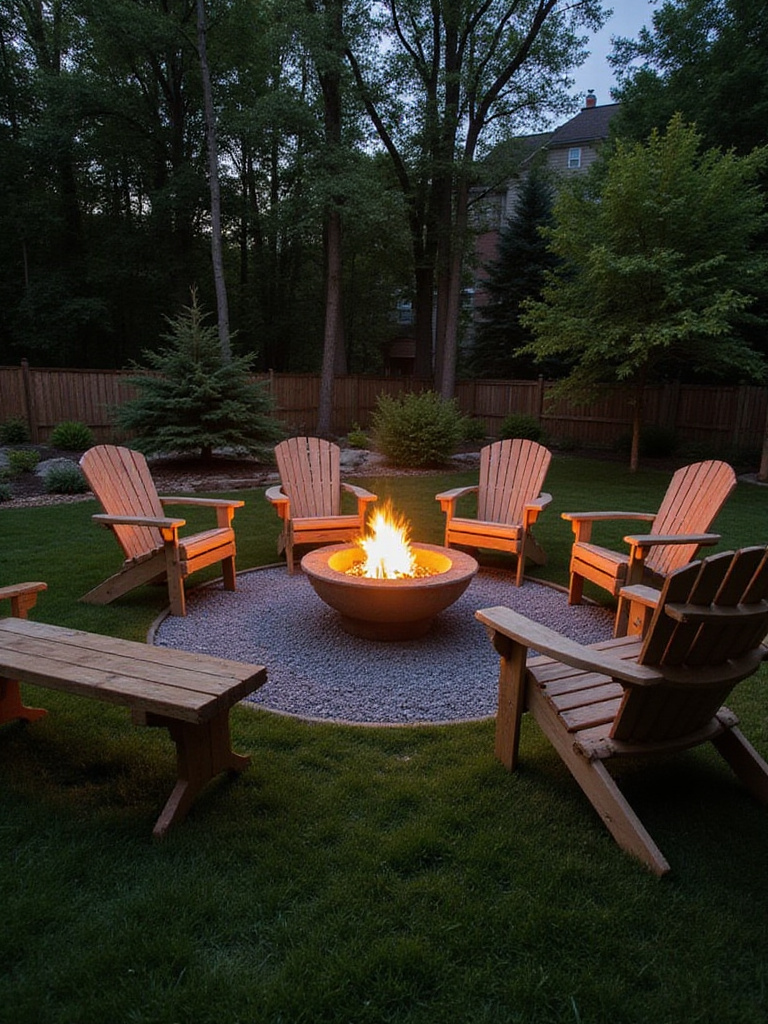
Adirondack chairs provide individual comfort and timeless charm, while benches maximize seating capacity efficiently. Built-in seating walls offer seamless integration but limit flexibility. Maintain a clearance of 7-10 feet between seating and fire for safety and comfort.
Durable materials like HDPE composites mimic wood’s appearance with low maintenance, sealed hardwoods offer natural beauty with care, and metal seating pairs well with modern designs when cushioned for comfort.
Sunken Fire Pit Areas for Intimate Gatherings
Sunken fire pits create cozy, sheltered spaces that encourage relaxed, intimate conversations. By lowering the seating area below ground level, these designs offer natural wind protection and a sense of enclosure, ideal for larger yards seeking distinct outdoor rooms.
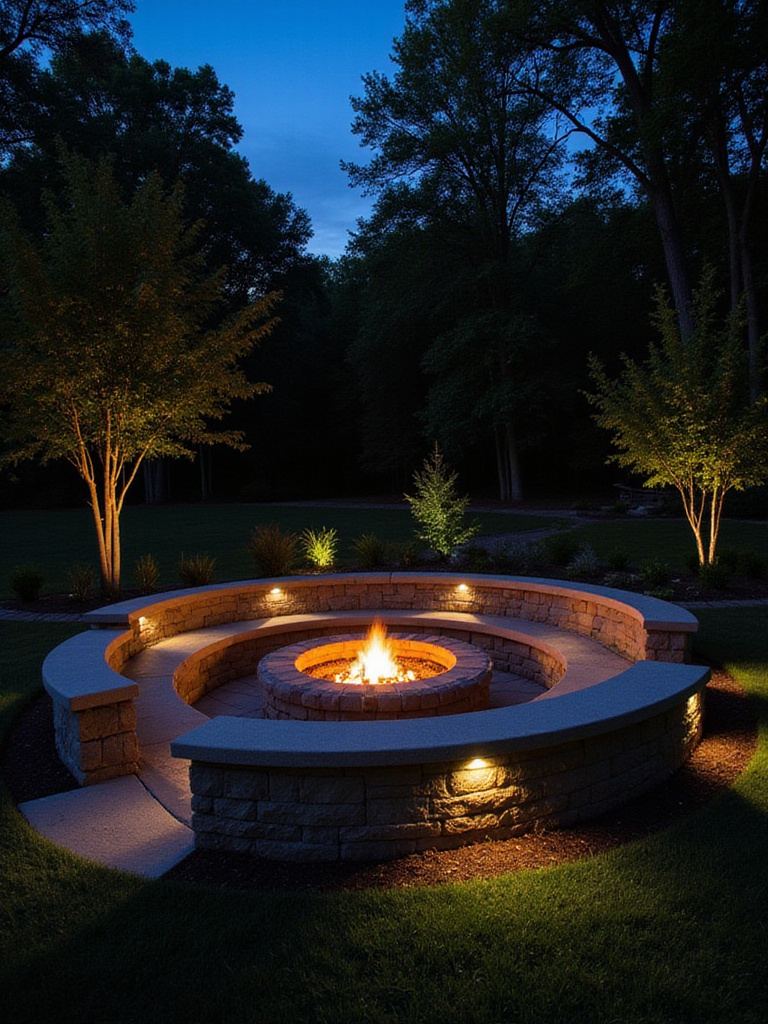
Construction requires expert attention to drainage, ventilation, and retaining wall stability to prevent water accumulation and soil pressure issues. Designs can include terraced seating, integrated planters, and curved walls, creating dramatic amphitheater-like settings that become landscape focal points.
Fire Pit Cooking with Grill Grates: Elevate Outdoor Entertaining
Adding a grill grate to your fire pit expands its use beyond warmth, turning it into a versatile outdoor kitchen centerpiece. Whether roasting marshmallows or grilling full meals, a quality grate enhances your fire pit’s functionality.
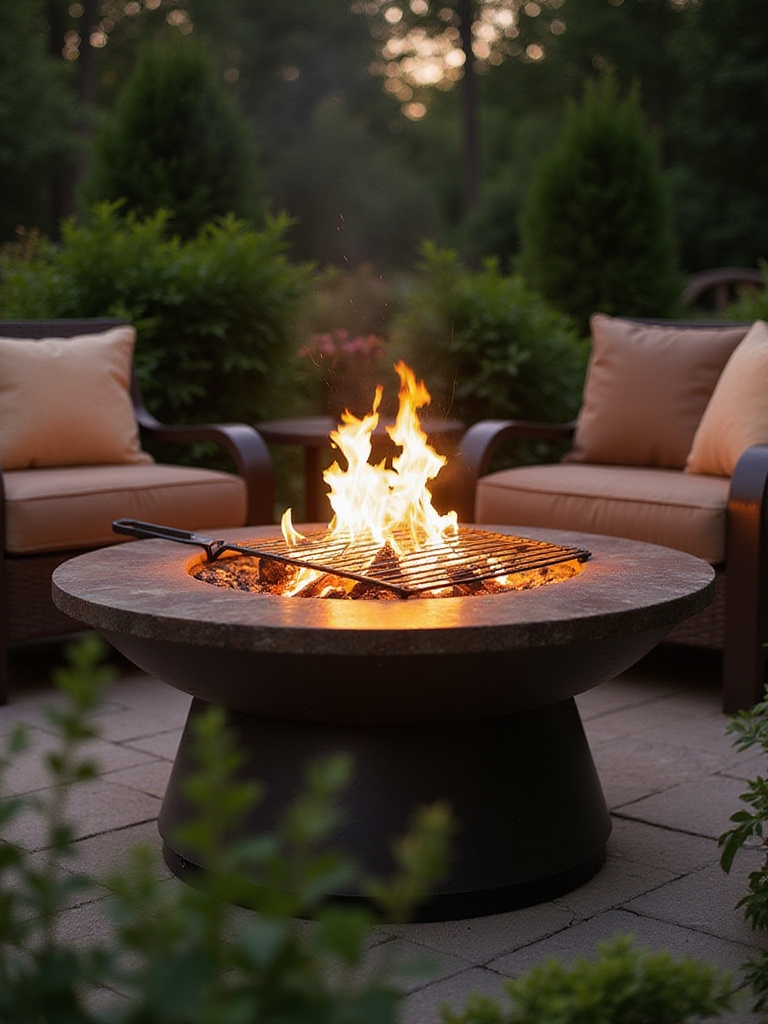
Cast iron grates excel in heat retention and develop natural non-stick surfaces, while stainless steel options resist corrosion and clean easily. Adjustable-height grates allow precise temperature control, essential for different cooking styles. Cooking over hardwood coals imparts unique flavors, making meal prep a social and sensory experience.
Equip your setup with long-handled tools, heat-resistant gloves, and a nearby prep station to create a fully functional outdoor cooking area.
Decorative Surrounds for Safety and Style: Gravel and Patio Stones
Encircling your fire pit with non-flammable materials like decorative gravel or patio stones enhances safety by containing sparks and embers, while adding visual appeal. This buffer zone also simplifies maintenance by reducing lawn care near the fire feature.
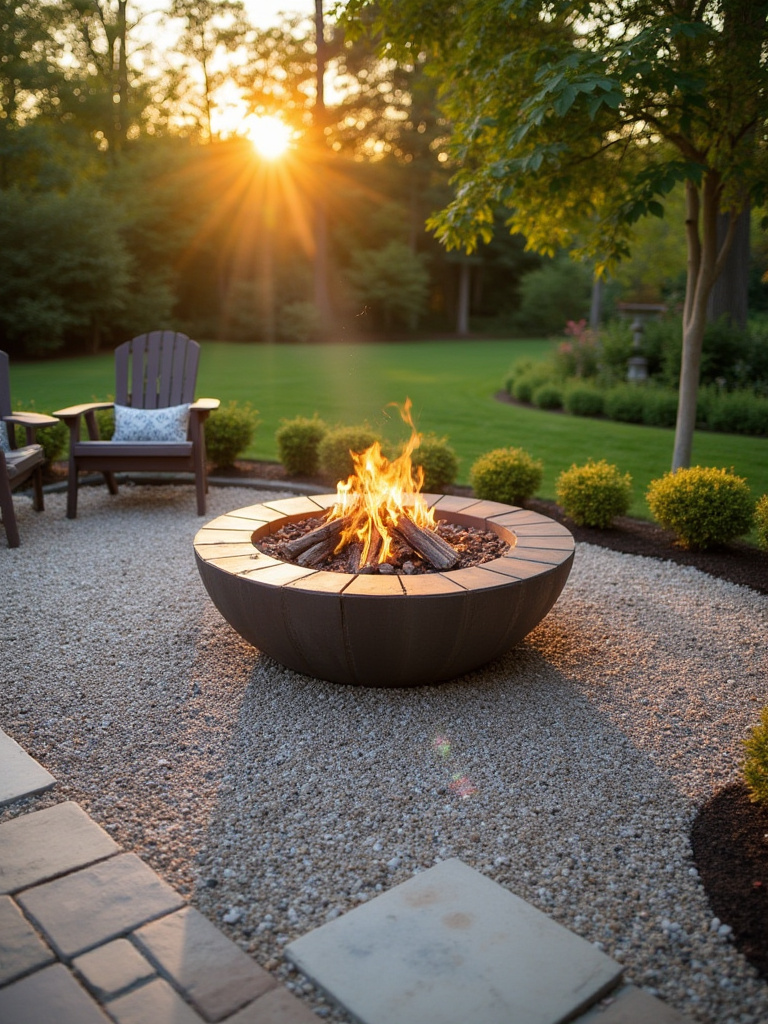
Installation involves excavating the area, laying a stable base with proper drainage, and using landscape fabric to prevent weeds. Edge restraints keep materials tidy, and the size of the safety zone varies with fire pit dimensions and local codes.
Angular gravel compacts well and stays put, while flagstones provide stable surfaces for seating. Choose colors and textures that complement your landscape, and consider sourcing materials locally to reduce environmental impact.
Modern Fire Media: Fire Glass and Lava Rocks
Using fire glass or premium lava rocks in gas fire pits elevates their appearance, offering a sleek, contemporary look that contrasts with traditional campfire aesthetics. Fire glass reflects light beautifully, enhancing flame visuals, while lava rocks provide natural texture and excellent heat retention.
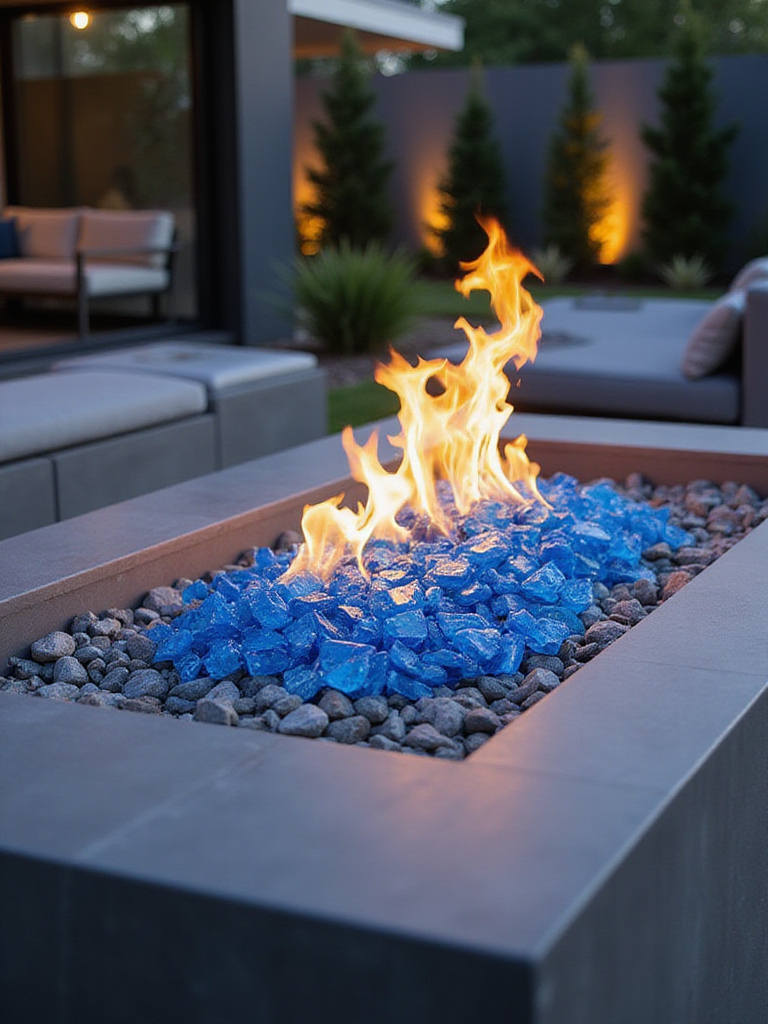
Fire glass is durable, heat-resistant, and requires no replacement, while lava rocks distribute heat evenly and add organic charm. Proper installation depth and airflow are essential for optimal combustion and flame patterns. Color choices-from subtle earth tones to vibrant blues-allow customization to suit your design vision.
Ambient Lighting for Fire Pit Areas: String Lights and Landscape Fixtures
Layered lighting transforms your fire pit space into a magical evening retreat. Combining string lights, path lighting, and accent fixtures creates a warm, inviting atmosphere while ensuring safety around steps and seating.
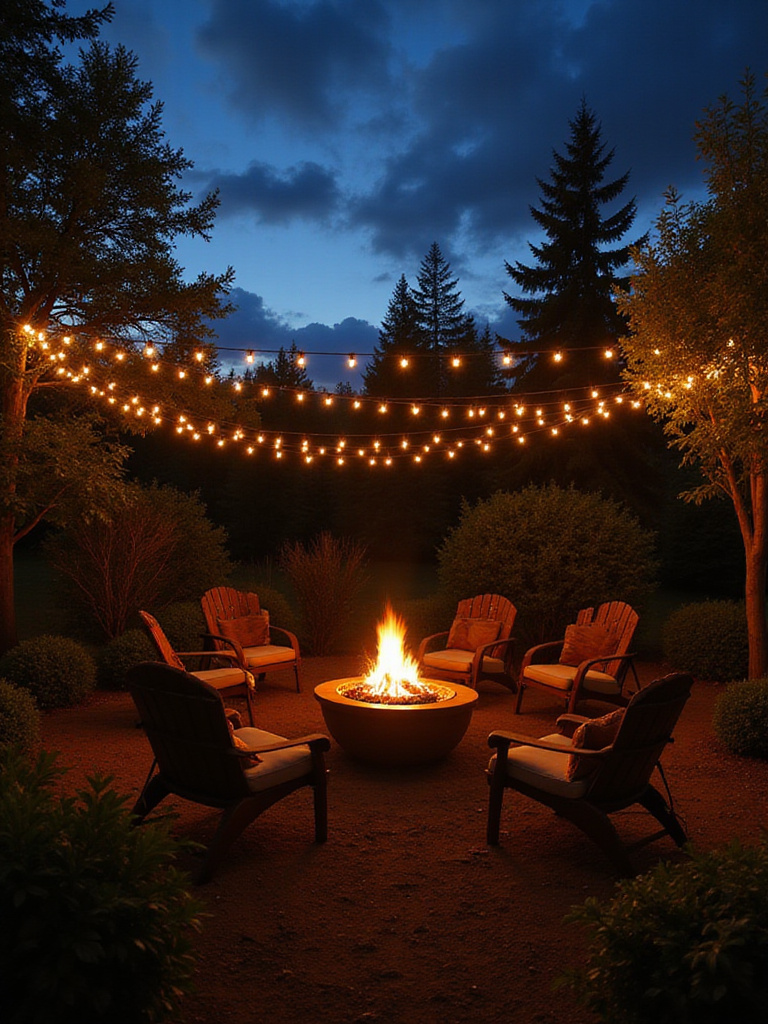
Warm light temperatures (2200K-2700K) complement firelight naturally, while dimmable fixtures offer flexibility for different moods. Weatherproof, low-voltage LED systems provide energy efficiency and durability. Solar options work well for accent lighting but may lack brightness for primary illumination.
Fire Safety Essentials: Spark Screens and Extinguishers
Safety is paramount when enjoying your fire pit. A well-fitted spark screen can reduce ember escape by up to 90%, while a nearby fire extinguisher ensures quick response to unexpected flare-ups.
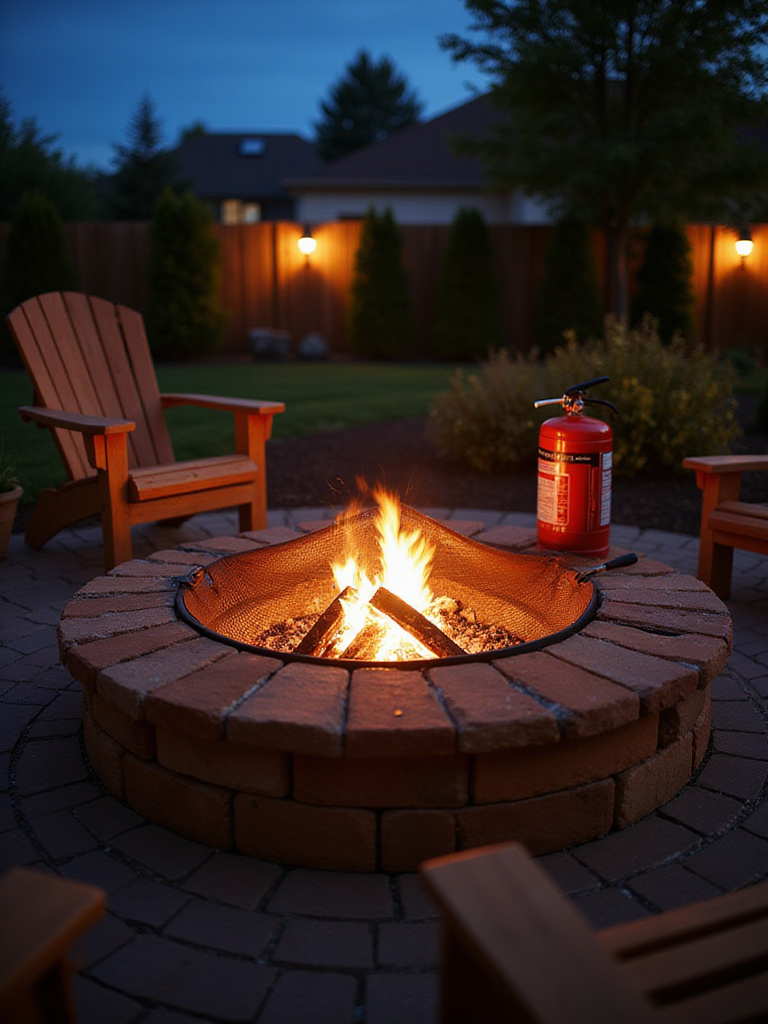
Choose spark screens that fit snugly without gaps, with mesh fine enough to contain sparks but allowing airflow. Heavy-duty materials withstand heat and frequent use. Fire extinguishers rated for Class A or ABC fires should be stored in accessible, weather-protected locations and inspected regularly. Familiarize yourself with the PASS method (Pull, Aim, Squeeze, Sweep) to act confidently in emergencies.
Compact Fire Bowls for Small Spaces: Efficiency and Charm
Limited outdoor areas benefit from compact fire bowls, typically 24-36 inches wide, which provide ample warmth without dominating the space. These portable units suit urban patios, balconies, or small yards, offering flexibility and compliance with many rental or HOA rules.
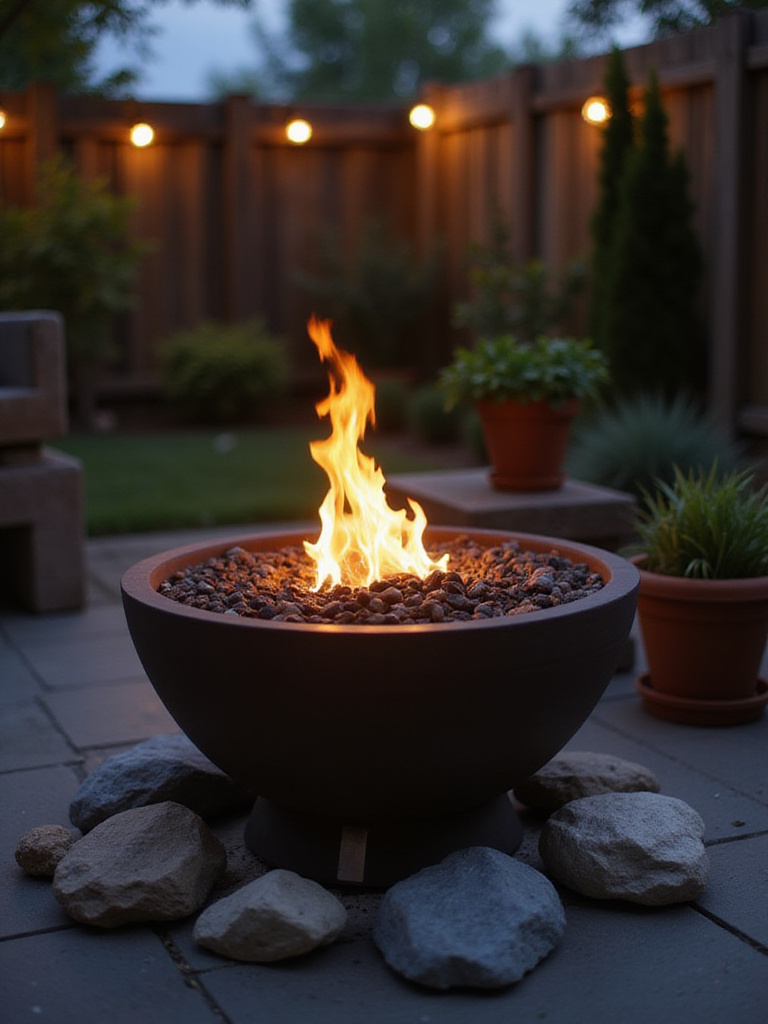
Costs range from $200 to $600, with options fueled by gel, propane, or wood. Materials like lightweight steel and aluminum enhance portability, while cast iron offers superior heat retention. Copper models develop attractive patinas and resist corrosion, especially in coastal settings.
When not in use, many compact fire bowls double as decorative planters or accent pieces, adding year-round value to your outdoor décor.
Rectangular Fire Pits for Modern Designs: Sleek and Functional
Rectangular fire pits complement contemporary architecture with clean lines and geometric precision. Their shape maximizes seating efficiency and integrates well with modern patios, pergolas, and outdoor kitchens.
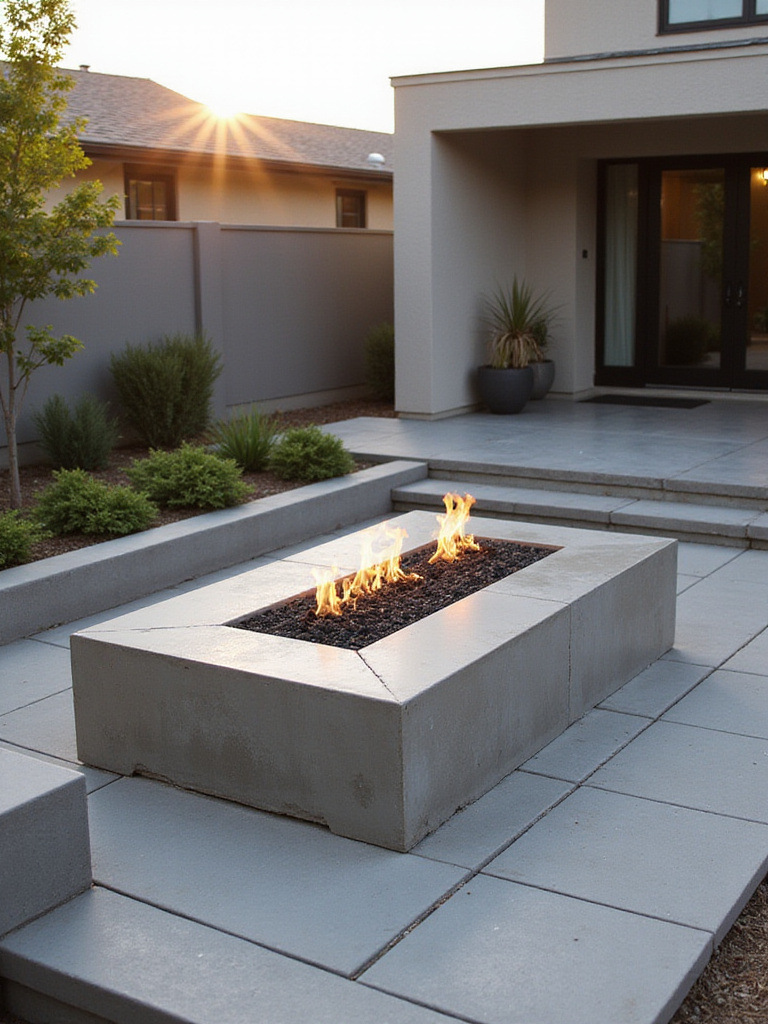
Construction ranges from simple concrete block assemblies to professionally fabricated steel and concrete combinations. Gas burners work well in these designs, providing even flames along the length. Materials like Corten steel, polished concrete, and tempered glass emphasize industrial elegance and durability.
Extending fire pit materials into adjacent seating or paving creates cohesive outdoor rooms that echo the home’s architectural language.
Discreet Fuel Storage Solutions: Firewood and Propane
Integrating fuel storage seamlessly into your fire pit area preserves aesthetics while ensuring safety and convenience. Visible wood piles or propane tanks can detract from your design, so consider built-in cubbies, decorative screens, or multifunctional furniture with hidden compartments.
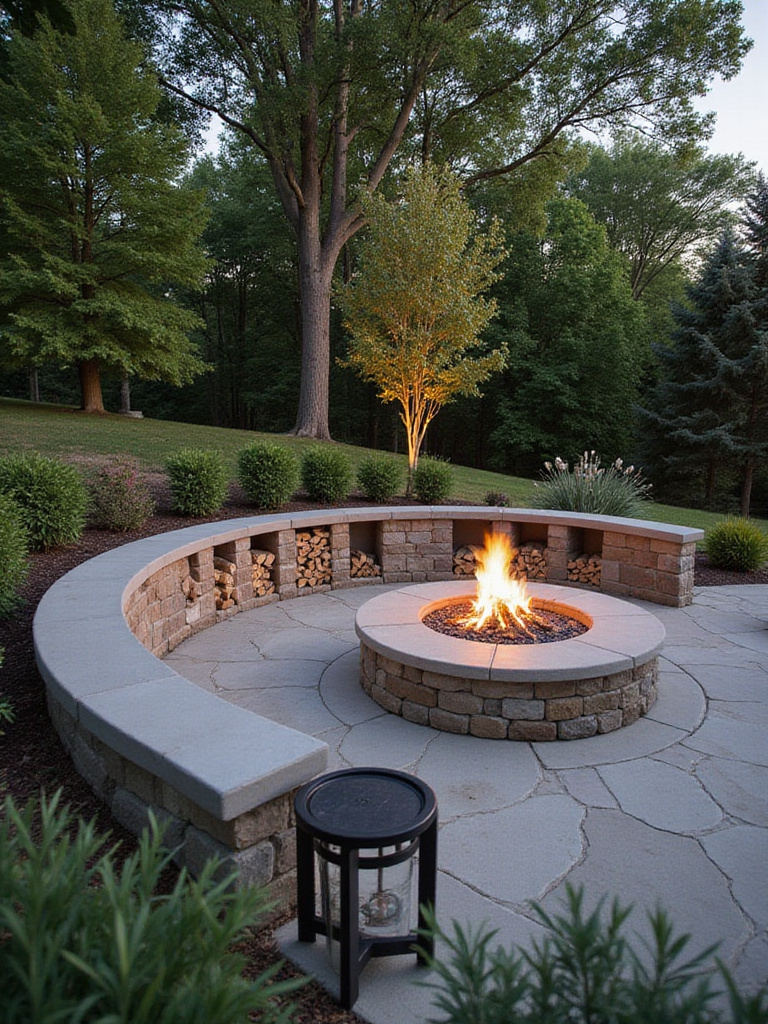
Storage should balance accessibility with safety, maintaining proper clearance from the fire. Ventilation prevents moisture buildup and gas accumulation, extending fuel life and ensuring safe operation. Elevated wood racks promote airflow, while propane enclosures require manufacturer-recommended ventilation.
Fire-Resistant Landscaping Around Your Fire Pit
Choosing fire-resistant plants around your fire pit enhances safety without sacrificing beauty. These plants typically have high moisture content, thick leaves, and low flammability, reducing the risk of fire spread from stray embers.
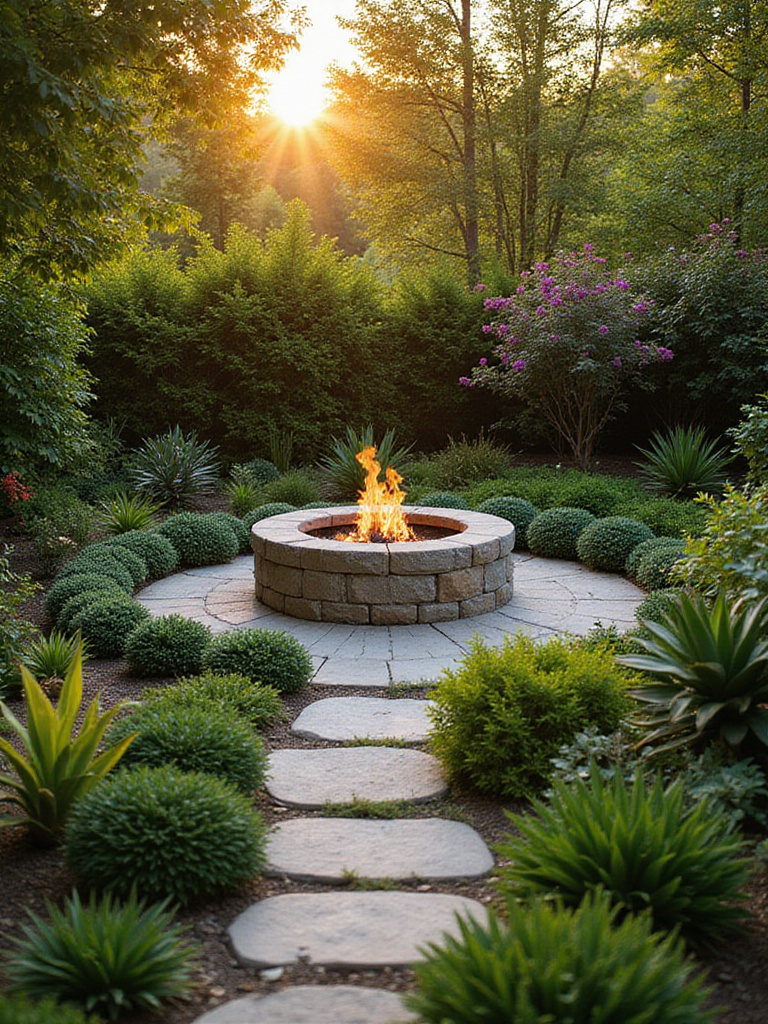
Create zones of decreasing flammability moving outward from the fire pit. The immediate 10-foot radius should feature highly fire-resistant species like succulents and well-irrigated perennials. Beyond that, moderately resistant shrubs and trees can provide screening and visual interest. Regular maintenance-removing dead material and pruning dry branches-is essential.
Native plants adapted to your climate often combine fire resistance with low water needs, supporting sustainable landscaping goals.
Corten Steel Fire Pits for Rustic Elegance
Corten steel, or weathering steel, develops a protective rust-like patina that enhances durability and offers a warm, earthy aesthetic. This material blends industrial strength with natural aging, fitting both rustic and modern landscapes.
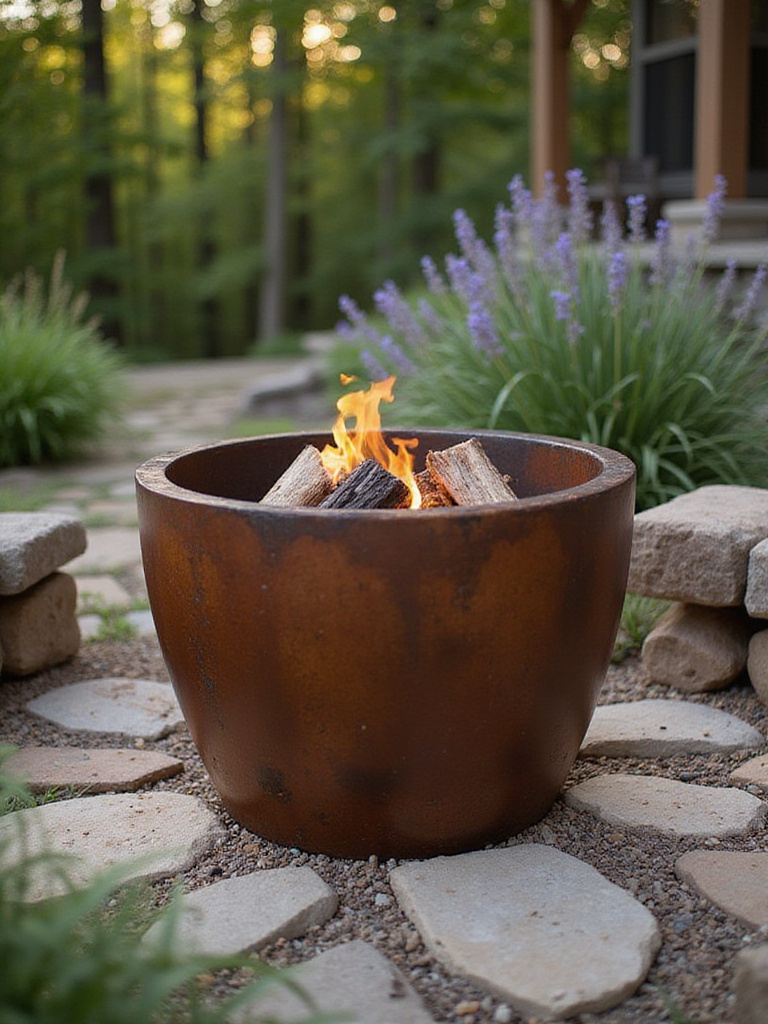
The patina forms over several months, during which runoff may stain nearby surfaces, so initial placement is important. Once weathered, Corten steel requires no painting or sealing and resists corrosion better than standard steel. Designs range from simple bowls to intricate geometric forms, with thickness affecting heat retention and structural strength.
This innovative material reduces maintenance needs and extends the fire pit’s lifespan, aligning with sustainable design principles.
Water Features to Enhance Fire Pit Spaces
Incorporating a water element near your fire pit adds a soothing sensory layer, balancing the warmth and crackle of flames with calming sounds and reflections. This combination creates a multi-sensory outdoor retreat that feels both invigorating and peaceful.
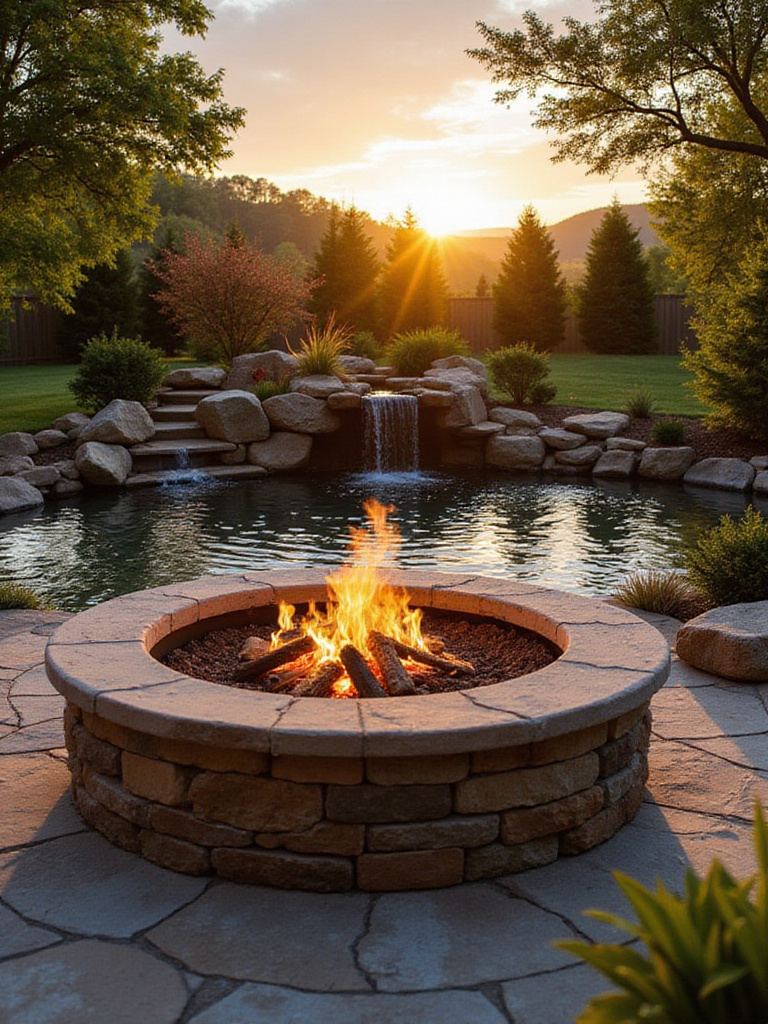
Options range from simple bubbling rocks and urn fountains to elaborate waterfalls and reflecting pools. Scale and sound levels should complement the fire pit without overpowering conversation. Recirculating pumps conserve water, and integrated lighting highlights water movement and firelight reflections.
Consider electrical needs, drainage, and seasonal maintenance when planning your water feature to ensure seamless operation and safety.
Fire Pit Tables for Multi-Functionality: Warmth Meets Surface Space
Fire pit tables combine the cozy ambiance of a fire with practical surface area for dining or lounging, making them ideal for compact patios. These versatile pieces serve as central gathering spots, blending warmth with convenience.
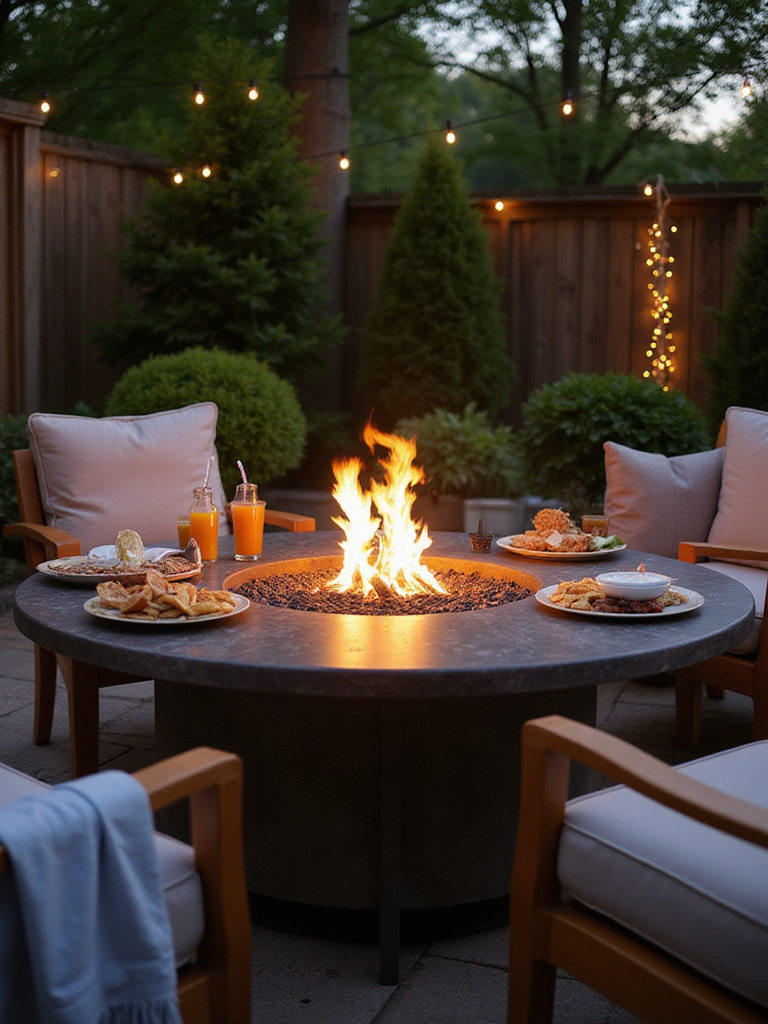
Heights vary from coffee table (16-18 inches) for lounge seating to dining height (28-30 inches) for standard chairs. Fuel options include natural gas with permanent lines or propane with concealed tanks. Choose BTU output based on space size and climate.
Table surfaces range from heat-resistant tempered glass to stone and concrete, balancing durability with style. Some designs feature removable panels for easy access to controls and storage.
Navigating Local Regulations and Permits
Ensuring your fire pit complies with local laws protects your investment and community safety. Regulations often specify setback distances, size limits, fuel types, and burning hours. Non-compliance can lead to fines, removal orders, or insurance issues.
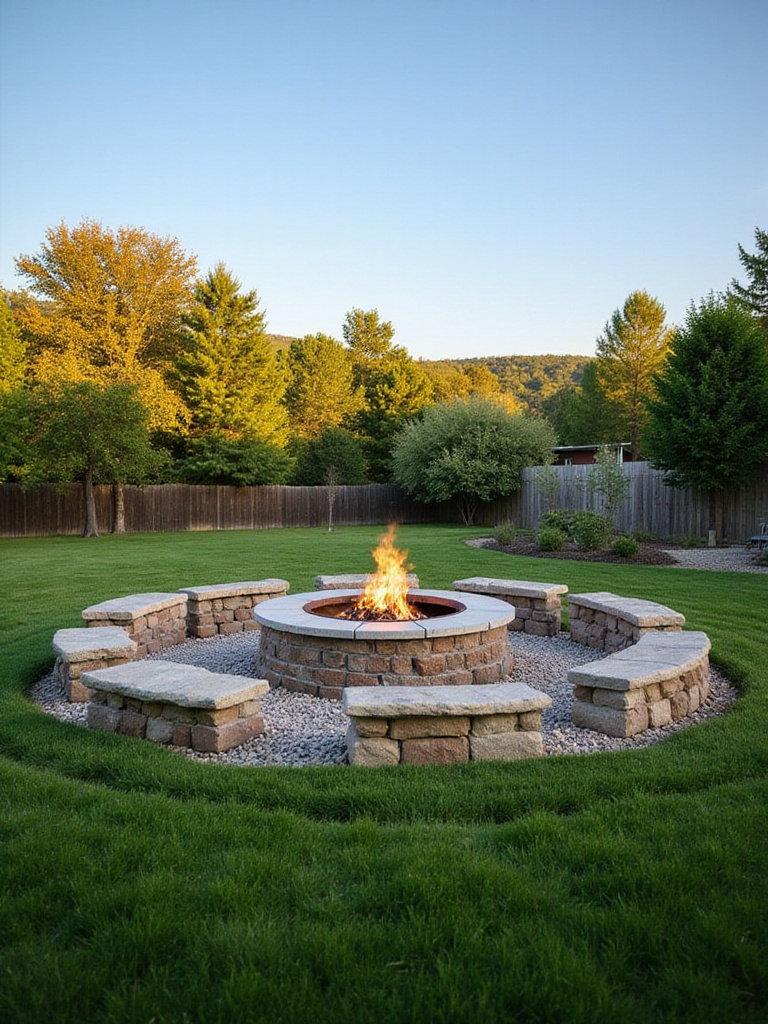
Common rules include minimum distances from structures and property lines, restrictions during high fire risk periods, and prohibitions on wood burning in some areas. Portable fire pits may be exempt from permits, while built-in units often require formal approval and inspections.
Consult building departments, fire authorities, and homeowners associations early in your planning. Documenting applicable codes safeguards against future enforcement changes. Professional contractors familiar with local requirements can streamline the approval process.
Routine Fire Pit Maintenance for Durability and Performance
Regular upkeep extends your fire pit’s life and ensures safe, efficient operation. Maintenance varies by material and fuel type but generally includes cleaning, inspections, and protective measures.
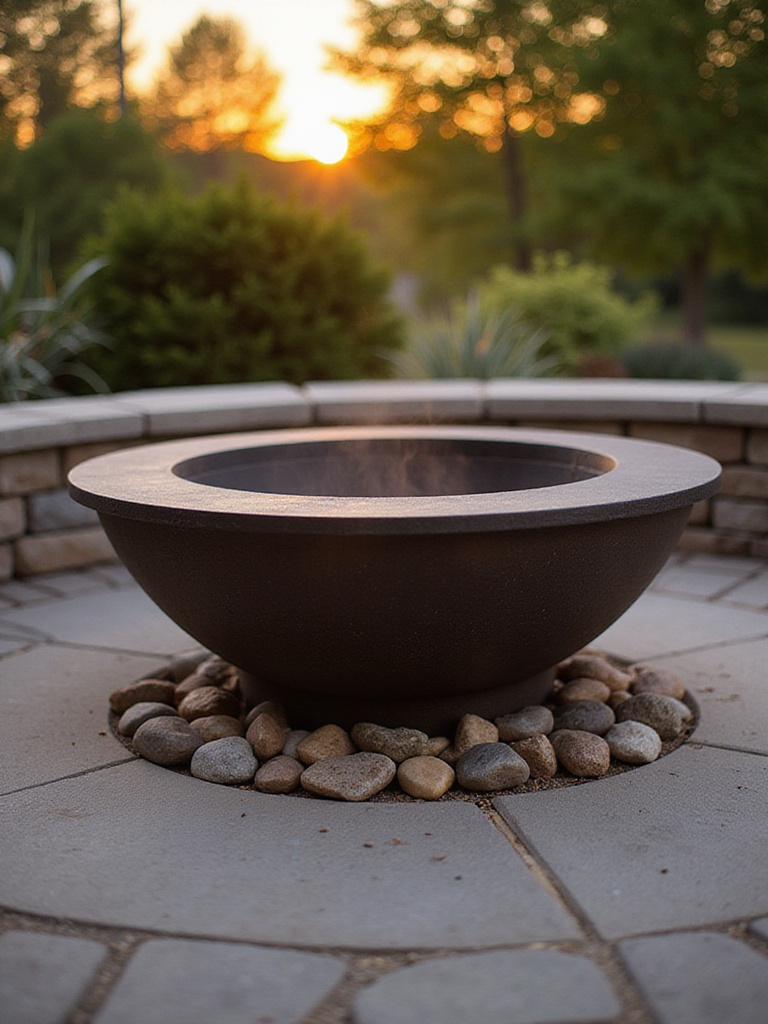
Remove ash and debris after each use, check for rust or damage, and shield the fire pit from weather when idle. Metal pits benefit from rust treatments and high-temp paint touch-ups; stone and concrete may need resealing to prevent moisture damage. Gas systems require annual inspections of connections and burners.
Seasonal preparation includes thorough cleaning, covering, and addressing repairs before storage. Quality covers allow ventilation to prevent moisture buildup. Proper maintenance can extend your fire pit’s lifespan by 50-100%, preserving its beauty and functionality.
Conclusion
These 22 fire pit ideas illustrate that crafting an exceptional outdoor gathering space involves thoughtful planning, quality materials, and a balance of safety and style. From simple DIY projects to elaborate built-in features, there’s a perfect fire pit solution for every backyard, budget, and lifestyle.
Successful installations share key traits: strategic placement for safety and usability, durable and attractive materials, and seamless integration with existing landscape elements. Whether you prefer the ease of gas, the tradition of wood, or sleek modern designs, your fire pit will become a cherished centerpiece for countless memorable evenings.
Begin your backyard transformation today by assessing your space and envisioning the outdoor oasis that will enrich your home and lifestyle. The warmth, ambiance, and connection that a fire pit fosters will make every night a celebration of outdoor living at its finest.