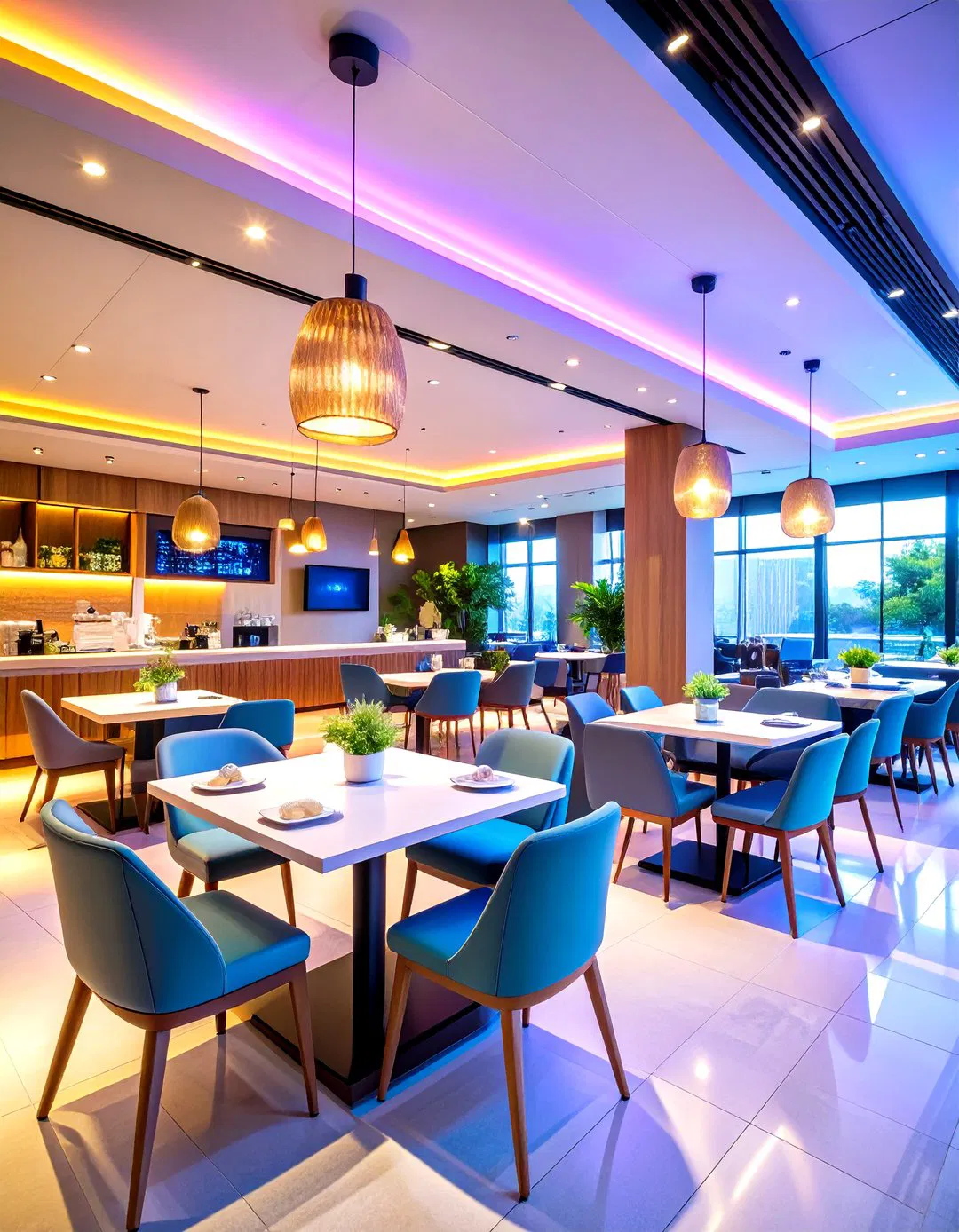
Elevate your restaurant into a captivating culinary haven by embracing cutting-edge interior design strategies that enchant patrons and enrich their dining journey. Contemporary restaurant interiors transcend simple visual appeal, crafting multisensory atmospheres that not only delight guests but also streamline daily operations. Leading venues today harmonize aesthetics with practicality, integrating elements such as organic textures, adaptive lighting, and versatile floor plans that respond fluidly to evolving customer demands. Whether unveiling a fresh concept or revitalizing an existing venue, deliberate design decisions profoundly influence guest satisfaction, brand identity, and profitability. From immersive open kitchens that celebrate culinary craftsmanship to verdant biophilic spaces fostering a connection with nature, modern restaurant design champions transparency, sustainability, and authentic experiences that resonate with today’s sophisticated diners seeking more than just exceptional cuisine.
Showcasing Culinary Craft: The Open Kitchen Experience
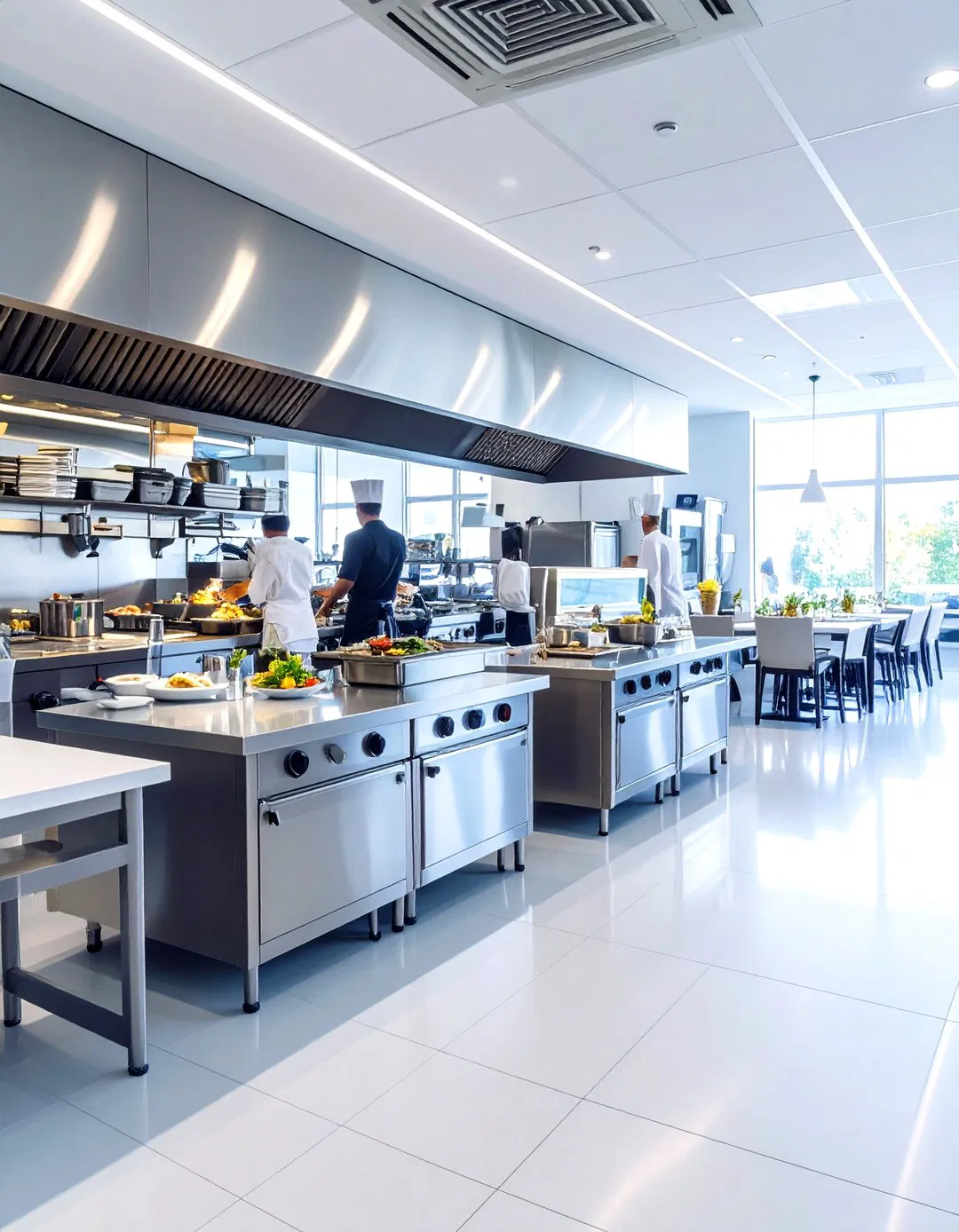
Why conceal the magic of meal preparation when it can become the centerpiece of your restaurant? Open kitchen layouts transform cooking into a live spectacle, inviting diners to witness the artistry behind each dish. This transparent design fosters trust and creates an engaging environment that stimulates sight, sound, and aroma. Thoughtful positioning of culinary stations, paired with optimized lighting and ventilation, ensures the kitchen captivates without overwhelming. Glass barriers can subtly manage noise and scents while preserving visual connection. The outcome is a dynamic dining adventure where guests feel intimately linked to the creation of their meals, deepening appreciation for ingredient quality and chef expertise.
Nature-Inspired Dining: Embracing Biophilic Design
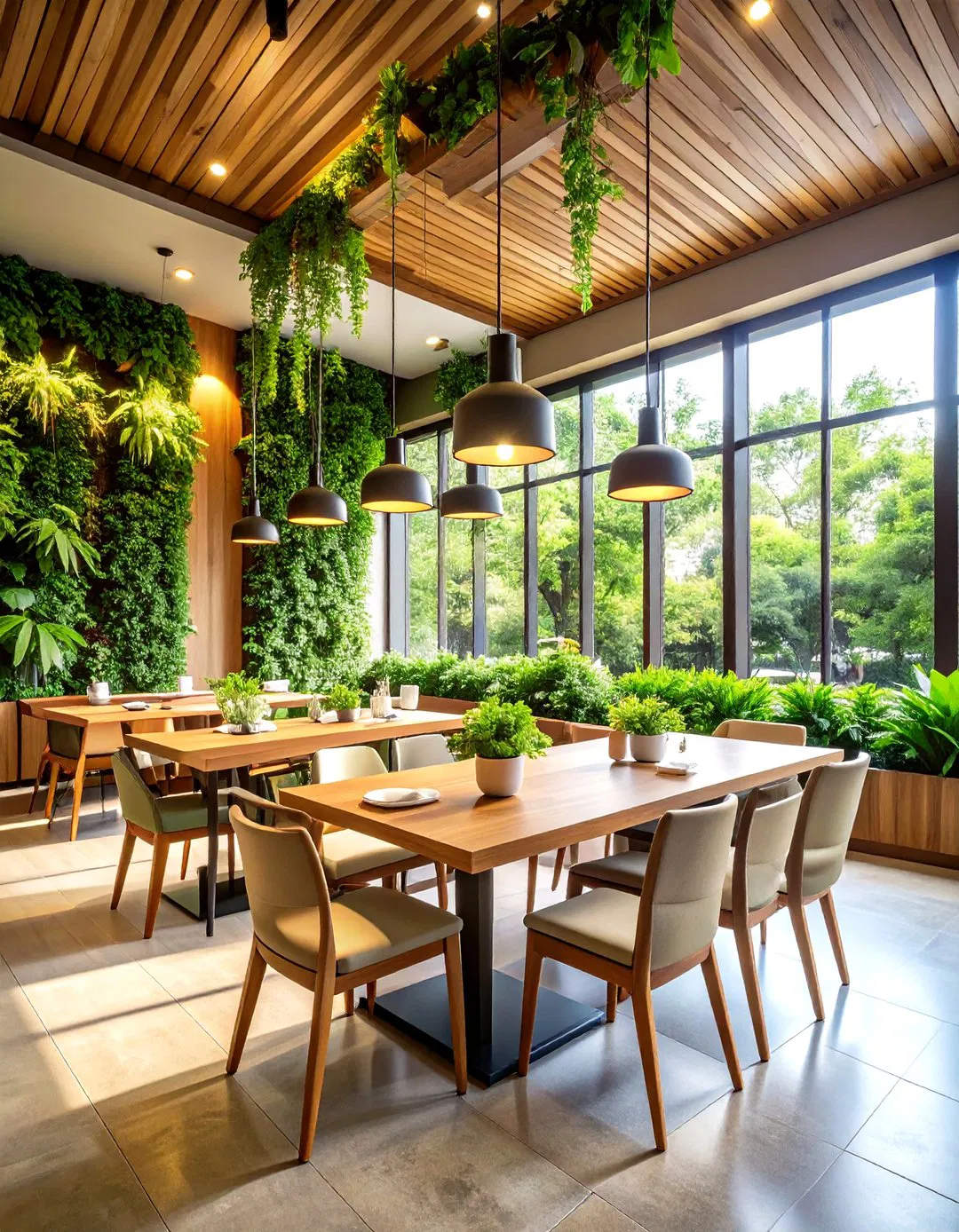
Imagine savoring your meal enveloped by thriving greenery that refreshes the air and calms the mind. Biophilic design integrates living plants, natural textures, and organic forms to reconnect diners with the outdoors. Vertical gardens act as verdant partitions, while potted flora delineate intimate dining zones. Elements like reclaimed wood, stone countertops, and gentle water features complete this serene setting. Expansive skylights and floor-to-ceiling windows flood interiors with daylight, reducing energy use and enhancing the natural ambiance. Beyond creating visually stunning, shareable spaces, this approach supports guest wellness by improving air quality and lowering stress, encouraging longer stays and repeat visits.
Adaptive Spaces: Modular Layouts for Versatility
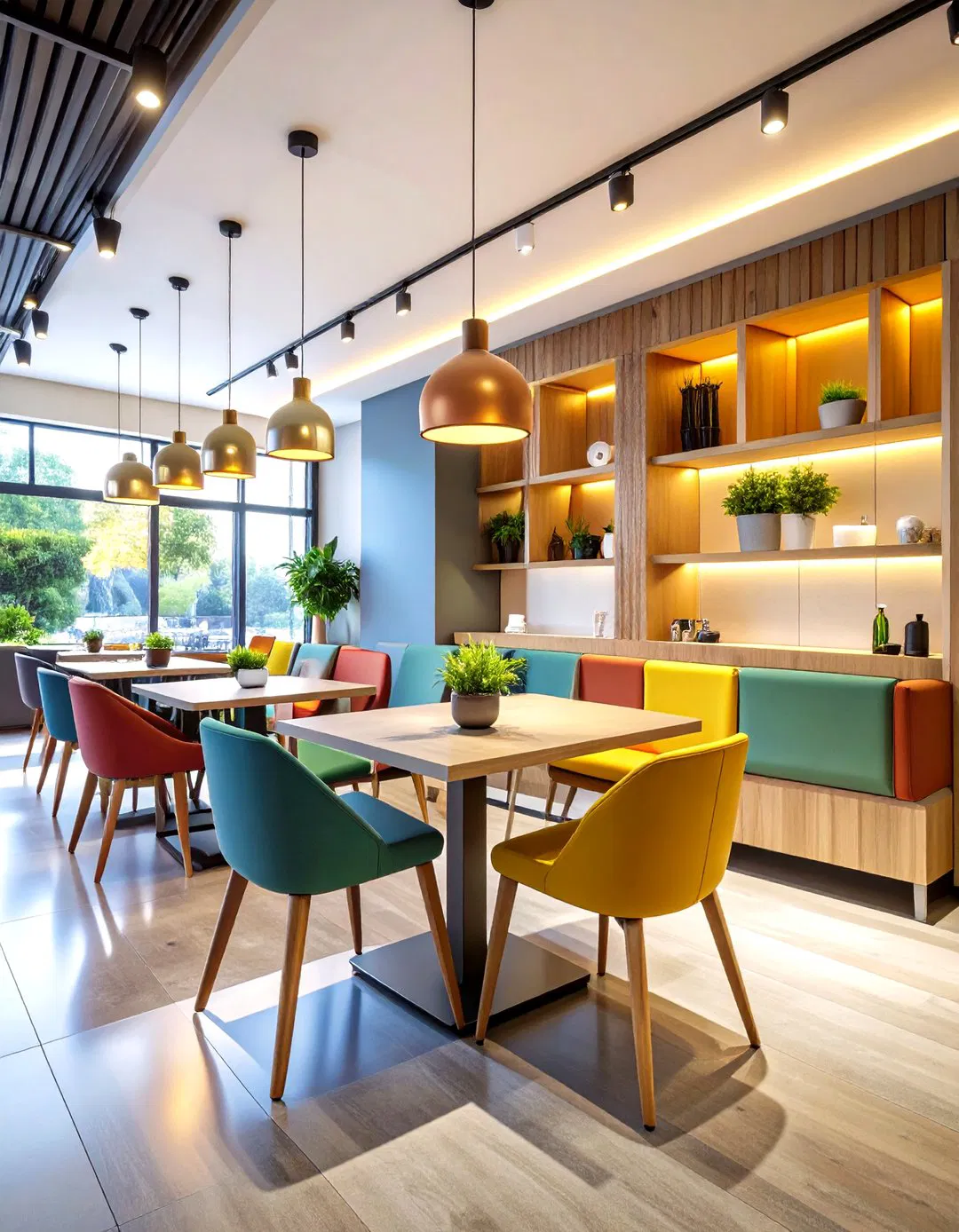
What if your venue could effortlessly shift from a cozy dinner spot to a lively social hub? Modular interiors featuring movable dividers, multifunctional furnishings, and adjustable service areas empower restaurants to reconfigure layouts based on time, season, or event. Features like storage-equipped banquet seating, rolling tables, and retractable walls facilitate smooth transitions between intimate and expansive setups. Intelligent lighting systems can instantly alter mood-from vibrant midday energy to soft evening warmth. This flexibility not only enhances guest experiences by catering to diverse preferences but also optimizes space utilization, boosting revenue potential without costly renovations.
Seamless Tech Integration: Smart Dining Environments
How might your dining atmosphere evolve if technology enhanced rather than interrupted the experience? Smart restaurant designs incorporate digital tools like interactive menus, wireless charging pads, and app-controlled lighting, all discreetly embedded to preserve aesthetic harmony. Digital displays cut printing expenses and allow instant updates on specials or availability. Self-order kiosks ease peak-time congestion, while QR codes enable contactless browsing. Concealed wiring maintains clean visuals, and smart climate systems adjust to occupancy for comfort and efficiency. Integrated sound systems modulate volume based on ambient noise, ensuring a balanced environment. The goal is to weave technology seamlessly into the fabric of the space, supporting operations while maintaining a warm, inviting ambiance that encourages repeat visits.
Retro Charm Reimagined: Mid-Century Modern Flair
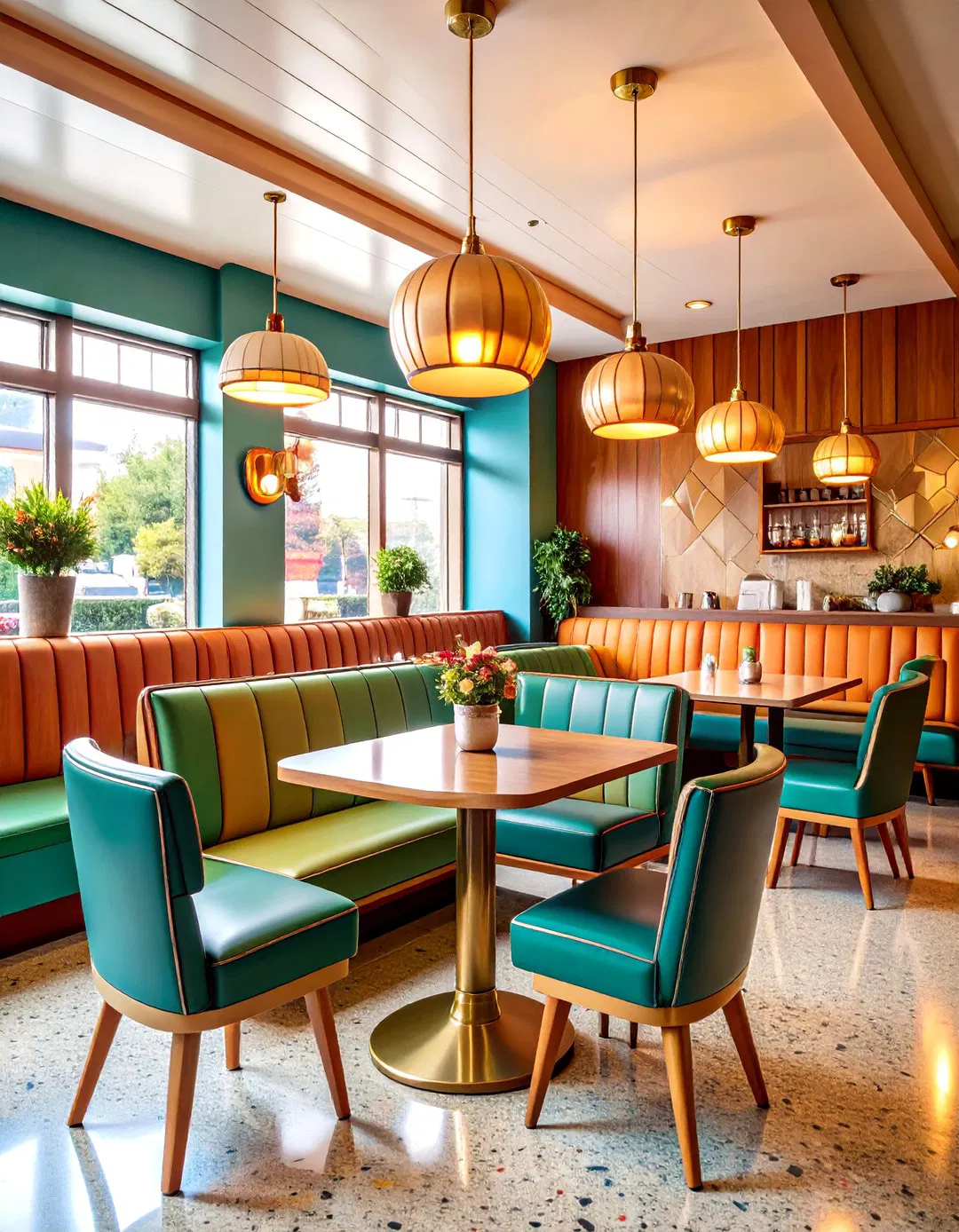
Recall the vibrant energy of classic diners with their bold hues and playful spirit? The resurgence of mid-century modern design infuses contemporary eateries with nostalgic touches-geometric motifs, warm timber finishes, and vivid accent colors. Rounded booths, terrazzo floors, and brass details evoke authentic period charm while ensuring modern comfort. Handcrafted signage and vintage-inspired fonts add character without feeling dated. The palette blends burnt oranges, forest greens, and deep browns with strategic bursts of brightness. This style forges emotional bonds through familiar aesthetics while delivering the sophistication today’s diners expect, appealing across generations seeking both comfort and authenticity.
Urban Warmth: Industrial Style with Cozy Touches
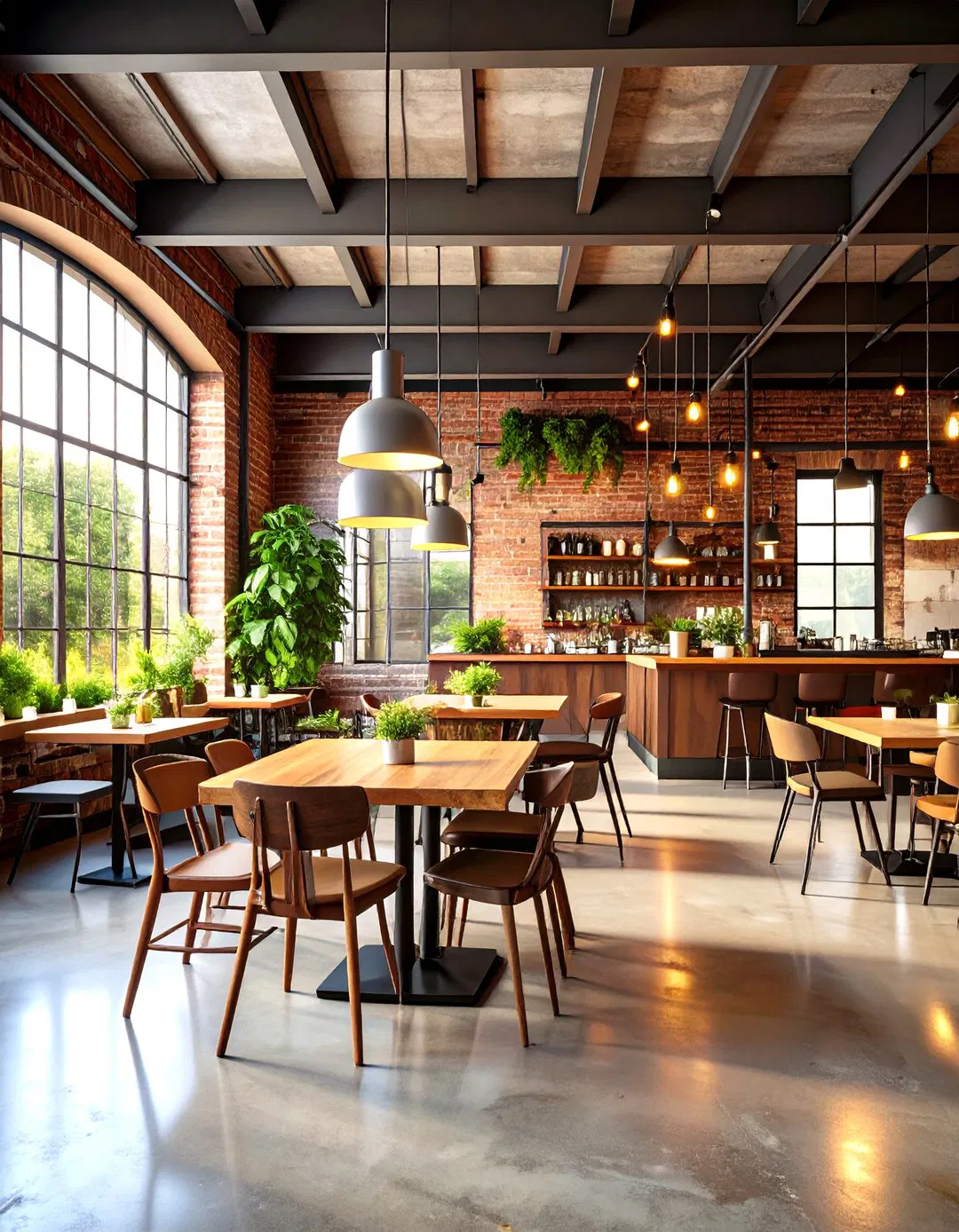
Can raw materials like exposed brick and steel beams foster a welcoming vibe? Industrial design softened by warm lighting and natural textures offers a sophisticated urban aesthetic without feeling cold. Painted ductwork, polished concrete floors paired with area rugs, and metal fixtures balanced by wooden furnishings create compelling contrasts. Edison bulb chandeliers and pendant lamps cast a gentle glow that tempers hard surfaces. Incorporating greenery and leather seating introduces organic warmth. This style thrives in repurposed warehouses or city locales where architecture complements the look. Thoughtful acoustic treatments disguised as art and strategically placed soft furnishings invite guests to linger and converse comfortably.
Coastal Serenity: Mediterranean-Inspired Interiors
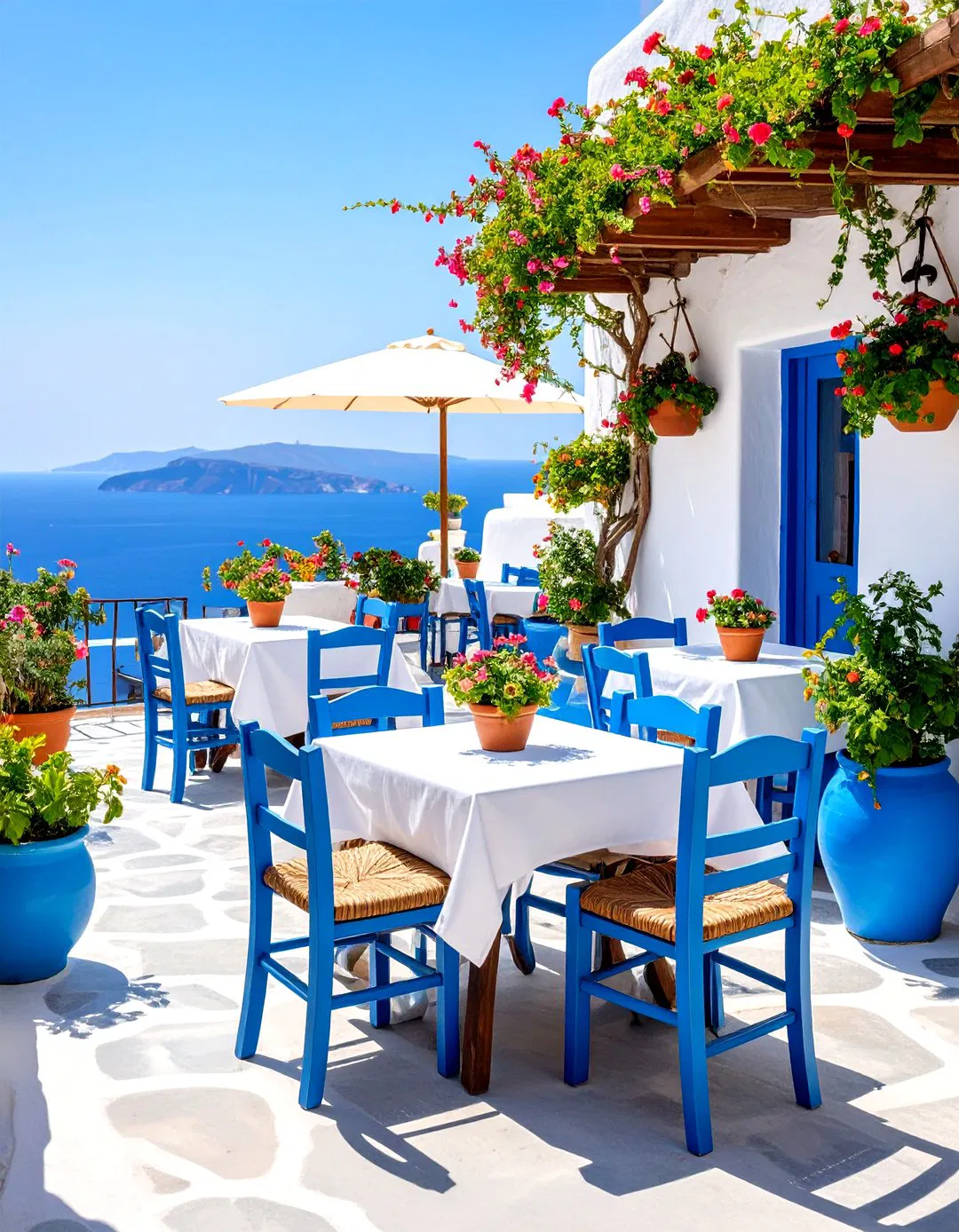
What if entering your restaurant felt like stepping into a sun-drenched Mediterranean villa? This theme features whitewashed walls, natural stone accents, and soothing blue tones that evoke seaside calm. Textured elements like woven basket lighting, rope details, and linen fabrics enhance authenticity. Olive wood furniture and terracotta pots brimming with herbs nod to regional culinary traditions. Expansive windows flood interiors with daylight, while outdoor terraces with pergolas extend the dining area. Water features reminiscent of Mediterranean courtyards add tranquility. This design appeals especially to health-conscious diners drawn to the region’s fresh, wholesome cuisine, offering a relaxed atmosphere where meals are savored and conversations flow freely.
Shared Moments: Communal Table Concepts
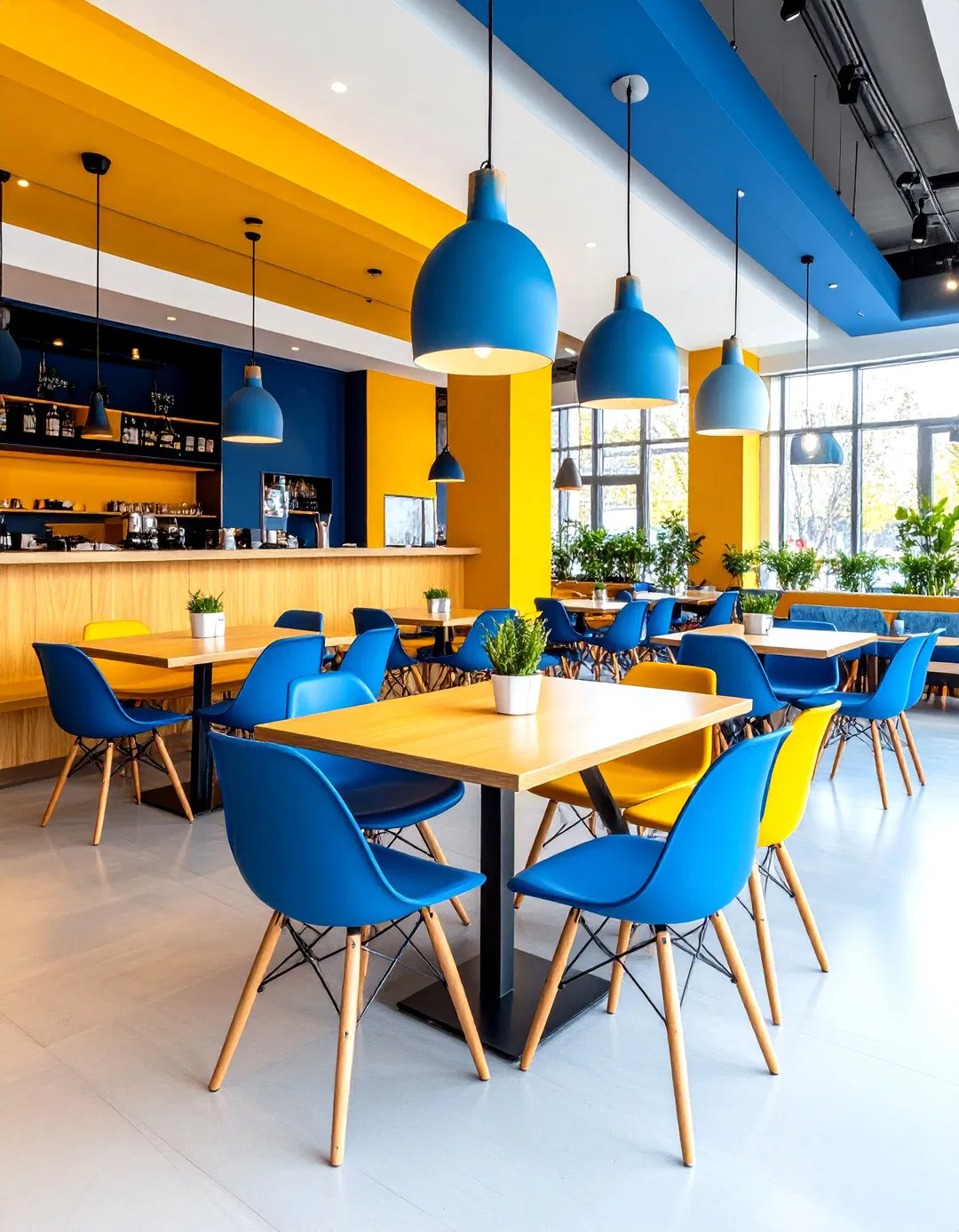
Why dine in isolation when you can connect with fellow food enthusiasts? Central communal tables foster social interaction and efficiently accommodate groups of varying sizes. Ideal for casual eateries, breweries, and farm-to-table concepts, these spaces align with brands emphasizing community. Bench seating and bar-height tables encourage conversation among strangers while ensuring comfort for extended meals. Placement near open kitchens or windows offers entertainment and natural light. Thoughtful spacing balances sociability with options for privacy, appealing to solo diners, business travelers, and friend groups seeking relaxed environments that spark new connections through shared dining.
Elevated Restroom Design: A Reflection of Excellence
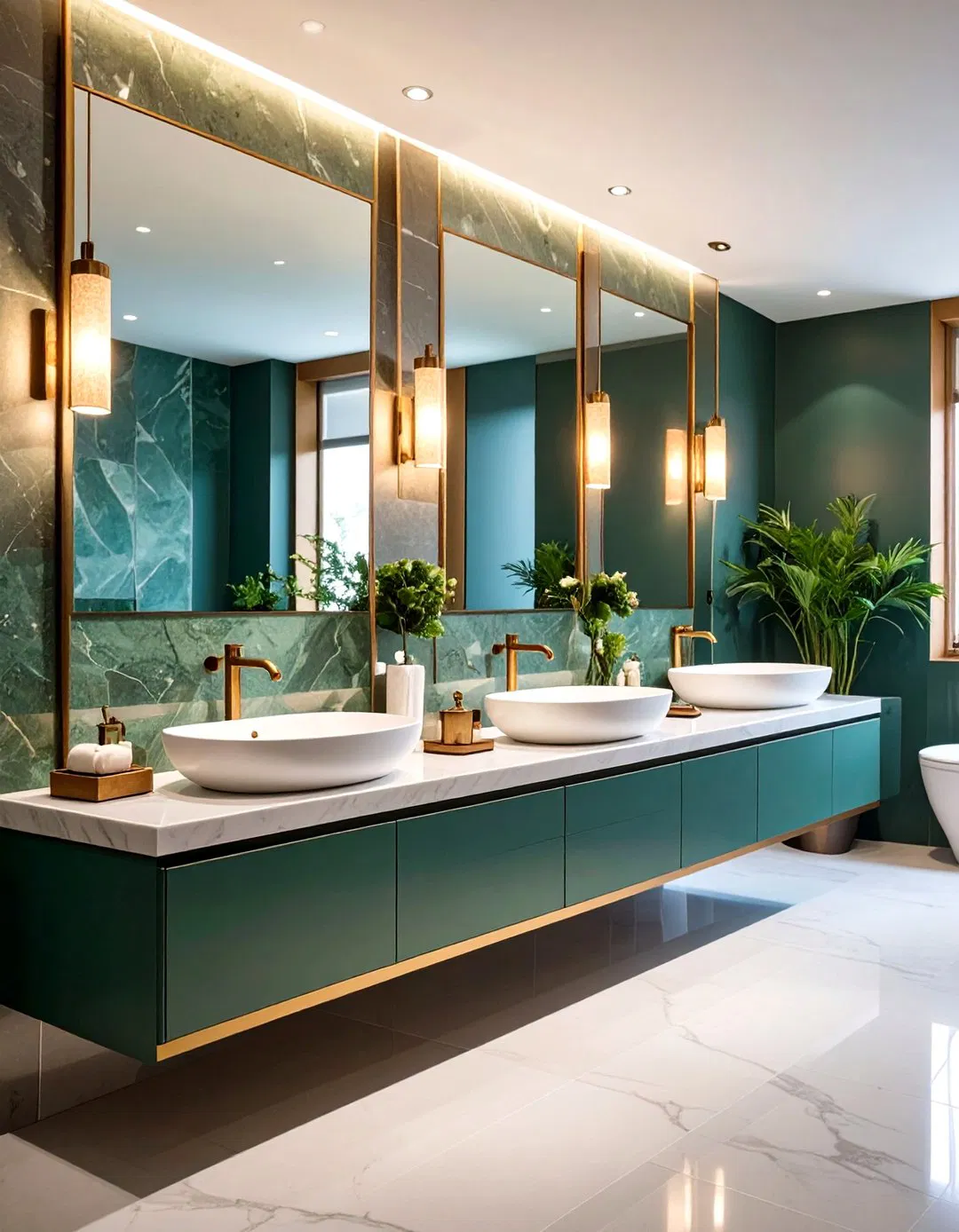
Have you considered how upscale restroom design mirrors your commitment to quality? Lavish bathrooms featuring floating vanities, designer fixtures, and refined lighting leave lasting impressions linked to overall service standards. Surfaces of natural stone, premium soaps, and fresh botanicals elevate the experience beyond necessity. Lighting is crafted to flatter while supporting grooming needs. Soundproofing through quality seals and ambient music ensures privacy. These spaces often become talking points, amplifying your reputation via word-of-mouth. Automated fixtures enhance hygiene and reduce upkeep, signaling meticulous care. Investing in premium restroom design underscores attention to every detail, influencing perceptions of food and service excellence.
Honoring Roots: Celebrating Local Heritage in Design
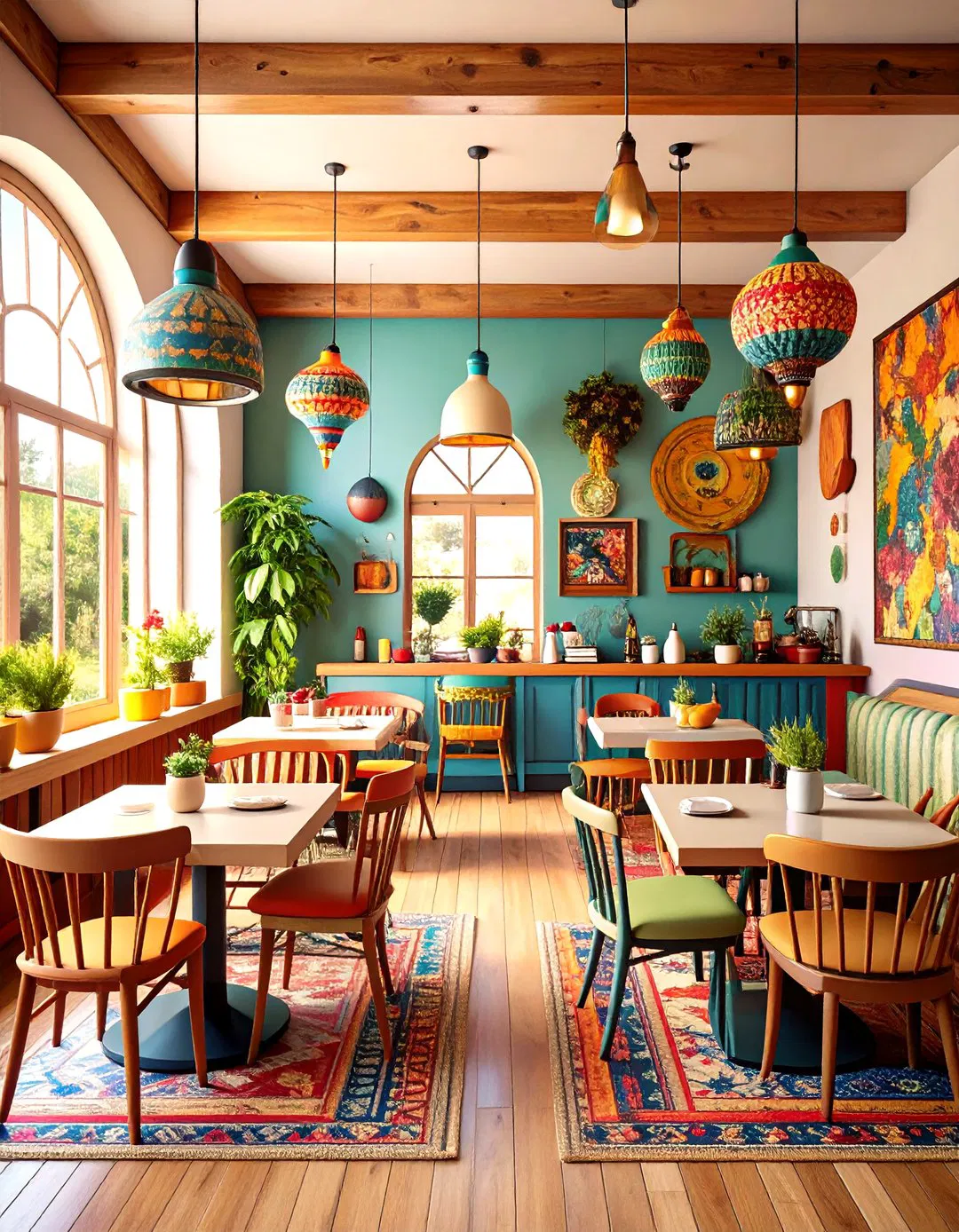
What narratives does your locale share, and how can your restaurant embody them? Designs inspired by local culture utilize regional materials, color schemes, and art to reflect community heritage. This might include reclaimed timber from historic buildings, artwork by local creators, or palettes drawn from iconic landmarks. Vintage photographs, maps, and cultural artifacts foster authentic connections. Sourcing furniture and decor locally supports area businesses and ensures genuineness. This approach resonates with tourists seeking authentic experiences and residents proud of their community, turning your venue into a neighborhood hub that inspires loyalty and positive word-of-mouth.
Diverse Experiences: Multi-Zone Themed Interiors
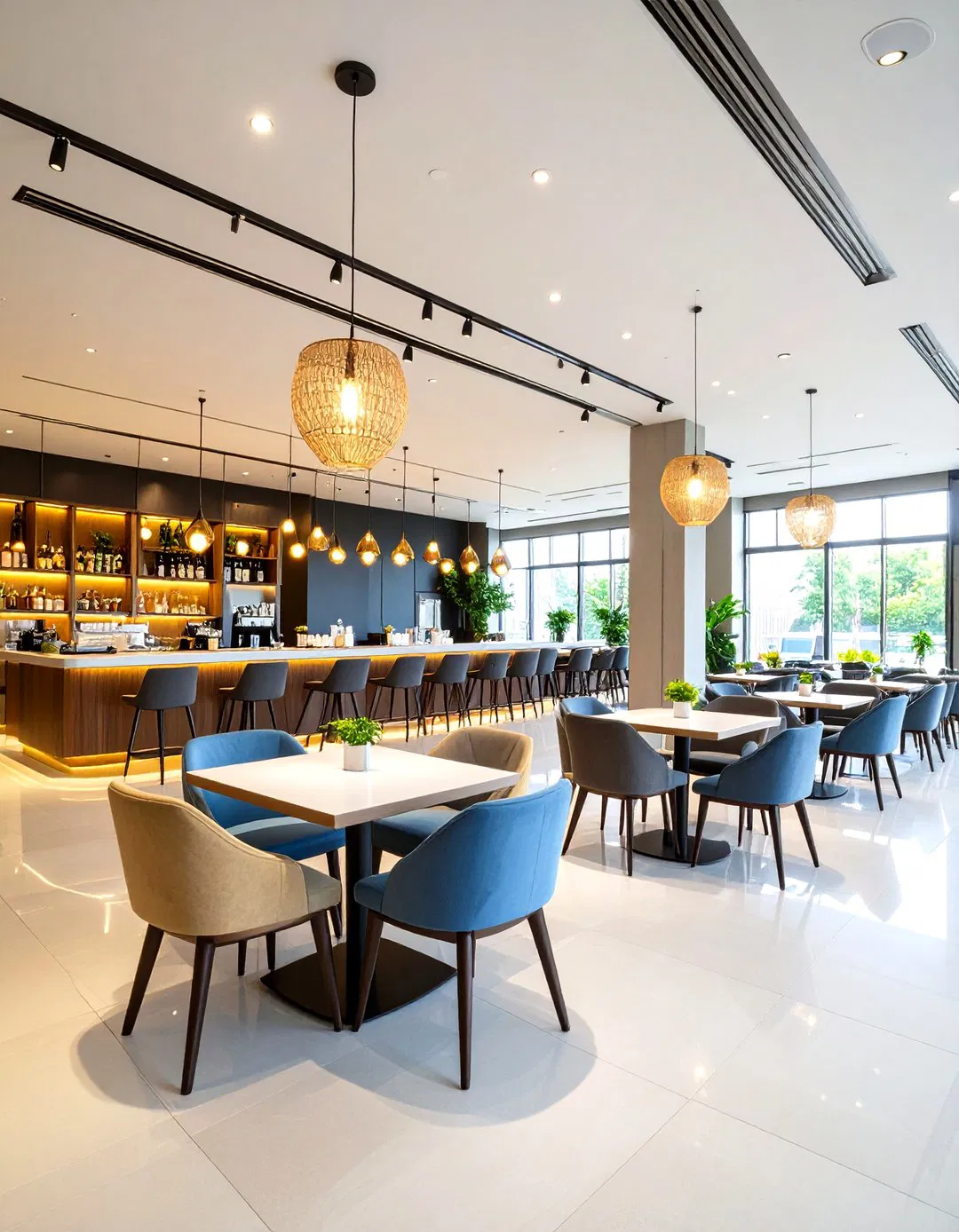
Can a single restaurant offer multiple distinct ambiances? Multi-themed layouts segment spaces into zones, each with unique decor tailored to different moods and occasions. A vibrant bar with bold colors and lively music might adjoin a serene dining room with soft lighting and intimate seating. Cohesive elements like flooring and accent colors unify the design, while furniture and lighting express varied personalities. This strategy broadens appeal, catering to business lunches, romantic dinners, or casual gatherings. Thoughtful sightlines and soundproofing maintain distinct atmospheres without isolation. Operational efficiency is key to smooth service across zones, ensuring a seamless guest experience.
Eco-Friendly Elegance: Sustainable Restaurant Design
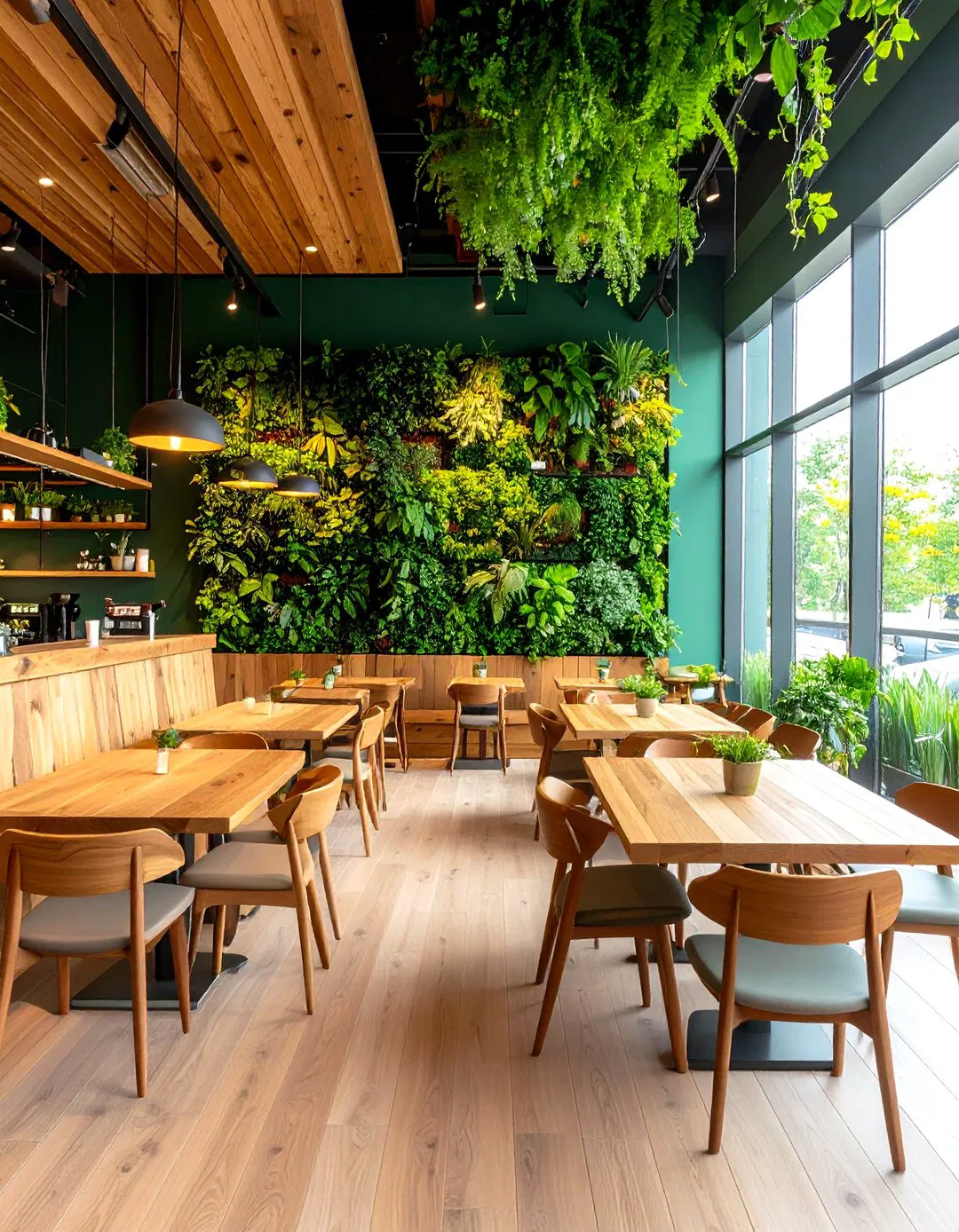
How can your design reflect environmental stewardship while crafting inviting spaces? Sustainable interiors utilize reclaimed woods, energy-saving lighting, and locally sourced furnishings to reduce ecological impact. Recycled metals and repurposed architectural features add character and minimize waste. Living walls and herb gardens supply fresh ingredients and improve air quality. LED lighting and smart climate controls cut costs and carbon footprints. Water-efficient fixtures and composting systems demonstrate comprehensive green commitment. This approach appeals to eco-conscious diners and staff, often lowering operational expenses. Celebrating natural textures and imperfections creates warm, authentic atmospheres aligned with environmental values, turning sustainability into a compelling marketing asset.
Private Dining Pods: Intimacy Within the Crowd
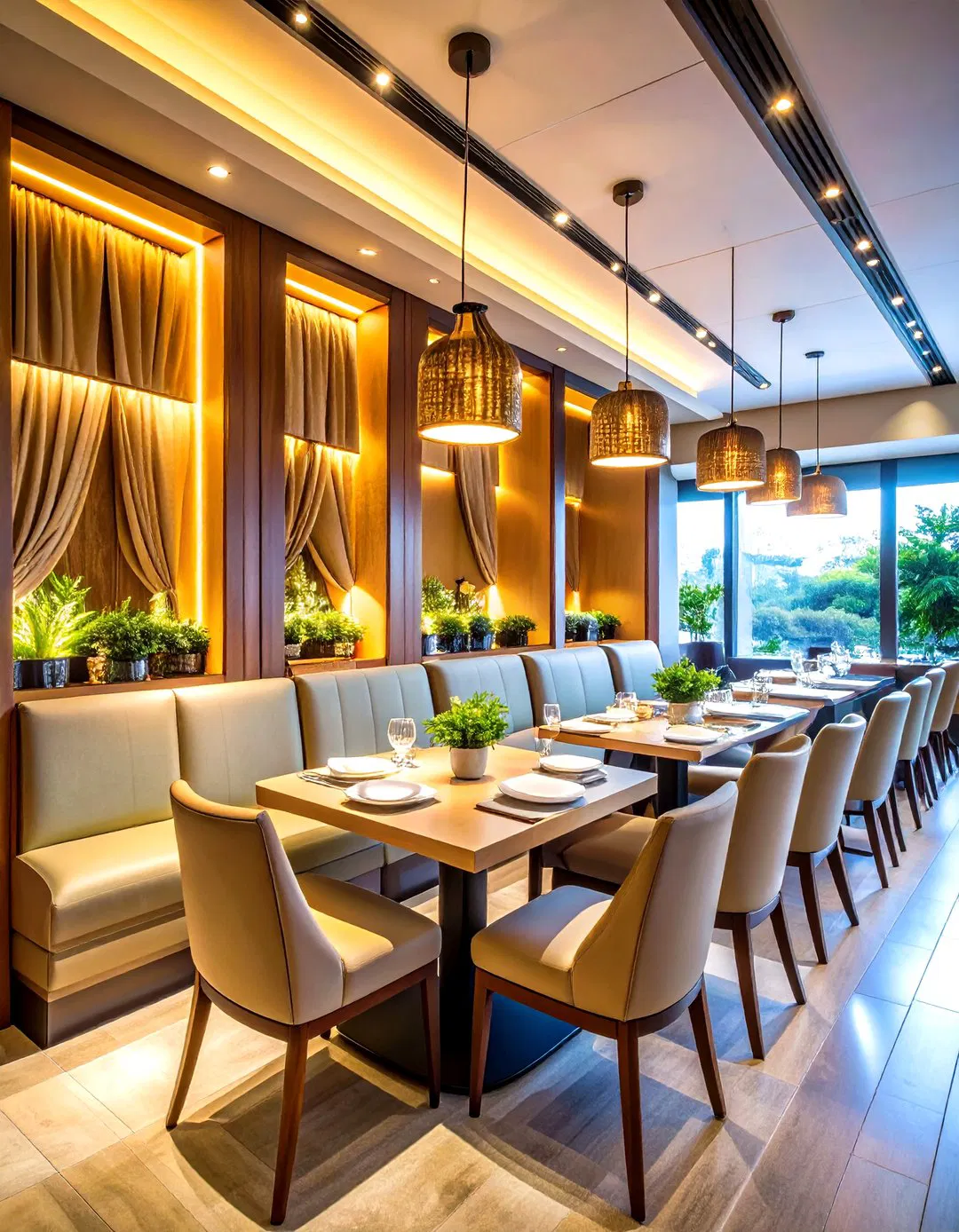
Would your guests value secluded nooks that preserve privacy while maintaining connection to the restaurant’s energy? Private pods or booths with high backs, curtains, or partial walls offer intimate settings ideal for business meetings, romantic dinners, or small celebrations. Features like adjustable lighting, sound-absorbing materials, and dedicated service points enhance exclusivity. Modular partitions allow pods to merge for larger groups. Balancing privacy with efficient service ensures attentive yet unobtrusive hospitality. These spaces often command premium pricing, boosting revenue per seat and attracting clientele seeking special occasion venues or discreet business entertainment.
Artistic Ambiance: Gallery-Style Dining
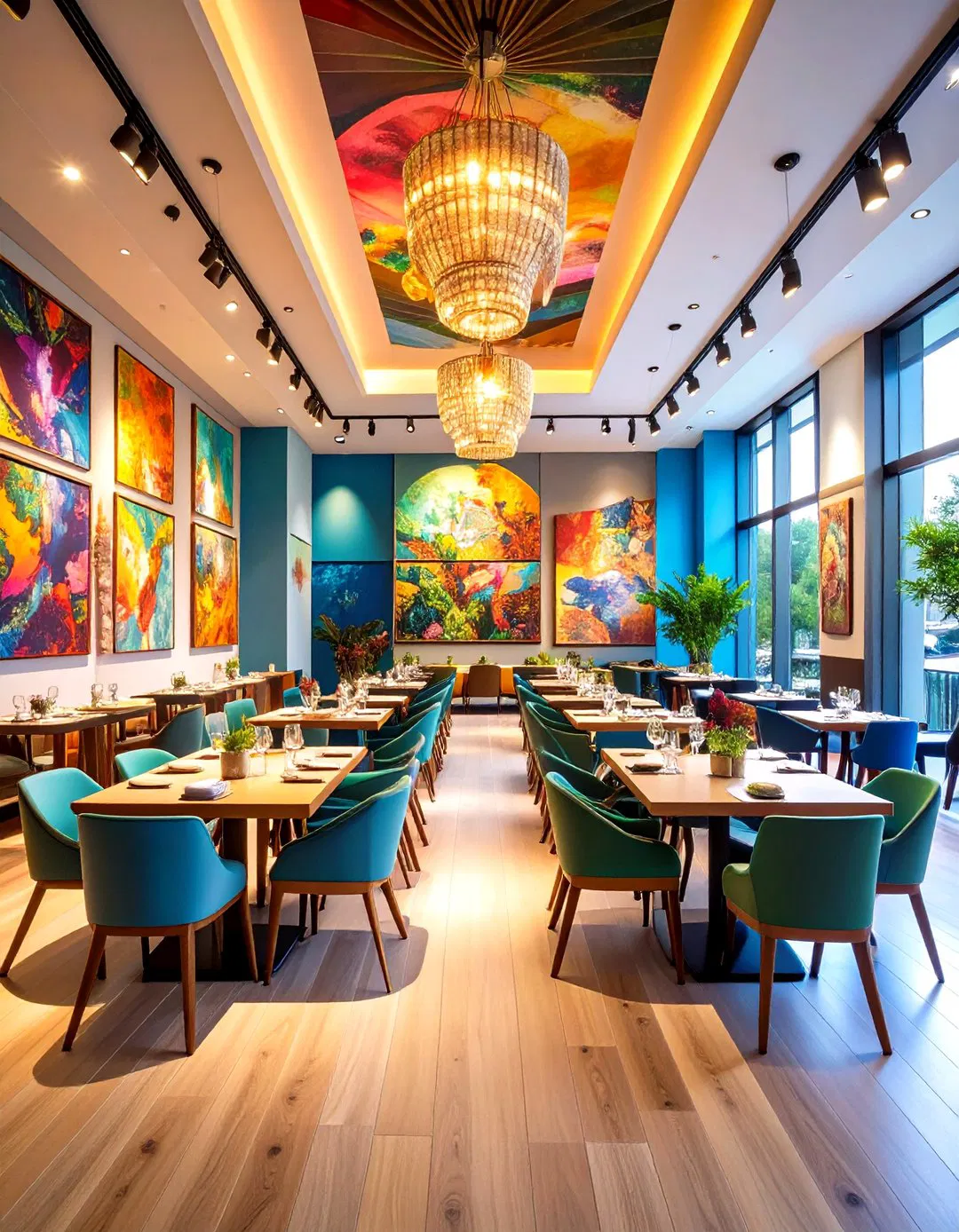
What if your walls narrated stories through rotating exhibits by local artists? Gallery-inspired interiors showcase curated artwork with professional lighting and flexible hanging systems, offering fresh visual experiences on each visit while supporting creative communities. Track lighting and gallery walls provide a refined backdrop, complemented by comfortable seating for extended appreciation of art and cuisine. Hosting artist receptions or special events fosters community ties and additional revenue. Balancing art display with dining functionality ensures the artwork enhances rather than distracts. This concept appeals to culturally curious diners seeking intellectual and culinary stimulation, carving a unique niche in competitive markets.
Acoustic Comfort: Designing for Sound Control
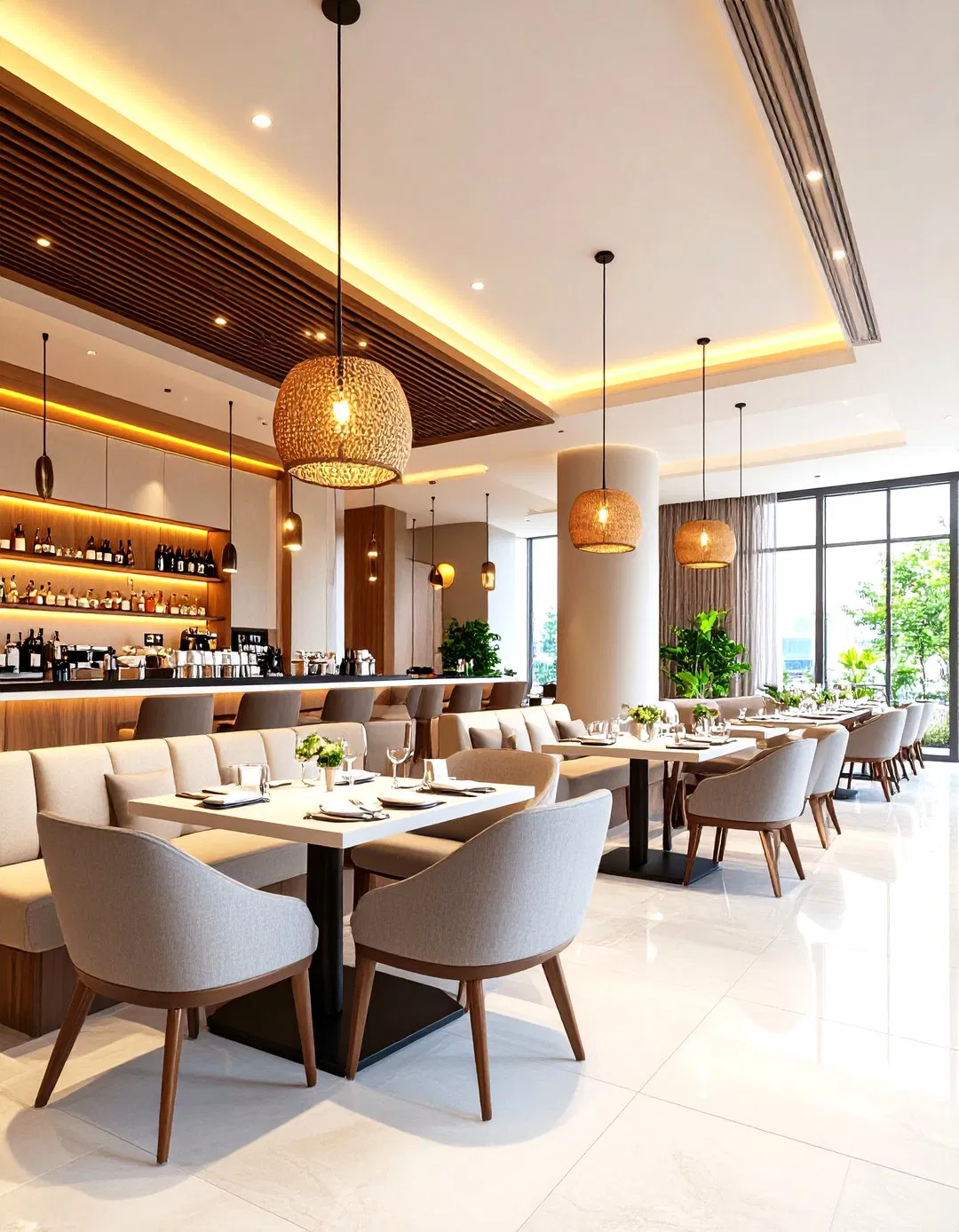
Can thoughtful design eliminate the frustration of noisy dining environments? Acoustic optimization employs sound-absorbing panels disguised as artwork, soft flooring, and ceiling treatments to reduce echo without sacrificing style. Locating noisy equipment away from seating and using sound masking via water features or ambient music controls noise levels. Booths and physical dividers help contain sound within zones. Collaboration among architects, acoustic experts, and designers ensures optimal results. Restaurants with superior acoustics often enjoy higher customer satisfaction, longer visits, and increased spending as guests feel comfortable engaging in conversation and savoring their meals.
Rustic Sophistication: Farm-to-Table Design
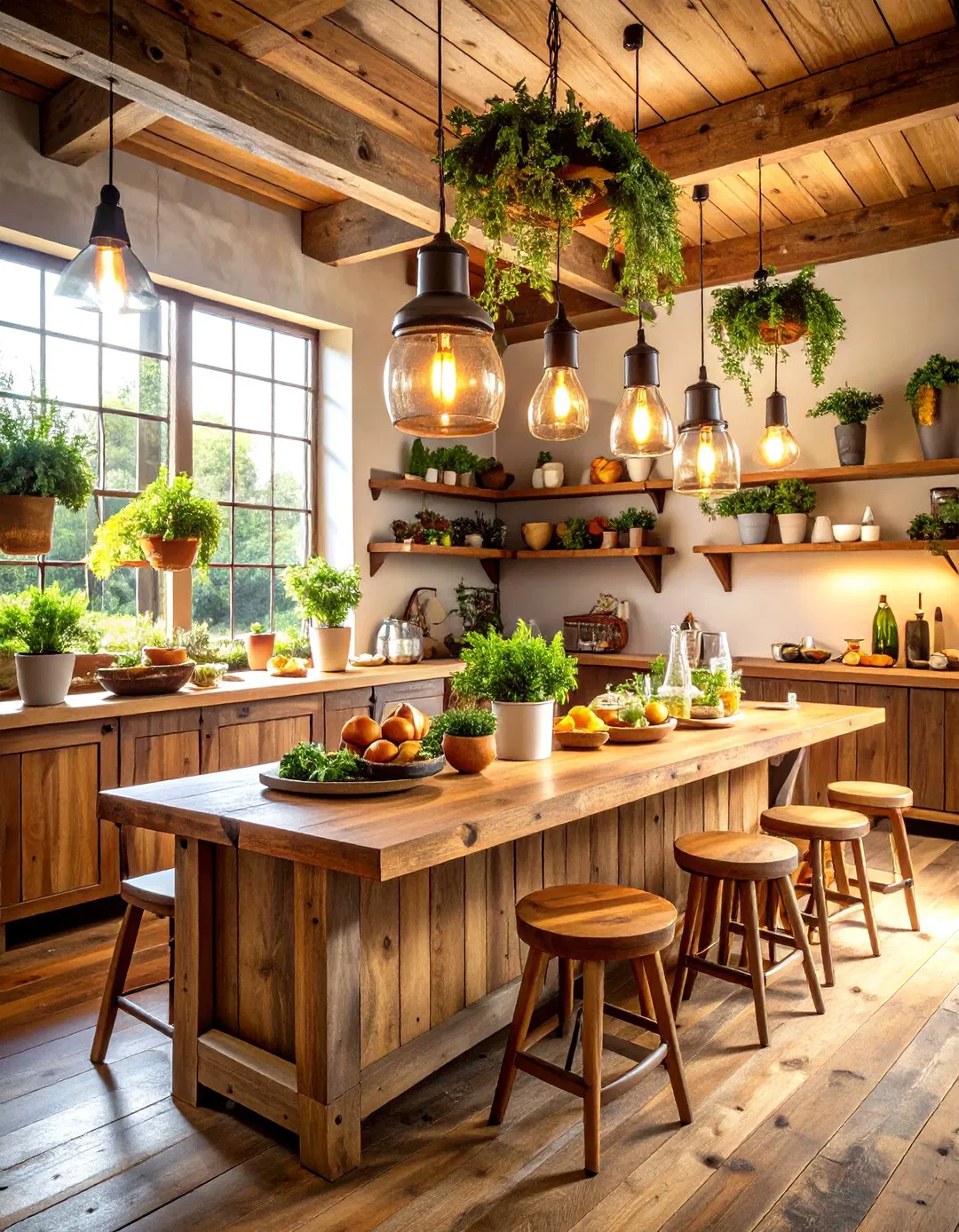
How can your interior reflect dedication to fresh, local produce and sustainable agriculture? Rustic elegance combines distressed wood, vintage farm tools as decor, and herb gardens to evoke agricultural roots while maintaining refined dining standards. Mason jar lighting, barn door accents, and reclaimed furnishings create an authentic farm ambiance without compromising comfort. Chalkboard menus highlight seasonal offerings, reinforcing the farm-fresh narrative. Natural textiles, stone details, and live-edge tables add organic texture complementing the cuisine. Showcasing partnerships with local farms through displays or visible ingredient sourcing strengthens the story. This design attracts health-conscious diners and fosters warm, inviting spaces encouraging leisurely meals and conversations about sustainable food practices.
Steampunk Revival: Vintage Industrial Drama
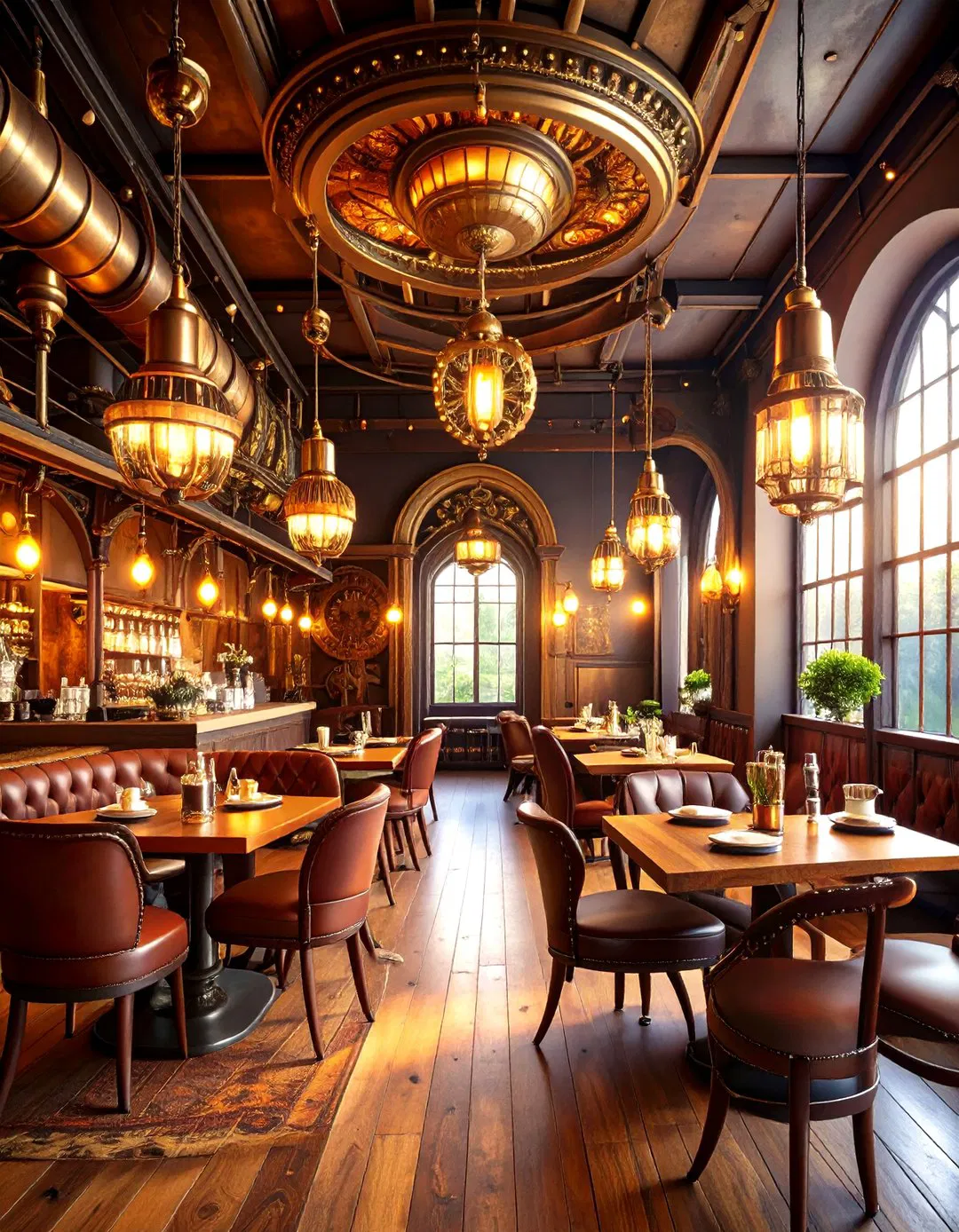
What tales would Victorian machinery tell if woven into restaurant design? Steampunk interiors merge vintage industrial elements with brass accents, exposed gears, and Edison bulbs to craft theatrical dining spaces. Copper pipes, antique gauges, and mechanical motifs serve as both decor and functional features. Rich leather seating, dark wood, and moody lighting create an enigmatic, upscale atmosphere ideal for gastropubs, whiskey bars, or venues celebrating artisanal craftsmanship. Balancing dramatic visuals with practical dining needs ensures the space remains inviting. This style appeals to patrons seeking distinctive, photogenic experiences and those fascinated by industrial heritage and innovative design.
Zen Minimalism: The Power of Simplicity
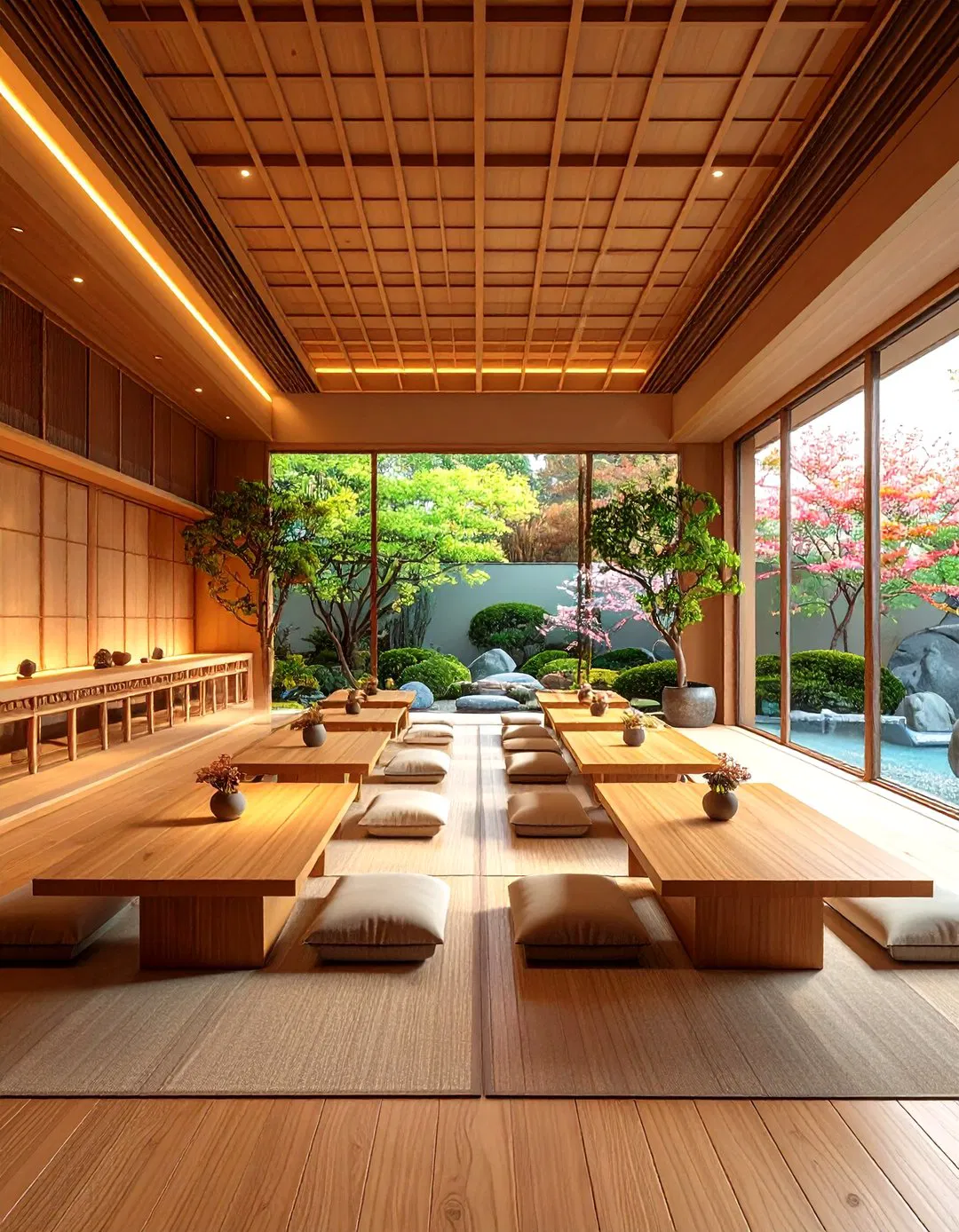
Can understated design create more impactful dining than elaborate decor? Minimalism emphasizes clean lines, neutral tones, and uncluttered spaces that spotlight culinary presentation. Natural materials like light wood, stone, and linen foster tranquility, minimizing visual distractions. Thoughtful lighting accentuates architectural details and dishes while maintaining a subtle ambiance. This approach suits fine dining, sushi bars, or health-focused eateries where food quality is paramount. Challenges include infusing warmth and personality within minimalist frameworks to avoid sterility. Success hinges on meticulous material selection, proportion, and lighting to craft elegant simplicity that elevates the dining experience.
Engaging Guests: Interactive Entertainment Dining
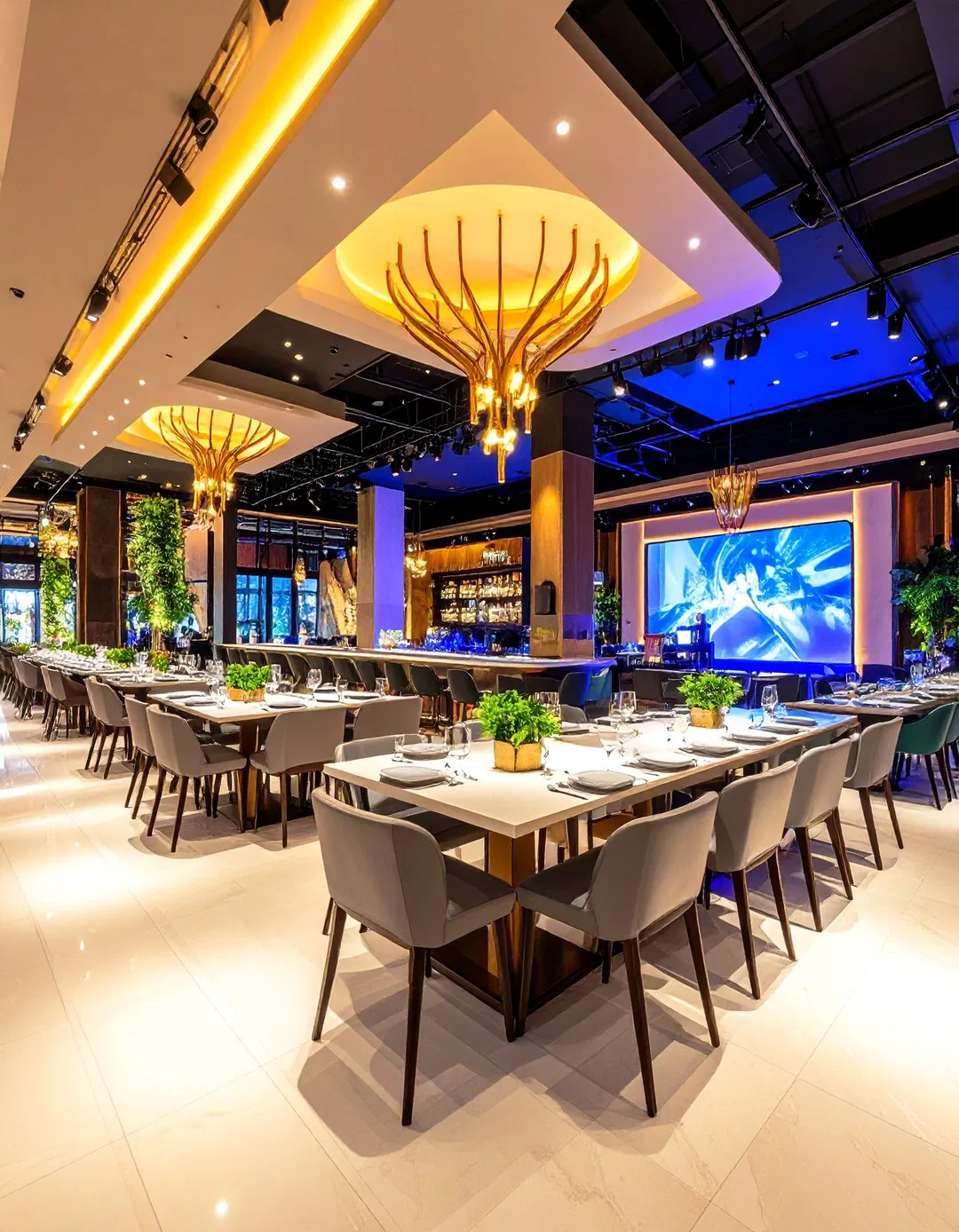
Why limit entertainment to just food when you can create immersive experiences? Entertainment-centric dining integrates live cooking demos, interactive bars, and performance areas, transforming meals into events. Chef’s tables, tableside preparations, and theatrical cocktail presentations craft unforgettable moments. Game zones, live music, and tech installations add layers of engagement while maintaining focus on quality cuisine and service. Space planning balances dining and entertainment needs, with sound management crucial to harmonize audio and conversation. This model attracts social diners eager to share experiences online, fostering loyalty through unique, memorable visits beyond traditional dining.
Dynamic Ambiance: Seasonal Interior Transformations
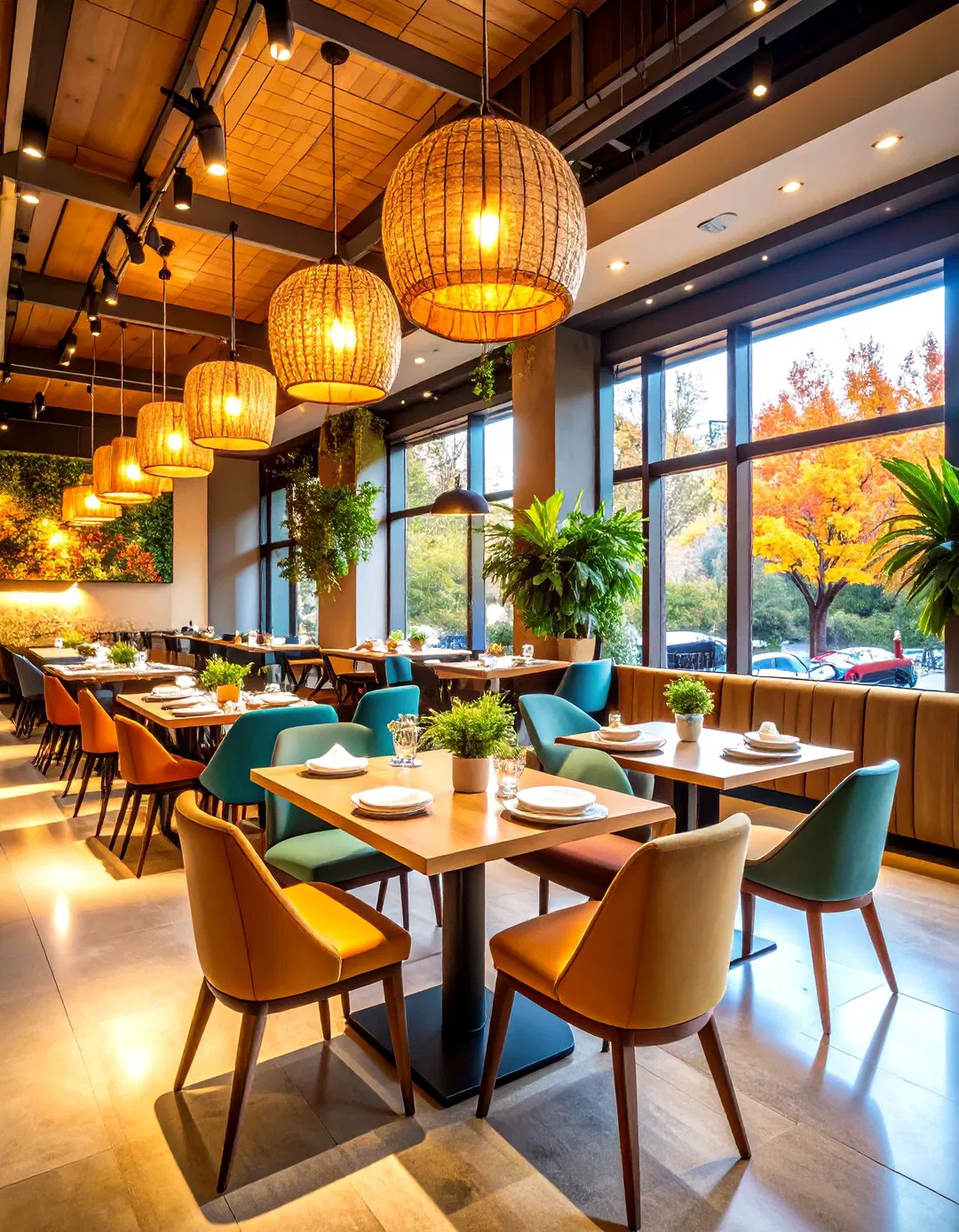
What if your restaurant’s personality shifted with the seasons while maintaining smooth operations? Seasonal design employs modular components, interchangeable textiles, and adaptable lighting to enable dramatic aesthetic changes year-round. Removable wall coverings, rotating artwork, and seasonal plantings refresh the environment, enticing repeat visits. Lighting adjusts color temperature and brightness to evoke summer vibrancy or winter coziness. Furniture layouts adapt to seasonal crowd patterns, optimizing comfort and revenue. Efficient storage and quick-change systems minimize disruption. This strategy keeps patrons engaged, attracts new guests curious about transformations, and fuels marketing buzz through seasonal reveals that build anticipation and loyalty.
Craftsmanship Celebrated: Heritage Workshop Ambiance
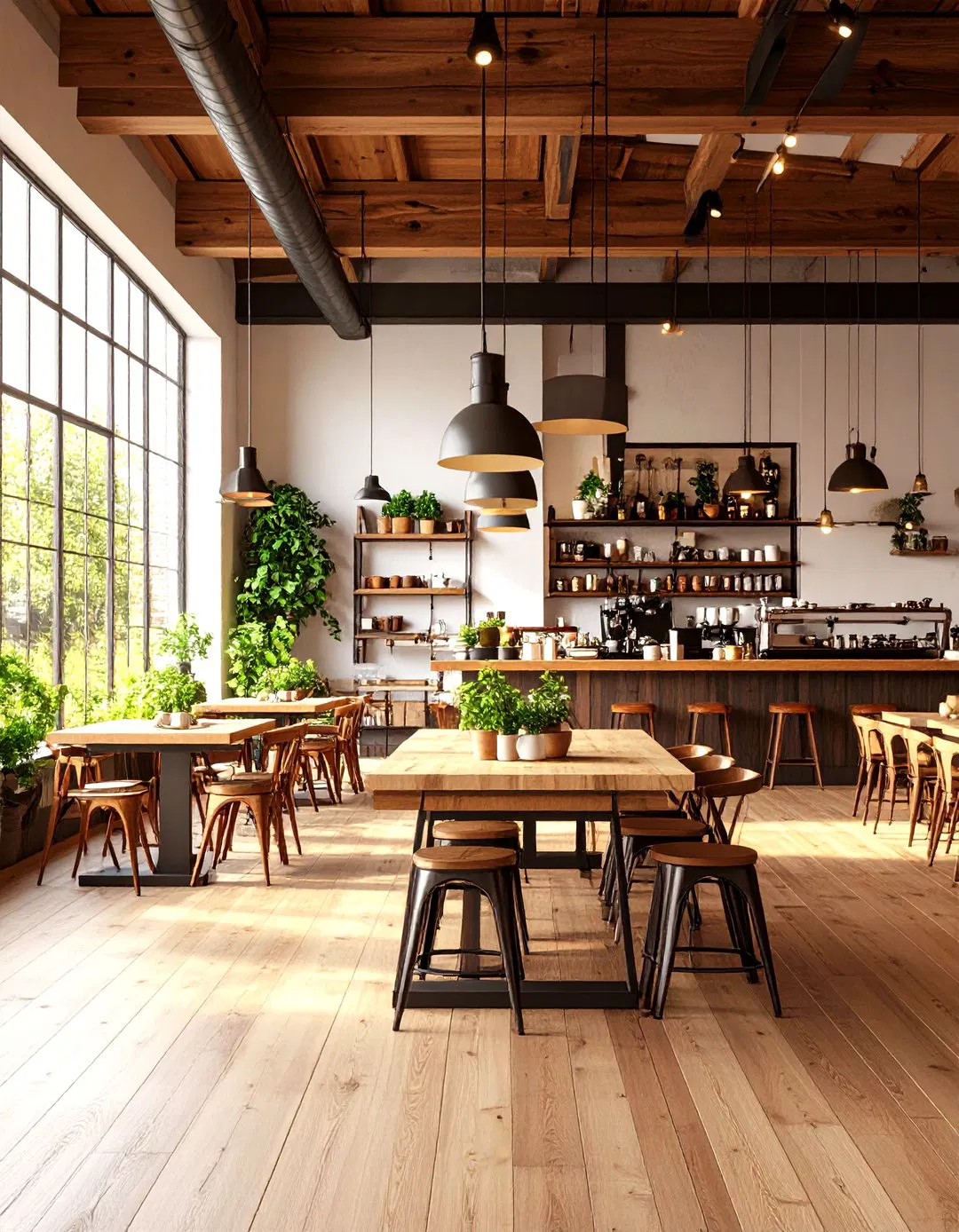
Can your restaurant honor traditional craftsmanship while serving modern fare? Workshop-inspired interiors highlight artisanal skills through visible craft stations, tool displays, and work surfaces evoking hands-on creation. Butcher block tables, vintage tools, and live demonstrations of bread or pasta making connect diners to culinary heritage. Industrial lighting, concrete floors softened with rugs, and metal accents create authentic workshop vibes balanced with comfort. Showcasing house-made products and ingredient prep areas reinforces artisanal identity. This design suits venues emphasizing handmade dishes, craft beverages, or traditional techniques, appealing to diners interested in provenance and culinary education. Balancing functional workspace with dining comfort ensures craft elements enhance rather than distract.
Elevated Outdoor Dining: Rooftop Garden Retreats
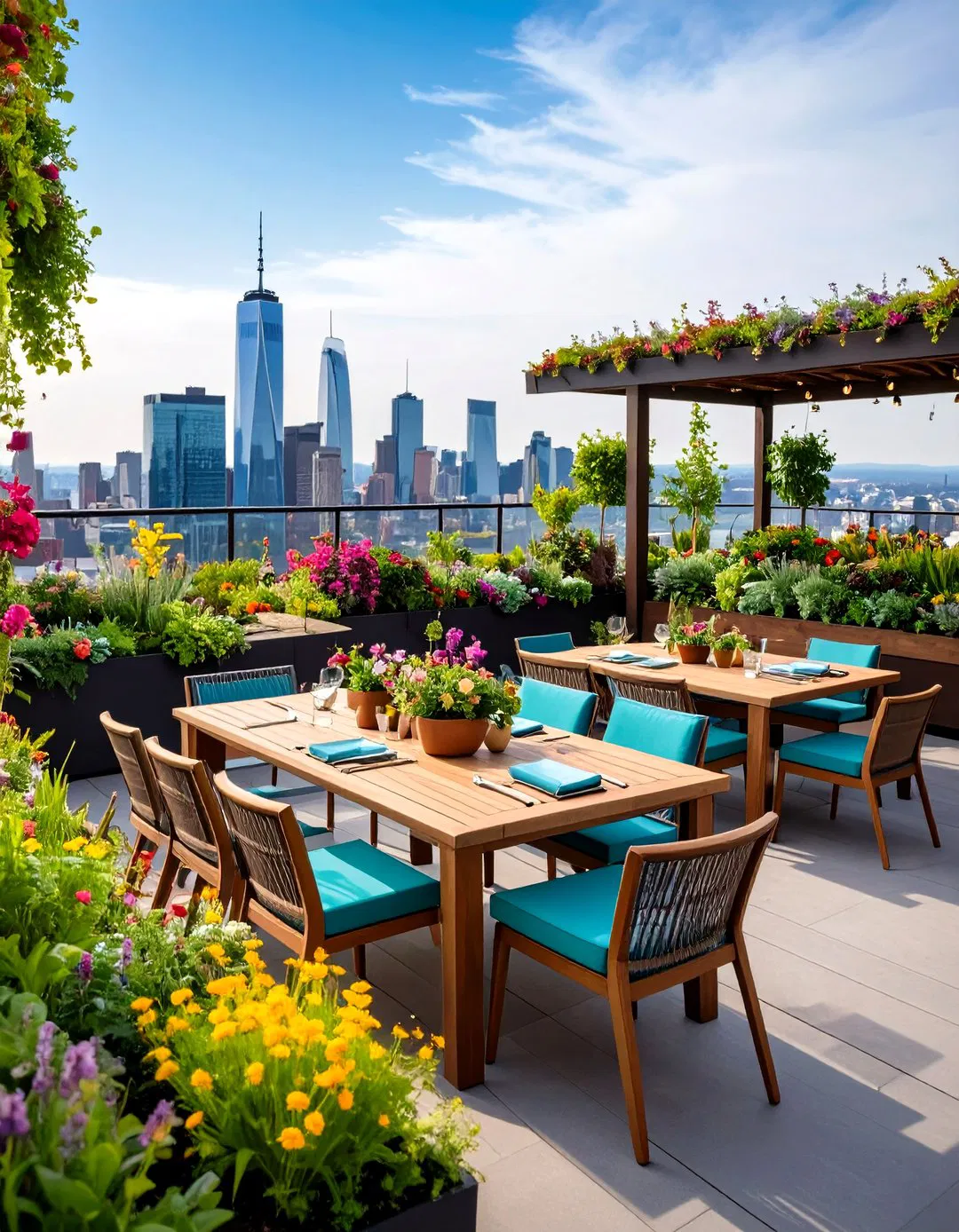
How can elevated dining spaces offer an escape from urban bustle? Rooftop designs incorporate weather protection, wind barriers, and heating to extend outdoor seasons while showcasing city views. Garden elements like planters, vertical gardens, and herb beds create lush oases contrasting with urban surroundings. Retractable canopies, glass screens, and outdoor heaters enable year-round comfort. Thoughtful lighting crafts enchanting evening moods while respecting neighbors. Durable, weather-resistant furniture balances style and function. Design must address noise regulations, weather challenges, and structural needs. Rooftop venues command premium pricing, attracting special occasion diners and generating buzz through spectacular vistas and Instagram-worthy settings.
Blending Traditions: Cultural Fusion Interiors
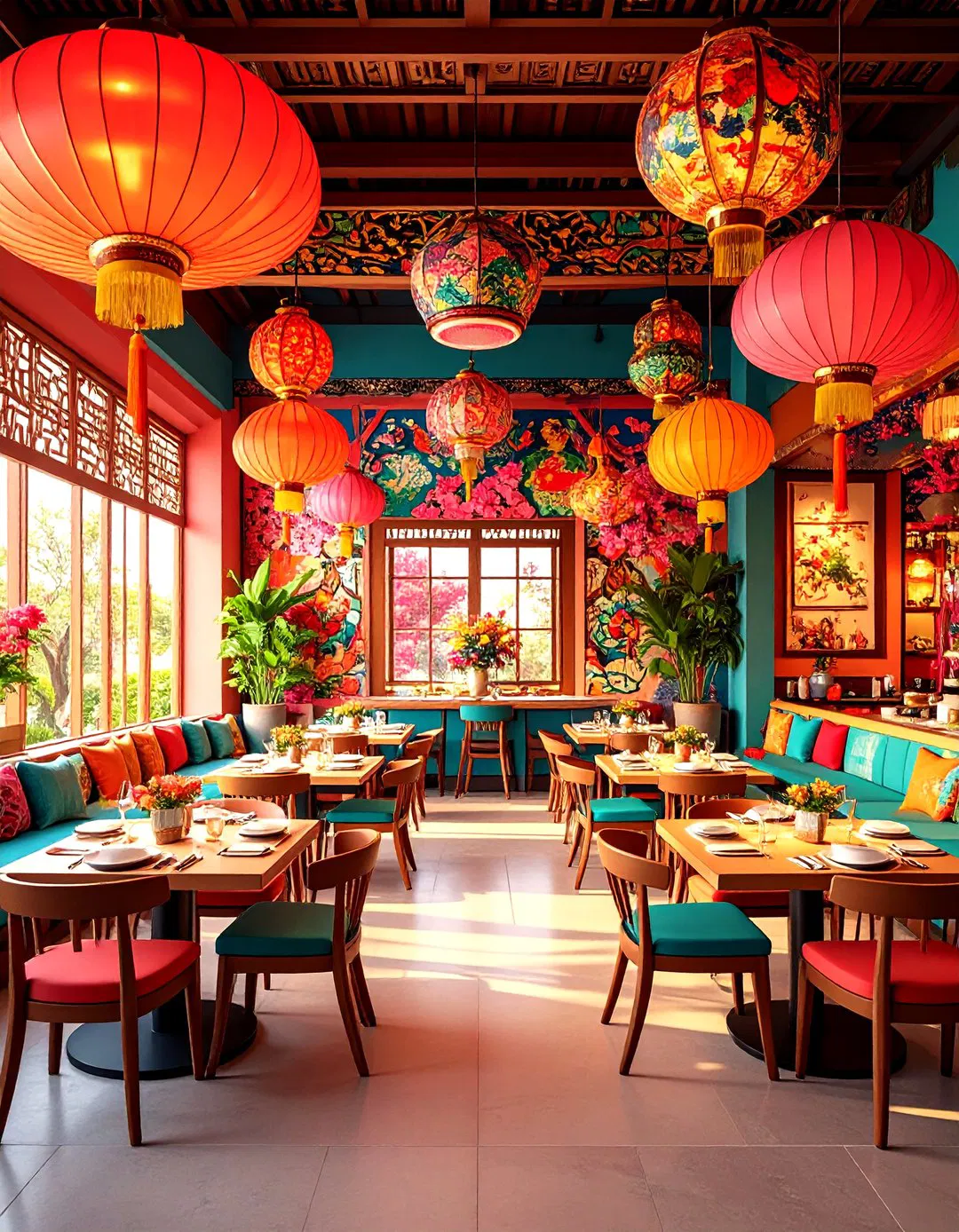
What emerges when diverse cultural aesthetics merge to reflect eclectic culinary influences? Fusion restaurant design harmonizes multiple traditions without creating discord. For example, blending Japanese minimalism with vibrant Mexican hues or Middle Eastern patterns with Scandinavian furniture. Success lies in shared elements like materials, color theory, or spatial concepts that unify while celebrating diversity. Authenticity demands research and respect to avoid cultural appropriation, honoring the origins of each influence. This approach crafts unique identities aligned with chefs’ visions, attracting adventurous diners eager for cultural exploration. Challenges include balancing aesthetics to prevent visual confusion and ensuring a cohesive dining atmosphere.
Exclusive Ambiance: Luxury Lounge Concepts
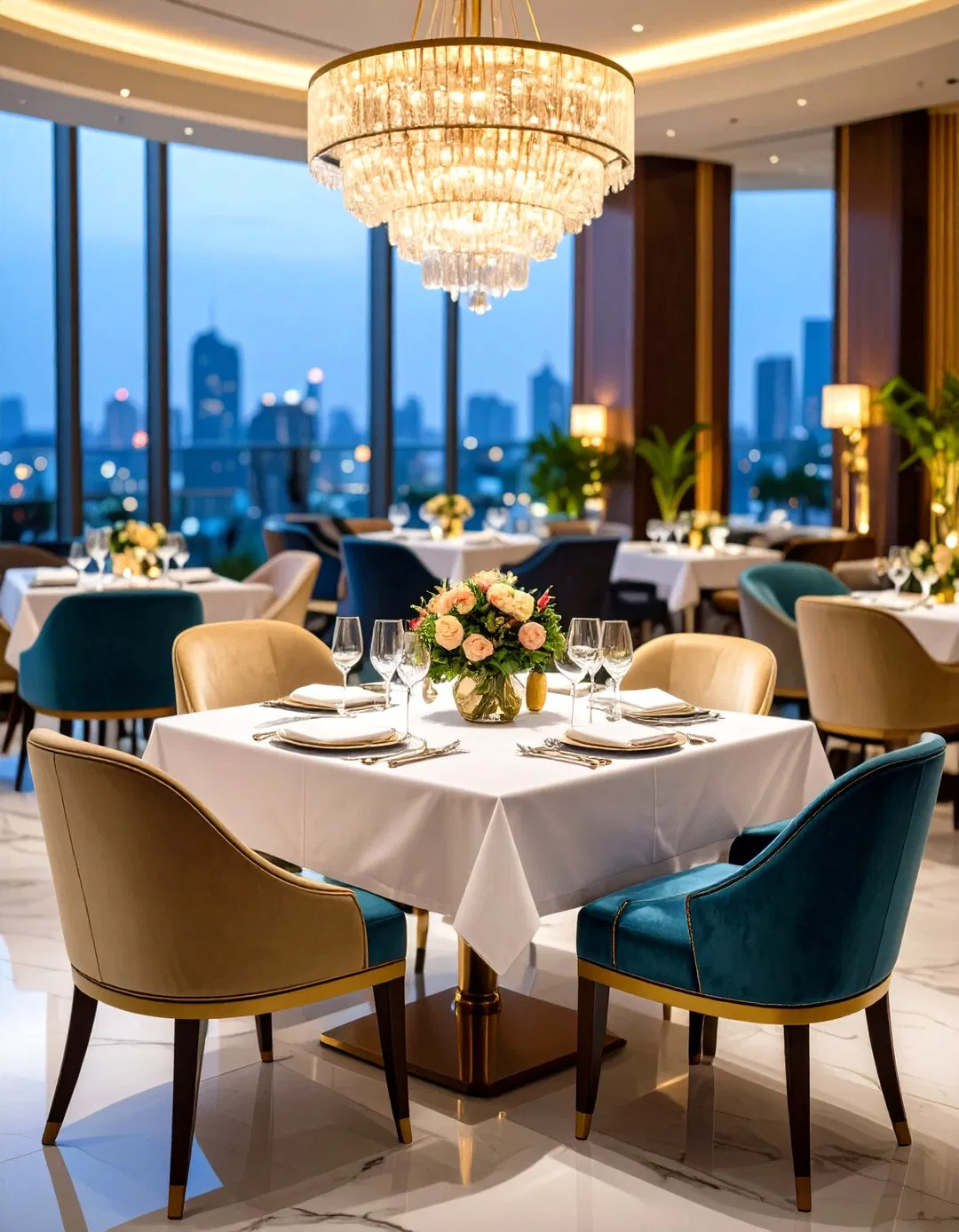
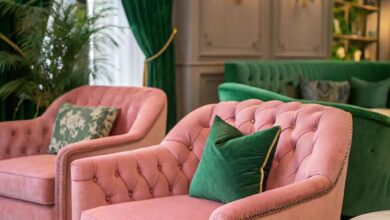
Can your venue offer VIP experiences that make every guest feel special? Luxury lounges feature sumptuous materials, refined lighting, and premium furnishings that exude elegance without excess. Plush velvet seating, marble countertops, and crystal fixtures create opulent yet approachable environments. Private seating, dedicated service areas, and amenities like coat checks or cigar storage enhance exclusivity. Personalized sound and climate controls demonstrate attention to comfort. This design suits cocktail bars, wine lounges, or fine dining where premium pricing reflects exceptional service. Marketing emphasizes exclusivity and personalized care, attracting celebratory and business clientele while fostering loyalty through consistently elevated experiences.
Conclusion: Crafting Spaces That Tell Stories
Restaurant interior design has transformed into a strategic asset that shapes guest experiences, operational flow, and brand identity far beyond mere decoration. The most impactful concepts weave together diverse elements-from biophilic materials and modular layouts to tech integration and cultural storytelling-creating immersive environments that resonate deeply with target audiences while advancing business goals. Whether prioritizing sustainability, honoring local heritage, or incorporating entertainment, thoughtful design narrates compelling stories that emotionally connect guests and elevate the culinary journey. Ultimately, exceptional design balances beauty and function, crafting spaces where unforgettable moments naturally unfold and patrons eagerly return for more.