Quartz Kitchen Countertops: An In-Depth Analysis of Benefits and Drawbacks
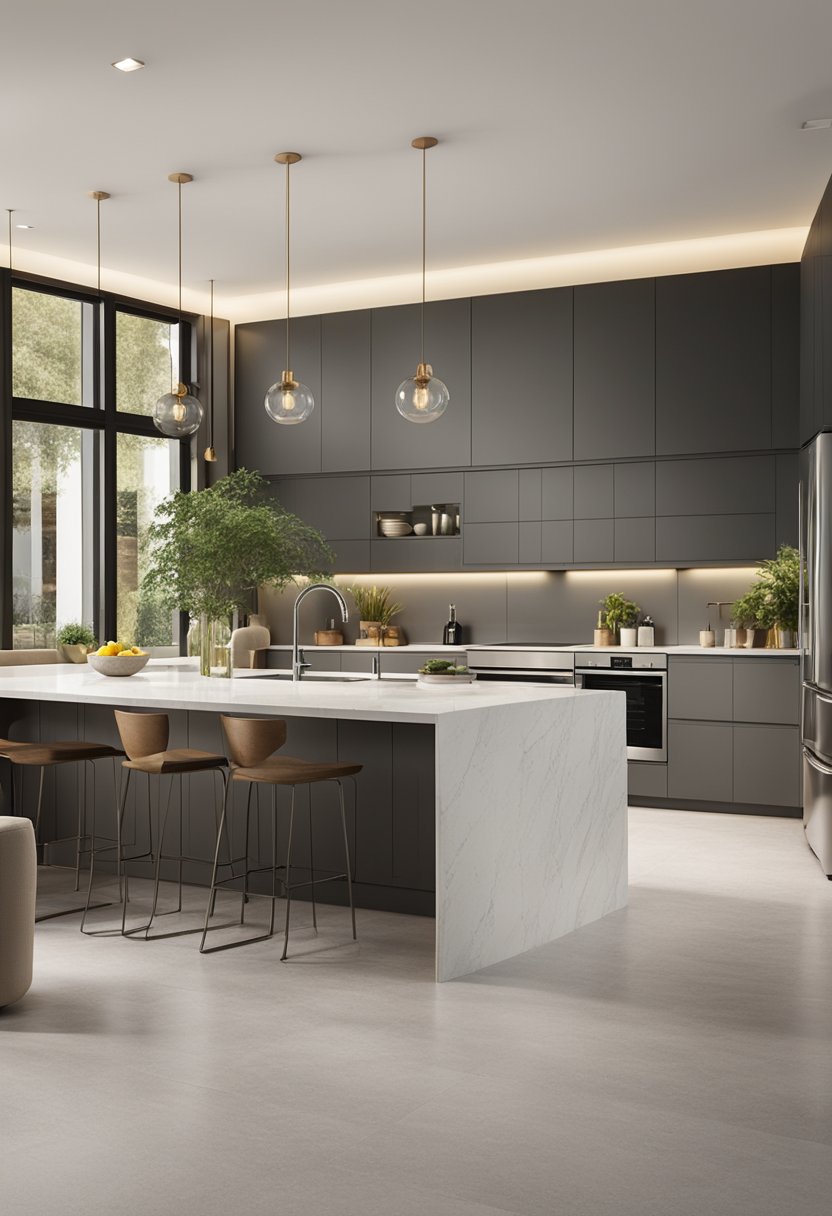
Quartz countertops have surged in popularity as a resilient and visually appealing choice for kitchen surfaces. Engineered from a blend of natural quartz crystals, resins, and pigments, these countertops offer a robust, non-porous finish that suits modern culinary spaces.
Understanding Quartz Countertops: Composition and Creation
Quartz countertops are a type of engineered stone, primarily composed of approximately 90-95% natural quartz, one of the hardest minerals found in nature. The remaining portion consists of durable resins, polymers, and color pigments that bind the quartz particles and provide a variety of aesthetic options.
The production process involves blending these components, then compressing the mixture under intense pressure before curing it at high temperatures. This method results in a dense, polished slab that is both scratch-resistant and impervious to stains, making it an excellent choice for kitchen environments.
Variety in Design
Thanks to the manufacturing process, quartz countertops come in an extensive palette of colors and patterns, ranging from solid hues to intricate veining that mimics natural stones like granite or marble. This versatility allows homeowners to tailor their kitchen surfaces to match any décor style.
Advantages of Quartz Countertops
Exceptional Durability
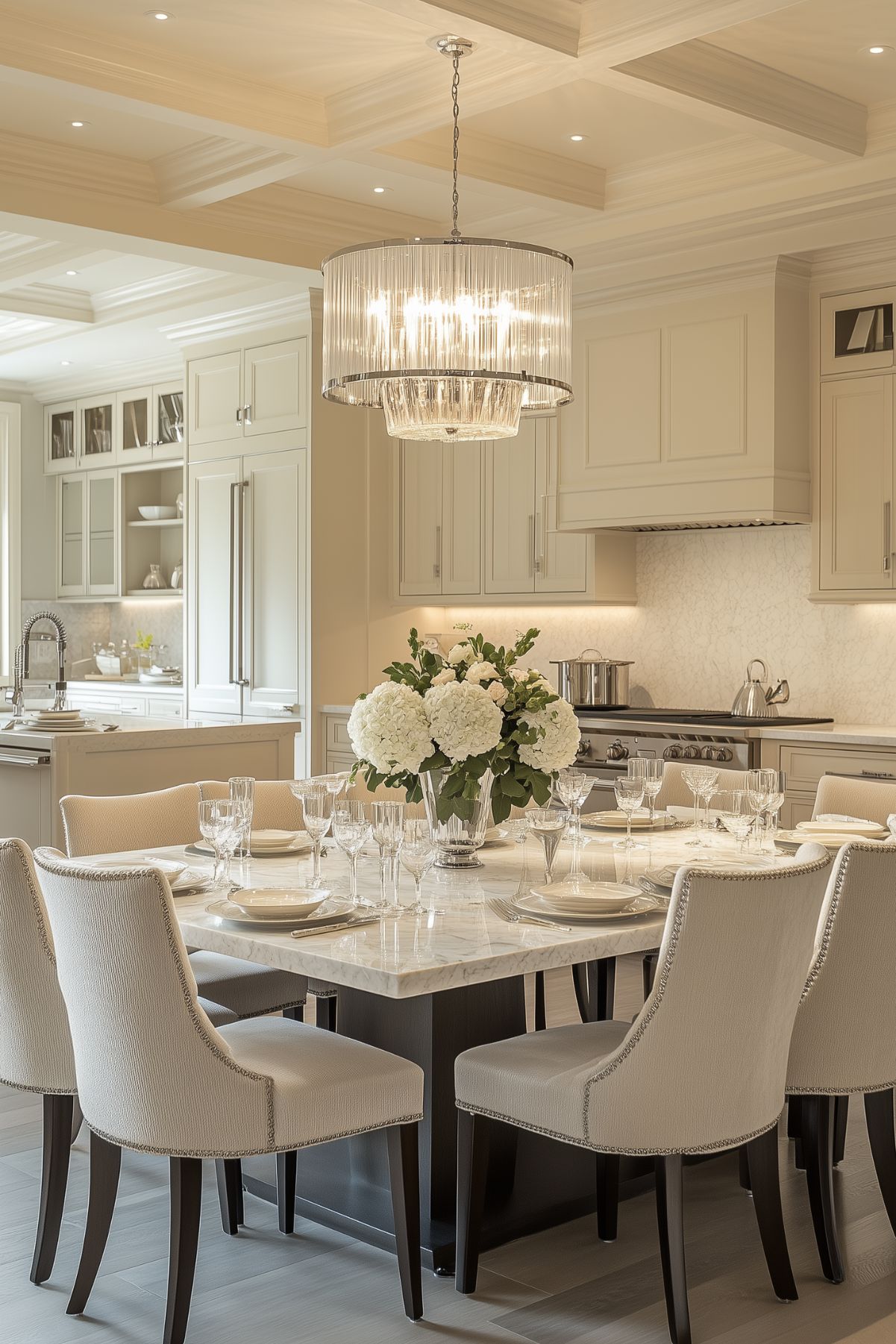
Quartz surfaces are renowned for their toughness. Their non-porous nature makes them highly resistant to scratches, stains, and heat damage. Unlike natural stones, quartz is less prone to chipping or cracking, which is ideal for kitchens with heavy daily use.
Effortless Upkeep
One of the standout features of quartz countertops is their minimal maintenance requirements. They do not need periodic sealing like granite or marble, and cleaning is as simple as wiping with mild soap and water. This ease of care contributes to a more sanitary kitchen environment, as quartz resists bacterial growth.
Design Flexibility
With a broad spectrum of colors and patterns, quartz countertops can be customized to fit any kitchen aesthetic. Options for edge profiles, integrated backsplashes, and sink cutouts further enhance their adaptability to various kitchen layouts.
Non-Porous Surface Benefits
The impermeable surface of quartz prevents liquids and stains from penetrating, making it a practical choice for kitchens prone to spills. This characteristic also eliminates the need for sealing, unlike many natural stone alternatives.
Considerations and Limitations of Quartz Countertops
Investment Cost
Quartz countertops tend to be on the higher end of the price spectrum compared to materials like laminate or even some granite options. Prices typically range from moderate to premium, influenced by the quality of the quartz and the complexity of installation. For those seeking budget-friendly alternatives, this cost factor is significant.
Heat Sensitivity
Although quartz is heat-resistant to a degree, it is not impervious to thermal shock. Placing hot cookware directly on the surface can cause discoloration, cracking, or damage to the resin binder. Using trivets or heat pads is strongly recommended to preserve the countertop’s integrity.
Vulnerability to Sunlight
Quartz can fade or discolor when exposed to prolonged ultraviolet (UV) light, especially darker shades. Kitchens with abundant natural light should consider this when selecting colors to ensure long-lasting vibrancy.
Environmental Impact and Sustainability
Environmental Considerations
While quartz is a natural mineral, the extraction and manufacturing processes can impact ecosystems through habitat disruption and resource consumption. However, many manufacturers are adopting greener practices, including the use of recycled materials and energy-efficient production methods, to reduce their environmental footprint.
Recyclability
One eco-friendly aspect of quartz countertops is their recyclability. At the end of their lifecycle, quartz slabs can be crushed and repurposed as aggregate in construction or new countertop materials, helping to minimize landfill waste.
Installation and Customization Insights
Professional Installation Required
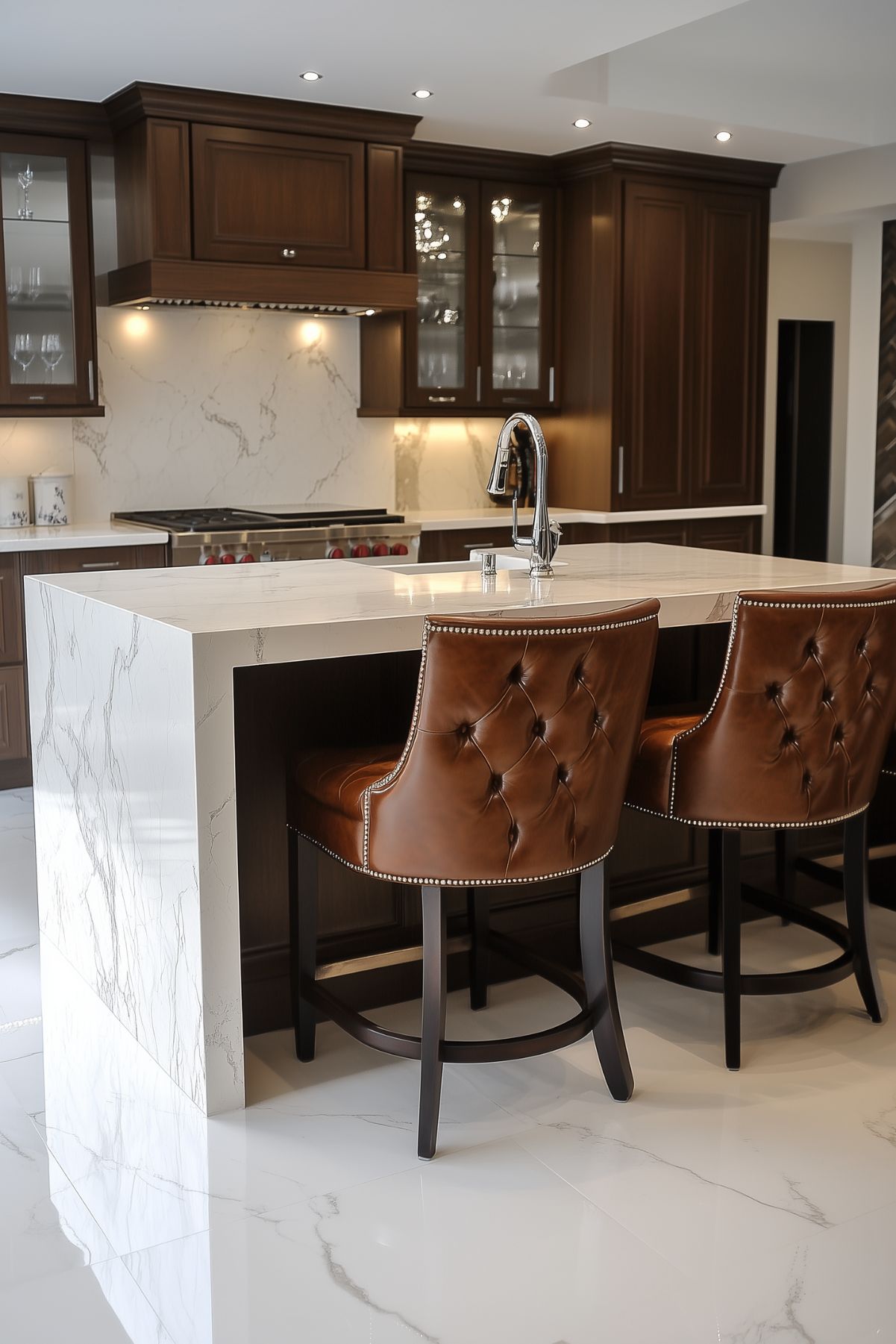
Due to the weight and precision required, quartz countertops should be installed by experienced professionals. Proper measurement, cutting, and fitting are essential to ensure durability and prevent damage. Additionally, expert installation guarantees that seams are minimized and the countertop is securely supported.
Tailored to Your Taste
Quartz countertops offer extensive customization options, from edge styles like beveled or bullnose to integrated backsplashes and sink cutouts. This flexibility allows homeowners to create a kitchen surface that aligns perfectly with their design vision.
Comparing Quartz with Other Popular Countertop Materials
Quartz vs. Granite
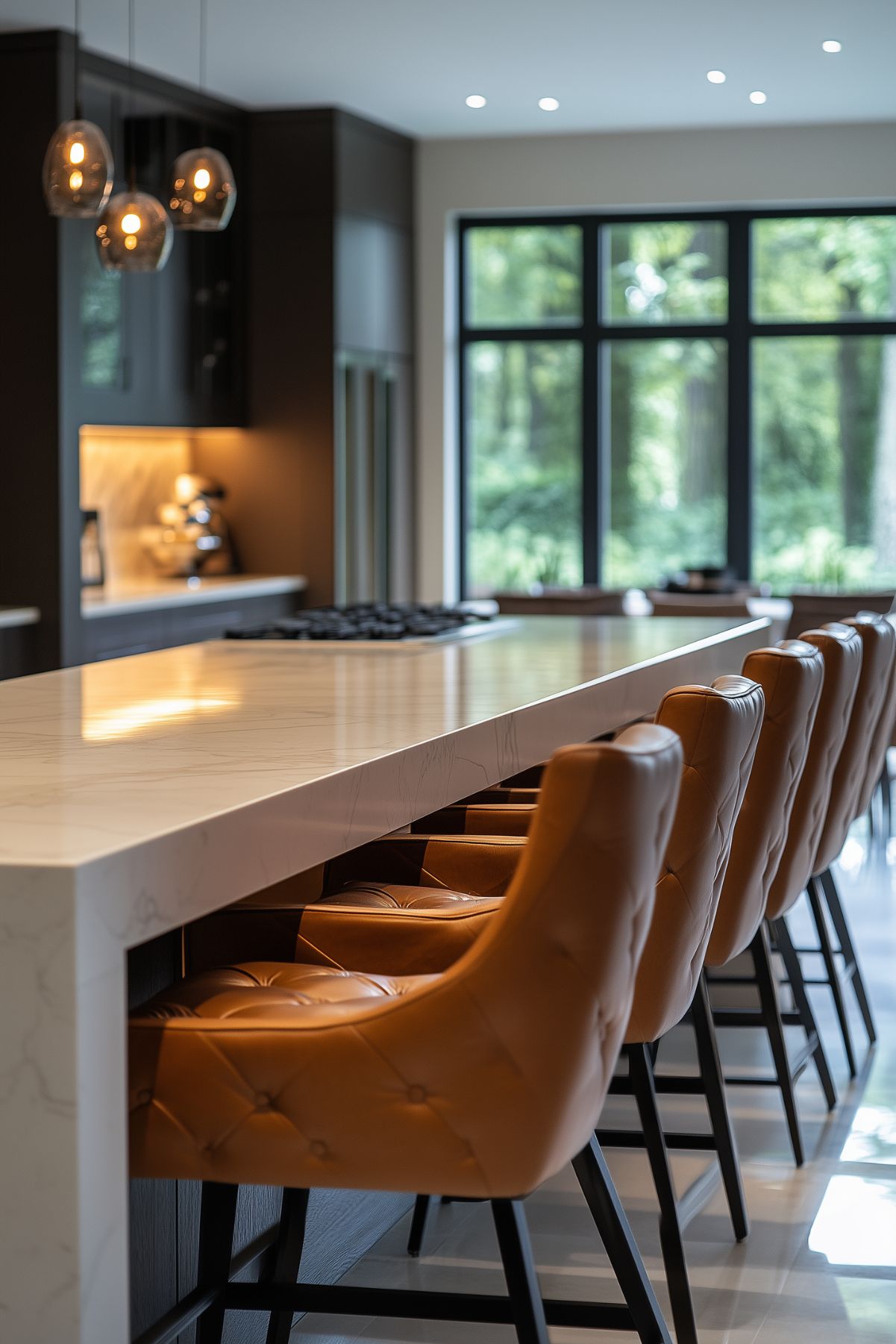
Granite is a natural stone prized for its unique, organic patterns and wide color range. However, it is porous and requires regular sealing to prevent stains and bacterial growth. Quartz, being non-porous, offers a more hygienic and low-maintenance alternative with consistent patterns and colors created during manufacturing.
Quartz vs. Marble
Marble is celebrated for its timeless elegance and distinctive veining but is softer and more susceptible to scratches, stains, and etching from acidic substances. Quartz provides a more durable, stain-resistant surface that mimics marble’s aesthetic while offering greater resilience and easier upkeep.
Maintaining Your Quartz Countertops: Best Practices
Keeping quartz countertops pristine involves simple daily habits and occasional preventive measures.
Daily Cleaning Tips
- Promptly wipe spills to avoid potential staining, even though quartz is stain-resistant.
- Use gentle cleaning agents like mild soap and warm water for routine cleaning.
- Avoid abrasive pads or harsh chemicals such as bleach or ammonia, which can damage the surface.
Long-Term Care Recommendations
- Always use cutting boards to protect the surface from scratches despite quartz’s scratch resistance.
- Place hot pads or trivets under hot cookware to prevent heat damage.
- Clean spills immediately to maintain the countertop’s appearance and integrity.
Durability and Warranty: What to Expect
Quartz countertops are engineered for longevity, often lasting several decades with proper care. Their resistance to common kitchen hazards like stains, scratches, and heat makes them a reliable investment.
Typical Lifespan
With attentive maintenance, quartz surfaces can endure for 25 to 50 years or more. The quality of the material and installation significantly influence this lifespan.
Warranty Coverage
Most manufacturers back their quartz products with warranties ranging from limited coverage of 10-15 years to lifetime guarantees. These warranties typically cover manufacturing defects but may vary in terms of installation and wear coverage. It’s crucial to review warranty details and adhere to care instructions to maintain validity.
Conclusion: Is Quartz the Right Choice for Your Kitchen?
Quartz countertops combine durability, ease of maintenance, and design flexibility, making them a favored option for many homeowners. Their non-porous surface offers superior resistance to stains and bacteria, while the broad selection of colors and patterns allows for personalized kitchen aesthetics.
However, the higher upfront cost and sensitivity to heat and UV exposure are important factors to weigh. Additionally, the weight of quartz necessitates professional installation to ensure safety and longevity.
For those seeking a balance between beauty and practicality, quartz countertops present a compelling solution that can elevate the functionality and style of any kitchen.
Explore a variety of quartz countertops and related kitchen surfaces to find the perfect fit for your home.