Incorporate Natural Materials into Your Kitchen Design: Easy Tips for a Stylish Look

Integrating Organic Elements into Your Kitchen: Practical Tips and Creative Ideas
Embracing natural materials in kitchen interiors has surged in popularity, offering a harmonious blend of warmth, functionality, and timeless beauty. By weaving in elements sourced from nature, you can transform your kitchen into a cozy and inviting haven that exudes character and charm.
Materials like timber, stone, and natural textiles introduce tactile richness and visual depth, elevating the overall ambiance of your culinary space.
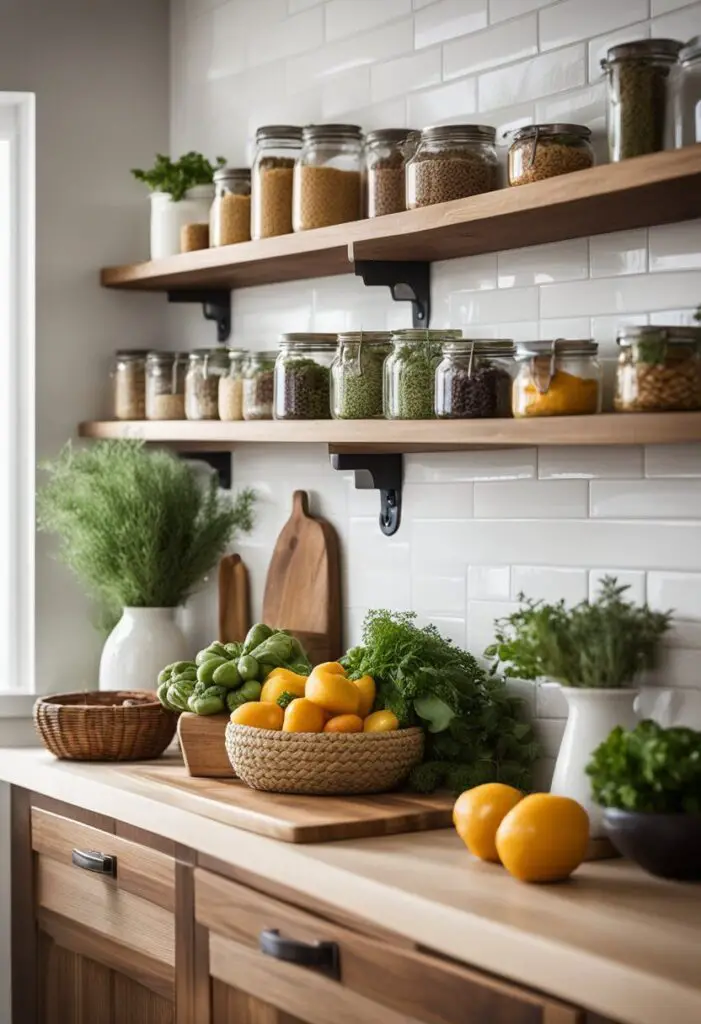
Recognizing the advantages of natural materials is essential when aiming to design a kitchen that feels both authentic and enduring.
These elements are not only robust and eco-conscious but also enhance your home’s market appeal.
Wood introduces a cozy texture and warmth, while stone surfaces like granite or marble infuse a sense of elegance and durability.
Incorporating textiles such as jute or sisal adds organic texture, and metallic details can bring a refined edge to your kitchen’s aesthetic.
Essential Insights
- Grasping the benefits of natural materials lays the foundation for a nature-inspired kitchen.
- Blending wood, stone, natural textiles, and metal accents enriches your kitchen’s texture and personality.
- Adopting sustainable design choices ensures your kitchen remains beautiful and functional over time.
Exploring Natural Materials: Types and Advantages
To effectively incorporate natural elements, it’s important to understand the variety of materials available and their unique benefits.
Varieties of Natural Materials
Natural materials originate from the earth and include options like wood, stone, and ceramics, prized for their resilience and aesthetic versatility in kitchen design.
Wood: A favored choice for cabinetry and flooring, wood offers a spectrum of hues and grains, lending warmth and durability to busy kitchen environments.
Stone: From countertops to flooring, stone varieties such as granite, quartz, and soapstone provide heat resistance and a luxurious feel.
Ceramic: This adaptable material is ideal for backsplashes and tiles, available in countless colors and patterns to suit any style.
Advantages of Natural Materials
Incorporating natural materials into your kitchen design brings multiple benefits:
- Longevity: These materials often withstand wear and tear better than synthetic alternatives, making them perfect for high-use areas.
- Unique Aesthetic: Each piece carries distinct textures and patterns, creating a one-of-a-kind look.
- Design Flexibility: Suitable for various applications, from countertops to flooring and decorative accents.
- Eco-Consciousness: Many natural materials are renewable or recyclable, supporting sustainable living.
Wood in Kitchen Design: Selection and Finishing
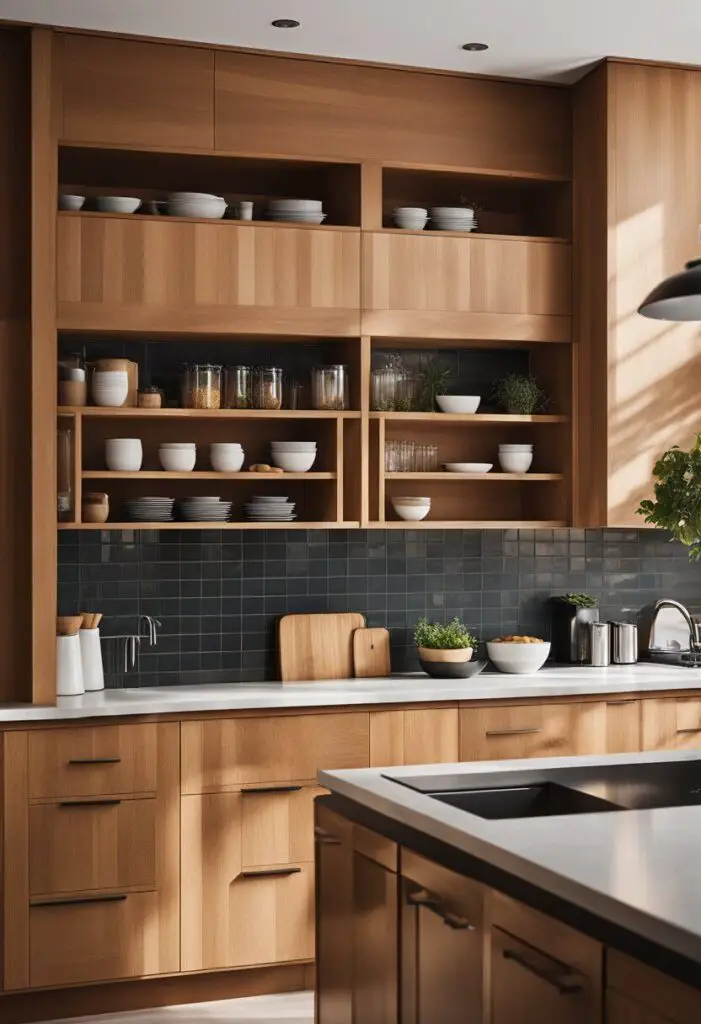
Wood remains a timeless material in kitchens, celebrated for its natural allure and strength. When selecting wood, consider species, grain patterns, and color to complement your kitchen’s style.
Selecting the Ideal Wood Species
Popular woods include oak, maple, cherry, and walnut, each offering distinct characteristics:
- Oak: Known for its pronounced grain and toughness, ideal for rustic or traditional kitchens.
- Maple: A lighter-toned wood with a smooth grain, perfect for contemporary or minimalist designs.
- Cherry: Offers a rich, warm hue with subtle grain, lending elegance to classic kitchens.
- Walnut: Dark and luxurious, often used in upscale kitchen designs.
Match your wood choice to your kitchen’s overall color palette and design theme for a cohesive look.
Wood Finishes and Protective Treatments
Finishing wood surfaces enhances their beauty and durability. Options include clear finishes that highlight natural grain or stains that adjust color to fit your décor.
Consider the finish’s resilience; matte finishes tend to conceal scratches better than glossy ones, while distressed finishes add character but may require more upkeep.
Sealing wood protects against moisture and stains, and periodic oiling can rejuvenate its natural luster.
Incorporating Stone: Selection and Upkeep
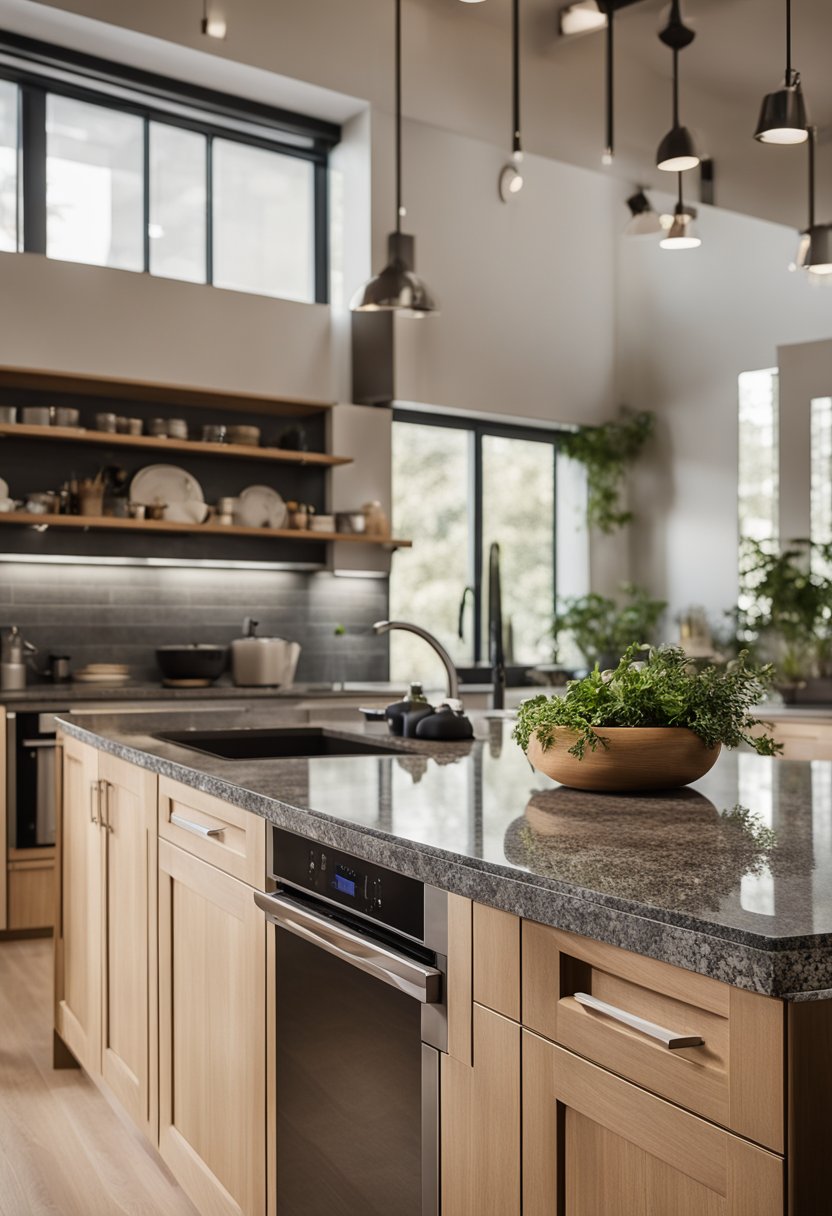
Stone surfaces bring sophistication and durability to kitchens. Choosing the right stone depends on your kitchen’s style, usage, and maintenance preferences.
Choosing the Perfect Stone
Consider these factors when selecting stone:
- Style Compatibility: Polished granite or marble suits modern kitchens, while textured slate or sandstone complements rustic designs.
- Durability: Granite and quartz resist scratches and heat well, whereas marble requires more careful maintenance.
- Color and Pattern: Select stones that harmonize with cabinetry and flooring; bold patterns can serve as focal points in neutral spaces.
Stone Care Tips
- Wipe spills promptly to avoid stains.
- Use cutting boards to protect surfaces from scratches.
- Avoid placing hot cookware directly on stone to prevent damage.
- Clean regularly with gentle soap and water; steer clear of acidic or abrasive cleaners.
Natural Textiles: Adding Warmth and Texture
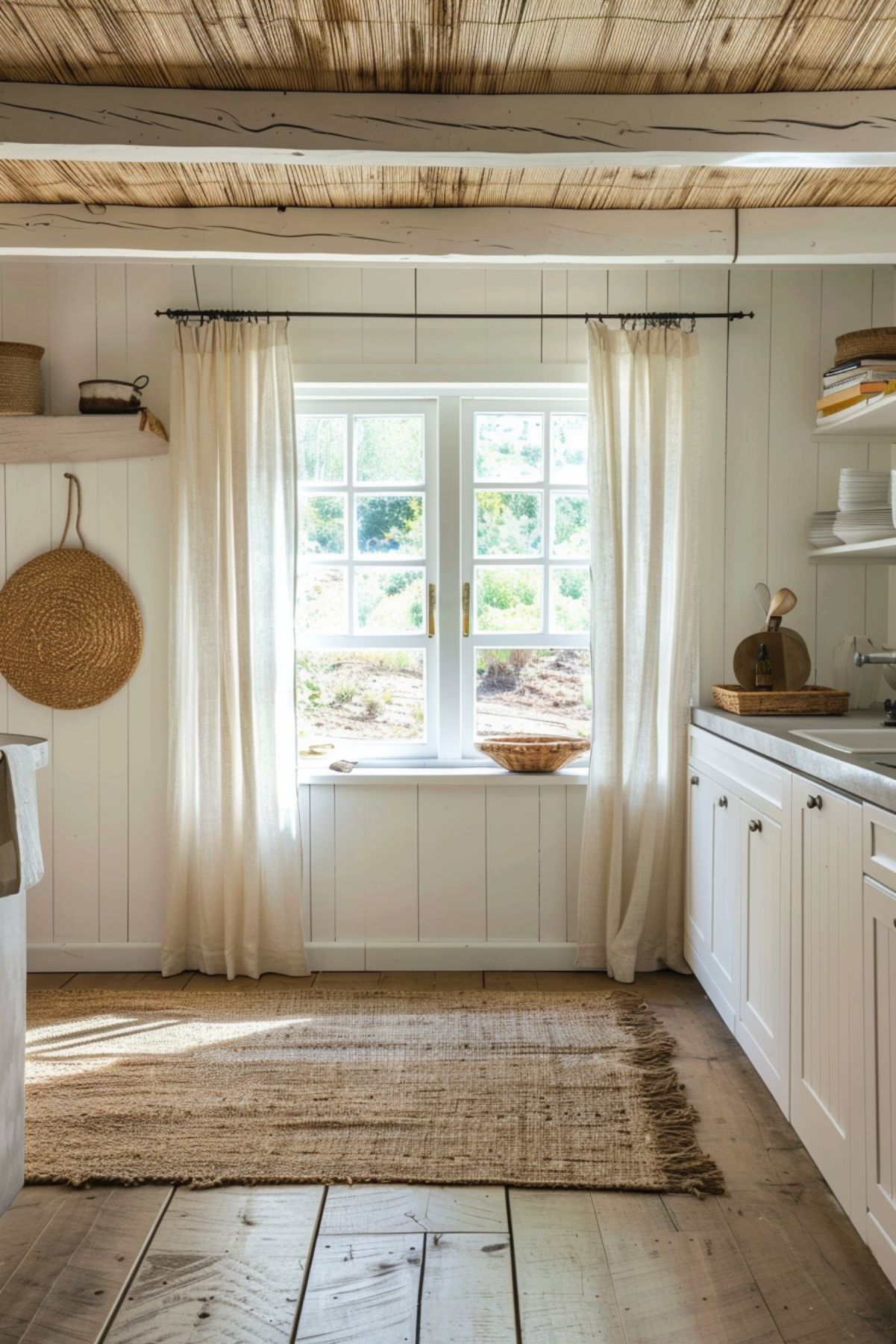
Natural fibers are an excellent way to introduce softness and organic texture into your kitchen. These materials are renewable, biodegradable, and contribute to a cozy atmosphere.
Popular Natural Fibers
Options include cotton, linen, hemp, jute, sisal, and wool, each with unique qualities:
- Cotton: Soft and breathable, ideal for kitchen towels and napkins.
- Linen: Durable and absorbent, perfect for aprons and table linens.
- Hemp: Strong and resistant to mold, suitable for rugs and mats.
Incorporating Textiles into Your Kitchen
- Use cotton or linen towels and napkins in neutral tones to add subtle texture.
- Choose linen or cotton aprons and oven mitts for a rustic, natural vibe.
- Dress your table with hemp or linen tablecloths and placemats for a welcoming feel.
- Place jute or sisal rugs to introduce warmth and durability underfoot.
Metal Accents: Enhancing Kitchen Style
Metal details add a contemporary flair and can beautifully contrast with natural materials in your kitchen.
Popular Metal Choices
- Stainless Steel: Favored for appliances and fixtures due to its durability and sleek appearance.
- Copper: Adds warmth and vintage charm, ideal for hardware and cookware.
- Brass: Offers a rich, golden tone perfect for lighting and cabinet handles.
- Aluminum: Lightweight and corrosion-resistant, often used in backsplashes and countertops.
Blending Metals with Natural Elements
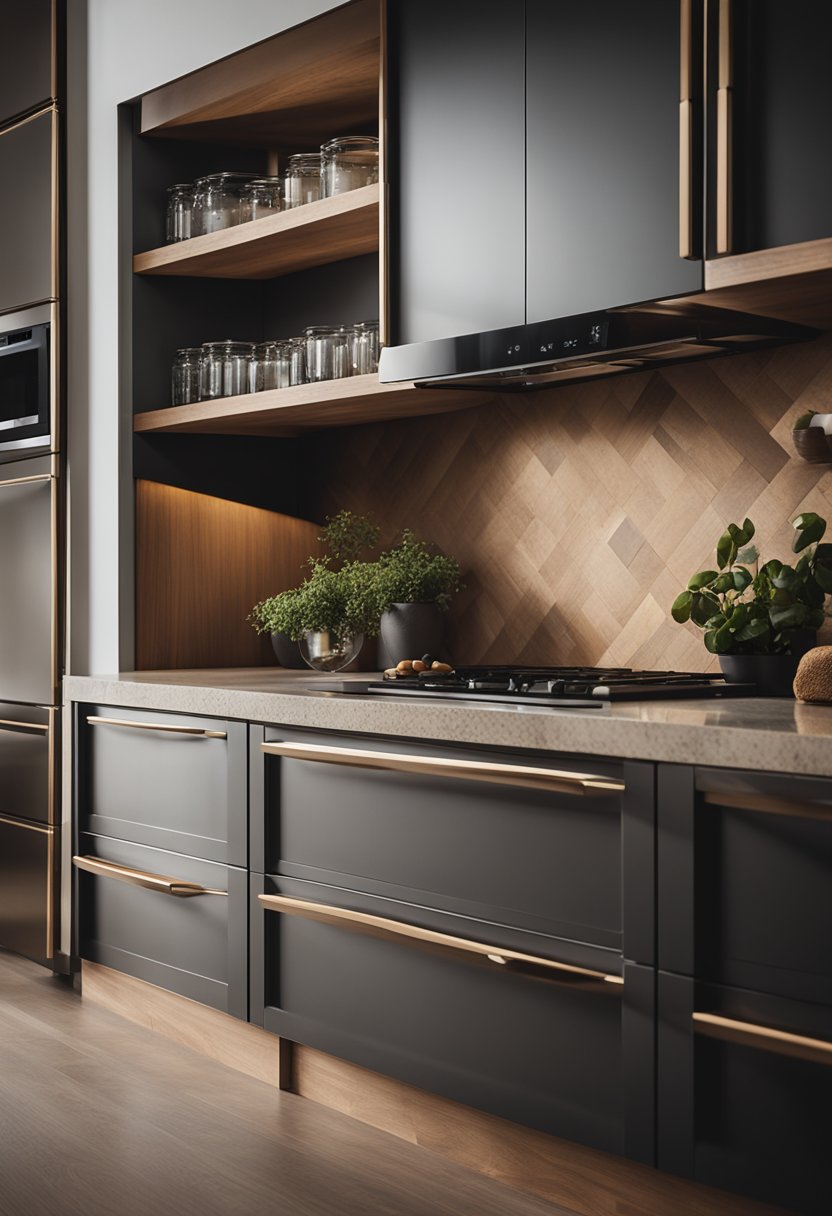
- Wood: Pair metal fixtures with wooden cabinetry for a balanced rustic-modern look.
- Stone: Combine metal hardware with stone countertops to achieve a polished, contemporary style.
- Glass: Use metal accents alongside glass cabinet doors for a sophisticated, airy feel.
Bringing Greenery Indoors
Introducing plants into your kitchen is a simple yet effective way to infuse natural vibrancy.
Plants improve air quality, add color, and create a calming environment. Popular choices include culinary herbs like basil, mint, and thyme, which also serve practical cooking purposes.
Consider vertical gardens using wall-mounted planters or shelves to maximize space. Succulents and air plants are excellent low-maintenance options for these setups.
Optimizing Natural Light
Enhancing natural light amplifies the organic feel of your kitchen, making it appear more spacious and welcoming.
Replace heavy drapes with sheer curtains or blinds to allow sunlight to filter through. Installing skylights or additional windows above sinks can further brighten the space.
Light-colored cabinetry and countertops also reflect sunlight, contributing to a luminous atmosphere.
Sustainable Kitchen Design Practices
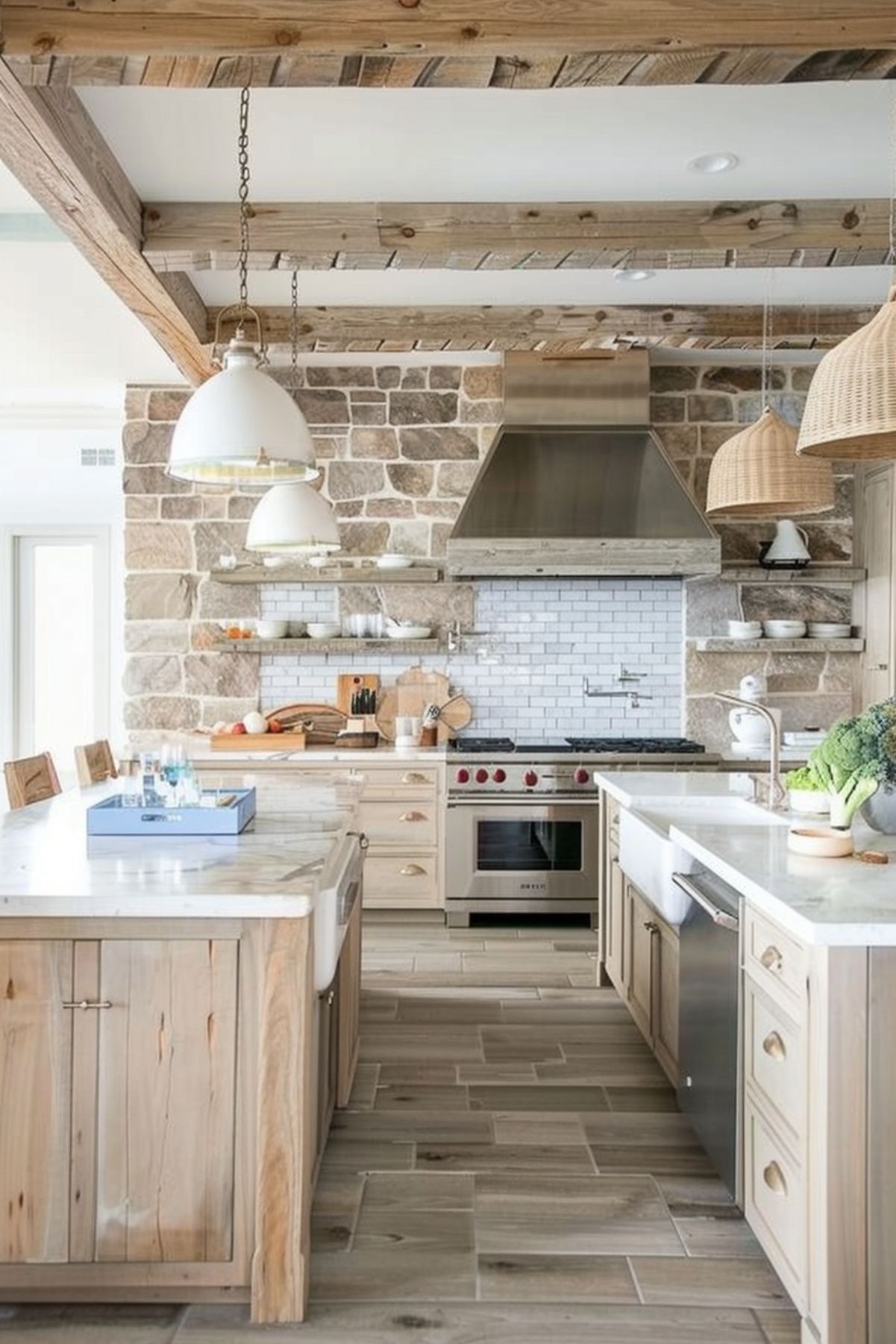
Integrating natural materials thoughtfully also means embracing sustainability to minimize environmental impact.
Choosing Eco-Conscious Materials
Opt for renewable, recycled, or reclaimed materials to reduce waste and resource consumption.
Bamboo, a rapidly renewable resource, is excellent for flooring, cabinetry, and countertops. Reclaimed wood adds unique character while promoting reuse. Additionally, recycled glass countertops offer durability and a modern aesthetic.
Energy-Saving Appliances
Incorporate energy-efficient kitchen appliances to lower utility costs and environmental footprint.
Look for products bearing the Energy Star certification, which ensures compliance with strict energy-saving standards.
Consider convection ovens, which cook faster and consume less energy compared to traditional models.
Natural Accessories to Complement Your Kitchen
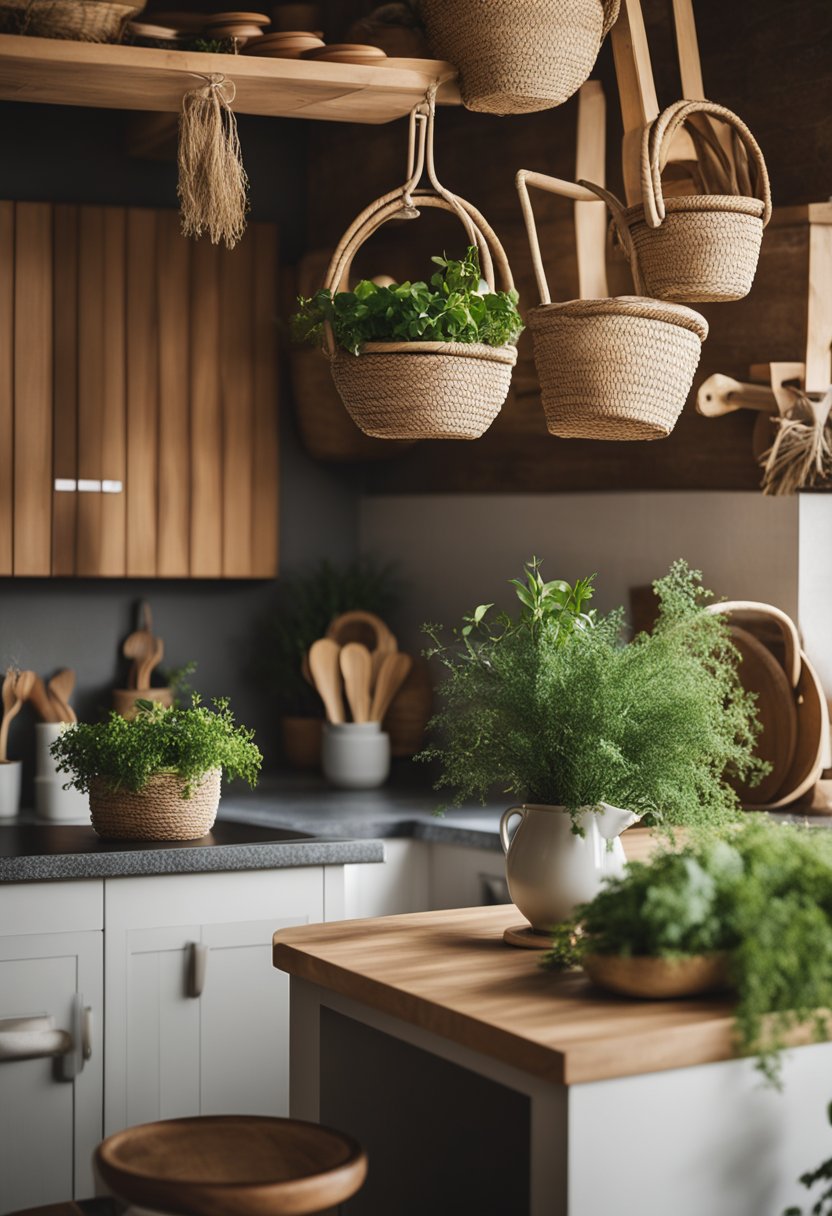
Beyond structural elements, accessorizing with natural materials can unify your kitchen’s design and add functional beauty.
- Wooden Cutting Boards: Durable and versatile, they double as serving platters and bring warmth to your prep area.
- Natural Fiber Rugs: Rugs made from jute, sisal, or seagrass introduce texture and withstand kitchen traffic.
- Ceramic Canisters: Organize pantry staples with ceramic containers featuring natural finishes for added texture.
- Live Plants: Fresh herbs or potted greenery enhance air quality and add vibrant color.
- Stone Coasters: Protect surfaces while adding subtle natural accents.
Preserving Natural Materials: Care and Durability
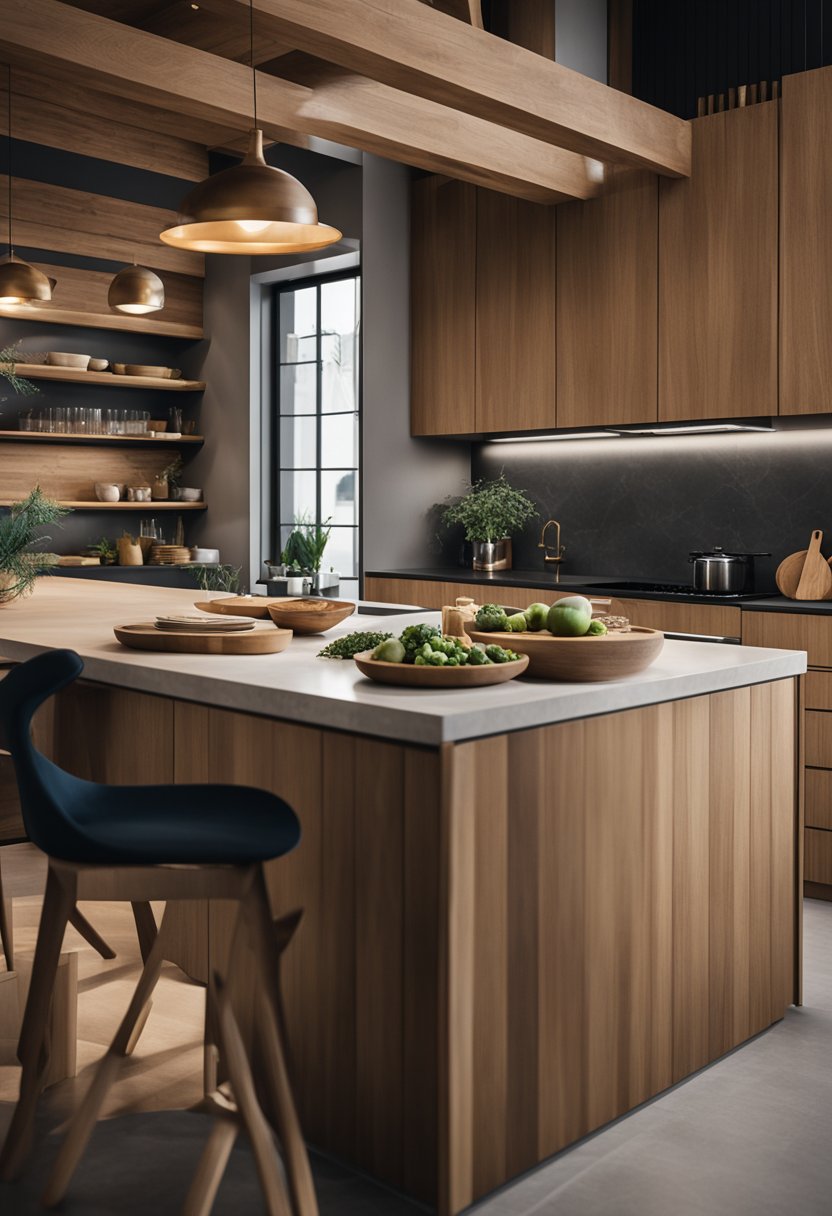
Proper Maintenance for Longevity
Natural materials require attentive care to maintain their beauty and functionality.
For instance, wood countertops benefit from sealing with food-safe finishes to guard against moisture and stains. Routine cleaning with mild soap and water preserves surfaces without causing damage.
Protect stone countertops by avoiding direct cutting and using cutting boards to prevent scratches.
Durability and Repair Strategies
With appropriate upkeep, natural materials can endure for decades. Granite, for example, is highly resistant to heat and scratches, whereas marble demands more delicate handling.
Minor imperfections like scratches or stains can often be remedied through sanding or polishing. More significant damage may require professional repair or replacement to maintain your kitchen’s integrity.
In conclusion, thoughtfully integrating natural materials into your kitchen design enriches the space with warmth, texture, and timeless appeal. Prioritizing proper care and sustainable choices ensures your kitchen remains a beautiful and functional heart of your home for years to come.