Feeling like your vegetable garden isn’t reaching its full potential? Want to make the most of your limited outdoor area? As an urban gardening enthusiast and lifestyle writer based in New York City, I’ve witnessed countless city dwellers revolutionize their green spaces by embracing vertical gardening combined with companion planting.
These forward-thinking strategies enable you to cultivate a larger harvest within a compact footprint, while simultaneously boosting your garden’s vitality and aesthetic appeal. Whether you’re an experienced gardener or just embarking on your vegetable-growing journey, the insights below will unlock fresh opportunities for your garden’s success.
Transform your balcony, patio, or backyard into a lush, productive haven. From innovative vertical structures to smart plant partnerships, here are 10 inventive approaches to elevate your vegetable garden through vertical and companion planting techniques. Let’s get started!
Vertical Gardening Reimagined
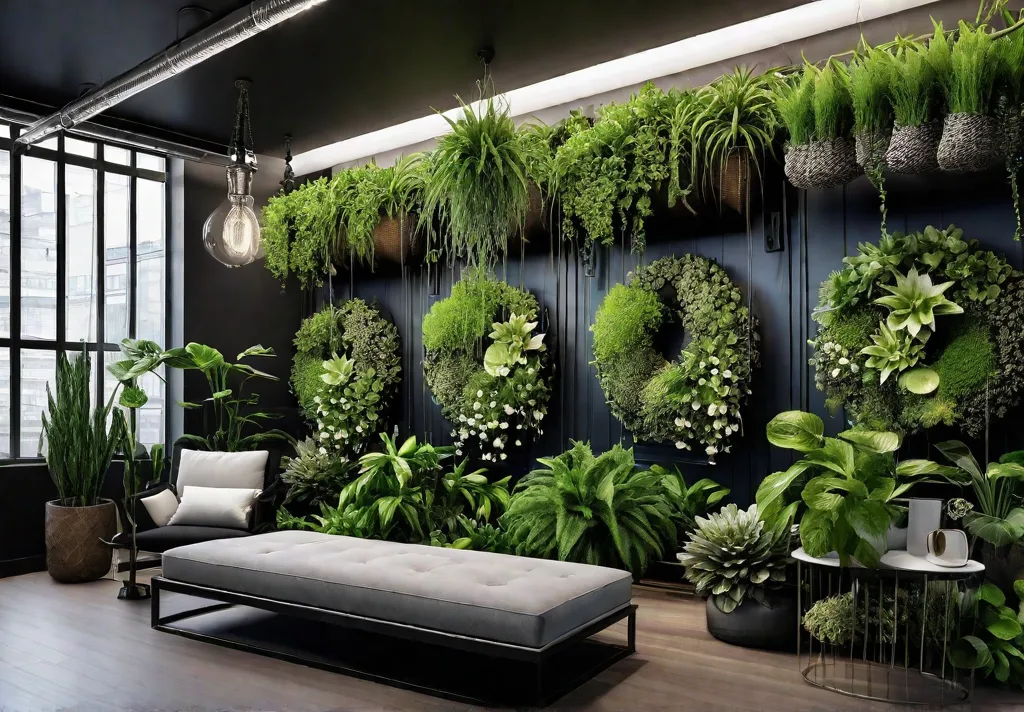
Vertical gardening is a revolutionary method that shifts plant growth upward rather than outward, making it ideal for maximizing space in urban environments. By utilizing vertical supports such as trellises, wall-mounted planters, or stacked containers, you can dramatically expand your planting area without enlarging your garden’s footprint.
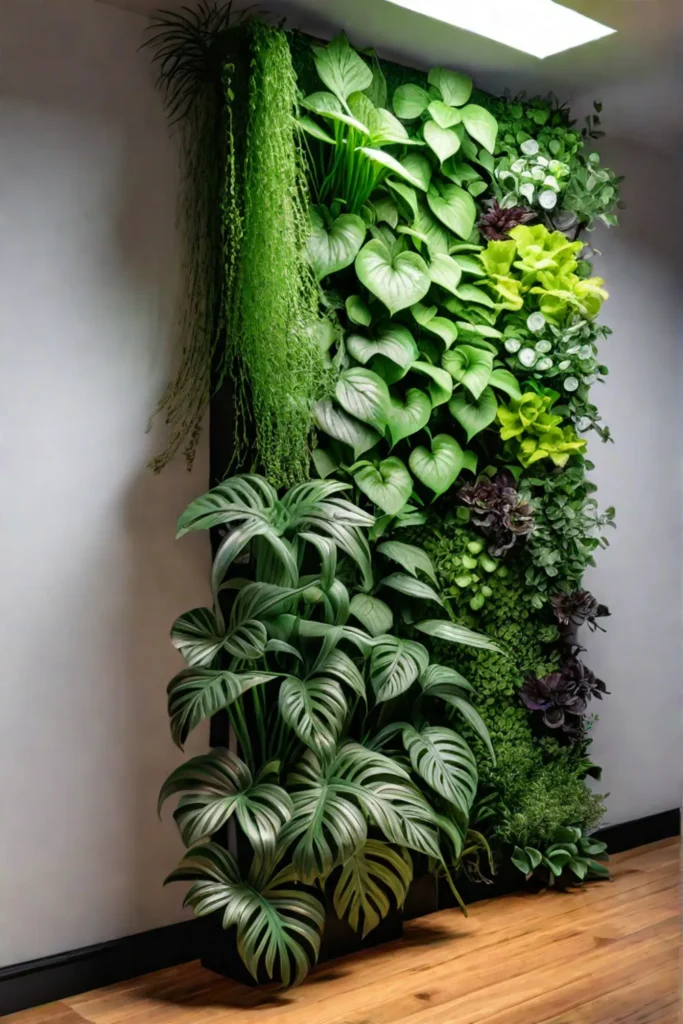
Beyond space efficiency, vertical gardens contribute to improved air circulation, natural cooling effects, and even noise reduction-benefits that enhance your outdoor environment. For instance, vertical green walls have been shown to reduce ambient temperatures by several degrees, making them a smart choice for city dwellers.
When designing your vertical garden, prioritize durable materials capable of supporting plant weight and ensure your crops receive adequate sunlight exposure. With thoughtful planning, vertical gardening can transform even the smallest outdoor areas into thriving vegetable oases.
Mastering Companion Planting
Companion planting is an ancient gardening practice that involves pairing plants to foster mutual benefits. By understanding which species complement each other, you can naturally enhance pest resistance, improve soil fertility, and boost pollination rates.
For example, certain herbs like rosemary and thyme emit scents that deter common pests, protecting neighboring vegetables without the need for chemicals. Meanwhile, legumes such as peas and beans enrich the soil by fixing nitrogen, supporting the growth of heavy feeders like tomatoes.
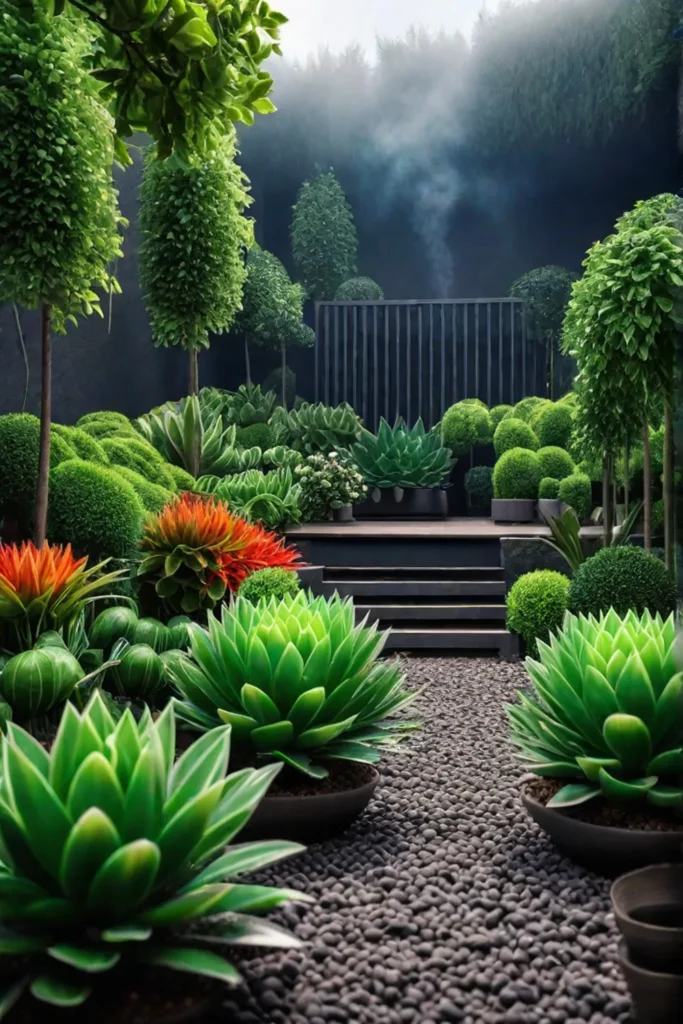
Classic combinations like tomatoes paired with basil not only improve flavor but also enhance growth and pest resistance. The key is to research plant compatibilities and experiment with pairings that suit your garden’s unique conditions.
Innovative Vertical and Companion Planting Strategies
Ready to revolutionize your vegetable garden? Here are ten creative methods that blend vertical gardening with companion planting to maximize productivity and garden health:
Upcycled Pallet Planters
Transform discarded wooden pallets into vertical garden beds by lining them with breathable fabric and filling with nutrient-rich soil. This eco-friendly and cost-effective approach is perfect for growing herbs, leafy greens, or strawberries in tight spaces.
Climbing Vegetable Trellises
Set up robust trellises made from bamboo, metal, or recycled materials to support vining crops like pole beans, cucumbers, and peas. This not only conserves ground space but also creates a striking vertical garden feature.
Suspended Hanging Baskets
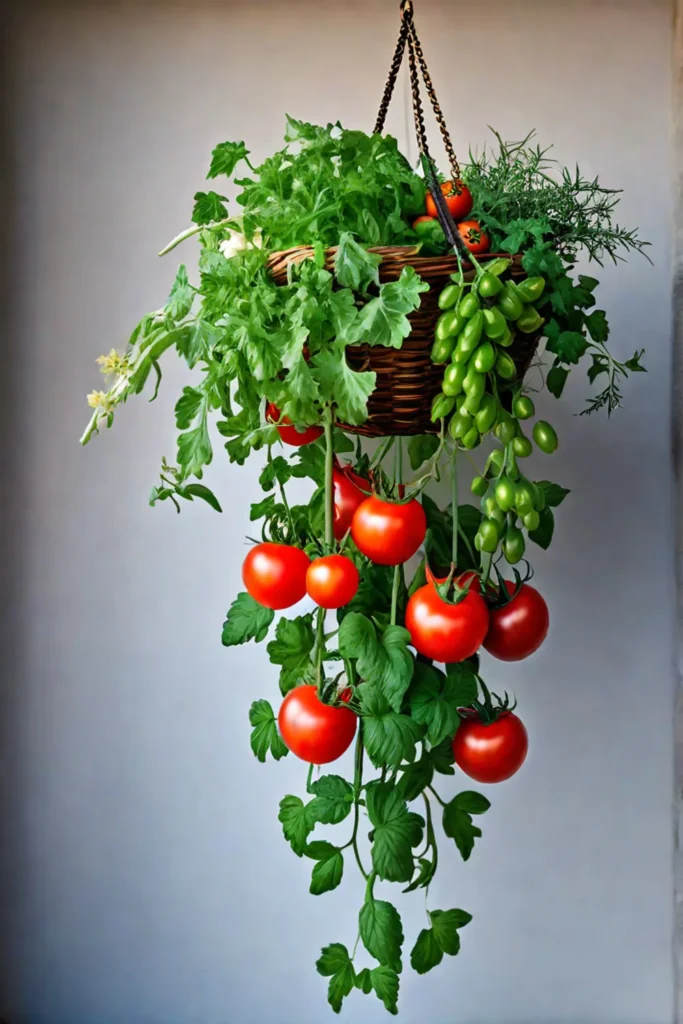
Utilize hanging baskets to cultivate compact vegetables and herbs such as cherry tomatoes, chives, or lettuce. Hanging your garden vertically is especially advantageous for balconies or patios with limited floor area.
Symbiotic Three Sisters Plot
Recreate the traditional “Three Sisters” planting by growing corn, climbing beans, and sprawling squash together. The corn stalks serve as natural supports for beans, while squash leaves shade the soil, reducing weeds and moisture loss.
Nutrient Grouping: The Rule of Three
Cluster plants with similar nutrient demands-like spinach, radishes, and lettuce-to optimize soil health and resource use. This method helps maintain balanced soil fertility and prevents nutrient depletion.
Intercropping for Space Efficiency
Mix fast-growing crops such as radishes with slower-developing plants like broccoli. Harvesting the quick growers early frees up space and light for the slower crops to flourish, maximizing your garden’s output.
Square Foot Gardening Method
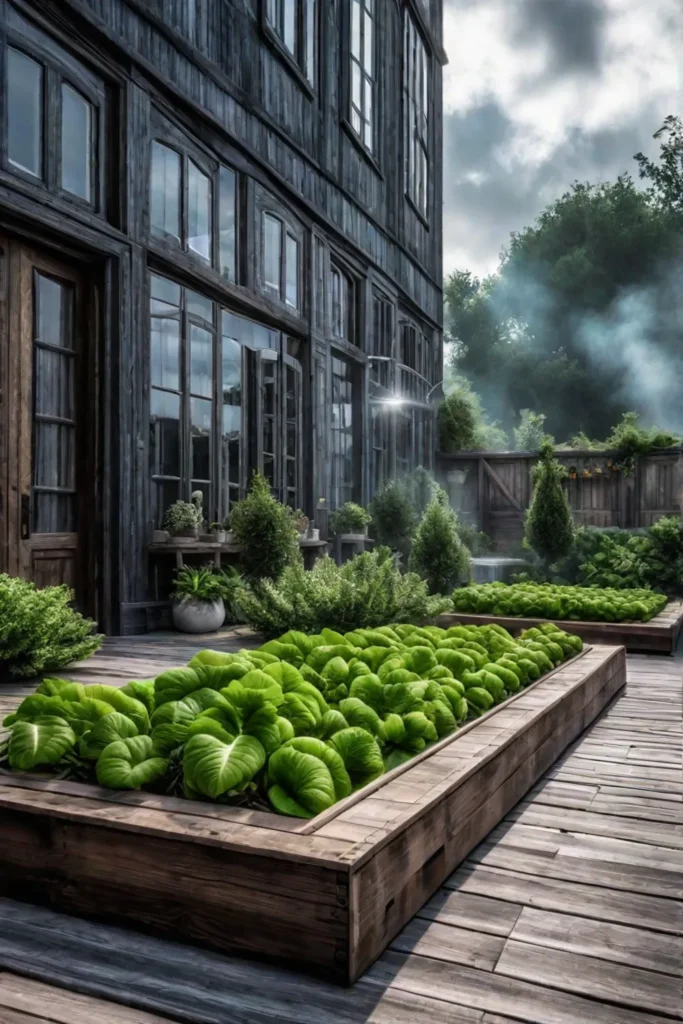
Divide your garden beds into one-foot squares, dedicating each section to a specific crop. This organized layout simplifies planting, watering, and harvesting while maximizing space efficiency.
Keyhole Bed Design
Construct raised beds shaped like a keyhole, featuring a central access path. This design minimizes soil compaction by eliminating the need to step on planting areas, promoting healthier root systems.
Modular Vertical Herb Wall
Create a living herb wall using modular planters mounted on exterior walls. This setup keeps fresh herbs like parsley, cilantro, and mint within arm’s reach while adding greenery to your space.
Container Vegetable Gardening
Utilize containers filled with premium potting soil to grow vegetables on balconies, rooftops, or patios. This flexible method suits urban gardeners craving fresh produce without a traditional garden plot. Explore a variety of container vegetable garden options to find the perfect fit for your space.
Final Thoughts
By integrating vertical gardening with companion planting, you can dramatically increase your vegetable garden’s productivity, health, and visual appeal-regardless of your available space. These innovative techniques empower you to cultivate a flourishing garden that reflects your personal style and gardening goals.
So, why wait? Equip yourself with gardening essentials, experiment with diverse plant combinations, and watch your garden thrive in new and exciting ways. Remember, the most rewarding gardens are those nurtured with creativity and passion.
Happy growing to all urban gardeners! I’m excited to see how you transform your green spaces.